

Journal of Applied Language Learning(JALL)
ISSN: 3068-1332 | DOI: 10.33140/JALL


Research Article - (2025) Volume 2, Issue 2
Exploring the Power of Persuasion in Written Argumentation: A Mixed-Methods Pilot Study (QASA)
Received Date: Aug 01, 2025 / Accepted Date: Sep 03, 2025 / Published Date: Sep 05, 2025
Copyright: ©2025 Winnie-Karen Giera, et al. This is an open-access article distributed under the terms of the Creative Commons Attribution License, which permits unrestricted use, distribution, and reproduction in any medium, provided the original author and source are credited.
Citation: Giera, W. K., Stede, M., Deutzmann, L., Gra
Abstract
This mixed-methods pilot study examines the effects of structured classroom debate training on the written persuasiveness of pro–con argumentative essays produced by ninth-grade students in non-academic-track schools. The research forms part of the “Fair Debating and Written Argumentation” project, the first in a German-speaking context to systematically integrate oral and written argumentation instruction. In the QASA (Qualitative Argumentation Structure Analysis) sub- study, 18 essays from nine students were analyzed before and after a six-session debate intervention. Quantitative five- point ratings, based on a validated writing assessment framework and qualitative argumentation structure mapping, indicated that most students increased the number and variety of arguments, incorporated more examples, and improved their overall persuasive coherence. These findings align with international evidence demonstrating that structured debate fosters critical thinking and supports the transfer of skills from oral to written argumentation. Implications for inclusive writing instruction, formative feedback through argument structure diagrams, and the design of integrated oral–written argumentation curricula are discussed.
Keywords
Argumentation, Intervention Study, QASA
Introduction
Argumentation is a fundamental competence in modern societies, essential for professional, political, and civic life. It is widely recognized as a core skill for academic success and active democratic participation [1-3]. In an era of unlimited digital information access, young people increasingly identify as “digital citizens” and must navigate not only factual argumentation but also misinformation and populist rhetoric. International organizations such as UNESCO emphasize that the ability to exchange perspectives and adapt one’s viewpoint in light of new evidence is central to lifelong learning and civic engagement. Similarly, the OECD identifies argumentation as a key competence for building personal convictions and engaging in democratic decision-making [4,5]. In democratic societies, argumentative competence plays a critical role in fostering perspective-taking and generating solutions to controversial issues. Language and literature instruction can contribute meaningfully to this goal by explicitly teaching both oral and written argumentation using empirically validated approaches [1,6]. International research shows that written argumentation can benefit from prior oral argumentation training [7,8].
Structured debate has proven effective in promoting oral argumen- tative competence and fostering civic engagement [9]. Debate al- lows students to engage with controversial issues in a regulated format that mirrors democratic practices, and its structure closely parallels the organization of written pro–con argumentative es- says. However, little empirical work has examined the relation- ship between debate training and the development of written ar- gumentative competence. Furthermore, there is a need to develop qualitative methods that assess the quality of argumentative texts as accurately as possible so that teachers can give students better feedback.
These research gaps are addressed by the empirical teaching and research project “FDE” (in English: Fair Debating and Written Argumentations/ in German: Fair Debatttieren and Erörtern). As part of this project, two lesson series were implemented at six secondary schools in Germany (both academic and non-academic tracks) between October 2021 and May 2022. These interventions, each comprising six 90-minute sessions, focused on debate (oral argumentation) and writing (written argumentation). As part of an accompanying screening process, students’ written argumentation skills were assessed by pro-and-con argumentation essays (Giera, in press). But how can the quality of these essays—written by ninth- grade students—be comprehensively and thoroughly assessed? This article presents the QASA (Qualitative Argumentation Structure Analysis) sub-study, which focuses on a sample of ninth- grade students from non-academic-track schools (n = 9) and their 18 pro-and-con argumentation essays. QASA describes a method for analyzing argumentation structures in student texts using structural diagrams. This study investigates the extent to which written argumentation competence can be enhanced through debate training in non-academic-track students by assessing the persuasiveness of their argumentative essays, using a five-point rating scale and the QASA method, after a series of lessons on debating. This leads to the central research question of the article:
RQ: To what extent do non-academic-track ninth-grade students demonstrate written argumentation competence in written argumentations after six 90-minute debate sessions, despite having no prior exposure to the pro-and-con argumentation essay genre?
To address this question, Section 2 offers a theoretical overview of international research on the promotion of oral and written argumentation competence. This includes an outline of the debate format and the genre of pro-and-con argumentation, as well as an outline of the link between debate and written argumentation formats. In addition, the key aspects of the QASA procedure are explained.
Section 3 then describes the methodology of the overarching pilot study, “FDE”, with a specific focus on the QASA sub-study and its analysis of the 18 student essays using both quantitative and qualitative methods [10,11].
Section 4 presents the results, which are discussed in Section5. Finally, Section 6 summarizes the findings and provides implications for future research and teaching practice.
Literature Review
Oral Argumentation and Debate in Secondary Education
Oral argumentation is a central mode of reasoning in educational settings, providing students with opportunities to articulate positions, respond to counterarguments, and adapt their reasoning in real time [12]. By engaging in argumentative practices, secondary school students learn how to better structure their reasoning, consider alternative viewpoints, and develop more nuanced understandings of the topics they argue about [13]. Moreover, several studies indicate positive effects of dialogi activities on argumentative writing in various contexts. For example, Casado-Ledesma et al. highlight deliberate discussions as suitable to promote the quality of integration for argumentative texts by Spanish secondary school students [14]. These findings confirm the results of the multi-year study of middle schools by Crowell and Kuhn, who examined the influence of dialogue-based argumentation on the development of cognitive argumentative skills, such as the consideration of counterarguments [15,16]. The investigated dialogue-based approach also seems to be suitable for improving argumentative essay and argumentative knowledge [12].
Structured debate differs from informal discussion by its fixed roles, timed stages, and clear decision-focused propositions [6]. These elements require participants to prepare evidence-based claims and anticipate rebuttals, fostering skills essential for both civic engagement and academic discourse.
Research consistently shows that debate training strengthens cognitive and metacognitive processes. Students learn to identify weaknesses in opposing claims, synthesize multiple perspectives, and justify their own stance more effectively [17]. Debate also supports the development of speaking fluency and confidence, especially for learners who may struggle in less structured classroom interactions [18].
The leading model of debate in German schools is the “Jugend debattiert” (Youth Debates) program (Giera, in press). Although the participation of non-academic-track schools in this competition has increased, it remains dominated by academic-track schools, which accounted for roughly two-thirds of participating schools by the end of 2024. Therefore, the FDE project deliberately includes non-academic-track schools.â??â??â??â??â??â??â??
Each debate followed a fixed sequence: opening statements, open exchange, and closing statements. Building on the “Youth debate” curriculum (Giera, in press), the FDE project developed a six- phase teaching unit tailored to heterogeneous learning groups:
- 1. Trying to Debate: Students are introduced to debate rules and structure (e.g., two pro/two con speakers) through debates on less serious topics (e.g., whether deckchairs should be mandatory in the classroom).
- 2. Getting to the Point: Students prepare an opening speech to practice clarifying their positions at the beginning of the debate.
- 3. Referring to Each Other: Students prepare for free discussion, learning to refer and respond to arguments made by the opposing side.
- 4. Drawing Conclusions: This phase sharpens closing statements.
- 5. Clarifying Prerequisites: Students identify core aspects and arguments of the debate topic by researching.
- 6. Debate Practice: Students conduct complete debates, the length of which can be adapted to their performance level.
- The aim is for students to engage in simplified debates early on and gradually acquire skills in a cumulative learning process. The curriculum was adapted for inclusive teaching in non-academic- track schools and supplemented by leveled “learning buffet” materials to support diverse learners (Giera, in press).
- A key feature of the debate training was the use of a timekeeper to ensure equal speaking time. This helped students reflect on how arguments were received and encouraged perspective-taking. Full debates last 24 minutes; however, in the FDE project, shorter micro-debates (approximately 6 minutes) were used due to limited prior experience and time constraints (Giera, in press). Throughout the process, students practiced forming clear, concise arguments, active listening, and critical self-reflection.
Written Argumentative Competence in Secondary Education
Pro–con argumentative essays are a key genre in secondary edu- cation, requiring students to present balanced reasoning, evaluate multiple perspectives, and conclude with a justified recommenda- tion. Success in this genre depends on rhetorical structure, evi- dence integration, and the ability to consider counterarguments. These skills parallel those practiced in oral debate, but written ar- gumentation additionally demands sustained coherence, audience awareness, and planning strategies [19].
The most widely researched and empirically supported instruc- tional model for developing writing competence is the Self-Reg- ulated Strategy Development (SRSD) approach [20-22]. SRSD encompasses a set of writing strategies and instructional routines designed to build declarative, procedural, and metacognitive knowledge among students in order to enhance overall writing competence [21]. Developed in the early 1980s by Karen Har- ris and Steve Graham, SRSD has since been tested in over 100 school-based studies worldwide. As of January 2025, it has been applied in schools across 19 countries on multiple continents, in- cluding North and South America, Europe, Asia, and Oceania (Gi- era, in press).
The effectiveness of the SRSD approach has also been confirmed in the field of argumentative writing. For example, De La Paz studied the effects of SRSD on students’ ability to write historically reasoned argumentative texts in grade 8 (n = 70) [23]. Students in the intervention group wrote essays that demonstrated stronger content knowledge, improved persuasiveness, more arguments, and greater text length compared to a control group (n = 62). The task closely resembled the pro-and-con argumentation structure used in German dialectical essays.
Similarly, Mason et al. examined the impact of SRSD in a quasi- experimental study involving 33 students in grades 7 and 8 [24]. The focus was on improving the quality of short argumentative texts (“quick writes,” n = 279). The findings showed that students who received SRSD training in addition to regular instruction produced longer and more persuasive texts than those in the comparison groups. Another study on fifth- and sixth-grade students (n = 564) found comparable results: the intervention group (n = 326) produced longer and more detailed argumentative texts than the control group (n = 266) [25].
Within the FDE project, the SRSD approach was adapted for the first time in Germany to teach the writing of dialectical essays as part of a classroom unit. Mirroring the structure of debate training, the study investigated how students’ argumentative writing competence developed over the course of the project.
Integrated Development of Oral and Written Argumenta- tive Competence
In recent years, international research has increasingly turned its attention not only to the isolated development of oral and written argumentative skills but also to their interconnected promotion. For example, Shi et al. (p. 109) describe dialogue as a “pathway to argumentative writing [3].” This perspective is grounded in a sociocultural approach, which holds that “[…] that writing development is influenced by participating in situations that afford opportunities to appropriate semiotic tools and social practices” (p. 1347) [26].
Several studies have explored the effect of argumentative discus- sions on students’ critical thinking and writing skills. Reznitskaya et al., for example, examined the impact of collaborative discus- sions (small-group dialogues designed to foster critical reason- ing) on students' reflective judgment [8]. These sessions support- ed students in explaining discussed issues, linking ideas to prior knowledge, drawing conclusions, and developing new insights based on arguments and counterarguments. They also enabled stu- dents to present sufficient evidence and expand their knowledge base. These findings confirmed earlier research on the influence of group discussions on written argumentation [7].
In terms of debate as a specific form of oral argumentation, international research shows that only a few studies have directly investigated its relationship with written argumentation in school settings. In the quasi-experimental field, the studies by Malloy et al. in the U.S. and el Majidi et al. in the Netherlands are particularly noteworthy. Malloy and colleagues observed enhanced quality of argumentative texts among 40 fifth-grade students following several rounds of debate training. Similarly, el Majidi et al. studied
147 eighth-grade students who participated in ten structured debates and later demonstrated stronger argumentative structure and persuasiveness in their written texts compared to the control group [9]. Against this background, the present study aims to provide insights into argumentative writing by focusing attention on structural elements of pro-and-con argumentation essays. The QASA sub-study of FDE uses a small sample to show which of these structural elements of written argumentation will improve in quality after debate training (see Section 2.1). In the following Section, an outline of FDE and the QASA methodology is given.
Outline of Qasa Methodology
First, the central text type analyzed in the QASA procedure—the pro–con argumentative essay—is defined, and then, the QASA method itself is explained in detail. The pro–con argumentative essay is a text genre that requires students to develop coherent, supported pro and con arguments regarding a controversial issue, integrating both a thesis and its antithesis, and concluding with a well-reasoned summary [19]. The focus on this genre in the current study is justified by its curricular inclusion in lower- secondary education across different school tracks [28]. Moreover, this text type is a mandatory component of the intermediate-level German language examination at the end of grade 10 in Berlin and Brandenburg. From a (writing) instructional perspective, the pro– con argumentative essay supports the development of some of the skills necessary for written argumentation—such as stance-taking, qualifying, and conceding—within academic writing [28].
The QASA method has been adapted for use with pro–con argumentative essays, as depicted in Figure 1. It builds on corpus- based text analysis techniques proposed by Stede, tailored to create graphical representations of argument structures [29]. Comparable methods include automated argument-mining approaches, such as those developed by Stab and Gurevych, which identify argumentative discourse components and relations in persuasive essays. These systems also segment text into Argumentative Discourse Units (ADUs) and classify their relational connections. Below, the key terminology required to understand QASA is introduced, followed by detailed methodological steps (see Fig. 2).
The analysis begins with the segmentation of text into Elementary Discourse Units (EDUs)—typically, full simple sentences or clauses serving coherent communicative functions. A subset of these constitutes Argumentative Discourse Units (ADUs), which contribute directly to argumentation. An ADU may encompass multiple EDUs when necessary to form a complete argumentative contribution. Content zones are conventional text parts that play specific roles in achieving the text's purpose [11]. For pro–con essays, content zones include the thesis, pro arguments, and con arguments. Each ADU is assigned to one content zone within a predefined inventory.
The analytical output is a graphical argument structure tree (see Fig. 2), which highlights a text’s core argumentative elements while omitting non-argumentative coherence devices (see Section 4). Explanatory or organizational sentences not part of the argument can be excluded from this representation. Following Stede’s methodology, the QASA annotation process involves the following steps [29]:
1. Segmentation—The text is partitioned into EDUs and subsequently into ADUs.
2. Labeling—Each EDU or ADU is assigned a content zone label, identifying the central thesis (ZTH), if apparent, and categorizing ADUs as pro or con arguments.
3. Linking—ADUs (theses, arguments, examples) are connected via relational links to form a complete structural representation of the argumentation.
Research Design and Methodology
This section summarizes key elements of the research design of the FDE study in order to clarify the context of the QASA sub-study described in Section 2.4. For a more detailed account of the project’s design and findings, see Giera [31].
The Comprehensive Project “Fair Debating and Written Argumentation” (FDE)
The FDE project is the first in the German-speaking world to empirically investigate the integrated development of oral and written argumentation skills in a quasi-experimental field study. It included a longitudinal intervention with 357 ninth-grade students from six schools in the German state of Brandenburg (three academic-track and three non-academic-track schools). The study was conducted between October 2021 and May 2022. A total of 357 students from six schools participated, divided equally between academic-track and non-academic-track schools. Its aim was to assess and promote the (written) language skills of students with and without special language needs in grade 9 through two instructional units—one on debating and one on pro-and-con argumentation essay writing (see Sections 2.1 and 2.2).
The instructional design was informed by the structured debates mentioned in Section 2.1 and the Self-Regulated Strategy Devel- opment (SRSD) framework for teaching writing [21,22]. Each unit comprised six 90-minute sessions, implemented weekly during regular language lessons. Random assignment within classes fol- lowed an alternating-number procedure, creating two treatment groups: DE (first debate, then essay writing) and ED first essay writing, then debate). This enabled analysis of possible sequence effects on students’ argumentation skills. The present sub-study focuses exclusively on the DE group from non-academic-track schools, as these students had no prior exposure to the pro–con argumentative essay genre.
The DE sequence began with six debate training sessions based on a scaffolded format, moving from short “micro-debates” to full debates, each adhering to a structured sequence: opening statements, open exchange, and closing remarks (see Section 2.1). The strategies emphasized evidence-based reasoning, rebuttal practice, and time management through the use of a designated timekeeper [6].
Following a brief holiday break, the same students participated in six SRSD-based lessons on writing pro–con argumentative essays. Instruction covered planning (e.g., generating and organizing arguments), drafting (maintaining a balanced structure), and revising (strengthening coherence and persuasiveness). The lessons explicitly drew connections between debate phases and corresponding essay sections (introduction, body, conclusion).
To test the effectiveness of different intervention sequences, the students in each class were randomly assigned (by alternating numbers on the class roster: 1,2,1,2, etc.) to two treatment groups: DE (debate first, then essay writing) and ED (essay writing first, then debate). This enabled comparison of the effects of different instructional orders (see Table 1 in Section 3.2).
The focus on grade 9 reflects the curricular importance of written argumentation for achieving the intermediate school-leaving certificate at the end of grade 10 in Germany (see Section 2.2). To evaluate the research question, the teaching units were developed in cooperation with teachers who train students and schoolteachers, implemented in classrooms, and then evaluated.
To track the development of writing competence over time, a total of 1,024 student essays were collected across four measurement points. Students composed their essays digitally using the Gorilla. Sc software [32]. Each writing task was based on authentic, standardized exam prompts used in grade 10, with different topics used at each time point to prevent retest effects.
To explain the research design, it is important to mention that all research data were collected anonymously. All students were anonymized using five-digit IDs, generated by them. One limitation of the pilot study is that only a few students entered the same code for screening at all measurement points. For the present study, the development of persuasiveness in the argumentation essays was only considered for those students who had entered the same anonymized code at two measurement points (see Table 1). Students’ written argumentation skills were assessed using both holistic and analytical ratings based on the IMOSS coding scheme on a five-point scale [10]. This rating method also formed the basis for the quantitative analysis of the 18 student texts included in the QASA sub-study, which is described in Section 3.2.
Methodological Approach of the QASA Sub-study Building on the FDE project, the QASA sub-study focuses specifically on a sample from the DE treatment group from non- academic-track schools. Nine students were selected whose data met two criteria: (i) authorship of essays in both the pretest (tâ?ÂÃÃÃÃÃÃÂ??????ÂÃÃÃÃÃÂ?????ÂÃÃÃÃÂ????ÂÃÃÃÂ???ÂÃÃÂ??ÂÃÂ?ÂÂ) and intermediate test (tâ??), and (ii) clear identification via anonymized student IDs. Each student produced one essay per time point, yielding a corpus of 18 texts. Figure 1 illustrates how the QASA sub-study was derived from the broader FDE project.
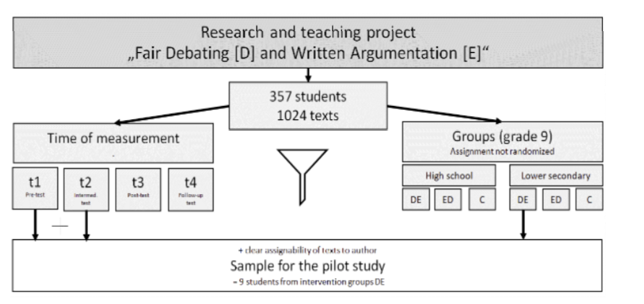
Figure 1: Derivation of the Sub-Study from the FDE Research and Teaching Project
To address the central research question (see Section 1) regarding the development of persuasive writing in pro-and-con argumentation essays before and after debate training, the essays from all non- academic-track students in the DE group were analyzed at time points t1 and t2 (see Figure 2). It was crucial that each essay could be definitively matched to an anonymized student ID in order to track individual development over time.
To address the central research question (see Section 1) regarding the development of persuasive writing in pro-and-con argumentation essays before and after debate training, the essays from all non- academic-track students in the DE group were analyzed at time points t1 and t2 (see Figure 2). It was crucial that each essay could be definitively matched to an anonymized student ID in order to track individual development over time.
For the QASA sub-study, only the DE group’s phase following debate training was analyzed, as these students had no prior knowledge of pro-and-con argumentation essays due to curricular timing (see Section 2.2). This sub-study employed a mixed- methods design.
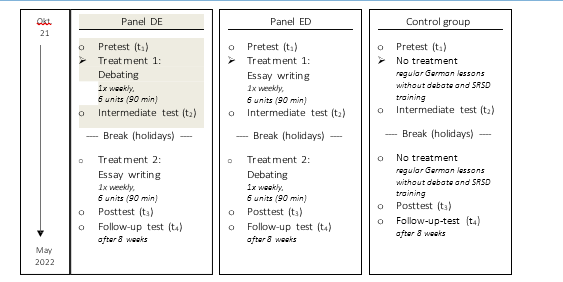
Table 1: Timeline of the FDE Project for Intervention and Control Groups
Quantitative Analysis
Persuasive coherence was assessed using the IMOSS coding procedure, adapted for argumentative writing, on a 5-point scale [10]. Rating was conducted using a double-blind peer review. IMOSS was chosen due to its high reliability, having been validated in the large-scale study DESI, involving nearly 20,000 student texts. Rater agreement was 70.9% for pragmatic items, with internal consistency at Cronbach’s α = .91 and an overall reliability coefficient of α = .90 [33]. The system has been successfully applied to argumentative texts written by ninth-grade students, making it suitable for the present analysis. The results are presented in Table 2 (Section 4).
Qualitative Analysis
A qualitative argumentation structure analysis (QASA) was conducted following the model by Stede, from which the sub- study takes its name [11]. This method is explained in more detail in Section 2.4. Figure 2 shows an example of a structure tree representing a pro-and-con argumentative essay written by a 9th- grade student.
The student was asked to write an argumentative essay on whether digital e-books should be introduced at his school instead of analog books. The text sections are assigned to the structure tree. These are structural components typical of a controversial argument: the central thesis, pros and cons, outline notes, and summary. This text is a very short example, but it illustrates what structure trees look like. The thesis is marked with a round gray node at the root of the tree. Pro arguments are shown as round nodes, and con arguments as square nodes. Three arrow types indicate relationships:
Sharp arrow: supportive relation;
Round arrow: counterargument;
Dashed arrow: example.
This analysis enables insights into the complexity and persuasiveness of students’ texts. As shown in Tables 2 and 3 (Section 4), the QASA method allows for detailed comparisons of the number and type of arguments (ADUs), as well as their relational structure, before and after the intervention.
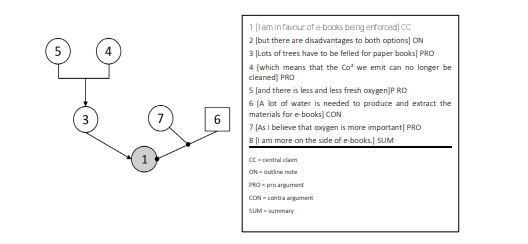
Figure 2: Example of Argumentation Structure Tree
Results
The results of the QASA sub-study are presented in three parts: (1) quantitative text ratings of persuasive coherence, (2) qualitative analysis of the number of Argumentative Discourse Units (ADUs), and (3) qualitative analysis of support relations between ADUs. Each part compares pre-intervention (tâ?ÂÂ) and post-intervention (tâ??) outcomes for the nine participating students.
The following table displays the ratings for the persuasiveness item for each student text (n = 18) at measurement points t1 (before the debate training) and t2 (after the debate training):

Table 2: Ratings for Persuasiveness at t1 and t2 (n = 18)
Table 2 shows that six of the nine students improved between the first measurement point (t1) and the second measurement point (t2) after completing debate training. Student WS54H deserves special mention, as they achieved a rating improvement of 1.5 points, which is significantly higher than the average improvement. Table 3 below shows the number of ADUs (i.e., the number of arguments) at both measurement points (t1, t2), which were determined from the qualitative argument structure analysis. The table below presents the number of ADUs identified in each student’s essays at t1 and t2.

Table 3: Number of Argumentative Discourse Units (ADUs) Per Text at t1 and t2
Within the framework of argument structure analysis, the number of ADUs can be used as a quantitative comparison value in a learning group. Table 2 shows that, prior to the intervention in the form of debate training (t1), the students in this sample produced an average of approximately 5 ADUs per text, and after the intervention (t2), approximately 11 ADUs per text were noted. In this sample, this corresponds to more than a doubling of the ADUs when comparing the two measurement points. The range of improvement compared to t1 extends from 2-3 ADUs to 12 additional ADUs noted.
Looking at the classifications of the ADUs (Table 4), a development at the qualitative level also becomes apparent. The following table categorizes the types of support relations between ADUs found in the texts at both measurement points.
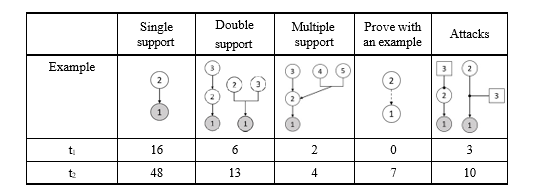
Table 4: Number of Support Relations at t1 and t2 (pro and con combined)
The table categorizes all support relationships that could be identified in the sample (n = 18) of the students' texts. The simplest and most common type of argumentation is simple support. This means that a line of argumentation consists of only one argument or counterargument that relates to the thesis. Table 4 shows a similar proportional doubling of the support relationships for double and multiple supports at measurement point t2. It is particularly striking that at measurement point t1, no examples were found in any of the analyzed texts, but at measurement point t2, a total of seven were found. Attacks on pro and con arguments also increased disproportionately at measurement point t2, with the number of attack structures more than tripling.
In the course of collecting the quantitative text ratings on a five- point scale (see Section 3.2), including the evaluation category “text coherence/persuasiveness,” it was found that the use of examples correlated significantly and more strongly with the measurement point (r = .498* / p = .036) than with the text rating (r = .422 / p = .081).
In contrast, the use of attacks on opponents or proponents significantly depends on the text rating of persuasiveness (r =.688* / p = .002) and not on the time of measurement (r = .373 / p =.128). For this sample, it can therefore be concluded that the use of examples is more likely to be attributable to the intervention than the use of attacks. This shows that structural tree analysis allows a variety of conclusions to be drawn regarding the argumentation structure in student texts.
Analysis of support relations (see Table 4) revealed both quantitative and qualitative shifts in argumentative structure. Simple support relations increased from 16 at tâ? to 48 at tâ??, while more complex configurations (double and multiple supports) also rose. Particularly noteworthy was the emergence of examples as a support type: none were present at tâ?ÂÂ, yet seven were identified at tâ??.
The number of rebuttals or “attacks” on opposing arguments more than tripled, rising from 3 at tâ? to 10 at tâ??. While correlation analysis indicated that the inclusion of examples was significantly associated with the timing of the intervention, rebuttals were more strongly correlated with overall persuasiveness ratings. The most common structure was simple support, which significantly increased from 16 to 48 instances. The number of double and multiple supports also rose. Notably, there were no examples used in any texts at t1, but seven examples were recorded at t2. Additionally, attacks on opposing arguments more than tripled, increasing from 3 to 10.
Taken together, the results show that the combination of quantitative text ratings and qualitative structure analysis provides a rich, multidimensional understanding of how persuasive writing develops in response to debate training.
Discussion
The results suggest that while debate training encouraged evidence use, rebuttal skills may reflect a higher-order argumentative competence that is less directly linked to the short-term intervention [34].To date, aside from the findings from the broader “Fair Debating and Written Argumentation” (FDE) project (Giera, in press), no empirical studies in the German-speaking context have investigated the relationship between debate training and the development of written argumentative competence. The present QASA sub-study offers a first step in closing this gap by examining how the persuasive quality of dialectical essays developed among non-academic-track ninth-grade students (n = 9) following a structured debate intervention.
Using a mixed-methods approach, the study analyzed 18 essays written at two time points (before and after the intervention). Both the quantitative ratings and the qualitative argumentation structure analyses point to a general improvement in students’ written persuasiveness after debate training alone. It is important to note that the sample consisted of students with generally weak writing skills who had no prior experience with the essay genre under investigation.
Despite this, six of the nine students improved their overall persuasiveness rating—some by an entire level on the five-point scale. This quantitative gain is complemented by qualitative findings that show an increase in the number and complexity of argumentative units. Notably, students used more simple supports and began including examples in their reasoning—elements completely absent in the initial texts. The use of attacks on opposing positions also increased.
Statistical analysis revealed that the inclusion of examples correlated significantly with the intervention itself, while attacks correlated more strongly with the quality ratings for text coherence and persuasiveness. This distinction suggests that while some improvements (such as the use of examples) may be a direct effect of the training, others (such as effective rebuttal strategies) may reflect more advanced, emerging competencies.
Taken together, the findings suggest that structured debate training has the potential to enhance students’ ability to construct persuasive written arguments. The students demonstrated the ability to incorporate more arguments, structure them more effectively, and expand the overall length of their texts. These results align with findings from international studies, which have also documented the positive impact of debate training on written argumentation.
The mechanisms underlying this improvement can likely be found in the inherent characteristics of debate, which fosters critical thinking. In order to clearly distinguish their position from others, students must formulate well-supported, persuasive arguments. Moreover, debate, like dialectical writing, requires the critical exchange of opposing perspectives—thus making it a natural precursor or complement to written argumentation [27,9].
From a didactic perspective, these findings suggest that combining oral and written argumentation instruction may support transfer effects. Structural parallels between debate and essay writing— such as the presentation of pro and con positions, and the three- part format (e.g., opening round–free exchange–closing round vs. introduction–main part–conclusion)—can serve as scaffolds for learning. Debate may act as a catalyst that facilitates access to argumentative structures, particularly for weaker writers or students with limited genre experience (Giera, in press).
In addition, debate may function as a motivational bridge, helping students engage with the often less popular task of writing argumentative essays. The argumentation structure analysis itself also holds didactic potential. The visual tree diagrams can help make argumentative structures more accessible to learners and can serve as a foundation for formative feedback from teachers. The limitations of this study include the small sample size, which limits the generalizability of results, and the process-oriented nature of the argumentation structure method, which is labor-intensive and currently does not assess the quality or validity of arguments.
Conclusions and Outlook
This study set out to answer the following research question: To what extent do non-academic-track ninth-grade students demonstrate written argumentation competence in written argumentations after six 90-minute debate sessions, despite having no prior exposure to the pro-and-con argumentation essay genre?
The central findings of the QASA sub-study in relation to this question can be summarized as follows:
- Potential of debate training to enhance persuasive writing: The oral debate training implemented in the FDE project shows promise for improving the persuasiveness of pro-and-con argumentation essays among low-achieving, non-academic- track ninth-grade students. After completing six sessions of structured debate training, the majority of students in the sample increased both the quantity and variety of arguments in their texts—particularly the inclusion of examples—and improved their overall ratings in persuasive coherence.
- Significant correlation between debate training and use of examples: Correlational analysis suggests that the use of examples in students’ essays is significantly linked to the timing of the intervention, indicating a likely influence of the debate training. Furthermore, the training appears to contribute to the inclusion of more arguments overall, leading to longer and more developed argumentative texts.
- Advantages of a mixed-methods research design: The study highlights the value of combining quantitative text ratings with qualitative, visually structured analyses in the form of argumentation trees. This approach provides a more comprehensive and nuanced understanding of how students' argumentative competence develops, and how it may be fostered through targeted interventions.
- Didactic implications for classroom practice: The findings point to two key pedagogical applications: (1) integrating debate into units on written argumentation to support skill transfer and (2) using argumentation structure diagrams to provide targeted formative feedback to students.
To validate these preliminary findings, further controlled intervention studies using mixed-methods designs are needed. These should more deeply investigate the connection between oral and written argumentation and provide additional empirical evidence of causality. Based on the results of this study, it can be concluded that debate training offers significant potential for enhancing the persuasive power of written argumentative texts, particularly among students who are typically underrepresented in academic research and who lack prior genre knowledge.
Future research should expand the QASA corpus to verify these results qualitatively. In the long term, a competence model for argumentation could be statistically tested using larger datasets. Such research would benefit from combining qualitative and quantitative expertise and would help to develop systematic scaffolding strategies to support students as they progress from one level of argumentative competence to the next. This approach contributes to inclusive teaching by focusing on students’ existing abilities and guiding them toward their next developmental milestone. In doing so, teachers can better support learners in becoming confident and effective participants in democratic discourse—both orally and in writing.
References
- Teegelbeckers, J. Y., Nieuwelink, H., & Oostdam, R. J. (2023). School-based teaching for democracy: A systematic review of teaching methods in quantitative intervention studies. Educational Research Review, 39, 100511.
- Mombaers, T., Van Gasse, R., & De Maeyer, S. (2024). Learning from comPA (I) Ring exemplars: Enhancing genre knowledge of argumentative texts. Journal of Writing Research, 16(1), 163-193.
- Shi, Y., Matos, F., & Kuhn, D. (2019). Dialog as a bridge to argumentative writing. Journal of Writing Research, 11(1), 107-129.
- Rieckmann, M. (2017). Education for sustainable development goals: Learning objectives. UNESCO publishing.
- OECD. (2019). An OECD learning framework 2030. In The future of education and labor (pp. 23-35). Cham: Springer International Publishing.
- Kennedy, R. (2007). In-class debates: Fertile ground for active learning and the cultivation of critical thinking and oral communication skills. International Journal of Teaching & Learning in Higher Education, 19(2).
- Murphy, P. K., Greene, J. A., Firetto, C. M., Hendrick,B. D., Li, M., Montalbano, C., & Wei, L. (2018). Quality talk: Developing students’ discourse to promote high- level comprehension. American Educational Research Journal, 55(5), 1113-1160.
- Reznitskaya, A., Anderson, R. C., McNurlen, B., Nguyen- Jahiel, K., Archodidou, A., & Kim, S. Y. (2001). Influence of oral discussion on written argument. Discourse processes, 32(2-3), 155-175.
- El Majidi, A., Janssen, D., & de Graaff, R. (2021). The effects of in-class debates on argumentation skills in second language education. System, 101, 102576.
- Neumann, A., & Matthiesen, F. (2011). Indikatorenmodell des schulischen Schreibens:(IMOSS); Testdokumentation 2009, 2010. Leuphana-Univ. Lüneburg.
- Peldszus, A., & Stede, M. (2015, June). An annotated corpus of argumentative microtexts. In Argumentation and Reasoned Action: Proceedings of the 1st European Conference on Argumentation, Lisbon (Vol. 2, pp. 801-815).
- Lin, M. C. (2024). Exploring the effects of argumentation- based inquiry in dual-language courses on EFL students’ oral presentation skills and willingness-to-communicate. Cogent Education, 11(1), 2429873.
- Rapanta, C., & Felton, M. K. (2022). Learning to argue through dialogue: A review of instructional approaches. Educational Psychology Review, 34(2), 477-509.
- Casado-Ledesma, L., Cuevas, I., Van den Bergh, H., Rijlaarsdam, G., Mateos, M., Granado-Peinado, M., & Martín,E. (2021). Teaching argumentative synthesis writing through deliberative dialogues: instructional practices in secondary education. Instructional Science, 49(4), 515-559.
- Crowell, A., & Kuhn, D. (2014). Developing dialogic argumentation skills: A 3-year intervention study. Journal of cognition and development, 15(2), 363-381.
- Kuhn, D., & Crowell, A. (2011). Dialogic argumentation as a vehicle for developing young adolescents’ thinking. Psychological science, 22(4), 545-552.
- Martínez, M. L., & Valdivia, I. M. Á. (2016). Promoting student metacognition through the analysis of their own debates. Is it better with text or with graphics?. Journal of Educational Technology & Society, 19(4), 167-177.
- Akerman, R., & Neale, I. (2011). Debating the evidence: an international review of current situation and perceptions. CfBT Education Trust [in association with] English-Speaking Union.
- Wingate, U. (2012). ‘Argument!’helping students understand what essay writing is about. Journal of English for academic purposes, 11(2), 145-154.
- Sun, T., Wang, C., & Wang, Y. (2022). The effectiveness of self-regulated strategy development on improving English writing: Evidence from the last decade. Reading and Writing, 35(10), 2497-2522.
- Harris, K. R., & Graham, S. (2017). Self-regulated strategy development: Theoretical bases, critical instructional elements, and future research. In Design principles for teaching effective writing (pp. 119-151). Brill.
- Graham, S., Capizzi, A., Harris, K. R., Hebert, M., & Morphy,P. (2014). Teaching writing to middle school students: A national survey. Reading and Writing, 27(6), 1015-1042.
- De La Paz, S. (2005). Effects of historical reasoning instruction and writing strategy mastery in culturally and academically diverse middle school classrooms. Journal of educational psychology, 97(2), 139.
- Mason, L. H., Kubina Jr, R. M., Kostewicz, D. E., Cramer,A. M., & Datchuk, S. (2013). Improving quick writing performance of middle-school struggling learners. Contemporary Educational Psychology, 38(3), 236-246.
- Mason, L. H., Cramer, A. M., Garwood, J. D., Varghese, C., Hamm, J., & Murray, A. (2017). Efficacy of self-regulated strategy development instruction for developing writers with and without disabilities in rural schools: A randomized controlled trial. Rural Special Education Quarterly, 36(4), 168-179.
- Ferretti, R. P., & Graham, S. (2019). Argumentative writing: Theory, assessment, and instruction. Reading and Writing, 32(6), 1345-1357.
- Malloy, J. A., Tracy, K. N., Scales, R. Q., Menickelli, K., & Scales, W. D. (2020). It’s not about being right: Developing argument through debate. Journal of Literacy Research, 52(1), 79-100.
- Mallahi, O. (2024). Exploring the status of argumentative essay writing strategies and problems of Iranian EFL learners. Asian-Pacific Journal of Second and Foreign Language Education, 9(1), 19.
- Stede, M. (2020). Automatic argumentation mining<? br?> and the role of stance and sentiment. Journal of Argumentation in Context, 9(1), 19-41.
- Stab, C., & Gurevych, I. (2014, October). Identifying argumentative discourse structures in persuasive essays. In Proceedings of the 2014 conference on empirical methods in natural language processing (EMNLP) (pp. 46-56).
- Giera (in press). Alle argumentieren. Das Projekt Fair Debattieren und Erörtern. Peter Lang.
- Anwyl-Irvine, A., Dalmaijer, E. S., Hodges, N., & Evershed,J. K. (2021). Realistic precision and accuracy of online experiment platforms, web browsers, and devices. Behavior research methods, 53(4), 1407-1425.
- Neumann, A. (2012). Advantages and disadvantages of different text coding procedures for research and practice in a school context. In Measuring writing: Recent insights into theory, methodology and practice (pp. 33-54). Brill.
- Osborne, J. (2010). Arguing to learn in science: The role of collaborative, critical discourse. science, 328(5977), 463-466.
- European Union. (2018). Council Recommendation of 22 May 2018 on key competences for lifelong learning (2018/C 189/01). Oficial Journal of the European Union.