

Advance in Environmental Waste Management & Recycling(AEWMR)
ISSN: 2641-1784 | DOI: 10.33140/AEWMR
Impact Factor: 0.9

Research Article - (2025) Volume 8, Issue 3
Assessing Sanitation, Hygiene Practices and Microbial Risks in a District-Level Abattoir: Implications for Public Health
2Wisconsin International University College, Accra, Ghana
Received Date: Nov 03, 2025 / Accepted Date: Dec 01, 2025 / Published Date: Dec 15, 2025
Copyright: ©2025 Williams Ampadu Oduro, et al. This is an open-access article distributed under the terms of the Creative Commons Attribution License, which permits unrestricted use, distribution, and reproduction in any medium, provided the original author and source are credited.
Citation: Oduro, W. A., Tettey, P., Eduful, E. (2025). Assessing Sanitation, Hygiene Practices and Microbial Risks in a District-Level Abattoir: Implications for Public Health. Adv Envi Man Rec, 8(3), 01-14.
Abstract
Background: Abattoirs are crucial for meat supply but pose significant public health risks when hygiene and sanitation practices are poor. This study assessed hygiene practices, infrastructure, and the microbial quality of meat and water at the Birim North District abattoir.
Method: A facility-based descriptive cross-sectional study involving all 15 abattoir workers was conducted using structured questionnaires, direct observations, and laboratory analyses of water and meat samples. Data were analyzed with SPSS version 20 using descriptive statistics, Chi-square (χ2), and Fisher’s exact tests, with significance set at p < 0.05.
Results: The abattoir lacked key sanitary infrastructure, including a toilet facility, handwashing station, electricity, and waste bins, with visible cracks and damaged doors. Hand hygiene was poor: 40% of workers washed their hands after animal tasks, 35% before and after toilet use, 20% after meals, and 5% at the beginning of the day. Although 66.7% reported daily PPE use, none were observed using PPE. Only 33.3% had undergone medical screening, and 20% had received hygiene training. Education level (p = 0.005) and age (p < 0.001) were significantly associated with hygiene knowledge, while work experience showed no association (χ2 = 4.19, p = 0.123). Age (χ2 = 10.74, p = 0.057) and work experience (χ2 = 5.43, p = 0.066) were also associated with knowledge of health screening, whereas education level was not (χ2 = 6.18, p = 0.103). Water analysis revealed non-compliance with WHO standards, with high color levels (25 Pt/ Co, p = 0.006) and coliform counts (4.0 × 10⁷ Cfu/100 ml vs. <1 Cfu/100 ml, p < 0.001). Meat met FDA standards for TCC, TVC, and TSC but exceeded limits for Salmonella spp.
Conclusion: Major deficiencies in infrastructure, hygiene practices, and water quality threaten meat safety at the Birim North abattoir. Sociodemographic factors such as age and education influence workers’ hygiene knowledge and awareness of health screening. Policymakers and local authorities must prioritize infrastructural investment, strengthen regulatory enforcement, and regular hygiene training and medical screening to protect public health and reduce foodborne disease risks.
Keywords
Abattoir, Sanitation, Hygiene, Water Quality and Meat Quality
Background
Food security and nutrition are crucial components of global public health, which play a fundamental role in human growth, development, and overall well-being [1]. A well-balanced diet provides essential nutrients such as carbohydrates, proteins, fats, vitamins, minerals, water, and fiber, which are necessary for maintaining optimal health. Between 1990 and 2021, the global age-standardized mortality rates and disability-adjusted life year (DALY) rates associated with dietary factors dropped by roughly one-third for both cancers and cardiovascular diseases (CVDs) [2].
Animal-based foods serve as a major source of high-quality protein and essential micronutrients, including vitamins A, D3, and B12, as well as minerals like iron, zinc, and calcium [3,4]. However, the consumption of animal-source foods comes with risks, as they are often associated with foodborne pathogens that can pose severe health threats if proper hygiene and sanitation measures are not practiced [5]. Globally, demand for meat has risen sharply due to population growth, rising incomes, and rapid urbanization, particularly in developing countries [6]. Meat, defined as the edible flesh of animals, has long been a staple of the human diet and one of the earliest sources of food obtained through farming, hunting, and scavenging [7].
In Africa, per capita meat consumption remains the lowest globally, averaging 9.6 kilograms per person annually between 2021 and 2023, with chicken being the most consumed at about 3.8 kilograms per person per year. This figure is projected to rise slightly to 9.8 kilograms per person by 2033 [8]. Meat consumption on the continent has been influenced by financial capacity, cultural and religious practices, personal preferences, and environmental factors [7]. While meat remains a valuable protein source, its safety depends heavily on proper handling, processing, and storage. Traditional handling practices, still common in many regions, have been associated with increased contamination risks [9].
Microorganisms can contaminate raw meat during processing stages such as scalding, dressing, evisceration, cutting, distribution, and storage [10]. As a result, foodborne diseases associated with contaminated meat remain a major public health concern. The World Health Organization (WHO) and the Food and Agriculture Organization (FAO) have emphasized the necessity of strengthening food safety control systems to mitigate foodborne outbreaks and associated health risks [11]. Infections such as gastroenteritis, often associated with the consumption of contaminated meat and poultry, indicate the importance of improving hygiene practices across the meat production chain [12].
In Ghana, rising meat consumption has increased reliance on abattoirs for livestock slaughter and processing. However, hygiene and sanitation concerns persist, with lapses in food safety measures linked to outbreaks of foodborne illnesses [13–15]. Poor handling, processing, and disposal of meat and animal waste contribute to environmental contamination and public health challenges. Meat from informal slaughterhouses or common slabs is particularly risky due to inadequate sanitation practices [16,17].
Slaughterhouse waste, including solid and liquid effluents, has been identified as a major environmental pollutant, contributing to groundwater contamination, offensive odors, and other health hazards [18].
The Birim North District abattoir plays a key role in local meat supply, yet limited research exists on its hygiene and sanitation practices. Challenges such as improper disposal of slaughterhouse waste, insufficient water supply, and poor personal hygiene among workers contribute to food contamination and environmental degradation [19]. Additionally, limited awareness of best hygiene practices among workers exacerbates these risks [19,20].
This study, therefore, assessed the sanitation and hygiene conditions at the Birim North District abattoir. Specifically, it evaluated the factors influencing hygiene practices among abattoir workers, the quality of meat produced, the quality of water used, and the impact of slaughterhouse waste on the surrounding environment. By identifying key challenges and gaps in hygiene and sanitation, the study seeks to inform strategies to improve meat safety, protect public health, and promote sustainable meat processing practices in Ghana. The findings will have significant implications not only for the local community but also for broader national and international efforts to improve food safety and environmental health.
Materials and Methods
Study Site description
The study was conducted at the Birim North District abattoir in Mamanso, Eastern Ghana. The facility is situated on sloping ground that covers approximately three-quarters of a plot and experiences a semi-equatorial climate with two rainy seasons and temperatures ranging from 25-28°C. The abattoir primarily processes cattle, with occasional sheep and goat slaughtering. It has a main production building with three chambers, including facilities for meat cutting, washing, and wastewater drainage. Staffing fluctuates based on meat demand and supply availability.
Study Design and Sampling Approach
This study employed a facility-based descriptive cross-sectional design. Since the abattoir had a small workforce, no formal sample size calculation was performed. Instead, a total enumeration (census) approach was adopted to ensure complete participation and representation. All 15 workers who had direct contact with meat, meat contact surfaces, or water used in abattoir operations were included, while workers without direct contact were excluded.
Questionnaire Administration
A pre-tested semi-structured questionnaire was used, consisting of four sections. Section A captured socio-demographic characteristics, training history, and hygiene knowledge. Section B assessed understanding of health screening and certification. Section C focused on the availability, use, and hygiene practices related to personal protective equipment (PPE). Section D evaluated sanitation and hygiene practices within the facility. The tool was prepared in English and translated into Twi, the local language. Two trained field assistants administered the questionnaire to participants. Observational data were also recorded to complement responses. Written consent was obtained from participants, and data accuracy was verified after each interview.
Data Collection
Data collection combined questionnaire responses, direct observations, and laboratory analyses. Observations were conducted alongside interviews to assess hygienic handling practices. In addition, meat and water samples were collected and analysed for microbial and physicochemical quality.
Ethical Approval
Ethical approval was obtained from the Ghana Health Service Ethics Review Committee (Ref. No. GHS/RDD/ERC/Admin/ App/23/008). Permission to conduct the study was granted by the abattoir management and the Environmental and Sanitation Unit of the District Assembly. Written informed consent was obtained from all participants, and confidentiality was assured by coding responses and securing data in password-protected files and locked cabinets.
Collection of Meat and Water Samples and Analyses
Water Sample Collection and Preparation
A 500 ml representative water sample was collected in a polyethylene container that had been washed and rinsed with the same water being sampled. Proper care was taken to avoid collecting floating debris or other contaminants. The sample was labeled appropriately with details which included the source of water, date of collection, and type of analysis required, as per the protocol outlined by Motsara & Roy [21]. The sample was promptly sent to the laboratory for analysis. The analytical tests conducted and their methods are outlined below.
Analytical Test and Methods for Water
In the laboratory, the following analytical tests were conducted using their respective methods:
|
Analytical test |
Analytical method |
|
Ph |
Ion Selective Electrode/ Colorimetric |
|
E. Conductivity |
Ion Selective Electrode |
|
Total Suspended Solids |
Gravimetric |
|
Color |
Colorimetric |
|
Turbidity |
Photometric/Colorimetric |
|
Copper |
Spectrophotometric |
|
Zinc |
Spectrophotometric |
|
Nitrate |
Spectrophotometric |
|
Phosphates |
Spectrophotometric |
|
Sulfate |
Spectrophotometric |
|
Chloride |
Membrane Filter |
|
Total Coliform |
Membrane Filter |
Table 1: Analytical Test and Methods for Water
Meat Sampling and Analysis
The study involved the collection of three meat samples, each from cattle and sheep, with each sample representing a composite of different parts of the animal. One sample was obtained from the brisket region, one from the neck region, and another from the round or thigh region. The collection process was aseptic, using sterile containers to collect the samples. The samples were then transported to the laboratory within 30-45 minutes using an icebox. The analysis of the samples focused on the microbial attributes, including the total viable count (TVC), total coliform count (TCC), total staphylococcal count (TSC), and Salmonella, using Plate Count (PC) agar, MacConkey (MC) agar, and Staphylococcal Media (SM-110) medium. These tests were conducted to assess the sanitary quality of the source meat from the different regions of the cattle and sheep, as per the method described by Haque et al. [22].
Data Processing and Statistical Analysis
Data were entered into Microsoft Excel and subsequently exported to SPSS version 20.0 for statistical analysis. Descriptive statistics, including frequencies, percentages, means, and standard deviations, were used to summarize socio-demographic characteristics, infrastructural conditions, and hygiene-related practices. Results were presented using tables and bar graphs, and pie charts for clarity and visual representation. Associations between categorical variables were assessed using the Chi-square (χ²) test of independence, and where expected cell counts were small, Fisher’s exact test was applied due to our small sample size [23]. Statistical significance was set at p < 0.05. Confidence intervals (95% CI) are reported only for sociodemographic characteristics.
Results
Socio-Demographic Characteristics
Table 2 shows the socio-demographic characteristics of the study population. The mean age was 34.1 ± 9.4 years, with 53.3% of participants aged 31–40 years. All respondents were male. More than half (53.3%) were married, while 40.0% were single and 6.7% widowed. Muslims accounted for 46.7% of the respondents, Christians 33.3%, and 20.0% reported no religion. With regard to education, 60.0% had only basic education, 26.7% had no formal education, and 6.7% each had attained secondary or tertiary education. Nearly half (46.7%) worked as helpers, while smaller proportions were meat transporters (13.3%), retailers (13.3%), cleaners (13.3%), chief butchers (6.7%), and butchers/dressers (6.7%). Work experience varied, with 46.7% reporting less than two years, 26.7% having 2–5 years, and 26.7% more than 5 years.
|
Characteristic |
Study Population |
95% CI (%) |
|
|
N |
(%) |
||
|
Gender |
|
|
|
|
Male |
15 |
100 |
78.2 – 100 |
|
Female |
0 |
0 |
0 – 21.8 |
|
Age group (years) |
|
|
|
|
< 20 |
2 |
13.3 |
2.3 – 37.0 |
|
21 – 30 |
2 |
13.3 |
2.3 – 37.0 |
|
31 – 40 |
8 |
53.3 |
28.1 – 77.0 |
|
41 – 50 |
2 |
13.3 |
2.3 – 37.0 |
|
> 50 |
1 |
6.7 |
0.3 – 31.9 |
|
Marital status |
|
|
|
|
Single |
6 |
40.0 |
16.4 – 67.7 |
|
Married |
8 |
53.3 |
28.1 – 77.0 |
|
Widowed |
1 |
6.7 |
0.3 – 31.9 |
|
Religion |
|
|
|
|
Christian |
5 |
33.3 |
12.1 – 64.6 |
|
Muslim |
7 |
46.7 |
21.5 – 73.9 |
|
None |
3 |
20.0 |
5.3 – 48.6 |
|
Education level |
|
|
|
|
No formal education |
4 |
26.7 |
8.9 – 55.2 |
|
Basic (Primary/JHS) |
9 |
60.0 |
32.9 – 82.5 |
|
Secondary |
1 |
6.7 |
0.3 – 31.9 |
|
Tertiary |
1 |
6.7 |
0.3 – 31.9 |
|
Category of work |
|
|
|
|
Chief butcher |
1 |
6.7 |
0.3 – 31.9 |
|
Helper |
7 |
46.7 |
21.5 – 73.9 |
|
Meat transporter |
2 |
13.3 |
2.3 – 37.0 |
|
Retailer |
2 |
13.3 |
2.3 – 37.0 |
|
Cleaner |
2 |
13.3 |
2.3 – 37.0 |
|
Butcher & dresser |
1 |
6.7 |
0.3 – 31.9 |
|
Years of experience |
|
|
|
|
< 2 years |
7 |
46.7 |
21.5 – 73.9 |
|
2 – 5 years |
4 |
26.7 |
8.9 – 55.2 |
|
> 5 years |
4 |
26.7 |
8.9 – 55.2 |
Table 2: Socio-Demographic Characteristics of Abattoir Workers (n = 15)
Infrastructural Components of The Abattoir
Table 3 summarizes the structural, sanitation, and personal hygiene factors observed at the abattoir. Although the facility had a roof, cement floors, and solid walls, it lacked electricity, approved waste bins, hand-washing and toilet facilities. Dogs roamed freely, water was sourced from a well, and workers had no access to protective clothing, boots, or soap.
As shown in Figure 1a, the main slaughter building was poorly maintained, with deteriorating walls, rusted doors, and no proper drainage. Figure 1b shows an ancillary structure with broken windows, damaged walls, and overgrown surroundings. These deficiencies indicate the poor condition of the abattoir and its unsuitability for safe meat processing.
|
Variable |
Availability |
|
|
Structural factors |
Yes |
No |
|
Roof exist |
Yes |
|
|
Cement floor |
Yes |
|
|
Solid wall |
Yes |
|
|
Electricity |
|
No |
|
Sanitation factors |
|
|
|
Toilet facility |
|
No |
|
Approved dustbin |
|
No |
|
Hand-washing place |
|
No |
|
Dogs present |
Yes |
|
|
Water source |
Yes |
|
|
Yes |
No No No No |
|
Personal hygiene factors |
|
|
|
Staff wear protective clothing. |
|
No |
|
Boots worn |
|
No |
|
Provision of soap |
|
No |
Table 3: Existing Features and Structures at The Abattoir (Observation)
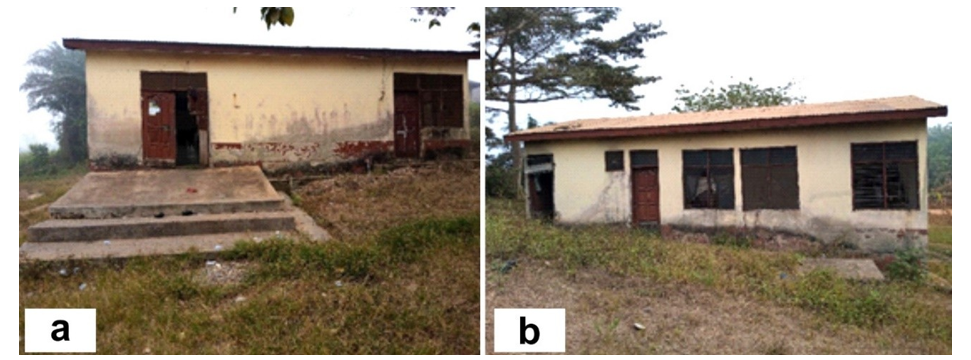
Figure 1: Condition of Abattoir Facilities in The Study Area
Personal Hygiene Practices and PPE Use
Table 4 shows the hygiene practices and PPE use among abattoir workers. A large proportion (46.7%) reported trimming their nails only occasionally, and handwashing at the start of the day was very low (6.7%). Although 66.7% of workers reported daily PPE use, cleaning of PPE was mostly occasional (66.7%). Hand gloves (60.0%) and nose masks (53.3%) were the most commonly used PPE items, while apron use was negligible (6.7%).
|
Variable |
Frequency (%) |
|
Frequency of nail trimming |
|
|
Weekly |
5 (33.3%) |
|
Every two weeks |
3 (20.0%) |
|
Occasionally |
7 (46.7%) |
|
Handwashing (when) |
|
|
Before & after animal tasks |
6 (40.0%) |
|
After using the washroom |
5 (33.3%) |
|
After meals |
3 (20.0%) |
|
At the start of the day |
1 (6.7%) |
|
Reported daily PPE use |
|
|
Yes |
10 (66.7%) |
|
No |
5 (33.3%) |
|
Provider of PPE |
|
|
Chief butcher (employer) |
11(73.3) |
|
Colleagues |
4(26.7) |
|
Frequency of cleaning PPE/Change |
|
|
Daily |
5 (33.3%) |
|
Occasionally |
10 (66.7%) |
|
Types of PPE used (multiple responses) |
|
|
Apron |
1 (6.7%) |
|
Boot |
5 (33.3%) |
|
Hand glove |
9 (60.0%) |
|
Nose mask |
8 (53.3%) |
|
Goggles |
4 (26.7%) |
|
*Multiple responses were allowed for Personal Protective Equipment use |
|
Table 4: Personal Hygiene Practices and PPE Use Among Abattoir Workers (n = 15)
Certification, Training, and Medical Health Screening
Table 5 presents the certification, training, and medical health screening of abattoir workers (n = 15). Most workers (66.7%) had never been certified, while 33.3% held certificates that were expired or invalid. Only four workers (26.7%) had received prior training in sanitation and hygiene before employment. Among those trained (n = 5), one worker (20.0%) had training more than five years ago, while the majority (80.0%) had informal or unrecognized instruction. Regarding medical screening, 10 workers (66.7%) had never been screened, four (26.7%) were last screened two years ago, and only one worker (6.7%) underwent annual screening. Workers’ knowledge of the importance of medical health screening varied: six (40.0%) had no idea, four (28.0%) mentioned preventing or checking disease, three (20.0%) referred to ensuring employee health, and two (12.0%) recognized its role in preventing food contamination (Table 5).
|
Variable |
Frequency (%) |
|
Certification of staff |
|
|
Never certified |
10 (66.7) |
|
Certified but invalid/expired |
5 (33.3) |
|
Prior training in sanitation & hygiene (Before employment) |
|
|
Yes |
4 (26.7) |
|
No |
11 (73.3) |
|
If trained, when was your last training (n=5) |
|
|
>5 years ago |
1 (20.0) |
|
Informal/unrecognized training |
4 (80.0) |
|
Medical screening status |
|
|
Never screened |
10 (66.7) |
|
Last screened 2 years ago |
4 (26.7) |
|
Annual screening |
1 (6.7) |
|
Knowledge of the importance of medical health screening |
|
|
No idea |
6 (40.0) |
|
For preventing/checking disease |
4 (28.0) |
|
Ensuring employee health |
3 (20.0) |
|
Preventing food contamination |
2 (12.0) |
Table 5: Certification, Training and Medical Health Screening of Abattoir Workers (n = 15)
Association Between Sociodemographic Characteristics and Knowledge of Sanitation and Hygiene
The analysis revealed a statistically significant association between level of education and hygiene knowledge (Fisher’s exact test, p = 0.005). Most respondents had only primary education (60.0%), followed by no formal education (26.7%). A significant association was also observed between age group and the study population (Fisher’s exact test, p < 0.001), with the majority of respondents aged 31–40 years (53.3%). In contrast, no significant association was found between years of experience and the study population (χ² = 4.19, p = 0.123). Nearly half of the respondents (46.7%) had less than two years of experience, while the remaining were evenly distributed across higher experience categories (Table 6).
|
Characteristic |
Study Population |
Test Statistic |
p-value |
|
|
|
n |
(%) |
|
|
|
Level of education |
|
|
Fisher’s Exact |
0.005* |
|
No formal education |
4 |
26.7 |
|
|
|
Primary |
9 |
60.0 |
|
|
|
Secondary |
1 |
6.7 |
|
|
|
Tertiary |
1 |
6.7 |
|
|
|
Age group (years) |
|
|
Fisher’s Exact |
<0.001* |
|
< 20 |
2 |
13.3 |
|
|
|
21–30 |
2 |
13.3 |
|
|
|
31–40 |
8 |
53.3 |
|
|
|
41–50 |
2 |
13.3 |
|
|
|
> 50 |
1 |
6.7 |
|
|
|
Years of experience |
|
|
χ² = 4.19 |
0.123 |
|
< 2 years |
7 |
46.7 |
|
|
|
2–5 years |
4 |
26.7 |
|
|
|
> 5 years |
4 |
26.7 |
|
|
|
Note: p-value < 0.05 was considered statistically significant. |
||||
Table 6: Association Between Sociodemographic Characteristics and Knowledge of Sanitation and Hygiene Among Abattoir Workers
Association Between Sociodemographic Characteristics and Knowledge of Health Screening
The association between sociodemographic characteristics and knowledge of health screening was assessed among abattoir workers. Age demonstrated a significant association with knowledge (χ² = 10.74, p = 0.057), with respondents aged 31–40 years reporting the highest level of awareness. Years of work experience also showed a marginal association (χ² = 5.43, p = 0.066), indicating that workers with longer tenure tended to have greater knowledge. Education level was not significantly associated with knowledge of health screening (χ² = 6.18, p = 0.103), although respondents with secondary or tertiary education generally exhibited higher awareness compared to those with no formal education. These findings suggest that age and experience may influence knowledge of health screening, whereas formal education alone may not be sufficient to ensure awareness (Table 7).
|
Characteristic |
Study Population |
Chi-square (χ²) |
p-value |
|
|
|
N |
(%) |
|
|
|
Age group (years) |
|
|
10.74* |
0.057* |
|
< 20 |
2 |
13.3% |
|
|
|
21–30 |
2 |
13.3% |
|
|
|
31–34 |
2 |
13.3% |
|
|
|
31–40 |
6 |
40.0% |
|
|
|
41–50 |
2 |
13.3% |
|
|
|
>50 |
1 |
6.7% |
|
|
|
Level of Education |
|
|
6.18 |
0.103 |
|
No formal education |
4 |
26.7% |
|
|
|
Primary |
9 |
60.0% |
|
|
|
Secondary |
1 |
6.7% |
|
|
|
Tertiary |
1 |
6.7% |
|
|
|
Years of Experience |
|
|
5.43* |
0.066* |
|
<2 years |
7 |
46.7% |
|
|
|
2–5 years |
2 |
13.3% |
|
|
|
>5 years |
4 |
26.7% |
|
|
|
Note: p < 0.05 was considered statistically significant (Chi-square test of independence). |
||||
Table 7: Association Between Sociodemographic Characteristics and Knowledge of Health Screening
Observed Slaughtering and Meat Handling Practices
Observation of slaughtering processes revealed unhygienic practices that pose significant risks to meat safety and environmental health. As shown in Fig. 10a, cattle hides were singed using scrap tires, producing thick black smoke that can introduce harmful chemical residues into the meat and contribute to environmental pollution. Additionally, Fig. 10b illustrates the butchering of cattle on a bare concrete platform without proper sanitation or protective clothing, exposing the meat to contamination from surfaces, tools, and handlers. These practices indicate critical lapses in hygiene and infrastructure at the abattoir, which compromise both food safety and public health.

Figure 10: Slaughtering Practices Observed at The Birim North District Abattoir
- Burning of Cattle Hide with Scrape Tyres, Producing Heavy Smoke and Environmental Pollution.
- Dressing and Processing of Carcasses on an Unsanitary Slaughter Slab Without Proper Hygiene Measures.
Assessment of the Quality of Water and Meat at The Abattoir
The physicochemical and bacteriological analysis of water used at the abattoir indicated that most parameters, including pH, electrical conductivity, total suspended solids, turbidity, copper, zinc, nitrate, phosphates, sulfate, and chloride, were within WHO recommended limits. However, color exceeded the recommended level (25 Pt/ Co; p = 0.006), which suggests aesthetic quality concerns. Iron concentration was 0.14 mg/L, below the WHO guideline of 0.3 mg/L (p = 0.041), indicating a depletion of this essential mineral. Moreover, total coliform counts were extremely high (4.0 × 10⁷ Cfu/100ml) compared to the WHO standard of <1 Cfu/100ml (p < 0.001), reflecting severe bacteriological contamination (Table 8).
Bacteriological analysis of meat from cattle and sheep carcasses at the abattoir revealed notable bacterial contamination (log10 CFU/g). Mean values for cattle were TCC 6.0, TVC 6.0, TSC 5.1, and Salmonella spp. 5.6, while for sheep they were TCC 5.9, TVC 6.0, TSC 5.7, and Salmonella spp. 5.7. Among carcass regions, the neck generally exhibited higher bacterial loads, whereas the brisket showed lower counts. The detection of Salmonella highlights a potential food safety concern (Table 9).
|
Parameter |
Test Result |
WHO Standard |
t-test (95% CI) |
χ² |
p-value |
|
pH |
6.82 |
6.5 – 8.5 |
6.70 – 6.95 |
1.22 |
0.229 |
|
Electrical Conductivity (µS/ cm) |
224.00 |
400 |
220.4 – 227.6 |
0.84 |
0.362 |
|
Total Suspended Solids (mg/L) |
2.00 |
<300 |
1.5 – 2.4 |
0.64 |
0.421 |
|
Color (Pt/Co) |
25.00 |
15 |
24.1 – 25.9 |
7.56 |
0.006* |
|
Turbidity (NTU) |
4.00 |
<5 |
3.7 – 4.3 |
0.95 |
0.331 |
|
Copper (mg/L) |
0.022 |
2 |
0.020 – 0.024 |
0.58 |
0.447 |
|
Zinc (mg/L) |
0.001 |
<10 |
0.0008 – 0.0012 |
0.44 |
0.511 |
|
Nitrate (mg/L) |
7.09 |
50 |
6.82 – 7.36 |
1.12 |
0.263 |
|
Iron (mg/L) |
0.14 |
0.3 |
0.13 – 0.15 |
3.42 |
0.041* |
|
Phosphates (mg/L) |
0.28 |
50 |
0.26 – 0.30 |
0.72 |
0.397 |
|
Sulfate (mg/L) |
2.99 |
250 |
2.7 – 3.3 |
0.69 |
0.403 |
|
Chloride (mg/L) |
29.99 |
250 |
28.6 – 31.4 |
0.91 |
0.340 |
|
Total Coliform (Cfu/100ml) |
4.0 × 10⁷· |
<1 |
(3.7 × 10· – 4.3 × 10⁷) |
12.8 |
<0.001** |
|
*Significant at p < 0.05; **Highly significant at p < 0.001 |
|||||
Table 8: Quality of Water Used at The Abattoir
|
Animal |
Region |
TCC (Cfu/g) |
TVC (Cfu/g) |
TSC (Cfu/g) |
Salmonella spp. (Cfu/g) |
|
Cattle |
Neck region |
6.38 |
5.85 |
5.27 |
5.51 |
|
|
Round/thigh region |
5.97 |
6.27 |
5.13 |
5.78 |
|
|
Brisket region |
5.63 |
5.73 |
4.91 |
5.45 |
|
Mean |
5.99 |
5.95 |
5.10 |
5.58 |
|
|
Sheep |
Neck region |
6.04 |
6.13 |
5.73 |
5.91 |
|
|
Round/thigh region |
5.95 |
5.82 |
5.52 |
5.70 |
|
|
Brisket region |
5.60 |
5.89 |
5.85 |
5.36 |
|
Mean |
5.86 |
5.95 |
5.70 |
5.66 |
|
|
TCC- Total Coliform Count, TVC-Total Viable Count, TSC- Total Staphylococcal Count, Cfu/g-Colony-forming unit per gram |
|||||
Table 9: Bacteriological Analysis of The Meat from The Abattoir in log10 Cfu/g
Discussion
This study assessed the sociodemographic characteristics, infrastructure, hygiene practices, PPE use, health screenings, water quality, and meat safety at the Birim North District abattoir. Our findings indicate that the gender and religious composition of abattoir workers did not reflect the district's demographics, with a notable underrepresentation of women compared to previous studies by Yimana and Hassen [24], where women represented 6.7% of the study population. Women primarily occupied roles in hygiene-related tasks such as offal washing and meat sales, consistent with findings by Kimindu et al. [25] and Wambui [26].
Infrastructurally, the abattoir lacked basic facilities like a fence wall, leading to issues such as animal scavenging and public access through the premises, which contrasts with the standards of an abattoir facility as described by Thanappan [27]. Inadequate lighting further hindered operations and meat preservation efforts, while structural deficiencies like cracked walls and damaged doors posed safety risks to workers, echoing concerns raised in previous studies [28,29]. The lack of repairs and infrastructure at the abattoir was attributed to the lengthy and discouraging process of releasing funds from the District Assembly. Government funding is often insufficient, and attention to these issues is usually only given after a complete breakdown. Our observations of substandard equipment and infrastructure at Birim North align with recent findings across Africa. For example, works in Ethiopia (Wolaita Zone) show that public abattoirs often lack adequate structures to perform basic ante- and post-mortem inspection due to poor facility infrastructure, which increased zoonotic disease risk [30]. Similarly, a 2025 scoping review identified a lack of basic infrastructure and insufficient funding as recurrent national-level barriers to hygienic practices in abattoirs across multiple African countries [31]. In Ghana, research in the Tamale Metropolis has shown that many slaughterhouses and abattoirs operate with poor waste disposal systems and inadequate sanitary facilities, which is indicative of systemic underinvestment [13].
According to Yeargin et al. [32], training is a key component in a food control system and is essential for ensuring food safety. Regulatory agencies such as the FDA [33] and WHO [34] require that individuals involved in food processing and vending undergo basic food hygiene training before being licensed to operate. However, hygiene practices among workers in our study were found to be suboptimal, with only 26.7% having received formal training on sanitation and hygiene. The lack of training is notable since studies like Agu et al. [35] show that proper training improves knowledge and practices. A study in Ethiopia revealed that meat handlers without adequate training exhibited poor hygiene practices [36].
In our study, it was observed that the facility did not have a handwashing station, which influenced workers’ handwashing practices. Less than half of the study population indicated that they washed their hands before and after each animal task. Recent studies corroborate our finding that limited access to hand-washing facilities contributes to low compliance with hygiene practices. For example, a 2024 study in Nairobi found that about 72% of butcheries lacked hand-washing stations; consequently, 85% of attendants did not wash their hands before or after handling raw meat [37]. In Ethiopia, abattoirs with inadequate hand-washing infrastructure showed significantly poorer hygiene practices [24]. These international findings align with our observation that the absence of basic hand-washing facilities likely undermines meat handling hygiene in our study area.
The absence of an approved dustbin at the facility contributed to the indiscriminate dumping of refuse on the premises. For example, in Ijebu Igbo, Ogun State (Nigeria), abattoir operators reported that inadequate waste disposal infrastructure was associated with poor refuse management practices [38]. Similarly, in Kano Central Abattoir, waste is often disposed of without formal waste receptacles or approved disposal systems, increasing the risk of contamination [39].
The use of personal protective equipment (PPE) is essential in slaughterhouse settings to reduce meat contamination and protect workers from zoonotic infections such as leptospirosis and brucellosis. Recent studies and reviews confirm that poor PPE use is associated with higher occupational exposure and increased microbial contamination, while consistent PPE use (combined with training) reduces these risks [31]. The Occupational Safety and Health Act (OSHA) [40] mandates employers to provide PPE such as clothing, footwear, gloves, head coverings, and goggles to protect employees from work-related hazards. In our findings, more than half of the study population used hand gloves and nose masks, while apron use was negligible. This contrasts with recent studies: in Vhembe District, South Africa, only 17% of village butcheries wore protective gloves, though all wore aprons or gowns [41]. The higher glove and mask use in our study may be linked to increased awareness of hand and respiratory protection, possibly influenced by recent public health campaigns such as COVID-19, while the low apron use could reflect barriers such as cost, discomfort, or limited availability.
Medical health screening is a critical aspect of ensuring that food processors and vendors do not transfer communicable diseases to consumers. Workers' ignorance of their health status, together with poor carcass-handling practices, may result in disease transmission [42]. In Ghana, Sections 52 and 53 of the Public Health Act 851 of 2012 mandate that all vendors and processors of consumables undergo medical examinations to ensure that they are not a source of contamination. The Act stipulates that health screening for vendors should be done annually, although it is desirable to conduct such screenings more frequently to prevent the spread of infections. Our finding that the proportion of workers who knew of medical health screenings (60%) did not match the proportion of workers who had never been screened (66.7%) indicates a need for better enforcement of the screening exercise.
This lack of enforcement is similar to a cross-sectional study of raw meat handlers at the Kumasi abattoir, which found acceptable levels of food-safety knowledge but persistent poor hygiene practices and gaps in protective measures, indicating that knowledge does not always translate into routine preventive actions [15]. In contrast, Haileselassie et al. [43] found that a majority of people (84.6%) had health certificates, with only 15.4% not having them. The high compliance rate with the screening process among vendors was attributed to strict enforcement measures, and the majority of vendors' comprehension of the necessity to undergo screening for the diagnosis of any potentially communicable diseases.
Our study found a significant association between education and hygiene knowledge (p = 0.005). This is similar to findings from Ethiopia [44], Bangladesh [45], and Ashuro et al. [46], where higher education and training improved food-safety knowledge and practices. Age was also strongly associated with knowledge (p < 0.001), and this was consistent with studies in Bangladesh and Nigeria, though other work reports weak or no effect when younger workers benefit from recent training or health campaigns [47,48]. In contrast, work experience showed no association (p = 0.123), which is in contrast with research in Kumasi [15], where longer tenure improved knowledge. This discrepancy may reflect limited variation in our sample or the fact that experience without refresher training does not translate into better hygiene practices. Water quality analyses revealed concerning levels of total coliforms and colour in the abattoir's water source.
Okhuebor and Ekundayo [49] described coliform as a group of bacteria with common characteristics used to indicate unacceptable water quality. A similar observation was made by Nzung [50] with respect to colour, indicating that the variance in dissolved and colloidal humic material concentrations was attributed to the variation in the colour of the analysed water sample. The study conducted by Ocheli et al. [51] also indicated that the lack of well covering allows environmental particles easy access, worsened by poor sanitation and unrestricted access by children and animals. Improper water retrieval methods and unclean buckets further contribute to microbial contamination of shallow well water. The results of this study showed that the Total Coliform Count (TCC) was in contrast with the values reported in a previous study conducted by Adebowale et al. [52], which revealed values for spots A, B, and tap to be 1604.1, 1671.4, and 890 coliform count/100 ml, respectively.
Microbial analyses of meat samples showed acceptable levels of total viable counts (TVC) and total coliform counts (TCC) for both cattle and sheep meats, meeting FDA standards [53]. However, elevated levels of Salmonella spp. were detected, exceeding WHO's zero-tolerance limit for beef [54], highlighting significant food safety risks associated with consuming contaminated meat. Jay et al. [55] stated that a variety of microflora (bacteria, yeasts, and molds), some of which are pathogens, could grow well in meat and meat products.
According to reports, stress levels during the slaughtering process and the slaughtering methods have a significant impact on the quality of raw meat [56,57]. Since meat contains enough nutrients to enable the growth of microbes, it is the most perishable of all significant foods [58]. According to Haileselassie et al. [43], some of the risk factors that contributed to the high microbiological load were a poorly managed farm-to-table production chain and low- standard hygienic operational procedures practiced by the abattoir staff, including poor personal hygiene. This could be the cause of what the current study's observations revealed. The findings of this study are similar to the study conducted by Ghougal et al. [59], which indicated that 4.61% of Salmonella species were found in red meat processed at a slaughterhouse.
Conclusion
This study set out to examine hygiene and sanitation practices at the Birim North District abattoir, looking at infrastructure, worker practices, PPE use, health screening, and the quality of meat and water. The results showed clear gaps: the abattoir lacked basic facilities such as toilets, handwashing stations, lighting, and proper fencing, all of which are essential for maintaining safe and hygienic conditions. Water samples revealed microbial contamination, while meat samples, though largely within FDA standards for some indicators, contained Salmonella levels that exceeded FAO/ WHO limits, raising serious concerns for consumer health. Beyond training workers and providing protective equipment, the findings point to a broader need for stronger policy enforcement.
Experiences from Ghana and elsewhere demonstrate that when regulatory agencies such as the FDA and Veterinary Services Directorate actively monitor facilities, enforce licensing requirements, and penalize unsafe practices, hygiene standards improve and risks of contamination are reduced. For the Birim North District abattoir, this means pairing technical solutions such as water treatment and improved waste management with effective enforcement of hygiene standards. Ultimately, ensuring the safety of meat products will require a combined effort of better facility, consistent worker training, and stronger oversight. Doing so will not only protect consumer health but also build trust in local meat production and safeguard livelihoods that depend on the abattoir.
Limitations of the Study
The study had a small sample size of 15 workers from one district- level abattoir. This limits generalization to other facilities or regions. Only one site was studied, so comparisons with larger or industrial abattoirs were not possible. The cross-sectional design did not allow assessment of trends, causality, or seasonal variation. Worker practices were measured through observation and self- reports, which may have caused reporting or observer bias. Microbial testing was done once and focused on a few indicators. Other pathogens, such as antibiotic-resistant bacteria, parasites, or viruses, were not included.
Acknowledgements
The authors express their gratitude to the management and staff of the district abattoir for their cooperation during data collection. We also appreciate the support of assistants who contributed to the interviews and transcription and all individuals who contributed to this study.
Author Contributions
Williams Ampadu Oduro designed the study and drafted the paper, Eunice Eduful collected and cleansed the data, Prudence Tettey and Williams Ampadu Oduro revised the draft paper and wrote the manuscript. All authors reviewed the manuscript.
Funding
The study was self-funded.
Data Availability
The datasets generated and/or analyzed in this study are not publicly accessible but can be made available by the corresponding author upon reasonable request.
Declarations
Ethics approval and consent to participate
Ethical approval was obtained from the Ghana Health Service Ethics Review Committee (Ref. No. GHS/RDD/ERC/Admin/ App/23/008). Permission to conduct the study was granted by the abattoir management and the Environmental and Sanitation Unit of the District Assembly. Written informed consent was obtained from all participants, and confidentiality was assured by coding responses and securing data in password-protected files and locked cabinets.
Conflict of interest
There are no conflicting interests declared by the authors
References
- Dzudzor, M. I., Gerber, N., & Asante, F. A. (2024). Food safety and dietary diversity in African urban cities: Evidence from Ghana. BMC Public Health, 24(1), 1–21.
- Ma, H., Wang, M., Qin, C., Shi, Y., Mandizadza, O. O., et al. (2025). Trends in the burden of chronic diseases attributable to diet-related risk factors from 1990 to 2021 and global projections through 2030: A population-based study. Frontiers in Nutrition, 12, 1570321.
- Fulgoni, M. (2021). Role of food and nutrition in daily life.Journal of Food & Clinical Nutrition, 4(1).
- National Council of Educational Research and Training.(2023). Food, nutrition, health and fitness.
- Baah, D. A., Kotey, F. C. N., Dayie, N. T. K. D., Codjoe, F. S., Tetteh-Quarcoo, P. B., et al. (2022). Multidrug-resistant gram-negative bacteria contaminating raw meat sold in Accra, Ghana. Pathogens, 11(12), 1–11.
- FAO, & OECD. (2025). OECD-FAO Agricultural Outlook 2025–2034.
- Adesola, R. O., Hossain, D., Ogundijo, O. A., Idris, I., Hamzat, A., et al. (2024). Challenges, health risks and recommendations on meat handling practices in Africa: A comprehensive review. Environmental Health Insights, 18, 11786302241301991.
- Galal, S. (2024). Per capita consumption of meat in Africa 2021–2023, by type. Statista.
- Zahir, A., Ge, Z., & Khan, I. A. (2025). Public health risks associated with food process contaminants – A review. Journal of Food Protection, 88(2), 100426.
- Å?anlıbaba, P. (2022). Prevalence, antibiotic resistance, and enterotoxin production of Staphylococcus aureus isolated from retail raw beef, sheep, and lamb meat in Turkey. International Journal of Food Microbiology, 361, 109461.
- World Health Organization. (2022). Towards stronger food safety systems and global cooperation.
- Ansarifar, E., Riahi, S. M., Tasara, T., Sadighara, P., & Zeinali,T. (2023). Campylobacter prevalence from food, animals, human and environmental samples in Iran: A systematic review and meta-analysis. BMC Microbiology, 23(1).
- Suuk, S. T., Sambian, E. B., Tingbani, B. N., Biibantib, E. N., Vicar, E. K., et al. (2025). Environmental conditions of abattoirs and slaughter sites and perceived risk of zoonoses in the Tamale Metropolis of Ghana. Journal of Applied Veterinary Science, 10(2), 57–63.
- Adjei, V. Y., Mensah, G. I., Kunadu, A. P., Tano-Debrah, K., Ayi, I., & Addo, K. K. (2022). Microbial safety of beef along beef value chains in the Ashaiman Municipality of Ghana. Frontiers in Veterinary Science, 9, 813422.
- Asati, D. A., Abdulai, P. M., Boateng, K. S., Appau, A. A. A., Ofori, L. A., & Agyekum, T. P. (2024). Food safety knowledge and practices among raw meat handlers and the microbial content of raw meat sold at Kumasi Abattoir butchery shops in Kumasi, Ghana. BMC Public Health, 24(1), 1–13.
- Addo, H. O., Majekodunmi, A. O., Barimah, A. J., Bagulo, H., Korley, F., Asare, P. P. A., & Bimi, L. (2025). Exploring the pork production chain in urban Ghana: Insights from focus group discussions. BMC Veterinary Research, 21(1).
- Guadalupe-Fernandez, V., De Sario, M., Vecchi, S., Bauleo, L., Michelozzi, P., Davoli, M., & Ancona, C. (2021). Industrial odour pollution and human health: A systematic review and meta-analysis. Environmental Health, 20(1), 1–21.
- Ovuru, K. F., Izah, S. C., Ogidi, O. I., Imarhiagbe, O., & Ogwu,M. C. (2024). Slaughterhouse facilities in developing nations: Sanitation and hygiene practices, microbial contaminants and sustainable management system. Food Science and Biotechnology, 33(3), 519–537.
- Botha, N. N., Ansah, E. W., Segbedzi, C. E., & Darkwa, S. (2023). Public health concerns for food contamination in Ghana: A scoping review. PLoS ONE, 18(8), e0288685.
- Hasan, M. A., Uddin, M. B., & Ahmed, S. S. U. (2024).Knowledge, attitudes and practices of meat hygiene among slaughterhouse workers and retail meat sellers in Bangladesh. Heliyon, 10(22), e40066
- Motsara, M. R., & Roy, R. N. (2008). Guide to laboratory establishment for plant nutrient analysis. FAO.
- Haque, M., Siddique, M., Habib, M., Sarkar, V., & Choudhury,K. (2008). Evaluation of sanitary quality of goat meat obtained from slaughter yards and meat stalls at late market hours. Bangladesh Journal of Veterinary Medicine, 6(1), 87–92.
- Hae Young, K. (2017). Statistical notes for clinical researchers: Chi-squared test and Fisher’s exact test. Restorative Dentistry & Endodontics, 42(2), 152–155.
- Yimana, M., & Hassen, A. (2024). Assessment of the operational facilities and hygienic practices of abattoirs and butcher shops in Ethiopia. Discover Food, 4(1).
- Kimindu, V. A., Kaindi, D. W. M., Njue, L. G., & Githigia,S. M. (2024). Meat safety knowledge, attitude and practices of slaughterhouse workers in Kajiado, Kenya. Veterinary Medicine and Science, 10(1), 1–17.
- Wambui, J. M. (2016). Pre-slaughter and slaughter factors associated with post-harvest beef quality loss in small and medium enterprise slaughterhouses in Kenya.
- Thanappan, S. (2022). Abattoir – Design principles.
- Anne, E., Cook, J., De Glanville, W. A., Thomas, L. F., Kariuki, S., Mark, B., et al. (2017). Working conditions and public health risks in slaughterhouses in western Kenya. BMC Public Health, 17, 1–12.
- Bafanda, R. A., Khandi, S. A., & Choudhary, F. (2017). Evaluation of physical facilities and processing operational units of major slaughterhouses and meat retail shops in Jammu District, India. Asian Journal of Agricultural Extension, Economics & Sociology, 18(2), 1–13.
- Zaba, M. Y., Asmare, A., Cassidy, J. P., & Gordon, S. V. (2025). Assessment of physical facilities and detection of post-mortem lesions in public abattoirs in selected districts of Wolaita zone, Ethiopia. BMC Veterinary Research, 21(1).
- Nigussie, A. G., Vande Velde, F., Sarba, E. J., Kumsa, B., & Gabriel, S. (2025). African abattoirs: A scoping review of practices, factors influencing implementation of good practices, and recommended solutions for improvement. BMC Veterinary Research, 21(1).
- Yeargin, T. A., Gibson, K. E., & Fraser, A. M. (2021). New approach to food safety training: A review of a six-step knowledge-sharing model. Journal of Food Protection, 84(11), 1852–1862.
- Food and Drugs Authority. (2015). Guidelines for registration of clinical trials in paediatric populations.
- World Health Organization. (1977). Food hygiene in catering establishments: Legislation and model regulation.
- Agu, A. P., Onah, C. K., Umeokonkwo, C. D., Nnabu, R. C., Friday, A., & Una, I. (2021). Hygiene practices in abattoirs and slaughter slabs and assessment of abattoir facilities in Abakaliki, Nigeria. African Health Sciences, 21(4).
- Rousta, K., Zisen, L., & Hellwig, C. (2020). Household waste sorting participation in developing countries: A meta-analysis. Recycling, 5(1), 6.
- Koech, P. C., Ogutu, W. A., Ochieng, L., Grace, D., Gitao, G., et al. (2024). Evaluating microbiological safety and associated handling practices of butchery-sold meat in Nairobi, Kenya. Frontiers in Sustainable Food Systems, 8, 1386003.
- Ogunseye, N. O., Ademola, I. T., Dada, O. T., Badiora,A. I., Odufuwa, B. O., & Alaka, C. D. (2021). Operators’ perceptions of abattoir waste management: Evidence from a semi-urban Nigerian city. EQA, 43, 16–29.
- Abdullahi, I. L., Sani, A., & Madugu, S. (2023). Assessment of abattoir waste management: Evidence from Kano central abattoir, northwestern Nigeria. Dutse Journal of Pure and Applied Sciences, 9(2a), 95–104.
- Occupational Safety and Health Act. (2007). The Occupational Safety and Health Act, 2007: Arrangement of sections.
- Siluma, B. J., Kgatla, E. T., Nethathe, B., & Ramashia, S. E. (2023). Evaluation of meat safety practices and hygiene among butcheries and supermarkets in Vhembe District, Limpopo, South Africa. International Journal of Environmental Research and Public Health, 20(3).
- Kolo, F. B., Adesiyun, A. A., Fasina, F. O., Harris, B. N., Rossouw, J., Byaruhanga, C., et al. (2024). Brucellosis seropositivity and associated risk factors in abattoir workers in Gauteng Province, South Africa. Pathogens, 13(1).
- Haileselassie, M., Taddele, H., Adhana, K., & Kalayou, S. (2013). Food safety knowledge and practices of abattoir and butchery shops and microbial profile of meat in Mekelle City, Ethiopia. Asian Pacific Journal of Tropical Biomedicine, 3(5), 407–412.
- Gil, R. G., Siraj, S. S., & Donacho, D. O. (2024). Hygiene practices and associated factors among meat handlers in Gambela Town, Ethiopia. SAGE Open, 14(3). s
- Al Banna, M. H., Disu, T. R., Kundu, S., Ahinkorah, B. O., Brazendale, K., Seidu, A. A., et al. (2021). Factors associated with food safety knowledge and practices among meat handlers in Bangladesh: A cross-sectional study. Environmental Health and Preventive Medicine, 26(1), 1–12.
- Ashuro, Z., Zeysse, N., & Ayalew, M. (2023). Meat hygiene knowledge, handling practices and associated factors among meat handlers in Gedeo Zone, Ethiopia. Scientific Reports, 13(1), 1–12.
- Gemeda, N., Yazew, T., Moroda, M., & Kuyu, C. G. (2024). Food safety practices and associated factors among food handlers in food establishments in Adama Town, Ethiopia. Frontiers in Sustainable Food Systems, 8, 1471429.
- Kulpiisova, A., Dikhanbayeva, F., Tegza, A., Tegza, I., Abzhanova, S., Moldakhmetova, Z., et al. (2025). Assessment of food safety awareness and hygiene practices among food handlers in Almaty, Kazakhstan. BMC Public Health, 25(1).
- Okhuebor, S. O., & Ekundayo, O. (2020). The quality and effect of borehole water proliferation in Benin City, Nigeria, and its public health significance. Advances in Microbiology Research.
- Nzung, O. (2019). Physico-chemical and bacteriological quality of water sources in rural settings: A case study of Kenya, Africa. Scientific African, 2, e00018.
- Ocheli, A., Otuya, O. B., & Otitie, S. (2020). Appraising the risk level of physicochemical and bacteriological twin contaminants of water resources in part of the Western Niger Delta region. Environmental Monitoring and Assessment.
- Adebowale, O. O., Akinkuotu, O. A., Kehinde, O. O., Ojo,E. O., Akinduti, P. A., et al. (2010). Microbiological quality and physical parameters of different water used at a municipal abattoir in Nigeria. Global Journal of Pure and Applied Sciences, 16(1), 165–168.
- Food and Drugs Authority. (2013). Code of hygienic practice for food service establishments in Ghana.
- FAO/WHO. (2016). Statistical aspects of microbiological criteria related to foods.
- Jay, J. M., Loessner, M. J., & Golden, D. A. (2005). Modern food microbiology (7th ed.). Springer.
- Ababa, A., Desta, K., Mulugeta, G., Mamuye, Y., & Mama,M. (2015). Prevalence of intestinal parasites, Salmonella and Shigella among apparently healthy food handlers of Addis Ababa University cafeterias. BMC Research Notes, 8, 4–9.
- FAO. (2001). Guidelines for humane handling, transport and slaughter of livestock.
- Magnussen, O. M., Haugland, A., Torstveit, A. K., Hemmingsen, T. S., & Johansen, T. S. (2008). Advances in superchilling of food – Process characteristics and productquality. Trends in Food Science & Technology, 19, 418–424.
- Ghougal, K., Dib, A. L., Lakhdara, N., & Lamri, M. (2021). Risk factors related to bacterial contamination by Enterobacteriaceae and fecal coliforms and the prevalence of Salmonella spp. in Algerian farms, slaughterhouses and butcheries: A two-year follow-up study. AIMS Agriculture and Food, 6, 768–785.