


Case Study - (2026) Volume 9, Issue 3
When the Score Is Not the Story Context-Aware Assessment of Cognitive Change in Neurodivergent Adults with Dysautonomia and Complex Chronic Illness

Received Date: Aug 11, 2026 / Accepted Date: Sep 11, 2026 / Published Date: Sep 22, 2026
Copyright: ©2026 Bruce H. Knox. This is an open-access article distributed under the terms of the Creative Commons Attribution License, which permits unrestricted use, distribution, and reproduction in any medium, provided the original author and source are credited.
Citation: Knox, B. H. (2026). When the Score Is Not the Story Context-Aware Assessment of Cognitive Change in Neurodivergent Adults with Dysautonomia and Complex Chronic Illness. Adv Neur Sci, 9(3), 01-10.
Abstract
Contemporary dementia and neuropsychological guidance does not support diagnosing dementia from a low cognitive score alone. Assessment requires evidence of acquired cognitive decline, appraisal of everyday function, history and collateral information, investigation of potentially reversible contributors, and—in specialist assessment—estimation of premorbid ability. This article is a lived-experience-informed perspective, not original empirical research or a systematic review. It does not propose biography or context as replacements for accepted practice. Instead, it addresses a narrower implementation question: how can those principles be made explicit and auditable when lifelong neurodevelopmental difference makes premorbid estimation uncertain and complex chronic illness causes cognitive performance to fluctuate with bodily state? The discussion is grounded in my experience as an older adult with formally diagnosed autism spectrum disorder (Level 1), severe lifelong dyslexia, documented orthostatic hypotension with supine hypertension, gastrointestinal dysautonomia, fatigue, and later-life concern about cognitive change. Throughout, I distinguish documented diagnoses and measurements from phenomenological description and from hypotheses, including presumed episodic cerebral hypoperfusion and a personal “three-hit” account of secondary autonomic dysfunction. I also distinguish subjective cognitive decline, mild cognitive impairment, dementia, and biomarker-defined Alzheimer pathology; these states are related but not interchangeable.
The principal risk, I argue, lies in four connected problems: incomplete implementation of accepted guidance; disproportionate reliance on brief screening scores before specialist assessment; limited access to neuropsychology; and a validation gap concerning older neurodivergent adults with medically fluctuating conditions. Four operational adaptations are proposed: triangulated rather than reading-test-only premorbid estimation; functional assessment against prior opportunity, ordinary support, current support, effort, errors, and withdrawal; explicit labelling of documented fact, self-report, inference, and hypothesis; and recording of assessment state, with relevant autonomic variables only in selected patients. Longitudinal comparison should use reliable-change methods under reasonably comparable conditions. These adaptations are an implementation checklist and research agenda, not a validated diagnostic instrument. Biomarkers may establish underlying pathology, but do not by themselves establish that the pathology explains the person’s current cognitive or functional presentation. The score remains indispensable; it becomes safer when interpreted within development, function, physiology, culture, and time.
Keywords
Dementia Assessment, Mild Cognitive Impairment, Subjective Cognitive Decline, Autism, Dyslexia, Dysautonomia, Orthostatic Hypotension, Premorbid Ability, Activities Of Daily Living, Biomarkers, Cognitive Reserve
Introduction: an Implementation Problem, not an Absent Principle
Early identification of cognitive decline is a legitimate clinical aim. Earlier recognition can permit investigation of treatable contributors, reduction of vascular and other risks, planning, support, and—where appropriate—disease-specific testing and treatment. At the same time, earlier assessment moves clinical judgment into a zone in which the signal of neurodegeneration may be small and the influence of lifelong difference, mood, sleep, pain, medication, sensory loss, cardiovascular instability, and ordinary ageing may be proportionately large. Established guidance already requires context. The UK National Institute for Health and Care Excellence (NICE) advises clinicians to take a history of cognitive, behavioural, and psychological symptoms and their effect on daily life, obtain information from someone who knows the person well where possible, investigate reversible causes, use validated cognitive instruments, and not rule out dementia solely because a cognitive score is normal [1]. The American Psychological Association (APA) similarly requires broad evaluation of cognitive and behavioural change, health, function, culture, and premorbid abilities [2]. The Alzheimer’s Association DETeCD-ADRD guideline places cognitive-functional status, the cognitive-behavioural syndrome, and underlying brain disease within a structured, person-centred evaluation [3].
The concern here is therefore not that competent dementia clinicians regard a Montreal Cognitive Assessment (MoCA) score as a diagnosis. It is that four connected problems can weaken the implementation of accepted practice. First, good practice may be applied incompletely when consultation time, records, informants, and specialist expertise are limited. Second, brief screening scores can acquire disproportionate authority at triage points before a full diagnostic formulation is available. Third, access to specialist neuropsychology is uneven, leaving some complex cases to be interpreted from brief measures and history alone. Fourth, guidance remains less specific—and validation evidence remains limited—on how to operationalise premorbid ability, functional change, access adjustments, and testing conditions in older autistic or dyslexic adults whose physiology fluctuates because of dysautonomia or complex chronic illness. Recent publications have explicitly identified gaps in dementia assessment for older autistic adults [4-15]. The argument is therefore about implementation, access, and population-specific adaptation, not the invention of a new definition of dementia. This article is a lived-experience-informed perspective on the gap between principle and application. It does not report a study, systematic review, diagnostic validation, or causal analysis. Its proposed framework should be evaluated empirically, not adopted as though already validated.
What this Perspective Contributes
The novelty claimed here is deliberately modest. Developmental history, functional assessment, collateral evidence, confounder review, biomarkers, and longitudinal comparison are not new. The contribution lies in making four operational refinements visible at the point where accepted practice becomes fragile in a neurodivergent, medically fluctuating adult. First, it uses an evidentiary-status grammar: formal diagnosis, documented measurement or event, self-report, informant observation, clinical inference, and untested hypothesis are recorded as different kinds of knowledge. Second, it replaces any single premorbid estimate with triangulation when the estimator measures a lifelong area of disability. Third, it treats functional change as a change in performance, support, effort, error, safety, or participation relative to prior opportunity—not as a decontextualised checklist score. Fourth, it proposes a brief assessment-state record and, only for selected patients with documented symptomatic dysautonomia, cautious documentation of relevant posture, symptoms, meal timing, medication timing, hydration, and clinically appropriate blood pressure. The first three refinements extend established person-centred assessment by specifying what should be recorded and compared. The fourth is a plausible but incompletely validated selected-patient adaptation. Its value, burden, safety, and effect on diagnostic classification require prospective evaluation. Making these evidentiary levels explicit is itself part of the proposed safeguard against overclaiming.
Positionality, Evidentiary Status, and Limitations
I write as an independent scholar and as the patient whose experience supplies the narrative material. That dual position gives access to longitudinal detail, bodily experience, and records that may be difficult to capture in a brief consultation. It also creates obvious limitations. I selected the episodes and literature discussed here, memory, interpretation, and confirmation bias may influence that selection. One person’s experience cannot establish prevalence, diagnostic accuracy, mechanism, or generalisability. The account is offered to generate questions and refinements, not to prove that the proposed adaptations improve outcomes.
Several Distinctions are Essential.
First, I have formally diagnosed autism spectrum disorder (Level 1) and a long history consistent with severe developmental dyslexia. Dyslexia is relevant to reading, spelling, speeded output, and the interpretation of word-reading estimates, but it does not explain every cognitive weakness. Autism is heterogeneous, no single cognitive profile defines all autistic adults. Second, the cardiac tamponade during ablation, emergency sternotomy and cardiopulmonary bypass, orthostatic blood-pressure falls, supine hypertension, gastrointestinal findings, and treatment history are documented medical events or measurements. By contrast, the felt experience of “mental thickness,” reduced access to complexity, or improvement after lying down is phenomenological evidence. It matters clinically, but it is not equivalent to objective measurement of cerebral blood flow. Third, I describe episodes as consistent with impaired cerebral perfusion during orthostatic stress. Direct cerebral perfusion was not continuously measured during the cognitive experiences described. “Cerebral hypoperfusion” is therefore a plausible interpretation supported by autonomic physiology and relevant literature, not a demonstrated mechanism in every episode. Fourth, my “three-hit model”—post-Chikungunya illness in 2008, cardiac tamponade in 2021, and emergency surgery with cardiopulmonary bypass—is a personal causal hypothesis about the development of multifactorial secondary autonomic dysfunction. It has not been tested and should not be mistaken for an established syndrome or general disease model. The defensible clinical point is narrower: cognitive concerns arose after major, documented physiological events and in the presence of marked autonomic instability.
Finally, this paper addresses adults presenting with subjective concern, suspected mild cognitive impairment, or possible early dementia when developmental and medical complexity makes interpretation difficult. It does not address population screening, delirium, rapidly progressive dementia, established moderate or severe dementia, or the validity of any particular disease-modifying treatment.
Four Clinical States that must not be Collapsed
The phrase “early dementia assessment” can obscure important distinctions. Subjective cognitive decline (SCD) describes self-experienced decline in the absence of objective impairment on standardised testing, it is a risk-enriched but heterogeneous state, not a diagnosis of Alzheimer disease [6]. Mild cognitive impairment (MCI) requires objective cognitive impairment with relative preservation of independence, although complex activities may require more effort, time, or compensatory strategies [5]. Dementia—or major neurocognitive disorder—requires acquired cognitive decline that interferes with independent everyday functioning [4]. Biomarker-defined Alzheimer disease refers to evidence of underlying pathology, its clinical expression can range from asymptomatic to dementia and is modified by reserve, co-pathology, and other illness [8].
These distinctions change what the assessor is trying to establish. In SCD, the task is to characterise concern, risk, and alternative explanations without converting subjective experience into a disease label. In MCI, the task is to demonstrate objective change while examining subtle functional costs and preserved independence. In dementia, functional interference is central. In biomarker assessment, the question is whether a disease process is present—not whether it explains every symptom experienced on a particular day. This paper’s core claim can now be stated more precisely: acquired change and its functional meaning are indispensable, but demonstrating change is unusually difficult when the developmental baseline is uneven, previous test data are absent, compensation has been extensive, and current performance varies with bodily state.
A Life Course that Complicates the Baseline
I was born in 1952 into a farming family in Mid Canterbury, New Zealand. At school, my handwriting was poor, spelling unreliable, and written output often far less coherent than the ideas I could explain orally. I spent much of my early schooling in the bottom stream and was treated as a child of limited ability. Later achievement disrupted that interpretation: I topped Ashburton College in School Certificate examinations and went on to university study and a long career in education, leadership, tertiary work, and consultancy. The discrepancy became unmistakable after marriage. I gave a university essay to my wife, Robin, and read it aloud. What I believed I had written was not reliably present on the page, words and phrases had been reversed or disordered. The episode did not by itself constitute a formal assessment, but it crystallised a lifelong pattern later understood as severe dyslexia: conceptual reasoning could be strong while written translation, spelling, sequencing, and speed were costly. This history is clinically relevant, but it is not a substitute for psychometrics. It provides one strand of premorbid evidence: developmental history. Other strands include formal diagnostic records, educational results, occupational demands, samples of prior writing, informant history, previous cognitive assessments if available, and performance on validated premorbid estimators. The crucial point is triangulation.
Word-reading tests such as the National Adult Reading Test or Test of Premorbid Functioning can be useful estimates of crystallised verbal ability, but the APA presents premorbid estimation as a broader clinical task rather than a single score [2]. Word-reading measures are especially problematic when developmental reading is itself atypical. A New Zealand validation study explicitly noted that the NART cannot be used in dyslexia and found culturally and ability-dependent limitations in local estimation [12]. More generally, word reading predicts IQ better than it predicts premorbid performance across other cognitive domains [13]. Biography does not replace formal estimation, equally, a reading-based estimate should not erase a well-documented life when reading is the developmental impairment under investigation. My adult accomplishment also raises the issue of reserve. Cognitive reserve may allow pathology to accumulate before standard tests or daily function show obvious impairment [10]. Yet “high functioning” should not be treated as evidence that previous cognition was uniformly strong. My competence has depended on compensation: over-preparation, structure, strategic reasoning, persistence, and support with written accuracy. A later change might therefore appear first as increased effort, more scaffolding, reduced endurance, loss of previously effective compensations, or withdrawal from demanding tasks. Conversely, a low reading or speed score may reproduce a lifelong weakness rather than reveal acquired decline.
Neurodivergence: Evidence, Uncertainty, and Reasonable Adjustment
There is strong evidence that developmental dyslexia affects reading accuracy or fluency and is associated with variable profiles across phonological processing, working memory, rapid naming, and related cognitive skills [11]. There is also direct evidence that many autistic adults experience sensory environments—including healthcare environments—as disabling or exhausting [16]. NHS England guidance recommends assessing sensory needs, reducing avoidable sensory burden, using clear communication, and recording reasonable adjustments [17]. These sources justify attention to environment and communication. These sources do not, however, establish how much a quieter room, additional processing time, written clarification, a rest break, or altered posture changes the sensitivity, specificity, or reliable-change characteristics of dementia measures in autistic older adults. That distinction matters: evidence that an environment is disabling supports reasonable adjustment, but it does not by itself validate a modified test score against standard norms. The relevant diagnostic-accuracy literature remains sparse.
O’Donald and colleagues identify a specific assessment gap, and an international consensus report similarly emphasises overlap between lifelong autistic characteristics and possible acquired decline, the importance of baseline information, and the danger of assuming that general-population tools transfer without qualification [14,15]. The appropriate response is neither to discard standardisation nor to improvise silently. For screening and neuropsychological tests, departures from standard administration can invalidate normative comparison. The assessor should therefore distinguish three levels:
• Access adjustments that preserve the construct and standard administration, such as reducing unnecessary noise, ensuring sensory aids are used, clarifying logistics in advance, and allowing adequate acclimatisation.
• Permitted standard prompts or breaks, recorded exactly as the test manual requires.
• Non-standard modifications, such as extra time where timing is scored, reworded instructions beyond permitted clarification, or posture changes during a task. These may be clinically informative, but results should be reported descriptively or interpreted with explicit caution rather than compared uncritically with norms.
This separation preserves both accessibility and psychometric honesty. It also turns the encounter into a source of useful qualitative data: Did overload increase? Was the difficulty present before the task began? Did performance improve after a permitted break? Was the same error pattern visible in old school or occupational records? Such observations do not determine diagnosis, but they improve formulation.
Specialist intellectual-disability services provide an instructive precedent. Current British Psychological Society and Royal College of Psychiatrists guidance emphasises premorbid baseline, longitudinal change, informant evidence, assessment of health co-morbidities, and tools designed for the relevant population [18]. The CAMDEX-DS and CAMCOG-DS-II illustrate how population-specific instruments can improve assessment in adults with Down syndrome [19]. These tools must not be generalised to autistic adults without intellectual disability: the populations, developmental profiles, disease risks, and validation samples differ. The precedent is methodological, not a licence for cross-population substitution. It shows that context-sensitive assessment is already established practice and that validation for a defined population matters.
The Body can Modify Performance, Reveal Treatable Contributors, and Shape Risk
Fatigue, pain, sleep disruption, anxiety, depression, sensory impairment, medication effects, cardiovascular instability, inflammation, poor nutrition, and ageing should not be treated as a single undifferentiated category. Their mechanisms, time courses, evidentiary strength, and clinical consequences differ, and individual factors may occupy more than one category. The distinctions in Table 1 help separate four clinically different questions.
|
Clinical question |
Examples |
Interpretive implication |
|
Is performance being modified during this assessment? |
Acute fatigue, poor sleep, pain, anxiety, sensory overload, orthostatic symptoms, post-prandial symptoms, hypoglycaemia, sedating medication |
Record the state and decide whether the result validly represents usual capacity, reschedule or qualify interpretation when necessary. |
|
Is there a potentially reversible or treatable contributor to persistent cognitive symptoms? |
Depression, sleep disorder, medication toxicity or anticholinergic burden, thyroid disorder, vitamin deficiency, infection, delirium, untreated hearing or visual impairment |
Investigate and treat where appropriate, reassess cognition and function rather than prematurely attributing the presentation to neurodegeneration. |
|
Is there a factor associated with longer-term cognitive decline or dementia risk? |
Hypertension, diabetes, hearing loss, physical inactivity, depression, traumatic brain injury, smoking, high LDL cholesterol, untreated vision loss, recurrent hypotension |
Address risk without assuming that association proves the cause of this person’s current symptoms. |
|
Is the observed change compatible with normal ageing? |
Slower processing, occasional retrieval difficulty, reduced divided-attention efficiency without progressive functional interference |
Compare with age-appropriate norms and longitudinal function, normal ageing should not be called dementia, but age should not be used to dismiss progressive change. |
Table 1: Four Questions About Non-Neurodegenerative Influences On Cognitive Presentation
Sleep restriction has measurable, non-uniform effects, particularly on attention and executive performance [16-28]. Chronic pain is associated with difficulties in attention, memory, processing speed, and executive function, although effects vary by condition and study design [29]. Medications with anticholinergic activity can produce cognitive impairment or delirium, while cumulative exposure to some strong anticholinergics is also associated with later dementia risk, immediate effects and long-term association are separate questions [30,31]. Normal ageing commonly affects processing speed and aspects of memory and executive efficiency without the functional interference required for dementia [7]. The 2024 Lancet Commission addresses longer-term, potentially modifiable dementia risks, not moment-to-moment explanations for a low score [32]. The table is therefore not a taxonomy of mutually exclusive causes. It is a discipline for asking the right question. Poor sleep may lower today’s performance, signal a treatable sleep disorder, and contribute to longer-term vulnerability. Orthostatic hypotension may produce upright symptoms, complicate test validity, and be associated with future cognitive impairment. The clinician should resist converting any one association into a complete explanation.
Dysautonomia and Cognition: what the Evidence Permits us to say
My medical course changed after Chikungunya illness in 2008 and changed decisively during an ablation in October 2021. Cardiac tamponade required emergency sternotomy, cardiopulmonary bypass, and repair of the ventricular free wall. In the following months, blood pressure became markedly labile. Orthostatic falls coexisted with supine hypertension, gastrointestinal motility, urinary function, thermoregulation, exercise tolerance, and fatigue also changed. These documented events form part of the medical context in which later cognitive concern must be interpreted. Orthostatic hypotension is not merely dizziness. Contemporary reviews recognise cognitive slowing or “brain fog” among possible manifestations, and recommend attention to symptoms and blood pressure in the posture in which difficulties occur [24,33-37]. Experimental evidence is limited but relevant: in patients with neurogenic orthostatic hypotension, cognitive performance worsened during an orthostatic challenge compared with supine testing [25]. Population studies and meta-analyses also associate orthostatic hypotension with cognitive impairment and incident dementia, although association does not prove that recurrent hypoperfusion is the sole mechanism [26,27].
This evidence supports a bounded claim. In a patient with documented, symptomatic orthostatic hypotension, posture and haemodynamic state may be clinically relevant to cognitive performance. It does not support routine blood-pressure protocols for every person undergoing dementia assessment, nor does it prove that all cognitive symptoms in dysautonomia are perfusion-mediated. For selected patients, it is reasonable to document recent food intake, hydration, relevant medications, posture, symptoms, and blood pressure before testing when these factors are already clinically indicated. If severe symptoms or unsafe blood pressure are present, clinical care takes precedence over testing. A separate, explicitly exploratory comparison—such as brief performance before and after medically appropriate recumbent rest—might help formulate a state-dependent hypothesis, but it is not a validated diagnostic test. Timing a full assessment away from a reliably symptomatic post-prandial period is similarly a pragmatic suggestion requiring evaluation. The same caution applies to supine hypertension. It creates treatment complexity and vascular concern, but a high supine reading does not tell us what caused a cognitive error, and lowering blood pressure without specialist oversight could worsen upright perfusion. The paper offers no treatment recommendation. It asks only that known autonomic instability not be made invisible during interpretation.
Function is the Boundary, but Function itself requires Context
Cognitive change alone is insufficient for dementia. The distinction between MCI and dementia depends substantially on whether decline interferes with independent everyday functioning.â´â»âµ That requirement must be explicit and must extend beyond intellectual productivity or occupational status. A clinically useful functional history should cover basic activities of daily living and, especially in early disease, instrumental and advanced activities. Relevant domains include medication management, finances, shopping, meal preparation, domestic responsibilities, transport and travel, appointments, digital communication, safety, community participation, caregiving, employment, voluntary work, and roles that the individual regards as central. Function should be evaluated through the person’s report, an informant where available and consented, records or objective indicators where appropriate, and performance-based assessment when clinically indicated [3,35].
Yet “independent” is not a simple yes/no observation. Apparent independence may be maintained by a spouse taking over finances, automated reminders, simplified routines, environmental restructuring, avoidance of unfamiliar travel, reduced work, or withdrawal from tasks that have become difficult. The cost of maintenance also matters: a person may complete a task only with repeated checking, much more time, or prolonged recovery. Conversely, inability to cook, manage money, or use public transport cannot establish decline if the person never learned, needed, was culturally expected, or had the opportunity to perform those tasks. Functional measures may embed cultural, socioeconomic, technological, and gender assumptions. Recent cross-cultural work argues that assessment must ask whether an activity is relevant, expected, familiar, available, and meaningful in that person’s context [20]. Systematic review evidence from low- and middle-income countries shows that IADL tools require development, validation, or adaptation rather than simple linguistic transfer [21]. Even within high-income settings, culturally adapted versions of the Amsterdam IADL Questionnaire have been developed to capture locally relevant activity [22]. Traditional IADL items may also behave differently by gender because prior division of labour affects opportunity and familiarity [23].
For a neurodivergent adult, support and environmental fit require similar care. A lifelong reliance on structure is not decline. A new need for substantially more structure may be. A task abandoned because a sensory environment became intolerable is not automatically cognitive failure, but unexplained withdrawal from several previously manageable roles may be an important signal. Functional assessment should therefore document four things for each meaningful activity: prior opportunity, previous best or usual performance, current performance with ordinary supports, and what has changed in support, effort, errors, or participation.
Premorbid Ability: Biography as Evidence, not a Substitute for Testing
When no earlier neuropsychological data exist, clinicians estimate premorbid ability. The APA explicitly identifies this task as part of dementia evaluation.² A rigorous estimate separates several sources rather than collapsing them:
• Previous cognitive or educational testing, including records of learning-difference assessment.
• Formal premorbid estimators, with attention to their construct, norms, language, culture, and validity in the individual.
• Educational and occupational records, which show achieved performance but are shaped by opportunity and support.
• Developmental history, including literacy, language, attention, sensory, motor, and social-communication patterns.
• Informant history and contemporaneous artefacts, such as prior writing, accounts, schedules, correspondence, or work products.
• Prior real-world functioning, including complexity, consistency, autonomy, and the compensatory systems required.
No source is perfect. Educational attainment may underestimate potential where disability or disadvantage obstructed opportunity. Occupational status may overstate breadth of ability where work was highly structured or supported. Retrospective informants may idealise or underestimate prior function. Word-reading estimates may be invalid in dyslexia and imprecise across cultures or at ability extremes [12,13]. The solution is not to select the most flattering source. It is to seek convergence, describe disagreement, and express uncertainty. This approach also guards against two opposite errors. The first is false decline: treating a longstanding weakness in spelling, speed, sequencing, or social communication as new pathology. The second is missed decline: treating continued high-level output as proof that cognition is unchanged, even when the person now requires extensive assistance, technology, editing, rest, or withdrawal from other roles to sustain it.
Biomarkers Clarify Pathology not the Whole Presentation
Biomarker development is changing Alzheimer assessment. The 2024 Alzheimer’s Association criteria define and stage Alzheimer disease biologically while distinguishing biological stage from clinical stage [8]. The 2025 blood-based biomarker guideline supports carefully specified use of sufficiently accurate tests in cognitively impaired patients seen in specialised care [9]. These developments are especially relevant when behavioural interpretation is difficult. They require precise language. A positive amyloid or tau biomarker can support the presence of Alzheimer pathology. It does not, by itself, establish that the pathology accounts for the person’s current fatigue, variable processing speed, orthostatic “brain fog,” or functional difficulty. Clinical expression may be affected by reserve, co-pathology, vascular disease, medication, depression, sleep, and other illness. Conversely, a negative Alzheimer biomarker does not make disabling cognitive symptoms unreal, it redirects the differential diagnosis
. The correct integration is neither “biomarker versus biography” nor “biology explains everything.” It is a layered formulation:
i. What cognitive and behavioural syndrome is present?
ii. Is there objective acquired change?
iii. Is everyday function affected, and how?
iv. Which state-dependent or treatable factors may influence the presentation?
v. What underlying disease evidence is present?
vi. Does the proposed disease explanation fit the time course, cognitive profile, imaging, biomarkers, and function?
This is consistent with contemporary guidance rather than an alternative to it [1-3].
A Context-Aware Implementation Framework
The following framework is not a new diagnostic model. It is a structured implementation record that adapts established dementia and neuropsychological practice for neurodivergent adults with medically fluctuating conditions. Most components are accepted practice. Its contribution is to make four adaptations auditable: evidentiary-status labelling, triangulated premorbid estimation when a standard estimator is compromised, contextual functional comparison, and a selected-patient assessment-state record. Table 2 shows where each adaptation begins, the problem it addresses, and the strength of supporting evidence.
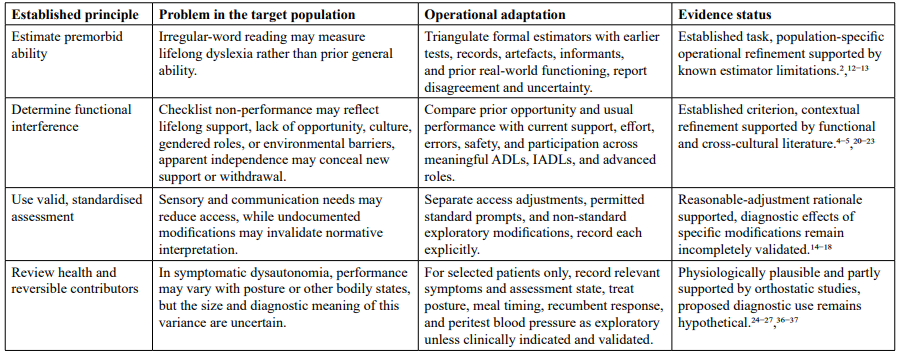
Table 2: Established Principles and Proposed Operational Adaptations
Specify whether the referral concerns SCD, possible MCI, possible dementia, differential diagnosis, capacity, or monitoring. Do not use “early dementia” as a catch-all. Define what evidence would change the conclusion [4-6].
Establish Evidentiary Status
Separate formal diagnoses, documented findings, self-report, informant observation, clinical inference, and untested hypotheses. For example: documented orthostatic hypotension, self-reported cognitive clouding when upright, hypothesised perfusion contribution. This prevents plausible mechanisms from becoming facts through repetition.
Triangulate Developmental and Premorbid Ability
Use previous tests, formal estimators, records, informants, artefacts, and real-world history. In severe dyslexia, do not use irregular-word reading as the sole or decisive estimate. Report the uncertainty and the domains to which the estimate can reasonably apply [2,12,13].
Measure Functional Change against Opportunity and Support
Assess ADLs, IADLs, advanced activities, and personally meaningful roles. Record prior opportunity, ordinary supports, current supports, errors, time, effort, safety, and withdrawal. Interpret items culturally and avoid assuming that non-performance equals lost ability [4,5,20-23].
Characterise State-Dependent and Treatable Contributors
Document sleep, fatigue, pain, mood, sensory access, recent illness, hydration, nutrition, medication effects, and other relevant variables. In selected patients with documented dysautonomia, add posture, autonomic symptoms, meal timing, and clinically appropriate blood-pressure information. These observations qualify interpretation, they do not automatically invalidate the assessment or establish causality [1,24-32].
Preserve Standardization and Record Qualitative Behaviour
Use validated instruments suitable for the referral question, language, culture, sensory status, and ability. Make permitted access adjustments, document all departures from standard administration, and distinguish norm-referenced scores from exploratory observations. Record latency, strategy, self-correction, overload, misunderstanding, and response to permitted breaks [2,3,35].
Integrate Examination, Imaging, Laboratory Tests, and Biomarkers
Investigate reversible contributors and use imaging or disease biomarkers when clinically indicated. Interpret biomarkers as evidence about pathology within a full clinical evaluation, not as a stand-alone explanation of present function [1,3,8,9].
Compare Longitudinally Using Reliable-Change Principles
Some diagnoses can be made confidently at the first comprehensive assessment when history, collateral evidence, functional change, examination, and imaging converge. Repeat testing should not become a ritual that delays a clear diagnosis. When uncertainty remains, however, longitudinal reassessment is especially valuable. The interval should reflect clinical risk, expected rate of change, and the practical question being asked, an NHS England primary-care toolkit recommends yearly follow-up for MCI, while shorter review may be appropriate where progression or safety concerns are greater [38]. Repeated testing must account for practice effects, regression to the mean, measurement error, alternate forms, and changes in health or conditions [33,34]. A raw fall or improvement of one or two points may not constitute reliable change. Where possible, clinicians should use instrument-specific reliable-change indices, demographically appropriate longitudinal norms, and reasonably comparable conditions. Comparable does not mean forcing a symptomatic patient through an unsafe posture, it means documenting material differences so change is not attributed blindly to disease.
What Is Established, What Is Adapted, And What Remains Hypothetical
The framework contains three evidentiary levels. Established good practice includes history, collateral information, assessment of functional interference, review of reversible contributors, appropriate cognitive testing, premorbid estimation, qualitative observation, imaging or biomarkers when indicated, and longitudinal review [1-5].
Adaptations supported by a defined problem but not yet fully validated include triangulating premorbid ability when word reading is invalid, evaluating function through opportunity, ordinary support, cost, and withdrawal, and planning access adjustments for autistic sensory and communication needs while preserving test standardization [12-18,20-23].
Selected-patient hypotheses requiring evaluation include routinely adding peritest orthostatic measurements, timing testing around meals, or using response to recumbent rest as evidence about cognitive mechanism. Orthostatic physiology and posture-related cognitive effects make these proposals plausible in symptomatic dysautonomia, but diagnostic accuracy, feasibility, thresholds, and unintended consequences have not been established [24-27].
This hierarchy is the paper’s principal safeguard against overclaiming. The context-aware framework is not a new test, score, or substitute for specialist judgement. It is an implementation checklist, a minimum documentation standard for difficult cases, and a research agenda. Its value should be judged empirically: whether it improves diagnostic agreement, reduces avoidable misclassification, changes management appropriately, and does so without excessive burden or unsafe testing.
Research Priorities
The next step is empirical. At least six questions are testable.
• Which standard screeners and neuropsychological measures show acceptable diagnostic accuracy for MCI and dementia in older autistic adults with and without intellectual disability?
• Which access adjustments preserve validity, and how should non-standard modifications be reported?
• How should premorbid ability be estimated in severe dyslexia when irregular-word reading is invalid and earlier psychometric data are absent?
• Which functional measures best capture change in support, effort, withdrawal, digital activity, and culturally meaningful roles?
• In patients with documented orthostatic hypotension, how much within-person cognitive variance is associated with posture, symptoms, blood pressure, meal timing, and medication timing?
• Does recording these variables reduce misclassification, improve confidence, or merely increase burden?
• A feasible study could recruit neurodivergent and neurotypical older adults across SCD, MCI, and dementia groups, measure ADLs/IADLs and changes in support, characterise autonomic symptoms and orthostatic vital signs, and repeat a limited cognitive battery under standardised, safe conditions. Diagnostic adjudication should be blinded to the proposed context checklist, use collateral and longitudinal outcomes, and distinguish Alzheimer biomarkers from clinical stage. Co-design with autistic adults, people with dyslexia, caregivers, neuropsychologists, geriatricians, and autonomic specialists would be essential.
Conclusion
The score is not the story, but neither is biography alone. Good dementia assessment already requires acquired change, function, history, collateral evidence, investigation of other causes, and appropriately interpreted testing. The problem exposed by my experience is not the absence of those principles. It is the difficulty of applying them when premorbid cognition was uneven, compensation was extensive, function is sustained by hidden supports, and physiology changes the conditions under which cognition is expressed. For such patients, diagnostic interpretation may become more transparent when clinicians make four matters explicit: how premorbid ability was triangulated, how functional change was distinguished from lack of opportunity, lifelong support, or environmental mismatch, what bodily and environmental state accompanied the assessment, and whether longitudinal change exceeds expected variability and practice effects. Whether these refinements improve diagnostic accuracy is an empirical question, not an outcome established by this personal account. Biomarkers can clarify underlying pathology, but they cannot determine on their own how much that pathology explains today’s presentation.
My personal history cannot validate this approach. It can, however, show why the questions matter and where a standard pathway may need greater resolution. The clinical obligation is not to choose between measurement and narrative, or between biology and biography, but to integrate them without confusing documented fact, experienced reality, plausible mechanism, and established evidence. The score remains part of the story. Context helps determine what kind of story it may be.
Declaration
Ethics and Consent
This perspective is an autobiographical reflection written by the person whose experience is described. It reports no research participants, intervention, or systematically collected research dataset. The author consents to publication of the personal clinical material included here.
Data Availability
No research dataset was generated or analysed for this perspective. Clinical details are presented selectively and narratively, source medical records are not publicly available
Generative Ai And Assistive Communication Disclosure
ChatGPT (OpenAI) was used as an assistive communication and manuscript-preparation tool to support organisation, sentence construction, spelling, transcription, and conversion of the author’s notes, clinical observations, timelines, and narrative accounts into academic prose. This use was intended to mitigate substantial dyslexia-related writing and sequencing barriers and cognitive fatigue. The author supplied and reviewed the substantive content, clinical facts, interpretations, citations, arguments, and conclusions, retained full editorial control, and accepts responsibility for the manuscript. The tool did not generate research data, determine findings, or qualify for authorship.
References
- National Institute for Health and Care Excellence. Dementia: Assessment, Management and Support for People Living with Dementia and Their Carers (NG97). London: NICE, 2018, updated 2025.
- American Psychological Association. Guidelines for the Evaluation of Dementia and Age-Related Cognitive Change. Washington, DC: APA, 2021.
- Atri A, Dickerson BC, Clevenger C, et al. Alzheimer’s Association clinical practice guideline for the Diagnostic Evaluation, Testing, Counseling, and Disclosure of Suspected Alzheimer’s Disease and Related Disorders (DETeCD-ADRD): Executive summary of recommendations for primary care. Alzheimer’s & Dementia. 2025,21(6):e14333.
- McKhann GM, Knopman DS, Chertkow H, et al. The diagnosis of dementia due to Alzheimer’s disease: Recommendations from the National Institute on Aging-Alzheimer’s Association workgroups. Alzheimer’s & Dementia. 2011,7(3):263–269.
- Albert MS, DeKosky ST, Dickson D, et al. The diagnosis of mild cognitive impairment due to Alzheimer’s disease: Recommendations from the National Institute on Aging-Alzheimer’s Association workgroups. Alzheimer’s & Dementia. 2011,7(3):270–279.
- Jessen F, Amariglio RE, Buckley RF, et al. The characterisation of subjective cognitive decline. Lancet Neurology. 2020,19(3):271–278.
- Harada CN, Natelson Love MC, Triebel KL. Normal cognitive aging. Clinics in Geriatric Medicine. 2013,29(4):737–752.
- Jack CR Jr, Andrews JS, Beach TG, et al. Revised criteria for diagnosis and staging of Alzheimer’s disease: Alzheimer’s Association Workgroup. Alzheimer’s & Dementia. 2024,20(8):5143–5169.
- Palmqvist S, Tideman P, Cullen N, et al. Alzheimer’s Association clinical practice guideline on the use of blood-based biomarkers in the diagnostic workup of suspected Alzheimer’s disease within specialized care settings. Alzheimer’s & Dementia. 2025,21:e70535.
- Stern Y, Arenaza-Urquijo EM, Bartrés-Faz D, et al. Whitepaper: Defining and investigating cognitive reserve, brain reserve, and brain maintenance. Alzheimer’s & Dementia. 2020,16(9):1305–1311.
- Mather N, Schneider D. The use of cognitive tests in the assessment of dyslexia. Journal of Intelligence. 2023,11(5):79.
- Barker-Collo S, Bartle H, Clarke A, van Toledo A, Vykopal H, Willetts A. Accuracy of the National Adult Reading Test and Spot the Word estimates of premorbid intelligence in a non-clinical New Zealand sample. New Zealand Journal of Psychology. 2008,37(3):53–61.
- Bright P, Jaldow E, Kopelman MD. The National Adult Reading Test as a measure of premorbid intelligence: A comparison with estimates derived from demographic variables. Journal of the International Neuropsychological Society. 2002,8(6):847–854.
- O’Donald F, Ferrie J, Calia C. Addressing the gaps in assessing dementia in older autistic adults. International Journal of Geriatric Psychiatry. 2024,39(12):e70031.
- Janicki MP, McCallion P, Jokinen N, et al. Autism, diagnostics, and dementia: A consensus report from the 2nd International Summit on Intellectual Disabilities and Dementia. International Journal of Geriatric Psychiatry. 2025,40(6):e70110.
- MacLennan K, Woolley C, @21andsensory E, Heasman B, Starns J, George B, Manning C. ‘It is a big spider web of things’: Sensory experiences of autistic adults in public spaces. Autism in Adulthood. 2023,5(4):411–422.
- NHS England. Meeting the needs of autistic adults in mental health services. 2023.
- British Psychological Society and Royal College of Psychiatrists. Dementia and People with Intellectual Disabilities: Guidance on Assessment, Diagnosis, Interventions and Support. Leicester: British Psychological Society, 2025.
- Beresford-Webb JA, Mak E, Grigorova M, et al. Establishing diagnostic thresholds for Alzheimer’s disease in adults with Down syndrome: The Cambridge Examination for Mental Disorders of Older People with Down’s Syndrome and Others with Intellectual Disabilities (CAMDEX-DS). BJPsych Open. 2021,7(3):e79.
- Calia C, O’Donald F, Franzen S, et al. Cross-cultural functional assessment for dementia: A commentary. The Clinical Neuropsychologist. Published online August 17, 2025:1–26.
- Yemm H, Robinson L, Paddick SM, et al. InstrumentalActivities of Daily Living scales to detect cognitive impairment and dementia in low- and middle-income countries: A systematic review. Journal of Alzheimer’s Disease. 2021,83(1):451–474.
- Stringer G, Leroi I, Sikkes SAM, et al. The UK version of the Amsterdam Instrumental Activities of Daily Living Questionnaire: Adaptation and validation. International Psychogeriatrics. 2021,33(1):75–86.
- Moon S, Oh E, Chung D, Hong G-RS. Changes in instrumental activities daily living limitations and their associated factorsaccording to gender in community-residing older adults: A longitudinal cohort study. PLOS ONE. 2024,19(1):e0296796.
- Wieling W, Kaufmann H, Claydon VE, et al. Diagnosis and treatment of orthostatic hypotension. Lancet Neurology. 2022,21(8):735–746.
- Poda R, Guaraldi P, Solieri L, et al. Standing worsens cognitive functions in patients with neurogenic orthostatic hypotension. Neurological Sciences. 2012,33(2):469–473.
- Wolters FJ, Mattace-Raso FUS, Koudstaal PJ, Hofman A, Ikram MA. Orthostatic hypotension and the long-term risk of dementia: A population-based study. PLOS Medicine. 2016,13(10):e1002143.
- Duval GT, Raud E, Gohier H, et al. Orthostatic hypotension and cognitive impairment: Systematic review and meta-analysis of longitudinal studies. Maturitas. 2024,185:107866.
- Lowe CJ, Safati A, Hall PA. The neurocognitive consequences of sleep restriction: A meta-analytic review. Neuroscience & Biobehavioral Reviews. 2017,80:586–604.
- Moriarty O, McGuire BE, Finn DP. The effect of pain on cognitive function: A review of clinical and preclinical research. Progress in Neurobiology. 2011,93(3):385–404.
- Campbell N, Boustani M, Limbil T, et al. The cognitive impact of anticholinergics: A clinical review. Clinical Interventions in Aging. 2009,4:225–233.
- Coupland CAC, Hill T, Dening T, Morriss R, Moore M, Hippisley-Cox J. Anticholinergic drug exposure and the risk of dementia: A nested case-control study. JAMA InternalMedicine. 2019,179(8):1084–1093.
- Livingston G, Huntley J, Liu KY, et al. Dementia prevention, intervention, and care: 2024 report of the Lancet standing Commission. Lancet. 2024,404(10452):572–628.
- Goldberg TE, Harvey PD, Wesnes KA, Snyder PJ, Schneider LS. Practice effects due to serial cognitive assessment: Implications for preclinical Alzheimer’s disease randomized controlled trials. Alzheimer’s & Dementia: Diagnosis, Assessment & Disease Monitoring. 2015,1(1):103–111.
- Cooley SA, Heaps JM, Bolzenius JD, et al. Longitudinal change in performance on the Montreal Cognitive Assessment in older adults. Clinical Neuropsychologist. 2015,29(6):824–835.
- Atri A, Dickerson BC, Clevenger C, et al. The Alzheimer’s Association clinical practice guideline for DETeCD-ADRD: Validated clinical assessment instruments. Alzheimer’s & Dementia. 2025,21:e14335.
- Freeman R, Abuzinadah AR, Gibbons C, Jones P, Miglis MG, Sinn DI. Orthostatic hypotension: JACC state-of-the-art review. Journal of the American College of Cardiology. 2018,72(11):1294–1309.
- Novak P. Orthostatic cerebral hypoperfusion syndrome. Frontiers in Aging Neuroscience. 2016,8:22.
- Barrett E, Burns A. Dementia Revealed: What Primary Care Needs to Know—A Primer for General Practice. Version 2. London: NHS England, 2014.