

Journal of Agriculture and Horticulture Research(JAHR)
ISSN: 2643-671X | DOI: 10.33140/JAHR
Impact Factor: 1.12

Research Article - (2026) Volume 9, Issue 1
Understanding the Effectiveness of e-Government Implementation in Yogyakarta City Through the Jogja Smart Service (JSS) Application
2Department of Product Research and Software Development, TPL Logistics Pvt Ltd, Karachi, Pakistan
Received Date: Sep 27, 2025 / Accepted Date: Oct 16, 2025 / Published Date: Jan 16, 2026
Copyright: ©2026 Sri Rahayu, et al. This is an open-access article distributed under the terms of the Creative Commons Attribution License, which permits unrestricted use, distribution, and reproduction in any medium, provided the original author and source are credited.
Citation: Rahayu, S., Nurmandi, A., Younus, M. (2026). Understanding the Effectiveness of e-Government Implementation in Yogyakarta CityThrough the Jogja Smart Service (JSS) Application. J Agri Horti Res, 9(1), 01-06.
Abstract
This research examines the effectiveness of e-Government implementation in Yogyakarta City through the Jogja Smart Service (JSS) application, a digital public service platform integrated with all Regional Apparatus Organizations. This research aims to identify challenges and potentials in the implementation of e-Government, particularly related to low digital literacy and community participation. The research method used is qualitative, with a literature analysis approach through Scopus and Google Scholar databases, and bibliometric mapping using CiteSpace software. The results showed that the trend of publications on e-Government and smart cities is increasing globally, with significant contributions from Indonesia, JSS being one of the concrete examples of e-Government implementation at the local level. The findings show that JSS improves transparency, efficiency of public services, and communication between government and citizens, but still faces barriers in the aspect of socialization and digital readiness of the community. In conclusion, the success of e-Government, such as JSS, depends on the synergy between technology, supportive policies, and improving people's digital literacy. This research recommends an integrative approach between technological and social aspects to optimize smart city implementation in the future.
Keywords
e-Government, Yogyakarta City, Jogja Smart Service (JSS), Public Services
Introduction
Technological advancements, particularly the internet, are transforming various sectors, including the government. E-government, a digital technology, is being implemented to enhance public service quality [1]. Indonesia is implementing e-government-based public services, with Yogyakarta City implementing Jogja Smart Service (JSS). JSS aims to increase access, reduce waiting times, and ensure transparency [2]. However, evaluation, community participation, interagency integration, human resource management, fair infrastructure, and policies supporting digital systems are crucial for its success. Further research is needed to improve public services quality and accelerate modern, inclusive governance [3]. The Indonesian government faces challenges in implementing electronic-based government due to a lack of digital literacy among the community.
Special education and training programs are needed to improve digital literacy and accelerate e-government adaptation [4]. In Yogyakarta, many people struggle with the JSS application due to low digital literacy and public awareness. To implement efficient public services, a more easily accepted approach is needed [5]. This research aims to help the Yogyakarta Special Region government overcome these challenges by educating the public about the benefits and digital literacy of internet-based services.
Literature Review
E-government is the use of Information and Communication Technology (ICT) by government agencies to provide and distribute public information and services to the general public. It aims to provide efficient dissemination of government information, better services, and public participation in policy formulation [6]. E-government is closely related to clean, efficient, democratic, and trustworthy governance. The implementation of e-government involves four approach patterns: G2B (Government to Business), G2G (Government to Government), and G2E (Government to Employee) [7]. Singapore has ranked 7th in the E-government Development Index, demonstrating an excellent system for implementing SPBE. To realize a great SPBE, Singapore must acquire a workforce, including qualified employees from recognized colleges like the Polytechnic Republic and the Institute of Technical Education [8]. The Ministry of Communication and Informatics in Indonesia is responsible for managing and coordinating national e-government, following Presidential Instruction No. 3 Year 2003 and Law No. 23 of 2014 on Regional Government [9]. However, the implementation is still in the interaction stage, with challenges such as lack of financial and economic resources, lack of competent human resources, and lack of community participation [10]. To overcome these obstacles, a comprehensive strategy is needed, including increased investment in technology infrastructure, continuous training for government employees, and digital literacy for the public. Policies supporting e-government implementation are also necessary for its sustainability and success [11].
The research indicates that e-government can enhance transparency and accountability in public administration, but its success relies on government commitment, technological infrastructure, human resources, and policy support [12]. A smart city, a concept encompassing technological, human resource, and institutional dimensions, can improve economic ports and quality of life. Yogyakarta City, aiming to become a smart city, can achieve this by implementing egovernment, which improves people's quality of life, government efficiency, and environmental sustainability. Digital literacy, which includes human capital skills and governance of government services, is crucial for successful implementation [13]. Digital literacy is crucial for human workers, enabling them to use technology, evaluate information, and protect themselves from digital threats. This skill can lead to economic improvement, cybercrime prevention, efficient ICT use, data transparency, and human resource competencies [14]. Smart Cities in Yogyakarta and Indonesia face challenges in regulation, but the Jogja Smart Service (JSS) application provides public service information on the city area [15].
The application includes regional income, complaints, infrastructure conditions, tourism, news, regional planning documents, and creative events. It uses location-based service systems (LBS) and GPS positioning to provide information to users, both within and outside Yogyakarta [16]. The Jogja Smart Service (JSS) application in Yogyakarta City provides various services, including information and complaints, data and information services, city government partners, general services, and emergencies [17]. Despite its well-managed features, the Yogyakarta City government faces challenges such as lack of socialization and lack of improvement. The application aims to enhance digital-based public services by accelerating communication, increasing information transparency, and encouraging active community participation [18]. It uses location technology for responsive decision-making and infrastructure condition reporting. However, continuous evaluation is needed to ensure the success of digital technology and public readiness [19].
Methods
Research Type
This qualitative research focuses on the effectiveness of e-government implementation through the Jogja smart service application. It aims to explore meaning, understanding, and experience in a more in-depth manner, focusing on processes, interactions, and context in words rather than numbers or statistics. This research is more suitable for understanding the subject matter.
Research Data Source
The research on e-government implementation employs two data source tools, Scopus and Google Scholar, to collect data from various sources. Scopus is chosen due to its high quality and rigorous selection process, while Google Scholar offers accessibility, free access, and wider coverage of flexible scientific works. Both tools contribute to the accuracy and depth of information in the research.
Data Collection Techniques
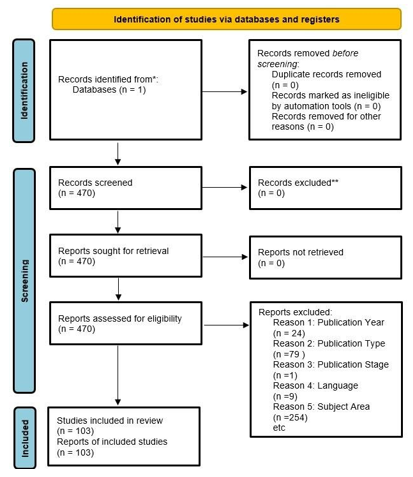
Figure 1. PRISMA Diagram - Source: Created By Author
Based on Figure 1. The diagram illustrates the process of identifying and selecting studies in a systematic review or literature review. It consists of three main stages: Identification, Screening, and Inclusion. In the Identification stage, 470 documents were identified from a database, ensuring no duplicates or ineligible data. The Screening stage assessed the documents for eligibility, with most being eliminated due to unsuitable publication year, type, stage, language, or field of study. The final stage of inclusion included only 103 studies, resulting in 103 included study reports.
Based on Figure 1. The diagram illustrates the process of identifying and selecting studies in a systematic review or literature review. It consists of three main stages: Identification, Screening, and Inclusion. In the Identification stage, 470 documents were identified from a database, ensuring no duplicates or ineligible data. The Screening stage assessed the documents for eligibility, with most being eliminated due to unsuitable publication year, type, stage, language, or field of study. The final stage of inclusion included only 103 studies, resulting in 103 included study reports.
Data Analysis Techniques
This research utilizes CiteSpace software for qualitative literature analysis, as it visualizes the citation network between articles, journals, and authors. Citespace offers advantages like speeding up literature mapping, reducing subjective bias in reference selection, and providing qualitative data for easier understanding of data relationships. Therefore, CiteSpace software is the most suitable data analysis tool for this study.
Results and Discussion
Network Shared Quotation

Figure 2: Documents Based on the Keyword – CiteSpace
Analysis Figure 2 shows visualization results of keywords mapped using CiteSpace software reveal the intellectual structure of the literature analyzed based on co-citation linkages between publications. Clusters #0, #5, #6, #7, and #11 represent closely related themes or research topics. Cluster #0 is the largest cluster, influenced by publications like Albino V (2015) and Lee J (2014). Cluster #5 discusses the relationship between concepts or factors in the context of smart cities, focusing on e-government, transparency, and citizen participation. Cluster #4 is an in-depth study of the factors determining success in implementing and developing smart cities, focusing on collaboration, synergy between actors, adequate institutional capacity, information system integration, and principles of transparency, accountability, and performance evaluation. Cluster #7 discusses the concepts and definitions of smart cities, emphasizing innovation, intellectual capital, and creativity as key drivers for improving the quality of life, competitiveness, and sustainability of cities. Cluster #11 focuses on research based on original data or case studies on smart city implementation, with Anthopoulos L (2013, 2015) presenting case studies of smart city implementations to learn from.
Documents Based on a Network of Relationships Between Keywords

Figure 3. Network of Relationships Between Keywords – VOSviewer
Analysis figure 3 shows the citation relationship between scientific documents published from 2011 to 2025, with nodes representing specific documents and connecting lines indicating cocitation. Notable documents include Lee J (2014), Albino V (2015), Meijer A (2016), and Gil-Garcia JR (2016). The visualization also includes main thematic clusters, such as literature review, critical success, interrelation, smart city concept, and empirical evidence. This helps map knowledge development in a field and identify important reference centers among researchers.
Discussion
Research on e-government and smart cities has seen a dynamic development from 2014-2025, with the United States being the largest contributor, followed by Indonesia, Spain, Italy, and the United Kingdom. Indonesia's involvement signifies the growing attention of developing countries to technology in governance, with the Jogja Smart Service application being implemented in Yogyakarta [20]. Institutions like the State University of New York Albany, Delft University of Technology, and the University of Indonesia were listed as main contributors. Scientific articles were the dominant document type, followed by conference papers and reviews. The disciplines involved were diverse, with Social Sciences and Computer Science dominating, reflecting a multidisciplinary approach to addressing smart city challenges. Keyword analysis using Cite Space identified key figures such as Lee J, Albino V, Meijer A, and Gil-Garcia JR as influential authors in shaping the development of literature in this field. Overall, research on e-government and smart cities is growing quantitatively and reflects a collective effort across disciplines and regions to address urbanization and digital transformation challenges
Conclusion
Research on e-government and smart cities has experienced a significant growth from 2014- 2025, with the United States being the main contributor. Countries like Indonesia, Spain, Italy, and the UK are also contributing to the field. Indonesia's active participation in the Jogja Smart Service in Yogyakarta demonstrates the growing attention of developing countries to technology in governance. Institutions like the State University of New York Albany, Delft University of Technology, and the University of Indonesia have strengthened the research's global standing. The scientific approach is multidisciplinary, dominated by social science and computer science. The research consists of scientific articles, conference papers, and reviews, reflecting a balance between empirical research, academic discussions, and theoretical studies. The field of egovernment and smart cities is growing quantitatively and becoming a field of collaboration across disciplines and regions to address urbanization challenges and future digital transformation.
References
- Rachmad, Y. E., Ilham, R., Indrayani, N., Manurung, H. E., Judijanto, L., Laksono, R. D., & Sa'dianoor, S. D. (2024). Layanan Dan Tata Kelola E-Government: Teori, Konsep Dan Penerapan. PT. Green Pustaka Indonesia.
- Wutsqah, U., & Erwianti, A. (2025). Teknologi Artifical Intteligence (AI) Dalam Upaya Menciptakan Tata Kelola Pemerintahan Yang Inklusif. Jurnal Citizenship Virtues, 5(1), 78-86.
- Inasari Widiyastuti, S. T. (2019). Tata Kelola Institusi, Teknologi, Dan Manusia: Bagaimana Pemerintah Daerah Menangani Komponen Smart City (Institutional, Technology, and Human Governance: How Local Governments Manage the Smart City’s Components). JURNAL IPTEKKOM (Jurnal Ilmu Pengetahuan & Teknologi Informasi), 21(2), 93-108.
- Kennedy, A., Surya, W. H., & Wartoyo, F. X. (2024). Tantangan dan Solusi Penerapan E-Government di Indonesia. Jurnal Terapan Pemerintahan Minangkabau, 4(2), 134-147.
- Winarsih,A. S., & Kencono, D. S. (2022, December). Penerapan Jogja Smart Service dalam Pengaplikasian Pelayanan Publik Kepada Masyarakat Kota Yogyakarta. In Prosiding Seminar Nasional Program Pengabdian Masyarakat.
- Parsaorantua, P. H., Pasoreh, Y., & Rondonuwu, S. A. (2017). Implementasi teknologi informasi dan komunikasi (studi tentang web e-government di kominfo kota manado). Acta Diurna Komunikasi, 6(3).
- Muallidin, I. (2015). Konsep, Kerangka Pikir & Nilai E-Government & E-Service.
- Khoiriyanti, D. (2022). PEBANDINGAN IMPLEMENTASI E-GOVERNMENTDI INDONESIADENGAN SINGAPURA (STUDI KASUS PELAKSANAAN E-GOVERNMENT): PEBANDINGAN IMPLEMENTASI E-GOVERNMENT DI INDONESIA DENGAN SINGAPURA (STUDI KASUSPELAKSANAAN E-GOVERNMENT). Jurnal Ilmiah Ilmu Administrasi, 12(1), 38-51.
- Nugroho, R. A., & Purbokusumo, Y. (2020). E-Government Readiness: Penilaian Kesiapan Aktor Utama Penerapan E-Government di Indonesia (E-Government Readiness: Main Actor Readiness Assessment for E-Government Application in Indonesia). JURNAL IPTEKKOM (Jurnal Ilmu Pengetahuan & Teknologi Informasi), 22(1), 1-17.
- Taufiq, O. H., Yuliani, D., & Hermawandi, D. (2019). Tata Kelola Pemerintah Desa Berbasis E-Government Menuju Good Governance. Dinamika: Jurnal Ilmiah Ilmu Administrasi Negara, 6(1), 145-152.
- Wijaya, J. H. (2022). PERSPEKTIF GOVERNANCE DALAM PERKEMBANGAN E-GOVERNMENT DI INDONESIATAHUN 2003-2020 (Doctoral dissertation, SEKOLAH TINGGI PEMBANGUNAN MASYARAKAT DESA STPMD" APMD").
- Rahayu, S., Nurmandi, A., & Younus, M. (2025). Understanding the Effectiveness of e-Government Implementation in Yogyakarta City Through the Jogja Smart Service (JSS) Application. In E3S Web of Conferences (Vol. 657, p. 01001). EDP Sciences.
- Syafitri, D. A., Sutiawati, S., & Rachman, I. F. (2024). Menghadapi tantangan digital: Peran literasi digital dalam mewujudkan tujuan pembangunan berkelanjutan. WISSEN: Jurnal Ilmu Sosial Dan Humaniora, 2(2), 145-156.
- Pitrianti S, Sampetoding E A M, Purba A and Pongtambing Y S 2023 Literasi Digital Pada Masyarakat Desa Pros. Semin. Nas. Teknol. dan Sist. Inf. 3 43–9
- Faidat, N., & Khozin, M. (2018). Analisa strategi pengembangan kota pintar (smart city): studi kasus kota Yogyakarta. JURNAL ILMU PEMERINTAHAN: Kajian Ilmu Pemerintahan dan Politik Daerah, 3(2), 171-180.
- Colleena, M., & Djunaedi, A. (2023). Ketersediaan Data dalam Mendukung Pemantauan dan Evaluasi Smart City Maturity (Studi Kasus Kota Yogyakarta). Jurnal Perencanaan Dan Pengembangan Kebijakan, 3(3), 227-235.
- Wahyudi, A. A., Firdausy, B. M., & Sari, N. R. (2022). Aplikasi E-Government dalam Inovasi Pelayanan Publik:Studi Kasus di Yogyakarta. JAKPP (Jurnal Analisis Kebijakan & Pelayanan Publik), 27-43.
- Urs, N., Hamlin, R. E., Zhao, J., & Hamlin, A. R. (2023). E-Government, Strategic Planning and Co-Production: Can Technology Promote Greater Citizen Engagement in a Rapidly Changing and Turbulent World: the University Response. Transylvanian Review of Administrative Sciences, 19(SI), 149-166.
- Mahendra G K and Pribadi U (2016). Efektivitas Pelaksanaan Pelayanan Pengaduan Masyarakat Berbasis E-Government J. Gov. Public …
- Habodin, M., & Damayanti, R. (2021). Pemanfaatan teknologi dalam tata kelola pemerintahan. Prosiding Senaspolhi, 3.