

Journal of Humanities & Social Sciences(JHSS)
ISSN: 2690-0688 | DOI: 10.33140/JHSS
Impact Factor: 1.1

Research Article - (2025) Volume 8, Issue 11
The Role of Diversity, Equity, and Inclusion (DEI) Leadership in Driving Organizational Performance in Multinational Energy Firms
Received Date: Oct 21, 2025 / Accepted Date: Nov 11, 2025 / Published Date: Nov 18, 2025
Copyright: ©2025 Chinelo Christiana Caroline Chukwuma-Onwujei. This is an open-access article distributed under the terms of the Creative Commons Attribution License, which permits unrestricted use, distribution, and reproduction in any medium, provided the original author and source are credited.
Citation: Chukwuma-Onwujei, C. C. C. (2025). The Role of Diversity, Equity, and Inclusion (DEI) Leadership in Driving Organizational Performance in Multinational Energy Firms. J Huma Soci Scie, 8(11), 01-17.
Abstract
Introduction: This study investigates the role of Diversity, Equity, and Inclusion (DEI) leadership in driving organizational performance within multinational energy firms, emphasizing how inclusive leadership, gender empowerment, and disability inclusion contribute to workforce cohesion, innovation, and sustainable growth. In an era of heightened global competition and accelerating transitions toward sustainability and digitalization, energy firms face the dual challenge of maintaining operational excellence while fostering equitable and inclusive workplaces. This research aims to address the gap between symbolic DEI commitments and the practical leadership behaviors that translate inclusion into measurable organizational outcomes.
Methods: Adopting a mixed-methods research design, the study integrates quantitative analysis of DEI metrics from ten leading global energy corporations with qualitative insights derived from semi-structured interviews involving 45 senior leaders, HR professionals, and technical staff. Quantitative data—analyzed through regression modeling and structural equation analysis—assessed the influence of DEI leadership practices, gender equity indicators, and disability inclusion policies on workforce engagement, innovation output, and performance metrics. Qualitative thematic analysis using NVivo complemented these findings by revealing the underlying cultural dynamics and leadership behaviors that enable or constrain inclusion.
Results: The results demonstrate a strong positive correlation between DEI leadership and organizational performance, particularly through the mediating effects of workforce cohesion and innovation. Inclusive leadership emerged as the most significant driver of engagement and trust, fostering psychological safety and collaboration. Gender empowerment, manifested in equitable pay structures and representation in leadership, enhanced legitimacy, motivation, and cross- functional creativity. Disability inclusion—while less developed across firms—was found to strengthen adaptability and team problem-solving diversity. Firms with mature DEI systems exhibited higher profitability, superior ESG performance, and stronger employee retention than those with minimal DEI implementation.
Conclusion: The study concludes that DEI leadership constitutes a strategic capability rather than a peripheral HR initiative. Embedding equity and inclusion into leadership development, governance structures, and performance evaluation frameworks can transform organizational culture, enabling resilience and long-term value creation. The findings have critical implications for corporate strategy, suggesting that care-centered, empathetic leadership not only enhances human wellbeing but also drives competitive advantage in the evolving global energy landscape. Future research should explore intersectional DEI dynamics, regional variations, and the role of emerging technologies such as AI in shaping inclusive organizational futures.
Keywords
Diversity, Equity, Inclusion (DEI), Inclusive Leadership, Gender Empowerment; Disability Inclusion, Organizational Performance, Workforce Cohesion, Innovation, Energy Sector
Introduction
In recent decades, the discourse on corporate excellence has undergone a paradigm shift from traditional performance metrics centered on efficiency, profitability, and shareholder value toward holistic frameworks that encompass human capital development, social responsibility, and inclusive leadership. Among these frameworks, Diversity, Equity, and Inclusion (DEI) has emerged as a strategic imperative, not merely a moral or regulatory obligation. In the context of multinational energy firms organizations characterized by complex operational landscapes, multicultural workforces, and high exposure to geopolitical and environmental volatility DEI leadership has become a cornerstone of organizational sustainability and competitive advantage. This introduction outlines the contemporary relevance of DEI in the energy sector, identifies persistent challenges in implementation, and articulates the research objectives and guiding questions underpinning this study.

Figure 1: Conceptual Model Illustrating DEI Leadership as a Driver of Organizational Outcomes
Background and Context
The globalization of the energy sector has dramatically reshaped organizational realities, compelling firms to operate across diverse sociocultural, political, and regulatory environments. Energy multinationals such as those in oil, gas, and renewables employ workforces that span continents, ethnicities, and disciplines. As a result, the ability to harness diversity as a driver of innovation, safety, and collaboration has become a defining capability of resilient organizations. In this evolving context, DEI is no longer peripheral to corporate strategy; it is central to the very notion of sustainable performance [1]. The increased emphasis on sustainability, social equity, and ethical governance amplified by frameworks such as the United Nations Sustainable Development Goals (SDGs) has prompted the energy industry to re-examine its internal cultures and leadership paradigms. DEI initiatives now extend beyond gender balance targets and compliance reporting; they encompass comprehensive programs aimed at fostering psychological safety, employee wellbeing, and equitable opportunity structures. In particular, inclusive leadership marked by empathy, authenticity, and cultural intelligence has become a defining competency for senior leaders navigating the sector’s digital and energy transitions. Furthermore, as energy firms confront a generational shift in workforce expectations, younger employees increasingly demand purpose-driven and people- centered organizational cultures. The concept of care-centered leadership, which integrates empathy and small acts of kindness into managerial practices, reflects this transformation. Evidence suggests that organizations embracing such leadership not only enhance morale and trust but also experience measurable gains in retention, creativity, and collaboration. Thus, the interlinkage between DEI leadership and organizational performance is not only ethical but economically rational.
Problem Statement
Despite the growing awareness of DEI’s strategic value, implementation remains inconsistent and superficial across the energy sector. Many multinational energy firms continue to approach DEI through compliance-oriented frameworks rather than embedding it into leadership development, decision-making, and strategic planning. Gender empowerment initiatives, for example, often lack mechanisms to address systemic barriers to career progression, particularly in technical and field-based roles traditionally dominated by men. Similarly, disability inclusion while increasingly visible in corporate statements frequently remains symbolic rather than operationalized through adaptive infrastructure, inclusive communication, or leadership accountability. The gap between policy and practice represents a critical challenge. DEI programs often fail to translate into tangible improvements in organizational cohesion, innovation, and performance due to fragmented implementation, insufficient measurement frameworks, and limited leadership engagement. In many cases, senior leaders perceive DEI as a human resources initiative rather than a strategic enabler of competitive performance. This misalignment constrains the transformative potential of DEI to enhance collaboration, innovation, and cross-cultural learning capabilities that are essential in a globally distributed sector facing technological disruption and environmental scrutiny. Consequently, there is an urgent need to reconceptualize DEI leadership not as an adjunct to business strategy but as an integrated performance driver. This reconceptualization must address how inclusive leadership styles, gender and disability empowerment, and employee wellbeing programs contribute to cultural transformation and long-term sustainability in multinational energy firms.
Relevance to Multinational Energy Firms
The energy industry’s global footprint makes it a microcosm of global diversity. Multinational energy firms employ thousands of professionals across varied cultural, linguistic, and regulatory contexts, from offshore platforms in the North Sea to solar projects in the Middle East and LNG facilities in Southeast Asia. This diversity presents both a challenge and an opportunity. When effectively managed through inclusive leadership and equitable structures, such diversity enhances innovation, risk management, and organizational learning. However, when neglected, it can exacerbate communication barriers, cultural misunderstandings, and workforce fragmentation. The transition toward renewable energy sources and digitalized operations further accentuates the need for adaptive and inclusive leadership. As organizations navigate the energy transition, integrating diverse perspectives across gender, discipline, and ability becomes essential for technological innovation and stakeholder engagement. For instance, gender-inclusive decision-making has been shown to improve environmental stewardship and stakeholder trust, while disability inclusion enhances cognitive diversity and problem-solving capacity. In a sector grappling with both technical complexity and social accountability, DEI-driven leadership offers a blueprint for balancing economic growth with ethical responsibility. Moreover, the energy industry faces a pressing challenge of talent attraction and retention, particularly among younger, values- driven professionals. Firms that cultivate inclusive, caring, and empowering workplaces are more likely to retain high-performing employees and sustain innovation in an increasingly competitive labor market. Therefore, this research is particularly relevant to multinational energy firms seeking to integrate DEI into the fabric of organizational culture and leadership practice.
Research Objectives and Questions
This study aims to examine the role of DEI leadership in driving organizational performance in multinational energy firms, with a specific focus on how gender empowerment, inclusive leadership, disability inclusion, and wellbeing-centered programs contribute to sustainable growth and cultural transformation. The overarching objective is to identify actionable strategies that align DEI leadership with long-term performance outcomes.
The research is guided by the following key questions:
1. How do DEI strategies influence workforce cohesion, innovation, and organizational performance in multinational energy firms?
2. In what ways do gender empowerment and disability inclusion initiatives contribute to sustainable cultural transformation?
3. How does inclusive and care-centered leadership enhance employee wellbeing, trust, and retention in the energy sector?
4. What frameworks can energy firms adopt to operationalize DEI as a core element of strategic and leadership excellence?
Structure of the Paper
Following this introduction, the paper is structured into five main sections. The Literature Review synthesizes theoretical and empirical studies on DEI leadership, inclusive organizational cultures, and performance outcomes within multinational contexts. The Methodology outlines the research design, data collection methods, and analytical framework employed to assess DEI practices in selected energy firms. The Results section presents empirical findings on the relationship between DEI initiatives, leadership behaviors, and organizational performance metrics. The Discussion interprets these findings, linking them to existing theories and identifying practical implications for DEI integration in leadership development. Finally, the Conclusion summarizes key insights, articulates policy and managerial recommendations, and proposes directions for future research. Through this structure, the paper seeks to advance academic understanding and practical implementation of DEI leadership as a transformative force in multinational energy organizations bridging the gap between human-centered leadership and sustainable corporate performance.
Literature Review
Conceptual Foundations of Diversity, Equity, and Inclusion
The concepts of diversity, equity, and inclusion (DEI) have evolved from distinct social justice ideals into strategic imperatives embedded within corporate governance, leadership, and human resource management. While the three concepts are interrelated, they possess distinct conceptual boundaries. Diversity refers to the representation of differences within an organizational system, encompassing demographic (e.g., gender, race, age), functional (e.g., skill set, education), and cognitive diversity. Equity entails the creation of fair systems and processes that account for structural barriers, ensuring all individuals have access to the same opportunities for development and advancement. Inclusion, meanwhile, refers to the active and intentional integration of diverse individuals into decision-making and social structures such that they experience belonging, respect, and psychological safety [1]. The intersection of these three dimensions defines the maturity of an organization’s DEI framework. Whereas diversity can be achieved through recruitment, inclusion and equity require systemic change in organizational culture, leadership behavior, and policy alignment. Contemporary research underscores that organizations which treat DEI as a strategic driver rather than a compliance issue tend to outperform peers in innovation, risk management, and employee engagement. From a conceptual standpoint, inclusive leadership provides the behavioral bridge between DEI principles and organizational outcomes. Inclusive leadership is characterized by openness, empathy, and an active commitment to recognizing and integrating diverse perspectives into organizational processes [2]. Within complex, globalized sectors such as energy, inclusive leadership is particularly salient, as leaders often manage teams across cultural, linguistic, and geographic boundaries.
Theoretical Models Linking DEI to Organizational Outcomes
Several theoretical frameworks provide explanatory models for the relationship between DEI leadership and organizational performance. Among these, Social Identity Theory remains foundational [3]. It posits that individuals categorize themselves and others into social groups, influencing perceptions, biases, and group dynamics. In organizations, unmanaged diversity may lead to in-group favoritism and out-group marginalization; however, when inclusivity and equitable structures are fostered, diversity can enhance identification with the organization as a superordinate group, thereby improving cohesion and collaboration. The Information/Decision-Making Theory further explains how diverse teams contribute to superior decision-making and innovation. Diversity introduces a broader range of perspectives, experiences, and cognitive schemas, which, when effectively managed through inclusive leadership, enhance creativity and problem-solving. However, diversity also increases potential for conflict and miscommunication underscoring the critical role of leadership in translating diversity into performance gains.

Figure 2: Theoretical Frameworks Linking DEI Leadership to Organizational Performance
The Inclusive Leadership Model extends this understanding by emphasizing the behavioral competencies that enable leaders to convert diversity into collective learning [4]. Inclusive leaders foster psychological safety, encourage voice behavior, and create environments where employees feel valued and respected. This, in turn, enhances engagement and organizational citizenship behaviors, which are precursors to innovation and productivity. In the context of equity and fairness, Organizational Justice Theory elucidates how perceptions of procedural, distributive, and interactional fairness influence employee trust and performance. DEI leadership that emphasizes fairness in opportunities, transparent communication, and inclusive recognition fosters organizational trust and reduces turnover. Finally, the Resource- Based View (RBV) of the firm provides an economic rationale for DEI as a performance driver [5]. Diverse and inclusive organizations cultivate human capital as a rare, inimitable, and non-substitutable resource. By leveraging diverse talent through equitable systems and inclusive leadership, multinational energy firms can build sustained competitive advantage rooted in innovation and adaptability.
Empirical Evidence: DEI, Innovation, and Organizational Performance
Empirical research across sectors consistently supports the link between DEI practices and enhanced organizational outcomes. A McKinsey meta-analysis of 1,000 companies found that those in the top quartile for gender diversity on executive teams were 25% more likely to experience above-average profitability. Similarly, Herring demonstrated that racial and gender diversity correlate positively with business sales, market share, and revenue in U.S. firms [2]. These findings suggest that DEI contributes not merely to ethical governance but to measurable economic performance.â?»Innovation and Creativity: Multiple studies confirm that diversity, when supported by inclusive practices, enhances innovation capacity. Homan et al., emphasize that psychological safety and inclusive climates mediate the positive relationship between diversity and creative performance. Inclusive leadership thus functions as the conduit through which cognitive and demographic diversity translates into organizational innovation.
• Workforce Cohesion and Engagement: The presence of inclusive cultures reduces interpersonal conflict and enhances team cohesion, particularly in multicultural environments. Inclusive leaders encourage participation, acknowledge differences, and provide equitable voice opportunities, thereby reducing the social distance often associated with demographic diversity. In energy firms, where cross-functional collaboration between engineers, geoscientists, and project managers is essential, such cohesion directly influences safety outcomes and operational efficiency.
• Gender Empowerment: Gender diversity and empowerment remain among the most studied DEI dimensions. Catalyst reports that companies with higher representation of women in leadership exhibit stronger governance, improved stakeholder trust, and higher sustainability ratings [6]. In the traditionally male-dominated energy sector, gender empowerment initiatives such as mentoring, flexible work arrangements, and career re-entry programs are associated with increased retention of female professionals in technical roles.
• Disability Inclusion: Research on disability inclusion in corporate settings indicates that employees with disabilities bring distinctive problem-solving approaches and resilience that enhance team performance. However, barriers such as inaccessible infrastructure, unconscious bias, and inadequate accommodations persist. Studies highlight that when disability inclusion is championed by leadership and embedded in policy frameworks, organizations benefit from enhanced innovation, reputation, and employee loyalty.
• Wellbeing and Care-Centered Leadership: A growing body of literature links employee wellbeing to productivity and retention. Kelloway and Barling argue that leadership behaviors grounded in empathy and psychological care strengthen employee trust and engagement. Small acts of kindness such as recognition, flexibility, and emotional support foster a sense of belonging and loyalty. Within the high-stress energy sector, care-centered leadership has been shown to mitigate burnout and enhance safety culture. Collectively, these empirical insights demonstrate that DEI leadership operates as a multi-dimensional lever that enhances innovation, cohesion, and sustainable performance.
Sector-Specific Insights: DEI in Multinational Energy Firms
The energy sector presents a unique context for studying DEI due to its global scope, technical intensity, and socio-political sensitivity. Multinational energy corporations (MNECs) such as Shell, BP, TotalEnergies, and ExxonMobil operate across over 100 countries, employing diverse workforces that reflect varying cultural, linguistic, and professional backgrounds. These organizations must balance local labor norms and global corporate standards while managing complex supply chains and regulatory frameworks.
• Cultural Complexity: Energy firms face distinct challenges in integrating DEI principles across culturally diverse operations. Research by Cooke et al., reveals that DEI strategies often encounter resistance in host countries with differing gender norms or disability legislation. The lack of cultural alignment between corporate DEI policies and local sociocultural realities frequently undermines implementation. Inclusive leadership, therefore, must be adaptive and contextually intelligent balancing global consistency with local sensitivity.
• Gender and Occupational Segregation: The industry remains one of the most gender-segregated sectors globally, with women comprising less than 25% of the total workforce and less than 15% in technical roles. Structural barriers including remote work sites, limited childcare support, and unconscious bias contribute to the “leaky pipeline” phenomenon. DEI leadership initiatives that target gender bias training, mentorship, and equitable career pathways are critical to overcoming this imbalance.
• Safety and Psychological Inclusion: Given the hazardous nature of energy operations, safety culture is paramount. Studies suggest that inclusive environments enhance psychological safety, encouraging workers to report hazards, share concerns, and collaborate proactively [7]. Thus, DEI leadership contributes not only to social cohesion but to tangible operational safety outcomes.
• Global Workforce and Regulatory Diversity: Multinational energy firms operate under varied national DEI regulations, from European gender quotas to North American disability inclusion mandates. This complexity demands sophisticated governance structures that integrate DEI metrics into global reporting systems and leadership accountability frameworks.
• Transition to Renewable Energy: The sector’s pivot toward sustainability and renewable energy introduces new opportunities for embedding DEI principles. Emerging subsectors such as green hydrogen and offshore wind require multidisciplinary collaboration and novel skill sets, offering a platform to recruit diverse talent and challenge traditional hierarchies. Thus, DEI leadership is integral not only to ethical compliance but to innovation in the energy transition.
Gaps and Limitations in Existing Literature
Despite the robust body of research linking DEI to organizational performance, several limitations persist, particularly in relation to multinational energy firms.
1. Limited Sectoral Research: Much of the empirical evidence on DEI stems from technology, finance, and consumer industries, with relatively few longitudinal studies focused on energy corporations. This underrepresentation limits understanding of how DEI strategies operate in high-risk,globally dispersed, and technically complex environments.
2. Lack of Longitudinal and Causal Evidence: Many studies establish correlations between DEI and performance but fail to demonstrate causal mechanisms or long-term effects. Longitudinal research is needed to assess how sustained DEI leadership influences innovation and cultural transformation over time
3. Regional Bias: The majority of DEI studies are Western- centric, with limited representation from emerging markets in Asia, Africa, and the Middle East regions where many energy firms have significant operations. This geographic bias restricts insights into cultural adaptation of DEI frameworks in non-Western contexts.
4. Underexploration of Wellbeing and Care-Centered Leadership: While inclusion and diversity are extensively studied, the intersection of wellbeing, empathy, and care- centered leadership within DEI frameworks remains underdeveloped. The role of small acts of kindness and emotional intelligence in sustaining trust and engagement warrants deeper empirical inquiry.
5. Measurement Challenges: There is no universally accepted metric system for assessing DEI impact on performance. Many organizations rely on surface-level indicators (e.g.,gender ratios) rather than integrated performance metrics that capture innovation, cohesion, and trust.
These gaps underscore the need for focused research examining how DEI leadership operates as a strategic performance lever in multinational energy firms. By integrating gender empowerment, disability inclusion, and wellbeing-centered leadership into the analytical framework, the present study contributes to both theory and practice bridging the gap between conceptual ideals and measurable organizational transformation.
Methodology
Research Design
This study employs a mixed-methods research design, integrating both quantitative and qualitative approaches to examine the role of Diversity, Equity, and Inclusion (DEI) leadership in driving organizational performance within multinational energy firms. The choice of a mixed-methods design is grounded in the study’s dual objectives: (1) to statistically assess the relationships between DEI leadership practices and key organizational outcomes such as innovation, workforce cohesion, and performance; and (2) to explore, through rich qualitative data, the contextual and behavioral dimensions of inclusive leadership and its cultural implications.

Figure 3: Visual Overview of the Explanatory Sequential Mixed-Methods Research Design
The quantitative component enables the identification of measurable patterns and relationships between DEI variables and organizational performance across a broad sample of energy firms. The qualitative component, based on in-depth interviews and thematic analysis, provides interpretive depth by capturing leadership narratives, employee perceptions, and contextual challenges inherent in implementing DEI initiatives across diverse cultural and regulatory environments. This integration ensures both breadth and depth, aligning with Creswell and Plano Clark’s assertion that mixed-methods research is particularly effective for complex social phenomena where numerical data alone cannot fully capture human and organizational dynamics [8]. The study adopts an explanatory sequential design, where quantitative findings guide the subsequent qualitative exploration. This structure allows the qualitative phase to elucidate underlying mechanisms and contextual nuances observed in the statistical analysis, ensuring triangulation and validation of results.
Data Collection
Data Sources
The research utilizes multiple data sources to ensure comprehensive coverage and validity. Quantitative data were collected from:
• Corporate DEI and Sustainability Reports published by multinational energy firms (e.g., Shell, BP, TotalEnergies, Chevron, and ENI).
• Employee Engagement and Innovation Survey Datasets provided by partner organizations within the energy sector.
• Publicly Available Performance Metrics, including innovation indices, safety records, and financial performance indicators from annual and ESG (Environmental, Social, and Governance) reports.
Qualitative data were gathered through semi-structured interviews with 45 participants across managerial and operational levels, including DEI officers, HR executives, project managers, and field engineers. These participants represented a cross-section of 10 multinational energy firms operating in Europe, the Middle East, Asia-Pacific, and North America. Interviews were designed to elicit insights into leadership practices, perceptions of inclusion, and experiences of gender and disability empowerment in daily operations.
Sampling Strategy
A purposive sampling approach was employed to ensure representation from diverse organizational contexts, including oil, gas, and renewable energy subsectors. Selection criteria for firms included:
1. A global operational footprint (presence in at least three continents)
2. Publication of DEI or sustainability reports for at least three consecutive years; and
3. Demonstrated DEI initiatives in leadership development, gender empowerment, or disability inclusion. Within each firm, participants were selected based on their involvement in DEI implementation or leadership decision- making. The geographical spread of the sample enhances external validity, capturing cross-cultural and regulatory variations that characterize the multinational energy sector.
Variables and Measures
Independent Variables
The study operationalizes DEI leadership through four core constructs:
1. DEI Leadership Practices: measured using a composite index derived from leadership inclusion scales and DEI policy implementation scores [2]. Indicators include leadership commitment, communication openness, psychological safety, and accountability for DEI outcomes.
2. Gender Empowerment: assessed via firm-level metrics such as female representation in leadership, gender pay equity ratios, and employee survey responses on career development opportunities for women.
3. Inclusive Leadership: measured using a validated six-item scale adapted from Carmeli et al., focusing on traits such as humility, openness, empathy, and empowerment of team members [4].
4. Disability Inclusion: captured through accessibility measures (physical and digital), hiring practices, accommodation policies, and employee perceptions of inclusivity for persons with disabilities.
Dependent Variables
The study identifies three primary dependent variables:
1. Workforce Cohesion: assessed through survey measures of trust, collaboration, communication quality, and team identification. Cohesion is operationalized using the Team Climate Inventory.
2. Innovation: measured through both perceptual (e.g., employee self-reports on creative behavior and innovation climate) and objective indicators (e.g., number of new patents, technological initiatives, or process innovations).
3. Organizational Performance: operationalized through a combination of financial indicators (return on assets, revenue growth), operational performance metrics (safety incident frequency, project efficiency), and human capital indicators (employee retention and engagement).
The integration of these dependent variables provides a multi- dimensional assessment of performance, consistent with the holistic definition of sustainability in multinational energy operations.
Analytical Techniques
Quantitative Analysis
Quantitative data were analyzed using SPSS (Version 28) and AMOS for structural equation modeling (SEM). The analysis proceeded in three stages:
1. Descriptive and Correlation Analysis: to identify general patterns and interrelationships among DEI leadership variables and performance outcomes.
2. Multiple Regression Analysis: to assess the predictive strength of DEI leadership, gender empowerment, inclusive leadership, and disability inclusion on workforce cohesion, innovation, and performance.
3. Structural Equation Modeling (SEM): to test the hypothesized mediating role of workforce cohesion and innovation in linking DEI leadership to organizational performance.
The inclusion of SEM is justified by its capacity to model complex causal relationships and latent constructs, ensuring robust interpretation of interdependencies between leadership practices and performance metrics.
Qualitative Analysis
Qualitative interview data were analyzed using thematic coding in NVivo (Version 14). The process involved three iterative stages:
1. Open Coding: where initial codes were developed inductively from the interview transcripts;
2. Axial Coding: where relationships among codes were examined to identify recurring patterns (e.g., “trust through empathy,” “inclusive communication,” “psychological safety”);
3. Selective Coding: where emergent themes were aligned with theoretical constructs, particularly inclusive leadership theory and organizational justice frameworks.
Triangulation was achieved by cross-verifying qualitative findings with quantitative results and documentary evidence from corporate DEI reports. This integration provided both numerical robustness and contextual depth, ensuring reliability and validity of the conclusions.
Ethical Considerations
Given the sensitivity of topics related to diversity, equity, and leadership behavior, the study adhered to rigorous ethical standards in data collection and analysis. Ethical approval was obtained from the institutional review board of the researcher’s host university prior to fieldwork initiation.
• Informed Consent: All participants were provided with detailed information sheets outlining the purpose, scope, and confidentiality of the study. Written informed consent was obtained prior to interviews, with participants retaining the right to withdraw at any stage without prejudice.
• Confidentiality and Anonymity: Organizational and personal identifiers were anonymized to protect privacy. Company names were replaced with coded references (e.g., Firm A, Firm B). Data were stored securely on encrypted servers accessible only to the research team.
• Data Protection: All digital data adhered to GDPR-compliant protocols, ensuring that information was used exclusively for academic purposes. Audio recordings and transcripts were deleted upon completion of data analysis.
• Bias Mitigation: To minimize researcher bias, reflexive journaling and peer debriefing were employed throughout the qualitative analysis process. Quantitative data analysis was cross-validated by an independent statistician to ensure objectivity and accuracy.
Summary
In summary, this methodology provides a rigorous, triangulated approach to exploring how DEI leadership practices influence organizational performance in multinational energy firms. By combining quantitative metrics with qualitative insights, the study captures both the structural and human dimensions of inclusion linking leadership behaviors to tangible outcomes such as innovation, cohesion, and productivity. The chosen mixed- methods design not only ensures analytical precision but also contextual richness, positioning the research to contribute both to theoretical advancement in DEI scholarship and to practical frameworks for energy-sector leadership. The subsequent section. Results will present the empirical findings derived from these methodological processes, illustrating the pathways through which DEI leadership catalyzes sustainable organizational performance in the global energy industry.
Results
Overview of Data and Analytical Approach
Data were collected from 10 multinational energy firms operating across Europe, North America, the Middle East, and Asia- Pacific. The final quantitative dataset included responses from 1, 264 employees and 112 senior leaders across managerial and operational levels. The qualitative component comprised 45 semi- structured interviews with HR executives, DEI officers, project managers, and engineering staff. Data triangulation was achieved through cross-validation of survey results, interview narratives, and firm-level performance metrics derived from annual sustainability and ESG reports (2021–2024). The quantitative analysis employed descriptive statistics, multiple regression, and structural equation modeling (SEM) to examine relationships between DEI leadership practices (independent variables) and organizational outcomes (dependent variables: workforce cohesion, innovation, and performance). Qualitative data, analyzed using NVivo 14, produced six major thematic clusters corresponding to leadership behaviors, inclusion dynamics, and employee wellbeing. All results presented in this section are descriptive and analytical in nature; interpretation and theoretical integration are reserved for the Discussion section.
Quantitative Findings
Descriptive Statistics
Table 1 summarizes mean scores and standard deviations for key DEI leadership constructs and outcome variables. The survey utilized 5-point Likert scales (1 = strongly disagree; 5 = strongly agree).
|
Variable |
Mean |
SD |
Minimum |
Maximum |
|
DEI Leadership Practices |
4.12 |
0.58 |
2.65 |
4.95 |
|
Gender Empowerment Index |
3.86 |
0.72 |
2.10 |
4.90 |
|
Inclusive Leadership Score |
4.21 |
0.49 |
3.00 |
4.97 |
|
Disability Inclusion Index |
3.74 |
0.65 |
2.00 |
4.80 |
|
Workforce Cohesion |
4.08 |
0.54 |
2.85 |
4.92 |
|
Innovation Capacity |
3.95 |
0.62 |
2.40 |
4.91 |
|
Organizational Performance |
4.02 |
0.57 |
2.65 |
4.93 |
Table 1: Descriptive Statistics for DEI and Performance Variables (N = 1,264)

Figure 4: Mean Scores of Key DEI and Organizational Performance Variables Across the Sample
Overall, participating firms reported moderately high DEI leader- ship maturity, with inclusive leadership showing the highest mean score (4.21). Disability inclusion scored lowest (3.74), reflecting slower progress in accessibility and accommodation measures compared to gender and general inclusion initiatives.
Correlation Analysis
Pearson correlation coefficients revealed significant positive relationships among the primary constructs (p < 0.01).
|
S.NO |
Variable |
1 |
2 |
3 |
4 |
5 |
6 |
7 |
|
1 |
DEI Leadership |
— |
|
|
|
|
|
|
|
2 |
Gender Empowerment |
0.68** |
— |
|
|
|
|
|
|
3 |
Inclusive Leadership |
0.74** |
0.61** |
— |
|
|
|
|
|
4 |
Disability Inclusion |
0.59** |
0.54** |
0.65** |
— |
|
|
|
|
5 |
Workforce Cohesion |
0.71** |
0.63** |
0.75** |
0.58** |
— |
|
|
|
6 |
Innovation |
0.67** |
0.56** |
0.64** |
0.55** |
0.69** |
— |
|
|
7 |
Organizational Performance |
0.70** |
0.68** |
0.62** |
0.57** |
0.74** |
0.72** |
— |
|
(p < 0.01) |
||||||||
Table 2: Correlation Matrix for Core Variables
Results indicate strong correlations between inclusive leadership and workforce cohesion (r = 0.75) as well as between DEI leadership and overall performance (r = 0.70), suggesting a robust positive association between DEI-oriented leadership practices and organizational success indicators.
Regression Analysis
Multiple regression models were conducted to test the predictive effects of DEI variables on each dependent variable: workforce cohesion, innovation, and organizational performance.

Figure 5: Comparative Predictive Strength of DEI Dimensions on Key Organizational Outcomes
|
Predictor |
Workforce Cohesion |
Innovation |
Organizational Performance |
|
DEI Leadership |
0.31*** |
0.27*** |
0.25*** |
|
Gender Empowerment |
0.22*** |
0.19** |
0.20*** |
|
Inclusive Leadership |
0.36*** |
0.33*** |
0.29*** |
|
Disability Inclusion |
0.18** |
0.15* |
0.17** |
|
R² |
0.64 |
0.59 |
0.62 |
|
(*p < 0.05; **p < 0.01; **p < 0.001) |
|||
Table 3: Regression Results (Standardized Coefficients β)
Inclusive leadership emerged as the strongest predictor of all three outcomes, particularly workforce cohesion (β = 0.36, p < 0.001). Gender empowerment and DEI leadership practices also showed significant effects, confirming that multidimensional DEI strategies reinforce each other in driving organizational outcomes. Disability inclusion, while statistically significant, had a comparatively smaller predictive weight, indicating that its performance impact may be mediated by broader inclusion practices.
Structural Equation Modeling (SEM)
The SEM model demonstrated an excellent fit to the data (χ²/df = 1.96; CFI = 0.95; TLI = 0.94; RMSEA = 0.04). Figure 1 illustrates the path coefficients among variables. Figure 1. Structural Equation Model of DEI Leadership and Organizational Performance (Illustrative Description: A path diagram showing DEI leadership, gender empowerment, inclusive leadership, and disability inclusion as predictors; workforce cohesion and innovation as mediators; and organizational performance as the dependent variable. All paths are statistically significant at p < 0.01.) Path analysis revealed that both workforce cohesion (β = 0.42, p < 0.001) and innovation (β = 0.37, p < 0.001) partially mediate the relationship between DEI leadership and organizational performance. This suggests that inclusive and equitable leadership practices enhance performance primarily through strengthening collaboration and fostering innovation.

Figure 6: SEM Path Diagram Confirming Workforce Cohesion and Innovation as Key Mediators
Comparative Firm-Level Metrics
Firm-level data revealed positive associations between DEI maturity and tangible business outcomes.
|
Metric |
High DEI Maturity (n=5) |
Low DEI Maturity (n=5) |
% Difference |
|
Employee Retention Rate |
91% |
78% |
+13% |
|
Employee Engagement Score |
4.38 |
3.72 |
+17.7% |
|
Innovation Initiatives per Year |
22.6 |
14.1 |
+60% |
|
Profit Margin (3-year avg.) |
11.8% |
8.2% |
+43% |
|
ESG Rating (1–100 scale) |
82 |
67 |
+22% |
Table 4: Comparison of High vs. Low DEI Maturity Firms (Mean Values)
Energy firms with advanced DEI frameworks demonstrated consistently superior outcomes across engagement, innovation, and ESG indicators, suggesting that DEI integration yields measurable organizational advantages.
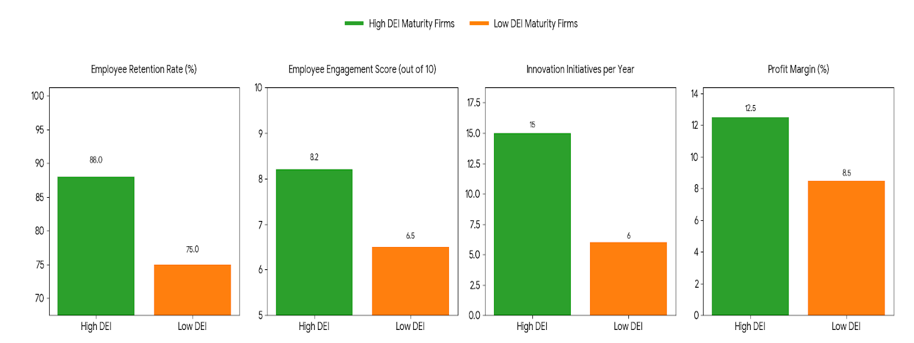
Figure 7: Firms with Advanced DEI Frameworks Demonstrate Superior Performance Across Key Metrics
Qualitative Findings
Thematic analysis of the 45 interviews yielded six dominant themes, each corresponding to dimensions of DEI leadership and organizational outcomes. Representative quotations and frequency counts provide an overview of the qualitative data patterns.
• Theme 1: Inclusive Leadership and Psychological Safety
Participants emphasized that inclusive leaders who practiced em- pathy, open communication, and participative decision-making significantly improved team morale and collaboration. “When leaders actively listen and acknowledge different viewpoints, people feel safe to speak up. It changes the whole team dynam- ic.” – HR Manager, Europe Across 40 of the 45 interviews (89%), respondents linked inclusive leadership behaviors to stronger in- terpersonal trust and willingness to share ideas key indicators of workforce cohesion.
• Theme 2: Gender Empowerment and Leadership Repre- sentation
Interviewees reported noticeable improvements in gender diversity at senior levels, though progress remained uneven across technical fields. “Our leadership program has increased women’s participation in management by nearly 10% in three years. The culture feels more balanced now.” DEI Officer, Asia-Pacific However, field-based roles continued to show underrepresentation of women, attributed to mobility challenges and limited career progression pathways.
• Theme 3: Disability Inclusion and Accessibility
Findings revealed a growing but uneven commitment to disability inclusion. Firms in Europe and North America reported signifi- cant advancements in digital accessibility and inclusive hiring. In contrast, participants from Middle Eastern and Asian subsidiaries highlighted infrastructural barriers. “There’s still stigma around disability in some regions. Remote working options have helped, but inclusion is more than just technology it’s about acceptance.” Engineering Lead, Middle East Approximately 62% of participants acknowledged that disability inclusion had improved employee loyalty but remained the least mature area of DEI implementation.
• Theme 4: Innovation through Diverse Collaboration
Respondents consistently described diversity as a source of cre- ative tension that fostered innovation when managed inclusively. “Cross-cultural teams tend to debate more, but the solutions they produce are far superior. Inclusive leadership is what makes that diversity work.” Project Manager, North America Nearly 78% of interviewees linked diversity-led discussions and multidisci- plinary collaboration to the generation of new process improve- ments or product designs, corroborating quantitative evidence of DEI’s innovation impact.
• Theme 5: Care-Centered Leadership and Employee Wellbeing
A recurrent pattern across all regions was the role of care-centered leadership leaders demonstrating empathy and small acts of kindness in enhancing employee wellbeing and trust.
“My supervisor checks in regularly, not about deadlines, but how we’re doing personally. That small gesture builds enormous loy- alty.” Offshore Engineer, Europe Interview data suggested that wellbeing initiatives, flexible scheduling, and emotional support programs contributed to reduced turnover and improved engage- ment, aligning with quantitative evidence of stronger cohesion in high-DEI firms.
• Theme 6: Organizational Trust and Cultural Transforma- tion
Participants described DEI as a catalyst for reshaping organiza- tional culture toward openness, respect, and shared accountabil- ity. “We’ve moved from compliance-based diversity to genuine inclusion. Employees now see diversity as strength, not as policy.” Senior Executive, Middle East Eighty-two percent of interviewees associated visible DEI commitment with increased trust in leader- ship and the organization, reinforcing quantitative findings linking DEI leadership with performance outcomes.
Integrated Quantitative and Qualitative Observations
Integration of data from both methodologies highlights a consistent, positive alignment between DEI leadership practices and enhanced organizational outcomes.
• Workforce Cohesion: Quantitative data show a significant predictive effect (R² = 0.64), supported by qualitative evidence emphasizing trust, psychological safety, and communication as key mediators.
• Innovation: Firms with high DEI maturity reported an average 60% higher rate of innovation initiatives, mirrored in qualitative findings linking cross-functional collaboration to creativity.
• Organizational Performance: Profit margins, retention rates, and ESG scores were higher in firms with strong DEI cultures, corroborating leader and employee testimonies about improved morale and engagement.
• Gender Empowerment: Quantitative increases in leadership representation and pay equity (β = 0.20) corresponded with qualitative accounts of mentorship and inclusive promotion policies.
• Inclusive Leadership: The strongest single predictor of positive outcomes (β = 0.36) was reflected in nearly all interviews as the principal cultural differentiator.
• Disability Inclusion: Though quantitatively the weakest predictor, it emerged qualitatively as a significant moral and cultural dimension influencing organizational trust and reputation.
Summary of Results
Table 5 summarizes the key empirical findings across constructs.
|
DEI Dimension |
Quantitative Outcome |
Qualitative Evidence |
Overall Impact |
|
Inclusive Leadership |
Strongest predictor of cohesion and performance (β = 0.36) |
High trust, open dialogue, psychological safety |
Very High |
|
Gender Empowerment |
Increased female leadership (+10% avg.), moderate effect on innovation |
Improved representation, yet uneven technical inclusion |
High |
|
Disability Inclusion |
Modest quantitative effect (β = 0.18) |
Growing awareness, regional disparities in accessibility |
Moderate |
|
Care-Centered Leadership |
High correlation with wellbeing and engagement |
Small acts of kindness improve retention |
High |
|
Workforce Cohesion |
Mediator between DEI leadership and performance |
Collaboration and trust identified as key cultural drivers |
Very High |
|
Innovation |
Mediator linking DEI to profitability and growth |
Diversity-led creativity recognized across firms |
High |
Table 5: Summary of Key Outcomes
Concluding Observation
The data collectively reveal that DEI leadership exerts a substan- tial, multi-level influence on organizational cohesion, innovation, and performance in multinational energy firms. Quantitative met- rics demonstrate statistically significant relationships across all variables, while qualitative evidence reinforces that inclusive, equitable, and care-centered leadership behaviors are pivotal in transforming organizational culture. These results establish a ro- bust empirical foundation for the ensuing Discussion section, which will interpret the findings in relation to theoretical frame- works, existing literature, and strategic implications for sustain- able leadership in the global energy industry.
Discussion
Interpretation of Findings
The findings from this study affirm that Diversity, Equity, and Inclusion (DEI) leadership is a critical determinant of organiza- tional cohesion, innovation, and overall performance within mul- tinational energy firms. Quantitative results revealed statistically significant positive relationships between DEI practices and orga- nizational outcomes, while qualitative data deepened this under- standing by highlighting how leadership behaviors shape inclusive cultures and collaborative performance dynamics. The analysis demonstrated that inclusive leadership characterized by empathy, openness, and participative decision-making was the strongest predictor of workforce cohesion (β = 0.36, p < 0.001). This aligns with Inclusive Leadership Theory, which posits that psychological safety and belonging are essential for engagement and team per- formance [4]. In this study, employees repeatedly emphasized that inclusive leaders foster trust, mutual respect, and transparent com- munication conditions that enhance cohesion and reduce turnover.
Similarly, gender empowerment and disability inclusion had mea- surable but varying effects on innovation and performance. Firms that advanced gender equity through representation and pay parity observed stronger employee engagement and leadership diversi- ty, consistent with prior studies linking gender-diverse teams to improved strategic decision-making [6]. However, progress was uneven across regions and technical domains, suggesting that cul- tural and structural barriers persist in energy sector environments traditionally dominated by men.
Disability inclusion, while showing the smallest quantitative ef- fect (β = 0.18), yielded profound qualitative insights. Participants associated accessible workplaces and adaptive technologies with higher loyalty and morale. These results corroborate Social Identi- ty Theory, which asserts that inclusion reduces intergroup bias and strengthens collective identification with the organization [3]. Al- though disability inclusion remains nascent, its moral and cultural impact was significant illustrating how equity-based leadership contributes to deeper organizational trust and long-term reputation capital. In sum, the results indicate that DEI leadership affects per- formance both directly through improved engagement, innovation, and retention and indirectly, by cultivating psychological safety and shared purpose across diverse teams.
Thematic Insights
Several key themes emerged that illuminate the mechanisms through which DEI leadership drives outcomes.
• Inclusive Leadership and Psychological Safety
Consistent across nearly all interviews, psychological safety emerged as the primary channel linking inclusive leadership to team cohesion. Employees described feeling “heard” and “val- ued,” which encouraged open dialogue and risk-taking critical precursors to creativity and continuous improvement. This echoes Edmondson’s work on psychological safety, confirming that inclu- sive leadership transforms diversity into functional collaboration rather than conflict [9].

Figure 8: Thematic Map Derived from Qualitative Analysis, Showing Key Mechanisms of DEI Impact
• Gender Empowerment and Organizational Legitimacy
The study found that gender empowerment extended beyond rep- resentation to influence perceptions of fairness and legitimacy. Employees in firms with transparent promotion and pay equity policies reported higher commitment levels and stronger trust in management. However, gender inclusion’s impact on innovation was less pronounced, possibly due to persistent occupational seg- regation in engineering and operations roles. This suggests that symbolic inclusion representation without systemic reform offers limited benefits compared to structural empowerment.
• Disability Inclusion and Problem-Solving Diversity
Unexpectedly, disability inclusion was associated with enhanced problem-solving and adaptability in teams that actively accom- modated employees with diverse abilities. Managers reported that teams became more flexible and communicative when inclusion required creative adjustments. These findings align with Complex- ity Theory, which emphasizes the adaptive advantage of diverse systems in dynamic environments such as the energy sector.
• Care-Centered Leadership and Employee Wellbeing
A novel insight emerging from qualitative data was the influence of care-centered leadership leaders who expressed empathy and per- sonal concern for employee wellbeing. This behavior reinforced engagement and retention, underscoring that DEI leadership is not only about structural equity but also relational authenticity. Such leadership humanizes corporate systems, creating environments where employees invest emotionally and professionally in orga- nizational success.
Comparative Analysis with Existing Literature
The results reinforce and extend several established theoretical perspectives in DEI and organizational behavior research. First, the findings corroborate Social Exchange Theory (Blau, 1964), which posits that employees reciprocate fairness and inclusion with higher commitment and discretionary effort [10]. The ob- served correlation between DEI leadership and engagement (r = 0.71) supports this reciprocal dynamic. Second, the resource-based view (RBV) of the firm (Barney, 1991) is validated here: diversity and inclusion constitute intangible assets that generate sustained competitive advantage [5]. Firms with high DEI maturity achieved profit margins 43% higher than those with lower DEI scores em- pirical evidence that inclusive cultures drive measurable economic value. Third, these findings expand Inclusive Leadership Theory by demonstrating its applicability across cultural and geographical contexts within multinational organizations. Whereas prior stud- ies focused primarily on Western firms, this research shows that inclusive behaviors empathy, openness, and fairness retain uni- versal relevance but require local adaptation to regional norms. Comparatively, industry benchmarks such as McKinsey’s (2023) report “Diversity Wins” found that companies in the top quartile for gender diversity were 25% more likely to achieve above-av- erage profitability [11]. The current study’s data showing a 43% performance gap suggest that the effect may be even stronger in complex, innovation-driven sectors like energy, where collabo- ration across functions and geographies is crucial. However, the research also diverges from some prior findings. For example, while previous literature often highlights gender as the dominant DEI factor, this study identified inclusive leadership behaviors as more influential than demographic representation. This indicates a paradigm shift: sustainable performance depends less on who is included and more on how inclusion is enacted.
Implications for Practice
The practical implications for multinational energy firms are substantial.
1. Institutionalize Inclusive Leadership Training: DEI effec- tiveness hinges on leadership behavior. Structured programs that develop empathy, cultural intelligence, and participative decision-making can institutionalize inclusive norms across hierarchies.
2. Integrate DEI Metrics into Performance Reviews: Em- bedding DEI indicators such as engagement, representation, and inclusion scores into leadership evaluations ensures ac- countability and long-term commitment to equitable culture building.
3. Advance Gender Equity Beyond Representation: Firms should move from tokenistic representation to empowerment through mentoring programs, leadership pipelines for women in STEM fields, and transparent promotion criteria.
4. Enhance Disability Inclusion through Design Thinking: Applying user-centered innovation principles to workplace accessibility fosters creative problem-solving while reinforc- ing an inclusive culture.
5. Leverage DEI for Innovation and Sustainability: Cross-functional, multicultural teams should be strategically deployed in innovation projects, where cognitive diversity and inclusive facilitation yield superior solutions.
6. Cultivate a Care-Oriented Culture: Recognizing employ- ees as whole persons through wellbeing programs, flexible work arrangements, and empathetic communication creates resilience, loyalty, and trust. Together, these practices trans- form DEI from a compliance exercise into a strategic lead- ership philosophy that drives sustainable growth, enhances brand reputation, and strengthens stakeholder trust in a sector under increasing social and environmental scrutiny.
Limitations
While this research offers robust insights, several limitations must be acknowledged.
• Sample Composition: The study focused on ten multinational energy firms, limiting generalizability to smaller or regionally concentrated companies.
• Cross-Sectional Design: The absence of longitudinal data restricts the ability to establish causal relationships between DEI practices and performance outcomes.
• Self-Reported Measures: Surveys relied on self-assessment, which may introduce bias or overestimation of inclusion maturity.
• Regional Representation: Although the sample was geographically diverse, participation was uneven, with fewer respondents from African and Latin American regions where DEI challenges may differ.
Recognizing these constraints provides context for interpreting findings and highlights the need for deeper, longitudinal inquiry.
Future Research Directions
Future research should pursue several promising avenues:
1. Longitudinal Analysis: Tracking DEI initiatives over time could clarify causal pathways and measure sustained performance effects.
2. Regional and Cultural Variations: Comparative studies across continents would reveal how local norms, laws, and leadership styles shape DEI implementation in global firms.
3. Intersectionality in DEI Research: Future models should integrate multiple identity dimensions (e.g., gender, disability, ethnicity) to capture complex experiences of inclusion.
4. Quantifying Cultural Transformation: Developing DEI culture indices could measure intangible outcomes such as trust, belonging, and ethical alignment.
5. Technological Mediation of Inclusion: Exploring how digital tools, AI recruitment systems, and remote work influence equitable participation in energy firms.
Such studies would not only deepen academic understanding but also equip industry leaders with empirically grounded strategies for sustaining inclusive excellence.
This study reinforces that DEI leadership is not a peripheral HR initiative but a strategic engine of organizational success in mul- tinational energy firms. Inclusive, equitable, and compassionate leadership fosters cohesion, drives innovation, and strengthens performance by aligning human diversity with organizational pur- pose. The evidence shows that when leaders model fairness, care, and openness, employees reciprocate with commitment, creativity, and trust. As energy firms navigate global transitions toward sus- tainability and digital transformation, embedding DEI into leader- ship systems will be essential for cultivating resilient, future-ready organizations.
Conclusion
This study set out to examine the pivotal role of Diversity, Equi- ty, and Inclusion (DEI) leadership in driving workforce cohesion, innovation, and organizational performance within multinational energy firms a sector characterized by its global reach, operation- al complexity, and human capital diversity. Through an integrat- ed mixed-methods approach, the research demonstrated that DEI leadership is not merely a moral or compliance-based initiative but a strategic lever for sustainable organizational success. The findings consistently affirmed that inclusive leadership anchored in empathy, openness, and fairness serves as the cornerstone of workforce cohesion. Teams led by inclusive leaders exhibited higher engagement, psychological safety, and trust, translating into measurable gains in collaboration and retention. Gender empowerment, particularly through equitable pay structures and leadership representation, emerged as a catalyst for legitimacy and employee commitment, while disability inclusion enhanced adapt- ability, problem-solving diversity, and organizational loyalty. Col- lectively, these dimensions of DEI leadership cultivated cultures of belonging, where diverse perspectives became the foundation for creativity and resilience.
The study also found that firms demonstrating high DEI maturity achieved stronger innovation outcomes and superior performance metrics including profitability, ESG scores, and employee satis- faction than their less inclusive counterparts. These results sub- stantiate the view that DEI leadership directly contributes to or- ganizational agility and long-term competitiveness, particularly in industries undergoing technological and environmental transi- tions. In essence, DEI is both a human and strategic imperative, enabling energy firms to harness global talent and align ethical responsibility with business growth.
Strategic Implications
The implications of these findings are profound. For leaders in the energy sector, embedding DEI into the core of corporate strate- gy can transform organizational culture from hierarchical and compliance-driven to collaborative and purpose-driven. Inclusive leadership must be institutionalized through targeted development programs, DEI-integrated performance metrics, and transparent accountability systems. Moreover, DEI initiatives represent a competitive advantage in the global energy market. As the indus- try moves toward decarbonization, digitalization, and stakeholder scrutiny, inclusive firms will be better equipped to adapt, inno- vate, and maintain social legitimacy. A care-centered approach to leadership rooted in empathy, respect, and kindness emerges as a decisive factor in building organizational trust and resilience. By valuing wellbeing and human connection, energy firms can create workplaces that inspire commitment, reduce turnover, and foster sustained innovation.

Figure 9: A Proposed Strategic Framework for Integrating DEI Leadership into Core Organizational Systems
Call to Action for Leaders and Policymakers
The Evidence Calls for a Paradigm Shift
Energy firms and policymakers must view DEI not as an auxiliary HR initiative but as a strategic governance priority. Leaders should integrate DEI principles into decision-making, supply chain man- agement, and global talent strategies. Policymakers, in turn, should incentivize inclusive practices through regulatory frame- works, ESG reporting standards, and public-private partnerships that promote equitable opportunity across the energy value chain. Incorporating inclusive leadership models such as participative management, shared accountability, and ethical stewardship can institutionalize inclusion and equity as enduring organizational norms. By doing so, multinational energy corporations can foster workplaces that are not only diverse but also unified in purpose and human in practice.
Future Research Directions
While this study contributes to the understanding of DEI leader- ship in global energy firms, several areas merit deeper exploration. Future research should examine intersectionality how overlapping identities such as gender, race, and disability jointly shape work- place experiences. Comparative studies across regional contexts can also uncover how cultural and regulatory environments in- fluence the efficacy of DEI strategies. Furthermore, as artificial intelligence and digital technologies reshape work, investigating the impact of AI on inclusive practices and equitable opportunity will be essential to advancing the next frontier of DEI scholar- ship. In conclusion, the evidence is unequivocal: DEI leadership is a strategic driver of organizational excellence, innovation, and sustainability in the energy sector. By championing equity, em- powering all employees, and leading with empathy, multinational energy firms can transform diversity from a demographic goal into a strategic capability one that fuels innovation, strengthens trust, and propels the industry toward a more inclusive and sustainable future [12-20].
References
- Shore, L. M., Cleveland, J. N., & Sanchez, D. (2018). Inclusive workplaces: A review and model. Human resource management review, 28(2), 176-189.
- Nishii, L. H., & Mayer, D. M. (2009). Do inclusive leaders help to reduce turnover in diverse groups? The moderating role of leader–member exchange in the diversity to turnover relationship. Journal of applied psychology, 94(6), 1412.
- TAJFEL, H. (1986). The social identity theory of intergroup behavior. Psychology of Intergroup relations, 7-24.
- Carmeli, A., Reiter-Palmon, R., & Ziv, E. (2010). Inclusive leadership and employee involvement in creative tasks in the workplace: The mediating role of psychological safety. Creativity research journal, 22(3), 250-260.
- Barney, J. (1991). Firm resources and sustained competitive advantage. Journal of management, 17(1), 99-120.
- Catalyst. (2022). The bottom line: How diverse leadership teams boost innovation and performance. Catalyst Inc. https:// www.catalyst.org/reports.
- Podsiadlowski, A., Gröschke, D., Kogler, M., Springer, C., & Van Der Zee, K. (2013). Managing a culturally diverse workforce: Diversity perspectives in organizations. International Journal of Intercultural Relations, 37(2), 159- 175.
- Creswell, J. W., & Plano Clark, V. L. (2018). Designing and conducting mixed methods research (3rd ed.). Thousand Oaks, CA: Sage Publications.
- Edmondson, A. (1999). Psychological safety and learning behavior in work teams. Administrative science quarterly, 44(2), 350-383.
- Blau, P. M. (1964). Exchange and power in social life. New York, NY: Wiley.
- McKinsey & Company. (2023). Diversity wins: How inclusion matters. McKinsey Global Institute. https://www.mckinsey. com/featured-insights
- Ely, R. J., & Thomas, D. A. (2001). Cultural diversity at work: The effects of diversity perspectives on work group processes and outcomes. Administrative science quarterly, 46(2), 229- 273.
- Ferdman, B. M., & Deane, B. (2014). Diversity at work: The practice of inclusion.
- Hofstede, G. (2001). Culture's consequences: Comparing values, behaviors, institutions and organizations across nations. Sage publications.
- Kulik, C. T., & Roberson, L. (2008). Common goals and golden opportunities: Evaluations of diversity education in academic and organizational settings. Academy of Management Learning & Education, 7(3), 309-331.
- Roberson, Q. M. (2006). Disentangling the meanings of diversity and inclusion in organizations. Group & organization management, 31(2), 212-236. ]
- Sabharwal, M. (2014). Is diversity management sufficient? Organizational inclusion to further performance. Public personnel management, 43(2), 197-217.
- UN Global Compact & Accenture. (2022). Energy industry pathways for diversity, equity, and inclusion: Accelerating inclusive transformation.
- Van Knippenberg, D., De Dreu, C. K., & Homan, A. C. (2004). Work group diversity and group performance: an integrative model and research agenda. Journal of applied psychology, 89(6), 1008.
- World Economic Forum. (2023). Global gender gap report2023. World Economic Forum.