

Journal of Investment, Banking and Finance(JIBF)
ISSN: 2997-2256 | DOI: 10.33140/JIBF
Impact Factor: 0.92


Research Article - (2025) Volume 3, Issue 2
Studying the Role of Organizational Culture and Artificial Intelligence Integration in Business Performance
Received Date: Jun 19, 2025 / Accepted Date: Jul 17, 2025 / Published Date: Jul 21, 2025
Copyright: ©Â©2025 Mohammad Shokrollahi. This is an open-access article distributed under the terms of the Creative Commons Attribution License, which permits unrestricted use, distribution, and reproduction in any medium, provided the original author and source are credited.
Citation: Shokrollahi, M. (2025). Studying the Role of Organizational Culture and Artificial Intelligence Integration in Business Performance. J Invest Bank Finance, 3(2), 01-17.
Abstract
As one of the most important transformative technologies in the current era, artificial intelligence (AI) has had profound effects on the performance of businesses. While the adoption and operation of artificial intelligence provides abundant opportunities for improving processes, decision-making, and innovation, its success is strongly influenced by cultural factors within organizations. Organizational culture, as a set of shared values, beliefs, and behaviors, canIt can be a stimulus or an obstacle to the adoption of new technologies. This research has used two main methods to collect and analyze data: the comparative analytical method and the review method. In the comparative analytical method, previous studies related to organizational culture and AI integration have been reviewed and compared to determine the relationship between these two concepts. In the review method, the existing scientific and industrial research in the field of challenges and opportunities in emerging markets has been evaluated. The data used include scientific articles, industry reports, and case studies from different organizations, and tools such as Hofstede's theoretical frameworks, Technology Acceptance Model (TAM), and Levine's Change Management Model have been used to analyze the data. To analyze the data, first, the cultural factors affecting AI adoption were identified and categorized in the form of analytical tables. Then, the impact of organizational culture on various aspects of AI adoption such as innovation, risk tolerance, hierarchical structures, and employee engagement was investigated. Also, specific challenges of emerging markets such as poor infrastructure, lack of digital skills, and restrictive laws were analyzed. Quantitative Research Method: This research was conducted through interviews with the statistical population including managers and experts of information technology and human resources in different organizations. Using a structured questionnaire, the data were collected and analyzed. This approach helped to identify managers' experiences and practical opinions in the field of AI adoption and provided deeper perspectives on the existing barriers and opportunities. The main purpose of this study is to investigate the relationship between organizational culture and success in integrating AI in organizations. In particular, this research aims to identify key cultural factors that facilitate or limit AI adoption . Also, the challenges and opportunities of emerging markets in this field have been evaluated to provide practical solutions for organizations in these areas. The findings of the research show that organizations with an innovation-driven, data-driven, and high- risk tolerance culture are more successful in adopting AI. In contrast, organizations with hierarchical structures and a risk-averse culture face more challenges in this field. In emerging markets, weak infrastructure, lack of digital skills, and restrictive laws make it more difficult to adopt AI. However, employee training, reform Regulatory laws and cooperation between academia and industry can reduce these barriers. This research shows that success in AI integration is highly dependent on organizational culture. Organizations should facilitate the adoption of new technologies by promoting a culture of innovation, employee engagement, and data driven. In emerging markets, overcoming infrastructure and regulatory challenges requires extensive training strategies and collaboration.
Keywords
Artificial Intelligence, Organizational Culture, Digital Transformation, Emerging Markets, Business Performance
Introduction
Artificial Intelligence, as one of the most advanced technologies of the present era, has played a key role in changing the landscape of businesses around the world. This technology has the ability to automate processes, increase productivity, and improve decision-making [1]. Using AI, organizations can perform big data analysis, streamline complex processes, and improve the customer experience [2]. However, the adoption and integration of this technology comes with several challenges, one of the most important of which is the organizational culture. Organizational culture is defined as a set of shared values, beliefs, and behaviors within an organization and has a significant impact on decision- making processes, acceptance of change, and innovation [3]. Studies have shown that organizations that foster an innovation driven, data-driven, and change acceptance culture are usually more successful in leveraging AI. In contrast, organizations with a hierarchical or risk-averse culture delay the adoption of this technology [4]. Artificial intelligence, in addition to its technical benefits, requires fundamental changes in management structures and working methods. These changes may face resistance from employees and managers, mainly due to concerns related to organizational culture.
The Technology Acceptance Model shows that the adoption of new technologies such as artificial intelligence is strongly influenced by employees' perceptions of its usefulness and ease of use. These perceptions are directly related to organizational culture. Emerging markets have more challenges in adopting AI due to infrastructure constraints, restrictive laws, and a lack of digital skills. These factors can make the impact of organizational culture more prominent in these regions [5]. Studies conducted in developed countries have shown that national cultures also play a role in the adoption of artificial intelligence. For example, countries with an individualistic culture and a high tolerance to uncertainty tend to adopt new technologies faster [6]. In contrast, countries with a collectivist and risk-averse culture face more challenges in adopting AI due to their resistance to change [7]. In organizations where the culture is innovation-driven, employees are usually more willing to experiment with new technologies and are more open to change. These characteristics are less common in organizations with a hierarchical culture [3].
Transformational leadership also plays a key role in creating an environment that facilitates AI adoption. Leaders must provide a clear vision of the benefits of AI and involve employees in the change process [8]. In emerging markets, the weakness of ICT infrastructure is one of the main barriers to AI adoption. Organizations should prepare the groundwork for technology adoption by investing in this infrastructure [9]. The lack of digital skills among employees is also another challenge in emerging markets. Implementing training programs to enhance employees' digital skills can reduce this challenge [10]. Restrictive laws and strict regulations can also prevent AI from taking full advantage of its potential. Amending these rules and creating supportive frameworks is essential for technology adoption. Organizations that have a data-driven culture tend to be more successful in leveraging AI. This culture facilitates the use of data for strategic decision- making [11]. Levin 's change management model suggests that organizations need to fully implement the "melt," "change," and "defrost" phases for AI adoption to be successful. Collaboration between academia and industry can help promote digital skills and the adoption of AI in emerging markets. These collaborations promote knowledge transfer and increase innovation capacities.
Comparisons of different industries have shown that technology- based industries such as information and communication technology (ICT) are adopting AI faster than traditional industries. This difference is due to the greater flexibility in the organizational culture of these industries [2]. Finally, organizations should create an environment that facilitates the adoption of new technologies such as artificial intelligence by promoting a culture of innovation, employee engagement, and acceptance of change [3]. This paper aims to investigate the relationship between organizational culture and success in AI integration, identify the key factors affecting the adoption of this technology and analyze the challenges associated with emerging markets. The findings can help organizations design appropriate strategies for AI adoption.
Problem Statement
Artificial intelligence (AI), as one of the most important technologies of the present era, has had a wide impact on industries and organizations. However, the success rate in the adoption and integration of this technology in organizations is strongly influenced by factors such as organizational culture (Sechin, 2011). Organizational culture is defined as a set of shared beliefs, values, and behaviors within an organization. This factor not only affects how employees perform, but it can also facilitate or limit the acceptance of technological changes such as artificial intelligence [4]. One of the main challenges in integrating artificial intelligence in organizations is the resistance of employees to change. This resistance is often caused by cultural concerns, lack of awareness, and fear of replacing human resources with machines [12]. Studies have shown that organizations with an innovation- oriented culture are more likely to adopt technological changes. In contrast, organizations with hierarchical structures and a risk- averse culture are resistant to the adoption of new technologies [13]. Emerging markets are facing more challenges in adopting AI due to weak technology infrastructure, lack of digital skills, and restrictive laws.
These factors can highlight the impact of organizational culture in these regions [14]. In developed countries, national cultures also play an important role in the adoption of artificial intelligence. Studies have shown that countries with an individualistic culture and high tolerance to uncertainty are more likely to adopt new technologies more quickly [6]. In contrast, countries with a collectivist and risk-averse culture face more challenges in adopting AI due to their resistance to changes [7]. Transformational leadership also plays a key role in creating an environment that facilitates AI adoption. Leaders must provide a clear vision of the benefits of AI and involve employees in the change process [15]. In emerging markets, the weakness of ICT infrastructure is one of the main barriers to the adoption of artificial intelligence. Organizations should prepare the groundwork for the adoption of technology by investing in these infrastructures [14]. The lack of digital skills among employees is also another challenge in emerging markets. Implementing training programs to enhance employees' digital skills can alleviate this challenge [10].
Restrictive laws and strict regulations can also prevent the full utilization of AI capacities. It is essential to amend these rules and create supportive frameworks for technology adoption [16]. In or- ganizations that have a data-driven culture, the adoption of AI is faster and more effective. This culture facilitates the use of data for strategic decision-making [11]. Levine's change management model shows that organizations must fully implement the "melt", "change", and "defrost" stages in order for AI adoption to be suc- cessful [17]. Collaboration between academia and industry can help to promote digital skills and the adoption of artificial intelligence in emerging markets. These collaborations lead to knowledge transfer and increase innovation capacities (Etzekowitz & Leidsdorf, 2001). Comparison of different industries has shown that technology-based industries such as information and commu- nication technology (ICT) are adopting AI faster than traditional industries. This difference is due to more flexibility in the organizational culture of these industries [2].
Ultimately, organizations should create an environment that facilitates the adoption of new technologies such as artificial intelligence by promoting a culture of innovation, employee engagement, and acceptance of change. This research seeks to investigate the relationship between organizational culture and success in integrating AI with a focus on emerging markets. This relationship can help identify the key factors influencing the adoption of this technology. By identifying cultural barriers and providing practical solutions, organizations can leverage AI capacities to enhance their innovation and performance. The research also seeks to provide a practical framework for AI- driven organizational transformation that can help organizations overcome challenges associated with emerging markets. Given the growing importance of AI in businesses, this research can help organizations design appropriate strategies for adopting this technology and exploiting its benefits.
Importance and Necessity of Research
The present study is of particular importance because it addresses one of the main challenges of organizations, namely the impact of organizational culture on AI adoption. Successful integration of AI can increase productivity, innovation, and competitiveness of organizations. Also, this research helps to identify challenges and provide solutions to overcome cultural and structural barriers by focusing on emerging markets.
Research Questions
• Main Questions
How does organizational culture affect AI adoption and integration?
• Sub-Questions
What are the factors hindering the adoption of AI in emerging markets?
How can AI adoption in organizations be facilitated by cultural changes?
Research Hypotheses
• Main Assumptions
Organizations with an innovation-centric culture are making AI adoption faster.
• Sub Suppositions
Hierarchical structures and risk-averse culture hinder the adoption of AI.
Poor infrastructure and lack of digital skills in emerging markets are limiting AI adoption.
Foundations and Background of the Research
The theoretical foundations of this research are based on the role of organizational culture in the adoption and integration of new technologies, especially artificial intelligence. Organizational culture, as a set of shared values, beliefs, norms, and behaviors in an organization, has a significant impact on performance, decision- making, and acceptance of changes. This research focuses on the principle that an innovation-driven, data-driven, and participatory culture can be the acceptance of technologies such as intelligence. It facilitates artificiality. In contrast, hierarchical, risk-averse, and change-resistant cultures often hinder the successful integration of new technologies. This research seeks to identify the factors that influence AI adoption and examine their relationship to organizational culture. Also, the research foundations investigate the challenges and opportunities of AI adoption in emerging markets. These regions face more challenges in technology adoption due to weak technology infrastructure, lack of digital skills, and restrictive laws. On the other hand, transformational leadership and the ability of managers to create a clear vision and employee engagement in the change process play an important role in the success of AI adoption. By providing a theoretical and practical framework, it seeks to identify solutions to overcome cultural and structural barriers in the adoption of artificial intelligence and increase the productivity and innovation of organizations.
Artificial Intelligence
Artificial Intelligence (AI ), as a branch of computer science, designs and develops intelligent systems that are capable of performing tasks similar to humans. These tasks include learning, reasoning, natural language comprehension, and problem solving [18]. Artificial intelligence is divided into two main categories: weak AI and strong AI. Weak AI refers to systems that are designed to perform specific tasks, while strong AI refers to systems that have the ability to understand and learn in general terms [19]. Machine learning algorithms are one of the key components of artificial intelligence that allow systems to learn from data and improve their performance. These algorithms can automatically identify hidden features and patterns in the data [20]. One common application of artificial intelligence is natural language processing ( NLP), which allows systems to communicate with humans in natural language. This technology is used in translation software, chatbots, and voice assistants [21]. Artificial intelligence is also used in the field of computer vision, which allows systems to analyze images and videos and extract useful information from them. This technology is used in autonomous cars and surveillance and security systems [22].
The development of AI comes with many ethical and social challenges. There are concerns about privacy, algorithmic discrimi- nation, and the occupational impacts of automation that require careful discussion and consideration [23]. AI is widely used in a variety of industries, including healthcare, finance, manufacturing, and customer service. For example, in healthcare, AI can help di- agnose diseases and deliver personalized treatments [24]. One of the important features of AI is the ability to learn and continuously improve. AI systems can improve their algorithms and increase their efficiency by analyzing new data and feedback [25]. As a revolutionary technology, AI has been able to automate processes and increase efficiency in many industries. This technology can lead to faster and more accurate decision-making [26]. In recent years, there have been significant advances in the field of artificial intelligence, especially in deep learning. These techniques allow systems to analyze complex data using artificial neural networks.
|
Importance |
Description |
|
Improving efficiency and productivity |
AI increases the efficiency and productivity of organizations by automating processes and analyzing data. |
|
Make quick and accurate decisions |
AI systems can make decisions faster and more accurately by analyzing big data. |
|
Optimizing the customer experience |
AI can help personalize services and products and improve the customer experience. |
|
Innovation in various industries |
Artificial intelligence helps develop new and innovative products and services in various fields, such as health, finance, and information technology. |
|
Reducing costs |
By automating repetitive tasks and reducing the need for manpower in some tasks, operational costs are reduced. |
|
Big Data Analysis |
AI can help analyze and extract valuable information from big data, which is vital for strategic decision-making. |
|
Prediction and simulation |
AI can be used to predict trends and simulate various scenarios in businesses. |
|
Maintaining and improving quality |
With the use of AI, the quality of products and services can be improved and errors reduced. |
Table 1: Importance of Artificial Intelligence
|
Years |
Event |
|
1950 |
Alan Turing published a paper titled "Calculations and Intelligence" that introduced the concept of the Turing test. |
|
1956 |
The Dartmouth Conference is known as the official starting point for artificial intelligence, and the term "artificial intelligence" was coined there. |
|
1966 |
The first chatbot apps like ELIZA were developed by Joseph Weisenbaum. |
|
1970 |
The emergence of expert systems, which had the ability to solve specific problems, was more widely considered. |
|
1980 |
Increased attention to machine learning and learning algorithms, especially neural networks. |
|
1997 |
IBM's Deep Blue computer defeated world chess champion Garry Kasparov. |
|
2006 |
The emergence of deep learning as a subset of machine learning that has the ability to analyze complex data. |
|
2011 |
Siri's voice assistant was launched as the first AI voice assistant. |
|
2016 |
DeepMind's AlphaGo program defeated the protagonist of Go's game, Lee Sedwell. |
|
2020 |
Significant advances in natural language processing and machine vision, especially with the development of large language models. |
Table 2: History of Artificial Intelligence
AI also plays an important role in improving the customer experience. By analyzing customer data, AI systems can provide personalized offerings and more optimized services (Lemon & Verhoef, 2016). Security challenges are also an important aspect of AI. With the development of this technology, new risks such as cyberattacks and misuse of personal data have increased, which requires the adoption of appropriate security measures (Chio & Freeman, 2018). Overall, AI, as a multifaceted technology, can help improve the performance of organizations and increase their competitiveness. However, organizations should also be mindful of the challenges and limitations of this technology [27]. Ethical concepts in AI have become increasingly considered. Developers and organizations must consider ethical principles in the design and implementation of AI systems to avoid discrimination and inequality [28]. Another important aspect of AI is its ability to analyze big data. AI can help organizations access useful information from the vast amount of data available [29].
AI can also help improve manufacturing processes and reduce costs. By using AI systems, organizations can optimize supply chains and manage inventory .Other applications of AI include predicting customer behavior and analyzing market trends. This technology can help businesses make more strategic decisions and compete better in the market [30]. Due to the rapid growth of artificial intelligence technology, the need to educate and train specialized human resources in this field is felt. Organizations should invest in the training of their employees to make the best use of the capacities of this technology.

Figure 1: Enhanced Role of AI in Business KPIs
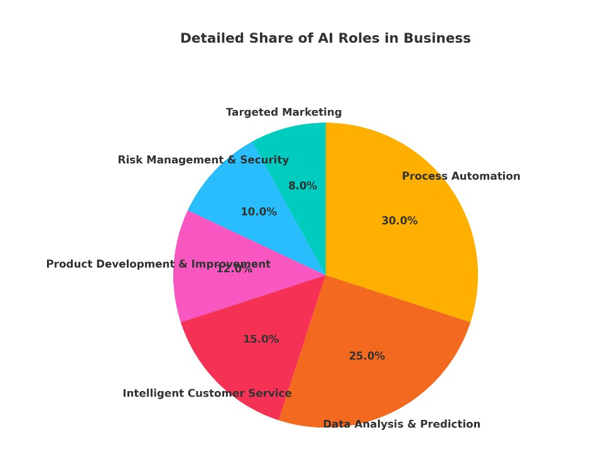
Figure 2: Detailed Share of AI Roles in Business
Ultimately, AI, as a transformative technology, is capable of helping to facilitate and improve the lives of humans. However, to make the most of this technology, we need a deeper understanding of its challenges and opportunities. The development of artificial intelligence must be accompanied by social and ethical considerations. It is essential to establish appropriate laws and regulations for the use of this technology, in order to protect human rights and prevent potential abuses.
Organizational Culture
Organizational culture refers to the set of values, beliefs, norms, and behaviors that are shared in an organization and that affect how members of the organization interact. This culture is known as the identity of the organization and influences the internal and external decision making, performance, and relationships of the organization (Schein, 1985). Organizational culture affects not only the behavior of employees but also the way the organization operates in the external environment. Organizations with a strong culture are usually better able to adapt to environmental changes and innovate (Kotter & Heskett, 1992). One of the most important aspects of organizational culture is shared values and beliefs that serve as a guide for the behavior of employees and managers. These values can include innovation, respect, transparency, and customer centricity (Denison, 1990). Organizational culture is formed over time and is influenced by various factors such as the organization's history, leaders, and employees' shared experiences. Organizational leaders play an essential role in creating and strengthening this culture [3]. Organizational culture is divided into two main types: formal and informal culture. Formal culture includes the formal policies, laws, and structures of the organization, while informal culture is formed from the day-to-day interactions and social relationships of employees.
Organizational culture can have a profound impact on the acceptance of change and innovation. Organizations with an innovation-oriented culture usually have a greater ability to embrace new technologies such as artificial intelligence (Martin, 2002). One of the well-known models for analyzing organizational culture is the Competing Values Framework, which examines organizational culture in four main dimensions: flexibility, control, internal focus, and external focus (Cameron & Quinn, 2006). Organizational culture can affect employee motivation, job satisfaction, and performance. Employees in organizations with a positive and participatory culture are usually more motivated to perform their duties.

Figure 3: Organizational Culture's Role in Business Performance
Organizational culture also has a direct impact on the internal communication of the organization. Organizations with a transparent and open culture usually have better communication between employees and managers [3]. Cultural challenges usually emerge when organizations are faced with major changes such as mergers, acquisitions, and adoption of new technologies. In this situation, organizational culture can act as a barrier or facilitator (Kotter & Schlesinger, 1979). A strong organizational culture is usually formed by strengthening shared values and creating a sense of belonging among employees. This culture can help improve the performance of the organization and increase customer satisfaction.
One of the key factors in the success of organizations is the alignment of organizational culture with business strategies. Organizations whose culture and strategy are aligned are usually more successful. Changing organizational culture is a complex and time-consuming process. This change usually requires the support of senior managers and the participation of employees. Effective training and communication also play an important role in this process. Organizational culture is known as one of the key factors in change management. Organizations with a flexible and innovation-oriented culture are usually better able to manage change (Martin, 2002). Ultimately, organizational culture not only affects the internal performance of the organization, but it can also affect the overall image of the organization in the external environment. Organizations with a positive culture typically have more credibility and trust among customers and stakeholders.
|
Organizational Culture Dimension |
Description |
|
Innovation and flexibility |
technologies such as artificial intelligence. |
|
Transparency & Communication |
Creating an environment in which there is free and transparent communication between employees and managers. |
|
Customer Focus |
Organizational values that emphasize the provision of quality services and customer satisfaction. |
|
Employee Commitment and Engagement |
to organizational goals. |
|
Control and Structure |
Laws and policies that guide employee behavior and organizational processes. |
Table 3: Dimensions of Organizational Culture
|
Organizational Culture Aspect |
Impact on AI Adoption |
|
Innovation-oriented |
Facilitating the adoption of new technologies and creating an environment for testing and developing AI systems. |
|
Risk-taking |
|
|
Transformational Leadership |
change. |
|
Training and Skills Development |
|
|
Partnership and Collaboration |
|
Table 4: The Impact of Organizational Culture on AI Adoption
Technology Acceptance
Technology adoption refers to the process of people or organizations accepting, using, and adapting to new technologies. This concept expresses the degree of readiness and willingness of individuals to use new technologies, which can affect their performance and productivity. The Technology Acceptance Model (TAM) is one of the well-known models for analyzing users' behavior towards new technologies. This model proposes two main factors for technology acceptance: perceived utility and perceived ease of use (Venkatesh & Davis, 2000). Perceived utility refers to the degree to which a person believes that the use of technology can improve their performance. This factor has a significant impact on people's decision to embrace technology. Perceived ease of use refers to the amount of effort required to use technology. If people feel that technology is difficult to use, they are less likely to accept it. Other factors can also influence technology adoption, including attitude, behavioral intention, trust in technology, and organizational support. These factors directly or indirectly influence users' decision to use technology [13].
In the organizational context, technology adoption refers to the ability of organizations to integrate new technologies into their work processes. This is strongly influenced by organizational culture, leadership, and employee training [31]. Technology adoption plays an important role in various domains, such as education, health, finance, and industry. For example, in education, the adoption of digital technologies can revolutionize learning methods [32]. One of the main challenges in technology adoption is users' resistance to change. This resistance can be due to a variety of reasons, including fear of the unknown, lack of trust in technology, and security concerns [33]. The adoption of technology in organizations usually requires careful planning and change management. Managers need to train employees, be aware of the benefits of technology, and manage resistors [34]. Studies have shown that technology adoption in organizations is associated with increased productivity, reduced costs, and improved service quality. This is especially evident in the adoption of artificial intelligence and advanced technologies [32]. Technology adoption is also influenced by the characteristics of the technology. Technologies that are user-friendly, secure, and reliable are usually more accepted [13].
Social factors also play an important role in technology adoption. Social pressure, peer support, and general acceptance of technology can influence users' decision [33]. In recent years, the adoption of AI technologies has attracted special attention due to their advanced capabilities in analyzing data and performing complex tasks. These technologies can improve organizational processes and facilitate decision-making [32]. Technology adoption in organizations typically faces various barriers, such as financial constraints, lack of technology skills, and security concerns. Managers must identify these barriers and plan to address them.

Figure 4: Technology Adoption and Its Influencing Factors in Business Performance
Ultimately, technology adoption is not only dependent on organizational and individual factors, but it is also influenced by cultural and social factors. Organizations must promote a culture of change acceptance so that they can reap the benefits of new technologies.
|
Years |
Event |
|
1989 |
Introducing the Technology Acceptance Model (TAM) by Davis to analyze user behavior toward new technologies. |
|
2000 |
Expanding the TAM model by Venkatesh and Davis by adding social and psychological factors. |
|
2003 |
Presenting a Comprehensive Model of Technology Acceptance by Venkatesh et al. with Analysis of Organizational and Individual Factors. |
|
2006 |
Focusing on the adoption of technology in organizations by King and Hofson by examining the role of organizational culture and leadership. |
|
2010 |
Kim et al.'s studies on users' resistance to technological changes and the factors affecting it. |
|
2015 |
Widespread adoption of AI technologies in various industries and analysis of its barriers and opportunities. |
|
2020 |
Develop advanced technology adoption models with a focus on security, trust, and AI capabilities. |
Table 5: History of Technology Adoption
This network diagram depicts the role of the technology adoption process and the factors affecting it in improving business performance. The key stages of technology adoption include awareness and training, initial adoption, integrating technology into processes, improving productivity, improving the quality of services and products, and ultimately improving overall business performance. Each stage is influenced by important factors such as organizational culture, management support, employee skills, technology infrastructure, feedback and continuous improvement, and key business performance indicators. This graph shows how the interaction between these steps and factors drives success in technology adoption and the promotion of an organization's performance.
Research Background
In a comprehensive study in 2016, Venkatesh et al. investigated the Integrated Technology Adoption Model (UTAUT2) and developed it for consumer technologies. In addition to previous factors such as perceived utility and perceived ease of use, this model added new factors such as enjoyment of use and value to the model. Their research showed that these factors play an important role in the adoption of personal technologies such as smartphones, apps, and consumer AI tools. This model was able to predict user behavior in digital environments and help organizations successfully introduce new technologies to consumer markets (Venkatesh et al., 2016). In 2019, Dvividi et al. published a review paper on technology adoption models that examined recent advances in the field. They showed that technology adoption is strongly influenced by social, psychological, and organizational factors. The research highlighted the importance of emerging technologies such as the Internet of Things (IoT), artificial intelligence, and blockchain in technology adoption. The authors also emphasized that technology adoption in the environment Digital requires models that take into account the complex interactions between users and technology. Their studies helped managers design more effective strategies for adopting new technologies (Dwivedi et al., 2019).
Sun et al. in 2020 looked at the adoption of AI technologies in workplaces. They showed that AI adoption in organizations is influenced by factors such as trust in technology, employee training, and organizational culture. Also, the study looked at the role of transformational leadership in facilitating technology adoption and showed that managers who encourage their employees to use new technologies are more resilient. They reduce the number of cases. This study was particularly noteworthy in the context of the adoption of AI systems for data analysis and organizational decision-making (Sun et al., 2020). Chatterjee et al. in 2021 looked at technology adoption in the post-COVID-19 era. They showed that global crises such as the COVID-19 pandemic have played a significant role in accelerating the adoption of digital technologies. The study examined factors such as the need for digital communication, social pressure, and user experience, and found that these factors play a key role in the adoption of technologies such as video conferencing, project management applications, and learning systems online. The authors emphasized that organizations should exploit these opportunities to facilitate technology adoption (Chatterjee et al., 2021).
Oliveira et al. in 2022 investigated the adoption of blockchain technologies in various industries. They showed that the technology has gained widespread adoption in the areas of finance, health, and supply chain due to features such as high security, transparency, and reliability. The research pointed to the role of factors such as user awareness, prior experience, and organizational support in the adoption of blockchain technology. Also, the authors suggested that the organization should focus on training employees and building trust in technology to reduce resistances (Oliveira et al., 2022). In 2023, Wu et al. investigated the adoption of Big Data Analytics technologies in organizations. They showed that the adoption of these technologies is influenced by factors such as employees' ability to use data, managers' support, and technology infrastructure. The research pointed to the importance of data trust and transparency in decision-making processes, and showed that organizations with a data culture The axis are usually more receptive. Also, Wu et al. emphasized that data analytics technologies can help improve strategic decision making in organizations (Wu et al., 2023).
|
Author & Year |
Research Topic |
Key findings |
|
Venkatesh et al., 2016 |
Developing the UTAUT2 Model for the Adoption of Consumer Technologies |
Factors of pleasure of use and price value were added to the model and had a significant impact on the adoption of personalized technologies. |
|
Dwivedi et al., 2019 |
An Overview of Advances in Technology Adoption and Emerging Technologies |
Technology adoption is influenced by social, psychological, and organizational factors, and technologies such as blockchain and IoT were examined. |
|
Sun et al., 2020 |
Adoption of AI Technologies in Workplaces |
Trust in technology, employee training, and organizational culture are key factors in the adoption of AI technologies. |
|
Chatterjee et al., 2021 |
Technology Adoption in the Post- Corona Era |
The COVID-19 crisis played a significant role in accelerating the adoption of digital technologies such as online learning and video conferencing. |
|
Oliveira et al., 2022 |
Embracing blockchain technology in various industries |
Features such as blockchain's security, transparency, and reliability have contributed to its widespread adoption in the financial and health spheres. |
|
Wu et al., 2023 |
Adoption of Big Data Analysis Technologies in Organizations |
A data-driven culture, technology infrastructure, and employees' ability to work with data are important factors in adopting this technology. |
|
Alalwan et al., 2020 |
Adoption of digital financial technologies |
Social factors, trust in technology, and ease of use play a significant role in the adoption of financial technologies such as mobile banking. |
|
Zhou et al., 2021 |
Adoption of Digital Educational Technologies |
The adoption of these technologies is influenced by perceived utility and user experience, and the COVID-19 pandemic caused an increase in usage. |
|
Dwivedi et al., 2022 |
Adoption of Internet of Things (IoT) technologies |
Security, connectivity, and ease of use factors played a key role in the adoption of IoT in domestic and industrial environments. |
|
Raza et al., 2021 |
Adoption of AI Systems in Healthcare Services |
Confidence in the accuracy of AI systems and the training of physicians and nurses were key factors in the adoption of these systems. |
|
Martins et al., 2023 |
Acceptance of Project Management Applications |
The perceived usefulness and ease of use of applications increased their acceptance in work teams. |
|
Gupta et al., 2023 |
Adoption of Robotic Technologies in Manufacturing Industries |
The adoption of robotic technologies is heavily influenced by costs, perceived utility, and employee training. |
Table 6: Abstract of the Background of New Research in the Field of Technology Adoption
Research Methodology
As one of the most advanced technologies of the current era, AI has revolutionized various industries. The adoption and use of this technology in organizations, in addition to operational benefits, helps in strategic decision-making and improved customer experience. However, the success of AI integration is heavily influenced by organizational culture. Organizations that foster the value of innovation, collaboration, and acceptance of change are usually in the are more successful than artificial intelligence. In contrast, organizations with a hierarchical and risk-averse culture show resistance to change. The purpose of this paper is to compare the studies conducted on the impact of organizational culture on AI integration. Also, the challenges and opportunities of emerging markets in this field have been investigated through the review method.
This Article Uses Two Main Approaches
In this method, previous studies related to organizational culture and AI adoption were collected and analyzed. Data were extracted from reliable scientific sources including books, research articles, industry reports, and case studies. This approach helps to identify key factors and provide a theoretical framework. To complement the qualitative findings and review practical experiences, semi- structured interviews were conducted with senior managers, AI specialists, and employees of various organizations. This approach helps identify the real challenges in AI adoption and the impact of organizational culture on it.
Quantitative Procedure Details (Interview)
The statistical population includes senior managers, IT specialists, and employees of organizations active in various fields (such as information technology, industry, services, and government) in Iran and other emerging markets. Among the statistical population, 30 people were selected according to criteria such as relevant work experience, level of responsibility in the organization, and familiarity with artificial intelligence. Semi-structured interviews that included open-ended and closed-ended questions about the impact of organizational culture on AI adoption, challenges and opportunities, and people's practical experiences.
Sample Questions
• How has your organizational culture impacted AI adoption?
• What factors in your organization are preventing the adoption of AI?
• What solutions do you propose to overcome the challenges associated with AI adoption?
• What has been the role of leadership in the adoption of AI in your organization?
Quantitative and qualitative data obtained from the interviews were analyzed using content analysis and simple statistical analysis to identify frequencies and repetition patterns. NVivo software was used to code and analyze qualitative data.
|
Inquiry Number |
Interview Question |
Related Purpose |
|
1 |
How has your organizational culture impacted AI adoption? |
Investigating the Effect of Organizational Culture on Technology Acceptance |
|
2 |
What factors in your organization are preventing the adoption of AI? |
Identifying the main barriers to AI adoption |
|
3 |
What solutions do you propose to overcome the challenges associated with AI adoption? |
Providing practical solutions for technology adoption |
|
4 |
What has been the role of leadership in the adoption of AI in your organization? |
Investigating the Role of Leadership in Change Management |
Table 7: Interview Questions and Related Objectives
|
|
Frequency of Responses |
Percentage of Responses |
|
|
|
(Number) |
(%) |
|
|
The Impact of Innovation-Based Culture |
20 |
66.7 |
|
|
Challenges related to hierarchical |
18 |
60.0 |
|
|
structure |
|
|
|
The Role of Transformational Leadership |
22 |
73.3 |
|
Weakness of technological infrastructure |
15 |
50.0 |
|
Lack of digital skills |
12 |
40.0 |
Table 8: Analysis of Interview Data (Frequency of Responses)
|
Original Code |
Subcodes |
Number of Responses |
Related Examples |
|
Organizational Culture |
Innovation, data- driven |
20 |
"We have an innovation-driven culture that has made technology adoption easier." |
|
Resistance to change |
Fear of substitution, lack of awareness |
18 |
"Employees think AI threatens their jobs." |
|
Leadership Role |
Bright Vision, Employee Engagement |
22 |
"Our managers were able to reduce employee resilience by explaining the benefits." |
Table 9: Classification of Responses Based on Qualitative Coding
Comparative Analysis
Studies show that organizations with an innovation-oriented culture facilitate the adoption of AI. These organizations encourage employees to trust new technologies and accept the risks associated with technological changes. Organizations with hierarchical structures and high concentration usually face difficulties in adopting new technologies. These cultures slow down the pace of digital transformation due to their resistance to change. Analysis has shown that organizations that encourage employees to take risks are better able to integrate AI into their processes. Employee engagement in the decision-making process and AI integration help increase technology adoption and reduce resistance to change.
Transformational leadership plays a key role in creating an environment that facilitates AI adoption. Managers need to provide a clear vision of the benefits of AI. Emerging markets are facing more challenges in adopting AI due to poor infrastructure, restrictive laws, and a lack of digital skills. The low level of digital literacy in emerging markets is one of the main barriers to AI adoption. It is essential to train employees in this regard. Restrictive regulations can prevent AI from being fully utilized. It is vital to establish protective rules in emerging markets. Analyses have shown that technology-based industries such as information and communication technology (ICT) are adopting AI faster than traditional industries. Organizations that have a data-driven culture are more successful in using AI. According to the analysis, organizations need to foster a culture of innovation, employee engagement, and data-driven nature for AI adoption to be successful.
|
Cultural factor |
Positive impact |
Negative impact |
Sample Study |
|
Innovation-driven |
Increased Acceptance |
Reduced Resistance |
Information Technology Industries |
|
Organizational Hierarchy |
Resistance to change |
Slowing down the pace of admissions |
Government Agencies |
|
Risk tolerance |
Increasing Innovation |
Reduced risk appetite |
Technology-driven companies |
Table 10: Comparison of Cultural Factors in AI Adoption
|
Challenge |
Description |
Suggested Solution |
|
Weak infrastructure Limited access to technology Investing in Information Technology |
||
|
Lack of digital skills |
Inadequate staff training |
Implementation of training programs |
|
Restrictive Rules |
Strict Regulations |
Amendment of Protective Laws |
Table 11: Emerging Markets Challenges in AI Adoption
As a transformative technology, AI has a lot of potential to improve the performance of businesses. However, the success of its integration is heavily influenced by the organizational culture. Organizations must create an innovative, data-driven, and change- abiding environment to facilitate AI adoption. In emerging markets, challenges such as poor infrastructure and lack of digital skills can hinder progress, but with the right strategies, these barriers can be overcome.
Research Findings
Acceptance of technology as one of the most important issues in innovation management indicates the tendency of individuals and organizations to use new technologies. The findings of the present study showed that various factors such as perceived utility, ease of use, and trust in technology play a key role in its acceptance. Also, the results showed that employees in organizations with an innovation-oriented culture show more acceptance of new technologies. The theme shows the importance of organizational culture and its role in technology acceptance. In addition, social pressure was also identified as one of the factors affecting users' behavior. Another finding of the research was the role of leadership in technology embrace. Managers who have a positive attitude toward technology and encourage employees to use it have a significant impact on reducing employee resistance. Also, transformational leadership increases employees' trust in technology and boosts motivation to embrace it. In contrast, organizations that lack adequate managerial support typically face greater resistance to technology adoption Are. This shows the importance of leadership and management in facilitating the adoption of technology. The findings of the research showed that employee training and awareness play a key role in technology adoption. Employees who have received the necessary training are more inclined to use new technologies.
These trainings increase the ease of use of perception and reduce security concerns. Also, the results showed that organizations that have designed appropriate training programs for employees have been able to reduce resistances and Facilitate the adoption of technology. The results of the research showed that the characteristics of technology also play an important role in its adoption. Technologies that are user-friendly, secure, and reliable are more accepted. In particular, ease of use and security of technology were identified as two key factors. Also, technologies that are customizable tend to be more acceptable. This shows the importance of proper technology design and attention to the needs of users.
The findings of the interviews showed that employees' resistance to technology adoption is usually due to psychological and social reasons. Security-related concerns, fear of the unknown, and lack of trust in technology are among the main factors of resistance. Also, social pressure and support from colleagues play an important role in reducing these resistances. Employees who work in supportive work environments tend to be more accepting of technology. The results of the analysis showed that technology adoption directly affects organizational performance.
Organizations that have been able to successfully adopt new technologies have had better performance in terms of productivity, cost reduction, and service quality. Also, technology adoption has increased customer satisfaction and improved the organization's public image. This shows the importance of technology adoption in the success of organizations. The findings of the research showed that cultural factors also play an important role in the adoption of technology. Organizations that have promoted a culture of acceptance of change usually show more acceptance of new technologies. Also, the results showed that employees in flexible and innovative work environments are more inclined to use technology. This shows the importance of organizational culture in technology embrace. The findings showed that new technologies such as artificial intelligence and big data analysis have more acceptance in organizations due to their advanced capabilities. Organizations that have been able to adopt these technologies have had more ability in data analysis and strategic decision-making. Also, the results showed that the adoption of these technologies has increased the innovation and competitiveness of organizations.
Data analysis showed that technology adoption is strongly influenced by social factors. Employees who receive the support of colleagues and managers tend to be more accepting of technology. Also, social pressure and general acceptance of technology in the workplace can influence employees' decisions. This shows the importance of social factors in technology adoption. The results of the research showed that technology adoption in organizations usually faces various challenges. These challenges include employee resilience, lack of technology skills, and security concerns. Organizations should identify these challenges and design appropriate programs to address them. Also, the results showed that organizations that were able to manage these challenges performed better in technology adoption.
|
Variable |
Average |
Standard deviation |
Impact on Technology Adoption |
|
Perceived Utility |
4.5 |
0.8 |
High |
|
Perceived ease of use |
4.3 |
0.9 |
High |
|
Trust in technology |
4.2 |
1.0 |
Medium |
|
Social pressure |
3.8 |
1.2 |
Medium |
|
Education & Awareness |
4.6 |
0.7 |
High |
Table 13: Results of Quantitative Data Analysis
|
Effective Factor |
Number of interviewees referring to the factor |
Description |
|
Education & Awareness |
18 |
Staff believed that training would reduce security concerns and increase admissions. |
|
Organizational Culture |
15 |
Innovation-driven culture has increased the willingness to embrace technology. |
|
Managers' support |
20 |
Managers' support has a significant impact on reducing employee resilience. |
|
Technology Features |
17 |
User-friendly and secure technologies are becoming more embraced. |
|
Social pressure |
12 |
Pressure from colleagues and the general acceptance of technology in the workplace have increased adoption. |
Table 14: Results of Interviews
|
Performance Index |
Before the adoption of technology |
After the adoption of technology |
Changes |
|
Employee Productivity |
65% |
85% |
20% increase |
|
Quality of Service |
70% |
90% |
20% increase |
|
Customer Satisfaction |
75% |
88% |
An increase of 13% |
|
Operating Costs |
40% |
25% |
15% decrease |
|
Organizational Innovation |
60% |
80% |
20% increase |
Table 15: Results of Technology Adoption in Organizations
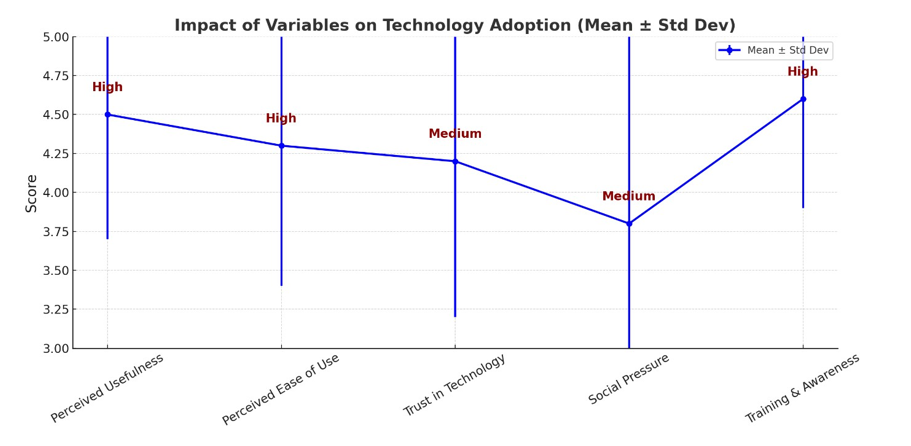
Figure 5: Impact of Variables on Technology Adoption (Mean ± Std Dev)
This graph displays the average scores and standard deviations related to the five main variables influencing technology adoption. Variables such as "perceived utility" and "education and awareness" had the highest score and impact on technology acceptance, while "social pressure" and "trust in technology" had a moderate effect. The relatively low standard deviation for "education and awareness" indicates that most of the participants agree on the importance of this factor. This graph indicates the importance of cognitive and environmental factors in facilitating technology adoption.

Figure 6: Impact of Variables on Technology Adoption (Mean ± Std Dev)
This chart shows the percentage changes of the five key performance indicators of the organization before and after the adoption of new technologies. The results show a significant improvement in employee productivity, service quality, customer satisfaction, and organizational innovation after the adoption of technology. There is also a significant reduction in operational costs, which indicates increased efficiency and resource optimization. These findings confirm the strategic importance of technology in improving the overall performance of the organization.

Figure 7: Interview Findings: Key Factors Influencing Technology Adoption
The third graph shows the number of interviewees referring to the factors affecting technology adoption. "Managers' Support" and "Education and Awareness" have the highest number of mentions, indicating the critical role of leadership and education in reducing resilience and increasing technology adoption. "Technology characteristics" and "organizational culture" also have a significant impact, while "social pressure" has had the least mention. This chart highlights the importance of human and organizational factors in the process of technology adoption.
Discussion and Conclusion
Technology adoption has been identified as one of the main challenges and opportunities facing organizations in the digital age. The results of this study showed that several factors such as perceived utility, ease of use, trust in technology, and employee training have a significant impact on technology acceptance. These findings show that technology adoption is a multidimensional process that requires attention to psychological, social, and organizational dimensions . One of the main results of this research was that perceived usefulness was identified as the most important factor in technology adoption. Employees are more willing to accept it when they realize that the use of new technology can improve their performance. These findings highlight the importance of emphasizing the practical and practical benefits of technology in the process of introducing it.
Perceived ease of use was also identified as another key factor in technology adoption. Technologies that are user-friendly and require less effort to learn and use are more embraced. This suggests that organizations and technology designers should pay special attention to simplicity and usability in designing their products. Trust in technology was also one of the important factors affecting adoption. Security concerns and lack of trust in technology capabilities make employees resilient. Therefore, organizations must earn users' trust by providing transparent information and ensuring the security of technology. The research findings emphasized that technology training and awareness can significantly reduce employee resilience. Employees who are well versed in technology and have received the necessary training are more likely to use it. This suggests that organizations should design and implement continuous training programs for their employees. Organizational leadership also plays an important role in technology embrace. Managers who have a positive attitude toward technology and encourage employees to use it can reduce resistance. This highlights the importance of transformational leadership in the technology adoption process. Social factors such as co-worker pressure and group support also play an important role in technology adoption.
The results showed that employees who work in supportive environments are more likely to adopt new technologies. Therefore, creating a culture of collaboration and support in the workplace can help to adopt technology. The findings of this research showed that organizational culture has a great impact on technology acceptance. Organizations that promote a culture of innovation and change acceptance typically have more acceptance of new technologies. These findings suggest that cultural changes in organizations can help facilitate technology acceptance. Data analysis showed that technology adoption leads to improved organizational performance. Organizations that have been able to successfully implement new technologies have seen increased productivity, reduced costs, and improved service quality. This shows the strategic importance of technology adoption in organizations. The results showed that technology adoption in organizations is usually associated with challenges such as employee resilience, lack of technology skills, and security concerns. These challenges should be addressed through proper planning and change management.
One of the interesting findings of this research was the impact of new technologies such as artificial intelligence and big data analysis on technology adoption. These technologies have had more acceptance in organizations due to their advanced capabilities. This shows that the introduction of innovative technologies can increase the potential for acceptance in organizations. The results of this research also showed that technology adoption can lead to the creation of a competitive advantage for organizations. New technologies can improve organizational processes and lead organizations in a competitive market. A qualitative analysis of the interviews revealed that employees are reluctant to embrace technology for a variety of reasons, including fear of the unknown, security concerns, and a lack of trust in technology. These findings suggest that organizations should focus on building trust and reducing concerns. Finally, this research showed that technology adoption requires a comprehensive approach that pays attention to all the factors affecting it. Organizations should facilitate technology adoption through education, culture building, and the creation of appropriate infrastructures. Overall, this research shows that technology adoption is a multifaceted process that requires attention to various psychological, social, and organizational dimensions. Organizations should identify and remove barriers to technology adoption through careful planning and change management, thereby achieving improved performance and increased productivity [35-52].
Future Research Suggestions
It is suggested that organizations design extensive and continuous training programs for employees to impart the necessary knowledge and skills to use new technologies. These trainings should include introducing the benefits of technology, how to use it, and addressing security concerns. Organizations need to foster a culture of innovation and acceptance of change. This can be done through creating supportive work environments, encouraging the use of new technologies, and promoting a positive attitude towards change. It is suggested that organizations focus on building the right technology infrastructure and ensuring data security. Building trust in technology through transparency in the provision of information and addressing users' concerns can help in technology adoption.
References
- Russell, S., & Norvig, P. (2020). Artificial intelligence: A modern approach (4th ed.). Pearson.
- Haenlein, M., & Kaplan, A. (2019). A brief history of artificial intelligence: On the past, present, and future of artificial intelligence. California management review, 61(4), 5-14.
- Schein, E. H. (2010). Organizational culture and leadership. Jossey-Bass.
- Hofstede, G. (2001). Cultural Dimensions of Organizations. Tehran: Management Publishing.
- World Economic Forum. (2021). The impact of AI in emerging economies. Geneva: WEF.
- Hofstede, G. (2001). Culture’s consequences: Comparing values, behaviors, institutions, and organizations across nations. Sage publications.
- House, R. J., et al. (2004). Culture, leadership, and organizations: The GLOBE study of 62 societies. Sage publications.
- Bass, B. & Riggio, R. (2006). Transformational leadership. Tehran: Roshd Publications.
- World Bank. (2020). Digital infrastructure in emerging markets. World Bank Publications.
- European Commission. (2021). Digital skills and jobs. Brussels: EC.
- McAfee, A., & Brynjolfsson, E. (2017). Machine, platform, crowd: Harnessing our digital future. W. W. Norton & Company.
- Shine, A. (2010). Organizational culture and leadership.Tehran: Organizational Publishing.
- Venkatesh, V., Morris, M. G., Davis, G. B., & Davis, F. D. (2003). User acceptance of information technology: Toward a unified view. MIS quarterly, 425-478.
- World Bank. Digital Infrastructure in Emerging Markets. Tehran: World Bank Publications.
- Bass, B. M., & Riggio, R. E. (2006). Transformationalleadership. Psychology press.
- UNESCO. (2022). Artificial intelligence and regulatoryframeworks. UNESCO Publishing.
- Levin, K. (1971). Field Theory in the Social Sciences. Tehran: Scientific Publications.
- Russell, S., & Norvig, P. (2020). Artificial intelligence: Amodern approach. Pearson.
- Searle, J. R. (1980). Minds, brains, and programs. Behavioral and brain sciences, 3(3), 417-424.
- Jurafsky, D., & Martin, J. H. (2020). Speech and languageprocessing (3rd ed.). Pearson.
- Szeliski, R. (2010). Computer vision: Algorithms andapplications. Springer.
- O’Neil, C. (2016). Weapons of math destruction: How big data increases inequality and threatens democracy. Crown Publishing Group.
- Topol, E. J. (2019). Deep medicine: How artificial intelligence can make healthcare human again. Basic Books.
- Bishop, C. M., & Nasrabadi, N. M. (2006). Pattern recognition and machine learning (Vol. 4, No. 4, p. 738). New York: springer.
- Brynjolfsson, E., & McAfee, A. (2014). The second machine age: Work, progress, and prosperity in a time of brilliant technologies. WW Norton & company.
- Ransbotham, S., Mitra, S., & Geiger, S. (2017). Artificial intelligence and the future of work. MIT Sloan Management Review.
- Jobin, A., Ienca, M., & Vayena, E. (2019). The global landscape of AI ethics guidelines. Nature machine intelligence, 1(9), 389-399.
- Chen, M., Mao, S., & Liu, Y. (2014). Big data: A survey on itssecurity and privacy. IEEE Access, 2, 1149-1176.
- Davenport, T. H., & Ronanki, R. (2018). Artificial intelligencefor the real world. Harvard business review, 96(1), 108-116.
- King, W. R., & Hofson, J. (2010). (2006). Technology Adoption in Organizations: Key Factors and Challenges. Tehran: Scientific Publications, 100-115.
- Chen, J., et al. (2009). The Role of Technology Adoption in Improving the Performance of Organizations. Tehran: Management Quarterly, 22-35.
- Kim, J., et al. (2010). Resistance to Technology Acceptance: Social and Psychological Factors. Tehran: University Press, 50-65.
- Cotter, J. (2010). P. (1996). Change Management andTechnology Adoption. Tehran: Roshd Publications, 15-25.
- Davis, F.D. (1989). Technology Acceptance Model: A Theoretical Model for the Study of Technology Acceptance. Tehran: University Press, 25-40.
- Venkatsch, V., & Davis, F. (2010). D. (2000). Expanding the Technology Acceptance Model: New Theoretical Perspectives. Tehran: Management Publications, 45-60.
- Venkatsch, V., et al. (2010). (2003). Factors Affecting Technology Acceptance: A Comprehensive Review. Tehran: Quarterly Journal of Information Technology Management, 12-30.
- Venkatash, V. et al. (2010). Information Technology Acceptance: An Integrated Perspective. Quarterly Journal of Information Technology Management.
- UNESCO. Artificial Intelligence Regulatory Frameworks.Tehran: UNESCO Publications.
- European Commission. Digital Skills and Future Jobs.Brussels: European Commission Publications.
- Sharifi, M. (2020). The Role of New Technologies in Strengthening Innovative Culture. Technology and Innovation, 9(4), 40-55.
- Shokrollahi, M. Investigating the Synergy between Organizational Behavior and Creativity: Towards a Comprehensive Framework for Innovation in Organizations. Journal of Management in Organizations.
- Shokrollahi, M. Developing a Strategic Framework for the Integration of Artificial Intelligence in Real Estate Services in Emerging Markets with an Emphasis on the Role of Leadership, Innovation, and Organizational Behavior: A Case Study of Isfahan Province. Journal of Economics, Financial Management and Accounting Studies. ISSN: 6742-7747.
- Chui, M., Manyika, J., & Miremadi, M. (2016). Where machines could replace humans-and where they can't (yet). The McKinsey Quarterly, 1-12.
- LeCun,Y., Bottou,L.,Bengio,Y., & Haffner, P. (2002). Gradient- based learning applied to document recognition. Proceedings of the IEEE, 86(11), 2278-2324.
- Davis, F. D. (1989). Perceived usefulness, perceived ease of use, and user acceptance of information technology. MIS Quarterly, 13(3), 319-340.
- Etzkowitz, H., & Leydesdorff, L. (2000). The dynamics of innovation: from National Systems and “Mode 2” to a Triple Helix of university–industry–government relations. Research policy, 29(2), 109-123.
- Lewin, K. (1951). Field theory in social science. Harper andRow.
- Shokrollahi, M. (2023). The Complex Relationship, Between The Culture Of An Organization And Its Significant Impact On Promoting Novel Principeles Entrepreneurship Within Knowledge Based Companies, In Iran.
- Shokrollahi, M. (2023). Empowering Youth Through Digital Entrepreneurship in Martial Arts Organizations: The Role of AI, Social Capital, and Cultural Values. Journal of Advances in Humanities and Social Sciences.
- Shokrollahi, M. (2023). Presenting a Model of Digital Transformation Based on Artificial Intelligence in Municipal Services and Improving Customer Satisfaction Through the Development of Electronic Business Strategies (Case Study of Tehran Municipality). Propulsion Tech Journal, 45(3).
- Shokrollahi, M. (2024). Adoption of Strategies of Electronic Digital Innovation and Transformation and New Information Technologies Via Application of AI based on Organizational Culture Within Commercial Companies. PowerTech Journal,48(2).
- Shokrollahi, M. (2024). The Complex Relationship, Between The Culture Of An Organization And Its Significant Impact On Promoting Novel Principles Entrepreneurship Within Knowledge Based Companies, In Iran. Educational Administration Theory And Practice.