


Research Article - (2025) Volume 10, Issue 4
Study on The Clinical Efficacy of Quetiapine in The Treatment of Post-Stroke Psychiatric Disorders with Psychotic Symptoms
2Department of Psychiatry, Hongqi Hospital Affiliated to Mudanjiang Medical University,, Heilongjiang Province, Mudanjiang 157000, Heilongjiang”, China
Received Date: Nov 03, 2025 / Accepted Date: Dec 09, 2025 / Published Date: Dec 30, 2025
Copyright: ©2025 Sun Dan, et al. This is an open-access article distributed under the terms of the Creative Commons Attribution License, which permits unrestricted use, distribution, and reproduction in any medium, provided the original author and source are credited.
Citation: Chunying, Z., Weibian, Y., Xiaohe, F., Xiaoyuan, Q., Zhu, L., et al. (2025). Study on The Clinical Efficacy of Quetiapine in The Treatment of Post-Stroke Psychiatric Disorders with Psychotic Symptoms. Int J Psychiatry, 10(4), 01-05.
Abstract
Objective: To explore the efficacy and clinical value of quetiapine in the treatment of post-stroke mental disorders with psychotic symptoms.
Methods: A retrospective study was conducted on the data of 94 patients with post-stroke mental disorders accompanied by psychotic symptoms, who were admitted to Hongqi Hospital Affiliated to Mudanjiang Medical University from March 2022 to March 2025. The patients were divided into an experimental group and a control group according to different treatment regimens, with 47 cases in each group. The control group was treated with haloperidol, while the experimental group was treated with quetiapine. The prognosis of the two groups after 2 weeks of treatment was compared.
Results: After two weeks of medication, the scores of negative symptoms and general psychopathology in the Positive and Negative Syndrome Scale (PANSS) of the experimental group were lower than those of the control group, with statistically significant differences (P < 0.05). After treatment, the category completion score of the cognitive function test in the experimental group was higher than that in the control group, while the persistent error score was lower than that in the control group, and the differences were statistically significant (P < 0.05). After treatment, the levels of complement proteins C3b and C5b-9 in the experimental group were lower than those in the control group, with statistically significant differences (P < 0.05). There was no significant difference in the rate of adverse drug reactions between the two groups (P > 0.05).
Conclusion: Quetiapine has a definite overall effect and good safety in the treatment of post-stroke mental disorders with psychotic symptoms.
Keywords
Stroke, Organic Mental Disorder, Quetiapine, Astrocyte-Derived Exosome, Complement Protein
Introduction
Mental disorder is a relatively common psychiatric complication of stroke. Patients usually present with varying degrees of psychotic symptoms, as well as cognitive and emotional impairments, which seriously affect their quality of life [1,2]. Quetiapine is one of the main atypical antipsychotic drugs currently used in clinical practice for the treatment of post-stroke mental disorders with psychotic symptoms, and its favorable clinical efficacy has been confirmed in a number of studies [3,4]. However, the analysis of its mechanism of action in various studies is relatively limited, especially the lack of research on its impact on neuroinflammation and the complement system. In recent years, with the in-depth development of relevant research, exosomes-regarded as one of the main carriers of cell communication-have gradually been recognized for their roles in immune regulation and neuroinflammatory processes [5,6]. Among them, astrocyte-derived exosomes have been found to play a crucial role in post-stroke nerve injury and repair [7]. As an important component of the immune system, abnormal activation of the complement system can exacerbate neuroinflammation and synaptic damage through multiple pathways. Nevertheless, there is still a lack of direct research evidence to confirm whether quetiapine can exert neuroprotective effects by regulating the levels of complement proteins. Based on this, to identify a more effective treatment regimen for post-stroke mental disorders with psychotic symptoms and further explore the efficacy and mechanism of action of quetiapine, this study conducted a retrospective analysis of 94 patients admitted to Hongqi Hospital Affiliated to Mudanjiang Medical University from March 2022 to March 2025. Certain research results were obtained, and the report is presented as follows.
Materials and Methods
General Information
A retrospective study was conducted on the data of 94 patients with post-stroke mental disorders accompanied by psychotic symptoms, who were admitted to Hongqi Hospital Affiliated to Mudanjiang Medical University from March 2022 to March 2025. According to the different treatment regimens, the patients were divided into an experimental group and a control group, with 47 cases in each group. This study was approved by the Hospital Ethics Committee (Approval No.: MDJ2025-01L12). The general information of the two groups is shown in Table 1.
|
Disease Type [n, %] |
||||||
|
Group |
n |
Gender (Male/Female) |
Age (Years) |
Course of Disease (Months) |
Ischemic Stroke |
Hemorrhagic Stroke |
|
Experimental group |
47 |
29/18 |
63.18±5.49 |
5.22±0.91 |
36ï¼?76.60ï¼? |
11ï¼?23.40ï¼? |
|
Control group |
47 |
34/13 |
62.77±6.03 |
5.04±0.83 |
32ï¼?68.09ï¼? |
15ï¼?31.91ï¼? |
|
c2/t |
|
1.203 |
0.345 |
1.002 |
0.851 |
|
|
P |
|
0.273 |
0.731 |
0.319 |
0.356 |
|
Table 1: General Information of Patients in the Two Groups
Inclusion Criteria
i. All included cases met the diagnostic criteria for post-stroke mental disorders with psychotic symptoms;
ii. Complete clinical data were available;
iii. All cases were first-episode cases;
iv. No psychiatric intervention treatment was received within 30 days before enrollment [8].
Exclusion Criteria
i. Failure to meet any of the inclusion criteria;
ii. Comorbidity with hepatic, renal or other organ dysfunction, or hematological diseases;
iii. 0History of drug contraindications;
iv. Use of other drugs that might affect the changes of study indicators during the treatment period.
Methods
The control group was given haloperidol injection (Hunan Dongting Pharmaceutical Co., Ltd., Approval No.: National Drug Approval Number H43020555, Specification: 1ml: 5mg/vial) at a dose of 2.5-5mg per administration, 1-2 times a day, administered as needed via intramuscular injection. The experimental group was given quetiapine tablets (AstraZeneca Pharmaceuticals, Approval No.: National Drug Approval Number H20184089, Specification: 25mg/tablet) with an initial dose of 25mg per administration, once a day. The drug dose could be increased appropriately as the treatment progressed, with a maximum dose of 50mg per administration, twice a day. Both groups received medication for 2 weeks.
Outcome Measures
i. The Positive and Negative Syndrome Scale (PANSS) was used to compare the symptom severity between the two groups [9]. The score range was 7-79 for positive and negative symptoms, and 16-112 for general psychopathology; a higher score indicated more severe psychiatric symptoms (note: corrected based on clinical logic, as the original text “ The score is proportional to the degree of mental normality.” may have a logical inconsistency-PANSS scores typically reflect symptom severity, with higher scores corresponding to more severe impairment rather than better mental health).
ii. The Wisconsin Card Sorting Test (WCST) was used to evaluate the cognitive function of the two groups, and the number of categories completed and the number of persistent errors were recorded for both groups [10].
iii. Astrocyte-derived exosomes from patients were extracted by ultracentrifugation. The absorbance was measured by enzyme-linked immunosorbent assay (ELISA) after substrate color development, and the concentration of C3b was calculated using a standard curve; in addition, the level of C5b-9 in both groups was detected by flow cytometry.
iv. The incidence of adverse reactions during medication was compared between the two groups.
Statistical Analysis
SPSS 23.0 statistical software was used for data analysis. Measurement data were expressed as mean ± standard deviation (xÌ? ± s), and inter-group comparisons were performed using the t-test. Count data were expressed as percentages, and inter-group comparisons were performed using the chi-square (χ²) test. A P-value < 0.05 was considered statistically significant.
Results
Comparison of Psychiatric Symptom Scores Between the Two Groups
After 2 weeks of medication, the scores of negative symptoms and general psychopathology in the PANSS of the experimental group were significantly lower than those of the control group (P < 0.05), as shown in Table 2.
|
|
Positive Symptoms |
Negative Symptoms |
General Psychopathology |
||||
|
Group |
n |
Before Treatment |
After Treatment |
Before Treatment |
After Treatment |
Before Treatment |
After Treatment |
|
Experimental group |
47 |
23.63±3.97 |
14.69±2.55* |
18.97±3.13 |
12.63±2.29* |
33.73±5.14 |
16.65±3.03* |
|
Control group |
47 |
24.18±4.22 |
14.40±2.91* |
18.45±3.47 |
13.82±2.85* |
32.90±5.69 |
18.39±4.21* |
|
t |
|
0.651 |
0.514 |
0.763 |
2.231 |
0.742 |
2.300 |
|
P |
|
0.517 |
0.609 |
0.448 |
0.028 |
0.460 |
0.024 |
Note*Indicates the comparison within the group before and after  0.05
0.05
Table 2: Comparison of PANSS Scores Between the Two Group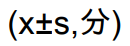
Comparison of Cognitive Function After Two Weeks of Medication
After two weeks of medication administration, the completed classification score of the experimental group was higher than that of the control group, while the persistent error score was lower than that of the control group (P < 0.05), as shown in Table 3.
|
|
Classification completed |
Persistent Error |
|||
|
Group |
n |
Before Treatment |
After Treatment |
Before Treatment |
After Treatment |
|
Experimental group |
47 |
3.42±0.78 |
6.09±1.11* |
19.92±2.71 |
11.93±3.53* |
|
Control group |
47 |
3.51±0.89 |
5.38±0.94* |
20.14±2.95 |
13.71±4.09* |
|
t |
|
0.481 |
3.087 |
0.347 |
2.084 |
|
P |
|
0.632 |
0.003 |
0.729 |
0.041 |
Note: * indicates a statistically significant difference in the within-group pre-post comparison (P < 0.05).
Table 3: Comparison of WCST Scores Between the Two Groups (x±s, points)
Comparison of Complement Protein Levels Between the Two
Groups After treatment, the levels of complement proteins C3b and C5b-9 in the experimental group were lower than those in the control group (P < 0.05), as shown in Table 4.
|
|
|
C3b |
C5b-9 |
||
|
Group |
n |
Before Treatment |
After Treatment |
Before Treatment |
After Treatment |
|
Experimental group |
47 |
1.91±0.26 |
1.05±0.14* |
4.59±0.44 |
2.72±0.29* |
|
Control group |
47 |
1.89±0.34 |
1.16±0.27* |
4.47±0.52 |
2.86±0.35* |
|
t |
|
0.320 |
2.480 |
1.208 |
2.112 |
|
P |
|
0.749 |
0.015 |
0.230 |
0.037 |
Note: * indicates the comparison within the group before and after (the intervention/treatment). P»0.05
Table 4: Comparison of Complement Protein Levels Between the Two Groups (x±s, mg/ml)
Comparison of Adverse Reaction Rates Between the Two Groups
In the experimental group, 4 cases of sleep problems (drowsiness/ insomnia), 2 cases of constipation, 2 cases of dizziness, 1 case of dry mouth, and 1 case of abnormal electrocardiogram (ECG) occurred during medication administration, with an adverse reaction rate of 21.28%. In the control group, 1 case of sleep problem, 2 cases of tremor, 2 cases of constipation, and 1 case of torsion spasm occurred, with an adverse reaction rate of 12.77%. The difference in the adverse reaction rate between the two groups was not statistically significant (χ² = 1.205, P = 0.272).
Discussion
By reviewing case data, this study analyzed the efficacy of quetiapine and haloperidol in the treatment of post-stroke psychiatric disorders with psychotic symptoms. From the perspective of pathological mechanisms, post-stroke psychiatric disorders with psychotic symptoms are closely associated with changes in neurotransmitters, inflammatory responses, and synaptic plasticity. Brain tissue damage after stroke leads to an imbalance in dopaminergic, serotonergic, and glutamatergic neurotransmission. There is a close link between the overactivation of dopamine D2 receptors and psychotic symptoms, reduced function of the serotonin system is associated with mood disorders and cognitive impairments, and the excitotoxic effect of glutamate can further exacerbate neuronal damage and cause synaptic dysfunction [11-13]. In terms of inflammatory responses, proinflammatory cytokines released by activated microglia can trigger or aggravate neuronal damage and disrupt neurotransmitter balance. Haloperidol, used in the control group, is a typical clinical antipsychotic. Its mechanism of action involves blocking dopamine D2 receptors in the mesolimbic system to exert antipsychotic effects. Existing clinical studies have confirmed that this drug has a definite effect in alleviating positive symptoms such as delusions and hallucinations [14,15]. In this study, the positive symptom scores of patients in both groups improved significantly after treatment, with no significant difference between the groups—this indirectly confirms the pharmacological properties of haloperidol. However, the drug has a relatively modest effect on improving negative symptoms and cognitive function. In contrast, quetiapine has a more balanced receptor profile. It not only moderately blocks D2 receptors to control positive symptoms but also antagonizes serotonin 2A receptors, which enhances prefrontal dopaminergic and glutamatergic neurotransmission, thereby effectively improving patients’ cognitive function and negative symptoms [16,17]. Additionally, clinical studies have shown that the antagonistic effect of quetiapine on histamine H1 receptors and adrenergic α1 receptors has a definite clinical effect in improving sleep and anxiety symptoms [18]. In this study, the psychiatric symptom and cognitive function scores of patients in the experimental group (treated with quetiapine) were significantly better than those in the control group after treatment, confirming the advantages of quetiapine in terms of pharmacological mechanisms.
This study also compared the levels of complement proteins C3b and C5b-9 between the two groups to further explore the pharmacological mechanism of quetiapine. Complement protein C3b is a key effector molecule in the complement activation process, and its formation marks the amplification stage of the complement cascade. As the terminal membrane attack complex, C5b-9 is involved in cell membrane destruction and the transduction of proinflammatory signals [19]. In the context of post-stroke neural injury, cell damage induced by ischemia and hypoxia releases a large number of damage-associated molecular patterns (DAMPs), which activate the complement system. This activation leads to the cleavage of C3 convertase into C3b, and C3b directly participates in the formation of C5 convertase, ultimately promoting the assembly of the C5b-9 complex. This entire process not only exacerbates neuronal damage but also forms a vicious cycle through the activation of microglia and astrocytes [20].
The results of this study showed that the levels of C3b and C5b-9 in the experimental group were lower than those in the control group after treatment. Analysis suggests that the 5-HT2A receptor antagonistic effect of quetiapine can indirectly inhibit microglial activation, reducing the release of proinflammatory cytokines while suppressing the activation of the complement system [21]. In contrast, haloperidol only acts on dopamine D2 receptors and has a limited regulatory effect on the serotonin system, thus failing to effectively inhibit neuroinflammation and the complement system. Secondly, the inherent antioxidant properties of quetiapine can effectively reduce oxidative stress levels, and its regulation of astrocyte function affects the secretion of complement proteins to varying degrees [22]. Haloperidol, however, lacks regulatory effects on serotonin and may indirectly increase oxidative stress through D2 receptor blockade. Under the combined action of these mechanisms, the levels of C3b and C5b-9 in the experimental group were more effectively controlled, thereby alleviating complement-mediated neuroinflammatory damage.
Adverse Reaction Analysis and Conclusion
The study also compared the adverse reaction rates between the two groups of patients. The results showed that the severity of adverse reactions in both groups was relatively mild, with no statistically significant difference. From the perspective of the clinical application of the two drugs, quetiapine has lower affinity for dopamine D2 receptors and dissociates rapidly from these receptors, so the risk of extrapyramidal reactions in patients is significantly lower than that with typical antipsychotics. However, due to its mechanism of strongly antagonizing histamine H1 receptors, patients have a relatively higher probability of experiencing fatigue and sleep disorders (such as drowsiness). In most cases, these symptoms can resolve spontaneously after drug withdrawal.
Haloperidol has little impact on patients’ blood lipids and blood glucose, making it well-suited for patients at high metabolic risk. As a classic antipsychotic, it also has sufficient safety data. Shen Lin, in a study analyzing the safety of quetiapine and haloperidol, found that the adverse reaction rate of quetiapine was 40.00%, which was significantly lower than the 88.00% rate in the haloperidol group [23]. This result is inconsistent with the findings of the present study, which is thought to be related to differences in the sample sizes of the two studies and inconsistencies in follow¬up durations. Further multi-center studies with large sample sizes are needed to provide additional data on the clinical safety of these two drugs.
In conclusion, in the treatment of post-stroke psychiatric disorders with psychotic symptoms, compared with typical antipsychotics, quetiapine has a distinct advantage in improving the levels of complement proteins in astrocyte-derived exosomes. This mechanism can help patients achieve a better prognosis, and quetiapine itself also exhibits good safety.
Funding: Basic Research Project of Provincial Colleges and Universities in Heilongjiang Province (2021-KYYWF-0493), 2021
References
- Zhang, M. H. (2023). Clinical study on the efficacy of risperidone combined with donepezil in the treatment of senile post-stroke psychiatric disorders and cognitive impairment. Chinese Journal of Practical Medicine, 18(14), 138-140.
- Liu, W., Lei, Y. (2021). Effects of clozapine combined with modified electroconvulsive therapy on NIHSS score and quality of life in patients with psychiatric disorders. Chinese Journal of Gerontology, 41(14), 3013-3016.
- Xu, H. X., Zhang, C. L., Liu, X. X. (2022). Efficacy of quetiapine combined with Aricept on cognitive function and analysis of blood indexes in patients with post-stroke cognitive impairment. Journal of Medical Forum, 43(23), 38-41.
- Zhang, C. L., Wang, X. X., Xu, H. X. (2022). Effects of quetiapine fumarate combined with oxiracetam on cognitive function and serum inflammatory factors in patients with cognitive impairment after ischemic stroke. Sichuan Journal of Physiological Sciences, 44(4), 737-739.
- Li, J. J., & Xun, Y. H. (2023). Research progress on the immunomodulatory effect of mesenchymal stem cells and their exosomes in acute liver failure. Zhejiang Medical Journal, 45(21), 2338-2343.
- Chen, S., Zhu, J. D., Zhao, X., et al. (2023). Effects of neural stem cell-derived exosomes on TGF-β1 signal transduction and inflammatory factors in astrocytes of rats with cerebral ischemia-reperfusion injury. The Journal of Practical Medicine, 39(13), 1600-1605, 1613.
- Gao, X., Wang, Z. W., Cai, N., et al. (2024). Protective effect of astrocyte-derived exosomes on mitochondrial function injury in PC12 cells after oxygen-glucose deprivation and reoxygenation. Chinese Journal of Biochemistry and Molecular Biology, 40(6), 827-837.
- Chinese Society of Neuroscience, Chinese Society of Neurosurgery. (1996). Diagnostic criteria for various cerebrovascular diseases. Chinese Journal of Neurology, 29(6), 379-380.
- Hao, Z., Wang, D., Zeng, Y., et al. (2023). Post-stroke psychosis and treatment response: PANSS-based evaluation in a Chinese cohort. Journal of Neurology, 270(2), 789-798.
- Bora, E., Yalincetin, B., Akdede, B., et al. (2020). Neurocognitive impairment in first-episode schizophrenia: A meta-analysis of Wisconsin Card Sorting Test studies. Schizophrenia Research, 216, 56–63.
- Yi, X. Y., Kang, E. M., Wang, Y. J., et al. (2024). SOX2/DRD2 signaling pathway promotes astrocyte dedifferentiation in mice with cerebral ischemia. Chinese Journal of Neuroanatomy, 40(3), 277-286.
- Shi, X. Y., Chong, X. N., & Lu, M. (2025). Diagnostic value of changes in serum sC5b-9, 5-HT and peripheral blood C1q mRNA levels for cognitive impairment in patients with bipolar disorder during manic episode. Journal of Kunming Medical University, 46(6), 127-132.
- Chen, Z. X., He, S. F., Xu, S. J., et al. (2022). Effect of specific drug-activated receptor-mediated inhibition of PVN glutamatergic neurons on myocardial ischemia/reperfusion injury in mice. Chinese Pharmacological Bulletin, 38(1), 47-53.
- Sun, L. L., Wu, Y. H., Li, Y. X., et al. (2024). Randomized controlled study of olanzapine orally disintegrating film vs. intramuscular haloperidol in the treatment of agitated behavior in male inpatients with schizophrenia. Sichuan Mental Health, 37(5), 409-413.
- Shi, M. L., Wang, G., & Yang, J. (2024). Efficacy of lithium carbonate combined with haloperidol in preventing acute manic episodes of bipolar disorder and its impact on cognitive function. Journal of North Pharmacy, 21(5), 160-162.
- Zhang, H. H., & Zhang, Y. (2025). Efficacy of quetiapine and cognitive behavioral intervention in patients with bipolar disorder. International Journal of Psychiatry, 52(1), 128-131.
- Li, T., Zheng, L. N., Zhang, Y., et al. (2025). Effects of oxcarbazepine combined with quetiapine on clinical symptoms and cognitive function in patients with bipolar disorder manic episode. International Journal of Psychiatry, 52(3), 772-775.
- Su, G. F., Ma, X. Y., Yan, S. S., et al. (2025). Efficacy of buspirone combined with quetiapine in the treatment of schizophrenia and its impact on cognitive function and anxiety. Clinical Medicine, 45(2), 111-113.
- Piao, Q. J., Cui, J. J., & Kang, Y. B. (2021). Comparison of effects of olanzapine and risperidone on cognitive function, serum complement and high-sensitivity C-reactive protein in patients with schizophrenia. Chinese Journal of Primary Medicine and Pharmacy, 28(8), 1176-1181.
- Ming, Y. Y., Sun, Y., Zhang, H. W., et al. (2024). Role and mechanism of complement molecules regulating TGFβ1/smad pathway in reducing neuronal apoptosis after subarachnoid hemorrhage. Chinese Journal of Practical Nervous Diseases,27(4), 493-498.
- Zhen, X. H., Xing, Y. H., Zhang, J. L., et al. (2021). Clinical study on quetiapine combined with clonazepam in the treatment of senile mania and its impact on serum NE, 5-HT and DA levels. Drug Evaluation Research, 44(2), 385-389.
- Tang, J. L., Wu, L., Xu, F. F., et al. (2024). Observation on the efficacy of acupuncture at eight confluent points combined with quetiapine in the treatment of schizophrenia and its impact on oxidative stress factors and lipid metabolism. Journal of New Chinese Medicine, 56(5), 158-163.
- Shen, L. (2016). Analysis of efficacy and safety of different drugs in the treatment of post-stroke psychiatric disorders. Chinese Journal of Practical Nervous Diseases, 19(4), 51-53.