


Research Article - (2026) Volume 11, Issue 4
Service Provider Competence, Motivation, and Resource Availability as Determinants of Quality Healthcare Delivery: A Cross-Sectional Study at Makeni Regional Hospital, Sierra Leone
 , Abraham I. Jimmy 2 , Sallu N. Kamara 3 and Lee P. Gary, Jr. 4,5 *
2Department of Public Health, Faculty of Nursing and Allied Health Sciences, University of Makeni, Makeni, Sierra Leone
3Department of Pharmacology, College of Medicine and Allied Health Sciences, University of Sierra Leo, Sierra Leone
4Office of Faculty Research, University of Makeni, City of Makeni, Sierra Leone
5Department of Public Health, Faculty of Medicine and Surgery, University of Malta, Msida, Malta
Received Date: Aug 10, 2026 / Accepted Date: Sep 28, 2026 / Published Date: Oct 08, 2026
Copyright: ©2026 Prof. Lee P. Gary, Jr, et, al. This is an open-access article distributed under the terms of the Creative Commons Attribution License, which permits unrestricted use, distribution, and reproduction in any medium, provided the original author and source are credited.
Citation: Lebbie, A., Jimmy, A. I., Kamara, S. N., Gary Jr., P. L. P. (2026). Service Provider Competence, Motivation, and Resource Availability as Determinants of Quality Healthcare Delivery: A Cross-Sectional Study at Makeni Regional Hospital, Sierra Leone. J Nur Healthcare, 11(4), 01-14.
Abstract
Quality healthcare delivery in low- and middle-income countries remains constrained by workforce and resource limitations. This study assessed service provider competence, service provider motivation, and resource availability as determinants of quality healthcare delivery at Makeni Regional Hospital in Northern Sierra Leone, from the service providers’ own perspective. A cross-sectional study, descriptive in type, was conducted among 155 service providers, with sample size determined using the Yamane formula. Structured questionnaires were administered and analyzed using STATA to assess the relationship between competence, motivation, resource availability, and quality healthcare delivery. Most service providers (74.8%) reported possessing the required professional skills, and 91.6% perceived that competent staff resulted in improved delivery of quality healthcare; 94.8% associated competent personnel with improved patient outcomes. Motivation levels were markedly lower: only 7.1% of respondents were highly motivated, 16.1% were motivated, and 40.7% were somewhat motivated, while all respondents (100%) agreed that motivation influences quality of care delivery. Resource availability showed the strongest association with quality outcomes, with 99.4% of respondents affirming that adequate resources affect quality healthcare delivery and 95.5% affirming that adequate resources result in improved delivery of quality healthcare. Gaps were noted in bed capacity (45.8% reporting inadequacy) and equipment. Service provider competence, motivation, and resource availability were all found to significantly determine the delivery of quality healthcare at Makeni Regional Hospital, with motivation representing the weakest of the three despite high levels of provider competence. Continuous professional development, formal motivation policies, and improved resource allocation are recommended to strengthen quality healthcare delivery.
Keywords
Healthcare Delivery, Provider Competency, Provider Motivation, Resource Availability, Makeni Regional Hospital, City of Makeni, and Sierra Leone.Abbreviations
DHS – Demographic Health Survey
FHCI – Free Health Care Initiative
HRIS – Human Resource Information
System LMCs – Low-Middle-Income
Countries MDG – Millennium
Development Goal MoHS – Ministry of
Health and Sanitation
MoHSS – Ministry of Health and Social Security
Introduction
Quality healthcare service encompasses the scope of medical services provided, staff clinical competence, hospital amenities, physician expertise, hospital ambiance, staff behavior, in-patient experience, and, most importantly, patient satisfaction [1]. The World Health Organization defines quality of care as the degree to which health services for individuals and populations promote desired health outcomes and are equitable, timely, effective, safe, and people-centered [2]. The Institute of Medicine similarly frames quality as the extent to which health services increase the likelihood of desired health outcomes and remain consistent with current professional knowledge, identifying safety, patient experience, effectiveness, efficiency, equity, and timeliness as its core dimensions [3].
Despite decades of accumulated global expertise on improving healthcare standards, policymakers in both high- and low-income countries continue to struggle to identify which quality-focused policies most improve health system outcomes, and significant variation in care standards persists even where systems are well resourced [4]. This gap is most pronounced in Africa, which carries roughly 25% of the global disease burden yet holds only about 3% of the world’s health workforce; the continent’s health-worker density is estimated at 2.3 per 1,000 population, compared with 24.8 per 1,000 in the Americas [5]. Human resources for health are widely regarded as the most valuable, and most fragile, input into any health system [6].
Sierra Leone illustrates these constraints acutely. The country ranked fourth from last among 49 prioritized low- and middle-income countries in skilled health worker density as of 2010, and the 2014-2015 Ebola Virus Disease outbreak claimed the lives of 221 healthcare workers, further weakening an already fragile workforce [7]. Beyond staffing numbers, low provider motivation has been linked to patient irritability, absenteeism, long waiting times, informal fee charging, and labour unrest, while providers working in rural Sierra Leone report unfavorable working conditions, limited access to training, long working hours due to staff shortages, and restricted income-generating opportunities as key demotivating factors [5,8].
The Government of Sierra Leone introduced the Free Health Care Initiative (FHCI) in 2010 to remove user fees for pregnant women, nursing mothers, and children under five, in response to persistently high maternal and child mortality [9]. Even after the FHCI, Sierra Leone recorded the world’s highest maternal mortality ratio, at 1,360 deaths per 100,000 live births in 2015 (WHO, 2021), and fell short of the MDG4 and MDG5 targets of 450 maternal deaths per 100,000 births and 95 infant deaths per 1,000 live births [10,11]. National survey data show a 2018 public perception of long wait times and widespread informal payment for care, disproportionately affecting poorer and less-educated citizens while Demographic and Health Survey trends show under-5, infant, and neonatal mortality falling between 2013 and 2019 but remaining well above global benchmarks [12,13].
Our Motivation
Against this backdrop, this study investigated the factors affecting the delivery of quality healthcare at Makeni Regional Hospital, a referral hospital serving approximately 1.7 million people in Northern Sierra Leone, viewed from the perspective of its own service providers.
Our specific objectives were to assess whether service provider competence, service provider motivation, and the availability of resources affect the delivery of quality healthcare at the hospital.
Methodology
Study Design and Setting
This was a cross-sectional, descriptive study conducted at Makeni Regional Hospital, a referral hospital in Makeni, the largest city in Sierra Leone’s Northern Province. The hospital serves residents of Bombali District, including Makeni itself, as well as patients referred from district hospitals across the Northern and North-West Provinces.
Study Population and Sample
The study population comprised 210 clinical and administrative staff providing services at the hospital. The sample size for the quantitative component was determined using the Yamane formula at a 95% confidence level and 0.05 margin of error, yielding 138 respondents, which was increased to 155 to account for a projected 12% non-response rate. Proportional sampling, a form of stratified sampling, was used to draw respondents across the different cadres of healthcare providers in proportion to their representation in the study population. Providers who presented for duty during the data collection period and consented to participate were recruited.
Data Collection
Primary quantitative data were collected using a structured questionnaire administered by trained data collectors over a three-week period, from 5 to 23 December 2022, across morning, afternoon, and night shifts to capture staff working all three shifts. The questionnaire comprised four sections:
• Section A captured demographic data,
• Sections B, C, and D addressed healthcare provider competence, provider motivation,
• and resource availability in relation to the delivery of quality healthcare. Our instrument was reviewed by public health and medical experts and revised in consultation with the study supervisor to establish content validity, and its reliability was assessed through a pilot survey that led to the removal of ambiguous items.
Eligibility Criteria
All clinical and administrative staff actively working at the hospital – who gave clear informed consent – were eligible for inclusion. Non-clinical support staff (porters, cleaners, mortuary attendants, cooks), students on internship or rotation, visiting healthcare workers, and individuals who declined or withdrew consent were excluded.
Ethical Considerations
Ethical approval to conduct the study was obtained through the Department of Public Health, University of Makeni, and the Medical Superintendent of Makeni Regional Hospital granted permission. The purpose of the study was explained to all prospective respondents, and informed consent was obtained after assuring participants that their responses would be used solely for academic purposes and treated as strictly confidential. Participation was voluntary throughout.
Data Analysis
Quantitative data were analyzed using STATA. Descriptive statistics, including frequencies, percentages, means, and standard deviations, were generated to characterize the sample and to summarize responses on competence, motivation, resource availability, and their perceived positive and negative impacts on quality healthcare delivery.
Results
Demographic Characteristics
Of the 155 respondents, 61.3% were female and 38.7% were male. More than half (52.3%) were aged 30-39 years, 26.5% were 20- 29 years, 14.2% were 40-49 years, and 7.1% were 50 years and above. Slightly more respondents identified as Muslim (53.0%) than Christian (47.1%).
Most respondents (55.5%) had 1-5 years of service, 31.0% had 6-10 years, 7.7% had 11-15 years, and 5.8% had 16 years or more. The majority were married (55.5%), 44.0% were single, and 0.65% were widowed.
Nurses formed the largest professional cadre (66.5%), followed by laboratory scientists/technicians (13.6%); the remaining cadres (CHOs, pharmacists, physician assistants, medical doctors, administrative staff, radiographers, and others) each accounted for less than 5% of respondents. Most respondents (67.7%) held pin-coded (permanent) positions, while 32.3% were volunteers
|
Variable |
Frequency (n=155) |
Percentage (%) |
Mean |
SD |
|
Gender of Respondents |
||||
|
Female |
95 |
61.29 |
||
|
Male |
60 |
38.71 |
||
|
Age of Respondents |
||||
|
20-29 Yrs |
41 |
26.45 |
34.98 |
0.59381 |
|
30-39 Yrs |
81 |
52.26 |
||
|
40-49 Yrs |
22 |
14.19 |
||
|
50 Yrs and above |
11 |
7.1 |
||
|
Religion of Respondents |
||||
|
Christianity |
73 |
47.1 |
||
|
Islam |
82 |
52.9 |
||
|
Length of years of service |
||||
|
1-5 Yrs |
86 |
55.48 |
6.2 |
0.36994 |
|
6-10 Yrs |
48 |
30.97 |
||
|
11-15 Yrs |
12 |
7.74 |
||
|
16 Yrs and above |
9 |
5.81 |
||
|
Marital Status |
||||
|
Married |
86 |
55.48 |
||
|
Single |
68 |
43.87 |
||
|
Widow/er |
1 |
0.65 |
||
|
Professional Cadre |
||||
|
Administrative staff |
3 |
1.94 |
||
|
CHO |
6 |
3.87 |
||
|
Laboratory Scientist/Technician |
21 |
13.55 |
||
|
Medical Doctor |
4 |
2.58 |
||
|
Nurse |
103 |
66.45 |
||
|
Others (Specify) |
7 |
4.52 |
||
|
Pharmacist/technician |
5 |
3.23 |
||
|
Physician Assistant |
4 |
2.58 |
||
|
Ultrasound Technician/Radiographer |
2 |
1.29 |
||
|
Current Employment status |
||||
|
Pin Coded |
105 |
67.74 |
||
|
Volunteer |
50 |
32.26 |
||
|
Source: Field Data (Lebbe). |
||||
Table 1: Demographic Characteristics of Respondents
Service Provider Competence and Quality Healthcare Delivery Most respondents (74.8%) reported possessing the required professional skills for their role, and 78.1% perceived that their facility was providing quality healthcare. About two-thirds (67.1%) felt that patients accessed quality health services easily. Regarding perceived staff competence:
• > 73.6% described their departmental staff as competent,
• > 18.1% as very competent,
• > 1.9% as not competent,
• > 6.5% did not know. For the perceived positive impacts of competent personnel:
• > 94.8% associated competence with improved patient outcomes,
• > 91.2% with improved delivery of quality healthcare
• > 77.4 with effective use of resources,
• > 56.8% with increased service utilization,
• > 39.4% with self-fulfillment as a provider.
Conversely, on the perceived negative impacts of incompetence, 90.3% associated incompetent staff with poor quality healthcare delivery, 89.7% with poor patient outcomes, 71.7% with inefficient use of resources, and 57.4% with reduced service utilization.
|
Variable |
Frequency (n=155) |
Percentage (%) |
|
Personnel have the required professional skills |
||
|
No |
39 |
25.16 |
|
Yes |
116 |
74.84 |
|
Perceived that the facility is providing quality healthcare |
||
|
No |
34 |
21.94 |
|
Yes |
121 |
78.06 |
|
Patients access quality health service easily |
||
|
No |
51 |
32.9 |
|
Yes |
104 |
67.1 |
|
Competency of staff in the facility |
||
|
Competent |
114 |
73.55 |
|
I don’t know |
10 |
6.45 |
|
Not competent |
3 |
1.94 |
|
Very competent |
28 |
18.06 |
|
Perceived Positive Impacts of Staff Incompetence on Delivery of Quality Healthcare Delivery at the Makeni Regional Hospital Improve patient outcome |
||
|
No |
8 |
5.16 |
|
Yes |
147 |
94.84 |
|
Effective use of Resources |
||
|
No |
35 |
22.58 |
|
Yes |
120 |
77.42 |
|
Quality healthcare delivery |
||
|
No |
13 |
8.39 |
|
Yes |
142 |
91.61 |
|
Increase service utilization |
||
|
No |
67 |
43.23 |
|
Yes |
88 |
56.77 |
|
Self-fulfilment as a provider |
||
|
No |
94 |
60.65 |
|
Yes |
61 |
39.35 |
|
Perceived Negative Impacts of Staff Incompetence on Delivery of Quality Healthcare Delivery at the Makeni Regional Hospital Poor patient outcome |
||
|
No |
16 |
10.32 |
|
Yes |
139 |
89.68 |
|
Inefficient use of resources |
||
|
No |
44 |
28.39 |
|
Yes |
111 |
71.61 |
|
Poor quality healthcare delivery |
||
|
No |
15 |
9.68 |
|
Yes |
140 |
90.32 |
|
Reduce service utilization |
||
|
No |
66 |
42.58 |
|
Yes |
89 |
57.42 |
Table 2: Service Provider Competence and Quality Healthcare Delivery (n = 155)
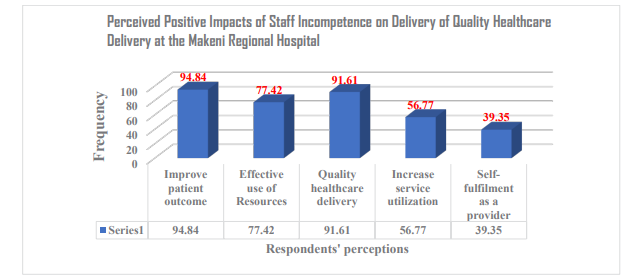
Figure 1: Perceived Positive Impacts of Staff Incompetence on Delivery of Quality Healthcare Delivery at the Makeni Regional Hospital
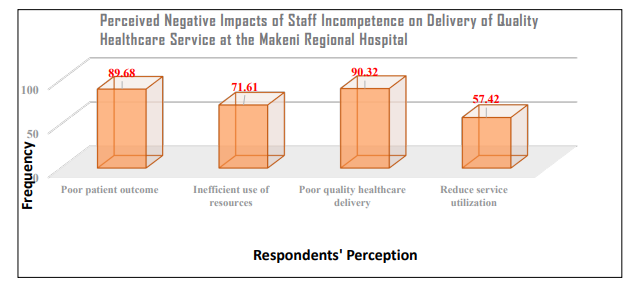
Figure 2: Perceived Negative Impacts of Staff Incompetence on Delivery of Quality Healthcare Service at the Makeni Regional Hospital
Service Provider Motivation and Quality Healthcare Delivery
Motivation levels were markedly lower than competence levels:
• > only 7.1% of respondents reported being highly motivated,
• > 16.1% motivated,
• > 40.7% somewhat motivated,
• > 36.1% not well motivated.
Among forms of motivation available to staff, 64.5% cited finance, 67.7 cited job satisfaction, 64.5% cited accommodation, and 38.7% cited in-service training. All respondents (100%) agreed that motivation influences the quality of healthcare delivery.
Regarding the positive impacts of motivation, 96.1% of respondents associated motivated staff with quality healthcare delivery, 95.5% with improved patient outcomes, 77.4% with efficient use of resources, 69.7% with better service utilization, and 43.9% with self-fulfillment.
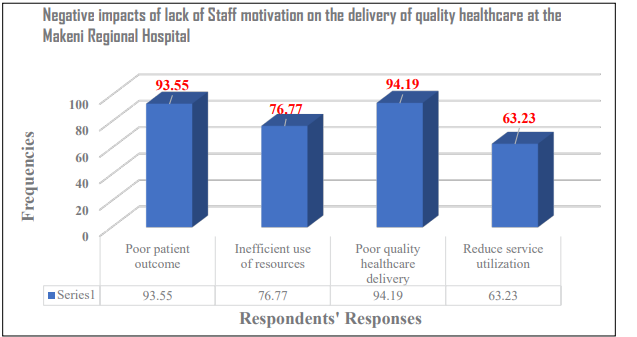
On the negative impacts of low motivation, 94.2% associated lack of motivation with poor quality healthcare delivery, 93.6% with poor patient outcomes, 76.8% with inefficient use of resources, and 63.2% with reduced service utilization.
|
Variable |
Frequency (n=155) |
Percentage (%) |
|
Perceived level of motivation |
||
|
Highly motivated |
11 |
7.1 |
|
Motivated |
25 |
16.13 |
|
Not well motivated |
56 |
36.13 |
|
Somewhat motivated |
63 |
40.65 |
|
Different forms of motivation (Multiple responses) Finance as a form motivation |
||
|
No |
55 |
35.48 |
|
Yes |
100 |
64.52 |
|
Job satisfaction as a form of motivation |
||
|
No |
50 |
32.26 |
|
Yes |
105 |
67.74 |
|
Accommodation as a form of motivation |
||
|
No |
100 |
64.52 |
|
Yes |
55 |
35.48 |
|
In-service Training as a form of motivation |
||
|
No |
95 |
61.29 |
|
Yes |
60 |
38.71 |
|
Motivation leading to quality of healthcare delivery |
||
|
No |
0 |
0 |
|
Yes |
155 |
100 |
|
Positive impacts of staff motivation on delivery of quality healthcare at Makeni regional hospital Improve patient outcome |
||
|
No |
7 |
4.52 |
|
Yes |
148 |
95.48 |
|
Efficient use of resource |
||
|
No |
35 |
22.58 |
|
Yes |
120 |
77.42 |
|
Quality healthcare delivery |
||
|
No |
6 |
3.87 |
|
Yes |
149 |
96.13 |
|
Better service utilization |
||
|
No |
47 |
30.32 |
|
Yes |
108 |
69.68 |
|
Self-fulfilment as a service provider |
||
|
No |
87 |
56.13 |
|
Yes |
68 |
43.87 |
|
Negative impacts of lack of staff motivation on delivery of quality healthcare at the Makeni regional hospital Poor patient outcome |
||
|
No |
10 |
6.45 |
|
Yes |
145 |
93.55 |
|
Inefficient use of resources |
||
|
No |
36 |
23.23 |
|
Yes |
119 |
76.77 |
|
Poor quality healthcare delivery |
||
|
No |
9 |
5.81 |
|
Yes |
146 |
94.19 |
|
Reduce service utilization |
||
|
No |
57 |
36.77 |
|
Yes |
98 |
63.23 |
Table 3: Service Provider Motivation and Quality Healthcare Delivery (n = 155)
Figure 3: Different Forms of Motivation Cited by Staff at the Makeni Regional Hospital
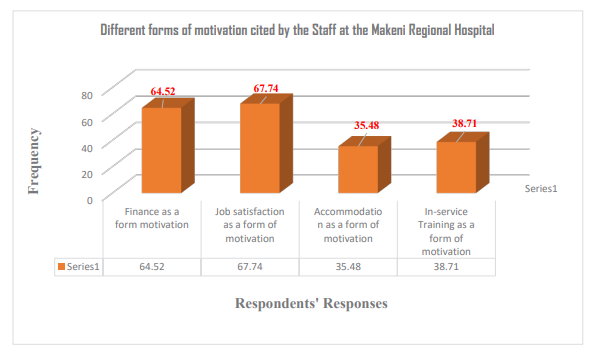
Figure 4: Positive Impact of Staff Motivation on Delivery of Quality Healthcare Delivery at the Makeni RegionalHospital
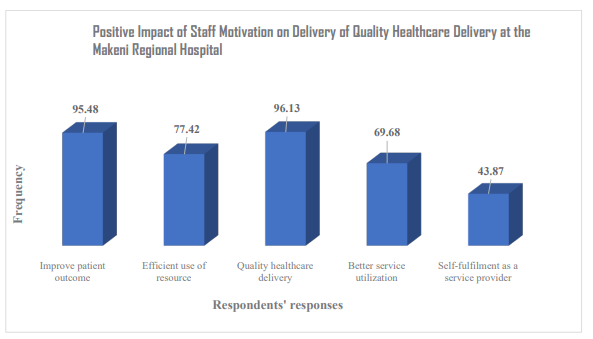
Figure 5: Negative Impact Staff Motivation on Delivery of Quality Healthcare Delivery at the Makeni Regional Hospital
Resource Availability and Quality Healthcare Delivery
Resource adequacy varied by category. Overall resource availability was rated adequate by 32.3% of respondents and highly adequate by 22.6%, while 21.3% rated it inadequate and 18.1% grossly inadequate. Bed capacity was rated inadequate by 45.8% and grossly inadequate by 9.0%, compared with 25.2% adequate.
Equipment adequacy was more favorably rated, with 47.1% describing it as adequate and 17.4% as highly adequate, although 18.7% rated it inadequate and 16.1% grossly inadequate.
Information technology infrastructure showed the greatest reported deficit, with 40% of respondents rating it grossly inadequate and only 38.1% rating it adequate.
Resource availability showed the strongest and most consistent association with quality healthcare delivery of the three factors examined: 99.4% of respondents agreed that adequate resources affect quality healthcare delivery.
The specific positive impacts of resource availability were:
• > 97.4% associated adequate resources with improved patient outcomes.
• > 95.5% with improved delivery of quality healthcare.
• > 83.2% with better service utilization.
• > 54.9% with self-fulfillment as a provider.
For negative impacts of inadequate resources, 98.7% associated inadequate resources with poor quality healthcare delivery, 94.2% with poor patient outcomes, and 84.6% with reduced service utilization.
|
Variable |
Frequency (n=155) |
Percentage (%) |
|
Adequacy of human resource |
||
|
Inadequate |
33 |
21.29 |
|
Grossly inadequate |
28 |
18.06 |
|
Neutral |
9 |
5.81 |
|
Adequate |
50 |
32.26 |
|
Highly Adequate |
35 |
22.58 |
|
Adequacy of bed capacity |
||
|
Inadequate |
71 |
45.81 |
|
Grossly inadequate |
14 |
9.03 |
|
Neutral |
31 |
20 |
|
Adequate |
39 |
25.16 |
|
Adequacy of equipment |
||
|
Inadequate |
29 |
18.71 |
|
Grossly inadequate |
25 |
16.13 |
|
Neutral |
1 |
0.65 |
|
Adequate |
73 |
47.1 |
|
Highly Adequate |
27 |
17.42 |
|
Adequacy of information technology |
|
|
|
Inadequate |
15 |
9.68 |
|
Grossly inadequate |
62 |
40 |
|
Neutral |
3 |
1.94 |
|
Adequate |
59 |
38.06 |
|
Highly Adequate |
16 |
10.32 |
|
Adequate Resources have an impact on quality healthcare delivery |
||
|
No |
1 |
0.65 |
|
Yes |
154 |
99.35 |
|
Positive impacts of adequate resources in the delivery of quality healthcare at the Makeni regional hospital Improve patient outcome |
||
|
No |
4 |
2.58 |
|
Yes |
151 |
97.42 |
|
Quality healthcare delivery |
||
|
No |
7 |
4.52 |
|
Yes |
148 |
95.48 |
|
Better service utilization |
|
|
|
No |
26 |
16.77 |
|
Yes |
129 |
83.23 |
|
Self-fulfilment as a provider |
||
|
No |
70 |
45.16 |
|
Yes |
85 |
54.84 |
|
Negative impacts of adequate resources in the delivery of quality healthcare at the Makeni regional hospital Poor patient outcome |
||
|
No |
9 |
5.81 |
|
Yes |
146 |
94.19 |
|
Poor quality healthcare delivery |
||
|
No |
2 |
1.29 |
|
Yes |
153 |
98.71 |
|
Reduced service utilization |
||
|
No |
24 |
15.48 |
|
Yes |
131 |
84.52 |
Table 4: Resource Availability and Quality Healthcare Delivery (n = 155)
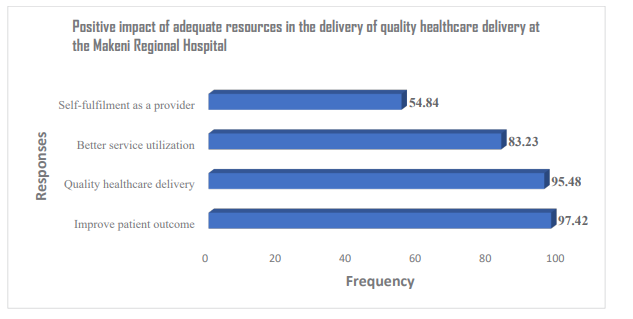
Figure 6: Positive Impact of Adequate Resources on Delivery of Quality Healthcare Delivery at the Makeni Regional Hospital
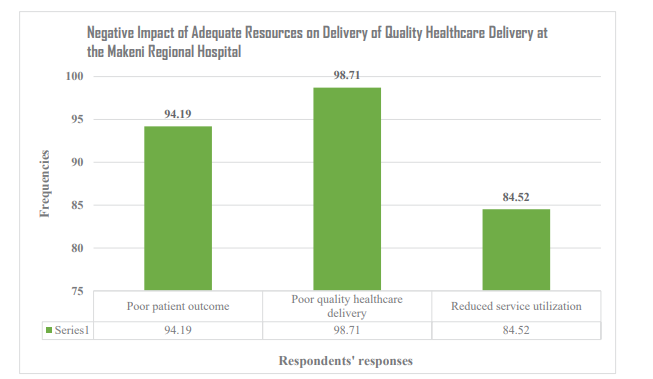
Figure 7: Negative impacts of inadequate resources in service delivery
Discussion Results
This study assessed the influence of service provider competence, motivation, and resource availability on quality healthcare delivery at Makeni Regional Hospital, located in Sierra Leone.
The high proportion of respondents reporting the required professional skills (74.9%) and perceiving their colleagues as competent (91.7%) combined competent/very competent aligns with the view that healthcare professionals possess elevated competence given the nature of the services they provide and their central role in improving patient outcomes [14]. This is consistent with the broader literature framing competence as a set of observable, measurable knowledge, skills, and attributes that shape job performance, and with evidence that abilities, attitudes, and dedication of health professionals are central to hospital performance [15,16].
Provider motivation told a markedly different story: only 7.1% of respondents were highly motivated, despite unanimous agreement (100%) that motivation affects quality of care.
The gap between recognized importance and actual motivation is consistent with prior findings that low employee motivation is a significant contributor to poor service quality, linked to absenteeism, irritability with patients, long wait times, informal fee charging, and labor unrest [5].
It also echoes with evidence from rural Sierra Leone that unfavorable working conditions, limited training and development access, plus long hours driven by staffing shortages, demotivate health workers [8].
The prominence of finance, accommodation, job satisfaction, and in-service training as cited forms of motivation supports findings that reimbursement and benefit-administration practices are meaningfully correlated with the standard of healthcare delivered and that both monetary and non-monetary incentives increase employee motivation and organizational loyalty [17].
Resource availability emerged as the determinant most strongly and consistently linked to quality outcomes, with 99.4% of respondents affirming its impact. This is firm.
Our findings are consistent with the view that inadequate infrastructure and a lack of competent labor make it difficult for health organizations to meet demand for care, and with evidence that subpar equipment and materials reduce employee productivity while resource shortages increase workplace stress among providers [18,19].
The specific deficits identified in this study, namely, inadequate bed capacity (45.8%) and grossly inadequate information technology infrastructure (40.0%), point to structural gaps that persist even where human resource inputs (competence) appear comparatively strong, underscoring that human resources are only one of several inputs, alongside consumables and physical capital, that health systems require in tandem [16].
Discussion -- Impact
Taken together, the pattern of high competence, low motivation, and uneven resource adequacy suggests that the weakest link in quality healthcare delivery at Makeni Regional Hospital is not provider skill but the systems that sustain and equip that skill, namely motivation mechanisms and resource provisioning.
This is consistent with broader observations that even well-developed health systems with available resources continue to show significant variation in care standards and that closing this gap requires attention beyond training alone [4].
Conclusion
Service provider competence, motivation, and resource availability were each found to significantly influence the delivery of quality healthcare at Makeni Regional Hospital.
Competence and provision of quality health service were closely related, with the hospital’s workforce demonstrating a generally high level of professional skill. However, motivation was low, with only 7.1% of respondents highly motivated, despite universal agreement that motivation shapes the quality of care delivered. This may be paradoxical.
Resource availability was affirmed by 95.5% of respondents as enhancing quality healthcare delivery and was the factor most consistently linked to improved patient outcomes, though notable gaps remain in bed capacity and information technology infrastructure.
Acknowledgements
All authors thank the data collection team for their well-done job, the Sierra Leone Ministry of Health and Sanitation for giving access to their facility and data for this research study, and the management and administration of the University of Makeni (UNIMAK) for the provision of students who helped with the data collection process.
Also, Lee thanks the U. S. Fulbright Foreign Scholarship Board for a Visiting Fulbright Teaching and Research Scholar Award at the University of Malta for 2025-2026.
Declaration of Conflicts of Interest
The contributing authors all volunteer no competing nor conflict of interest with this project or with the content of the manuscript.Funding Statement
Our research project was funded solely by the authors. The contributing authors volunteer that their work was independent and not supported by external funding from any private organizations or public agencies. Office expenses for production of the manuscript were covered by SMS-USA, owned by Lee P. Gary Jr., Corresponding Author.Data Availability
All data for our research study is presented within this article and are available separately from the Lead Author or Corresponding Author with a request from any interested individual.Ethics Approval and Consent to Participate
Ethical approval was sought and received from the Ethical Review Board of the Sierra Leone Ethics and Scientific Review Committee. An informed consent form was issued to each respondent to seek their consent, assure them that their contribution to the study will be confidential, and that the data provided can only be used for the purpose of the study.
The respondents were also informed that no form of financial incentive will be given to them for being part of the study – and that their choice of not being part of the study cannot stop them from getting any benefit that may come because of the study.
Authors Contributions
Aiah Lebbie: Conceptualization, Investigation, Initial Analysis, and Drafting and Editing Final Manuscript.
Abraham I. Jimmy: Co-Conceptualization, Data Review, Co-Analysis, plus Reviewing & Proofing Final Draft.
Sallu N. Kamara: Methodology, and Co-Data Review, plus Reviewing & Proofing Final Draft.
Lee Presley Gary, Jr.: Resources, Visualization, Restructuring Outline, plus Editing and Finalizing Manuscript.
Author Biographies
Aiah Lebbie is currently serving as Pediatric Surgeon at the University of Sierra Leone / Teaching Hospital Complex-Connaught and is the only Pediatric Surgeon in the country. He is a Lecturer with the College of Medicine and Allied Health Sciences at the University of Sierra Leone and travels to the provinces to perform surgeries on children of all ages at no cost to their patients.
Sallu Nfagie Kamara is a Lecturer on the Faculty of Pharmaceutical Sciences and department of Pharmacology at the College of Medicine and Allied Health Sciences with the University of Sierra Leone, He is a graduate of the University of Sierra Leone and earned a Master’s Degree from the University of Lagos (Nigeria).
Abraham Isiaka Jimmy is a Public Health Specialist, Researcher and a University Instructor. He has over seven years of experience working in emergency management and community development. He teaches graduate public health and mental health courses at the University of Makeni, located in Sierra Leone.
Lee P. Gary, Jr. is as Visiting Fulbright Research Scholar at the University of Malta, and he is the Director of the Maltese Legionella Project. Previously, he was a Visiting Fulbright Fellow with the new School of Public Health at the University of Makeni in Sierra Leone for 2025.
References
- Kavya, K. (2019). Factors Influencing the Quality of Service. Factors Influencing the Quality of Healthcare Services, 17-46.
- UNFPA Sierra Leone. (2018). Situational analysis of quality improvement in maternal and neonatal health care, Sierra Leone.
- Atkinson, S., Ingham, J., Cheshire, M., & Went, S. (2010). Defining Quality and Quality Management. Clinical Medicine, 10(6), 2009-2011.
- Obina, E. V. (2019). Factors Influencing the Delivery of Quality Health Care Services in Primary Health Care Centers in Obio-Akpor L.G.A. Rivers State.
- Alhassan, R. K., Spieker, N., van Ostenberg, P., Ogink, A., Nketiah-Amponsah, E., & de Wit, T. F. R. (2013). Association between health worker motivation and healthcare quality efforts in Ghana. Human resources for health, 11(1), 37.
- Munanye, K. C. (2014). Factors Influencing Provision of Quality Service in the Public Health Sector, A Case of Mwingi Sub-County Hospital, Kitui. Master’s thesis.
- Mózo, B. S. (2018). Executive Summary of Sierra Leone national plan for health security. J Chem Inf Model, 53(9), 1689-1699.
- Wurie, H. R., Samai, M., & Witter, S. (2016). Retention of health workers in rural Sierra Leone: findings from life histories. Human resources for health, 14(1), 3.
- Witter, S., Brikci, N., Harris, T., Williams, R., Keen, S., Mujica, A., & Renner, A. (2016). The Sierra Leone free health care initiative (FHCI): process and effectiveness review.
- WHO. (2021). WHO Country Cooperation Strategy.
- Jalloh, M. B., Bah, A. J., James, P. B., Sevalie, S., Hann, K., & Shmueli, A. (2019). Impact of the free healthcare initiative on wealth-related inequity in the utilization of maternal & child health services in Sierra Leone. BMC health services research, 19(1), 352.
- Sanny, J. A.-N. (2020). AD346: Sierra Leoneans say health care hard to access, beset by corruption - especially for the poor. Afrobarometer, 346, 1-8.
- DHS. (2019). Sierra Leone Demographic and Health Survey.Africa Yearbook, 16, 105.
- Shahrbabaki, P., Rafati, F. O. O. Z. I. E. H., & Sarabi, R. (2020). Competence as an inevitable necessity for health care workers: a qualitative study. Pak J Med Health Sci, 14(3), 1112-1117.
- Kim, J., & Jung, H. S. (2022). The effect of employee competency and organizational culture on employees’ perceived stress for better workplace. International journal of environmental research and public health, 19(8), 4428.
- Laititi, S. (2022). Effects of Human Resource on Quality Service Delivery of Mission Hospitals in Meru County, Kenya. European Journal of Business and Management, 14(6), 41-48.
- Bula, H., Oringo, J. O., Sewe, S. O., Bula, H. O., & Oringo, J.O. (2018). Compensation Management Practices and Quality of Health Care at Jaramogi Oginga Odinga Teaching and Referral Hospital. American Scientific Research Journal for Engineering, Technology, and Sciences, 49(1), 146-174.
- Mohammad Mosadeghrad, A. (2013). Healthcare service quality: towards a broad definition. International journal of health care quality assurance, 26(3), 203-219.
- Mosadeghrad, A. M. (2014). Factors influencing healthcare service quality. International journal of health policy and management, 3(2), 77.