

Journal of Agriculture and Horticulture Research(JAHR)
ISSN: 2643-671X | DOI: 10.33140/JAHR
Impact Factor: 1.12

Research Article - (2024) Volume 7, Issue 1
Recent Trend of Utilizing Green synthesized Silver Nanoparticles in Food Industry
Received Date: Aug 17, 2023 / Accepted Date: Oct 25, 2023 / Published Date: Feb 24, 2024
Copyright: ©Â©2024 Chemir Chewaka, et al. This is an open-access article distributed under the terms of the Creative Commons Attribution License, which permits unrestricted use, distribution, and reproduction in any medium, provided the original author and source are credited.
Citation: Chadha, S., Saruchi., Kumar, V. (2024). Recent Trend of Utilizing Green synthesized Silver Nanoparticles in Food industry. J Agri Horti Res, 7(1), 1-9.
Abstract
The major challenge in the food industry is the management of food safety from spoilage and microbial attack, when kept under storage. The current generation due to the busy life routine is highly dependent on the ready-to-eat food products and for this the packaging should be efficient enough to prolong the shelf-life, maintain the nutritional availability of the food. These parameters can be achieved by usage of efficient packaging strategy that is mechanical strong and biologically active against the microbial attack. The biopolymer and other biodegradable polymers are being used to maintain the eco-friendly nature and to strengthen the biopolymers incorporation of nanoparticles (NPs) in them is one of the recent and recognized step. The nanoparticles tend to improve the physical characteristics and enhance the biological activity of the packaging matrix as nanoparticles are one of the potent antimicrobial agents. Silver is recognized as the safe and non-toxic inorganic agent, which is being used for its antimicrobial potential for so long.
Silver demonstrates a wide range of the biological applications in its various forms, nanoparticle being one of them. The NPs from silver ions are synthesized via various chemical and biological processes. Green synthesis of these nanoparticles is considered as the prominent choice because of its eco-friendly attribute. The green synthesis approach is cost-effective and generates no toxicity and above all when it comes from the plant origin it is highly acceptable in various fields. The incorporation of NPs in food packaging matrix faces some drawbacks, but the availability of varieties regarding source of nanoparticles and biopolymer matrix, would help to standardize the matrix according to food type, nature and requirements.
Keywords
Silver, Nanoparticles, Green Synthesis, Food Packaging, Biopolymers.
Introduction
In context with food, its safety and quality are the utmost priority of concern for food industries, the consumers and also the regulatory bodies responsible for their quality checks. The current demands are focused on production of hygienic and fresh food product having a prolonged shelf-life and prepared in the absence of any chemical preservatives or additives. The food trade prominently requires the strategies to prevent microbial contamination or spoilage of food in order to assess its prolonged usage. In the present era, due to the busy life scheduled the consumers mostly, are dependent on the processed, packed and ready-to-eat food products. Hence the major requirement in this context is the relevant packaging material that could inhibit the microbial growth hence accompany in increasing the shelf-life of food product [1]. The use of Nano-material has gain familiarity with many fields over the decades and the food industry is not left untouched (Caboneet al., 2015), where these nanomaterials are majorly incorporated in the packaging materials because of the additional properties they impart (Nasr, 2015). The application of nanoparticles in food packaging has generated two major parameters and they are the improved packaging and the active packaging for improving physical properties and biological properties of the packaging matrix respectively. To such modifications, the silver nanoparticles are the prominent ones under the consideration for their good antimicrobial potential [2]. The silver nanoparticles are most effective bactericidal agents and are better as compared to other metal nanoparticles. The silver nanoparticles are stable at high temperature and can be incorporated with various polymers and stabilizing agents [3,4]. The present review deals with the application of silver nanoparticles, synthesized from plant or microbial source, in the food packaging material due to their efficient antimicrobial property. The review also suggests the effects caused by the incorporation of silver nanoparticles in the polymer matrix used for packaging.
Green Synthesis of Silver Nanoparticles (Ag NPs)
The conventional methods used for synthesis of the nanoparticles are expensive and non-environment friendly as they generate toxic materials as the byproducts. The problems generating through these conventional approaches were overcome by the usage of Green synthesis of nanoparticles using the biological sources like the plant extract and the microorganisms.
Green Synthesis Using Plants Extract Medium
The most prominent approach recorded for Ag NPs synthesis using plant system was with the sprouts of alfalfa [5]. The roots of this plant absorb Ag from agar medium and transfer them to shoot where these atoms arrange themselves to form nanoparticles via their union to form larger arrangements. Green synthesis of nanoparticles via plant medium is faster compared to the microbial medium. Through the course of time there are many findings reported on the successful green synthesis of silver nanoparticles from plant source. Some of the findings suggest the synthesis of Ag NPs using pine apple juice (Ahmad and Sharma, 2012), leaf extract of Argemonemexicana extract of triphala and Neem extract from Chrysanthemumindicum L. Acacia leucophloea peanut shell extract extract of fruit Malusdomestica, extract of leaf from Polyalthialongifolia and fruit extract of Papaya [6-13]. There are numerous options for the potential source of obtaining the silver nanoparticles.
There are many plants and their part and extracts that are under consideration for the use in green synthesis of nanoparticles. Hence the varieties are available to provide us with the option to overcome the drawbacks.
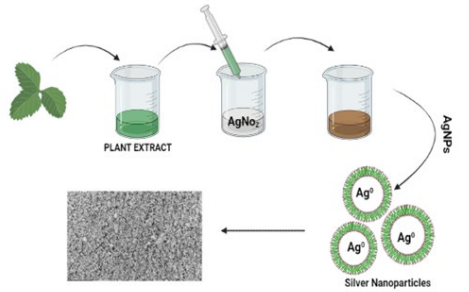
Figure 1: A systematic flow diagram of NPs synthesis from plant extracts
Green Synthesis Using Bacteria and Fungi
The capability of microorganisms to produce various inorganic materials that is the secondary metabolites either intra-cellularly or extra-cellularly. The property makes them suitable for the synthesis of nanoparticles when they interact with the salt solution of the respective metal. Silver is considered as biocidal for the microbes but some bacteria are resistant to silver and hence can accumulateit on their cell wall [14]. The very first metal nanoparticles were synthesized using the silver resistant strain Pseudomonas stutzeri AG259 grown under high concentration of silver nitrate [15]. Later on, several bacterial isolates were studied for their property to synthesize silver nanoparticles and till date there many potential bacteria capable of synthesis. Some of these bacterial isolates as reported experimentally include Bacillus licheniformis Staphylococcus aureus (culture supernatant), Proteus mirabilis PTCC 1710 Klebsiella pneumonia etc. Similar to the bacterial isolates, the fungal isolates abiding by their property of tolerance and bioaccumulation are considered to a good option for nanoparticle synthesis [16,17,18]. The fungal isolates are capable of secreting a variety of enzymes that can reduce silver ions to induce nanoparticle formation [19]. Due to their simplicity in handling than the bacterial isolates, the list of fungal isolates used for nanoparticle synthesis is not small and fungi Verticillium tops the list for being the first fungi to be used for silver nanoparticle synthesis [20-24]. Some other names in the list include, extracellular synthesis by Fusarium oxysporum Aspergillus flavusAspergillus fumigates, Penicillium fellutanum Trichodermareesei etc.

Figure 2: A systematic flow diagram of NPs synthesis from bacteria
Food packaging
There are different types of materials are used in packaging of the food product. Some of the packaging materials are discussed as:
Silver Nanoparticles (Ag NPs) in Food Packaging Material
The silver nanoparticles are known to possess a promising antimicrobial potential and are effective against a broad range of microbes including bacteria, fungi, yeast and also viruses. The recent era has diverted the research towards green synthesis of silver nanoparticles in order to make them suitable and acceptable to be incorporated in the packaging material [25]. The nanoparticle can be incorporated in the food packaging material to improve the mechanical strength and barrier of the matrix or it can be incorporated in a form to prevent food spoilage by microbial attack and improve shelf-life of the food products. The food packaging industries have come up with an innovative idea of sustainable food packaging (SFP) system where the recycled materials are used that generate zero-landfill [26]. The SFP system focus on less utilization of water and is efficient enough to utilize renewable resources and such features make it possible to meet the relevancy to be acceptable at the international level to protect packaged food items. The silver nanoparticles when incorporated with the biodegradable matrix used for food packaging enhance the features like gas barrier, mechanical properties, thermal features, and antimicrobial potency which enhances when the food borne pathogens comes in contact with nanoparticles incorporated within the matrix. This approach checks the microbial attack and also enhances shelf-life of products [27]. The release of silver nanoparticles from the matrix is induced by acidic food material, microwave heating and Nano-fille [28]. The permissible limit of Ag NPs released from food contact material as per European Food Safety Authority is 0.05mg/L in water and 0.05mg/kg in food while some countries has not set any respective guideline for this. However, the rate of release of silver nanoparticles from food contact material is slow hence the Ag NPs provide strength in stored food products and considered to be ideal for packaging matrix.

Figure 3: Application of silver nanoparticle in Food packaging
Bioplastic with Ag NPs in Food Packaging
Since the plastic, due to its non-biodegradable nature causes a threat to the environment, so a need raised to seek an alternate that is the biodegradable plastic or the bioplastic made with renewable materials and are also eco-friendly [29]. Incorporation of nano¬composites in these bio-plastic polymers is under a sharp rise. The silver nanoparticles are one such form of nanocomposite that is used in food packaging system due to its antimicrobial nature. The silver nanoparticles are potentially strong agents to prevent growth of food borne pathogens and spoilage microbes. The reported effects suggest that films of polyethylene oxide incorporated with extract of Accasellowiana and Silver NPs possess inhibition potential against pathogenic bacteria Staphylococcus aureus and Escherichia coli [30]. The composite films of Polylactic acid (PLA) prepared with incorporation of silver nanoparticles obtained from green synthesis possess the antibacterial activity against Escherichia coliand Listeria monocytogenes [31]. Silver nanoparticles synthesized with ginger extract enhanced the inhibition potential against microbial attack when incorporated with polyvinyl alcohol and Montmorillonite-MMT. This blending also decreased their biodegradation periodas compared to other blend-based composites [32]. A considerable antimicrobial property was observed under a study when a biopolymer of PVA and PEG were blended with silver nanoparticles synthesized from extract of leaf from Cappariszeylanica [33]. The films developed from Agar-Banana powder mix and integrated with silver nanoparticles possess enhanced antimicrobial potential against Escherichia coliand Listeria monocytogenes [34]. A study suggest that incorporation of silver NPs in the encapsulating material of probiotic will increase the physicochemical and mechanical properties of the matrix and this will help in improving the stability and performance of probiotic in gastrointestinal tract [35]. A current study reported the usage of a red algae Furcellarialum bricalis to synthesize silver nanoparticles capable of forming the stable nanocomposite film that can inhibition microbial attack from E. coli, E. faecalis, C. albicansand P. aeruginosa [36]. The resulting nanocomposite had the considerable mechanical strength and barrier properties.
Biopolymer with Ag NPs for Edible Coatings
Edible coatings on the perishable food are used for a long time and currently the nanoparticles are being incorporated in these edible coatings formed with biopolymer. To increase the shelf-life and storage quality for fruits and vegetables the nanoparticles with antimicrobial activity are incorporated in matrix of edible coatings. In a study the shelf life of freshly cut carrot is doubled by application of calcium-alginate coating supplemented with silver-montmorillonite NPs that reduced the respiration rate under controlled atmospheric storage [37]. The antioxidant potential and stability of flavors got enhanced for nearly 4 months at cold temperature for the Kinnow fruits when coated with the CMC and Guargum based coating supplemented with silver NPs [38]. Fresh cut melon when coated with Silver-chitosan based nanocomposite inhibited the microbial growth and lowered the respiration rate, with improvement in Vitamin C level and longer shelf-life duration. The findings suggested this polymer-nanocomposite blend to be most promising for edible coating for fresh cut fruits packaging [39].
Polysaccharide Biodegradable Matrix with Ag NPs for Packaging
Among the biodegradable polymers used for packaging the most widely and commonly used polysaccharides include cellulose, agarose, starch, pullulan, and chitosan [40]. The polymer cellulose has the ability to bind with the electropositive metal atoms via electrostatic interactions. Due to this property silver ions gets absorbed on the porous matrix of cellulose when it is immersed in the silver nitrate solution and also facilitates the synthesis and stabilization of silver nanoparticles. Such absorbent pads are used for modern day packaging of fresh foods [41]. Abundance in nature and low cost in production makes cellulose a compatible and edible polymer. The absorbent pads of cellulose when incorporated with AgNPs reduce the microbial growth during storage of beef meat [41]. In this study the total aerobic count reduced significantly while the lactic acid bacteria was less sensitive but the counts for pathogens like Pseudomonas spp. and Enterobacteriacea was less when compared with control. A similar finding was reported for the fresh cut melon sampleswhere the microbial load was reduced by silver nanoparticle loaded absorbent pads [42]. The silver nanoparticles when incorporated within food packaging matrix of hydroxypropyl methylcellulose inhibits the growth of E. coli and S. aureus (De Mouraet al., 2012). An edible polysaccharide, Pullulan for a matrix that is colorless, tasteless, oil resistant and less permeable to oxygen. The addition of silver nanoparticles accompanied with essential oils like oregano and rosemary oil in the edible pullulan films reduces the microbial attack in turkey deli meat [43]. The attack of pathogens like S. aureus and L. monocytogenes on the poultry and meat products is reduced by using pullulan films supplemented with AgNPs [44]. The ready-to-eat foods are usually coated with agar-agar and are now being proposed for use in liquid food gel packaging. In a study the natural existing sodium ions in the sodium montmorillonite were replaced with silver ions and then embedded in agar hydro gel. The resulting gel was used for increasing the shelf-life of Fior-di Latte cheese. The findings demonstrated that Silver MMT matrix caused inhibition of Pseudomonas spp [ 45].
|
S. No. |
Carrier Matrix |
Edible Products and containers |
Effect |
References |
|
1. |
Low density polythene |
Orange Juice |
Improves juice quality by reducing yeast and mold growth |
Emamhadi et al.,(2020). |
|
2. |
Ethylene-vinyl alcohol copolymer |
Chicken, Pork, Cheese |
Inhibits the growth of Salmonella spp. and L. monocytogenes |
Martinez-Abad et al., (2012). |
|
3. |
Polyethylene |
Fresh apple and Carrot, white bread, soft cheese, orange juice |
Checks the growth of microbes like S. aureus, Penicillium spp., Coliform spp., E. coli, Listeria and Lactobacillus |
Metak and Ajaal, (2013) and Ajaal, (2015). |
|
4. |
Cellulose absorbent pad and Low density polythene |
Meat and Turkey Meat |
A considerable decrease in microbial growth of E. coli, S. aureus and L. monocytogenes and also improves product quality |
Khan et al., (2020). |
|
5. |
Polyvinylallylnanofibrils and Polyethylene |
Chinese Jujube Lemon |
Increases shelf-life of fruit and maintain the quality compared to typical coatings and delivers antibacterial activity against E. coli and S. aureus. |
Motelica et al., (2020). |
|
6. |
Polyvinyl chloride |
Minced Beef |
Regulates the microbial load of Total mesophilic bacteria, E. coli and S. aureus |
Mahdi et al. (2012). |
|
7. |
Cellulose Pad |
Melon |
Decreases microbial activity on fruit surface and maintains its freshness for longer intervals |
Krasniewwska et al., (2020). |
|
8. |
Hyper branched polyamide-amine Polyvinyl-pyrrolidone |
Tomato, Asparagus, Cherry |
Effective inhibition of E. coli and S. aureus load Maintains fruit quality by inhibiting growth of psychotropic aerobes |
Kumar et al., (2020). |
|
9. |
Polyurethane |
Used as laminates for food products |
Antibacterial effects against E. coli and S. aureus |
Toker et al., (2013). |
|
10. |
Polystyrene |
Used for making food containers and beverages cups |
Checks the microbial load of E. coli, B. subtilis, E. faecalis, P. aeruginosa, S. typhimurium, S. aureus, C. albicans and A. niger |
Youssef and Abdel-Aziz, (2013). |
|
11. |
Absorber Polyethylene and Furcellaran |
Juice and Pieces of Kiwi, Apple and Melon |
Inhibits yeast and molds, suppress growth of A. acidoterrestris, S. aureusand E. coli, prevent browning of fruit slices |
Jamroz et al., (2019). |
|
12. |
Chitosan |
Poultry Meat |
Prevents from microbial attack and enhances shelf-life |
Panea et al., (2020). |
|
13. |
Clay film (montmorillonite) |
Chicken sausages |
Potent antibacterial effects against S. typhimuriumand S. aureus |
Gu et al., (2019). |
|
14. |
Ecoflex Composite films |
Meat |
Reduces load of S. enteritidis |
Biswas et al., (2019). |
|
15. |
Agar |
Coating on ready-to-eat foods |
Improves gas barrier and mechanical properties and antibacterial against L. monocytogenes and E. coli O157:H7 bacteria |
Rhim et al., (2013). |
Table 1: Effect of Silver Nanoparticles in various food packaging matrix
Effect of Ag NPs on Packaging Matrix
4.1. Effect of Ag NPs on Physical Properties of Packaging Matrix While dealing with the biopolymers to be used for food packaging one of the important parameter to be kept in mind is their physical characteristics and functional potential. The majorly used materials that are polysaccharide and proteins are hydrophilic in nature and this creates a challenge to make them compatible for use in coating technology. These properties of the material can be improved by various physical, chemical and enzymatic treatments. Blending of the polymer with supporting matrix of other nature or with nanocomposite is one such approach that complements the strength of the matrix and eventually helps to improve food quality and shelf-life [46].
The nanomaterials obtained via different techniques show a direct impact on the physical properties of the final structure; they are blended with or incorporated with. The concentration and nature of nanoparticles characterizes the properties of biopolymer matrix containing encapsulated nanoparticles. By using the solvent casting method, nanocomposite of silver nanoparticles is prepared with blending aqueous solutions. The efficiency and physical properties of the matrix generated via such method is affected by the particle size and distribution of the nanoparticles. Usually the biopolymer matrix have transparent appearance or colored according to type of matrix used. In a study the incorporation of silver nanoparticles in carrageenan generated a matrix with yellowish-brown appearance while the neat carrageenan matrix are transparent and such reporting were also found in many more studies [47-49]. The silver nanoparticles apart from changing the color, affects the thermal stability and UV light barrier properties of the matrix. The color change of matrix is dependent upon the concentration of nanoparticle used, as reported in one study that concentration of AgNPs changes the color from pale brown to dark brown in the agar films [50].
The film forming solution of agar-banana powder changed color from yellow to dark brown after formation of silver nanoparticles. This phenomenon was considered as the Plasmon resonance property of nanoparticles that was affected by banana powder concentration [34]. Pectin films also show darker complexion due to incorporation of silver nanoparticles in them [51]. But some finding also reported a colorless matrix of starch incorporated with silver nanoparticles and only the opacity was affected whereas the UV barrier was maintained [52]. The parameter of opacity affects the UV deterioration although its affects the food appearance attribute.The mechanical properties of matrix with nanocomposite depend upon the interactions and miscibility of the participating molecules where usually the van der Waals interactions persist. The density of matrix can be affected due to addition of a new molecule (nanoparticles) and this could increase the ability of interaction between them. Mechanical strength of pectin films was improved with addition of silver NPs, which was the result of interaction between AgNPs and pectin polymer’s H-bonds and this overall affected the other mechanical properties [51]. A study on carrageenan reported that low concentration of silver nanoparticles increase its strength for elongation and break while high concentration decreases its elastic modulus tendency [47].
Although some finding reported the decreased mechanical strength in some matrix, the silver nanoparticles does not affect the elongation at break and this lead to provide the resistance and strength to matrix. In context with Agar films, Starch films, hydroxypropyl methylcellulose/beeswax edible films similar findings were reported [50,53]. Another physical property parameter for the biofilms is their surface hydro- phobicity or –philicity, which is affected by addition of silver nanoparticles. Water contact angle value decrease due to silver NPs addition in chitosan films and agar-banana films [51,54]. Addition of silver nanoparticles tend to decrease the surface tension while some finding reported no effect on contact angle for pectin or banana films and increased contact angle for agar films Water vapour permeability of the Biofilm, decreases with incorporation of silver nanoparticles as reported by several finding [55-58]. Some finding also support no changes in permeability in the pectin films and gelatin and agar-banana films [51,59]. A study reports a major structural change in the cellulose and collagen derivatives based biofilm treated with silver nanoparticles. These changes led to compaction of microfiber and surface micro-relief and this also imposed a good antimicrobial property in the film while making them non-toxic to humans and nature (Fedotova et al., 2009).
Conclusion
From the above discussion it can be concluded that there are variety of sources available for the green synthesis of silver nanoparticles. These variable options allow us to overcome the drawbacks related to one of the options. The selection can also be done on the basis of the availability and requirements and above all the green synthesis surpass the toxic nature as observe in the chemical synthesis. Due to their potential antimicrobial property the silver s are effectively the best option to prevent microbial attack on food. The major parameter of food safety that is its longer shelf life is supported efficiently by the silver nanoparticles. Beside this the silver nanoparticles are also affecting the physical properties of the polymer matrix used in food packaging. There are some drawbacks studies reported in this context but over the major benefits the drawbacks can be overruled by standardization. So the use of silver nanoparticles in food packaging matrix will support the better shelf-life duration, prevent food spoilage, check the microbial attacks.
References
- Mustafa, F., & Andreescu, S. (2020). Nanotechnology-based approaches for food sensing and packaging applications. RSC advances, 10(33), 19309-19336.
- Duncan, T. V. (2011). Applications of nanotechnology in food packaging and food safety: barrier materials, antimicrobials and sensors. Journal of colloid and interface science, 363(1), 1-24.
- Toker, R. D., Kayaman-Apohan, N. L. H. A. N., & Kahraman, M. V. (2013). UV-curable nano-silver containing polyurethane based organic–inorganic hybrid coatings. Progress in Organic Coatings, 76(9), 1243-1250.
- Mart-nez-Abad, A., Lagaron, J. M., & Ocio, M. J. (2012). Development and characterization of silver-based antimicrobial ethylene–vinyl alcohol copolymer (EVOH) films for food-packaging applications. Journal of agricultural and food chemistry, 60(21), 5350-5359.
- Gardea-Torresdey, J. L., Gomez, E., Peralta-Videa, J. R., Parsons, J. G., Troiani, H., & Jose-Yacaman, M. (2003). Alfalfa sprouts: a natural source for the synthesis of silver nanoparticles. Langmuir, 19(4), 1357-1361.
- Singh, A., Jain, D., Upadhyay, M. K., Khandelwal, N., & Verma, H. N. (2010). Green synthesis of silver nanoparticles using Argemone mexicana leaf extract and evaluation of their antimicrobial activities. Dig J Nanomater Bios, 5(2), 483-489.
- Gavhane, A. J., Padmanabhan, P., Kamble, S. P., & Jangle, S.N. (2012). Synthesis of silver nanoparticles using extract of neem leaf and triphala and evaluation of their antimicrobial activities. Int J Pharm Bio Sci, 3(3), 88-100.
- Arokiyaraj, S., Arasu, M. V., Vincent, S., Prakash, N. U., Choi, S. H., Oh, Y. K., ... & Kim, K. H. (2014). Rapid green synthesis of silver nanoparticles from Chrysanthemum indicum L and its antibacterial and cytotoxic effects: an in vitro study. International Journal of Nanomedicine, 379-388.
- Murugan, K., Senthilkumar, B., Senbagam, D., & Al-Sohaibani, S. (2014). Biosynthesis of silver nanoparticles using Acacia leucophloea extract and their antibacterial activity. International Journal of Nanomedicine, 2431-2438.
- Velmurugan, P., Sivakumar, S., Young-Chae, S., Seong-Ho, J., Pyoung-In, Y., Jeong-Min, S., & Sung-Chul, H. (2015). Synthesis and characterization comparison of peanut shell extract silver nanoparticles with commercial silver nanoparticles and their antifungal activity. Journal of Industrial and Engineering Chemistry, 31, 51-54.
- Roy, K., Sarkar, C. K., & Ghosh, C. K. (2014). Green synthesis of silver nanoparticles using fruit extract of Malus domestica and study of its antimicrobial activity. Dig. J. Nanomater. Biostruct, 9(3), 1137-1147.
- Kaviya, S., Santhanalakshmi, J., & Viswanathan, B. (2011). Green synthesis of silver nanoparticles using Polyalthia longifolia leaf extract along with D-sorbitol: study of antibacterial activity. Journal of nanotechnology, 2011.
- Maqdoom, F., Sabeen, H., & Zarina, S. (2013). Papaya fruit extract: a potent source for synthesis of bionanoparticle. Journal of Environmental Research and Development, 7(4A), 1518.
- Slawson, R. M., Trevors, J. T., & Lee, H. (1992). Silver accumulation and resistance in Pseudomonas stutzeri. Archives of microbiology, 158, 398-404.
- Klaus, T., Joerger, R., Olsson, E., & Granqvist, C. G. (1999). Silver-based crystalline nanoparticles, microbially fabricated. Proceedings of the National Academy of Sciences, 96(24), 13611-13614.
- Kalimuthu, K., Babu, R. S., Venkataraman, D., Bilal, M., & Gurunathan, S. (2008). Biosynthesis of silver nanocrystals by Bacillus licheniformis. Colloids and surfaces B: Biointerfaces, 65(1), 150-153.
- Nanda, A., & Saravanan, M. (2009). Biosynthesis of silver nanoparticles from Staphylococcus aureus and its antimicrobial activity against MRSA and MRSE. Nanomedicine: Nanotechnology, Biology and Medicine, 5(4), 452-456.
- Samadi, N., Golkaran, D., Eslamifar, A., Jamalifar, H., Fazeli, M. R., & Mohseni, F. A. (2009). Intra/extracellular biosynthesis of silver nanoparticles by an autochthonous strain of proteus mirabilis isolated fromphotographic waste. Journal of Biomedical Nanotechnology, 5(3), 247-253.
- Mandal, D., Bolander, M. E., Mukhopadhyay, D., Sarkar, G., & Mukherjee, P. (2006). The use of microorganisms for the formation of metal nanoparticles and their application. Applied microbiology and biotechnology, 69, 485-492.
- Mukherjee, P., Ahmad, A., Mandal, D., Senapati, S., Sainkar,S. R., Khan, M. I., ... & Kumar, R. (2001). Bioreduction of AuCl4− ions by the fungus, Verticillium sp. and surface trapping of the gold nanoparticles formed. Angewandte Chemie International Edition, 40(19), 3585-3588.
- Durán, N., Marcato, P. D., De Souza, G. I., Alves, O. L., & Esposito, E. (2007). Antibacterial effect of silver nanoparticles produced by fungal process on textile fabrics and their effluent treatment. Journal of biomedical nanotechnology, 3(2), 203-208.
- Vigneshwaran, N., Ashtaputre, N. M., Varadarajan, P. V., Nachane, R. P., Paralikar, K. M., & Balasubramanya, R. H. (2007). Biological synthesis of silver nanoparticles using the fungus Aspergillus flavus. Materials letters, 61(6), 1413-1418.
- Kathiresan, K., Manivannan, S., Nabeel, M. A., & Dhivya,B. (2009). Studies on silver nanoparticles synthesized by a marine fungus, Penicillium fellutanum isolated from coastal mangrove sediment. Colloids and surfaces B: Biointerfaces, 71(1), 133-137.
- Vahabi, K., Mansoori, G. A., & Karimi, S. (2011). Biosynthesis of silver nanoparticles by fungus Trichoderma reesei (a route for large-scale production of AgNPs). Insciences J., 1(1), 65-79.
- Mei, L., & Wang, Q. (2020). Advances in using nanotechnology structuring approaches for improving food packaging. Annual review of food science and technology, 11, 339-364.
- Chemat, F., Rombaut, N., Meullemiestre, A., Turk, M., Perino, S., Fabiano-Tixier, A. S., & Abert-Vian, M. (2017). Review of green food processing techniques. Preservation, transformation, and extraction. Innovative Food Science & Emerging Technologies, 41, 357-377.
- Nafchi, A. M., Mahmud, S., & Robal, M. (2012). Antimicrobial, rheological, and physicochemical properties of sago starch films filled with nanorod-rich zinc oxide. Journal of food engineering, 113(4), 511-519.
- Carbone, M., Donia, D. T., Sabbatella, G., & Antiochia, R. (2016). Silver nanoparticles in polymeric matrices for fresh food packaging. Journal of King Saud University-Science, 28(4), 273-279.
- Löhr, A., Savelli, H., Beunen, R., Kalz, M., Ragas, A., & Van Belleghem, F. (2017). Solutions for global marine litter pollution. Current opinion in environmental sustainability, 28, 90-99.
- Sganzerla, W. G., Longo, M., de Oliveira, J. L., da Rosa,C. G., de Lima Veeck, A. P., de Aquino, R. S., ... & Nunes,M. R. (2020). Nanocomposite poly (ethylene oxide) films functionalized with silver nanoparticles synthesized with Acca sellowiana extracts. Colloids and Surfaces A: Physicochemical and Engineering Aspects, 602, 125125.
- Shankar, S., Rhim, J. W., & Won, K. (2018). Preparation of poly (lactide)/lignin/silver nanoparticles composite films with UV light barrier and antibacterial properties. International journal of biological macromolecules, 107, 1724-1731.
- Mathew, S., Snigdha, S., Mathew, J., & Radhakrishnan,E. K. (2019). Biodegradable and active nanocomposite pouches reinforced with silver nanoparticles for improved packaging of chicken sausages. Food Packaging and Shelf Life, 19, 155-166.
- Ravindran, R. E., Subha, V., & Ilangovan, R. (2020). Silver nanoparticles blended PEG/PVA nanocomposites synthesis and characterization for food packaging. Arabian Journal of Chemistry, 13(7), 6056-6060.
- Orsuwan, A., Shankar, S., Wang, L. F., Sothornvit, R., & Rhim, J. W. (2016). Preparation of antimicrobial agar/banana powder blend films reinforced with silver nanoparticles. Food Hydrocolloids, 60, 476-485.
- Krasniewska, K., Galus, S., & Gniewosz, M. (2020). Biopolymers-based materials containing silver nanoparticles as active packaging for food applications–a review. International Journal of Molecular Sciences, 21(3), 698.
- Jamróz, E., Khachatryan, G., Kopel, P., Juszczak, L., Kawecka, A., Krzysciak, P., ... & Zimowska, M. (2020). Furcellaran nanocomposite films: The effect of nanofillers on the structural, thermal, mechanical and antimicrobial properties of biopolymer films. Carbohydrate polymers, 240, 116244.
- Costa, C., Conte, A., Buonocore, G. G., Lavorgna, M., & Del Nobile, M. A. (2012). Calcium-alginate coating loaded with silver-montmorillonite nanoparticles to prolong the shelf-life of fresh-cut carrots. Food Research International, 48(1), 164-169.
- Shah, S. W. A., Jahangir, M., Qaisar, M., Khan, S. A., Mahmood, T., Saeed, M., ... & Liaquat, M. (2015). Storage stability of kinnow fruit (Citrus reticulata) as affected by CMC and guar gum-based silver nanoparticle coatings. Molecules, 20(12), 22645-22661.
- Ortiz-Duarte, G., Pérez-Cabrera, L. E., Artés-Hernández, F., & Martínez-Hernández, G. B. (2019). Ag-chitosan nanocomposites in edible coatings affect the quality of fresh-cut melon. Postharvest Biology and Technology, 147, 174-184.
- Elsabee, M. Z., & Abdou, E. S. (2013). Chitosan based edible films and coatings: A review. Materials science and engineering: C, 33(4), 1819-1841.
- Fernandez, A., Picouet, P., & Lloret, E. (2010). Reduction of the spoilage-related microflora in absorbent pads by silver nanotechnology during modified atmosphere packaging of beef meat. Journal of food protection, 73(12), 2263-2269.
- Fernández, A., Picouet, P., & Lloret, E. (2010). Cellulose-silver nanoparticle hybrid materials to control spoilage-related microflora in absorbent pads located in trays of fresh-cut melon. International journal of food microbiology, 142(1-2), 222-228.
- Khalaf, H. H., Sharoba, A. M., El-Tanahi, H. H., & Morsy,M. K. (2013). Stability of antimicrobial activity of pullulan edible films incorporated with nanoparticles and essential oils and their impact on turkey deli meat quality. Journal of Food and Dairy Sciences, 4(11), 557-573.
- Morsy, M. K., Khalaf, H. H., Sharoba, A. M., El-Tanahi,H. H., & Cutter, C. N. (2014). Incorporation of essential oils and nanoparticles in pullulan films to control foodborne pathogens on meat and poultry products. Journal of food science, 79(4), M675-M684.
- Incoronato, A. L., Conte, A., Buonocore, G. G., & Del Nobile,M. A. (2011). Agar hydrogel with silver nanoparticles to prolong the shelf life of Fior di Latte cheese. Journal of dairy science, 94(4), 1697-1704.
- Souza, M. D., &Carneiro-da-Cunha, M. C. (2016). Nanotechnology in edible packaging. Edible Films Packaging. Materials and Processing Technologies; Cerqueira, MÂ PR, Pereira, RNC, Ramos, Ó. LS, Teixeira, JAC, Vincente, AA, Eds, 287-318.
- Roy, S., Shankar, S., & Rhim, J. W. (2019). Melanin-mediated synthesis of silver nanoparticle and its use for the preparation of carrageenan-based antibacterial films. Food Hydrocolloids, 88, 237-246.
- Kanmani, P., & Rhim, J. W. (2014). Physical, mechanical and antimicrobial properties of gelatin based active nanocomposite films containing AgNPs and nanoclay. Food Hydrocolloids, 35, 644-652.
- Shankar, S., & Rhim, J. W. (2015). Amino acid mediated synthesis of silver nanoparticles and preparation of antimicrobial agar/silver nanoparticles composite films. Carbohydrate polymers, 130, 353-363.
- Rhim, J. W., Wang, L. F., & Hong, S. I. (2013). Preparation and characterization of agar/silver nanoparticles composite films with antimicrobial activity. Food Hydrocolloids, 33(2), 327-335.
- Shankar, S., Tanomrod, N., Rawdkuen, S., & Rhim, J. W. (2016). Preparation of pectin/silver nanoparticles composite films with UV-light barrier and properties. International Journal of Biological Macromolecules, 92, 842-849.
- Ortega, F., Giannuzzi, L., Arce, V. B., & García, M. A. (2017). Active composite starch films containing green synthetized silver nanoparticles. Food Hydrocolloids, 70, 152-162.
- Ji, N., Liu, C., Zhang, S., Xiong, L., & Sun, Q. (2016).Elaboration and characterization of corn starch films incorporating silver nanoparticles obtained using short glucan chains. LWT, 74, 311-318.
- Yoksan, R., & Chirachanchai, S. (2010). Silver nanoparticle-loaded chitosan–starch based films: Fabrication and evaluation of tensile, barrier and antimicrobial properties. Materials Science and Engineering: C, 30(6), 891-897.
- Kadam, D., Momin, B., Palamthodi, S., & Lele, S. S. (2019). Physicochemical and functional properties of chitosan-based nano-composite films incorporated with biogenic silver nanoparticles. Carbohydrate polymers, 211, 124-132.
- Nair, S. B., Alummoottil N, J., & Moothandasserry S, S. (2017). Chitosan-konjac glucomannan-cassava starch-nanosilver composite films with moisture resistant and antimicrobial properties for food-packaging applications. Starch-Stärke, 69(1-2), 1600210.
- Kanmani, P., & Rhim, J. W. (2014). Physicochemical properties of gelatin/silver nanoparticle antimicrobial composite films. Food chemistry, 148, 162-169.
- Cheviron, P., Gouanvé, F., & Espuche, E. (2015). Starch/ silver nanocomposite: Effect of thermal treatment temperature on the morphology, oxygen and water transport properties. Carbohydrate polymers, 134, 635-645.
- Orsuwan, A., Shankar, S., Wang, L. F., Sothornvit, R., & Rhim, J. W. (2017). One-step preparation of banana powder/silver nanoparticles composite films. Journal of food science and technology, 54, 497-506.
- Ahmad, N., & Sharma, S. (2012). Green synthesis of silver nanoparticles using extracts of Ananas comosus.
- Bahrami, A., Mokarram, R. R., Khiabani, M. S., Ghanbarzadeh, B., & Salehi, R. (2019). Physico-mechanical and antimicrobial properties of tragacanth/hydroxypropyl methylcellulose/beeswax edible films reinforced with silver nanoparticles. International journal of biological macromolecules, 129, 1103-1112.
- Carbone, M., Sabbatella, G., Antonaroli, S., Remita, H., Orlando, V., Biagioni, S., & Nucara, A. (2015). Exogenous control over intracellular acidification: enhancement via proton caged compounds coupled to gold nanoparticles. Biochimica et Biophysica Acta (BBA)-General Subjects, 1850(11), 2304-2307.
- Castillo-Henríquez, L., Alfaro-Aguilar, K., Ugalde-Álvarez, J., Vega-Fernández, L., Montes de Oca-Vásquez, G., & Vega-Baudrit, J. R. (2020). Green synthesis of gold and silver nanoparticles from plant extracts and their possible applications as antimicrobial agents in the agricultural area. Nanomaterials, 10(9), 1763.
- De Moura, M. R., Mattoso, L. H., & Zucolotto, V. (2012). Development of cellulose-based bactericidal nanocomposites containing silver nanoparticles and their use as active food packaging. Journal of Food Engineering, 109(3), 520-524.
- Emamhadi, M. A., Sarafraz, M., Akbari, M., Fakhri, Y., Linh, N. T. T., &Khaneghah, A. M. (2020). Nanomaterials for food packaging applications: A systematic review. Food and Chemical Toxicology, 111825.
- Fedotova, A. V., Snezhko, A. G., Sdobnikova, O. A., Samoilova, L. G., Smurova, T. A., Revina, A. A., & Khailova, E. B. (2010). Packaging materials manufactured from natural polymers modified with silver nanoparticles. International Polymer Science and Technology, 37(10), 59-64.
- Gu, R., Yun, H., Chen, L., Wang, Q., & Huang, X. (2019).Regenerated cellulose films with amino-terminated hyperbranched polyamic anchored nanosilver for active food packaging. ACS Applied Bio Materials, 3(1), 602-610.
- Jamróz, E., Kopel, P., Juszczak, L., Kawecka, A., Bytesnikova, Z., Milosavljevic, V., & Makarewicz, M. (2019). Development of furcellaran-gelatin films with Se-AgNPs as an active packaging system for extension of mini kiwi shelf life. Food Packaging and Shelf Life, 21, 100339.
- Khan, M. J., Kumari, S., Selamat, J., Shameli, K., & Sazili,A. Q. (2020). Reducing meat perishability through pullulan active packaging. Journal of Food Quality, 2020, 1-10.
- Kumar, S., Basumatary, I. B., Sudhani, H. P., Bajpai, V. K., Chen, L., Shukla, S., & Mukherjee, A. (2021). Plant extract mediated silver nanoparticles and their applications as antimicrobials and in sustainable food packaging: A state-of-the-art review. Trends in Food Science & Technology, 112, 651-666.
- Kumar, S., Mukherjee, A., & Dutta, J. (2020). Chitosan based nanocomposite films and coatings: Emerging antimicrobial food packaging alternatives. Trends in Food Science & Technology, 97, 196-209.
- Motelica, L., Ficai, D., Ficai, A., Oprea, O. C., Kaya, D. A., & Andronescu, E. (2020). Biodegradable antimicrobial food packaging: Trends and perspectives. Foods, 9(10), 1438.
- Panea, B., Albertí, P., & Ripoll, G. (2020). Effect of high pressure, calcium chloride and ZnO-Ag nanoparticles on beef color and shear stress. Foods, 9(2), 179.
- Biswas, M. C., Tiimob, B. J., Abdela, W., Jeelani, S., & Rangari, V. K. (2019). Nano silica-carbon-silver ternary hybrid induced antimicrobial composite films for food packaging application. Food Packaging and Shelf Life, 19, 104-113.
- Tarannum, N., & Gautam, Y. K. (2019). Facile green synthesis and applications of silver nanoparticles: a state-of-the-art review. RSC advances, 9(60), 34926-34948.