



Research Article - (2026) Volume 11, Issue 1
Post Covid-19 Drivers of Food Choices, Dietary Intake, and Nutrition Status of Undergraduate Students In Selected Universities In Kiambu County, Kenya
 , Ann Munyaka and Eunice Njogu
 Received Date: Apr 01, 2026 / Accepted Date: Apr 26, 2026 / Published Date: May 28, 2026
Copyright: ©2026 Musanga Nasike Mercy, et.al. This is an open-access article distributed under the terms of the Creative Commons Attribution License, which permits unrestricted use, distribution, and reproduction in any medium, provided the original author and source
Citation: Mercy, M. N., Munyaka, A., Njogu, E. (2026). Post Covid-19 Drivers of Food Choices, Dietary Intake, and Nutrition Status of Undergraduate Students In Selected Universities In Kiambu County, Kenya. Adv Nutr Food Sci, 11(1), 01-11.
Abstract
University students represent a nutritionally vulnerable group due to increased independence in food choices, financial limitations, and evolving food environments. In Kenya, particularly in Kiambu County, rapid urbanization has contributed to poor dietary practices and a rising burden of malnutrition. The COVID-19 pandemic further disrupted food access, affordability, and consumption patterns, with lasting effects on students’ nutrition. This study examined post-COVID-19 factors influencing food choices and their relationship with dietary intake and nutritional status among undergraduate students. A cross-sectional analytical design was used, involving 384 students selected through multistage sampling from four universities (two public and two private). Data were collected using a semi-structured questionnaire, a Food Frequency Questionnaire (FFQ), and anthropometric measures, including body mass index (BMI) and waist circumference. Analysis was conducted using SPSS version 24, applying descriptive and inferential statistics such as ANOVA, Pearson’s correlation, and adjusted odds ratios. Findings indicated that 90.7% of students experienced post- COVID-19 changes in food choices, mainly driven by economic constraints (49.1%) and health perceptions (31.8%). A majority (94.7%) reported reduced financial support and food insecurity. Technology and social media positively influenced nutrient intake, while economic factors negatively affected protein and vitamin consumption. Health and nutrition concerns emerged as the strongest predictors of nutritional status, significantly associated with BMI and waist circumference. Higher protein intake increased the likelihood of overweight and obesity, whereas higher vitamin intake reduced these risks. The study concludes that post-pandemic food choice determinants significantly influence dietary intake and nutritional outcomes, contributing to the dual burden of malnutrition. It recommends integrated interventions focusing on campus food environments, nutrition education, and financial support to improve student health outcomes.
Background: University students are nutritionally vulnerable due to limited finances, independence in food choices, and exposure to changing food environments, influencing dietary habits and health outcomes. Food choice is shaped by cost, availability, and social factors, while dietary intake determines health and disease risk. Food insecurity is widespread globally and worsened by COVID-19 and economic disruptions. In Kenya and elsewhere, poor diets contribute to non- communicable diseases and mortality. Therefore, studying post-COVID determinants of students’ dietary practices is essential for academic research.
Materials and Methods: The study used a cross-sectional analytical design to examine determinants of nutritional status among undergraduate students aged 19–26 years in Kiambu County, Kenya. It assessed associations between food choice drivers, dietary intake, and nutritional status measured by BMI and waist circumference. A multistage sampling technique selected 384 business students from four universities. Data were collected using questionnaires, FFQ, and anthropometric measurements. Analysis in SPSS included descriptive and inferential statistics. Ethical approval and informed consent were obtained, ensuring confidentiality and safety.
Results: The study found that 90.7% of undergraduate students changed their food choices after COVID-19, mainly due to economic constraints (49.1%) and health perceptions (31.8%). Most relied on parental financial support (96.8%) and experienced food insecurity (94.7%), with nearly half spending below Ksh 5,000 monthly. Post-COVID diets shifted toward increased intake of energy-dense foods (carbohydrates, meat, fats) and reduced consumption of fruits, vegetables, legumes, and roots (p<0.05). While 65.8% had normal BMI, one-third showed abdominal obesity.
Health awareness improved dietary quality, whereas economic factors negatively affected nutrition. Higher vitamin intake reduced overweight risk, while protein intake increased obesity likelihood significantly.
Keywords
Food Choices, Dietary Intake, Nutritional Status, University Students, Post-Covid-19, Food Security
Introduction
University students constitute a nutritionally vulnerable population due to increased autonomy in food-related decisions, financial limitations, and exposure to dynamic food environments. The transition to university life often leads to independent food choices that may shape dietary habits and long-term health outcomes. The Food Standards Agency (FSA) defines food choice as the selection of foods for consumption influenced by interconnected factors such as cost, availability, and social and physical environments [1]. Dietary intake, which reflects habitual food consumption patterns and nutrient intake, is critical for maintaining optimal health and preventing nutrition-related diseases [2].
Despite the importance of healthy, affordable, and culturally acceptable diets, food insecurity is increasingly prevalent among university students globally [3]. For instance, 54% of Malaysian students experience food insecurity, while similar challenges have been reported in the United States and at Washington University, where 26% of students were affected [4-6]. Limited nutrition knowledge and reliance on convenient foods further exacerbate poor dietary outcomes among young adults [7].
The COVID-19 pandemic intensified these challenges by disrupting food systems and reducing financial support due to income losses. Evidence from Greece links pandemic-related financial strain to increased food insecurity and unhealthy dietary patterns [8]. In Kenya, food security was similarly affected by climate variability and the pandemic [9].
Food insecurity contributes to inadequate dietary intake, increasing the risk of non-communicable diseases (NCDs). In Kenya, poor diets account for 33% of deaths, while global obesity affects 1.9 billion people [10,11]. Therefore, examining post-COVID-19 determinants of students’ dietary practices is essential for addressing emerging nutrition-related health challenges.
Study Problem
The university period is a critical phase in which students establish independent dietary habits that can significantly influence their long-term nutritional wellbeing. Although this transition offers opportunities for healthy eating, students often face barriers such as limited finances, time constraints, and dependence on convenient but less nutritious foods. These challenges may negatively affect dietary intake and contribute to poor nutrition status, increasing the risk of undernutrition, over nutrition, and chronic nutrition-related illnesses, which remain major contributors to the global disease burden [12].
The COVID-19 pandemic further disrupted food systems worldwide, affecting food availability, affordability, and accessibility. Lockdowns, economic downturns, and job losses increased food insecurity and altered food choices [13,14]. In Kenya, widespread income losses during the pandemic likely affected university students who depended on family support for food and living expenses [15]. Despite earlier research on students’ food choices in Kenya, evidence on post-pandemic influences remains limited. Examining these relationships in Kiambu County is essential for informing evidence-based nutrition education and interventions that promote healthy dietary practices and improved nutrition outcomes among university students in post-crisis settings.
Purpose
The broad objective of this study was to determine the post-COVID-19 factors associated with food choices, dietary intake, and nutritional status among public and private university undergraduate students aged 19 to 26 years in Kiambu County. The Specific objectives of this study were to:
i. Determine the social demographic characteristics of university undergraduate students aged 19-26 years in Kiambu County.
ii. Assess factors associated with food choices of university undergraduate students aged 19-26 years in Kiambu County.
iii. Determine the dietary intake of university undergraduate students aged 19-26 years in Kiambu County
iv. Determine the nutrition status of university undergraduate students aged 19-26 years in Kiambu County.
v. Establish the relationships between factors associated with food choices and dietary intake, factors associated with food choices and nutrition status, and dietary intake and nutrition status of university undergraduate students aged 19-26 years in Kiambu County.
Conceptual Framework
Figure 1 presents the conceptual framework linking drivers of food choices, dietary intake patterns, and nutrition status among undergraduate students. Socio-demographic factors (age, gender, religion, university type) shape food choices, influenced by economic conditions, health perceptions, technology, and socio¬cultural factors. Post-COVID-19 effects, including food insecurity and income loss, act as contextual influences affecting access and affordability. Dietary intake patterns (protein, carbohydrates, vitamins) mediate outcomes, while nutrition status, measured by BMI and waist circumference, serves as the dependent variable.

Figure 1: Conceptual Framework
Literature Review
Adequate nutrition is essential for growth, development, and disease prevention; however, university students are particularly vulnerable to poor dietary habits, including frequent consumption of fast foods and nutritionally inadequate diets. Evidence from Spain identifies university students as a high-risk group requiring targeted interventions to promote healthier lifestyles [16]. The review explores economic, socio-cultural, technological, and health-related factors influencing food choices, while drawing on theoretical and empirical evidence to justify the study variables and guide interpretation of findings.
Socio-demographic factors such as age, sex, type of university, and religion significantly influence dietary behaviors and nutritional outcomes. In Kenya, most university students fall within the 18–26-year age group, a transitional phase marked by independence and susceptibility to unhealthy eating habits [17]. Gender differences are evident: female students tend to have higher nutrition knowledge but consume more snacks and convenience foods, while male students consume more energy-dense foods and exhibit higher rates of overweight [18].
Institutional context also plays a role. Students in public universities often face financial constraints and rely on low-cost food vendors, limiting dietary diversity, whereas private university students may access a wider range of food options [19]. Religion further shapes dietary patterns through restrictions and fasting practices, although limited empirical evidence exists on its influence in Kenya [20].
The post-COVID-19 period introduced additional challenges, including increased food prices and reduced household incomes, which negatively affected students’ ability to afford nutritious diets [21,22]. In Kenya, poor food choices were reported among 96.3% of first-year university students, increasing obesity risk [9]. Despite growing literature, gaps remain in understanding how socio-demographic factors interact within the post-pandemic context to influence dietary intake and nutritional status.
Food choices among university students are shaped by a complex interaction of economic, psychological, environmental, and demographic factors. Economic constraints are particularly influential, as limited financial resources and rising food prices often lead students to prioritize cheaper, energy-dense foods over nutrient-rich options [23]. Although female students often demonstrate higher nutrition awareness, this does not always translate into healthier eating due to competing pressures [24].
Urbanization, increased availability of processed foods, and academic time constraints have shifted dietary patterns away from traditional foods toward convenience and high-fat diets [25]. Studies across sub-Saharan Africa show that university students frequently exhibit poor eating habits, contributing to both undernutrition and overweight/obesity [26,27]. Similar trends are reported globally, including associations between unhealthy diets and cardiovascular risks, and reduced fruit and vegetable intake among Kenyan youth [28,29]. However, few studies integrate these determinants with dietary intake patterns and nutritional outcomes, particularly in post-COVID-19 contexts. This highlights the need for comprehensive, context-specific research.
The food environment, encompassing affordability, availability, and accessibility, strongly influences dietary behavior. Students’ food choices are shaped by both personal financial capacity and the external food environment [30]. Studies show that the availability of energy-dense foods and limited access to fruits and vegetables contribute to poor dietary patterns among university students [5].
High food prices, inflation, and limited institutional support further constrain healthy eating [3,31]. In Nairobi, affordability and convenience drive consumption of fast foods (Kariuki et al., 2021). Financial strain and food insecurity also limit students’ ability to maintain balanced diets [32].
The COVID-19 pandemic exacerbated these challenges globally through economic disruptions, rising inflation, and reduced incomes [6,13,33]. Despite evidence on individual factors, research remains fragmented, with limited studies examining the combined effects of economic conditions on dietary intake and nutritional status.
Cultural practices, social interactions, and peer influence significantly shape dietary behaviors. Food preparation, consumption patterns, and preferences are influenced by ethnicity, social class, and cultural norms [29]. Social dining contexts also affect food intake, as individuals tend to mimic the eating habits of peers [5,33].
Among university students, social relationships play a central role in shaping food choices [34]. However, COVID-19-related restrictions reduced social interactions, potentially altering eating patterns and highlighting the importance of social support systems in dietary behavior.
Technological advancements, particularly mobile applications, have significantly influenced food choices. Mobile food delivery apps have become increasingly popular, offering convenience and diverse food options. In Singapore, 41.7% of young adults reported using such apps weekly (Xiang et al., 2023). However, these platforms often promote unhealthy food options through misleading advertisements, increasing the likelihood of poor dietary choices.
Conversely, technology can support healthier behaviors through digital health interventions that provide nutrition education [14,16]. Despite this potential, evidence on the effectiveness of technology-driven interventions remains limited, indicating a need for further research [15].
Dietary patterns in Kenya are heavily reliant on staple foods, contributing to nutrient deficiencies and increasing risks of overweight and obesity [9]. Traditional diets are declining, while fast-food consumption is rising, particularly in urban area [35]. Similar trends are observed globally, with university food environments often promoting unhealthy options [8,36].
In Kiambu County, diets are dominated by staples such as maize and rice, with low dietary diversity scores indicating inadequate nutrient intake among most populations [25,37]. These findings underscore the need for nutrition education and interventions to improve dietary practices.
University students face a dual burden of malnutrition, characterized by both undernutrition and overnutrition. Studies in Kenya report significant proportions of students being underweight, overweight, or obese (Ndung’u et al., 2024) [24,38]. Poor dietary habits, sedentary lifestyles, and low fruit and vegetable intake contribute to these outcomes (Mwania et al., 2023).
Globally, overweight and obesity among young adults have increased significantly, with similar trends observed across Africa, Asia, and the Middle East [4,28,39]. Nutritional status is commonly assessed using anthropometric measures such as Body Mass Index (BMI) and waist circumference [40].
Despite extensive research, most Kenyan studies are institution-specific and rely primarily on BMI, with limited integration of dietary, socio-demographic, and post-pandemic factors. This highlights the need for comprehensive studies that link food choice determinants, dietary intake, and nutritional status to better inform interventions targeting university students.
Material and methods
The study adopted a cross-sectional analytical research design to examine factors influencing food preferences, dietary consumption, and nutritional status among undergraduate students aged 19–26 years in Kiambu County. This design enabled the collection of both quantitative and qualitative data at a single point in time, facilitating the assessment of prevalence, patterns, and associations within a large student population. It was considered appropriate for establishing relationships among variables and describing population characteristics efficiently (Creswell & Creswell, 2018).
The dependent variable was nutritional status, measured using body mass index (BMI) and waist circumference. Dietary intake functioned as an intermediate variable, assessed through food frequency intake. Independent variables included food choice drivers, namely affordability, awareness of healthy diets, online food ordering, and peer influence. These variables were selected to capture the multidimensional determinants of students’ dietary behaviors and health outcomes.
The study was conducted in Kiambu County, located in central Kenya within the Nairobi Metropolitan Region. The area is char- acterized by rapid urbanization, a dense student population, and a diverse food environment shaped by supermarkets, fast-food out¬lets, street vendors, and online delivery services. The proximity to Nairobi has accelerated lifestyle changes, including increased reliance on convenience foods. Four universities—Kenyatta Uni¬versity (KU), Jomo Kenyatta University of Agriculture and Tech¬nology (JKUAT), Mount Kenya University (MKU), and Zetech University—were purposively selected. The focus on Schools of Business was informed by their large and diverse undergraduate populations, whose academic schedules and lifestyles may influ¬ence dietary practices.
The target population comprised undergraduate students aged 19–26 years enrolled in Schools of Business in the selected universities and willing to participate. Inclusion criteria required students to meet age and enrollment conditions, while exclusion criteria eliminated those with chronic illnesses, those on internship, non-business students, or those unwilling to provide consent. The sample size was determined using the Mugenda and Mugenda formula for large populations, yielding 384 respondents after adjusting for a 10% non-response rate.
A multistage sampling technique was employed. Kiambu County was selected purposively, followed by cluster sampling to identify two public and two private universities. Stratified proportionate sampling was then used to allocate sample sizes across institutions, and simple random sampling was applied to select individual respondents (Marshall, 2016). This approach ensured representativeness and minimized sampling bias.
Data were collected using a semi-structured questionnaire divided into four sections: socio-demographic characteristics, food choices, dietary intake frequency, and nutritional status. A food frequency questionnaire (FFQ) captured consumption patterns across food groups. Anthropometric measurements were taken using standardized procedures, including calibrated weighing scales and stadiometers, to compute BMI and measure waist circumference.
Pretesting was conducted on 10% of the sample at St. Paul’s University to assess clarity, consistency, and reliability of the instruments. Validity was ensured through expert review by Kenyatta University supervisors, while reliability was tested using the test-retest method. A Cronbach’s alpha coefficient of 0.78 indicated acceptable internal consistency (IBM Corp., 2013).
Eight trained research assistants with nutrition backgrounds sup¬ported data collection. Training focused on ethical considerations, questionnaire administration, and data quality assurance. Data collection procedures involved researcher-administered question¬naires to enhance response accuracy and completeness. Dietary intake was categorized into weekly consumption frequencies, and anthropometric measurements were taken twice to ensure preci¬sion.
Data analysis was conducted using SPSS version 24. Descriptive statistics summarized demographic characteristics, dietary patterns, and nutritional status. Inferential statistics, including ANOVA, Pearson correlation, and regression analyses, were used to examine relationships among variables. Odds ratios and 95% confidence intervals were reported, with statistical significance set at p < 0.05. Results were presented using tables and figures for clarity.
Ethical and logistical considerations were strictly observed. Approval was obtained from the Kenyatta University Graduate School, ethical clearance from KUERC, and a research permit from NACOSTI. Institutional consent was secured from participating universities. Informed consent was obtained from all participants, and confidentiality was maintained through coding and secure data storage. Participants identified as malnourished were referred for appropriate nutritional counseling and care.
Result
Drivers of Food Choices of Undergraduate Students
Most respondents (90.7%) reported changes in food choices and dietary intake after COVID-19, mainly driven by economic and environmental factors (49.1%), followed by health and nutrition perceptions (31.8%). Technology/social media (6.4%) and socio¬cultural factors (3.4%) had minimal influence, while 9% reported no change. Most students depended on parents for financial support (96.8%), and 94.7% experienced COVID-19-related disruptions in support and food security challenges. Nearly half (49.6%) spent below Ksh 5,000 monthly, 35.3% spent Ksh 5,000–10,000, and 15.1% exceeded Ksh 10,000, indicating generally constrained student budgets influencing dietary decisions and food security outcomes.
|
Category |
Sub-category |
Male (n) |
Female (n) |
Total (N) |
Percentage (%) |
|
COVID-19 change of food choice |
Yes |
193 |
149 |
342 |
90.7 |
|
|
No |
19 |
16 |
35 |
9.3 |
|
|
Total |
212 |
165 |
377 |
100 |
|
Reason for change in food choice |
Economic factors |
96 |
89 |
185 |
49.1 |
|
|
Health and nutrition |
74 |
46 |
121 |
31.8 |
|
|
Socio-cultural factors |
7 |
6 |
13 |
3.4 |
|
|
Technology |
16 |
8 |
24 |
6.4 |
|
|
No dietary change |
18 |
16 |
34 |
9.0 |
|
|
Total |
212 |
165 |
377 |
100 |
|
Source of financial support |
Parents |
207 |
158 |
365 |
96.8 |
|
|
Scholarships |
5 |
7 |
12 |
3.2 |
|
|
Total |
212 |
165 |
377 |
100 |
|
Effect of COVID-19 on financial support |
Yes |
200 |
157 |
357 |
94.7 |
|
|
No |
12 |
8 |
20 |
5.3 |
|
|
Total |
212 |
165 |
377 |
100 |
|
Monthly expenditure (Ksh.) |
< 5,000 |
100 |
87 |
187 |
49.6 |
|
|
5,000 – 10,000 |
73 |
60 |
133 |
35.3 |
|
|
> 10,000 |
39 |
18 |
57 |
15.1 |
|
|
Total |
212 |
165 |
377 |
100 |
|
Food security challenges |
Yes |
195 |
162 |
357 |
94.7 |
|
|
No |
16 |
4 |
19 |
5.3 |
|
|
Total |
212 |
165 |
377 |
100 |
Table 1: Factors Associated with Food Choices of Undergraduate Students
Dietary Intake among Undergraduate Students
Post-COVID-19 dietary patterns among undergraduate students showed notable shifts in consumption frequency across food groups. Daily intake decreased for starches/carbohydrates (27.3%) and meat/eggs (13.8%) but increased for fruits/vegetables (21.5%) and legumes/nuts (18.3%). Most foods were consumed 2-3 times weekly, particularly meat/eggs (42.7%) and fats/sugars (45.3%). Mean intake analysis showed significant increases in starches/ carbohydrates (p=0.00053), meat/eggs (p<0.0001), and fats/ sugars (p<0.0001), while roots/tubers, legumes/nuts, and fruits/ vegetables significantly decreased (p<0.0001). Dairy intake remained unchanged (p=0.245). Overall, post-COVID diets shifted toward higher energy-dense foods and reduced consumption of micronutrient-rich food groups, indicating a nutrition transition among students.
|
Food Group |
Mean Pre-COVID |
Mean post-COVID |
t-value |
p-value |
Interpretation |
|
Starch & Carbohydrate |
2.05 |
2.14 |
3.49 |
0.00053 |
Significant increase |
|
Roots & Tubers |
2.71 |
2.52 |
-7.38 |
<0.0001 |
Significant decrease |
|
Legumes & Nuts |
2.43 |
2.27 |
-6.21 |
<0.0001 |
Significant decrease |
|
Fruits & Vegetables |
2.63 |
2.21 |
-16.31 |
<0.0001 |
Significant decrease |
|
Meat & Eggs |
2.20 |
2.38 |
6.99 |
<0.0001 |
Significant increase |
|
Dairy Products |
2.12 |
2.09 |
-1.16 |
0.245 |
No significant change |
|
Fats & Sugars |
2.14 |
2.49 |
13.59 |
<0.0001 |
Significant increase |
Table 2: Statistical Significance of Mean Dietary Intake Pre and Post Covid-19 among Undergraduate Students
Nutrition Status of Undergraduate Students
About 65.8% of undergraduate students had normal BMI, with more males (36.6%) than females (29.2%). Overweight prevalence was higher among males (13.8%) than females (9.8%), while underweight was slightly higher in females (2.4%) than males (1.9%). The differences may reflect variations in enrolment, dietary intake, body composition, and BMI limitations, alongside sociocultural influences on female weight control. Overall, a double burden of malnutrition was observed. Based on waist circumference, 68.7% had normal levels, with males (38.2%) exceeding females (30.5%). However, about one-third showed abdominal obesity, more among males (18%) than females (13.3%) (Figure 1; Figure 2).

Figure 1: Nutrition Status of Undergraduate Students Based on Body Mass Index
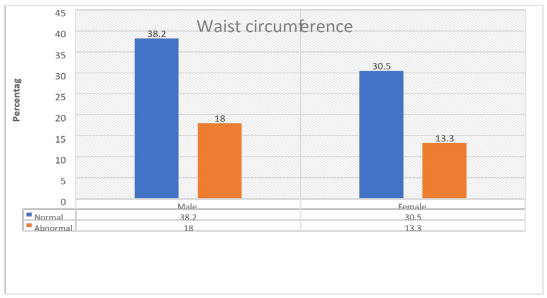
Figure 2: Nutrition Status of Respondents Based On Waist Circumference
The study examined the relationship between factors associated with food choices, dietary intake, and nutrition status among undergraduate students. Correlation analysis (Table 3) revealed that technology and social media had a positive and statistically significant relationship with protein (r = 0.362, p = 0.001), carbohydrates (r = 0.298, p = 0.017), and vitamins (r = 0.271, p = 0.022), indicating that digital exposure is linked to improved dietary intake. Health and nutrition perceptions showed the strongest positive associations across all nutrients, particularly vitamins (r = 0.502, p = 0.000), suggesting that nutrition awareness significantly enhances dietary quality. In contrast, economic and environmental factors negatively influenced protein (r = -0.215, p = 0.035) and vitamin intake (r = -0.231, p = 0.041), while socio- cultural factors were not statistically significant (p > 0.05).
ANOVAresults (Table 4) indicated that health and nutrition concerns significantly influenced BMI (p = 0.003) and waist circumference (p = 0.006). Technology and social media also showed significant effects on BMI (p = 0.014) and waist circumference (p = 0.029), while economic and environmental factors were similarly significant (BMI: p = 0.026; waist circumference: p = 0.041). Socio-cultural factors showed no significant effect on nutrition status.
Logistic regression results (Table 5) showed that higher protein intake increased the likelihood of overweight (AOR = 1.45, p = 0.004) and obesity (AOR = 1.82, p = 0.002). Carbohydrate intake had no significant association with nutritional status (p > 0.05). Conversely, higher vitamin intake reduced the risk of overweight (AOR = 0.78, p = 0.031) and obesity (AOR = 0.69, p = 0.023), indicating a protective effect of fruit- and vegetable-rich diets on nutritional status.
|
Factor of Food Choice |
Proteins |
p-value |
Carbohydrates Intake |
p-value |
Vitamins Intake |
p-value |
|
Technology and social media |
0.362** |
0.001 |
0.298* |
0.017 |
0.271* |
0.022 |
|
Health and Nutrition Perceptions. |
0.487** |
0.000 |
0.415** |
0.000 |
0.502** |
0.000 |
|
Economic/Environmental Factors |
-0.215* |
0.035 |
-0.178 |
0.072 |
-0.231* |
0.041 |
|
Socio-cultural Factors |
0.119 |
0.174 |
0.102 |
0.228 |
0.085 |
0.302 |
|
Key: * Significant at p < 0.05, ** = Highly significant at p < 0.01 |
||||||
Table 3: Relationship between Factors Associated with Food Choices and Dietary Intake of Undergraduate Students
|
Nutrition Status |
Factors Associated with Food Choices |
Sum of Squares |
Df |
Mean Square |
F |
|
BMI |
Technology |
5.217 |
1 |
5.217 |
6.104 |
|
|
Health & Nutrition |
7.890 |
1 |
7.890 |
9.234 |
|
|
Economic |
4.112 |
1 |
4.112 |
5.029 |
|
|
Socio-cultural |
1.098 |
1 |
1.098 |
1.212 |
|
Waist Circumference |
Technology |
3.657 |
1 |
3.657 |
4.867 |
|
|
Health & Nutrition |
6.782 |
1 |
6.782 |
7.921 |
|
|
Economic |
3.210 |
1 |
3.210 |
4.305 |
|
|
Socio-cultural |
0.987 |
1 |
0.987 |
1.101 |
Table 4: Relationship Between Factors Associated with Food Choices and Nutrition Status of Undergraduate Students
|
Predictor (Dietary Intake) |
Outcome (Nutritional Status) |
Adjusted Odds Ratio (AOR) |
95% Confidence Interval |
p-value |
|
Protein Intake (Meat, Nuts, Legumes) |
Overweight vs Normal |
1.45 |
(1.12 – 1.88) |
0.004 |
|
|
Obese vs Normal |
1.82 |
(1.25 – 2.65) |
0.002 |
|
Carbohydrate Intake (Cereals) |
Overweight vs Normal |
0.91 |
(0.75 – 1.11) |
0.364 |
|
|
Obese vs Normal |
1.15 |
(0.88 – 1.50) |
0.321 |
|
Vitamin Intake (Fruits, Vegetables) |
Overweight vs Normal |
0.78 |
(0.62 – 0.98) |
0.031 |
|
|
Obese vs Normal |
0.69 |
(0.50 – 0.95) |
0.023 |
Discussion
The findings on socio-demographic attributes indicate that the study sample was broadly representative of undergraduate populations within Kenyan universities. A slight male predominance suggests that gender-related dietary patterns should be interpreted within this context, especially given contrasting findings from Ethiopia where female students were more represented [27]. The age distribution, largely comprising young adults in early university years, reflects a transitional life stage characterized by increased autonomy and experimentation with dietary behaviors. This aligns with national trends , enhancing the generalizability of the findings. The dominance of public university students further reflects national enrolment patterns (Altbach et al., 2019), highlighting the role of affordability and socioeconomic diversity in shaping food choices [39]. Religious composition, largely Christian, mirrored regional demographics and suggested limited variability in diet attributable to religious practices.
Post-COVID-19 factors significantly influenced students’ food choices, with the pandemic acting as a major disruptor of established dietary behaviors. A substantial proportion of students reported changes in eating patterns, consistent with global observations in Bangladesh (Imran & Khatum, 2024). Economic constraints emerged as the primary driver of these changes, underscoring the critical role of financial capacity in determining food access and quality. Reduced household incomes, particularly among parents, directly affected students’ food budgets, leading to lower expenditures and increased reliance on affordable, energy-dense foods (Ammar et al., 2020) [13]. Similar patterns were observed in Nigeria [41]. Although health and nutrition perceptions also influenced food choices, their impact was secondary to economic limitations, suggesting that knowledge alone may not translate into healthier diets under financial strain [26]. Technology and sociocultural influences were comparatively less significant, especially in resource-constrained settings.
Dietary intake patterns revealed a moderate reliance on staple foods, particularly carbohydrates, with limited daily diversity. Increased consumption of starch-based foods reflects adaptive coping strategies during economic uncertainty, consistent with findings from Kiambu County and global trends during lockdowns (Ammar et al., 2020) [37]. Conversely, reduced intake of fruits, vegetables, legumes, and dairy products indicates compromised access to nutrient-rich foods, likely due to affordability challenges and market disruptions. This reduction in dietary diversity is associated with food insecurity in urban Kenyan populations [29]. The rise in fat and sugar consumption suggests a shift toward energy-dense diets, while increased intake of meat and eggs may reflect compensatory protein consumption (Scarmozzino & Visioli, 2020) [5]. Overall, these patterns indicate nutritionally imbalanced coping mechanisms in response to post-pandemic pressures.
Regarding nutritional status, most students fell within the normal Body Mass Index (BMI) range, suggesting relative resilience in maintaining healthy weight levels despite disruptions. This aligns with findings from Italy and Nigeria (Renzo et al., 2020) [41]. However, a significant proportion of overweight and obese students highlights an emerging public health concern linked to increased consumption of energy-dense foods and reduced physical activity. The observed dose–response relationship between higher BMI categories and poor nutritional status underscores the health risks associated with excess weight [28]. Additionally, abdominal obesity emerged as a critical indicator of metabolic risk, consistent with findings from Malaysia [4]. These results emphasize the need for targeted health interventions within university settings.
The relationship between food choice factors and dietary intake revealed that health and nutrition perceptions were the strongest positive predictors of balanced diets, with significant correlations across proteins, carbohydrates, and vitamins [2]. This suggests that students with greater health awareness tend to make better dietary choices, contrasting with findings from Spain where poor eating habits were prevalent [16]. Technology and social media also positively influenced dietary intake, indicating their potential as tools for promoting healthy eating [14]. In contrast, economic constraints negatively affected dietary diversity, particularly limiting access to proteins and vitamins [13]. Sociocultural factors showed no significant influence, possibly due to reduced social interactions during the pandemic [34].
Further analysis demonstrated that health perceptions, technology use, and economic factors significantly influenced nutritional status, as measured by BMI and waist circumference. Health consciousness had the strongest effect, indicating that individual motivation plays a critical role in determining health outcomes. Technology also emerged as an important factor, reflecting the growing influence of digital platforms on food choices. Economic constraints remained a significant determinant, reinforcing the link between affordability and nutritional wellbeing [13]. Sociocultural factors, however, were not significant predictors, suggesting a diminished role in the post-pandemic context [3].
The relationship between dietary intake and nutritional status showed that higher protein consumption was associated with increased likelihood of overweight and obesity, possibly due to excessive intake of calorie-dense protein sources [42]. Carbohydrate intake, however, was not significantly associated with weight status, indicating that its effects depend on quality and quantity.
Importantly, higher fruit and vegetable consumption significantly reduced the risk of overweight and obesity, reinforcing their role in promoting healthy weight [12].
Overall, the findings demonstrate that post-COVID-19 dietary behaviors among undergraduate students were primarily shaped by economic constraints, moderated by health awareness and technology use. While some students adopted healthier eating practices, the majority faced reduced dietary diversity and increased reliance on inexpensive foods. These patterns highlight the need for comprehensive interventions that address financial barriers, promote nutrition education, and leverage technology to support healthier food choices among university students [43-54].
Conclusion
This study concludes that university students’ dietary intake is significantly shaped by food choice factors, especially economic constraints and health perceptions, which influence nutritional outcomes. The post-COVID-19 period has heightened financial insecurity, reduced dietary diversity and increased reliance on affordable, energy-dense foods. These shifts contribute to both undernutrition and overnutrition, reflecting a double burden of malnutrition. Socio-demographic characteristics further influence food choices, highlighting the interconnected relationship between food choice factors, dietary intake, and nutritional status.
Recommendations
Universities should implement structured nutrition education programs to promote balanced, affordable diets, as perceptions of health significantly influence dietary choices. They should also expand subsidized nutritious meals to reduce food insecurity and reliance on low-quality foods. Digital platforms should be leveraged for nutrition education and behaviour change communication. Financial support mechanisms, including bursaries and emergency food funds, should be strengthened to address economic barriers to healthy eating. Routine nutritional assessments should be institutionalized for early detection of malnutrition. At policy level, nutrition resilience strategies and multi-stakeholder collaboration are recommended. Further research should examine long-term dietary impacts, gender disparities, and intervention effectiveness.
References
- Chen, P. J., & Antonelli, M. (2020). Conceptual models of food choice: influential factors related to foods, individual differences, and society. Foods, 9(12), 1898.
- Rivera Medina, C., Briones Urbano, M., de Jesús Espinosa, A., & Toledo López, Á. (2020). Eating habits associated with nutrition-related knowledge among university students enrolled in academic programs related to nutrition and culinary arts in Puerto Rico. Nutrients, 12(5), 1408.
- Olauson, C. E. (2017). Student food security: Exploring barriers to health and education outcomes at the University of Saskatchewan (Doctoral dissertation).
- Hakim, N. A., Muniandy, N. D., & Ajau Danish, A. D. (2012). Nutritional status and eating practices among university students in selected universities in Selangor, Malaysia.
- Deliens, T., Clarys, P., De Bourdeaudhuij, I., & Deforche,B. (2014). Determinants of eating behaviour in university students: a qualitative study using focus group discussions. BMC public health, 14(1), 53.
- Organisation for Economic Co-operation and Development. (2020). Food supply chains and COVID-19: impacts and policy lessons. OECD Publishing.
- Wells, J. C., Marphatia, A. A., Amable, G., Siervo, M., Friis, H., Miranda, J. J., ... & Raubenheimer, D. (2021). The future of human malnutrition: rebalancing agency for better nutritional health. Globalization and health, 17(1), 119.
- Skalkos, D., & Kalyva, Z. C. (2023). Exploring the impact of COVID-19 pandemic on food choice motives: a systematic review. Sustainability, 15(2), 1606.
- Waweru, G., Chege, P., & Njogu, E. (2019). A Cross Sectional Analysis Of Dietary Practices And Nutrition Status Of Female Undergratuate Students At Kenyatta University, Kenya.
- KNBS. (2019). Kenya Population and Housing Census Volume 1: Population by County and Sub-County. In Kenya Population and Housing Census: Vol. I (Issue 11).
- WHO, W. (2017). Monitoring health for the SDGs. Sustainable Development Goals, Indic, 2, 31.
- Alshammari, G. M., Osman, M. A., Alabdulkarem, K. B., Alsoghair, S. M., Mohammed, M. A., Al-Harbi, L. N., & Yahya, M. A. (2022). The effect of dietary behaviors on the nutritional status and associated factors of Yemeni students in Saudi Arabia. Plos one, 17(5), e0268659.
- Baek, C., McCrory, P. B., Messer, T., & Mui, P. (2021). Unemployment effects of stay-at-home orders: evidence from high-frequency claims data. Review of Economics and Statistics, 103(5), 979-993.
- Forsythe, E., Kahn, L. B., Lange, F., & Wiczer, D. (2020). Labor demand in the time of COVID-19: Evidence from vacancy postings and UI claims. Journal of public economics, 189, 104238.
- Rotich, S., Kamau, J., Oketch, M. A., & Okube, O. T. (2023). Prevalence and Predictors of Obesity among Undergraduate Students at a Private University in Nairobi and Kiambu Counties, Kenya. Open Journal of Endocrine and Metabolic Diseases.
- Sánchez-Ojeda, M. A., & De Luna-Bertos, E. (2015). Healthy lifestyles of the university population. Nutricion hospitalaria, 31(5), 1910-1919.
- Mogeni, B. K., & Ouma, L. O. (2022). Dietary patterns, behaviours, and their associated factors among university students in coastal Kenya. Cogent Food & Agriculture, 8(1), 2132873.
- Kimani, E. W., Wanjohi, M. N., & Kimani-Murage, E. (2021). Dietary practices and nutritional status of undergraduate students in Kenya. University of Nairobi.
- Mwangi, J. M. (2020). Socioeconomic and institutional determinants of food choice among public and private university students in Nairobi County. Kenyatta University.
- Otieno, R. A. (2019). Influence of religious and cultural practices on dietary behaviors among young adults in Kenyan universities. Moi University.
- Whatnall, M. C., Hutchesson, M. J., & Patterson, A. J. (2020). Predictors of food insecurity among Australian university students: A cross-sectional study. International journal of environmental research and public health, 17(1), 60.
- Jones, H. E., Manze, M., Ngo, V., Lamberson, P., & Freudenberg, N. (2021). The impact of the COVID-19 pandemic on college students’ health and financial stability in New York City: Findings from a population-based sample of City University of New York (CUNY) students. Journal of Urban Health, 98(2), 187-196.
- Awor, G., Okello, D., & Waswa, L. M. (2025). Food System Factors Influencing Dietary Diversity of University Students in Nakuru County, Kenya. Journal of Agricultural Science, 17(8).
- Musombi, J. N. (2025). E-Health literacy and nutritional status among students of Mount Kenya University in Thika, Kiambu County, Kenya. Mount Kenya University thesis.
- Mbijiwe, J., Kiiru, S., Konyole, S., Ndung’u, N., & Kinyuru, J. (2021). Impact of COVID-19 pandemic on food consumption pattern in the population of Nairobi, Kenya.
- Kibr, G. (2020). Nutritional status and associated drivers of food choice among lactating women in Debre Birhan Town, North Shoa Zone, Amhara Region, Ethiopia: A community based cross-sectional study. International Journal of Nutrition and Metabolism, 12(2), 16-24.
- Berhanu, H., Gebremichael, B., Roba, K. T., Moges, S., & Gebremedhin, M. (2023). Drivers of food choice among college students in addis ababa, ethiopia: A structural equation model. Nutrition and Dietary Supplements, 1-11.
- Al-Jaaly, E. (2018). Factors affecting nutritional status and eating behaviours of female students in Saudi Arabia. Journal of the American Dietetic Association.
- Chege, C. G., Onyango, K., Kabach, J., & Lundy, M. (2022). Effects of COVID-19 on dietary behavior of urban consumers in Nairobi, Kenya. Frontiers in Sustainable Food Systems, 6, 718443.
- Delvarianzadeh, M., Saadat, S., & Ebrahimi, M. H. (2016). Assessment of nutritional status and its related factors among Iranian university students.
- Kabir, A., Miah, S., & Islam, A. (2018). Factors influencing eating behavior and dietary intake among resident students in a public university in Bangladesh: A qualitative study. PloS one, 13(6), e0198801.
- Janssen, M., Chang, B. P., Hristov, H., Pravst, I., Profeta, A., & Millard, J. (2021). Changes in food consumption during the COVID-19 pandemic: analysis of consumer survey data from the first lockdown period in Denmark, Germany, and Slovenia. Frontiers in nutrition, 8, 635859.
- Amin, J., Sharif, M., Gul, N., Kadry, S., & Chakraborty,C. (2022). Quantum machine learning architecture for COVID-19 classification based on synthetic data generation using conditional adversarial neural network. Cognitive computation, 14(5), 1677-1688.
- Kariuki, J. M. (2021, April). Physical Activity and Dietary Patterns in Relation to Weight Status Among University Students in Nairobi County, Kenya.
- Pulz, I. S., Martins, P. A., Feldman, C., & Veiros, M. B. (2017). Are campus food environments healthy? A novel perspective for qualitatively evaluating the nutritional quality of food sold at foodservice facilities at a Brazilian university. Perspectives in public health, 137(2), 122-135.
- Waweru, W. R., & Marete, O. T. (2016). Estimation of relationship between eating habits and body mass index of students in Mount Kenya University, Rwanda.
- Buluku, E. A., Twafik, D., Fetohy, E. M., Waudo, J. N., & El-sahn, F. A. F. (2018). Overweight and Obesity Among Moi University Nairobi Campus Undergraduate Students, Kenya. Food and Nutrition Science, 09(3), 543-549.
- Serrem, K., Illés, C. B., Serrem, C., Atubukha, B., & Dunay,A. (2021). Food safety and sanitation challenges of public university students in a developing country. Food Science & Nutrition, 9(8), 4287-4297.
- Dicken, S. J., Mitchell, J. J., Newberry Le Vay, J., Beard, E., Kale, D., Herbec, A., & Shahab, L. (2022). Impact of the COVID-19 pandemic on diet behaviour among UK adults: A longitudinal analysis of the HEBECO study. Frontiers in Nutrition, 8, 788043.
- Ikujenlola, A. V., & Adekoya, T. S. (2020). Nutritional status and feeding habits of females in public and private Universities in Osun state, Southwestern, Nigeria. Heliyon, 6(9).
- Górnick, M., Ewa Drywien, M., Zielinksa, M., & Hamulka,J. (2020). Dietary and Lifestyle Changes During COVID-19 and the Subsequent Lockdowns among Polish Adults : PLifeCOVID-19 Study. Nutrients, 12(8), 2324-2330.
- Adam, A. M. (2021). Table for Determining Minimum Returned Sample Size for a Given Population Size for Continuous and Categorical Data by Adam (2020). Population Size Sample Size. May 1-3.
- Callard, F., & Perego, E. (2021). How and why patients made Long Covid. Social
- County. Ministry of Health, Kenya, 1(1), 1-95.
- Food Science and Nutrition, 9(8), 4287-4297.
- Gichunge, C., Ogachi, S., Kiboi, W., & Mukhwana, E. S. (2023). Vending environment and hygiene practices of street food vendors in an out-of-campus food environment in Kenya. International Journal of Community Medicine and Public Health.
- Drivers of Food Choice Among College Students in Addis Ababa, Ethiopia: A Structural Equation Model .
- Effects of COVID-19 on dietary behavior of urban consumers in Nairobi, Kenya.
- https://www.nutritionintl.org/wpcontent/uploads/2021/08/Nutrition-International-KEN-06-Kiambu-CNAP-1.pdf
- KCNAP. (2023). Championing Nutrition agenda towards a malnutrition free Kiambu.
- Science and Medicine, 268(10),1134-1146.
- Silenhag, E., & Lien, N. (2018). Exploring the school neighbourhood food environment of Norwegian University students. International Journal of Meat Science, 125(23), 51-65.
- Sustainable Food Systems, 6(6), 443-449.
- World Heart Federation. (2017). Food consumption and its impact on CVD: importance of solutions focused on the globalized food system. Journal of the American college of Cardiology, 66(14),43-109.