

Current Trends in Mass Communication(CTMC)
ISSN: 2993-8678 | DOI: 10.33140/CTMC



Research Article - (2025) Volume 4, Issue 1
Navigating the Digital Landscape: A Study of Radio Suara Surabaya's Website Content and Audience Engagement
Received Date: Dec 06, 2024 / Accepted Date: Jan 02, 2025 / Published Date: Jan 16, 2025
Copyright: ©©2025 Harliantara. This is an open-access article distributed under the terms of the Creative Commons Attribution License, which permits unrestricted use, distribution, and reproduction in any medium, provided the original author and source are credited.
Citation: Harliantara. (2025). Navigating the Digital Landscape: A Study of Radio Suara Surabaya's Website Content and Audience Engagement. Curr Trends Mass Comm, 4(1), 01-12.
Abstract
This study investigates how Radio Suara Surabaya, a prominent radio station in Indonesia, has adapted to the digital age by examining its website content and audience engagement strategies. The radio industry has undergone significant transformations owing to the proliferation of digital platforms and the increasing demand for online content. To maintain relevance, radio stations must embrace innovative strategies such as creating engaging content, leveraging digital platforms, and fostering relationships with local communities. This study aims to provide a comprehensive analysis of the content on the Radio Suara Surabaya website and the level of audience engagement. The study hypothesizes that the website's content is relevant, engaging, and consistent with the radio station's image and that listeners actively interact with the content. By employing a case study approach and utilizing qualitative and quantitative methods, this study seeks to address the knowledge gap in understanding the specific strategies employed by Radio Suara Surabaya in navigating the digital landscape. The findings of this study are expected to provide valuable insights into effective content strategies and audience engagement tactics, which can be beneficial for the radio industry as a whole by adapting to the evolving digital environment and maintaining its position as a vital source of entertainment and information.
Keywords
Radio Industry, Digital Platforms, Online Content, Audience Engagement, Content Strategies, Radio Suara Surabaya, Website Content
Introduction
In the digital age, radio broadcasters are confronted with a distinctive challenge: maintaining their relevance and audience engagement in the face of the growing competition from online media platforms and streaming services [1,2]. The advent of numerous online media platforms and streaming services has precipitated a disruption in the traditional radio industry, compelling stations to modify their strategies to maintain their competitiveness [3,4]. A crucial element of this transformation is the significance of personal branding for radio personalities and stations. Personal branding can assist radio broadcasters in differentiating themselves and establishing more robust relationships with their target audience. Furthermore, they have extended their reach beyond that of the conventional radio platforms. The Indonesian radio broadcasting industry continues to expand with advancements in information and communication technology [5,6]. The aforementioned topic is worthy of further investigation. The evolving landscape of radio technology is continually evolving to optimize the management performance [7]. The aforementioned adaptation involves the utilisation of digital platforms, particularly websites, to disseminate radio broadcast content. One such adaptation involves the use of digital platforms, particularly websites, for disseminating radio content. Despite these insights, little research has been conducted on the specific strategies used by Indonesian radio stations, such as Radio Suara Surabaya, to increase listener engagement through digital platforms [8].
In the digital age, radio broadcasters are confronted with a distinctive challenge: maintaining their relevance and audience engagement in the face of the growing competition from online media platforms and streaming services. The advent of numerous online media platforms and streaming services has precipitated a disruption in the traditional radio industry, compelling stations to modify their strategies to maintain their competitiveness. A crucial element of this transformation is the significance of personal branding for radio personalities and stations. Personal branding can assist radio broadcasters in differentiating themselves and establishing more robust relationships with their target audience. Furthermore, they have extended their reach beyond that of the conventional radio platforms. The Indonesian radio broadcasting industry continues to expand with advancements in information and communication technology. The aforementioned topic is worthy of further investigation. The evolving landscape of radio technology is continually evolving to optimize the management performance [7]. The aforementioned adaptation involves the utilisation of digital platforms, particularly websites, to disseminate radio broadcast content. One such adaptation involves the use of digital platforms, particularly websites, for disseminating radio content [9].
Despite these insights, little research has been conducted on the specific strategies used by Indonesian radio stations, such as Radio Suara Surabaya, to increase listener engagement through digital platforms. Despite these insights, little research has been conducted on the specific strategies used by Indonesian radio stations, such as Radio Suara Surabaya, to increase listener engagement through digital platforms. As radio stations increasingly adopt digital platforms and technologies to enhance their content offerings, the radio industry has undergone significant transformation. This transition has facilitated the integration of on-demand content, interactive elements, and live-streaming capabilities, enabling radio stations to adapt to the evolving preferences of listeners. The proliferation of internet-based radio stations has precipitated a disruption in the traditional radio landscape. While legacy broadcasters can deliver their content online, new independent stations are emerging that are reaching listeners without government authorization. The expansion of digital platforms and mobile devices has facilitated the emergence of novel methods for consuming, distributing, and creating radio content, thereby engendering a more interactive and hypertextual experience.
To remain relevant to the current media landscape, radio broadcasters must adopt multimedia, hypermedia, and transmedia approaches to online platforms. The website has undergone a significant transformation from a mere platform for entertainment to a comprehensive online destination offering a diverse array of content, including news, music clips, and interactive elements designed to capture the attention of its audience. The integration of mobile platforms has significantly affected how listeners access and engage with radio content. Smartphones have emerged as predominant devices for both consumption and interaction with content. Radio broadcasters have recognized the potential of digital platforms to deliver content that resonates with their listeners and expands their reach. The advent of the Internet and mobile devices has introduced novel avenues for the creation, distribution, and consumption of radio content. Radio stations have leveraged these technological advancements to provide diverse and interactive experiences, moving beyond traditional linear audio-broadcasting models. This study examines the personal branding strategies employed by radio broadcasters in the digital age with a particular focus on the case study of Radio Suara Surabaya. Radio broadcasters have recognized the potential of digital platforms to deliver content that resonates with their listeners and expands their reach. The advent of the internet and mobile devices has introduced novel avenues for the creation, distribution, and consumption of radio content. Radio stations have leveraged these technological advancements to provide diverse and interactive experiences, moving beyond traditional linear audio broadcasting models. This study examines the personal branding strategies employed by radio broadcasters in the digital age with a particular focus on the case study of Radio Suara Surabaya. Radio Suara Surabaya, a prominent local radio station in Surabaya, Indonesia, has been a vanguard in adapting to the digital landscape. The station has adopted a multiplatform strategy, employing its website, mobile application, and social media accounts to provide a comprehensive and interactive listening experience. However, a significant gap remains in understanding how this digital transformation impacts listener engagement and content personalization strategies in the Indonesian context.
The station website (www.radiosuarasurabaya.com) functions as a central repository of information, offering access to live streaming, on-demand audio content, news, and interactive features. The mobile application extends this experience, allowing listeners to seamlessly access the station’s content when moving. The advent of the digital age has brought about a transformation in the manner in which radio content is produced and consumed. Radio stations have begun to adopt a more integrated multimedia approach that leverages various digital platforms to engage the audience (Bianco & Prata, 2018). This has undergone a significant transformation, evolving from mere audio players to comprehensive hubs of diverse content including news, artist information, music clips, and interactive features. reported that mobile devices are instrumental to this transformation. As smartphones and tablets have become ubiquitous, listeners are now able to access radio content at any time and location, which has fostered a sense of “personal connectivity. This transition has facilitated the provision of more personalized and on-demand experiences by radio broadcasters, thereby catering to their listeners’ preferences and habits.
Radio websites have undergone significant transformation, evolving from mere music players to comprehensive platforms that offer a diverse array of content and interactive features. The text is incomplete and, therefore, meaningless. The website includes news about artists, music clips, reportage, and information about upcoming events. Furthermore, websites employs a marketing strategy that incorporates hypermedia, transmedia, and multimedia. The advent of hypertextual and interactive audio content on radio platforms has expanded the range of experiences that can be offered to the public thanks to the extension of digital platforms. A review of the literature reveals that information about community events is the most popular content on radio station websites. Approximately 40% of the listeners indicated a desire to receive coupons from radio station advertisers. While Arief and Zellatifanny explored the use of digital platforms for broadcasting, there was no detailed analysis of how interactive features on websites and social media are used to foster deeper relationships with audiences, a gap this study aims to address.
The advent of radio websites and streaming technology has had a significant impact on this industry. A significant number of radio stations now offer streaming audio, and an increasing number of entrepreneurs are establishing Internet-only stations that exclusively transmit their signals via the Internet. The aforementioned proposition has been proven to be true. The expansion of mobile platforms has enabled the radio to reach listeners in any location and provide a more personalized and engaging experience. Radio broadcasters have recognized the potential of mobile platforms as a more accessible and convenient avenue for connecting listeners and disseminating content. The radio industry has undergone a digital transformation that has facilitated enhanced interactivity between radio stations and their listeners. In accordance with the uses and gratifications theory, listeners are now able to proactively engage with on-demand radio content to fulfil their diverse needs. The diversification of online radio offerings enhances the diversity of content consumption, reach, and influence of radio as a medium. In the contemporary era, conventional radio culture, which is primarily auditory in nature, has undergone a transformation that incorporates visual elements, such as text, video, and web pages. The advent of multiple channels and the convergence of media with technology has resulted in significant shifts in the media landscape. This has enabled radio stations to undergo a process of change and evolution, thereby ensuring their continued relevance. Given this background, this study examined the evolution of content and streaming trends on radio websites. Radio Suara Surabaya was selected as a case study because it is one of the most prominent radio stations in Indonesia and its notable adoption of internet technology.
This background serves as the foundation for our investigation, which is uniquely positioned to explore how Radio Suara Surabaya leverages its digital presence to interact with listeners, an area that has received little attention in existing literature. The transition from traditional broadcasting to digital platforms has revolutionized content delivery and listener interaction. This study seeks to explain how Radio Suara Surabaya navigates this digital landscape, particularly in enhancing audio streaming quality and interactive features, which have yet to be extensively explored in the context of radio broadcasting in Indonesia.
The following section provides an overview of the background to the subject matter. The radio industry has undergone a significant transformation in recent years, largely because of the advent of digital platforms and the growing importance of online content [8,9, 11,12]. The radio industry has faced significant challenges in recent years, largely due to the proliferation of digital platforms and the subsequent surge in demand for online content [8,12,13]. In order to maintain relevance in this rapidly evolving landscape, radio stations and broadcasters must adapt to new technologies and embrace innovative strategies [7, 14,15]. One strategy is to create engaging, high-quality content that appeals to a diverse audience, including younger individuals who may not traditionally listen to the radio [15,7]. The content may comprise a combination of musical selections, discussion programs, current affairs, and other forms of programming, reflecting the diverse interests of the listening audience. Another crucial strategy is to leverage digital platforms to expand the scope and engagement of radio content[14,16,17]. This may entail the creation of podcasts, streaming of radio content online, and utilization of social media platforms to connect with audiences and promote both stations and shows [18-21].
Furthermore, radio stations have the potential to foster more robust relationships with local communities, which can contribute to the cultivation of a sense of loyalty and connections among listeners. Such initiatives may entail collaboration with local enterprises and institutions to facilitate community events, provide financial support for local athletic teams, and disseminate information on local development and concerns [22]. By adopting these strategies and remaining responsive to the evolving needs and preferences of listeners, the radio industry can ensure its continued prosperity and maintain its position as a vital source of entertainment and information [23-25]. It is of the utmost importance for the radio industry to gain insight into the strategies employed by Radio Suara Surabaya in navigating the digital landscape. Such an understanding can provide valuable insights into effective content strategies and audience-engagement tactics [26]. While prior research has explored the impact of digital platforms on the radio industry in general, there is a paucity of studies focusing on specific cases, such as Radio Suara Surabaya, its website content, and audience engagement [27]. The objective of this study is to address the identified knowledge gap by providing a comprehensive analysis of the content on the Radio Suara Surabaya website and the level of audience engagement [2, 27-31]. The objective of this study is to ascertain how Radio Suara Surabaya is adapting to the digital age and maintaining its relevance to its listeners [26]. This study aims to examine how Radio Suara Surabaya navigates the digital landscape through its website content and audience engagement strategies.
Literature Review
The evolution of content and streaming trends in the Indonesian radio broadcasting industry have been the subject of several studies. One such study is that of Arief, which examines how the radio in Bandung employs internet technology and social media to extend its broadcast reach. This study reveals that the transition in radio broadcast content dissemination through digital platforms presents both opportunities and challenges for broadcasters. Conversely, other research indicates that radio websites in Indonesia are utilized not only for live streaming, but also for the provision of on-demand audio content, including podcasts. This phenomenon is consistent with the growing prevalence of online audio content dissemination in Indonesia.
Several key aspects have been addressed by previous studies. Research has demonstrated a notable transition from conventional radio to digital platforms. The advent of the Internet has resulted in the emergence of new digital platforms, which pose a competitive challenge to traditional producers. An increasing number of radio listeners are opting to access the medium through digital devices such as smartphones, tablets, and computers. Digital transformation of radio, which increases interactivity, has subsequently enabled greater interactivity between radio stations and their listeners. Listeners can engage with content on demand and provide direct feedback to broadcasters using this medium. Recent digital transformation initiatives have facilitated access to platform-based business models on the demand side as well as enabling the necessary proximity to potential customers on the supply side. Additionally, there has been a notable shift toward multimedia integration, whereby radio stations have sought to enhance listener experience by incorporating multimedia, hypermedia, and transmedia strategies into their online platforms. The future of this medium is shaped significantly by the ongoing transformation of the radio industry. In the business sector, strategies may include collaboration to develop new products related to digital transformation with the incorporation of distinctive cultural values and the involvement of top management. To remain pertinent and competitive, radio stations must adapt their strategies in response to the transformation of listener preferences and consumption patterns brought about by the advent of digital platforms and mobile devices. Previous research indicates that personalization is a key trend that is likely to shape the future of the radio. This is a new method for computing personalized representations of information. Moreover, sophisticated algorithms enable radio platforms to recommend content based on listener preferences. In addition to the ongoing convergence and integration of media, radio will likely continue to converge with other forms of media, integrating videos, social media, and other interactive elements, to provide a more immersive and engaging experience.
Research indicates that integration with social media is a significant factor in the success of numerous radio websites. Social media platforms interact with listeners, promote events, and disseminate information on topics covered. These findings indicate that radio stations must engage in digital transformation and modify their strategies to align themselves with the evolving requirements of their listeners. Research on monetization has identified various business models used by radio websites including advertising, subscriptions, and product sales. However, monetization remains a significant challenge for many platforms. Digital transformation in the radio industry has provided new opportunities for content delivery and listener engagement. Radio stations have employed these technological advancements to offer more diverse and interactive experiences, moving beyond the traditional linear audio-broadcasting model. In accordance with the findings of Furthermore, A successful radio station demonstrates the capacity to adapt its strategy in a manner that aligns with the evolving needs and preferences of listeners. Impact of Podcasts: The immensely popular content format has undergone a significant transformation, emerging as a formidable competitor to traditional radio. According to research findings, podcast episodes offer a greater degree of flexibility and depth of content, which has proven to be an attractive proposition for younger listeners. The increase in voice-controlled devices and the concomitant increase in their popularity, exemplified by the proliferation of smart speakers, have the potential to precipitate a disruption in the radio industry. Such devices provide an expedient, hands-free listening experience, and permit users to access radio content through voice commands.
The evolving preferences of radio listeners can be understood through the lens of the media consumption theory, particularly the uses and gratifications approach. This theory posits that individuals actively seek and utilize media to fulfil a range of needs, including information, entertainment, and social interaction. The digital transformation of radio has enabled listeners to actively engage with content and customize their listening experience in accordance with the fundamental tenets of usage and gratification theory. This shift toward user-driven and on-demand media consumption has significant implications for the radio industry, as broadcasters must adapt their strategies to align themselves with the evolving preferences and behaviors of listeners. The growing adoption of digital platforms and technologies by radio stations has created opportunities to integrate interactive features, live streaming, and on-demand content, which are crucial for addressing the evolving preferences of listeners. This has resulted in the emergence of new consumption patterns whereby listeners can access a more diverse range of content, consume it at their own pace, and engage with media in a more active manner. The digital transformation of radio has facilitated the expansion of distribution channels and interactivity, thereby enabling it to retain its relevance and influence. Furthermore, the convergence of radio with new media technologies has resulted in the integration of visual elements, such as text, images, and videos, into radio content. The combination of audio and visual elements has been made possible by the advent of various online and mobile platforms, thereby enhancing listening experience.
In the contemporary digital age, the proliferation of diverse media platforms has profoundly impacted the manner in which individuals consume and engage with information. The mass media landscape has undergone significant evolution in tandem with technological advancements, resulting in the enhanced distribution and accessibility of content on a global scale. This has led to a proliferation of choices and increased behavior among media consumers. Consequently, multitasking has become a prevalent phenomenon. Recent studies have investigated the psychological and behavioral consequences of excessive social media use. Particularly, it exacerbates the trend of increasing dependence on digital platforms for communication, entertainment, and information seeking. This phenomenon presents both opportunities and challenges for media planning and consumption, necessitating a more profound comprehension of the underlying theories and consumer behavior. The concept of literacy demonstrates that the practice of media multitasking or simultaneous use of multiple media devices is prevalent among individuals who are inclined to seek novel experiences. This phenomenon is thought to be driven by the desire to achieve optimal levels of stimulation, which can be achieved by using multiple media sources. Furthermore, shifts in consumer behavior during the pandemic have been linked to changes in media use, with consumers demonstrating increased engagement with digital media and greater responsiveness to online content. With the rise of podcast episodes as a popular content format, the traditional radio has faced significant challenges. Podcast theorists state that they attract listeners to seek intimate audio experiences because of their flexibility, depth, and on-demand content. Furthermore, flexibility in consumption allows listeners to access podcasts at all times that suit their schedules. In addition, depth and specialized content, such as podcasts, often go more in-depth on specific topics and cater to listeners' needs. A more personalized listening experience can be achieved through personalization such as podcast subscriptions and recommendations. Podcasts are growing in popularity and can compete with traditional radio because of these advantages, coupled with the proliferation of platforms and integration of podcasts into smart devices.
The digital transformation of the radio industry has profoundly impacted listeners' choices and consumption patterns. To meet the changing demands of audiences, radio stations have undergone a digital transformation to enhance their digital platforms, interactive features, and multimedia content. However, the increase in alternative audio formats, such as podcasts, and the growing prevalence of voice-controlled devices have introduced novel challenges for the radio industry. Radio stations must continue to innovate and embrace the digital landscape to maintain their relevance and competitiveness. This necessitates a focus on personalization, social integration, and provision of diverse content. The advent of podcast episodes in the digital age precipitated a transformation in how we consumed and engaged with audio content. Podcasting, which is defined as the dissemination of digital audio files that can be played on mobile devices or personal computers, has emerged as an effective tool for marketers seeking to reach targeted audiences. Podcast episodes have the potential to foster robust parasocial bonds between hosts and listeners because of their personalized and intimate nature.
The podcast industry has experienced a period of rapid growth, with approximately half of the United States population currently identifying as listeners. These listeners represent an attractive target for marketers because of their higher socioeconomic status, educational attainment, and brand loyalty than other demographic groups. To optimize the use of podcast media, marketers must gain a comprehensive understanding of the motivations and behaviors exhibited by their users. The following section presents the findings of this study. The advent of new media technologies has enabled the convergence of broadcast media, thereby influencing hoe audiences to engage and consume radio content. Section will present the findings of this study. The uses and gratifications theory posit that individuals proactively seek media with the intention of fulfilling their needs. The digital transformation of the radio empowered listeners to exert greater control over their listening experience. Section will present the findings of this study. The relationship between technological advancement and its social consequences has become a topic of interest within academic circles, particularly in light of the rapid evolution of the digital age. In light of the pervasive influence of digital technology across all facets of modern life, from economic to cultural, it is crucial to possess a comprehensive grasp of its strategic implications for businesses and nations. section the findings of this study. Most of the literature on information systems strategies has historically concentrated on elucidating how technology facilitates the attainment of organizational objectives. However, the advent of pervasive digital technology has significantly altered this landscape. This necessitates a revaluation of the methodologies employed by organizations to formulate digital strategies. The process of digitalization is a complex socio-technological phenomenon that transforms the manner in which our global community interacts with one another. The following section presents the findings. As stated by. Recent studies have underscored the increasing significance of website integration and utilization of digital platforms within the radio industry. A significant area of research has been the transformation of radio content dissemination, particularly through the adoption of social media and live broadcasts. The advent of on-demand audio content, as exemplified by podcast episodes, opportunities and challenges for radio broadcasters in Indonesia.
The term "media convergence" is used to describe the process of integrating diverse forms of media into a unified platform or device. This can be defined as the phenomenon in which traditional media (such as print, broadcast, and film) merge with digital technologies, resulting in the emergence of novel forms of communication and entertainment [32-34]. In summary, the definition of media convergence is the incorporation of different types of media into a single platform or device. Understanding media convergence is essential for analyzing how Radio Suara Surabaya integrates traditional radio broadcasts with digital platforms. The key elements of media convergence involve the merging of different technological systems into a single platform, for example, a smartphone that combines the functions of a phone, music player camera, and Internet browser. Another element is industry convergence, which refers to the consolidation of various media industries such as television channels and digital platforms. Because of continuous technological development, cultural convergence involves the fusion of different cultural forms and styles, such as the fusion of contemporary music genres and traditional folk music [35-37]. Digital transformation is the process of integrating digital technology into all aspects of a business or organization. It is not just about adopting new technologies but also about changing the way we work, interact, and deliver value to customers [38-40]. Is transformation important in the digital age because it increases efficiency, improves productivity, and increases personalization of services and new communication channels. Innovation is also important for the development of new technology-based products and services [41].
Additionally, digital transformation can adapt to dynamic market changes. The most obvious examples in the radio industry are the Internet of Things (IoT), which is the connectivity of devices and data collection to improve efficiency, and cloud computing, which is the storage of data and applications on servers [42]. In addition, this study examines the digital transformation of radio, which can provide insight into the challenges and opportunities faced by Radio Suara Surabaya, with the main concepts being e-commerce, digital marketing, social media, and mobile applications. Audience engagement is the key to successful communication, whether you are giving a presentation, hosting a webinar, or creating content on social media. It is about creating a connection with the audience, making them actively participate, and leaving a lasting impression. Listener engagement is more important to improve retention in that engaged listeners are more likely to remember the message and are better learners, where active participation improves their understanding of knowledge retention. Additionally, stronger relationships build good relationships with listeners and foster listener trust and loyalty. Engaged listeners support positive brand perceptions of radio broadcasters. Based on theoretical and empirical literature, the following research questions can be formulated: How has Radio Suara Surabaya adapted its content strategy to the digital landscape?
Research Methods
The research design is as follows: The research design for this study was that of qualitative content analysis. Website content analysis was employed in this study. A literature review was conducted to examine previous studies on the relationship between radio station websites and listener engagement. The data for this study were collected through a content analysis of the Radio Suara Surabaya website.
Results and Discussion
The results showed that Radio Suara Surabaya's website content is highly engaging for its listeners, with high levels of interaction and participation. The findings of this study are consistent with those of previous research on audience engagement in the radio industry. The study was conducted in October 2024. The results show that Radio Suara Surabaya should continue to focus on creating engaging content on its website to retain its listeners. This study speculates that the high level of listener engagement on Radio Suara Surabaya's website may be because of the radio station's focus on providing high-quality content. The purpose of this research is to analyze the Radio Suara Surabaya website and provide insights into the digital strategy used by radio stations. Observation: The observations of this study are the content and audience engagement of the Radio Suara Surabaya website, which will be analyzed to provide insights into the digital strategy used by the radio station. Existing knowledge: Existing knowledge on radio station websites and audience engagement will be reviewed to provide a comprehensive understanding of the current state of the field. Importance of the Topic: The topic of radio station websites and listener engagement is important because it provides insights into the digital strategies used by radio stations and how they can be improved to better serve their listeners.
This study identifies contradictions in the digital strategies used by Radio Suara Surabaya and provides recommendations for improvement. The study provides supporting data in the form of a website analysis to support the findings and recommendations. Significance of the Study: This study is important because it provides insights into the digital strategies used by Radio Suara Surabaya and how they can be improved to better serve their listeners. The findings and recommendations of this study can be applied to other radio stations to improve their digital strategies and better serve their listeners. This study is limited to analyzing Radio Suara Surabaya's website, and may not be representative of other radio station websites. This study provides a unique perspective on the digital strategies used by Radio Suara Surabaya and the importance of listeners’ engagement in the radio industry. Limitations: This research is limited to analyzing Radio Suara Surabaya's website, and may not be representative of other radio station websites.
In parallel with the advancement of technology, the Suara Surabaya radio website has undergone substantial transformation in terms of its content. At its inception, the website only provided live-streaming radio broadcast features. However, as the site has evolved, it now offers a variety of on-demand audio-video content, including podcasts, reflecting the diversification of available formats. The evolution of the content and streaming trends on the Suara Surabaya radio website in Indonesia represents a topic of significant interest in radio broadcasting. As radio stations continue to adapt to technological advances, it is important to gain a comprehensive understanding of changes in their online presence and content distribution strategies. These findings indicate that Suara Surabaya radio has made considerable efforts to adapt to evolving media environments. Radio stations have adopted new technologies such as live streaming and podcasting to reach a wider audience and provide more diverse content. The study also demonstrated that the utilization of social media has been a significant factor in the evolution of radio content dissemination, enabling stations to engage with their audiences in a more efficacious manner and to adapt to the evolving behaviors and preferences of their listeners. The advent of digital technology has led to significant transformation in the radio domain. Previously, radio listening was confined to physical devices. However, the advent of the internet has enabled access to thousands of radio stations worldwide. This transformation has had a profound impact on the content and manner in which the radio is consumed.
In recent years, the website of the Suara Surabaya radio station has undergone notable transformation, reflecting the station's commitment to adapting to the rapidly evolving media landscape. This website provides a diverse range of content beyond conventional radio broadcasts, including live streaming, podcasts, and interactive features, as illustrated in Figure 1.

Figure 1: Source: https://www.suarasurabaya.net/ (Internet access on October 27, 2024)
The website offers listeners the option of either listening to a live stream of a conventional radio broadcast in progress, or accessing news, information, or podcast video content. Upon selecting the option to listen to, the website interface undergoes transformation, as illustrated in Figure 2.

Figure 2: Source: https://www.suarasurabaya.net/radio/ (Internet access on October 27, 2024)
The evolution of the content on the Suara Surabaya radio website can be examined through the lens of broader trends in the Indonesian radio industry. For example, studies on radio stations have demonstrated the innovative use of the internet and social media technologies to extend the reach of their broadcast operations. Similarly, it is reasonable to hypothesize that the Suara Surabaya radio website has undergone a transformation in its content dissemination strategy, by employing digital platforms to interact with its audience. This assertion is further supported by the following statement. The aforementioned anecdotal evidence illustrates a notable shift in online consumer expectations. This demonstrates that the desire for a positive online experience, beyond mere convenience and efficiency, has become a prominent factor in consumer behavior. Nevertheless, there is an increasing expectation that audiovisual perceptions will be positive.
It is also imperative to consider the integration of live-streaming capabilities on the Suara Surabaya Radio website. A significant proportion of radio broadcasters in Indonesia have adopted live streaming to extend their reach and cater to evolving preferences of listeners. The availability of live broadcasts on the Suara Surabaya website may have facilitated the station's ability to reach an expansive audience, within and beyond its local coverage. This statement is now accepted. To maintain competitiveness in the context of intense competition in the online domain, radio stations are adopting live streaming models and introducing radio programs to remain relevant in the digital age. Surabaya's primary objective was to disseminate information on news and issues specific to Surabaya and East Java. The scope of news coverage is comprehensive, encompassing a diverse range of topics including politics, economics, society, culture, and daily events. Suara Surabaya frequently engages its audience through a variety of interactive programs, including discussions, question-and-answer sessions, and sharing of personal narratives. Such interactions facilitate the formation of a robust sense of community among listeners. The language employed tends to be colloquial and comprehensible. This facilitates a more immediate and pertinent connection between the news and everyday lives of the general public.
In conclusion, these factors contribute to the formation of a more immediate and pertinent connection between the news and the public’s everyday lives. Community radio stations, such as Serian FM in Kenya, have demonstrated efficacy as vehicles for the empowerment of marginalized populations, particularly women. They offer a conduit for addressing community challenges and amplifying under-represented voices. Similarly, the use of radio as a means of disseminating digital content in indigenous communities has been investigated, demonstrating its potential to overcome the issues of affordability and the availability of point-to-point communication infrastructure. In the digital age, the development of effective personal branding strategies for radio broadcasters has become crucial for professional practices. The distinctive attributes of radio, including its asynchronous nature and capacity to engage listeners in other activities, render it an efficacious instrument for personal branding and audience connections. In this context, the development of effective personal branding strategies for radio broadcasters can assist them in differentiating themselves in the crowded digital media landscape and establishing a strong and recognizable brand, as illustrated in Figure 3.

Figure 3: Source: https://www.suarasurabaya.net/video/ (Internet access on October 27, 2024)
Furthermore, Suara Surabaya has utilized social media platforms to augment audience engagement and facilitate the dissemination of content in a more expeditious and personalized manner. These changes have had a significant impact on the station's capacity to adapt to the evolving needs and preferences of its audiences. The traditional concept of the radio as a medium for live broadcasts is evolving in response to the growing popularity of podcasts as a content format. Podcasts provide listeners with the flexibility to access content at their convenience irrespective of their geographical location. The accessibility of user data has facilitated the provision of content recommendations on radio websites, which are increasingly aligned with the specific preferences of individual listeners. Sophisticated algorithms can discern listeners' preferences and present content in a manner that aligns with those preferences. The incorporation of audiovisual elements such as videos and images has been demonstrated to enhance the level of engagement with radio content. Such visualizations may take the form of music videos, photographs, or other media, as is the case with numerous radio websites that employ such techniques to enhance the appeal of their content. The live streaming feature on the Suara Surabaya website is experiencing a surge in popularity, enabling listeners to access the station's broadcasts in real time from any location with an internet connection. Furthermore, the station has initiated the distribution of podcasts, which provides listeners with the flexibility to access a diverse range of programs and discussions on an as-needed basis.
Considering the necessity for change in the links between sectoral systems, it is imperative that industry practitioners have access to a multi-sectoral analytical framework that can accommodate the realities of an era characterized by technological convergence, interdependence, and interdisciplinary collaboration. The transition toward digital content and interactive features has enabled Suara Surabaya to reach a broader audience and adapt to the evolving preferences of media consumers. The deployment of social media platforms, including Facebook and Twitter, has proven pivotal in enabling the transformation of a station's content dissemination, thereby facilitating a more direct and immediate engagement with the audience. The following section presents this information in a more formal and structured manner. The station's programming encompasses a diverse range of content, including news, current affairs, entertainment, and lifestyle. In addition to podcast content, the website features live radio broadcasts, thereby enabling listeners to access the station's content in real-time. Moreover, the website integrates social media platforms, including Facebook and Twitter, to cultivate audience engagement and interactions. This enabled Suara Surabaya to adapt to the evolving media landscape and respond to changing audience preferences in a timely and effective manner. as illustrated in Figure 4,5,6,7.

Figure 4: Source: https://www.facebook.com/e100ss/ (Internet access on October 27, 2024)
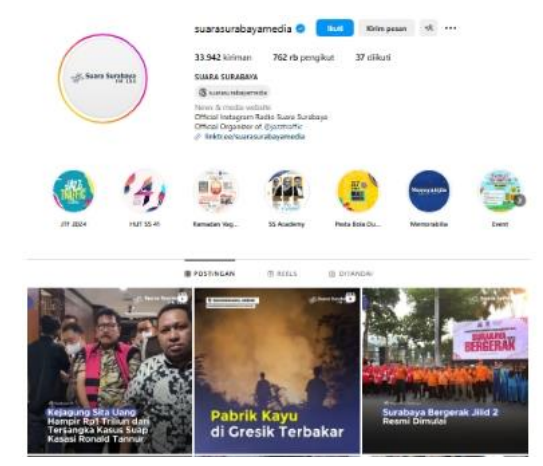
Figure 5: Source: https://www.instagram.com/suarasurabayamedia/?hl=id (Internet access on October 27, 2024)

Figure 6: Source: https://x.com/e100ss (Internet access on October 27, 2024)
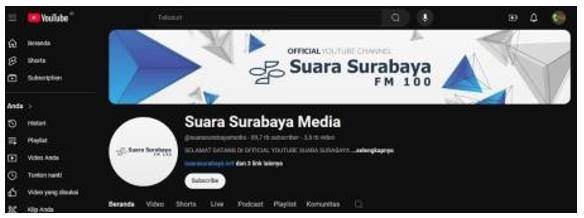
Figure 7: Source: https://www.youtube.com/channel/UCBVA5QjSUukGuoWutAKyq5w (Internet access on October 27, 2024)
As the quality of Internet infrastructure improves, the quality of audio streaming is also improving. Listeners are now able to enjoy high-resolution audio and music content. Various devices, including tablets, smartphones, and smart speakers, can access radio content. Radio websites frequently employ social media platforms to engage and promote content to listeners. The practice of live streaming, which enables listeners to engage in direct dialogues with broadcasters and invited guests, is gaining traction. It is also important to consider the integration of live-streaming capabilities on the Suara Surabaya radio website. The seamless integration of live streaming can enable listeners to access a station's content in real time, thereby enhancing overall user experience and bolstering audience engagement.
It is also imperative to consider the integration of live-streaming capabilities on the Suara Surabaya Radio website. A significant proportion of radio broadcasters in Indonesia have adopted live streaming to extend their reach and cater to evolving preferences of listeners. The availability of live broadcasts on the Suara Surabaya website may have facilitated the station's ability to reach an expansive audience, within and beyond its local coverage. The integration of live-streaming and podcasting technologies on the Suara Surabaya website is a pivotal element in the station's digital transformation. The implementation of these technologies has enabled stations to reach more extensive audiences and provide personalized and on-demand listening experiences. The advent of on-demand audio content, particularly podcasts, has presented opportunities and challenges for the Suara Surabaya Radio Station. Considering the increasing prevalence of podcasts in Indonesia, the integration of podcast-like elements on the Suara Surabaya website may prove to be a strategic maneuver aimed at diversifying content offerings and catering to evolving listening habits. Considering these factors, it seems reasonable to propose that the incorporation of podcast-like elements into the Suara Surabaya website may prove to be a strategic maneuver aimed at diversifying content offerings and catering to evolving listening habits.
Conclusion
The evolution of the Suara Surabaya radio website and the adoption of new technologies, such as live broadcasting and podcasting, have had a significant impact on the way the station interacts with its audience. The incorporation of social media platforms has further augmented the station's capacity to engage with its audience, facilitating more direct and personalized content dissemination. In light of the ongoing transformation of the media landscape, it is of paramount importance for radio stations such as Suara Surabaya to adapt and innovate to maintain their relevance and align their content with the evolving needs and preferences of their audiences. Future Scope
Future research
could explore the impact of social media on audience engagement and the potential of personalized content to improve user experiences in the field of life science.
Acknowledgements
This article is based on original research conducted from 2022 to 2024 as part of preparation for professorship in communication and media at Dr. Soetomo University, Surabaya, Indonesia.
Disclosure Statement
No potential conflict of interest was reported by the author(s)
Original Research Report
This article is based on original research conducted in partial fulfilment of the requirements to complete the degree of professor, in conjunction with doctoral research on broadcast radio in Indonesia.
Ethics Statement
I confirm that I successfully applied for ethical clearance from radio stations before starting the data search through interviews and direct communication with radio managers, and was allowed to process data from their digital radio footprints on the Internet. They were also able to express their preferences in terms of protecting their identity.
Data Availability Statement
The data supporting the findings of this study are available from the authors. The data are publicly available if required.
References
- Manoharan, A. (2024). Enhancing audience engagement through ai-powered social media automation. World Journal of Advanced Engineering Technology and Sciences, 11(2), 150-157.
- A, S., & Felisiya, A. (2024). Impact of social media platforms on audience engagement. Shanlax International Journal of Management, 11(S1-May), 88–93.
- Sahoo, S. (2024). The Impact of Streaming Services on Youth Television Viewing Habits and Media Literacy. ShodhKosh: Journal of Visual and Performing Arts, 5(1).
- Simon, G. I. (2021). Adapting to context: Creative strategies of video streaming services in Nigeria. Convergence, 27(6), 1770-1788.
- Ilesanmi, O. S., Folorunso, S. C., & Kolade, O. O. (2023). The application and relevance of information and communication technology to architectural education. ARTEKS: Jurnal Teknik Arsitektur, 8(2), 337-342.
- Information and Communication Technology. (2020). Higher Education Abstracts, 55(2), 151.
- Harliantara, H., Sompie, D. J., & Sutika, I. M. (2024). Radio Broadcasting with Artificial Intelligence: A Case Study on Radio Mustang Jakarta. Communicatus: Jurnal Ilmu komunikasi, 8(1), 121-138.
- Cutolo, D., & Vang, J. (2021). 10. Digital platforms. World Encyclopedia of Entrepreneurship, 93.
- Choudhary, P. K., Bhardwaj, S. S., & Kaushik, A. (2024). Infrastructuring of Digital Platforms: A Configurational Analysis. International Journal of E-Adoption (IJEA), 16(1), 1-24.
- Hänninen, M., & Paavola, L. (2020). Digital platforms and industry change. Society as an Interaction Space: A Systemic Approach, 213-226.
- Zhao, H. (2024). Digital Platforms in Higher Education: Opportunities, Challenges, and Strategies. Advances in Economics, Management and Political Sciences, 116(1), 118–122.
- Molchanova, K. M., Trushkina, N. V., & Katerna, O. K. (2020). Digital platforms and their application in the aviation industry. Intellectualization of logistics and Supply Chain Management, (3), 83-98.
- Lim, T. Y., Lim, B. C. Y., Leong, C. M., Phang, I. G., &Foong, W. H. (2023). Consumer adoption of onâ?ÂÂdemand digital platforms: An integrated model. Global Business and Organizational Excellence, 42(6), 75-88.
- Honcharuk, S., & Tsaruk, N. (2020). Regional radio stations as a means of audio information transmission Bulletin of Kyiv National University of Culture and Arts. Series in Audiovisual Art and Production, 3(2), 167–174.
- Alonso-Fernández, J. A., Rodríguez-Luque, C., & Legorburu-Hortelano, J. M. (2022). Radio does not die on the air: Podcasting and on-demand broadcast strategies among speech-based radio stations. Profesional de la información, 31(5).
- Yulianti, W., Sawardi, F., Yustanto, H., Ginanjar, B., Widyastuti, C. S., & Syukri, H. (2023). The Computers And Radio Broadcasters’ Politeness. Jurnal Penelitian Pendidikan IPA, 9(SpecialIssue), 385-390.
- Savostyanov, A. I. (2021). Primetime on TV and radio stations.Uchenyy Sovet (Academic Council), 4, 287–293.
- Askar, N. A. R., & Mellor, N. (2024). Exploring uses and gratifications of podcasts among young arab audiences. Social Sciences & Humanities Open, 10, 101176.
- Bharati, P., Du, K., Chaudhury, A., & Agrawal, N. M. (2021). Idea co-creation on social media platforms: towards a theory of social ideation. ACM SIGMIS Database: the DATABASE for Advances in Information Systems, 52(3), 9-38.
- Figlia, M. T., Henschen, B. M., Sims, J. T., & Rusk, J. D. (2022). Social Media Platforms and Responsibility for Disinformation.
- Tian, W. M., Thomason, T. D., Langdell, H. C., Gnaedinger,A. G., Barrow, B. E., Berns, J. M., ... & Phillips, B. T. (2024). Educational Podcasts in Plastic Surgery: A Cross-Sectional Analysis of Content, Metrics, and Target Audiences. Journal of Surgical Education, 81(2), 304-311.
- Hanida, R. P., Irawan, B., Syamsurizaldi, S., & Syaufi, R.(2019, October). Collaboration among Local Government Institutions in Achieving Public Information Openness. In Iapa Proceedings Conference (pp. 46-57).
- Simantiraki, O., Cooke, M., & Pantazis, Y. (2020, May). Effects of spectral tilt on listeners’ preferences and intelligibility. In ICASSP 2020-2020 IEEE International Conference on Acoustics, Speech and Signal Processing (ICASSP) (pp. 6254-6258). IEEE.
- Watanabe, H. (2022). Trust in Television and Its Relationship with Entertainment Program Preferences. In Broadcasting in Japan: Challenges and Opportunities (pp. 209-231). Singapore: Springer Nature Singapore.
- Yigman, F., Aksu, M. H., Nazli, S. B., & Duman, A. (2021). Psychological determinants of entertainment preferences: From the perspective of schema theory. Psychiatry and Clinical Psychopharmacology, 31(4), 417.
- Kholid, K. N. (2023). Prefensi Nilai Pesan Dakwah Dalam Program Acara Keagamaan Islam Radio Suara Surabaya Di Era Keberagaman. Alamtara: Jurnal Komunikasi Dan Penyiaran Islam, 7(2), 101–1021.
- H, Sanjaikumar. (2024). The Impact of Video Marketing on Audience Engagement. Shanlax International Journal of Management, 11(S1-Mar), 78–86.
- Eze, O. U., & Mgboji, O. A. (2024). A Descriptive Analysis of Audience Engagement by Nigerian Journalists. Journalism Practice, 1-15.
- Eze, O. U., Ugwu, K. J., & Ugwu, A. C. (2023). Predictors of audience engagement among Nigerian journalists. Rupkatha Journal on Interdisciplinary Studies in Humanities, 15(3).
- Gajardo, C., & Costera Meijer, I. (2023). How to tackle the conceptual inconsistency of audience engagement? The introduction of the Dynamic Model of Audience Engagement. Journalism, 24(9), 1959-1979.
- Rane, M. (2024). Audience Engagement Monitoring System Using Machine Learning. International Journal for Research in Applied Science and Engineering Technology, 12(5), 4160–4168.
- Wu, H. (2022). Media Convergence: Path Analysis of Broadcast and Television Media Communication in China. Annals of Emerging Technologies in Computing (AETiC), 6(4).
- Nurcahyadi, A., Regina, R., Suardi, S. B., Imawan, K., & Erawati, D. (2024). DIGITAL MEDIA CONVERGENCE OF BROADCAST RADIO. Journal of Social Science (2963-1866), 3(8).
- Ojomo, O., & Sodeinde, O. A. (2021). Social media skits: Reshaping the entertainment experience of broadcast audience. Sage Open, 11(3), 21582440211032176.
- Deng, Q.-Y. (2022). SDGs in The Context of Media Convergence—Taking Sichuan Radio and Television’s Experience of Media Convergence as an Example. World Journal of Education and Humanities, 4(3), p24.
- Calic, M., & Durdanovic, M. (2020). Family and its role in the cultivation and preservation of traditional folk music at junior primary school age.
- Zhang, Y. (2023). Reviving folk music of the southeast in Shanxi: cultural revitalization and citizen engagement through digital platforms and facilitation through information systems. Journal of Information Systems Engineering and Management, 8(2), 22993.
- Dobrovic, Z. (2021, September). The Role of Business Processes in Digital Transformation of the Organization. In 2021 44th International Convention on Information, Communication and Electronic Technology (MIPRO) (pp. 1329-1334). IEEE.
- Vyshnivskyi, V. V. (2024). Planning, Design, and Implementation of Digital Transformation Areas. Scientific Notes of the State University of Telecommunications, 5(1).
- Çakici, N. M. (2022). Digital Transformation and Co-Creation of Value: The Role of Digital Agility. In Impact of Digital Transformation on the Development of New Business Models and Consumer Experience (pp. 23-36). IGI Global.
- Drechsler, K. (2023). Promoting Digital Innovation and Transformation: Innovation Champions in the Digital Age (Doctoral dissertation, Otto-Friedrich-Universität Bamberg, Fakultät Wirtschaftsinformatik und Angewandte Informatik).
- Tiwari, D. A., Chaudhary, V., Gupta, A., Shukla, S. (2024). Cloud Computing, Internet of Things, and its Future Perspectives (pp. 315–324).