

Current Research in Environmental Science and Ecology Letters(CRESEL)
ISSN: 2997-3694 | DOI: 10.33140/CRESEL


Research Article - (2026) Volume 3, Issue 1
Natural Regeneration Status of Santalum album in Western Ghats of Karnataka State, India
Received Date: Jan 15, 2026 / Accepted Date: Feb 05, 2026 / Published Date: Sep 02, 2026
Copyright: ©2026 U.V. Singh, Member. This is an open-access article distributed under the terms of the Creative Commons Attribution License, which permits unrestricted use, distribution, and reproduction in any medium, provided the original author and source are credited.
Citation: Singh, U. V. (2026). Natural Regeneration Status of Santalum album in Western Ghats of Karnataka State, India. Curr Res Env Sci Eco Letters, 3(1), 01-11.
Abstract
Regeneration assessment of Santalum album commonly known as sandalwood had been carried out during 2016 to 2018 in the entire forest lands (except wildlife areas) in the State of Karnataka along with the all-other plant species. About 2410090.53 ha. forestland in 1396 forest beats drawing the 10.0-meter-wide transit line of 11605.35 Kms, covering about 0.5% of the total forest area. It was the massive exercise done so far in the history of Forest Department in the country. Very good rate of regeneration in Hunsur and Bhadrawati divisions have been recorded which covers about one lakh ha. forest land, while moderately low regeneration is noted in Hassan, Chickmanglore and Yellapur Divisions.
Sporadic few mature trees have been recorded from Shivmoga and Haliyal divisions. It is a matter of serious concern that Sandalwood regeneration stands extremely low in about twenty-three lakhs ha. of forest land of western ghats. The mature trees are almost vanished from the forest areas. It is also a matter of great concern that the regeneration of Sandalwood from the traditional forest area of Divisions like Shimoga, Sagar, Chickmanglore, Koppa, Dharwad, Halliyal, Yellapur, Sirsi and Madikeri have disappeared. The Forest Department may take note of it and to promote the natural regeneration together with cultivation of sandalwood in private lands. The State Govt has relaxed the laws to sale, transport and cutting of mature trees of Sandalwood in the State.
Introduction
India, a mega biodiversity country of 2.4% of the world's land area, harbour about 7-8% of the total species recorded so far on the Earth There are over 45,000 plant species and 91,000 animal species expectedly found in its territory has been claimed. It is also amongst the few countries that have developed a biogeographic classification for conservation planning and has mapped biodiversity-rich areas in the country. Of the 34 globally acclaimed biodiversity hotspots, four are in India, represented by the Himalayas, the Western Ghats (part of Western Ghats and Srilanka), the North-eastern India (part of Indo-Burma), and the Nicobar Islands (part of Sundar land).
Considering the outstanding universal values and high level of endemism in the Western Ghats, 39 heritage sites are recognized by the International Union for Conservation of Nature and Natural Resources (IUCN) within the States of Kerala, Karnataka, Tamil Nadu, Goa and Maharashtra. With explosion of the human/cattle population, the forests are in receiving ends and no way to meet the increasing traditional and commercial needs.
Limiting the scope of this study, the part of Western Ghats (WG) fall within the territory of Karnataka State has been emphasised more herein. The Western Ghats in Karnataka, more commonly/ locally known as Malnad (the land of hills), are a critical Central segment run parallel to western coasts from Belgaum to Mangalore districts out of 1,600 km long mountain chain from Gujarat to Tamil NÄdu. This region is a UNESCO World Heritage site and is often described as the "Crown of Karnataka" due to its ecological and cultural significance. Karnataka hosts 10 of 39 protected area (National parks, Santuries). It spreads over 44 talukas covering land scape of about 44891.0 SQ KMs including forest cover 22026.0 SQ KMs in the Karnataka state.
The Karnataka region houses continuous range of ghats. Some of the notable ghats include Agumbe ghat, Charmadi ghat, Shiradi ghat, Bisle ghat, Sampaji ghat and Hulekal ghat. The Ghats rise abruptly from the Arabian Sea coastal plains, forming a steep "wall" that creates a dramatic climate barrier and results to good south-west monsoon in the region which support the high forests of excellent biodiversity. It also caused to good rains in plains of Karnataka. The WG are also characterised wth some high peaks like Mullayanagiri (1930 m). Kudremukh(1894m) and Tadiandamol (1748 m) and others.
A unique feature of the higher altitudes (above 1,500m) is the Shola ecosystem, where patches of stunted evergreen forests are nestled in valleys surrounded by vast montane grasslands. Because of such unique features, the Karnataka Ghats act as the primary rain-catcher for the Indian monsoon. The region receives some of the highest rainfall in the country. Agumbe and Hulikal are often called the "Cherrapunji of the South," receiving over 6,000–7,000 mm of rain annually. While the western side is lush and tropical, the eastern slopes transition into a "rain shadow" area, leading into the drier Deccan Plateau. Karnataka’s Western Ghats are the water tower of South India. They are the source of major perennial/ seasonal river systems like: east-flowing- The Kaveri (originates at Talakaveri), Krishna, and Tungabhadra, Ghataprabha systems. West- flowing: Shorter, faster rivers like the Sharavathi (famous for Jog Falls), Netravati, and Aghanashini and many more.
This global hotspot of biodiversity, supports an enormous vegetal wealth, over the years is undergoing great stress due to anthropogenic disturbances and climatic changes. Western Ghats region which forms a narrow stretch running from the hills south of Tapati river in the north (Gujarat) to Kanyakumari (Tamilnadu) in the south along the west coast of India covering approximately 1600 km from the states of Gujrat, Maharashtra, Goa, Karnataka, Kerala and Tamil Nadu. Western Ghats or ‘Sahyadris, a chain of mountains parallel to west coast, covering a total area of about 160,000 km2. Western Ghats encompasses a considerable gradient of climatic conditions which have resulted in the development of diverse forest types ranging from the dry scrub types to the semi-evergreen and evergreen forests. The tropical rain forests in the parts of Western Ghats and the ‘sholas’ in the Nilgiris and Karnataka’s Kudremukha hills are the most outstanding features of Western Ghats.
The entire Western Ghats biogeographic region is a major genetic estate with an enormous biodiversity of ancient lineage. Nearly 5800 species of flowering plants occur here of which 56 genera and 2100 species are endemic. Karnataka alone claimed to harbours 3900 species belonging to 1323 genera and 199 families while Nilgiris have 2611 species of flowering plants. Western Ghats being much older in age compared to Himalayan mountains, support a large majority of relict or paleoendemic. Another unique feature of the endemic flora of Western Ghats is the prevalence of monotypic genera. The flora of southern Western Ghats, shows close affinity with the flora of Sri Lanka, supporting the view that Sri Lanka was connected to South India during the geologic past. The Western Ghats region is also a rich germplasm centre of number of wild relatives of our crop plants such as the cereals & millets, legumes, tropical & sub-tropical fruits, vegetables, spices & condiments and a few others.
The alarming rate of loss of biodiversity in Western Ghats is a major concern today. Encroachments, grazing, spread of invasive alien weeds, recurrent forest fires and selective removal of certain species like medicinal plants have all resulted in severe destruction of the virgin forests which now survive only as pockets in the mountains summit and valley areas. The explosive human population growth, expansion of agriculture, introduction of plantation crops like tea, coffee, rubber etc have resulted in the extermination of many taxa, endangering a number of economically important timber and other species. The study is taken up for shouldering responsibility of inventory and behavioural changes of rich depository of Sandalwood in Western Ghats of Karnataka state.
In Karnataka, Sandalwood (Santalum album) is not just a tree; it is a cultural and religious symbol, earned the State, the nickname "Gandhada Gudi" (The Abode of Sandalwood). It is considered as the second most expensive wood in the world and had been a cornerstone of the state's economy and identity for many decades. Tipu Sultan, the then Ruler of Mysore had declared Sandalwood tree as the Royal Tree In 1792. That meant, every sandalwood tree, even those on private land, belonged to the kingdom. Subsequently, the then Govt of India (British Govt) declared the Sandalwood as State property under the Forest Rules 1878. Further, Her Highness, the Maharani Regent, under the Forest Regulations No. XI of 1900 made the Sandalwood, the exclusive property of the Govt.
The Mysore Sandalwood was recognised as “Mysore brand” globally. In 1916, the Maharaja of Mysore, Nalwadi Krishnaraja Wadiyar, established the Government Sandalwood Oil Factory to utilize the surplus wood that couldn't be exported during World War I. This led to the creation of the iconic Mysore Sandal Soap. The Gudigars, a community of hereditary craftsmen in Uttara Kannada and Shivamogga, are famous for their intricate sandalwood carvings of deities and jewellery boxes. As could be seen that over 200 years, strict laws inadvertently discouraged farmers from growing the tree because they didn't "own" what they planted. However, recent reforms have changed this scenario by amendments during 2001/2002 in The Karnataka Forest Act 1963 to allow individuals to own sandalwood trees grown on their private land. It has been further liberalised in 2022 through Rules by relaxing to allow farmers to sell their harvested sandalwood to private entities (with forest department permission), whereas previously, they could only sell to the government. Currently (2026), the State Government now actively promotes cultivation through schemes like Sirichandana Vana, providing subsidies and high-quality saplings to restore Karnataka's dominance in the global market.
Sandalwood is a "partial parasite." Its roots (haustoria) must attach to the roots of "host plants" (like Neem, Casuarina, or Pigeon Pea and many others) to draw certain nutrients. It may be pertinent to note that the value lies in the scented heartwood, which takes 15–20 years to develop significantly in a plantation and 30+ years in the wild. High-quality heartwood can fetch between â?¹12,000 to â?¹20,000 per kg, depending on the oil content (Santalol). Mysuru & Shivamogga remain the historical centres for processing and oil extraction. Western ghat foothills are the ideal locations of high quality of sandalwood. The dry deciduous forests of the Deccan plateau, areas like Mysore, Hunsur Chamarajanagar, Bhadravati, Hassan, and Tumakuru etc provide the ideal semi-arid climate and well-drained soil for the best oil-yielding trees. Sandalwood Spike Disease (SSD) is a common devastating disease caused by phytoplasma that can wipe out entire plantations. Research at the Institute of Wood Science and Technology (IWST) Bengaluru is trying to develop resistant varieties. Due to its immense value, illegal felling remains a high risk, requiring farmers/Govt to invest in significant security by installing CCTV, fencing, micro-chipping to trees etc.
Studies in the domain of forest ecological dynamics especially on natural regeneration status, and prevailing threat to the sandalwood require a holistic approach for assessment. Assessing the ecological dynamic trends of availability in the forests is also of special interest in present heritage depository in the State. Though sandalwood had been used since ancient times without giving thought of its sustainability, new explorations will bring scientific management of the species. The current article is expected to identify rich pockets of sandalwood from the forests of the Divisions and allotting Sandalwood regeneration credits.
The present article is the part of study carried out in the project on “Assessment of Population Status and Removal of Bio- resources in Forests with Special Emphasis on Medicinal Plants in Karnataka” under the NMPB scheme and implemented by the Karnataka Biodiversity Board in collaboration with Karnataka State Medicinal Plants Authority (KAMPA) and Karnataka Forest Department (KFD).
Due to the increasing global demand for sandalwood/sandal oil, the Santalum album in the forests are facing most sever threat for its survival. If the uncontrolled smuggling of it from the wild habitats/private own lands have not been checked urgently, many of the mature plants will be vanished from the forest along with their hereditary craftsmen carving knowledge, handed down through generations in traditional families. The distribution pattern for entire forest have not been estimated in any State of the country in wholistic manner. The outcome of the study will help in conservation, planning, management, development of sandalwood and sustainable use across the forest division besides the specific objective in this article.
Results and Discussion
With the records available it is observed that sandalwood was once considered as the primary source of Mysore state economy where the revenue collection was the part of State budget and it was planned based on availability of sandalwood in the sandalwood Depots. But now, it is almost liability for its protection in natural habitat with no revenue/. Sandalwood is in high demand. Roughly, about 10,000 to12,000 metric tons of wood and 400 to 600 metric tons of oil is the demand in the international markets. Sandalwood oil is widely used in aromatherapy specially to relieve stress, anxiety and depression in Ayurvedic treatments. The current production across the world does not meet this demand which has led to a drastic rise in the sandalwood prices, smuggling and black marketing.
As per the last assessment of Santalum album (Sandalwood)for IUCN in 2019, it has been categorised as Vulnerable A2de ver 3.1 [1]. The present assessment has been carried out in 44 talukas spread over in 18 Forest divisions of 1396 forest beats. Total area of 44 Talukas consists of 44891 Sq. Kms. of having forest cover of 2410090.529 Ha. For the assessment, 11605.354 Kms of Transit lines in propionate to cover 0.5% forest land in each beat (for counting purpose) have been drawn with latitudes and longitudes recorded. Table-1. This is considered a supper massive inventory survey in the history of Forest Department.
All the plants of all species as indicated in Table-2 including sandalwood up to the girth of 10.0 Cm. were counted in the 10.0-meter-wide transit lines of all beats of the divisions for assessment of natural regeneration. Then proportionately, total plants were calculated for the entire forest area of that beat of division through a software developed for this purpose. The results of each beat were added to get the divisions total figure. Having done that, regeneration percentage (%) have been calculated of that division. Here only the data for the division is taken (table-3) but data is available beat wise with latitude and longitudes at Biodiversity Board which can be traced at any point of time.
With the above exercise, the percentage of regeneration of sandal wood has been estimated in each division. The % shown in the Table-3 is the proportionate percentage of the total regeneration of all species 100(%). For example, out of 100.0 plants in Hunsur Division 16.37 plants are of Sandalwood. Likewise,done in other divisions. From this exercise and with feedback from field, Hunsur and Bhadrawati divisions are having the good regeneration of sandalwood. These two divisions may be declared as “sandalwood divisions.” Sandalwood can be managed as Estate management by providing funding as “sandalwood regeneration credits” to these two divisions.
Further, it is a matter of great concern that the regeneration of Sandalwood from the traditional forest area of Divisions like Shimoga, Sagar, Chickmanglore, Koppa, Dharwad, Halliyal, Yellapur, Sirsi and Madikeri have disappeared. The Forest Department may take note of it. Being served in forest department I have observed that dwindling/disappearance of sandalwood from these divisions is because of frequent fires, overgrazing, encroachments, smuggling and nonattention of department for its regeneration (artificial, natural). There was/is more pressure on sandal trees in forest because of stringent law since beginning which have resulted least incentive to private farming of sandalwood. Some Rules are relaxed now but much more is needed to be done.
|
S.N. |
Divisions |
Beats Nos |
Forest area Ha |
Transit line Kms |
|
1 |
Belgavi Division |
109 |
119178.398 |
600.711 |
|
2 |
Bhadravati Division |
84 |
83098.43 |
421.703 |
|
3 |
Chikmanglore Division |
60 |
62290.076 |
287.515 |
|
4 |
Dharwar Division |
43 |
35437.537 |
169.583 |
|
5 |
Haliyal Division |
111 |
99786.881 |
512.1634 |
|
6 |
Hassan Division |
63 |
48553.6 |
242.679 |
|
7 |
Honnavara Division |
78 |
158182.34 |
743.83 |
|
8 |
Hunsur Division |
37 |
16549.83 |
85.81 |
|
9 |
Karwar Division |
62 |
119020.881 |
595.27 |
|
10 |
Koppa Division |
66 |
79309.315 |
403.152 |
|
11 |
Kundapur Division |
78 |
43159.61 |
215.006 |
|
12 |
Madikeri division |
31 |
864674.61 |
4362.57 |
|
13 |
Manglore Division |
123 |
178197.398 |
570.951 |
|
14 |
Sagara Division |
166 |
98582.6 |
448.4481 |
|
15 |
Shimoga Division |
117 |
69101.765 |
337.8737 |
|
16 |
Sirsi Division |
80 |
171354.653 |
858.29 |
|
17 |
Virajpet Division |
22 |
30910.53 |
127.68 |
|
18 |
Yellapur Division |
66 |
132702.068 |
622.122 |
|
|
TOTAL |
1396 |
2410090.53 |
11605.3538 |
Table 1: The Total Number of Beats, Forest Area and Transit Line Drawn in Each Division
|
S.L |
Divisions |
Total Species of All trees |
Total Species of only Mature trees |
Total Species of only Regeneration |
|
1 |
Hunsur Division |
125 |
38 |
104 |
|
2 |
Bhadravati Division |
240 |
148 |
174 |
|
3 |
Hassan Division |
315 |
154 |
242 |
|
4 |
Chikmanglore Division |
273 |
141 |
236 |
|
5 |
Yellapur Division |
252 |
157 |
210 |
|
6 |
Dharwar Division |
140 |
62 |
124 |
|
7 |
Madikeri Division |
170 |
91 |
79 |
|
8 |
Shimoga Division |
336 |
225 |
273 |
|
9 |
Koppa Division |
361 |
246 |
281 |
|
10 |
Sirsi Division |
339 |
255 |
304 |
|
11 |
Sagara Division |
440 |
318 |
383 |
|
12 |
Haliyal Division |
262 |
167 |
216 |
|
13 |
Kundapur Division |
302 |
162 |
257 |
|
14 |
Belgavi Division |
342 |
119 |
206 |
|
15 |
Manglore Division |
395 |
245 |
315 |
|
16 |
Karwar Division |
76 |
43 |
42 |
|
17 |
Honnavara Division |
116 |
67 |
62 |
|
18 |
Virajpet Division |
159 |
57 |
19 |
Table 2: Showing the Number of Total Tree Species, Total Species of Mature Trees and Their Regeneration Recorded During the Survey
|
|
Divisions |
population % |
Mature trees% |
Regeneration% |
|
1 |
Hunsur Division |
7.876 |
0.000 |
16.370 |
|
2 |
Bhadravati Division |
8.128 |
0.030 |
10.148 |
|
3 |
Hassan Division |
1.472 |
0.000 |
2.874 |
|
4 |
Chikmanglore Division |
0.629 |
0.000 |
1.973 |
|
5 |
Yellapur Division |
0.820 |
0.000 |
1.867 |
|
6 |
Dharwar Division |
0.287 |
0.000 |
0.441 |
|
7 |
Madikeri Division |
0.115 |
0.000 |
0.358 |
|
8 |
Shimoga Division |
0.245 |
0.157 |
0.306 |
|
9 |
Koppa Division |
0.188 |
0.000 |
0.230 |
|
10 |
Sirsi Division |
0.153 |
0.020 |
0.177 |
|
11 |
Sagara Division |
0.114 |
0.000 |
0.174 |
|
12 |
Haliyal Division |
0.086 |
0.131 |
0.141 |
|
13 |
Kundapur Division |
0.040 |
0.000 |
0.072 |
|
14 |
Belgavi Division |
0.048 |
0.000 |
0.061 |
|
15 |
Manglore Division |
0.002 |
0.000 |
0.002 |
|
16 |
Karwar Division |
0.000 |
0.000 |
0.000 |
|
17 |
Honnavara Division |
0.000 |
0.000 |
0.000 |
|
18 |
Virajpet Division |
0.000 |
0.000 |
0.000 |
Table 3: Approximate Regeneration Percentage of Santalum Album Out of the Total Regeneration of All Species
Sandalwood regeneration in Karnataka which involves in natural processes (figure-1), facing threats from habitat lose, smuggling, weeds and diseases. To compensate it, active cultivation through government schemes like Sirichandana Vana and farmer initiatives, focusing on host tree support (e.g., Prosopis, Casuarina) and protective measures (fencing, watch-and-ward) for success, with recent policies encouraging private cultivation to boost production. Success hinges on managing ecological pressures and adopting appropriate agroforestry, leveraging Karnataka's favourable climate and soil.
During the survey exercise, it has been observed that natural regeneration of sandalwood faces several challenges in the forest from region to region. The area is under severe threats of overgrazing by goats, sheep’s and cattles that being driven economy of animal rearing in Karnataka. (ii) Encroachments and habitat fragmentation, annual fire occurrence (iii)Heavy smuggling (iv) Ecological Pressures like-growing weeds compete with young sandalwood seedlings for light and nutrients. (v)Fungal Diseases: "Damping- off" and powdery mildew significantly impact seedling survival. (vi) Spike disease. (vii) Host dependence, being a hemiparasite, sandalwood needs host trees like Albizia, Casuarina, Prosopis and many others to thrive, and poor host selection hinders growth.


Figure 1: Naturally Regenerated Sandalwood in Forest and One of the Tree Trunks of Sandalwood of about 70 Years Old in Defence Area of Bangalore (Author Is Seen)
Regeneration and Cultivation of sandalwood. Regeneration through cultivation is not a difficult task (figure-2). The problems start from its age of 8-10 years when heartwood formation starts. The state of Karnataka has started certain schemes for its regeneration like (i) Sirichandana Vana Programme: the scheme for protecting natural areas and plantations through strong barricades, watchmen, and soil conservation.(ii) Agroforestry Scheme by: Integrating sandalwood with host trees like Casuarina equisetifolia, Moringa oleifera, and Prosopis juliflora enhances growth, heartwood, and oil content.(iii) Public Participation by Involving Village Forest Committees and encouraging private farmers to plant through policy changes, removing restrictions.(iv) Technological Support like research into tissue culture and improved planting stock like quality seedlings, spike resistant varieties by Institutions like ICFRE/IWST and research wing of forest department etc.
In view of the vanishing population of sandalwood, State of Karnataka relaxed the earlier stringent policies on sandalwood cultivation and harvest by approving a new sandalwood policy removing curbs on private cultivation, promoting growth and sale. This has encouraged sandalwood cultivation by the farmers, entrepreneurs, institutions and NGOs.Figure-2. The Forest Department is simplifying rules and studying successful strategies from countries like Australia. By addressing ecological challenges and implementing smart agroforestry and protective measures, Karnataka aims to restore and increase its sandalwood production, utilizing both natural regeneration and organized cultivation.
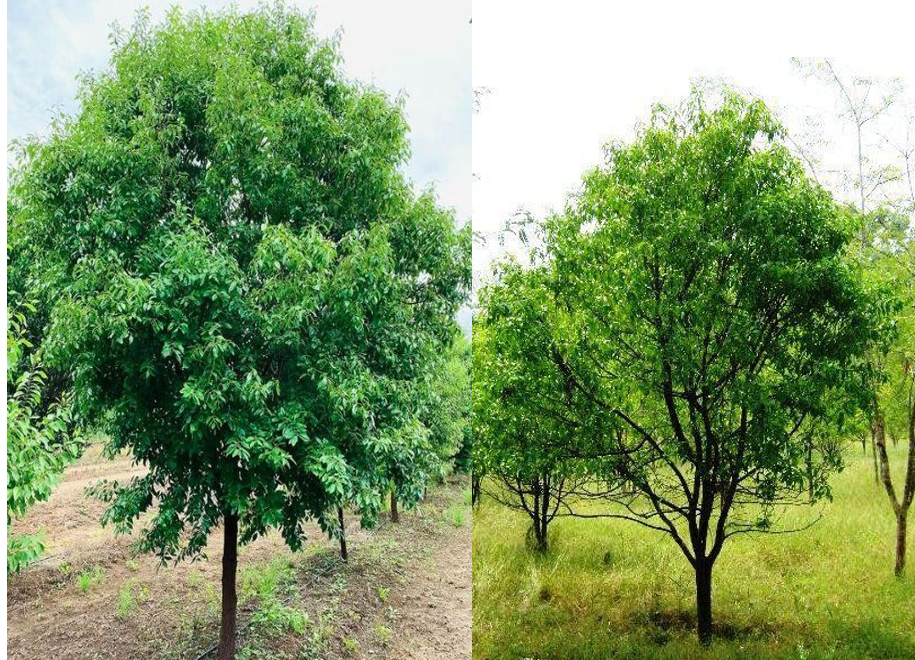
Figure 2: Regeneration/Cultivation of Sandalwood through Plantation in Tumkuru Research
This species is native to India, Sri Lanka, eastern Indonesia and Australia (Northern Territory; although its origin in this area is unknown). In the range of the species there is significant threat from overharvesting for timber and for essential oil, which can be extracted from the heartwood. Global demand for these products currently outstrips supply and is causing native stands of the tree to dwindle. Across Asia, the species is practiced as plantation cultivation which has eased some pressure on the wild population but illegal harvest and trade still occurs, and the species is commercially exhausted in Karnataka India Table-3.
As the price for products of the species is so high, illegal trade is thriving. There has been a marked decrease in the availability of Indian Sandalwood. There are also further threats to the species from habitat changes and, particularly in Karnataka, the species is affected by spike disease which causes the mortality of trees. It should be ensured that work is taken to maintain the genetic variability of the species and that plantation efficiency is investigated to expand cultivation and further reduce pressure on the wild population. The species is assessed as Vulnerable. It is suspected that over the last three generations due to overharvesting/ smuggling and global trade the population of the species has disappeared from most of the forest of Karnataka Table-3.
The Santalum album is native to India, Sri Lanka and Indonesia. In Indonesia the species is native to the east of the archipelago in Timor, Flores and Sumba [2,3]. It has also been recently recorded as native in Aceh, north-western Sumatra [4]. In India, the natural distribution of the species is recorded in Karnataka, Tamil Nadu, Andhra Pradesh and Kerala states (Srinivasan et al. 1992), the species is introduced to other parts of India. In Sri Lanka, the species is known from the Badulla Welimada region in Uva province, but can be found in outlier sites from here [5]. The species is present in Northern Territory, Australia, but its origin here is uncertain [6]. The species has been introduced to China (Li 2003; Ma et al 2006), Fiji (Huish et al 2015), Toga, the Cook Islands, French Polynesia and Mascarene Islands, Thailand and also parts of Indochina for commercial purposes [7,8].
Occurrence in Native Countries like India (Andhra Pradesh, Karnataka, Kerala, Tamil Nadu); Indonesia (Maluku, Sulawesi, Sumatera); Sri Lanka; Timor-Leste Present - origin uncertain: Australia (Northern Territory) as reported in the IUCN Red List of Threatened Species: Santalum album – published in 2019 [9]. In India in its natural habitat, subpopulations are not dense, devoid of larger girth classes and mature trees are entirely or nearly absent in the forest areas of Karnataka and Tamil Nadu [10,11].
Systematic studies on sandalwood population status in terms of quantifying number of trees have not been carried out in India recently except for the information available during the first all India Sandalwood survey that was carried out during late 1970s.
In case of Marayoor Sandal Reserve in Kerala, it was reported in 1976 that there were over 100,000 trees above 30 cm girth at breast height (gbh) [12]. As per the census carried out in 2013- 14, it is estimated that this reserve has ~60,000 trees. In Indonesia according to studies carried out by International Timber Trade Organisation (2010), in Indonesia the Province of East Nusa Tenggara (NTT) consisted of 51,417 mother trees and 199,523 seedlings in 1997 (ITTO 2010) [13]. The current status of these subpopulations is not known. Due to the range of the species, it is anticipated that there is high genetic variability but more studies are needed to confirm the extent of variation.
The species is experiencing population decline from illegal harvesting and over exploitation. There is a declining availability of wood, suggesting the species has a high rate of decline. In parts of India economically viable trees (above 30 cm dbh) are commercially extinct. Commercially utilizable trees are few in number in the species range. There is also decline due to poor recruitment caused by fire and overgrazing in the habitat and also due to infection by spike diseases in India.
Current Population Trend: Decreasing Habitat and Ecology (see references for additional information) This species can grow up to 12 to 15 meter in height, and is a partial root parasite. The species mainly occurs in lowland tropical forest and woodland. During the initial stages of its growth, it requires partial shade but as the tree grows further it becomes a light demander, and gradually shows intolerance to heavy overhead shade. The tree has a tendency to grow in varied set of conditions. It can grow from mean sea level up to 1,800 meters above sea level altitude. Trees survive and grow on rocky ground and on stony soils. It is susceptible to fire and grazing (Sen Sarma 1982) [14-21].
Terrestrial Use and Trade- The heartwood is described as astringent, bitter, moderately hard, heavy, durable, yellow or brown in appearance, with an oily texture, and is an exquisite material for carving intricate designs. The images of gods and mythological figures that are carved from the wood have a huge demand in the Indian market (Arunkumar et al. 2012) and other carved objects have a great cultural significance in different parts of the world [22]. Some of the other popular articles that are made from the wood include boxes, cabinet panels, jewel cases, combs, picture frames, hand fans, pen holders, card cases, letter openers and bookmarks.
The essential oil obtained from the steam distillation of heartwood is known as East Indian sandalwood oil. It is a pale yellow to yellow viscous liquid, with a sweet, fragrant, persistent, spicy, warm, woody, milky and nutty notes. It is highly valued in perfumery and cosmetics industries. Sandalwood oil is widely used in aromatherapy specially to relieve stress, anxiety and depression [23]. It is extensively used in the pharmaceutical industry. The oil has, varied medicinal properties and is a potent anti-microbial, anti-oxidant, anti-spasmodic anti-inflammatory, antiseptic and astringent agent [24-26]. It has properties ideal for treatment of inflammatory skin disorders and is used in the treatment of psoriasis (Sharma et al. 2014), acne (Moy et al. 2012) and atopic dermatitis (Sharma et al. 2014) [27].
It is reported to be cancer chemo preventive/therapeutic agent with potential to target various pathways involved in carcinogenesis [28]. East Indian Sandalwood oil has a high commercial value and the oil has an international specification (ISO 3518:2002). It is also listed in the United States Food and Drug Administration, as a natural flavouring agent in Food Chemicals Codex, as a Listed Medicine it has been classified by Australian Therapeutic Goods Administration [29].
There has been a marked decline in the occurrence of the species on the market due to the decline in the number of commercially harvestable and available trees. The annual global demand for sandalwood heartwood for handicrafts has been estimated to be approximately 5,000–6,000 tonnes, with the main markets in China, Singapore, Korea and Japan but also Europe and the USA. India produces 85% of the worlds sandalwood oil, 80 tonnes per year are used domestically and the remaining 40 + million tonnes are exported. Indonesia produces 10% of the world's supply, with the remaining 10% from multiple sources.
The species is found in plantations across its native range and also outside of this area. For example, during the past 10 years, there have been about 2,000 ha of Indian Sandalwood plantations established in southern China. It is estimated that in Cook Islands, Mangaia and Mitiaro island, there are about 600 trees (aged 6-12 years) and 100 trees (aged about 6 years). A seed production area (0.14 ha) consisting of 150 trees has been established in Vunimaqo, Fiji Islands. Increasingly, especially from 2022 onwards, East Indian Sandalwood oil will be derived from plantation sources, especially from northern Australia, as it has more than 10,000 ha of Eastern Indian Sandalwood plantation (L. Thomson pers. comm.).
Threats: Currently the demand for this species exceeds the rate of supply. The natural population of Indian sandalwood had been continuously under threat from illegal harvesting and over exploitation for many years, if not decades. With the reduced availability of wood and the high value of the wood and oil in the international market, extensive smuggling of the wood is encouraged. With the population dwindling in its natural habitat states i.e., Karnataka and Tamil Nadu, it can be safely assumed that economically viable trees (>30 cm girth at breast height) were nearly absent by the end of 20th century. In India the species is threatened by 'spike disease' which leads to mortality of trees due to changes in the physiology of the species. There are also more minor threats from a decline in habitat quality from over grazing and fire which also puts the species at risk.
Conservation Actions: In view of the vanishing population of sandalwood, Governments of Karnataka and Tamil Nadu relaxed the earlier stringent policies on sandalwood cultivation and harvest. This has encouraged sandalwood cultivation by the farmers, entrepreneurs and NGOs. With the huge demand for wood and oil in the international market, in the last decade, extensive private plantations are now being established across India which, in a way, has paved the way for reviving the past glory of sandalwood in India. Similarly, large areas are being brought into sandalwood cultivation in other countries such as Australia and China.
Some of the measures needed for its conservation and sustained utilisation are as follows:
(a) An important factor that needs immediate attention from India's sandalwood cultivation perspective is that there should be uniform rules and regulations across the country that encourages hassle free harvesting and marketing of the Sandalwood and its products which would also support in its better utilisation and conservation.
(b) Establishing regional level seedling/clonal seed orchard of superior genotypes for obtaining quality seed material.
(c) Proper assessment of sandalwood population at the country level especially in the case of India.
(d) Re initiating tree improvement strategies using plantation grown sandalwood as the source/base population. Encouraging mass production of seedlings and distribution by various Forest Departments within the country so that sandalwood cultivation is extensively encouraged.
(e) Developing proper package and practises for sandalwood cultivation that would enable in bringing financial gains to the farmers which can also help in conservation of the population.
(f) Role of genetic and environment on the heartwood and oil quality needs to be extensively studied [30-32].
Methodology
Considering the important role of the multiple agencies involved in the project study, it had been decided by the Karnataka Biodiversity Board (KBB) and Karnataka Medicinal Plants Authority (KAMPA) to implement the project in all beats of all Divisions (non-wildlife forest lands) during post monsoon season(s) in collaboration with the front-line staff of the Karnataka Forest Department (KFD).
A line transect method has been adopted for this study by surveying an average of 0.5% forest areas in each beat and in overall of all forest lands. Table-1 The beat is the basic unit of forests. The following steps are taken for conducting the transect surveys.
i. Transect lines of 10-meter width in the proportionate of 0.5% of the area are drawn across the beats in such a manner that all types of vegetation’s viz. natural forests, plantations, hill/ slopes, riversides, marshy lands, ponds etc. are get covered proportionately. The transect lines are marked with GPS reading, drawn on Topo sheets and then translated in the field.
ii. All individuals of each of the tree species in the whole transect line have been recorded/counted in the prescribed Proforma along with their girth class measurements.
iii. For counting of herbs, shrubs, and climbers, rectangular sub plots of 5mtx5mt size have been demarcated along the transect line at an interval of every 200 meters alternately.
iv. If the subplot at the beginning of the transect line is fixed on the right side, it is laid at the left side after 200 meters. The marking of the subplots alternately to the sides has been followed for the entire transect line. The samples of subplots thus cover about 0.00625% of the beat forest area.
v. All the herbs, shrubs, orchids and climbers in subplots with medicinal value/otherwise found in them have been counted, identified and recorded in the prescribed Proformas.
vi. GPS reading at the beginning, middle and at the end of the transect line and the GPS reading at the centre of each subplot (5mtx5mt) have been noted and recorded.
vii. Each transect survey team comprised of two students of botany/Forestry/Ayurveda/trained botanist, a Forester, a Forest Guard, a Forest Watcher or such other staff, and a local Botanist/Ayurveda doctor/Plant Scientist. The students once got trained at later phase of the survey, the combination was changed to a student (trained) two staff (Forester and Forest Guard), a local man known to vernacular names and a watcher as helper in each team.
viii. All the data recorded were analysed in well-designed program to get desired outcome.
Enumeration Survey in the Divisions was taken by the KBB along with KAMPA during the year 2016 to 2018 during post monsoons. Initial training in the subject was organized at all forest Divisions and to the DCF, ACF, RFO’s, DyRFO’s, FG’s, FW’s and locals. To assess the population of sandalwood and others, inventory with a sampling intensity of 0.5% has been designed as transit lines.
Accordingly, about-11605 Kms of transit line of 10.0 width covering forest area of 2410090.529 Ha Table-1. The distribution of plants in various girth classes and corresponding figures of per hectare number of trees, herbaceous and shrubacious forms of Sandalwood as well as species composition in various forests have been recorded during the transect surveys. Same methodology has been applied in all the divisions.
Acknowledgement
I extend my sincere thanks to the Karnataka Biodiversity Board for sharing the information and data analysis etc. My special thanks are due to National Medicinal Plants Board, New Delhi; Shri R.M.N.Sahai the then Chairman Karnataka Biodiversity Board, Shri CR Jawahar and Ms. Shruthi.S, Karnataka Biodiversity Board, students and staff of the Ayurvedic colleges and all others who were engaged directly/indirectly in this exercise. Thanks, are also due to the then Deputy Conservators of Forests of all18 Divisions and their front-line staffs who have contributed a lot in this assessment exercise. My thanks to Shri AK Singh APCCF Research for providing the photographs of sandalwood.
References
- ITTO Consultancy Technical Report, Jakarta. IUCN. (2019). The IUCN Red List of Threatened Species.
- Ratnaningrum, Y. W. N., Indrioko, S., Faridah, E., & Syahbudin, A. (2015). The effects of population size on genetic parameters and mating system of sandalwood. Indonesian Journal ofBiotechnology,20(2),182–201.
- Seran, N. Y., Sudarto, Hakim, L., & Arisoesilaningsih, E. (2018). Sandalwood growth and farming success in Timor Island. Biodiversitas, 19(4), 1586–1592.
- Septiani, Y., & Setawati, T. (2012). Sandalwood resources and management in East Nusa Tenggara Province, Indonesia.
- Subasinghe, S. M. C. U. P. (2014). Restoration of Santalum album in Sri Lanka. Journal of the Department of Wildlife Conservation, 2, 155–164.
- Thomson, L., Doran, J., & Clarke, B. (Eds.). (2018). Trees for life in Oceania. ACIAR.
- Huish, R. D., Faka’osi, T., Likiafu, H., Mateboto, J., & Huish, K. H. (2015). Distribution, population structure, and management of a rare sandalwood (Santalum yasi) in Fiji and Tonga. Pacific Conservation Biology, 21(1), 27–37.
- Li, Y. L. (2003). Introduction of Santalum album. Science Press.
- IUCN. (2019). The IUCN Red List of Threatened Species (Version 2019-1).
- Arun Kumar, A. N., Joshi, G., & Mohan Ram, H. Y. (2012). Sandalwood: History, uses, present status and the future. Current Science, 103(12), 1408–1416.
- Swaminath, M. H., Hosmath, B. J., & Mallesha, B. B. (1998). The status of sandalwood in India: Karnataka. In Sandal and its products.
- Varghese, J. (1976). Munnar Working Plan 1972–73 to 1981–82. Kerala Forest Department.
- International Tropical Timber Organization. (2010). Improving the enabling conditions for sustainable management of sandalwood forest resources in East Nusa Tenggara, Indonesia. ITTO.
- Rai, S. N. (1990). Status and cultivation of sandal in India. In L. Hamilton & C. E. Conrad (Eds.), Proceedings of a symposium on sandalwood in the Pacific (pp. 66–71). USDA Forest Service.
- Sen Sarma, P. K. (1982). Sandalwood – Its cultivation and utilization. In C. K. Atal & B. M. Kapur (Eds.), Cultivation and utilization of aromatic plants. CSIR.
- Singh, U. V. (1995). Sandalwood – Scope for commercial propagation on community lands in India. Sandalwood Research Newsletter, 4, 1–2.
- Singh, U. V. (2017). Assessment of medicinal plants in Hunsur Division. My Forest.
- Singh, U. V. (2020). Ecological dynamics of biodiversity in Mangalore Division. European Journal of Applied Sciences, 8(4), 11–84.
- Singh, U. V. (2023). Dynamics of biodiversity behavior in forest landscape of Belagavi Division, Karnataka, India. Ecology & Conservation Science, 2(5).
- Srinivasan, V. V., Sivaramakrishnan, V. R., Rangaswamy, C. R., Ananthapadmanabha, H. S., & Shankaranarayana, K. H. (1992). Sandal (Santalum album L.). ICFRE.
- Troup, R. S. (1921). Silviculture of Indian trees (Vol. III, pp. 799–819). Clarendon Press.
- Baldovini, N., Delasalle, C., & Joulain, D. (2010). Phytochemistry of the heartwood from fragrant Santalum species: A review. Flavour and Fragrance Journal, 26(1), 7–26.
- Setzer, W. N. (2009). Essential oils and anxiolytic aromatherapy. Natural Product Communications, 4(9), 1305–1316.
- Bomma Reddy, A., Brozena, S., Steigerwalt, J., Landis, T., Hughes, S., et al. (2017). Medicinal properties of α-santalol, a naturally occurring constituent of sandalwood oil: A review. Natural Product Research, 31(10), 1151–1164.
- Burdock, G. A., & Carabin, I. G. (2008). Safety assessment of sandalwood oil (Santalum album L.). Food and Chemical Toxicology, 46(2), 421–432.
- Sharma, M., Levenson, C., Bell, R. H., Anderson, S. A., Hudson, J. B., et al. (2014). Suppression of cytokine production by sandalwood oils. Phytotherapy Research, 28(6), 925–932.
- Moy, R. L., Levenson, C., So, J. J., & Rock, J. A. (2012).Single-centre open-label study of a topical treatment containing sandalwood oil in acne. Journal of Drugs in Dermatology, 11(12), 1403–1408.
- Santha, S., & Dwivedi, C. (2015). Anticancer effects of sandalwood (Santalum album). Anticancer Research, 35(6), 3137–3146.
- Moy, R. L., & Levenson, C. (2017). Sandalwood album oil as a botanical therapeutic in dermatology. Journal of Clinical and Aesthetic Dermatology, 10(10), 34–39.
- Arun Kumar, A. N., Dhyani, A., & Joshi, G. (n.d.). Santalum album. In L. Thomson (Reviewer & Contributor), M. Barstow, & S. Oldfield (Compilers).
- International Tropical Timber Organization. (2012). Report of the International Sandalwood Symposium, Hawaii, USA. ITTO.
- USDA Agricultural Research Service. (2014). Germplasm Resources Information Network (GRIN).