

Current Research in Statistics & Mathematics(CRSM)
ISSN: 2994-9459 | DOI: 10.33140/CRSM



Research Article - (2025) Volume 4, Issue 2
Middle East Perspective on Next-Generation IT Governance and E Government
Received Date: May 19, 2025 / Accepted Date: Jun 25, 2025 / Published Date: Jul 01, 2025
Copyright: ©2025 Joseph, Jo. This is an open-access article distributed under the terms of the Creative Commons Attribution License, which permits unrestricted use, distribution, and reproduction in any medium, provided the original author and source are credited.
Citation: Jo, J. (2025). Middle East Perspective on Next-Generation IT Governance and E Government. Curr Res Stat Math, 4(2), 01-08.
Abstract
Using various cases from the region, this paper discusses the potential impact of IT governance on government and governance in the Middle East. To do so, it briefly describes the global perspective on the topic and then examines the different challenges, demographics, and cultural dynamics that shape the Middle East it discusses how this affects the potential role of IT governance tools. Many governments in the Middle East are vocal about the core values and drivers behind their national agendas. For example, the UAE Vision 2030 talks about justice and openness, while the Dubai Strategy 2020 addresses quality social services. Qatar Strategy 2030 encompasses social development and individual freedom, while Saudi Arabia 2025 emphasizes the modernization of governance. Many of these unique values are embedded in IT. Consistent with the benefits of communication, collaboration, transparency, and empowerment, there are significant opportunities and risks for governments considering a more robust adoption of IT governance tools and capabilities. While the role of technology in fostering social movements is complex, a significant segment of Middle Eastern citizens already uses the reality is that we communicate regularly using tools like Twitter, Facebook, blogs, and online video.
Keywords
IT Governance, E Government, Web Technology, Web Series etc
Introduction
Middle Eastern governments now have a major opportunity to engage their citizens in two ways using interactive tools and technologies of the web, IT, and IT governance. Governments can streamline service design and delivery, improve policymaking and regulatory reform, and create opportunities for better engagement with citizens. However, the open, transparent, and collaborative qualities of web series rarely come easy to governments
. In particular, the capabilities and culture of international knowledge governance raise complex issues of control, accountability, and authority. Middle Eastern governments exploring these technologies face the same challenges and opportunities as their counterparts in other parts of the world. The key difference may be the extent to which the values of openness and cooperation drive government adoption and experimentation
. For any given country, different governance models and prevailing culture will influence how these new tools are used and disseminated. While all governments are beginning to experiment with IT governance concepts and tools, the adoption of government web series in developed countries is part of a clear aspiration for “next generation” government and IT governance. This is not always the case in the Middle East, in this region, most of the initial experiments with web series concepts and IT tools focus on general interaction with the public as an alternative means of communication.
Internal collaboration and empowerment are not currently as evident, but could drive adoption. Development of web series concepts and IT tools in the future. IT managers believe that Middle Eastern governments can achieve immediate benefits by implementing the IT Governance Model ISO 38500 capabilities internally, in order to achieve operational efficiency and employee productivity.
Governments in the Middle East have been implementing control, self-organization, grouping, and open dialogue in service design and policy-making, the extent to which public opinion is decided to be facilitated directly will significantly impact how web series capabilities are utilized in this area.
A Global Perspective on Government and IT Governance
The power of web and IT governance lies in partnership, which empowers users to be creators as well as consumers. Social media such as blogs, wikis, forums, and social networking sites make it dramatically easier for people to find and collaborate with each other
When applied to interactions between the public sector and citizens, Web series facilitates a kind of next-generation governance that calls the Connected Public. Web series enable new ways to collaborate, whether through voice, online, or video, across different organizations and geographies.
It provides creative new ways to access, understand, and use digital information to create new knowledge and value. The core values of Web series are communication, collaboration, transparency, and empowerment. Therefore, the acceptance and use of Web technologies, and the nature of Web series applications, will depend on the context of those values at the individual, organizational, governmental, and even local levels.
Private sector companies commonly rely on social media to target and recruit new employees or to solicit ideas for new products and services. Nonprofit organizations are using social networking to increase volunteerism and participation. Academic institutions are using Web series tools to enable new collaborative models of teaching and learning. Most importantly, an emerging “general purpose” sector is using these technologies to bring together people, ideas, skills, and resources from governments, the private sec designing a local park or improving community safety may be a one-time issue that needs to be addressed, such as youth unemployment or ongoing issues like energy conservation.
These are challenges that no single government or organization can solve. Governments are also beginning to embrace Web technologies and applications to help deliver better services, better efficiency, and greater effectiveness. Accordingly, new models are being explored to strengthen inclusion and civic engagement and create a more resilient society. Many governments are introducing internal tools often in the experimental phase to enable peer-topeer collaboration within government institutions and interested communities for and civil society to address common challenges. This allows good ideas to emerge from anywhere in the organization, solves problems faster, makes knowledge more widely available, and breaks down barriers between organizations working on related topics.
Some governments are using Web technologies to encourage public input and discussion on priorities, service improvements, and policy options. This often leads to better outcomes and a more informed and engaged citizenry. Individuals, small businesses, those interested in data or simply seeking greater understanding governments make databases publicly available in digital form for the use of researchers and those who combine that data with other data for knowledge. These developments are increasingly associated with centralized, top-down systems of government, and with changing relationships between the center and the fringes. Shifting the balance between agile and adaptable processes and smaller more distributed processes web technologies, individuals live in are increasingly seeking opportunities to define and influence the world we work, learn, and play in.
At the same time, we are also developing new ideas and embracing challenges. Governments see the value of approaching opportunities as social problems that need to be addressed collectively and involving employees and the public more widely.
While the public will continue to look to government for good governance, quality public services, and solutions to problems of growth, sustainability, inclusion, and resilience, there is a growing realization that governments operating in isolation cannot meet these challenges. Governments around the world are facing enormous pressures and constraints. With high public expectations for better services and better outcomes, in addition to severe economic pressures and often growing public skepticism, large, governments face systemic and intractable challenges. Unfortunately, for the most part, governments are still struggling with the problems of the 19th century, these 21st century challenges are being addressed using structures, processes, and tools from the industrial era
As a result, the ideas of Web series, there is a lot of work going on globally to explore and develop new models of government and governance that are effective today and in the future, using technologies and applications.
Middle East Perspective on Government IT governance and web technologies
Web series applications presented by governments around the world, It represents a range of options that Middle Eastern governments may wish to explore within their own jurisdictions. These could be internal applications and tools to improve processes within government, or they could help improve interactions with clients, stakeholders, and the public. Collaboration and Governance within the Public Sector As elsewhere in the world, public sector organizations in the Middle East are organized around strict definitions of roles, responsibilities, processes, and business rules.
This suggests that it is difficult for public sector organizations to operate in a collaborative, Web technology style where everyone can contribute sometimes without being asked, at the same time, it suggests that the public sector has much to gain The potential of is more likely to be realized within the government itself
. Accelerating reform from such efforts as in some developed countries, in the Middle East, the Web series for collaboration and empowerment is the shift towards collaboration and empowerment in the Middle East public sector can be driven by far-reaching reform agendas adopted across the region
In Bahrain, the government is pursuing more than 140 reform initiatives. Their progress depends on prioritization, focus, removal of obstacles, coordination, and oversight from top leadership. Web technology can facilitate the functioning of oversight bodies that ensure alignment at management, executive, and leadership levels.
This ambitious reform agenda is not unique to this sector. Many governments face the task of maintaining the momentum of broad reform programs while keeping track of progress. This common challenge requires a significant shift in governance practices to create a new balance between command and control, frontline empowerment, and collaboration.
Collaboration and Peer Support
In a previous study the potential for Web technology enabled collaboration in the public sector is limitless if governments actively facilitate peer-to-peer interaction. Web series applications allow individuals in different teams and departments to share ideas and information while working together on joint ventures.
Peer-to-peer collaboration also means connecting individuals who have similar roles in different organizations. In Bahrain, groups organized based on such principles are helping government departments, such as budgeting. It found that there was a potential for focus on pervasive processes or enabling collaboration between groups such as human resources, finance, or engineering.
Sometimes it is the practitioners themselves who embrace opportunities for self-organization.Since collaboration is always difficult, it is helpful for governments to actively encourage and facilitate such collaboration among government employees. Promoting new forms of collaboration in the public sector should be a key priority. While process and accountability will remain essential, teams governments should use the opportunities offered by modern technology to enable employees to share more information and ideas within organizations. Better collaboration will encourage the best thinking to come forward, including ideas from frontline employees, and enable a group to learn from the experience of others.
This is likely to increase employee engagement and job satisfaction, which translates into increased client satisfaction. A more integrated, innovative and collaborative public sector is more proactive it believes in fostering a platform for social innovation, fueling a constant cycle of reform and renewal. Act in line with trends an indirect result of such initiatives is the improvement of public sector employees' ability to use modern technologies, their collaboration skills, and their work habits.
This will contribute to their private sector employability, an important goal in countries where the public sector employs between 30 percent and 80 percent of the indigenous workforce. Adopting Web technologies and principles will attract younger workers. This new breed of young government employees are accustomed to using Web tools in their education and personal lives, and wants to bring this culture of openness and collaboration to the workplace. In addition, the use of such technologies it will increase the ability of governments to engage innovative young citizens, who represent more than half of the population in some countries in the region.
Although a more open and collaborative government using Web tools faces many cultural barriers and risks, the effectiveness, productivity, and behavioral benefits significantly outweigh these risks. The impact of Web series in creating a more open and transparent public sphere is testing governments around the world. This will certainly be true in the Middle East as well, where governments are likely to start by empowering public servants with broader informationand creating circles of professional and operational support among government employees.
While this may challenge the current culture of disseminating information on a “need to know” basis, the effectiveness, productivity, and behavioral benefits significantly outweigh the risks. Because internal deployment can be more easily managed and managed, public servants are an attractive first target for exploring and adopting these new, interactive capabilities.
Interactions Between Government and the Public
The next step is to use Web technologies to improve communication, public participation, and the delivery of needed public services. This will lead to greater public empowerment and government transparency.
Comunication
Some Middle Eastern governments have recognized that they need to go where their constituencies are, so they can be proactive and engage. The kings of Jordan, Saudi Arabia (KSA), Bahrain, Morocco, and the United Arab Emirates (UAE) many Arab leaders, including the presidents of Palestine, Syria, Yemen, Egypt, and Lebanon, have created Facebook accounts. Almost every major public figure, including former presidents and presidential candidates, has a Facebook page
Like political leaders in other parts of the world, however, it is not a means of real, two-way communication, they often use these accounts as a way to appear modern, gain support, and express themselves. It is also possible to view some of the YouTube channels of several local figures, including the Bahrain e-Government Authority, ICT Qatar, and several government departments in the Iraqi government.
These alternative communication methods are key ways in which governments can more effectively deliver messages and raise awareness. These can enable governments and citizens to participate in conversations about public issues and test and improve different narratives on social networking channels.\Despite these advances, governments still face challenges in meeting the expectations of people who are familiar with Web technology capabilities and expect to engage in two-way communication. Like many government leaders around the world, Middle Eastern leaders and cabinet ministers are still experimenting with this dimension: on government portals and forums.
Their efforts to post comments and accept notes and questions from citizens continue temporarily. The scope of the discussion, the extent of change expected as a result of the conversation, and their own ability to respond to even the few posts and questions they currently receive from the public they may have concerns about raising their audience's expectations. On Twitter, the standard for continuous, real-time communication, newspapers, commercial enterprises, industry associations, think tanks from the Middle East, this explains why universities are able to find a presence, but there is very little participation from government leaders.
There are no known attempts by Middle Eastern governments to establish a presence in virtual worlds like Second Life due to the low user mass on this channel and the effort required to provide an engaging experience there. As a result, there is no formal government presence in the Second Life countries of Arabia, Jordan, UAE, KSA, and Egypt
Communication is largely one-way, with a few exceptions. The Ruler of Dubai has set aside time for live chat with citizens and residents of the emirate. Several cabinet ministers in Bahrain are engaging in discussions on predetermined topics on an e-government portal. While these efforts are limited in scope and impact, they are a positive step.
Public Participation
Effective civic participation depends on a strong public and an environment where open government and transparent exchange of information and feedback on a variety of issues of mutual interest. This may include public services, daily operations, decisions, policymaking, and other national interests. In terms of facilitating public input into policymaking, examples of Web technology usein the Middle East and elsewhere are scarce. Many potential tools in this category can be used in conjunction with traditional, paperbased processes.
These tools can be used to poll public opinion, seek feedback on options, and promote public debate on proposed new legislation. The UAE government has posted articles online about the new proposed labor law, inviting comments from citizens. However, such examples are exceptions in the Middle East, it is often unclear how public opinion influences outcomes.
The limited public policy debate about social networks enabled by web technology has left governments and citizens alike with little opportunity for social and reflecting political and technological challenges. From the government's perspective, laws and policies are traditionally seen as sensitive areas that require strict regulation. Democratic processes and legislative or consultative councils are relatively new in many countries in the Middle East.
Given that the debate over laws and policies in such institutions is fraught, governments are unlikely to expand this discussion to the public in advance. In the long term, as governments in the region explore alternative intervention models, Web technologies have great potential for opening up citizen participation in key issues of social and economic development. Middle Eastern governments interested in taking proactive steps to stimulate citizen input into public debates cannot ignore web technology.
Service Delivery
Government departments in many Middle Eastern countries are increasingly engaging the public to gather feedback on e-government programs in general or a specific e-service. Furthermore, greater acceptance of services will increase the use of basic government resources and bring valuable efficiencies to government operations. The use of e-services in most countries in the region is currently limited, and even in countries with high e-participation, such as Bahrain, this is an aspect that needs to be further developed
Web technology has the potential to help governments market their e-services more effectively. Many government officials with engages believe that increasing public awareness of available services will improve overall satisfaction with government.
Such efficiencies can range from better use of government service centers to increased use of public transportation. While it is currently unlikely that Middle Eastern countries will use Web technology to target wider discussion on more sensitive issues of public affairs, it is quite plausible that they will use these tools in the short term to discuss matters such as the selection, scope, delivery, and quality of government services. It is in the area of service design and delivery that other countries, including the United Kingdom, Australia, and Canada, have been able to increase effective engagement with citizens, businesses, and community organizations.
In these countries, such public debates have stimulated public engagement in municipal services and facilities and related budget allocations. With increasing public participation, access to co-creation tools will enable more skilled users to be involved in improving e-services, local governmentservices and data through user-friendly application interfaces.
Introducing Web technology tools and capabilities in the context of citizen services will not only improve service quality and satisfaction - it will also help build confidence in the tools within government and among the public.
Public Empowerment
Although often taking place in isolation, public policy discussions are beginning to emerge in societies across the Middle East. Governments need to decide how they want to participate in and benefit from these emerging activities.Without easy access to government information, citizens are less likely to be able to make informed decisions about how to positively impact certain aspects of their daily lives or whether national interests, it is difficult to take the initiative or engage in a mature conversation about public issues and policy options
In most countries where Web technology tools are becoming more widespread, a central element of reform is to make more government data easier for ordinary citizens to find and use. For example, in the Middle East, there have been efforts to provide statistical data and socio-economic indicators, but they are usually provided by statistics centers or population registries in strict formats, for use by specialized analysts, professionals, and academics rather than the general public. Access to public information, presented in a friendly and usable way and supported by tools for analyzing, reusing, and "mash-up" information, is missing. Such easily accessible information allows for wider use by the public and can inform their choices about places to live, health services, schools, and social services. Several geographic information systems exist in Bahrain, and there is a proposal from the government to use this platform more frequently to disseminate useful information via the web and active mobile channels.
While this paper was being developed, the Bahraini government was considering publishing clusters of its census results online for easy access to the public. The potential of such databases for citizens, businesses, and government agencies is limitless. For example, they could help community groups identify useful resources in their neighborhoods, they can enable entrepreneurs to identify new business opportunities and guide investors in making good location decisions.
Despite continued growth, internet connectivity remains relatively low in most Middle Eastern countries. This may be due to limited access, high costs, and the level of education or comfort with the internet. Therefore, some might argue that those who use the internet and participate in web series forums are more affluent and better educated and therefore do not represent the needs, demands, and opinions of the general public.
Regardless of how representative the population mix is, there is no doubt that such electronic forum will broaden the reach of the public and the opportunity for participation compared to other channels. The number of people using these tools, including Facebook, which introduced an Arabic language interface in March 2019, is increasing. In this environment, governments have the opportunity and responsibility to remove barriers to citizen participation and raise the standard of debate in Internet-based public debates.
Transparency
In developed countries, calls for transparency are usually part of ongoing reform efforts, claims for legal rights, the need for functional "checks and balances", or ensuring that taxes are used effectively. In many countries, a driving force for increasedtransparency is how resources are used and to strengthen accountability to taxpayers for achieving results. As in other regions, with internal and external pressures for change, transparency is also a controversial issue in the Middle East.
When discussing transparency in the region, corruption and the need for government accountability for resources and public funds immediately come to mind. Transparency is becoming a key requirement for foreign investors. Middle Eastern countries need to increase transparency and improve performance.
It believes that web technology can help improve service delivery and demonstrate government accountability Web series tools can support governments in providing information on service metrics and sharing citizen feedback on such services. This provides an effective incentive to improve services and to show that the government supports such improvements. For example, many governments in the developed world have made their inspection records public and have been cracking down on those who violate health and safety regulations or by exposing businesses that hide essential information from consumers.
By complementing the fines with public "naming and shaming," governments can create strong incentives to improve performance. Another driving force for transparency is the need for the public to understand the complexities surrounding government processes, that way, citizens can engage more effectively in public debates. In the previous subsection, it argued that governments should share information to improve citizens' daily lives and decision-making processes. But governments should also help educate people about the limitations and difficulties they face in prioritizing services and development projects. Making relevant information available to the public can have a major impact on how citizens feel about public sector institutions and decisionmakersBusiness location, environment, housing, spending patterns, traffic flow, individuals, communities or private entrepreneurs many government departments have existing databases that include related records and other information that may be useful. “Mashups” of data from multiple databases for easy analysis of trends and correlations of Web technology tools will help provide broad access to data in formats that enable users to create it. Governments in the region can start by simplifying access to and improving the presentation of information that is open and available to the public today, such as integrated data sets on education, health, and demographics.
The benefits of making more information available to the public may initially be limited by significant risks and barriers low connectivity rates lead to distorted representation, lacking political maturity and innovation, the government has been reluctant to respond to pressures for improved performance and accountability. However, to educate the public, encourage innovation in the use of information, motivate public officials to remain productive, and begin to build trust in their constituencies.
Governments can take real action. Platform for social innovation and self-help along with increasing interactions within government and between government and the public, the web series presents opportunities for empowerment and social innovation at the individual level, for self-organized groups and communities, and for the wider community.
Co-Creation and Personalization
E-government programs are mainly focused on automating traditional government services for the convenience of residents and businesses. Despite varying degrees of success in engaging users, governments still lack the capacity to deliver services and develop policies.
They have not yet achieved their full potential to drive more radical change in their interactions with citizens and businesses. Such programs face the challenge of meeting everchanging customer expectations. Feedback loops and surveys can help these programs adapt to expectations and improve services
An innovative and complementary approach enables users to co-create their own services; extract data and applications to suit their needs, mash-up, presents personalize the ways services are designed and delivered. Many municipal and social services that impact people's daily lives are ideal candidates for coproduction.
For example, the city of Chicago in Illinois (US) used “crowdsourcing” for ideas on how to improve public transit ridership, and the “FixMyStreet” website in the United Kingdom enables residents to report practical problems such as potholes, broken streetlights, graffiti, and other local issues. Initiatives like this will lead to more innovative services that transcend organizational boundaries, which will help expand the definition, classification, and scope of government services
Most importantly, co-production is an approach that allows governments to enrich their service design and development capabilities through the innovation of their components. Citizens should be able to customize or personalize the ways in which services are delivered.
One approach gives users the opportunity to decide how to use personal financial rights and public services provided by the government to meet their personal and family needs. Zilatech, a Qatari initiative for youth development and employment in the Middle East and North Africa, is a promising local example in the design and delivery of innovative services.
Zilatec Services will provide youth with the opportunity to choose from different providers to obtain skills development, job placement, business development, and other services. In addition to creating a more scalable model and market opportunity for youth employment services, this initiative will encourage private service providers to compete on service quality and efficiency.
Communities and Self-Help
To encourage communities to address issues of concern such as graffiti, unkempt public facilities, or community recreation there is an opportunity in the Middle East to use Web technology tools and skills to help create their own solutions.
For example, individuals with chronic health conditions can use Web technology-enabled communities to “talk” to each other to solve common problems and share information. This will help revive a deep sense of "takaful" or solidarity among people.
This value is generally practiced socially among relatives and friends, but it is not being disseminated to the wider community through a technology-enabled platform. In the Middle East, attempts at self-organization are often viewed with suspicion because they usually involve sensitive social matters with political implications.
Government responses to such efforts of people have often been discouraged from forming interest and action groups. While this can be a barrier to using social networking to create everyday value, over time, it points to the role that Web technology can play in promoting cultural change in the sector. Social networking and self-organization of communities of interest or geographic communities can become a foundation for strengthening communities, promoting social innovation, and fostering creative problem solving.
Governments that support such efforts can tap into the pool of energy, innovation, and resources that a vibrant and organized public sector offers. Another opportunity lies in volunteering. It is widely observed that platforms for volunteering in this sector remain limited, under-marketed, and somewhat elite. Web technology and social networking tools can expand participation in volunteer programs in the form of technology-enabled, self-organizing networks.
Potential for Future Changes
As seen, web technology is about active participation and selfempowerment. In the public sector, this can mean empowered employees, citizens, and communities. However, the potential for using web series to drive more radical change, a more open and transparent government, and a more capable and empoweredpublic, it depends on many political, social and economic factors, including a more vibrant and socially innovative sector. Governments around the world, and to a lesser extent in the Middle East, are debating their role in public services, policymaking, and government's relationship with the public.
The future prospects of web technology and IT governance in the public sector depend on the progress and outcomes of such discussions. The potential of Web technology will depend on how successfully egovernment efforts expand beyond automating existing government services. Web technology and social networking are beginning to be used to facilitate national initiatives on health, education, employment, youth development, entrepreneurship, and other national priorities.
Governments can seize these new opportunities through a willingness to change internal processes, embrace Web series to foster group collaboration, and develop employee skills to use such tools more effectively. Demonstrate openness to receive. To assist in public empowerment and participation, and to engage themselves and other stakeholders such as businesses this will help Ensure appropriate accountability and move governments towards greater transparency.
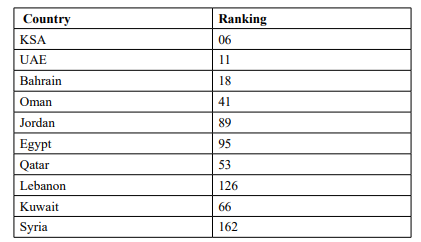
Table 1: E-Participation index ranks regional countries as follows in 2024
About the Next Generation Government and IT Governance program
Internet Business Solutions Group, through its Global Public Sector Practice, is developing a new “Next Generation Government and IT Governance” program. The program’s goal is to explore and define how to govern well in the “Connected Republic” of the future. Specifically, the program will collaborate with public leaders in different jurisdictions, including new ways of working, new workplaces and work styles, and improvements in environmental impact, brainstorm, design, and prototype new ways to govern well. Demonstrate how the “network as a platform” is creating new tools, capabilities, and cultures at the heart of the new public sphere. Connect people and projects in different parts of the world into an informal community to share ideas and examples .
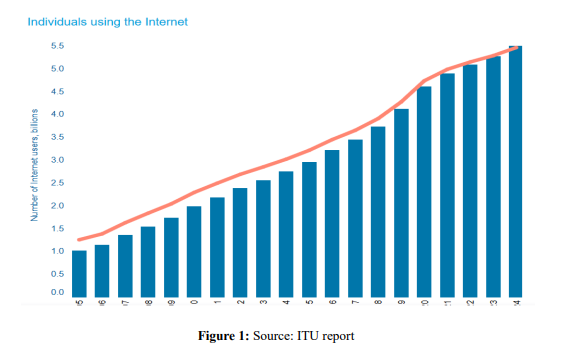
ITU report The business of governing well is becoming more difficult and more important in an increasingly interconnected and complex era. All levels of government and administration are being tested, questioned, challenged, and more or less reconstructed. The NG3 program will operate at the intersection of other concepts. Building resilience the ability to respond to unpredictable changes in the public sector, public administrations, and institutions etc, it demonstrating precognition the ability to anticipate trends, risks, and opportunities, and develop effective responses early, effective compliance, and optimal performance. Integrating the habits, methods, and insights of social innovators and entrepreneurs into the business of governance, the search for better ways to design services, develop policies, and run public institutions. Creating an effective scalable innovation tools of methods that produce ambitious yet practical innovation strategies, creating new innovation tools and methods for economic resilience, environmental sustainability, and social inclusions. Experimenting with new ways to harness the power and potential of networks to enable and accelerate communication and collaboration for shared “common purpose” outcomes. This program will focus on four areas of action: A. Innovation in Policy Development B. Social Innovation and Co-Production C. Service Redesign D. Agency Transformation New Workplace work style culture and tools for public sector agencies. The program includes contributions from many leading thinkers and innovators in the field.
Conclusion
Web technology describes a set of tools and capabilities that enable and rely on a culture of openness, participation, and empowerment. It has the potential not only to bring operational efficiency, customersatisfaction, and collaboration, but also to transform the structures and processes of public administration and policymaking. In the Middle East, many governments are open about medium- and long-term strategies for their countries and their support for better governance
The concepts of collaboration, transparency, accountability, empowerment, and innovation appear to be central to most of these strategies. Although many citizens in the region already use web technologies, this is not so true for governments, and to date, many of the web series-based initiatives in the region have fallen far short of real, two-way communication that could provide benefits to society and governments.
The benefits possible in the Middle East are significantly increased by adopting Web technology tools and, more importantly, by embracing the fundamental principles of openness and collaboration. Governments can start with internal programs to make information and support more easily available to government employees. With that, another initial step is to facilitate self-organized peer-support and collaborative groups within and across government agencies. Such initiatives can contribute to more efficient operational processes and more effective policy, it will also present better ways to collaborate for program and service outcomes.
Efforts to use Web technology to engage the public are still lacking. A practical step in this direction is to disseminate government information using the tools available today. The public should be supported in their decision-making. An extension of this is to gradually allow the public to co-produce services and play a greater role in how they are delivered. More broadly, Middle Eastern governments now have a significant opportunity to use the interactive tools and technologies of Web technology to enable broader and deeper engagement with and for citizens.
Given the momentum of Web technology, especially in the area of social networking, the relevantquestion today is not whether local governments should adopt Web series, but rather where and how such adoption should begin. The opportunity in the Middle East is not only to achieve broad goalswithin the social and political context of each country, but also to gradually change those contexts to achieve more far-reaching outcomes for the region's citizens and societies.
References
- Government and Technology, August 2019 by chamber of commerce.
- Ralph Heintzman and Brian Marson People, Service and Trust: Links in a Public Sector Service Value Chain in 2019. 2019 report by the International Bank of Qatar found that thepublic sector employs 88 percent of the indigenous workforce in Qatar, 85 percent in UAE, and 82 percent in Kuwait.
- Jessica Clark, Director, Future of Public Media Project, American University Center for Social Media, February 2019. The concept of creating narratives on public issues is discussed in “Public Media Dynamic and Engaged Publics.
- Martin Stewart Weeks, Public Sector Leaders Conference, Sydney, June 2019 Government at the Edge: The Emergence of a New Public Sector.