

World Journal of Forest Research(WJFR)
ISSN: 2994-5569 | DOI: 10.33140/WJFR


Research Article - (2024) Volume 3, Issue 1
Marketing Channels of Non-Timber Forest Products (NTFPs) in Sokoto Metropolis: A Case for Medicinal Plants, Sokoto State, Nigeria
Received Date: Nov 06, 2024 / Accepted Date: Nov 29, 2024 / Published Date: Dec 11, 2024
Copyright: ©©2024 Senchi A A, et al. This is an open-access article distributed under the terms of the Creative Commons Attribution License, which permits unrestricted use, distribution, and reproduction in any medium, provided the original author and source are credited.
Citation: Senchi, A. A., Shamaki, S. B., Bello, A. G. (2024). Marketing Channels of Non-Timber Forest Products (NTFPs) in Sokoto Metropolis: A Case for Medicinal Plants, Sokoto State, Nigeria. World J Forest Res, 3(1), 01-07.
Abstract
The study assessed the marketing channels of medicinal plants marketers and their challenges in Sokoto metropolis, Sokoto State. Nigeria. Data for this research was collected using a well-structured questionnaire which was administered to two hundred and seventy (270) respondents (medicinal plants practitioners/marketers). A multi-stage sampling technique was used for this study, in the first stage, eight markets were purposively selected from urban (5) and peri-urban (3) markets. In the second stage, thirty (30) respondents were selected from each market and thirty of the itinerants from the urban markets. Data obtained was analysed descriptively using tables, frequencies, percentages and chart. The result revealed that, male (90%) were the major actors and 10% for female, 42.2% of medicinal plants marketers were within the age range of 31-40 years. 88.9% were married with household (88.1%) size of 1-10 persons The study revealed 60% with Qur’anic education, majority of them (93.7%) had 1-15 years of experience in the medicinal plants marketing, 46.2% were in the association for about 16 – 30 years of membership. Medicinal plants were sourced from the wholesalers (68.2%) followed by the farmland (54.8%), individual consumers (50%) were the major customers in the area. Deforestation and harvesting technique were the major constraints in the area as this affects the supply and demand channels of medicinal plants. Medicinal plants cultivation is recommended. It is recommended that, cultivation and sustainable harvesting of medicinal plants should be adopted.
Keywords
Medicinal Plants, NTFPs, Marketing Channels, Sokoto Metropolis
Introduction
Non-timber forest products (NTFPs) are forest plants and animals or their products other than industrial timber, which are or can be harvested for human use at the level of self-support or for commercial purposes [1,2]. Unlike timber-based products, NTFPs from a large variety of plant parts are formed into a diverse set of products: leaves and twigs that may be components of decorative arrangements; food items such as fruits, fungi and juices, wood carvings or woven into pieces of art or utilitarian objects; as well as roots, leaves and bark processed into herbal medicines [3]. In developing countries, like Africa and Asia, NTFPs are mostly utilized for subsistence and income generation [4]. In rural areas, NTFPs bring economic, social, and environmental benefits [5]. NTFPs include a variety of wild and partially domesticated biological resources that are obtained by local households and communities from areas surrounding farms, fields, grazing grounds, and generally unaltered vegetation, such as grasslands, woodlands, and forests [6,7].
People started domesticating plants and animals, which reduced their reliance on foraging for food and other forest resources. Non-timber forest products are naturally occurring and typically uncultivated parts of the forest ecosystem [8]. They are non-timber but can be made of wood. In most developing countries like Nigeria, it is well known that traditional medicines are widely used especially in the low-income rural parts of the country [1]. According to the World Health Organization (WHO), approximately 80% of the world’s population relies on traditional medicine to fulfill their daily health care needs (World Health Organisation, WHO, 2016). Mahomoodally reported that, about 60-85% of the population in every country of the developing world has to rely on traditional medicine. It is reported that nearly 80% of the population in the country use plant-based traditional medicines as their healthcare system [1,9]. The reason for this dependence on plant medicine among rural/peri urban communities in developing countries is that plant medicine is more easily available, and they are comparatively cheaper in some areas. In some instances, plant medicine is entirely free of charge. That the high cost of western or imported drugs cannot be easily afforded by many poor and rural dwellers [1].
Medicinal plants are equally traditional source of household income in rural areas around the world. However, knowledge of their marketing is limited and sparse. Adegboyega and Oluwalana, reported that in Nigeria, Its effectiveness, control, and safety are of major concerns [10]. This presents a significant dilemma for both the public and the health authorities, Traditional healers treat ailments with plant resources, but they haven't thought about how to regenerate the valuable medicinal plants they utilize. On the one hand, the use of these plants has greatly benefited the health industry; on the other, the demand for herbs, especially in some areas of Africa, has driven some plants dangerously close to extinction even the most basic plant might have future significance that we cannot foresee [11].
Global acceptance and use of traditional medicines and related products continue to assume exponential increase. It is being used more frequently all over the world. However most often these are choices made by the patient. Integrating traditional medicine into mainstream health care would require research to understand the efficacy, safety, and mechanism of action of traditional systems [12]. Use of Ethnobotanical medicine in Nigeria represents a long history of human interaction with the environment. Plants used in traditional medicine contain a wide range of substances that can be used to treat chronic as well as infectious diseases [13,14]. This trend would have serious consequences on the survival of some plant species, hence the need to conserve and cultivate them. Conservation of medicinal plants is, therefore, an important step that should be taken in order to prevent the extinction of threatened species of medicinal plants. This data is generated to be used as secondary data for researchers and any interested parties working on the products. For sustainable development, this data when obtained will serve as base-line information for future researchers. The major and overall objective of this study is to assess the marketing channels of NTFPs especially the medicinal Plants in Sokoto Metropolis, Sokoto State, Nigeria.
Methodology
The Study Area
The study was carried out in Sokoto Metropolis, Sokoto State. Sokoto is located in the extreme North-west part of Nigeria at the confluence of rivers Sokoto and Rima. It lies between latitude 12°57′ 30″N to 13°8′ 0″N and longitude 05°9′ 0″Eto 05°19′ 30″E [15]. The state covers an area of 25,973kmsq or 10,028sqm. Sokoto state is made up of 23 local government areas and an estimated projected population of over 5.4 million as at 2017 [16]. The GDP of the state is $4,818m with per Capita income of about $1,274 [17]. The weather is marked by a single rainy season and long dry season and is characterized by dry and wet season as in the tropics. It records annual rainfall between 300mm-800mm and mean temperature of 34.5oC. The dry season temperatures exceed 45oC during the day time which is the highest recorded in Nigeria. It is dominated by the North-East Trade wind harmattan from the month of November to February [18]. The relative humidity is recorded to be constantly below 40% (20 – 35%) in the dry season and 43 – 70% in the rainy season [19,20]. The vegetation is Sudan savanna with predominance of trees such as Adansonia digitata, Balanites aegyptiaca, Ziziphus spina-christi, Z. mauritiana, and Vitex donianaetc with shrubs like Senna obtusifolia, S. occidentalis,and grasses like (Sida acuta,Sida cordifolia, Striga hermonthica, Eragrostistremula, Combretum glutinosum, etc). The soil type is sands and sandy loamy with low organic matter content.

Figure 1: Map of Sokoto Metropolis, Sokoto State
Sampling Procedure A multi-stage sampling technique was adopted for this study. In the first stage, the Metropolis was grouped into two clusters namely; Urban and Peri-urban. Sokoto North, Sokoto South, and Wamakko Local Government Areas being the core Local Government Areas of the metropolis was constitute the urban cluster, while the adjacent Local Government Areas of Dange-Shuni, Kware, and Bodinga constitute the Peri-Urban cluster (Table 1). In the second stage, four markets were purposively selected from the urban cluster based on the concentration of medicinal plant marketers. Also in the urban cluster, there are itinerant medicinal plant marketers who move around the town in cars, motorcycles, and wheelbarrows selling medicinal herbs. Meanwhile, for the peri-urban cluster, one major market was purposively selected from each of the three peri-urban markets (Table 1).
In the third stage, thirty respondents 30 was randomly selected from each of the selected four urban markets, 30 respondents from the peri-urban markets and 30 of the itinerant traders were selected using Snowball approach, thus having a total sample size of two hundred and seventy respondents 270 (Table 1).
|
1st Stage (Purposive) Clusters |
LGAs |
2nd Stage (Purposive) No. of Markets |
Numberof Respondents Per Market |
3rd Stage (Random) Per Cluster |
||
|
Sokoto |
Urban |
Sokoto North |
2 |
30 |
60 |
|
|
Metropolis |
|
Sokoto South |
2 |
30 |
60 |
180 |
|
|
|
Wammakko |
1 |
30 |
30 |
|
|
|
|
Itinerant Traders |
6* |
30 |
30 |
|
|
|
Peri-Urban |
Dange-Shuni |
1 |
30 |
30 |
|
|
|
|
Kware |
1 |
30 |
30 |
90 |
|
|
|
Bodinga |
1 |
30 |
30 |
270 |
|
|
|
Total |
08 |
|
|
|
|
*Roaming traders within the urban cluster |
||||||
Table 1: Sampling Procedure and Sample Size
Data Collection and Analysis
Data for this study were collected through the use of an outlined structure and open-ended questionnaire especially with the respondents who are not literate enough to complete the questionnaire. This is because a preliminary survey has indicated that only few members in the number of the sample frame are educated enough to fill a questionnaire on their own. Data collected were analysed using descriptive statistics, which is tables, frequency, percentage and charts.
Results and Discussion
|
Categories |
Descriptions |
Frequency |
Percentage (%) |
|
Gender |
Male |
243 |
90.00 |
|
|
Female |
27 |
10.00 |
|
Age |
19 – 20 |
3 |
1.11 |
|
|
21– 30 |
106 |
39.26 |
|
|
31– 40 |
114 |
42.22 |
|
|
41–50 |
30 |
11.11 |
|
|
51–60 |
14 |
5.19 |
|
|
61–75 |
3 |
1.11 |
|
Marital Status |
Single |
21 |
7.78 |
|
|
Married |
240 |
88.89 |
|
|
Widowed |
6 |
2.22 |
|
|
Divorced |
3 |
1.11 |
|
Household Size |
1-10 |
219 |
81.11 |
|
|
11-20 |
42 |
15.56 |
|
|
21 and above |
9 |
3.33 |
|
Highest Educational Levels |
Qur’anic only |
162 |
60.00 |
|
|
Primary |
69 |
25.56 |
|
|
Secondary |
29 |
10.74 |
|
|
OND / NCE |
8 |
2.96 |
|
|
Bachelor / HND |
2 |
0.74 |
|
Primary Occupation |
Traditional Medicine |
237 |
87.78 |
|
|
Farming |
10 |
3.70 |
|
|
Others |
23 |
8.52 |
|
Secondary Occupation |
Farming |
126 |
46.67 |
|
|
Traditional Medicine |
33 |
12.22 |
|
|
Others |
30 |
11.11 |
|
|
None |
81 |
30.00 |
|
Source: Field Survey, 2024 |
|||
Table 2: Socio Economics Characteristics of the Respondents
Gender
The study shows that respondents were mainly male with 90% and 10% for female, this agrees with the work of Abubakar et al. who reported a similar 88% for male in Sokoto State during a survey on traditional medicinal plants used for treating emerging and re-emerging viral diseases in northern Nigeria [21]. This study agreed with the findings of Mahmoud et al. who reported that all the 81% respondents interviewed in the survey of Ethnobotany of medicinal plants with anti-malarial potential in Northern Nigeria are males [22]. This result 10% is in contrast with 12% of female’s participation in medicinal plants business observed by Abubakar et al, in Sokoto State, 50% female were herbal medicine practitioners (HMPs) [21]. This could be attributed to the slight cultural differences among the northwestern states as well as the different geographical, climatic, and cultural differences with the north-central Kwara state.
Age
An analysis of the age distribution showed that 42.22% of medicinal plants marketers were within the age range of 31-40 years, younger farmers are more likely to adopt an innovation than older farmers because of better education and more exposure to new ideas. Most of the respondents are youths which agree with the work of Famuyide et al, who reported that 89% were of age 21-40 in their research (economic assessment of marketing of non-wood forest products in Ibadan metropolis) [23]. This result was also in agreement with Toyosi et al, who reported that the mean age of 45years are economically active and energetic to engage in agricultural activities [24].
Marital Status
The results revealed that most of them were married with 88.89% this was agreed with Famuyide et al, who reported that 92% were married and supported by Olarinde et al, who reported that one of the most important factors which determine technical efficiency of a business is the marital status of an individual. This is because married people worked hard in order to meet up with the demand of their family members [23,25].
Household Size
81.11% had household size of 1-10 persons, while 3.33% had 21 and above household sizes. This could be attributed to reducing the cost of hired labour in their business. Other studies have indicated that larger family sizes are expected to enable farmers to take up labour intensive activities.
Educational Level
Most of the respondents have attained and obtained one form of education and shows 60% with Qur’anic schools, the implication of those that had no formal education in medicinal plants business, is that, it would be difficult for them to adopt modern techniques, innovation or new ideas in their business operations as Farinde et al. revealed that education is positively related to the adoption of innovation. Therefore, innovations are hardly welcomed which disagrees with the work of Esiobu et al,who reported that, having a good educational background is an added advantage in terms of achieving an efficient and sustainable marketing enterprise [26,27].
Occupation
The study revealed that 87.78% had traditional medicine practitioners as their primary occupation with 46.67% observed as subsistence farmers as their Secondary occupation. The implication is that during the rainy season the labour force is diverted to farming activities and this will affect their marketing business. This study disagrees with the findings of Nwalieji and Ojike who stated that, inhabitants engaged in fishing, tailoring and other industrial activities [28]. e.g. fabrication of agro-equipment and artisanal workmanships, processing of palm fruits and kernels etc.
|
Categories |
Descriptions |
Frequency |
Percentage (%) |
|
Traditional Medicine Experience |
1-15 16 -30 31 and above |
174 74 22 |
64.44 27.41 8.15 |
|
Association in Membership |
Yes No |
253 17 |
93.70 6.30 |
|
Number of years in Associations |
1-15 16-30 31 and above |
74 117 62 |
29.25 46.24 24.51 |
|
Benefits Derived from Membership |
Access to resources Professional development Access to loans Networking opportunities Learning opportunities Total |
33 195 19 3 3 270 |
13.04 77.08 7.51 1.19 1.19 100.00 |
|
Source: Field Survey, 2024 |
|||
Table 3: Years of Experience of the Respondents
Majority of them (93.7%) had 1-15 years of experience in the medicinal plants marketing and almost 46.24% were in the association for about 16 – 30 years as this will aid professional development and disseminating of useful information within the association. This is because the number of years is usually seen as how much of a professional the individual has become in the marketing of NTFPs especially the MPs in the area. This is in agreement with the findings of Idiaye et al, in their research “Profit efficiency of palm oil processing in Osun state, Nigeria” [29]. This is also in line with Arowolo and Oladejo in their research who reported that, many of the respondents (54.5%) had been in honey business for a long period of time and Which is in line with the work of Schubert that says that the longer the year of marketing experience the better the decision making. Result revealed that, 24.51% had been in the association for 31 and above years and 77.08% derived benefits on professional development from the association [30,31]. This could be attributed or lead to gaining more knowledge, marketing techniques and useful information in the business.
|
Descriptions |
Frequency* |
Percentage |
|
Agents |
13 |
4.81 |
|
Wholesalers |
184 |
68.15 |
|
Retailers |
117 |
43.33 |
|
Farmland |
148 |
54.81 |
|
Fadamaland |
136 |
50.37 |
|
Woodland |
136 |
50.37 |
|
Source: Field Survey, 2019-2022 *n = 270 |
||
Table 4: Sources of Medicinal Plants Products
The results revealed that, medicinal plants were sourced from the wholesalers (68.2%) followed by the farmland (54.8%), while the least is from the agents (4.8%). Most of the respondents source their products from wholesalers and sell them to the ultimate customers or individuals (50%) in small quantity thereby creating empathy between the seller and buyer which leads to good relationship. This could be attributed to increasing their local capacity; helps build peace, assist trade and their fellow humans to treat ailments even with no cash at hand. There is need for cultivation of medicinal plants in the area in order to meet up with the growing population, this was in line Ssenku et al, who stated that, the need to cultivate medicinal plants was predicated on the observed conservation threats of medicinal plants due to steady increase in the consumption of herbal medicine [32]. This cultivation of medicinal plants has been adjudged to improve livelihood of the people and enhancing biodiversity conservation [32, 33]. Medicinal plants supplied to the markets in KwaZulu-Natal are harvested from a wide range of habitats in the region, including coastal forests, coastal grasslands, mangroves, swamp forests, grasslands, woodlands, riverine forest, montane forest, wetlands, and sub-alpine grasslands. These habitats are located on communal lands, commercial farms, forestry estates, protected areas, and in neighbouring countries [34,35,36].
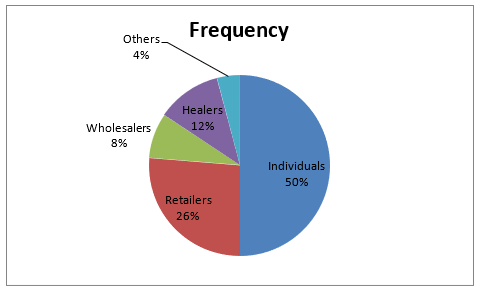
Figure 2: Disposal of Medicinal Plants Products
Majority of them (93.7%) had 1-15 years of experience in the medicinal plants marketing and almost 46.24% were in the association for about 16 – 30 years as this will aid professional development and disseminating of useful information within the association. This is because the number of years is usually seen as how much of a professional the individual has become in the marketing of NTFPs especially the MPs in the area. This is in agreement with the findings of Idiaye et al, in their research “Profit efficiency of palm oil processing in Osun state, Nigeria” [29]. This is also in line with Arowolo and Oladejo in their research who reported that, many of the respondents (54.5%) had been in honey business for a long period of time and Which is in line with the work of Schubert that says that the longer the year of marketing experience the better the decision making. Result revealed that, 24.51% had been in the association for 31 and above years and 77.08% derived benefits on professional development from the association [30,31]. This could be attributed or lead to gaining more knowledge, marketing techniques and useful information in the business. The results revealed that, medicinal plants marketers disposed their products to individual consumers with 50%, followed by retailers (26%) and the least is disposed to wholesalers (8%) and others (4%). This study disagrees with the work of Ramana and Singh who observed that, a commission agent buys the medicinal plants from the farmers or gatherers and then sells them on to the dealers, but was in line with the work of who reported that, the marketing of NTFPs is specialize; involving producer (gatherer), wholesalers’ trader in rural, regional and urban areas and retail traders, while most people and especially farmers, participates in these activities seasonally or on part time basis. The purchasing power of consumers can be considered from the perspective of the household or from the individual consumer [37,38].
|
Category |
*Frequency |
Percentage |
|
Seasonal variation |
50 |
11.4 |
|
Capital |
61 |
13.9 |
|
Bad roads |
71 |
16.2 |
|
Harvesting technique |
83 |
18.9 |
|
Availability of MPs |
21 |
4.8 |
|
High rate of deforestation |
83 |
18.9 |
|
Insecurity |
70 |
15.9 |
|
Total |
439 |
100 |
|
Source: Field Survey, 2024 *Multiple responses, MPs (Medicinal Plants) |
||
Table 5: Problems Encountered in the Marketing Channel of Medicinal Plants
The results revealed unsustainable harvesting techniques and deforestation as the major constraints in the supply and demand of medicinal plants product (18.9%), This could be due to cutting down of medicinal trees to produce other commodities like fuelwood, charcoal, etc. This finding was in line with the findings of Senchi et al, who observed high rate of deforestation of in the doum Palm Trees in Sokoto Metropolis. Seasonal variation and insecurity issues have negative effect in the supply chain of medicinal plants which include banditry and other insurgents in the area.
Conclusion and Recommendation
Conclusively, the study showed that, men are the major actors in medicinal plants marketing in the area, age between 31- 40 years, mostly married with household size of 1-10 members. Majority had Quranic education with 1 - 15 years of marketing experience. Majority are in the association with 15 – 30 years of membership in the group. Majority of the actors source medicinal plants from the wholesalers and farmland and dispose it to individual customers. The success of medicinal plant marketing channels depends on a reliable supply of large quantity and high quality inputs bringing innovative plants to market as this will uncover opportunities for improvement on channels of marketing the product. Deforestation and harvesting technique were the major constraints in the area as this affects the supply and demand channels of medicinal plants.
Based on the findings, it is recommended that, cultivation and sustainable harvesting of medicinal plants should be adopted to boost the supply and demand channels of marketing in the area.
Ackonwledgement
Our appreciation goes to the Tertiary Education Trust Fund (TETFund) Nigeria, for supporting the Institution Based Research (IBR) Funds for Nigerian tertiary institutions who provided the fund for the research to be published.
References
- Chukwuma, E. C., Soladoye, M. O., & Feyisola, R. T. (2015).Traditional medicine and the future of medicinal Plants in Nigeria. Journal of Medicinal Plants Studies, 3(4), 23-29.
- Pullanikkatil, D., Mograbi, P. J., Palamuleni, L., Ruhiiga, T., & Shackleton, C. (2020). Unsustainable trade-offs: Provisioning ecosystem services in rapidly changing Likangala River catchment in southern Malawi. Environment, Development and Sustainability, 22(2), 1145-1164.
- Worku, M. (2015). Traditional uses of non-timber forest products in southwest Ethiopia: Opportunities and challenges for sustainable forest management. Journal of Agriculture and Environmental Sciences, 1(1).
- Mipun, P., Bhat, N. A., Borah, D., & Kumar, Y. (2019). Non-timber forest products and their contribution to healthcare and livelihood security among the Karbi tribe in Northeast India. Ecological Processes, 8, 1-21.
- Shrestha, S., Shrestha, J., & Shah, K. K. (2020). Non-timber forest products and their role in the livelihoods of people of Nepal: A critical review. Grassroots Journal of Natural Resources, 3(2), 42-56.
- Shackleton, C., Shackleton, S., & Shanley, P. (2011). Building a holistic picture: An integrative analysis of current and future prospects for non-timber forest products in a changing world. In Non-timber forest products in the global context (pp. 255-280). Berlin, Heidelberg: Springer Berlin Heidelberg.
- Shackleton, C. M., Pandey, A. K., & Ticktin, T. (2015). Ecological sustainability for non-timber forest products. Milton Park: Taylor & Francis.
- Ros-Tonen, M. (2012). Non-timber forest product extraction as a productive bricolage process. In Forest-people interfaces (pp. 27-48). Wageningen Academic.
- Tabuti, J. R., Hassen, I. E., Pateh, U. U., & Mahomoodally,M. F. (2014). Recent advances towards validating efficacy and safety of African traditional medicines. Evidence-based complementary and alternative medicine: eCAM, 2014.
- Oguntade, A. E., & Oluwalana, I. B. (2011). Structure, control and regulation of the formal market for medicinal plants' products in Nigeria. African Journal of Traditional, Complementary and Alternative Medicines, 8(4).
- Mothibe, M. E., & Sibanda, M. (2019). African traditional medicine: South African perspective. Traditional and Complementary Medicine, 2019, 1-27.
- Hamid, Y. H. (2020). Market Research Report of Traditional Medicine Conference. Alternative & Integrative Medicine. 6th Annual Congress on Traditional &Alternative Medicine July 22-23, 2020.
- Musa, D. D., Anakaa, T. M., & Bashir, K. A. (2017). Phytochemical analysis of crude extracts from Annona senegalensis (L) and its anti-snake venom potential on albino rats. Fudma journal of Sciences, 1(1), 139-142.
- Musa, D. D., Hafiz, S. S., & Garba, S. M. (2019). Plants Used in Traditional Herbal Medicine In Dutsin-Ma Local Government Area Katsina, Nigeria. International Journal of Pure & Applied Sciences, 23(1).
- BENIN, C. (2016). RESPONSES OF HYDRO-CLIMATOLOGICAL INDICES TO CLIMATIC VARIABILITY AND CHANGE IN THE SOKOTO-RIMA RIVER BASIN, NORTH-WESTERN NIGERIA.
- Tijjani, U. (2020). Determinants of Childhood Routine Immunization Coverage in Sokoto State, North West Nigeria. Scientific Research Journal, 8(8), 76-96.
- SENCHI, A., AHMAD, M., & GUPA, M. (2023).MARKETING OF Hypheane thebaica (Doum palm) FRUITSIN SOKOTO, SOKOTO STATE. FUDMA Journal ofAgriculture and Agricultural Technology, 9(4), 114-123.
- Adegboyega, S. A., Olajuyigbe, A. E., Balogun, I., & Olatoye,O. (2016). Monitoring drought and effects on vegetation in Sokoto State, Nigeria using statistical and geospatial techniques. Ethiopian Journal of Environmental Studies and Management, 9(1), 56-69.
- Sokoto Energy Research Center. (2012). Usmanu Danfodiyo University, Sokoto. Nigeria.
- Anonymous, (2015). http://itouchmap.com/latlong.html.Retrieved 06/09/2019.
- Abubakar, I. B., Kankara, S. S., Malami, I., Danjuma, J. B.,Muhammad, Y. Z., Yahaya, H., ... & Nurudeen, Q. O. (2022). Traditional medicinal plants used for treating emerging and re-emerging viral diseases in northern Nigeria. European Journal of Integrative Medicine, 49, 102094.
- Mahmoud, A. D., Labaran, I., & Yunusa, A. (2020). Ethnobotany of medicinal plants with antimalarial potential in Northern Nigeria. Ethnobotany Research and Applications, 19, 1-8.
- Famuyide, O.O., Adebayo,O., Arabomen, O and Jasper,A.A. (2012). Economic assessment of marketing of non-wood forest products in Ibadan metropolis. Elixir Marketing Management. 52: 11645-11649.
- Abiodun, T. C., Olutumise, A. I., & Ojo, S. O. (2019). Evaluation of choices of livelihood strategy and livelihood diversity of rural households in Ondo State, Nigeria. Journal of Social Sciences and Humanities, 5(1), 17-24.
- Olarinde, L. O., Ajao, A. O., & Okunola, S. O. (2008).Determinants of technical efficiency in bee-keeping farms in Oyo state, Nigeria: A stochastic production frontier approach. Res J Agric Biol Sci, 4(1), 65-9.
- Farinde, A. J., Soyebo, K. O., & Oyedokun, M. O. (2005). Exploration of Bee keeping as a coping strategy in a deregulated economy. Journal of agricultural extension, 8.
- Fanshawe, D. B. (1966). The Dum Palm—Hyphaene thebaica (Del.) Mart. East African Agricultural and Forestry Journal, 32(2), 108-116.
- Nwalieji, H. U., & Ojike, H. U. (2018). Characteristics of small-scale palm oil production enterprise in Anambra State. Journal of Agricultural Extension, 22(1), 22-34.
- Idiaye, C. O., Owolabi, T. O., & Oluwatayo, I. B. (2022). Profit efficiency of palm oil processing in Osun state, Nigeria. Delgado, TS, 1-32.
- Arowolo, O. V., & Oladejo, J. A. (2020). STRUCTURE AND PROFITABILITY ANALYSIS OF HONEY MARKET IN OYO STATE, NIGERIA. Ethiopian Journal of Environmental Studies & Management, 13(2), 165-175.
- Schwarz, M. P. (1994). Femaleâ?biased sex ratios in a facultatively social bee and their implications for social evolution. Evolution, 48(5), 1684-1697.
- Ssenku, J. E., Okurut, S. A., Namuli, A., Kudamba, A., Tugume, P., Matovu, P., ... & Walusansa, A. (2022). Medicinal plant use, conservation, and the associated traditional knowledge in rural communities in Eastern Uganda. Tropical Medicine and Health, 50(1), 39.
- Karhagomba, I. B., Mushagalusa, T. B., Nabino, V. B., Koh, K., & Kim, H. S. (2013). The cultivation of wild food and medicinal plants for improving community livelihood: The case of the Buhozi site, DR Congo. Nutrition Research and Practice, 7(6), 510-518.
- Mander, M. (1998). Marketing of indigenous medicinal plants in South Africa: a case study in KwaZulu-Natal.
- Van Wyk, A. S., & Prinsloo, G. (2018). Medicinal plant harvesting, sustainability and cultivation in South Africa. Biological Conservation, 227, 335-342.
- Van Wyk, B. E., & Wink, M. (2018). Medicinal plants of the world. Cabi.
- Ramana Rao, D. G. S. (2023). Challenges and Strategies of Marketing of Medicinal Plants.
- Olajuyigbe, S. O., Fadairo, O., Osayomi, T. O., & Alabi-Adelakun, O. (2020). Non-timber forest products: Linking rural livelihoods with urban lifestyles in sub-Saharan Africa. Rural Urban Linkages and Sustain able Development: Case Studies from Africa, 119-132.
- Senchi, A. A., & Yakubu, A. A. (2014). Assessment of Processors and Marketers of Sheabutter (Vitellaria paradoxa CF Gaertn.) in Zuru Local Government Area, Kebbi State, Nigeria. Journal of Research in Forestry, Wildlife and Environment, 6(2), 22-34.
- Abdullahi, A. A. (2011). Trends and challenges of traditional medicine in Africa. African journal of traditional, complementary and alternative medicines, 8(5S).