

Archives of Clinical and Medical Microbiology(ACMMJ)
ISSN: 2835-9968 | DOI: 10.33140/ACMMJ
Impact Factor: 1.0


Research Article - (2024) Volume 3, Issue 1
Knowledge Regarding Family Planning Methods Among Women Admitted at A Public Hospital Postnatal Ward Windhoek, Khomas Region Namibia.
Received Date: Jan 10, 2024 / Accepted Date: Feb 12, 2024 / Published Date: Feb 26, 2024
Copyright: ©Â©2024 Joseph Galukeni Kadhila, et al. This is an open-access article distributed under the terms of the Creative Commons Attribution License, which permits unrestricted use, distribution, and reproduction in any medium, provided the original author and source are credited.
Citation: Kadhila, J. G., Amushendje, N. I., Nuumbosho, H. T. (2024). Knowledge Regarding Family Planning Methods Among Women Admitted at A Public Hospital Postnatal Ward Windhoek, Khomas Region Namibia. Archives Clin Med Microbiol, 3(1), 1-9.
Abstract
Family planning is a strategy that empower couples and individual to plan and control the number, spacing and timing of their children through the use of contraceptives. A quantitative descriptive design was applied. Primary data was collected directly from the participants through structured validated questionnaire. A probability systematic sampling technique was employed, involving a sample of 255 postnatal women. Data was analysed using excel and presented in graphs and tables for easy interpretation. The findings indicated that the competence was based on a knowledge score of ≥50% because participants were not healthcare professionals and might not have medical background. Participants that obtained a knowledge score of <50% were 72.2%. Only 27.8% out of 255 participants obtained a knowledge score of ≥50%. It can be concluded that a relatively low proportion, specifically 27.8% of postnatal women, possessed good knowledge of family planning methods. The study suggests advocate for healthcare providers to incorporate family planning counselling and education as an integral part of antenatal care services at each contact.
Keywords
Knowledge of Pregnant Women Regarding Premature Birth at the Intermediate Hospital Antenatal Care Clinic in Namibia: A Quantitative Study
Key Points
• Family planning improve the quality of life in women by preventing unwanted pregnancy.
• The unmet need for family planning may results in unintended pregnancies and illegal abortions.
• Family planning is one of the services provided under primary health care services in Namibia and it is available freely in all public health facilities
Introduction
Family planning methods allow one to decide on when to have children, the number of children and the spacing between children [1]. According to WHO, among 1.9 billion women of the reproductive age (15-49 years), 1.1 billion have needs for family planning, although approximately 842 million women were using contraceptive methods, about 270 million women have unmet need of contraception [2]. The number of women of reproductive age using contraceptives globally rose from 1.3 billion in 1990 to 1.9 billion in 2021, an increase of 46%. Contraceptive methods commonly used vary worldwide. According to United Nations Intrauterine devices (IUDs) and condoms are the most common in Eastern and South-Eastern Asia, pills and condoms are popular in Europe and Northern America, sterilisation dominates in Central and Southern Asia, and pills and IUDs are common in Northern Africa and Western Asia [3]. The use of contraception among women of the reproductive age in Sub-Sahara Africa increased from 13% in 1990 to 29% in 2018 [3]. Although there is an increase in contraceptive use, the UNFPA, stated that the proportion of women using modern contraception in Sub-Sahara Africa remain the lowest in the world at 56% [4]. According to Boadu, there is a low pooled prevalence rate 22% of the use of modern contraceptives across Sub-Saharan Africa countries from as low as 3.5% in the Central African Republic to 49.7% in Namibia [5].
As a signatory to the International Conference on Population and Development in Cairo, the government of the Republic of Namibia recognised family planning as a human right in 1994 (Ministry of Health and Social Services [6]. Furthermore, the government launched the National Policy for Reproductive Health in 2001 which states that family planning should be available, accessible and affordable to all women and men of reproductive age at all public health facilities. From this call, the use of modern contraceptive methods among all women increases with age from 24% among those aged 15-19 years to 62 % among those aged 20 to 29 years before gradually failing to a low of 45% among women aged 45-49 years. Siririka, quoated Dr Kalumbi Shangula, who stated that for the 2020/2021 and 2021/2022 financial years, teenage pregnancies stood at 14.54% and 14.95% respectively nationally, translating to more than 15 000 pregnancies among teenagers per year [7]. Khomas region rates of teenage pregnancy stood at (7.4%). Although, Khomas region pregnancy rate was lower than other regions, there is still a need to create awareness of family planning methods among the communities in Windhoek, Namibia.
Objectives
The objective of this study was to assess if postnatal women admitted at the Intermediate Hospital Katutura possessed the knowledge regarding family planning methods offered at the hospital.
Methods
The researcher utilized a quantitative method that allowed the researcher to obtain quantifiable data regarding assessment of knowledge of family planning methods among postnatal women. The population of this study was 255 out of 700 women at the post-natal determined by the Slovans formula using the inclusion and exclusion criteria and systemic sampling.
Data Collection
The researcher compiled a questionnaire in English with two sections demographic data (section A) and knowledge about family planning methods (section B). Permission to conduct this study was granted by the University, the Ministry of Health and Social Services, the Management from the Intermediate Hospital Katutura and written informed consent from the participants. In this study, primary data was personally collected by the researcher. Data was collected from the 23 August 2023 until 04 October 2023. Data was entered into and analysed with Microsoft excel and presented in graphs and tables for easy interpretation.
Ethical Considerations
Ethical approval was obtained from School of Nursing Research Ethics Committee the Ministry of Health and Social Services, the hospital management and written informed consent from the participants prior to data collection. The following ethical principle were observed during data collection: Respect for a person, beneficence, non-maleficence and justice.
Presentation of the Study Results
Demographic Information
The total number of postnatal women sampled was n= 255 and they all participated in this study with the response rate of 100%.
Age of the Respondents
Participants were asked to indicate their age category (Table 1). This question was answered by all participants n= 255 (100 %) response rate. The study revealed that the majority n= 140 (54.9%) of the respondents were in the age category of 20-29 years. n= 82 (32.2%) were in the age category of 30-39, n= 24 (9.4%) were in the age category of 15-19 years while those in the age category of 40 years and above were n= 9 (3.5%).
|
Age groups (years) |
Frequency (n) |
Percentage (%) |
|
15-19 |
24 |
9.4 |
|
20-29 |
140 |
54.9 |
|
30-39 |
82 |
32.1 |
|
40 and above |
9 |
3.5 |
|
Total |
255 |
100% |
Table 1: Age of the Respondent
Marital Status of the Respondents
Figure 1 below shows the marital status of the participants. The majority of the study participants fall under the single category n= 232 (91%) and n=23 (9%) participants were married.
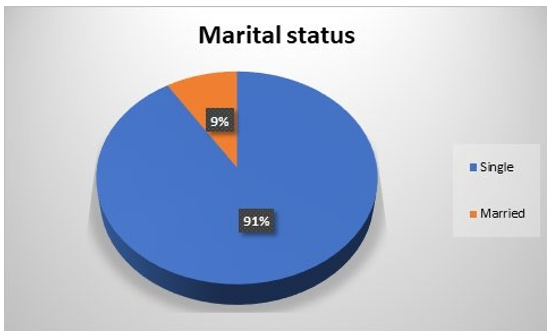
Figure 1: Marital status of the respondents
Highest Educational level of the Respondents
In this study the majority of the participants were educated, of which n= 191 (74.9%) of the participants had secondary education, those with tertiary education were n=36 (14.1%) and those who had primary education were n= 27 (10.6%). Only n= 1 (0.4%) did not had any educational background.
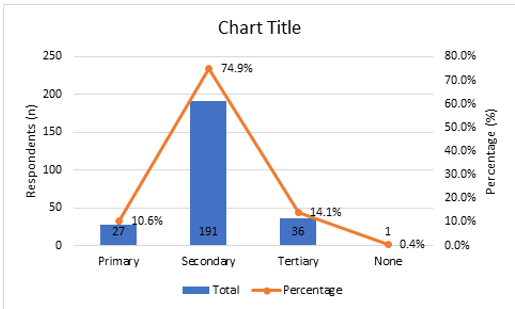
Figure 2: Respondent's highest educational level
Number of Current Children
The study revealed that the majority n= 141 (55.3%) of the participants had between 1-2 children, n= 94 (36.9) had between 3-4 children, while participants who had 5 or more children were n= 20 (7.8%).
|
Number of current children |
Frequency (n) |
Percentage (%) |
|
1 to 2 |
141 |
55.3 |
|
3 to 4 |
94 |
36.9 |
|
5 and more |
20 |
7.8 |
|
Total |
255 |
100 |
Table 2: Distribution of the Respondents by Number of Current Children
Interval between Recent and Previous Birth
This study investigated the gap between the recent and the previous birth. The finding illustrated that most participants n= 108 (42.4%) had more than three years birth intervals. n= 53 (20.8%) of the participants were first time mothers. Those who gave birth in less than 2 years were n= 50 (19.6%), while those with the birth intervals of 2-3 years were n= 44 (17.3%).
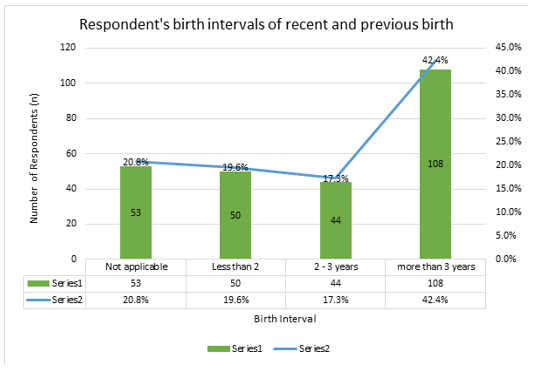
Figure 3: Respondent's Birth Intervals of Recent and Previous Birth
Series 1: number of respondents (n) Series 2: Percentage (%)
Knowledge about Family Planning Methods
This section had ten questions and it collected data from participants in order to determine their level of knowledge. All questions were answered.
Source of Family Planning Information
All participants reported that they have heard of family planning before. Majority n=232 (91%) of the participants indicated that they had heard about family planning methods from the Health Care Workers, n= 72 (28.2%) heard from friends, n= 70 (27.5%) heard from family members, those that heard from the radio were n= 24 (9.4%), n= 11 (4.3%) heard from the Television and the least sources of family planning information was online and newspaper were only n= 9 (3.5%) and n= 7 (2.7%) participant heard about family planning. Figure 2 shows the percentage of participants who had heard of family planning from different sources.

Figure 4: Source of family planning information
The ideal time to start contraception after giving birth
Participants indicated the ideal time to start family planning after giving birth. Most n= 122 (47.8%) indicated that immediately after giving birth was the ideal time to start family planning, n=66 (25.9%) participants stated that 6 weeks after giving birth was the ideal time to start family planning, n= 28 (11%) indicated one to two weeks after giving birth, while n= 26 (10.2%) chose more than 6 months after giving birth as an ideal time to start family planning. Furthermore, n= 13 (5.1%) participants do not know the ideal time to start family planning after giving birth.
|
Ideal time to start family planning after giving birth |
Frequency (n) |
Percentage (%) |
|
Immediately |
122 |
47.8% |
|
1-2 weeks |
28 |
11% |
|
6 weeks |
66 |
25.9% |
|
more than 6 months |
26 |
10.2% |
|
I do not know |
13 |
5.1% |
|
Total |
255 |
100% |
Table 3: Respondent's ideal time to Start Family Planning After Giving Birth.
Knowledge About Family Planning Methods Offered to Postnatal Women in IHK
Table 4 below indicates the total number of participants and the knowledge score about family. In this study, the researcher defined competent when a participant obtained a score of ≥50% and incompetent when a participant obtained a score of <50%.
The results show that only n= 71 (27.8%) of the participants out of n= 255 obtained a knowledge score of ≥50%. The majority of the participants n= 184 (72.2%) were found to be incompetent about family planning offered to postnatal women in IHK, by obtaining a knowledge score of <50%.
|
|
Total n (%) |
≥50% Knowledge score |
<50% Knowledge score |
|
Number of participants (n) (%) |
255 (100%) |
n= 71 (27.8%) |
n= 184 (72.2%) |
Table 4: Respondent's knowledge score about family planning offered to postnatal women at IHK
Table 5 show the educational level of the participants. The researcher compared educational level with results of n= 255 participants, those n= 71 that obtained a knowledge score of ≥50% and those n= 184 that scored <50%. The findings revealed that most participants n= 15 (41.7%) out of n= 36 with tertiary education had good knowledge about family planning, followed by participants with secondary education n= 52 (27.2%) out of n= 191, while those with primary education who had good knowledge about family planning were n= 4 (14.8%) out of n=27. Furthermore, the results show that the majority of the participants were incompetent.
|
level of education |
≥50% Knowledge score |
<50% Knowledge score |
n (%) |
|
Primary |
n= 4 (14.8%) |
n= 23 (85.2%) |
n= 27 (100%) |
|
Secondary |
n= 52 (27.2%) |
n=139 (72.8) |
n= 191 (100%) |
|
Tertiary |
n= 15 (41.7%) |
n=21 (58.3%) |
n= 36 (100%) |
|
None |
n= 0 |
n= 1 (100%) |
n= 1 (100%) |
|
Total |
n=71 (27.8%) |
n=184 (72.2%) |
n= 255 (100%) |
Table 5: Respondent's Knowledge Compared to their Educational Level
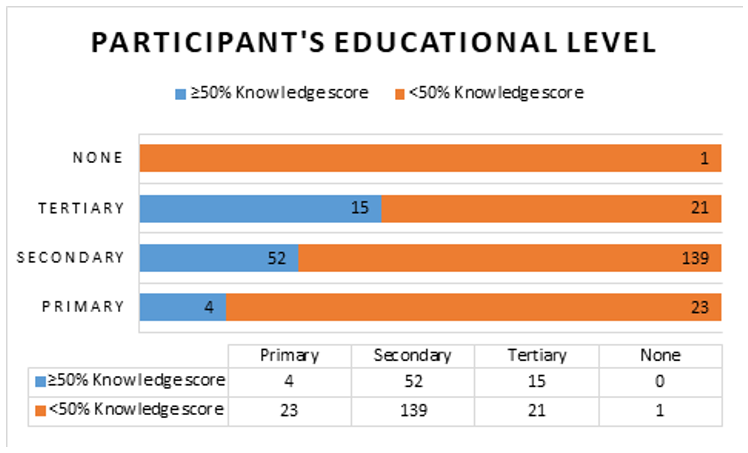
Figure 5: Respondent's knowledge compared to their educational level
Table 6 and Figure 6 indicated the participant's responses to individual questions on different method of family planning offered to postnatal women in IHK. Majority n= 181 (71%) were aware that sterilization can be offered in IHK to postnatal women who do not wish to have children in future, participants who were aware of the least effective family planning method were n= 128 (50.2%), n= 121 (47.5%) participants knew the names of the injectable family planning that can be offered to postnatal women in IHK, only few n= 73 (28.6%) participants were aware of the name of the oral family planning offered to breastfeeding women postnatally at IHK, same with long acting reversible contraceptive n= 66 (25.9%). Furthermore, only n= 26 (10.2%) knew all five types of family planning methods as well as the two highly effective family planning offered to postnatal women in IHK.
|
QUESTIONS ON FAMILY PLANNING METHODS |
NUMBER OF PARTICIPANTS |
TOTAL n (%) |
|
|
Correct n (%) |
Incorrect n (%) |
||
|
Five types of family planning method offered to postnatal women at IHK. |
n= 26 (10.2%) |
n= 229 (89.8%) |
n= 255 (100%) |
|
Two types of injectable methods offered postnatal women at IHK. |
n= 121 (47.5%) |
n= 134 (52.5%) |
n= 255 (100%) |
|
Highly effective methods offered to postnatal women at IHK. |
n= 26 (10.2%) |
n= 229 (89.8%) |
n= 255 (100%) |
|
Least effective method of family planning offered to postnatal women at IHK. |
n= 128 (50.2%) |
n= 127 (49.8%) |
n= 255 (100%) |
|
Long acting reversible contraceptive offered to postnatal women at IHK. |
n= 66 (25.9%) |
n= 189 (74.1%) |
n= 255 (100%) |
|
Oral family planning method offered to breastfeeding postnatal women at IHK. |
n= 73 (28.6%) |
n= 182 (71.4%) |
n= 255 (100%) |
|
Family planning method offered to women who do not wish to have any more children in future at IHK. |
n= 181 (71%) |
n= 74 (29%) |
n= 255 (100%) |
Table 6: Questions Related to Knowledge about Family Planning Offered to Postnatal Women
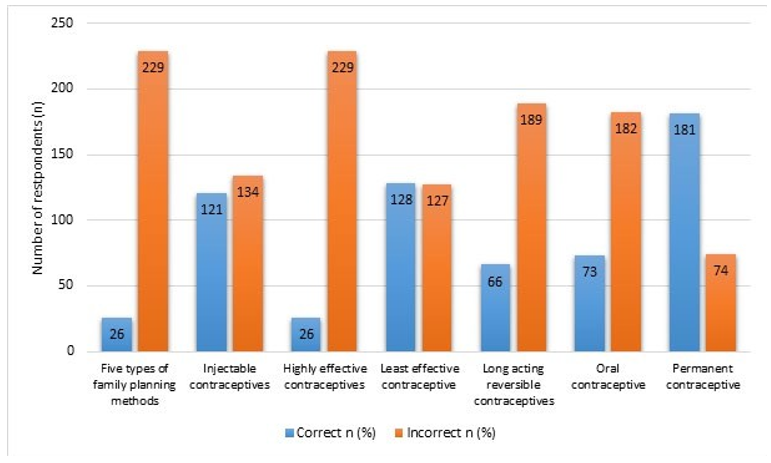
Figure 6: Respondent's knowledge on family planning offered to postnatal women in IHK.
Figure 7 shows the participants response when asked to select five family planning methods that can be offered to women at IHK postnatal ward. Majority n= 242 (94.4%) chose Implants, followed by condoms n= 224 (87.8%), then n= 154 (60.4%) chose IUD. The least chosen methods were Diaphragm n= 65 (25.5%), vaginal ring n= 81 (31.8%) and patch n= 82 (32.2%). The overall knowledge to this question was poor as only n= 26 (10.2%) of the participant out of n= 255 selected the five right methods offered to postnatal women in IHK.This shows that postnatal women have no idea of the available methods that can be offered to them in IHK.

Figure 7: Respondent's Response When asked to Select 5 types of Family Planning Offered to Postnatal Women in IHK.
Discussion
Demographic data
Age
The study shows that majority 54.9% of the respondents had age ranging between 20-29 years. 32.1% of the participants were 30- 39 years. This age group comprises more than half of the participants. These findings are similar to the study done in Nigeria, of which the majority 59.7% of the participants were aged between 21-30 years [8]. In another similar study done in Zambia, the majority (52.2%) of the participants were in their 20s and 30s (25-34 years) [9]. Women in their 20 and 30s are typically in their prime childbearing years. The significant percentage in this age range underscores the importance of providing comprehensive family planning services and information to help them plan their families according to their preferences. Moreover, the researcher found that 9.4% of the postnatal women were aged 15-19 years and 3.5 % were 40 years and above. This indicated that teenagers are at the early stages of their reproductive years and the 9.4% suggests that some teenage pregnancies have occurred. Namibia teenage pregnancy rate is 19% [1]. Ensuring access to appropriate support, education and family planning options for this age group is crucial to help them make informed decisions about their reproductive health. Participants who were 40 years and above were 3.5%. This indicates that a relatively small number of women in the sample were older than 40 years at the time of childbirth. This finding is consistent with the declining fertility rates observed in women above the age of forty.
Marital Status
Most participants 91% in this study were single. This is different from the study done in Nigeria, which reported that majority (97.2%) of the participants were married [8]. Another contrasting finding is the study done by Daniel et al., emphasizing the diversity of marital status among postnatal women and the importance of tailoring healthcare and family planning services to meet the specific needs of both married and single individuals [9]. Additionally, the data may highlight the importance of addressing family planning and reproductive health education for unmarried postnatal women.
Knowledge
All participants (100%) in this study reported to had heard of family planning before. These results agree with the study done in Ethiopia, where almost all (99.5%) of the participants had heard about postpartum contraceptive. According to MoHSS, (2018) knowledge of contraceptives is universal in Namibia with nearly all men (99.6%) and women (99.6%) have heard of at least one method [6]. Mekonnen, Gelagay and Lakew stated that in order for women to make choices about family planning, women need to have adequate information about the different methods of family planning [10]. Furthermore, Mekonnen et al., stated that in order for postnatal women to timely access family planning, depend on good knowledge about family planning [10].
Source of Information
The findings of the study indicated that healthcare workers are the most common source of family planning information, with 91% of the participants reporting to have heard from them. This is similar with the study done in Nigeria by. In another study done in Northwest Ethiopia, similar findings were reported where the common source of information was the healthcare worker (96%) [10]. This is a significant and positive finding, as it indicates that the healthcare system plays a crucial role in disseminating important information and advice about family planning. Family members and friends are the second common source of family planning information among participants in this study. With 27.5% and 28.2% of participants reporting to have heard from them. This finding highlights the importance of informal support systems with the family as well as peer network and social relationships in promoting and disseminating family planning knowledge. Family members can serve as a source of guidance and advice and friends may share their own experiences, recommend certain methods or provide emotional support, which can positively impact the women's perception and adoption of family planning. A study done in Zambia participants that chose family members and friends as source of information were few 12% and 11%. Lastly, the study show that a small percentage of postnatal women received family planning information from newspapers 2.7%, online 3.5%, radio 9.4% and television 4.3%. Although the percentages are relatively low compared to healthcare workers, family members and friends, it suggests that mass media is still non-negligible source of information for some women. This emphasizes the importance of utilizing various communication channels to reach a wider audience and ensure comprehensive access to family planning information.
Ideal time to start Contraceptive after Childbirth
In this study, almost half of the participants 47.8% believed that starting family planning immediately after childbirth is the ideal time. This response aligns with medical guidelines that recommend discussing postpartum contraception with healthcare providers before discharge. It indicates a good understanding of the importance of spacing or preventing subsequent pregnancies soon after childbirth. National Health Services NHS, stated that it is possible for the women to become pregnant again soon after childbirth, even if they are breastfeeding or their periods have not returned yet [11]. This study results are in contrast with the finding of Mekonnen et al., done in Ethiopia stating that majority 67.8% of the participants report 42 days following the childbirth as the ideal time to start family planning [10]. Minority of the participants 10.2% believe that it is ideal to wait for an extended period, more than six months, before starting family planning. This perspective may not align with the best practices recommended for postpartum contraception, as early planning typically encouraged to avoid unintended pregnancies. While, a small percentage of the participants 5.1% admitted that they do not know the ideal time to start family planning. This finding highlights the need for more education and awareness about postpartum contraception among postnatal women.
Knowledge Regarding Family Planning Offered to Postnatal Women
The researcher in this study classified participants as competent if they scored 50% or higher, and as incompetent if they scored below 50%. Even though all participants had heard about family planning before, the findings revealed that out of n= 255 participants, only n= 71 achieved a knowledge score above 50 %. It was discovered that majority of the participants n= 184 has poor knowledge about family planning methods provided to postnatal women in IHK. This indicated that there is room for improvement in term of educating postnatal women about family planning methods and options. In contrast, the study done in Nigeria, participants had good knowledge (86.8%) about modern family planning [8]. A study in Northwest Ethiopia by Mekonnen et al., is also in contrast with this study finding as participants also had good knowledge 74.2% [10]. The reason for this variation might be due to differences in reproductive health services and access to family planning information.
Among the 27.8% of the participants that had good knowledge about family planning, 41.7 % participants had tertiary education, participants with secondary education were 27.2% and participants with primary education were 11.1% were found to have had good knowledge about family planning. This indicates that there is a clear educational gradient when it comes to knowledge about family planning among postnatal women, with higher education levels generally associated with better understanding. These findings underscore the importance of providing educational resources and interventions to improve family planning knowledge among postnatal women. By addressing the gaps in knowledge and ensuring that accurate information is accessible, healthcare providers and policymakers can empower postnatal women to make informed choices about contraception and family planning, which can ultimately contribute to better reproductive health outcomes.
Overview of Knowledge about Family Planning Methods Offered to Postnatal Women at IHK
Majority 91% of the participants reported that their major source of information was the healthcare workers. Based on the study findings, it is evident that there is a significant lack of knowledge about family planning methods among postnatal women. The majority of the participants provided incorrect answers to most questions indicating a general lack of awareness and understanding among them. The results indicated that participants are incompetent about family planning methods offed to postnatal women at IHK, as the majority of the participants n= 184 scored <50%. Figure 6 is indicating the participant's response to questions related to knowledge about family planning offered to postnatal women at IHK. Findings are discussed below.
Five types Family Planning Methods
A total of n= 229 (89.8%) out of n= 255 participants were incorrect when asked to select five types of family planning methods offered to postnatal women at IHK. This finding suggests a widespread lack of awareness about available contraceptive choices to postnatal women.
Injectable Contraceptives
The results indicated that n= 134 (52.5%) of the participants were incorrect when asked to identify two injectable family planning methods offered to women postnatally at IHK.
Highly Effective Contraceptives
Participants were asked to select two highly effective contraceptives, and n= 229 (89.8%) out of 255 participants were incorrect. This indicates that many postnatal women may not be aware most reliable methods of family planning.
Long Acting Reversible Contraceptives
Participant n= 189 (74.1%) out of 255 were incorrect when asked to select two long acting reversible contraceptive offered to postnatal women. This highlights a lack of understanding about these highly effective options.
Oral Contraceptive
The result indicated that participants n=182 (71.4%) out of 255 were incorrect when asked to select the oral family planning method offered to postnatal breastfeeding women at IHK.
Conclusion
The finding of this study has shed light on the levels of awareness of family planning. The results of this study established that although all participants had heard about family planning, when it come to the depth of knowledge, the results indicated that participants demonstrated poor knowledge on family planning. This suggested that while awareness is prevalent, there is still a substantial need for improved understanding of family planning methods among postnatal women [12].
Relevance for clinical practice
Namibia has made some progress in term of family planning provision; the family planning aspect has not yet produced the desired results. Participants from this study indicated poor knowledge on contraceptives.
Author contribution
Joseph Galukeni Kadhila was responsible for drafting of the manuscript. University of Namibia, Ndahambelela Amushendje was responsible data collection and writing up, University of Namibia, Helena Taamba Nuumbosho was responsible for supervision and data analysis, University of Namibia.
Funding information
No funding was received for this study.
Acknowledgement
We would like to acknowledge all the woman at the postnatal ward that took part in our study.
Conflict of interest
The authors declared no conflict of interest.
References
- UNFPA. (2022). Family Planning Retrieved May 12, 2023, from Unfpa.org/family-planning.
- WHO. (2020). Family Planning/Contraception methods.Retrieved March 05, 2023, from
- United Nations (2019). Contraceptive Use by Method 2019: Data Booklet. Retrieved May 05, 2023, from
- UNFPA. (2021). Investment cases toward ending unmet need for family planning and Gender based violence.
- Boadu, I. (2022). Coverage and determinants of modern contraceptive use in sub-Saharan Africa: further analysis of demographic and health surveys. Reproductive Health, 19(1), 1-11.
- Ministry of Health and Social Services. (2018). National Guidelines on Family Planning. Windhoek.
- Siririka, P. (October 21, 2022). Over 15 000 teen pregnancy yearly.
- Anate, B. C., Balogun, M. R., Olubodun, T., & Adejimi, A.A. (2021). Knowledge and utilization of family planning among rural postpartum women in Southwest Nigeria. Journal of family medicine and primary care, 10(2), 730.
- Daniel, C., Titus, K., Webster, M., Mumbi, M., & Ngoma, C.M. (2018). Contraceptive choices and use among postnatal women in selected Districts in Luapula Province, Zambia. Central Afr J Public Health, 4, 191-195.
- Mekonnen, B. D., Gelagay, A. A., & Lakew, A. M. (2021). Knowledge and associated factors of postpartum contraceptive use among women in the extended postpartum period in Gondar city, Northwest Ethiopia. Open Access Journal of Contraception, 7-15.
- National Health Services. (2023) Your Contraceptive Guide.
- WHO, & Hopkins, J. University. (2021). Family Planning: A Global handbook for providers. WHO press: Geneva.