

Advances in Bioengineering and Biomedical Science Research(ABBSR)
ISSN: 2640-4133 | DOI: 10.33140/ABBSR
Impact Factor: 1.7

Research Article - (2019) Volume 2, Issue 3
Hospital Medicine Gas Management System: The Pharmacist Role in a Pharmaceutical Chemistry Setting-Results of a Practical Experience in an Advanced Country
2Associate Professor, Pt Deendayal Upadhyay Memorial Health Science and Ayush University of Chhattisg, India
Received Date: Apr 16, 2019 / Accepted Date: Apr 24, 2019 / Published Date: May 01, 2019
Copyright: ©Copyright: ©2019 Mauro Luisetto. This is an open-access article distributed under the terms of the Creative Commons Attribution License, which permits unrestricted use, distribution, and reproduction in any medium, provided the original author and source are credited.
Abstract
Aim of this work is analyse actual relevant normative rules (Italy, Europe) and produce a global description of a practical experience related hospital pharmacist management in med. Gases field. Hospital pharmacist managers contribute in the global results in right management of medicinal and technical gases in hospital setting and assimilated structure, contribute in many medical team to assure relevant pharmacological therapies (like oxigenotherapy), prevent emergencies related in this field, quality and quantity control, safety use, risk management, cost containment, whit and high performance result. Medicinal chemistry - pharmaceutical chemists competencies are fundamental as well as managerial competencies.
Keywords
Medicinal Gases, Hospital Pharmacy, Pharmacist Competencies, Chemistry CompetenciesIntroduction
Related actual European and Italian normative rule hospital medicinal gases management is an official responsibility of hospital pharmacist in collaboration with a multidisciplinary team (physicians, engineer, nurse, risk managers etc.).
Medicinal gases like Pharmacologic - therapeutic oxygen are classified as medicinal drugs officially registered according current European normative rules (directive 2001/83/CE, directive 2003/94/ CE and modifications), and pharmacist is involved in all Logistic and clinical pharmacist role in the management of this healthcare products.
Other gases currently managed in hospital settings are: medical air, azote protoxide, CO2, other specific mixtures required by the clinicians.
Some gases are classified as medical devices (argon), liquid azote (When physical-mechanical mechanism of action and not pharmacologically).
Technical gas to be connected to instrumentation: for chemistry lab in example for GC in biochemical or toxicology lab.
Different uses of the different gases: oxigeno-therapy, cryosurgery, argon plasma coagulation, sample CRIO-conservation (blood bank),diagnostic use (spirometry, laparoscopy) and other.
Some examples of use of the hospital gases:
oxigenotherapy, iperbaric therapy, N2 in dermatology, cryosurgery, conservation of biology sample, CO2 in mixture with oxygen in laparoscopy, cryosurgery, N20 anesthetic in mixture with oxygen or air, HE in magnetic resonance instrument to cool down magnets temperature. SF6 and C3F8 in ophthalmic surgery. Medical gases like oxygen in hospital settings are inside centralize system of distribution in cryogenic tanks or in mobile container like mobile tanks and all this are classified as Medical Devices according current European normative rules (Regulation (EU) 2017/745 of the European Parliament and of the Council of 5 April 2017).
According the UNI EN ISO 7396-1 (related to the hosp. gases management normative technical rules) various professionality are involved like Executive responsible of institution, responsible of technical office, Responsible of worker security service, pharmacy, clinical engineering, Head healthcare hospital manager and other.
Table 1: Matrix responsibilities: DGO med. Gases diagnostic use (spirometry, laparoscopy) and other.management
|
RE |
Executive responsible of the structure |
|
RTS |
Technical responsible of central system of med gas distribution |
|
PA |
Authorized person |
|
PC |
Competent person |
|
CQ |
Quality controller |
|
RMD |
Medical responsible for med gas |
|
RID |
Nurse responsible for med gas |
|
PD |
Designed person |
The hospital pharmacist manage all Medical Device and so is responsible also for Med. Dev. In Medicinal Gases settings (CE maked). (MD to subministrate this products, terminal unit of erogations, fluximetry, umidifier, pressure reducer, valvle, concentrators, respiratory masks, stroller and many other).
Often some gases are produced inside the hospital structure like medicinal air in a sort of magistral – galenic production central: even in this cases the pharmacist provide guaranty regarding quality of production under the Pharmacopea in use (Italy and European). NBP rules.
In Italian pharmacopeia: oxygen, azote protoxide, medical air (auto produced or in tanks), CO2 for laparoscopy, argon for plasma coagulation, AZOTE, ELIO, CO, NO.
In FU are reported for these gases: characteristics, TEST for impurity level admitted, limits for impurity, rules for correctly smoke.
Hospital gases can be classified as DRUGS under discipline of AIC commerce immission. Authorization, or without AIC produced in hospital and not in and industry like medical and synthetic air and oxygen 93%. In the first cases producer industry is responsible of the quality of the products, in the second prevision hospital pharmacy is responsible of quality.
Normative rules define correct labeling of the different tanks (colours of ogive, body). According a defined classification (type of gases, title concentration, expiry time of gas and tanks, batch number and other relevant information). Other pharmacist responsibilities are required by law: the quality control of gases from system of distribution and from tanks, correct stokes of tanks in idoneus warehouse, internal transport of thanks in wards according codified procedures, in choosing of dedicated medical devices and for the patients safety (under pharmacopeia prevision).
Related to the cryogenic tanks of oxygen there are responsibilities of the hospital pharmacist in collaboration with engineer of internal technical office responsible of the central system of erogation since bed of patients (A shared responsibility).
A complex system of quality control is annually (2 times) performed whit certified control laboratory using officially chemical methods (precision, sensibility accurancy, repeatibility). Control in Production for gases auto produced or in TEST if gases into the central system of erogation.
In cases of out of control of analyzed sample rapid information, according procedure, is given to hospital medical direction and to clinicinas and Techincal engineer to rapid find a solution (provide other oxygen tanks, excluding parts of the system and so on).
Other pharmacist competencies are related to the pharmaco-vigilance and medical devices vigilance as request by normative rule also in med gases settings (a safety system to rapid recall with rapid alert signal). Hospital pharmacist are involved in the healthcare professional training in med gas uses and in periodic wards inspection related right detection of mobile tanks (right amount of mobile tanks, not too high number related the place in the ward, right modality in example anchored to the wall etc.).
Hospital pharmacist is permanent member of local teams (or regional) (according a responsibility matrix) involved in writing the official procedure as request by accreditation institution and by total quality management or involved in central buying procedure like gases, medical devices, service related (procedure like recall of tanks, quality control, tanks stokes, emergency, stokes management, management and many other documents like DGO doc. Operative management, risk evaluation).
According Italian rules other roles can be played by hospital pharmacist: Director of Execution of Medicinal Gases Contract. (DEC) according LEGISLATIVE DECREE 18 APRIL 2016, N. 50 Code of public contracts, italian code of public contracts (GU n.91 del 19-4-2016 - s.o. n.10) and modifications.
This role is substantially like a project management function with responsibilities in manages quality, risk, costs and time of contract execution (legge 81/08 sulla sicurezza sul lavoro (workers security) and modifications). Security for patients.
Often oxygen use as well as other gases used in hospital are a kind of risk underestimate: oxygen is a comburent agent, cryogenic, and in tanks of 200 bar of pressure (facts to be take in great consideration in use, stokes, movementation).
Other risk related some gases are cold burn (azote), explosion and other.
(In case of azote: use dedicated gloves to protect professionals from cold burns). (Fire risk, explosion, asphyxiate, not right movement of tanks, errate gas type exchange, gas interruption of erogation, medical device malfunctions and other are related with gas management).
Hospital pharmacist involved in med gas management are responsible for storage of all related documentation (10 years).
Clinical pharmacy and pharmaceutical care role played by hospital pharmacist can be: toxical effect evaluation, side effect evaluation, medical devices needed, indication monitoring, cost containment, inspection in wards to verify modality of conservation, staff collaboration (medical and nurse).
Many managerial instrument are daily managed by hospital pharmacist in this field like: time management, GANTT, root causes analysis, benchmarking, communicative abilities and many others.
DEC managers make possible to facilitate the role played by different hospital office like “Technical Office, Prevention and Protection Office, Farmacy, External Provider of Med Gases, Buying Office, Regional Buying Centre, and Medical and Infermieristic Hospital Direction, Clinical Engineering Service”.
To do this is needed a deep knowledge in medicinal and non-
medicinal gases, pharmaceutical technique, pharmacology, toxicology, and chemists competencies to adequately manage this complex world. This is an example also of the chemists competencies required today also to pharmacist. In recent time normative rules make possible to pharmaceutical degree (pharmacy and medicinal chemistry course) to participate in official state - public examination for the access to the chemistry profession and this fact show the chemistry competencies of pharmaceutical degree.
In this kind of course many chemistry examination (organic, inorganic, analytic: qualitative and quantitative, physical chemistry, physical methods in organic chemistry), laboratories, physics, mathematics and other course like pharmaceutical industry systems of distribution propose to the student a deep chemical knowledge useful in today working world.
Recent normative rules have euipared old university title in pharmacy and in medicinal chemistry to the new magistral laurea in pharmacy and industrial pharmacy (Interministerial Decree 9 July 2009 and modifications).
And in DPR 328/2001 art 37 italian law for state examination to access to the a sections of chemistry register for chemistry profession is reported:
1. Registration in section A is subject to passing a special state exam.
2. Admission to the state exam requires the possession of a specialist degree in one of the following classes:
a) Classe 62/S - Chemical Sciences
b) Classe 81/S - Sciences and Technologies of Industrial Chemistry
c) Classe 14/S - Pharmacy and Industrial Pharmacy
The gases management in Italy in example in not recent normative rules (ROYAL DECREE 1927 regarding toxic gases management) required also the degree in chemistry and pharmacy in the title required for responsibility in this field.
Physical properties of gases are present in many chemistry courses of pharmaceutical sectors and Deep knowledge in pharmacology, toxicology, pharmaceutical techinque, and pharmaceutical medicine are studied. Also course of medicinal chemistry systems are inside curriculum studiorum of pharmaceutical degrees. Other relevant factor to take in consideration is that the therapeutic service to the patient related oxygen. Must be continuous (24/24 h in a day and for all the year) and to do this hospital pharmacists and technical office must use adequate procedure to assure the continuity of the service (Use of First and Second System Source, additional tanks and other measure, emergency ordering system, rapid communication between all hospital service in emergency, risk management, planning activity, secondary external provider).
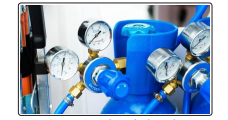
Figure 1: A hospital setting
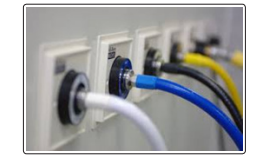
Figure 2: Medical gas pipeline system

Figure 3: Safety

Figure 4: Tanks storehouse

Figure 5: Medical devices for subministration

Figure 6: Big tanks of cryogenic oxygen
Literature
According Brian Midcalf
“A medical gas pipeline system (MGPS) in a healthcare environment in the UK has had a history of incidents which have compromised patient welfare or safety and resulted in some deaths. Fortunately, these instances are very rare and controlled by the implementation of appropriate guidelines and the technical memoranda. However, a number of incidents have recently been reported in other European countries. Notably, the death of eight patients in Italy in April-May 2007 due to nitrous oxide administration provides recent evidence as to how such incidents can still occur: modification or installation of an MGPS can still compromise the patient. This article attempts to summarize the situation relating to the roles of pharmacists and their involvement with medical gas installations. In Europe medical gases are classed as drugs. It is essential that they are understood and dealt with in these terms, because administration of the wrong gas by the inhalation route could have such a rapid effect on the patient that recovery may not be possible.
It is recognized that many recommendations of technical memoranda current in the UK will differ from those of other countries, but many healthcare authorities use or adapt these same guidelines because they already exist and are tried and tested. This article is based on the system and standards used in the UK, but may be useful elsewhere.
History of Involvement
In the early to mid-20th century, responsibility for medical gas quality distribution and use largely belonged to anaesthetists - the principal users of such gases. They would perform quality checks from time to time, but after a series of deaths due to cross connections of medical gases it was established that a formal system for managing, delivering and controlling medical gases was necessary. This was to include a separate and independent level of checks implemented by a pharmacist.
A “permit to work” was set up in order to control access to or interference with MGPSs. The final section of this relates to high-hazard work and involves an independent check for “identity” and “purity” to be performed by the pharmacist before the system is taken back into use. Inclusion of the pharmacist at this level of control was established in 1977. The rationale for this is still current: medical gases are medicines and medicines are controlled by pharmacists, so pharmacists should control these medicinal products too. Just because the items were invisible and odourless with boundaries indistinguishable from surrounding air and with packaging in the form of a length of copper pipe was no excuse not to become involved It became the task of the specialist technical pharmacist to develop roles in analyzing medical gas, mainly to confirm that the correct gas was emanating from the correctly labeled terminal unit and that it was free from contamination. This formed an additional analytical role for the quality control pharmacist or his or her staff to take on. At the same time, there was a need to establish appropriate in-house training and a much better understanding of the MGPS and how it was controlled by the engineer” [1].
According to Navdha Soni, et al:
“Generally medical gases are administered or supplied directly to the patients. They should be monitored as required by the respective regulatory authorities of every country or via a central line which runs through the entire hospital. They should be manufactured and transferred with the highest quality possible as per standards and limits decided by the different regulatory authorities.
For the manufacturing of the medical gases manufacturer needs to issue license (or regulatory approval) hence they justify about maintaining quality of the gases as standard/limitation regarding quality decided by the drug regulatory authorities. Pharmaceutical gases is defined as gaseous material that are manufactured for the use in pharmaceutical industries and laboratories and used in Process/Quality Control and R&D for hydrogenation process, reactors, analytical instruments etc. They are needed to handle under the standards with which they are governed are strictly controlled by a nation’s pharmacological oversight agency.
Medical and pharmaceutical gases are fluids manufactured specifically for the medical, pharmaceutical manufacturing and biotechnology industries. They are frequently used to synthesize, sterilize and insulate process or product which contributes to human health. A medical gas a medicinal product (pharmaceutical) used for treating or preventing disease and for life support of human beings. The use of medical gases should be subject to prescription by a clinician. Due to the fact that all medical gases are considered drugs which are only available by prescription, the standards with which they are governed are strictly controlled by a nation’s pharmacological oversight agency.
The Four Tenets of Medical Gas System Safety
Continuity
The gas supplies must always be available
Adequacy
The correct flow and pressure must always be delivered
Identity
The correct gas should always be administered
Quality
Gases must be safe and pure
Medical Gases
“A medical gas is defined as one that is manufactured, packaged, and intended for administration to a patient in anesthesia, therapy, or diagnosis”. As a therapeutics gas are prescribed as an anesthetic, drug delivery agent, or remedy for an occurring illness, pneumatic power source for surgical and dental tools. Medical gases are provided by licensed manufacturers who meet the quality controls which have been established by a jurisdiction’s prescription drug regulating agency.
Medical gases must be extremely pure, with at least 99.995% of the gas congruent to how it is identified. With the exception of medical-grade oxygen, all medical gases are delivered in compressed gas cylinders constructed of aluminum, stainless steel, or some other non-corrosive and non-reactive metal.
Since medical gases are used in healthcare facilities, pipelines are routed from a cylinder storage location, through a gas manifold, and to the rest of the facility wherever access to medical gases is critical to patient care. Pipelines are devoted to a particular type of gas, and these systems will also include a medical vacuum and waste anesthesia exhaust system. Lines are accessible by outlets located around the facility.
The proper installation and maintenance of these gas lines is critical to patient care. Many professionals contribute to this system, including anesthesiologists, pharmacists, nurses, engineers, maintenance personnel, and gas suppliers. Accompanying these pipeline systems are various alarms, gauges, and testing instruments to ensure that the pipeline maintains pressure and flow. Occasionally, pipelines may need to be serviced to maintain service [2].
In “The Medical Devices Pharmacists Management Role and Pharmaceutical Care” 2016 “
Every kind of medical devices for vascular prosthesis, since medicated stents to specialist medication or in vitro diagnostic systems give a great contribution in many surgery or therapeutic procedure. For example also medicinal gas hospital plants are classified in Europe as medical devices. The clinical endpoints depend on also by the medical device used and Medical devices pharmacist specialist represents a great resource in cost containment in every level (to use the right one in every different situation). Pharmaceutical care principles can correctly be applied in the medical devices dedicated to a single patient” [3].
According to A Jimenez Morales, et al. Writed
“Background Medical gases (MG) have traditionally been managed by maintenance units. With the new legislation, this management has been taken over by the pharmacy departments. Purpose to measure the economic impact and describe the efficiency measures implemented in the management of MG. Material and methods Follow-up study pre-post intervention (pre-intervention phase January to October 2014 and post-intervention phase January to October 2015). The procedure was performed by the pharmacy of a hospital to improve efficiency in the management of MG (oxygen, nitrous oxide and medical air). The efficiency measures implemented were: (1) development of a protocol to standardize management of medical gases; (2) development of software to follow the traceability of distributed bottles of oxygen, reduce stock and know immobilized stocks in real time; (3) reduction of oxygen delivery pressure from 6 bar to 4.5 bar; and (4) incorporation of oxygen cylinders with a digital gauge that allows easy real time reading of gas consumption. The economic impact was obtained after comparing the costs (€) associated with the consumption of MG before and after the intervention of pharmacy services in the management of MG.
Results the costs associated with the use of MG in the pre-intervention phase were: €152 621 oxygen, €96 140 nitrous oxide and €7490 medical air, and in the post-intervention phase were: €114 814 oxygen, €60 973 nitrous oxide and €8728 medical air. Following the implementation of efficiency measures, the costs of oxygen consumption (€-37 807) and nitrous oxide (€-35 176) decreased. However, they increased for medical air (+€1238). Total gas consumption costs from January to October 2014 were €256 252 and from January to October 2015 €192 892, reducing the total costs by 24.7%. The management carried out by technical services during the pre-intervention phase did not generate additional costs for the hospital, nor did the services carried out by pharmacy in the post-intervention phase. Therefore, these costs (ie, personnel) were not included in the analysis. There were no differences in the quality or price of MG before and after the intervention as the MG supplier was the same.
Conclusion the intervention of the pharmacy services led to a considerable reduction in the overall cost of consumption of MG, greater traceability in the distribution of bottles, reduction of stock and greater efficiency in the management of MG [4].
According E Sangiorgi, et al. (article in italian language): “Since 2011, the Gas Medical Group has been active in Emilia-Romagna, composed of pharmacists, doctors, clinical engineers and technical services, which works under the mandate of the D.Mi. This group has drawn up guidelines on the correct management of gases according to Legislative Decree 219/2006 and the UNI ISO 7396-1 and UNI 11100 (LLII), a document on the quality control of gases, a document on use home of oxygen concentrators and the guidelines for the preparation of the Operational Management Document of the Plants by the health authorities presented on 02/20/2015 to 130 participants involved in gas management. Each year the adhesion to the LLIIs and the control of the consumption and expenditure of oxygen, which from 1 January 2010 obtained the AIC, is monitored.
Through a questionnaire the level of adherence to the LLIIs was analyzed for the following points: identification, appointment and role of the figures provided for by the technical regulations, gas quality controls, training of personnel and of the expected figures, medical systems / equipment / devices, mobile containers. Control of expenditure and consumption were made through administrative flows (AFO and FED) and the correspondence of expenditure with economic accounts (CE) in 2012 and with the flow of traceability in 2014.
The outcome of the monitoring of the adhesion to the LLIIs was positive for the quality controls, the maintenance plan and the mobile containers; the aspects to be improved are the appointment of the figures provided for by the technical regulation and the training of health personnel. As regards oxygen consumption, over time there has been an adjustment of information flows compared to what is present in the EC. It was possible to separate the cost of the service from the cost of the drug for home oxygen therapy for the year 2014. In fact, in 2012, through administrative flows it was seen that oxygen affected 2% of the total regional pharmaceutical expenditure (€ 1,230,000,000) and € 16,300,000 against the € 33,100,000 of the EC (including the cost of the service) were recorded. In 2014, data from the Ministry of Health showed an almost total overlap between the data on the flow of traceability (€ 20,625,342) and that of regional flows (€ 20,820,396). The Regional Group has achieved important results in the production of guidelines, in monitoring them and in the correctness of the flows generated by the Healthcare Authorities, contributing to the management of spending and safety in the management of gases” [5].
According to Prot-Labarthe S, et al
“To compare hospital pharmacy practice in France and Canada by identifying similarities and differences in the two institution’s pharmacy activities, resources, drug dispensing processes and responsibilities.
Sainte-Justine University Hospital Center (SJ), Montreal, Quebec, Canada and Robert Debré Hospital (RD), Paris, France, are two maternal-child teaching hospitals. They share a similar mission focused on patient care, teaching and research.
The data were gathered from annual reports, department strategic plans and by direct observation. The description and comparison of the legal environment, hospital demographics, pharmacy department data, drug dispensing processes and pharmacist activities in the two institutions.
The Centre hospitalier universitaire Sainte-Justine and Hôpital Robert Debré are similar with respect to their mission and general demographics; number of beds, annual hospital expenditures, number of admissions, visits and childbirths. The respective pharmacy departments differ in allocated resources. The main operational differences concern compounding, quality control programs and clinical activities. The French department also manages medical devices, medical gases, blood derivatives and the sterilization unit. These comparisons highlight the more patient-oriented Canadian hospital pharmacy practice against the more product-oriented French hospital practice Factors contributing to these differences include academic curriculum, the attention paid to the legal environment by professional bodies, staffing patterns and culture. There are differences between the hospital pharmacy practice in the studied hospitals in Canada and France. Hospital pharmacy practice in France seems to be more products oriented, and the practice in Canada seems more patient oriented [6].
According to Lelanè Mosterta, et al
“Anaesthetic and critical care staff play a governing role in the comprehension of a hospital’s oxygen delivery system and associated contingency plans for internal disaster management. Therefore, staff must be thoroughly prepared and properly trained to support an institution-wide emergency response in the event of central oxygen pipeline failure. Anaesthetic and critical care staff plays a governing role in the comprehension of a hospital’s oxygen delivery system and associated contingency plans for internal disaster management.
Therefore, staff must be thoroughly prepared and properly trained to support an institution-wide emergency response in the event of central oxygen pipeline failure. Although routine checking and maintenance of anaesthetic equipment is increasingly delegated to non-physician staff, such as theatre technologists, the responsibility still remains that of the anaesthetist to personally complete a routine equipment check and to be vigilant, able and prepared to adequately manage equipment-related crises as they arise.
Lelanè Mosterta, et al. writed aslo: The hospital pharmacy must arrange for emergency cylinder deliveries, as necessary” [7].
According to Sushmita Sarangi, et al
“Medical gases are nowadays being used for a number of diverse clinical applications and its piped delivery is a landmark achievement in the field of patient care. Patient safety is of paramount importance in the design, installation, commissioning, and operation of medical gas pipeline systems (MGPS). The system has to be operational round the clock, with practically zero downtime and its failure can be fatal if not restored at the earliest. There is a lack of awareness among the clinicians regarding the medico-legal aspect involved with the MGPS. It is a highly technical field; hence, an in-depth knowledge is a must to ensure safety with the system.
Every new installation needs to be tested and verified as per the laid guidelines before putting the system into use. It is important to have a contingency plan to avoid crisis situations.
Pipeline Testing
Indigenous arrangement – all critical areas should have bulk oxygen cylinders, fitted with a double-stage regulator, tubing, and an adaptor. In case of manifold failure, the AVSU of the area is closed. The pipeline beyond it can now be fed with oxygen from this cylinder, by connecting the adaptor to any oxygen outlet point within the territory. Crisis due of vacuum pipeline failure can be tided over with portable electrical suction units.
The tender terms and conditions should specify that the supplier’s bulk oxygen trailer should reach the hospital as soon as possible in the eventuality of pipeline failure.
However, besides quality control and knowledge, safety can be ensured only when there is a proper upkeep and maintenance of the system. This can be ensured by: Formulating Standard Operating Procedures (SOP’s), Maintaining logbooks. Keeping all the equipment under Annual Maintenance Contract/ Comprehensive Maintenance Contract (AMC/CAMC), allotted to the original supplier of the Equipment or to vendors with minimum 3-year experience in the field.
Preventive maintenance of equipment and leak test of pipeline should be ensured on quarterly basis.
24 h manning by trained personnel.
Periodic training of manifold personnel.
Regular inspection of the pipelines, particularly after Public Works Department (PWD) work of every area.
Daily checking of contingency plan.
Mock drills of pipeline failure, fire, and explosion should be regularly conducted.
The vastness of the system has always remained a matter of concern whenever the issue of safety was raised. The anesthesiologists are an integral part of this system, but keeping in mind the medico-legal liabilities, the administrative control of the system should be vested upon the biomedical engineers, and it is imperative that all users should also be adequately trained” [8].
According to Fed Regist
Medical Gas Containers and Closures; Current Good Manufacturing Practice Requirements. Final rule. “The Food and Drug Administration (FDA or the Agency) is amending its current good manufacturing practice (CGMP) and labeling regulations regarding medical gases. FDA is requiring that portable cryogenic medical gas containers not manufactured with permanent gas use outlet connections have gas-specific use outlet connections that cannot be readily removed or replaced except by the manufacturer. FDA is also requiring that portable cryogenic medical gas containers and high-pressure medical gas cylinders meet certain labeling, naming, and color requirements. These requirements are intended to increase the likelihood that the contents of medical gas containers are accurately identified and reduce the likelihood of the wrong gas being connected to a gas supply system or container. FDA is also revising an existing regulation that conditionally exempts certain medical gases from certain otherwise-applicable labeling requirements in order to add oxygen and nitrogen to the list of gases subject to the exemption, and to remove cyclopropane and ethylene from the list” [9].
And in ICU SETTING “Observing the results of the bio medical literature reported in this work we can say that the clinical pharmacist presence in stabile way in ICU medical team gives improving in some clinical patient’s outcomes and reducing mortality rate. This conclusion is related to the complexity of ICU SETTINGS and by critical patient’s condition. To adequately managed this situations are needed the most complete medical equips (multidisciplinariety). We observe that the role played by hospital pharmacists can be in more clinical activities, as educator (towards all healthcare professionals), researcher, and manager functions” [10].
According to Sarangi S, et al
“Medical gases are nowadays being used for a number of diverse clinical applications and its piped delivery is a landmark achievement in the field of patient care. Patient safety is of paramount importance in the design, installation, commissioning, and operation of medical gas pipeline systems (MGPS). The system has to be operational round the clock, with practically zero downtime and its failure can be fatal if not restored at the earliest. There is a lack of awareness among the clinicians regarding the medico-legal aspect involved with the MGPS. It is a highly technical field; hence, an in-depth knowledge is a must to ensure safety with the system” [11].
According to John H Zhang writed
“Medical gas is a large family including oxygen, hydrogen, carbon monoxide, carbon dioxide, nitrogen, xenon, hydrogen sulfide, nitrous oxide, carbon disulfide, argon, helium and other noble gases. These mediases are used in various disciplines of both clinical medicine and basic science research including anesthesiology, hyperbaric oxygen medicine, diving medicine, internal medicine, emergency medicine, surgery, and many basic science subjects such as physiology, pharmacology, biochemistry, microbiology and neuroscience. Unfortunately, there is not even one journal dedicated to medical gas research at the basic, translational, or clinical sciences level; especially in the neurobiology or neuroscience fields let alone the other various medical fields.
The aim of Medical Gas Research is to publish basic, translational, and clinical studies in biology, especially neurobiology, and their applications with various disorders. Due to the unique nature of medical gas practice, Medical Gas Research will also serve as an information platform for education and technology advances for medical gas fields. We hope it will also emphasize novel approaches to help translate the scientific discoveries from basic medical gas research into the development of new strategies for the prevention, assessment, treatment, and enhancement of medical gas clinical applications. Medical Gas Research will be an open access journal, in that all articles will be freely and universally accessible online. This open access approach makes an author’s work available to readers at no cost and not limited by their library’s budget. This ensures that the author’s work is disseminated to the widest possible audience than any subscription-based journal either in print or online. Open access may lead to higher downloads and higher citation rates of one’s work. In addition, authors hold copyright for their own work and the authors can grant anyone the right to reproduce and disseminate the article. Furthermore, all articles published by Medical Gas Research will be archived in PubMed Central and other freely accessible full-text repositories.
Strength of Medical Gas Research is that to be the first and the leading international journal focusing on medical gas research with eight experienced researchers serving as Associate Editors. Another major feature of Medical Gas Research is the fifty-member strong editorial board which represents medical gas physicians/researchers from 13 countries around the world.
There are 2 major challenges researchers in the medical gas fields are facing - first is the need for more basic science studies on the fundamental mechanisms of medical gases; and the second is the need for well-planned and executed clinical trials to test the various indications and applications of medical gases. In order to fulfill this aim and the scope of Medical Gas Research as mentioned above, the following format will be used for all journal submissions including editorials, commentaries, reviews, clinical and laboratory studies, short communications, case studies, study protocols, meeting reports, medical hypothesis, and letters to the editor. We welcome commentaries and meeting reports that summarize and challenge medical gas research; we welcome review articles that summarize past studies whilst still critiquing the strengths and weaknesses of the study and suggest future research directions; we will publish both clinical case studies and bench experiments either as full articles or as short communications or case reports. In order to keep the medical gas field moving forward, we welcome new methodology, protocol studies and technologies in medical gas applications. And finally as a forum to exchange ideas, Medical Gas Research welcomes articles on medical hypothesis and letter to the editors.
We face many exciting challenges down the road, and through this journal we would like to lead the discussion on how to change the form and shape of medical gas into powders or nano-sized bubbles which dissolve well in liquids so that in the future, masks and tubes may not be needed and can be replaced by injections or pills. We also want to lead the discussion on medical gas application devices such as self-propelled or slow releasing implanted “gas tanks” which can be used for chronic conditions and for tissue regeneration. Through this journal we would like to understand how medical gas promotes tissue protection and re-growth, and to discover specific receptors, signaling pathways, and/or antagonists that can manipulate the local and systemic effects of medical gases. Through all these discussions, we hope to expand medical gas research into agriculture, the airline and space industry, cosmetics, and eventually, make medical gas a normal part of our daily lives.
To send out these messages, we need a stage - Medical Gas Research is such a stage that will bring talents from all over the world together to make medical gases useful for the health of human beings” [12].
Material and methods
After an initial review related some relevant normative ruled in Italian and European setting we analyze the result of a specific practical experience in order to produce a complexive conclusion related pharmaceutical-chemist competencies played by hospital pharmacist in actual time in the global management in hospital gas service (therapeutic, diagnostic, laboratoristic).
A Practical Experience
Geographic location: PC AREA 29121
Time of observation: from 2013 to 2018 November 28, 2018
Hospital pharmacist involved in med gases hosp. management: from 2008 (uditor in official Regional updating courses organized by RER).
Hospital pharmacist involved in med gases hosp. management: from 2008 (uditor in official Regional updating courses organized by RER).
Position observed: Public hospital manager involved in: Quality Control Function Medical Gases (title of hosp. pharm acist manager, applied pharmacologist, European specialist laboratory medicine EC 4 registered, clinical pharmacist, director of contract execution hospital gas med, departmental pharmacist of all hospital laboratory, blood bank, Imaging dep., molecular biology, pathological anatomy, microbiology, clinical chemistry and other.
Director of Execution Contract Hospital Med. Gases (from 2014), assigned an engineer as assistant of DEC director of execution for the system competencies.
Hospital pharmacist involved in med gases hosp. management: from 2008 (uditor in official Regional updating courses organized by RER).
Results
In the period considered the medicinal gases, technical and laboratory gases have been correctly managed by the hospital pharmaciet manager: no incident or other relevant facts (near miss events), or relevant side effect involving health of patients.
No any risk involving hospital med gas workers (system etc other).
The execution of the med gases contract in the time considered was correctly performed under profile of Costs, quality, risk, and time as request by pharmacopea (Italian and European), the European community rules in field of drugs and medical devices.
No any notify of relevant problems from all the official subject involved in gas management (different office, external provider, healthcare org.et other).
Table 2: Relevant problems from the entire official subject involved in gas management
|
Hospital pharmacy responsibility |
Hospital pharmacy responsibility |
Condivision of responsibility |
|
|
|
Continuity of the service And right stokes of tanks |
Technical office, external providers |
|
|
|
Med gas pharmacovigilance |
|
|
|
|
Med gas medical deviced vigilance |
|
|
|
|
RAPID RECALL if unconformity |
|
|
|
|
DEC fucntion |
In Italy |
|
|
|
Ward inspections |
Correct modality of stokes |
|
|
|
Updating course to healthcare professionals |
With other subjects like prevention and protection service, central medical directions, technical office, biomedical engineer and other |
|
|
|
Buying procedure |
With hospital buying office, AREA VASTA buying centre |
|
|
|
Amount of med gases provided by external producers. |
|
|
|
|
Quality control also in auto produced medical gases |
|
|
|
|
Laboratory and other technical gases |
|
Sample conservation, cryosurgery, magneti resonance HE et. Other |
|
|
Rapid information system in emergency |
To connect in rapid way to the other hospital service |
|
|
|
Fire prevention and other dangerous event |
With safety and protection service of the hospital |
|
|
|
Documentation correct storage Quality control, Tanks criogenic oxygen level, technical document, risk documents and other relavant.
Incident reporting, pharmacovigilance and medical devices vigilance, near miss event
Buying order Emergency facts retaed to incorrect providing by external producer. |
|
|
Discussion and Conclusion
Related the normative rules and the results of the practical experiences cited in this work is clear a chemist- pharmaceutical competencies played by hospital pharmacist in field of global management of medicinal and not medicinal hospital gases (also laboratory and other technical gases).
Even if pharmaceutical professional are not engineer to adequately manage the hospital medicinal gases System are required deep chemistry - pharmaceutical and managerial competencies as request by actual normative rule (risk management, project management, total quality management, clinical risk, clinical pharmacist management, logistic managements, HR managements, ICT management, and time management).
Knowledge regarding physical – chemistry of gases (pressure, quality specifics, analytical properties, accuracy and sensibility in analysis methods, concentration title, impurity level, safe stoking modality, warehouse, technical and safety information, chemical risk, fire safety procedure and risks management) and also managerial deep knowledge and skills.
Normative rules cited are clear an officially involved hospital pharmacist in the global management of hospital med gas service (medicinal gases are registered as drugs and central implant and tanks are Medical Devices).
Hospital pharmacist managers contribute in the global results in right management of medicinal and technical gases in hospital setting and assimilated structure, contribute in many medical team to prevent emergencies related in this field, quality and quantity control, safety, risk management, cost containment whit high performance result: safety for patients, institutions, external providers, workers, professionals involved in a complex system as medical medicinal and technical hospital gases.
The pharmacist is universally considered as the specialist for excellence in pharmaceutical drugs and medical devices products and magistral- officinal formula [13-31].
References
- The pharmacist’s role in the quality assurance of medical gases (2007) Brian Midcalf. BPharm, FRPharmS Hospital Pharmacy, Europe.
- Navdha Soni, Dilip G Maheshwari (2017) Overview of regulatory requirements for medical gases and pharmaceutical gases. Int J Research in Pharmacy and Pharmaceutical Sciences 2: 61-64.
- Luisetto M (2016) The Medical Devices Pharmacists Management Role and Pharmaceutical Care. J App Pharm 8: e113.
- A Jimenez Morales, M Ferrit Martin, M Rodriguez Goicoechea, JE Micó González, T Simón Sánchez, et al. (2016) GM-016 Economic impact of the management of medical gases by pharmacy department. European Journal of Hospital Pharmacy 23: A165.
- Elisa Sangiorgi, Daniela Carati, Mauro Mazzolani, Ilaria Mazzetti, Alessandro Fraticelli (2015) Safety Management of Medical Gas Plants In Healthcare Structures of the Emilia-Romagna Region. Italian Journal of Clinical Pharmacy.
- Prot-Labarthe S, Bussières JF, Brion F, Bourdon O (2007)Comparison of hospital pharmacy practice in France and Canada: can different practice perspectives complement each other? Pharm World Sci 29: 526-533.
- Lelanè Mostert, André R Coetzee (2014) Central oxygen pipeline failure. Southern African Journal of Anaesthesia and Analgesia 20: 214-217.
- Sushmita Sarangi, Savita Babbar, Dipali Taneja (2018) Safety of the medical gas pipeline system. J Anaesthesiol Clin Pharmacol 34: 99-102.
- Food and Drug Administration, HHS (2016) Medical Gas Containers and Closures; Current Good Manufacturing Practice Requirements. Final rule. Fed Regist 81: 81685-81697.
- Luisetto M, Mashori GR (2017) Intensive Care Units (ICU): The clinical pharmacist role to improve clinical outcomes and reduce mortality rate - An undeniable function. J Clin Intensive Care Med 2: 049-056.
- Sarangi S, Babbar S, Taneja D (2018) Safety of the medical gas pipeline system. J Anaesthesiol Clin Pharmacol 34: 99-102.
- John H Zhang (2011) Welcome to Medical Gas Research. Med Gas Res 1: 1.
- R.D. 9 January 1927, n. 147.
- Directive 2001/83 / EC, directive 2003/94 / EC and modifications.
- UNI EN ISO 7396-1: 2013 and modifications and other related updating rules.
- Luisetto M, Cabianca L, Sahu R (2016) Management Instrument in Pharmaceutical Care and Clinical Pharmacy. Int J Econ Manag Sci 5: 373.
- https://www.slideshare.net/MLuisettoWebsiteFARM/ request-to-miur-for-official-opinion-related-some-chemists-competencies-an-historical-normative-review-1928-2009-pharmaceutical-university-course-mluisetto-m-fidani.
- https://www.slideshare.net/MLuisettoWebsiteFARM/esami-di-stato-parere-miur-prot-2100-del-6-62012.
- www.CodiceAppalti.it Legislative Decree 18 April 2016, N. 50 Code of public contracts. (Official Journal No. 91 of 19-4-2016 - s.o. n.10) and modifications.
- PMBOK Guide and Standards law 81/08 on safety at work (workers security) and modifications Italian official pharmacopea XII edit. NBP european pharmacopea, art. 19 R.D. 1 March 1928 n. 842 Chemistry and Pharmacy Degree: (admitted for State Exam Profession of Chemist and Pharmacist) see Table L attached to R.D. n. 1592 1933.
- Degree in C.T.F. V.O. Table XXVII BIS introduced with Law in 1967 n.1037, (and subsequent modifications) relating to the establishment of the CTF degree course at the University of Pavia. Not admitted to State Examination for Chemistry Degree in Pharmacy V.O. Table XXVII attached to Royal Education Degree Superior of 1938: Only access to State Examination for Pharmacist.
- Decree 16 May 96 n. 413 Regulation concerning the regulation of national suitability exams to perform management functions. (GU n.185 dated 8-8-1996 - Ordinary Supplement n. 132) cites graduates in Pharmaceutical Chemistry in addition to graduates in Chemistry and Pharmaceutical Technologies for analytical chemistry and clinical biochemistry. Published in the Gazz. Uff. October 20, 1982, n. 289. Admission of graduates in chemistry and pharmaceutical technology to competitions for which a degree in chemistry and pharmacy or pharmacy is prescribed.
- Table L attached to Article 173 of the R.D. 31 August 1933, n. 1592 (Published in the Gazz. Office 7 December 1933, n. 283.)provides for access to graduates in Chemistry and Pharmacy at the State Examination for Chemistry.
- Interministerial Decree 5 May 2004 and modifications Published in the Official Journal of 21 August 2004 n. 196 Equalization of degree diplomas (DL) according to the old regulations to the new classes of specialist degrees (LS), for the purposes of participation in public competitions.
- Interministerial Decree 9 July 2009 and modifications Publishedin the Official Journal of 7 October 2009 n. 233 Art. 3: This decree replaces the interministerial decree 5 May 2004 and subsequent amendments and additions. Equalization of degree diplomas (DL) according to the old regulations to the new graduate degrees (LS), and to the master’s degrees (LM) of participation in public competitions.
- Decree of the President of the Republic June 5, 2001, n.328 and modifications. Published in the Official Gazette 17 August2001n.190 - Ordinary Supplement n.212 / L Modifications and additions to the discipline of the requirements for admission to the State exam and of the relative tests for the exercise of certain professions, as well as of the discipline of related regulations.
- DPR 328/2001 art 37.
- Regulation (Eu) 2017/745 of The European Parliament and of the Council of 5 April 2017.
- GMP of Medicinal Gases, GDP Good Distribution Procedure.
- Directorate-General Health and Social Policies Lines of Address on Management of Medicinal Gases: Organizational System ond Rer Controls 2011.
- Support elements for the preparation of the “Medical Gas Operational Management Document” aspects of safe management (2015) RER.