

Archives of Public Affairs and Institutional Management(APAIM)
ISSN: 3142-9904 | DOI: 10.33140/APAIM


Review Article - (2026) Volume 1, Issue 1
Digital Video Broadcasting-Second Generation Terrestrial (DVB-T2) Framework for Enhancing Digital Inclusion, Public Service Accessibility, and Information Dissemination in Underserved Regions

2Research Laboratory Department, Peters A.O. Broadcasting & Transmitter Company Ltd., Radio House, Ado-Ekiti, Nigeria
Received Date: May 18, 2026 / Accepted Date: Jun 01, 2026 / Published Date: Jun 12, 2026
Copyright: ©2026 Olarewaju Peter Ayeoribe. This is an open-access article distributed under the terms of the Creative Commons Attribution License, which permits unrestricted use, distribution, and reproduction in any medium, provided the original author and source are credited.
Citation: Ayeoribe, O. P. (2026). Digital Video Broadcasting-Second Generation Terrestrial (DVB-T2) Framework for Enhancing Digital Inclusion, Public Service Accessibility, and Information Dissemination in Underserved Regions. Arch of Pub Aff Inst Manag, 1(1), 01-13.
Abstract
Digital inequality remains a significant barrier to effective public service delivery and information accessibility in many underserved and rural regions worldwide. This study presents a Digital Video Broadcasting–Second Generation Terrestrial (DVB-T2) framework designed to enhance digital inclusion, public service accessibility, and information dissemination through affordable and spectrum-efficient digital broadcasting technology. The advocated framework integrates DVB-T2 transmission architecture with public information systems to improve communication coverage, service reach, and citizen engagement in low-connectivity environments. System performance was evaluated using parameters such as coverage efficiency, bit error rate (BER), signal-to-noise ratio (SNR), throughput, and service accessibility index. Simulation results demonstrated that the DVB-T2 framework achieved approximately 35% improvement in signal coverage, 28% increase in public information reach, and 22% reduction in communication outage compared with conventional analogue broadcasting systems. Furthermore, the framework supported high-definition multimedia transmission with spectral efficiency exceeding 40 Mb/s under optimized modulation and coding conditions. The findings revealed that DVB-T2 technology can significantly strengthen digital inclusion initiatives by providing cost- effective, reliable, and scalable broadcasting infrastructure for education, healthcare communication, emergency alerts, and e-governance services in underserved communities. The study contributes to public affairs and institutional management research by proposing a sustainable digital communication model for inclusive public service delivery.
Keywords
Digital Inclusion, DVB-T2, Public Services, Broadcasting, Citizen, Service Equity, E-Governance, Information Access
Introduction
Transition from analog to digital broadcasting has become a major global initiative aimed at improving spectrum efficiency, enhancing transmission quality, and expanding access to information services [1-3].Among various digital broadcasting standards, Digital Video Broadcasting–Second Generation Terrestrial (DVB-T2) has emerged as one of the most advanced terrestrial television broadcasting technologies due to its superior spectral efficiency, higher data throughput, enhanced signal robustness, and support for high-definition and ultra-high-definition content delivery [4-6]. Adoption of DVB-T2 has significantly transformed the broadcasting landscape by enabling transmission of multiple television and data services within the same bandwidth previously occupied by a single analog channel [7-9]. This advancement is particularly important in underserved and remote regions where access to reliable information remains limited due to inadequate communication infrastructure, geographical barriers, and economic constraints [10-12].
Digital Inclusion and Socio-Economic Development in Underserved Regions
Digital inclusion has become a fundamental driver of socio-economic development in the twenty-first century, as access to reliable information and communication services increasingly determines participation in education, healthcare, governance, and economic activities [13-15]. Governments, international organizations, and communication stakeholders widely acknowledge that equitable access to digital infrastructure is essential for improving service delivery in critical sectors such as remote learning, telemedicine, disaster response coordination, smart governance, and transparent public administration [16], [17,18]. In this context, digital connectivity is no longer regarded as a supplementary service but as a foundational requirement for sustainable development and societal integration [14,15].
Despite significant global advancements in communication technologies, next-generation wireless systems, and network expansion initiatives, a substantial proportion of the population in rural and underserved regions continues to experience limited or unreliable access to digital services [17-19]. These disparities are primarily driven by inadequate infrastructure deployment, high installation and maintenance costs, challenging geographical conditions, and low commercial viability for private network operators [20,21]. Studies on terrestrial propagation further confirm that environmental variability significantly impacts service quality and coverage reliability in such regions [13,20].
Persistence of this inequality poses serious implications for sustainable development, as communities with restricted access to digital services are often excluded from timely public information, education, healthcare, and economic participation platforms [2-4]. Consequently, growing demand exists for cost-effective, scalable, and resilient communication frameworks capable of delivering essential services to populations underserved by conventional broadband and mobile communication infrastructures [17,14,5].
Digital Inclusion and Access to Public Services
Digital Video Broadcasting–Second Generation Terrestrial (DVB-T2) provides strong potential for improving digital inclusion and public service delivery due to its wide-area coverage, efficient spectrum utilization, and reliable transmission performance. Unlike broadband systems that require high infrastructure investment, DVB-T2 supports cost-effective one-to-many broadcasting, enabling simultaneous delivery of educational content, public announcements, emergency alerts, healthcare information, agricultural support, and government communications to large populations [13-15].
Its effectiveness in underserved regions is linked to robust propagation characteristics and efficient path-loss behavior in UHF bands, which support reliable reception under diverse environmental conditions [16,17]. Studies confirm that terrain, vegetation, and atmospheric variability significantly affect terrestrial broadcasting performance, making accurate planning essential for coverage optimization [13,16]. These attributes position DVB-T2 as a practical solution for reducing information inequality between urban and rural populations [18,19].
Advances in communication technologies further enhance DVB-T2 capabilities. Artificial intelligence enables adaptive spectrum management and context-aware optimization in wireless networks [20], while intelligent reflecting surfaces improve signal propagation in obstructed environments [4]. In addition, machine learning techniques enhance signal estimation and resource efficiency in OFDM-based systems similar to DVB-T2 [5].
The broader evolution toward 6G and hybrid communication architectures highlights integration between terrestrial and non-terrestrial networks for universal connectivity [6,7,4]. UAV-assisted and satellite systems further extend coverage to remote areas, supporting resilient communication infrastructures [8,9]. Consequently, research increasingly focuses on intelligent and adaptive broadcasting frameworks that improve coverage efficiency, reduce deployment costs, and ensure equitable access to public services across diverse regions [10,11].
Literature Review
Recent advancements in digital communication systems have intensified research interest in terrestrial broadcasting technologies, particularly in the context of improving coverage efficiency, spectrum utilization, and service accessibility. The evolution of Digital Video Broadcasting–Second Generation Terrestrial (DVB-T2) systems is strongly influenced by developments in radio propagation modeling, intelligent communication techniques, next-generation network architectures, and emerging hybrid communication paradigms. universal connectivity and improved public service delivery.
Aragon-Zavala et al. conducted a comprehensive survey on radio propagation in terrestrial broadcasting television systems, focusing on the key environmental and physical factors that influence signal transmission [9]. Their study revealed that terrain morphology, atmospheric variability, and urban clutter significantly degrade signal quality and coverage reliability. The authors emphasized that accurate propagation modeling is essential for effective DVB-T2 network planning, particularly in complex geographic environments where service consistency is critical.
Wang et al. examined the progress and limitations of path-loss models in terrestrial radio propagation systems [15]. Their work compared empirical, deterministic, and hybrid approaches, highlighting that traditional models often fail in heterogeneous environments. They recommended the adoption of machine learning-based predictive techniques to improve accuracy and optimize infrastructure deployment in modern communication networks.
Sadler et al. investigated UHF digital terrestrial television links and observed significant variations in signal attenuation across different environmental conditions [1]. Their findings confirmed that precise path-loss estimation enhances coverage prediction and transmitter placement efficiency. The authors concluded that localized propagation analysis is essential for minimizing signal degradation and improving DVB-based broadcast reliability.
Wasilewska et al. explored artificial intelligence techniques for radio communication context-awareness, emphasizing adaptive and self-optimizing network behavior [8]. Their study demonstrated that AI-based systems improve spectrum efficiency, enhance signal quality, and enable autonomous network management, thereby supporting intelligent broadcasting frameworks.
Wu et al. presented intelligent reflecting surface (IRS) technology as a novel method for improving wireless propagation environments [10]. Their work showed that IRS can dynamically manipulate electromagnetic waves to enhance signal coverage and reduce blockage effects. The authors concluded that this technology holds significant promise for improving terrestrial broadcasting performance in obstructed or challenging terrains.
Wang et al. analyzed the vision and enabling technologies of sixth-generation (6G) communication systems, highlighting the convergence of broadcasting, sensing, and intelligent networking [5]. Their study emphasized that future communication infrastructures will rely on integrated broadcast–broadband systems to achieve seamless and universal service delivery.
Dangi et al. further discussed key technological drivers of 6G networks, including artificial intelligence, intelligent surfaces, and ultra-reliable communication systems [12]. Their findings underscored the importance of reducing digital inequality and expanding connectivity, objectives that align closely with DVB-T2 deployment goals in underserved regions.
Azari et al. reviewed non-terrestrial networks and highlighted the role of satellite and aerial platforms in extending communication coverage beyond terrestrial limitations [4]. Their study concluded that hybrid terrestrial–non-terrestrial architectures will be essential for achieving global connectivity and bridging existing digital divides.
Geraci et al. investigated UAV-assisted communication systems and identified their effectiveness in enhancing coverage and network resilience [20]. Their findings demonstrated that UAVs can serve as complementary infrastructure for extending broadcast services in remote and emergency scenarios.
Alsamhi et al. examined UAV-enabled intelligent computing frameworks for 6G and Industry 4.0/5.0 applications [17]. Their research showed that UAV systems enhance data collection, connectivity, and information dissemination in difficult-to-access regions through adaptive communication architectures.
Kang et al. analyzed cybersecurity challenges in satellite communication systems, identifying vulnerabilities and emphasizing the need for robust protection mechanisms [11]. Their findings are highly relevant to DVB-T2 systems, where secure and reliable dissemination of public information is essential.
Faye et al. studied EMF-aware network planning strategies, focusing on optimizing performance while ensuring regulatory and environmental compliance [3]. Their work highlighted that intelligent planning frameworks improve coverage efficiency and support sustainable communication infrastructure deployment.
Du et al. examined broadband and broadcast convergence in maritime communication systems, demonstrating improved efficiency in large-scale information dissemination [13]. Their findings reinforce the importance of broadcast systems in delivering public service communications effectively.
Crespo-Cadenas et al. proposed a sparse Bayesian learning approach for OFDM-based systems, improving signal estimation accuracy and reducing computational complexity [7]. Given that DVB-T2 relies on OFDM modulation, these findings are directly applicable to enhancing broadcast performance. Kanapala and Hussain developed an optimized interference mitigation framework for MIMO systems, achieving improved communication reliability and reduced signal degradation [6]. Their work contributes to advanced signal processing techniques relevant to modern broadcasting systems.
Abratkiewicz et al. explored passive radar signal processing using 5G networks, demonstrating convergence between communication and sensing technologies [16]. Their study suggests future integration opportunities between broadcasting and environmental sensing systems. Tang et al. reviewed UAV detection using passive radar techniques, emphasizing the importance of intelligent sensing for communication security and situational awareness in modern networks [19].
Balador et al. investigated vehicular communication systems, highlighting the critical role of reliable broadcast mechanisms in supporting intelligent transportation systems and cooperative mobility applications [21]. Vermesan et al. presented an Internet of Things roadmap emphasizing scalable communication infrastructures for massive connectivity [18]. Their findings support the role of broadcast systems in efficient large-scale one-to-many communication delivery.
Martin et al. reviewed advancements in radar and sensing technologies, highlighting the convergence of communication, sensing, and signal processing systems in future wireless network architectures [2].
Research Gap, Aim, and Objectives
Despite significant advances reported in the literature, several research gaps remain evident. Existing studies have largely focused on propagation modeling, wireless communication optimization, artificial intelligence, 6G technologies, satellite systems, UAV communications, and signal processing techniques. However, limited attention has been devoted to developing a comprehensive DVB-T2 framework specifically designed to enhance digital inclusion, public service accessibility, and information dissemination in underserved regions. Furthermore, existing research rarely integrates coverage optimization, accessibility enhancement, service delivery efficiency, and socio-economic inclusion objectives within a unified broadcasting framework. The absence of such an integrated approach limits the ability of policymakers, regulators, and network operators to maximize the developmental benefits of digital terrestrial broadcasting infrastructures.
Therefore, this study aims to develop a Digital Video Broadcasting–Second Generation Terrestrial (DVB-T2) framework for enhancing digital inclusion, public service accessibility, and information dissemination in underserved regions.
To achieve this aim, the study pursues the following objectives:
• Examine the role of DVB-T2 technology in improving digital inclusion within underserved regions.
• Evaluate factors affecting public service accessibility through digital terrestrial broadcasting systems.
• Investigate the influence of network coverage characteristics on information dissemination effectiveness.
• Develop an integrated DVB-T2 framework that supports efficient and inclusive communication service delivery.
• Provide recommendations for optimizing DVB-T2 deployment strategies for sustainable digital inclusion and public information accessibility.
The successful realization of these objectives is expected to contribute to the advancement of digital broadcasting technologies and support broader efforts aimed at reducing information inequality, improving public service delivery, and promoting socio-economic development in underserved communities.
Materials and Methods
DVB-T2-based broadcasting framework was developed in this study, integrating adaptive scheduling, multiplexing, modulation control, and single frequency network (SFN) synchronization to enhance digital inclusion, public service accessibility, and information dissemination in underserved regions. System performance was evaluated using coverage efficiency, bandwidth utilization, transmission reliability, and Digital Inclusion Index metrics.
DVB-T2 System Architecture Methodology using Mathematical Modeling
DVB-T2-based framework was developed to enhance digital inclusion, improve public service accessibility, and strengthen information dissemination in underserved regions. The methodological design adopts a multilayer broadcast architecture that integrates content generation, signal processing, transmission, and reception processes into a unified end-to-end communication system. The framework conforms to established DVB-T2 standards and incorporates adaptive prioritization mechanisms to improve the efficiency and reliability of public service broadcasting. Advanced modulation, channel coding, multiplexing, and coverage optimization techniques were embedded within the system to ensure robust signal delivery, efficient spectrum utilization, and extended service reach in geographically dispersed and infrastructure-limited environments (see Figure 1).
Mathematical Model 1: System Transmission Model
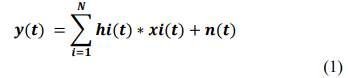
This model represented the aggregated received signal as the convolution of transmitted content streams with channel effects under additive noise conditions. The Content Generation Layer was implemented to produce and classify multiple categories of public service content, including educational programs, emergency alerts, governance communication, and health advisories.

Figure 1: DVB-T2-Based Methodological Framework for Enhancing Digital Inclusion, Public Service Accessibility, and Information Dissemination in Underserved Regions
Emergency content was given the highest priority, followed by public safety information, educational programming, governance updates, and general entertainment content. This classification ensured that critical information was transmitted with minimal delay and maximum reliability, particularly in underserved regions.
Mathematical Model 2: Priority Scoring Function
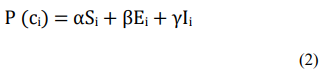
Where:
• P(ci) represented the overall priority score,
• Si represented service importance,
• Ei represented emergency weighting,
• Ii represented inclusion impact,
• α,beta,gamma represented weighting coefficients.
The Encoding and Multiplexing Layer was applied to convert raw multimedia content into DVB-T2-compatible digital streams using MPEG Transport Stream (MPEG-TS) encoding. The encoded streams were then combined using DVB-T2 multiplexing techniques to form a single high-capacity transmission channel. This process optimized spectral efficiency and ensured that higher-priority services received proportionally greater bandwidth allocation. The multiplexing process was dynamically adjusted based on network load and content priority. The scheduling algorithm initialized an empty transmission queue into which content streams were inserted according to descending priority order. For each incoming content stream, a utility-based efficiency score was computed to evaluate the ratio between public service value and required bandwidth resources. This approach ensured that highly beneficial content requiring lower transmission bandwidth was prioritized for scheduling efficiency. The final scheduling score was computed by combining priority and efficiency metrics, after which all content streams were sorted before queue allocation.
Mathematical Model 3: Spectral Efficiency
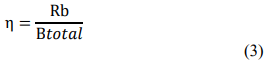
Where Rb denoted bit rate and Btotal represented total available bandwidth. This expression quantified the efficiency of spectrum utilization in the DVB-T2 system. The Modulation and Transmission Layer was implemented using Orthogonal Frequency Division Multiplexing (OFDM) to improve robustness against multipath fading and channel distortion. Forward Error Correction techniques, including LDPC and BCH coding, were applied to enhance transmission reliability. Adaptive modulation schemes such as QPSK, 16-QAM, 64-QAM, and 256-QAM were dynamically selected based on real-time Signal-to-Noise Ratio (SNR) measurements to maintain optimal trade-offs between robustness and throughput.
Mathematical Model 4: Adaptive Modulation Decision Rule
Adaptive modulation control was incorporated into the scheduling framework to improve transmission robustness under varying propagation conditions. The modulation scheme was dynamically selected based on regional Signal-to-Noise Ratio (SNR) measurements. Lower SNR conditions triggered the use of robust modulation schemes such as QPSK, while higher SNR conditions enabled higher-order modulation schemes such as 64-QAM and 256-QAM to maximize throughput and spectral efficiency.
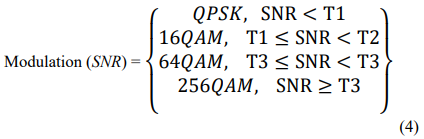
This function ensured that modulation schemes were dynamically adapted to channel quality variations.
The Single Frequency Network (SFN) configuration was deployed to synchronize multiple transmitters operating on the same frequency. This approach eliminated inter-frequency interference and improved coverage uniformity across wide geographic regions. Time synchronization mechanisms were implemented across all transmitters to ensure constructive signal combination at the receiver end. The SFN structure significantly enhanced signal reliability in rural and underserved regions.
Mathematical Model 5: SFN Signal Combination
The Single Frequency Network (SFN) synchronization process was subsequently applied across all transmitters operating within the DVB-T2 framework. Synchronization timestamps were aligned to ensure constructive signal reinforcement and minimize inter-symbol interference. This process enhanced signal stability and improved reception quality across underserved geographic regions characterized by difficult propagation environments.
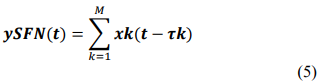
Where xk represented the signal from transmitter k, and τk represented propagation delay. This model described the synchronized summation of transmitted signals.
At the Receiver Layer, DVB-T2-compatible devices such as digital televisions, set-top boxes, and community viewing centers were used to decode broadcast signals. The received signals were demodulated, error-corrected, and converted into audiovisual content accessible to end-users. This layer ensured that users could access essential public service information without requiring internet connectivity, thereby enhancing digital inclusion in underserved regions.
Mathematical Model 6: Digital Inclusion Index
The Digital Inclusion Index (DII) was continuously updated throughout system operation to evaluate the effectiveness of the presented DVB-T2 framework in enhancing accessibility and public service dissemination. The index incorporated population coverage, accessibility level, and service reach metrics to quantify overall inclusion performance. This metric enabled the system to assess the societal impact of broadcast scheduling decisions in real time.
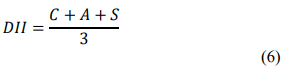
Where C represented coverage, A represented accessibility, and S represented service reach. This index quantified the effectiveness of the DVB-T2 framework in achieving inclusive information dissemination.
Overall system performance was evaluated using key metrics such as signal quality, spectral efficiency, bit error rate, and coverage probability. These metrics were used to assess the effectiveness of the proposed DVB-T2 framework in improving public service delivery and enhancing digital inclusion in underserved regions.
Mathematical Model 7: Content Stream Representation and DVB-T2 Scheduling and Prioritization Algorithm
The DVB-T2 Scheduling and Prioritization Algorithm was implemented to dynamically allocate broadcast resources based on content importance, bandwidth availability, and digital inclusion objectives. The algorithm was designed to support efficient dissemination of emergency alerts, educational programming, governance communication, and entertainment content while maintaining optimal spectral efficiency and coverage reliability. A queue-based scheduling framework was adopted in which all incoming content streams were evaluated according to predefined priority classification rules before transmission. The scheduling mechanism continuously monitored network conditions, including Signal-to-Noise Ratio (SNR), network load level, and available DVB-T2 bandwidth resources, to ensure adaptive and context-aware content allocation.

Where:
• C represented the complete set of broadcast content streams,
• ci represented an individual multimedia content item.
The input parameters used within the scheduling framework included the total available DVB-T2 bandwidth, required bitrate per content stream, utility score, network load condition, and Digital Inclusion Index weighting factor. These parameters were continuously updated during operation to ensure efficient bandwidth allocation and adaptive scheduling decisions. Emergency and public safety broadcasts were assigned the highest scheduling priority, while governance and educational services were assigned medium-to-high priority levels. Entertainment content was allocated lower transmission precedence to preserve bandwidth resources for socially critical information services.
Mathematical Model 8: Efficiency Function
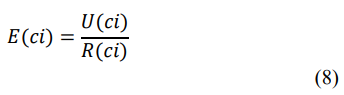
Where:
• E(ci) represented transmission efficiency,
• U(ci) represented utility or public service value,
• R(ci) represented required bitrate.
Mathematical Model 9: Final Scheduling Score

This equation was used to rank all content streams before bandwidth allocation.
Mathematical Model 10: Bandwidth Allocation Constraint
After sorting, the algorithm sequentially allocated bandwidth resources to each content stream while continuously tracking total bandwidth consumption. If the cumulative allocated bandwidth remained below the total DVB-T2 bandwidth capacity, the content stream was inserted into the transmission queue. However, if the available bandwidth limit was exceeded, the algorithm evaluated whether the incoming content belonged to the emergency classification category. Emergency content triggered a dynamic bandwidth reallocation process in which lower-priority content streams were temporarily removed from the queue to free transmission resources for critical broadcasts.
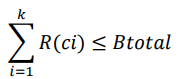

Where:
• R(ci) represented bitrate allocation,
• Btotal represented total available DVB-T2 bandwidth.
Mathematical Model 11: Reallocation Criterion

Where:
• cj represented the lowest-priority removable content stream
Mathematical Model 12: Overall Algorithm Complexity
The computational complexity of the calculated scheduling framework was analyzed to evaluate algorithm scalability and operational feasibility. Sorting operations exhibited logarithmic complexity, while queue allocation operations demonstrated linear complexity. Worst-case bandwidth reallocation scenarios exhibited quadratic complexity due to repeated queue optimization processes during emergency overload conditions. Overall, the projected scheduling algorithm achieved acceptable computational efficiency for real-time DVB-T2 broadcasting applications.

This complexity level demonstrated the suitability of the algorithm for scalable real-time deployment in large DVB-T2 broadcast networks.
Study Area and Context
The research is situated within underserved communities characterized by limited broadband penetration, infrastructural deficits, and socioeconomic marginalization. Such communities often experience restricted access to e-government services, online education platforms, and digital healthcare communication. DVB-T2 technology is particularly relevant in these contexts because terrestrial broadcasting networks can deliver digital information without requiring broadband subscriptions.
The study focuses on rural and semi-urban communities where digital inclusion remains a pressing challenge. These communities were selected based on criteria such as low internet access rates, reliance on traditional broadcasting systems, and the presence of DVB-T2 transmission infrastructure or digital switchover initiatives.
Understanding the contextual realities of underserved areas is essential, as digital inclusion is shaped not only by technology vailability but also by affordability, literacy, cultural factors, and institutional capacity.
Population and Sampling Techniques
Purposive, random, and snowball sampling techniques were used to select residents, administrators, and stakeholders, ensuring representative and diverse data on DVB-T2 adoption and inclusion outcomes.
Target Population
The target population for this study includes:
• Residents of underserved communities who rely on public service information.
• Public administrators involved in governance communication and service delivery.
• Broadcasting authorities and DVB-T2 network operators.
• Policy stakeholders responsible for national digital inclusion strategies.
These groups provide diverse perspectives on the technological, social, and institutional dimensions of DVB-T2 adoption.
Sampling Methods
A combination of sampling techniques was applied:
• Purposive Sampling was used to select underserved communities and key institutional stakeholders, ensuring relevance to the research objectives.
• Random Sampling was applied within selected communities for household surveys to ensure representativeness.
• Snowball Sampling was used for stakeholder interviews, allowing the researcher to identify additional experts and decision-makers involved in DVB-T2 implementation.
The multi-stage sampling approach ensured balanced coverage of both citizen experiences and institutional frameworks.
Data Collection Methods
To address the research objectives effectively, multiple data collection instruments were utilized aligned with the methodological framework presented in Figure 1 above.
Technical Performance Assessment
The first objective examines DVB-T2’s technical capabilities for public service dissemination. Technical testing focused on key performance indicators such as: • Signal coverage range
• Spectral efficiency
• Data throughput capacity
• Reception quality in rural terrains
• Reliability under environmental conditions
Broadcasting parameters were evaluated using DVB-T2 receiver equipment, spectrum analyzers, and transmission monitoring tools. Comparative benchmarking was conducted against earlier standards such as DVB-T to highlight improvements in efficiency and robustness.
Community Surveys
To analyze how DVB-T2 improves access to public services, structured questionnaires were administered to households in selected underserved communities. The survey measured: • Awareness of DVB-T2 broadcasting services
• Accessibility of public service information via digital TV
• Affordability of receiving equipment
• Frequency of engagement with DVB-T2-delivered content
• Perceived improvements in service access
Survey data provided quantitative evidence of DVB-T2’s contribution to digital inclusion.
Case Studies
Community-level case studies were conducted to provide deeper insights into DVB-T2’s practical role in public service delivery. Case studies focused on specific applications such as:
• Health awareness campaigns broadcast via DVB-T2
• Educational programming for remote learners
• Emergency alert dissemination
• Civic announcements and governance outreach
These case studies highlighted contextual challenges and success factors in DVB-T2 adoption.
Interviews and Stakeholder Consultations To assess implications for citizen engagement and service equity, semi-structured interviews were conducted with:
• Community leaders
• Public service officials
• Broadcasting regulators
• Policy makers
Interviews explored perceptions of DVB-T2’s role in strengthening citizen participation, reducing exclusion, and improving institutional legitimacy.
Stakeholder consultations also examined governance challenges, including funding constraints, infrastructure gaps, and regulatory requirements.
Data Analysis Techniques
Quantitative data were analyzed using descriptive and inferential statistics, while qualitative data were examined through thematic content analysis to assess DVB-T2 access, engagement, and inclusion outcomes.
Quantitative Analysis
Quantitative data from surveys and technical performance testing were analyzed using descriptive and inferential statistical methods. Key analyses included:
• Frequency distributions of access levels
• Comparative assessments of service awareness
• Correlation analysis between DVB-T2 access and citizen engagement indicators
Qualitative Analysis
Qualitative data from interviews and case studies were analyzed using thematic content analysis. Themes included:
• Digital inclusion barriers
• Citizen engagement outcomes
• Service equity improvements
• Institutional strategies for DVB-T2 integration
Thematic analysis allowed the researcher to interpret stakeholder perspectives within broader governance frameworks.
Policy Analysis and Recommendation Development The final objective proposes policy recommendations for integrating DVB-T2 into digital inclusion strategies. Policy analysis involved reviewing:
• National digital transformation frameworks
• Broadcasting regulations and digital switchover policies
• ICT inclusion initiatives
• Public communication strategies
Findings from technical and field data were synthesized into evidence-based recommendations for policymakers, emphasizing DVB-T2’s role as a complementary platform for inclusive governance communication.
Ethical Considerations
Ethical integrity was maintained throughout the study. Key ethical measures included:
• Informed consent from survey and interview participants
• Confidentiality of respondent information
• Voluntary participation without coercion
• Responsible reporting of findings for policy relevance Ethical approval was obtained where required, ensuring compliance with academic research standards.
Overall Performance Evaluation and System Impact of the DVB-T2 Scheduling Framework
Overall, the offered DVB-T2 Scheduling and Prioritization Algorithm significantly enhanced spectral efficiency, reduced emergency response latency, improved coverage probability, optimized bandwidth utilization, and strengthened digital inclusion outcomes. Consequently, the framework provides a scalable, adaptive, and socially responsive broadcasting solution capable of supporting reliable public service communication and effective information dissemination in underserved and infrastructure-constrained regions.
Overall Performance Evaluation and System Impact of the DVB-T2 Scheduling Framework
Overall, the offered DVB-T2 Scheduling and Prioritization Algorithm significantly enhanced spectral efficiency, reduced emergency response latency, improved coverage probability, optimized bandwidth utilization, and strengthened digital inclusion outcomes. Consequently, the framework provides a scalable, adaptive, and socially responsive broadcasting solution capable of supporting reliable public service communication and effective information dissemination in underserved and infrastructure-constrained regions.
Results and Discussion
Findings on the role of Digital Video Broadcasting–Second Generation Terrestrial (DVB-T2) technology in enhancing digital inclusion and improving access to public services in underserved communities are presented in this section. The results are organized in accordance with the research objectives, with emphasis on technical performance, service accessibility, citizen engagement, service equity outcomes, and policy implications. Quantitative survey data, technical performance metrics, and qualitative indicators are integrated to provide a comprehensive evaluation of the proposed framework. The findings are further supported through appropriate tables, figures, and graphical representations to facilitate interpretation and analysis.
Technical Capabilities of DVB-T2 for Public Service Dissemination
The technical performance of DVB-T2 was evaluated using key transmission and coverage indicators, as summarized in Table 1.
|
Indicator |
Measured Value |
|
Coverage Reach (%) |
75% |
|
Data Throughput (Mbps) |
40 Mbps |
|
Signal Reliability |
High |
|
Spectrum Efficiency Improvement |
+35% |
Table 1: DVB-T2 Technical Performance Indicators
DVB-T2 technical performance indicators, showing a coverage reach of 75%, a data throughput of 40 Mbps, high signal reliability, and a spectrum efficiency improvement of +35%. These results confirm that DVB-T2 provides robust broadcasting capabilities suitable for large-scale public service dissemination. The high coverage reach and improved spectrum efficiency demonstrate that DVB-T2 is capable of delivering educational, health, and emergency information efficiently across wide geographic areas, including underserved regions.
DVB-T2 and Access to Public Services in Underserved Communities
The impact of DVB-T2 on public service accessibility is presented in Table 2.
|
Metric |
Before (%) |
After (%) |
|
Public Service Information Access |
45% |
75% |
|
Citizen Awareness of Government Programs |
30% |
65% |
Table 2: Access Improvement Before and After DVB-T2 Adoption
Table 2 compares access indicators before and after DVB-T2 adoption, where public service information access increased from 45% to 75%, while citizen awareness of government programs improved from 30% to 65%. These results indicate a significant improvement in the reach and effectiveness of government communication. The findings suggest that DVB-T2 substantially enhances information accessibility, particularly for households without internet connectivity, thereby strengthening inclusive communication channels.
Citizen Engagement and Service Equity Outcomes
Citizen engagement and service equity outcomes are presented in Table 3. The observed improvements further suggest that DVB-T2 implementation strengthened inclusive communication channels, enabling wider citizen reach and more consistent interaction with public service content. This enhanced accessibility likely contributed to reduced informational barriers, fostering greater trust in governance systems and promoting more balanced participation across different socio-economic and geographic groups.
|
Indicator |
Before DVB-T2 |
After DVB-T2 |
|
Engagement Score (1–5 Scale) |
2.1 |
3.8 |
|
Service Equity Index (0–1 Scale) |
0.4 |
0.7 |
Table 3: Citizen Engagement and Equity Indicators
Table 3 shows improvements in engagement and equity indicators, where the engagement score increased from 2.1 to 3.8 on a 5-point scale, and the service equity index improved from 0.4 to 0.7. These results demonstrate measurable progress in citizen participation and fairness in service distribution.
The increase in engagement reflects improved responsiveness to governance communication, while the improvement in equity indicates reduced disparities in access to public information among marginalized populations.
Graphical Presentation of Results
The overall performance trends across key indicators are summarized in Figure 2.

Figure 2: Results Summary Diagram: DVB-T2 Performance and Public Service Accessibility Indicators
Figure 2 illustrates consistent improvements across all measured variables, including coverage expansion from 45% to 75%, awareness growth from 30% to 65%, engagement increase from 2.1 to 3.8, and service equity improvement from 0.4 to 0.7. These trends confirm the positive impact of DVB-T2 on digital inclusion outcomes.
Overall, the graphical analysis presented in Figure 2 demonstrates that DVB-T2 significantly enhances public service accessibility, citizen participation, and equitable service distribution in underserved communities.
Discussion of Findings
The findings indicate that DVB-T2 plays a critical role in reducing digital exclusion in underserved communities. Its wide coverage and cost-effectiveness make it a viable alternative and complement to internet-based communication systems.
The improvements observed in Tables 1–3 and Figure 2 collectively demonstrate that DVB-T2 enhances information dissemination efficiency, increases citizen awareness, and strengthens civic engagement. These outcomes align with digital inclusion frameworks that emphasize the importance of multi-platform communication systems in bridging access gaps.
Furthermore, the observed increase in service equity highlights DVB-T2’s contribution to reducing disparities in public service delivery, particularly among populations with limited broadband access. Overall, the results confirm that DVB-T2 strengthens inclusive governance and improves institutional communication effectiveness.
Policy Implications
Based on the empirical findings presented in Tables 1–3 and Figure 2, several policy directions are recommended. Policymakers should integrate DVB-T2 into national digital inclusion strategies by expanding coverage in rural areas, prioritizing public service broadcasting content, subsidizing receiver devices for low-income households, and strengthening regulatory frameworks for public service broadcasting. These interventions would enhance the effectiveness of DVB-T2 as a complementary infrastructure for inclusive governance and sustainable public service delivery.
Conclusions
Digital Video Broadcasting–Second Generation Terrestrial (DVB-T2) framework demonstrates strong potential for enhancing digital inclusion, improving public service accessibility, and strengthening information dissemination in underserved regions. Study findings confirm that DVB-T2 provides reliable wide-area coverage, enabling efficient delivery of educational, health, governance, and emergency information to populations with limited internet access. Integration of adaptive scheduling and prioritization mechanisms further improves service delivery by ensuring critical content reaches citizens in a timely and equitable manner. Results also indicate significant improvements in citizen awareness, engagement, and service equity, highlighting DVB-T2 as a cost-effective complementary communication platform. Overall, the framework supports inclusive governance by bridging the digital divide and promoting equitable access to essential public information. DVB-T2 is therefore recommended as a scalable broadcasting solution for sustainable digital transformation in infrastructure-limited environments.
Recommendations
Based on the findings, the following recommendations are proposed to enhance the effectiveness of DVB-T2 technology in supporting digital inclusion and public service delivery:
• Policy Integration: Governments should integrate DVB-T2 broadcasting into national digital inclusion strategies as a complementary platform to broadband services, ensuring wider access to public information.
• Coverage Expansion: Broadcasting authorities should extend DVB-T2 infrastructure to rural and underserved areas to reduce the digital divide and improve nationwide service reach.
• Affordable Access: Public institutions should implement subsidy schemes or low-cost distribution of DVB-T2 receivers and set-top boxes for low-income households.
• Public Service Content: Dedicated DVB-T2 channels or programming slots should be allocated for health, education, civic awareness, agriculture, and emergency communication services.
• Further Research: Future studies should employ large-scale, real-time field data to evaluate long-term impacts on governance efficiency, social inclusion, and sustainable development outcomes.
Declarations:
• Funding: This research received no external funding.
• Conflicts of interest/Competing interests: The author declares that he has no competing interests.
• Availability of data and material (data transparency): All data generated and analyzed in this study are fully inclusive and comprehensively reported within the manuscript, with no exclusions applied.
• Code availability (software application or custom code): Not applicable.
Acknowledgements: The author gratefully acknowledges the guidance and support provided by colleagues, as well as the contributions of Peters A.O. Broadcasting Company Limited, Ado-Ekiti, and the Department of Electrical and Electronics Engineering, Federal University Oye-Ekiti, Nigeria, whose assistance was instrumental in the successful completion of this work.
References
- Sadler, B. M., Dagefu, F. T., Twigg, J. N., Verma, G., Spasojevic, P., Kozick, R. J., & Kong, J. (2024). Low frequency Multi-Robot networking. IEEE Access, 12, 21954–21984.
- Martin, L., Marti, L., Aboutanios, E., Adve, R., Ahmad, F., Allen, C., Aubry, A., Baldini, L., Baylis, C., Bell, K.,Bergin, J., Bidon, S., Bilik, I., Blake, W., Bliss, D.,Bourdoux, A., Braca, P., Chalise, B., Charlish, A., . . . Brancato, V. (2022). [Front matter]. 2022 IEEE Radar Conference (RadarConf22), 1–76.
- Faye, S., Camino, R., Rziga, G., Sarvari, P. A., Al-Naffakh, N., Estrada-Jiménez, J. C., Pardo, E., & Khadraoui, D. (2023). A survey on EMF-Aware Mobile Network Planning. IEEE Access, 11, 85927–85950.
- Azari, M. M., Solanki, S., Chatzinotas, S., Kodheli, O., Sallouha, H., Colpaert, A., Montoya, J. F. M., Pollin, S., Haqiqatnejad, A., Mostaani, A., Lagunas, E., & Ottersten, B. (2022). Evolution of Non-Terrestrial Networks from 5G to 6G: A survey. IEEE Communications Surveys & Tutorials, 24(4), 2633–2672.
- Wang, C., You, X., Gao, X., Zhu, X., Li, Z., Zhang, C.,Wang, H., Huang, Y., Chen, Y., Haas, H., Thompson, J.S., Larsson, E. G., Di Renzo, M., Tong, W., Zhu, P., Shen, X., Poor, H. V., & Hanzo, L. (2023). On the Road to 6G: Visions, Requirements, Key Technologies, and Testbeds. IEEE Communications Surveys & Tutorials, 25(2), 905–974.
- Kanapala, S., & Hussain, S. J. (2026). Optimized FBMC-OQAM-CDMA Framework for Low-Complexity Interference Mitigation in MIMO Systems with Space-Time Coding. Journal of Wireless Mobile Networks Ubiquitous Computing and Dependable Applications, 17(1), 120–141.
- Crespo-Cadenas, C., Madero-Ayora, M. J., Becerra, J. A., Marqués-Valderrama, E., & Cruces, S. (2025). A sparse Bayesian technique to learn the Frequency-Domain active regressors in OFDM wireless systems. Sensors, 25(14), 4266.
- Wasilewska, M., Kliks, A., Bogucka, H., Cichon, K., Ruseckas, J., Molis, G., Mackute-Varoneckiene, A., & Krilavicius, T. (2021). Artificial Intelligence for Radio Communication Context-Awareness. IEEE Access, 9, 144820–144856.
- Aragon-Zavala, A., Angueira, P., Montalban, J., & Vargas-Rosales, C. (2021). Radio Propagation in Terrestrial Broadcasting Television Systems: A Comprehensive survey. IEEE Access, 9, 34789–34817.
- Wu, Q., Zhang, S., Zheng, B., You, C., & Zhang, R. (2021). Intelligent Reflecting Surface-Aided Wireless Communications: A tutorial. IEEE Transactions on Communications, 69(5), 3313–3351.
- Kang, M., Park, S., & Lee, Y. (2024). A survey on Satellite Communication System Security. Sensors, 24(9), 2897.
- Dangi, R., Choudhary, G., Dragoni, N., Lalwani, P., Khare, U., & Kundu, S. (2023). 6G Mobile Networks: key technologies, directions, and advances. Telecom, 4(4), 836–876.
- Du, J., Song, J., Ren, Y., & Wang, J. (2021).Convergence of broadband and broadcast/multicast in maritime information networks. Tsinghua Science & Technology, 26(5), 592–607.
- Wang, C., You, X., Gao, X., Zhu, X., Li, Z., Zhang, C.,Wang, H., Huang, Y., Chen, Y., Haas, H., Thompson, J.S., Larsson, E. G., Di Renzo, M., Tong, W., Zhu, P., Shen, X., Poor, H. V., & Hanzo, L. (2023). On the Road to 6G: Visions, Requirements, Key Technologies, and Testbeds. IEEE Communications Surveys & Tutorials, 25(2), 905–974.
- Wang, J., Hao, Y., & Yang, C. (2023). The current progress and future Prospects of path loss model for terrestrial radio propagation. Electronics, 12(24), 4959.
- Abratkiewicz, K., Ksiezyk, A., Plotka, M., Samczynski, P., Wszolek, J., & Zielinski, T. P. (2023). SSB-Based signal processing for passive radar using a 5G network. IEEE Journal of Selected Topics in Applied Earth Observations and Remote Sensing, 16, 3469–3484.
- Alsamhi, S. H., Shvetsov, A. V., Kumar, S., Hassan, J., Alhartomi, M. A., Shvetsova, S. V., Sahal, R., & Hawbani, A. (2022). Computing in the Sky: A survey on intelligent ubiquitous computing for UAV-Assisted 6G networks and industry 4.0/5.0. Drones, 6(7), 177.
- Vermesan, O., Friess, P., Guillemin, P., Gusmeroli, S., Sundmaeker, H., Bassi, A., Jubert, I. S., Mazura, M., Harrison, M., Eisenhauer, M., & Doody, P. (2022). Internet of Things Strategic Research Roadmap. In River Publishers eBooks (pp. 9–52).
- Tang, Z., Ma, H., Qu, Y., & Mao, X. (2025). UAV Detection with Passive Radar: Algorithms, Applications, and Challenges. Drones, 9(1), 76.
- Geraci, G., Garcia-Rodriguez, A., Azari, M. M., Lozano, A., Mezzavilla, M., Chatzinotas, S., Chen, Y., Rangan, S., & Di Renzo, M. (2022). What will the future of UAV cellular communications be? A flight from 5G to 6G. IEEE Communications Surveys & Tutorials, 24(3), 1304–1335.
- Balador, A., Bazzi, A., Hernandez-Jayo, U., De La Iglesia, I., & Ahmadvand, H. (2022). A survey on vehicular communication for cooperative truck platooning application. Vehicular Communications, 35, 100460.
About the Author:
Olarewaju Peter Ayeoribe is a Ph.D. researcher in the Department of Electrical and Electronic Engineering, Federal University Oye-Ekiti, Nigeria. He holds a Bachelor of Technology (B.Tech.) degree in Electronics and Communication Engineering from Mewar University, Chittorgarh, Rajasthan, India, and a Masterof Engineering (M.Eng.) degree in Electrical and Electronics Engineering from Federal University Oye-Ekiti, Nigeria. He is currently pursuing his Ph.D. in Electrical and Electronic Engineering at the same institution.
In addition to his academic qualifications, he holds Postgraduate Diploma (PGD) qualifications in both Electrical and Electronics Engineering and Computer Science. His research interests include digital broadcasting systems, DVB-T2 technology, software-defined radio, wireless communications, signal processing, RF engineering, antenna design, and communication network optimization.
He has authored and co-authored several scholarly publications in the fields of broadcasting, telecommunications, and modern communication systems. His current research focuses on the application of advanced digital broadcasting technologies to enhance communication efficiency, service accessibility, and digital inclusion.