

Journal of Applied Engineering Education(JAEE)
ISSN: 3066-3679 | DOI: 10.33140/JAEE


Research Article - (2026) Volume 3, Issue 1
Digital Transformation and AI Integration in Lebanese Higher Education: An Explanatory Sequential Mixed-Methods Study
2The Holy Spirit University of Kaslik (USEK, Lebanon
3Faculty of Business Adminstration, Lebanese University, Lebanon
Received Date: Nov 28, 2025 / Accepted Date: Feb 10, 2026 / Published Date: Feb 19, 2026
Copyright: ©2026 Faten Monzer Chami, et al. This is an open-access article distributed under the terms of the Creative Commons Attribution License, which permits unrestricted use, distribution, and reproduction in any medium, provided the original author and source are credited.
Citation: Chami, H. K., Ajaka, L., Chami, F. M. (2026). Digital Transformation and AI Integration in Lebanese Higher Education: An Explanatory Sequential Mixed-Methods Study. J of App Eng Education, 3(1), 01-05.
Abstract
This study examines the interplay between digital transformation initiatives, artificial intelligence (AI) integration, and student satisfaction in Lebanese higher education. An explanatory sequential mixed-methods approach was employed, with data collected from 300 undergraduates at three Lebanese University campuses. Quantitative findings revealed significant dissatisfaction with current digital systems (78%), together with substantial optimism concerning AI’s potential for personalized learning (85%). Regression analyses identified infrastructure quality (β = .42, p < .001), system reliability (β = .38, p < .001), and technical support (β = .31, p = .002) as significant predictors of satisfaction, accounting for 58% of the variance. Qualitative content analysis identified four main barriers: interface usability, functionality gaps, system integration challenges, and inadequate technical support. These results highlight the importance of human-centered, contextually appropriate digital transformation that prioritizes robust infrastructure, integrated systems, and sustainable AI implementation.
Keywords
Digital Transformation, Artificial Intelligence, Student Satisfaction, Mixed-Methods Research, Higher Education, Lebanon
Introduction
Digital transformation is a central agenda in global higher education, principally altering teaching, learning, and institutional procedures. This procedure extends beyond technology adoption and requires systemic reconfiguration of pedagogy, administration, and engagement [1]. In developing contexts such as Lebanon, digital transformation efforts are further intricated by unbalanced infrastructure, financial constraints, and unequal access [2].
The Lebanese University, as the nation’s primary public institution, provides a unique context for examining the effects of digitalization and the integration of artificial intelligence (AI) on student experiences.
While existing research has explored technology acceptance and e-learning adoption, there are few studies that combine quantitative modeling with qualitative insights to reveal how various contextual factors influence student satisfaction. This study aims to fill that gap by utilizing an explanatory sequential mixed-methods design to address the following questions:
• To what extent do digital transformation initiatives and the integration of AI correlate with student satisfaction?
• What qualitative issues, as expressed in student narratives, clarify the variations in satisfaction levels?
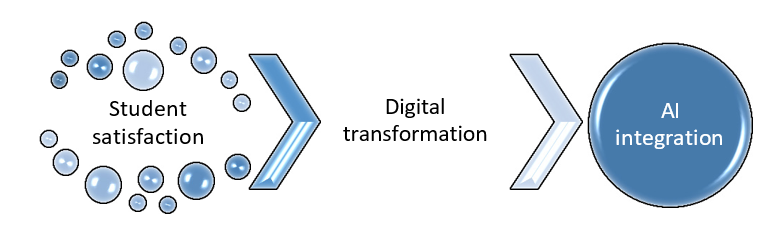
Figure 1: Conceptual Framework of Digital Transformation, AI Integration, And Student Satisfaction
Literature Review
Frameworks for Digital Transformation
The Unified Theory of Acceptance and Use of Technology and the Technology Acceptance Model elucidate how apparent utility, accessibility, and approving conditions impact technology adoption [3,4]. Empowering conditions, primarily institutional support and infrastructure, are significant variables in Lebanon.
AI in Higher Education
Applications of AI have grown beyond administrative automation to embrace predictive analytics and adaptive learning [5]. Research conducted in developed settings validates improved personalization and engagement [6]. Nevertheless, AI’s efficacy is hindered in the Middle East due to a lack of digital infrastructure and literacy [7].
Determinants of Student Satisfaction
Many aspects, such as Usability, dependability, assistance, and instructional quality, impact student satisfaction [7]. In contexts with limited resources, infrastructure dependability is critical [8]. According to the Community of Inquiry paradigm meaningful learning experiences demand the maintenance of social, cognitive, and teaching presence [9].
Interventions for Transformation
Strategic, phased approaches that align technology with institutional goals are crucial for effective digital transformation [1]. Success through capacity building and iterative feedback is demonstrated by regional data from Jordan and Oman [10]. Such preplanned frameworks are still missing in Lebanon, emphasizing the need for student-centered, evidence-based policy recommendations. chosen (58% female, 42% male; M = 21.2, SD = 2.1). Sampling ensured that all specialties were fairly represented.
Methodology
Research Design and Approach
The design used was an explanatory sequential mixed-methods approach [11]. While qualitative content research elucidated the contextual elements influencing those interactions, quantitative data established statistical relationships.
Sampling and Participants
A stratified random sample of 300 undergraduate students from Lebanese University’s Hadath, Achrafieh, and Aley campuses was chosen (58% female, 42% male; M = 21.2, SD = 2.1). Sampling ensured that all specialties were fairly represented.
Development and Validation of Instruments
The survey comprised four sections: four open-ended qualitative questions, an 8-item AI Potential Inventory (α =.83), a 12-item Digital Tool Satisfaction Scale (α =.87), and demographics. Validity was confirmed by an expert evaluation and a pilot study comprising thirty students. Measurement integrity was validated by confirmatory factor analysis (CFI =.93, RMSEA =.06).
Ethics and Data Gathering
Data was collected both on paper and online (via LMS) to maximize access equity. Confidentiality and informed consent were guaranteed, and participation was voluntary and IRB-approved. Confidentiality and informed consent were guaranteed.
Data Analysis
Quantitative analysis was based on SPSS 28 analysis. Relationships between infrastructure, system reliability, and satisfaction were examined using descriptive statistics, correlations, and hierarchical regression. A six-phase theme analysis was performed on qualitative data [12]. Cohen’s κ =.85 agreement was attained by two independent coders [13]. For triangulation, themes were then combined with quantitative results.
Findings
Quantitative Results
The quantitative results indicated that 78% of students reported dissatisfaction with the current digital tools, while only 22% expressed satisfaction. The multiple regression analysis revealed that infrastructure quality (β = 0.42, p < 0.001), system dependability (β = 0.38, p < 0.001), and technical support (β = 0.31, p < 0.01) together accounted for 58% of the variance in student satisfaction (R² = 0.58). Regarding the potential of artificial intelligence (AI) in education, students expressed optimism concerning various aspects: learning personalization (85%), evaluation feedback (78%), administrative support (72%), and predictive analytics (68%). Overall satisfaction was significantly correlated with students’ perception of AI’s potential (r = 0.65, p < 0.001).
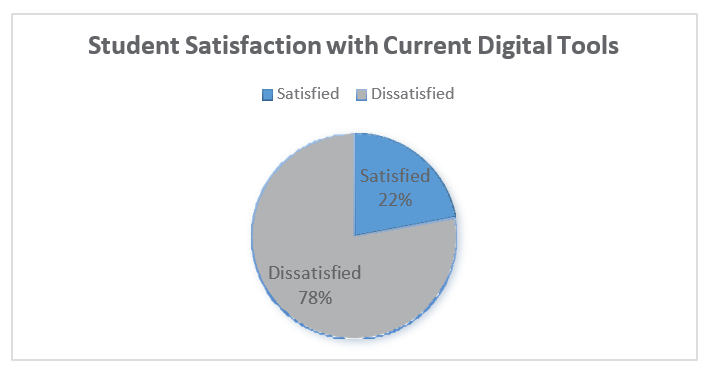
Figure 2: Student Satisfaction with Current Digital Tools
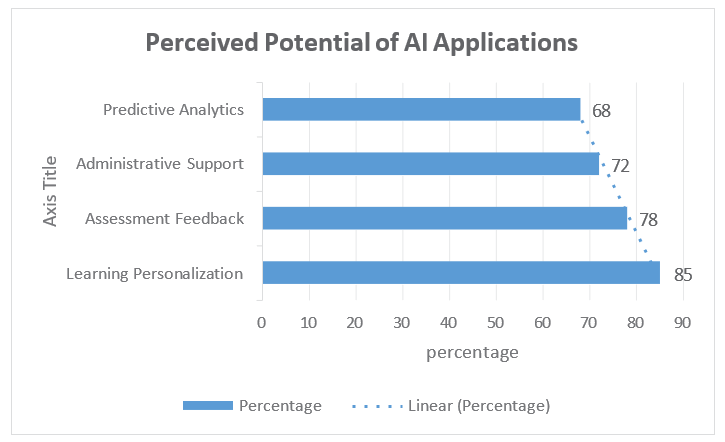
Figure 3: Perceived Potential of AI Applications
Qualitative Findings: Content Analysis
Acontent analysis of students’ responses revealed four main themes regarding their experiences with digital learning platforms (see Table 1). The most commonly cited concern, with 147 mentions, was related to interface usability challenges, indicating that many students struggle with navigation, accessibility, and overall user-friendliness. The need for features that facilitate interactive and collaborative learning was highlighted by the presence of Functionality Gaps, which received 112 mentions. Issues related to the fragmentation of tools, where multiple programs are required for a single course without seamless interoperability, were noted as System Integration Deficiencies, mentioned 89 times. Finally, Technical Support Limitations, with 67 mentions, underscored the importance of having prompt and efficient support available.
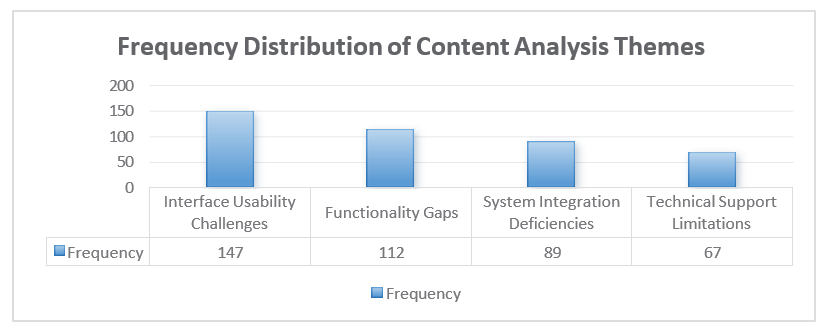
Figure 4: Frequency Distribution of Content Analysis Themes
|
Theme |
Frequency |
Representative Quote |
|
Interface Usability Challenges |
147 |
“The platform feels like it was designed without considering how students actually learn online.” |
|
Functionality Gaps |
112 |
“We lack basic features that would make collaborative learning possible.” |
|
System Integration Deficiencies |
89 |
“I have to use five different apps for one course—none of them talk to each other.” |
|
Technical Support Limitations |
67 |
“When issues arise, support is slow and rarely solves the real problem.” |
Table 1: Major Themes Identified in Content Analysis
Discussion
Interpretation
Table 1: Major Themes Identified in Content Analysis using a mobile-first strategy and iterative student testing. Second, create unified ecosystems with smooth data synchronization and The results demonstrate that espousing technology by itself does not guarantee better learning opportunities [14]. Deficits in functionality, integration, and interface usability directly affect user pleasure. On the other hand, students’ desire for intelligent yet human-centered systems is evident in their strong optimism about AI integration.
Contributions to Theory
This study extends TAM and UTAUT by demonstrating that contextual implementation factors have significant effects on their key constructs. Precisely, the relationship between technology provision and adoption results is directly enabled by usability (ease of use), integration (easing conditions), and assistance. Additionally, it upholds the CoI framework’s tenet that persistent social and instructional presence is necessary for effective digital learning, which is harshly compromised by the functional and technical obstacles found.
Practical Recommendation: Towards a Strategic Framework for Digital Transformation
Institutional tactics must progress from ad hoc technology adoption to a comprehensive, learner-centric framework in order to fully attain the potential of digital transformation in higher education. Five fundamental pillars are indispensable for a digital transformation strategy to be effective. First, prioritize user-centered design by single sign-on to guarantee technological integration. Third, switch to proactive technical support that addresses root-cause problems using data analytics. Fourth, strategically tool AI with an emphasis on student-identified goals like automated feedback and tailored learning. Lastly, assign resources to scalable hardware and vital network stability by advancing in initial infrastructure.
Restrictions and Upcoming Projects
The use of self-reported data and the single-institution sample bounds the generalizability of our results. Longitudinal and multi-institutional investigations in the future are advised. Faculty viewpoints should be included in future studies, and the effectiveness of certain AI tools in curriculum delivery should be experimentally evaluated.
Limitations
The generalizability of these findings is inadequate by the single-institution sample and the use of self-reported data. Future multi-institutional and longitudinal studies are recommended. Further research should embrace faculty perspectives and empirically assess the efficacy of specific AI tools in curriculum delivery.
Conclusion
A strategic balance between technological innovation and human- centered design is crucial for effective digital transformation in higher education, especially in developing contexts. This study highlights that adequate infrastructure, usability, and technical support are fundamental requirements. Furthermore, rather than viewing AI as a replacement for human education, students perceive it as a collaborative partner that enhances personalized learning. Building cohesive systems, ensuring reliable networks, and, most importantly, maintaining continuous engagement with the learner’s voice are vital for achieving lasting transformation [15,16].
References
- Henderson, M., Selwyn, N., & Aston, R. (2017). What works and why? Student perceptions of ‘useful’digital technology in university teaching and learning. Studies in higher education, 42(8), 1567-1579.
- El Hage, S. (2020). Digital transformation in Lebanese higher education: Opportunities and challenges. Journal of Educational Technology in the Arab World, 3(2), 45–62.
- Venkatesh, V., Morris, M. G., Davis, G. B., & Davis, F. D. (2003). User acceptance of information technology: Toward a unified view. MIS quarterly, 425-478.
- Davis, F. D. (1989). Perceived Usefulness, Perceived Ease of Use and User Acceptance of Information Technology. MIS quarterly, 13(3), 319–340.
- Zawacki-Richter, O., Marín, V. I., Bond, M., & Gouverneur, F. (2019). Systematic review of research on artificial intelligence applications in higher education–where are the educators?. International journal of educational technology in higher education, 16(1), 1-27.
- Holmes, W., Bialik, M., & Fadel, C. (2019). Artificial intelligence in education promises and implications for teaching and learning. Center for Curriculum Redesign.
- Almarzooq, Z. I., Lopes, M., & Kochar, A. (2020). Virtual learning during the COVID-19 pandemic: a disruptive technology in graduate medical education. Journal of the American College of Cardiology, 75(20), 2635-2638.
- Sun, P. C., Tsai, R. J., Finger, G., Chen, Y. Y., & Yeh, D. (2008). What drives a successful e-Learning? An empirical investigation of the critical factors influencing learner satisfaction. Computers & education, 50(4), 1183-1202.
- Gautreau, C. (2011). Motivational factors affecting the integration of a learning management system by faculty. Journal of Educators Online, 8(1), n1.
- Garrison, D. R., Anderson, T., & Archer, W. (2000). Critical inquiry in a text-based environment: Computer conferencing in higher education. The Internet and Higher Education, 2(2–3), 87–105.
- Al-Harthi, H., & Al-Busaidi, S. (2021). Digital transformation strategies in higher education: A case from Oman. Education and Information Technologies, 26(3), 2331–2347.
- Creswell, J. W., & Plano Clark, V. L. (2017). Designing and conducting mixed methods research (3rd ed.). Sage Publications.
- Braun, V., & Clarke, V. (2006). Using thematic analysis in psychology. Qualitative research in psychology, 3(2), 77-101.
- Campbell, J. L., Quincy, C., Osserman, J., & Pedersen, O. K. (2013). Coding in-depth semistructured interviews: Problems of unitization and intercoder reliability and agreement. Sociological methods & research, 42(3), 294-320.
- Selwyn, N. (2019). Should robots replace teachers? AI and the future of education. Polity Press.
- Venkatesh, V., & Davis, F. D. (2000). A theoretical extension of the technology acceptance model: Four longitudinal field studies. Management science, 46(2), 186-204.