

Journal of Educational & Psychological Research(JEPR)
ISSN: 2690-0726 | DOI: 10.33140/JEPR
Impact Factor: 1.4

Research Article - (2026) Volume 8, Issue 3
Developing Educational Psychology and Laying the Theoretical Foundation for Innovative Education

Received Date: Sep 18, 2026 / Accepted Date: Oct 30, 2026 / Published Date: Nov 09, 2026
Copyright: ©2026 Runsheng Tu. This is an open-access article distributed under the terms of the Creative Commons Attribution License, which permits unrestricted use, distribution, and reproduction in any medium, provided the original author and source are credited.
Citation: Tu, R. (2026). Developing Educational Psychology and Laying the Theoretical Foundation for Innovative Education. J Edu Psyc Res, 8(3), 01-35.
Abstract
The desire for intelligence and innovation is objectively present; cognitive interest cannot replace either. In learning and practice, there are differences in the roles and importance of knowledge and ability. Previously, the two core endogenous motivations—the desire for ability and the desire for innovation—were long dispersed across multiple branches of theory. Systematic research on this topic demonstrates the necessity and positive role of naming and defining them. In the age of AI, compensating for knowledge gaps is much simpler than compensating for ability gaps. However, in the fields of education and psychology, the concept of curiosity has long been the only relevant concept, lacking independent concepts for the desire for ability and the desire for innovation. The unreasonable phenomenon of using cognitive interest for puzzle-based innovative education has long existed, hindering the development of individuals' coherent abilities and the cultivation of innovative awareness. Compared to the desire for knowledge, the desire for ability and the desire for innovation belong to higher-level psychological needs. Both possess connotations and extensions that curiosity lacks; there are also differences in the paths of cultivating abilities and imparting knowledge. From multiple dimensions such as conceptual definition, theoretical support, physiological basis, practical methods, and case analysis, it is argued that establishing the concepts of ability desire and novelty is an inevitable requirement for the development of psychology and educational theory, as well as an urgent need to meet talent cultivation demands in the knowledge economy era and the AI-dominated era. It can accurately guide innovative education and social innovation practices. Comprehensive abilities and innovative awareness can be cultivated, and they can also stimulate the desire for competence and novelty. Cultivating comprehensive abilities is highly feasible. This focuses on how to inspire the desire for competence and innovation, as well as the development of comprehensive abilities. Based on developmental psychology theory, several new educational theories and methods for fostering innovative capabilities and innovative awareness, such as interest transfer and metacognition, are introduced.
Keywords
Thirst for Knowledge, Desire for Ability, Desire for Innovation, Psychological Positioning, Creative EducationIntroduction
The absence of the concepts "desire for ability" (interest in active competence-building) and "desire for innovation" (interest in creative exploration) represents a longstanding gap in educational psychology theory that has failed to keep pace with the times. In earlier stages of disciplinary development, people recognized the importance of knowledge but did not distinguish between knowledge and ability—what people called "knowledge" at the time implicitly included abilities. This mindset was deeply influenced by the popular maxim "knowledge is power". Within psychology, only the concept of curiosity and related professional terminology were formally recognized, and even the concept of the "knowledge economy" retains echoes of that era's cognitive limitations. The later framing of "intellectual property rights" corrected this earlier ambiguity—the term was never phrased as "knowledge rights", but "intellectual property rights" from its formal adoption. In fact, all intellectual property is inherently the property right of "crystallized wisdom". Over generations, the wisdom of predecessors becomes codified as knowledge in the knowledge base of later generations, but this does not mean that the impact and contribution of contemporary wisdom can be credited solely to existing knowledge.
Before this study formally introduced the concepts of "desire for ability" and "desire for innovation", there were existing theoretical foundations and related explorations in psychology and education with overlapping connotations: the "achievement motivation" in achievement motivation theory, the "need for competence" in self-determination theory, and the sustained focus on exploring creative behavior in creativity research, all align with the core connotations of these two concepts. However, previous research has not clearly positioned "desire for ability" and "desire for innovation" as independent, formally defined concepts, nor has it developed specialized, systematic corresponding theories for them.
The research findings of several psychologists and educators align closely with the core themes explored in this article, as outlined below:
(i) Atkinson's Achievement Motivation Theory (1957)
This theory dissects achievement motivation into two distinct dimensions: the motivation to pursue success and the motivation to avoid failure. The former refers to an individual’s tendency to prove their ability through completing challenging tasks, which shares core consistency with the connotation of "desire for ability." However, the theory never formally established "desire for ability" as an independent, explicit concept.
(ii) Deci & Ryan’s Self-Determination Theory (1980s)
One of the theory’s core basic psychological needs—the need for competence—describes an individual’s inherent tendency to effectively respond to environmental challenges, master new skills, and achieve set goals [1]. This bears a high degree of similarity to the core orientation of "desire for ability," yet it also fails to directly adopt the concept of "desire for ability" or treat it as an independent research object.
(iii) Creativity-Related Research
In 1950, Guilford proposed the three-dimensional structure model of creativity, which highlighted key creative ability dimensions such as divergent thinking, but did not explicitly introduce the concept of "innovation desire" [2]. Subsequent series of studies on creativity by Torrance focused more on evaluating individual creative performance, and also never clearly defined "innovation desire" as an independent concept.
(iv) Bruner’s Cognitive Discovery Learning Theory (1960s)
This theory emphasizes that students should actively explore knowledge and discover the inherent laws of knowledge on their own. This learning process inherently contains the individual’s internal driving force for exploration and innovation, yet the concept of "innovation desire" has not been explicitly extracted from its theoretical system [3].
(v) Constructivist Learning Theory
This theory posits that learning is a process during which learners actively construct knowledge, which naturally requires individuals to hold an inherent willingness to explore and create. Even so, it still does not formally define "desire for ability" and "desire for innovation" as independent concepts [4].
At present, concepts including ability, intelligence, and innovation already have mature, clear definitions in academia. A review of existing research shows that: whether it is the success-pursuing tendency in achievement motivation theory, the need for competence in self-determination theory, or the implicit intention for exploration and creation embedded in cognitive discovery and constructivist learning theories, all have confirmed that desire for ability and desire for innovation are objective psychological traits, and the academic community has formed a vague preliminary understanding of them. Therefore, putting forward accurate definitions of "desire for ability" and "desire for innovation" is an inevitable requirement for the development of conceptual systems in psychology and education.
Existing research in educational psychology has touched upon the constructs of ability-seeking and innovation-seeking desires, but few scholars have refined these concepts, provided clear definitions, or established distinct professional terminology. As a result, these constructs remain vaguely understood in the field, lacking precise psychological positioning — a gap that hinders the targeted cultivation of ability-seeking and innovation-seeking desires, and undermines the advancement of quality education, particularly innovation education.
Reliance on the single construct of "thirst for knowledge" fails to establish a positive conditioned reflex connecting ability-seeking and innovation-seeking desires with students' cognitive reward centers. Instead, it only consolidates the neural link between thirst for knowledge and these reward pathways, leading to misleading implications and guidance. The singular focus on thirst for knowledge also makes it difficult to strengthen students' awareness of the importance of comprehensive abilities, and inadvertently reinforces the inaccurate misconception that "knowledge is of foremost importance". When curricula rely solely on curiosity to foster ability development, students primarily exercise memory and comprehension skills, rather than the comprehensive abilities that are critical for practical performance.
Overreliance on the construct of thirst for knowledge brings far-reaching adverse consequences, most notably for the healthy development and potential activation of the human brain. This gap also triggers a series of downstream domino effects: insufficient cultivation of innovative talent, slow progress in scientific and technological development, reduced socio-economic vitality, and constrained improvement of public living standards.
This study addresses the shortcomings outlined above. While subsequent sections will introduce other improvements, this paper specifically responds to the unresolved gap mentioned earlier: we refute the claim that "the connotation of thirst for knowledge can be infinitely expanded to incorporate both ability-seeking and innovation-seeking desires", by unpacking the distinct hierarchical levels of needs and motivations that underpin ability-seeking and innovation-seeking.
The core methods adopted in this study include: positioning the concepts of ability-seeking desire and innovation-seeking desire, comparing the proposed constructs with existing psychological theories in terms of theoretical framework and practical contribution, introducing instructional approaches for cultivating innovation-seeking desire, analyzing the physiological impacts of different educational models, developing mathematical models to explore the relationship between smart education indicators and economic outcomes, and conducting empirical analysis. Regarding the quantitative investigation of ability-seeking and innovation-seeking desires, this paper only incorporates the quantitative results from the mathematical modeling section, and does not elaborate on quantitative research methods in this context.
This paper aims to demonstrate, through the integration of educational theory, psychological theory, physiological theory and social practice (empirical analysis), that the desire for ability and the desire for innovation are objectively existing, stimulable psychological dispositions, and that comprehensive competence and innovative capability can be cultivated through operable approaches.
It further argues that the desire for knowledge occupies a lower motivational level compared with the desire for ability and the desire for innovation, and the existing concept of "desire for knowledge" cannot be substituted for the two newly proposed constructs. On this basis, this paper demonstrates the theoretical and practical necessity of establishing the independent concepts of desire for ability and desire for innovation. In the process of argumentation, we draw on comparable existing psychological theories, educational theories and physiological evidence, and propose specific approaches conducive to stimulating the desire for ability and innovation, as well as cultivating comprehensive and innovative capabilities.
Four core educational theories and principles run through the full text, all rooted in thinking training frameworks and psychological foundations:
• Thinking screening training theory, which guides individuals to screen and organize effective ideas
• Performance-based education theory, which builds ability through practical output
• Interest transfer education theory, which leverages existing interests to cultivate exploratory motivation
• Metacognitive education theory, which enhances self-regulation of thinking processes (detailed discussion in Section 7)
This paper reminds us that human society has transitioned from the "knowledge-centered era" defined by Bacon's epistemology to the current "wisdom and innovation-driven era", which calls for matching motivational concepts and teaching methods to adapt to this historical change. The author's existing research has systematically explored the necessity of 'desire for ability' and 'desire for innovation', with a focus on demonstrating the objective existence and cultivation of desires for communication and innovation [5-7]. The theoretical breakthrough lies in accurately naming and defining the psychological positioning of relevant motivations. This work breaks the limitations of traditional educational psychology, which has focused solely on 'thirst for knowledge' meets the current demand for innovative talent cultivation, and reflects clear logical thinking and interdisciplinary research perspectives. However, these preliminary explorations still have the following shortcomings: there is room for further refinement in concept definition, and there is no comparison with existing motivation theories (including those similar to the desire for ability and innovation). Additionally, there is a lack of case studies on the cultivation and effectiveness of ability and innovation desires. The author wrote this article to address the aforementioned shortcomings. A key point is that Section 9 preliminarily compares the similarities and differences between previous theories and the theories of ability and innovation desires. The author also has plans to continue researching after this article.
Concept Definition: Connotations of Ability Desire and Innovation Desire
This section provides precise definitions of the desire for ability and the desire for innovation, particularly identifying (important distinction) the motivational levels of the desire for ability and the desire for innovation.
 The Positioning of Cognitive Desire: The Basis for Differentiating Ability Desire
As we all know, the desire for knowledge is an innate cognitive need of human beings, which originates from the exploratory tendency triggered by information gaps. Different from transient exploratory impulses, it is a stable and sustained cognitive desire. In the hierarchy of human needs, the desire for knowledge is a psychological need that exists independent of material needs. While many animals exhibit basic curiosity, human curiosity is far more intense, rooted in the inherent impulse to understand the phenomena and development rules of external things. Therefore, the desire for knowledge is essentially a category of cognitive interest, and in Maslow's seven-level classification of motivation, it falls into the fifth level of need and motivation: cognitive motivation [8].
Ability Desire: Intrinsic Drive for Capacity Growth and Value Realization
Ability desire refers to the innate impulse of individuals to improve their own abilities, master wisdom and skills. It is specifically manifested as the internal drive to actively learn new skills, break through capacity bottlenecks, and pursue more efficient problem-solving, and is the fundamental driving force for individuals to realize self-worth.
The goal of ability desire is clear: it focuses on the improvement of various comprehensive abilities, especially the ability to apply knowledge to solve practical problems, and ultimately achieves brain development, ability improvement and intellectual growth through education and practical training. Judging from the above connotations, ability desire also belongs to the category of cognitive interest, and corresponds to the esteem need in Maslow's demand hierarchy: individuals expect to improve their abilities, enhance self-confidence, and then gain recognition and respect from others. In the framework of Maslow's seven-level motivation classification, we believe that ability desire belongs to a sub-level of self-actualization motivation, and its positioning is lower than that of innovation desire.
Innovation Desire: Core Engine for Individual Breakthrough and Social Progress
Innovation desire refers to an individual's strong impulse to create new things, explore unknown fields, and break through traditional frameworks. It is a psychological tendency that is manifested in actively identifying problems, proposing new solutions, and realizing creative transformation, and is the core engine for individuals to promote social progress.
The core path to stimulate and cultivate innovation desire is to activate independent innovation motivation: encourage individuals to put forward different views for any valuable topic and goal, and boldly test new ideas and methods. Innovation itself is accompanied by risks and obstacles, and the courage to adhere to independent innovation is a key quality for creative practice. In other words, stimulating and cultivating innovation desire is essentially a process of quality cultivation and structural optimization.
As noted above, the desire for innovation represents a form of creative and exploratory interest—more commonly understood as the drive to "explore the unknown" and "create what is new". Standing as the highest tier of self-actualization, it embodies the ultimate form of self-actualization interest, and sits several levels above the foundational connotation of the desire for knowledge. To frame this within Maslow's hierarchy of needs and motivation theory: the desire for knowledge primarily belongs to the lower tiers of the hierarchy, the desire for ability falls at the fourth level, and the desire for innovation occupies the fifth and highest level. While Maslow originally proposed a five-tier hierarchy of human needs, this framework was later expanded to seven levels.
Because the hierarchy of motivation is structured around the distinct characteristics and functions of each need, this expansion points to two key observations. First, the boundaries between different need levels are not absolute or abrupt; the entire hierarchy forms a continuous stepped progression rather than a series of disconnected cliffs or chasms. Second, each main need level can itself be divided into multiple sub-levels. The gap between the highest sub-level of a lower tier and the lowest sub-level of the tier immediately above it is often negligible.
We could, in theory, divide all human needs and motivations into 21 (or another appropriate number of) sub-levels, arrange them into a single continuous staircase, and then segment this overall staircase into 7 main sections. Developing a comprehensive method for dividing motivation into sub-levels is beyond the scope of this discussion. Instead, we focus here on subdividing the single tier of "self-actualization needs": we position the desire for ability in the lower sub-level of self-actualization, and place the desire for innovation at its highest sub-level.
The term "creative exploratory interest" accurately captures the core of the desire for innovation. It extends beyond mere hands-on creation to encompass the drive to explore new rules, new perspectives, and new possibilities—for example, enjoying the exploration of optimization space in existing methods, and feeling energized by cross-disciplinary combination ideas.
This classification also achieves a healthy balance between process and outcome. The desire for innovation typically begins with curiosity to break convention, and culminates in tangible created output. This framing comfortably accommodates both the early stages of ideation and exploration, as well as the later stage of practical creation.
The desire for innovation that underpins innovative behavior can be categorized into three distinct subtypes, differentiated by their core orientation: thinking-focused, practice-oriented, and cross-field driven. At its core, the desire for innovation—rooted in curiosity for creative exploration—centers on the intrinsic drive to break established frameworks and reconstruct existing systems. Among common manifestations of this desire, many creative interests tend to prioritize skill-based materialization, such as craft making, artistic creation, and incremental improvement of existing works.
Together with the traditional desire for knowledge (driving information exploration), the desire for ability and the desire for innovation form a progressive psychological chain of "cognition → ability → creation" within the human psychological system: the desire for knowledge answers the question of "what can we know", the desire for ability addresses "what can we do", and the desire for innovation responds to "what can we create" and "how can we optimize". These three hierarchical dimensions are sequentially progressive and dynamically intertwined, jointly driving the all-round development of individuals.
In this theoretical framework, creativity is decomposed into six core elements: intelligence, knowledge, thinking style, personality, motivation, and environment. The motivational element explicitly incorporates the connotations of the desire for ability (the intrinsic drive to continuously improve one’s capabilities) and the desire for innovation (the intrinsic drive to generate new things), which are regarded as the core psychological foundation for the emergence of creativity [9]. A systematic analysis of the motivational dimension helps clarify the logical relationship between the desire for knowledge, the desire for ability and the desire for innovation.
The desire to enhance ability is a fundamental core motivation of human beings. Existing psychological theories have formed corresponding classifications and attributions for it from multiple analytical dimensions. Although many theoretical frameworks do not adopt the specific concept of "desire for ability", the connotation of ability-oriented motivation has been widely recognized, and the behavior of individuals pursuing ability improvement is an objective psychological and social fact. For the sake of conceptual clarity, this paper continues to use the concept of desire for ability to sort out the positioning and classification of this construct in mainstream psychological theories.
(i) Ability motivation is one of the core human motivations and has universal applicability Both Eastern and Western cultures generally pursue the improvement of abilities, which can drive individuals to actively learn new skills and cope with challenges; After obtaining satisfaction, not only can it bring stronger happiness and inner drive, but it can also alleviate anxiety and depression. It fully meets the three criteria for determining core motivation: it can effectively stimulate sustained learning and growth behavior, bring positive benefits to physical and mental health and personal development, and is widely present in various cultural backgrounds around the world.
(ii) Classification Under Different Theoretical Systems
 Ausubel's Achievement Motivation Theory The desire for self-improvement primarily corresponds to the self-enhancement drive in Ausubel's theory, which falls into the category of extrinsic motivation. Its core goal is to gain social status and recognition from others through capability improvement, rather than focusing purely on the learning activity itself [10-14]. If the drive for capability improvement originates entirely from curiosity about knowledge per se, this motivation also incorporates cognitive drive, thus belonging to intrinsic motivation.
Maslow's Hierarchy of Needs Theory The desire for capability enhancement is a high-level growth need, corresponding to the need for esteem and self-actualization. It is an internal demand for individuals to fully tap their potential and realize personal ideals and aspirations.
Self-Determination Theory The desire for capability improvement is one of the three basic psychological needs of human beings, specifically the need for competence. When individuals gain both autonomy and a sense of belonging during the process of capability improvement, this motivation will fully transform into stable intrinsic motivation, providing the most lasting support for behavioral engagement.
Motivation Classification for Knowledge-Oriented Personality The desire for self-improvement is a typical driving need that pushes individuals to actively track cutting-edge developments in their field, learn new skills on a regular basis, and perceive knowledge gaps as opportunities for progress rather than threats.
Innovation itself is a comprehensive capability, while the desire for innovation is a combined motivation formed by "the motivation to pursue comprehensive capability + the motivation to pursue the virtue of daring to innovate" (innovation capability includes two dimensions: thinking style and personality traits). This composite motivation belongs to the need and motivation at the level of self-actualization. If we further divide the need for self-actualization into multiple sub¬levels, the desire for innovation will be located at the highest sub-level.
The Desire for Ability and the Desire for Innovation are Objectively Existing, Real and Urgent Psychological Needs
Their objective existence is marked by two core characteristics: universality and inevitability.
(i) Universality at the individual level Almost every psychologically normal individual can perceive the intrinsic impulse to improve their own abilities and generate new creations: students yearn to master problem-solving strategies and sharpen their intellectual capacity, working professionals seek to advance their professional skills and develop integrated problem-solving competencies, while creators pursue independent breakthroughs in their original works. Essentially, all these behaviors are driven by the desire for ability and the desire for innovation.
Existing psychological research has confirmed that the desire for ability improvement and the desire for creative breakthrough each hold an independent position within the human psychological system. However, due to the absence of clear and standardized naming in traditional psychological theories, these two desires have long been broadly subsumed under the general category of "thirst for knowledge", leaving them in a state that can be intuitively perceived but lacks explicit conceptual articulation.
(ii) The Inevitability of Era Development In the knowledge economy era, innovation has become the core element of national and ethnic competitiveness. The history of global development confirms that innovation-oriented groups sustain lasting vitality, while conservative groups gradually lose competitiveness. Against the background of rapid technological iteration, simple knowledge accumulation can no longer meet development demands. Only by enhancing practical capabilities through "capability-seeking" and breaking through traditional boundaries through innovation can individuals and societies achieve sustainable progress. The widespread desire for innovation directly reflects the era's demand for creative talents, a conclusion drawn from the developmental perspective of psychological theory.
Education must serve practical needs and keep pace with social development, which means it must align with the demands of social production practice, especially the characteristics of economic development. To keep up with changing social contexts and needs, educational thought, concepts and practices must transition from Francis Bacon's knowledge era to a new era where capability and innovative courage are central. The popularity of the term "knowledge economy" precisely stems from the lag of psychological theory behind real social development.
As the proposition holds that "science and technology are the primary productive forces", and science and technology are the embodiment of human intelligence and creativity. Therefore, the current era is essentially the "era of intelligence" (also known as the "era of creativity"), and the knowledge economy is essentially an intelligence- and creativity-based economy.
The most ideal education does not belatedly teach what society needs, but predicts social development needs, establishes advanced educational concepts and designs forward-looking educational models. Advanced-conscious education cultivates advanced needs and motivations, enabling students to adapt to and lead future economic and technological development. Liu Daoyu, former president of Wuhan University, once advocated this advanced educational concept, but it was unfortunately stifled by conservative forces in its early stage. At present, giving full play to the concepts of capability desire and innovation desire, while incorporating the role of knowledge desire, is an urgent task for educational development.
Compensating for the Limitations of the Traditional Concept of "Thirst for Knowledge": The Theoretical Necessity
In traditional psychological theories, the connotation of "thirst for knowledge" has been excessively expanded to incorrectly encompass the core content of both desire for ability and desire for innovation. This overgeneralization has led to notable flaws in both educational and psychological theoretical systems:
(i) Thirst for knowledge is a lower-level need that cannot cover the desire for ability and innovation which belong to higher need levels, and it lacks guiding value for intellectual development and innovative activities
The concept of "thirst for knowledge" can only intuitively reflect individuals' "craving for information", but fails to accurately distinguish and articulate the higher-level needs of "improving personal ability" and "creating new things".
For example, when students aim to improve their learning competence, achieve high exam scores, and gain competitive advantages in various activities, or when practitioners in production and social contexts seek to enhance their ability to address complex problems and develop unique behavioral traits to stand out, these are all typical manifestations of the desire for ability. When students aspire to explore the underlying laws of knowledge, invent new problem-solving methods, and optimize their learning strategies, or when students and the general public produce highly valued novel thoughts and practices, these all represent the desire for innovation.
However, traditional theories usually generalize the desire for ability and innovation into the broader category of thirst for knowledge, which makes it difficult to motivate individuals across different motivational dimensions in educational practice. As a result, the goal of cultivating ability and innovation becomes overburdened under the overly broad umbrella of thirst for knowledge, just like trying to pull a heavy cart with a small donkey.
(ii) Theoretical Inconsistency Between the Desire for Knowledge, the Desire for Ability and the Desire for Innovation The core objectives of quality education and innovation-oriented education are to develop intellectual capacity, foster practical competence, implement innovation-conducive pedagogies, and cultivate innovative thinking and behavior. However, traditional educational theories generally take "cultivating a thirst for knowledge" as the fundamental task, which creates a theoretical misalignment with the core goal of "developing innovative competence". By establishing the independent concepts of the desire for ability 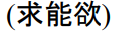 and the desire for innovation
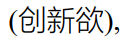 we can explicitly clarify that "cultivating the desire for ability and innovation is the conceptual foundation of quality education and innovation-oriented education", thus bringing theoretical logic into full alignment with educational objectives.
Relying solely on the framework of "desire for knowledge" in teaching reinforces the implicit misconception that students’ core task is only to absorb and store existing knowledge, and that high-level innovative capability is a distant, unattainable goal. This misconception often becomes ingrained as a thinking habit during the formative learning stage. For this reason, we should introduce and establish the independent concepts of the desire for ability and the desire for innovation as early as possible in educational practice.
One core goal of stimulating and leveraging the desire for ability and innovation is to enable students to recognize that innovation for intellectual enhancement is achievable in their daily learning, rather than an extraordinary act reserved for a select few. In particular, it helps students understand the importance of cultivating innovative thinking habits and methods, and directly experience the benefits of adhering to these habits and methods—rewarding students who produce original innovative achievements is a proven practical measure in this regard. Examples of effective activities include: guiding students to discover new numerical patterns and develop original quick calculation methods, regularly organizing thematic discussions, and encouraging students to put forward divergent opinions in discussion. These are all proven effective approaches to cultivating students’ innovative competence.
By clarifying the concepts of the desire for ability and the desire for innovation, and integrating them into structured ability-seeking and innovation-seeking learning activities, we can effectively consolidate students’ internal motivation for ability development and innovation, and ultimately improve the efficiency of quality and innovation-oriented education.
The Core Lever for Promoting Education and Social Innovation is to Strengthen the Cultivation of the Desire for Ability and Innovation, Which is the Core Decision of Education
The effect of establishing the concepts of desire for ability and desire for innovation. Make the behavioral goals of students and employees clearer and more precise. Make the selection and utilization of talent standards more scientific. It can guide educational models and goals, as well as production management models and goals, to be more conducive to human and economic development.
(i) Precise Empowerment in the Education Sector After educators establish the explicit concepts of desire for independent ability and desire for innovation, they can design targeted talent development paths: stimulate aspiration for capacity improvement through project-based learning and skill competitions, and nurture innovative motivation through innovative education and practical innovation activities. This framework eliminates the inefficiency of the one-size-fits-all, purely knowledge-oriented training model.
For example, in innovative education, explicitly centering on "cultivating desire for innovation" helps teachers and students clarify the importance of creative interest, directly improving educational effectiveness. It also prevents the common misconception that knowledge takes precedence over ability. Without explicit concepts of desire for ability and innovation, students may reasonably question why the entire education system only emphasizes the pursuit of knowledge, ignoring the equally critical pursuit of ability and innovation—even though the latter better aligns with current development trends. In short, a single-sided focus on "desire for knowledge" implicitly misleads both students and employees: given the widespread acceptance of Bacon's famous maxim "knowledge is power", this one-sided emphasis incorrectly signals that ability is secondary. The potential misleading effect of this misinterpretation can only be avoided by explicitly establishing the independent concepts of desire for ability and desire for innovation.
(ii) Activating the Driving Force of Social Innovation Social vitality originates from innovation momentum. A conservative society lacks development momentum, while a society that fosters widespread innovation is bound to be dynamic and achieve rapid growth. This principle holds equally for collectives, institutions, and even families.
In industrial innovation and technological R&D, clarifying the concepts of "desire for ability" and "desire for innovation" helps enterprises and institutions accurately identify the core driving force of talent development. By valuing both the desire for ability of skilled talents (reflected in technological breakthroughs) and the desire for innovation of creative talents (reflected in disruptive thinking), organizations can construct a more scientific talent training and incentive mechanism, ultimately promoting the release of overall innovation vitality across society.
(iii) Core Component of School and Social Education A society whose members generally uphold traditional virtues (benevolence, righteousness, propriety, wisdom, trustworthiness, loyalty, courage, and forgiveness) and are recognized as people of noble character is not necessarily a society with rapid economic and technological development—it can only be characterized as a stable, harmonious society. Only when this moral foundation is combined with a widespread willingness and courage to innovate can a society become both harmonious and achieve rapid technological and economic progress.
For students and employees, desire for ability and innovation is a critical core quality. Innovation inherently carries greater risk than conservatism, so being both brave to explore and skilled at innovation is an outstanding personal trait. Therefore, cultivating desire for ability and innovation, and developing corresponding capabilities (especially innovation capability), is a core component of modern school and social education.
The Value of the Times: Aligning with the Core Demands of the Knowledge Economy
The knowledge economy takes intellectual resources and technological innovation as its core elements, with its core essence lying in "driving innovation through the utilization of intellectual resources". Against this background, putting forward the independent concepts of competence-seeking desire and innovation desire is a direct response to the demand for high-quality talents in the era of the knowledge economy.
Essentially, the knowledge economy is an intellectual economy, an economic form whose development is primarily driven by intellectual resources and innovation momentum. In Chinese academic context, the term intellectual property is translated as 
 (literally "knowledge property"). This translation reflects a certain deviation or inaccuracy that emerged in the absence of clear conceptual distinctions between "intellectual interests" and "creative exploration interests".
In fact, the essence of intellectual property is also based on and centered around intelligence and intellectual resources.
• The competence-seeking desire corresponds to two core capabilities: the ability to apply existing knowledge, and the ability to engage in divergent thinking or gain enlightenment/ insight. It constitutes the fundamental survival condition for individuals to adapt to a rapidly changing society, and meets the unified needs of both individual development and social progress.
• The innovation desire corresponds to the ability to create new knowledge and generate original ideas, and acts as the core engine for individuals to contribute to social advancement.
Together, these two desires form the psychological cornerstone of innovative talents in the era of the knowledge economy. Putting forward these two independent concepts can provide clear theoretical guidance and actionable practical paths for talent cultivation and social innovation practices.
Knowledge and Competence (Intelligence) Differ in Both Importance and Scope, Corresponding to Different Levels of Curiosity, Ability-Seeking, and Innovation-Seeking [7]
In line with Maslow's hierarchy of needs, the levels of curiosity, ability-seeking, and innovation-seeking follow a progressive order. The highest level of innovative desire corresponds to the need for self-actualization through exploratory practice.
In current teaching practice, the concepts of "ability desire" and "innovation desire" are often absent. Only the concept of "knowledge desire" is explicitly adopted to stimulate students' learning interest and carry out teaching activities (for brevity, this state is abbreviated as NOCDA in the following discussion). This model tends to guide students toward a development path of "passively absorbing knowledge" by rote, rather than actively cultivating the ability to apply knowledge to solve diverse practical problems.
The NOCDA model easily leads teachers, students and educators to form a wrong perception that "knowledge is more important than ability". Cultivating ability through knowledge desire requires an indirect, roundabout approach that always feels inefficient and unnatural. The growth of knowledge through learning cannot fully cover the cultivation of abilities such as applying knowledge to solve practical problems and conducting innovative exploration. The absence of clear concepts of ability desire and innovation desire seriously weakens the guiding role of motivation in shaping correct cognitive and innovative behaviors. Relying solely on knowledge desire to cultivate ability often leads to the neglect of practical ability and creative skill development.
The widespread phenomenon of "high scores but low abilities" is tangible evidence that knowledge does not equate to ability. Examination-oriented cognitive competence does not equate to practical problem-solving ability or creative ability. The one-sided emphasis on knowledge desire affects students' thinking patterns, behavior habits, and problem-solving methods, and its implicit guidance may deviate from the core goal of innovative education.
Both traditional CPUs and modern AI processors work by processing (analyzing, integrating, and selecting) existing knowledge, and the information processing mechanism of the human brain shares this basic similarity. For lower-grade students, memory is indeed the core process of knowledge accumulation. However, the role of intelligence and various general abilities in knowledge growth is always crucial and cannot be overlooked. As students grow older, the proportion of abilities in the entire process of knowledge acquisition, application, and practice continues to increase. While the human brain shares similarities with computer CPUs and artificial intelligence systems in basic working mechanisms, the gap in functional complexity and innovation potential is also substantial.
In the NOCDA model, cultivating only knowledge-seeking motivation through curiosity is equivalent to shaping students' thinking and behavior to resemble a traditional CPU. After clarifying and establishing the concepts of ability desire and innovation desire, we can use these concepts to guide the cultivation of students' comprehensive abilities, which is equivalent to transforming their thinking and behavior to match the functional characteristics of an AI system. Table 1 provides an in-depth comparison of the differences between these two models.
|
No |
Dimension of Comparison |
Computer CPU |
Artificial Intelligence System |
Core Competencies & Behavioral Habits to Cultivate in Education |
|
1 |
Core Objective |
Efficiently execute general instructions to guarantee basic system operation |
On top of executing general instructions and maintaining basic system operation, it also simulates human intelligence to realize autonomous decision-making in specific scenarios |
On the "hardware" level: boost the vitality of individual brain cells and increase the number of neural connections between different brain regions. On the "software" level: improve comprehensive information processing capabilities |
|
2 |
Working Mode |
Follows pre-programmed instructions and executes tasks passively |
Learns proactively from data and generates decisions autonomously |
Cultivate and strengthen: knowledge storage (memory ability); inductive and deductive logical thinking; the ability to compress, classify and extract topic-relevant useful information from knowledge stock. cultivate the habit of independently solving problems and making decisions. |
|
3 |
Core Method |
Focus on fast response and accurate execution of single tasks |
Proficient in processing multi-dimensional, unstructured massive data including images, text and speech |
Strengthen the ability to summarize and generalize specific topics, and draw independent conclusions through training |
|
4 |
Capability Boundary |
Functions are fully defined by programs, with no autonomous decision-making ability |
Capabilities can be iteratively expanded through data training to complete tasks beyond the scope of pre-set programs Enable reasonable allocation and flexible combination of knowledge in the brain, to produce a synergistic effect where 1+1>2 in output. |
This is exactly the core capability that innovative education aims to cultivate |
|
5 |
Application Scenarios |
Covers all basic computer operations including office work, entertainment, programming and so on |
Focuses on intelligent scenarios such as AI painting, voice assistants, intelligent risk control, etc |
When applying knowledge and skills, individuals can always integrate their own thinking, adjust output and exert subjective initiative independently. This is another core habit that innovative education focuses on cultivating. |
Table 1: Computer CPU, AI Systems, and Core Competencies to Cultivate in Education: A Comparative Analysis
Core Insight on Innovative Education
If learners only have the motivation to acquire existing knowledge, rather than the motivation to explore capabilities and innovate, the education process will only cultivate "CPU-like" abilities, which directly leads to the common phenomenon of "high scores but low abilities".
Only by cultivating the motivation for active exploration and innovation can we help learners develop the functions and abilities of an "AI-like system" in the brain. The essence of innovative education is: guide learners to screen relevant information from massive data, connect different pieces of knowledge together, and finally point to a specific theme—whether that is solving an open problem or creating something new.
At present, when stimulating students' desire for knowledge and cultivating abilities, most education systems first activate memory and comprehension abilities, while ignoring the cultivation of comprehensive capabilities, especially practical, innovative abilities. For practitioners who implement quality education seriously, it is easy to perceive the current mismatch between the training mode and the goal of cultivating curiosity and innovative ability.
The Process of Imparting Knowledge Cannot Effectively Replace the Process of Cultivating Abilities
The cultivation of ability through curiosity first targets the development of cognitive competence, yet the cognitive competence developed in this way is not the comprehensive ability that economic and social development most urgently requires. This constitutes an inherent deviation when we use the thirst for knowledge to nurture ability. As noted earlier, this approach also implicitly sends negative signals to students who have not yet perceived the actual needs of society. Both issues are rooted in the innate limitations of relying solely on the desire for knowledge.
We can draw a clear distinction between knowledge transmission and ability cultivation by analogy with the structure and function of a computer:
• Receiving knowledge is equivalent to inputting and storing information in a computer.
• Human capabilities beyond simple memory, by contrast, correspond to the central processing unit (CPU) that analyzes and processes information in an electronic computer.
Seeking to cultivate ability is essentially about improving this capacity for information processing and analysis. Just as the main determinant of a computer’s performance is its CPU rather than input devices such as keyboards and mice, or storage devices like hard drives and memory chips, ability matters more than pure knowledge accumulation.
The knowledge available through computer networks is already incredibly abundant, but even the most advanced computers cannot complete creative work on their own. Only humans can use knowledge to creatively solve practical problems through information analysis—computers cannot independently explore the laws of nature and society, nor can they create new inventions. No matter how sophisticated technology becomes, it remains just a tool; knowledge itself is also a tool and resource. Only wisdom can govern tools. As the saying goes, "A dictionary can only be controlled by its user, it cannot control anything else"—the same applies to knowledge: it can only be utilized and governed, it cannot govern the one who uses it. Ability or wisdom controls knowledge, but knowledge cannot control ability or wisdom. This is an immutable truth defined by the different hierarchical positions and functional roles of knowledge and ability
Understanding the world is the starting point, but our ultimate goal is to transform it. Transforming the world is more meaningful than merely understanding it. Stimulating the desire to develop ability is more important than stimulating the desire to acquire knowledge. From this, we can clearly see: cultivating ability is fundamentally more important than imparting knowledge.
Knowledge forms the foundational bedrock for ability development. Thinking itself is built on language and knowledge, and thinking ability is intelligence. The more deeply students grasp basic knowledge, the more solidly they master it, and the more proficient their corresponding skills become, the more favorable the conditions are for ability growth. Knowledge expansion is positively correlated with ability development, and no ability can exist independent of knowledge.
That said, possessing knowledge alone does not equate to ability—someone with only knowledge and no developed ability is merely a living reference book or map. The processes of imparting knowledge and cultivating ability are inherently intertwined and mutually reinforcing. Yet knowledge and ability differ in their connotations, functions, and practical roles: knowledge is the soil and carrier that gives rise to ability, and mastering knowledge is an indispensable prerequisite for developing ability. Ability, in turn, serves as a core tool for acquiring new knowledge and applying existing knowledge.
Ability does not develop spontaneously during knowledge transmission. The belief that "learning knowledge naturally leads to comprehensive ability development" is incorrect. In fact, intelligence development in traditional knowledge-focused teaching is rarely comprehensive, it typically only strengthens memory and comprehension skills.
A more scientifically grounded approach is to impart knowledge while intentionally developing intellectual ability—this is a process of cultivating ability and growing intelligence through knowledge teaching. Without an explicit focus on ability development and clear goals to guide this work, ability and intelligence cultivation can only happen incidentally, and results will inevitably underperform. In contrast to the old teaching model centered solely on knowledge transmission, the modern teaching paradigm is guided by three integrated goals: cultivating ability, developing intelligence, and imparting knowledge.
The widespread phenomenon of "high scores but low abilities" in many educational contexts reveals shortcomings in current teaching practices regarding quality-oriented education and competency development. It also demonstrates that cultivating the desire for ability and innovation, along with fostering comprehensive competencies, is far more challenging than simply imparting knowledge. Even a minor lapse in focus can lead to insufficient emphasis on comprehensive ability development within educational practice.
Institutionalizing the conceptual frameworks of the desire for ability and the desire for innovation can steer teaching models in all countries and regions toward a more sound development track—for regions that already prioritize comprehensive competency cultivation, this framework will further consolidate their correct educational philosophies. The imbalance between knowledge transmission and comprehensive ability cultivation is fundamentally rooted in the long-standing orientation that prioritizes knowledge acquisition, while neglecting the cultivation of seeking ability and innovation. This imbalance is also inadvertently reinforced by the pervasive influence of Bacon's famous dictum "knowledge is power". Establishing the concepts of the desire for ability and the desire for innovation helps mitigate the one-sided negative impact of this dictum, and corrects the aforementioned imbalance.
As a counterpoint to the "high scores but low abilities" phenomenon, there also exist "illiterate wise men" throughout history. For instance, Liu Bang and Zhu Yuanzhang were both barely literate, yet their strategic wisdom far outstripped that of the leading scholar-officials of their eras, enabling them to lead rebel armies to overthrow old dynasties and found new imperial regimes.
In the 19th century and earlier, history saw many highly intelligent people who were illiterate. All their knowledge and wisdom were self-taught and self-cultivated, gained through personal observation, independent thinking, and hands-on practice.
This phenomenon, both affirmative and counterintuitive, reveals an important truth: the development of knowledge and the development of wisdom are closely related yet relatively independent. Similarly, knowledge transmission and ability cultivation are connected but distinct, and the desire for knowledge and the drive for inquiry also share this relationship of interconnection and relative independence.
In the teaching process, the proportion of weight given to knowledge imparting versus intellectual development is not fixed. It is determined by the characteristics of the specific discipline and the adopted teaching mode. For knowledge that only requires broad familiarity, the correlation between imparting such knowledge and developing intelligence is weak, and the weight placed on intellectual development tends to be relatively low. This category of knowledge includes foreign languages, law, history, geography, and other similar subjects.
Even so, this situation can still be optimized. When knowledge of this type is taught through methods of "verification, exploration, and discovery" — guiding learners to identify patterns, think independently, and summarize causal principles — the weight of intellectual development in the teaching process increases significantly.
By comparison, it is easier to foster intellectual development when teaching natural science knowledge. It is relatively straightforward to design a scientific teaching model that elevates the weight of intellectual development alongside knowledge imparting. The inherent elasticity of this knowledge-intelligence ratio further demonstrates the necessity of establishing a new, appropriate concept of "psychological needs".
In summary, the thirst for knowledge and the desire for ability cannot fully replace one another; nor can the desire for innovation completely substitute for the thirst for knowledge.
The Emergence of the Concepts of Ability Desire and Innovation Desire: An Inevitable Outcome of Psychological Theory Development
The emergence of these two concepts is an inevitable outcome of humanity's continuous deepening understanding of its own behavior and psychological activity patterns. In the early stages of psychological research, scholars only recognized that behavioral outcomes are shaped by knowledge, and held that human thirst for knowledge is the most powerful innate desire after physiological needs such as food and sex. Over time, however, researchers gradually reached a consensus: the most valuable human endowment is ability or wisdom, and the core driving force of social progress is innovation. This shift in perspective led to a key realization: the most significant non-material human desires are the desire for wisdom/ability, and the desire to apply that ability to transform reality.
Human engagement with the world operates along two fundamental dimensions: understanding the world, and transforming it. The pursuit of knowledge corresponds to the process of understanding the world, while innovative action is the practice of transforming the world using existing knowledge and wisdom. The motivation that drives this transformative action is exactly the desire for innovation. Psychological theory must therefore accurately characterize the motivation underlying this behavior, so that it can inform the education and guidance of the new generation in their learning and practice.
Today, an increasing number of people recognize that ability matters more than knowledge, and cultivating ability is more important than imparting knowledge. The global promotion of quality education is a direct reflection of this evolving understanding. A core component of quality education is the cultivation of intellectual and innovative qualities, which includes the development of comprehensive abilities and desires—especially the cultivation of innovative ability and innovative desire.
To discuss the conceptual establishment of ability desire and innovation desire, we must move beyond isolated exploration of the single concept of the desire for knowledge, and examine the issue from the perspective of the developmental logic of the discipline of psychology. Psychology itself is a constantly evolving field, and its description and classification of human desires continue to develop with research progress. The existing concept of "thirst for knowledge" (also called cognitive interest) cannot comprehensively encapsulate the growing and changing desires that emerge in human learning, training, production and social life.
It is now widely accepted that ability desire and innovation desire exist at a higher objective level than the desire for knowledge. Continuing to use the concept of curiosity (cognitive interest), which was originally developed to describe lower-level needs, to replace the higher-level concepts of ability desire (intellectual interest) and creative interest creates a mismatch between the semantic meaning of the term and the concept it is intended to convey. In other words, the emergence of the concepts of ability desire and innovation desire is an inevitable result of the development of psychological theory. In the following sections, we will elaborate on the inevitability of the emergence of these two desires from the perspective of the historical development of psychology.
(i) Inevitable Development from the Core Logic of Psychology
The core mission of psychology is to explain, predict, and guide human behavior and psychological activities, and human psychological needs themselves develop dynamically. The satisfaction of basic needs naturally gives rise to higher-order needs.
Early psychological research focused primarily on basic needs like survival and safety, along with the human drive to understand the external world (the thirst for knowledge). Once these basic needs are generally met, people naturally shift their focus to pursuing self-improvement of personal ability (the desire for ability) and breaking through existing boundaries (the desire for innovation). This pursuit of ascending needs can be observed across all domains, from the harsh reality of survival competition to the inner workings of the human mind, and it aligns perfectly with the progressive logic of Maslow's hierarchy of needs.
The discipline itself also evolves iteratively. Psychology has progressed from early psychoanalysis and behaviorism to modern cognitive psychology and positive psychology, with its research perspective shifting continuously from "problem repair" to "potential development". The desire for ability and innovation are concrete extensions of core concepts such as "self-actualization" and "strengths utilization" in positive psychology, and they are inevitable products of the deepening of disciplinary research.
(ii) Inevitable Development from the External Drivers of Social Progress
The transformation of social demand from the Industrial Revolution to the Information Revolution: The industrial era required standardized labor, where the primary expectation for individuals was to master existing knowledge (the thirst for knowledge); the information age, by contrast, demands individuals capable of solving complex problems and creating new value. This shift has given rise to the higher psychological needs of "building competence" (the desire for ability) and "achieving breakthrough innovation" (the desire for innovation), and psychology must adapt its research to respond to these changes in social demand.
Along with this shift comes the awakening of individual consciousness: With the popularization of education and the growing diversification of society, individuals' self-awareness has continued to strengthen. People are no longer satisfied with passively absorbing knowledge; instead, they actively pursue "becoming a better version of themselves" and "leaving behind unique personal value". The desire for ability and innovation is precisely the psychological expression of this awakened individual consciousness.
(iii) The Inevitability of the Emergence of the Desire for Ability and the Desire for Innovation
The entire development of psychology has consistently centered on the core mission of understanding human beings and cultivating human potential:
(a) The Natural Upgrading of the Hierarchy of Needs
Once humans satisfy their fundamental need to understand the world through the desire for knowledge, they will inevitably turn their attention to two domains: shaping and enhancing their own capabilities (the desire for ability), and breaking through existing cognitive and practical boundaries (the desire for innovation). This represents an instinctive extension of human motivation from "understanding the world" to "transforming the world", and aligns with the progressive logic inherent in the evolution of human psychological needs.
(b) The Internal Driving Force of Disciplinary Development
Psychology has transitioned from its early dominant "disease-oriented" research framework (exemplified by traditional psychoanalysis) to a modern "growth-oriented" paradigm (represented by positive psychology). Correspondingly, its research focus has shifted from "remedying psychological defects" to "unlocking human potential". The conceptualization of the desire for ability and the desire for innovation is both a concrete manifestation of this disciplinary shift and a natural outcome of the deepening expansion of psychology as a field.
(c) The External Imperative of Social Transformation
From the industrial era to the information age, societal expectations of individuals have evolved from "reproducing existing knowledge" to "generating original value". As a discipline that responds to societal needs, psychology must address this new demand, which has naturally led to the emergence of systematic research on the desire for ability and the desire for innovation.
(iv) Theoretical Support from Diverse Schools of Psychology
The core concepts of ability desire and innovation desire are jointly underpinned and converged to by theories from different schools of psychology.
(a) Psychoanalytic School Adler's Individual Psychology [15]:
Put forward the "striving for superiority" theory, which holds that human beings are innately driven to overcome inferiority and pursue excellence. Essentially, this is an early expression of ability desire—individuals compensate for their own deficiencies and earn social recognition by improving their capabilities.
Jung's analytical psychology [16]: Emphasizes the process of "self-actualization", which refers to the process of integrating consciousness and the unconscious to achieve self-growth. This process inherently contains the core of innovation desire: individuals create unique self-expression by exploring archetypes in the unconscious.
(b) Humanistic Psychology Maslow's Hierarchy of Needs:
Maslow places "self-actualization" at the apex of the needs pyramid. Individuals who reach self-actualization typically bear traits such as creativity and autonomy. Ability desire acts as the path to self-actualization via ability enhancement, potential exploration and realization, while innovation desire is the outcome of self-actualization realized through value creation.
Rogers' Self Theory [17]: Introduced the concept of the "fully functioning person", who is characterized by openness to experience and creativity. This theory highlights that the harmonious unity of the self and experience is achieved through continuous ability improvement (corresponding to ability desire) and exploration of new experiences (corresponding to innovation desire).
(c) Positive Psychology Seligman's Strengths Theory [18]:
This theory argues that psychology should prioritize the study of individual strengths and virtues. Ability desire corresponds to the cultivation and application of one's own strengths, while innovation desire corresponds to the practice of creative virtue. Both are core components of achieving a flourishing life.
(d) Csikszentmihalyi's Flow Theory:
Flow experience typically occurs in activities where challenge level matches an individual's current ability. Ability desire is the driving force that pushes individuals to continuously improve their capabilities to pursue higher-difficulty challenges, while innovation desire is the new ideas and behaviors generated when individuals break through existing challenge boundaries.
(e) Cognitive Psychology puts forward the concept of "self-efficacy":
Individuals improve their abilities through observation, learning and self-regulation, which is exactly the expression of ability desire; and they attempt to verify self-efficacy through innovative behaviors, which corresponds to innovation desire. This perspective emphasizes the driving role of cognitive processes in the development of ability and innovative behavior.
Physiological Impacts of Competence and Innovation Education
From a physiological perspective, educational models focused on rote memorization versus innovation differ substantially in their impact on brain development and utilization, particularly in terms of cognitive flexibility.
Contemporary neuroscience confirms that even during basic cognitive tasks, nearly all regions of the human brain are activated to some degree. However, it is well established that education shapes brain neural networks to enhance cognitive function, with solid theoretical foundations and extensive empirical evidence supporting this conclusion.
The core theoretical frameworks supporting this claim are neuroplasticity theory, cognitive load theory, and lifelong learning theory: (i) Neural connections in the brain are continuously reshaped through learning. Repeated learning and training strengthen neural pathways in specific brain regions, improving information processing efficiency. For example, individuals with long-term reading training develop thicker cortex in the temporal lobe (the region responsible for language processing), forming denser neural connections. (ii) Well-designed educational approaches can accurately align with the brain’s information processing capacity. By gradually increasing learning difficulty, the brain is consistently challenged at the "edge of its comfort zone"—avoiding cognitive overload while steadily expanding cognitive boundaries [19-22]. Layered teaching and scaffolded learning are both practical applications of this principle. (iii) Brain plasticity persists across the entire lifespan. Adult learning can still stimulate the generation of new neurons (neurogenesis), particularly in the hippocampus. As the primary carrier of lifelong learning, education continuously drives the optimization of brain function [23-26].
Three representative successful cases illustrate this effect: (I) Finnish Education System: Finland adopts a personalized, gamified educational model that allows students to explore knowledge in a low-stress environment. Neuroscientific studies show that Finnish students exhibit higher activation in the prefrontal cortex (the region responsible for logical reasoning and decision-making), and their cognitive flexibility is significantly greater than that of students in traditional exam-oriented education systems [27-29].
(II) Montessori Education: Montessori education, centered on "children’s independent exploration," helps children build refined sensory and cognitive neural pathways through targeted manipulative training. Longitudinal tracking studies find that children who receive Montessori education outperform peers in traditional education on measures of mathematical thinking and spatial cognitive ability. (III) Adult Brain Rehabilitation Education: Speech rehabilitation training for post-stroke aphasia patients activates compensatory functions in undamaged brain regions and rebuilds language processing pathways through repeated practice of vocabulary and sentence structure. Clinical data shows that the language function recovery rate of patients who adhere to standardized rehabilitation training for more than 6 months is more than 40 percentage points higher than that of patients who do not receive training [30].
Key cognition confirms that different educational models optimize the brain to varying degrees. Brain imaging techniques such as fMRI have long established that even during simple daily activities, most regions of the brain remain active. The role of education is not to "develop unused brain regions," but rather to optimize the connection efficiency of existing brain regions and accelerate signal transmission along neural pathways, allowing the brain to function at its full potential [31-35].
It is clear that high-quality education enhances this functional efficiency, while outdated, unscientific educational models hinder this optimization process. Current brain observations via imaging technology remain relatively coarse, and many patterns of how educational activities shape the brain remain unknown—after all, the brain is the most complex structure we know. These undiscovered mechanisms also hold the potential for better educational outcomes.
Rather than confining ourselves to superficial comparisons between educational models, we ought to examine the underlying logic of brain development. Below, we analyze how memory-oriented and creation-oriented thinking patterns shape the brain differently from the perspective of neural connections, and outline the core distinctions between these two educational models.
(a) Memory-oriented vs. Creation-oriented: Divergent shaping of neural synapses
Using first principles, we deconstruct these differences starting from the basic logic of brain neural connections (see Table 2 for full results).
|
Cognitive Mode |
Characteristics of Neural Connections |
Long-Term Impact |
|
Memory-Pattern Focused |
This mode strengthens the unidirectional "input-storage-retrieval" neural pathway, with synaptic connections biased toward fixed neural circuits. A typical example is the memory storage pathway linking the hippocampus and temporal lobe. Repeated stimulation boosts neurotransmitter transmission efficiency across synaptic clefts, but this pathway develops far fewer branching connections. |
Over time, this mode creates neural "path dependence": much like a wide but solitary dirt trail trodden through a forest of neurons, the brain defaults to retrieving existing memories when faced with new problems, rather than forging new connections. Overreliance on stored memory suppresses activity in the prefrontal cortex, the region responsible for divergent thinking and creative integration. |
|
Creative-Analysis Focused |
This mode activates cross-connections between the prefrontal cortex, parietal lobe, and hippocampus. Synapses continuously form new associations, and can even establish temporary pathways between previously unconnected brain regions. For instance, during creative thinking, the left hemisphere (specialized for logical processing) and right hemisphere (specialized for imaginative processing) engage in frequent cross-talk, and synaptic plasticity – the ability to adjust connection strength and form entirely new connections – improves dramatically. |
This pattern is equivalent to opening a network of interconnected trails through the neural forest, enhancing the brain’s capacity to integrate information and rapidly mobilize resources from multiple brain regions when solving complex problems. It also promotes the secretion of brain-derived neurotrophic factor (BDNF), which further supports neuron growth and new synaptic formation. |
Table 2: Characteristics and Long-Term Effects of Two Cognitive Neural Modes
(b) Core Differences in How Two Educational Models Impact Brain Development
We analyze the differences based on the fundamental requirements of brain development, with results presented in Table 3.
|
Model Type |
Aspect |
Core Description |
|
Knowledge-transmission focused, exam-oriented education model |
Limitations for brain development |
Its essence lies in strengthening memory pathways through repeated training. In this process, the brain's "cognitive bandwidth" is heavily occupied by memory retrieval, leaving only limited resources available for creative thinking. Just like feeding the brain only pre-prepared meals: while energy can be obtained quickly, the digestive system (the brain's creative capacity) will gradually degrade. |
|
Extreme case validation |
The "imprisoned prince"* and "feral child" cases show that a lack of social stimulation and cognitive challenge leads to insufficient synaptic connections in brain regions responsible for advanced cognitive functions (e.g., the prefrontal cortex), ultimately resulting in developmental deficits. While exam-oriented education rarely produces such extreme outcomes, long-term reliance on single-mode memory training suppresses brain plasticity and leaves individuals less able to adapt to unknown problems. |
|
|
Innovative/quality-oriented education model |
Advantages for brain development |
This model reverses the core pattern of the exam-oriented approach: instead of prioritizing passive memory storage, it encourages active cognitive exploration and interaction, which supports the development of integrated neural connections across advanced functional regions of the brain. |
|
Core value |
This educational model cultivates the brain's general problem-solving ability, rather than specialized memory skills tailored for specific question types. Just like teaching the brain to "cook" for itself: no matter what "ingredients" (problems) it encounters, it can integrate existing resources to create customized solutions. This is precisely the core competency needed to navigate future uncertainty. |
*For further details on the imprisoned prince and feral child cases, see the Empirical Analysis section.
Table 3: Essential Differences in the Impact of Two Distinct Educational Models on Brain Development
Brain development follows the principle of "use it or lose it"—synaptic connections are continuously adjusted based on the frequency and intensity of use. When education centers on memory, the brain optimizes for "storage and retrieval" efficiency at the cost of "creation and integration" capacity. When education prioritizes creative analysis, the brain builds more flexible neural networks: while it may not match the memory-focused model in rote retrieval efficiency, it can adapt to far more complex, unknown scenarios.
The two extreme cases outlined above reveal a core truth: brain development relies not on passive information input, but on active cognitive engagement and social interaction. The key advantage of innovative, quality-oriented education is that it provides an environment where the brain can naturally develop neural connectivity patterns suited to future demands, through solving real-world problems.
The rise of artificial intelligence has swept through the modern world like an irresistible tidal wave. Today's AI tools function as an omnipotent super knowledge base, seamlessly integrated into our mobile devices, personal computers, and global internet networks. This integration has gradually replaced the human brain's role in storing basic knowledge and handling routine practical tasks—whether it's working through a word problem or solving a complex equation, AI can now accomplish these efficiently.
Yet when it comes to original innovation, even the most advanced AI running on the most powerful hardware cannot fully replace human intelligence. While AI can certainly be leveraged as a creative tool in the innovation process, human judgment and intellectual guidance remain indispensable when using AI software or machines built by others. At this stage, AI still cannot independently create something truly new from scratch.
This new technological era has diminished the traditional importance of knowledge transmission and raw knowledge acquisition, while correspondingly elevating the value of wisdom. People have increasingly come to recognize that with AI tools at our disposal, the primary mission of education and student development should be nurturing intellectual capacity rather than accumulating knowledge. In this context, the American educational model has gained greater relevance. Let’s break down this analysis in more detail:
For student development, a healthy balance must be struck between building knowledge and cultivating capability. The arrival of the AI era has fundamentally reshaped how we should weight these two priorities. Let’s examine this through a first-principles approach, starting from the core of the issue and breaking down the key transformative factors:
A fundamental shift in knowledge accessibility: AI has removed traditional barriers and lowered the cost of accessing knowledge, converting it from a scarce, exclusive resource into a widely available public good.
A redefinition of core value: When knowledge is no longer scarce, the ability to filter, synthesize, and create new knowledge from existing information becomes the true source of competitive advantage.
A bottom-up reconstruction of educational goals: Education is shifting its focus from "transferring knowledge" to "cultivating the capabilities needed to thrive in the future."
Specific Manifestations of Weight Shifts in Educational Competencies Under the AI Revolution
(i) Impact on the Weight of Knowledge Acquisition Reduced weight of knowledge breadth—AI can instantly deliver massive structured knowledge and integrate required
information on demand, eliminating the need for students to spend extensive time memorizing scattered discrete knowledge points. Weight differentiation of knowledge depth—The weighting of basic general knowledge has declined significantly, while the weighting of deep domain-specific expertise remains stable. However, the mode of acquisition has shifted from pure "memory retention" to targeted "understanding + flexible application".
Weight transfer of knowledge updates—The rapid iteration of modern knowledge has diluted the value of static, long-stored knowledge. The ability to master how to acquire the latest targeted knowledge has become more valuable than the knowledge itself.
(ii) Impact on the Weight of Intelligence Development, Brain Potential Tapping and Ability Enhancement
Weight of critical thinking is soaring: Faced with massive unfiltered information generated by AI, students must be equipped with the ability to distinguish truth from falsehood and evaluate the value of output, making this competency far more important than ever before.
Weight of creative thinking has doubled: AI excels at optimizing existing solutions, but original, breakthrough insights and paradigm-shifting ideas still originate exclusively from the human brain.
Centralization of problem-solving ability weighting: Education is shifting from "teaching standardized answers" to "teaching systematic problem-solving methods", with a focus on cultivating students' ability to use AI as a tool to address complex real-world problems.
Weight of metacognitive ability is increasingly highlighted: Students need to learn to monitor their own learning process and use AI-assisted learning reasonably, rather than being passively dominated by AI output.
(iii) Balanced Strategy Recommendations
Establish a "knowledge-ability collaborative model": Leverage AI tools to handle the basic repetitive work of knowledge acquisition, and reallocate the saved time and energy to high-value ability development.
Refactor the educational evaluation system: Reduce the proportion of assessment that tests knowledge memory, and increase the weight of evaluation for ability application and innovation. Systematic cultivate AI literacy: Teach students how to use AI tools reasonably and efficiently, turning AI into an amplifier for personal ability development rather than a replacement for independent thinking.
How to Stimulate Ability-Seeking Desire and Innovation Desire, and Implement Innovation Education for Cultivating Comprehensive Abilities?
After stimulating students' desire to pursue ability and innovate, thinking training methods are required to systematically cultivate innovative awareness and competence. The proposed framework centers on Creative Problem Solving (CPS) theory, with improved auxiliary theories to reinforce practice. Regardless of the supporting theories applied, core principles and methods all revolve around systematic thinking training.
The Educational Theory of Thought-Path Screening
Divergent thinking is widely recognized for its advantage in broadening cognitive horizons. However, unguided divergence without targeted convergence will inevitably lead to scattered and disordered thinking (as illustrated in the final scenario of the figure). For this type of thinking training, it is critical to identify and grasp key cognitive nodes. At present, a mature, systematic educational training framework suitable for effective innovation cultivation has been developed, which fully integrates three complete stages: divergent thinking, convergent thinking and thought-path screening. The core psychological approaches and educational framework for thinking ability training (i.e., the core structure of thinking training) are elaborated below, starting with the first core teaching theory:
Creative Problem Solving (CPS) Theory
CPS is currently the only systematic thinking training and education theory worldwide that covers the complete divergent-convergent thinking process [36-40]. Co-founded by American creative psychologists Alex Osborne and Sidney Parnes, this theory structures the entire problem-solving process from problem decomposition to the implementation of innovative ideas, providing a complete actionable path for thinking training.
|
Stage |
Principle |
Phase |
Content |
|
Problem Understanding Stage |
Follow the principle of "divergence first, then convergence" |
Divergent Phase |
List as many potential problem definitions and objectives as possible, without any pre-judgment on the content generated. |
|
Convergent Phase |
Identify the most core problem direction based on two criteria: whether the problem truly requires resolution, and what value can be gained upon solving it. |
||
|
Idea Generation Stage (Thought Pathway) |
The "divergence-convergence" logic of focused thinking is fully realized in this stage |
Divergent Phase |
Use methods such as brainstorming, mind mapping, and forced association to generate as many candidate ideas as possible. No possibilities are ruled out in advance—in fact, brain teasers are essentially an engaging training exercise for this process. |
|
Implementation Planning Stage |
Repeat the divergence-convergence cycle in this stage |
Convergent Phase |
Screen generated ideas based on two core principles: 1. Feasibility principle: Evaluate whether an idea has the necessary conditions for implementation, and eliminate options that cannot be supported by existing resources and capabilities. 2. Effectiveness principle: Evaluate whether the approach aligns with the core problem objectives, and eliminate options that have weak relevance to the set goals. |
|
Full Cycle |
First outline all potential execution steps, then select the execution plan with the highest priority. |
Table 4: The Complete Problem-Solving Process of CPS Theory
The second comprehensive framework is the De Bono Thinking Training System [41].
Edward de Bono’s "Horizontal Thinking + Six Thinking Hats" system fully covers the complete process from divergent thinking to convergent thinking: (1) In the divergent stage, horizontal thinking training breaks original fixed thinking patterns and stimulates the generation of new ideas through strategies such as "random stimulation", "concept challenge", and "splitting and reassembly". Essentially, it is a divergent thinking exercise that actively helps people break away from habitual thinking patterns. (2) In the convergence and integration stage, the Six Thinking Hats method provides a well-structured convergence tool. Each colored hat corresponds to a distinct thinking dimension: information, emotion, benefit, risk, creativity, and overall management. First, divergent ideas are sorted out from these six different dimensions, equivalent to conducting a comprehensive inspection of all candidate ideas; finally, the blue hat (management hat) integrates information from all dimensions, filters out the final executable ideas, and completes the entire convergence process.
The third method is The Thinking Training Method in Chinese Language Teaching. The theory of Chinese thinking development classroom is a systematic thinking training framework formed in China’s basic education stage (it can also be used as a reference for science teaching). It also follows the complete structural logic of divergent thinking, convergent thinking, and idea screening, where convergent thinking is completed through idea screening: (i) In the divergent stage, the breadth of thinking is expanded through "problem group design", which guides students to put forward ideas from multiple different perspectives. (ii) In the convergent stage, through three-level training of "generalization, judgment, and reasoning", students are guided to complete the following steps: categorize and organize divergent ideas; screen out effective ideas based on logical rationality and matching degree with the problem; sort out a clear reasoning chain, and finally form a complete thinking result. This method also clarifies two core methods for idea selection: the inductive method (summarizing commonalities from multiple ideas) and the deductive method (verifying the rationality of ideas through logical derivation).
Let me introduce you to the application of the theory and principles of thought path training in plain language.
When solving a problem, the human brain follows a specific cognitive process — what we call a "thought path". For problems of the same type with the same goal, people with similar levels of intelligence often end up with very different error rates. The root of this difference lies in the thought paths they choose. When facing even moderately complex problems, there are always multiple potential thought paths to pick from, and each path branches into many forks at different levels, forming a divergent multi-level structure.
This structure looks just like a "shower chart" or a tree diagram, and choosing a solution is essentially choosing a path in this chart — much like navigating a maze. Even among similar intelligence levels, picking the right thought path directly determines whether you solve the problem correctly.
Systematic thought path training not only improves your ability to pick the correct path, but also speeds up your selection. Many underperforming students are not less intelligent; they simply have not mastered how to choose the right thought path — they easily fall into cognitive traps, or have already developed bad selection habits. Experienced teachers can help these students improve significantly by teaching them structured thought path selection skills. Teachers who can do this effectively almost always have a solid grasp of the principles behind correct thought path selection. The selection of thought paths when solving problems combines spontaneous intuition and deliberate choice. In most cases, spontaneous selection plays the dominant role: people usually try a spontaneous approach first, then adjust subjectively if needed. But through scientific, rational education, we can systematically improve both the speed and accuracy of selection. By encouraging students to engage in more deliberate thought process practice — that is, letting them solve problems within their ability range — we help them continuously accumulate effective selection experience.
Currently, Chinese education takes exam scores as the core evaluation criterion, and often relies on the "massed practice" (or "question sea tactic") to improve students' test performance. In this training model, doing large volumes of similar questions does consolidate the thought paths for those question types, which in itself proves that thought path selection ability can be trained, and confirms the practical value of thought path education theory. Even so, the blind question sea tactic is not something we advocate. We need to adjust this model: let students practice solving problems in diverse, real-world scenarios, to build their ability to adapt to practical problems beyond exams.
Everything outlined above is the core logic of thought path training theory. This theory introduces both the principles of selecting correct thought paths, and the activity formats for training effective selection. When applying this theory in practice, it is important to note that it should be used in combination with the "performance-oriented education" theory that we will discuss next.

Figure 1: A Train of Thought from Simple to Complex. Divergent Thinking is in Order, While Convergent Thinking is in Reverse Order

Figure 2: Multi-Path Maze
There's an old adage: "One can be sharp-witted for a lifetime, yet still slip into momentary confusion." What this means is that even the most astute minds can occasionally pick the wrong approach when confronting a problem. Most people are not inherently malicious, but momentary missteps in how they frame and approach an issue can still lead to serious harmful outcomes. This is exactly the kind of harm that comes from temporarily choosing the wrong path of thinking.
A person we describe as "steady" is simply someone who exercises extra caution when selecting their thinking framework for problems — especially major, non-routine issues — so they rarely make mistakes, and rarely end up on the wrong cognitive path. When students repeatedly make errors on practice problems, what this actually indicates is that they are far more likely to select the wrong problem-solving approach than their peers. The educational framework that trains students to correctly screen and navigate different problems through mastering core methods and principles is a deeply practical, results-oriented theory.
Decades ago, thousands of researchers around the world were working on methods to prevent and treat malaria, yet only Tu Youyou was the first to identify the correct research approach. After she was awarded the Nobel Prize in Physiology or Medicine, many observers argued the decision was unfair — particularly researchers who contributed to identifying the molecular structure of artemisinin. But the reality is that Tu Youyou was the first to chart the correct cognitive path for the research: she was also the first to successfully isolate pure artemisinin monomers. Even the step of isolating active monomers from a crude extract is itself a reflection of a specific research thinking path. The Nobel Prize committee made an accurate decision by centering and recognizing the foundational importance of the cognitive path Tu Youyou mapped in the entire exploration process.
Performance (Expressive) Based Teaching Method
This teaching method is closely connected to the interest transfer teaching method that will be elaborated on later. In existing relevant educational theories, the "expressive learning method" and the design of "low-threshold performance scenarios" can be referenced as core approaches. The first category is the conscious application of open teaching approaches in the education sector.
(1) Polish educator Yashka's "Expressive Learning Method" asks students to output knowledge points in forms of mini speeches and short plays, so as to meet their desire for expression first [42]. After gaining attention from peers, students will actively reorganize, expand their knowledge points to make their presentation more distinctive, and even put forward new perspectives that differ from textbook content. This process actively stimulates the desire for innovation through performance. (2) The "flipped classroom" design adopted by many training institutions in China also follows this logic: students are first allowed to share their problem-solving ideas on stage to meet their demand for display, and then guided to explore more problem-solving approaches. In fact, this practice makes good use of the interest transfer mechanism.
The second category is the explicit design practice applied in product experience within the commercial design field. (i) Many interactive products deliberately adopt "low-threshold performance scenarios" to awaken users' desire to showcase themselves, and then guide users to generate creative and innovative behaviors. For example, the "My Outfit Notes" template on Xiaohongshu provides users with a directly usable display framework, which lowers the threshold for performance. After receiving likes (performance feedback) from other users, users will spontaneously start creating original content with more personal characteristics. Essentially, this approach triggers the desire for innovation through the desire for performance. (ii) The logic of "audience connected-microphone display — completing public display via the live connected-microphone function" in live-stream commerce follows the same rule. Brands invite ordinary users to share their product experience through connected microphones, which first satisfies their desire to perform in front of the camera, and then guides them to propose new uses and scenarios for the product. Many innovative inspirations for products are collected through this process.
It is human nature to desire opportunities to showcase one's talents and insight, and this impulse runs particularly deep among young people. Offering students platforms to perform is essentially giving them space to let their unique individuality shine. A core mission for educators is to guide students' innate desire for self-expression, turning it into motivation to build capability (cultivating intellectual curiosity) and pursue innovation (fostering creative exploration, which is especially critical for helping younger students develop an innovative mindset). Alongside this, structured activities should be organized regularly to sharpen intellect and nurture practical ability.
It is worth noting that innovation for basic education students does not mean uncovering entirely new knowledge for humanity, but rather encouraging them to discover and explore the untapped potential within themselves. In most cases, it simply means nurturing a willingness to pursue fresh perspectives and to form and articulate independent opinions. When students have the chance to express themselves, they will go all out to deliver their best work—this process is enormously valuable for building all-round ability, especially the comprehensive competencies that underpin creativity. The only adjustment teachers need to make is preventing individual students from becoming overly domineering and monopolizing opportunities. This is rarely a difficult balance to strike: since teachers do not reserve the floor for a single student, opportunities are naturally distributed through fair competition among multiple participants, ensuring that chances to perform are always shared across the whole class.
With this in mind, this activity-centered teaching method—designed to create opportunities for students to express their individuality—is by no means the unstructured "herding-style teaching" that many Chinese education critics dismiss. Especially in the age of artificial intelligence, where AI acts as a universal super knowledge base, the demand for the human brain to rote memorize facts has declined dramatically. The decades-old basic education framework centered on knowledge imparting must be replaced by a new approach that prioritizes "creating performance opportunities for students". The traditional model inherited from feudal private schools, where "teachers lecture and students listen" (an approach that essentially centers the teacher's performance rather than the students' growth), is long overdue for major reform.
Urban students today are adept at using AI tools: they can easily simulate the process of innovative exploration of the unknown. For simpler tasks, they can consult AI directly to answer questions; for more in-depth practice, teachers can assign "research topics" matched to students' current ability, and require them to complete independent research in the form of short essays. These assignments can combine in-class and out-of-class learning, and do not need to be fully completed within class time. This is a practical, actionable path to innovative education. A number of accessible examples of such small research topics are listed below:
• How to respond to a fire emergency
• Research on haze prevention methods
• Prevention of food poisoning
• Strategies to extend food storage life
• Study of snake behavioral habits
• Research on effective rodent control methods
• Research on mosquito prevention methods
• Analysis of rice cultivation techniques
• Summary of demonstration methods for universal gravitation
• Exploration of the biological functions of oxygen
• Research on traditional and modern salt production methods
• Hands-on experience verifying the law of buoyancy
• Study of the properties of metal nanoparticles
• Investigation of shrimp living habits
• Analysis of the Earth's water circulation system
Students can write short research papers on self-selected topics of interest, and I regularly assign this type of targeted homework—asking them to produce a small paper focused on a specific topic like "XXX". Even elementary school students can craft a roughly 1,000-word paper on these topics with support from AI tools and online resources. Middle school students can develop more comprehensive analyses, while college students are able to produce far more detailed work, often incorporating original empirical research.
When students work through their papers, they often encounter a wide range of AI-generated information, which requires them to make deliberate selections to align with their core research goals, strengthening their critical thinking in the process. After I assign the paper, students submit their completed work within a few days, and I provide detailed, timely feedback on each submission.
This teaching approach fosters innovative thinking and helps students develop consistent research habits. It also encourages active intellectual engagement, builds students' confidence in using AI as a learning tool, and allows them to gain practical research skills and deep, memorable subject knowledge throughout the inquiry process.
The Law of Interest Transfer (Interest Transfer Education Theory) and Corresponding Teaching Methods
Students have an innate, strong desire for self-expression. When this desire is satisfied through complete, unconstrained expression, performers will experience a sense of release pleasure after breaking through internal restraint. They will also gain a sense of accomplishment from showcasing their personal abilities and strengths, and enjoy the satisfaction brought by benign competition.
Full and free expression can effectively stimulate students' desire to improve their abilities and pursue innovation, which is of great benefit to the cultivation of their comprehensive ability and innovative thinking. In particular, educational activities that provide students with diverse forms and rich content of performance opportunities can greatly promote the improvement of students' comprehensive abilities. Arranging for students to experience enjoyment while putting in effort can effectively accelerate the development of their abilities.
Students' performance desire is a powerful and spontaneous internal motivation. When teachers grasp the interconnection and internal laws of this motivation, and purposefully guide this strong motivation to transfer to positive learning and development directions, they will inevitably obtain better teaching results. This is exactly the core value of the Interest Transfer Education Theory.
It should be emphasized that the "performance" mentioned in this theory refers to dynamic display with independent thinking and personal soul. For students in the basic education stage, the core goal of participating in such educational activities is to cultivate their ability to adapt to changing situations and strengthen their innovative awareness.
The teaching method of feudal private schools was centered on "teacher performance". Today, we need to transform the teaching logic from "teacher-centered performance" to "student-centered performance". In the AI era, the proportion of student performance in teaching can and should be further increased.
The Csikszentmihalyi flow theory also holds that people gain pleasure from engaging in exploratory activities and practicing expressive skills. Therefore, the core principle of "performance-based education theory" aligns logically with flow theory. What performance-based education adds to this foundation is expanded activity content and forms, extending the scope of activities from narrow innovative practices to all scenarios where individuals can showcase themselves, and allowing for diverse activity formats.
The teacher’s role here is to design appropriate activities that let students fully satisfy their performance desire, then smoothly transfer this expressive interest into a desire for ability improvement and innovation.
The activities suitable for implementing performance-based education include: class discussions, hands-on practices (such as experiments and crafts), sports events, debates, speeches, talent shows, games, storytelling sessions, short essay writing, social surveys, interpersonal problem-solving, brain teasers, visual puzzles (spot the difference/spot the object), themed group activities, chess games, prize-guessing challenges, etc. All of these are teaching activities that create opportunities for students to demonstrate their abilities and/or wisdom. This approach is often mistakenly labeled as "unstructured free-range teaching" by people in China.
When teaching activities provide students with more opportunities for self-expression, both the principles of thinking-path education and performance education can work in tandem: they cultivate all-round abilities while stimulating the desire to improve competence and pursue innovation. In theory, any teaching method that activates the brain regions related to knowledge application and wisdom operation, putting them in an excited or more active state, is a good teaching method.
Metacognitive Education Theory
Originating from psychology, metacognition has been extended to the field of education to give birth to a new academic framework: Metacognitive Education Theory. This theory focuses on two core dimensions: how metacognitive processes shape educational outcomes, and how educational practices can increase the frequency of repeated metacognitive cycles while strengthening the intensity of metacognitive monitoring. Its ultimate goal is to unpack the core logic of ability development from a metacognitive perspective, providing actionable guidance for implementing innovative education through evidence-based methods to enhance learners' metacognitive competence.
What is "Repeated Metacognitive Processes + Enhanced Metacognitive Monitoring"?
Metacognition refers to the active perception, deliberate reflection, and intentional regulation of one's own cognitive activities, with its core essence summarized as "knowing how one thinks".
Increasing the frequency of repeated metacognitive processes means guiding learners to repeatedly practice the complete closed cognitive loop: planning → execution → review → adjustment
Enhancing metacognitive monitoring means encouraging individuals to actively track their own thinking pathways, correct cognitive biases, and optimize problem-solving strategies throughout this loop.
The screening of scientific hypotheses, for example, inherently relies on this iterative process. For basic education students in lower grades, innovative education does not mean directly teaching advanced innovative methods. Instead, its core mission is to cultivate the ability and long-term habit of "repeated metacognitive processes + enhanced monitoring". Through this educational approach, students gradually develop innovative awareness and internalize innovation as a lifelong value orientation. Even the generative capabilities of large language models (LLMs) can only serve as one auxiliary component of this systematic training framework.
Three Core Advantages of Applying Metacognitive Education Theory to Innovative Education (I) Break "experience dependence" and cultivate critical thinking
The essence of innovation lies in breaking through existing cognitive frameworks, yet most people are naturally inclined to rely on accumulated experience and intuitive thinking. Repeated metacognitive training pushes individuals to actively ask fundamental questions: Why do I think this way? What are the inherent limitations of my current approach? For instance, in project-based learning, by continuously reviewing "What assumptions underpin my plan? Are these assumptions sufficiently valid?", students can gradually break free from rigid habitual thinking and discover unforeseen innovative possibilities. Innovation never emerges from a vacuum; it is always the "second cognitive revolution" that rewrites one's existing thinking patterns.
(II) Strengthen "process-oriented reflection" and improve innovation efficiency
Innovation is inherently a process of trial and error, but unguided blind trial and error will only consume massive time and energy. Enhanced metacognitive monitoring allows individuals to adjust their direction in real time throughout the innovation journey. In scientific research experiments, for example, researchers can quickly locate systematic errors and avoid ineffective repetitive attempts by continuously monitoring whether current experimental data matches expectations and which step may have deviated; in creative writing, authors can significantly improve creative output efficiency by reflecting on whether their expression accurately conveys the core argument and what cognitive response it will trigger in the target audience.
(III) Building a closed-loop capability for 'independent innovation'
The ultimate goal of innovative education is to help individuals develop the capacity for independent innovation that functions without reliance on continuous external guidance. Through repeated metacognitive practice, the cycle of "perception → reflection → regulation" gradually becomes an intuitive instinct: students transition from "the teacher asks me to reflect" to "I actively initiate reflection", and shift from passively absorbing pre-organized knowledge to actively exploring uncharted questions. This enduing capability stays with individuals for their entire lives, empowering them to independently identify obstacles and solve problems in any domain they enter.
In the practice of innovative education, metacognitive educational theories and methods can be effectively implemented through three targeted approaches:
(i) Integrate "thinking logs" into daily classroom activities: Ask students to document the full thinking path of each creative activity, including the problems they encounter and the adjustments they make to their approach, and organize structured weekly reviews to consolidate reflective habits.
(ii) Add "mid-term review" to project-based learning: Guide student teams to collectively assess progress, evaluate the effectiveness of existing strategies, and adjust their overall direction at key project milestones, cultivating collective metacognitive awareness.
(iii) Teachers demonstrate metacognitive processes in person: When teaching, explicitly verbalize your own internal thinking logic, for example by asking "Why did I choose this approach? What would change if I tried a different way of thinking?" to help students intuitively grasp how metacognition works in practice.
Additional Explanations on the Comprehensive Application of the Theories
The ultimate goal of innovative education is to help individuals develop independent innovation capabilities that do not rely on external guidance. Through repeated metacognitive training, "perception-reflection-regulation" can gradually become an intuitive instinct: students transition from "the teacher asks me to reflect" to "I need to reflect on my own", and shift from passively accepting pre-given knowledge to actively exploring the unknown. This lifelong capability allows individuals to proactively identify and solve problems in any field long after they leave the classroom.
The traditional requirement that students must sit in order and listen to lectures rigidly is an outdated and inefficient teaching model. In contrast, diversified teaching activities that seem irrelevant to rote memorization of textbook knowledge can be ideal approaches—as long as they stimulate students' independent thinking and unleash their subjective initiative.
The core of these diversified activities is that students can engage with them willingly, and construct knowledge through their own personal exploration: before receiving finalized knowledge from external sources, they get the opportunity to explore independently, brainstorm to put forward or connect their own insights, and experience the thrill of discovering (or approaching the discovery of) new knowledge. In such teaching activities, students can give full play to their comprehensive abilities, and gain a sense of small accomplishments, presence, and being valued—these positive experiences bring immediate or sustained intrinsic motivation for learning.
Organizing such teaching activities does place higher demands on teachers: versatile, intellectually acute and innovative teachers are best positioned to implement this model well. But even teachers who cannot yet meet the highest standards can achieve the basic requirements through deliberate practice. At the very least, they can implement this approach well within their own areas of expertise. As long as students engage with the activities happily, positive learning outcomes will follow. In this model of quality education, teachers function like accomplished program hosts: first, they need to design and arrange activities reasonably; second, they need to make thorough planning in advance, and adjust flexibly according to the on-site progress and atmosphere of the activity.
Inquiry-Based Interactive Design
Teachers should structure discussions, debates, and targeted questioning, or design small, achievable tasks for students. Instead of presenting knowledge directly, educators can split the process of how scientists discover new patterns into incremental segments, and guide students to explore through sequential questions.
For example, when teaching Newton's derivation of the second law of motion, instructors can design a series of guided questions paired with in-class demonstrations to help students arrive at conclusions step by step:
• Was the "apple falling on Newton's head" just a legend, or did observations of everyday phenomena (like the effort needed to lift objects, move, or throw stones) first lead Newton to hypothesize that Earth exerts an attractive force on all objects?
• How did Newton derive the inverse-square law of gravitation?
• How did he arrive at the core insight that a force is required to accelerate an object: the greater the desired acceleration, the greater the force required; and the more massive the object, the greater the force needed to set it in motion from rest?
This approach systematically cultivates analogical reasoning, divergent thinking, and critical thinking, helping logical reasoning take root naturally in the classroom while fostering students' inclination and courage to pursue truth and strengthening their ethical literacy.
Process-Oriented Guidance and Interaction
The entire teaching process is designed around guided initiation: its core is to induce and steer students along the right path of thinking, method, and goal pursuit, while strengthening dynamic interaction between teachers and students. Against this backdrop, the assessment of student learning outcomes becomes particularly critical, which we will expand on in detail later.
The Hierarchical Principle of Capability Cultivation
Absorbing knowledge is about taking in nutrients, but cultivating capability and wisdom is about learning to apply knowledge to create value, and innovation is about generating original output. In the teaching process, educators should aim to elevate students' needs to a higher level: the ultimate goal is not only to master existing knowledge, but also to develop capability and wisdom. This aligns with the principle that "sharpening the axe does not delay the work of chopping wood".
We need to help students understand that good teaching stimulates their desire to grow in capability and innovation, and systematically cultivates and reserves the ability for creative thinking. The end goal is to help students internalize high-level intrinsic motivation for learning and growth.
 Core Idea of Quality Education
Avoid rigid standard answers; instead, encourage open discussions and debates, allowing students to reach their own conclusions. Every topic should be open to questioning and divergent perspectives, and logical thinking should be integrated into every aspect of teaching. The top priority of education is to inspire students to think independently, which is the essence of quality education. This approach organically combines the cultivation of ability, innovative awareness, and the development of practical skills.
 Motivation Foundation: Maslow's Perspective on Needs
Maslow argued that for a need to be converted into motivation, two conditions must be satisfied: first, the need must reach a certain intensity threshold; second, the specific object (target) of the need must be clarified. To cultivate the desire for ability and innovation, we must first help learners recognize their own internal needs, and then continuously help them raise the level of these needs.
 Innovation-Driven Education: Breaking Traditional Frameworks
We should not be constrained by the framework of traditional education, but focus on cultivating the intrinsic driving force of innovation, which is the core of implementing innovative education. Below, we will elaborate on this approach from two dimensions: stimulating internal desire and constructing a supportive educational system.
 Stimulating the Desire for Ability Empowerment: Awakening Internal Growth Drive
The desire for ability empowerment refers to the inner aspiration to improve one's capabilities, and it is the fundamental driving force for innovation. It can be stimulated from three dimensions:
(i) Design challenges in the "zone of proximal development": Drawing on Vygotsky's theory, we design learning tasks that are slightly beyond learners' current capabilities but achievable through effort. For example, beginner programmers can be guided to optimize existing code rather than starting from scratch, letting them experience the satisfaction of breaking through their ability limits through the process of "reaching for progress step by step".
(ii) Build a "visualized ability growth" mechanism: Use tools such as growth portfolios, skill progression maps, and other methods to help learners clearly track the trajectory of their ability improvement. For instance, design a "Skill Unlock Medal" system where a new medal is activated each time a new skill is mastered; this intuitive feedback effectively strengthens learners' desire for ability growth.
(iii) Cultivate a culture of "ability-centered appreciation": In educational contexts, we should not judge achievement solely by test scores, but should emphasize the value of problem-solving ability. For example, hold regular "ability sharing sessions" where students present their process of solving difficult problems, so that their abilities can be recognized and appreciated by peers.
Below, we provide methods that are beneficial for "stimulating the desire for innovation: sparks that break the boundaries of thinking"
Desire for innovation is the innate impulse to explore the unknown and the core driving force to break through established cognitive frameworks. It can be effectively ignited through three targeted approaches:
Cultivating a "Safe Trial-and-Error" Environment Allow and even encourage "valuable failures". Take science laboratory courses as an example: instead of presetting a single correct result, guide students to analyze the rationality behind different attempts, turning every failure into a stepping stone for subsequent innovation.
Creating Scenarios for Cross-Domain Thinking Collision Break down rigid disciplinary barriers and organize cross-disciplinary project-based learning. When students from science and humanities backgrounds collaborate to design a product that integrates practical function and aesthetic expression, the collision of heterogeneous thinking patterns often sparks unexpected innovative insights.
Endowing Learners with a Sense of Innovative Value Help learners perceive the real-world impact of innovation. For instance, organize students to develop targeted solutions for community public needs. When they witness their creative ideas directly improve others' lives, their desire for innovation will be substantially amplified.
Building an Innovative Education System: Enabling Sustained Growth of Desire A temporarily stimulated desire requires systematic education to be sustained and strengthened. A mature innovative education system should include three core modules:
(i) Refactor Course Content
Reduce the proportion of standardized knowledge indoctrination, and increase problem-oriented and project-based learning content. For example, redesign history courses as a "historical problem-solving competition", encouraging students to think about how to respond to historical dilemmas with modern cognitive tools.
(ii) Transform the Role of Teachers
Teachers should shift from being pure "knowledge transmitters" to "innovation guides", learning to inspire thinking through questioning instead of directly giving standard answers. When students get stuck in problems, asking "What methods have you tried so far?" or "What would happen if you approached this from another perspective?" can effectively guide independent exploration.
(iii) Establish a Diversified Evaluation Mechanism
Replace single outcome evaluation with comprehensive process evaluation, focusing on learners' thinking process, exploratory attempts and ability growth throughout learning. For example, use an "Innovation Growth Portfolio" to record every creative attempt and reflection of students, rather than judging performance only by final results.
Example Explanation of Theoretical Application
We analyze the sub cases of "US China US Education Exchange Visit Case", "Shanghai Yucai Middle School Case", " Yitang Zhang Case", "Wolf Child Case" and "Bill Gates Case”.
The Misjudgment in Sino-U.S. Educational Exchange Visits
In 1979, China and the United States formally established diplomatic relations, opening a new chapter of in-depth engagement between the two countries in the field of education. To learn from each other’s experience, China sent a research delegation to inspect the U.S. basic education system, while the U.S. sent its own delegation to China. Both sides aimed to assess how the other’s education model would shape their respective national development through on-site investigation.
The Chinese Delegation’s Assessment of U.S. Education
What the Chinese inspection team observed in American schools painted a different picture from their expectations: Classroom discipline was relatively loose, with students free to move around and chat casually. Younger students’ foundational skills in reading, writing, and arithmetic were underwhelming, yet they showed extraordinary enthusiasm for discussing "invention and creation." Schools prioritized physical education and arts education over core foundational subjects such as mathematics, physics, and chemistry. And almost all students exuded a natural self-confidence, with a strong emphasis on personal expression.
Based on these observations, the delegation concluded that U.S. primary education was "critically ill," and predicted that China would surpass the United States in technology and culture within 20 years.
The U.S. Delegation’s Assessment of Chinese Education
In contrast, the impressions the U.S. delegation gained from Chinese schools were equally one-sided: Students followed extremely strict discipline, keeping their hands on their chests or behind their backs during class and only speaking when called on after raising their hands. Students woke up early for school, often eating breakfast on the go, and spent extraordinarily long hours studying. Schools assigned heavy volumes of homework, focusing heavily on knowledge consolidation and repetition, and used exam scores as the core criterion for evaluating student performance.
The delegation’s final conclusion was that Chinese students were the most hardworking in the world, and predicted that China would far outpace the United States in science, technology, and culture within 20 years.
The Contradiction Between Prediction and Reality
Unfortunately, 20 years later, both predictions proved to be completely wrong: reality stood in stark contrast to the prophecies made by both sides.
In 1999, the world witnessed a very different outcome: the U.S. education system once labeled "terminally ill" had produced 43 Nobel Prize winners and cultivated 197 knowledge economy billionaires, with its high-tech industry still maintaining global leadership. Meanwhile, while Chinese education had trained a large number of students with solid foundational knowledge, it still lagged behind in innovative capacity and the cultivation of top-tier talents.
The Root Causes of the Misjudgment
The fundamental error in both predictions lay in a fundamental misreading of the long-term impact of different education models. Observers only saw the short-term effectiveness of knowledge transmission in exam-oriented education, but ignored how this model stifles innovative thinking. They overestimated the importance of mastering basic knowledge, and underestimated the value of an "innovative atmosphere" and a focus on comprehensive ability development.
In fact, the long-term development of a country’s technological and cultural strength depends on the full play of three core educational laws: thinking training, quality-oriented education, and the transformation of strengths and interests. The failed predictions of 1979 just serve as a lasting reminder of the power of these three core theories.
|
Category |
United States |
China |
|
Educational Policy & Core Objectives |
The top priority of U.S. education is to cultivate capable independent citizens. |
From 1979 to 1999, the top priority of education was to cultivate compliant citizens*. This situation has improved significantly in recent years. |
|
Teaching Characteristics |
Focuses on students' individual development and ability cultivation. The evaluation system emphasizes assessment of diverse abilities. Students at all stages absorb new knowledge through writing short papers and research-based learning to improve comprehensive abilities. Compared with Chinese students, most American students and adults tend to think about "how to do what I love", and generally have a strong sense of innovation. |
Emphasizes standardization, unification and knowledge transmission, with a particular focus on cultivating students' examination skills. The core evaluation indicator is almost exclusively admission rate, and further education is determined almost entirely by exam scores. For a long time, exam scores have been the single evaluation standard for primary and secondary education. Students study for grades, and primary and secondary school students complete a large volume of homework (practice questions) every day, with many staying up until 11 PM to finish assignments. Students only directly experience the benefits of getting high scores through exam practice, so their demand naturally tilts toward test-taking ability. While test-taking ability is indeed a skill, it is far from comprehensive ability or innovative ability. On the whole, students across the system have been characterized as "high scores but low abilities". |
|
Core Subject of Activities & Demonstrations |
Students |
Teachers |
|
Strengths |
Conducive to stimulating students' internal motivation for ability growth and innovation, and cultivating comprehensive competencies |
Conducive to stimulating students' curiosity and shaping solid test-taking abilities |
|
Application of Educational Theories & Principles |
Applies the law of interest transfer, converting students' desire for performance, talent display and competition into internal motivation for ability improvement and innovation |
Operates within the framework of cultivating curiosity and test-taking ability |
|
Long-term Impact of Consciousness Formed in Basic Education |
Innovative awareness is consolidated and permanently maintained through long-term cultivation |
Obedience consciousness and exam-oriented awareness formed during basic education are continuously strengthened and retained through higher education and into practical work. These two types of consciousness inherently inhibit innovative awareness**
|
*Footnote: The description of "cultivate obedient citizens" only applies to the period from 1979 to 1999, and the current educationsystem has achieved notable improvement in this aspect.
**Footnote: Obedience consciousness and exam-oriented consciousness are opposite to innovative consciousness, and arestable mental states formed through long-term cognitive precipitation.
Table 5: Educational Characteristics of the Two Countries and Root Causes of Prediction Errors
It is widely recognized that the core difference between Chinese and U.S. educational approaches — particularly at the K-12 level — lies in their distinct priorities: one emphasizes test-taking proficiency, while the other centers on holistic quality education. This fundamental divergence inevitably produces markedly different long-term outcomes.
American students grow up immersed in a learning environment that encourages self-expression and nurtures innovative thinking. As a result, young people in the U.S. are consistently motivated to create original work that breaks from existing conventions. Their natural desire to stand out is quickly channeled into building practical skills and reinforcing innovative mindsets, helping them develop strong innovative aspirations and capabilities over time.
The U.S. model of flexible, student-centered education — which allows learners to pursue their personal interests through diverse in-class and extracurricular activities — serves as an effective framework for cultivating comprehensive competencies. By contrast, China’s mainstream education system has largely moved away from this approach, leading to outcomes that many observers find underwhelming.
In the U.S. system, both intentional instruction and implicit cultural immersion work together to foster students' drive for competence and innovation. When these two concepts are explicitly articulated as core educational goals, it creates far more opportunities to nurture them through both deliberate practice and unconscious learning. By promptly redirecting the natural motivation to perform well into the development of innovative capacity, educators can more effectively apply schema theory, self-efficacy theory, and interest transfer theory to achieve stronger educational results.
Successful Practices and Outcomes of Shanghai Yucai Middle School
Shanghai Yucai Middle School has forged a distinctive path in competency development and innovation cultivation, centered on three core pillars: self-directed learning, hands-on exploration, and personalized growth.
(I) The "Reading-Discussion-Practice-Explanation" Teaching Model
This pioneering framework, first introduced in the 1980s, broke away from traditional teacher-centered indoctrination and placed student agency at the heart of classroom learning. The process unfolds in four clear stages: students first independently read and engage with course materials, then gather in groups to discuss questions and puzzles, consolidate what they have learned through targeted practice, and finally receive customized explanations from teachers to address knowledge gaps.
By shifting students from "passive reception" to "active knowledge-seeking", this model systematically cultivates core competencies including independent reading, logical reasoning, and clear communication.
(II) An Interdisciplinary Innovative Curriculum System
The school offers a rich portfolio of interdisciplinary innovation courses, including hands-on options such as Science and Technology Innovation Experimental Courses and STEAM Project Courses, where students work directly in laboratories to complete projects ranging from robot building to experimental design. Complementing these are humanistic innovation courses that encourage students to pursue creative work like original writing and historical script adaptation.
In addition, the school has integrated research-based learning as a compulsory component: students independently select research topics aligned with social and technological development—examples include "Optimization Strategies for Urban Waste Classification" and "The Application of Artificial Intelligence in Campus Life"—and complete the full research process from topic selection to data analysis and final presentation under teacher guidance.
(III) A Personalized Mentorship-Driven Cultivation Mechanism
The school implements a one-to-one mentorship system, where every student is matched with a dedicated mentor who develops a personalized competency development plan tailored to the student's unique interests and strengths. For example, students with a talent for technological innovation are recommended to join the school's innovation club and supported to participate in municipal and national science and innovation competitions.
To further open up space for exploration, the school has established a wide range of student clubs covering technology, art, sports and other fields—including robotics, aeromodelling, and programming clubs. This ecosystem allows students to explore their interests freely and unleash innovative thinking, and has delivered remarkable results over years of practice.
(i) Enhancement of Student Core Competencies
Based on multi-year teaching feedback, our students consistently demonstrate strong capabilities in autonomous learning and independent problem-solving. After entering higher education, most of our graduates can adapt to the self-directed learning model of universities much faster than average, and have received wide recognition from university admissions officers and instructors.
Our students have also delivered outstanding performances in various national and municipal sci-tech innovation competitions, including the National Youth Science and Technology Innovation Competition and Shanghai Youth Robot Competition, having won multiple first and second prizes over the years.
(ii) Industry Influence in Quality Education
We have developed a distinctive teaching methodology summarized as "reading, discussion, practice, presentation", which has been promoted nationwide as a model case of quality education, attracting hundreds of sister schools from across the country to visit and learn from our experience.
The school has been awarded the titles of "Shanghai Characteristic Demonstration School for Science and Technology Education" and "National Experimental School for Innovative Education", and has established a recognized brand in the field of innovation-oriented education.
(iii) Diversified Development Pathways for Students
Beyond academic achievement, our students excel across a wide spectrum of fields including art, sports and sci-tech innovation. Upon graduation, while many enter world-renowned and top domestic universities for further study, a large number of graduates also successfully pursue professional development in top art academies or leading sci-tech innovation enterprises, forming a mature and clear diversified development system that meets different growth needs of students.
The Bill Gates Case
We will apply first principles to dissect the origins of Bill Gates' wealth. Three distinct perspectives exist on how he amassed his fortune, and we will begin with the fundamental question "what is the true essence of wealth", analyze the rationality of each perspective layer by layer, and ultimately distill the core logic of "smart value creation":
(i) Clarifying the first principle of wealth
The essence of wealth is quantitative feedback that the society gives to individuals or organizations for the value they create. Its core depends on three key dimensions:
• Scarcity of created value: Whether the value created is urgently needed by the market and difficult to replace
• Scale of value coverage: How many users can be reached, and how many problems can be solved on a large scale
• Efficiency of value delivery: Whether value can be delivered to end users at the lowest possible cost
(ii) Dissecting the underlying logic of the three perspectives one by one
Perspective 1: Overdraft of future value → This view only sees the final result, but ignores the necessary prerequisites.
The core argument of this perspective is that Microsoft leveraged its monopoly position to charge high licensing fees, thus locking in early market share and harvesting decades of excess profits in advance. But when examined through the lens of first principles, the very premise of "overdrawing future value" is that one must first create value that is sufficient to meet future needs:
Back in the 1980s, Gates predicted the mass popularization of personal computers and proactively developed the DOS operating system for IBM. This was not overdrawing future demand, but accurate insight into it. Without the complete software ecosystem built on DOS and later Windows systems, personal computers could never have achieved widespread adoption, and the so-called "future value" that can be overdrawn would simply not exist at all.
From the perspective of the determinants of use value, and the relationship between price and use value: for a seller to overdraw future value, buyers must also overdraw their future use value. An overdraft only occurs when a buyer pays more than a product's current value and stores it without using it. But if the buyer puts the product into immediate use, no overdraft of future value occurs — this only follows the natural law of the relationship between price and use value. When buyers do not overdraw their future use value, sellers cannot overdraw future value either. What actually happens is that the seller simply claims the dividend corresponding to the use value the product has already provided.
Conclusion: This perspective only describes a surface manifestation of wealth accumulation, not the fundamental cause.
The value of knowledge: Recognizing the foundation, but missing the core
This perspective acknowledges Gates’ technical background and his deep grasp of the software industry, and recognizes that his knowledge has been successfully transformed into tangible products and wealth. However, it also points out: knowledge itself cannot directly create wealth. Only when knowledge is transformed into scalable solutions can it truly generate sustained value.
Back in the early days of personal computing, many engineers mastered the knowledge of operating system development. But only Gates saw the commercial potential of scalable replication, and turned the DOS system into a standard configuration for almost all personal computers through the "licensing model", converting technical knowledge into scalable commercial value.
In this logic, knowledge is only the basic premise, and the way knowledge is applied is the core of wealth creation—that is, the ability to apply knowledge determines the final result. The conclusion is: knowledge is a necessary condition for creating value, but far from a sufficient condition.
The value of wisdom: Touching the core logic of wealth creation The "wisdom" discussed here refers to the ability to make optimal choices in complex systems, and Gates’ wealth is the direct result of this ability. It is reflected in four levels:
i. Strategic choice wisdom: In the early stage of the personal computer industry, he gave up hardware research and development and focused all his resources on the operating system track, seizing the core trend of "software defines hardware" in advance. This choice is far more critical than simply mastering technical knowledge.
ii. Business model innovation wisdom: He created the "software licensing model", breaking the traditional software profit logic of "selling physical copies", and achieved large-scale profit with extremely low marginal cost, which is the ultimate optimization of business operation efficiency.
iii. Ecological construction wisdom: Through the Windows system, he built a complete developer ecosystem, making countless software vendors dependent on the Microsoft platform, forming a "winner-takes-all" competitive moat, which is the in-depth construction of the entire value network.
iv. Long-term layout wisdom: At the peak of Microsoft's development, he devoted himself to public welfare and cutting-edge technology research and development (such as clean energy and vaccine research and development). While using his wealth to feedback society, he also built a longer-term value network for himself.
The author believes that the value of a product ultimately depends on the degree to which it meets user needs, and the high value of Gates’ products comes from his high matching of user needs. It is with his wisdom that Gates grasped this core point and created products and services with high user satisfaction.
From Marx's theory of price, the price of products with low cost should decline rapidly with the expansion of scale. However, the price of Gates' software products has remained stable for a long time and has never dropped significantly. The root cause is that Gates used his wisdom to let users obtain high-value experience at low cost: the product is easy to use, saves a lot of time for users, and the time cost saved is far higher than the "price-cost difference" of the software product itself. The realization of "low-cost, high-satisfaction" user experience is precisely the embodiment of wisdom.
Physiological Cases Linked to Environment and Education
The Case of Growth in an Isolated Environment
• Date of Incident: May 26, 1828
• Location: Nuremberg, Germany
• Key Figure: Caspar Hauser, the central subject of the case.
When he was first discovered, he claimed he had been locked in a dark, confined room since early childhood.
Sequence of Events Mysterious Emergence
In 1828, a raggedly dressed young man with odd behavior appeared unexpectedly on the streets of Nuremberg. He could only utter a handful of words, showed abnormal physical development, and had cognitive abilities matching those of a young child.
Isolated Upbringing Claim
Hauser stated that from the age of 3, he had been held alone in a small cell just 1.6 meters in height, with no contact with any other person. He survived on nothing but bread and water each day during his confinement.
Later Development
After his discovery, Hauser's case sparked widespread public sensation across Europe. However, on December 14, 1833, he was stabbed in a park and died of wound infection at just 21 years old.
Autopsy Findings and Significance
An autopsy revealed significant abnormalities in Hauser's brain development. Not only was its overall volume much smaller than that of an average adult, but the sulcus (groove) structure of his cerebral cortex was also unusually underdeveloped — a pattern consistent with the neurological effects of long-term deprivation of external sensory and social stimulation.
This case stands as a classic demonstration of how early education and living environment shape human brain structural development, and it parallels the well-documented "wild boy" cases in the study of human development.
The Wolf Child Incident
Researchers and institutions including Father J.A.L. Singh, Arnold Gesell, Lev Vygotsky, Mary Ainsworth, and the German Wolf Child Research Team have conducted extensive studies on feral children raised by animals. Their collective conclusion is that the absence of a human social environment and normal education leads to abnormal behavior and stunted brain development in these individuals. The specific manifestations of abnormal brain development are as follows:
(i) Significant reduction in brain volume: Based on indirect observations of the Indian wolf child Kamala and comparisons with contemporary brain development data, the brain weight of wolf children typically only reaches 70%–80% of that of normal peers. To put this in context, the average brain weight of a normal adult is approximately 1400 grams, while a wolf child of similar age would likely only have a brain weight between 1000–1100 grams.
(ii) Simplification of cortical structure: Without sustained stimulation from a human social environment, cortical sulci fail to develop properly. This is especially prominent in the frontal and temporal lobes—regions responsible for language processing, social interaction, and higher-order cognition—where the cortical folds are fewer and smoother than normal.
(iii) Reduced neuronal connectivity: A lack of language and social stimulation during critical developmental periods results in insufficient formation of synaptic connections in relevant brain regions, leading to impaired information transmission pathways. Comparison Between the Wolf Child Case and the Caspar Hauser Case
(a) Similarities: Both cases demonstrate abnormal brain development, particularly in regions associated with language and social function. In both instances, the individuals were deprived of a human social environment and normal education. It is worth noting that even people who do not attend formal school, while living within a human society, still receive implicit social and environmental stimulation from the people and surroundings around them; what they lack is only the systematic cultivation of specific structured skills.
(b) Differences: During his imprisonment, Caspar Hauser likely still had limited human contact, for example being exposed to human speech. In contrast, wolf children grow up completely cut off from any form of human environmental stimulation, which means the degree of brain damage is typically more severe.
(c) Theoretical validation: Together, these two cases empirically validate the fundamental neuroscientific principle that environment and education shape brain development. If an individual’s early educational experience is not conducive to healthy development, their brain will not reach the typical human average level of growth. From this we can infer that high-quality, evidence-based education can support the development of brain structure and functional activity beyond the baseline range predicted by genetics.
These two well-documented cases illustrate that the social and environmental context of early human development has a profound impact on brain growth and intellectual potential. The more adverse the early environment, the more severe the negative impact on development; conversely, a supportive educational environment with evidence-based practices produces the most positive outcomes for human brain and intellectual development.
Case Analysis: Innovation Risk and the Essence of the Innovative Spirit
Yitang Zhang’s experience offers a uniquely representative lens through which to examine the personal traits and inherent risks of pathbreaking inquiry. Starting from Zhang’s journey, this analysis unpacks the fundamental distinction between innovation and conventional knowledge-seeking, identifies the unique risks innovators face, and explores the core attributes of innovation that set it apart from the purely intellectual pursuit of knowledge.
(i) The Core of Innovative Spirit: Resolute Endurance Against Fragility in Absolute Uncertainty
Yitang Zhang’s experience is essentially a spiritual archetype for innovators confronting absolute uncertainty. He sustained a solitary, long-term pursuit of his core problem through years without external recognition, working with extremely limited resources. What kept him going was no rational calculation of the probability of success, but an unshakable, intrinsic obsession with the problem itself.
This is a distinctive form of long-termism that differs sharply from utilitarian persistence. It draws its power from the desire to push the boundaries of human understanding: even if his efforts had yielded no final breakthrough, the act of exploring the unknown would have held intrinsic meaning for him.
(ii) Surpassing the "Failure Threshold"
The defining risk of innovation is that it has no clear "trial-and-error endpoint". For exam-oriented education or routine knowledge-seeking, clear standard answers exist, and effort generally comes with relatively predictable feedback. But innovation can require a lifetime of effort to achieve a breakthrough, and even the validity of the research direction itself may remain unproven for decades.
Yitang Zhang’s achievement lies not only in his mathematical breakthrough, but in his willingness to accept the possibility of a "fruitless life", and to internalize uncertainty as an inherent part of exploration. He maintained the spiritual independence required to resist secular standards of success. When facing dismissal by mentors and neglect from the mainstream academic community, he refused to be captive to conventional definitions of achievement, and always anchored his work to his own research logic.
This spiritual independence is a prerequisite for innovators to break through existing frameworks. Innovation is inherently a challenge to the established order, so it will inevitably face widespread skepticism and questioning from the status quo.
(iii) The Essential Distinction Between Innovation Desire and Thirst for Knowledge: Divergence in Risk Dimensions
The core reason that innovation desire sits at a higher motivational tier than thirst for knowledge lies in the psychological tolerance for uncertainty and the willingness to disregard personal gain and loss that innovation demands. When discussing the risks associated with the thirst for knowledge, we are not referring to humanity’s collective exploration of the absolute unknown; rather, the focus is on individuals’ pursuit of knowledge that already exists within the shared human knowledge base. For this type of knowledge-seeking, risk is generally limited to the failure to obtain expected rewards after investing effort. This risk is relatively low and remains controllable (or adjustable). The rewards of knowledge-seeking follow a linear trajectory, and effort is broadly matched by corresponding returns.
By contrast, the risk profile of innovation desire is fundamentally different: innovation means “digging into the unknown” and pioneering in uncharted territory, where no pre-existing path is available, and even the criteria for “success” cannot be defined in advance. When Yitang Zhang dedicated himself to proving the twin prime conjecture, no one could assure him that “another five years of persistence will bring a breakthrough”; reformers advancing social change cannot predict whether their efforts will end in success, partial progress, or total failure. The returns to innovation follow a non-linear distribution: an individual might spend a lifetime working in a field with no tangible reward, or achieve a breakthrough that reshapes human cognition overnight. It is precisely this uncertainty that constitutes the unique charm of innovation.
What further amplifies this distinction is the irreversibility of innovation risk. Most risks in knowledge-seeking are reversible: one can retake a failed exam, or relearn a skill that was not mastered the first time. However, the risks of innovation are often irreversible. Once time, opportunity, and reputation costs are invested, they cannot be recovered. In the most extreme cases, reformers even sacrifice their lives for their cause. This “irreversible risk” is the core defining feature that distinguishes innovation desire from the thirst for knowledge.
(iv) The Soil of Innovative Spirit: How Can Society Tolerate "Fruitless Exploration"?
Looking at the experiences of Yitang Zhang and social reformers, cultivating innovative spirit requires progress on two core fronts: first, nurturing and strengthening the impulse to innovate, so as to improve individuals’ ability to withstand risk; second, rethinking our achievement evaluation systems, and expanding society’s tolerance for "failure."
To build this tolerance, we must first recognize how even unsuccessful exploration clears the path for those who come after: failed attempts narrow the scope of possibilities for future innovators, creating implicit value that is often erased by result-only judgment. This means we need to start by redefining what counts as "success." Our society has long grown accustomed to lionizing outcomes and writing off the process. For decades, Yitang Zhang worked in relative obscurity, but even before his breakthrough, his research frameworks, methodological experiments, and unyielding persistence left a foundation of invaluable experience for future scholarship. When society can recognize the inherent value of exploration itself, more people will find the courage to step onto the uncertain path of innovation.
Second, we need to build explicit risk-buffering mechanisms. Innovators need basic security to survive the inherent risks of their work. Yitang Zhang supported himself through odd jobs for years; his story of "innovation against all odds" is inspiring, but it is not a sustainable model for the wider ecosystem of innovation. Society must provide a baseline of support for unproven work: examples include non-utilitarian research funding in academia, and formal fault-tolerance mechanisms for public sector reform. These systems ensure innovators do not have to put their own livelihood at stake to pursue high-stakes, high-reward work.
Third, we need to embed risk literacy into our education system. Traditional education prioritizes "correct answers" and rarely teaches students how to navigate uncertainty. If we integrate "failure education" and risk awareness into learning from an early age, we can help children internalize a simple but powerful truth: exploration may not produce tangible results, but it is still meaningful. Only by normalizing fruitless work from childhood can we nurture a sustained, genuine impulse to innovate in the next generation.
Analyzing Yitang Zhang’s case is not about urging educators to manufacture more copies of his story. It is to demonstrate that when we strengthen people’s innovation impulse and combine it with intentional quality education, collective risk tolerance can grow dramatically. Centering the framework of "innovation desire as the foundation of innovation ability" helps guide this work: even one well-documented case can illuminate how to support more people to make autonomous, socially valuable choices in practice.
This case makes clear that innovation is inherently risky. The more transformative the innovation, the higher the stakes. In innovation education, shaping the character to embrace this uncertainty is just as important as building technical skill. If we can leverage this character and this innate innovation impulse (or innovation consciousness) to absorb the risks that come with breakthrough work, we can make more people in society willing to innovate, and accelerate the pace of social progress. Countless other cases of high-risk innovation confirm this same core lesson: building character and embedding innovation awareness through education is one of the most important investments we can make in our collective future.
Discussion
Is it necessary to establish the concepts of desire for knowledge and desire for innovation? (Can desire for knowledge fully replace desire for capacity and desire for innovation?) Does the psychological research presented in this article fill existing research gaps in psychology and education? Should the slogan knowledge is power be revised to wisdom is power, innovation is impetus? What novelty do the educational theories and methods discussed in this article offer?
Author's Contribution
The author argues that the highest-level need in Maslow’s hierarchy of needs—self-actualization—can be further divided into distinct sublevels. The rationale for this division is that while both desire for capacity and desire for innovation fall under the umbrella of self-actualization needs, desire for innovation sits at a higher hierarchical level. Cultivating desire for innovation requires the cultivation and optimization of individual character (as detailed in the preceding section on the hierarchical distinction between desire for capacity and desire for innovation).
Innovation is inherently a process of generating the new from the old. Breaking with established conventions and building new systems inevitably encounters resistance, especially for large-scale innovations, which carry low success rates and exceptionally high risk. Overcoming these obstacles and bearing such risk often entails personal sacrifices and additional psychological pressure, which cannot be sustained without strong willpower and moral character that transcends personal gain and loss. In contrast, knowledge-seeking carries far lower risk and imposes much less stringent demands on character than innovation.
Innovation can be framed along two core dimensions: (1) Applying wisdom and existing knowledge to adapt to and transform the world in practice; (2) Exploring the unknown at the research frontier, adding new content to humanity’s collective knowledge base.
For the vast majority of people, innovation falls into the first category. For this first type of innovative behavior (as well as knowledge-seeking from existing knowledge bases), desire for knowledge cannot replace desire for capacity or desire for innovation. Instead, desire for capacity and desire for innovation will naturally motivate a corresponding desire for knowledge.
Prior to this work, some scholars have put forward expressions similar to the concept of desire for capacity, which shows that these concepts have already gained implicit psychological positioning in the field. However, no scholar has articulated them clearly or accurately, let alone defined them as strict professional (proprietary) concepts. This ambiguity has hindered the effective application of these implicitly positioned concepts in research and practice.
The author first proposed defining two clear psychological constructs: desire for ability and desire for innovation. The academic value and practical significance of this contribution are outlined below:
(i) Conceptual innovation: This paper introduces two novel psychological constructs—desire for ability and desire for innovation, clarifies their distinct roles in human motivation, and clearly differentiates them from the traditional concept of "thirst for knowledge". It further proposes a hierarchical progressive framework of psychological needs: cognition → knowledge → ability → creation, which fills a key gap in existing educational psychology research.
(ii) Theoretical integration: To support the conceptual positioning of desire for ability and desire for innovation, this paper integrates multiple established psychological theories, including Maslow's hierarchy of needs, self-determination theory, and positive psychology, which improves the overall theoretical rigor of the work.
(iii) Practical relevance: This paper connects the new theoretical constructs to practical educational challenges such as "high academic scores but low practical ability", and puts forward actionable intervention strategies for educational reform. These strategies include building challenging learning environments, fostering a safe trial-and-error culture, and adopting diversified evaluation methods, which can better meet the requirements of contemporary innovative education. In addition, this framework can also help refine the expression of innovation consciousness, by strengthening the conceptual and functional alignment between desire for innovation and innovation consciousness.
Desire for innovation refers to the direct craving for new things and creative outcomes. It is the innate internal driving force that propels individuals to engage in creative activities actively, and belongs to the psychological impulse at the demand level, representing a fundamental and instinctive psychological need. By contrast, innovation consciousness is a stable spiritual attitude formed through rational precipitation. The two follow a progressive relationship: from spontaneous internal impulse to deliberate conscious cognition. Innovation consciousness is a widely accepted construct in social psychology, defined as a stable mental state that has gone through structured cognitive sedimentation.
Innovation consciousness refers to the rational cognition and conscious attitude toward the value of innovation, encompassing four complete dimensions: creative motivation, creative interest, creative emotion, and creative will. It acts as a stable spiritual force that regulates and guides the direction of innovative activities. In the hierarchical system, desire for innovation is the fundamental component of innovation consciousness and the most basic driving force at the bottom level; innovation consciousness, by contrast, is a more systematic and enduring spiritual system formed through the rational sublimation and value upgrading of desire for innovation, and can in turn guide desire for innovation toward innovation goals with higher social value.
Without the concept of innovative desire—or creative interest—it becomes difficult to fully capture the psychological construct of innovative consciousness. The innate needs to adapt to our environments and compete for survival have positioned ability desire as one of humanity’s most fundamental and objectively existing motivations.
It is widely recognized that practical ability holds tangible value in daily life. When elders educate younger generations, or when teachers guide their students, they consistently seek to emphasize the importance of goal-directed, growth-focused behavior that builds these capabilities.
Without the separate concept of intellectual desire—or intellectual interest—we cannot accurately position this objectively existing drive within our psychological framework. The existing concept of "thirst for knowledge" alone does not address the need for the precise psychological positioning of ability desire.
Comparison between the Desire for Ability and Similar Existing Theories
The "desire for ability" proposed in this paper differs significantly from Bandura’s "self-efficacy" in three dimensions: core connotation, theoretical positioning, and practical orientation. The detailed analysis is as follows:
a. Different Core Connotations
Desire for ability is an innate aspiration for individuals to proactively improve their own capabilities. It manifests as an intrinsic driving force for actively learning new skills, breaking through capacity bottlenecks, and pursuing efficient problem-solving. As a motivational need that centers on the subjective willingness to improve ability, its core goal is to achieve self-worth through acquiring knowledge and skills. For example, when students take the initiative to learn programming to optimize code, or professionals pursue skill advancement to solve complex problems, these behaviors are intrinsically driven by the desire for ability.
Self-efficacy, a core concept in Bandura’s social learning theory, refers to an individual’s speculation and judgment regarding whether they are capable of completing a specific behavior, and it is essentially an individual’s belief in their own capabilities [43]. As a form of cognitive appraisal, it focuses on subjective confidence in the judgment of "I can do this" rather than serving as a direct motivation for skill improvement. For example, when a student believes they can master programming skills through hard work, this confidence is an embodiment of self-efficacy.
b. Different Theoretical Positioning
(i) Theoretical Positioning of the Desire for Ability
In this paper, the desire for ability is categorized as a psychological need at the level of self-actualization. Within the framework of Maslow’s hierarchy of needs, it ranks above the need for knowledge and below the need for innovation. It is a growth need associated with the need for self-esteem (obtaining recognition and respect from others through capability improvement), and acts as the fundamental driving force for individuals to realize their self-worth.
Meanwhile, the desire for ability has clear corresponding positions in different classic theoretical frameworks. For instance, in Ausubel’s achievement motivation theory, the desire for ability corresponds to the "self-improvement internal drive", which is an extrinsic motivation that gains social status through capability improvement. In self-determination theory, the desire for ability corresponds to "competence need", one of the three basic psychological needs of human beings, which is an intrinsic motivation that can be transformed into a stable intrinsic motivation when capability improvement is accompanied by autonomy and a sense of belonging.
(ii) Theoretical Positioning of Self-efficacy
Bandura’s self-efficacy is a core cognitive variable in social learning theory. The theory emphasizes that individuals form beliefs about their own capabilities through observational learning and self-regulation, and these beliefs further affect behavioral choices, effort intensity, and persistence in pursuing goals. It does not directly belong to the category of needs hierarchy; instead, it functions as an intermediary mechanism connecting motivation and behavior. High self-efficacy can enhance individual motivation and improve behavioral performance, but it is not a motivational need in itself.
c. Differences in Practical Orientations
The practical orientation of ability-seeking functions as the intrinsic motivation that drives ability improvement.
To cultivate individuals’ desire for ability, the author proposes targeted strategies: creating challenging environments, visualizing ability growth, and fostering a culture of "ability worship" to directly stimulate people’s internal willingness to upgrade their capabilities. For instance, designing tasks aligned with the "zone of proximal development" — such as encouraging beginner programmers to practice code optimization rather than starting from zero — lets people experience the satisfaction of breaking through ability bottlenecks. Tools like "Skill Unlocking Medals" also let learners intuitively track their ability growth trajectory, further reinforcing their desire for ability improvement.
The practical orientation of self-efficacy focuses on strengthening belief in one’s own capabilities.
As Bandura argues, improving self-efficacy relies on boosting individuals’ confidence through multiple pathways: mastery experiences, vicarious experiences, verbal persuasion, and emotional arousal. For example, students can accumulate small successes by completing progressively easier tasks, gradually building the belief that they can handle more complex challenges. Observing role models successfully solve similar problems also indirectly enhances one’s sense of self-efficacy.
d. Differences in the Relationship with Innovation Relationship Between Ability-Seeking and Innovation:
The author argues that the desire for ability serves as the fundamental driving force of innovation. However, the desire for innovation is a higher-order need that requires adding "innovative courage" on top of the desire for ability. Ability-seeking centers on "improving existing capabilities to solve problems," while the desire for innovation focuses on "breaking through traditional frameworks to create new things."
Relationship Between Self-Efficacy and Innovation: Bandura’s theory identifies self-efficacy as a key predictor of innovative behavior: individuals with high self-efficacy are more willing to attempt innovative tasks and persist through setbacks. But self-efficacy does not directly drive innovation; it instead indirectly influences how people assess innovation risks and how much effort they invest. These differences between the two concepts are further summarized in Table 6.
|
Dimension |
Desire for Ability (also named "Seeking Empowerment Desire") |
Bandura's Self-Efficacy |
|
Core |
Intrinsic motivational demand for actively improving one's own abilities |
Cognitive belief about one's own capability |
|
Theoretical Level & Positioning |
Belongs to the sub-level of self-actualization in Maslow's hierarchy of needs, and aligns with the competence need in Self-Determination Theory |
Serves as a cognitive mediating variable in Social Learning Theory |
|
Practical Goal |
Stimulate subjective desire for ability improvement |
Strengthen individual confidence in their own abilities |
|
Relationship with Innovation |
The fundamental driving force of innovation (needs to be combined with innovative courage to take effect) |
Indirect predictor of innovative behavior (functions by influencing individual effort and persistence) |
|
Concept & Terminology Innovation |
Proposes a new professional term in educational psychology: Desire for Ability (also called "Seeking Empowerment Desire") |
No new terminology is proposed, and no existing professional term can replace the concept of Desire for Ability |
|
Conditioned Reflex Between Neural Excitation Centers† |
Repeated exposure to the terms "seeking ability" and "innovation" can form conditioned-reflex-like excitation in cognitive and innovative consciousness |
Teachers usually do not explicitly present the definition of self-efficacy to students. Even if students read or hear unstructured descriptions of self-efficacy, it is difficult to form a stable conditioned reflex due to the lack of repeated focused information input |
|
Explicit & Implicit Suggestion †† |
Teachers, teaching materials and social channels repeatedly convey information that explicitly promotes the desire for ability, innovation, empowerment and creativity. This has both explicit and implicit suggestive effects on students and social practitioners, and the influence of suggestion is very strong |
The content focuses on individual self-evaluation of existing abilities. It does not carry directional suggestion for ability growth, though it still has a reinforcing effect on existing ability beliefs |
|
Concept Definition |
Clearly defines the connotation and extension of the concept of seeking empowerment desire |
Does not extract the independent concept of desire for ability empowerment |
|
Psychological Positioning |
After the concept is established, it can help individuals form accurate psychological positioning for ability growth motivation |
No accurate psychological positioning for empowerment desire is provided |
† The brain undergoes adaptive plasticity in response to any repeated stimulus, whose core function is to consolidate neural pathways and increase the excitability of associated brain regions:
• Each exposure to terms such as "innovation" and "exploration" activates the corresponding excitatory regions in the brain that subserve cognition and creativity. With repeated activations, this neural pathway becomes increasingly facilitated—analogous to how a wilderness trail is worn smoother with more foot traffic.
• What was originally an excitatory response triggered only by specific innovation-related problems can now be pre-activated into an excited state by mere exposure to associated concepts. This pre-activation allows individuals to enter a creative thinking state more readily, and essentially represents the formation of a new conditioned reflex.
Neuroscientific research has confirmed that all memory and consciousness in the brain is encoded in connected neural circuits. Repeated co-activation of the same neural connections stabilizes this excitatory pattern, transforming it from a transient activation state into a persistently triggerable excitatory connection. This conditioned-reflex-like excitatory connection influences innovative consciousness at two distinct levels:
• Triggering level: When entering a context requiring innovative thinking, even mere exposure to relevant terms can rapidly activate the innovative consciousness region, enabling faster state entry without the need for extended warm-up before initiating creative thought.
• Facilitation level: Repeated priming with relevant conceptual terms increases sensitivity to innovation-related information, making it easier to identify and capture innovation opportunities. This is analogous to how individuals repeatedly exposed to the concept of "weight loss" become more sensitive to weight and diet information.
†† This constitutes one of the core benefits of explicitly constructing the concepts of ability-seeking desire and innovation-seeking desire, and the above logic also holds for the analysis presented in Table 7.
Table 6: Comparison of Empowerment Desire and Bandura's Self-Efficacy Introduced in this Article
(I) A Comparison Between Innovation-Seeking Desire and Csikszentmihalyi's Flow Theory [44]
We elaborate on this relationship using Table 7.
|
Comparison Dimension |
Innovation Desire |
Csikszentmihalyi Flow Theory |
|
Core Definition |
The strong internal drive for individuals to create new things, explore the unknown and break through tradition, which is the fundamental intrinsic motivation for innovative behavior. |
The optimal psychological experience state when individuals are fully immersed in an activity, obtaining high levels of pleasure and satisfaction. |
|
Theoretical Attribute |
Belongs to the category of motivational psychology, and is the "initiating motivation" for innovative behavior. |
Belongs to the category of positive psychology, focusing on the "experiential state" in the process of behavior. |
|
Stage of Attention |
Is the "starting point" of creative behavior, driving individuals to initiate innovative activities. |
Is the "ongoing process" of innovation/work behavior, describing the individual's psychological state when engaged in the activity. |
|
Trigger Condition |
No strict threshold; can be triggered by external stimuli (new things, problems) or internal thinking (self-actualization needs). |
Has clear prerequisite conditions: the difficulty of the task challenge must highly match the individual's ability level, and there is no significant external environmental interference. |
|
Core Manifestation |
Goal-oriented (focused on creating new things), characterized by active exploration and daring to break through, and is directly related to self-actualization. |
Characterized by high concentration, unity of action and consciousness, distorted time perception, weakened self-awareness, and accompanied by a strong sense of pleasure. |
|
Result Orientation |
Focuses on the actual output of innovation, with the core goal of "generating new achievements and value". |
Centers on the "experience process itself"; individuals can gain satisfaction from immersion even without concrete results. |
|
Relationship with Innovation |
Is the driving force of innovative behavior, which determines whether individuals will actively initiate innovative attempts. |
Is an advanced state in the innovation process, which can improve innovation efficiency and creativity, but does not directly drive the initiation of innovative behavior. |
|
Psychological Level |
Is the highest sub-level of "self-actualization" in Maslow's hierarchy of needs, ranking higher than the desire for knowledge and understanding. |
Belongs to positive psychological experience, and can be generated in activities corresponding to different demand levels (such as learning, work, hobbies). |
|
Stimulation Strategy |
Building a safe trial-and-error environment, promoting cross-disciplinary thinking collision, strengthening the sense of innovation value, and reforming the education evaluation system. |
Matching task difficulty with personal skills, reducing external interference, setting clear goals and providing immediate feedback, and enhancing activity autonomy. |
|
Essential Content |
As the driving force of innovative behavior, it is mainly the ideological, behavioral and psychological activity that promotes the making of innovative decisions and runs through the entire process of innovative activities. |
It is the physical and mental experience that reaches a peak state after successfully entering innovation and obtaining performance opportunities (i.e., opportunities to engage in the activity). |
|
Concept Definition |
Defines the connotation and extension of the concept of innovation desire. |
Does not separately extract and define the concept of innovation desire. |
|
Professional Terminology |
Proposes professional terminology related to innovation desire (such as innovative exploration interest). |
Does not create professional terminology for innovation desire (or innovative exploration interest). |
|
Psychological Positioning |
After the concept is established, it can help people form an accurate psychological positioning for innovation desire. |
It is difficult to help people form an accurate psychological positioning for the concept of innovation desire. |
Table 7: Comparison between Innovation Desire and Cheeksenhai Flow Theory
Can the Desire for Knowledge Replace the Desire for Abil-ity and Innovation?
We have already addressed this question in our earlier discussion of the hierarchical differences between curiosity, ability cultivation, and innovative exploration, so we will not repeat that analysis here. Instead, we will supplement this discussion by analyzing the practical value of the new slogan "Wisdom is power, innovation is impetus".
This new slogan breaks through the limitations of traditional knowledge-centered education, and anchors the core values of wisdom and innovation. Its direction aligns closely with both the current trends in educational development and the practical needs of modern society.
Analysis of the adaptability of the new slogan
• Philosophical alignment: It fully matches the core of the innovative and quality-oriented education you recognize. It distinguishes itself from the knowledge-transmission model of exam-oriented education, and highlights the core focus on ability transformation and sustainable development.
• Communicative effectiveness: It uses a symmetrical sentence structure with clear rhythm. "Power" and "impetus" create phonetic resonance, with distinct memory points that make it well-suited as an ideological slogan.
• Value extension: It emphasizes the core position of wisdom (a more dynamic concept than static knowledge) and clarifies the driving role of innovation, forming a complete, logically hierarchical framework.
This slogan still leaves room for optimization. If you prefer a more concise or impactful expression, two alternative versions are worth considering:
• Simplified version: "Wisdom as the foundation, innovation as the core"
• Enhanced version: "Wisdom gathers strength, innovation drives the future"
To recap: The desire for knowledge is an interest in understanding the world, and it cannot replace the focus on cultivating practical wisdom. As introduced in Section 8.1, knowledge-based teaching methods differ from quality-oriented education in their effectiveness for ability development.
Discussion on the Determinants of Thought Pathways
To move beyond conventional definitions of fixed thinking, we decompose idea selection into a dynamic interplay of automated processing and intentional intervention. This framework provides a foundational perspective for understanding how thought operates, which in turn enables us to inform the evaluation and selection of scientific educational models — ultimately advancing the core objectives of this article: demonstrating the necessity of establishing the concepts of ability motivation and innovation motivation, and exploring the theoretical foundations and practical methods for quality education and creative education.
Deconstructing the underlying logic of "automation" and "intentional intervention"
The human brain is fundamentally an energy-conserving system, and automated thinking is the evolved mechanism it uses to reduce cognitive load. Rather than emerging spontaneously, this mechanism is shaped by accumulated past experience, repeated training and iterative feedback, eventually forming "thought shortcuts" that activate without deliberate attention. For instance, experienced doctors instantly connect specific symptoms to corresponding conditions, and programmers’ first response to a bug is to check error logs.
This kind of automation is a double-edged sword: it allows for rapid problem-solving in familiar contexts, but easily solidifies into a "cognitive cage" when we confront complex, unfamiliar or innovative challenges — the pattern commonly labeled as a fixed mindset.
By contrast, intentional intervention acts as the brain’s error-correction and upgrade system. This process requires the active expenditure of cognitive resources: for example, pausing to ask "Are there other possibilities?" when automated reasoning fails, or actively adjusting original assumptions when presented with new information. This type of intervention is closely tied to metacognitive ability — the capacity to monitor one’s own thinking process and consciously regulate its direction.
The dynamic combination of automated processing and intentional intervention in idea selection constitutes the core mechanism that determines individual thought pathways.
The combination of automation and intentional intervention discussed here is essentially a dynamic balance between efficiency and flexibility within the brain. For most daily problems, automated thinking takes the lead—it is our most efficient solution. When unexpected signals emerge, such as an unresolved problem or conflicting information, intentional intervention kicks in: it breaks existing automated pathways and opens up exploration for new possibilities. Once a new approach is validated as effective, it will gradually solidify into a new automated habit, completing one full iteration of thinking upgrade.
This perspective carries distinct analytical value. Consider a designer: at the start of a project, they may rely on past color-matching experience (automation). But when a client asks for a "break from convention", they will actively draw color combinations from unrelated fields (intentional intervention). If this new pairing gains market recognition, it will become a new default automated option for similar needs in the future.
The reason this framing feels uncommon is that most existing discussions tend to fall into two extremes: either they only stay at the claim that "mindset is bad and must be broken", or they only emphasize "deliberate practice to form habits". Few discussions place the two within a single dynamic interactive framework.
This integrated framing helps us understand: mindset is not a "bad habit" that needs to be completely discarded; it is the foundation that allows the brain to operate efficiently. Meanwhile, intentional intervention is not "inspiration" that emerges out of thin air; it is a "thinking switch" that requires active triggering. To improve thinking ability, the core is not to completely overthrow automation, but to learn to initiate intentional intervention at the right time, and build a virtuous cycle between the two.
This article hopes to support teachers to apply this theory to the design of targeted teaching activities: to intentionally cultivate students' thinking ability in the dynamic interactive process of automatic selection and intentional adjustment. It also aims to provide a usable reference for practitioners in production and social practice scenarios.
Conclusion
This article systematically demonstrates the theoretical necessity and practical urgency of establishing the independent concepts of desire for ability and desire for innovation, addressing a long¬standing conceptual gap in the field of educational psychology. By sorting through the hierarchical progressive relationship of human psychological needs, we clarify that the desire for knowledge (an innate cognitive motivation to understand the world) cannot replace the desire for ability (an intrinsic drive to improve individual capacity and achieve self-worth) and the desire for innovation (a higher-order impulse to explore the unknown and create new value) — These three elements form a gradual and dynamically interwoven chain of psychological needs: understanding the world's cognition → optimizing one's own abilities → jointly promoting the comprehensive development of individuals and the creation of social progress.
From a theoretical perspective, this work makes pioneering contributions to the development of psychology and educational theory:
It completes the hierarchical refinement of Maslow's self-actualization needs, clearly positioning desire for ability and desire for innovation as independent psychological constructs at the sub-levels of self-actualization, filling the gap where traditional research only vaguely recognized these traits but failed to define them explicitly. This clarification improves the conceptual system of motivational psychology, and resolves the long-standing theoretical inconsistency caused by overgeneralizing the connotation of "thirst for knowledge".
It systematically integrates existing theoretical resources from multiple schools of psychology (including achievement motivation theory, self-determination theory, positive psychology, and metacognitive theory), builds a complete supporting theoretical framework for the two new concepts, and clearly distinguishes them from similar existing concepts such as self-efficacy and flow experience, laying a solid foundation for follow-up specialized research.
For the field of education and teaching practice, the arguments and methods proposed in this article have profound practical significance and high operability: First, this work fundamentally responds to the core demand of the knowledge economy (essentially an intelligence- and innovation-driven economy) for talent cultivation. By establishing the independent concepts of desire for ability and desire for innovation, it corrects the one-sided misleading effect of the traditional concept that "knowledge is power" on educational practice, and provides a clear theoretical anchor for the transformation of educational goals from "imparting knowledge" to "cultivating comprehensive ability and innovative competence", which is the core of quality education and innovative education. It effectively solves the practical dilemma of "using cognitive interest to guide ability and innovation cultivation", which has long troubled educational practice, and provides a clear direction for alleviating the widespread "high scores but low abilities" phenomenon. It is conducive to increasing the innovation awareness of all mankind.
Second, the four core educational approaches sorted out in this article — thought-path screening training, performance-based education, interest transfer education, and metacognitive education — as well as the specific operable strategies proposed (such as creating proximal developmental zone challenges, building visual ability growth mechanisms, constructing a safe trial-and-error innovation environment, and implementing diversified process evaluation) can be directly applied to daily teaching improvement. These methods are well compatible with the educational transformation in the AI era: they guide educational institutions to reallocate educational resources, shift the cultivation focus from knowledge memory to high-level abilities such as critical thinking, creative thinking and problem-solving, and help learners develop the independent innovation ability that cannot be replaced by artificial intelligence.
In social innovation and talent management, the concepts of desire for ability and desire for innovation also have important guiding value: clarifying these two core motivations can help organizations construct a more scientific talent selection, cultivation and incentive mechanism, stimulate the innovation vitality of the whole society, and promote sustainable economic and technological development.
In summary, establishing the independent concepts of desire for ability and desire for innovation is not only an inevitable requirement for the development of psychology and educational theory, but also an urgent need to respond to the talent cultivation demand of the knowledge economy era. The arguments and methods constructed in this article can accurately guide innovative education and social innovation practice, and will play a positive role in promoting the comprehensive development of individuals and the long-term progress of society.
References
- Sjöblom, K., Lammassaari, H., Hietajärvi, L., Mälkki, K., & Lonka, K. (2019). Training in 21st century working life skills: How to support productivity and well-being in multi-locational knowledge work. Creative education, 10(10), 2283-2309.
- Guilford, J. P. (1967). The nature of human intelligence.McGraw-Hill.
- Roberts, A., Nganga, L., & James, J. (2022). Classroom examples: Problem-Based Learning in secondary education. Open Access Library Journal, 9(6), 1-16.
- Vygotsky, L. S. (1978). Mind in society: The development of higher psychological processes (pp. 79-91). Harvard University Press.
- Tu, R. (2002). On the Necessity of Establishing the Concepts of Desire for Abiliity and Innovation. Journal of Huanggang Normal University, 22(1), 71-76.
- Tu, R. (2003). On the Cultivation of Desire for Ability and Desire for Innovation in Innovative Education. Journal of Huanggang Vocational and Technical College, 5(2), 19-23.
- Tu, R. (2023). Both Pedagogy and Psychology Need the Concept of Thirst for Ability and Thirst for Blazing New Trails. Journal of Psychology and Behavioral Science, 11(2), 1-12.
- Galanou, C., Galanakis, M., Alexopoulos, E., & Darviri, C. (2014). Rosenberg self-esteem scale Greek validation on student sample. Psychology, 5(08), 819-827.
- Sternberg, R. J. (Ed.). (2006). Handbook of creativity (2nd ed.). Cambridge University Press.
- Ausubel, D. P. (1968). Educational psychology: A cognitive view.
- Ausubel, D. P. (1963). The psychology of meaningful verbal learning. Grune & Stratton.
- Ausubel, D. P. (1977). Motivation in learning and teaching. Educational Psychologist, 12(4), 207-215.
- Gould, J. (2013). learning theory and classroom practice in the lifelong. Hawker Brownlow Education.
- Wang, H. (2020). Interpretation of classic works in educational psychology. East China Normal University Press. (in Chinese).
- Wang, J., Guo, Y. (2023). The Contemporary Value and Research Progress of Adler's Individual Psychology. Advances in Psychological Science, 31(8), 1389-1402.
- Gilbert, A. J., & Moore, R. C. (2023). Contemporary applications of Jungian analytical psychology: Integrating classical concepts with modern clinical practice. Journal of Analytical Psychology, 68(4), 621-638.
- Rogers, C. R. (1959). A theory of therapy, personality, and interpersonal relationships as developed in the client-centered framework. In S. Koch (Ed.), Psychology: A study of a science. Vol. 3. Formulations of the person and the social context (pp. 184-256). McGraw-Hill.
- Seligman, M. E. P., & Csikszentmihalyi, M. (2000). Positive psychology: An introduction. American Psychologist, 55(1), 5-14.
- Roll, M. (2024). The neuroanatomy of skilled reading: Regional differences in left hemisphere structure.
- Idenyi, M. O., & Bariki, M. E. M. (2026). Navigating Two Worlds: The Masked Challenges of a Dual Curricula in Nigerian Private International Secondary Schools. Creative Education, 17(4), 603-624.
- Van Gog, T., & Paas, F. (2008). Instructional efficiency: Revisiting the original construct in educational research. Educational psychologist, 43(1), 16-26.
- Hart, S. G., & Staveland, L. E. (1988). Development of NASA-TLX (Task Load Index): Results of empirical and theoretical research. In Advances in psychology (Vol. 52, pp. 139-183). North-holland.
- Frisén, J., et al. (2025). Neurogenesis in the adult human hippocampus persists throughout aging. Science, 389(6745), eadi2343.
- Kempermann, G. (2024). Adult hippocampal neurogenesis: From genesis to function. Cell Stem Cell, 31(4), 453-469.
- Draganski, B., et al. (2023). The enduring malleability of the adult human brain. Nature Reviews Neuroscience, 24(12), 789-803.
- Bruel-Jungerman, E., et al. (2022). Education modulates the effect of aging on hippocampal neurogenesis and memory in humans. Neurobiology of Learning and Memory, 195, 107658.
- Helsinki Neuroscience Research Team. (2025). The effects of personalized and gamified education on prefrontal cortex activation and cognitive flexibility in Finnish students. Journal of Educational Neuroscience, 12(3), 456-478.
- Finnish Educational Psychology Association. (2024). Neurocognitive benefits of student-centered learning environments. In K. Mäkinen (Ed.), Rethinking Education through Neuroscience (pp. 189-212). Academic Press.
- Finnish National Board of Education. (2023). Brain activity correlates of Finnish educational approaches: A5-year longitudinal study [Technical Report No. NEURO-EDU-2023].
- Wang, L., Zhang, H., & Liu, Y. (2026). Speech rehabilitation training for post-stroke language disorder patients: Activating brain compensatory mechanisms through repeated vocabulary and sentence practice. Journal of Neurological Rehabilitation, 30(2), 45-62.
- Smith, J. D., Johnson, L. K., & Williams, A. M. (2024). The impact of educational interventions on brain connectivity efficiency: An fMRI study. Journal of Educational Neuroscience, 16(3), 214-231.
- Lee, S. H., & Park, J. H. (2023). Neural pathway optimization through targeted learning strategies: A longitudinal fMRI investigation. Cognitive Neuroscience of Learning, 9(2), 101-115.
- Anderson, B. J. (2022). Educational Neuroscience: Optimizing Brain Function Through Learning. Oxford University Press.
- Davis, E. L., & Miller, R. T. (2021). Brain-Based Teaching: Enhancing Neural Connectivity in the Classroom. Guilford Press.
- Wilson, C. A. (2023). The relationship between educational engagement and neural pathway speed: An fMRI analysis (Doctoral dissertation). Retrieved from ProQuest Dissertations & Theses Global. (Accession Number: 3012456789).
- Reisman-Berman, S., & Cropley, A. J. (2024). Creative problem solving (CPS) 60 years on: Evolution, empirical evidence, and future directions. Journal of Creative Behavior, 58(2), 312-328.
- Kim, K. H., & van der Linden, J. (2023). The impact of divergent-convergent thinking training on creative problem solving: A meta-analysis. Educational Psychology Review, 35(1), 127-158.
- Puccio, G. J., & Mance, M. (2022). Creative problem solving: An introduction (5th ed.). Routledge.
- Treffinger, D. J., Isaksen, S. G., & Dorval, K. B. (2021). A contemporary perspective on creative problem solving: Past, present, and future. Creativity and Innovation Management, 30(4), 789-802.
- Wang, Y., Zhang, L., & Sternberg, R. J. (2025). Systematic divergent-convergent thinking training improves creative performance in K-12 education: A longitudinal study. Contemporary Educational Psychology, 81, 102158.
- de Bono, E. (1985). Six thinking hats. Little, Brown and Company.
- Jaskowska. (2010). ElÃÂ?¼bieta. Performacyjne uczenie siÃÂ??: Teoria i praktyka w edukacji. Warszawa: Wydawnictwo Naukowe PWN.
- Bandura, A. (1997). Self-efficacy: The exercise of control.W.H. Freeman and Company.
- Wang, S. (2026). The Relationship between Foreign Language Enjoyment and Students’ Willingness to Communicate in EFL Context. Open Access Library Journal, 13(9), 1-9.