

International Journal of Clinical and Medical Education Research(IJCMER)
ISSN: 2832-7705 | DOI: 10.33140/IJCMER
Impact Factor: 0.93


Review Article - (2025) Volume 4, Issue 6
Challenges and Opportunities of Virtual Education in Medical Sciences During and after the COVID-19 Pandemic
2Faculty of Medicine, Shahed University, Tehran, Iran
Received Date: Oct 10, 2025 / Accepted Date: Nov 07, 2025 / Published Date: Nov 12, 2025
Copyright: ©Â©2025 Alireza Arefzadeh, et al. This is an open-access article distributed under the terms of the Creative Commons Attribution License, which permits unrestricted use, distribution, and reproduction in any medium, provided the original author and source are credited.
Citation: Arefzadeh, A., Dalil, D. (2025). Challenges and Opportunities of Virtual Education in Medical Sciences During and after the COVID-19 Pandemic. Int J Clin Med Edu Res, 4(6), 01-07.
Abstract
Introduction: The education system of medical sciences faced significant problems with the emergence of the Coronavirus disease 2019 (COVID-19). In this article, we highlight the obstacles and opportunities that medical students faced during their education during and after the COVID-19 pandemic.
Methods: We conducted a literature search on scientific databases to identify papers reporting science educational challenges and opportunities in virtual medical education during and after the COVID-19 pandemic.
Results: The review of the studies determined that virtual education is appropriate in reducing the spread of the COVID-19 pandemic and preventing medical students from falling academically; however, it is associated with some advantages and disadvantages. Educational, cultural, economic, and time benefits, helping to reduce the spread of the COVID-19 pandemic, not wasting time due to not needing to travel, the possibility of communicating with international professors, preventing medical students from dropping out, and access to course presentation files are available on virtual networks at any time. Lack of possibility to communicate with students, lack of focus on education, possibility of cheating in virtual examinations, inactivity, higher prevalence of weight gain, obesity, and diabetes mellitus, inability to control students' attention, lack of access to the Internet, and particular limitations because of the high volume of content of textbooks in social networks.
Conclusion: Although the disease of COVID-19 has caused a challenge to education, it provides suitable opportunities for the continuation and foundation of virtual education and to prevent academic failure in the era of COVID-19 and post-COVID-19.
Keywords
Virtual Education, COVID-19, Medical Education, Distance Education, Educational Challenges
Introduction
Universities and educational institutions act in the direction of spreading science and are responsible for leading the cultured soci- ety of each country on a wider level [1]. Since the end of December 2019, the world has faced an important challenge called the 2019 coronavirus disease (COVID-19), which led to the emergence of new and serious challenges in the health and education systems of countries [2]. To prevent the spread of this disease, health mea- sures such as isolating patients suspected of having COVID-19, social distancing, closing educational centers, disinfecting places, and vaccination were put on the agenda of countries [2-4]. There- fore, the challenge of COVID-19 caused the closure of face-to- face education and worried parents, teachers, and professors.
Virtual education (VE) by using internet-based platforms and social networks (SN) provided social distancing during the COVID-19 era [2,5]. Although the VE supplied the education process during the pandemic, serious challenges emerged in education due to its widespread use. On the other hand, the extensive use of VE after the pandemic has also attracted the attention of many people. Re- cent studies have shown that VE methods, SN, the development of information technology (IT) methods, and people's demand for access to distance education have increased significantly in recent years [6].
Therefore, our study summarizes the educational challenges and opportunities, especially in the field of medicine, during the out- break of COVID-19 and the post-COVID-19 era. In this article, we highlight the problems, obstacles, and opportunities that med- ical students faced through their education during the COVID-19 pandemic. In general, these problems can be divided into four cat- egories: problems of university professors, problems of medical students, problems of parents, and problems of the online system, as explained and interpreted in Figure 1. We provide a brief de- scription of all these issues. Table 1 summarizes the advantages and facilities for education created by VE during the COVID-19 pandemic.
|
Economic benefits |
Educational benefits |
Cultural benefits |
Time benefits |
|
•Reducing commuting costs
•Reducing stationery production costs and subsequently protecting the environment |
•Attention to the needs of the audience
•Ease of access to various resources •The possibility of recording activities and continuous monitoring of academic progress
•Continuous monitoring of educational progress of various educational programs |
•The universality of electronic learning due to the use of the Internet
•The possibility of building a community by people in the web and social networks |
•Update information at high speed
•Availability of e-learning 24 hours a day at any time and any place. |
|
|
•Providing and preparing models of educational and consulting services for students |
|
|
|
|
•Increase of experienced manpower in sync with information and communication technology. |
|
|
Table 1: Advantages of Virtual Education
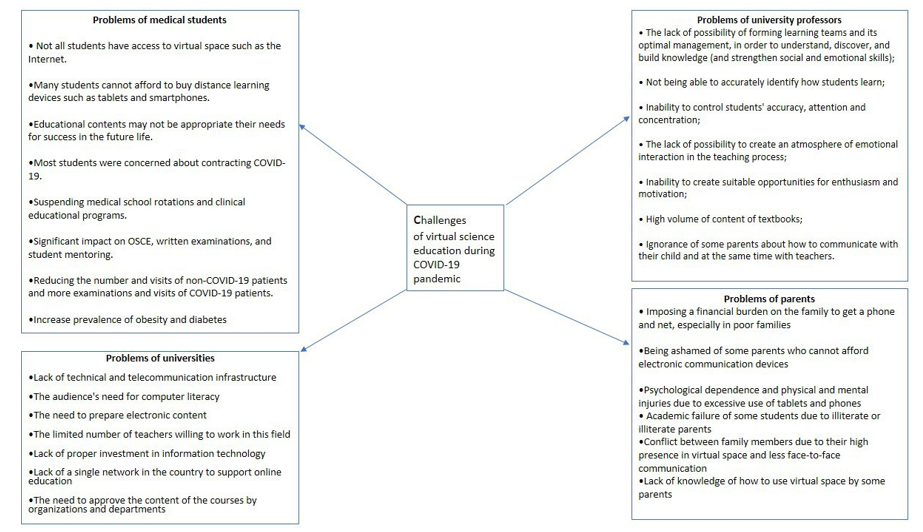
Figure 1: Challenges of Virtual Education During COVID-19 Pandemic
Results
Medical Education Challenges During the COVID-19 Pandemic
Several courses for medical students require their physical presence in skill labs, next to the medical moulage or a human body. Thus, during the COVID-19 pandemic, the VE failed to provide this type of training and practical training for students faced a problem [7]. Although the students could receive the necessary training at home through the educational videos provided by the professors or by borrowing the medical moulage, bone, or natural body to some extent, in any case, there was no direct connection between students and professors, and this issue had reduced the quality of education [7,8].
The training of medical students in the clinical course requires direct communication between medical students and patients.VE will never replace face-to-face training at the patient’s bedside. Consequently, numerous issues arose in the medical education of clinical course students. Although the universities obliged medical interns, residents, and fellowships to attend the hospitals, this itself caused the spread of COVID-19. Thus, many interns, residents, and fellowships were infected by COVID-19 [7-9]. Some univer- sities divided the students into different groups, and the attendance of students decreased so that at any particular time, only one group of medical students was present at the patient’s bedside. It caused most of the medical students during this period to visit fewer pa- tients.
On the other hand, the unwillingness of the elective patients to be admitted to the hospital due to the risk of COVID-19 infection de- creased the amount of patients for medical education [7-9]. Since the clinical training of medical students requires the examination of different patients in various medical fields, the lack of cases caused medical students to lose the necessary ability to examine different patients, visit different cases, and study them at the bedside, which was one of the significant problems of medical students' educa- tion during the clinical training. While the post-COVID-19 period partially addressed this issue, it resurfaced during the subsequent COVID-19 peaks.
Challenges of VE in Medical Sciences from Different Perspectives
Challenges of VE Faced by University Professors
The research indicates that university professors have the following concerns about virtual medical education [10-13]:
• There is a lack of opportunities to communicate and interact with students, as optimal learning requires effective interaction between the professor and students.
• The inability to form learning teams and manage them optimally to understand, discover, and build knowledge, as well as strengthen social and emotional skills, is a significant issue.
• Not being able to correctly identify how students learn.
• Inability to control students' accuracy, attention, and concentration.
• Lack of the possibility to create an atmosphere of emotional interaction in the teaching process.
• The inability to create suitable opportunities for enthusiasm and motivation.
• High volume of content in textbooks.
• Ignorance of some parents about how to communicate with their children and, at the same time, with teachers.
• Considering the above challenges, the most critical question is whether the students:
• Have they reached the desired and expected levels in learning each lesson?
• Have they developed all the dimensions of their identity? (emotional, social, religious, and moral)
• Have students' social skills developed as expected? [10-13].
Challenges of VE Faced by Universities
The most critical challenges in the way of VE were as follows [10-16]:
• There is a lack of technical and telecommunications infra- structure.
• The audience’s need for computer literacy.
• Preparing electronic content is essential.
• There are a limited number of teachers willing to work in this field.
• There is insufficient investment in information technology.
• Lack of a trained and suitable workforce.
• Lack of face-to-face communication between teachers and students.
• A lack of native educational content.
• Organizations and departments must approve the content of the courses.
• The existence of a centralized and one-sided educational system in educational and curriculum planning is problematic.
• There is a lack of a single network in the country to support online education.
Challenges of VE Faced by Parents
This research summarizes the following cases to illustrate the challenges of VE for parents [17-21]:
• Imposing a financial burden on the family to obtain a phone and internet, especially in low-income families.
• Be ashamed of parents who cannot afford electronic communication devices.
• Psychological dependence and physical and mental injuries due to the excessive use of tablets and phones.
• Academic failure of some students due to illiterate or illiterate parents.
• There is conflict between family members due to their high presence in the virtual space and less face-to-face communication.
• Worried about the educational weakness of students compared with face-to-face education.
• Weaknesses in social and face-to-face skills.
• There is less depth of learning in virtual space, especially for elementary school students, compared with face-to-face education.
• Some parents lack knowledge about how to use virtual space.
• The laziness of some students in studying and doing academic tasks.
• Parents' concern about their children's complete education.
• Lack of mastery by some teachers in the software and hardware required for teaching in the virtual space.
• ♦Completing the student's homework by other people and the possibility of cheating in cyberspace.
Academic failure, greater dependence on parents instead of the educational system, and the occurrence of social anomalies in stu- dents are some of the side effects of VE. However, in the mean- time, parents' concern about their children’s health and officials’ concern about the future consequences of VE for the education system are both valid and reasonable [17-21]. On the other hand, studies show that for several families, due to their low income, they still have to pay for the Internet and buy a mobile phone for their children, or in some homes, due to the number of students, buy a tablet to use the virtual space platform. It has become a prob- lem that, under such conditions, these students cannot be expected to use distance education well, with many concerns [17-21].
Challenges of VE Faced by Students
During the COVID-19 pandemic, there was an increase in the prevalence of obesity, overweight, and diabetes mellitus among students. This was attributed to their inactivity due to the use of VE and social distancing. Additionally, they consumed excessive snacks and occasionally overindulged in high-calorie foods at home. On the other hand, obesity is associated with the risk of increasing insulin resistance in the body and will increase the risk of diabetes and pre-diabetes [22-24].
According to the research, the problems faced by medical students during the COVID-19 era include the following [25-28]:
• Not all students have access to virtual spaces such as the Internet.
• Many students cannot afford distance learning devices such as tablets and smartphones.
• Another challenge for the learner can be the educational content that does not suit their needs for success in the future.
• Additionally, the expansion of distance education provides the target community with the opportunity to experience educational justice.
• VE is not suitable for some disciplines or materials, such as clinical education, and it cannot teach medical students' clinical skills.
• Most students were concerned about contracting COVID-19.
• Suspending medical school rotations and clinical education programs;
• Significant impact on Objective Structured Clinical Examination (OSCE), written examinations, and student mentoring.
• Reducing the number and visits of non-COVID-19 patients and more examinations and visits of COVID-19 patients due to a lack of patient referrals and a reluctance to hospitalize patients due to the risk of contracting COVID-19.
Advantages of VE
Drs. Clark and Horton examined the numerous educational, cultur- al, economic, and time benefits of VE, as outlined below [29,30].
Economic Benefits
• Reducing commuting costs.
• Reducing stationery production costs and subsequently protecting the environment.
Educational Benefits
• Pay attention to the needs of the audience.
• Ease of access to various resources.
• The possibility of recording activities and continuous monitoring of academic progress.
• Continuous monitoring of the educational progress of various educational programs.
• Providing and preparing models of educational and consulting services for students
• Increase in experienced workforce in sync with information and communication technology.
Cultural Benefits
• The universality of electronic learning is due to the use of the Internet.
• The possibility of building a community with people on the web and social networks.
Time Benefits
• Update information at high speed.
• Availability of e-learning 24 hours a day at any time and any place [29,30].
The most important advantage of online education was that the teacher was available in any situation, in any place, and at any time, and the students could solve their problems; those who were good at studying could watch the video or audio file of the lesson several times and learn the material well. On the other hand, teachers in VE could regularly assess students' understanding of the lesson, and the greatest benefit of online education was its ability to overcome space and time constraints like pollution, cold weather, snowfall, rain, and other unfavorable conditions that would otherwise hinder learning. Despite these challenges, education remained open [29- 31].
VE Opportunities for Families
• Parents recognize the importance of the teacher's unique role.
• More participation and supervision of families in the field of teaching and learning.
• Increasing the media literacy of families and paying attention to the use of virtual space for education.
• A sense of peace and security is in line with the child’s health.
• Realizing educational justice by expanding access to various electronic content in VE.
• Free choice of training hours with the family.
• More activity from shy students in the virtual space.
• Reducing commuting and saving time and money.
• Flexibility in learning (more use of the visual and sound effects of the film, simulation software, etc.).
• Access to different classes without location restrictions [14- 16,32].
Discussion and Conclusion
VE offers numerous benefits for families, including recognizing the role of teachers, increasing parental involvement, and improv- ing media literacy. However, it also has negative consequences, such as financial burdens, psychological dependence, physical and mental injuries, academic failure, and conflicts between family members [9,17-19,31,33]. Family is the foundation of society and preserves traditions, norms, and social values. What is necessary for the family is to pay attention to extremely important education- al, family, and social values. New communication technologies, including cyberspace, have transformed family values and func- tions. However, the increasing need of people for education, their lack of access to educational centers, lack of economic facilities, lack of experienced teachers, and high costs for education have prompted experts to invent new methods for education with the help of information technology. These methods should be cost-ef- fective and high-quality, and by using them, a large population of language learners can be taught simultaneously, which is VE [9,17-19,31,33].
VE has its advantages, such as the ability to learn individually and in groups, access educational materials at any time and place, and avoid additional costs of hiring trainers or sending employees out of town. However, it also has limitations, such as lack of proper human interaction, delay in feedback, postponement in asynchro- nous learning, and lack of motivation to read online electronic ma- terials. This makes it difficult for students, especially elementary school students, to understand issues accurately [9,17-19,31,33]. On the other hand, changing the learning style from face-to-face education to VE has led to the involvement of more family mem- bers in the learning process. Family is one of the most basic and essential foundations of VE, and the atmosphere that family mem- bers create at home during VE is influential in the teaching-learn- ing process and correct educational planning [9,17-19,31,33].
Along with the school forces, especially the teachers of each class, the family as a helper of the education system can facilitate the educational situation of the children and, in the current situation (non-attendance education), create a platform for the realization of the process of VE at home. This is achieved if the conditions and family atmosphere are all-around safe [9,17-19,31,33]. If the family environment is unsafe and full of peace, children cannot participate in online classes, and education remains incomplete. In addition, encouraging students, especially elementary school students, to learn material effectively and convincing them to be actively present and pay enough attention to the virtual classroom, which is one of the duties of family members, is a relatively diffi- cult task [9,17-19,31,33].
If the parents are working, the conditions for virtual and online education will be more difficult because control and self-manage-ment are difficult for elementary school students. Therefore, teach- ing media literacy is necessary here. On the other hand, e-learning tools have the advantage that employees can learn them individ- ually and in groups, and with the help of e-learning technologies, they can do anything at any time and place that is convenient. Let them learn that technology provides the possibility of training in different places for employees and makes their access to educa- tional materials possible. It also avoids the additional costs of hir- ing a trainer or sending employees out of town to attend training programs. Despite all the advantages of electronic training, and while it was expected that these trainings would completely re- place traditional training, the research results show that these types of training also have their limitations and lead to problems such as lack of proper human interaction, delay in feedback, postponement in asynchronous learning, and lack of motivation to read online electronic materials. In response to these problems, it is necessary for the country’s education authorities, managers, teachers, and parents to take appropriate measures to reduce the adverse effects of these factors [9,17-19,31,33].
Ethics Approval and Consent to Participate
Not applicable
Consent for Publication
Not applicable
Availability of Data and Materials
Not applicable
Competiting Interest
The authors declare that they have no competing interests.
Funding
None.
Acknowledgments
Not applicable
Author Contributions
AA designed the study, searched databases, and the consulted literature. AA and DD participated in manuscript sorting. AA and DD drafted the manuscript. All authors have carefully revised and edited the manuscript.
References
- Arya, P. (2006). Higher education and global challenges: systems and opportunities. Deep and Deep Publications.
- Seifman, M. A., Fuzzard, S. K., To, H., & Nestel, D. (2022). COVID-19 impact on junior doctor education and training: a scoping review. Postgraduate medical journal, 98(1160), 466-476.
- Yaghoubi, F., & Dalil, D. (2022). Acquired thrombotic thrombocytopenic purpura after AstraZeneca vaccine: a case report. Caspian journal of internal medicine, 13(Suppl 3), 299.
- Yaghoubi, F., Tavakoli, F., Dalil, D., Akhavan, M., &Abbasloo, S. (2023). COVID-19 outcomes in kidney transplant recipients receiving a combination of sofosbuvir- daclatasvir treatment; a single-center study. Journal of Renal Injury Prevention, 12(4), e32130-e32130.
- Altmiller, G., & Pepe, L. H. (2022). Influence of technology in supporting quality and safety in nursing education. The Nursing Clinics of North America, 57(4), 551.
- Isah, A. A., Mirmoghtadaie, Z., & Hamzezadeh, H. (2022). Promotion of blended learning in medical education during the COVID-19 crisis: A successful experience report from Iranian medical universities. J Med Educ, 21, e119673.
- Jeyakumar, Y., Sharma, D., Sirianni, G., Nyhof-Young, J., Otremba, M., & Leung, F. H. (2020). Limitations in virtual clinical skills education for medical students during COVID-19. Canadian medical education journal, 11(6), e165.
- Tuma, F., Nassar, A. K., Kamel, M. K., Knowlton, L. M., & Jawad, N. K. (2021). Students and faculty perception of distance medical education outcomes in resource-constrained system during COVID-19 pandemic. A cross-sectional study. Annals of Medicine and Surgery, 62, 377-382.
- Rose, S. (2020). Medical student education in the time of COVID-19. Jama, 323(21), 2131-2132.
- Contreras, C. P., Picazo, D., Cordero-Hidalgo, A., & Chaparro- Medina, P. M. (2021). Challenges of virtual education during the covid-19 pandemic: Experiences of Mexican University professors and students. International Journal of Learning, Teaching and Educational Research, 20(3), 188-204.
- Dodo, O. (2013). An analysis of challenges faced by students learning in virtual and open distance learning system: A case of Bindura University of Science Education (BUSE).
- Gorghiu, L. M., Gorghiu, G., Dumitrescu, C., Olteanu,R. L., Bîzoi, M., & Suduc, A. M. (2010). Implementing virtual experiments in sciences education-challenges and experiences achieved in the frame of VccSSe Comenius2.1. Project. Procedia-Social and Behavioral Sciences, 2(2), 2952-2956.
- Keshavarzi, M. H., Arabshahi, S. K. S., Gharrahee, B., Sohrabi, Z., & Mardani-Hamooleh, M. (2019). Exploration of faculty members’ perceptions about virtual education challenges in medical sciences: a qualitative study. Journal of Advances in Medical Education & Professionalism, 7(1), 27.
- Chen, S. Y., Basma, D., Ju, J., & Ng, K. M. (2020).Opportunities and challenges of multicultural and international online education. Professional Counselor, 10(1), 120-132.
- Huang, A. H. (1997). Challenges and opportunities of online education. Journal of educational technology systems, 25(3), 229-247.
- Jindal, A., & Chahal, B. P. S. (2018). Challenges and opportunities for online education in India. Pramana research journal, 8(4), 99-106.
- Abuhammad, S. (2020). Barriers to distance learning during the COVID-19 outbreak: A qualitative review from parents’ perspective. Heliyon, 6(11).
- Klosky, J. V., Gazmararian, J. A., Casimir, O., & Blake, S.C. (2022). Effects of remote education during the COVIDâ?19 pandemic on young children's learning and academic behavior in Georgia: Perceptions of parents and school administrators. Journal of School Health, 92(7), 656-664.
- Lipkin, M., & Crepeauâ?Hobson, F. (2023). The impact of the COVIDâ?19 school closures on families with children with disabilities: A qualitative analysis. Psychology in the Schools, 60(5), 1544-1559.
- Šarníková, G. (2023). Parents’ Approaches to Their Children’s Education and Related Issues During the COVID-19 Pandemic in the Slovak and the Czech Republic. Journal of Family Issues, 44(8), 2185-2212.
- Zhao, Y., Guo, Y., Xiao, Y., Zhu, R., Sun, W., Huang, W.,... & Wu, J. L. (2020). The effects of online homeschooling on children, parents, and teachers of grades 1–9 during the COVID-19 pandemic. Medical science monitor: international medical journal of experimental and clinical research, 26, e925591-1.
- Jha, S., & Mehendale, A. M. (2022). Increased incidence of obesity in children and adolescents post-COVID-19 pandemic: a review article. Cureus, 14(9).
- Rathmann, W., Kuss, O., & Kostev, K. (2022). Incidence of newly diagnosed diabetes after Covid-19. Diabetologia, 65(6), 949-954.
- Salman, H., Ä°ssi Irlayici, F., & Akçam, M. (2023). The COVIDâ?19 Pandemic and the Prevalence of Childhood Obesity in Turkiye. Journal of Pediatric Gastroenterology and Nutrition, 76(1), e15-e19.
- Choi, B., Jegatheeswaran, L., Minocha, A., Alhilani, M., Nakhoul, M., & Mutengesa, E. (2020). The impact of the COVID-19 pandemic on final year medical students in the United Kingdom: a national survey. BMC medical education, 20(1), 206.
- Ibrahim, N. K., Al Raddadi, R., AlDarmasi, M., Al Ghamdi, A., Gaddoury, M., AlBar, H. M., & Ramadan, I. K. (2021). Medical students’ acceptance and perceptions of e-learning during the Covid-19 closure time in King Abdulaziz University, Jeddah. Journal of infection and public health, 14(1), 17-23.
- Tempski, P., Arantes-Costa, F. M., Kobayasi, R., Siqueira, M. A., Torsani, M. B., Amaro, B. Q., ... & Martins, M. A. (2021). Medical students’ perceptions and motivations during the COVID-19 pandemic. PloS one, 16(3), e0248627.
- Turana, Y., Primatanti, P. A., Sukarya, W. S., Wiyanto, M., Duarsa, A. B. S., Wratsangka, R., ... & Kurniawan, F. (2022, March). Impact on medical education and the medical student’s attitude, practice, mental health, after one year of the COVID-19 pandemic in Indonesia. In Frontiers in Education (Vol. 7, p. 843998). Frontiers Media SA.
- Clarke, A. (2008). E-learning skills. Palgrave Macmillan.
- Horton, W. (2001). Leading e-learning. American Society for Training and Development.
- Zaki, M. S. (2022). ADVANTAGES AND DISADVANTAGESOF ONLINE LEARNING. Journal of International Social Research, 15(92).
- Vigo-Arrazola, B., & Dieste-Gracia, B. (2019). Building virtual interaction spaces between family and school. Ethnography and Education, 14(2), 206-222.
- Mushtaha, E., Dabous, S. A., Alsyouf, I., Ahmed, A., & Abdraboh, N. R. (2022). The challenges and opportunities of online learning and teaching at engineering and theoretical colleges during the pandemic. Ain Shams Engineering Journal, 13(6), 101770.