

International Journal of Botany and Horticulture Research(IJBHR)
ISSN: 2994-872X | DOI: 10.33140/IJBHR
Impact Factor: 0.98

Research Article - (2024) Volume 2, Issue 2
Botany and Phytochemisty of Dillwynia Sericea to Adapt Ecological Changes
2National Institute of Complementary Medicine, Western Sydney University, Australia
Received Date: Jun 20, 2024 / Accepted Date: Jul 26, 2024 / Published Date: Jul 31, 2024
Copyright: ©Â©2024 Pragna Gaur. This is an open-access article distributed under the terms of the Creative Commons Attribution License, which permits unrestricted use, distribution, and reproduction in any medium, provided the original author and source are credited.
Citation: Gaur, P. (2024). Botany and Phytochemisty of Dillwynia Sericea to Adapt Ecological Changes. Int J Bot Hor Res, 2(2), 01-06.
Abstract
This study investigates the phytochemistry using the extracts of chemical compounds by using Gas Chromatography- Mass Spectrometry (GC-MS). The GC-MS analysis of chemical compounds in Dillwynia sericea offers profound insights into ecological conservation. This analysis reveals a rich array of bioactive compounds, including phenolic compounds, fatty acids, and diterpenoids, pivotal for the plant's defence mechanisms against pathogens and herbivores, bolstering its ecological resilience. Moreover, identifying compounds like hydrocarbons and phenolics elucidates the plant's intricate interactions with its environment, highlighting adaptive strategies crucial for survival, especially in arid habitats. Leveraging this chemical knowledge informs targeted conservation strategies, directing efforts towards preserving habitats abundant in these bioactive compounds, thus safeguarding biodiversity and ecosystem integrity.
Furthermore, variations in compound abundance serve as sensitive indicators of habitat health, facilitating effective monitoring and intervention strategies. Conservation initiatives focused on preserving Dillwynia sericea and its chemical diversity foster overall biodiversity conservation, nurturing a diverse array of associated plant and animal species, thereby enhancing ecosystem stability and resilience. Additionally, understanding phytochemical diversity guides habitat restoration endeavours, prioritising reintroducing diverse plant populations to bolster ecosystem function and resilience.
Keywords
Botany, Phytochemistry, Gas Chromatography-Mass Spectrometry (GC-MS)
Introduction
Dillwynia sericea, commonly referred to as Showy Parrot-Pea, is a member of the Fabaceae family, native to eastern Australia, mainly thriving in regions such as New South Wales and Queensland [1,2]. Characterised by its stature as a small shrub, typically reaching 1–1.5 meters, it features slender, upright stems adorned with linear or lance-shaped leaves [3]. Its striking flowers, usually yellow with red accents, adorn the plant during the spring and early summer months, attracting attention to its presence. Found across a spectrum of habitats, including open forests, woodlands, heathlands, and scrublands, Dillwynia sericea's significance extends beyond its aesthetic appeal [4]. It serves as a vital component of its ecosystem, offering nectar to pollinators and sustenance to birds and insects [5]. However, the species faces threats such as habitat destruction and invasive species, underscoring the importance of conservation efforts. Phytochemical analysis of Dillwynia sericea unveils an array of compounds, shedding light on its ecological interactions and potential medicinal properties [6,7]. This understanding of its phytochemistry informs conservation strategies and emphasises its ecological significance within its native habitat.
Botany
Taxonomical Classification
Dillwynia was named after British botanist Lewis Weston Dillwyn (1778-1855). Dillwynia sericea was first formally described in 1825 by Allan Cunningham in Barron Fields's book, Geographical Memoirs on New South Wales. The "sericea" "silky" [8].
|
Kingdom |
Plantae |
|
Phylum |
Angiosperms |
|
Class |
Eudicots |
|
Order |
Fabales |
|
Family |
Fabaceae |
|
Subfamily |
Faboideae |
|
Tribe |
Mirbelieae |
|
Genus |
Dillwynia |
Table 1: Taxonomical Classification of Dillwynia Sericea [8].
Dillwynia sericea is a species of flowering plant in the pea family, Fabaceae. It belongs to the subfamily Faboideae and the tribe Mirbelieae within the order Fabales Refer Table 1 for the detail.
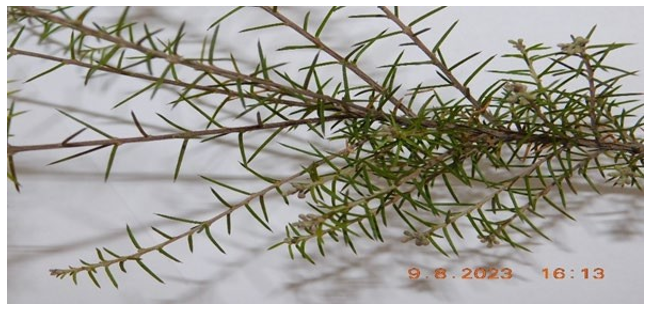
Figure 1: Dillwynia Sericea
Dillwynia sericea is an essential plant for native wildlife, particularly birds and insects. Its flowers provide a nectar source for pollinators such as bees and butterflies, and various bird species eat the seeds. Dillwynia sericea can be cultivated in gardens, particularly in native plants or as part of a landscaping scheme. It prefers a sunny position and well-drained soil. Once established, it is low-maintenance and drought-tolerant.: While Dillwynia sericea is not considered threatened overall, certain populations may be at risk due to habitat destruction and invasive species. Conservation efforts may include habitat restoration and protection of remaining populations. Dillwynia sericea, like many plants, contains various phytochemicals, which are natural compounds produced by plants. These compounds serve different functions, including defence against herbivores, attraction of pollinators, and allelopathy (inhibiting the growth of competing plants).
Distribution
Dillwynia sericea is widely distributed worldwide, including in the Showy parrot. It grows in heath, woodland, and forest and is widespread and common in eastern New South Wales, the Australian Capital Territory, Victoria, and eastern Tasmania. It is also found in south-eastern Queensland and south-eastern South Australia [4,8]. Dillwynia sericea is appreciated as a local native. Dillwynia sericea plays a crucial role in its ecosystem as a nectar source for pollinators and as a food source for birds and insects. Overall, Dillwynia sericea is a beautiful and ecologically important plant species native to eastern Australia, valued for its striking flowers and role in supporting native wildlife. Therefore, conserving its habitat is essential for maintaining biodiversity and ecosystem health. A phytochemical analysis of Dillwynia sericea may reveal the presence of phenolic compounds, such as fatty acids, sterols, and other compounds. These compounds contribute to its ecological interactions with other organisms.
Methodology
Plant of Interest (POI)
Dillwynia sericea exhibits a vast distribution over the eastern region of New South Wales. The collection of plant samples was conducted with a focus on ensuring ethical research procedures, promoting sustainable knowledge expansion, and supporting conservation activities in the field of plant species study. The study adheres to the guidelines outlined in the IUCN Policy Statement on Research Involving Species at Risk of Extinction and the Convention on the Trade in Endangered Species of Wild Fauna and Flora. The research team procured plant material from Australia for this investigation (See Figure 1 for the detail). Peter Jobson saw the authentication of plant in the Royal Botanical Garden. Voucher specimens corresponding to appropriate plant samples were preserved in Australia's RBG Mount Annan herbarium.
Sample Preparation
The Authenticated plant material is stored in sterile containers in a cold, dry area. The plant matter is grounded with an electric plant processor into 1mm-5mm particles. The sample was subjected to two GCMS analyses, and when both analyses confirmed the presence of the same chemical compound, that information was documented and reported.
Extraction for GC/MS
Methanol was used to extract the active constituents in traditional Australian aboriginal Medicine preparations and traditional Indian remedies [9-14]. Liquid-liquid extraction was used to remove impurities from a mixture to prevent damage to a column or GCMS instrument and improve chromatographic results The plant material (approx.10 mg) solid sample was extracted in 2 mL of MeOH or DCM: MeOH (50:50) by sonication for 30 minutes and centrifugation at 3000 rpm for 5 min. Transfer the liquid to a capped GC/MS vial for analysis.
Configuration for GC/MS Analysis and Acquisition of Data-Screening Method [15,16]
The chromatographic separation was carried out on a capillary column (Agilent 19091-60312 HP-1 Methyl Siloxane (325 °C) Capillary 12.0 m x 200 µm x 0.33 µm) using 1 μL of sample injection volume.
The oven temperature programme will initially be 60 °C for 2.00 min and then ramped at 20.00 °C/min. Final Temp- 300 °C Final Time: 5.00 min. The total run time is 19 min. The carrier gas is set at a constant flow rate of 20.0 mL/min. The injection port, transfer line, and ion source were set to 250 °C, and the mass-scanning range will be set to 40 to 650 m/z in scan mode. The injection was executed in split mode with a 50:1 split ratio, and a 2-minute solvent delay time was set for the samples. GCMS LOD is determined using a signal-to-noise ratio of 3:1 (analyte to noise). The GCMS spectral library and published mass spectra were utilised to identify specific phytoconstituents.
Libraries of Spectral GCMS
GC-MS Spectrum were compared to the below Mass Spectral Libraries Listed Below:
• The 2020 Mass Spectral Library of the National Institute of Standards and Technology (NIST) and the NIST MS Interpreter instrument (version 3.4.4), Gaithersburg, Maryland, A260/222, 20899 Scott, Donald R.
• The Seven-Volume Wiley/NBS Registry of Mass Spectral Data Set
• NIST Cayman Chemical Mass Spectral Library Documentation
• Scientific Working Group for the Analysis of Seized Drugs (SWSDRUG), 4. 3.13 NIST Library of Mass Spectral Library.
• Designer Drug Spectral Library of Mass 2021
• A New Psychoactive Substance Discovery Mass-Spectral Library 2022
• In-house mass spectrum libraries FASS
Results and Discussion
Chemical profiling has identified over 50 chemical constituents. The provided list encompasses a diverse array of chemical compounds found in Dillwynia sericea, including hydrocarbons, heterocyclic compounds, benzoic acid derivatives, fatty acids, phenolic compounds, diterpenoids, esters, sterols, and various others. Here is a discussion focusing on some of the chemical classes and specific compounds mentioned:
Hydrocarbons
Eicosane, heneicosane, and 1-hexacosene are long-chain hydrocarbons commonly found in plant waxes, contributing to their protective function against water loss and environmental stresses [17]. 1-Octadecene and 3-octadecene are unsaturated hydrocarbons with potential industrial applications as lubricants or surfactants[18].
Heterocyclic Compounds
4H-Pyran-4-one, 2,3-dihydro-3,5-dihydroxy-6-methyl is a heterocyclic compound with potential biological activities, including antioxidant properties [19].
Phenolic Compounds
Phenolic aldehydes like vanillin and benzaldehyde derivatives such as 3-hydroxy-4-methoxybenzaldehyde are known for their antioxidant properties and may contribute to the plant's defence mechanisms [20,21]. Phenols like 2,6-dimethoxyhydroquinone and sinapyl alcohol play roles in lignin biosynthesis and plant defence against pathogens [22-24]. Compounds like pyrocatechol and catechol are simple phenolic compounds with various industrial applications, including as antioxidants and in synthesising pharmaceuticals and polymers [25-27].
Fatty Acids
Palmitic acid (hexadecanoic acid), stearic acid (octadecanoic acid), and 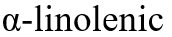 acid are common fatty acids found in plants, involved in membrane structure, energy storage, and signalling pathways [28-30]. Elaidic acid (9-octadecenoic acid) is a trans-fatty acid that may have potential implications for human health depending on its dietary intake [29,31,32]. It was found in the plants; it could be researched further for its effects. Hexadecanoic acid, 2-hydroxy-1-(hydroxymethyl)ethyl ester, is an ester derivative of a fatty acid, potentially contributing to the plant's aroma or serving as a storage form of fatty acids [33-35].
Sterols and Diterpenoids
Stigmasterol and sitosterol are plant sterols with structural and physiological roles, including membrane fluidity and signalling [36-39]. Dehydroabietic acid is a diterpenoid compound found in resinous plants and is known for its antimicrobial and antioxidant properties [40-42]. Phytol is a diterpene alcohol used as a precursor for synthesising vitamins E and K1. It also has applications in the fragrance industry [43,44]. Each of these chemical compounds contributes to the complex chemistry of Dillwynia sericea, influencing its ecological interactions, defense mechanisms, and potential applications in various fields such as medicine, industry, and agriculture. Understanding the chemical composition of this plant species is essential for exploring its ecological and pharmacological significance.
Conclusion
The Gas Chromatography-Mass Spectrometry (GC-MS) analysis of chemical compounds in Dillwynia sericea offers profound insights into ecological conservation. This analysis reveals a rich array of bioactive compounds, including phenolic compounds, fatty acids, and diterpenoids, pivotal for the plant's defence mechanisms against pathogens and herbivores, bolstering its ecological resilience. Moreover, identifying compounds like hydrocarbons and phenolics elucidates the plant's intricate interactions with its environment, highlighting adaptive strategies crucial for survival, especially in arid habitats. Leveraging this chemical knowledge informs targeted conservation strategies, directing efforts towards preserving habitats abundant in these bioactive compounds, thus safeguarding biodiversity and ecosystem integrity. Furthermore, variations in compound abundance serve as sensitive indicators of habitat health, facilitating effective monitoring and intervention strategies. Conservation initiatives focused on preserving Dillwynia sericea and its chemical diversity foster overall biodiversity conservation, nurturing a diverse array of associated plant and animal species, thereby enhancing ecosystem stability and resilience.
Additionally, understanding phytochemical diversity guides habitat restoration endeavours, prioritising reintroducing diverse plant populations to bolster ecosystem function and resilience. GC-MS analysis of Dillwynia sericea is pivotal in advancing ecological conservation efforts by deciphering bioactive compounds, unravelling plant-environment dynamics, directing conservation strategies, monitoring habitat health, promoting biodiversity, and guiding habitat restoration. The Gas Chromatography-Mass Spectrometry (GC-MS) analysis of the chemical compounds found in Dillwynia sericea provides valuable insights into its ecological conservation. Identification of Bioactive Compounds: GC-MS analysis helps identify bioactive compounds such as phenolic, fatty acids, and diterpenoids in Dillwynia sericea. These compounds play crucial roles in the plant's defence against pathogens and herbivores, contributing to its ecological resilience. It helps in understanding Plant-Environment Interactions: GC-MS analysis sheds light on the plant's interactions with its environment by identifying compounds like hydrocarbons and phenolic compounds. For example, long-chain hydrocarbons found in plant waxes contribute to water loss reduction, crucial for survival in arid habitats, thereby highlighting the plant's adaptation strategies.
Knowledge of the chemical composition can inform conservation strategies for Dillwynia sericea. Protecting habitats rich in specific bioactive compounds ensures the preservation of biodiversity and ecosystem integrity. Conservation efforts can focus on areas where these compounds are abundant to safeguard the plant's ecological role.
Additionally, Changes in the chemical composition of Dillwynia sericea populations can serve as indicators of habitat health. Monitoring shifts in compound abundance or diversity can help assess habitat quality and identify areas needing conservation intervention. Overall, promoting biodiversity conservation efforts to preserve Dillwynia sericea and its chemical diversity contributes to biodiversity conservation. Protecting habitats rich in diverse chemical compounds supports various associated plant and animal species, enhancing ecosystem stability and resilience.
Our study will assist in understanding the phytochemical diversity revealed by GC-MS analysis can guide habitat restoration efforts. Restoration projects can prioritise reintroducing plant populations with diverse chemical profiles to enhance ecosystem function and resilience.
In summary, GC-MS analysis of Dillwynia sericea provides crucial information for ecological conservation efforts by identifying bioactive compounds, understanding plant-environment interactions, guiding conservation strategies, serving as indicators of habitat health, promoting biodiversity, and informing habitat restoration initiatives.
References and Bibiliography
- Somerville, D. (2020). Honey and pollen flora of south-eastern Australia. NSW Agriculture.
- Phelps–President, C. (2007). Anvil Hill Project Watch Association.
- Jobson, P. C., & Weston, P. H. (1998). Dillwynia glaucula (Fabaceae: Mirbelieae), a new species from the Southern Tablelands, New South Wales. Telopea, 8, 1.
- https://plantnet.rbgsyd.nsw.gov.au/cgi-bin/NSWfl. pl?page=nswfl&lvl=sp&name=Dillwynia ~ sericea accessed on 05/03/2024.
- Gross, C. L. (2001). The effect of introduced honeybees on native bee visitation and fruit-set in Dillwynia juniperina (Fabaceae) in a fragmented ecosystem. Biological conservation, 102(1), 89-95.
- Macias, F. A., Galindo, J. L., & Galindo, J. C. (2007). Evolution and current status of ecological phytochemistry. Phytochemistry, 68(22-24), 2917-2936.
- Soni, A., & Sosa, S. (2013). Phytochemical analysis and free radical scavenging potential of herbal and medicinal plant extracts. Journal of Pharmacognosy and phytochemistry, 2(4), 22-29.
- https://bie.ala.org.au/species/https://id.biodiversity.org.au/ node/apni/2907450 accessed on 05/03/2024.
- Moffat, A. C., Osselton, M. D., Widdop, B., & Watts, J. (2011). Clarke's analysis of drugs and poisons (Vol. 3, p. 533). London: Pharmaceutical press.
- Naz, R., Ayub, H., Nawaz, S., Islam, Z. U., Yasmin, T., Bano, A., ... & Roberts, T. H. (2017). Antimicrobial activity, toxicity and anti-inflammatory potential of methanolic extracts of four ethnomedicinal plant species from Punjab, Pakistan. BMC complementary and alternative medicine, 17, 1-13.
- Patel, V., & Patel, R. (2016). The active constituents of herbs and their plant chemistry, extraction and identification methods. Journal of chemical and pharmaceutical research, 8(4), 1423-1443.
- Recommended Methods for Testing Peyote Cactus (Mescal Buttons)/Mescaline and Psilocybe Mushrooms/Psilocybin. December 1989, Laboratory and Scientific Service United Nations Office on Drugs and Crime.
- Allen, J. W., Merlin, M. D., & Jansen, K. L. (1991). An ethnomycological review of psychoactive agarics in Australia and New Zealand. Journal of psychoactive drugs, 23(1), 39-69.
- Li, R. W., Myers, S. P., Leach, D. N., Lin, G. D., & Leach, G. (2003). A cross-cultural study: anti-inflammatory activity of Australian and Chinese plants. Journal of ethnopharmacology, 85(1), 25-32.
- Harborne, J. B., Baxter, H., & Moss, G. P. A. (1993). A handbook of bioactive compounds from plants. Phytochemical dictionary, 35, 36-7.
- Gupta, G. L., & Nigam, S. S. (1970). Chemical examination of the leaves of Acacia concinna. Planta Medica, 18(05), 55-62.
- Fine, P. M., Cass, G. R., & Simoneit, B. R. (2001). Chemical characterization of fine particle emissions from fireplace combustion of woods grown in the northeastern United States. Environmental Science & Technology, 35(13), 2665-2675.
- Weiss, J., Coupland, J. N., Brathwaite, D., & McClements,D. J. (1997). Influence of molecular structure of hydrocarbon emulsion droplets on their solubilization in nonionic surfactant micelles. Colloids and Surfaces A: Physicochemical and Engineering Aspects, 121(1), 53-60.
- Chen, Z., Liu, Q., Zhao, Z., Bai, B., Sun, Z., Cai, L., ... &Xi, G. (2021). Effect of hydroxyl on antioxidant properties of 2, 3-dihydro-3, 5-dihydroxy-6-methyl-4 H-pyran-4-one to scavenge free radicals. RSC advances, 11(55), 34456-34461
- Nandy, S., Hazra, A. K., Pandey, D. K., Ray, P., & Dey, A. (2021). Elicitation of industrially promising vanillin type aromatic compound 2-hydroxy 4-methoxy benzaldehyde (MBAlD) yield in the in-vitro raised medicinal crop Hemidesmus indicus (L) R. Br. by methyl jasmonate and salicylic acid. Industrial Crops and Products, 164, 113375.
- Kundu, A., & Mitra, A. (2016). Methoxybenzaldehydes in plants: insight to the natural resources, isolation, application and biosynthesis. Current science, 1325-1334.
- Ley, Y., Cheng, X. Y., Ying, Z. Y., Zhou, N. Y., & Xu, Y. (2023).Characterization of two marine lignin-degrading consortia and the potential microbial lignin degradation network in nearshore regions. Microbiology Spectrum, 11(3), e04424-22.
- de Jong, E. (1993). Physiological roles and metabolism of fungal aryl alcohols. Wageningen University and Research.
- Spencer, P. A. (1991). Wound induced plant phenolic compounds and virulence gene expression in Agrobacterium species (Doctoral dissertation, University of British Columbia).
- Forooshani, P. K., Meng, H., & Lee, B. P. (2017). Catechol redox reaction: reactive oxygen species generation, regulation, and biomedical applications. In Advances in Bioinspired and Biomedical Materials Volume 1 (pp. 179-196). American Chemical Society.
- Yan, G., Chen, G., Peng, Z., Shen, Z., Tang, X., Sun, Y.,... & Lin, L. (2021). The Crossâ?Linking Mechanism and Applications of Catechol–Metal Polymer Materials. Advanced Materials Interfaces, 8(19), 2100239.
- Nagarajan, S., Nagarajan, R., Kumar, J., Salemme, A., Togna,A. R., Saso, L., & Bruno, F. (2020). Antioxidant activity of synthetic polymers of phenolic compounds. Polymers, 12(8), 1646.
- Scrimgeour, C. M., & Harwood, J. L. (2007). Fatty acid and lipid structure. In The lipid handbook with CD-ROM (pp. 15-50). CRC Press.
- Tvrzicka, E., Kremmyda, L. S., Stankova, B., & Zak, A. (2011). Fatty acids as biocompounds: their role in human metabolism, health and disease-a review. part 1: classification, dietary sources and biological functions. Biomedical Papers of the Medical Faculty of Palacky University in Olomouc, 155(2).
- Kapoor, B., Kapoor, D., Gautam, S., Singh, R., & Bhardwaj,S. (2021). Dietary polyunsaturated fatty acids (PUFAs): Uses and potential health benefits. Current nutrition reports, 10, 232-242.
- Kwon, Y. (2016). Effect of trans–fatty acids on lipid metabolism: mechanisms for their adverse health effects. Food Reviews International, 32(3), 323-339.
- Khosla, P., Hajri, T., Pronczuk, A., & Hayes, K. C. (1997). Replacing dietary palmitic acid with elaidic acid (t-C18: 1Δ9) depresses HDL and increases CETP activity in cebus monkeys. The Journal of nutrition, 127(3), 531S-536S.
- Adebiyi, J. A., Njobeh, P. B., Adebo, O. A., & Kayitesi, E. (2021). Metabolite profile of Bambara groundnut (Vigna subterranea) and dawadawa (an African fermented condiment) investigation using gas chromatography high resolution time-of-flight mass spectrometry (GC-HRTOF-MS). Heliyon, 7(4).
- Egbo, D. C. (2020). Phytochemicals and Organic Constituents of Jatropha Curcas.
- Oguntade, A. S. (2020). Assessment of Active Compounds Present in Preservatives Used for Grain Storage in Selected Markets in Ilorin, Kwara State (Master's thesis, Kwara State University (Nigeria)).
- Rogowska, A., & Szakiel, A. (2020). The role of sterols in plant response to abiotic stress. Phytochemistry Reviews, 19(6), 1525-1538.
- Hartmann, M. A. (1998). Plant sterols and the membrane environment. Trends in plant science, 3(5), 170-175.
- Aboobucker, S. I., & Suza, W. P. (2019). Why do plants convert sitosterol to stigmasterol?. Frontiers in plant science, 10, 354.
- Du, Y., Fu, X., Chu, Y., Wu, P., Liu, Y., Ma, L., ... & Zhu,B. (2022). Biosynthesis and the roles of plant sterols in development and stress responses. International Journal of Molecular Sciences, 23(4), 2332.
- Silva, K. R. D., Damasceno, J. L., Inácio, M. D. O., Abrão, F.,Ferreira, N. H., Tavares, D. C., ... & Martins, C. H. G. (2019). Antibacterial and cytotoxic activities of Pinus tropicalis and Pinus elliottii resins and of the diterpene dehydroabietic acid against bacteria that cause dental caries. Frontiers in Microbiology, 10, 987.
- Diterpenoids, A.A., NPR RSCPublishing.
- Eksi, G., Kurbanoglu, S., & Erdem, S. A. (2020). Analysis of diterpenes and diterpenoids. In Recent advances in natural products analysis (pp. 313-345). Elsevier.
- Ijoma, G. N. (2007). Isoprenoids/Terpenes (Secondary Metabolites): Biosynthesis and Commercial Applications.
- Alamgir, A. N. M., & Alamgir, A. N. M. (2018). Secondary metabolites: Secondary metabolic products consisting of C and H; C, H, and O; N, S, and P elements; and O/N heterocycles. Therapeutic use of medicinal plants and their extracts: volume 2: phytochemistry and bioactive compounds, 165-309.