

International Journal of Botany and Horticulture Research(IJBHR)
ISSN: 2994-872X | DOI: 10.33140/IJBHR
Impact Factor: 0.98

Research Article - (2024) Volume 2, Issue 1
An Inventory of Medicinal and Poisonous Plants of the National Veterinary Research Institute Vom, Plateau State, Nigeria
2Department of Veterinary Public Health and Preventive, University of Abuja, Nigeria
3Central Diagnostic Laboratory Division, National Veterinary Research Institute, Plateau State, Nigeria
Received Date: Nov 27, 2023 / Accepted Date: Dec 20, 2023 / Published Date: Jan 06, 2024
Copyright: ©Â©2024 Akpojosevbe Edirin James, et al. This is an open-access article distributed under the terms of the Creative Commons Attribution License, which permits unrestricted use, distribution, and reproduction in any medium, provided the original author and source are credited.
Citation: James, A. E., Elisha, I. L., Itodo, A. E., Kpensalen, T. B., Joseph, H., et al. (2024). An Inventory of Medicinal and Poisonous Plants of the National Veterinary Research Institute Vom, Plateau State, Nigeria. Int J Bot Hor Res, 2(1), 01-12.
Abstract
Traditional medicinal plants are still commonly used for primary healthcare in developing countries, and this study seeks to identify the types of medicinal plants present in our community and document the knowledge of poisonous plants. The study area was divided into four blocks, and the plants within each block were identified through a field survey using Android phones equipped with Google lens and GPS. Local and scientific names of the medicinal plants were identified using photographs, herbaria, and references. The study found a total of 98 medicinal plant species belonging to 41 plant families, with Fabaceae, Euphorbiaceae, and Lamiaceae families having the highest number of species. This study is significant for conserving traditional medicinal plants and adding to the inventory of medicinal plants in the area for conservation purposes. Furthermore, it is essential for public health and safety, as proper identification of medicinal plants is crucial to avoid poisoning.
Keywords
Traditional Knowledge, Medicinal Plants, National Veterinary Research Institute, Conservation, Field Survey, Plant Iden- tification, GPS
Introduction
In developing countries, traditional medicinal practices are still commonly used for primary healthcare, with 80% of the world's population reported to use traditional medicine by the World Health Organization [1-3]. Medicinal plants are classified into three categories, namely traditional medicinal plants, modern medicinal plants, and potential medicinal plants, based on their usage and scientific validation [4,5]. Traditional medicinal plants refer to plant species that have been used for medicinal purposes for centuries, and their efficacy is based on traditional knowledge and practices. Modern medicinal plants have been scientifically studied and proven to contain bioactive compounds with medicinal properties, and potential medicinal plants are those that are believed to have bioactive compounds that may possess medicinal properties but require further research and testing to validate their therapeutic potential [6,7]. The use of plants for medicinal purposes dates back to ancient times, but the exploitation of plant resources for various uses has led to the extinction of several plant species due to deforestation and lack of knowledge regarding their importance [8]. The loss of plant genetic resources due to exploitation and deforestation poses a threat to food security. Although the use of medicinal plants is still prevalent in Nigeria, proper identification of these plants is crucial as misidentification can result in poisoning [9]. In Nigeria, medicinal plants are commonly used, and natural remedies are preferred over synthetic ones. However, the loss of plant genetic resources due to exploitation and deforestation poses a threat to food security. Wild plants offer a natural source of herbal remedies, but proper identification is essential to avoid poisoning [9]. The National Veterinary Research Institute (NVRI) , is a potential location for medicinal plants that has not been extensively studied. Therefore, this study aims to identify the types of medicinal plants present in this location and document the knowledge of poisonous plants. Field guides and textbooks such as those by Akobundu and Agyakawa, Arbonnier, Kurian, and Kurian provide valuable plant names, descriptions, and other educative information for researchers and can be useful tools for teaching purposes [10-13]. This study is necessary to conserve traditional medicinal plants and to add to the knowledge already gathered about medicinal plants in the area systematically. The findings of this study can aid researchers working on medicinal plants found in this environment and contribute to the inventory of medicinal plants in this area for conservation purposes. Furthermore, the study seeks to document the knowledge of poisonous plants in the area, which can be useful for public health and safety. This research study focuses on a case study of the medicinal plant biodiversity identified at NVRI.
Materials and Methods
Study Area
The study was conducted in Vom town, situated in central Nigeria on the Jos Plateau, near the source of the Kaduna River, approximately 18 miles (29 km) southwest of Jos town. Vom is home to the National Veterinary Research Institute (NVRI), established in 1924, and Western Africa's first veterinary school, established in 1942.
Sampling
The study area was divided into four blocks: the Administrative block, the Junior staff quarters block, the Senior staff quarters block, and the National Institute of Trypanosomiasis Research (NITR) environment block. The plants within these blocks (figure 3 and figure 4) were identified through a field survey. Android phones equipped with Google lens and GPS were used to capture the coordinates of the plants. The National Veterinary Research Institute is located in Jos South Local Government Area of Plateau State (figure 1)

Figure 1: The map of Plateau State showing the study site – National Veterinary Research Institute in Vom, Jos South Local Government Area.

Figure 2: Family distribution of medicinal plants found in NVRI, Vom.
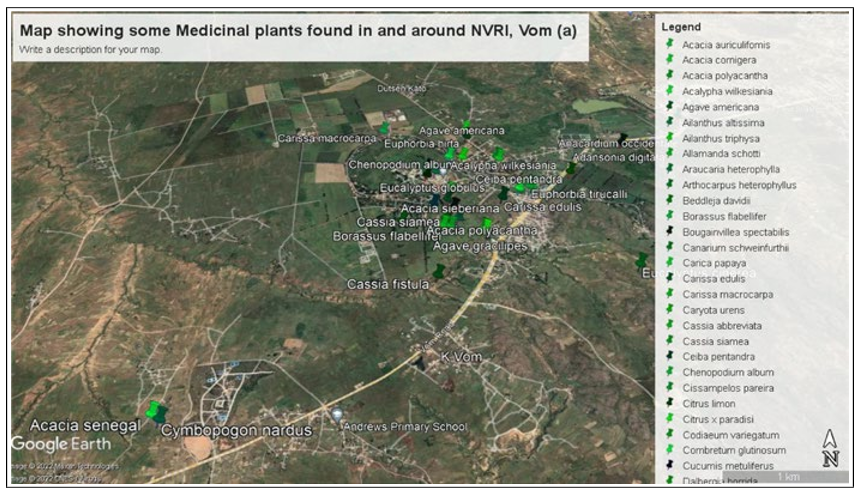
Figure 3: Google earth Geographical positioning of some plants in the NVRI premises.
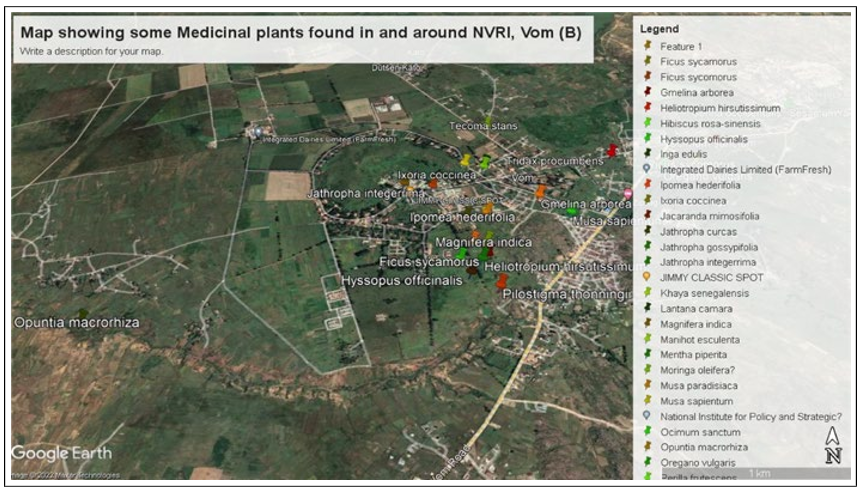
Figure 4: Google earth geographical positioning of other plants identified in the NVRI premises.
Data Collection
The medicinal plants within the study area were identified using Android phones equipped with Google lens (https://lens. google.com/). The plants were photographed and matched with those in the phone's plant identification app. Local names of the medicinal plants were identified through the knowledge of the local community and traditional practitioners. The scientific names were identified using photographs, herbaria, and references [14,15]. Digital images of the plants were also obtained for further research and documentation purposes. GPS was used to record the coordinates of the medicinal plants [16] .
Results and Discussion
Figure 2 shows the distribution of medicinal plants within the NVRI (National Veterinary Research Institute) in Vom, Nigeria, organized by family. The graph contains information on the number of medicinal plants found in each family, ranging from 1 to 17. The total number of plant families listed in the table (table 1) is 41. The family with the highest number of occurrence of medicinal plants is Fabaceae with 17 plants, followed by Euphorbiaceous with 11 plants, and then Lamiaceae with 6 plants. These three families combined account for more than half of the total number of medicinal plants found in the NVRI. Other families with a significant number of medicinal plants include Apocynaceae, Myrtaceae, Asteraceae, and Amaranthaceae. The importance of these plant families lies in the fact that they contain a high number of medicinal plants, which could potentially be useful for human and animal health.
Fabaceae, for example, is known to contain compounds that have anti-inflammatory, antimicrobial, and anti-cancer properties, among others [17]. Euphorbiaceae is also known for its medicinal properties, including its use in the treatment of skin diseases and as an analgesic [18]. Lamiaceae, on the other hand, is known for its use in the treatment of respiratory and digestive disorders, as well as its antimicrobial properties [19]. Amaranthaceae plants are known to possess antidiabetic, antihypertensive, antioxidant, and anticancer properties. Chenopodium album, a member of this family, has been used to treat diabetes and high blood pressure [20]. The Apocynaceae plants are known to possess antitumor, antimalarial, and anti-inflammatory properties. Catharanthus roseus, a member of this family, has been used to treat cancer, malaria, and diabetes [21]. Asteraceae plants are known to possess antidiabetic, anti-inflammatory, and antioxidant properties. Artemisia annua, a member of this family, has been used to treat malaria, diabetes, and inflammation [22].
|
No. |
Scientific Name |
Family |
Common Name |
Type |
Latitude |
Longitude |
Uses |
Reference |
|
1 |
Acacia sieberiana |
Fabaceae |
Paper bark thorn |
Tree |
N9°43’28.05422’’ |
E8°47’23.88509’’ |
M |
Maphosa et al. 2006 |
|
2 |
Acacia auriculifomis |
Fabaceae |
Earleaf acacia |
Tree |
N 9°43’46. 5888”, |
E 8°47’14. 81532” |
M |
Baskaran et al. 2021 |
|
3 |
Acacia cornigera |
Fabaceae |
Bull horn acacia |
Tree |
N 9°43’31. 3986”, |
E 8°47’40. 90704” |
M |
Flores-Vindas et al. 2021 |
|
4 |
Acacia polyacantha |
Fabaceae |
Hook thorn |
Tree |
N 9°43’16. 01724”, |
E 8°47’34. 22868” |
M |
Ngure et al. 2016 |
|
5 |
Acacia senegal |
Fabaceae |
Gum Arabic |
Tree |
N 9°42’4.4 3052”, |
E 8°46’3.2 3364” |
M |
Ahmed et al. 2013 |
|
6 |
Acacia terminalis |
Fabaceae |
Sunshine wattle |
Shrub |
N 9°43’20. 40852”, |
E 8°47’6.4 2408” |
M |
Nasri et al. 2012 |
|
7 |
Acalypha wilkesinia |
Euphorbiaceae |
Jacob's coat, Copper leaf |
Shrub |
N 90°43’55.82496’’, |
E 80°47’22.84156’’ |
M |
Ayoola et al. 2016 |
|
8 |
Agave americana |
Asparagaceae |
American aloe, Century plant |
Herb |
N 9°44’13. 47432”, |
E 8°47’29 23656” |
M |
Adelaja et al. 2018 |
|
9 |
Agave gracilipes |
Asparagaceae |
Agave |
Shrub |
N 9°43’16. 60908”, |
E 8°47’33 72036” |
P |
Palma-Ramos et al. 2012 |
|
10 |
Ailanthus altissima |
Simaroubaceae |
Tree of heaven |
Tree |
N 9°43’46. 59276”, |
E 8°47’14. 81532” |
M |
Zhang et al. 2012 |
|
11 |
Ailanthus triphysa |
Simaroubaceae |
White pall |
Tree |
N 9°43’46. 59024”, |
E 8°47’ 14. 81532” |
M |
Kumar et al. 2012 |
|
12 |
Allamanda schotti |
Apocynaceae |
Bush allamanda |
Climber |
N 9°43’18. 21288” |
E 8°47’20. 32656” |
M |
Guzman-Gutierrez et al. 2014 |
|
13 |
Anacadum occidentale |
Anacardiaceae |
Cashew, Indian almond |
Tree |
N9044’5.16876’’ |
E80 48’28.5516’’ |
M |
Olajide et al. 2017 |
|
14 |
Andasonia digitata |
Malvaceae |
Baobab tree |
Tree |
N90 44’5.57952’’ |
E80 48’28.67899’’ |
M |
Ahmed et al. 2014 |
|
15 |
Araucaria heterophylla |
Araucariaceae |
Norfolk pine |
Shrub |
N 9°43’20. 40852” |
E 8°47’6.4 2408” |
M |
Conran et al. 2009 |
|
16 |
Artocarpus heterophyllus |
Moraceae |
Jack fruit tree |
Tree |
N 9°43’56.45172” |
E 8°47’40.32492” |
M |
Nor et al. 2022 |
|
17 |
Atriplex semilunaris |
Amaranthaceae |
Salt bushes |
Tree |
N 9°43’35. 5242” |
E 8°47’22. 56288” |
M |
Mtimet et al. 2019 |
|
18 |
Azadiracta indica |
Meliaceae |
Dogonyaro, neem |
Tree |
N9°43’46.58664’’ |
E8°47’24.79336’’ |
M |
Sharma et al. 2021 |
|
19 |
Basella alba |
Amaranthaceae |
Malaba spinach, Vine spinach |
Shrub |
N9 044’2326524’’ |
E80 48’54.1332’’ |
M |
Biswas et al. 2000 |
|
20 |
Beddleja davidi |
Scrophulanaceae |
Butterfly bush, Summer lilac |
Shrub |
N 9°43’21. 74736” |
E 8°47’25. 61064” |
M |
Zhang et al. 2021 |
|
21 |
Borassus flabelliffa |
Arecaceae |
Tal palm, wine/doub palm |
Tree |
N 9°43’17. 82336” |
E 8°47’22. 79148” |
M |
Kalpana et al. 2021 |
|
22 |
Bougainvillea spectabilis |
Nyctaginaceae |
Great bougainvillea |
Shrub |
N 9°43’31. 3986” |
E 8°47’40. 90704” |
M |
Suhaimi et al. 2021 |
|
23 |
Caesalpinia pulcherrima |
Fabaceae |
Pride of Barbados |
Tree |
N 9°43’16. 60908” |
E 8°47’33 72036” |
M |
Vinothkumar et al. 2021 |
|
24 |
Canarium schweinfurthii |
Burseraceae |
Atili tree, Bush candle |
Tree |
N 9°43’37.3692” |
E 8°47’47.35788” |
M |
Adebiyi et al. 2021 |
|
25 |
Carica papaya |
Caricaceae |
Gwanda, Paw paw |
Herb |
N 9°43’55.98804” |
E 8°47’40.6248” |
M |
Singh et al. 2021 |
|
26 |
Carissa edulis |
Apocynaceae |
Bago Zaakii, Carrisse |
Tree |
N 9°43’31.3986” |
E 8°47’40.90704” |
M |
Alhassan et al. 2021 |
|
27 |
Carissa macrocarpa |
Apocynaceae |
Amatungulu, Natal plum |
Shrub |
N 9°44’12.18012” |
E 8°46’57.77004” |
M |
Oyedemi et al. 2021 |
|
28 |
Caryota urens |
Arecaceae |
Palm |
Tree |
N 9°43’48.13716” |
E 8°47’15.11887568” |
M |
Sharma et al. 2021 |
|
29 |
Cassia abbreviata |
Fabaceae |
Long tail Cassia |
Shrub |
N 9°43’31.3986” |
E 8°47’21.90704” |
M |
Muteva et al. 2021 |
|
30 |
Cassia fistula |
Fabaceae |
Golden shower tree |
Tree |
N90 42’55.58328’’ |
E80 47’18.429’’ |
M |
Mandal et al. 2021 |
|
31 |
Cassia siamea |
Fabaceae |
Seemia, Kassod tree |
Tree |
N 9°43’20.40852” |
E 8°47’6.42408” |
M |
Sharma et al. 2021 |
|
32 |
Ceiba pentandra |
Malvaceae |
Rimi, Kapok tree |
Tree |
N 9°43’47.168” |
E 8°48’6.51348” |
M |
Wang et al. 2021 |
|
33 |
Chenopodium album |
Amaranthaceae |
Goose foot plant |
Weed |
N9°43'55.59708'' |
E8°47'27.8088'' |
M |
Srivastava et al. 2021 |
|
34 |
Cissampelos pareira |
Menispermaceae |
Velvet leaf, Perreira brava |
Climber |
N 9°43’16.60908” |
E 8°47’33.72036” |
M |
Singh et al. 2021 |
|
35 |
Citrus limon |
Rutaceae |
Babban lemu |
Tree |
N 9°43’54.97464” |
E 8°47’41.27964” |
M |
Ansari et al. 2021 |
|
36 |
Citrus x paradisi |
Rutaceae |
Grapefruit |
Tree |
N9°42’27.05422’’ |
E8°47’2388500’’ |
M |
Singh et al. 2021 |
|
37 |
Codiaeum variegatum |
Euphorbiaceae |
Garden croton, Croton petra |
Shrub |
N 9°43’21.48492” |
E 8°47’21.16032” |
M |
Pandey et al. 2021 |
|
38 |
Combretum glutinosum |
Combretaceae |
Dooki |
Shrub |
N9°43'38.52544'' |
E8°47'52.07704'' |
M |
Odeyemi et al. 2021 |
|
39 |
Crotalaria retussa |
Fabaceae |
Rattle weed |
Shrub |
N 9°43’29.06904” |
E 8°47’22. 56288” |
M |
Singh et al. 2021 |
|
40 |
Cucumis metuliferus |
Cucurbitaceae |
Spike melon |
Climber |
N9°42’2.88388’’ |
E8°46’5.7226’’ |
M |
Ukwuani et al. 2021 |
|
41 |
Darbergia horrida |
Fabaceae |
Prickly dalbergia |
Tree |
N 9°43’20. 40852” |
E 8°47’6.4 2408” |
M |
Singh et al. 2021 |
|
42 |
Eucalyptus cinera |
Myrtaceae |
Argyle apple |
Tree |
N 9°43’37. 8804” |
E 8°47’27. 52152” |
M |
Zhou et al. 2021 |
|
43 |
Eucalyptus globulus |
Myrtaceae |
Blue gum |
Tree |
N 9°43’46. 58664” |
E 8°47’14. 79336” |
M |
Li et al. 2021 |
|
44 |
Eucalyptus urnigera |
Myrtaceae |
Urn gum tree |
Tree |
N9°43’46.58666’’ |
E8°47’14.79356’’ |
M |
Singh et al. 2021 |
|
45 |
Euphorbia camerronica |
Euphorbiaceae |
Kamerunica |
Herb |
N 9°43’35. 5242” |
E 8°47’22. 56288” |
P |
Tiepma et al. 2021 |
|
46 |
Euphorbia hirta |
Euphorbiaceae |
Asthma weed |
Weed |
N90 44’8.97828’’ |
E80 47’29.72256’’ |
M |
Elisha et al. 2023 |
|
47 |
Euphorbia tirucalli |
Euphorbiaceae |
Pencil cactus |
Herb |
N90 43’38.51544’’ |
E88947’51.07704’’ |
M/P |
Singh et al. 2021 |
|
48 |
Ficus sycomorus |
Moraceae |
Sycamore, Fig mulberry |
Tree |
N9°43'23.24596'' |
E8°47'27.02726'' |
M |
Fahmy et al. 2021 |
|
49 |
Ficus trichopoda |
Moraceae |
Rubber fig |
Fig tree |
N90 43’56.23068’’ |
E80 48’21.11688’’ |
M |
Nunez-Elizaide et al. 2021 |
|
50 |
Gmelina arborea |
Lamiaceae |
Melina, Beech wood |
Tree |
N 9°43’43. 62672” |
E 8°47’40. 5136” |
M |
Gakwavu et al. 2021 |
|
51 |
Heliotropium hirsutissimum |
Boraginaceae |
Scorpion plant |
Tree |
N 9°43’21. 76284” |
E 8°47’25. 83168” |
M |
Abdu-Aguye et al. 2021 |
|
52 |
Hibiscus rosa sinesis |
Malvaceae |
Shoe black plant |
Shrub |
N 9°43’37. 8804” |
E 8°47’27. 52152” |
M |
El-Sayed et al. 2021 |
|
53 |
Hyssopus officinalis |
Lamiaceae |
Hyssop |
Herb |
N 9°43’17.5908” |
E 8°47’23.19684” |
M |
Aras et al. 2022 |
|
54 |
Inga edulis |
Fabaceae |
Ice cream Bean |
Tree |
N 9°43’47.38404” |
E 8°47’7.97568” |
M |
Lago et al. 2022 |
|
55 |
Ipomea hederifolia |
Convolvulaceae |
Scarlet morning glory |
Herb |
N 9°43’35.5242” |
E 8°47’22.56288” |
M |
Silva et al. 2021 |
|
56 |
Ixoria coccinea |
Rubiaceae |
Flame of the wood |
Shrub |
N 9°43'54.89364'' |
E 8°47'27.66876'' |
M |
Jirasiritham et al. 2021 |
|
57 |
Jacaranda memosifolia |
Bignoniaceae |
Jacaranda |
Tree |
N 9°43’47.38296” |
E 8°47’7.98612” |
M |
Ojo et al. 2022 |
|
58 |
Jasminum sambac |
Oleaceae |
Arabian jasmine |
Shrub |
N 9°42’6.8 8212” |
E 8°46’4.4 7312” |
M |
Al-Fatimi et al. 2021 |
|
59 |
Jathropha curcas |
Euphorbiaceae |
Barbados nut |
Herb |
N 9°43'56.28576'' |
E 8°48'21.18456'' |
M |
Sharma et al. 2021 |
|
60 |
Jathropha gossipifolia |
Euphorbiaceae |
Tua-Tua |
Tree |
N90 43'56.01108'' |
E80 47’27.86784’’ |
M |
Ouédraogo et al. 2021 |
|
61 |
Jatropha integerrima |
Euphorbiaceae |
Peregrina |
Tree |
N 9°43’46.58916” |
E 8°47’14.81532” |
M |
Pathirana et al. 2021 |
|
62 |
Jatropha tanorensis |
Euphorbiaceae |
Chaya |
Shrub |
N90 43’47.38548’’ |
E80 47’7.96776’’ |
M |
Oladeji and Adeniyi, 2020 |
|
63 |
Juniper communis |
Cupressaceae |
Common Juniper |
Tree |
N9°43’21.46908” |
E8°47’20.94468” |
M |
Li et al. 2021 |
|
64 |
Khaya senegalensis |
Meliaceae |
Madaci, African mahogany |
Tree |
N9°43’21.72072” |
E8°47’20.94288” |
M |
Elisha et al. 2012 |
|
65 |
Lantana camara |
Verbanaceae |
Kimba maharba, Lantana |
Shrub |
N9°43’47.38512” |
E8°47’7.97064” |
M |
Kasote et al. 2021 |
|
66 |
Magnifera indica |
Anacardiaceae |
Mangga, Mango |
Tree |
N9°43’27.15422’’ |
E8°47’23.89508’’ |
M |
Patel and Goyal, 2021 |
|
67 |
Manihot esculenta |
Euphorbiaceae |
Cassava, Tapioca |
Shrub |
N9°43’37.3692” |
E8°47’47.35788” |
M |
Ogunleye et al. 2020 |
|
68 |
Mentha piperita |
Lamiaceae |
Pepper Mint Plant |
Herb |
N90 43’56.23104’’ |
E80 48’21.1176’’ |
M |
Morteza-Semnani et al. 2021 |
|
69 |
Moringa oliefera |
Moringaceae |
Drum stick, Moringa |
Tree |
N9°43’37.3693” |
E8°47’47.35788” |
M |
Mohanraj et al. 2021 |
|
70 |
Musa paradisiaca |
Musaceae |
Agada, Plantain |
Shrub |
N9°43’37.3692” |
E8°47’47.35788” |
M |
Raja et al. 2022 |
|
71 |
Musa sapientum |
Musaceae |
Ayaba, Banana |
Shrub |
N90 43’37.3692’’ |
E80 47’47.35788’’ |
M |
Zongshi et al. 2022 |
|
72 |
Nelsonia canescens |
Acanthaceae |
Tsamiya maharba, Sniper rifle |
Shrub |
N9°42'59.0784'' |
E8°48'22.04056'' |
M |
Adedapo and Akinpelu, 2021 |
|
73 |
Occimum sanctum |
Lamiaceae |
Scent leaf |
Herb |
N90 44’5.57952’’ |
E80 48’48’28.899’’ |
M |
Gupta et al. 2022 |
|
74 |
Opuntia macrorhiza |
Cactaceae |
Cactus, prickly pear |
Herb |
N9°43’4.43052” |
E8°46’3.23364'' |
M |
Wang et al. 2021 |
|
75 |
Origanum vulgaris |
Lamiaceae |
Wild marjoram, origan |
Herb |
N90°43'54.3828", |
E80°48'12.474" |
M |
Mardani et al. 2022 |
|
76 |
Passiflora edulis |
Passifloraceae |
Grenadelle, passion flower |
Vine |
N9°42’2.88388’’ |
E8°46’5.7126’’ |
M |
Dourado et al. 2021 |
|
77 |
Perilla frutescens |
Lamiaceae |
Red perila |
Herb |
N 90°43’55.82496’’, |
E 80°47’22.84156’’ |
M/P |
Lin et al. 2019 |
|
78 |
Persea americana |
Laureaceae |
Avocado, pear |
Tree |
N9°43'37.3692", |
E8°47'47.35788" |
M |
Moghaddam et al. 2019 |
|
79 |
Pilostigma thonningii |
Fabaceae |
Camel foot Tree |
Tree |
N9°43'13.47432", |
E8°47'29.24656" |
M |
Adetutu et al. 2012 |
|
80 |
Plumeria rubra |
Apocynaceae |
Frangipani |
Tree |
N 9°43'37.8804" |
E 8°47'27.52152" |
M |
Singh et al. 2017 |
|
81 |
Polyalthia longifolia |
Annonaceae |
Ashoka |
Tree |
N9°43’27.05422’’ |
E8°47’23.88508’’ |
M |
Jabeen et al. 2021 |
|
82 |
Psidium guajava |
Myrtaceae |
Guava |
Tree |
N 9°43'37.3692" |
E 8°47'47.35788" |
M |
Silva et al. 2013 |
|
83 |
Ricinus communis |
Euphorbiaceae |
Castor oil plant |
Shrub |
N 9°43'37.3692'' |
E 8°47'27.52152" |
M |
Kaur et al. 2013 |
|
84 |
Roystonea regia |
Arecaceae |
Royal palm |
Tree |
N 9°43'55.59708'' |
E 8°47'27.8088'' |
M |
Govindarajan et al. 2015 |
|
85 |
Schefflera digitata |
Araliaceae |
Patete, Seven fingers |
Tree |
N 9°42'6.8 8212" |
E 8°46'4.4 7312" |
M |
Ncube et al. 2012 |
|
86 |
Senna alata |
Fabaceae |
Candle bush |
Shrub |
N9°43’55.6752’’ |
E8°47’27.81996’’ |
M |
Srivastava et al. 2015 |
|
97 |
Senna occidentalis |
Fabaceae |
Albarka, Coffee senna |
Shrub |
N 9°44'23.26524'' |
E 80°48'54.1332'' |
M |
Lai et al. 2022 |
|
88 |
Sesamum radiatum |
Petaliaceae |
Black benni seed, sesame |
Tree |
N 9°44'23.26524'' |
E 80°48'54.1332'' |
M |
Alagbonsi et al. 2021 |
|
89 |
Talinum triangulare |
Talinaceae |
Gbure, water leaf |
Herb |
N 9°43'56.42184'' |
E 80°48'21.35052'' |
M |
Adedapo et al. 2021 |
|
90 |
Tamarindus indica |
Fabaceae |
Tsamiya, Tamarind |
Tree |
N9°43’59.04372’’ |
E8°47’28.45536’’ |
M |
Singh et al. 2021 |
|
91 |
Tapinanthus sp. |
Loranthaceae |
Parasite |
Tree |
N9°43’52.91032’’ |
E8°47’25.35324’’ |
M |
Adeyemi et al. 2021 |
|
92 |
Taraxacum dens-leonis |
Asteraceae |
Dandelion plant |
Weed |
N 9°43'37.3692'' |
E 8°47'47.35788'' |
M |
Li et al. 2022 |
|
93 |
Tecoma stans |
Bignoniaceae |
Yellow elder |
Shrub |
N9°44’13.47432” |
E8°47’29.23656” |
M |
Alves et al. 2022 |
|
94 |
Telfairia occidentalis |
Cucurbitaceae |
Ugu leaf, Fluted pumpkin |
Climber |
N9°44’13.47432” |
E8°47’29.23656” |
M |
Oboh et al. 2021 |
|
95 |
Terminalia catappa |
Combretaceae |
Wawan kurmi, Almond fruit |
Tree |
N9°43'37.8804'' |
E8°47'27.52252'' |
M |
Huy et al. 2022 |
|
96 |
Tridax procumbens |
Asteraceae |
Chamba, Coat buttons |
Weed |
N9°44’0.6 |
E8°48’0.6 9428” |
M |
Ismail and Marjan, 2021 |
|
97 |
Venonia amygdalina |
Asteraceae |
Ewuro, Bitter leaf |
Herb |
N9°43’37.3692” |
E8°47’47.35788” |
M |
Nwidu et al. 2021 |
|
98 |
Venonia polysphaera |
Asteraceae |
Ewuro, Assa-peixe |
Tree |
N9°43’37.” |
E8°47’27.52152” |
M |
Ajibesin et al. 2022 |
Table 1: Displays the Inventory of Medicinal Plant Species Identified within the Nvri Environment, Their Scientific Names, Families, Local Names, Common Names, Habitats (Gps Coordinates) And Toxicity Status.
The study revealed a total of 98 plant species belonging to 41 families. The most common families among them were the Fabaceae, Euphorbiaceae, Lamiaceae, Apocynaceae, Myrtaceae, Asteraceae, Amaranthaceae, and Moraceae. The largest proportion of medicinal plant species belong to the families Fabaceae (17%), Euphorbiaceae (11%), Lamiaceae (6%), Asteraceae (4%), Apocynaceae (4%), Myrtaceae (4%), and Moraceae (3%) in decreasing order of frequency.
It is noteworthy that most of the plant species listed in Table 1 are believed to be non-toxic and have various medicinal uses. They can be used to cure a range of ailments depending on their preparation and administration. The identification of these plants and their medicinal properties can be useful in the development of traditional medicines and the promotion of their sustainable use. A number of plant species similar to the ones found in the National Veterinary Research Institute (NVRI) (figure 3 and figure 4) environment have been identified and documented by various authors, including Akobundu and Agyakawa, Arbonnier, Kurian, and Kurian [10-13]. Among these plant species, the Fabaceae family has the highest number of species with 17 plants. This family is ranked third in terms of species richness at a global level after Asteraceae and Orchidaceae [23]. Fabaceae species are known for their various uses, including as a source of food and dietary protein, such as Glycine max, Phaseolus, Pisum sativum, and Arachis hypogaea [24]. Moreover, Fabaceae is the second largest family of medicinal plants, with about 490 species recorded to have medicinal properties [25].
In addition to Fabaceae, other plant species found in the NVRI environment, such as Euphorbia heterophylla, E. hirta, and Tridax procumbens, have potential as sources of useful drugs due to their rich phytochemical constituents, including phlobatannins, cardiac glycosides, steroids, and tannins [26]. It is important to conduct inventories of plants with therapeutic value and document the knowledge related to their use in systematic studies. These studies can have various benefits for society, such as conserving traditional knowledge, identifying plants with market potential that can generate income for local communities, and enhancing confidence and appreciation of herbal medicines among local communities [27,28] .
The conservation and sustainable use of plant species with potential medicinal and economic value require their identification and documentation [27,28]. This approach not only helps to preserve traditional knowledge but also promotes the appreciation of the value of plant resources among local communities. The identified plant species can be used in the development of traditional medicines to provide significant healthcare to society. Several studies have documented the therapeutic properties of some of the plant species found in the NVRI environment, highlighting the importance of documenting their medicinal properties [10-13]. The documentation of plant species with potential medicinal and economic value is crucial for their conservation and sustainable utilization, as well as for the preservation of traditional knowledge and the promotion of their value among local communities [27,28].
Conclusion
The use of traditional medicinal plants is still prevalent in Nigeria, and it is an essential part of primary healthcare. This study aimed to identify the types of medicinal plants present in the National Veterinary Research Institute (NVRI) in Vom Town, Nigeria, and document the knowledge of poisonous plants. The study was divided into four blocks: the Administrative block, the Junior staff quarters block, the Senior staff quarters block, and the National Institute for Trypanosomiasis Research (NITR) environment block, and the plants within these blocks were identified through a field survey using Android phones equipped with Google lens and GPS. The results showed that the Fabaceae family had the highest number of medicinal plants, followed by Euphorbiaceae and Lamiaceae. The importance of these plant families lies in the fact that they contain a high number of medicinal plants, which could potentially be useful for human health. Proper identification of these plants is crucial as misidentification can result in poisoning. This study is not only important for conservation purposes but also for public health and safety. The findings of this study can aid researchers working on medicinal plants found in this environment and contribute to the inventory of medicinal plants in this area for conservation purposes.
Data Availability
The datasets generated and analysed during the current study are not publicly available due to the organization (National Veterinary Research Institute, Vom) did not permit the release of the data.
References
- Omwenga, E. O., Hensel, O., Shitandi, A., Goycoolea,F. M., Hattendorff, J. (2015). Ethnobotanical survey of medicinal plants used in the treatment of human and livestock health problems in Mandera County, Kenya. Journal of Ethnopharmacology, 175, 522-535.
- Aziz MA, Rahman MM, Hossain MM, Al-Mamun MA, Khatun F, Hossain MS, Sarker SD. (2020). Medicinal plants used in traditional medicine by the people of Khagrachari district, Bangladesh. Heliyon, 6(10).
- Perrino, E. V., Ndanuko, R., Kaur, G., Alqahtani, S., Sangster, T., Cheema, B. S. (2021). Traditional medicine: A review of its use, safety, and efficacy. Journal of Traditional and Complementary Medicine, 11(1), 1-14.
- Rahayn, M., Foster, S., Hudson, J. (2006). Potentially useful medicinal plants of the Pacific Northwest. Journal of Natural Products, 69(3), 476-480.
- Zuhud, E. A. M., Hikmat, A. (2009). Potential medicinal plants and their uses in Indonesia. Asian Journal of Plant Sciences, 8(5), 381-388.
- Mukherjee, P. K., Harwansh, R. K., Bahadur, S., Banerjee, S., Kar, A., Chanda, J. (2011). Potential medicinal plants for CNS disorders: an overview. Phytotherapy Research, 25(3), 321-334.
- Farnsworth, N. R., Akerele, O., Bingel, A. S., Soejarto, D. D., & Guo, Z. (1985). Medicinal plants in therapy. Bulletin of the world health organization, 63(6), 965.
- Chevallier, A. (1996). The encyclopedia of medicinal plants.
- Kadiri, A. (2008). Medicinal plants and natural products used in treatment of cancer in Nigeria. Journal of Medicinal Plants Research, 2(5), 86-91.
- Akobundu, I. O., & Agyakwa, C. W. (1987). A handbook of West African weeds. IITA.
- Arbonnier, M. (2004). Trees, shrubs and lianas of West African dry zones. Trees, Shrubs and Lianas of West African Dry Zones, 1-574.
- Kurian, N. K. (2016a). Handbook of medicinal plants. Springer India.
- Kurian, N. K, (2016b). Medicinal plants and their utilization. Springer India.
- Paton, A., Brummitt, N. (2016). Plant identification: easy or difficult?. Journal of Natural Science Education, 45(1), 6-11.
- Stafleu, F. A. (2018). The identity and typification of some botanical names. Taxon, 67(1), 148-156.
- Kurniawan, Y., Imansari, F. (2018). The application of global positioning system (GPS) technology in the collection of medicinal plant specimens. International Journal of Applied Engineering Research, 13(10), 7331-7338.
- Fagbohun ED, Okoye TC, OgbunugaforHA, Agboke AA,201). A review on the medicinal potentials of plants belonging to the Fabaceae family. Journal of Herbs, Spices and Medicinal Plants 25(2):182-220.
- Okwu, D. E. (2004). Phytochemicals and vitamin content of indigenous species of. Pharmacology, 26(1), 1-12.
- Eshwarappa, R. S., Ramachandra, Y. L., Subaramaihha, S. R., Subbaiah, S. G. (2014). Antibacterial activity of plant extracts from Indian medicinal plants against methicillin-resistant Staphylococcus aureus. Journal of Taibah University Medical Sciences 9(1):64-69.
- Jain, S. K., Jain, N. K. (2010). Antidiabetic activity of C. album and its fractions in alloxan-induced diabetic rats. Pharmaceutical Biology, 48(5), 524-529.
- Ikram, M., Shah, Y., Hanif, M. A., Ali, S. (2019). Review of the pharmacological activities of Catharanthus roseus (L.) G. Don. Journal of Pharmacognosy and Phytochemistry, 8(1),344-352.
- Zhao, Y., Wang, M., Li, Y., Li, Y., Li, Y. (2019). The pharmacological activities of Artemisia annua L. and its derivatives artemisinins. Fitoterapia, 139, 104405.
- Morales, A., Ladio, A. (2012). The Use of Edible and Medicinal Plants by Local Inhabitants in Southern Patagonia. Journal of Ethnobiology and Ethnomedicine, 8(1), p. 42.
- Rahman, M. A., Parvin, S. (2014). A Review on Nutritional and Medicinal Values of Legumes. International Journal of Nutrition and Food Sciences, 3(4), pp. 284-294.
- Gao, X., Chen, H., Huang, L., Jin, Y., Shi, Q. (2010). The Leguminosae Family: APotential Source of Anti-inflammatory Compounds. Chinese Journal of Natural Medicines, 8(1), pp. 1-9.
- Edegora, H. O., Ogunbinu, A. O., Okwuosa, C. N. (2019). Ethnomedicinal plants used in the management of tuberculosis by traditional healers in Delta State, Nigeria. Medicinal Plant Research, 9(1), pp. 1-12.
- Shackleton, C., & Shackleton, S. (2004). The importance of non-timber forest products in rural livelihood security and as safety nets: a review of evidence from South Africa. South African Journal of Science, 100(11), 658-664.
- Sheldon, J. W., Balick, M. J., Laird, S. A., & Milne, G. M. (1997). Medicinal plants: can utilization and conservation coexist?. Advances in economic botany, 12, i-104.
- Ajayi, A. M., Tanayena, J. K., Balogun, S. O., Ibrahim, A.,Ezeonwumelu, J. O., Kiplagat, D., ... & Adzu, B. (2011). Anti-inflammatory and Analgesic Properties of Ethanolic Stem Bark Extract of Ficus trichopoda in Rats. Pharmacognosy Journal, 2(18), 43-47.
- Abdelgadir, H. A., & Van Staden, J. (2013). Ethnobotany, ethnopharmacology and toxicity of Jatropha curcas L.(Euphorbiaceae): A review. South African Journal of Botany, 88, 204-218.
- Acharya, R., Padiya, R. H., Patel, E. D., Rudrapa, H. C., Shukla, V. J., & Chauhan, M. G. (2012). Pharmacognostical evaluation of leaf of Bada Rasna [Nelsonia canescens (Lam.) Spreng.; Acanthaceae]. Ancient Science of Life, 31(4), 194.
- Adam, K. A., Krampah, E. (2005). Gmelina arborea Roxb. ex Sm. In: Louppe, D., Oteng-Amoako, A.A. & Brink, M. (Editors). PROTA (Plant Resources of Tropical Africa / Ressources végétales de l’Afrique tropicale), Wageningen, Netherlands. Accessed 18 June 2023.
- Adéoti, K., Dansi, A., Ahoton, L., Vodouhe, R. S., Ahohuendo,B. C., Rival, A., & Sanni, A. (2012). Agromorphological characterization of Sesamum radiatum (Schum. and Thonn.), a neglected and underutilized species of traditional leafy vegetable of great importance in Benin.
- Afolayan, M., Srivedavyasasri, R., Asekun, O. T., Familoni,O. B., Orishadipe, A., Zulfiqar, F., ... & Ross, S. A. (2018). Phytochemical study of Piliostigma thonningii, a medicinal plant grown in Nigeria. Medicinal Chemistry Research, 27, 2325-2330.
- Anand, A., Divya, N., & Kotti, P. (2015). An updated review of Terminalia catappa. Pharmacognosy reviews, 9(18), 93.
- Anand, M., & Basavaraju, R. (2021). A review on phytochemistry and pharmacological uses of Tecoma stans (L.) Juss. ex Kunth. Journal of Ethnopharmacology, 265, 113270.
- Bahekar, S. E., & Kale, R. S. (2015). Antidiarrheal activity of ethanolic extract of Manihot esculenta Crantz leaves in Wistar rats. Journal of Ayurveda and integrative medicine, 6(1), 35.
- Bais, S., Gill, N. S., Rana, N., & Shandil, S. (2014). A phytopharmacological review on a medicinal plant: Juniperus communis. International scholarly research notices, 2014.
- Bhuyan, D. J., Alsherbiny, M. A., Perera, S., Low, M., Basu, A., Devi, O. A., ... & Papoutsis, K. (2019). The odyssey of bioactive compounds in avocado (Persea americana) and their health benefits. Antioxidants, 8(10), 426.
- DG, B., Elisha, I. L., Habu, K. A., Dogonyaro, B. B., & Kaikabo, A. A. (2011). Management of surgical wounds using crude neem oil in one year old ram: A successful report. Journal of Veterinary Medicine and Animal Health, 3(6), 75-78.
- Chabert-Llompart, J. (2022). Ixora coccinea (flame-of-the-woods), CABI Compendium. CABI International.
- Datiles, M. J., Acevedo-Rodríguez, P. (2022).Caesalpinia pulcherrima (peacock flower), CABI Compendium. CABI International.
- Díaz-de-Cerio, E., Verardo, V., Gómez-Caravaca, A. M., Fernández-Gutiérrez, A., & Segura-Carretero, A. (2017). Health effects of Psidium guajava L. leaves: an overview of the last decade. International journal of molecular sciences, 18(4), 897.
- Dietmar, B. (2015). Irrigation supports the spreading of alien weeds in Fuerteventura. Braunschweiger Geobotanische Arbeiten 10:77-80
- Duvall, C. S. (2011). Ceiba pentandra (L.) Gaertn. In: Brink, M. and Achigan-Dako, E.G. (Editors). PROTA (Plant Resources of Tropical Africa / Ressources végétales de l’Afrique tropicale), Wageningen, Netherlands
- Elisha, I. L., Gotep, J. G., Makoshi, M. S., Usman, J. G.,Shok, B. Z., Oyebade, K. F., ... & Muhammad, M. (2023). Trends in Euphorbia hirta Research: A 30-year Bibliometric Appraisal of the Present Realities. Journal of Complementary and Medicinal Research, 14(1), 81-92.
- Elisha, I. L., Makoshi, M. S., Makama, S., Dawurung, C. J., Offiah, N. V., Gotep, J. G., ... & Shamaki, D. (2013). Antidiarrheal evaluation of aqueous and ethanolic stem bark extracts of Khaya senegalensis A. Juss (Meliaceae) in albino rats.
- Fathiazad, F., Mazandarani, M., & Hamedeyazdan, S. (2011). Phytochemical analysis and antioxidant activity of Hyssopus officinalis L. from Iran. Advanced Pharmaceutical Bulletin, 1(2), 63.
- Fontem, D. A., & Schippers, R. R. (2004). Talinum triangulare (Jacq.) Willd [Internet] record from protabase. Plant resources of tropical Africa. Wageningen, the Netherlands.
- Fryer, J. L. (2010). Ailanthus altissima. In: Fire Effects Information System, [Online]. U.S. Department of Agriculture, Forest Service, Rocky Mountain Research Station, Fire Sciences Laborat
- Gade, I. S., Chadeneau, C., Tagne Simo, R., Atchade, A. D. T., Talla, E., Seite, P., ... & Muller, J. M. (2022). A new flavonoid glycoside from Tapinanthus sp.(Loranthaceae) and evaluation of anticancer activity of extract and some isolated compounds. Natural Product Research, 36(16), 4085-4093.
- Google. Google Lens. 2023.
- Gotep, J. G., Agada, G. O. A., Gbise, D. S., & Chollom, S. (2010). Antibacterial activity of ethanolic extract of Acalypha wilkesiana leaves growing in Jos, Plateau State, Nigeria. Malaysian Journal of Microbiology, 6(2), 69-74.
- Grichi, A., Nasr, Z., Khouja, M. L., Ouerghi, F., Rhouma, A., Aloui, S., ... & Nasraoui, B. (2016). Phytotoxic effects of essential oil from Eucalyptus cinerea and its physiological mechanisms. Journal of New Sciences, 15.
- Grimshaw, J,. Bayton, R,. Christian, T. (2019). 'Araucaria heterophylla' from the website Trees and Shrubs Online.
- Hasan, M. R., Alotaibi, B. S., Althafar, Z. M., Mujamammi,A. H., & Jameela, J. (2023). An Update on the Therapeutic Anticancer Potential of Ocimum sanctum L.:“Elixir of Life”. Molecules, 28(3), 1193.
- He, X., Luan, F., Yang, Y., Wang, Z., Zhao, Z., Fang, J., ... & Li, Y. (2020). Passiflora edulis: An insight into current researches on phytochemistry and pharmacology. Frontiers in pharmacology, 11, 617.
- Heuzé, V., Tran, G., Archimède, H., & Bastianelli, D. (2016). African baobab (Adansonia digitata)| Feedipedia, a programme by INRA, CIRAD, AFZ and FAO. Retrieved November 11, 2022.
- Heuzé, V., Tran, G., Hassoun, P., Bastianelli, D., & Lebas,F. (2017). Cashew (Anacardium occidentale) nuts and by-products. Feedipedia, a programme by INRA, CIRAD, AFZ and FAO.
- Heuzé, V., Tran, G., Hassoun, P., Lebas, F. (2020). Century plant (Agave americana). Feedipedia, a programme by INRAE, CIRAD, AFZ and FAO.
- Heuzé, V., Tran, G., Hassoun, P., Lebas, F. (2021). Jackfruit (Artocarpus heterophyllus). Feedipedia, a programme by INRAE, CIRAD, AFZ and FAO.
- Hou, T., Netala, V. R., Zhang, H., Xing, Y., Li, H., & Zhang, Z. (2022). Perilla frutescens: A rich source of pharmacological active compounds. Molecules, 27(11), 3578.
- Ijoma, I. K., & Ajiwe, V. I. E. (2022). Jatropha tanjorensis a Flora of Southeast Nigeria: Isolation and Characteriza-tion of Naringenin and Validation of Bio-enhanced Synergistical Activity ofÂ-Tocopherol Toward Clinical Isolates of Resistant Bacterial. Makara Journal of Science, 26(2), 6.
- Jaiturong, P., Laosirisathian, N., Sirithunyalug, B., Eitssayeam, S., Sirilun, S., Chaiyana, W., & Sirithunyalug, J. (2020). Potential of Musa sapientum Linn. for digestive function promotion by supporting Lactobacillus sp. Heliyon, 6(10).
- Jan, S., Rashid, M., Abd_Allah, E. F., & Ahmad, P. (2020). Biological efficacy of essential oils and plant extracts of cultivated and wild ecotypes of Origanum vulgare L. BioMed Research International, 2020.
- Jaradat, N. A., Ala’khader, I. S., & ABU-HADID, M. A. H.M. O. U. D. (2014). Exhaustive extraction and screening the biological activities of Heliotropium hirsutissimum (hairy heliotrope): a member of Palestinian flora. Asian J Pharm Clin Res, 7(5), 207-210.
- Kadiri, O., & Olawoye, B. (2016). Vernonia amygdalina: An underutilized vegetable with nutraceutical Potentials–A Review. Turkish Journal of Agriculture-Food Science and Technology, 4(9), 763-768.
- Kakkar, M., Behl, T., Cruz, C. V. D. L., Makeen, H. A., Albratty,M., Alhazmi, H. A., ... & Abdel-Daim, M. M. (2022). Tridax procumbens ameliorates streptozotocin-induced diabetic neuropathy in rats via modulating angiogenic, inflammatory, and oxidative pathways. Evidence-Based Complementary and Alternative Medicine, 2022.
- Kashyap, P., Kumar, S., Riar, C. S., Jindal, N., Baniwal, P., Guiné, R. P., ... & Kumar, H. (2022). Recent advances in Drumstick (Moringa oleifera) leaves bioactive compounds: Composition, health benefits, bioaccessibility, and dietary applications. Antioxidants, 11(2), 402.
- Katkar, K. V., Suthar, A. C., & Chauhan, V. S. (2010). The chemistry, pharmacologic, and therapeutic applications of Polyalthia longifolia. Pharmacognosy reviews, 4(7), 62.
- Kavitha, A., Deepthi, N., Ganesan, R., & Joseph, G. J. (2012). Common dryland trees of Karnataka: bilingual field guide. Ashoka Trust for Research in Ecology and the Environment, Bangalore.
- Khan, I. A., Hussain, M., Syed, S. K., Saadullah, M., Alqahtani,A. M., Alqahtani, T., ... & Zeng, L. H. (2021). Pharmacological justification for the medicinal use of Plumeria rubra Linn. in cardiovascular disorders. Molecules, 27(1), 251.
- Klimek-Szczykutowicz, M., Szopa, A., & Ekiert, H. (2020). Citrus limon (Lemon) phenomenon—a review of the chemistry, pharmacological properties, applications in the modern pharmaceutical, food, and cosmetics industries, and biotechnological studies. Plants, 9(1), 119.
- Koul, B., Pudhuvai, B., Sharma, C., Kumar, A., Sharma, V., Yadav, D., & Jin, J. O. (2022). Carica papaya L.: a tropical fruit with benefits beyond the tropics. Diversity, 14(8), 683.
- Kumari, S., Bhatt, V., Suresh, P. S., & Sharma, U. (2021). Cissampelos pareira L.: a review of its traditional uses, phytochemistry, and pharmacology. Journal of Ethnopharmacology, 274, 113850.
- Lehner, S., Schulz, S., & Dötterl, S. (2022). The mystery of the butterfly bush Buddleja davidii: How are the butterflies attracted?. Frontiers in Plant Science, 3315.
- Li, Y., Chen, Y., & Sun-Waterhouse, D. (2022). The potential of dandelion in the fight against gastrointestinal diseases: A review. Journal of ethnopharmacology, 293, 115272.
- ÃÂ?ÂÂyczko, J., Piotrowski, K., Kolasa, K., Galek, R., & Szumny,A. (2020). Mentha piperita L. micropropagation and the potential influence of plant growth regulators on volatile organic compound composition. Molecules, 25(11), 2652.
- Magnini, R. D., Hilou, A., Millogo-Koné, H., Pagès, J. M., & Davin-Regli, A. (2020). Acacia senegal extract rejuvenates the activity of phenicols on selected enterobacteriaceae multi drug resistant strains. Antibiotics, 9(6), 323.
- Narayanan, M. C., Rao, P. R., Shanmugam, N. N., Gopalakrishnan, S. M., & Devi, K. (2007). Isolation and characterisation of bioactive isoflavonoids from the roots of Dalbergia horrida. Natural product research, 21(10), 903-909.
- Missoum, A. (2018). An update review on Hibiscus rosa sinensis phytochemistry and medicinal uses. Journal of Ayurvedic and Herbal Medicine, 4(3), 135-146.
- Mogaka, S., Molu, H., Kagasi, E., Ogila, K., Waihenya, R., Onditi, F., & Ozwara, H. (2023). Senna occidentalis (L.) Link root extract inhibits Plasmodium growth in vitro and in mice. BMC Complementary Medicine and Therapies, 23(1), 71.
- Mollick, A. S., Shimoji, H., Denda, T., Yokota, M., & Yamasaki, H. (2011). Croton Codiaeum variegatum (L.) Blume cultivars characterized by leaf phenotypic parameters. Scientia Horticulturae, 132, 71-79.
- Mourya, N. M. N., Bhopte, D. B. D., & Sagar, R. S. R. (2017).A review on Jasminum sambac: A potential medicinal plant. International Journal of Indigenous Herbs and Drugs, 13-16.
- Ntalo, M., Ravhuhali, K. E., Moyo, B., Hawu, O., & Msiza, N.H. (2022). Lantana camara: poisonous species and a potential browse species for goats in southern Africa—a review. Sustainability, 14(2), 751.
- Ogunnusi, T. A., Oso, B. A., & Dosumu, O. O. (2010). Isolation and antibacterial activity of triterpenes from Euphorbia kamerunica Pax. International Journal of Biological and Chemical Sciences, 4(1).
- Oladeji, O. S., Adelowo, F. E., Oluyori, A. P., & Bankole, D. T. (2020). Ethnobotanical description and biological activities of Senna alata. Evidence-Based Complementary and Alternative Medicine, 2020.
- Oliveira, I. D. S. D. S., Colares, A. V., Cardoso, F. D. O.,Tellis, C. J. M., Chagas, M. D. S. D. S., Behrens, M. D., ... & Abreu-Silva, A. L. (2019). Vernonia polysphaera Baker: Anti-inflammatory activity in vivo and inhibitory effect in LPS-stimulated RAW 264.7 cells. PLoS One, 14(12), e0225275.
- Orona-Tamayo, D., Wielsch, N., Escalante-Pérez, M., Svatos, A., Molina-Torres, J., Muck, A., ... & Heil, M. (2013). Short-term proteomic dynamics reveal metabolic factory for active extrafloral nectar secretion by A cacia cornigera ant-
- plants. The Plant Journal, 73(4), 546-554.
- Orwa, C., Mutua, A., Kindt, R., Jamnadass, R., & Simons, A. (2009). Agroforestree Database: a tree reference and selection guide. Version 4. Agroforestree Database: a tree reference and selection guide. Version 4.
- Owusu-Boadi, E., Akuoko Essuman, M., Mensah, G., Ayamba Ayimbissa, E., & Boye, A. (2021). Antimicrobial Activity against Oral Pathogens Confirms the Use of Musa paradisiaca Fruit Stalk in Ethnodentistry. Evidence-Based Complementary and Alternative Medicine, 2021.
- Pirro, S., & Obembe, O. (2022). The Complete Genome Sequence of Telfairia occidentalis, the African Fluted Pumpkin. Biodiversity genomes.
- Poonia, A., & Upadhayay, A. (2015). Chenopodium album Linn: review of nutritive value and biological properties. Journal of food science and technology, 52, 3977-3985.
- Rojas-Sandoval, J. (2022). Acacia polyacantha (white thorn).
- Rojas-Sandoval, J. (2022). ‘Bougainvillea spectabilis (great bougainvillea)’, CABI Compendium. CABI International.
- Rojas-Sandoval, J,. Acevedo-Rodríguez, P. (2022). ‘Crotalaria retusa (rattleweed)’, CABI Compendium. CABI International.
- Schoch, C. L., Ciufo, S., Domrachev, M., Hotton, C. L., Kannan, S., Khovanskaya, R., ... & Karsch-Mizrachi, I. (2020). NCBI Taxonomy: a comprehensive update on curation, resources and tools. Database, 2020, baaa062.
- Shah, K. A., Patel, M. B., Patel, R. J., & Parmar, P. K. (2010). Mangifera indica (mango). Pharmacognosy reviews, 4(7), 42.
- Sharma, S. (2021). A Review on Eucalyptus Globulus–An Authentic Herb. Journal of Pharmaceutical Research International, 33(53B), 107-114.
- Stabrauskiene, J., Marksa, M., Ivanauskas, L., Viskelis, P., Viskelis, J., & Bernatoniene, J. (2023). Citrus× paradisi L. Fruit Waste: The Impact of Eco-Friendly Extraction Techniques on the Phytochemical and Antioxidant Potential. Nutrients, 15(5), 1276.
- Tenorio-Escandón, P., Ramírez-Hernández, A., Flores, J., Juan-Vicedo, J., & Martínez-Falcón, A. P. (2022). A systematic review on Opuntia (Cactaceae; Opuntioideae) flower-visiting Insects in the world with emphasis on Mexico: Implications for biodiversity conservation. Plants, 11(1), 131.
- Thomas, D. A., & Barber, H. N. (1974). Studies on leaf characteristics of a cline of Eucalyptus urnigera from Mount Wellington, Tasmania. I. Water repellency and the freezing of leaves. Australian Journal of Botany, 22(3), 501-512.
- Thomson, F. J., Auld, T. D., Ramp, D., & Kingsford, R. T. (2016). A switch in keystone seed-dispersing ant genera between two elevations for a myrmecochorous plant, Acacia terminalis. Plos one, 11(6), e0157632.
- Toklo, P. M., Yayi Ladekan, E., Linden, A., Hounzangbe-Adote, S., Kouam, S. F., & Gbenou, J. D. (2021). Anthelmintic flavonoids and other compounds from Combretum glutinosum Perr. ex DC (Combretaceae) leaves. Acta Crystallographica Section C: Structural Chemistry, 77(9), 505-512.
- Usman, J. G., Sodipo, O. A., Kwaghe, A. V., Wampana, B., John, N., Umaru, H., & Sandabe, U. K. (2018). Effects of crude methanol extract of the fruit of Cucumis metuliferus (Cucurbitaceae) on some haematological parameters in Cockerels. The Journal of Phytopharmacology, 7(2), 106-110.
- Vélez-Gavilán, J. (2022). ‘Basella alba (malabar spinach)’,CABI Compendium. CABI International.
- Vélez-Gavilán J. (2022). ‘Jatropha integerrima (peregrina)’,CABI Compendium. CABI International.
- Vengaiah, P. C., Kaleemullah, S., Madhava, M., Mani, A., & Sreekanth, B. (2021). Palmyrah fruit (Borassus flabellifer L.): Source of immunity and healthy food: A review. The Pharma Innovation, 10(11), 1920-1925.
- Worbs, S., Köhler, K., Pauly, D., Avondet, M. A., Schaer, M., Dorner, M. B., & Dorner, B. G. (2011). Ricinus communis intoxications in human and veterinary medicine—a summary of real cases. Toxins, 3(10), 1332-1372.
- Wu, Q., Patocka, J., Nepovimova, E., & Kuca, K. (2019). Jatropha gossypiifolia L. and its biologically active metabolites: A mini review. Journal of ethnopharmacology, 234, 197-203.