

Current Trends in Business Management(CTBM)
ISSN: 2995-4010 | DOI: 10.33140/CTBM



Research Article - (2024) Volume 2, Issue 2
An Asset Management and Livelihood Sustainability: Comparative Study Between Traditional and Modern Asset Management System in Guji Communities of Oromia Regional State, Ethiopia
Received Date: Apr 05, 2024 / Accepted Date: Jul 01, 2024 / Published Date: Jul 09, 2024
Copyright: ©©2024 Dawit Udessa Gede. This is an open-access article distributed under the terms of the Creative Commons Attribution License, which permits unrestricted use, distribution, and reproduction in any medium, provided the original author and source are credited.
Citation: Gede, D. U. (2024). An Asset Management and Livelihood Sustainability: Comparative Study Between Traditional and Modern Asset Management System in Guji Communities of Oromia Regional State, Ethiopia. Curr Trends Business Mgmt, 2(2), 01-17.
Abstract
This study examines the comparative impact of traditional and modern asset management practices on livelihood sustainability in the Guji communities of Oromia Regional State, Ethiopia. The research aims to explore the characteristics and components of asset management practices in the Guji communities, as well as their contributions to economic stability, social cohesion, environmental stewardship, and cultural preservation. The study employed a mixed-methods approach, including qualitative data collection through interviews, focus group discussions, as well as quantitative data collection through surveys questions. The study included a total of 384 participants from the Guji communities. Participants were selected through purposive sampling and represented diverse age groups, genders, and socioeconomic backgrounds, ensuring a comprehensive understanding of traditional and modern asset management practices within the community. The data analysis in this study involved a mixed-methods approach using thematic analysis to identify recurring themes and patterns for qualitative data collected through interviews and focus group discussions whereas, statistical analysis was employed for quantitative data to examine relationships, correlations, and trends within the data. The findings demonstrated that traditional asset management practices had significant merits in promoting livelihood sustainability in the Guji communities, particularly in terms of maintaining economic stability, social cohesion, environmental stewardship, and cultural preservation. The study highlighted the importance of recognizing and valuing traditional practices while also exploring opportunities for integrating select modern approaches to enhance asset management effectiveness and long-term well-being in the face of changing socio-economic and environmental conditions.
Keywords
Asset Management, Comparative Study, Guji Communities, Livelihood Sustainability, Modern System, Traditional SystemList Of Abbreviations
TM= Traditional asset management
MM= Modern asset management
LS= Livelihood sustainability
Introduction
Asset management plays a crucial role in the sustainability and livelihood of individuals, communities, and organizations [1]. It encompasses the strategic planning, acquisition, utilization, and disposal of assets to maximize their value over time [2]. In recent years, there has been a growing interest in understanding the impact of different asset management practices on livelihood sustainability [3]. This research aims to conduct a comparative study between traditional and modern asset management practices to explore their effectiveness in achieving livelihood sustainability.
Traditionally, asset management practices were often rooted in local knowledge, customs, and intergenerational practices [4]. These practices were deeply embedded in the cultural fabric of communities, and they evolved over time to adapt to local environmental conditions and socio-economic dynamics [5]. However, with the advent of modernization and globalization, there has been an increasing shift towards adopting more standardized and technologically driven asset management practices. This comparative study will delve into the key differences between traditional and modern asset management practices by investigate the impact of traditional and modern asset management practices on livelihood sustainability.
Livelihood sustainability refers to the ability of individuals and communities to maintain their well-being and meet their basic needs over time [6,7]. It encompasses economic stability, social cohesion, environmental stewardship, and cultural preservation [8]. Understanding the merits and limitations of traditional and modern asset management practices can inform the design and implementation of effective strategies for sustainable development [9]. Additionally, it can contribute to the preservation of cultural heritage, the empowerment of local communities, and the equitable distribution of resources [10,11]. This research focuses on the Guji communities of Oromia Regional State, Ethiopia, to conduct a comparative study between traditional and modern asset management practices. By examining the asset management strategies employed in this specific context, the study aims to provide insights into their effectiveness in promoting livelihood sustainability. The Guji communities have a rich cultural heritage deeply rooted in their traditional asset management practices [12]. These practices have been shaped by generations of experience and knowledge passed down through oral traditions [13]. They have allowed the Guji people to navigate the challenges posed by their unique environment, characterized by rugged landscapes, diverse ecosystems, and limited access to resources [14].
However, in recent years, the region has witnessed the advent of modernization and the introduction of new asset management approaches influenced by external factors [15]. With the increasing influence of modernization and external influences, traditional asset management practices, deeply rooted in the cultural heritage of the Guji people, are potentially being replaced or overshadowed by modern approaches [16]. As a result of changes in how assets are managed, the Guji communities find themselves at a crucial point in their asset management practices and the sustainability of their livelihoods [17,18]. The key problem lies in the potential consequences of this shift. Traditional asset management practices have evolved over generations to suit the unique socio-economic and environmental conditions of the Guji communities [19]. These practices have contributed to the resilience, cultural preservation, and sustainability of livelihoods in the region. However, the introduction of modern asset management practices could disrupt this delicate balance, potentially leading to unintended negative consequences on livelihood sustainability [20,21]. Furthermore, the problem lies in the potential implications of this transition on the broader development goals of the communities and the preservation of their cultural heritage [22]. The Guji people have a strong connection to their traditional practices, which are intertwined with their identity, social cohesion, and environmental stewardship [23,24,25]. The modern asset management practices undermine these aspects, it resulted in the loss of cultural diversity, social fragmentation, and ecological degradation [26,27]. The problem also lies in the lack of comprehensive research conducted on the comparative analysis between traditional and modern asset management practices in the Guji communities. While there is a growing interest in understanding the effectiveness of these practices in achieving livelihood sustainability, there is a dearth of empirical evidence specific to the Guji context. This research aims to bridge this gap and provide valuable insights into the potential benefits and drawbacks of the transition from traditional to modern asset management practices in the Guji communities.
Therefore, the overarching problem of this research is to examine the comparative impact of traditional and modern asset management practices on livelihood sustainability in the Guji communities of Oromia Regional State, Ethiopia. By addressing this problem, the study aims to provide evidence-based insights that can inform policy decisions, development interventions, and community-led initiatives aimed at preserving the cultural heritage, promoting sustainable livelihoods, and ensuring the long-term well-being of the Guji communities in the face of changing asset management practices.
Research Questions
1. What are the traditional and modern characteristics and components of asset management practices in the Guji communities?
2. How do both traditional and modern asset management practices contribute to livelihood sustainability in the Guji communities in terms of economic stability, social cohesion, environmental stewardship, and cultural preservation?
Literature Review
The primary purpose of this section is a literature review to provide a conceptual understanding of the research area by identifying and evaluating relevant theories, concepts, and models that have been developed by previous researchers and relevant for current study
Asset Management
Asset management refers to the systematic and strategic approach of managing various types of assets owned by individuals, organizations, or communities to optimize their value, minimize risks, and achieve specific goals [28]. It involves the identification, acquisition, utilization, maintenance, and disposition of assets throughout their lifecycle [29]. Theoretical concepts of asset management encompass several key aspects such as asset identification, the processes and strategies for acquiring assets, utilizing assets to generate value and achieve desired outcomes, implementing maintenance strategies to ensure the assets' reliability, availability, and performance over time and the decision-making process regarding the disposal, sale, or replacement of assets at the end of their useful life [30,31]. Additionally, asset valuation involves determining the financial worth or market value of assets, considering factors such as depreciation, appreciation, and market conditions [32]. Furthermore, asset risk management entails identifying, assessing, and mitigating risks associated with assets, including financial, operational, or regulatory risks [33]. Moreover, asset performance measurement involves evaluating the performance and efficiency of assets based on predetermined metrics and key performance indicators. Additionally, asset optimization focuses on maximizing the value and return on investment of assets by employing various strategies, such as portfolio diversification or asset allocation [34]. Lastly, asset governance refers to the policies, processes, and procedures for managing and overseeing assets to ensure compliance, accountability, and transparency [35]. Overall, understanding these theoretical concepts is essential for effectively managing assets and achieving optimal outcomes.
Traditional Vs Modern Asset Managements
Traditional and modern asset management practices differ significantly in their underlying concepts and approaches. Traditional asset management is characterized by communal ownership and management, where assets are collectively held and administered by the community, while modern asset management emphasizes individual or institutional ownership [36]. In traditional asset management, intergenerational sustainability and long-term stewardship are prioritized, focusing on preserving assets for future generations, while modern asset management emphasizes maximizing financial returns and optimizing asset performance [37]. Traditional practices often incorporate customary knowledge systems and cultural norms to guide asset use and conservation, whereas modern asset management relies on quantitative models, analytical tools, and technology-driven approaches for investment decision-making [38]. Traditional asset management emphasizes equitable distribution, social cohesion, and community participation in decision-making and governance, while modern asset management focuses on diversification, active portfolio management, and risk mitigation through sophisticated financial instruments and strategies [39]. Traditional practices may have a holistic perspective, recognizing the interconnectedness of various asset types, whereas modern asset management tends to be more specialized and focused on individual asset classes [40]. Both approaches recognize the importance of sustainability, but modern asset management increasingly incorporates environmental, social, and governance factors in investment decisions, reflecting a broader awareness of impacts beyond financial returns [41]. Understanding the comparative concepts of traditional and modern asset management is crucial for considering different perspectives and approaches when managing assets in diverse contexts.
Theoretical Framework
There are several relevant theories that can provide insights and perspectives for the research on the comparative study between traditional and modern asset management practices [42,43]. Sustainable Livelihoods Approach, Cultural Ecology, Social-ecological Systems Theory, and Institutional Theory [42,44].
The Sustainable Livelihoods Approach (SLA) is a theoretical framework that analyzes and assesses the ability of individuals and communities to achieve sustainable livelihoods [45]. It recognizes that livelihoods are influenced by various assets, including natural, physical, financial, social, and human capital [46]. The SLA emphasizes the importance of diversification, resilience, and adaptive strategies in enabling communities to cope with shocks and maintain sustainable livelihoods [47]. In the context of this research, the SLA can be used to understand how traditional and modern asset management practices contribute to livelihood sustainability and the well-being of the Guji communities. It can help identify the different assets utilized in each approach and assess their effectiveness in promoting sustainable livelihoods. Cultural ecology is a theoretical framework that explores the relationship between human societies and their environment 48]. It examines how cultural beliefs, practices, and institutions influence the adaptation and management of resources in specific ecological settings. Cultural ecology emphasizes the role of local knowledge, traditional practices, and social systems in shaping human-environment interactions [49]. In the context of this research, cultural ecology can provide insights into the traditional asset management practices of the Guji communities. It can help understand how cultural values, norms, and traditional ecological knowledge influence resource allocation, decision-making processes, and community participation. Cultural ecology can also help analyze the impact of modernization and external influences on the traditional asset management practices and their implications for livelihood sustainability.
Social-ecological systems theory focuses on the dynamic interactions between social and ecological components of a system [50]. It recognizes that human societies and their surrounding ecosystems are interconnected and mutually influence each other [51]. The theory emphasizes the importance of understanding the feedback loops, resilience, and adaptive capacity within these systems [52]. In the context of this research, SES theory can help analyze how traditional and modern asset management practices in the Guji communities interact with and shape the ecological context. It can explore how these practices influence resource dynamics, ecosystem services, and the long¬term sustainability of the socio-ecological system. Institutional theory examines the formal and informal rules, norms, and practices that guide human behavior within organizations and societies [53]. It recognizes the role of institutions in shaping individual and collective actions, decision-making processes, and resource allocation [54]. In the context of this research, institutional theory can provide insights into the institutional arrangements and governance structures associated with traditional and modern asset management practices in the Guji communities. It can help understand the influence of cultural, social, and political institutions on the adoption, adaptation, and effectiveness of these practices. Institutional theory can also shed light on the challenges and opportunities for institutional change and the potential for integrating traditional and modern approaches. By incorporating these theories into the research, it becomes possible to analyze the comparative study between traditional and modern asset management practices in the Guji communities from a broader theoretical perspective. These theories can offer explanations and frameworks for understanding the underlying dynamics, drivers, and outcomes of different asset management approaches. They can also guide the selection of research methods, data collection, and analysis techniques to ensure a comprehensive exploration of the research topic.
Empirical Literature Review
In this section, a thorough review was conducted on recent empirical studies focusing on the effects of both traditional and modern asset management systems on livelihood sustainability.
Traditional Asset Management and Livelihood Sustainability
A review was conducted to examine the impacts of five traditional asset management practices, namely community grazing, agroforestry, seed saving and exchange, traditional livestock management, and traditional knowledge systems. The focus was on understanding how these practices affect various aspects of livelihood sustainability. The review aimed to shed light on the contributions of these traditional asset management practices in terms of economic stability, social cohesion, environmental stewardship, and the preservation of cultural knowledge.
Community grazing, as a traditional asset management practice, has both positive and negative effects on local community livelihood sustainability [55]. On the positive side, Ghazali, Zibaei, and Keshavarz (2022) suggested that communal grazing provides increased access to pastureland, supporting a larger number of livestock and ensuring a sustainable source of livelihood. Properly managed communal grazing contributes to ecological balance by allowing pastures to regenerate, supporting biodiversity, and maintaining soil fertility. It fosters social cohesion and cooperation within the community, strengthening social bonds and promoting mutual support [56]. However, improper management can lead to overgrazing, causing land degradation and reducing forage availability, which undermines the sustainability of livelihoods Torres et al. (2023). Agroforestry, as a traditional asset management practice, has significant positive effects on local community livelihood sustainability [57]. Islam et al. (2023) recommended that integration of trees and crops in agroforestry systems offers a range of benefits that enhance both ecological and economic aspects of livelihoods. Agroforestry systems generate additional revenue streams through the sale of tree products, diversifying income sources and reducing dependence on a single crop [58]. It enhances soil fertility, water management, and contributes to biodiversity conservation [59]. Agroforestry systems prevent soil erosion, improve soil structure, and increase organic matter content. They conserve water resources, benefiting both crop production and local water sources [60].
Seed saving and exchange, as a traditional asset management practice, also have significant positive effects on local community livelihood sustainability [61]. The communities maintain a diverse pool of crop varieties suited to their specific environmental conditions, promoting food security and resilience by preserving and exchanging locally adapted seeds [62]. Seed diversity increases the resilience of agricultural systems to pests, diseases, and climate variability. In times of crop failure or environmental shocks, the availability of diverse seeds allows farmers to replant and maintain food production, ensuring a more stable and secure food supply for the community [63]. Seed saving and exchange contribute to the preservation of traditional knowledge and cultural identity. It also fosters community cohesion and cooperation. The practice often involves communal efforts, with community members coming together to collectively save, store, and exchange seeds [64]. These collaborative activities strengthen social bonds, promote cooperation, and enhance community resilience [65]. The sharing of seeds can create networks of farmers who exchange not only seeds but also knowledge and experiences, facilitating learning and innovation within the community [66].
Traditional livestock management practices have significant effects on local community livelihood sustainability [67]. They involve sustainable grazing systems, preventing overgrazing and land degradation, supporting the long-term productivity of rangelands and livestock health [68]. In other side, Saikia and Mahanta (2023) posit that traditional livestock management practices prioritize the preservation of local livestock breeds that are adapted to the specific environmental conditions of the region.. Livestock management practices foster social and cultural cohesion, promoting cooperation, mutual support, and knowledge transfer [69]. Traditional knowledge systems profoundly impact local community livelihood sustainability [70]. They encompass accumulated knowledge, wisdom, and practices passed down through generations [71]. Traditional knowledge systems contribute to sustainable resource management, drawing on indigenous wisdom to ensure the continuity of livelihoods [72]. They offer insights into local ecosystems, agricultural practices, and sustainable resource utilization [70]. Traditional knowledge systems preserve cultural heritage, strengthen community identity, and promote intergenerational knowledge transfer [73]. By integrating traditional knowledge with modern practices, communities can enhance their resilience and adaptability to changing conditions. Traditional knowledge systems play a vital role in sustainable livelihoods and the well-being of communities [74]. H1: Traditional asset management Systems has significant effects on livelihood sustainability of Guji Communities
Modern Asset Management System and Livelihood Sustainability
Modern asset management practices have a substantial impact on local community livelihood sustainability. These practices involve the efficient and effective management of various assets, including financial resources, infrastructure, natural resources, and social capital [75]. The adoption of modern asset management practices yields several benefits that contribute to the long-term sustainability of local communities [76].
Empirical literatures show that modern asset management practices enhance financial sustainability and economic well-being [77]. Communities can optimize the allocation of financial resources, ensuring their efficient utilization and maximizing returns on investments, by implementing sound financial management strategies [78]. This includes budgeting, financial planning, and risk management techniques that promote fiscal responsibility. Effective financial management enables communities to fund essential services, infrastructure development, and income-generating projects, boosting economic growth, and improving the standard of living for community members [77].
The result from empirical research reveal that modern asset management practices promote the sustainable use and conservation of natural resources [79]. It fosters infrastructure development and maintenance [80]. Communities can employ asset management strategies to optimize the planning, construction, and maintenance of infrastructure, such as roads, schools, healthcare facilities, and water supply systems [81]. Scholars suggested that effective infrastructure management ensures the provision of essential services, improves access to education and healthcare, and enhances overall quality of life [82]. Moreover, modern asset management practices promote social capital and community resilience. These practices emphasize community engagement, participation, and empowerment in decision-making processes [83]. Additionally, asset management practices often involve capacity building, skills development, and knowledge sharing, enhancing human capital within the community [84]. A strong social capital and empowered community are better equipped to respond to challenges, adapt to changing circumstances, and promote sustainable development. Moreover, modern asset management practices encourage innovation and the adoption of new technologies [85]. Communities can explore technological advancements in various sectors, such as agriculture, energy, and communication, to improve productivity, efficiency, and sustainability [86]. The adoption of modern technologies enables communities to stay competitive, diversify their income sources, and adapt to changing economic and environmental conditions. H2: Modern asset management system has significant effects on livelihood sustainability of Guji Communities
Methods And Materials
Mixed Approach that integrating both quantitative and qualitative methods to capture a comprehensive understanding of the research topic was used. This involved combination of surveys questionnaires to gather quantitative data on livelihood indicators, asset management practices, and socio-economic factors, with qualitative methods such as interviews and focus group discussions designed to explore the lived experiences, perceptions, and community dynamics. Exploratory sequential research design was employed in two phase approach, where the initial phase focuses on qualitative data collection and analysis, followed by a subsequent quantitative phase. Two data collection methods interview and focus group discussion were employed for qualitative data collection. Finally, quantitative data was collected using five-point scale questions based on explored variables after qualitative data analysis was completed.
The total population of the study refers to the entire Guji communities of Oromia Regional State, Ethiopia. While the targeted population, on the other hand, refers to the specific subset of the total population that will be the focus of data collection and analysis in the research. As a result, the Guji communities residing in various ecological and climatic zones were categorized into three groups: pastoralists, semi-pastoralists, and agricultural communities. For the purpose of the study, one district was selected from each ecological zone, along with three specific towns. Goro Dola woreda represented the pastoralist community, Adola redde represented the semi-pastoralist community, and Uraga represented the agricultural communities. Additionally, among the towns where Guji communities predominantly reside, Bule Hora, Shakiso, and Karcha towns were included in the study. Participants were designed as community elders, aged women from rural kebeles of selected districts and experienced government workers at different positions, merchants and academicians in Universities were purposively selected and included.
As the study aimed to comparatively examine the effects of traditional and modern asset management practices among Guji communities, all participants were purposively chosen from the Guji population. The selection process was based on the specific objectives of the study. The data were collected using written scale questions for educated participants from towns, unstructured interview for elders and aged women from rural district and focus group discussion held at shakiso and Bule Hora town mixing respondents from all categories. A focus group discussion took place in Shakiso, involving ten participants representing various demographic groups. These included two elders, two elderly women, four government employees from different sectors, and two merchants. In Bule Hora, the focus group discussion included nine participants, consisting of two lecturers from Bule Hora University, two community elders, two women, two merchants, and one representative from the zonal administration.
The selection of participants for this study was based on Cochran's (1977) formula, which is used when the population size is unknown or due to the unique characteristics and size of the study population.
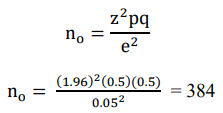
The study involved a total sample size of 384 individuals. Among them, 79 respondents, comprising both male and female elders, were selected for interviews and as members of focus group discussions. The remaining 305 participants were chosen for quantitative data collection using scale questions. For the interviews, an equal number of participants (20 from each district) were allocated from three rural districts. Additionally, 9 participants from Bule Hora and 10 participants from Shakiso took part in the focus group discussions. In the second phase of quantitative data collection, 305 participants were assigned to three towns based on the number of public institutions and merchants present. Specifically, 140 participants were allocated to Bule Hora, considering the Zonal offices and Bule Hora University, while 105 respondents were selected from Shakiso, and 60 from Karcha.
As this study utilized an exploratory sequential design, the data analysis process consists of two distinct phases: qualitative analysis and quantitative analysis. In the initial phase, the data obtained from interviews and focus group discussions were transcribed, coded, and organized. This facilitated the identification and development of themes, patterns, and categories within the data, which were subsequently conceptualized. The analysis of these concepts involved a narrative interpretation in descriptive form. In the second phase, the quantitative data underwent analysis utilizing structural equation modeling techniques like confirmatory factor analysis (CFA) and path analysis.
To ensure compliance with legal and ethical standards, researchers seek consent from the highest levels of Administrators. They also communicate the purpose and importance of the study to the administrators and offices that are part of the sample group. All participants are informed that the data collected will be used exclusively for academic research and their consent is obtained. Participants are explicitly told that they are not obligated to answer the questions unless they willingly choose to do so. After the data collection process is finished, the information is verified with the relevant authorities to increase their confidence in the provided data and to ensure the overall acceptability of the research findings.
Data Analysis and Presentations
In this section, the focus is on analyzing the raw data obtained from a field survey using both qualitative and quantitative data collection methods. The qualitative data were examined first, utilizing narrative explanations based on identified themes and concepts. Following this, the quantitative data underwent analysis using statistical tools such as Confirmatory Factor Analysis (CFA) and Path Analysis models.
Analysis of Qualitative
Data To ensure confidentiality and facilitate data analysis and presentation, the gathered information from respondents is organized into themes and coded. The collected data for this study is categorized into five main themes: asset management practices, types of assets managed, strengths or weaknesses of the practiced management system, contributions of the management system, and points of divergence or differences between the management systems. The developed thematic codes were employed to analyze data from various respondent categories, ensuring the credibility of the results through triangulation. Codes were applied to responses, consolidating them in one location when different responses were provided for a single question. Each question was grouped under its respective theme, and the responses from respondents were analyzed for each theme by merging them based on their similarity to the underlying concepts.
Asset Management Practices
The responses from elders show that traditional asset management practices in the Guji community encompass a range of strategies and approaches that have been passed down through generations. These practices as replied are deeply rooted in the cultural traditions and knowledge systems of the community. The common key traditional asset management practices observed in the responses of most elders of Guji community include Communal Grazing, Seed Saving and Exchange, Agroforestry, Traditional Livestock Management, and Traditional Knowledge Systems. They replied commonly saying “The community practices a system of shared grazing lands, where livestock owners collectively manage and utilize pasturelands” as per the views of respondents, this communal approach ensures equitable access to grazing resources and promotes cooperation among community members. In Guji community, as replied by participants “community members engage in the preservation and exchange of locally adapted seed varieties that helps to maintain seed diversity that ensures food security, and preserves traditional crop varieties suited to the local environmental conditions”. The integration of trees, crops and livestock management is a common practice in the Guji community as revealed in respondents answer. In the Guji community, livestock management and agroforestry practices, which involve knowledge and techniques passed down through generations; include herding, selective breeding, and seasonal migration to optimize grazing resources and maintain the health and productivity of livestock. The answer also reveal that Guji community relies on the transmission of traditional knowledge systems, which encompass a wide range of practices related to land use, crop cultivation, livestock management, and resource conservation. This knowledge is shared orally and through experiential learning within the community.
It can be generalized that these traditional asset management practices in the Guji community reflect a deep understanding of the local environment, sustainable resource utilization, and the preservation of cultural heritage. They play a vital role in supporting livelihoods, promoting resilience, and maintaining the ecological balance of the region.
Most of the answer from elders not show relevant information about modern asset management practices, but few of them replied as modern asset management practices in the Guji community encompass the adoption of contemporary approaches and technologies to enhance resource management and livelihood sustainability. As per the participants’ responses these practices include the introduction of improved livestock breeds, modern irrigation systems, mechanized farming techniques, market-oriented production, and the incorporation of scientific knowledge and expertise.
Types of Assets Managed in Guji Community
As per the responses from participants; in Guji communities, various types of assets are supposed to be managed both in traditional and modern asset management systems to support livelihoods and enhance sustainability. The elders from participants lists alternative assets available in Guji community as Natural Resources including land, forests, water bodies, and biodiversity, Livestock such as cattle, sheep, goats, and camels, Agricultural Crops such as cereals (e.g., maize, teff, barley), pulses (e.g., lentils, beans), oilseeds (e.g., sesame, niger seed), and vegetables, Seeds and Plant Genetic Resources, Infrastructure and Technology, such as irrigation systems, machinery, farm equipment, and storage facilities and Financial and Economic Assets which including savings, credit, investments, and income-generation activities
Perceived Strength and Weakness of Asset Management Practices
The responses from participants show that traditional asset management practices have ability to preserve the cultural heritage and identity of the community and adaptability to the local environment and have been refined over generations. It can promote cooperation, mutual support, and collective decision-making within the community. They commonly agreed on the strength of traditional asset management as it often prioritize sustainable resource use, promoting long-term ecological balance and resilience. In other side, respondents raised limitation of traditional asset management as a lower productivity compared to modern approaches, which can limit income generation and economic growth of community and vulnerability to climate change and market fluctuations. They replied that limitations of traditional asset management system are strength of modern management system.
Respondents highly giving due emphasis on the explanation of limitation of modern asset management system as negative effects on their life style and generational sustainability. As per their responses, the adoption of modern asset management practices leads to the erosion of traditional knowledge and cultural practices and exacerbate social inequalities, as certain individuals or groups may have greater access to resources and technologies. The also claimed that modern practices have negative environmental consequences, such as excessive chemical inputs or unsustainable resource extraction. They replied again as modern practices expose them to wait expensive external inputs, such as fertilizers and machinery, which can pose challenges for small-scale farmers with limited resources.
Contribution of Asset Management Practices on Livelihood Sustainability
The elders’ participant highly concerned and replied as traditional asset management is more valuable for their livelihood sustainability. As per their argument, traditional asset management system enables them to preserve cultural heritage and local knowledge, which they believe crucial tool for maintaining community identity and social cohesion that support sustainability in livelihoods. They also believe that traditional management system helps them to promote sustainable resource use, soil fertility, and biodiversity conservation. This resilience helps them to ensure the availability of natural resources for livelihood activities, such as agriculture and livestock rearing, in the long run. As example they mentioned that communal grazing and seed saving, play a vital role in ensuring local food security by maintaining diverse food sources, genetic diversity, and community control over agricultural production. They prefer traditional asset management system due to it foster cooperation, mutual support, and collective decision-making within the community, contributing to social capital and resilience in times of challenges or shocks as replied by elders. As combined answer from respondents both traditional and modern asset management systems in the Guji community have unique contributions to livelihood sustainability. Traditional practices offer cultural preservation, ecological resilience, and community cohesion, while modern practices provide increased productivity, market access, climate adaptation, and skill development.
Points of Variability Between Traditional and Modern Asset Management Systems
While both traditional and modern asset management systems have their strengths, there are certain points of variability that raised by respondents. Participants answer about the points of variability by stating advantages of traditional management system over the modern asset management system in the Guji community. As their view points, traditional asset management practices are deeply rooted in the cultural heritage of the community and reflects the community's values, knowledge, and customs, contributing to the preservation of cultural identity and intergenerational knowledge transfer. They claim that this cultural preservation aspect is often not as prominent in modern asset management systems. Traditional asset management practices have evolved over generations as they believe and replied to be well-adapted to the local environment and ecosystem what often prioritize sustainable resource use, promote biodiversity conservation, and maintain ecological balance. This inherent ecological resilience as they replied, more pronounced in traditional systems compared to modern practices, which may sometimes prioritize productivity over long-term sustainability.
In the view of ownership and control, they prefer traditional asset management system what they believe as a typically community-driven and involve collective decision-making. They claim that in traditional management system local communities have a deeper sense of ownership and control over their resources, which can foster a greater sense of responsibility and stewardship. In contrast, modern asset management systems may involve external actors or market forces that can limit local control and decision-making. For the evidences of their views in this concern, they give following ownership system and control system in community through generations which is called locally “Handhura”.
The practice of "Handhura" grants newborn babies the right to own property within three or four days of their birth. This ownership right is bestowed upon them, but they are not authorized to sell or exchange the property until they reach independence after marriage. The property, regardless of its nature, is given through Handhura, and no one can make a claim against that asset, even in the absence of the father who granted the Handhura. It is prohibited to sell or exchange this property under any circumstances, even during times of hardship or difficulty. Each member of the family receives their own Handhura, and the collective assets are referred to as the Properties of the Household Head. According to the Guji Traditional Property Administration system, no one in a family member solely decided sells or exchanges any property they own without family consultation. The husband (household head) consults the wife in any issue regarding property use, sell and exchange. In this property controlling system, if a husband (household head) takes out to sell or exchange property outside of family consultation, he is punished by the clan (relative) for the break of family rule. In Guji asset management and controlling system, a unique and valuable system for livelihood sustainability is “Qeenca deebisu” system. Qeence deebisu as locally used is a system of replacing taken out asset in other similar or related asset that may give the same value as assets currently sold or exchanged asset in the future. That mean if a family is in need or worried, they sell their livestock to pass the problem and they reserve parts of the money they receive from asset sold to purchase another asset that can be purchased in lower price at a time.
In conclusion, the respondent emphasized the significance and progress of traditional asset management for ensuring the sustainability of their livelihood. However, as a researcher, I believe that adopting a balanced and context-specific approach that integrates the merits of both traditional and modern systems can pave the way for comprehensive livelihood sustainability within the Guji community.
Quantitative Data Analysis and Discussions
In this section, the quantitative data obtained from scale questions were subjected to confirmatory factor analysis (CFA) and path analysis. Initially, the scale questions were converted into continuous data format by calculating the average mean responses of all participants.
Measurement Model
The measurement model in Structural Equation Modeling (SEM) is a crucial component that focuses on the relationships between latent (unobserved) constructs and their observed indicators or variables. Its main purpose is to establish the measurement properties of the indicators and evaluate their ability to accurately capture the underlying constructs. It used for this research to specifies how the observed variables are related to the latent variables, focusing on factor loadings, and allows for the assessment of reliability, validity, and discriminant validity of the measurement instruments. Accordingly, summary results are placed in table 1 below.
|
Construct |
|
Item |
Alph a |
FL |
SFL |
AVE |
(S/r C/construct AVE) |
|
Traditional |
Asset |
TM1 |
.9024 |
.78 |
.61 |
|
|
|
management |
|
TM2 |
.9015 |
.79 |
.62 |
|
|
|
|
|
TM3 |
.9042 |
.70 |
.49 |
.56 |
.75 |
|
|
|
TM4 |
.9050 |
.70 |
.49 |
|
|
|
|
|
TM5 |
.9002 |
.77 |
.59 |
|
|
|
|
|
|
|
|
|
|
.46 |
|
Modern |
asset |
MM |
.9017 |
.72 |
.52 |
|
|
|
management |
|
1M |
. |
.80 |
.64 |
|
|
|
|
|
M2 |
.8988 |
|
|
|
|
|
|
|
MM |
.8997 |
.81 |
.66 |
.59 |
.77 |
|
|
|
3 |
|
|
|
|
|
|
|
|
MM |
.9002 |
.72 |
.59 |
|
|
|
|
|
4 |
|
|
|
|
|
|
|
|
MM |
.8983 |
.73 |
.53 |
|
|
|
|
|
5 |
|
|
|
|
|
|
Livelihood |
|
|
|
. |
|
|
.57 |
|
sustainability |
|
LS1 |
.9048 |
75 |
.56 |
|
|
|
|
|
LS2 |
.9046 |
.62 |
.38 |
|
|
|
|
|
LS3 |
.9027 |
.64 |
.41 |
.57 |
.75 |
|
|
|
LS4 |
.9032 |
.84 |
.71 |
|
|
|
|
|
LS5 |
.9009 |
.85 |
.72 |
|
|
Source: Researcher survey result (2024)
Table 1: CFA Summary Results
The values presented in the table indicate that the measurement instruments have achieved acceptable levels of composite reliability and discriminant validity. To assess discriminant validity, the square root of the average variance extracted (S/ AVE) is compared to the correlations (C/construct) between constructs. The table demonstrates that the S/AVE values are higher than the correlations between constructs, confirming sufficient discriminant validity. Additionally, based on the alpha values provided, the constructs generally display satisfactory composite reliability.
The measurement model graph presented below corresponds to the values provided in the table, ensuring consistency between the two representations.

Figure 1: Measurement Model
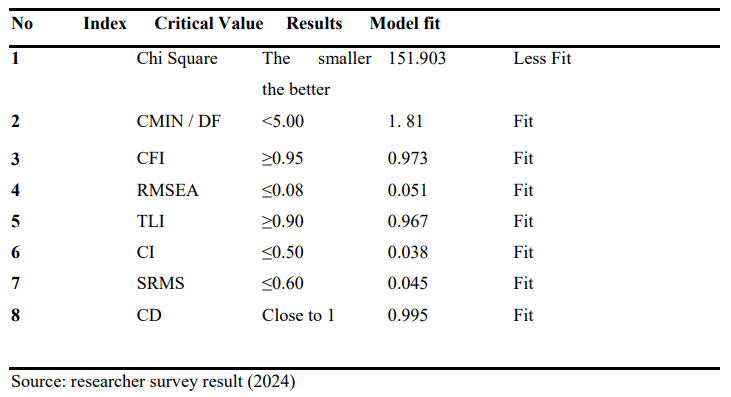
Table 2: Test Results of the Goodness-of-fit Model
The table presents the results of the measurement model's goodness-of-fit assessment. Overall, the model demonstrates a good fit based on various indices. The chi-square value of 151.903 suggests a relatively less ideal fit, but it is important to consider other indices. The CMIN/DF value of 1.81, CFI value of 0.973, RMSEA value of 0.051, TLI value of 0.967, CI value of 0.038, SRMS value of 0.045, and CD value of 0.995 all fall within the desired ranges, indicating a good fit. These results suggest that the observed data aligns well with the expected model.
Path Analysis
The degree to which the model fits the theoretical one in path analysis is assessed by considering the collective impact of all exogenous variables on the endogenous from path coefficients. This value serves as a scale to measure the magnitude of the combined effect of all exogenous variables on the endogenous variables simultaneously. Graph 2 illustrates the causal relationship between the explanatory variables and the predicted variable and used to confirm values in the table 3 below
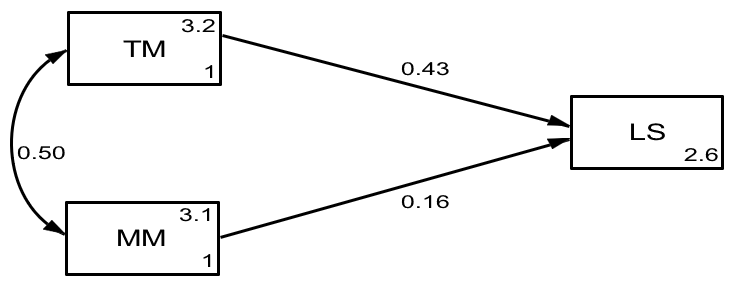
Figure 2: Path Model
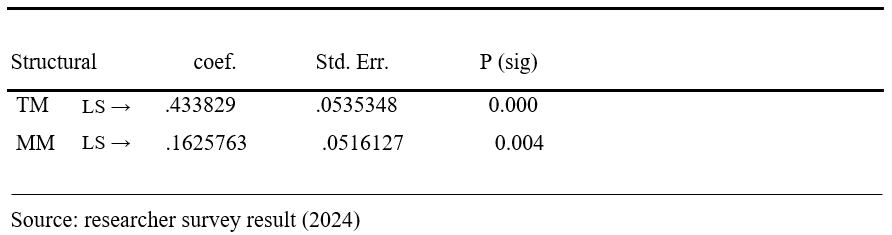
Table 3: Path Model Summary
For the hypothesis stating that Traditional Asset Management Systems has significant effects on livelihood sustainability, the structural coefficient for TM LS is 0.433829. This coefficient indicates the strength and direction of the relationship between TM LS and livelihood sustainability. Since the coefficient is positive, it suggests a positive association between Traditional Asset Management Systems and livelihood sustainability. Additionally, the coefficient is statistically significant as indicated by the low p-value of 0.000. Therefore, we can conclude that there is strong evidence to support the hypothesis that Traditional Asset Management Systems have significant effects on livelihood sustainability. For the hypothesis stating that Modern Asset Management Systems has significant effects on livelihood sustainability, the structural coefficient for MM LS is 0.1625763. This coefficient also indicates a positive association between Modern Asset Management Systems and livelihood sustainability. Although the coefficient is smaller than that of TM LS, it is still statistically significant with a p-value of 0.004. Thus, we can conclude that there is evidence to support the hypothesis that Modern Asset Management Systems have significant effects on livelihood sustainability, although the effect may be weaker than that of Traditional Asset Management Systems.
Discussion of The Results
The analysis of this research involves both qualitative and quantitative data collection methods. The qualitative data were analyzed using thematic coding and narrative explanations based on identified themes and concepts. On the other hand, the quantitative data underwent analysis using statistical tools such as Confirmatory Factor Analysis (CFA) and Path Analysis models. The findings from the qualitative analysis revealed that traditional asset management practices in the Guji community are deeply rooted in cultural traditions and knowledge systems. These practices, such as communal grazing, seed saving and exchange, agroforestry, traditional livestock management, and traditional knowledge systems, contribute to equitable access to grazing resources, food security, and the preservation of traditional crop varieties suited to local environmental conditions. The integration of trees, crops, and livestock management is also a common practice in the community. On the other hand, the analysis of quantitative data using statistical tools such as Confirmatory Factor Analysis (CFA) and Path Analysis models provided additional insights into the relationships between variables.
Based on the path coefficients presented in the table 3, the findings suggest that Traditional Asset Management Systems have a larger magnitude of effect on livelihood sustainability compared to Modern Asset Management Systems. This finding has conformity with elders’ views reflected in interview sessions and group focus discussion results. The path coefficient for influence of traditional asset management system is 0.433829, indicating a relatively stronger positive relationship with livelihood sustainability. On the other hand, the path coefficient for modern asset management system is 0.1625763, which suggests a weaker positive association with livelihood sustainability. While both coefficients are statistically significant, the higher magnitude of the between MM and LS coefficient implies that Traditional Asset Management Systems have a more substantial impact on livelihood sustainability compared to Modern Asset Management Systems in Guji community. Therefore, it can be inferred that traditional approaches to asset management may have a greater influence on promoting sustainable livelihoods than modern approaches in study community. These findings have similarity with previous empirical findings of who have found ad suggested positive significance influences of asset management on livelihood sustainability [72,74,80,87].
Triangulation of the qualitative results with the quantitative findings, enable to gain a more comprehensive understanding of the topic under investigation. The qualitative findings provide rich and detailed insights into the perceptions and experiences of the respondents as community elders prefers traditional asset management for livelihood sustainability, while the quantitative analysis allows for the identification of patterns and relationships between variables. The overall, results from quantitative data analysis also exhibit the trends in qualitative findings which is higher influences of traditional asset management on livelihood sustainability of Guji community.
Conclusion, Implication and Suggestions for Future Research
Conclusion
This comparative study between traditional and modern asset management practices in the Guji communities of Oromia Regional State, Ethiopia, has shed light on the importance of understanding the impact of asset management on livelihood sustainability. The research has highlighted the key differences between traditional and modern approaches, their characteristics, and their contributions to economic stability, social cohesion, environmental stewardship, and cultural preservation. The findings of this study have shown that traditional asset management practices in the Guji communities are deeply rooted in their cultural heritage and have evolved over generations to suit the unique socio-economic and environmental conditions of the region. These practices have contributed to the resilience, cultural preservation, and sustainability of livelihoods. On the other hand, modern asset management practices, influenced by external factors, have introduced standardized and technologically driven approaches that prioritize financial returns and asset optimization. The comparative analysis has revealed that both traditional and modern asset management practices have their merits and limitations. Traditional practices emphasize communal ownership, intergenerational sustainability, equitable distribution, and community participation, while modern practices focus on individual or institutional ownership, financial returns, risk mitigation, and specialized approaches. It is important to recognize the interconnectedness of various asset types and the need to incorporate environmental, social, and governance factors in asset management decisions.
Implications
The theoretical implications of this study lie in providing a conceptual understanding of asset management by identifying and evaluating relevant theories, concepts, and models. The research has contributed to the existing literature on asset management by exploring the characteristics and components of traditional and modern practices. It has also highlighted the need to consider different perspectives and approaches when managing assets in diverse contexts. The theoretical framework developed in this study can serve as a basis for future research on asset management and livelihood sustainability.
The practical implications of this study are significant for policymakers, development practitioners, and local communities. The findings provide evidence-based insights that can inform policy decisions, development interventions, and community-led initiatives aimed at preserving cultural heritage, promoting sustainable livelihoods, and ensuring the long-term well-being of the Guji communities. The research emphasizes the importance of balancing traditional and modern asset management approaches to achieve optimal outcomes. It calls for the preservation of cultural diversity, social cohesion, and environmental stewardship while incorporating innovative strategies for asset optimization and risk mitigation. Moreover, the study highlights the need for context-specific approaches and the involvement of local communities in decision-making and governance processes. It emphasizes the importance of integrating environmental, social, and governance factors in asset management practices to achieve sustainable development goals. The practical implications of this research extend beyond the Guji communities and can be applied to similar contexts facing the challenges of transitioning from traditional to modern asset management practices.
Limitations and Suggestions for Future Research
Despite the valuable insights provided by this research, there are a few limitations that should be acknowledged. First, the study focused specifically on the Guji communities of Oromia Regional State, Ethiopia, which limits the generalizability of the findings to other contexts. Different cultural, social, and environmental factors may influence the effectiveness of traditional and modern asset management practices in other regions. Future research should consider expanding the scope to include diverse communities and regions to gain a more comprehensive understanding. Secondly, the study focused on the comparative analysis of traditional and modern asset management practices without delving deeply into the specific challenges and barriers faced by the Guji communities in adopting modern approaches. Understanding the reasons behind the shift towards modernization and the factors influencing the adoption or resistance to modern practices would provide a more nuanced understanding of the dynamics at play. Future research could explore the drivers and barriers of modernization in asset management and their implications for livelihood sustainability [88-91].
Annex
Dear Respondents,
As part of my academic responsibilities, I am currently involved in a research project titled "An Asset Management and Livelihood Sustainability: A Comparative Study of Traditional and Modern Asset Management Practices in Guji Communities of Oromia Regional State, Ethiopia." I kindly request your participation in this study by completing a questionnaire. Your honest responses are greatly appreciated, and please be assured that all information provided will be kept confidential and solely used for academic research purposes.
PART A: General Information
Kindly I asked you to circle number of your choice among alternative given or to write answer on spaces provided. You are not required to write your name
1.1. Gender
1.2. Age in year
1.3 Marital status
1.4 Number of family size
1.5 Education level
1 6 Place of resident:
1.7 Occupation
Section II: Scale Questions
Kindly indicate your level of agreement by selecting the appropriate number corresponding to your true sentiments on a five-point scale, ranging from strong disagreement to strong agreement (1 to 5). Here's a breakdown of the scale: 1 = strongly disagree, 2 = disagree, 3 = neutral, 4 = agree, and 5 = strongly agree. Please circle the number that best represents your response.
|
The relationship between the traditional asset management system and livelihood sustainability: |
Strongly disagree |
Disagree |
Neutral |
agree |
Strongly agree |
|
|
1 |
The traditional asset management system plays a significant role in preserving and sustainably using natural resources, ensuring long-term livelihood sustainability. |
1 |
2 |
3 |
4 |
5 |
|
2 |
The traditional asset management system enhances the stability and resilience of livelihoods, enabling communities to adapt to environmental and economic challenges. |
1 |
2 |
3 |
4 |
5 |
|
3 |
The traditional asset management system contributes to the preservation of cultural heritage and community identity, which are essential for sustainable livelihoods |
1 |
2 |
3 |
4 |
5 |
|
4 |
The traditional asset management system fosters social cohesion and contributes to the overall well-being of the community, supporting sustainable livelihoods |
1 |
2 |
3 |
4 |
5 |
|
5 |
The traditional asset management system promotes the long-term sustainability of livelihood practices, ensuring the well-being of current and future generations |
1 |
2 |
3 |
4 |
5 |
|
The relationship between the modern asset management system and livelihood sustainability: |
Strongly disagree |
Disagree |
Neutral |
agree |
Strongly agree |
|
|
1 |
The modern asset management system has significantly improved the efficient utilization of resources and assets in our community. |
1 |
2 |
3 |
4 |
5 |
|
2 |
The modern asset management system has created new opportunities for increased productivity and income generation in our community |
1 |
2 |
3 |
4 |
5 |
|
3 |
The modern asset management system has facilitated better access to markets and value chains, leading to improved livelihoods for community members. |
1 |
2 |
3 |
4 |
5 |
|
4 |
The modern asset management system has contributed to better risk management and enhanced resilience in the face of economic and environmental challenges in our community |
1 |
2 |
3 |
4 |
5 |
|
5 |
The modern asset management system has played a crucial role in empowering and building the capacity of community members to effectively manage their livelihoods. |
1 |
2 |
3 |
4 |
5 |
|
|
Livelihood sustainability |
Very low |
low |
Neutral |
High |
Very high |
|
1 |
The availability of resources and assets necessary for sustaining livelihoods in the Guji Community |
|
|
|
|
|
|
2 |
The level of income and economic opportunities accessible to individuals in the Guji Community |
|
|
|
|
|
|
3 |
The resilience of livelihoods in the Guji Community to shocks and uncertainties |
|
|
|
|
|
|
4 |
The extent of community participation and collective decision-making in promoting livelihood sustainability in the Guji Community |
|
|
|
|
|
|
5 |
The effectiveness of existing policies and programs in supporting livelihood sustainability in the Guji Community |
|
|
|
|
|
Section III. Interview and Focus Group Discussion Questions
• How would you describe the traditional asset management practices in your community? What are the main characteristics or features of these practices?
• Similarly, how would you describe the modern asset management practices that have been introduced or adopted in your community? What are the key differences compared to the traditional practices?
• From your perspective, what are the main assets that are managed under the traditional asset management practices? How do these assets contribute to livelihood sustainability?
• In contrast, what are the main assets that are managed under the modern asset management practices? How do these assets impact livelihood sustainability?
• What are some perceived strengths or advantages of the traditional asset management practices in terms of supporting livelihood sustainability? Can you provide specific examples or instances where these practices have proven to be beneficial?
• On the other hand, what are some perceived strengths or advantages of the modern asset management practices in terms of supporting livelihood sustainability? Can you provide specific examples or instances where these practices have proven to be beneficial?
• Are there any challenges or limitations associated with the traditional asset management practices that hinder livelihood sustainability? If so, what are they and how do they impact the community?
• Similarly, are there any challenges or limitations associated with the modern asset management practices that hinder livelihood sustainability? If so, what are they and how do they impact the community?
• How do traditional asset management practices contribute to the preservation of cultural heritage and community identity? Are there any specific cultural values or knowledge systems embedded in these practices?
• In what ways do modern asset management practices influence community dynamics, social relationships, and overall well-being? Are there any changes observed in the community as a result of adopting these practices?
• Based on your experiences and observations, do you believe that a combination of traditional and modern asset management practices could enhance livelihood sustainability in your community? If yes, how can these practices be integrated effectively?
• What are the potential trade-offs or conflicts that arise when transitioning from traditional to modern asset management practices? How can these be addressed or mitigated to ensure sustainable livelihoods?
References
- Pour, M. D., Barati, A. A., Azadi, H., & Scheffran, J. (2018). Revealing the role of livelihood assets in livelihood strategies: Towards enhancing conservation and livelihood development in the Hara Biosphere Reserve, Iran. Ecological Indicators, 94, 336-347.
- Chambers, R., Conway, G., & Brighton Institute of Development Studies. (1992). Sustainable rural livelihoods: practical concepts for the 21st century (Vol. 296, pp. 1-29). Brighton: Institute of development studies.
- Huang, L., Liao, C., Guo, X., Liu, Y., & Liu, X. (2023).Analysis of the Impact of Livelihood Capital on Livelihood Strategies of Leased-In Farmland Households: A Case Study of Jiangxi Province, China. Sustainability, 15(13), 10245.
- Molnár, Z., & Berkes, F. (2018). Role of traditional ecological knowledge in linking cultural and natural capital in cultural landscapes. Reconnecting natural and cultural capital: contributions from science and policy; Paracchini, ML, Zingari, PC, Blasi, C., Eds, 183-193.
- Atlas, W. I., Ban, N. C., Moore, J. W., Tuohy,A. M., Greening, S., Reid, A. J., ... & Connors, K. (2021). Indigenous systems of management for culturally and ecologically resilient Pacific salmon (Oncorhynchus spp.) fisheries. BioScience, 71(2), 186-204.
- Krantz, L. (2001). The sustainable livelihood approach to poverty reduction. SIDA. Division for Policy and Socio-Economic Analysis, 44, 1-38.
- Rakodi, C. (2014). A livelihoods approach–conceptual issues and definitions. In Urban livelihoods (pp. 3-22). Routledge.
- Speranza, C. I., Wiesmann, U., & Rist, S. (2014). An indicator framework for assessing livelihood resilience in the context of social–ecological dynamics. Global Environmental Change, 28, 109-119.
- Bunting, S. W. (2013). Principles of sustainable aquaculture: promoting social, economic and environmental resilience. Routledge.
- Kellert, S. R., Mehta, J. N., Ebbin, S. A., & Lichtenfeld,L. L. (2000). Community natural resource management: promise, rhetoric, and reality. Society & Natural Resources, 13(8), 705-715.
- Kothari, A., Camill, P., & Brown, J. (2013). Conservation as if people also mattered: policy and practice of community-based conservation. Conservation and society, 11(1), 1-15.
- Roba, G. O. (2019). Indigenous mechanisms of preserving sacred natural sites in Guji Oromo, Adoola Reedde and Anna Sorra districts, southern Ethiopia. Cogent Food & Agriculture, 5(1), 1609765.
- Ware, W. F. (2023). CONFLICT AMONG GUJI RURAL COMMUNITIES AND THEIR INDIGENOUS METHODS OF CONFLICT RESOLUTION IN DUGDA DAWA DISTRICT, WEST GUJI ZONE, OROMIA REGIONAL STATE, ETHIOPIA (Doctoral dissertation, Haramaya University).
- Temesgen, H., & Wu, W. (2018). Farmers’ value assessment of sociocultural and ecological ecosystem services in agricultural landscapes. Sustainability, 10(3), 703.
- Regassa, A. (2022). Frontiers of extraction and contestation: Dispossession, exclusion and local resistance against MIDROC Laga-Dambi gold mine, southern Ethiopia. The extractive industries and society, 11, 100980.
- Alemayehu, D., & Gobena, A. (2019). Historical survey of Bule Hora Town from its Foundation to Present. Journal of Indigenous Knowledge and Development Studies, 1(1), 44-65.
- Gerito, T. (2019). Agricultural Financing and the Role of Formal Financial Institutions in Improving Rural Livelihood: In Case of West Guji Zone Selected Weredas. Journal of Indigenous Knowledge and Development Studies, 1(2), 181-205.
- Woyesa, T. (2016). Intellectual Property Rights: Open Access.
- Bedada, A. B. (2021). The role of traditional institution in managing natural resources; the case of Oromo “Gada” system in Ethiopia: A review. Journal of Agricultural Research Pesticides and Biofertilizers, 2(3), 1-10.
- Elias, E. (2008). Pastoralists in Southern Ethiopia: Dispossession, access to resources and dialogue with policy makers.
- Muhammad, K., Mohammad, N., Abdullah, K., Mehmet, S., Ashfaq, A. K., & Wajid, R. (2019). Socio-political and ecological stresses on traditional pastoral systems: A review. Journal of Geographical Sciences, 29, 1758-1770.
- Gallinaro, M., Zerboni, A., Solomon, T., & Spinapolice,E. E. (2018). Rock Art between preservation, research and sustainable development—A perspective from southern Ethiopia. African Archaeological Review, 35, 211-223.
- Eshete, M. A., & Molla, E. L. (2021). Cultural significance of medicinal plants in healing human ailments among Guji semi-pastoralist people, Suro Barguda District, Ethiopia. Journal of ethnobiology and ethnomedicine, 17, 1-18.
- Jirata, T. J. (2013). Children and oral tradition among the Guji-Oromo in Southern Ethiopia.
- NANA, A. (2014). STUDIES ON NATURAL RESOURCE BASED CONFLICTS: A CASE OF BURJI AND GUJI COMMUNITIES AT SNNPR, ETHIOPIA (Doctoral dissertation, ST. MARY’S UNIVERSITY).
- Abate, T. (2016). Indigenous ecological knowledge and pastoralist perception on rangeland management and degradation in Guji Zone of south Ethiopia. Consilience, (15), 192-218.
- Debelo, A. R. (2012). Contesting views on a protected area conservation and development in Ethiopia. Social sciences,1(1), 24-46.
- Shufon, J. J., & Adams, L. H. (2003). Conceptual framework for defining and developing an integrated asset management system. Transportation research record, 1848(1), 37-44.
- Suakanto, S., Nuryatno, E. T., Fauzi, R., Andreswari, R., & Yosephine, V. S. (2021, October). Conceptual asset management framework: a grounded theory perspective. In 2021 International Conference Advancement in Data Science, E-learning and Information Systems (ICADEIS) (pp. 1-7). IEEE.
- Hastings, N. A. J., & Hastings, N. A. J. (2015). Introduction to asset management. Physical Asset Management: With an Introduction to ISO55000, 3-23.
- Van der Lei, T., Herder, P., & Wijnia, Y. (2012). Asset management. New York, US: Springer.
- Nateque Mahmood, M., Prasad Dhakal, S., Brown, K., Keast, R., & Wiewiora, A. (2014). Asset management policies and guidelines of different states in Australia: A comparative analysis. Journal of Facilities Management, 12(3), 286-302.
- Lattanzio, S. (2018). Asset Management decision support tools: A conceptual approach for managing their performance (Doctoral dissertation, University of Bath).
- Alvarez, D. L., Rosero, L. S., Rivera, S. R., & Romero,A. A. (2019, May). A framework for asset management in electrical systems, part i: Conceptual model. In 2019 IEEE Workshop on Power Electronics and Power Quality Applications (PEPQA) (pp. 1-6). IEEE.
- Brown, K., Laue, M., Tafur, J., Mahmood, M. N., Scherrer, P., & Keast, R. (2014). An integrated approach to strategic asset management. Infranomics: sustainability, engineering design and governance, 57-74.
- Bryson, J. M., Crosby, B. C., & Bloomberg, L. (2014). Public value governance: Moving beyond traditional public administration and the new public management. Public administration review, 74(4), 445-456.
- Almomani, M. A. (2016). The ability of traditional and modern performance indicators in interpreting the phenomenon of earnings management: Evidence manufacturing firms in Amman stock exchange. Asian Journal of Finance & Accounting, 8(1), 77-99.
- Yoon, S., Lee, C., Naderpajouh, N., & Hastak, M. (2023). A real option budget framework for asset management funding models in higher education institutions. Journal of Building Engineering, 80, 107719.
- Wysocki, R. K. (2011). Effective project management:traditional, agile, extreme. John Wiley & Sons.
- Polimac, V., & Polimac, J. (2016). Holistic approach to asset management with new ISO 55000.
- Ahammed, M. F. (2023). Modern-Day Asset Security and Management Methodology. Turkish Journal of Computer and Mathematics Education (TURCOMAT), 14(03), 1193-1200.
- Ajitabh, A., & Momaya, K. (2004). Competitiveness of firms: review of theory, frameworks and models. Singapore management review, 26(1), 45-61.
- Luciani, G. (2015). Allocation vs. production states: A theoretical framework. In The Arab State (pp. 65-84). Routledge.
- Smuts, H., & Jordaan, M. (2019). Framework for knowledge asset management in community projects in Higher Education Institutions. In Innovative Technologies and Learning: Second International Conference, ICITL 2019, Tromsø, Norway, December 2–5, 2019, Proceedings 2 (pp. 309-319). Springer International Publishing.
- Tambe, S. (2022). Sustainable livelihoods approach. In Teaching and learning rural livelihoods: A guide for educators, students, and practitioners (pp. 45-56). Cham: Springer International Publishing.
- Natarajan, N., Newsham, A., Rigg, J., & Suhardiman, D. (2022). A sustainable livelihoods framework for the 21st century. World Development, 155, 105898.
- Shen, F., Hughey, K. F., & Simmons, D. G. (2008). Connecting the sustainable livelihoods approach and tourism: A review of the literature. Journal of Hospitality and Tourism Management, 15(1), 19-31.
- Robbins, P. (2004). Cultural ecology. A companion to cultural geography, 180-193.
- Bailey, R., Booth-Kurpnieks, C., Davies, K., & Delsante, I. (2019, December). Cultural ecology and cultural critique. In Arts (Vol. 8, No. 4, p. 166). MDPI.
- Goulden, M. C., Adger, W. N., Allison, E. H., & Conway, D. (2013). Limits to resilience from livelihood diversification and social capital in lake social–ecological systems. Annals of the Association of American Geographers, 103(4), 906-924.
- Ferrol-Schulte, D., Wolff, M., Ferse, S., & Glaser, M. (2013). Sustainable Livelihoods Approach in tropical coastal and marine social–ecological systems: A review. Marine policy, 42, 253-258.
- Andrachuk, M., & Armitage, D. (2015). Understanding social-ecological change and transformation through community perceptions of system identity. Ecology and Society, 20(4).
- Lambini, C. K., & Nguyen, T. T. (2014). A comparative analysis of the effects of institutional property rights on forest livelihoods and forest conditions: Evidence from Ghana and Vietnam. Forest Policy and Economics, 38, 178-190.
- Ambrosio-Albalá, M., & Bastiaensen, J. (2010). The new territorial paradigm of rural development: Theoretical foundations from systems and institutional theories.
- Torres, B., Espinoza, Í., Torres, A., Herrera-Feijoo, R., Luna, M., & García, A. (2023). Livelihood Capitals and Opportunity Cost for Grazing Areas’ Restoration: A Sustainable Intensification Strategy in the Ecuadorian Amazon. Animals, 13(4), 714.
- Ghazali, S., Zibaei, M., & Azadi, H. (2023). Impact of livelihood strategies and capitals on rangeland sustainability and nomads' poverty: A counterfactual analysis in Southwest Iran. Ecological Economics, 206, 107738.
- Tsegaye, N. T. (2023). The impact of agroforestry practice on forest conservation and community livelihood improvement: A case of Buno Bedele Zone of west Ethiopia'S Chora district. Environmental and Sustainability Indicators, 17, 100229.
- Octavia, D., Murniati, Suharti, S., Hani, A., Mindawati, N., Suratman, ... & Faubiany, V. (2023). Smart agroforestry for sustaining soil fertility and community livelihood. Forest Science and Technology, 19(4), 315-328.
- Endeki, R., Inoti, S. K., & Makindi, S. M. (2023). Impacts of agroforestry technologies on livelihood improvement in Vihiga County, Kenya. International Journal of Scientific Research Updates, 5(1), 001-011.
- Roslinda, E., Prisila, F. W., & Mariani, Y. (2023). The patterns of agroforestry and its contribution to the community income. Jurnal Sylva Lestari, 11(3), 543-557.
- Otieno, G., Ogola, R. J. O., Recha, T., Mohammed, J. N., & Fadda, C. (2022). Climate change and seed system interventions impact on food security and incomes in East Africa. Sustainability, 14(11), 6519.
- Santha, S. D., Sasidevan, D., Das, S., & Kadu, S. (2022). Designing Livelihoods Responsibly: Insights from Seed Conservation and Management Practices Among Farming Communities in India. In Designing Social Innovation for Sustainable Livelihoods (pp. 37-58). Singapore: Springer Nature Singapore.
- Haug, R., Hella, J. P., Mulesa, T. H., Kakwera, M. N., & Westengen, O. T. (2023). Seed systems development to navigate multiple expectations in Ethiopia, Malawi and Tanzania. World Development Sustainability, 3, 100092.
- Porcuna-Ferrer, A., Labeyrie, V., Alvarez-Fernandez, S., Calvet-Mir, L., Faye, N. F., Ouadah, S., & Reyes-García,V. (2023). Crop biocultural traits shape seed networks: Implications for social-ecological resilience in south eastern Senegal. Agricultural Systems, 211, 103750.
- Chappus, E. (2023). Seed Aid: The Importance of Local Decision-making. DU Undergraduate Research Journal Archive, 4(2), 3.
- Vansant, E. C., Bezner Kerr, R., Sørensen, H., Phiri, I., & Westengen, O. T. (2022). Exchange and experimentation: community seed banks strengthen farmers’ seed systems in Northern Malawi. International Journal of Agricultural Sustainability, 20(7), 1415-1436.
- Ghazali, S., Zibaei, M., & Keshavarz, M. (2022). The effectiveness of livelihood management strategies in mitigating drought impacts and improving livability of pastoralist households. International Journal of Disaster Risk Reduction, 77, 103063.
- Ahmad, D., & Afzal, M. (2023). Livelihood management strategies effectiveness in mitigation the impact of drought and improving pastoral household’s livability in Punjab Pakistan.
- Shikur, Z. H. (2023). Assessment of the relationships between livestock production policies implementation and knowledge integration for the promotion of food security in Ethiopia. Cogent Food & Agriculture, 9(1), 2249038.
- Ghazali, S., Azadi, H., JaneÄková, K., SkleniÄka, P., Kurban, A., & Cakir, S. (2021). Indigenous knowledge about climate change and sustainability of nomadic livelihoods: understanding adaptability coping strategies. Environment, Development and Sustainability, 1-25.
- Rathore, S., & Shashni, S. (2023). Indigenous knowledge system and livelihood option of natives of Lahaul and Spiti district, Himachal Pradesh. In Climate Change Adaptation, Risk Management and Sustainable Practices in the Himalaya (pp. 213-235). Cham: Springer International Publishing.
- Sinthumule, N. I. (2023). Traditional ecological knowledge and its role in biodiversity conservation: a systematic review. Frontiers in Environmental Science, 11, 1164900.
- Caviedes, J., Ibarra, J. T., Calvet-Mir, L., Álvarez-Fernández, S., & Junqueira, A. B. (2024). Indigenous and local knowledge on social-ecological changes is positively associated with livelihood resilience in a Globally Important Agricultural Heritage System. Agricultural Systems, 216, 103885.
- Dlamini, P. N. (2023). Supporting Digitization of Traditional Medicinal Knowledge Through Technologies in KwaZulu-Natal, South Africa. In Digital Preservation and Documentation of Global Indigenous Knowledge Systems (pp. 68-86). IGI Global.
- Saliman, L., Swee-Kiong, W., Abdullah, M. H., Awang,N. H., & Noor, M. (2023). The Impact of Livelihood Asset Accumulation on the Well-being and Psychology of Iban Rural Households in Sarawak. Journal for ReAttach Therapy and Developmental Diversities, 6(9s (2)), 790-800.
- Sharma, B., Jasper, M., Lemckert, C., & Muminovic, M. (2022). Patterns of Rural Community Livelihood and Managing Natural Resources: A Systematic Literature Review. The International Journal of Sustainability in Economic, Social and Cultural Context, 19(1), 35.
- Ansong, D., Okumu, M., Huang, J., Sun, S., Huseynli, A., Koomson, I., ... & Sherraden, M. (2023). Financial capability and asset building: Innovations in social protection and development. In Handbook on Social Protection and Social Development in the Global South (pp. 308-330). Edward Elgar Publishing.
- Heimonen, Kari, Juha Junttila, and Heikki Lehkonen. "Financial system in steering the economy towards planetary well-being." In Interdisciplinary Perspectives on Planetary Well-Being, pp. 216-230. Routledge, 2024.
- He, J., Jia, N., Luo, B., Zhang, X., & Li, J. (2023). Natural Resource Asset Protection and Utilization Planning Based on Insights from Land Storage. Sustainability, 15(3), 2800.
- Qiu, K., Liu, C., & Li, Y. (2023). The effect of natural resource utilization efficency, financial development for the economic development In Asian Countries. Resources Policy, 86, 104089.
- Wang, J., Yu, H., Ren, D., & Zhang, J. (2023). Promoting mineral resources consumption efficiency: Evidence from technology of big data. Resources Policy, 86, 104210.
- Yan, H., Qamruzzaman, M., & Kor, S. (2023). Nexus between green investment, fiscal policy, environmental tax, energy price, natural resources, and clean energy—a step towards sustainable development by fostering clean energy inclusion. Sustainability, 15(18), 13591.
- Guo, X., Wang, L., Guo, Y., & Liu, Y. (2024). The impact of sustainable consumption behaviour on natural resource conservation in China: A cross-sectional analysis. Resources Policy, 89, 104610.
- Ullah, S., Luo, R., Nadeem, M., & Cifuentes-Faura, J. (2023). Advancing sustainable growth and energy transition in the United States through the lens of green energy innovations, natural resources and environmental policy. Resources Policy, 85, 103848.
- Annamalah, S., Paraman, P., Ahmed, S., Dass, R., Sentosa, I., Pertheban, T. R., ... & Singh, P. (2023). The role of open innovation and a normalizing mechanism of social capital in the tourism industry. Journal of Open Innovation: Technology, Market, and Complexity, 9(2), 100056.
- Lubag, M., Bonifacio, J., Tan, J. M., Concepcion, R., Mababangloob, G. R., Galang, J. G., & Maniquiz-Redillas,M. (2023). Diversified Impacts of Enabling a Technology-Intensified Agricultural Supply Chain on the Quality of Life in Hinterland Communities. Sustainability, 15(17), 12809.
- Sharma, A., Sharma, M., Awasthi, M. G., & Poojari, M.L. (2023). Role of microfinance institutions in financial inclusion in India. The journal of contemporary issues in business and government, 29(1), 662-669.
- Islam, M. A., Biswas, R., Sharmin, A., Dey, T., Ashaduzzaman, M., & Partho, S. H. (2023). Sustainable livelihoods and household participation in agroforestry:a case study adjacent to the Sundarban reserve forest in Bangladesh. GeoJournal, 88(3), 3059-3078.
- Robinson, J. M., Gellie, N., MacCarthy, D., Mills, J. G., O'Donnell, K., & Redvers, N. (2021). Traditional ecological knowledge in restoration ecology: a call to listen deeply, to engage with, and respect Indigenous voices. Restoration Ecology, 29(4), e13381.
- Saikia, M., & Mahanta, R. (2023). Does livestock loss affect livelihood? An investigation on char residing Mishing community of Assam. International Journal of Community Well-Being, 6(4), 327-351.
- Sargani, G. R., Jiang, Y., Chandio, A. A., Shen, Y., Ding, Z., & Ali, A. (2023). Impacts of livelihood assets on adaptation strategies in response to climate change: Evidence from Pakistan. Environment, Development and Sustainability, 25(7), 6117-6140.