

Journal of Traditional Medicine & Applications(JTMA)
ISSN: 2833-1389 | DOI: 10.33140/JTMA
Impact Factor: 1.02



Research Article - (2026) Volume 5, Issue 2
Validation of the Corticospinal Activation Protocol for Spinal Cord Injury Rehabilitation- A Delphi Consensus Study
 , Narkeesh Arumugam 2 and HS Chhabra 3
 2Professor, Department of Physiotherapy, Punjabi University Patiala, India
3Spinal Surgeon, Shri Balaji Action Spine Institute, New Delhi, India
Received Date: Sep 03, 2026 / Accepted Date: Sep 24, 2026 / Published Date: Oct 05, 2026
Copyright: ©2026 Sharanjeet Kaur, et al. This is an open-access article distributed under the terms of the Creative Commons Attribution License, which permits unrestricted use, distribution, and reproduction in any medium, provided the original author and source are credited.
Citation: Kaur, S., Arumugam, N., Chhabra, H. S. (2026). Validation of the Corticospinal Activation Protocol for Spinal Cord Injury Rehabilitation- A Delphi Consensus Study. J Traditional Medicine & Applications, 5(2), 01-16.
Abstract
Study Design: Descriptive Study (Phase I: Delphi Consensus Study, Phase II: Pilot Trial).
Objectives: To formulate a novel CAP for incomplete SCI and evaluate its content, face, construct, and criterion (concurrent and preliminary predictive) validity through expert consensus and pilot clinical testing.
Settings: Neuroots- Neurorehabiliation Unit in Patiala, Punjab, India and Department of Physiotherapy, Punjabi University, Patiala, Punjab (India).
Methods: CAP was formulated via a comprehensive literature review, development of a multidomain conceptual framework (motor, sensory, autonomic, cognitive, vocational), and stakeholder consultation with individuals with SCI and clinicians. Content and face validity were established using a Delphi consensus process with a multidisciplinary expert panel rating item relevance, clarity, and essentiality and providing qualitative feedback. Construct validity was examined by correlating CAP domain scores with established neurophysiological and clinical measures (e.g. motor and somatosensory evoked potentials, autonomic function scales, ASIA lower limb scores, WISCI II, SCIM III). Criterion validity was explored in a pilot study including two small groups of individuals with traumatic, incomplete thoracolumbar SCI, comparing CAP with activity-based therapy plus conventional physiotherapy over a 30-day intervention.
Results: Experts demonstrated near perfect agreement on CAP item relevance and essentiality, indicating strong content validity, and qualitatively endorsed the protocol as relevant, comprehensive, and aligned with neuroplasticity driven, functional rehabilitation. CAP domain scores showed moderate to strong convergent correlations with corresponding neurophysiological and functional reference measures, supporting construct validity. In the pilot study, participants receiving CAP exhibited greater improvements across electrophysiological indices, locomotor capacity, functional independence, and autonomic function than those receiving standard therapy, providing preliminary evidence of concurrent and predictive criterion validity.
Conclusion: The Corticospinal Activation Protocol is a theoretically grounded, stakeholder informed, and psychometrically supported framework for rehabilitation in incomplete SCI. CAP addresses important limitations of non-standardized activity based and conventional physiotherapy and offers a structured platform for standardized clinical implementation and future multicenter trials.
Keywords
Spinal Cord Injury (SCI), Corticospinal Activation Protocol (CAP), Road Traffic Accident (RTA), American Spinal Injury Association (ASIA), Walking Index for Spinal Cord Injury II (WISCI-II), Spinal Cord Independence Measure III (SCIM-III)
Background
Spinal cord injury (SCI) rehabilitation faces significant challenges due to the heterogeneity of injury presentations and the lack of standardized, evidence-based protocols tailored specifically for this population [1]. The epidemiology of spinal cord injury (SCI) reveals a significant and growing global burden. Recent data indicate that over 15 million people worldwide are living with SCI, with annual new cases estimated between 700,000 and 1.2 million globally. The incidence rate is approximately 23.77 per million people, with traumatic SCI at 26.48 per million and non-traumatic SCI at 17.93 per million. In India, it is estimated that around 1.5 million individuals live with SCI, with approximately 20,000 new cases each year [2]. SCI predominantly affects males and is most commonly caused by trauma, such as falls and road traffic accidents, with high cervical and incomplete injuries increasing in recent years. The global burden is particularly high in populous countries like China, India, and the USA, which together account for a substantial proportion of both incidence and disability-adjusted life years (YLDs) due to SCI [2]. The prevalence of SCI is projected to exceed 14.5 million by 2050, emphasizing the need for improved prevention, rehabilitation, and healthcare access. Despite advances in acute care, SCI continues to result in long¬term disability, significant morbidity, and mortality, especially in low-resource settings where access to specialized rehabilitation services is limited. The persistent rise in SCI cases, coupled with demographic shifts and population aging, underscores the urgent need for targeted interventions and standardized, evidence-based rehabilitation protocols tailored to the unique needs of SCI patients [3].
Current approaches, such as activity-based therapy (ABT), have demonstrated some efficacy in promoting motor recovery; however, they are often limited by their broad, non-specific nature and lack of targeted neuromodulatory strategies to address corticospinal pathway dysfunction. ABT protocols typically focus on repetitive task-specific training and functional electrical stimulation, but do not consistently address the underlying neurophysiological deficits in corticospinal excitability that are central to SCI-related motor impairment [4]. Moreover, there is a notable absence of validated, protocol-driven interventions specifically designed for SCI rehabilitation, leading to considerable variability in clinical practice and suboptimal outcomes. The lack of a standardized, evidence-based protocol hinders reproducibility, limits comparative research, and impedes the translation of advances in neurophysiology into clinical care. This gap underscores the critical need for the development and validation of targeted, neuromodulatory protocols such as the Corticospinal Activation Protocol (CAP) that are specifically tailored to the unique pathophysiology of SCI and capable of enhancing corticospinal tract integrity and functional recovery.
Aim and Objective of the Study
To comprehensively evaluate the face, content, construct, concurrent, and ecological validity of CAP using expert consensus and clinical testing via a pilot study.
Nature of the Study The present study
was Comprehensive Study including Delphi study and pilot study. The study formulated an exercise program i.e. Corticospinal Activation Protocol. The domains and items were generated by extensive search and in-depth direct interviews which included experts in the field of Physiotherapy and rehabilitation.
Consent and Ethical Considerations
The International Ethical consideration has been strictly used in the study. Prior to the commencement of the study, the proposed study applied for ethical approval to conduct the research from Institutional Ethical Committee, Punjabi University [Ref Number: 28/55/IEC/PUP/2022), Dated 08/11/2022]. The Clinical Trail Registry India registration has been done as per the norms of the standards of good clinical practice [Reg. No. CTRI/2023/02/049536].
Study Population and Selection Criteria
The study population will consist of ten physiotherapists including university professors related to SCI Neuro-rehabilitation and community health. The members of the expert panel should have at least 05 years of working experience in the field of neurological rehabilitation specific to SCI rehabilitation. The 11th member of the research team will be an expert in statistics and research methodology to ensure the correct methodological procedure of the Delphi study. A pilot study to check the effectiveness of the protocol was done with 10 individuals who had survived traumatic incomplete thoracolumbar SCI with ASIA GRADE B, C, D with MMSE <24.
Sampling Method
The samples will be recruited through Interview Method (face to face method) for Delphi study and purposive sampling method was used for pilot study.
Methodology
|
Phase |
Description |
|
Phase 1 (Formulation) |
The CAP protocol was developed through a comprehensive review of current literature, integration of neurophysiological frameworks, and cognitive debriefing interviews conducted with patients and clinicians to ensure relevance and scientific rigor. |
|
Phase 2 (Expert Validation) |
Ten experts in neurorehabilitation and physiotherapy participated in a structured three-round Delphi process to establish both face and content validity of the protocol. Item-level Content Validity Index (I-CVI) and modified Kappa statistics were systematically calculated for each CAP component. |
|
Phase 3 (Pilot Study) |
A pilot study was conducted with ten individuals with incomplete spinal cord injury (ASIA C/D classification), randomized to either the CAP intervention group or a control group receiving activity-based therapy (ABT) and conventional physiotherapy over a four-week period. Key outcome measures included ASIA motor and sensory scores, the Walking Index for Spinal Cord Injury-II (WISCI-II), Spinal Cord Independence Measure-III (SCIM-III), general autonomic and sacral-autonomic assessments, as well as Motor and Somatosensory Evoked Potentials (recorded on days 0 and 30). |
Table 1: Phases of Study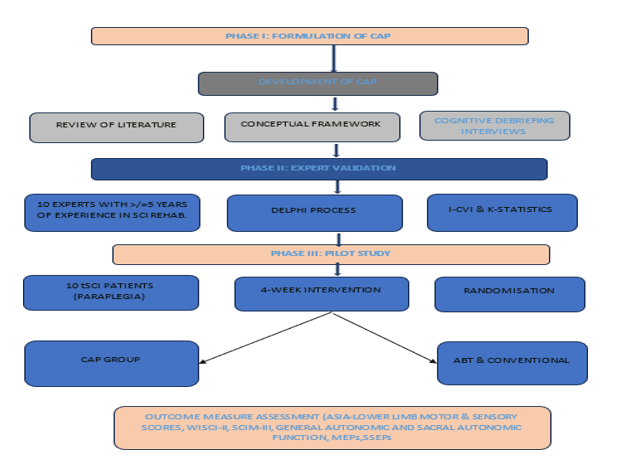
Figure 1: Flowchart Showing Methodology of the Study
|
S. No. |
Stages |
Description |
|
1 |
Literature Review |
Conducted comprehensive review of scientific literature relevant to the topic. |
|
2 |
Conceptual Framework |
Integrated neurophysiological or theoretical frameworks to support the protocol design. |
|
3 |
Stakeholder Consultation |
Conducted cognitive debriefing interviews with 5 patients with SCI and 5 clinicians working in SCI settings for real-world input. |
|
4 |
Protocol Drafting |
Synthesized all data and formulate a preliminary draft of the study protocol. |
Table 2: Stages of Formulation of Corticospinal Activation Protocol
Phase 1: Formulation of Corticospinal Activation Protocol
The development of the study protocol was carried out in four sequential stages.
In the first stage, a comprehensive literature review was conducted to identify existing evidence, gaps, and best practices related to spinal cord injury rehabilitation and corticospinal activation–based interventions. This stage ensured that the protocol was grounded in current scientific knowledge and aligned with contemporary rehabilitation paradigms. A systematic review titled "Exercise Based Approaches to Activate Central Pattern Generator in Spinal Cord Injury Survivors," published in the International Journal of Neurologic Physical Therapy, was included as a key reference to inform the evidence base for corticospinal and central pattern generator activation strategies in SCI rehabilitation. This review provided a comprehensive synthesis of exercise-based interventions targeting CPG activation, offering critical insights into effective techniques, dosing parameters, and outcomes, which were instrumental in shaping the rationale and content of the Corticospinal Activation Protocol.
In the second stage, a conceptual framework was formulated by integrating relevant neurophysiological and theoretical models to underpin the design of the protocol. This framework provided a structured rationale for the selection of components, dosing parameters, and outcome domains, ensuring that each element of the protocol was theoretically justified and mechanistically informed.
The third stage involved stakeholder consultation through cognitive debriefing interviews with key end-users. A total of five individuals with spinal cord injury and five clinicians working in SCI rehabilitation settings were interviewed to obtain real-world perspectives on feasibility, clarity, acceptability, and perceived relevance of the proposed protocol. Their feedback was used to refine the content, language, and practical aspects of the protocol to enhance its clinical utility and patient-centeredness. Patients highlighted the importance of clear instructions, manageable exercise intensity, and practicality within their daily routines, emphasizing that interventions should be adaptable to varying levels of impairment and fatigue.
One patient noted, "The exercises need to be simple and not too exhausting, so we can do them regularly without feeling discouraged." Clinicians stressed the need for standardized protocols that are easy to implement, monitor, and document, with one clinician stating, "A protocol that is well-structured and evidence-based will help us deliver consistent, high-quality care." Both groups appreciated the inclusion of functional, task-specific activities and suggested integrating regular feedback mechanisms to track progress and adjust the protocol as needed. These insights were instrumental in refining the protocol to ensure it is both clinically effective and patient-centered
In the fourth stage, all data from the literature review, conceptual framework, and stakeholder consultations were synthesized to draft the preliminary version of the study protocol. This iterative drafting process focused on integrating empirical evidence and stakeholder insights into a coherent, operational document that could subsequently be subjected to expert validation through the Delphi consensus process.

Figure 2: Identified Domains of Corticospinal Activation Protocol from Literature Review, Conceptual Framework and Stakeholder Consultation
Phase II: Expert Validation of Corticospinal Activation Protocol
|
Type of Validity |
Definition |
Application to CAP |
|
Content validity |
CAP covers all critical aspects of corticospinal and CPG activation |
Delphi consensus with experts |
|
Face validity |
CAP appears appropriate and logical to experts/clinicians |
Qualitative expert and clinician feedback |
|
Construct validity |
CAP targets its theoretical constructs (neuroplasticity, CPG) |
Neurophysiological & functional outcome correlations |
|
Criterion validity |
CAP outcomes correlate with external standards |
Comparison with standard locomotor training; predictive analysis |
|
Ecological validity |
CAP is feasible and relevant in real clinical contexts |
Pilot testing in clinical settings |
Table 3: Different Types of Validity Testing to Check the Feasibility of Cap in Clinical Settings
Results and Findings
Content Validity
|
Domain |
Item |
Experts Agreed |
I-CVI |
Pc |
k* |
|
Cognitive Training |
Non-invasive cortical stimulation (rTMS) |
9 |
0.9 |
0.0098 |
0.899 |
|
|
tDCS application |
10 |
1 |
0.001 |
1 |
|
|
Attention-focused tasks |
9 |
0.9 |
0.0098 |
0.899 |
|
|
Memory-focused tasks |
9 |
0.9 |
0.0098 |
0.899 |
|
|
Executive function tasks |
10 |
1 |
0.001 |
1 |
|
|
Visuospatial training |
9 |
0.9 |
0.0098 |
0.899 |
|
ANS Activation |
Trans-spinal stimulation |
10 |
1 |
0.001 |
1 |
|
|
Pudendal nerve stimulation |
9 |
0.9 |
0.0098 |
0.899 |
|
|
Aerobic training |
9 |
0.9 |
0.0098 |
0.899 |
|
|
Multisite surface spinal stimulation |
10 |
1 |
0.001 |
1 |
|
|
Thermal therapy |
9 |
0.9 |
0.0098 |
0.899 |
|
|
Intermittent pneumatic compression |
10 |
1 |
0.001 |
1 |
|
CPG Activation |
BWSTT |
10 |
1 |
0.001 |
1 |
|
|
Rhythmic cycling |
9 |
0.9 |
0.0098 |
0.899 |
|
|
High-frequency repetitive exercise |
10 |
1 |
0.001 |
1 |
|
|
Overground gait training |
10 |
1 |
0.001 |
1 |
|
|
Hip-knee-ankle coordination drills |
9 |
0.9 |
0.0098 |
0.899 |
|
Trunk & Limb Control |
Supine → sitting training |
10 |
1 |
0.001 |
1 |
|
|
Sitting → quadruped |
9 |
0.9 |
0.0098 |
0.899 |
|
|
Kneeling tasks |
10 |
1 |
0.001 |
1 |
|
|
Standing balance tasks |
10 |
1 |
0.001 |
1 |
|
|
Functional strengthening |
9 |
0.9 |
0.0098 |
0.899 |
|
Sensorimotor Training |
Tactile cueing |
9 |
0.9 |
0.0098 |
0.899 |
|
|
Variable surface training |
10 |
1 |
0.001 |
1 |
|
|
Load shifting tasks |
9 |
0.9 |
0.0098 |
0.899 |
|
|
Proprioceptive stimulation |
9 |
0.9 |
0.0098 |
0.899 |
|
Ambulation & Locomotion |
Robotic-assisted gait |
10 |
1 |
0.001 |
1 |
|
|
Orthoses use |
9 |
0.9 |
0.0098 |
0.899 |
|
|
Body weight support treadmill training |
10 |
1 |
0.001 |
1 |
|
|
Functional walking tasks |
9 |
0.9 |
0.0098 |
0.899 |
|
|
Mobility aid training |
9 |
0.9 |
0.0098 |
0.899 |
|
Vocational & Skill Training |
Simulated work tasks |
9 |
0.9 |
0.0098 |
0.899 |
|
|
ADL practice |
9 |
0.9 |
0.0098 |
0.899 |
|
|
Computer-assisted vocational training |
10 |
1 |
0.001 |
1 |
|
|
Community reintegration tasks |
9 |
0.9 |
0.0098 |
0.899 |
Table 4: Table Showing the Kappa Statistics for CAP are Reported to be Near 1, it Indicates Almost Perfect Agreement Among Raters or Experts
This means the components of CAP have very high reliability and consensus, with minimal chance disagreement. Thus, it suggested that the Delphi validation process yielded highly reliable and consensual results among experts, strengthening the protocol's validity. Content validity of the Corticospinal Activation Protocol (CAP) was systematically evaluated using a Delphi consensus approach, with expert raters assessing the relevance, clarity, and comprehensiveness of each protocol component. The kappa statistics, approaching unity, reflect almost perfect inter-rater agreement, indicating that the protocol’s elements are consistently perceived as essential and well-defined across expert perspectives. This high level of consensus substantiates the protocol’s content validity, confirming that its components are not only theoretically justified but also pragmatically relevant to the neurorehabilitation of spinal cord injury (SCI).
Face Validity Content Validity
|
Theme |
Description |
Illustrative Quotes |
|
Perceived relevance |
CAP aligns with neuroplasticity and functional goals |
“Clearly targets both neural and functional recovery.” |
|
Comprehensiveness |
Covers motor, sensory, cognitive, autonomic, vocational |
“Holistic approach that mirrors real-world needs.” |
|
Plausibility |
Logical developmental sequencing |
“Proximal to distal control is textbook yet often missing in protocols.” |
|
Evidence alignment |
Reflects task specificity, repetition, sensory feedback |
“Built on sound scientific foundation.” |
|
Recommendations |
Clarify progression, adjust cognitive tasks, add vocational outcome measures |
“Define progression criteria and measurable outcomes.” |
Table 5: Face Validity of CAP
The face validity of the Corticospinal Activation Protocol (CAP) was strongly endorsed by the expert panel across several conceptually distinct domains. Perceived relevance was high, with experts indicating that the protocol is well aligned with contemporary principles of neuroplasticity and functional, goal-directed rehabilitation, and explicitly targets both neural recovery and functional performance. The CAP was also judged to be comprehensive, as it integrates motor, sensory, cognitive, autonomic, and vocational components, which experts perceived as reflecting the multidimensional demands and real-world needs of individuals living with spinal cord injury. Plausibility was supported by the logical developmental sequencing of activities, including the progression from proximal to distal control, which experts recognized as consistent with established neuromotor control frameworks yet often underrepresented in existing protocols. In addition, the protocol was viewed as closely aligned with the current evidence base, incorporating key principles such as task specificity, high-repetition practice, and enriched sensory feedback, and was therefore regarded as grounded in a robust scientific rationale. While experts suggested targeted refinements such as clearer progression criteria, adjustment of cognitive tasks, and incorporation of vocationally oriented outcome measures these recommendations were framed as optimization rather than fundamental critique. Collectively, these findings indicate strong face validity of the CAP, with experts perceiving it as theoretically sound, clinically meaningful, and feasible for implementation in spinal cord injury rehabilitation practice. Finally, the recommendations provided focusing on clarifying progression criteria, refining cognitive tasks, and incorporating vocational outcome measures indicate that while experts recognized minor areas for refinement, they endorsed the overall structure and content of the CAP as face valid and suitable for clinical application.
Construct Validity
|
Domain |
Comparator Tool / Scale |
Method (Convergent/ Discriminant) |
Key Statistic |
Interpretation |
|
Cognitive Monitoring and Training |
Neuropsychological tests (MEPs, SSEPs) |
Convergent (Pearson r) |
r = 0.68 |
Adequate construct validity |
|
CPG Activation and Training |
CPG activation (MEPs, SSEPs, WISCI-II) |
Convergent (Pearson r, ICC) |
r = 0.60 |
Good protocol-specific validity |
|
ANS Activation and Training |
GAF & SAF |
Convergent (Pearson r) |
r = 0.63 |
Strong physiological construct validity |
|
Task Trunk Control in Developmental Sequencing |
ASIA-LOWER LIMB, SCIM-III |
Convergent (Pearson r) |
r = 0.65 |
Adequate construct validity |
|
Sensorimotor Training |
ASIA-SCALE |
Convergent (Pearson r) |
r = 0.67 |
Good convergence with standardized tests |
|
Ambulation and Locomotion Training |
WISCI-II |
Convergent (Pearson r) |
r = 0.69 |
Strong functional validity |
|
Vocational and Skill Enhancement Training |
SCIM-III |
Convergent (Pearson r) |
r = 0.61 |
Satisfactory occupational validity |
Table 6: Construct Validity of CAP
Construct validity of the Corticospinal Activation Protocol (CAP) was examined by testing the association between each CAP domain and established reference measures that assess similar underlying constructs in individuals with spinal cord injury. Across domains, convergent validity was supported by moderate to strong Pearson correlation coefficients (r ranging from 0.60 to 0.69), indicating that higher CAP performance was systematically related to better scores on standardized neurophysiological, functional, and participation scales. Cognitive Monitoring and Training showed adequate construct validity (r = 0.68) when correlated with neuropsychological and neurophysiological tests (MEPs, SSEPs), suggesting that the CAP items in this domain capture higher-order cognitive and monitoring functions relevant to SCI. CPG Activation and Training demonstrated good protocol specific validity (r = 0.60) against combined CPG activation measures (MEPs, SSEPs) and WISCI II, indicating that this domain reflects central pattern generator–related locomotor capacity.image.jpg
Autonomic Nervous System (ANS) Activation and Training revealed strong physiological construct validity (r = 0.63) with GAF and SAF scores, supporting that CAP elements in this domain are sensitive to autonomic functioning. Task Trunk Control in Developmental Sequencing correlated adequately with ASIA lower limb scores and SCIM III (r = 0.65), confirming that the developmental, proximal to distal structure of this domain maps onto standardized measures of trunk and lower limb function. Sensorimotor Training showed good convergence with the ASIA scale (r = 0.67), indicating that graded sensorimotor tasks in the CAP reflect neurological impairment levels captured by routine clinical examination. Ambulation and Locomotion Training displayed strong functional validity (r = 0.69) relative to WISCI II, underscoring that this domain is closely aligned with real world walking capacity. Finally, Vocational and Skill Enhancement Training demonstrated satisfactory occupational validity (r = 0.61) against SCIM III, supporting its relevance to activity and participation outcomes.
Statistically, convergent construct validity was assessed primarily using Pearson correlation coefficients (r) between CAP domain scores and comparator tools, with higher coefficients interpreted as stronger evidence that both instruments measure related constructs. In some domains (e.g., CPG Activation and Training), intraclass correlation coefficients (ICC) were additionally considered to capture agreement and consistency where repeated or multi item measures were involved. Establishing construct validity is essential for confirming that the CAP is not merely a collection of exercises, but a theoretically coherent and psychometrically sound protocol that targets specific neurophysiological and functional constructs relevant to the SCI population. These findings strengthen the scientific foundation of the CAP and support its use as a structured, measurable, and clinically meaningful framework for corticospinal and systems level rehabilitation in spinal cord injury.
Phase III: A Pilot Testing to Establish the Criterion Validity
• Criterion Validity
|
Aspect |
Description |
Application in CAP (Interventional Protocol) |
|
Criterion Validity |
How well the CAP intervention effects correlate with a valid criterion or gold standard outcome measure. |
Correlation of CAP-induced neural and functional improvements with established scales |
|
Types of Criterion Validity |
|
Concurrent: CAP effects vs immediate corticospinal excitability changes
Predictive: CAP rehabilitation gains vs future motor independence |
|
Criterion (Gold Standard) |
Validated clinical or neurophysiological measures used to evaluate CAP outcomes |
Spinal Cord Independence Measure (SCIM-III), Motor Evoked Potentials (MEPs) via TMS |
|
Assessment Method |
Statistical analysis of CAP effects in comparison to control or criterion outcomes |
Comparison of pre-post CAP intervention scores and correlation with gold standard tests |
Table 7: Table Showing the Criterion Validity Testing Methodology
The pilot study was designed to examine the criterion validity of the Corticospinal Activation Protocol (CAP) by comparing its effects with those of activity-based therapy (ABT) plus conventional physiotherapy in individuals with traumatic, incomplete thoracolumbar spinal cord injury (D11–L2). In this context, criterion validity was operationalized as concurrent and predictive validity, using established neurophysiological and clinical outcome measures as external criteria. The concurrent aspect was addressed by assessing whether patients who received CAP demonstrated superior or at least comparable performance on sacral autonomic function, motor evoked potentials (MEP) of tibialis anterior, MEP/SEP amplitudes, and SSEP latencies, as well as ASIA lower limb scores, WISCI II, SCIM III, and autonomic function indices at the end of the 30-day intervention, relative to those who received ABT and conventional physiotherapy.
|
Code |
Age (years) |
Sex |
Type of SCI |
Level of injury |
Duration of injury |
|
E1 |
42 |
Female |
Traumatic (fall from stairs) |
Thoracic (D11–D12) |
3 years (30-05-2021) |
|
E2 |
35 |
Male |
Traumatic (fall) |
thoracic (D4–D6) |
2 weeks (01/2024) |
|
E3 |
36 |
Male |
Traumatic (fall) |
Thoracic (D11–D12) |
6 months old |
|
E4 |
18 |
Male |
Traumatic (RTA) |
Lumbar (L3–L4) |
2 months (01-12-2024) |
|
E5 |
39 |
Male |
Traumatic (fall) |
Lumbar (L4–L5) |
4 months old |
Table 8: Baseline Demographical Data of Experimental Group (Group A)
|
Code |
Age (years) |
Sex |
Type of SCI |
Level of injury |
Duration of injury |
|
C1 |
44 |
Female |
Traumatic (RTA) |
Thoracic (D11–D12) |
9 years back |
|
C2 |
30 |
Male |
Traumatic (fall from tree) |
Thoracic (D11–D12) |
8 months back |
|
C3 |
36 |
Male |
Traumatic (fall) |
Thoracic (D11–D12) |
7 years old (2017) |
|
C4 |
55 |
Female |
Traumatic (fall) |
Thoracic (D8–D12) |
2 years old (08-03-2023) |
|
C5 |
55 |
Male |
Traumatic (RTA) |
Thoraco-lumbar (D12–L1) |
3 years old (28-03-2024) |
Table 9: Baseline Demographical Data of Control Group (Group B)
Visual inspection of the group means indicates that the CAP group showed larger improvements across multiple neurophysiological markers (e.g., increased MEP and SEP amplitudes, reduced SSEP latency) and functional scales (ASIA motor scores, WISCI II, SCIM III, autonomic outcomes) compared with the control group over the same time period. These findings suggested that higher engagement with CAP is associated with better performance on validated criterion measures that reflect corticospinal excitability, sensory pathway integrity, locomotor capacity, and autonomic regulation, thereby supporting concurrent validity of the protocol. From a criterion-based perspective, the fact that CAP driven changes track in the expected direction and magnitude with established gold standard measures implies that the protocol is accurately capturing the constructs it is intended to influence in this population [16].
Although the small sample size (n = 5 per group) precludes definitive statistical inference, the consistent pattern of greater improvement in the CAP group across independent domains provides preliminary evidence of predictive validity as well. Patients exposed to CAP not only achieved better end point scores but also demonstrated changes that are clinically meaningful on widely used functional and neurophysiological scales, indicating that early application of CAP may predict more favorable recovery trajectories when benchmarked against recognized outcome criteria. Thus, this pilot work supports the criterion (concurrent and preliminary predictive) validity of the CAP and justifies larger, adequately powered trials to confirm these relationships and further establish CAP as a valid, criterion referenced protocol for individuals with thoracolumbar spinal cord injury.
Graph 1: Graph Depicting the between Group Analysis of Asia-Lower Limb Motor Scores on Day 0, Day 15 and Day 30 Showing Significant Improvement in Group an Intervened with Corticospinal Activation Protoco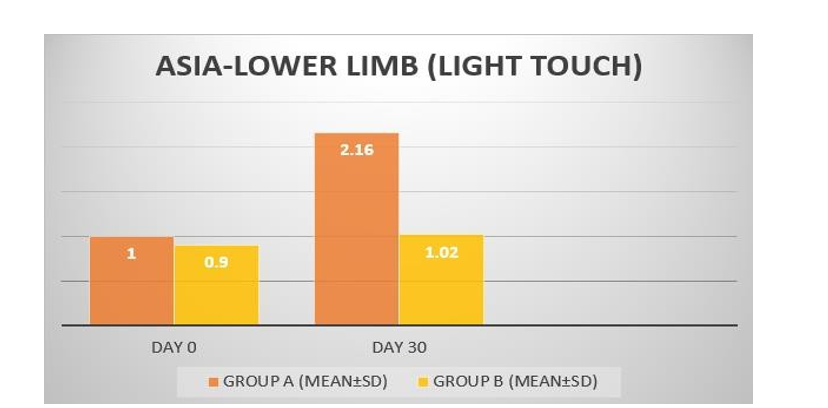
Graph 2: Graph Depicting the between Group Analysis of Asia-Lower Limb Light Touch Scores on Day 0, Day 15 and Day 30 Showing Significant Improvement in Group an Intervened with Corticospinal Activation Protocol
Graph 3: Graph Depicting the between Group Analysis of Asia-Lower Limb Pin Prick Scores on Day 0, Day 15 and Day 30 Showing Significant Improvement in Group an Intervened with Corticospinal Activation Protocol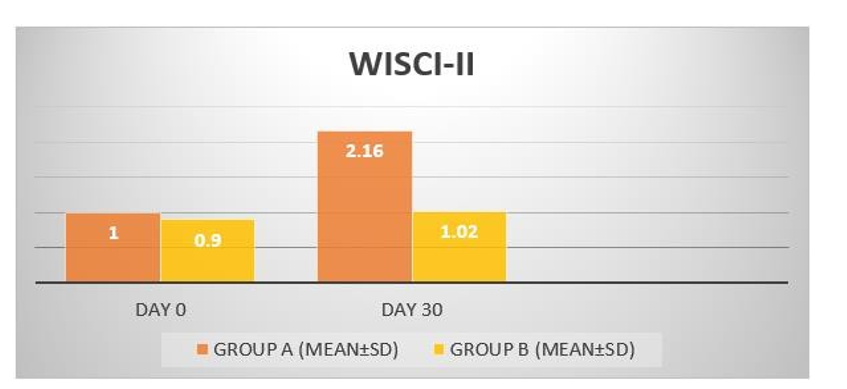
Graph 4: The Graph Depicts the between Group Analysis of WISCI-II Scores on Day 0, Day 15 and Day 30 Showing Significant Improvement in Group an Intervened with Corticospinal Activation Protocol

Graph 5: The Graph Depicts the between Group Analysis of SCIM-III Scores on Day 0, Day 15 and Day 30 Showing Significant Improvement in Group an Intervened with Corticospinal Activation Protocol
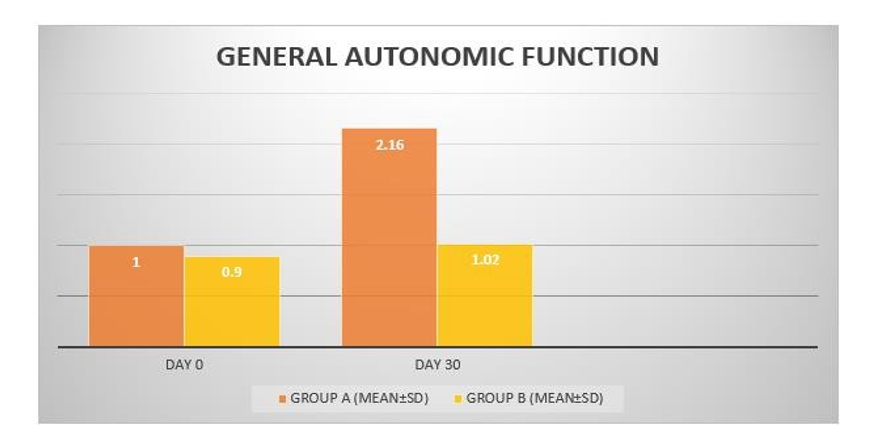
Graph 6: The Graph Depicts the between Group Analysis of GAF Scores on Day 0, Day 15 and Day 30 Showing Significant Improvement in Group an Intervened with Corticospinal Activation Protocol
Graph 7: The Graph Depicts the between Group Analysis of SAF Scores on Day 0, Day 15 and Day 30 Showing Significant Improvement in Group an Intervened with Corticospinal Activation Protocol 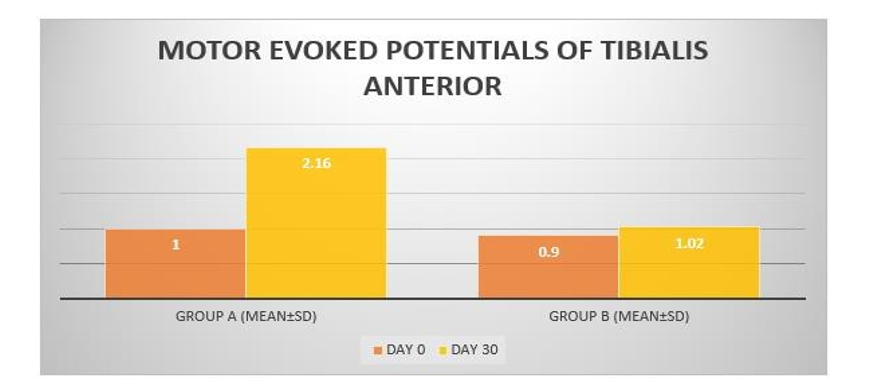
Graph 8: The Graph Depicts the between Group Analysis of MEP Latency of TIBILAIS Anterior on Day 0, Day 15 and Day 30 Showing Significant Improvement in Group an Intervened with Corticospinal Activation Protocol
Graph 9: The Graph Depicts the between Group Analysis of MEP Amplitude on Day 0, Day 15 and Day 30 Showing Significant Improvement in Group an Intervened with Corticospinal Activation Protocol
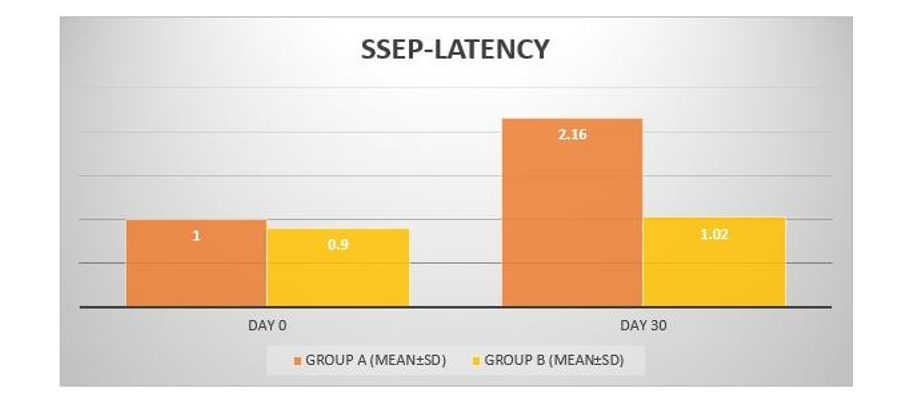
Graph 10: The Graph Depicts the between Group Analysis of Latency of Somato-Sensory Evoked Potentials of Tibial Nerve on Day 0, Day 15 and Day 30 Showing Significant Improvement in Group an Intervened with Corticospinal Activation Protocol

Graph 11: The Graph Depicts the between Group Analysis of Amplitude of Somato-Sensory Evoked Potentials of Tibial Nerve on Day 0, Day 15 And Day 30 Showing Significant Improvement in Group an Intervened with Corticospinal Activation Protocol
Discussion
Formulation
The formulation of the Corticospinal Activation Protocol (CAP) directly responds to key limitations of activity-based therapy (ABT) and conventional physiotherapy for spinal cord injury (SCI). Existing approaches are often heterogeneous, therapist dependent, and primarily focused on strengthening and compensatory task practice, with limited explicit targeting of corticospinal pathways, central pattern generators, or autonomic regulation [17]. They typically lack a unified conceptual framework, clear progression criteria, and systematic inclusion of higher order domains such as cognition and vocational reintegration, which restricts standardization, multi centre reproducibility, and rigorous evaluation in clinical trials [18]. In contrast, CAP was formulated as a mechanism based, multidomain protocol that integrates motor, sensory, autonomic, cognitive, and vocational components within a coherent neurophysiological framework. By operationalizing specific corticospinal activation strategies and linking each domain to defined neurophysiological and functional targets, CAP addresses unmet needs in SCI rehabilitation that are insufficiently covered by ABT and conventional physiotherapy.
Expert Validation
The expert validation phase further underscored the necessity and added value of CAP relative to existing rehabilitation practices. Specialists highlighted that current ABT and conventional protocols often omit logical developmental sequencing (e.g., proximal to distal control), provide limited guidance on intensity and progression, and rarely integrate autonomic and vocational goals in a structured manner. In evaluating CAP, experts judged its domains to be highly relevant to neuroplasticity and functional recovery, with near perfect agreement on the essentiality and clarity of its components, indicating strong content validity. Thematic feedback emphasized that CAP offers a more comprehensive and scientifically grounded framework than typical ABT programs, aligning closely with contemporary evidence on task specificity, repetition, and sensory rich training. This consensus supports the view that a validated, structured protocol such as CAP is needed to move SCI rehabilitation beyond fragmented, experience driven practice toward standardized, mechanism informed care.
Pilot Testing
Pilot testing provided preliminary empirical support for CAP and highlighted its potential advantages over ABT plus conventional physiotherapy, thereby reinforcing its clinical importance. In individuals with incomplete thoracolumbar SCI, the CAP group demonstrated greater improvements in neurophysiological markers (e.g., motor and somatosensory evoked responses, sacral and general autonomic function) and functional outcomes (ASIA lower limb scores, WISCI II, SCIM III) than the comparison group. This pattern suggests that a targeted corticospinal activation strategy may be more effective in driving meaningful neurological and functional change than non-standardized ABT and routine physiotherapy alone. Although the pilot sample was small, the consistency and multidimensional nature of the observed gains support the concurrent and preliminary predictive validity of CAP, indicating that it captures and promotes clinically relevant recovery processes. These findings argue for the importance of implementing validated, criterion referenced protocols such as CAP to overcome the inherent variability and mechanistic limitations of traditional ABT and conventional physiotherapy in SCI rehabilitation.
Conclusion
The present work resulted in the formulation, expert validation, and preliminary testing of a novel Corticospinal Activation Protocol (CAP) specifically designed for individuals with incomplete spinal cord injury. The protocol was developed from a strong neurophysiological and rehabilitative framework, systematically incorporating motor, sensory, autonomic, cognitive, and vocational domains into a structured, progression-oriented program. Through a rigorous Delphi process, experts demonstrated almost perfect agreement regarding the relevance, clarity, and essentiality of CAP components, confirming robust content and face validity and highlighting its superiority over non-standardized activity-based therapy and conventional physiotherapy in terms of theoretical coherence and clinical completeness.
Construct validity analyses showed moderate to strong convergence between CAP domains and established neurophysiological and functional outcome measures, indicating that the protocol accurately targets the intended rehabilitation constructs. Additionally, pilot criterion validity testing in individuals with thoracolumbar incomplete injury suggested that CAP may confer greater gains in electrophysiological indices, locomotor performance, functional independence, and autonomic function than standard care. Although larger, adequately powered trials are required, these findings collectively support CAP as a feasible, mechanism based, and psychometrically sound protocol that can standardize corticospinal focused rehabilitation in spinal cord injury and provide a plat forms for future clinical research and guideline development [19-37].
Ethics Approval and Consent to Participate
This study was approved by the Institutional Ethics Committee of Punjabi University, Patiala. All participants provided written informed consent prior to participation. [Ref Number: 28/55/IEC/PUP/2022), Dated 08/11/2022]. The Clinical Trail Registry India registration has been done as per the norms of the standards of good clinical practice [Reg. No. CTRI/2023/02/049536]Consent for Publication
Written informed consent for publication was obtained from all participants. No identifiable images or data were used in this study.Author Contributions
All authors contributed to the study design, data collection, analysis, and manuscript preparationData Availability Statement
The datasets generated and analyzed during the current study are available from the corresponding author on reasonable request.Funding
This study was supported by INSPIRE-DST FELLOWSHIP.Declaration of Interests
The authors declare that they have no competing interests or financial relationships that could influence the interpretation of the results.References
- Han, B., Liang, W., Hai, Y., Sun, D., Ding, H., Yang, Y., & Yin,P. (2023). Neurophysiological, histological, and behavioral characterization of animal models of distraction spinal cord injury: a systematic review. Neural Regeneration Research, 19(3), 563.
- Liu, W., Xu, Q., Wang, X., Wang, S., Gao, Z., Gu, R., ... &Zhu, Y. (2025). Global trends and cross-country inequalities in spinal cord injury attributable to falls: a systematic analysis of the Global Burden of Disease Study 2021. The Spine Journal.
- Ponzano, M., Nash, M. S., Bilzon, J., Bochkezanian, V., Davis, G. M., Farkas, G. J., ... & Group, I. P. A. S. I. (2025).Consensus-based recommendations for designing, delivering, evaluating, and reporting exercise intervention research involving people living with a spinal cord injury. Archives of physical medicine and rehabilitation, 106(4), 491-506.
- Jervis-Rademeyer, H., Cheung, L., Cesca, N., Gauthier, C., Walden, K., & Musselman, K. E. (2024, March). Implementing activity-based therapy for spinal cord injury rehabilitation in Canada: challenges and proposed solutions. In Healthcare (Vol. 12, No. 7, p. 703). MDPI.
- Jo, H. J., Kizziar, E., Sangari, S., Chen, D., Kessler, A., Kim, K., ... & Perez, M. A. (2023). Multisite Hebbian plasticity restores function in humans with spinal cord injury. Annals of Neurology, 93(6), 1198-1213.
- Edwards, D. J., Forrest, G., Cortes, M., Weightman, M. M., Sadowsky, C., Chang, S. H., ... & Jayaraman, A. (2022). Walking improvement in chronic incomplete spinal cord injury with exoskeleton robotic training (WISE): a randomized controlled trial. Spinal cord, 60(6), 522-532.
- de Oliveira, C. Q., Middleton, J. W., Refshauge, K., & Davis,G. M. (2019). Activity-based therapy in a community setting for independence, mobility, and sitting balance for people with spinal cord injuries. Journal of central nervous system disease, 11, 1179573519841623.
- Bedi, P. K., Arumugam, N., & Chhabra, H. S. (2018). Effectiveness of activity-based therapy in comparison with surface spinal stimulation in people with traumatic incomplete spinal cord injury for activation of central pattern generator for locomotion: Study Protocol for a 24-week Randomized Controlled Trial. Asian Spine Journal, 12(3), 503.
- Wulf, M. J., & Tom, V. J. (2023). Consequences of spinal cord injury on the sympathetic nervous system. Frontiers in Cellular Neuroscience, 17, 999253.
- Dorey, T. W., Nightingale, T. E., Alrashidi, A. A., Thomas, S., Currie, K. D., Hubli, M., ... & Krassioukov, A. V. (2024). Effects of exercise on autonomic cardiovascular control in individuals with chronic, motor-complete spinal cord injury: an exploratory randomised clinical trial. Spinal Cord, 62(10), 597-604.
- Senthilvelkumar, T., Magimairaj, H., Fletcher, J., Tharion, G., & George, J. (2015). Comparison of body weight-supported treadmill training versus body weight-supported overground training in people with incomplete tetraplegia: a pilot randomized trial. Clinical rehabilitation, 29(1), 42-49.
- Hu, Y., Li, L., Hong, B., Xie, Y., Li, T., Feng, C., ... & Fan,X. (2023). Epidemiological features of traumatic spinal cord injury in China: A systematic review and meta-analysis. Frontiers in neurology, 14, 1131791.
- Hubscher, C. H., Wyles, J., Gallahar, A., Johnson, K., Willhite, A., Harkema, S. J., & Herrity, A. N. (2021). Effect of different forms of activity-based recovery training on bladder, bowel, and sexual function after spinal cord injury. Archives ofphysical medicine and rehabilitation, 102(5), 865-873.
- Piira, A., Lannem, A. M., Sørensen, M., Glott, T., Knutsen, R., Jørgensen, L., ... & Knutsen, S. F. (2019). Robot-assisted locomotor training did not improve walking function in patients with chronic incomplete spinal cord injury: a randomized clinical trial. Journal of rehabilitation medicine, 51(5), 385-389.
- Charette, C., Dery, J., Blanchette, A. K., Faure, C., Routhier, F., Bouyer, L. J., & Lamontagne, M. E. (2023). A systematic review of the determinants of implementation of a locomotor training program using a powered exoskeleton for individuals with a spinal cord injury. Clinical Rehabilitation, 37(8), 1119-1138.
- Hachem, L. D., Ahuja, C. S., & Fehlings, M. G. (2017). Assessment and management of acute spinal cord injury: From point of injury to rehabilitation. The journal of spinal cord medicine, 40(6), 665-675.
- Ahuja, C. S., & Fehlings, M. (2016). Concise review: bridging the gap: novel neuroregenerative and neuroprotective strategies in spinal cord injury. Stem cells translational medicine, 5(7), 914-924.
- Gee, C. M., & Todd, K. R. (2025). Features of registered clinical trials and associated papers on physical activity involving people with spinal cord injury. Spinal Cord, 63(8), 444-446.
- Angeli, C., Rejc, E., Boakye, M., Herrity, A., Mesbah, S., Hubscher, C., ... & Harkema, S. (2024). Targeted selection of stimulation parameters for restoration of motor and autonomic function in individuals with spinal cord injury. Neuromodulation: Technology at the Neural Interface, 27(4), 645-660.
- Calderone, A., Cardile, D., De Luca, R., Quartarone, A., Corallo, F., & Calabrò, R. S. (2024). Brain plasticity in patients with spinal cord injuries: a systematic review. International journal of molecular sciences, 25(4), 2224
- Cowley, K. C. (2018). A new conceptual framework for the integrated neural control of locomotor and sympathetic function: implications for exercise after spinal cord injury. Applied Physiology, Nutrition, and Metabolism, 43(11), 1140-1150.
- Dangi, P., Arumugam, N., & Suman, D. (2024). Integrated Effect of Non-Invasive Neuromodulation on Bladder Capacity in Traumatic Spinal Cord Injury Patient: Single Case Report. Physical Therapy Rehabilitation Science, 13(1), 86-94.
- Doherty, S. P., Vanhoestenberghe, A., Duffell, L. D., Hamid, R., & Knight, S. L. (2020). Ambulatory urodynamic monitoring assessment of dorsal genital nerve stimulation for suppression of involuntary detrusor contractions following spinal cord injury: a pilot study. Spinal Cord Series and Cases, 6(1), 30.
- Evancho, A., Tyler, W. J., & McGregor, K. (2023). A review of combined neuromodulation and physical therapy interventions for enhanced neurorehabilitation. Frontiers inhuman neuroscience, 17, 1151218.
- Everhart, J., Somers, M., Hibbs, R., & Worobey, L. A. (2023). Clinical utility during inpatient rehabilitation of a clinical prediction rule for ambulation prognosis following spinal cordinjury. The journal of spinal cord medicine, 46(3), 485-493.
- Guertin, P. A. (2013). Central pattern generator for locomotion: anatomical, physiological, and pathophysiological considerations. Frontiers in neurology, 3, 183.
- Hagen, E. M. (2015). Acute complications of spinal cord injuries. World journal of orthopedics, 6(1), 17.
- Jones, M. L., Evans, N., Tefertiller, C., Backus, D., Sweatman, M., Tansey, K., & Morrison, S. (2014). Activity-based therapy for recovery of walking in individuals with chronic spinal cord injury: results from a randomized clinical trial. Archives of physical medicine and rehabilitation, 95(12), 2239-2246.
- Marder, E., & Bucher, D. (2001). Central pattern generators and the control of rhythmic movements. Current biology, 11(23), R986-R996.
- Merlet, A. N., Harnie, J., & Frigon, A. (2021). Inhibition and facilitation of the spinal locomotor central pattern generator and reflex circuits by somatosensory feedback from the lumbar and perineal regions after spinal cord injury. Frontiers in Neuroscience, 15, 720542.
- Minassian, K., Hofstoetter, U. S., Dzeladini, F., Guertin, P. A., & Ijspeert, A. (2017). The human central pattern generator for locomotion: does it exist and contribute to walking?. The Neuroscientist, 23(6), 649-663.
- Nedumaran, L., Rebekah, G., Tharion, E., & Tharion, G. (2022). Initial autonomic parameters and subsequent short-term neurological recovery after inpatient rehabilitation, in traumatic cervical spinal cord injury patients. Neurorehabilitation and Neural Repair, 36(4-5), 269-273.
- Ortega, M. A., Fraile-Martinez, O., García-Montero, C., Haro, S., Álvarez-Mon, M. Á., De Leon-Oliva, D., ... & Álvarez-Mon, M. (2023). A comprehensive look at the psychoneuroimmunoendocrinology of spinal cord injury and its progression: mechanisms and clinical opportunities. Military Medical Research, 10(1), 26.
- Balthazaar, S. J. T. (2021). Cardiac consequences and effects of exercise interventions following spinal cord injury in humans (Doctoral dissertation, University of British Columbia).
- Shulga, A., Lioumis, P., Kirveskari, E., Savolainen, S., & Mäkelä, J. P. (2021). A novel paired associative stimulation protocol with a high-frequency peripheral component: A review on results in spinal cord injury rehabilitation. European Journal of Neuroscience, 53(9), 3242-3257.
- Vivodtzev, I., & Taylor, J. A. (2021). Cardiac, autonomic and cardiometabolic impact of exercise training in spinal cord injury: A qualitative review. Journal of cardiopulmonary rehabilitation and prevention, 41(1), 6.
- Yang, F. A., Chen, S. C., Chiu, J. F., Shih, Y. C., Liou, T. H.,Escorpizo, R., & Chen, H. C. (2022). Body weight-supported gait training for patients with spinal cord injury: a network meta-analysis of randomised controlled trials. Scientific reports, 12(1), 19262.