

Journal of Investment, Banking and Finance(JIBF)
ISSN: 2997-2256 | DOI: 10.33140/JIBF
Impact Factor: 0.92

Research Article - (2025) Volume 3, Issue 2
Trade-Off Between Business Needs and Climate Change Demands
Received Date: Oct 03, 2025 / Accepted Date: Oct 28, 2025 / Published Date: Nov 06, 2025
Copyright: ©Â©2025 Tsvi N Reiss. This is an open-access article distributed under the terms of the Creative Commons Attribution License, which permits unrestricted use, distribution, and reproduction in any medium, provided the original author and source are credited.
Citation: Reiss, T. N. (2025).Trade-Off Between Business Needs and Climate Change Demands. J Invest Bank Finance, 3(2), 01-18.
Abstract
Businesses play a vital role in tackling climate change risks by adopting sustainable practices and reducing their carbon footprint, as their actions directly impact not only their survival but also society's well-being and the planet. Decisions made in corporate settings have far-reaching effects that go beyond profit, influencing ecological health, community resilience, and overall quality of life for both current and future generations. By recognizing their responsibility to act, businesses can become key drivers of change, promoting a more sustainable future that balances economic interests with urgent environmental needs. The current study aims to provide a comprehensive understanding of how climate change impacts business operations, while clarifying the ethical responsibilities associated with addressing urgent global challenges. This research highlights the importance of organizations recognizing both the direct and indirect effects of climate change and developing a deeper understanding of its root causes within their operational frameworks. Ultimately, the study seeks to clarify the ethical duties organizations must fulfill in response to this urgent global crisis. It employs a novel methodological approach, specifically a meta-synthesis of qualitative social science studies. Its focus on human behavior and needs can offer valuable insights into constructed phenomena, as well as people's desires and expectations. By proposing a clear conceptual framework for effective crisis management, it tackles the challenge of balancing organizational goals with the urgent demands of climate emergencies, thereby promoting sustainable development and corporate social responsibility.
Keywords
Climate Change, Human Epoch, Meta-Synthesis Study, Gas Emission, Fossil Fuel, Mitigation Strategy, Adaptation, Free Carbon
List Of Abbreviations
CC- Climate Change
CCA- Climate Change Adaptation
CCS- Carbon Capture and Storage
ESG- Environmental, Social, and Governance Criteria
GHG- Greenhouse Gas
IDG- Inner Development Goals." A framework to Develop
Personal Qualities in Five Key Dimensions that Drive Lasting Change"
IPCC- The Intergovernmental Panel on Climate Change
NGO's- Non-Governmental Organizations
PEB- Pro-Environmental Behavior
Introduction
The discussion on climate change needs a solid theoretical frame- work that clearly captures its complex and multifaceted nature. It is essential to recognize that effective solutions rely on coordina- tion between two key areas: the global institutional system and active private sector involvement. Ignoring the important link between these areas can hinder a complete understanding of the related challenges. This study endeavors to construct a grounded theory that deepens our understanding of the climate change phe- nomenon by rigorously analyzing and synthesizing diverse litera- ture sources. The ramifications of climate change permeate every facet of life on Earth, presenting significant challenges to daily operations, both in professional settings and personal spheres. At the organizational level, contradictions arise that disrupt the peace of corporate leaders, who face the dual pressure of adhering to shareholder commitments while confronting climate-related risks and obligations. This necessitates a delicate balancing act of align- ing organizational activities with climate imperatives. Two critical elements underscore the urgency of addressing climate change: the ubiquity of detrimental human activities on a global scale and spe- cific operational practices within the corporate sector. This duality manifests as a complex paradox, acting simultaneously as a barrier and an impetus for business executives. The magnitude of the chal- lenge may complicate the execution of pragmatic trade-offs; con- versely, it can catalyze innovative initiatives that harness emerging technologies, ultimately conferring competitive advantages.
Moreover, recognizing this paradigm empowers corporate enti- ties to adopt proactive stances in the global endeavor to mitigate climate change's impacts and risks. By aligning their operational frameworks with sustainable practices, businesses can enhance fi- nancial performance while positively contributing to global com- munities. Achieving these aims necessitates collaboration among a wide range of stakeholders, including non-governmental orga- nizations, governmental bodies, municipal authorities, corporate entities, and interdisciplinary scholars who can collectively forge pathways toward a sustainable future that benefits both environ- mental integrity and societal well-being. In the business world, a key question arises that researchers and practitioners must address: Are corporate efforts to tackle climate issues truly practical? A few important points deserve consideration for scholars and industry leaders. First, from a corporate viewpoint, while the effective- ness of climate initiatives remains somewhat unclear, progress is clearly visible in energy and resource efficiency improvements, reductions in greenhouse gas emissions, and increased awareness among stakeholders about climate change. Second, the future of humanity depends on decisive actions taken by the business sector in response to climate change. Finally, business leaders recognize that their success is closely linked to the overall well-being of soci- ety, which reinforces the need for them to lead these efforts.
Business Problem Statement
As climate change increasingly impacts global ecosystems and human livelihoods, businesses face a pressing and multifaceted challenge. The paradox is that while organizations are vital for economic growth and job creation, they also significantly con- tribute to greenhouse gas emissions. This contradiction is causing growing pressure from consumers, investors, and regulators, who are demanding more sustainable practices. A 2023 survey revealed a concerning trend: only 50% of respondents trust corporations to implement sustainable practices effectively. This distrust high- lights a broader gap between corporate actions and public expec- tations. As consumers become increasingly environmentally con- scious, they are more likely to support brands that demonstrate a genuine commitment to sustainability. Failing to adapt to these changing consumer preferences can result in reputational damage, a loss of market share, and decreased profitability.
Furthermore, many businesses lack a strong framework for in- tegrating sustainability into their core operations. This gap often results in scattered initiatives that fail to align with organizational goals or stakeholder expectations. Companies may also face con- flicts between short-term profit goals and long-term sustainability aims, creating a dilemma that hampers effective decision-making. Therefore, understanding how business operations interact with climate change is crucial. Companies must manage regulatory compliance, resource utilization, and stakeholder relationships while pursuing innovation that promotes sustainability and long- term growth. The challenge goes beyond merely cutting envi- ronmental impacts; it involves redefining what business success means in a world limited by climate change. To tackle these urgent issues, businesses need a complete transformation, making sus- tainability a central focus rather than a side concern. This requires rethinking operational plans, investing in eco- friendly technolo- gies, and promoting a culture of corporate social responsibility. Leaders within organizations must take ownership of their actions, ensuring their business practices not only boost economic growth but also help create a sustainable future for everyone.
Study goals
This study is designed to accomplish three primary objectives:
1. Deepen Understanding of Climate Change Impacts: To offer comprehensive insights into how climate change affects various stakeholders within the business ecosystem. This includes pin- pointing the specific challenges companies face and the proactive steps they need to take to address these climate-related issues ef- fectively.
2. Develop a Practical Framework for Organizations: To create a robust framework grounded in professional literacy analyses. This framework will guide organizations in effectively navigating the intersection of business imperatives and critical climate-related needs, facilitating sustainable decision-making and strategic planning.
3. Integrate Literature to Foster Accountability: Illustrate how existing literature supports the necessity of balancing organizational financial performance with social and environmental responsibility. This objective emphasizes the importance of accountability to stakeholders and highlights strategies that ensure sustainable growth while meeting ethical obligations to society and the planet. These refined objectives aim to provide a holistic approach to tackling climate change challenges and encourage businesses to adopt more sustainable practices [1].
The Question of the Study
How do different businesses conceptualize and vary in their responses to climate change, and what best practices can be identified?
• What expectations, strategies, attitudes, challenges, and opportunities do leaders within business organizations encounter concerning climate change initiatives?
• How do organizations balance the challenges of climate change with their sustainability goals and operational priorities?
• How can businesses effectively involve stakeholders, including customers and investors, in their climate change efforts?
• What are the long-term financial effects for businesses that neglect climate change versus those that actively adopt sustainable practices?
Study Thesis Statement
Business organizations are essential parts of the global economic and social systems, holding important responsibilities toward local communities and society at large. These entities consist of a wide range of stakeholders, including but not limited to shareholders, customers, suppliers, and investors. Leaders within these organi- zations must focus on and promote initiatives that reduce the ad- verse effects of climate change on both the environment and busi- ness activities. Each organization, based on its unique abilities and traits, should form strategic partnerships with relevant groups and institutions dedicated to tackling climate change challenges. This collaborative effort is key to encouraging sustainable practices and building resilience against environmental disruptions.
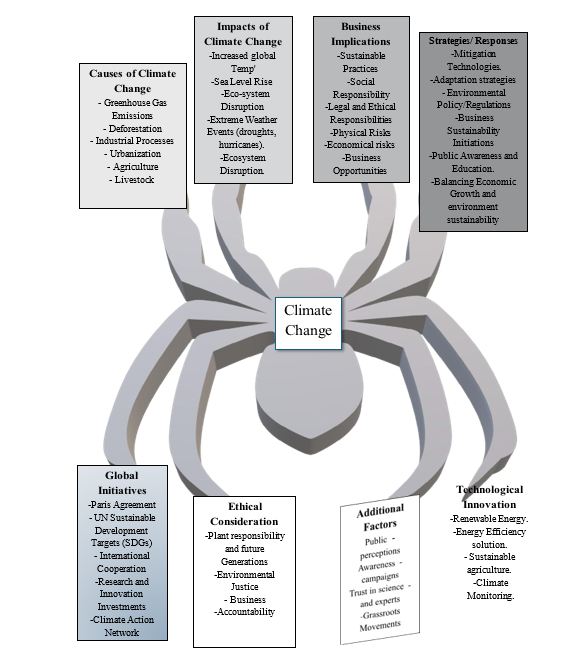
Figure 1: Spider Model of Climate Change
Literature Review
Climate change is one of the most pressing environmental issues, profoundly impacting key aspects of human life, including agricul- ture, textiles, water supplies, housing, and transportation. It also influences corporate governance and management frameworks, as shown by multiple studies [2-4]. The effects of this crisis are com- plex, causing significant disruptions to ecological functions and the supply of vital ecosystem services resulting from human ac- tivities. The climate crisis can be divided into three interconnected crises: the chemical crisis, which involves pollution; the biological crisis, characterized by the loss of species diversity; and the phys- ical crisis—the overall climate crisis—that encompasses harmful impacts on wildlife, natural processes, resource renewal, and hu- man health. Despite heightened awareness, a 2023 survey reveals that only 50% of respondents express confidence in corporations' ability to implement sustainable practices effectively. However findings from Deloitte (2024) indicate that approximately 85% of global managers advocate for enhanced sustainable investments, projecting continued growth in this area. As highlighted by Toffel, addressing the risks and challenges posed by climate change ne- cessitates a proactive approach from businesses to mitigate envi- ronmental harm [4]. The phenomenon of climate change involves long-term alterations in temperature and significant shifts in major climate patterns, driven by both natural environmental factors and, more critically, human activities such as deforestation, agricultural expansion, urbanization, infrastructure development, and the com- bustion of fossil fuels. These actions undermine key ecological systems, including the greenhouse effect, carbon cycle, water cy- cle, and gas exchange processes, resulting in the release of green- house gases into the atmosphere that would otherwise be seques- tered [5-7]. Understanding the severity and urgency of the climate crisis underscores the imperative for business organizations to take a leading role in addressing these issues. Geological evidence has consistently proven that human activity has left permanent marks on the Earth, such as radioactive materials in geological layers, rising ocean acidity, and changes in atmospheric composition. Significant phenomena, including shorter winters, disrupted ocean currents, and widespread species extinction, clearly demonstrate that the Earth is responding in unprecedented ways.
The discourse surrounding climate change has evolved in the second decade of the 21st century, transitioning from a polarized debate between skeptics and those presenting conclusive evidence to a more nuanced conversation contemplating the reversibility of the crisis and viable mitigation strategies (Hayai & Ilany, 2023). Business organizations are significant contributors to the greenhouse effect, and their engagement in addressing the climate crisis is not only necessary but imperative for fostering a sustainable future.
The Assumed Causes of Climate Change
Literature identifies key natural causes that influence short-term climate changes, such as volcanic eruptions, which release large amounts of volcanic ash and CO2 into the atmosphere. However, the ash settles quickly, while the carbon dioxide and sulfur dioxide are dispersed as aerosols in the stratosphere and can remain for more than two years. Another factor is the "albedo," the reflection of solar radiation from Earth's surface. Its values range from 0 for a black surface that does not reflect radiation to 1 for complete reflection. As the area of ice covering Earth decreases due to warming, the albedo decreases accordingly, and vice versa. Cloud cover also affects the reflection of solar radiation, with reflection coefficients varying among different types of clouds. When Earth's atmosphere warms, water vapor increases, enhancing the "greenhouse effect," and decreases when it cools [8]. Today, scientists agree that among all factors influencing global warming, the most significant is the increase in greenhouse gas levels in the atmosphere. The IPCC has shown that findings since the 1980s clearly indicate that human activity is the leading cause of rising emissions of greenhouse gases, such as CO2 and CH4, and the corresponding rise in these gases in the atmosphere [8]. Emissions from human activities significantly exceed the Earth's capacity to absorb them, resulting in a continuous rise in atmospheric CO2 levels. Unlike CO2, methane (CH4) is a gas that is roughly 100 times more potent in the short term but remains in the atmosphere for only about 12 years, compared to thousands of years for CO2. Methane is produced when organic material decomposes in oxygen-deprived environments. Therefore, conflict exists between the importance of fertilizers for crops and the damage caused by nitrogen dioxide emissions. The impacts of climate change can be divided into two main categories: global effects involving geopolitical, economic, environmental, and energy factors, and specific effects on business organizations. Globally, these impacts include rising temperatures, more frequent droughts, stronger wind patterns, higher ocean temperatures, rising sea levels, and melting glaciers caused by extreme heat. These changes lead to increased flood risks and cause the ocean to absorb more carbon dioxide, which threatens marine life and damages coral reef ecosystems. Additionally, climate change endangers biodiversity, with estimates suggesting that up to one million species could face extinction. The agricultural sector is particularly vulnerable, which could lead to food insecurity and widespread malnutrition. Health risks are also expected to increase due to greenhouse gas emissions, extreme weather events, poverty, and housing vulnerabilities related to flooding and the destruction of homes [9]. Research and professional literature indicate that the specific impacts of climate change on business organizations show that weather variations affect over a quarter of companies. The primary effects of climate change include resource shortages and disruptions to business models and global supply chains [10,11]. Extreme weather events such as hurricanes, floods, and droughts can disrupt the progression of large fires in Australia and storms in Texas, leading to a sharp increase in insurance costs. They also cause indirect issues, such as damage to the financial stability of organizations, because climate change can harm physical assets and production capacity, thereby increasing the credit risk for banks and resulting in financial losses for insurance companies. Concerning low-carbon pollution, which primarily affects companies involved in fossil fuel or utility assets that are often considered unprofitable, it will negatively impact on their financial contracts and portfolios, including loans, equity holdings, and bonds. Stakeholders today are increasingly aware of their role in combating climate change and are advocating for more proactive sustainability efforts. They not only demand transparency and accountability from businesses regarding their environmental impact but also expect organizations to take a leadership role in climate action. This includes adopting innovative strategies to reduce carbon footprints, investing in renewable energy sources, and implementing sustainable practices across the supply chain.
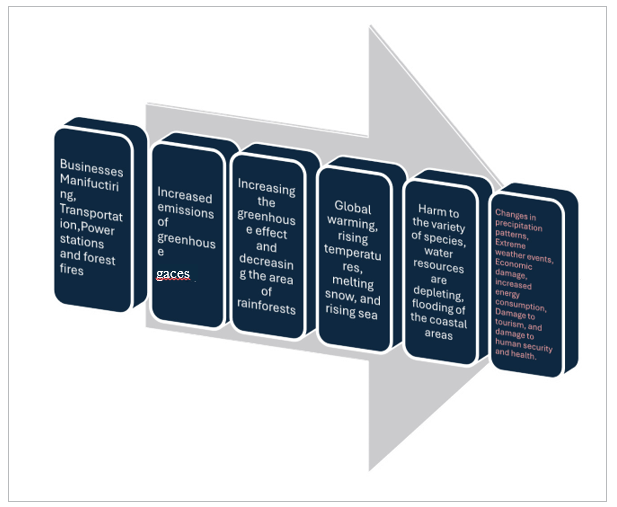
Figure 2: Flowchart: Main Consequences of Climate Change
Business Leadership and Climate Change
The complexity of the business sustainability landscape encom- passes various issues, including how leadership guides strategic changes within organizations, the development of organizational policies, and their impact on employees. This challenge demands fundamental changes in how business is conducted during this pe- riod. To succeed, leaders must cultivate personal qualities across five dimensions to drive ongoing organizational change activities, focusing on being, thinking, relating, collaborating, and engag- ing in the right activities that align with the organization's needs (Drake et al., 2023, Cambridge). This is in addition to the 23 skills necessary for sustainability, such as Connected leadership, Collab- oration, Courage, Creativity, Sustainability, and a Future mindset (CISL, 2025). They must realize that the traditional skills that have contributed to their success so far have now become obstacles in addressing sustainability issues, such as a short-term mindset and a focus on competition. Today, the challenge is long-term collaboration with competitors, regulators, NGOs, and the local community. Their most significant challenge is to find a balance between two de- mands: fulfilling the company's purpose and commitment to share- holders, while also meeting the needs of all stakeholders to combat the climate crisis. This involves, among other things, supporting the development of suitable leaders within the IDG Framework. However, managers tend to view the effects of climate change outside their control as regional, temporary conditions, and perceive severity as uncertain and likely to occur far away and in the distant future [5]. Economists (2024) argue that leadership must undergo significant changes to address challenges related to alternative energy, supply chains, and procurement, while also adapting to the circular economy by developing knowledge, skills, values, and approaches. As expectations today focus on green capabilities that will become increasingly important over the next decade, the labor market will also undergo substantial changes in response to these advancements in green technology. Hellstrom from Apricot explains that senior leadership will experience significant shifts in their thinking and will need to manage cultural changes within their organizations. The personal approaches of senior managers influenced the company's strategy, adopting progressive views that saw environmental investment as a way to generate profit and growth, making them less driven by shareholders' demands for profit maximization.
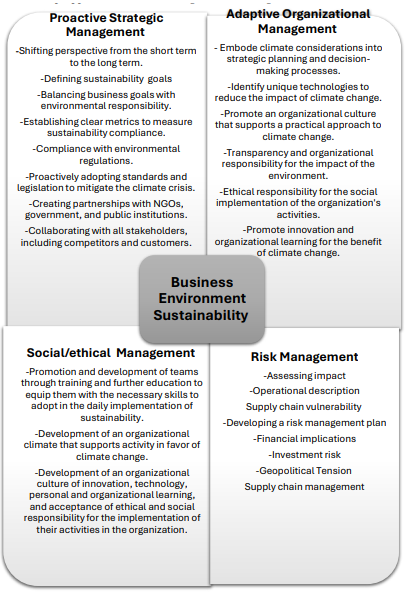
Figure 3: "Leadership Approaches for Addressing Climate Change
Business Strategies to Address Climate Change
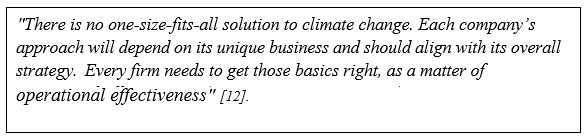
Professional literature presents various business strategies to miti- gate the harm of climate change, including Prevention, Adaptation, Mitigation, Composition, and Trade-Offs [5,13]. Firstly, adaptation refers to the company's activity in response to, preparation for, and institutionalization of reactions against the physical impacts of cli- mate change. Prevention refers to the activities in companies aimed at reducing the effects of climate change by minimizing green- house gas emissions or activities that remove them from the atmo- sphere [13]. Mitigation: Lowering exhaust emissions or increasing carbon sinks through activities like technological innovation. This approach is categorized into three types of actions by the firm: GHG reduction, enhancements in existing production processes,or new product designs that lower emissions of carbon dioxide, methane, nitrous oxide, and fluorinated gases. By purchasing ad- ditional GHG emissions from other organizations through trading, such as carbon credits, the firm achieves zero carbon production. Adaptation: The firm's efforts to reduce vulnerability to climate change or to capitalize on potential opportunities. It is essential to reassess the approach when the steps taken to mitigate risks do not prevent future natural disasters from occurring. There are sev- eral responses, including initiative, anticipation, reaction, routine, soft, and hard. For example, soft involves strategic adjustments to decision-making processes, organizational culture, and norms. Anticipate, identify, and reduce threats. Active contributions can include financial donations to the community, complex adapta- tions, changes in tangible assets or resources, and investments in technology or infrastructure. Routine means technical solutions, risk assessment, risk shifting, and distribution. Non-routine events can include relocation, Geographical variation, or collaborations with stakeholders. A combination refers to an activity that reduc- es GHG emissions and adapts to climate change simultaneously. Trade-off activity can adapt to the effects of climate change, either by preventing GHG emissions or, conversely, by reducing GHG emissions and hindering adaptation efforts.
Ultimately, a business can resist the adoption of mitigation or adaptation strategies by engaging in symbolic activities without taking significant action or implementing mitigation measures. However, note that many corporations adopting progressive ap- proaches to climate change are led by leaders who have expressed strong concern about the issue [6]. Moreover, some have taken it a step further by issuing statements like those of BP, GE, and Pa- tagonia corporations. This places them alongside a broad range of celebrities from art, culture, and politics who loudly support efforts to reduce climate impact.
For example, Polmas P from Unilever pioneered a new strate- gy centered on sustainability and served as a "public champion" for initiatives to combat climate change and promote the idea of aligning organizational growth with environmental responsibili- ty. However, this phenomenon is also a "fly in the ointment," be- cause it often becomes difficult to sustain these initiatives once the leaders retire. However, the impact of climate change on a firm's financial performance remains uncertain, as there is no evidence indicating that adopting innovation can improve financial results. Similarly, there is no evidence to suggest that implementing harm prevention strategies has a positive impact on higher financial per- formance [5].
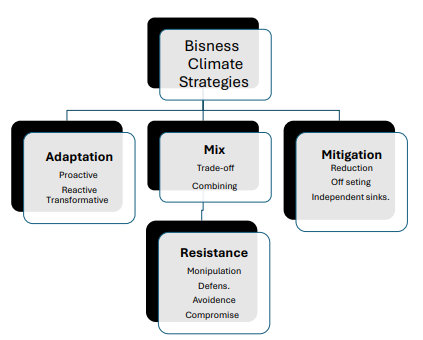
Figure 4: Business Strategies to Address Climate Change
Stakeholders Engagement
Recent empirical evidence highlights a growing phenomenon in which employees are increasingly demanding that organizations adopt more robust measures to combat climate change. This shift is underscored by widespread public demonstrations, with thou- sands mobilizing in the streets to express their concerns and ad- vocate for corporate accountability in environmental matters. For instance, in 2021, during the United Nations Climate Change Conference, significant grassroots movements emerged, calling attention to the urgent need for businesses to prioritize sustain- able practices and contribute constructively to climate action. Such mobilization reflects a broader trend in stakeholder engagement, which emphasizes the importance of collaboration and dialogue between organizations and their various stakeholders, including employees, consumers, investors, and local communities. The ex- pectation that organizations integrate sustainability into their core operations is no longer merely aspirational; it has become a critical organizational imperative. Effective stakeholder engagement re- quires a multifaceted approach that includes not just transparency and communication, but also active participation in decision-mak- ing processes. Organizations must establish platforms for dialogue that enable stakeholders to express their concerns and suggestions regarding environmental strategies. This participatory approach not only fosters a sense of ownership among stakeholders but also enhances the company's ability to respond to emerging environ- mental challenges more rapidly and effectively.
Moreover, businesses must recognize that stakeholder engagement extends beyond compliance and risk management; it encompasses the cultivation of long-term relationships built on trust and shared values. By prioritizing dialogue and collaboration, organizations can tap into the collective knowledge and creativity of their stakeholders, resulting in innovative solutions that align with both organizational objectives and broader societal sustainability goals. Thus, proactive engagement can catalyze transformative change within organizations, driving the essential transition toward more sustainable business practices in the face of climate change. Regarding the influence of investors and shareholders, managers find it challenging to justify returns on investment because they struggle to quantify the impact of the organization's activities on the environment.
Climate Change and Business Opportunities
Climate change presents significant challenges and risks for business management; however, it simultaneously offers a range of opportunities for organizations [14]. The extent to which these opportunities manifest for a particular company largely depends on factors such as the nature of its operations and the resilience of the organization. A comprehensive study conducted in Greece, involving a sample of 270 environmental experts and managers, revealed that participants were able to identify various opportunities for economic and regional growth. Notably, this study underscored recurring themes across different research rather than merely emphasizing commonalities. These identified opportunities encompass social improvements and technological advancements that not only mitigate the adverse effects of climate change but also foster innovation, economic development, and community resilience. Presently, numerous companies are proactively pursuing avenues to adapt to the transition toward "natural carbon." Their strategies include the creation of innovative products or services, expansion into new markets, enhancement of resource efficiency, and the establishment of resilient supply chains and leadership frameworks. Initiatives have been observed in various sectors, particularly those related to energy cooling and heating (Refer to Table 1).
|
Industry |
Business Opportunity |
|
Energy |
Renewable energy technologies. |
|
Cars /transportation |
Natural products and electric ignition |
|
Infrastructure |
Chain Supply Resilience |
|
Agriculture |
New types of seeds, new crops, innovative farming technologies, and grape cultivation in regions previously deemed unsuitable for viticulture. |
|
Construction |
Unfreezing materials reduces their vulnerability to frost, and a longer construction schedule is also beneficial. |
|
Tourism |
Reshape seasonal tourism in winter with more extended periods in summer and spring. |
|
Communication |
Innovative technologies and instruments. |
|
Banking |
New financial plans, catastrophic funds, and advisory services, including investments in infrastructure and renewable energy technologies. |
|
Coaling and ventilation |
Developing alternative technologies. |
|
Cement & Iron |
Investing in zero-carbon alternatives as early adopters to obtain a competitive advantage. |
Table 1: Industries Climate Change Opportunities
The Trade-Off Between Business Needs and Climate Change Concerns
The intersection of business needs and climate change creates a complex landscape that companies must navigate, balancing con- flicting priorities. Businesses are driven by the need to maximize profit, grow market share, and maintain operational efficiency. Meanwhile, the urgent demands of climate change require im- mediate action and significant changes to traditional operating models. To effectively manage this trade-off, businesses need to reassess their fundamental approaches to resources and strategy. Short-term profit maximization often conflicts with long-term sustainability goals. For instance, sourcing cheaper materials may reduce costs, but it could also lead to increased environmental deg- radation and a negative public perception. Companies that recog- nize this trade-off can leverage sustainable practices as a strategic advantage, appealing to a growing base of environmentally con- scious consumers and investors.
Furthermore, integrating sustainability into the core business strat- egy can reveal opportunities for innovation. For example, adopt- ing circular economy principles can minimize waste and resource consumption while potentially opening up new revenue streams. This shift encourages the development of sustainable products and services that meet market demand without compromising environ- mental integrity. It is also crucial for businesses to acknowledge that the cost of inaction can far exceed the initial investments in sustainable practices. As climate-related risks escalate, companies may face financial repercussions from natural disasters, supply chain disruptions, and regulatory penalties. By acting proactively, businesses can mitigate these risks, enhance their resilience, and foster goodwill among stakeholders. Collaboration across sectors is critical in balancing these competing needs. Partnerships with governments, NGOs, and other organizations can foster innova- tive solutions that align business objectives with environmental stewardship. Engaging in Such collaborations can foster the devel- opment of new technologies, shared resources, and collective ac- tion initiatives that address climate change while driving business growth simultaneously.
In summary, balancing business needs with climate change chal- lenges requires a strategic reassessment of priorities. By integrat- ing sustainability with core business objectives, companies can not only support environmental resilience but also ensure their long- term survival in a growing eco- aware market. This comprehen- sive approach represents a crucial step toward bridging the gap be- tween profit-driven motives and the urgent need for climate action.
Methodology
This study employs a specialized method called Meta-Synthesis to investigate the significant phenomenon of climate change. The primary objective is to comprehend its background and formu- late a theory by adhering to the seven steps typically employed in social sciences. This approach allows researchers to consider the viewpoints of scholars who have studied the climate change puzzle and the contexts in which it happens [15]. Meta-synthesis allows researchers to combine findings from multiple qualitative studies. This method enables them to gain a deeper understanding of the meanings and insights from various climate studies by high- lighting common themes, rather than just focusing on similarities, differences, or data points. One possible outcome of this approach is the creation of a model that identifies gaps in the existing litera- ture, clarifies complex knowledge about climate change, and sup- ports existing understanding. By establishing a clear framework, this study aims to examine the complexities of climate change as it continues to evolve globally. This method also ensures that the research clearly defines key categories, thereby helping to explain the relationships between different themes and their connections to other theories. The primary purpose is to develop the most accu- rate and understandable theory about the topic being studied.
Next, the methods used for data collection and the selection of literary sources in this research will be discussed. The data will be gathered by choosing a sample of specific literature sources. Books and research papers focused on qualitative research will be reviewed. Next, analyze and categorize these texts based on themes that relate to the research questions and problems. Thir- ty-five texts were selected that address business issues and research questions. These texts will be carefully selected (not randomly) to ensure I obtain the most helpful information for our study. I will only use materials from the years 2000 to 2025. This approach will enable me to understand and synthesize a range of qualitative studies, insights, and meanings related to the topic under investi- gation. To choose the right articles, I have some specific criteria. I will include peer-reviewed articles that use qualitative methods and clearly explain their methods. I will also use free-text terms to explore the topic and its context.
Data Analysis and Methods
The data analysis for this study will employ a systematic approach to explore the relationship between climate change and businesses thoroughly. First, the unit of analysis is defined as a statement or word in the research report. The analysis then starts by identifying and categorizing key elements in the collected literature. These elements include main categories, subcategories, and overarching themes such as the drivers of climate action, its effects on com- panies, the role of leadership, strategic responses, opportunities, trade-offs, and perceptions of key stakeholders.
Once these categories and themes are identified, it is crucial to un- derstand how the studies relate to each other, determine the main themes, and examine the relationships between themes from a cross- theme perspective. Additionally, it is essential to categorize the themes into relevant groups. First, the themes will be identified and then organized into categories. The next step involves coding the dataset. This includes documenting any adaptations made by organizations, noting any contraindications, and identifying poten- tial interactions among them. The goal is to create a clear and thor- ough overview of all relevant factors, enabling the development of a logical reasoning process that connects each category to the overall research objective. The findings from this analysis will be systematically organized into designated tables to ensure clarity and ease of reference (Refer to Table 2). A conceptual model will be created, linking each study through metaphor to others.
Additionally, an analysis of emerging trends will be included to highlight key developments and patterns related to the study's main categories.
|
Num |
Category |
Sub-Category |
Theme1 |
Theme2 |
|
1. |
Drivers of climate change |
- Human Processes -Natural Processes |
-Industrial process -Volcanic eruption |
-Human life process -Albedo phenomenon |
|
2. |
Impacts of climate change |
-Direct Physical risks. - Indirect Associated Risks |
-Damages to assets, production, and the Supply chain. -Regulatory and legislation risk |
- Market shifts and returns on investment. -Stakeholder pressure, company value loss. |
|
3. |
Leadership |
-Global
- Business |
|
-Regulatory guiding frameworks. -Strategic CC practice. |
|
4. |
Respond and Strategy |
-Respond
-Strategy |
-Prevention
-Contradiction
-Adaptation
- Mitigation |
-Resilience towards risks - Avoidance & Indifference. -Transitioning energy sources.
-Reducing GHG gas emissions. |
|
5. |
Business Opportunities |
-Adjustment
- Technological creativity and innovation |
|
- Scarce resources and natural materials
-Advanced accounting frameworks |
|
6. |
Stakeholders Impact |
- External Stakeholders |
-High pressure on business climate practices. |
- Fair evaluation of the firm's value. |
|
|
|
-Internal stakeholders |
-Perception and appreciation pressure |
- Engagement, cooperation, and trust. |
|
7. |
Barriers |
-Institutions |
-Structural -Infrastructure |
-Political - Economical |
|
|
|
-Business Organizations |
-Industrial operational. -Social & financial. |
Organizational capabilities. -Leaders' perceptions. |
|
8. |
Science &Research |
-Gio-engineering |
-Search for technologies to control atmospheric dynamics. -Simulations and anticipation models. |
|
|
|
|
-Scholarly research |
- Developing technological innovation tools, models and mechanisms to mitigate the risks |
- Research on ways of adaptation of policies, behavior, procedures, operational processes, and relationships. -Leadership styles, stakeholders' engagement, AI, and big data technology integration. |
|
9. |
Trade-off |
-Preference for green and sustainable practices |
-Strategic preference.
-Efficiency in the limited capacity |
-Operational responsive. |
|
|
|
-Capacity |
- Proactive Technology R&D to decrease financial cost, scarce resources, |
|
|
|
|
|
increase revenue, and competitiveness. |
|
10 |
Sociality & Ethics |
- Social transformation. |
- Responsibility and rights towards society and the local community. |
- Anthropocentric and biocentric approaches. |
|
|
|
-Ethical Consideration. |
Ecological justice. |
-Environmental justice |
Table 2: Business and Climate Change Categories and Themes
A detailed discussion will accompany these results, providing explanations for the identified patterns and highlighting key trends related to the research questions. This approach will ensure that the study’s findings are both clear and insightful, laying a solid foundation for further discussion and interpretation.
Research Limitations
Along with the common limitations of qualitative research, the re- searcher took several steps to develop theories relevant to a broad audience. This study aimed to understand how businesses respond to the challenges of climate change, focusing on various factors that affect organizational operations. To explore these factors, the researcher chose to examine the impact of global institutions, ac- knowledging the interconnectedness of all involved elements. To strengthen the theory, the researcher mainly focused on high-qual- ity studies that offered detailed insights. Additionally, some quan- titative studies, which depend on numerical data and statistics, as well as triangulation studies, were included. Various non-academ- ic articles that professionally analyzed the phenomenon were also considered to enhance the clarity and relevance of the findings. This comprehensive approach ensured that the research conclu- sions about business and climate change would connect with a broader audience.
Trustworthiness, Reliability, and Validity of Qualitative Study
Ensuring the trustworthiness of the study by adopting Lincoln & Guba's (1985) methodological model, the authors outline four key criteria for researchers to consider: Credibility (Internal Validity), Transferability (External Validity), Dependability (Reliability), and Confirmability (Objectivity). Credibility addresses how well the researcher's findings reflect reality, with the strategy being to compare the study's findings with previous literature. Transferabil- ity refers to how well the study's findings can be applied to other situations. To address this, the researcher must provide enough conceptual information for readers or practitioners to apply the findings appropriately. Dependability addresses the question of reliability, allowing other researchers to replicate the study in the same context using the same literature sources and obtain the same results. Confirmability addresses the question of objectivity; it is achieved when credibility, transferability, and dependability have all been established.
Discussion and Conclusion
The exploration of Meta-synthesis regarding business roles in addressing climate change is organized around ten key catego- ries, each serving as an essential foundation for building a solid grounded theory. These categories carefully tackle the five main research questions, offering an in-depth analysis of the urgent cli- mate change issue at the center of this study. By systematically organizing the insights gained from the literature, this research not only clarifies the complex relationship between business dynamics and climate change but also creates actionable guidance for future research and initiatives. This approach strengthens a theoretical framework that is both solid and cohesive, effectively connecting academic inquiry with real-world decision-making in the constant- ly changing area of adaptation and mitigation. (Refer to Figure 5 for a visual representation of these ideas.)
Drivers of Climate Change
The causes of climate change can be categorized into two main sub-categories: human-induced processes and natural processes. Human causes focus on two themes: human behavior and the pro- duction and operation of various industries. The first theme en- compasses various activities, including increased consumption, rapid urbanization, transportation, and water use. Additionally, practices like deforestation for agriculture, road construction, oil consumption, animal farming for food, fertilizer use, and resource depletion also contribute to the problem. Experts estimate that ur- banization accounts for about 70% of all greenhouse gas emissions released into the atmosphere. The second theme involves indus- trial processes that emit greenhouse gases, disrupt ecological sys- tems, alter weather patterns, and contribute to global warming and rising temperatures. In addition, there are severe storms, increased droughts, species loss, food shortages, poverty, displacement, warming oceans, and rising sea levels. There is widespread agree- ment in the scientific community that one of the most harmful pro- cesses is the use of technologies based on carbon fuels, which also cause damage, such as ozone layer depletion. Gibson and Diba report that 30% of greenhouse gases are generated from indus-trial activity [13,16]. Furthermore, this view is shared by 99% of climate scientists. The second subcategory, which is the natural activity of the systems, needs clarification in two ways. These pro- cesses cause several changes in the initial climate, including volca- nic eruptions that increase the amount of volcanic ash in the atmo- sphere, tectonic shifts, and the phenomenon of "Albedo," which is the reflection of solar radiation. The second aspect, according to most scientists, cannot explain how climate change occurs through these natural phenomena.
In conclusion, globally, the USA, China, India, Europe, Indone- sia, Brazil, and Russia were responsible for 50% of gas emissions into the atmosphere [17,16]. Scientists indicated that humans are responsible for a temperature increase of 1.3% degrees Celsius be- tween 2022 and 2023, contrary to the expectations of the Paris Climate Committee.
Climate Change Impacts
The second category, Climate Change Impacts, is closely connect- ed to the drivers of global warming and climate change discussed earlier. A distinction is made between two subcategories: direct physical impacts and indirect associated impacts. The consensus in both business and scientific literature is that human-caused greenhouse gas emissions have significantly contributed to climate change. The direct physical effects include threats such as more severe droughts, decreasing ocean water levels, the breakup of ice sheets from their bases, and rising sea levels caused by melting glaciers. These events lead to widespread flooding, severe short- ages of food and water, and violent conflicts that threaten human safety. Extreme heat also increases the risk of large wildfires and storms, which can spread diseases like cholera, mainly affecting vulnerable populations. The story of Nakate describes how cli- mate forecasts predict an increase in the frequency and intensity of floods [18]. Rainfall is expected to decrease by 188 mm by 2028, making it difficult for the country to provide food for about 40 mil- lion residents. Additionally, the floods have serious consequences for public health due to deforestation. This rise in inequality poses a threat to global biodiversity, affecting many species, including echinoderms such as corals and mollusks. The Deloitte study of 2,000 business leaders across 27 countries confirms this, as they recognize that climate risks are already affecting companies and requiring proactive responses [10,11].
Business entities are not immune to these effects, as they often face significant losses due to physical damage to their assets. The wide- spread destruction disrupts production, weakens business models, and damages infrastructure and inventories. This disruption affects labor markets and supply chains, resulting in workforce shortages, delivery delays, market share declines, and heightened compet- itive pressure. For example, the agricultural sector is especially vulnerable, experiencing drops in employment and harvest yields. This requires reevaluating production strategies and adopting in- novative tools to handle operational disruptions, as entire indus- tries such as fishing, forestry, maritime, and public health face existential threats. The indirect and non-physical risks encompass various potential losses associated with climate change. These encompass regulatory risks, market shifts, decreased stakeholder value, and responsibilities for emissions reporting and climate risk management. Additionally, threats to investment returns are nota- ble, evidenced by increased competition, higher insurance costs, and limited availability of specialized insurance products. Rising interest rates also pose a threat to business profitability. Legisla- tive measures, such as the "Clean Air Act," Clean Water standards, and other sustainability and resource preservation laws, render traditional business models outdated, necessitating a fundamen- tal reevaluation of financial strategies. Changes in stakeholders' attitudes toward climate threats and their related behaviors require close attention from organizational leadership. Both types of cli- mate-relate risks can have existential impacts on business opera- tions, making urgent and strategic leadership action necessary to reduce these effects.
Business Global Leadership and Climate Change
The third category is leadership, which can be divided into two subcategories: global leadership and business leadership. Global leadership should prioritize efforts to mitigate climate impacts. This involves implementing effective policies for adaptation to climate change (CCA) across ecological, social, and econom- ic sectors, along with guiding frameworks for the entire climate initiative and fostering international cooperation as a unified ef- fort. Additionally, regulatory frameworks need to be established for businesses, markets, pollution, and greenhouse gas emissions trading, emphasizing processes, structures, and potential damages.
However, it has been observed that many national leaders are in denial about the climate crisis. Instead of declaring a climate emer- gency and making the necessary decisions for both their countries and the planet, they choose to deny the existence of this crisis. Busi- ness leadership encompasses three key areas: management style, key characteristics, and strategic actions. The overall approach taken by a leader is crucial for effective business management in addressing climate challenges. The management style plays a cru- cial role in combating climate change. Some well- known styles include Distributive, Transformational, Transactional, Coercive, Adaptive, Inspirational, Coaching, Democratic, and Authoritative. However, researchers like Vignola argue that management should customize its style to the socio-institutional context and adapt it to each stage of the adaptation cycle [19]. Using the example of coaching style is effective for preparing stakeholders and the orga- nization for long-term performance and capacity. The qualities of a business leader must include a commitment to reducing green- house gas (GHG) emissions by a specific amount in the coming years. Leaders should firmly believe in and promote the idea that businesses play a vital role in managing climate risks. To meet these commitments and achieve sustainability, managers must adapt their management styles, as past approaches are no longer practical. The UN's 2019 "Agenda 2030" and the IDG Framework for Internal Development Goals outline 17 skills and qualities that organizations and managers need to develop to create last- ing change. Many businesses, partners, and organizations, such as IKEA and the EU Erasmus, along with academic institutions like H.B. University and the MIT Sloan School, support this initiative.
The framework comprises five main features: Being, Thinking, Relating, Collaboration, and Action. Leadership practices in busi- ness organizations, particularly in high-pressure environments, begin with raising awareness. This involves supporting future gen- erations, building a sustainability-oriented organizational culture, fostering innovation and technology (such as renewable energy), and allocating resources to tackle climate challenges. Working with stakeholders and investing in technology can help uncover innovative opportunities to boost competitiveness. Engagement, commitment, and initiatives for climate action should be actively communicated to all stakeholders, including shareholders, inves- tors, and the public. To establish a circular economy policy, setting a net-zero emissions target for the sharing economy is crucial. Ad- ditionally, the connection between the market and business should focus on delivering long-term value.
Furthermore, despite that, many business leaders tend to see cli- mate change as outside their control, which leads them to avoid addressing it due to spatial and temporal limitations. They often view the damage as unknown and believe it will happen far away and in the distant future. This mindset allows them to ignore reality and prioritize personal preferences. According to the reference of IEO , one key reason for considering the role of business leader- ship in preventing climate change is that many companies contin- ue to expand their operations in pursuit of higher profits and gov- ernment subsidies, despite repeated warnings that increased use of fossil fuel energy could cause irreversible damage and despite stakeholders' expectations that businesses should take the lead in combating climate change alongside the government, this is not the case.
Business Strategy and Response
The fourth category of organizational strategies and responses to climate change threats is divided into two subcategories: response and strategy. The response aspect encompasses two components: prevention and resistance. Prevention involves various actions aimed at preventing global temperature increases from exceeding 1.5 to 2 degrees Celsius. This includes raising awareness of climate risks across different sectors, implementing measures to mitigate climate change impacts, adopting green infrastructure, setting goals for reducing greenhouse gas emissions, and developing mechanisms for clean development. Additional steps may include transitioning energy sources from coal to oil, adjusting financial assets, seeking competitive advantages, promoting sustainable products, managing risks within the banking sector, and adapting business models, insurance, and liabilities. In contrast, resistance often involves objection reactions from companies like Exxon Mobil and Gazprom, who have publicly announced their intention to abandon the Obama Clean Energy Plan. These companies have established political lobbying groups to pressure government authorities to alter regulations concerning fossil fuel energy policies. On a global institutional level, assessments are carried out on numerous topics, including the relationship between climate change and water, energy conservation, waste management, supply chain logistics, healthcare, consumption patterns, and financial and economic systems.
The second subcategory focuses on strategies for responding to climate change by business actors. Two primary strategies exist: adaptation and mitigation. Adaptation refers to activities that en- able an organization to respond to, prepare for, and strengthen its resilience against the physical impacts of climate change. This can involve focusing on the statutory liquidity ratio (SLR), decarbon- ization, and greenhouse gas emissions. Additionally, reducing the business's environmental footprint and adapting production pro- cesses can lower resource usage.
Mitigation, on the other hand, targets the reduction of climate change impacts, primarily by decreasing greenhouse gas emis- sions or removing them from the atmosphere through technologi- cal innovation and creativity. This includes developing sustainable products, improving production processes to minimize greenhouse gas emissions, creating carbon sinks, and designing business mod- els that effectively manage climate change impacts.
Moreover, organizations may consider a trade-off or a merger of these two fundamental strategies. While trade-offs can facilitate adaptation to climate change effects, they may also hinder efforts to decrease greenhouse gas emissions, and vice versa. By combining strategies, organizations can effectively lower gas emissions while simultaneously adapting to climate-related risks.
Business Opportunities
In evaluating the intersection of the climate crisis and business, organizations face both distinct physical challenges and a spec- trum of opportunities. This aligns with Li's 2023 claim and that of colleagues, suggesting that adverse climate change can yield pos- itive impacts and benefits that the firm can leverage to its advan- tage. This analysis categorizes the relevant business responses into two primaries subcategories: business adjustment initiatives and technological innovations, with a particular focus on sectors se- verely impacted by climate-related hazards. These sectors encom- pass pharmaceuticals, refrigeration, energy infrastructure, finance, insurance, agriculture, beverages, tourism, communications, and biofuels. Adjustment practice is pivotal for mitigating risks asso- ciated with physical hazards. These strategies extend beyond ad- dressing direct emissions and encompass a multifaceted approach that includes sustainable product development, enhanced supply chain resilience, market entry into emerging economies, and in- novative financial mechanisms such as weather derivatives for cli- mate risk hedging. Improving operational efficiency is essential to these initiatives, which involve practices such as switching to LED lighting, adopting alternative cooling systems, and upgrad- ing technology and machinery to meet sustainability standards. These changes not only reduce costs but also promote innovative business models, improve operational capabilities, and better align with changing market trends. Long-term strategies focused on en- ergy management are crucial for maintaining a competitive edge in this evolving landscape.
Furthermore, comprehensive management plans, cutting-edge employment strategies, and effective resource management are essential for both mitigation and adaptation efforts. To navigate the complexities of climate change, organizations must prioritize the acquisition of new knowledge, engage with domain experts, and ensure compliance with pertinent regulations and legislative frameworks. The second subcategory, focusing on initiatives and innovation, emphasizes the potential for the emergence of new in- dustries, occupations, and roles. Labor institution forecasts indi- cate that by 2050, the global economy will require approximately 60 million additional jobs [20]. This necessitates a proactive ap- proach where organizations seek alternatives for resources that are becoming increasingly scarce.
Moreover, companies will need to develop advanced accounting frameworks to improve financial metrics amidst shifting economic demands and innovate technologies that facilitate the production of sustainable goods. Addressing these challenges will not only drive job creation but also promote a transition toward an economy that's more resilient to climate change impacts. Proactive efforts can lead to positive responses from shareholders, such as attracting investors and gaining broader access to financial resources, thereby enhancing financial performance and increasing the firm's value.
Stakeholders and CC Practices
The stakeholders' category is divided into two subcategories: In- ternal stakeholders and External stakeholders. In the context of climate change, the perceptions of these stakeholders, as well as the impact of their expectations and demands, significantly in- fluence business practices and responses. The literature indicates that stakeholders are becoming increasingly aware of the dangers posed by climate change, prompting businesses to adopt practices that address these concerns. This awareness acts as a driving force for leadership to take action, compelling organizations to monitor trends in perceptions and expectations. They expect businesses to set targets aimed at anticipating and reducing climate risks, and to take a proactive role in combating climate change. Naturally, different stakeholders have varying interests and views regarding the necessity and urgency of these practices. While many supports the action, some oppose it, and others remain undecided. Focusing on external stakeholders, like investors, it is clear that they prefer to consider Environmental, Social, and Governance criteria when making investment decisions. Institutional investors expect firms to demonstrate decisive leadership and consider those that adopt sustainable practices as more attractive for investment [21].
Internally, engaging and retaining employees can contribute to climate risk reduction. Many employees seek jobs that align with their values, which can enhance their morale and productivity, ul- timately resulting in lower turnover rates.
Finally, according to Machado , the influence of stakeholders' preferences on business leadership and strategy is mixed and in- consistent. Nevertheless, pressure from stakeholders encourages companies to adapt and improve their transparency in disclosure actions [5].
Barriers to Climate Change Practices
The barrier factor is a complex, multi-dimensional challenge in managing climate change effectively, as noted by global organiza- tions. A review of the literature highlights key factors that prevent organizations from efficiently addressing climate risks and adopt- ing successful strategies. This analysis groups the barriers into two main categories: institutional impacts and organizational business impacts. From an institutional perspective, several important is- sues arise, including the interaction of political dynamics, societal attitudes, economic conditions, the global context, the availabili- ty of concrete data, and the prevalence of international conflicts. In the realm of business organizations, several critical issues are identified, including regulatory frameworks and legislative con- straints, leadership biases that influence strategic priorities, op- erational challenges inherent in the industry, workplace culture, and organizational capabilities. Additionally, technological skills, financial resources, resource scarcity, and differing stakeholder perspectives further complicate the environment for organizations trying to adopt climate-responsive practices. The literature high- lights several issues related to individual human activity within society, reflecting individuals' general perceptions and abilities. It emphasizes the various organizational efforts aimed at addressing and preventing climate damage, highlighting its critical influence on individuals' preventive actions [22].
Science and Research
The Science category includes two main subcategories: Geolog- ical engineering and business research. Geological engineering mainly focuses on developing innovative technologies to improve atmospheric conditions in response to the climate crisis. This in- cludes methods such as injecting sulfur particles into the atmo- sphere and using reflective surfaces to decrease solar radiation absorption. Other strategies in this field involve managing cloud cover through techniques like cloud seeding and efforts to restore polar ice surfaces. Additionally, plans such as deploying mirrors on satellites and investing in advanced technologies are being ex- plored to fight extreme weather events. Models measuring present and future phenomena, increasing new knowledge about mecha- nisms that impact the climate, models for replication of past cli- mate change, anticipating the future, simulating climate systems, and technologies to regrow ice sheets and algae.
On the other hand, business research encompasses a broad spec- trum of topics, with a primary focus on renewable energy tech- nologies and alternative methods. The existing literature reveals significant gaps that necessitate the development of robust models and analytical tools to understand better the connection between climate change and the risks faced by various businesses. This research involves creating tools to evaluate and analyze environ- mental impacts thoroughly.
Furthermore, adopting advanced technologies like artificial in- telligence, big data, and blockchain requires a careful review of organizational culture and behavior. These technologies can help maximize business opportunities while also reducing the risks and challenges associated with climate change. The primary focus is on how climate change affects key areas such as life cycle assess- ment, carbon footprints, natural capital accounting, and biodiversi-ty. The discussion also highlights the importance of adopting new behaviors, strategies, policies, procedures, and technologies to improve operational processes and ensure compliance with regu- lations aimed at addressing climate change risks. Overall, the cur- rent literature highlights a significant knowledge gap regarding the interaction between harmful biological conditions, business strat- egies, and operational options in the context of climate change. Understanding how businesses can adapt to their specific needs and risks is an essential area for future research.
Trade Off
The ninth category identified in this research focuses on the trade- offs faced by business organizations, delineated into two subcate- gories: Preferences and Capacity. The decision-making complex- ities surrounding these trade-offs are particularly pronounced for leadership teams navigating climate change risks, primarily due to the inherent tension between the dual objectives of organization- al performance and sustainability. This tension frequently leads to internal discrepancies, complicating the development of a robust business case that satisfies both sustainability imperatives and so- cietal well-being requirements. The responsibility of businesses to minimize greenhouse gas emissions is significant, and embracing a proactive climate change (CC) mindset is anticipated to yield long- term financial benefits. Prioritizing climate action involves adopting a long-term perspective, incorporating Climate Change Adaptation (CCA) into operational frameworks, embedding Envi- ronmental, Social, and Governance (ESG) considerations into the business model, and investing in technologies aimed at enhancing energy efficiency to mitigate 40% of greenhouse gas emissions. Moreover, strategic choices must be made between adaptation and mitigation approaches. The interplay of trade-offs, as well as co- operative ventures with local communities, support networks, and industry coalitions, is vital. It is essential to align with stakeholder concerns and expectations regarding the future of operations.
The second subcategory underscores the limitations of business capabilities, which necessitate exceptional efficiency to maintain a competitive edge. To enhance profitability and boost revenue, prioritizing research and development focused on green produc- tion and sustainable product offerings is crucial. Additionally, establishing new channels can reduce costs and create value for the organization. Lastly, implementing an effective strategy char- acterized by clear targets, streamlined processes, skilled human resources, and appropriate technologies is imperative for success in these endeavors.
Discovered Trend
Recent studies show a significant increase in stakeholder expec- tations for corporate involvement in climate change mitigation efforts. This trend encourages businesses to take a more active role in addressing environmental issues. Consequently, the need for collaborative frameworks and strong dialogue among various stakeholders becomes even more crucial. The main goal is to align operational strategies to enhance the effectiveness of environmen- tal sustainability initiatives. The analysis of the research literature shows that a new trend is emerging, indicating that in the 21st cen- tury, integrating CSR into organizational strategy is increasingly guided by the adoption of (ESG) standards. Researchers argue that ESG is the evolution of CSR, explaining that this shift involves moving from voluntary activities that benefit society and the com- munity to actions based on established criteria and standards. In other words, a framework that helps business organizations tran- sition from focusing solely on profit to engaging in activities that benefit the environment and the community. There is also a third perspective that believes these two views complement each other, yet they are distinct and not interchangeable. SCR seeks to posi- tion businesses as actors for society's benefit, while ESG aims to make these actions more measurable.
Social Responsibility and Ethics
The tenth category examined in this study pertains to social re- sponsibility and ethics, divided into two main subcategories: eth- ical considerations and social change. The social change compo- nent highlights the role of innovation and technology in tackling climate change challenges. It thoroughly examines how these changes impact human lives and ecosystems, supporting initia- tives that aim to improve overall well- being. This includes the industry's responsibility to balance strategic trade-offs between profitability and the health and welfare of society and local com- munities. The ethical considerations center on the responsibilities of individuals, companies, and society regarding climate justice and human rights. A key framework outlined by UNIDO explains how the three parts of the "Triple Bottom Line" system — So- cial Equity, Environmental Stewardship, and Economic Viability — interact. This framework shifts the view of business success from simply making a profit to emphasizing broader goals like humanitarian impact, environmental sustainability, and ecological integrity [23]. In environmental justice, the framework includes core values and principles that shape how individuals relate to the environment. This raises important philosophical questions about the human-centered view of environmental relationships: “What is the role of humanity within the ecosystem?” and “What legacy shall we bequeath to future generations [24-40].
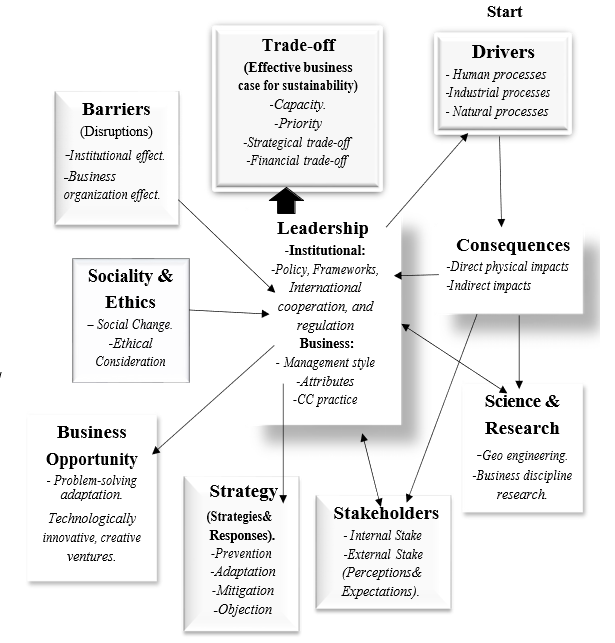
Figure 5: "Implementing a Climate Change Grounded Theory Framework: A Strategic Business Case for Climate Change & Sustainability
Conflict of interest
No conflicts of interest to report for this study
Data Availability Statement
The raw data supporting the conclusions will be made available by the author upon request.
Funding
The research received no external funding
Author Contributions
T.R. designed the concept and study structure, organized the database, performed the meta-synthesis, and wrote and approved the submitted version.
References
- Shenton, A. K. (2004). Strategies for ensuring trustworthiness in qualitative research projects. Education for information, 22(2), 63-75.
- Esty, D. C., & Bell, M. L. (2018). Business leadership in global climate change responses. American journal of public health, 108(S2), S80-S84.
- Laurence, S. (2010). The World in 2050. Pinguin Group Inc. US
- Cotestaff, C. (May 2024). How Climate Change Affects Business Strategy? HBS
- Unter, K. M. M., Park, S., & Rivera, J. (2024). Business response strategies to climate change: An integrative and research frontiers outlook. Organization & Environment, 37(2), 325- 357.
- Wright, C., & Nyberg, D. (February 2024). Corporations and Climate Change: An Overview. Wiley-Wires Climate Change, 2024; 15:e919
- Li, X. (2025). Physical climate change exposure and firms' adaptation strategy. Strategic Management Journal, 46(3), 750-789.
- Panwar, R., & Barrnet, M. L. (2025). Business and Climate Change. Oregon Climate Change Institute.
- Rawat, A., Kumar, D., & Khati, B. S. (2024). A review on climate change impacts, models, and its consequences on different sectors: a systematic approach. Journal of Water and Climate Change, 15(1), 104-126.
- Selvi, A., & Çalıyurt, K. T. (2025). Introduction: Sustainability Reporting in Big Four. In New Approaches to CSR, Sustainability and Accountability, Volume VI (pp. 3-21). Singapore: Springer Nature Singapore.
- Deloitte Global (February 2021). Climate Survey.
- Porter, M. E., & Reinhardt, F. L. (2007). A strategic approach to climate. Harvard business review, 85(10).
- Gibson, K. (July 2024). Climate Risks: Strategies for Futureproofing Your Business HBS
- Kalogiannidis, S., Kalfas, D., Papaevangelou, O., Chatzitheodoridis, F., Katsetsiadou, K. N., & Lekkas, E. (2024). Integration of climate change strategies into policy and planning for regional development: a case study of Greece. Land, 13(3), 268.
- Chrastina, J. (2018). Meta-Synthesis of Qualitative Studies: Background, Methodology and Applications. NORDSCI.
- Bach, D., Heather, C. L., Olynec, N. (2024). Leadership.
- Gupta, V., Jayasri, A. L. H., Palak, M. Tisha, G., & Carvika,G. (2024). A Study on the Impacts of Climate Change on Business: Challenges and Opportunities. IJIRT, 10(11). ISSN:2349- 6002
- Nakate, V. (2021). A bigger picture: My fight to bring a new African voice to the climate crisis. Pan Macmillan.
- Vignola, R., Leclerc, G., Morales, M., & Gonzalez, J. (2017). Leadership for moving the climate change adaptation agenda from planning to action. Current Opinion in Environmental Sustainability, 26, 84-89.
- Forino, G., & von Meding, J. (2021). Climate change adaptation across businesses in Australia: interpretations, implementations, and interactions. Environment, Development and Sustainability, 23(12), 18540-18555.
- International Organization of Employers (2025). Global Voice of Business. Guidance Paper.
- Passas, I. (2024). The evolution of ESG: From CSR to ESG2.0. Encyclopedia, 4(4), 1711-1720.
- Dioba, A., Kroker, V., Dewitte, S., & Lange, F. (2024). Barriers to pro-environmental behavior change: A review of qualitative research. Sustainability, 16(20), 8776.
- UNIDO (2022). Advancing Strategic Industrial Corridors for Sustainable Development.
- Wekesa, J. (2024). Impact of CSR on Consumer Behavior. International Journal on Marketing Strategy.
- Wirba, A. V. (2024). Corporate social responsibility (CSR): The role of government in promoting CSR. Journal of the Knowledge Economy, 15(2), 7428-7454.
- Khanchel, I., & Lassoued, N. (2022). ESG disclosure and the cost of capital: is there a ratcheting effect over time?. Sustainability, 14(15), 9237.
- Li, X., Luo, L., & Tang, Q. (2024). Climate risk and opportunity exposure and firm value: An international investigation. Business Strategy and the Environment, 33(6), 5540-5562.
- Schwab, M. O., & Krishnaswamy, R. (April 2022). Stakeholders Respond to Climate—the World Economic Forum.
- Paz, S., & Kader, O (2007). Predicted Implications and Observed Phenomena: A Global Background and an Israeli Perspective. University of Haifa Printing.
- McPherson, C., & Clarke, A. (December 2024). Leadership and Climate Change Mitigation: A Systematic Literature Review. MDEPI, Climate 12, 207.
- MHENNA, R., MHENNA, N., & BOURHABA, O. (2023). The effect of CSR practices on affective employee engagement: a theoretical exploration. Revue Economie & Kapital, (23).
- Kaźmierczak, M. (2022). A literature review on the difference between CSR and ESG. Zeszyty Naukowe. Organizacja i ZarzÄ?dzanie/Politechnika Å?lÄ?ska, (162), 275-289.
- Khanchel, I., & Lassoued, N. (2022). ESG disclosure and the cost of capital: is there a ratcheting effect over time?. Sustainability, 14(15), 9237.
- Cheng, B., Ioannou, I., & Serafeim, G. (2014). Corporate social responsibility and access to finance. Strategic management journal, 35(1), 1-23.
- Battiston, S., Dafermos, Y., & Monasterolo, I. (2021). Climate risks and financial stability. Journal of Financial Stability, 54, 100867.
- Ernst, D., & Woithe, F. (2024). Impact of the Environmental, Social, and Governance Rating on the Cost of Capital: Evidence from the S&P 500. Journal of Risk and Financial Management, 17(3), 91.
- Esty, D. C., & Bell, M. L. (2018). Business leadership in global climate change responses. American journal of public health, 108(S2), S80-S84.
- Google Books (2025). Inner Development Goals (IDG): Background, Methods, and Framework. Transformational Skills for Sustainable Development.
- Homayoun, S., Mashayekhi, B., Jahangard, A., Samavat, M., & Rezaee, Z. (2023). The controversial link between CSR and financial performance: The mediating role of green innovation. Sustainability, 15(13), 10650.