

International Journal of Women's Health Care(IJWHC)
ISSN: 2573-9506 | DOI: 10.33140/IJWHC

Impact Factor: 1.011

Review Article - (2021) Volume 6, Issue 3
Thematic Dynamics of Internet of Things (IoT): Impact on Digital Personalized Healthcare (PHC)
Received Date: Aug 14, 2021 / Accepted Date: Aug 19, 2021 / Published Date: Aug 25, 2021
Copyright: ©Bongs Lainjo. This is an open-access article distributed under the terms of the Creative Commons Attribution License, which permits unrestricted use, distribution, and reproduction in any medium, provided the original author and source are credited.
Citation: Bongs Lainjo. (2021). Thematic Dynamics of Internet of Things (IoT): Impact on Digital Personalized Healthcare (PHC). Int J Women's Health Care, 6(3), 205-213.
Abstract
Information technology has continued to shape contemporary thematic trends. Advances in communication have impacted almost all themes ranging from education, engineering, healthcare, and many other aspects of our daily lives. This paper attempts to review the different dynamics of the thematic IoT platforms. A select number of themes are extensively analyzed with emphasis on data mining (DM), personalized healthcare (PHC), and thematic trends of a select number of subjectively identified IoT-related publications over three years. In this paper, the number of IoT-related-publications is used as a proxy representing the number of apps. DM remains the trailblazer, serving as a theme with crosscutting qualities that drive artificial intelligence (AI), machine learning (ML), and data transformation. A case study in PHC illustrates the importance, complexity, productivity optimization, and nuances contributing to a successful IoT platform. Among the initial 99 IoT themes, 18 are extensively analyzed using the number of IoT publications to demonstrate a combination of different thematic dynamics, including subtleties that influence escalating IoT publication themes. Based on findings amongst the 99 themes, the annual median IoT-related publications for all the themes over the four years were increasingly 5510, 8930, 11700, and 14800 for 2016, 2017, 2018, and 2019 respectively; indicating an upbeat prognosis of IoT dynamics. And finally, the vulnerabilities that come with the successful implementation of IoT systems are highlighted as part of the research. Security continues to be an issue of significant importance.
Keywords
Internet of Things, Data Mining, Artificial Intelligence, Machine Learning, Data Transformation, Personalized Healthcare, Thematic Trends, Thematic Dynamics
Introduction
Technology has continued to shape contemporary trends. Advanc¬es in communication technology have impacted almost all sectors ranging from education, engineering, healthcare, and many other aspects of our daily lives. Specifically, the impact and importance of technology in healthcare have been well documented [1-3]. For instance, in their article that reviewed the impact of health infor¬mation technology on patient safety, Alotaibi and Federico ob¬served that health information technology is an important tool for improving healthcare quality and safety [3]. They also pointed out that the use of technology in its various forms, including the use of sensors, the internet, and monitoring systems, helped mitigate medication errors, reduce adverse drug reactions, and improve compliance. These views have extensively been addressed in the literature and have even been adopted in healthcare policy [4,5].
While the application of technology in healthcare is commonplace, changing technologies continue to improve and stretch available possibilities. The current literature review indicates that the inter¬net of things (IoT) is a somewhat new technology with multiple important applications. According to Kulkarni and Sathe, it was observed that the fields of computer science and electronics con¬tinue to interface to produce revolutionary technologies [6]. The IoT is viewed as having significant potential in a myriad of themes. Fundamentally, IoT facilitates communication between various electronic systems, especially sensors, to facilitate applications of different systems. IoT has been described as having the ability to connect everyday objects such as household electronics, sensors, and actuators through a network. The way such objects connect and intelligently communicate with each other has been otherwise illustrated as a web of objects with inimitable identifiers that can converse with each other with or without the assistance of a com¬puter or the internet [6,7].
Importantly, IoT systems enable new forms of intelligent commu¬nication between devices and people, the environment and devices through sensors, and between things [6]. Enabled by a range of sensors and actuators, and linked through a network, IoT facili-tates device systems that can gather and share information directly with each other and the cloud. Such a network makes it possible for supported systems to collect and record significant amounts of data. A capability for systems to communicate remotely over the internet allows devices to record and analyze new data streams faster and more accurately [8]. Overall, and as collaborated on by Darshan and Anandakumar, IoT facilitates the creation of smart objects; in a sense, they can gather data and give meaningful in¬formation or even facilitate various actions [7]. The illustration in Figure 1 provides a typical process diagram of the components of IoT. Notably, the ecosystem leads to a decision-making tool or an information system: a conceptual and logical flow of IoT systems. Essentially, the illustration provides components that communi¬cate to provide meaningful information [3,6,8].
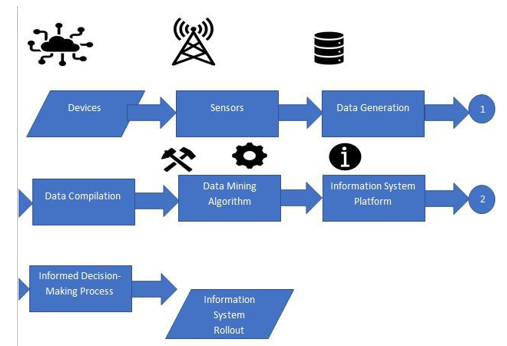
Figure 1: Internet of Things (IoT) Ecosystems
Source: (Author)
The current review suggests that data mining is at the core of IoT – artificial intelligence (AI), machine learning, and data extraction. IoT facilitates convenient and autonomous data mining making it ubiquitous and extensively applicable in many disciplines includ¬ing manufacturing and supply chain management. For example, He, Xue, and Gu (2020) noted that the increasing adoption of IoT is triggering what is described as Industry 4.0. According to MIIT (2015) (As cited in He, Xue, and Gu 2020), Industry 4.0 entails the integration of next-generation information technology to form new production modes, new industrial forms, and business mod¬els. Fundamentally, several recent studies suggested that IoT has changed the environment in which manufacturing, supply chains, resource management, social models, and networks operate [9,10].
In a review of the potential of IoT in smart city development, Simmhan et al. noted that smart cities and homes are a practi¬cal manifestation of IoT [11]. IoT systems allow smart cities to achieve intelligent management of operations, efficient transporta tion, better security, and better access to information. Furthermore, the sensor network enabled through internet IoT continues to play a critical role in education and research by facilitating more accu¬rate and low-cost data collection options and enabling data analyt¬ics. Notably, the data mining ability of IoT and the ability of IoT systems to communicate remotely provide significant potential to explore trends [12]. Additionally, the ability of IoT to use a variety of sensors and complex algorithms to analyze data and share it through a network has facilitated various engineering, transpor¬tation, and research activities [11,13]. For instance, Kimsey et al. indicate that students continue to use low-cost, open-source IoT platforms to create their applications and conduct research [13].
IoT-based systems have also facilitated security and law enforce¬ment applications. According to Tundis, Kaleem, and Mühlhäuser, IoT systems - a combination of various monitoring systems that range from mobile applications with the capability to provide crit¬ical data, to body cameras for law enforcement officers - contribute to safer spaces [14]. The systems have been applied in specialized healthcare, research, supply chain management, and even sports [6].
Notably, there has been a growing body of knowledge regarding the use of IoT in personalized healthcare [7,15]. For example, Dar¬shan and Anandakumar observed that IoT-facilitated remote health monitoring systems have enormous benefits over customary health monitoring systems [7]. Acquiring healthcare data, especially for personalized healthcare, can be challenging. While commenting on the matter, a study by Gelogo, Hwang, and Kim mentioned that IoT supports a variety of sensors and complex algorithms that can be used to analyze the data and share it remotely over the internet [8]. Such an ability may mean that individuals can access medical care remotely. That is, they can be monitored from their respective homes, as an example.
Another example of how IoT can facilitate personalized care is us¬ing body sensor networks (BSN). In their analysis, Deng et al. not¬ed that personalized care can be availed to elderly people through wearable body sensors [15]. Such sensors collect physiological data, as coded for different patients, and relay the date to a health¬care provider. These features have facilitated improved access to care, increased quality of care, and most importantly, reduced the cost of healthcare [6].
While it is possible to appreciate the significant opportunities for ubiquitous IoT, personalized healthcare (PHC) is amongst the most notable successes of the technology. Advances in IoT-enabled PHC range from applications in personal health management by individual cases using smart sensors to diagnose where body sen¬sors are used to relay data to healthcare providers. For instance, in diabetes therapy management, Jara, Zamora, and Skarmeta demonstrate a case where IoT personal care devices are used to fa¬cilitate getting the right insulin infusion calculation needs for indi-vidual patients [16]. It is observed that sometimes many individual factors and conditions can complicate getting the right dosage for patients. However, personal IoT devices (such as radio-frequency identification (RFID) tags) can be developed to assist and consider more individual factors in the insulin therapy dosage calculation.
In similar cases, Serna, Pigot, and Rialle and Datta et al. discussed how IoT-enabled smart homes facilitated personalized healthcare [17,18]. Serna, Pigot, and Rialle noted that smart homes, which are fundamentally enabled through IoT and data mining, provide sup¬port to cognitively impaired people [17]. Giving a case of patients with Alzheimer’s disease, the article presents findings on how IoT-based data mining models were used to simulate the progression of dementia of the Alzheimer’s type by evaluating performance in the execution of an activity of daily living (ADL) in a smart home environment.
The foregoing cases demonstrate some of the capabilities of IoT-enabled data mining in developing personalized healthcare models and interventions. From near body sensors that collect physiological data to smart homes complete with networked smart devices, it is possible to argue that the potential of IoT in facili-tating PHC will continue to grow. Most of the literature reviewed seemed to suggest that the integration of IoT in healthcare will continue to evolve. The documentation appears to emphasize the need to expand the knowledge in this area especially following the sensitivity of healthcare data. Increased use of interconnected devices in healthcare touches on the integrity of otherwise confi¬dential health data.
Trends in IoT-enabled personalized healthcare appears to indicate that going forward, just like the way other sectors continue to limit personal interaction in service provision, IoT may enable remote diagnosis and other personalized healthcare services. For example, Amendola et al. demonstrated the use of IoT in data collection including such data as personal movements and gestures, and how such data can be used for human behavior analysis [19]. The arti¬cle also showcases the use of wearable and smart implants devel¬oped from RFID technology and supported through an IoT system, with the capability to provide services and enough read ranges to implement a network of sensors for tracking personalized human wellness and monitoring the quality of the local environment.
Despite considerable success in IoT development, there have been growing data security concerns [20,21]. For example, Deng et al. explain that a malicious attacker could send incorrect sensing data to a medical reader causing an incorrect diagnosis [15]. The authors highlight some of the security requirements for imple-menting secure IoT. Nonetheless, it is contended that IoT-based systems will continue to play a critical role in society and will also continue to face several challenges especially regarding data security [15,20]. Sensor technologies are continuously improving, indicating the increased potential for IoT- based systems. Also, de-velopments in connectivity, especially the 5G network, is another indication of the potentials in IoT-based systems.
The general objective of this paper is to conduct a thematic analy¬sis of the IoT dynamics including trends and rankings of the great¬est number of apps over four years, descriptive statistics are also part of the research in addition to modeling highlights of an illus¬trative life digital personalized healthcare (PHC) study. A generic IoT ecosystem is also presented.
Thematic Review
During the period of July 21 and 24, 2020, a four-year retrospec¬tive (2016-2019) database was compiled through searches using the Goggle Scholar framework. The objective was to develop a data set based on the number of IoT publications (apps) that will help in demonstrating the evolution of different IoT themes. In the absence of reliable IoT predictive models, complicated by the lack of representative data sets, this also serves as a proxy for future IoT innovations. It also needs to be highlighted that the themes are not necessarily mutually exclusive. The four years were selected based on the likelihood of having access to the most recent and most updated compelling data sets. It was also important to have a minimum number of points to facilitate the identification of possi¬ble trends during that period.
In general, there were 99 themes in the review. Among these, and based on four-year means and the ranking conducted, the theme with the highest number of IoT-related publications (IP) was “so-cial models and networks,” with 251,000 publications. At the bot¬tom, the theme with the least number of IP was “new human-de-vice interaction,” with two publications. “Healthcare” came in at 42nd with 12,878 IP. The 18 highest number of IP are presented in Figure 2. The relatively low ranking of “Healthcare” notwith¬standing, there is available evidence attesting to the potential ro¬bust evolution. The driving force behind this potential and robust uptake is influenced by the implications of cost optimization ef¬fects.
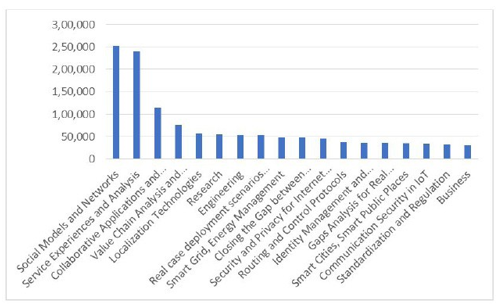
Figure 2: 2016-2019 Averages of the 18 highest number of IoT Publication Themes Source: Google Scholar and Author
The annual median IP for all the themes over the four-year period were 5510, 8930, 11700 and 14800 for 2016, 2017, 2018 and 2019 respectively. The positive overall trends, as shown in Figure 3a, suggest the evolving nature and compelling degree of interest in the general population.
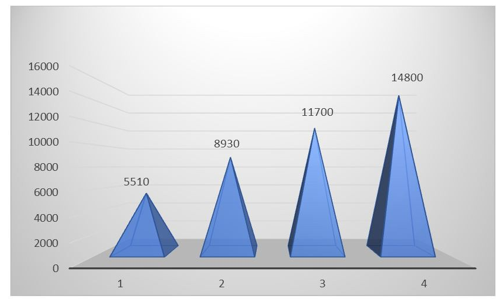
Figure 3a: 2016 – 2019 Median Distribution of number of IoT-re-lated Publications Source: Google Scholar and Author
As part of the review process, the author further analyzed the an-nual inter-thematic IoT-related publications: percentage differen-tials. The outcome (see Figure 3b) is a relative set of patterns of a select set of themes – eighteen in all, during the period from 2016 to 2019. Localization technologies portray a negative trend in publication, particularly in the period of 2016-17, where there is a greater percentage differential of 45 per cent, with 2017-2018 having the least with 24 per cent. Similarly, social models and net¬works also portrays a negative trend, more in the 2018-2019 year of publication as compared to 2016-2017 and 2017-2018, with the former having the least at 20 per cent. For smart cities, there is minimal to no interest in the three periods, showing a lacking in¬terest within the three publication years.
Identity management similarly relays a negative trend where the 2018-2019 publication year is dominant with 49 per cent com-pared to the two periods; 2016-2017 and 2017-2018. With offices, there is a positive trend with all the three years of publication, with the 2016-2017-publication year portraying a larger percent¬age differential of 47 per cent. Similarly, sports also have a positive trend with an increased overall percentage differential compared to offices. The 2016-2017 year seems to dominate the other two publication years due to its larger percentage differential of 54per cent, followed by 2018-2019 with 26 per cent.
Resource management shows a negative trend with the 2017-2018 year of publication, dominating the other two with a differential percentage of 55 per cent. Supply chains have the highest differ-ential percentage compared to all the other IoT themes. This is probably because it is amongst the most researched themes. Here the year 2016-2017 is dominant with 49 per cent as more research seems to have been conducted during this period, followed by 2018-2019 at 27 per cent. Manufacturing shows a positive trend with more work coming from the year 2016-2017, followed by 2017-2018 and finally, 2018-2019 with 16 per cent
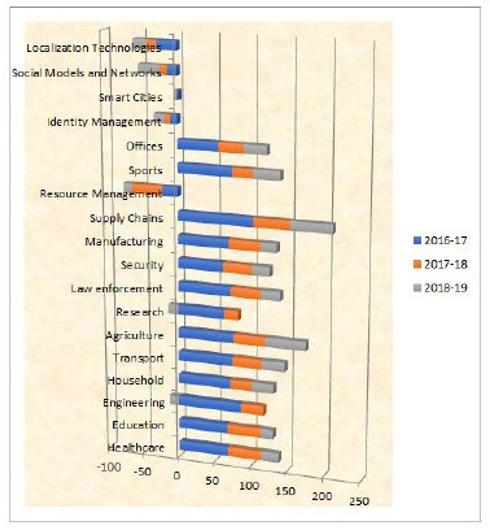
Figure 3b: Select IoT Inter-Annual Thematic Trends from 2016-2019 Source: Google Scholar and Author
Digital Personalized Healthcare Study Model
Introduction
This section demonstrates the application of IoT in automating personalized healthcare. It serves as an illustration of the complex¬ities and nuances involved in developing and implementing practi¬cal, effective, economical, and pragmatic strategies in an evolving healthcare environment. It also serves as a confirmation of how clinical staff, from nurses to physicians to support staff, can collab¬orate effectively while minimizing cost, improving productivity, and enhancing teamwork: an invaluable productive approach.
Model Objective
The objective of the model was to develop an automated prediction and diagnosis system. This system was intended to facilitate data access for hypothesis testing, cohort identification, data mining, risk prediction, and clinical research training.
Model Target Audience
The model targets physicians, caregivers, and other clinical staff, as well as patients. It is designed to integrate a clinical informatics framework. It contains data and logic storage EDW (enterprise data warehouse) and a clinical outcome prediction tool, SIA (soft¬ware intelligence and analytics), for caregivers. It also allows the integration of various data mining applications that facilitate re-mote monitoring and control of a patient’s physical state from data collected. For example, the MOCHA mobile application that is part of the developments under Methodist Environment for Trans¬lational and Outcomes Research (METEOR), uses mobile sensors and integrates with applications such as Fitbit to automatically track activity features like steps, distance, calories burned, and ac¬tive minutes of cancer patients [22]. (See Figure 2).
Inception Phase
The initiative was launched in July 2012. The initial phase of the project, integration of health information system (HIS) and other dynamic patient data, was completed in June 2013 after integration of vitals, medications, and orders. This provided a foundation for the development of other components.
Model Design
The Methodist Environment for Translational and Outcomes Re-search (METEOR) framework consists of two components. These include the enterprise clinical data warehouse (EDW) and a soft-ware intelligence and analytics (SIA) layer for enabling a wide range of clinical decision support systems - to enhance clinical research and outcome studies.
The EDW consists of organized, enterprise-wide longitudinal clin-ical, administrative, and research data. The SIA is embedded with functional modules capable of supporting evidence-based medi¬cine across the healthcare enterprise and other customized soft¬ware applications. Accordingly, like the case of MOCHA, it is pos¬sible to create analytics services and other applications on top of METEOR to meet user-specific needs. These details are illustrated in Figure 4 and Figure 5 below
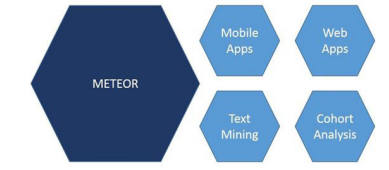
Figure 4: METEOR Illustration

Figure 5: Architectural design for Methodist Hospital Cancer Health Application (MOCHA) and its integration in the METEOR model Source: Puppala et al. 2015
Model Development
The system development was launched at the Houston Method¬ist Hospital in 2012 through the integration of data from systems throughout the hospital into one comprehensive clinical data ware¬house of patient information. By 2013, the integration of HIS and other health data was completed after the consolidation of vitals, medications, and orders. Pilot studies were then started and by 2015, an evaluation of the model found that it had significant ben¬efits [23].
Model Pilot Testing
Several pilot projects were conducted. For instance, one pilot proj¬ect using web apps that allowed tracking of diabetes and trans¬plant surgery was conducted in June, 2015. Other studies assessed which general (abdominal) surgery cases were associated with acute kidney injury. Another assessed which variables in patient care and health status contributed to the length of stay after trans¬plant surgery. Furthermore, Stubbins et al. evaluated the inte¬gration of wearable devices and the mobile phone-enabled data collection into METEOR for personalized care of cancer patients [22]. The study demonstrated real-time IoT-enabled data collec¬tion, which informed behaviour modification healthcare for indi¬vidual patients.
Model Evaluation
The system was evaluated in 2015, according to a study by Puppala et al. [23]. Data and usability analysis performed as a preliminary evaluation indicated that METEOR addressed significant niches in the clinical informatics area and provided a powerful means for data integration and efficient access in supporting clinical and translational research. The evaluation concluded that the model improved outcomes, enabled coordinated care, and support health analytics and clinical research at the Houston Methodist Hospital.
Model Revision
The system has undergone constant development and improve¬ments since its inception at the Houston Methodist Hospital. The platform has allowed for the development of user-specific applica¬tions and associated IoT-enabled data mining for personal health- care. The case of MOCHA is an example where more contempo-rary gadgets such as wearable Fit bits and mobile scanners have been integrated into METEOR.
Model Implementation
The system has been operational and has supported various stud¬ies. Using the METEOR clinical data warehouse, and integrating with IoT-enabled data collection applications, the platform has fa- cilitated various studies. In a study by Puppala et al. the platform enabled a retrospective analysis of fall patients’ medical records [23]. Also, using MOCHA, the METEOR was used for a person¬alized patient care study for cancer patients (see Figure 4). Patient data were collected with the help of wearable gadgets and mobile phone-enabled applications. The data was integrated with other patient data in the METEOR database to inform diagnosis.

Figure 6: Illustration of METEOR-Based MOCHA Application studies (a) the frequency of use (b) a case of Personal Healthcare based on real-time patient data integrated into METEOR through a network and enabled by IoT (c) Study results indicating the frequency of use of MOCHA against weight loss for various participants. Source: Stubbins et al.
Model Launch
The system has been operational since 2013 and continues to grow by the incorporation of data from ancillary systems such as ra-diology, cardiology, and operation room systems. Also, there have been developments of other applications like Nutritionix Track and integration with sensors and wearables such as Fitbit, which collect data in real-time to inform personal healthcare (see Figure 6).
Challenges
Even with available policies, guidelines, and regulations around data use in healthcare systems, privacy and security breach remain key issues for electronic healthcare systems. The security of pa¬tient data has been addressed through various innovations. In the case of MOCHA, for example, mobile applications do not store any patient data. All data is transferred to the METEOR database in real-time. However, concerns around data security have influ¬enced considerable resistance to technologies.
System Vulnerability
The very connectedness of the IoT leaves it open to security and safety vulnerabilities. Every connected thing is susceptible to at¬tack or misuse. For example, in September 2016 at DEF CON, one of the world’s largest security conferences, 47 vulnerabilities affecting 23 IoT-enabled items (door locks, wheelchairs, thermo¬stats, and more) from 21 manufacturers were disclosed. Soon after, there was a massive Distributed Denial-of-Service (DDoS) attack on Oct. 21, 2016, against Dyn, an internet performance manage¬ment company. The attack was accomplished when tens of millions of IoT-connected devices like printers, DVRs, cable set-top boxes, webcams, and baby monitors were used to launch the DDoS and block Dyn’s ability to connect internet users to the web addresses they hoped to access, such as Twitter, Amazon, PayPal, Spotify, Netflix, HBO, the Wall Street Journal, and the New York Times [12]. A simple software program called Mirai was used to create the botnet that initiated the attack. After the Dyn attack, a report in the New York Times called the IoT a “weapon of mass disruption.” While that assault amounted to nothing more than a short-lived slowdown of a large portion of the internet, it showed how vul¬nerable connected devices are to hacking and exploitation. In May 2017, a ransomware attack named WannaCry affected computers in 150 countries, and its creators demanded payments from those whose computers were compromised before releasing their files. Experts pointed out how dramatically this attack highlighted the vulnerabilities of the IoT.
Researchers have been showing how easy it is to hack cars, voting machines, and power plants. They have demonstrated ransomware exploits against home thermostats and exposed vulnerabilities in implanted heart pacemakers. In one paper, “IoT Goes Nuclear,” analysts showed how a flaw in the design of smart lightbulbs could be used for a “bricking attack” that would effectively kill all city’s traffic lights. Within the past year, Bryan Johnson (Kernal), Elon Musk (Neuralink), and Mark Zuckerberg (Facebook’s Building 8) have announced initiatives to create an effective consumer-grade brain-computer interface; thus, of course, hacking a person’s brain could also be a future security issue.
Findings
The Internet of Things (IoT) has made digital personalized care more efficient. Sensors and wearable devices like inertial sensors, ECG (electrocardiogram), EEG (electroencephalogram), and GPS are able to observe and record multiple type health data, including heart rate, location, weight, blood pressure, and user-context infor¬mation of an individual patient; thus, enabling physicians to mon¬itor patients remotely [24]. IoT has provided a platform for people to seek personalized healthcare. For instance, through smart mo¬bile apps, a physician can send the patient their medical informa¬tion, and discuss the diagnosis and chart a way forward [25].
Prognoses
IoT will increasingly facilitate personalized healthcare; hence speeding up the delivery of services. As such, it will become in-creasingly easy for patients to access and track their health infor-mation and establish flawless communication with their providers [26]. This will see IoT adoption in healthcare increase exponential¬ly as more healthcare organizations adopt its use.
Further Research
The increase in the adoption of IoT as the delivery model changes to patient-centric care means that healthcare organizations will be handling big amounts of data. It will be vital to develop a sole source of truth to create meaningful and correct analytics [27]. Therefore, there is the need for further research on how healthcare organizations can better leverage the use of big data, while simulta¬neously optimizing staff productivity. One challenge among others is system vulnerability. Cybercrimes are increasingly becoming a major concern. More research is required to devise intervention strategies that mitigate system disruptions because of electronic hacking. There is also a need to improve access to personal data. Institutions need to be encouraged through evidence to implore policymakers to enact appropriate, effective, and inclusive policies.
Discussion
While the Covid-19 virus has presented unprecedented propor-tions of lifestyle challenges, it has also served as a catalyst in advancing medical technological achievements. As communities continue to anticipate more and more positive outcomes - vaccine arrivals, distribution and utilization of new vaccines and more -institutions have also continued to innovate. And remote medicine serves as one sector where significant positive outcomes are a new normal, a development that continues to escalate across different health-related themes. One silver lining of the morbidity and mor¬tality of the pandemic is that it created an environment for lessons learned with a learning curve that affected every level of managing the different landscapes. It also gave institutions an opportunity to “pilot test” innovated telemedicine platforms: modelling, patient appointments, monitoring, and more, during the first wave. These improved and compelling innovations are currently being imple¬mented during the second phase. And one can only speculate that more and more developments are yet to come.
The IoT technology has revolutionized the healthcare industry. Monitoring of patients through IoT devices gives the healthcare industry many advantages. For instance, physicians are now able to pick up health indicators that show patients are in danger and hence act on a timely basis to prevent the deterioration of health or even the loss of life [28]. Therefore, the relevance of digitized healthcare services cannot be adequately emphasized. The evi¬dence-based advantages notwithstanding, suppliers (medical staff) and others need to be constantly reminded that while the system by itself is necessary, it is not sufficient. Effective application and utilization by the relevant users remain invaluable. As the saying goes, “garbage in garbage out (GIGO),” so an efficient system must start with appropriate, relevant, timely, valid, and cost-effec-tive data correctly transformed, analyzed, and implemented.
Conclusion
IoT will continue to facilitate personalized healthcare and make the delivery of healthcare services increasingly more efficient with time. Healthcare organizations that want to focus more on patients are therefore advised to adopt IoT to benefit from it. IoT is the future. With access to more data and appropriate technology, dig¬itized personalized healthcare will not only be revolutionized, but will also introduce a more effective strategy of improved health¬care practices with patients serving as the driving force. And such dynamics will, without a doubt, contribute to rendering a win-win outcome for both the service provider and the patient. These suc¬cesses also come with their own challenges. Data security and patient confidentiality remain key and compelling challenges that institutions need to focus on. Scammers and other perpetrators re-main ahead of the curve and if appropriate interventions are not implemented, the level and degree of vulnerabilities will continue to compromise potential achievements.
In general access and application of IoT devices to facilitate an ef¬fective achievement of certain task represents the invaluable qual¬ity of the platform. And this is confirmed through the extensive analyses of IoT themes highlighted in the paper. There remains very limited doubt that as these dynamics continue to evolve, tech¬nologically innovative models correspondingly and appropriate will also continue to escalate; consistent with the adage “necessity is the mother of invention”.
References
- Rahmani A, Thanigaivelan NK, Gia TN, Granados J, Ne-gash B, et al. (2015) Smart e-Health Gateway: Bringing Intelligence to Internet-of-Things based ubiquitous healthcare systems. 2015 12th Annual IEEE Consumer Communications and Networking Conference (CCNC). Las Vegas, NV.
- Khan SF (2017) Health Care Monitoring System in Internet of Things (IoT) by Using RFID. 6th International Conference on Industrial Technology and Management (ICITM) 198-204.
- Alotaibi YK, Federico F (2017) The impact of health information technology on patient safety. Saudi Med Journal 38: 1173-1180.
- Storey J (2013) Factors Affecting the Adoption of Quality Assurance Technologies in Healthcare. Journal of Health Organisation and Management 27: 498-519.
- Frantzidis C, Bratsas C, Klados M, Konstantinidis E, Lithari C, et al. (2010) On the Classification of Emotional Biosig-nals Evoked While Viewing Affective Pictures: An Integrated Data-Mining-Based Approach for Healthcare Applications. IEEE Transactions on Information Technology in Biomedi-cine 14: 309-317.
- Kulkarni A, Sathe S (2014) Healthcare Applications of the Internet of Things: A Review. International Journal of Computer Science and Information Technologies 5: 6229-6232.
- Darshan KR, Anandakumar KR (2015) A Comprehensive Review on Usage of Internet of Things (IoT) in Healthcare System. 015 International Conference on Emerging Research in Electronics, Computer Science and Technology (ICERECT) 132-136.
- Gelogo YE, Hwang HJ, Kim HK (2015) Internet of Things (IoT) Framework for u-healthcare System. International Journal of Smart Home 9: 323-330.
- He L, Xue M, Gu B (2020) Internet-of-things enabled supply chain planning and coordination with big data services: Certain theoretic implications. Journal of Management Science and Engineering 5: 1-22.
- López S, Ranasinghe D, Harrison M, Mcfarlane D (2020) Adding Sense to the Internet of Things. Personal and Ubiquitous Computing 16: 291-308.
- Simmhan Y, Ravindra P, Chaturvedi S, Hegde M, BallamajaluR (2017) Towards a Data-Driven IoT Software Architecture for Smart City Utilities. Software: Practice and Experience 1-27.
- Rainie L, Anderson J (2017) The Internet of Things Connectivity Binge: What are the Implications? Available at: http:// www.pewinternet.org/2017/06/06/theinternet-of-things-con-nectivity-binge-what-are-theimplications/
- Kimsey T, Jeffords J, Moghaddam Y, Rucinski A (2015) An IoT Based Service System as a Research and Educational Platform. In D Barbucha, NN, BJ, New Trends in Intelligent Information and Database Systems. Studies in Computational Intelligence. Cham: Springer.
- Tundis A, Kaleem H, Mühlhäuser M (2020) Detecting and Tracking Criminals in the Real World through an IoT-Based System. Sensors 20: 3795.
- Deng YY, Chen CL, Tsaur WJ, Tang YW (2017) Internet of Things (IoT) Based Design of a Secure and Lightweight Body Area Network (BAN) Healthcare System. Sensors 17: 2919.
- Jara AJ, Zamora MA, Skarmeta AF (2011) An Internet of Things–based Personal Device for Diabetes Therapy Management in Ambient Assisted Living (AAL). Personal and Ubiquitous Computing 15: 431-440.
- Serna A, Pigot H, Rialle V (2007) Modeling the Progression of Alzheimer’s disease for Cognitive Assistance in Smart Homes. User Modeling and User-Adapted Interaction 17: 415-438.
- Datta SK, Bonnet C, Gyrard A, Ferreira da Costa RP, Boud-aoud K (2015) Applying Internet of Things for Personalized Healthcare in Smart Homes. IEEE 2015 24th Wireless and Optical Communication Conference (WOCC)-Taipei, Taiwan (2015.10.23-2015.10.24)] 2015 24th Wireless and Optical Communication Conference (WOCC), 164-169.
- Amendola S, Lodato R, Manzari S, Occhiuzzi C, Marrocco G (2014) RFID Technology for IoT-Based Personal Healthcare in Smart Spaces. IEEE Internet of Things Journal 1: 144-152.
- Chacko A, Hayajneh T (2018) Security and Privacy Issues with IoT in Healthcare. EAI Endorsed Transactions on Pervasive Health and Technology 4: 1-7.
- Eken C, Eken H (2016) Security Threats and Recommendation in IoT Healthcare. Proceedings of the 9th EUROSIM & the 57th SIMS 369-374.
- Stubbins R, He T, Yu X, Puppala M, Ezeana CF, et al. (2018) A Behavior-Modification, Clinical-Grade Mobile Application to Improve Breast Cancer Survivors’ Accountability and Health Outcomes. American Society of Clinical Oncology 2: 1-10.
- Puppala M, He T, Chen S, Ogunti R, Yu X, et al. (2015) METEOR: An Enterprise Health Informatics Environment to Support Evidence-based Medicine. IEEE transactions on bio-medical engineering 62: 2776-2786.
- Krishna PV, Gurumoorthy S, Obaidat MS (2018) Internet of Things and Personalized Health Care Systems. Springer.
- Wason R, Goyal D, Jain V, Balamurugan S, Baliyan A (2020) Applications of Deep Learning and Big IoT on Personalized Health Care Services. IGI Global.
- Ismail Y (2019) Internet of Things (IoT) for Automated andSmart Applications. BoD – Books on Demand.
- Vega-Barbas M, Seoane F (2019) Transforming Ergonomics with Personalized Health and Intelligent Workplaces. IOS Press.
- Bhatt C, Dey N, Ashour AS (2017) Internet of Things and Big Data Technologies for Next Generation Healthcare. Springer.