

Archives of Epidemiology & Public Health Research(AEPHR)
ISSN: 2833-4353 | DOI: 10.33140/AEPHR
Impact Factor: 1.98


Research Article - (2022) Volume 1, Issue 1
Thematic Analysis of Smokers’ Attitudes Towards Lung Cancer Screening Using Spiral Ct Scanning

Received Date: Jul 02, 2022 / Accepted Date: Jul 20, 2022 / Published Date: Aug 05, 2022
Copyright: ©Â©2022 Farheen Ahmed. This is an open-access article distributed under the terms of the Creative Commons Attribution License, which permits unrestricted use, distribution, and reproduction in any medium, provided the original author and source are credited.
Citation: Farheen Ahmed (2022). Thematic Analysis of Smokers
Abstract
Background: Spiral CT scanning can be used to screen current smokers who may be at higher risk of developing lung cancer. However, there is little understanding on whether smokers would be more likely to attend for lung cancer screening if this option were available.
Methods: Semi-structured interviews with nine at-risk smokers were conducted.
Results: The results of the thematic analysis showed that though most participants displayed a positive attitude towards lung cancer screening, they seemed to identify more with the barriers than the facilitators and would therefore not attend for screening. Two themes were identified: (1) Smokers’ beliefs and misconceptions and (2) Fear of screening outcomes. These encompassed participant’s lower cancer risk perceptions, fatalistic beliefs, lack of trust in health professionals and their fears associated with being screened and receiving a cancer diagnosis.
Conclusion: Therefore, in order to maximize screening uptake, greater focus is needed on understanding how these barriers affect smokers’ decision-making processes before investment into a national screening program is made.
Keywords
Spiral CT Scanning, Lung Cancer, Lung Cancer Screening and Barriers Towards Screening.
Background
Lung cancer is estimated to have caused 35,300 deaths per year in the UK [1], with survival rates related to early diagnosis [1]. With research from the United States (US) reporting a 20% re¬duction in mortality rates with the introduction of screening, low-dose computed tomographic screening [2] (i.e. spiral CT scan), many countries are also considering implementing sim-ilar screening programmes, with the UK piloting lung cancer screening for high-risk individuals [3], i.e. current or ex-smok-ers aged 55-74 with at least 30 smoking pack- years [3].
The results from two large European trials, the UK Lung Screen-ing Trial [4] and the Dutch- Belgian randomised lung cancer screening trial (NELSON trial) [5] showed that using spiral CT scanning as a method to detect lung cancer early was effective. Collectively the findings suggest CT scanning diagnoses lung cancer early, which allowed the delivery of treatment in over 80% of cases, and it also decreased lung cancer mortality in high risk men by 26% and for high risk women by 61% over a 10-year period [4-5]. Other UK studies such as the Manchester project also found similar results [3], with a greater percentage of stage one cancers being diagnosed [3]. These results have given support for the implementation of screening programmes in the UK and as such the UK National Health Service (NHS) began piloting lung cancer checks in Autumn 2019 [3].
Screening uptake is key to ensure effective lung cancer preven¬tion and to help reduce lung cancer mortality rates. Previous re¬search has shown biennial low dose CT scanning reduced lung cancer mortality by up to 44% compared to annual low dose CT scanning over a ten- year period [6]. However, recent qualitative research on smokers’ attitudes towards lung cancer screening participation has highlighted a range of factors that may im¬pact this decision including smokers’ risk perception, practical inconvenience, health awareness gap, fear of the test and false positives [7-8], though no studies have investigated whether
smokers’ attitudes may change after raising awareness of possi¬ble screening programmes for lung cancer. Screening for lung cancer using spiral CT has the ability to de¬tect tumours during its early stages when treatment is most like¬ly to be responsive [9]. However, the evidence from lung cancer trials have produced mixed results, with some trials showing evidence of overdiagnosis, for example the Danish Lung Cancer Screening Trial [10] and the National Lung Cancer Screening Trial [11], with others showing less evidence of overdiagnosis, the Italian Lung Cancer Screening Trial [6]. Though overdiag-nosis should be considered as a risk factor of lung cancer screen-ing using spiral CT [11], a recent meta-analysis cast doubt on the levels of overdiagnosis that occurs and suggests either the screening frequency or criteria (i.e. age and smoking history) be adjusted to reduce this problem [12]. Nevertheless, a recent meta-analysis demonstrated spiral CT scanning significantly increased stage one lung cancer detection and overall reduced lung cancer mortality [13]. Given the benefits of lung cancer screening and the effectiveness of screening implementation in community settings demonstrated in the United States [14], it is important to find out more about the attitudes of current smokers in the UK towards screening and screening participation.
Methodology
This qualitative study aimed to understand smokers’ perceptions and attitudes towards participation in lung cancer screening after raising awareness of spiral CT scanning.
Participants
Ten participants were interested in participating in this study and nine met the entry criteria (current cigarette smoker over the age of 45). One participant only smoked cigars and was excluded from the study. Semi-structured interviews were therefore con¬ducted with nine current cigarette smokers (see Table 1 below). As shown in the table below, most participants smoked for 30 years or more and only one participant smoked cigarettes and vaped using an e-cigarette (dual user).
Table 1: Demographic characteristics of participants recruited for the study.
|
Participant |
No. of cigarettes/roll-ups smoked per day |
Type |
Gender F/M |
Ethnicity |
Approximate years smoking |
|
1 |
4-5 |
Cigarettes |
F |
White |
30 |
|
2 |
10-15 |
Roll-ups |
M |
White |
30 |
|
3 |
6-7 |
Cigarettes |
F |
White |
30 |
|
4 |
8-12 |
Cigarettes |
M |
Asian |
30 |
|
5 |
10-12 |
Roll-ups |
M |
White |
30 |
|
7 |
8-12 |
Cigarettes |
F |
White |
55 |
|
8 |
10 |
Roll-ups |
M |
White |
30 |
|
9 |
10-20 |
Dual user |
M |
White |
14 |
|
10 |
15 |
Cigarettes & roll ups |
F |
White |
30 |
Procedure
Ethics approval was granted from the Psychology Research Ethics Committee at a North London University. Participants were recruited by opportunity sampling and were interviewed in private rooms at Public Libraries in London. Participants were asked open-ended questions on their smoking history, perception of risk for lung cancer, and knowledge of lung cancer screening. To help participants’ understanding of the lung cancer screening process, they were also provided with information from a lung cancer screening handout and was then asked to discuss their thoughts around attending for screening and having a spiral CT scan. Interviews were audio recorded, transcribed and checked for accuracy.
Analysis
To ensure anonymity, pseudonyms were used in all transcripts and identifiable information was removed before data analysis began. The current research study was analysed thematically using a six-step framework outlined by Braun and Clarke [15]. This began by becoming familiar with the data, transcribing and noting down initial coding ideas. Step two included producing initial codes from the data in a systematic way. Step three in¬volved analysing the codes and collating them to form an over¬arching theme, a thematic map aided this process [Figure 1]. Step four comprised refining the themes to ensure they repre¬sented the entire data set. Step five was defining and naming the themes from the analysis, identifying the ‘essence’ of each of the theme’s meanings [15] and finally a report with the confirmed themes including direct quotes was produced.
Results
The following thematic map (figure 1) depicts the main themes and sub-themes that stemmed from the data.
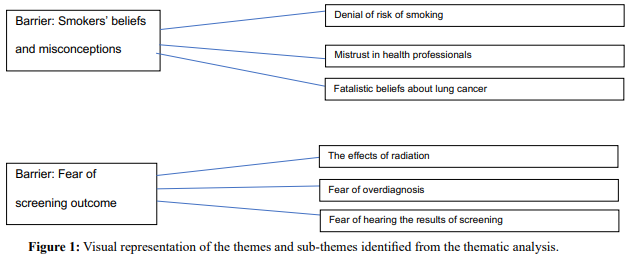
Figure 1: Visual representation of the themes and sub-themes identified from the thematic analysis.
Although participants discussed some facilitators to lung cancer screening, these were overshadowed by the barriers the partic- ipants expressed when deciding on screening participation (see figure 1 above). The two main themes identified, represented smokers’ beliefs and misconceptions and their fear of screening outcome.
Theme 1: Smokers’ beliefs and misconceptions
Findings from this study suggest that participants had limited understanding of lung cancer screening and the factors associ-ated with increased risk of lung cancer. The following three ar-eas, ‘Denial of the Risk of Smoking’, ‘Fatalistic beliefs about Lung Cancer’ and ‘Mistrust in Health Professionals’ framed par-ticipants’ perceptions, and these had a negative impact on their motivation to attend lung cancer screening. Further details are provided below.
Denial of The Risk of Smoking
Participants identified lower personal risk to lung cancer and in-stead thought they were more resilient at their older age, which therefore enabled them to ignore the consequences of smoking with more ease. They also believed that screening was more beneficial to younger people. The quotes below demonstrate the above concepts.
“No, I’ve not got problems, not at my age. I suppose maybe youngsters, you know what I mean, who are young in life, they got the rest of their lives in front of them” (P7: lines 150- 152). “I think the older you get, maybe you have a little bit more re-silience because you know, you’re older, but I think the more younger you are, yeah absolutely, you know, if you’re partici-pating in smoking or something, yes. If I was back in my early twenties and there was something, some kind of screening, yeah, I’ll definitely go. At 50? I don’t know” (P4: lines 57-62).
As shown in the quote below, smokers diverted attention away from themselves and spoke about other potential causes of lung cancer and felt the focus on smokers was not needed, and even suggested lung cancer prevention programmes should focus on others such as ex- smokers, COPD sufferers, or those who live in areas of high pollution.
“Making it [screening] available, not just for the at risk people, not just for the smoking people but for people who live in pollut¬ed areas, who have that kind of work and encourage them” (P1: lines 281-285).
“I’m sure there are other causes of lung cancer too, so maybe if you remember things like you know, the asbestos, stuff that hap¬pened, you know, people who work in wood shops and there’s a lot of little things or they’re dealing with coal or something like that” (P9: lines 279- 283).
Participants willingness to attend spiral CT screening was also influenced by their understanding of lung cancer symptoms and the risks they associated with smoking. For example, partici¬pants talked about the physical symptoms that they would need to have before considering being screened for lung cancer as shown in the quotes below.
“I suppose if I started to become aware of, you know, if I was having breathing dificulties or you know, I do a lot of hiking, if I was struggling to get up hills and so if I was kind of noticing things that were saying, that were suggesting that all is not well (P5: lines 110-114). I would be more inclined to think ‘oh I’ll go and get it checked out yeah’” (P5: lines 117-118).
I think I probably wouldn’t go into hospital and have a CT scan for it unless you know, I was exhibiting some kind of you know, shortness of breath or something like that and I think that’s prob¬ably true for the majority of my friends who smoke” (P9: lines 163-166).
In addition, another participant who was a ‘dual user’ (vape and cigarettes) ignored their cigarette consumption but instead talk¬ed about the lower risks associated with vaping. This helped to create a lower expected personal risk of lung cancer as the par¬ticipant believed they would not expect to see a case of lung cancer caused by vaping, as shown in the quote below.
“Well I think smokers are at higher risk of getting lung cancer because the extra ingredients in a cigarette are quite carcino-genic. There’s a whole bunch of benzenes and things in there that do cause cancer and those aren’t present in these things (vapes), so I wouldn’t expect to see a case of lung cancer from a vape” (P9: lines 89-93).
Fatalistic Beliefs About Lung Cancer
Participants held fatalistic beliefs about developing lung cancer and this was a barrier to lung cancer screening participation. Participants thought death was inevitable or that the cancer gene was already predisposed in the human body as shown in the quotes below.
“At the end of the day I strongly believe cancer in any form is bought on because we all carry the cancer gene in us” (P1: lines 96-97). “Screening is important if you want to live a very long time, but I’m more natural, if I go, I go” (P6: lines 69-70)
Mistrust in Health Professionals
Though some participants stated that they would consider screening if advised to do so by their GP, most also talked about a lack of trust in their GP or services delivered by the NHS such as hospitals. Participants believed they were in a better position to make decisions regarding their health themselves, and there¬fore did not feel confident visiting their GP or hospital regarding their smoking.
“My health is my responsibility, I look after that, I don’t really trust hospitals whatsoever, no, hospitals are very good if there’s an accident in the road, they do a brilliant job, but other things, like if you went into hospital, they could add to your death, quicker than you could yourself” (P6: lines 106-110).
“No, I would not do it with my GP because I do not trust the GPs in this country, they don’t have enough knowledge, that’s just a fact from where I come from so yeah, they would have to require more knowledge and know what they’re actually talking about” (P1: lines 226-270).
Theme 2: Fear of Screening Outcome
Fear of screening has been reported in the literature for many types of cancer screening methods [6-7] and this was also found in this study. The following three areas (the effects of radiation, the fear of overdiagnosis, and the fear of hearing the results of screening) framed participants fear of screening outcomes and these negatively impacted on participants motivation to attend lung cancer screening.
The Effects of Radiation
Participants in this study were concerned about exposure to ra-diation during the procedure and this affected their decision to have a spiral CT scan. Despite spiral CT scanning delivering up to 90% less radiation compared to a standard CT scan [16], the smokers were still reluctant to undergo the procedure due to potential risks radiation can have on the human body [17]. The quotes below illustrate this point.
“In the test it involves radiation and frequent scans might cause lung damage so if that would be done with radiation, I would not consider doing it at all because it easier for me not to light up than knowing that kind of damage into me” (P1: lines 167-171).
“I don’t know if the technology or process can be improved where you don’t have to have multiple scans, I think that will ease people’s minds that the, the possible after effects could be reduced, you know, radiation” (P4: lines 124-128).
Fear of Overdiagnosis
Fear of overdiagnosis was a common concern for the majority of the participants as found in previous research [18]. The partici¬pants raised concerns around undergoing treatment such as che¬motherapy or radiotherapy which they may have never needed and/or the tests itself triggering the cancer in the body.
“I mean because they do this, trying to find out what’s going on and then they treat for something that you might not actually need and can cause real harm to you, you know, and actually you’re probably just dying of that” (P1: lines 224-227).
“Well that is a worry because you know, if it’s, if it’s over diag¬nosed …, then there’s a risk there that you might have to undergo some sort of hideous chemotherapy treatment which is probably worse than you know, having the thing in, sitting in your lung anyway” (P9: lines 207- 212).
Fear of Hearing the Results of Screening
The participants expressed fear of being told they have cancer which resulted in further avoidance of screening despite know¬ing the risks associated with smoking. Some participants ex¬pressed they had other illnesses which they believed to be of more priority, therefore did not want to worry about their smok¬ing habit affecting their health.
“I suppose the fright of being told you got it, because the ‘c word’ is a nasty word ain’t it, really, people hear the word cancer and straight away ‘that’s it, I’m dying’” (P10: lines 153-155).
“Because I got enough to put up with without all that, I don’t want no more worry about anything else” (P7: lines 178-179).
Discussion
This study aimed to get a better understanding of smokers’ atti¬tudes and perceptions of lung cancer screening. Findings suggest that receiving information regarding lung cancer screening did not increase participants’ motivation to attend screening. In fact, the themes suggest that participants were more focused on the barriers associated with lung cancer screening and these seem to outweigh any of the benefits. Therefore, work is possibly needed to improve smokers’ perceptions of lung cancer screening before investment into a national screening programme is made.
The results suggest that the level of trust and communication between a patient and their GP is one of the key factors in de-termining lung cancer screening participation. Much has been published about the importance of doctor-patient communica-tion and its impact on patient outcomes [19-20] and this study is no different in highlighting the role that GP’s can play. Though previous research suggests that smokers and ex-smokers are more willing to have a CT scan test to detect whether they had lung cancer if their GP advised them to do so [21- 22]; spiral CT scanning is not commonly recommended by GP’s due to the lack of understanding and awareness of its effectiveness at diag¬nosing lung cancer [23]. In addition, the participants in this study were unaware of the use of CT scans for lung cancer screening and as such the leaflet given may not have provided sufficient information to address questions they may have had. This high¬lights the importance of addressing the way in which screening services are communicated to patients and the value the clinical consultation may have on decision making. GPs therefore need to be made more aware about lung cancer screening and be able to effectively discuss the pros and cons of screening with their patients. To help improve doctor-patient communication, further GP training is possibly needed, and previous research has sug¬gested that GPs are willing to receive additional education on spiral CT scanning for early lung cancer detection [24].
Despite research evidence pointing towards increased life ex-pectancy when smokers quit [25], participants in this study held fatalistic beliefs which could increase fear, and lead to avoidant behavior about lung cancer screening participation. Recent re¬search has suggested fatalistic beliefs also play a role for other forms of cancer screening such as colorectal and breast cancer [26-27] and that these beliefs may vary by ethnicity [28] with those from black and minority ethnic communities holding more fatalistic beliefs than those of White British decent. It is not pos¬sible to determine whether ethnicity may have played a role in the beliefs of our participants as most recruited were White Brit¬ish, but given the multicultural nature of the UK, it is important to find out more about the role of fatalism in various cultures and whether this facilitates or hinders lung cancer screening uptake.
Though a recent study has found that current smokers hold more pessimistic beliefs on cancer than former and non-smokers [29], in order to really understand the underlying mechanisms around smokers’ fatalistic beliefs and how this may impact on preven¬tative behaviors like screening, more research is needed to un¬derstand the potential role of a range of factors such as ethnicity, dependence and previous experiences of quitting and cancer.
In addition to the above, smokers also identified fear as a key barrier to screening participation. This result is similar to that found in previous research on screening which has shown fear to exist in other types of cancers such as breast, prostate, skin and thyroid cancer [30]. In this study fear was discussed in relation to three areas: the fear of knowing the screening result, overdi-agnosis and the effects of radiation.
Cancer has been reported as the greatest health fear by adults in the UK [31], so it is not surprising that adults in this study were afraid to know their screening result. The research literature on the impact of fear on cancer screening is mixed and a previ¬ous systematic review found fear can both encourage or delay screening [32]; in the current study fear of knowing the screen¬ing result worked as a deterrent towards screening attendance.
In addition to the fear associated with getting the results of screening, participants were concerned that the screening test itself may cause more harm than good, with associated risks of overdiagnosis and radiation exposure. Participants concerns around the possibility of having unwanted and/or unneeded treatments as a result of CT scan results influenced their deci¬sions to be screened. Research is therefore needed on strategies to help reduce the risks of overdiagnosis, as this could poten¬tially help to reduce people’s fear and may increase lung cancer screening participation. In addition to overdiagnosis, false posi¬tives may occur and research has shown the effects of these can lead to negative psychological effects [33] and non-adherence for lung cancer screening [34]. Therefore, it is important that communication on these issues are clear and consistent across the health sector so patients have the opportunity to discuss their concerns before making a decision [35].
Radiation exposure was also identified as a barrier to screening in the current study. This result is similar to that found in the Na¬tional Lung Screening Trial [36] and underscores the importance of finding alternative lung cancer screening methods. One such area of investigation has been on the use of Hyperpolarized Xe¬non Magnetic Resonance Imaging (MRI) [37] as an alternative to the CT scan. The research in this area shows promise as xenon gas MRI is able to see the lungs in far more detail by using a magnetic field to take images [37], and so eliminates radiation expose. Due to this, the xenon gas MRI may have the potential to reduce the risks of overdiagnosis found using the spiral CT scanning method. Using xenon MRI to detect lung cancer could potentially encourage individuals at higher risk who have health concerns regarding radiation to attend lung cancer screenings in the future.
What is Already Known about This Topic
Recent qualitative research showed predictors of non-uptake to lung cancer screening included smokers’ risk perception, prac¬tical inconvenience, health awareness gap, fear of the test and false positives [7-8]. Spiral CT scanning may be an effective method at detecting lung cancer early. The NHS piloted lung cancer checks in Autumn 2019 for high risk individuals using spiral CT [3], however currently there is no national lung cancer screening programme in the UK for the wider population.
What This Study Adds
The results of this study showed that providing information on screening for lung cancer, using spiral CT scanning, to those at high risk did not lead to increased motivation to attend for screening. In fact, participants misconceptions, fear of screen¬ing outcomes and negative attitudes and beliefs reinforced their reasons for non-attendance for lung cancer screening. The study highlights the importance of educating both primary health care providers as well as high risk individuals to increase screening uptake.
How This Study Might Affect Research, Practice, or Policy
The study gave some understanding of the barriers to lung cancer screening in high-risk individuals and has highlighted key areas to address before a national lung cancer screening programme is implemented. These include increasing the trust between prac¬titioners and their patients, improving knowledge around use of CT scans, addressing cancer related fears and smokers’ fatalistic beliefs. Strategies are therefore needed to address these and ed¬ucation and/or behavioural interventions for both primary care givers as well as high risk individuals could play a major role.
Limitations
This study is not without its limitations, only a small number of ‘at-risk’ smokers participated in the study, and it lacked eth-nic diversity. As previous research has shown ethnic minority groups are less likely to attend screening [38] and given the higher smoking rates among some ethnic groups [39], further research is needed to understand possible barriers to lung cancer screening in these groups.
Conclusion
This study compliments some of the previous research conducted and highlights the role that smokers’ misconceptions and beliefs, trust in health professionals, and fear may have on participants decision to attend screening for lung cancer. It is therefore im¬portant that these barriers are addressed before a roll-out of a UK national lung cancer screening programme. This study suggests that to maximize participation at such a screening programme investment is needed in educating the public and health profes¬sionals on the risks and benefits of screening for lung cancer and the screening methods involved. This may help to improve com¬munication with at-risk patients, build trust and alleviate some of the fear patients may have around screening.
Declarations
Funding: No funding was received for conducting this study.
Conflicts of interest/Competing interests: The authors declare they have no competing interests.
Ethics approval: Ethics approval was granted from the Psy-chology Research Ethics Committee at a North London Univer¬sity, UK
Consent to participate: All participants were fully informed about the nature of the study and signed consent forms
Consent for publication: All participants were informed that the study would be published and provided consent by reading and signing the following statement which was included in the consent form: “I understand that the data I provide may be used for analysis and subsequent publication, and provide my consent that this might occur”
Availability of data and material: The datasets generated during and/or analysed during the current study are not publicly available as participants did not agree for their data to be stored in public repositories but are available from the corresponding author on reasonable request.
Code Availability: Not applicable
Authors’ contributions: FA is the primary investigator who de¬signed the study, collected, and managed the data and drafted the manuscript. Author has approved the final version of the manu¬script.
Acknowledgements
The researcher would like to give special thanks to: The late Guljar Miah for inspiring the researcher to explore lung cancer preventative methods.
To Dr Camille Alexis-Garsee for supervising the researcher’s Health Psychology Masters dissertation project: “Thematic analysis of smokers attitudes towards lung cancer screening us¬ing spiral CT scanning”.
Data Availability Statement
The datasets generated during and/or analyzed during the current study are not publicly available due to individual confidentiality but are available from the corresponding author on reasonable request.
References
- Lung cancer statistics. (2020). Retrieved 1 March 2020, from https://www.cancerresearchuk.org/health-profession-al/cancer-statistics/statistics-by-cancer- type/lung-cancer
- National Lung Screening Trial Research Team. (2011). Aberle DR, Adams AM, Berg CD, Black WC, Clapp JD, Fagerstrom RM, Gareen IF, Gatsonis C, Marcus PM and Sicks JD: Reduced lung-cancer mortality with low-dose computed tomographic screening. N Engl J Med, 365, 395-409.
- England, N. H. S. (2019). NHS to rollout lung cancer scanning trucks across the country. Pozyskano z: https://www. england. nhs. uk/2019/02/lung-trucks.
- Field, J. K., Duffy, S. W., Baldwin, D. R., Whynes, D. K.,Devaraj, A., Brain, K. E., ... & Hansell, D. M. (2016). UK Lung Cancer RCT Pilot Screening Trial: baseline findings from the screening arm provide evidence for the potential implementation of lung cancer screening. Thorax, 71(2), 161-170.
- Goodman, A. (2018). NELSON Trial: ‘Call to Action’ for Lung Cancer CT Screening of High-Risk Individuals [Blog].
- Pastorino, U., Sverzellati, N., Sestini, S., Silva, M., Sabia, F., Boeri, M., ... & Marchianò, A. (2019). Ten-year results of the Multicentric Italian Lung Detection trial demonstrate the safety and efficacy of biennial lung cancer screening. European journal of cancer, 118, 142-148.
- Patel, D., Akporobaro, A., Chinyanganya, N., Hackshaw, A., Seale, C., Spiro, S. G., & Griffiths, C. (2012). Attitudes to participation in a lung cancer screening trial: a qualitative study. Thorax, 67(5), 418-425.
- Carter-Harris, L., Brandzel, S., Wernli, K. J., Roth, J. A., & Buist, D. S. (2017). A qualitative study exploring why individuals opt out of lung cancer screening. Family practice,34(2), 239-244.
- Talley, T. A. (2017). Early Detection of Lung Cancer Using Low-dose Computed Tomography. Radiologic Technology, 89(2), 206-209.
- Heleno, B., Siersma, V., & Brodersen, J. (2018). Estimation of overdiagnosis of lung cancer in low-dose computed tomography screening: a secondary analysis of the Danish lung cancer screening trial. JAMA internal medicine, 178(10), 1420-1422.
- Patz, E. F., Pinsky, P., Gatsonis, C., Sicks, J. D., Kramer, B.S., Tammemägi, M. C., ... & Aberle, D. R. (2014). Overdiagnosis in low-dose computed tomography screening for lung cancer. JAMA internal medicine, 174(2), 269-274.
- Brodersen, J., Voss, T., Martiny, F., Siersma, V., Barratt, A., & Heleno, B. (2020). Overdiagnosis of lung cancer with low-dose computed tomography screening: meta-analysis of the randomised clinical trials. Breathe, 16(1).
- Hoffman, R. M., Atallah, R. P., Struble, R. D., & Badgett,R. G. (2020). Lung cancer screening with low-dose CT: a meta-analysis. Journal of general internal medicine, 35(10), 3015-3025.
- Copeland, A., Criswell, A., Ciupek, A., & King, J. C. (2019). Effectiveness of lung cancer screening implementation in the community setting in the United States. Journal of Oncology Practice, 15(7), e607-e615.
- Braun, V., & Clarke, V. (2006). Using thematic analysis in psychology. Qualitative research in psychology, 3(2), 77-101.
- Lung Cancer Screening. (2018). Retrieved 09 October 2020.
- Risks of Radiation. (2020). Retrieved 09 October 2020.
- Lowenstein, M., Vijayaraghavan, M., Burke, N. J., Karliner, L., Wang, S., Peters, M., ... & Kaplan, C. P. (2019). Real-world lung cancer screening decision-making: Barriers and facilitators. Lung Cancer, 133, 32-37.
- Riedl, D., & Schüßler, G. (2017). The influence of doctor-patient communication on health outcomes: a systematic review. Zeitschrift für Psychosomatische Medizin und Psychotherapie, 63(2), 131-150.
- Yang, L. Y., Manhas, D. S., Howard, A. F., & Olson, R. A. (2018). Patient-reported outcome use in oncology: a systematic review of the impact on patient-clinician communication. Supportive Care in Cancer, 26(1), 41-60.
- Delmerico, J., Hyland, A., Celestino, P., Reid, M., & Cummings, K. (2014). Patient willingness and barriers to receiving a CT scan for lung cancer screening. Lung Cancer, 84(3), 307–309.
- Carter-Harris, L., Slaven, J. E., Monahan, P. O., Draucker,C. B., Vode, E., & Rawl, S. M. (2020). Understanding lung cancer screening behaviour using path analysis. Journal of medical screening, 27(2), 105-112.
- Lewis, J. A., Petty, W. J., Tooze, J. A., Miller, D. P., Chiles,C., Miller, A. A., ... & Weaver, K. E. (2015). Low-Dose CT Lung Cancer Screening Practices and Attitudes among Primary Care Providers at an Academic Medical CenterLDCT Practices and Attitudes. Cancer Epidemiology, Biomarkers & Prevention, 24(4), 664-670.
- Duong, D. K., Shariff-Marco, S., Cheng, I., Naemi, H.,Moy, L. M., Haile, R., ... & Nair, V. S. (2017). Patient and primary care provider attitudes and adherence towards lung cancer screening at an academic medical center. Preventive medicine reports, 6, 17-22.
- Quit smoking. (2018). Retrieved 2 October 2019.
- Clarke, N., Kearney, P. M., Gallagher, P., McNamara, D., O’Morain, C. A., & Sharp, L. (2021). Negative emotions and cancer fatalism are independently associated with uptake of Faecal Immunochemical Test-based colorectal cancer screening: Results from a population-based study. Preventive Medicine, 145, 106430.
- Bhandari, D., Shibanuma, A., Kiriya, J., Hirachan, S., Ong,K. I. C., & Jimba, M. (2021). Factors associated with breast cancer screening intention in Kathmandu Valley, Nepal. PloS one, 16(1), e0245856.
- Vrinten, C., Wardle, J., & Marlow, L. A. (2016). Cancer fear and fatalism among ethnic minority women in the United Kingdom. British journal of cancer, 114(5), 597-604.
- Quaife, S. L., McEwen, A., Janes, S. M., & Wardle, J. (2015). Smoking is associated with pessimistic and avoidant beliefs about cancer: results from the International Cancer Benchmarking Partnership. British Journal of cancer, 112(11), 1799-1804.
- Klotz, L. (2018). Cancer overdiagnosis and overtreatment. Active Surveillance for Localized Prostate Cancer, 1-8.
- Vrinten, C., van Jaarsveld, C. H., Waller, J., von Wagner, C., & Wardle, J. (2014). The structure and demographic correlates of cancer fear. BMC cancer, 14(1), 1-9.
- Vrinten, C., McGregor, L. M., Heinrich, M., von Wagner, C., Waller, J., Wardle, J., & Black, G. B. (2017). What do people fear about cancer? A systematic review and metaâ?ÂÂsynthesis of cancer fears in the general population. Psychoâ?ÂÂoncology, 26(8), 1070-1079.
- Byrne, M. M., Weissfeld, J., & Roberts, M. S. (2008). Anxiety, fear of cancer, and perceived risk of cancer following lung cancer screening. Medical Decision Making, 28(6), 917-925.
- Ford, M. E., Havstad, S. L., Flickinger, L., & Johnson, C. C. (2003). Examining the effects of false positive lung cancer screening results on subsequent lung cancer screening adherence. Cancer Epidemiology Biomarkers & Prevention, 12(1), 28-33.
- Roth, J. A., Carter-Harris, L., Brandzel, S., Buist, D. S., & Wernli, K. J. (2018). A qualitative study exploring patient motivations for screening for lung cancer. PloS one, 13(7), e0196758.
- Jonnalagadda, S., Bergamo, C., Lin, J. J., Lurslurchachai, L., Diefenbach, M., Smith, C., ... & Wisnivesky, J. P. (2012). Beliefs and attitudes about lung cancer screening among smokers. Lung Cancer, 77(3), 526-531.
- Cancer research UK. (2019). Retrieved 2 October 2019.
- Lam, A. C., Aggarwal, R., Cheung, S., Stewart, E. L., Darling, G., Lam, S., ... & Kavanagh, J. (2020). Predictors of participant nonadherence in lung cancer screening programs: a systematic review and meta-analysis. Lung Cancer, 146, 134-144.
- Cigarette smoking among adults. (2021). Retrieved 18 Sep-tember 2021.