

Journal of Traditional Medicine & Applications(JTMA)
ISSN: 2833-1389 | DOI: 10.33140/JTMA
Impact Factor: 1.02



Research Article - (2024) Volume 3, Issue 1
The Structural Model of Six Sigma Effectiveness on Improving the Quality of Information Therapy Services and Reducing Treatment Costs
Received Date: Feb 15, 2024 / Accepted Date: Apr 25, 2024 / Published Date: May 03, 2024
Copyright: ©Â©2024 Sedigheh Mohammadesmaeil. This is an open-access article distributed under the terms of the Creative Commons Attribution License, which permits unrestricted use, distribution, and reproduction in any medium, provided the original author and source are credited.
Citation: Mohammadesmaeil, S. (2024). The Structural Model of Six Sigma Effectiveness on Improving the Quality of Information Therapy Services and Reducing Treatment Costs. J Traditional Med Applications, 3(1), 01-12.
Abstract
Introduction: The aim of this paper is to investigate the effect of Six Sigma process management on improving the quality of health information services and reducing treatment costs.
Research Methodology: The methodology of the present study, which is among the applied studies in terms of purpose, has been a descriptive survey of the type of correlation. The statistical population of this study consists of all managers, supervisors and experts of governmental hospitals, which is 125 people, and the method of selecting statistical samples is also a simple random sampling according to the subject and nature of the research. The Cochran’s formula has been used to determine the sample size, which is 94 volunteered people according to the statistical population. The required data were collected using standard questionnaire tools and data analysis using regression analysis through SPSS 23 software.
Findings: Six Sigma process management has an effect on cost reduction through the mediating variable of the quality of health information services. Therefore, the mediating role of the quality of information therapy services is confirmed. Results: Six Sigma provides a systematic approach to improving business processes based on customer needs and real-time analysis of ongoing processes in each institution. This is the difference between Six Sigma and other methods and the main reason for using it in health care institutions. Regardless of these differences, the implementation of any approach requires the establishment and acceptance of a culture of quality in that organization.
Conclusion: The Six Sigma process in Iran health system should be the priority of all health sector employees. Because, Six Sigma replaces the dynamic, responsive and preventive management process by reacting to problems and is a comprehensive method of effective improvement of the organization, and it has powerful quality management programs and tools. Therefore, it seems that the use of this method in the health system and in the country’s healthcare management is a necessity, not a choice.
Keywords
Six Sigma, Quality of Services, Information Therapy, Governmental Hospitals, Cost Reduction, Health Economics
Key Messages
• The huge amount of financial resources has been spent on healthcare in countries with the level of healthcare services like the United States, which is a huge amount. Our country, Iran, is not an exception to this rule, even the need to pay attention to the more effective, efficient and productive spending of many financial resources (that are spent on medical services) is felt.
• Pulling the country’s resources, budgets and capitals from areas that do not bring good benefits as well as considered some techniques, like; Six Sigma and information therapy for reducing wasted costs is a necessary and even urgent action.
• This action is important because it is possible to prepare sufficient resources for investment and allocation of financial resources in areas that are waiting for attention and allocation of funds and also have a decent and appropriate return on investment. The correct allocation of resources in limited conditions is the same as strategic thinking.
Introduction
Healthcare is the basis and foundation of the development of the health system of every society, which is considered as the most important part in most countries today. Since a significant part of health and treatment activities take place in the community and between people, the health and treatment network have a special position as a sensitive and important social system [1]. Health is part of the human capital of every society. From an individual point of view, the health factor is one of the main prerequisites and conditions for employment, economic and social activity of humans in other societies. Health, from the psychological and social aspect, also affects things such as the level of alignment of people with the society and people’s understanding of their society and determines the quality of the workforce of a society [2]. Due to the emergence of quality concepts, hospitals and health care institutions have not been spared. On the one hand, the special nature of medical services and the lack of expertise of customers in evaluating these services, which causes even one mistake in the treatment of patients, imposes very serious consequences and exorbitant costs on consumers, and on the other hand, increasing the awareness of patients and clients about the services provided. , care organizations have faced challenges such as reducing the adverse consequences of medical services, improving the quality of services and the performance of care systems, and reducing costs [3].
Hospitals are one of the most important components of the health system, which is of particular importance and occupies a major part of the resources of the health and treatment sector. All over the world, to achieve effective management, seek to find solutions to reduce the cost of hospitals. The continuous expansion of new and expensive health technologies, the increase in society’s expectations from the health systems and the prevalence of chronic and difficult-to-treat diseases among the people have been one of the important reasons for the sharp growth in costs. Considering that the hospital is essentially an income-expenditure economic enterprise, the necessity of running the hospital demands it economically. So, the attitude of the members of the hospital’s decision-making network to the economic concepts and economy of the hospital is very important for effective and efficient management in the hospital. The purpose of this study is to provide solutions to reduce these costs [4].
On Friday, October 7th, an article written by Mr. Austin Frakt was published in the New York Times, quoting from the JAMA Journal, which deals with the issue of the quality of medical and treatment services and its relationship with cost reduction, which is actually the topic under discussion. The ability to reduce the costs of the quality of healthcare services: Any American you talk to will agree with this goal, it is possible to provide medical services cheaper and at a lower cost if the quality is not reduced and maintained. New research conducted in the JAMA journal shows that between 20 and 25 percent of the country’s healthcare spending is wasted and is considered a useless expense. This amount is very large and surprising, although it is not considered a new point and finding, it is strange that we know little about how this huge amount of cost can be reduced. According to the researchers of this research, the research results show that by removing a quarter (25%) of this waste, the total treatment costs can be reduced by five percent. Health care costs comprise a large proportion of the costs of the US economy. Medical expenses make up about 18% of the US economy, which averages more than ten thousand dollars per person per year. Note that even a small amount (like one percent) of reduction in health care costs will save a lot of financial resources of this country [5].
The researchers also pointed out that the majority of this amount (waste of financial resources and cost inefficiency) includes administrative costs, invoicing costs, reporting and public programs and not operations and executive activities. It is interesting that the researchers have also raised the point that despite the huge amount of wasted costs, they have not found any articles, studies and researches regarding the evaluation and analysis of ways to reduce these costs. They believe that making improvements in this area and planning and implementing measures aimed at reducing useless costs will have opponents. It is definitely a difficult and costly task for the implementers of the improvement program [5].
On the other hand, information is also one of the most important sources of power in the world. In recent years, information technology has drastically changed the environment of information exchange due to its increasing growth and expansion, the use of computer facilities in data transmission, the creation of global networks such as the web and the Internet, and valuable information and diverse services. In the meantime, patients, like other users of the information society, are searching for the information they need. Although patients and their families have always sought information, they often could not and cannot find or evaluate medical information with the same depth and quality that is quickly and easily accessible to health care professionals. Today, patients and their family members play a more active role in their health. However, in order to be a participating member of the health care team, it is necessary that they have access to appropriate information so that they can make decisions based on it [6].
Having health information also gives people a sense of power and better control over their disease. Today, the increasing demand for health information by patients and their caregivers has created a critical shift in health care services toward patient-centered medicine, bringing the patient to the center of medical decision-making. Health information is useful for people, especially patients, if it is available at the right time and has sufficient quality and credibility [6]. The problem with this is that the information that people get about health is often incorrect. In these cases, instead of being helpful, the information is very harmful. This incorrect information may have been made available to the patient through an incorrect search or as a result of an incorrect research or the use of old and outdated information, or it may be information that is too complicated for the patient to understand. Sometimes, information may be made available and at the discretion of sick people only in exchange for paying a significant and exorbitant fee, in which case there should be a guarantee for their quality and credibility. Sometimes patients simply don’t get the information, for example health care providers forget to tell them some facts and instructions. This problem can be caused by the very busy schedule of health care workers or their assumption that the patient knows these facts [7]. One of the methods and services of informing patients is information therapy, which emerged in the United States in the 1990s.
This idea, that is information therapy, is a combination of aspects of information and therapy, library and information, healthcare and medicine. This word deals with issues such as the patient’s compliance with the instructions, the patient’s satisfaction and health literacy. Sometimes information therapy is used to help with treatment decisions such as continuing chemotherapy. Therefore, hospitals and medical centers, in order to overcome the challenges of providing services and medical information, improve the quality of services, the performance of care systems and reduce costs, inevitably use different management approaches and techniques such as quality assurance, continuous quality assurance and comprehensive quality management, etc [8].
In the last decade, Six Sigma s has been of great interest as a systematic and powerful approach in achieving improvement in the quality of healthcare services, cost control, patient safety, increasing resource efficiency and overcoming the challenges raised. Care organizations are also looking for a solution to improve effectiveness, and the executive directors of these organizations have focused their attention on the fact that simply accessing the final profit is not enough to implement effectiveness in competition with other organizations, but it should be improved through scientific methods and Its achievements reduced marginal pressures and allowed organizations to compete in the market [9]. Research has shown that a healthy life has criteria that can be considered to achieve a better quality of life. Based on the definition of the World Health Organization; A healthy life is not only the absence of illness and weakness, but also having complete physical, mental and social health. A healthy life is an active cycle, which means that our behavior and actions affect our health, and vice versa, which means that our health affects our actions and behavior. Having a healthy life is important for all members of society because they can grow faster due to better conditions and choices. In this regard, various researches have been conducted inside and outside the country. In a research, Val pour and Arghish investigated the effect of implementing the Six Sigma approach on the service quality of the employees of Beheshti Yasouj Hospital. The results of this research showed that at the confidence level of 0.95, Six Sigma and its components have a strong and positive effect on the quality of employee services. That is, to the extent that the level of Six Sigma and its components are suitable and desirable, it will increase the level of desirability of the service quality of employees [10].
In a research, Faraz examined the role of mobile health software in facilitating the self-care process. Research findings showed that mobile phone technology can reduce costs, facilitate remote care, patient education and increase the efficiency of quality care by connecting patients to care providers at any time and providing access to information. Also, based on the findings of the reviewed articles, if the accompanying health programs and software are used in medical centers, many communication problems between the medical staff and patients will be solved [11]. Ahmadi conducted a research with the aim of investigating the role of media in the development of community health. The findings showed that the media, especially television, as an inclusive media, plays an important role in creating, persuading, encouraging, inculcating certain behaviors such as physical activity. Also, the findings indicated the positive impact of mass media in reducing traffic violations. In addition, mobile application software (mobile health system) as a part of health informatics to facilitate self-care processes, will have the necessary potential for patient education, disease management, easy follow-up of the treatment process, help to increase motivation and improve medication adherence [12].
In a research, Mousavi investigated the information literacy of nurses working in public hospitals in Borujerd city. The findings of the research showed that the average overall score of information literacy of most nurses is at a higher than average level, and the findings also showed that the average scores of nurses in each Information literacy skills are lower than the ideal level in various proportions, which suggests the need to teach information literacy skills in the form of training workshops in hospitals [13]. Information technology can help health executives through the efficiency of policy making in the health system. Information technology affects the health system in three dimensions, so knowing the effects of technology in health services can be D should be considered as a foundation for strategic planning, which requires the efforts of the senior managers of the Ministry of Health to take a firm step in achieving the maximum benefit in the health system by planning and implementing technological infrastructures [14].
In a research, Bagheri et al., identified key success factors and sub-factors in the Six Sigma quality program and determined its effects on performance indicators in selected hospitals in Tehran. The results showed that the most important key factor f o r the success of Six Sigma is design and engineering, which has a moderate correlation with the performance index of patient satisfaction; also, according to experts, the most important key factor for the success of Six Sigma is the zero-violation mentality. The results show that there is the greatest relationship between the key success factors of Six Sigma and financial benefit. Quality will increase customer satisfaction as well as cost savings and financial profit [15]. Ateshgar et al., conducted a research titled quality improvement and cost reduction in Taleghani Medical Institute using Six Sigmas. The results showed that a 60% reduction in cost increase due to targeting showed that Six Sigmas has been effectively implemented in Taleghani Hospital and it is expected that an average of 600 million rials will be reduced from quality costs per month [3].
In a research on the feasibility of providing information therapy services in medical, educational and therapeutic centers affiliated to Shahid Beheshti University of Medical Sciences, Zinali examined the conditions in these centers and showed a perspective of the success rate of the implementation of this plan. The findings of the research showed that all the doctors and officials studied agree with the provision of information therapy services. Most doctors believe that the desire of patients to get information from their doctor (90 percent) and also the difference in the level of literacy of patients (95 percent), is the extent of their use of information therapy services.
It will be effective. The conditions of the centers were examined from the four perspectives of information resources, human resources, information and communication technology infrastructure, and budget. Despite the problems in providing funds and manpower needed in some centers, providing information therapy services in the studied centers is quite practical [7]. In a research, Gavagani and Roshni Shiramin investigated the views of doctors regarding prescribing information to patients and the existing obstacles from the point of view of doctors. The findings of their research indicate that doctors’ opinions about prescribing information.
Patients have been positive and 95.4% of doctors completely agree with prescribing information to patients. Most of the doctors consider the provision of these services as the patient’s right, and on the other hand, 78% of the doctors believe that prescribing information can have side effects and cause stress in the patient. Also, this study shows that 84.5% of doctors are against prescribing non-targeted information to patients [16]. Also, the results of research in different countries such as Germany, America, Canada, Malaysia, England and Australia show the effect of Six Sigma approach in Health care institutions include cases of improving the time cycle and patient circulation cycle in the emergency department, operating room and radiology, reducing the percentage of surgery cancellations, reducing errors in billing, coding and reimbursement, supply management, controlling antibiotic treatment, improving the referral process. Increasing the speed of providing laboratory reports, improving the timing of hospital staff, reducing medical errors and reducing hospital costs. Therefore, the present study investigated the effect of Six Sigma process management on improving the quality of medical information services and reducing treatment costs in the hospital. After reviewing authoritative international articles and treatises and some domestic researches, the model presented in Figure 1 was used.

Figure 1: Conceptual Model of The Research
Method
The current research is in the category of applied research, and is descriptive-analytical in terms of nature and method. The statistical population of this research is the managers and employees of the governmental teaching hospitals located in Iran. A total of 125 people from the medical staff, including supervisors and hospital experts, were considered as the statistical population. Cochran’s formula was used to determine the sample size, which is 94 volunteered people according to the statistical population. The method of selecting statistical samples is simple random sampling according to the topic and nature of the research. The collection of required data has been done using standard questionnaire tool and data analysis using structural equations through SMART PLS 3 software. Data collection was done through a survey using a standard questionnaire tool. A questionnaire was used to measure the components of Six Sigma, information therapy services and cost reduction. There are different ways to collect validity evidence of research tools, which are: content validity, face validity and construct validity (convergent, divergent and internal similarity and factor validity evidences). In the first stage of the research, to check the face validity, a questionnaire University professors and other experts were made available and it was emphasized that in the qualitative evaluation of the validity of the content, things such as: observing the grammar, using the right words, the importance of the questions, placing the questions in their proper place and the time to complete the designed tool should be taken into consideration. In the end, their opinions were applied with slight changes in the questionnaire. In the second stage of the validity review, it was used to evaluate the content validity from the experts’ point of view regarding the degree of coordination of the content of the measurement tool with the purpose of the research. After the validity evaluation, to check the reliability of the questionnaire was used using the internal consistency method (Cronbach’s alpha method), as after the preliminary study (pilot) in a sample of 20 people and the return of the questionnaires, the collected data were entered into SPSS 23 software and their Cronbach’s alpha was calculated. Finally, after perform the steps 1. Validate the content, 2. Divide it into two halves N, 3. Cronbach’s alpha (reliability) and 4. Retest, the research instrument was prepared.
Findings
First, the normality of the data distribution was investigated using the Kolmogorov-Smirnov test. Paying attention to the non-normality of the data distribution (significance level less than 0.05) in order to check the hypotheses, non-parametric tests are used. Due to the presence of mediator variables in the model and hypotheses, structural equations must be used, so Smart - PLS software was used. Structural equations: Conventional models in structural equation modeling (SEM) consist of two parts: measurement models and structural models. Measurement models show how to explain hidden variables, and structural models show how hidden variables are linked to each other. In the standard mode, the factor load shows the correlation between the latent and the observable variable, which should be above 0.5 for each question, and in the measurement model, in the significance mode, it shows the probability statistic of the questions, which should not exceed the absolute value for each question. 1.96 be smaller. The results obtained from the output of the external model of the research in two standard and significant modes of coefficients showed that all the questions are consistent with the stated conditions, so none of the questions are removed from the model. Cronbach’s alpha and composite reliability coefficient (CR) are used to check reliability. The appropriate value for Cronbach’s alpha is 0.7 and 0.7 for composite reliability. Also, average variance extracted (AVE) was used to check the validity of the variables. Cronbach’s alpha and Reliability Composite of all variables is greater than 0.7, so in terms of reliability, all variables are confirmed. The value of average variance extracted (AVE) is also greater than 0.5, so convergent validity is suitable for all variables as well (Table 1).
|
|
Cronbach's Alpha |
Composite Reliability |
Average Variance Extracted (AVE) |
|
Reduction of treatment cost |
0.952 |
0.957 |
0.583 |
|
information therapy service quality |
0.935 |
0.943 |
0.526 |
|
Six Sigma management process |
0.934 |
0.942 |
0.520 |
Table 1: Validity and Reliability of Research Variables
Fitting the structural model: To fit the structural model of the R2 criterion, the F2 effect size criterion and the Q2 criterion are provided only for the endogenous variables of the model, and in the case of exogenous structures, its value is equal to zero. Chain (1998) has defined three values of 0.19, 0.33 and 0.67 as the criterion value for weak, medium and strong values of the fit of the structural part of the model by means of the coefficient of determination criterion. It can be seen that the model is strong in terms of the R2 index for the variables of cost reduction and information quality (Table 2).
|
|
R Square |
|
Reduction of treatment cost |
983.0 |
|
information therapy service quality |
949.0 |
Table 2: R2 Index
Effect size criterion (f2): According to Cohen (1988), the value of this index is 0.02 (weak), 0.15 (moderate) and 0.35 (strong). It can be seen that according to Cohen's index, the variables with fit are unacceptable (Table 3).
|
|
H |
K |
S |
|
Reduction of treatment cost |
|
|
|
|
information therapy service quality |
467.1 |
|
|
|
Six Sigma management process |
255.0 |
648.18 |
|
Table 3: Effect Size Measure (Cohen’s Index)
Criterion (Q2) the intensity index of the predictive power of the model, regarding the intensity of the predictive power of the model regarding endogenous structures determined three values: 0.02, 0.15, and 0.35 [18], (Table 4).
|
|
Q² (=1-SSE/SSO) |
|
Reduction of treatment cost |
523.0 |
|
information therapy service quality |
451.0 |
|
Six Sigma management process |
|
Table 4: Prediction Power of The Model
As can be seen in Table 4, all the variables are higher than 0.35 and indicate good predictive power for the structure and model. The most important model fit index in partial least squares technique is the GOF index. Wetzles et al., have introduced three values of 0.1, 0.25 and 0.36 as weak, medium and strong values for Goff. This index can be calculated using the geometric mean of the R2 index and the mean of redundancy indices.
GOF =  average (Commonality) × average (R2)
GOF = average (0.1.062) × average (0.966) = 1.030 ×0.966=0.995
Considering that the GOF criterion is greater than 0.36, the model is of good quality. Structural model: We use a structural model to test the hypotheses (Figures 2 and 3).

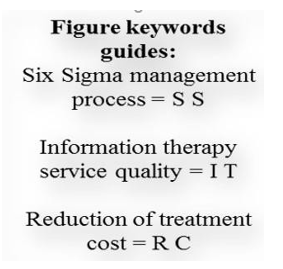
Figure 2: Structural Model in the Case of Standard Coefficients

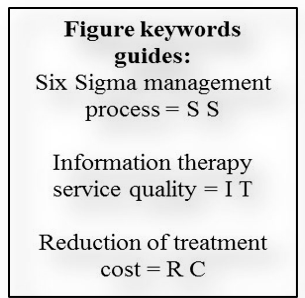
Figure 3: Structural Model in the Significance Mode of Coefficients
Operational feasibility study has a significant impact on the quality of information-treatment services and cost reduction of the governmental teaching hospitals located in Tehran. With precision in the structural model in the standard and significant mode, the coefficients of the probability test between the operational feasibility and the quality of information therapy services have been obtained equal to 29.737 and 138.246, which are greater than the absolute value of 1.96, so with a confidence of 95 % the above hypothesis is significant. In addition, the standard coefficient between operational feasibility and the quality of information therapy services is equal to 0.858 (0.969 × 0.886 = 0.858), so the effect of operational feasibility on the quality of information therapy services is a positive and strong effect.
The probability statistic of the test between operational feasibility and reducing hospital costs is equal to 29.737 and 4.261, which values are greater than the absolute value of 1.96, so the above hypothesis is significant with 95% confidence. The standard coefficient between operational feasibility and reduction of hospital costs is equal to 0.212 (0.240 × 0.886 = 0.212), so the effect of operational feasibility on the quality of health information services is a positive one. The impact on the customer has a significant impact on the quality of information therapy services and reducing hospital costs.
Carefully in the structural model, the test probability statistic between the effect on the customer and the quality of information therapy services is equal to 17.723 and 138.246, which are greater than the absolute value of 1.96, so the above hypothesis is significant with 95% confidence. In addition, the standard coefficient between the effect on the customer and the quality of the hospital’s information therapy services is equal to 0.796 (0.969 × 822 = 0.796), so the effect on the customer on the quality of the hospital’s information therapy services is a positive and strong effect.
The probability statistic of the test between the effect on the customer and the reduction of hospital costs is equal to 17.723 and 4.261, which values are greater than the absolute value of 1.96, so the above hypothesis is significant with 95% confidence. The standard coefficient between the effect on the customer and the reduction of hospital costs is equal to 0.197 (0.240 × 0.822 = 0.197), so the effect on the customer is a positive effect on the reduction of hospital costs.
The probability statistic of the test between the financial impact and the reduction of hospital costs is equal to 31.377 and 4.261. These values are greater than the absolute value of 1.96, so the above hypothesis is significant with 95% confidence. The standard coefficient between the financial impact and the reduction of hospital costs is equal to 0.209 (0.240 * 0.872 = 0.209), so the financial impact on the reduction of hospital costs is a positive effect. According to the structural model, the test probability statistic between management commitment and employee participation and the quality of health information services is equal to 25,871 and 138,246. These values are greater than the absolute value of 1.96, so the above hypothesis is significant with 95% confidence. In addition, the standard coefficient between these two variables is equal to 0.813 (0.969 × 0.840 = 0.813), so the management’s commitment and employees participation has a positive and strong impact on the quality of the hospital’s information therapy services.
The probability statistic of the test between the commitment of management and employee participation and the reduction of hospital costs has been obtained as 25.871 and 4.261, which are greater than the absolute value of 1.96, so the above hypothesis is significant with 95% confidence.
The standard coefficient between management commitment and employee participation and reducing hospital costs is equal to 0.201 (0.240 × 0.840 = 0.201), so the effect of management commitment and employee participation on reducing hospital costs is a positive effect. According to the structural model, the test probability statistic between education and potential growth and the quality of information therapy services is equal to 26.101 and 138.246. These values are greater than the absolute value of 1.96, so the above hypothesis is significant with 95% confidence. In addition, the standard coefficient between these two variables is equal to 0.812 (0.969 × 0.839 = 0.812), so training and potential growth has a positive and strong effect on the quality of information therapy services in the hospital.
The probability statistic of the test between training and potential growth and reduction of hospital costs has been obtained as 26.101 and 4.261, which are greater than the absolute value of 1.96, so the above hypothesis is significant with 95% confidence. The standard coefficient between training and potential growth and reducing hospital costs is equal to 0.201 (0.240 × 0.839 = 0.201), so the effect of training and potential growth on reducing hospital costs is a positive effect. According to the structural model, the test probability statistic between business strategy and core competencies and the quality of health information services is equal to 22.501 and 138.246. These values are greater than the absolute value of 1.96, so the above hypothesis is significant with 95% confidence. In addition, the standard coefficient between these two variables is equal to 0.804 (0.969 × 0.830 = 0.804), so the business strategy and core competencies have a positive and strong impact on the quality of information therapy services of the hospital.
The probability statistic of the test between business strategy and main competencies and reduction of hospital costs has been obtained as 22.501 and 4.261, which are greater than the absolute value of 1.96, so the above hypothesis is significant with 95% confidence. The standard coefficient between business strategy and core competencies and reducing hospital costs is equal to 0.199 (0.240 × 0.830 = 0.199), so the impact of business strategy and core competencies on reducing hospital costs is a positive effect. Six Sigma process management has an effect on reducing costs through the mediating variable - the quality of health information services.
We use the Sobel test to investigate the mediating role of the quality of information therapy services. In the Sobel test, the Z-value is obtained through the following formula, and if this value exceeds 1.96, it can be confirmed that the mediating effect of a variable is significant at the 95% level [17].

ta: probability statistic between the independent variable and the mediator tb: probability statistic between mediator and dependent variable Since the value obtained is more than 1.96, therefore, the mediating role of the quality of information therapy services is confirmed.
Discussion
In terms of improving the processes of providing healthcare services, considering the important goal that we want to reduce the costs of these medical services, we should consider important issues such as what products, services, or populations are the improvement programs and cost reduction projects. They affect us to pay attention. In this way, we should be well aware of the consequences of the programs by examining the data and sufficient and accurate information. An example of things that should be paid attention to is that the effective factors for planning, like; it is better to design and plan improvement projects that caused Inefficient, low-value and unnecessary care be prioritized to review and planning, as well as pay attention to information therapy as a technique for reducing costs. In analyzing the cost and benefits of the healthcare industry and trying to manage and reduce costs, it should be carefully considered that decision-making about healthcare programs is very sensitive and the principle of not reducing quality to improve and reduce costs should always be followed. Opinion and be in the focus of attention and focus of decision makers and decision makers [5].
Conclusion
This research was conducted with the aim of investigating the effect of six-sigma process management on improving the quality of information therapy services in the governmental teaching hospitals located in Iran, considering the importance of its application. The six-sigma process in the country’s health system should be the priority of all health sector employees. Because, Six Sigma replaces the dynamic, responsive and preventive management process by reacting to problems and is a comprehensive method of effective improvement of the organization and it has powerful quality management programs and tools. Therefore, it seems that the use of this method in the health system and in the country’s healthcare management is a necessity, not a choice. The six-sigma methodology relies on data so that it provides a systematic procedure for improving work processes based on customer needs and real analysis of ongoing processes in any organization. This issue is the difference between Six Sigma and other methods and the main reason for implementing this approach in health care institutions. The findings of the current research regarding the studied community also led the researchers to the conclusion that the six variables of Six Sigma have a positive and significant effect on the quality of information therapy services in this teaching hospital. And the results of the hypothesis test showed that all research hypotheses were confirmed.
In addition, the results obtained from this research are aligned with the results of Rasoul et al, and Antisugar et al [3,14]. The results of similar researches in different countries also show the impact of the Six Sigma approach on improving the time cycle and patient circulation cycle in the emergency department; Reducing the percentage of surgical cancellations, improving the cycle of radiology services; supply management; Antibiotic management; reducing medical errors; There has been a reduction in hospital costs. Therefore, the results obtained from this research were consistent with the results of other similar studies and had no contradictions.
Medicine is an information-based science. A major part of clinical actions includes gathering information about patients, processing the information, and eventually acting based on it, so that physicians can act properly for the right patient at the right time [18]. Therefore, physicians’ right to access appropriate clinical information for making key decisions is indisputable [19]. Today’s problems such as high costs, poor quality of services, physician burnout, and patient dissatisfaction have revealed inefficient information management practices [20]. Undoubtedly, access to accurate, immediate, reliable, and up-to-date clinical information leads in fewer referrals, better diagnostics and more effective treatments, reduced medical errors, access to the best evidence, and higher patient satisfaction and recovery [3,21-28]. Accordingly, high quality medical services can be provided and various health problems will be resolved [21].
Considering the challenge of information overload in the healthcare sector, where information is doubled every 20 years, and due to the complexities of care, physicians increasingly encounter clinical point-of-care (POC) questions [26,29,30]. Physicians can answer only a limited number of questions and in most cases, they use their memory although some have outdated or incorrect information [23]. Surprisingly, physicians are not able to find answers to a significant percentage of questions despite the easy access to information sources [31]. Accordingly, some clinical questions remain unanswered and this affects the quality and outcome of the decisions [22,30,31].
Recent advances in online clinical knowledge bases have offered opportunities to solve this problem. These opportunities have provided online evidence for POC, which is a strategy to make evidence-based decisions and may be a daunting process for physicians who lack time, confidence, and expertise to synthesize the retrieved studies [31-33]. Previous studies have indicated that these resources are capable of providing correct and appropriate answers to clinical questions and improving physicians’ performance, which require accessing electronic resources and promoting appropriate information-seeking skills [21,34]. However, despite the increased access to online resources, physicians still prefer using print resources, continuing medical education, and consulting with their colleagues in order to find the answer to clinical questions [35]. There seem to be major barriers to use a wide range of databases and digital archives, such as evidence-based medical resources, for supporting clinical decisions [18]. Some of these barriers refer to lack of easy access to reliable and up-to-date information, problem in formulating search strategies, processing a considerable amount of information at a very short time inpatient care setting, lack of basic information technology (IT) skills, and the institutionalization of the idea that the information found has no effect on improving their medical practice [31,36-38]. In addition, despite the development of medical information technology in the designing field, most medical information systems have failed to meet the expectations mainly due to lack of knowledge regarding the information needs and information-seeking behavior of physicians, along with not understanding the nature of clinical procedures such as POC [23]. Hence, it is essential to find ways to meet them [19].
According to the topics raised, it should be emphasized that paying attention to quality or cost, alone, will not bring continuous success, and at the same time that both concepts (quality and cost) are very important. But any cost limitation program should be viewed as a continuous program that is able to provide a sensitive balance between service quality and cost. Therefore, according to the research hypotheses, the following suggestions are presented:
• Gathering information for project prioritization and selection
• Increasing the commitment of top management to the use of Six Sigma
• Continuous training of employees in the field of Six Sigma application
• Hiring multi-skilled and flexible workforce
• Transparent information sharing between employees
• Educational needs assessment to identify educational needs It is also suggested to future researchers to improve and complete this research:
• In the model, control and disturbing variables should also be entered and checked
• Enter and check the moderator variables in the model
• Identifying the factors and obstacles affecting the implementation of Six Sigma in the hospital
Conflict of Interests
Mohammadesmaeil designed the study and conducted the entire the research. So, the author approved the final manuscript and take responsibility for the integrity of the data. Author has no conflict of interest with anybody.
Financial Support
This research received no specific grant from any funding agency in the public or commercial sectors.
Acknowledgments
The authors of this study would like to express their gratitude to all the staff of the governmental teaching hospital who helped voluntarily in collecting the data of this study.
References
- Asartamar, M. (2019). The Role of Social Responsibility Components on Organizational Health (Case Study of Urmia Health Network Staff).
- Arfaie-Einuddin, R. (2009). The Relationship between Leisure Time and Social Health (Case Study of 15-29 years old in Bostan Abad) [M.Sc. in Social Planning and Welfare]. Allameh Tabatabai University.
- Atashga, K., & Khosravi, B. (2015). Quality improvement and cost reduction using six sigma approach: focused on Taleghani hospital. Health Information Management, 11(7), 840-850.
- Hajizadeh-Tabriz, M., & Mirzaei, A. (2021). Examining the Cost Reduction Solutions of Hospitals: A Review Study. 6th International Conference on Modern Management and Accounting Studies in Iran, Tehran. https://civilica.com/ doc/1306978
- Frakt, A. (2019). The huge waste in the US health system. The New York Times, 10(07).
- Yarahmadi, A., & Zare Farshid, F. (2014). Therapeutic Information: A new concept with an old concept in the recovery of chronic diseases. Health Information Management, 12(1), 125-131.
- Zinali. (2015). The feasibility of providing information therapy services in educational and therapeutic medical centers of SB University of Medical Sciences from the point of view of doctors and officials of the centers. Health Management, 18(59), 66–81.
- Asadi, F. (2007). The role of Six Sigma in improving the quality of health care services. Health Management, 10(28), 75-31.
- Alizadeh-Aghdam, M., Sam-Aram, E., Soltani, B., & Rajaii,K. (2014). The effect of social health on quality of life of students of Payam Noor Moshgin Shahr University. Social Studies and Research in Iran, 3, 535–546.
- Collins, B. W., & Sasser, A. B. (1998). Medical self-managing-the hospital librarian’s role. Medical reference services quarterly, 17(3), 59-70.
- Afraz, S., & Akbar, R. (2018). Investigating the Role of Mobile Health Software in Facilitating the Self-Care Process. First Conference on Information Technology and Health Promotion.
- Ahmadi, Z., & Izadkhah, F. (2017). Investigating the Role of Media in Community Health Development: A Review Study. In First Conference on Information Technology and Health Promotion. Information Technology and Health Promotion Association.
- Mousavi, Z., Kalhor, M., Rashidi, K., & Amini, M. (2018). Information Literacy Survey of Nurses Working in Public Hospitals in Boroujerd, Iran, 1997-96. First Conference on Information Technology and Health Promotion.
- Rasoul, A., Mohammadi-Balban-Abad, T., & Mohammadi-Balban-Abad, S. (2018). Investigating the Impact of Information and Communication Technology on the Health System. First Conference on Information Technology and Health Promotion Tehran.
- Bagheri, F., & Soleimanzadeh-Kalahroudi, M. (2016). Identifying Key Factors and Sub-Factors of Success in Six Sigma Quality Program and Determining its Impact on Performance Indicators in Selected Hospitals of Tehran. International Conference on Industrial Engineering and Management, Tehran, Permanent Secretariat Conference.
- Zarea Gavgani, V., & Roshani Shiramin, A. (2013, March). Physician directed information prescription service (IPs): barriers and drivers. In Aslib Proceedings (Vol. 65, No. 3, pp. 224-241). Emerald Group Publishing Limited.
- Sobel, M. E. (1986). Some new results on indirect effects and their standard errors in covariance structure models. Sociological methodology, 16, 159-186.
- Dawes, M. (2005). Critically appraised topics and evidence-based medicine journals. Singapore medical journal, 46(9), 442.
- Sarbaz, M., Kimiafar, K., & Yazdipour, A. B. (2017, January). Physicians’ Use of Online Clinical Evidence in Mashhad University of Medical Sciences, Iran. In eHealth (pp. 343-347).
- Cook, D. A., Sorensen, K. J., Wilkinson, J. M., & Berger, R.A. (2013). Barriers and decisions when answering clinical questions at the point of care: a grounded theory study. JAMA internal medicine, 173(21), 1962-1969.
- Norbert, G. L., & Lwoga, E. T. (2013). Information seeking behaviour of physicians in Tanzania. Information Development, 29(2), 172-182.
- Callen, J. L., Buyankhishig, B., & McIntosh, J. H. (2008). Clinical information sources used by hospital doctors in Mongolia. International journal of Medical informatics, 77(4), 249-255.
- González-González, A. I., Dawes, M., Sánchez-Mateos, J., Riesgo-Fuertes, R., Escortell-Mayor, E., Sanz-Cuesta, T., & Hernández-Fernández, T. (2007). Information needs and information-seeking behavior of primary care physicians. The Annals of Family Medicine, 5(4), 345-352.
- Brown, P. J., Borowitz, S. M., & Novicoff, W. (2004). Information exchange in the NICU: what sources of patient data do physicians prefer to use?. International journal of medical informatics, 73(4), 349-355.
- Flynn, M. G., & McGuinness, C. (2011). Hospital clinicians’ information behaviour and attitudes towards the ‘clinical informationist’: an Irish survey. Health Information & Libraries Journal, 28(1), 23-32.
- Bernard, E., Arnould, M., Saint-Lary, O., Duhot, D., & Hebbrecht, G. (2012). Internet use for information seeking in clinical practice: a cross-sectional survey among French general practitioners. International journal of medical informatics, 81(7), 493-499
- Davies, K. (2011). Information needs and barriers to accessing electronic information: hospital-based physicians compared to primary care physicians. Journal of Hospital Librarianship, 11(3), 249-260.
- Heale, B. S., Khalifa, A., Stone, B. L., Nelson, S., & Del Fiol, G. (2017). Physicians’ pharmacogenomics information needs and seeking behavior: a study with case vignettes. BMC medical informatics and decision making, 17, 1-10.
- Green, A. (2011). Information overload in healthcare management: How the READ Portal is helping healthcare managers. Journal of the Canadian Health Libraries Association/Journal de l’Association des bibliothèques de la santé du Canada, 32(3), 173-176.
- Magrabi, F., Coiera, E. W., Westbrook, J. I., Gosling, A. S., & Vickland, V. (2005). General practitioners’ use of online evidence during consultations. International journal of medical informatics, 74(1), 1-12.
- Del Fiol, G., Mostafa, J., Pu, D., Medlin, R., Slager, S., Jonnalagadda, S. R., & Weir, C. R. (2016). Formative evaluation of a patient-specific clinical knowledge summarization tool. International journal of medical informatics, 86, 126-134.
- Ramos, K., Linscheld, R., & Schafer, S. (2003). Real-time information-seeking behavior of residency physicians. FAMILY MEDICINE-KANSAS CITY-, 35(4), 257-260.
- Schilling, L. M., Steiner, J. F., Lundahl, K., & Anderson,R. J. (2005). Residents’ patient-specific clinical questions: opportunities for evidence-based learning. Academic Medicine, 80(1), 51-56.
- Ely, J. W., Osheroff, J. A., Maviglia, S. M., & Rosenbaum, M.E. (2007). Patient-care questions that physicians are unable to answer. Journal of the American Medical Informatics Association, 14(4), 407-414.
- Boissin, F. G. (2005). Information-seeking behaviour and use of the Internet by French general practitioners: a qualitative study. Health Information & Libraries Journal, 22(3), 173-181.
- Shabi, I. N., Shabi, O. M., Akewukereke, M. A., & Udofia, E.P. (2011). Physicians utilisation of internet medical databases at the tertiary health institutions in Osun State, South West, Nigeria. Health Information & Libraries Journal, 28(4), 313-320.
- Ely, J. W., Osheroff, J. A., Ebell, M. H., Chambliss, M.L., Vinson, D. C., Stevermer, J. J., & Pifer, E. A. (2002). Obstacles to answering doctors’ questions about patient care with evidence: qualitative study. Bmj, 324(7339), 710.
- Mikalef, P., Kourouthanassis, P. E., & Pateli, A. G. (2017). Online information search behaviour of physicians. Health Information & Libraries Journal, 34(1), 58-73.