

Current Trends in Business Management(CTBM)
ISSN: 2995-4010 | DOI: 10.33140/CTBM



Research Article - (2026) Volume 4, Issue 1
The Relationship Between Organizational Culture, Transformational Digitization, Innovation, Business Strategy, and Performance: a Forward- Looking Perspective Toward 2026
Received Date: Jan 01, 2025 / Accepted Date: Jan 26, 2026 / Published Date: Feb 04, 2026
Copyright: ©2026 Tsvi N Reiss. This is an open-access article distributed under the terms of the Creative Commons Attribution License, which permits unrestricted use, distribution, and reproduction in any medium, provided the original author and source are credited.
Citation: Reiss, T. N. (2026). The Relationship Between Organizational Culture, Transformational Digitization, Innovation, Business Strategy, and Performance: a Forward- Looking Perspective Toward 2026. Curr Trends Business Mgmt, 4(1), 01-27.
Abstract
In the pursuit of success, businesses must skillfully navigate the complexities of the modern business environment, where five key variables play crucial roles. This study explores the intricate relationships among culture, strategy, innovation, and digital transformation—four distinct, independent variables—and their overall and individual effects on business performance, using a comprehensive mixed-methods approach. The findings highlight that these factors are not only relevant in today’s market but also have the potential to exert an even greater impact by 2026. The study reveals that a strong organizational culture fosters innovation and strategic alignment, both of which are essential for effective digital transformation. By gaining a thorough understanding of these dynamics, organizations can uncover valuable insights to enhance performance and sustain a competitive edge. In a rapidly advancing technology-driven world, the strategic integration of these variables is essential for businesses aiming to lead in innovation and operational efficiency. This research highlights the need for organizations to remain agile and adaptable to ensure ongoing growth and success amid ever-changing environmental challenges. By aligning culture, strategy, and innovation with digital transformation efforts, companies can better navigate uncertainties and seize emerging opportunities.
Keywords
Competitive Advantages, Business Strategy, Innovation, Digital Transformation, Business Culture, Business Performance
Introduction
As we approach 2026, the global landscape is being reshaped by challenges from powerful forces that require a different strategic vision and new capabilities for businesses to quickly adapt to changes in the international trading system, regulatory frameworks, geopolitical alliances, security arrangements, and climate change policies, all of which are rapidly changing and evolving (BCG, 2025). This study agrees with the current research assumption. The four organizational factors, Strategy, Culture, Innovation, and Digital Transformation, will influence business performance and redefine competitive advantages. These elements are likely to operate both independently and together, acting as catalysts for success in an increasingly competitive global market.
Imagine a world where your organization’s operations are efficiently improved through smart investments in Digital Transformation (D.T.). By leveraging data analysis, companies can enhance decision-making and adopt technologies such as automation, machine learning, cloud computing, artificial intelligence, and the Internet of Things. These advancements not only increase efficiency but also significantly reduce costs, unlocking new growth opportunities.
At the heart of this transformation lies the importance of organizational culture. Leaders must cultivate an environment that fosters creativity and encourages calculated risk-taking. This approach can lead to groundbreaking innovations in products and services, driven by robust innovation programs and dynamic research and development initiatives. A thriving culture promotes collaboration, agility, and employee engagement, all of which are essential for nurturing loyalty and attracting top talent.
To navigate future uncertainties, businesses must adopt agile, flexible strategies that enable them to respond to changing market conditions. Scenario and contingency planning will become increasingly important, helping leaders anticipate and prepare for various potential outcomes and maintain competitiveness.
Innovation will remain the lifeblood of organizations striving to stand out in the marketplace. By identifying opportunities for disruptive technologies and leveraging analytics, businesses can support rapid prototyping and evaluate promising ideas that meet evolving market demands and customer needs. A commitment to enhancing organizational performance will drive companies to invest in human capital, creating development programs and incentives that align employee objectives with organizational goals. Moreover, exploring new markets will present exciting opportunities for growth and help establish a strong market presence. What are those desires that a business organization needs to fulfill in order to build better business strategies? The literature shows that three main changes have occurred in consumer thinking and motivations for buying over the last decade, driven by the widespread use of technology. The brains of the younger generation think differently than they did in the past, creating a new world of emotional needs, and they have a desire for innovation and a passion for the next thing. Lack of attention - the consumer has become less eloquent, less attentive, and less reliable. Moreover, a strong emotional motive is the primary driver of his purchase decision [1]. In essence, thriving in the competitive landscape of 2026 will hinge on a proactive leadership focus. By prioritizing innovation, embracing new technologies, engaging employees, and nurturing a resilient organizational culture, businesses can successfully navigate the challenges that lie ahead. The future is bright for those ready to seize the moment!
Study Objectives
First, to explore and analyze the relationships among the four variables and business performance. Second, to establish a validated, comprehensive framework aligned with the research’s goals, questions, and hypotheses.
Questions of Research
Q1- How do strategy, culture, innovation, and digital transformation of a business practically influence its performance? Moreover, how can their advantages be leveraged to enhance business performance?
Q2- Is there a significant association between the four variables and business performance?
Literature Review
Business Performance Dependent Variable
Organizational performance refers to how effectively a firm meets its goals, usually measured by indicators such as revenue, efficiency, customer satisfaction, operations, strategy, and decision-making. An assessment was conducted on financial stability, operational effectiveness, employee performance, and the achievement of market objectives. Financial performance reflects an organization’s success in its economic activities, measured by profits, ROI, gross margins, and net profit. It also includes liquidity—cash flow, labor costs, and the debt-to-equity ratio. Growth is assessed through income growth, sales volume, market share, employee productivity, satisfaction, attrition, and abandonment rates. Efficiency is evaluated by quality, service levels, organizational capability, and the effectiveness of technology within the organization (Artha & Satriadai, 2023).
This study adopts Hill’s definition [2]. Organizational performance reflects the organization’s goals, as measured by objectives such as profitability, productivity, growth, quality, and market segment. Understanding employee performance is a fundamental aspect of organizational success. Tziner & Rubenu describe its influencing factors: technology used to complete tasks, situational influences, climate and culture, teammates, and alignment between rewards and employee expectations [3].
Boping reviewed the literature on performance and identified four common factors that influence it [4]. However, he noted many other factors affecting performance, such as time and industry. The most significant are organizational risk, HR management, organizational heterogeneity, and leadership style. In summary, performance factors are essential to the effectiveness with which a person, team, or system achieves its goals. They encompass individual qualities (skills, motivation, abilities), job-related factors (tools, clarity, workload), and the surrounding environment (culture, leadership, resources). In business, they also refer to specific metrics, such as revenue and margins, used to determine bonuses. In engineering, they assess efficiency (planned versus actual output) or categorize technical systems (Refer to figure 1).
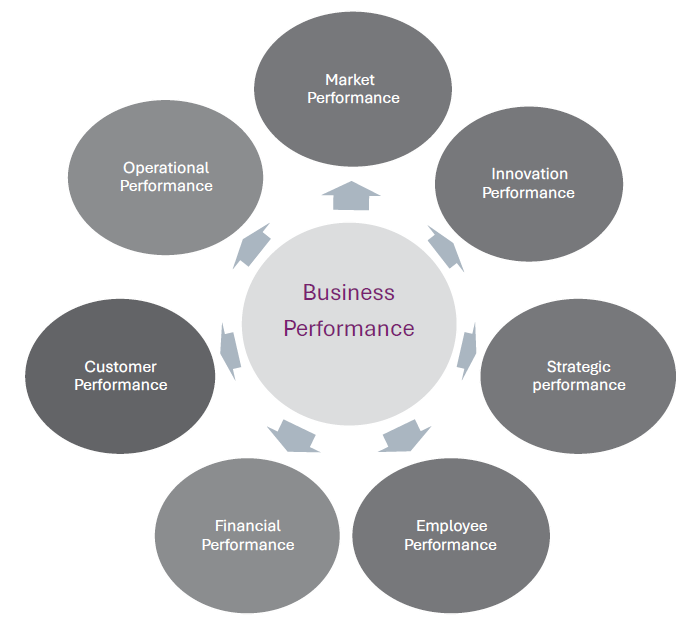
Figure 1: Business Performance Dimensions
Business Strategy Independent Variable
Business strategy involves selecting a competitive approach within a specific industry and deciding whether to focus on price, quality, or both. It outlines the policies managers use to generate profits, including decisions on which industries to enter, which products or services to offer, which customer segments to target, and how to interact with and collaborate with other companies in the market. Therefore, strategy addresses broad, long-term challenges that a firm must face, and it is important to recognize that strategies often change or diminish over time (Hanson et al.,2022) [2,5,6]. Business strategy is a set of decisions with clear patterns aimed at achieving the organization’s goals. It involves designing a plan that specifies what needs to be accomplished and the actions required (sometimes involving cooperation among competing parties). These critical decisions concern resource allocation and are challenging to alter in the short term and immediate future. For this research, Hill’s definition of strategy was adopted as the managerial practice focused on achieving the firm’s objectives, primarily to maximize shareholder value [2]. The goal of the strategy should be to boost profitability and growth rates. This might involve adding value to the firm’s products, raising prices to increase local market sales, or exploring new markets altogether. Moreover, the key components of business strategy include vision, mission, goals, and policies (Refer to Figure 3).
To execute a successful strategy that provides high value to the organization, senior management must clearly understand two environments: the internal organization and the external environment. Internally, this includes factors such as human and organizational capital, like physical assets. Externally, it involves elements such as markets, production technology, information, communication, and governmental legislation and regulation (Jacobs & Chase, 2009, p.243). Moreover, identifying a continuous strategic process involves three cyclic stages. First, the annual development or refinement of the strategy, including strategy analysis and the definition of strategic initiatives. Second, translating the strategy every quarter by redefining and reformulating the budget, measurements, and goals. Finally, each month, planning operations and supply, developing a sales program and operational plan, assessing resource capacity, and conducting a budget review.
Research underscores the significance of contingency planning and scenario analysis for organizations operating in complex environments, as these strategies involve not only future preparation but also proactive anticipation. Contingency planning entails developing and evaluating potential strategies and directions, thereby creating a comprehensive roadmap for the selected strategic course to ensure readiness for unforeseen circumstances. This approach offers several advantages, including enhanced support and preparedness, effective risk management, and proactive risk mitigation, all of which contribute to improved decision-making, efficient resource allocation, and ongoing evaluation of established frameworks. Scenario planning further involves formulating scenarios based on predictions aligned with current trends, using quantitative statistical methods. Various planning scenarios are available, including predictive, exploratory, normative, and strategic (Sariawala, 2021).
The strategy should steer the organization’s future direction, using factors such as structure, culture, behavior, economics, constitution, demography, technology, and cultural aspects as the foundation for planning the business strategy for implementation and control. It is essential to emphasize the level of risk associated with decisions. The tendency to take strategic risks depends on decision makers’ starting points, and leaders teach that a company whose situation improves relative to its competitors will make risk-averse decisions. In contrast, a company in a worse position will make risk-loving decisions. Recently, the CEO of an Israeli company that imports and markets raw materials for food products noted that he conducted a survey of existing customers and found that, on one hand, the market is dynamic, customers face problems, and there are new demands for materials. On the other hand, competition is fierce in the market for the raw materials it supplies. However, he also identified a business opportunity with high, immediate market demand for the materials it imports. He concluded that a small business has little chance to compete in this environment. After strategic planning, the company decided to relocate to a new site to expand and build a large, innovative materials warehouse that would enable faster responses to high market demand from business clients. Currently, the business effectively serves 350 customers, with contracting companies managing every part of the supply chain (transportation and material supply).
The emphasis on strategic thinking has gone through six stages over the course of history. However, the last stage, which began in the late 20th and early 21st centuries, is characterized by an emphasis on managing innovation, designing absorptive capacities, driving change and development, and refers to the acquisition of knowledge, its assimilation, and the conversion of outputs into a competitive advantage. However, even at this stage, where the emphasis is on the critical external context, which catalyzes the development of absorptive capacities and renewal, the internal context is not null. Here, change is perceived as a permanent organizational management pattern.
An analysis of Nokia’s events shows that the company has been operating for years with a leading strategy for incremental innovation, improving the performance and design of its mobile phones by 50% each year to stay ahead of competitors. Meanwhile, Samsung emerged with greater resources and introduced several radical innovations in mobile phone design. As a result, in 2004, Samsung’s sales reached a new high. Nokia found that its market share had shrunk by 30%, and its stock price had fallen sharply. Nokia’s experts explained these changes by saying the competitor was more aggressive in bringing a mobile phone loaded with new features to market. Analyzing the strategic organizational concern requires answering a key question that concerns business leaders: how can the organization’s strategic performance be measured? There are four main categories of performance indicators. The first is financial indicators, which involve analyzing financial statements such as return on investment and return on sales. The second includes market and product sales indicators, such as local market share, growth rates, and product variety. The third involves the capital market index, which is connected to the equity multiple (a company’s market value divided by its book value) and the financial multiple (share price divided by earnings per share). Additionally, the strategic core capabilities index measures organizational strengths developed over time, such as quality, which confer a sustainable competitive advantage because they are difficult to imitate. To truly understand the core of the organizational challenge and develop practical solutions, these four capabilities should be examined across different time frames: past, present, and future.
When an international corporation competes in the global arena, it may choose from four primary strategies: global standardization, localization, transnational, or international. Each strategy is customized to balance the pressures to cut costs and respond to domestic markets. The global standardization strategy aims to implement a low-cost approach worldwide, enabling a company to operate efficiently across production, marketing, and research and development. In contrast, the localization strategy seeks to boost profits by adapting products or services to meet the specific needs of local markets. The transnational strategy tries to simultaneously minimize costs within the domestic economy while offering a variety of products across different regions. Finally, the international strategy mainly involves producing goods for local markets and exporting them globally with minimal local adjustments [2].
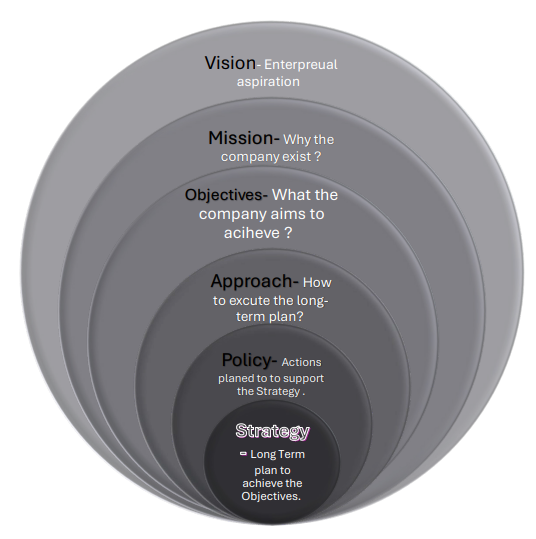
Figure 2: Dimensions of Business Strategy
Business Culture Independent Variable
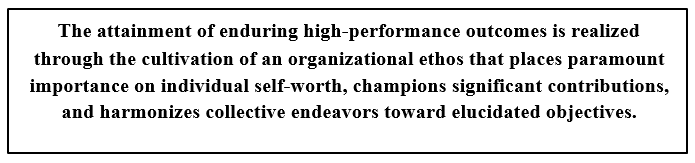
In recent decades, dominant rhetoric has centered on normative control that ensures prosperity during crises or economic downturns; the focus has shifted from managing labor to managing human capital, emphasizing the improvement of work processes through human effort and technological innovation. This involves the somewhat traditional concept of organizational culture and is driving a new wave of research. (Wasserman et al., 2024). Organizational culture is viewed as a crucial factor for the success of organizational digitization and, in fact, serves as the boundary of the relationship between D.T. and innovation.
Organizational culture serves as a conceptual framework encompassing the attitudes, values, norms, behaviors, and expectations for all members within the organization [7]. Core characteristics include sensitivity to stakeholder needs, a strong emphasis on interpersonal relationships, an expectation that teams will innovate, a propensity for risk-taking, and an encouragement of open communication and collaboration. According to Tziner & Rubenue (2015), it is a set of key values, perceptions, and understandings aligned with the organization’s members.
Furthermore, instruct on the right way to think and act in the organization. Workers who do not meet the required qualities will probably abandon (p. 159). A business organization’s distinctiveness is encapsulated in its cultural values, which exert a profound, intangible influence throughout the organization. This culture primarily fulfills three key functions: fostering identification among members, enhancing commitment to the organizational mission, and establishing and reinforcing behavioral standards. Firstly, when values and perceptions are clearly expressed, members develop a stronger connection to the mission, seeing themselves as vital parts of the organization. Secondly, a strong, dominant culture promotes greater commitment to organizational goals; individuals are more likely to feel invested in a clear purpose, leading to higher engagement than when personal interests are at stake. Thirdly, the culture establishes acceptable behaviors that encourage mutual respect among individuals, customers, and stakeholders [7].
The literature emphasizes that a strong culture increases net revenue by 765% over 10 years. This finding from Harvard’s study of over 200 companies also showed that these specific cultures are built through factors such as establishing security, fostering cooperation during vulnerability, developing shared risk habits, and setting targets to create shared goals and values for groups. The three elements work together in a participatory, bottom-up manner, nurturing and guiding actions.
Research establishes a connection between organizational culture and performance. While typically stable, organizational culture can evolve in response to external influences, such as changes in workforce demographics, technological advancements, mergers, or structural realignments. Iriowen notes that businesses that have decided to operate internationally must be sensitive to cultural differences and legal and regulatory requirements and develop strategies to navigate international markets more effectively [8]. In recent years, multiculturalism has permeated organizations, requiring specialized skills from organizational leadership to manage it, skills that were not previously required for organizations to remain effective in global competition. Shivanad (2021), i.e., creating an organizational climate of effective trusting relationships with teams, customers, and suppliers. A notable cultural shift is the growing emphasis on creative, innovative problem-solving.
Organizational culture additionally influences the architecture of work and authority, compensation structures, and control mechanisms. This encompasses various organizational attributes, including customs, taboos, slogans, influential figures, and social rituals, as well as the imperative that managers actively cultivate a robust and productive culture [9].
According to Hill, the need for a consistent culture across multinational corporation subsidiaries varies and depends on corporate strategy [2]. Additionally, shared norms support coordination and collaboration across units and teams, and a strong culture can promote alignment, reducing issues such as internal dependencies, vague performance metrics, and managerial conflicts (p. 454).
However, when examining the culture research findings, they appear different. There is a consistent pattern in research findings on agonistic culture: first, there is no consensus on the proper way to observe organizational culture. Second, its measurement capabilities are unclear. Third, its role in improving organizational performance remains uncertain. Fourth, while it is widely accepted that culture is related to efficiency and profitability, this connection has not been consistently confirmed. In general, three research approaches are recognized in the literature: functionalist, social conflict, and symbolic interaction. The paradigm associated with the functionalist management approach is that organizational culture is a characteristic of the organization as an open system. Culture influences how an organization addresses existential challenges and adapts to environmental conditions. More specifically, it serves as a tool that enhances organizational efficiency.
There are several research models of organizational culture in the literature. For this study, the focus will be on Schine’s (1990) model, which is relevant to management theory and the managerial discourse surrounding organizational culture, and which he divides into three primary levels (See Figure 2). The first level, the highest level of abstraction, is the Artifacts, describing everything the visitor to the organization sees, hears, and feels. The second level is values, and the third is assumptions, both of which represent the deepest structure, with assumptions encompassing philosophical, cognitive, and emotional levels. A brief historical review shows that the concept of organizational culture emerged in the late 1970s and early 1980s after several developments in the Western world, such as the success of Japanese organizations and Japan’s rise as an imperial power. These developments were linked to efforts to understand cultural values and the limitations of mechanistic theories, like scientific management. This led to the recognition that organizational culture is a new and valuable analytical tool that combines social and economic factors.
Studies show that a strong organizational culture reduces employee turnover and even fosters better relationships, helping prevent conflicts and create a positive atmosphere in the workplace. How do you build such an organizational culture? Five recommended ways include creating regular customs on special dates, fostering an environment of personal development and interests, holding regular meetings and sessions between management and employees to discuss work-related issues, including exchanging ideas and addressing problems, and giving employees active responsibility through initiatives, suggestions, and motivation.
Akpa et al. conducted a qualitative study on the relationship between organizational culture and organizational performance [10]. The authors explain that when workers share standard norms, they experience a sense of identification that eventually reinforces their commitment to the organization, which improves performance. The shared values enhance the effectiveness of their work. However, Raz explains that the literature disagrees about how to observe and measure culture it is also not clear how culture helps business performance, despite the accepted opinion that culture indeed impacts efficiency and profitability [11]. In conclusion, cultivating an organizational culture that prioritizes learning, risk- taking, employee engagement, innovation, and effective strategy execution correlates with improved performance metrics and the attraction of high-caliber talent. In the context of digitization, an adaptable culture supports the seamless integration of new technologies and procedural transformations, extending beyond mere operational tools.
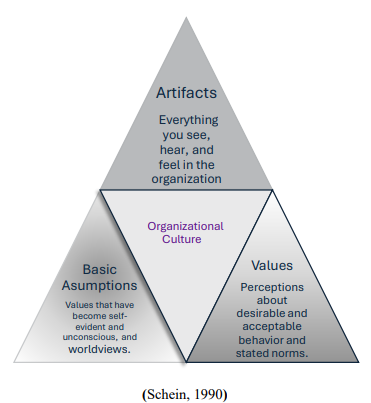
Figure 3: Three Levels of Culture.
Business Innovation Independent Variable
Organizational innovation occurs through three main stages: motivation for innovation, resource allocation, and management of innovation. To be innovative, an organization must build a culture that promotes innovation. Leadership is crucial for driving innovation; organizations need key resources, such as talented people and financial support, to sustain it. Also, leaders can motivate employees to develop the skills required for innovation and help balance three essential aspects: goals, systems, and schedule allocation (BCG, 2025; Matial & Seshadri, 2010) Researchers in the field agree that innovation is the successful implementation of a creative idea within an organization [7,12-16].
Innovation has many facets; it is not a one-size-fits-all concept. It includes product innovation: creating new products or significantly enhancing existing ones to meet emerging customer needs or access to new markets. Process innovation involves improving or developing new processes to increase efficiency, reduce costs, or improve quality, thereby providing more value to customers and giving the business a competitive edge.
Business model innovation: rethinking how your company creates, delivers, and captures value, mainly focusing on how value is retained. Network innovation: building relationships and alliances, working with partners, suppliers, and even competitors to develop new offerings or enter new markets. Brand innovation: shaping and evolving a brand’s image, voice, and experience to connect deeply with current and potential customers, fostering loyalty and standing out. In today’s digital age, these areas of innovation are more critical than ever. Digital technology not only enables but also accelerates innovation across all these fields. Companies can also promote innovation by deliberately investing in R&D (Research and Development) to create new products or services, improve delivery processes, and identify unsuccessful solutions or unmet needs. This can also help make production more efficient. All these efforts aim to realize the commercial value of innovation. The literature describes the R&D process in three stages: basic research to understand scientific or technical principles; applied research conducted by scientists and engineers on the new product; and, finally, the development stage to bring the product to market [12].
Innovation must guide behaviors across the entire organization, from R&D to production, customer service, and warehousing. Successful innovation occurs when an invention is connected to a product, service, or process at some point in the value chain and incorporated into business planning with skill and discipline through innovation management. For example, the CEO of D’ Company, after developing a detailed business plan, decided to pursue a strategy of producing innovative, unfamiliar products in local markets. This required significant financial investment in new production lines and training teams, along with restructuring the business departments to support the production and delivery of the new products. This approach offers customers new value and provides the company with a competitive edge.
There are three main reasons why innovation is so crucial: motivating employees, fostering growth and profits, and ensuring survival. Studies show that companies excelling in innovation are also significantly more profitable than those that do not (BCG, 2025). Furthermore, the link between successful innovation and profits is almost undeniable. New products that succeed in the market typically command higher prices and achieve larger profit margins. It is also one of the best ways to increase market share and is directly connected to return on investment (Matial & Seshadri, 2010).
The issue of innovation risk cannot be ignored, but it can be significantly reduced through careful analysis. The main point is that two mistakes can happen when implementing innovation: rejecting high-potential ideas or accepting and pursuing poor ones. Successful innovators are skilled at rejecting bad ideas because managers are often unprepared to face harsh realities. In conclusion, today’s global and local markets are complex and competitive, so organizations that do not know how to develop new products and bring them to market to create value for customers will soon find that their competitors have already done so. Their very survival depends on their ability to adapt and innovate in the market.
Consider the “Burland” case analysis. A clever, innovative software company developed and sold an electronic spreadsheet called “Quatro,” which many users appreciated. One day, the company’s managers decided that it needed a headquarters building to match its leading market position and invested millions of dollars in an unproductive asset instead of putting that money into R&D to develop future versions of the spreadsheet and to compete aggressively with Microsoft’s Excel and Bluetooth 1.2.3. This decision had disastrous consequences, ultimately leading to the company’s wipe-out. Unlike Borland, Niki, which retains its capital and invests in product design, R&D, and marketing, prefers to hand over manufacturing contracts to competitors, letting them invest capital in factories to produce the products. Brabender and Iny introduce an innovative thinking paradigm in their book: the box-thinking alternative [17]. It is based on five stages: questioning everything, exploring the possible, dispersion, convergence, and a measured situation assessment. The authors believe this method challenges the mind, encourages safe thinking about taking creative risks, and allows for a reassessment of the organization’s conceptual models.
Suhag et al. examined the relationship between innovation and business performance in the telecommunications industry by distributing 200 questionnaires to employees [13]. The study’s findings indicate that product, process, and organizational innovation all positively influence business performance. They also found that organizational culture acts as a mediating variable between innovation and performance. Finally, it is important to note that there is a fundamental difference between high- tech and low-tech industries. In contrast, the high-tech sector focuses on product innovation, and success is defined by creating breakthrough technologies, such as the next generation of AI or humanoid robotics. In low-tech sectors, preference is given to process innovation to improve efficiency and cut costs through quick gains, such as predictive maintenance in production or automated billing in healthcare.
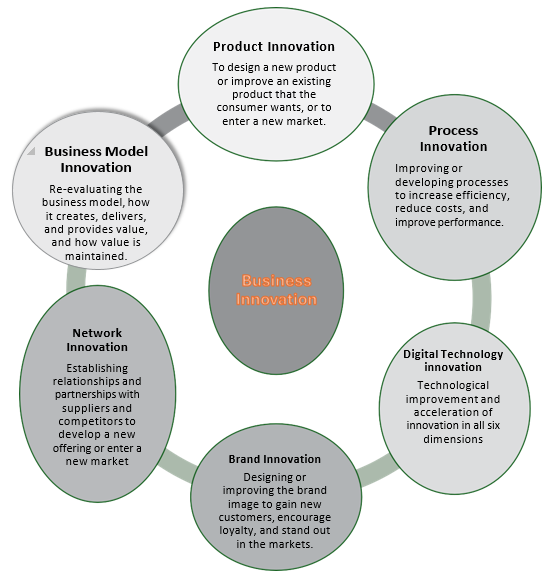
Figure 4: Business Innovation Dimensions
Business Digital Transformation Independent Variable
In the current Fourth Industrial Revolution, which impacts business competitiveness and survival, the focus has shifted to innovation and digital transformation. In global markets, fierce competition is underway to dominate the technological sector and extract value through AI, quantum computing, and semiconductor production. This issue concerns organizational leaders because it is a risky path that could threaten the organization’s operations and strategies (Nabiyi & Shaizanjani, 2022; Teng et al., 2022; Peng & Tao, 2022) [18].
It is a top concern for both large and small businesses across industries, including banking, insurance, and automotive. It is sparking a revolution in products, services, customer expectations, processes, capabilities, and the business model. Moreover, it has become a crucial component of strategic planning. The literature presents new data on the impact of digital transformation, such as increases in efficiency rates from 30% to 50% and operational adjustments 8-10 times (p. 10, in Teng’s 2022, and Collagenous). This research adopts the D.T. definition of Ziyadin et al. [18].
Digital transformation refers to the integration of digital technologies and business processes within a digital economy. It is a technology that enables business transformation by implementing digital technologies in operations and a business innovation model to create value for the firm. Digital change is based on three dimensions, according to the research literature: digital technology, employees’ digital capabilities, and digital change strategy. This variable is seen as a trigger for implementing a strategy through technology, information, computing, and communication. It has the potential to alter the structure, boundaries, and means of delivering value to the organization. Teng et al. (2022) found that digital change impacts organizational performance and supports the development of the organization’s sustainability. Its three dimensions were found to be positively correlated with digital change. Additionally, the variable was linked to innovation, as it accelerates innovation processes and the ongoing development of the business. By contrast, Peng and Tao (2022) describe disagreement among researchers over the exact meaning of the construct, which they define as a requirement to gain competitiveness through innovative technologies. It is an attempt to change value creation through technology. This technology analysis of the collected data provides information for decision-making or the development of a new business model, thereby improving business performance [18]. Regarding the relationship between digital change and performance, several researchers report no significant effect. Others report a positive association, depending on the quality of digital change, which affects performance in terms of efficiency and fosters innovation. Additionally, it helps reduce costs related to procurement, resources, marketing, and logistics. Furthermore, it supports meeting customer needs by mitigating the costs associated with innovation. In conclusion, organizations should view digital transformation as a comprehensive paradigm shift rather than just a technical upgrade. This transformation involves changes in organizational philosophy, strategic focus, structure, and operational practices. Academic literature emphasizes the importance of this shift across six key areas: aligning vision, making strategic investments, fostering an innovative culture, managing assets, and protecting intellectual property. These elements collectively help organizations gain a competitive advantage in an increasingly dynamic market.
Zhai et al. (2021) conducted a study examining how Digitization Transformation (DT) affects organizational performance in a sample of Chinese companies operating in Shanghai and Shenzhen from 2009 to 2019. The results show that DT enhances organizational performance by reducing costs, boosting operational efficiency, and strengthening the success of organizational innovation, thereby improving overall performance. The impact varies depending on the scale. Normal digital transformation (DT) mainly affects the long term, while excessive DT also causes effects in the first few years. Additionally, companies with more mature products feel these impacts more strongly.
Different sectors utilize AI technology for various purposes. In manufacturing, the aim is to enhance production through connected robots and intelligent maintenance systems. In banking and finance, companies deploy AI to detect fraud and increase transparency with blockchain technology. In retail, the primary goal is to unify customer experiences across all channels and boost performance.
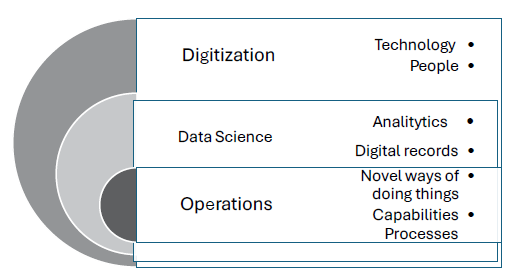
Figure 5: Digital Transformation Dimensions
Methodology of Research
The analysis of the research variables adheres to the principle of triangulation, integrating both qualitative and quantitative methodologies. This approach is predicated on the researcher’s belief that such a synthesis yields a systematic and rigorous investigation. The methodological convergence aims to bolster the validity and generalizability of the study’s findings across a broader population [19]. Furthermore, a salient advantage of integrated research lies in its capacity to complement disparate data sources and foster the development of ideas. This perspective is endorsed by approximately 35% of researchers [20].
The content analysis of qualitative data entails systematic organization and interpretation of verbal data, enabling the extraction of meaningful insights regarding both latent and overt components and their implications. The present study will be conducted in two distinct phases, commencing with qualitative exploration to elucidate the interrelationships among the identified research variables. This methodological framework acknowledges the absence of a singular, ultimate truth in the examination of any given phenomenon. Instead, it asserts that diverse perspectives, contributed by various researchers, possess inherent validity, each enriching the discourse. Consequently, the objective of this qualitative inquiry is to investigate the nature of these divergent perspectives (Creswell, 1988; Guba & Lincoln, 1988).
This research undertaking seeks to illuminate the complex relationships among various situations, settings, or processes, thereby facilitating a comprehensive evaluation of the validity of preconceived assumptions in real-world contexts. To conclude, the study will analyze 46 scholarly sources, including both books and empirical articles published between 2000 and 2025. These sources are specifically related to the relationships and impacts of the five selected variables central to the research inquiry.
|
Variable |
Relationship with Business Performance |
Author |
|
Strategy Business |
-Strategy significantly impacts organizational performance. |
Ogohi (2020) |
|
|
- Can improve overall organizational performance -Strategy is the engine that propels an organization to achieve its target of leading the competition in markets. |
Fatchurogi et al., 2022; 2024 |
|
|
-Affects the profitability and growth of the organization. |
Hill (2011) |
|
|
-Strategy optimizes the business performance. |
Jacob & Chase (2009). |
|
|
-There is a significant impact on business performance |
Yanney et al., 2007 |
|
|
-Strategy has a significant positive impact on organizational performance and competitive advantage. Through improved performance, it guides the organization toward accomplishing the mission and realizing the vision. |
Farida & Setiawan, (2022) |
|
|
-The strategy's effect on performance is negligible. To improve performance, one must identify which strategy parameters improve it. For example, |
Slavik et al., 2022, |
|
|
consistency plays a crucial role in the effectiveness of performance. In high-tech, strategies such as low cost, adaptation, and resource allocation together account for 43% of the variation in performance. |
|
|
|
-Organizational performance results from an individual's work within an organization and is associated with the degree of value the organization places on the employee. |
Lestari et al., 2020 |
|
|
Strategy and strategic planning have a significant impact on decisions such as which markets to operate in, which products to supply, and how to determine prices. |
Zimmerman (2009). |
|
|
- Strategic decisions have long-term effects for the organization, to instruct in the phases of growth, investment, and risk management. |
Greenberg & Baron (2003). |
|
|
-Strategy selection can strengthen performance through its impact on ROI. However, there is an adverse effect on cash flow operations. |
Hesam et al., 2021 |
|
|
To improve performance, one needs first to understand the conditions and recognize the long- term goals. - Important components of performance are productivity and product sales. |
CPA (2021). |
|
|
Contingency and scenario planning help a business succeed. They provide guidance, and their value increases with regular updates and practices. |
Jariwala (2021 |
|
|
The business strategy should be lean, agile, and flexible, with the customer at the center, understanding their preferences and delivering maximum value. On the other hand, the focus should be on the organization's core competencies and mission, and all business activities should be aligned with this principle. |
Collins (2016). |
|
Business Performance |
-A time when the production line stops working, or the sales level does not meet expectations, brings innovation and change that leads to successful performance. |
Greenberg & Baron (2003). |
|
|
-Performance is the mediator between strategy and competitive advantage. -Workers' quality of work positively impacts performance; low cost and environmental sensitivity may lead to better performance. |
Farida & Setiawan, (2022). |
|
|
|
Boping (2023). |
|
|
Performance ability is the organizational capacity to achieve its goals and objectives through effective work management and sound governance. |
Yanney et al., 2007 |
|
|
A company's performance is measured in multiple ways, such as accounting, economics, and HR. Sales, market share, and profitability. Can measure marketing, psychology, sociology, and strategic management. |
Zhai et al., 2021 |
|
|
-Performance and its measurement impact the direction of individual and team effort within the organization. |
Zimmerman (2009). |
|
|
Performance is an expression of a firm's efficient operations, effective performance management, and measurement of its advancing organizational performance. |
|
|
|
A successful business-level strategy is based on customers - who, what, and how? Main strategies are cost leadership, differentiation, or a combination of both when the targeted segment is a narrow competitive segment. |
Hanson et al.,2022 |
|
Business Culture |
|
|
|
|
-There is an inconsistency in the findings regarding a robust culture's direct link to organizational performance. -Research conducted lately found that the interrelation between culture and the performance of an organization. - Ever since, culture has been considered an effective factor in organizational processes and individual performance. Research shows that performance is affected by cultural attributes. |
Akpa et al.,2021 |
|
|
-Culture is a mediating factor between the effects of innovation, i.e., process innovation, product innovation, and performance of the organization. |
Suhag et al.,2017 |
|
|
A culture that fosters learning, risk-taking, and employee engagement, and supports significant innovation and strategy implementation, drives high performance and talent attraction. |
Greenberg & Baron (2003) |
|
|
There is no consensus among researchers on the proper way to view or measure organizational culture, and it is unclear how culture can be used to improve organizational performance. It is common to claim that organizational culture is connected to an organization's efficiency and profitability. However, in fact, the connection between them has not been consistently confirmed. |
Raz (2004) |
|
|
Organizational culture increases revenue by creating security, sharing vulnerability, developing habits of mutual risk-taking, and formulating shared goals and values for the group. |
Coyle (2020) |
|
|
There is a robust relationship between organizational culture and organizational performance, with a 27% impact on individual performance. |
Iskamto (2023) |
|
|
Some researchers believe that organizational culture is not an organizational variable that affects other organizational phenomena, but rather is an integral part of them. Organizational culture cannot be quantified or measured; it cannot be treated as a |
Wasserman et al., 2024 |
|
|
component in a causal relationship, but rather as an overarching metaphor. |
|
|
|
Organizational climate and culture affect work performance. If there is a favorable atmosphere, for example, towards innovation, the employee will tend to keep up with innovations related to his occupation and upgrade his skills, and vice versa. |
Tizner & Rabenu (2011) |
|
|
Organizational culture influences the nature of its business activities and helps control and monitor employee behavior. Culture can be a source of competitive advantage, so leadership is required to shape the organization's cultural character. |
Hitt et al. (2005) |
|
|
Organizational culture is a decisive factor in organizations' decision-making environments. It influences the organization's decision-making processes. |
Bar- Haim & Loew, (2015) |
|
|
The organization's character is defined by its culture, which is the single most important factor separating success from failure. Organizational culture is not something that can be imposed on a social framework, but rather something that develops during social interaction as an ethos created and maintained by processes of images, symbols, and social rituals. Organizational culture emphasizes the influence of ideologies, values, beliefs, and other social practices that ultimately shape and guide organizational activity. |
Morgan (2006). |
|
|
Previous studies provide evidence that some aspects of organizational culture affect employee performance directly and indirectly, but they do not explain how. Organizational culture is essential for organizational growth; when it is poor, the organization fails. Moreover, this is because it boosts the daily work in the workplace. |
Eungoo (2021) |
|
|
Multiculturalism in international business and in business in general poses both challenges and opportunities. Embracing multiculturalism allows for greater creativity and competitiveness. On the other hand, one must effectively navigate communication obstacles, stereotypes, values, and beliefs that sometimes conflict (P.31). |
Iriowen, (2022) |
|
|
Managing cultural diversity is essential for organizations operating internationally, especially given the increased complexity of workplace relationships. The new technology that facilitates collaborative work across borders also introduces a broader array of cultural challenges. Differences. |
Shankar (2023) |
|
|
Organizational management needs to cultivate a culture that encourages strong relationships among members. The energy of culture is recognized as a factor that helps a company achieve a new balance toward success through Boost, a structure that leverages behavior within the organization (p. 58). |
Kang (2021). |
|
|
Organizational culture, adhocracy, markets, clan, and hierarchy are positively associated with product innovation and organizational performance. |
Guangming et al., 2025. |
|
|
-Technological Innovation has become a crucial aspect of many industries as a way to gain a competitive edge, making it a key part of a company's strategy. For example, 3M increased its sales by 40% by offering products that did not exist before. -The benefits are linked to reducing costs and - .improving product quality -Many companies introduced new products quickly to act before imitators, to reduce product costs. |
Shane (2009) |
|
|
Innovation is a critical capability for a business looking to build a thriving, profitable organization. It is a process that affects every part of the value chain, such as production lines, customer service, and R&D. -Three reasons why innovation is essential: it motivates employees, increases growth and profits, and ensures survival. |
BCG (2025). |
|
|
The relationship between product, process, and organizational innovation directly affects organizational performance. |
Suhag et al.,2015 |
|
|
The ability to innovate is a key skill in business organizations to grow and be profitable. -Organizations that fail to bring new products to market to create value for customers will soon find that their competitors have done so, and their very existence is at risk. This is the ability to adapt to global markets. -The connection between successful innovation and high marginal profit is almost self-evident, for building market share, creating a return on investment. -Studies show that companies that excel in innovation are also much more profitable than those that do not excel. |
Matial & Seshodri (2010). |
|
|
Innovation affects companies of different sizes differently; closed innovation is more effective for SMEs, and open innovation, such as patents, causes a competitive advantage for large companies. This is a conclusion arising from the literature review. |
Bach et al., 2019) |
|
|
They propose a new method for the innovative thinking process that includes five stages. The advantage of this method lies in the ability to take calculated risks, thereby improving the business organization's thinking process for implementing innovation. |
Barbandire & Iny (2015). |
|
|
Companies can drive innovation through deliberate investment in R&D, with the intention of developing a new product or service and a new process for delivering it to the market. For example, with the intention of offering unmet benefits or needs, or producing products more efficiently to capture their commercial value. |
Nabiyi., Samizn., & Angani, 2024 |
|
|
Organizational innovation comprises and develops through three stages: motivation for innovation, resources for innovation, and innovation management. In addition, a balance must be maintained between three aspects: goals, systems, and a schedule for the organization to become innovative. |
Greenberg & Baron (2003). |
|
|
Innovation can mediate the strong relationship between strategy and competitive advantage. |
Farida & Setiawan (2022). |
|
|
Research shows that organizational innovation is .crucial to improving a firm's competitive advantage Innovation is influenced by organizational strategy and receives from it a broader scope to develop products or services that are considered more distinctive than competitors. |
|
|
|
The findings demonstrate a strong positive link between innovation and organizational performance. Variables such as country, continent, implementation date, and innovation type moderate the relationship. This tension between innovation and performance leads organizations worldwide, across industries and projects, to improve their planning and management of innovation. |
Katebi et al., 2024 |
|
|
Innovation is one way to drive economic growth by streamlining or improving existing products or by developing new products that may increase output and, consequently, growth. A firm that does not innovate will not be able to compete with other innovative firms and will be ignored by the market. Stagnation means losing its competitiveness. |
Kalman (2017). |
|
|
The literature review demonstrates a positive effect of innovation on organizational performance, as shown by ROE, ROI, the number of new ideas, and the number of new products the company has launched. Because many innovative performance measures rely on a mix of input and output indicators, they are inconsistent. There is evidence that innovative performance measures are currently inadequate. |
Raybarova et al., 2018 |
|
|
The findings show that innovative strategies affect organizational performance. -Competitive success, due to the positive impact of innovation on organizational performance. -Innovation affects efficient product, financial, employee, and customer-focused processes. |
Koyluoglu (2021). |
|
Digital Transformation |
|
|
|
|
Technology needs new business planning and an organizational structure to elevate and drive growth and profits; otherwise, it has no value. |
Matial & Sesadri (2010). |
|
|
DT improves organizational performance, reduces costs, increases efficiency, and drives greater success in organizational innovation. Altogether, it leads to better performance. Performance can improve by 7% compared to a firm that has not undergone digital transformation, affecting ROA and ROE. |
Zhai et al., 2021 |
|
|
Digital transformation will significantly improve firm performance by enabling momentum for organizational innovation, reducing costs, increasing revenue, and improving efficiency. -There is no clear consensus regarding the impact on organizational performance. Some believe that the higher the quality of the transformation, the greater the improvement in organizational production efficiency, while others have found no significant impact on organizational performance. |
Peng &Tao (2022). |
|
|
Digital technologies are having a profound impact on the business world, across all sizes and industries. Organizations must undergo digital transformation to survive and remain competitive. |
Nobiyi (2024). |
|
|
Technology and innovation are closely related, and at the same time, tools for improved management of innovation and innovation products in organizations. |
Kalmann. (2017). |
|
|
Digital transformation impacts organizational performance, and three sources: employee digital capability, digital transformation, and the organization's digital strategy have been found to correlate with organizational performance. Digital transformation is attributed to changes like organization, the renewal of organizational structure, behavior, and operating system, through the integration of IT, communication, computing, and human-to-human communication technologies, in In addition to AI, big data, cloud computing, blockchain, and kinetic energy generation. |
Teng et al, 2022 |
|
|
The intensity of digital transformation is positively associated with process-based operating performance and exhibits a U-shaped relationship with profit- oriented financial performance. Additionally, digital transformation has a more lasting impact on operating performance than on financial results. |
Guo &Xu, (2021) |
|
|
The findings show that digital technologies have a positive, moderate impact on overall firm performance. The most notable effect is on innovative performance, followed by operational efficiency and then financial results. Additionally, the results indicate that artificial intelligence has the most significant influence on firm performance, whereas, for example, 3D printing in manufacturing has a minimal effect. Moreover, various contextual factors such as firm size, age, sector, country development, technology intensity, and time frame also affect these outcomes. |
Oduro et al.,2023 |
|
|
Digitalization significantly boosts competitiveness across metrics such as market share, sales growth, and customer base expansion, thereby increasing relative market share. Additionally, digital capabilities have been proven to boost sales volume and growth, indicating that digitalization and transformation enable companies to compete more effectively by improving their value propositions and operational efficiency. Financial performance measures like liquidity, profitability, return on assets (ROA), and return on equity (ROE) have significantly improved due to digitalization. Overall, digital transformation not only streamlines operations and reduces costs but also positively impacts financial metrics by optimizing resource use. |
Abacapa & Dvouley (2023). |
|
|
Productivity can be enhanced by advancing technological innovation, human capital, operational capabilities, and investment efficiency through DT. Research indicates that productivity improvements from DT can result in increased profitability. Firms' |
|
|
|
DT has a significant, positive impact on their productivity. |
|
|
|
Digital transformation (DT) plays a crucial role in driving IT innovation and developing strategic business models, demonstrating its direct effect on company performance. In today's technological revolution, DT is essential for a company's competitiveness and survival, as businesses must adapt to the changing economic landscape. Both DT and IT innovation are vital to maintaining a competitive advantage. Achieving sustainable economic growth is a primary goal for any business, with many opportunities arising in an environment increasingly shaped by digital technologies. |
Andrea & Alessandro (2025). |
|
|
Digital transformation is a complex and widespread phenomenon with broad economic and organizational effects. It mainly involves the use of technology, which significantly influences and drives changes within organizations, people, and culture. Moreover, the specific impacts of digital transformation can vary depending on the industry, organization size, and scope of the transformation effort. Digital transformation is also essential for maintaining customer relationships. |
Schiliro (2024). |
|
|
Digital transformation is affecting all sectors of society. Businesses can radically change their business models through new digital technologies. The main change is at the operational core of the business, involving changes to products and processes, organizational structures, and various management requirements to address the new complexity. |
Ziyadin et al. (2020). |
|
|
D.T. improves operational efficiency and customer experience, increases innovation, and strengthens the company's competitive position. It is a multidimensional process that requires strategic planning and continuous technological adaptation to .market dynamics However, it poses several challenges for the company, including a capability gap, cultural barriers, and ineffective leadership that may hinder organizational .efficiency Just as technology is essential to an organization, so are organizational culture, strategy, and innovation. |
Mason et al., 2025. |
Table 1: Qualitative Study Findings
The Quantitative Stage
In this stage of my research journey, I delve into quantitative analysis, transforming insights from stage A into robust research hypotheses, complete with null and alternative hypotheses. These will be rigorously tested using advanced statistical methods. To enrich the findings, I have engaged 10 visionary CEOs from diverse industries, including food, home furnishings, raw materials, banking, municipal services, and agriculture. Each leader brings a wealth of experience and a unique perspective on navigating the complexities of their sectors. This dual approach not only establishes a robust and credible framework but also elucidates the intricate relationships among the study variables and their consequent impact on performance. By integrating both qualitative and quantitative methodologies, this research aims to provide a comprehensive analysis that captures the complexity of the data. Such a combined methodology enables the exploration of correlations, thereby offering a deeper understanding of the dynamics at play.
Furthermore, the focus remains on practical applications, ensuring that the insights from this study are relevant to real-world situations and yield meaningful results. This focus on usefulness not only boosts the contribution of this research to academic discussions but also guides practitioners in the field. By effectively linking theoretical frameworks with practical outcomes, the study aims to provide actionable recommendations that improve performance and support strategic decision-making. Ultimately, the goal is to develop a framework that is both methodologically robust and highly valuable to stakeholders seeking to implement effective strategies grounded in empirical data.
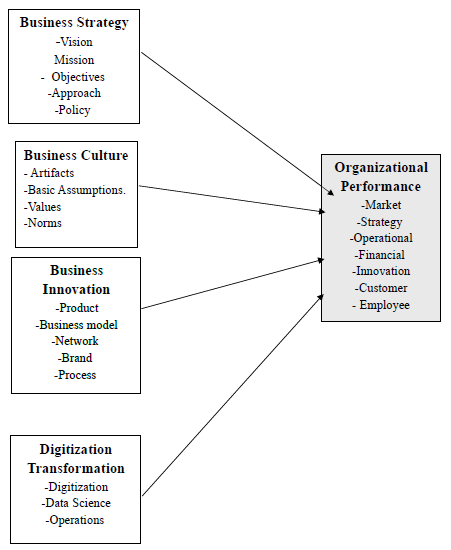
Figure 6: The Quantitative Model of Research
The Research Hypothesis
This section presents four main hypotheses to address the research goals and questions.
The literature on the connection between business strategy and organizational performance shows that the goal of Business strategy is to improve a company’s productivity and growth through various value-adding activities such as enhancing product quality, branding, increasing domestic sales, and entering new markets [2]. Strategic planning within an organization involves three main components: analyzing the competitive environment, choosing the most effective strategy, and assessing how well the strategyis executed. Additionally, achieving top performance depends on good alignment between changes in both external and internal environments and the business strategy. Feigenbaum also notes that strategy involves understanding the relationships between internal organizational components and external environmental factors, along with their impact on the firm’s performance [5]. This includes economic, behavioral, cognitive, implementation, and control aspects.
This foundation supports strategic planning and its implementation, helping the organization maintain a competitive advantage. An example supporting this idea is a 2017 study by Yennet and colleagues, which examined the effect of business strategy on the performance of ten industrial firms in Ghana using a quantitative approach. They found that business strategy significantly influences organizational performance, with substantial supporting evidence. Based on this discussion, the following assumptions are made regarding the relationship between the independent variable (business strategy) and the dependent variable (organizational performance).
H1- Business Strategy Significantly Impacts Organizational Per- formance In Companies. H0 - Strategy Does Not Affect Performance. The second indicator of relationships is between organizational culture and business performance. Organizational culture, according to Wasserman et al. (2024), serves three functions in an organization: it reinforces identification among workers, increases commitment to the mission, and establishes standards of behavior in the workplace and mutual respect toward stakeholders. When these changes appear in daily life, a significant connection emerges between them and the business’s performance [7]. Harvard Magazine reports on a 10-year longitudinal study that found a strong organizational culture increased revenue by 765%. Supporting this idea, Zimmerman et al. argue that research on culture establishes the relationship between organizational culture and performance [9].
Hill adds that culture provides an organization with added value and contributes to organizational success [2]. Akpa et al. reveal, in their qualitative study, positive relationships between culture and performance and explain how norms and identification that reinforce commitment improve organizational results [10]. However, Raz explains that the literature disagrees about how to observe and measure culture; it is also unclear how culture specifically helps business performance, despite the widely accepted view that culture impacts efficiency and profitability [11]. Therefore, the study Hypothesis is formulated as follows. H2- The culture of an organization significantly impacts business performance. H0- the culture has no impact on business performance.
The third indicator is business innovation, a vital organizational skill for any business aiming to be profitable and grow. It influences every part of the value chain. Innovation should shape behavior across all parts of the organization: R&D, production lines, customer service, and store management. Successful innovation happens when an invention aligns with a product, service, or process within the value chain. A new report from Boston Consulting Group reveals that innovation resilience is a defining trait of high-performing firms [21].
Matial & Seshardi (2010) believe that a better way to establish market share and ROI is through innovation. The literature review indicates that the relationship between innovation and profitability is well established. Suhag et al. investigated the relationship between innovation and performance in the telecommunications industry and found that product, process, and organizational innovation have a direct impact on business performance [13]. Bach et al. note that innovation types are diversified across companies of different sizes; close innovation is more effective in SMEs, while open innovation is more beneficial for large companies, such as through patents [15]. Based on this discussion, the following assumptions are made about the relationship between the independent variable (business innovation) and the dependent variable (organizational performance).
H3- Business innovation significantly affects its performance. H0- Innovation does not affect business performance. The fourth variable, Digitization Transformation (DT), has emerged as a pivotal concern for enterprises of varying sizes across sectors such as manufacturing, banking, insurance, and automotive. This transformation is catalyzing a paradigm shift in products, services, customer expectations, processes, capabilities, and overall business models. Furthermore, DT has become integral to strategic planning initiatives. The existing literature offers compelling evidence of the ramifications of digital transformation, indicating that efficiency rates can increase by 30% to 50%, with operational adjustments showing a remarkable 8- to 10-fold enhancement (Teng & Colleagues, p. 10). Research by Teng et al. (2022) emphasizes the significant impact of digital change on organizational performance and its role in promoting organizational sustainability.
Their findings show a positive relationship among the three dimensions of DT with the process of digital change. Additionally, this variable is closely linked to innovation, as it accelerates innovation processes and supports the ongoing development of business capabilities. Peng and Tao (2022) note the ongoing debate among scholars over the exact definition of this construct, arguing that it is essential for gaining a competitive advantage through innovative technologies. This effort aims to transform value creation through technology. Technological analysis based on the collected data acts as a vital tool for informed decision- making and the development of new business models, thereby enhancing business performance.
Regarding the relationship between digital change and organizational performance, scholarly opinions vary. Some researchers see little impact, while others believe there is a positive connection that depends on the quality of digital change. This quality then affects performance and efficiency, encouraging innovation. A study by Zhai et al. (2021) carefully examines how DT influences organizational performance among Chinese firms operating in Shanghai and Shenzhen from 2009 to 2019. The results show that DT not only improves organizational performance by reducing costs and increasing operational efficiency but also boosts the success of organizational innovation, resulting in better performance metrics. Therefore, the study Hypothesis is formulated as follows.
H4- The Digitization Transformation Variable Significantly Af- fects an Organization’s Business Performance.
H0- Dt Does Not Impact Business Performance.
Research Discussion and Inferences
As we look towards 2026, the business landscape is evolving at an unprecedented pace, marked by complexity and uncertainty. The interplay of strategy, innovation, culture, and digital transformation is no longer just beneficial; it is essential for an organization’s survival, performance, and competitive edge. Furthermore, my methodological framework acknowledges that there is no single truth in understanding the complexities of any phenomenon. Instead, it promotes the idea that researchers’ different perspectives are not only valid but also essential, each contributing a unique aspect to the discussion. Thus, this qualitative inquiry aims to delve into the spectrum of these differing viewpoints, offering readers a rich tapestry of insights that address our research questions, objectives, and hypotheses.
Business Strategy and Business Performance.
Business strategy serves as a guiding framework, steering organizations and their members toward achieving strategic goals, such as gaining a competitive edge in relevant markets. This alignment creates a pathway for organizations to realize their vision and fulfill their overall mission. Consequently, the development of a business strategy significantly affects how target markets are chosen, how products or services are created, and how prices are set.
These decisions should be made with a long-term perspective, taking into account key factors such as risk management, investment plans, and growth strategies. However, a review of the literature reveals considerable disagreement among scholars regarding the nature and scope of the relationship between business strategy and organizational performance. This variation in findings often stems from external factors such as market dynamics, technological advancements, economic conditions, and competitive landscapes, which influence and shape the complex relationship between strategy development and actual organizational outcomes.
Evidence supporting this idea can be found in the works of Hill and Feigenbaum, who highlight that effective strategic planning involves three main parts: assessing the external environment, choosing the best strategy, and managing its implementation [2,5]. Additionally, data from quantitative research interviews support this view. For example, a CEO of a food company identified a business opportunity by adopting a competitive strategy that involved introducing unfamiliar products into the local Israeli market, thereby creating a competitive advantage. This required careful strategic planning, including deciding what products and services the company would offer, selecting the markets to enter, developing the market strategy, and setting product prices. In 2026, international business strategies increasingly focus on corporate-level strategy to handle the complexities of geopolitical shifts, regulatory fragmentation, and the “great acceleration” of AI. While diversification remains a key driver of risk spreading and new revenue streams, its value in 2026 largely depends on a company’s ability to achieve a specific financial or operational advantage.
Business Culture and Business Performance
Organizational culture is essential for both employee and organizational performance, especially given the recent focus on human capital management, which has improved employees’ skills and technological innovation. The literature describes culture as playing three key roles within an organization: fostering identification among members, enhancing organizational commitment, and elevating behavioral standards. It serves as a conceptual framework that encompasses attitudes, values, norms, behaviors, and expectations of all organizational members. Over the years, research has established a strong link between culture and organizational performance. Although generally stable, culture evolves in response to external influences, workforce demographic shifts, technological advances, and creative problem-solving. Today, it is considered an effective factor in organizational processes and individual performance. Some believe it mediates the relationship between innovation and business success.
It is important to note that there is no consensus in research about how culture can be used to improve organizational performance. Additionally, while some researchers have estimated the impact on employee performance at around 27%, others argue that the link to performance has not been consistently proven. Nonetheless, business culture highlights ideological influences, values, beliefs, and social activities within organizations, ultimately shaping and guiding organizational behavior [22].
Morgan’s idea remains relevant in large companies today: core capabilities develop from the resources available to the organization, which are used to generate strategic value [22]. At that stage, organizational culture shapes and regulates how these capabilities are utilized, thereby influencing employee behavior. It can act as a source of competition, and it is the organization’s managers’ responsibility to shape its nature, such as encouraging the desire to identify and leverage opportunities, which can be a key driver of growth and innovation for companies. The core point is that a proactive organizational culture employs processes to anticipate future market needs and address them before competitors do. As the CEO of an Israeli agricultural company proudly states, his company takes joint decisions and involves team representatives in consultations. He trusts their opinions and work. He notes that over the years, he has learned that for a business to operate smoothly, it needs good, satisfied, and dedicated teams with minimal supervision and direction.
Business Innovation and Business Performance
An organization’s ability to foster innovation is vital for businesses seeking growth and profit. Innovation impacts every part of the business value chain. The literature highlights three main reasons for innovation’s importance: it motivates employees, promotes growth and profitability, and supports long-term survival. The literature also notes that innovative companies tend to be more profitable than non-innovative ones. Conversely, it motivates organizations to take risks. Risks can be managed through careful, precise decision-making, such as rejecting poor ideas and selecting the best options. Shane argues that integrating innovation into a company’s strategy, as demonstrated by the 3M case, led to a 40% increase in annual product sales by creating products previously unavailable [12]. Others contend that organizations that fail to develop new products and provide new value to customers risk being overtaken by competitors and may not survive.
Another aspect of innovation involves direct investments in R&D to develop new products, services, and delivery methods. These projects focus on researching and developing new technologies to innovate, while manufacturing projects aim to apply existing knowledge to produce specific products. Many projects combine elements of both R&D and manufacturing. In the service industry, projects can also relate to R&D or manufacturing, such as developing or acquiring testing equipment and training employees. However, the primary goal of R&D remains the development of new technologies and innovative applications, especially when there is uncertainty about meeting specifications. Different types of firms engage in different kinds of innovation. In high-tech organizations, companies are typically at the forefront of innovation, focusing mainly on continuous disruption and core business models. They rely on cutting-edge technology and rapid development cycles, facing the challenge of maintaining a hyper- fast pace. They prioritize R&D that results in groundbreaking products or services. In SME organizations, a more agile and less formal approach is adopted due to resource constraints, relying on incremental innovation and customer feedback to enhance products or services. This can lead to a specific niche in the market. Lastly, large international organizations view innovation as a process that involves substantial R&D budgets and engage in both incremental and radical innovation. The challenge is that, given the company’s size, the decision-making process is slower and poses a greater risk to management.
Digital Transformation (D.T.) and Performance
Digital transformation (DT) involves three main organizational aspects: digital technology, employee digital skills, and digital strategy. This transformation matters to business leaders because choosing which innovations to adopt can be risky and threaten the organization’s operations and strategy. However, it also signifies a might significant shift affecting products, services, processes, capacity, business models, and customer expectations. Incorporating DT into strategic planning is crucial for maximizing its benefits. Research shows that DT can boost organizational efficiency by 30% to 50%, with some reports indicating improvements of 8 to 10 times. This transformation involves leveraging information technology, computing, and communication to generate additional value for the organization.
Studies examining the relationship between digital transformation and business performance show mixed results. Some studies report no impact, while others find a positive correlation, mainly depending on the quality of the transformation and the business’s maturity, which refers to an organization’s ability to execute and sustain large-scale technological change. The benefits of DT can be seen across cost reduction, procurement, marketing, technology, logistics, and customer expectations. For example, research by Zhai et al. (2021) shows that digital transformation enhances business performance by reducing costs, boosting operational efficiency, and fostering innovation, ultimately improving overall performance. Additionally, they quantify a 7% performance improvement compared to firms that do not transform, mainly in ROA and ROE. Also, Alessandro & Andrea (2025) observed that DT plays a crucial role in fostering motivation for IT, innovation, and strategic development, and that it directly impacts performance. Doing all this is essential for the firm’s competitiveness and survival.
Identified Trends
As we approach 2026, the landscape of innovation and digital transformation (DT) is shifting from mere experimentation to a more strategic emphasis on adaptation, primarily driven by market demands and organizational size. Leading research firms, including Gartner, Deloitte, IDC, and McKinsey, have documented this move toward integrated, results-focused strategies. For example, IDC predicts that global spending on digital transformation will reach $3.4 trillion by 2026, with about 30% dedicated to industrial sectors adopting autonomic operations.
A significant development in this area is the rise of Agentic AI, which moves from reactive assistance to independent action. In 2026, “dependent execution” refers to an AI agent’s capacity to achieve a high-level goal by autonomously identifying, linking, and performing a series of interconnected sub-tasks that rely on each other and various external systems. Furthermore, modern academic research adopts a holistic approach, viewing independent variables as interconnected rather than isolated. This shift away from focusing solely on individual variables reflects a growing understanding of complexity in real- world contexts and a preference for models that better capture it.
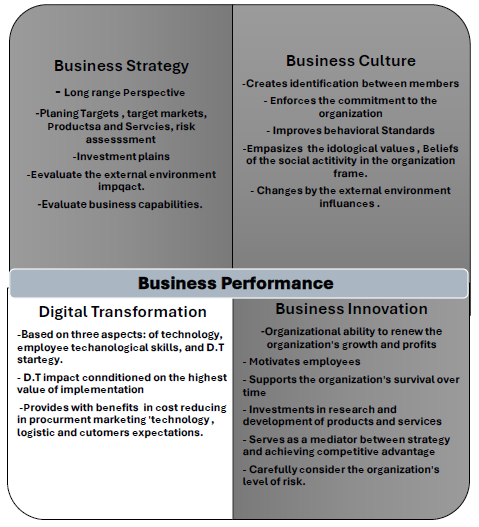
Figure 7: Study’s Variables Relationship- Conceptual Framework.
The image provides a strategic management framework, outlining key elements that contribute to overall business performance. It is a conceptual framework or model that illustrates the interrelationships among various business aspects.
Quantitative Study Results
Figure 8 illustrates a chi-squared (X²) distribution, commonly used for hypothesis testing in statistics. The shape of the curve depends on its degrees of freedom (df), which, in this case, appears to be 9, based on the critical values shown. The values 0.9998 and 0.7484 represent the cumulative probabilities (area to the left) for test statistics located on the lower tail of the distribution, which are much smaller than the critical values for typical significance levels.

Figure 8
Figure 9 - In hypothesis testing, the calculated test statistic (2.977) is compared to the critical values. Since the culture value 2.977 is less than all the listed critical values (14.68, 16.92, and 21.67), it falls within the non-rejection region of the null hypothesis for all these significance levels. The significant p-value (0.9652) also indicates that the results are not statistically significant at common alpha levels (like 0.05 or 0.01), meaning I would fail to reject the null hypothesis that business culture has a substantial impact on business performance.

Figure 9
Figure 10- Regarding Innovation: The numbers 0.9987 (red) and 1.226 (blue) represent a p-value and a related test statistic or degree of freedom value from a specific test. Interpretation: The shaded area under the curve typically represents the probability (p-value) associated with a given test statistic. If the p-value is less than the significance level (e.g., 0.05), you reject the null hypothesis. This means that innovation affects business performance.

Figure 10
Figure11: The shaded or hatched area of D.T. shows the red lines, and the labels “0.9995” and “0.9737” represent the cumulative probability (area to the left) up to those points, or different specific p-values, further illustrating how probabilities are spread across the curve. Explanation: If a calculated test statistic from an experiment is larger than the chosen critical value (e.g., larger than 16.92 for a 0.05 level), you would conclude the result is statistically significant and reject the null hypothesis.

Figure 11
 Mann-Whitney U Test: As you can no doubt see, this calculator spits out quite a lot of information. Most of it is self-explanatory, but there are a couple of things worth noting. First, there is no standard way for the Mann-Whitney U test to handle tied ranks, which means that if your data has tied ranks, you are going to get a different result for U depending on the statistics package you use Second, where the number of scores (i.e., the value of N) in each sample is 10 or more, you can assume that your sampling distribution is approximately normal. This means you can use a Z-score to calculate the p-value.
Strategy and Performance: The U-value is 54. The critical value of U at p < .05 is 37. Therefore, the result is not significant at p < .05. The z-score is -1.01036. The p-value is .3125. The result is not significant at p < .05.The U-value is 54. The critical value of U at p < .05 is 37. Therefore, the result is not significant at p < .05.
Culture and Performance = The U-value is 42. The critical value of U at p < .05 is 37. Therefore, the result is not significant at p < .05. The z-score is -1.70318. The p-value is .08914. The result is not significant at p < .05. The U-value is 42. The critical value of U at p < .05 is 37. Therefore, the result is not significant at p < .05.
Innovation and Performance: The U-value is 66. The critical value of U at p < .05 is 37. Therefore, the result is not significant at p < .05. The z-score is -0.31754. The p-value is .74896. The result is not significant at p < .05. The U-value is 66. The critical value of U at p < .05 is 37. Therefore, the result is not significant at p < .05.
D.T and Performance: The U-value is 54. The critical value of U at p < .05 is 37. Therefore, the result is not significant at p < .05. The z-score is -1.01036. The p-value is .3125. The result is not significant at p < .05. The U-value is 54. The critical value of U at p < .05 is 37. Therefore, the result is not significant at p < .05.
Multiple Linear Regression: The results of the multiple regression indicated a shared, moderate, non-significant effect among Strategy, Culture, Innovation, DT, and Performance (F(1- 10) = 2.22, P= 0.167, R-squared adjusted = 0.1).
|
|
Strategy |
Culture |
|
Innovation |
DT |
Performance |
|
Strategy |
1 |
0.353513 |
|
0.581114 |
-0.125 |
0.426401 |
|
Culture |
0.3535531 |
1 |
|
0 |
0 |
-0.301511 |
|
Innovation |
0.581140 |
0 |
|
1 |
0.1581114 |
-0.3484 |
|
DT |
-0.125 |
0 |
|
0.158114 |
1 |
-0.213201 |
Table 2: Person’s Correlation Test Metrix
|
Sources |
Degree of Freedom |
Sum of Squares |
|
Regression |
1 |
0.166667 |
|
Residual |
10 |
0.75 |
|
Total |
11 |
0.916667 |
Table 3: ANOVA Table
Explanations
R-squared equals 0.181818, which means that the predictor X1 explains 18.2 % of the variance of Y. Adjusted R-squared equals 0.1. The coefficient of multiple correlation (R) is 0.426401, indicating a moderate relationship between the predicted data (ð?¦Ì?) and the observed data (y). The overall regression goodness of fit—right- tailed, F = 2.222222, p-value = 0.16689. Since the p-value is greater than 0.005, I accept H0, which indicates that the independent variables do not have a significant effect on business performance.
Final remark — The ability to test the entire model is low (0.2315); therefore, increasing the sample size may make the regression model significant. (The optimal rate is about 0.8. Moreover, the sample size is estimated at 30-40 participants.) Another explanation might be that a confounding variable is an external factor that influences potentially creating a misleading or spurious correlation between the two. For example, a company might implement a new marketing strategy (the independent variable) and see an increase in performance (the dependent variable). However, if this happened during a period of strong “economic growth” (the confounding variable) that also affected both the decision to adopt a new strategy and the actual performance increase, the observed correlation could be due to economic growth rather than the latest marketing strategy itself.
Future Research Concerns
Scholarly research on complex relationships among strategy, culture, innovation, digital transformation (DT), and organizational performance reveals significant inconsistencies and disagreement. Most studies mainly focus on business performance within specific areas, especially in small and medium-sized enterprises (SMEs) and high-tech sectors across different countries. However, some researchers broaden their analysis to include international corporations, highlighting the importance of understanding how these dynamics operate globally. When examining organizational culture, the literature reveals considerable variation, indicating that certain cultural types might be directly linked to organizational effectiveness and business productivity. It is crucial to recognize that a country’s prevailing social culture can significantly shape its business culture, thereby influencing organizational behavior and decision-making processes. With respect to innovation and performance, existing research shows a generally positive effect, often mediated by the company’s cultural context. Different cultural attributes can either foster or hinder innovation, underscoring the importance of aligning organizational culture with innovation strategies.
Furthermore, studies investigating the intricate relationship between technological change and organizational performance present a mixed picture. While some researchers establish a strong positive connection, others suggest that the effectiveness of technological change depends on its implementation. A successful technological transformation can lead to significant cost reductions in procurement, marketing, and logistics, which are vital for maintaining competitiveness. Moreover, improvements in operational efficiency often correspond with greater capacity to meet customer needs and a notable increase in the success of innovation initiatives.
Nevertheless, the literature reveals that many findings depend heavily on participants’ responses to questionnaires and surveys, making them context-specific to the locations and cases studied. This highlights a potential limitation in understanding the broader implications of these relationships. To address these gaps, future research should employ a combination of qualitative and quantitative methods to enhance validity and yield a more comprehensive understanding of the dynamics at play. This approach could facilitate the gathering of richer data, ultimately enabling researchers to draw more nuanced conclusions about the interplay between strategy, culture, innovation, digital transformation, and organizational performance.
Research Limitations
The present study’s methodology incorporates content analysis alongside various statistical tests tailored for ordinal variables in nonparametric datasets. However, it is important to acknowledge certain limitations, including constraints on sample size and inherent limitations that affect the generalizability of the qualitative findings across diverse contexts and populations. Nonetheless, integrating these methodologies enhances the research’s robustness, validity, and capacity to address the focal issue.
Future studies should aim to investigate the influence of the independent variables on the dependent variable using randomized samples. Additionally, it is essential to engage with contemporary academic research that adopts a holistic perspective, recognizing the interconnections among independent variables rather than viewing them in isolation. This paradigm shift aligns with the emerging recognition of the complexity inherent in real-world scenarios and supports the development of models that more effectively encapsulate it. Strengthening the current findings is crucial, particularly in light of anticipated changes in the business landscape by 2026, which will likely have significant implications for our understanding of these dynamics [23-44].
Declarations
Conflict of Interest
No Conflict of Interest
Data Availability
The raw data supporting the conclusions will be made available by the author upon request.
Funding
The research received no external funding.
Author Contribution
T.R. organized the database, conducted the content analysis and statistical tests, and approved the submitted version.
References
- Yarrow, K. (2014). Decoding the new consumer mind: how and why we shop and buy. John Wiley & Sons.
- Hill, C.W. L. (2011) International Business Competing in the Global Marketplace. McGraw-Hill Publisher.
- Tziner, A., & Rabenu, E (2011). Performance Appraisal at Work Evaluation and Change, Open University, Raanana, Israel.
- Boping, Y. (2023). Antecedents of Organizational Performance: A Literature Review. The Second International Conference on Business and Policy Studies.
- Feigenbaum, A. (2003). Global Competitive Strategy. The Open University of Israel, Ramat Aviv. Israel.
- Hitt, R. M., Ireland, D., & Hoskinson, R E. (2005). Strategic Management: Competition and Globalization.
- Greenberg, J., & Baron, R. A. (1997). Behavior in organizations: Understanding and managing the human side of work.
- Iriowen. C. (2021). The Impact of Multiculturalism on International. Business. International Scientific Conference.
- Brickley, J. A., Smith, C. W., Zimmerman, J. L., Zhang, Z., & Wang, C. (2001). Managerial economics and organizational architecture. Boston, MA: McGraw-Hill.
- Akpa, V. O.,Asikhia, O. U., & Neji, N. E. (2021). Organizational Performance: A Review of Literature. International Journal of Advances in Engineering and Management, 3(1).
- Raz, A. (2004). Organizational Culture, The Open University Publishing House.
- Shane, S. (2009). Technology for Managers and Entrepreneurs.Person, Prentice-Hall
- Suhag, A., Solangi, S. R., Larik, R. A., Lakho, M. K., & Tagar, A. H. (2017). The Relationship of Innovation with Organizational Performance. International Journal of Research ISSN-2394-3629(P
- Katebi, A., Eghdam, H. H., Baseri, H., & Salehi, A. M. (2024). The relationship between innovation and organizational performance: A meta-analysis. Journal of Management & Organization, 30(6), 2474-2494.
- Bach, T. M., Dalazen, L. L., da Silva, W. V., Ferraresi, A. A., & da Veiga, C. P. (2019). Relationship between innovation and performance in private companies: systematic literature review. Sage Open, 9(2), 2158244019855847.
- Rybarova, D., Steka, P., & Slavka,S. (December 2018).Relationship between innovation and Business Performance.
- Brabander, H., & Iny, A. (2015). Thinking in New Boxes.Matar, Publishing House. Tel-Aviv.
- Ziyadin, S., Suieubayeva, S., & Utegenova, A. (2019, April). Digital transformation in business. In International Scientific Conference “Digital Transformation of the Economy: Challenges, Trends, New Opportunities” (pp. 408-415). Cham: Springer International Publishing.
- Shkedi, A. (2011). The Meaning Behind the Words. Methodologies of Qualitative Research: Theory and Practice. Ramot, University of Tel-Aviv
- Rapley, T. (2021). Some Pragmatics Qualitative Data Analysis, In: Silverman, D. (Ed) London: SAGE
- Bharadwaj, A., Gilbert, M., Gratowski, T., Lang, N., Rami, R., & Urbano, L. (2025). The Forces Reshaping Global Business. Boston Consulting Group.
- Morgan, G. (1986). Images of Organization Sage Publications.Beverly Hills, CA.
- Bar-Haim, A., & Loew, L. (2015). Organizational Behavior,The Open University of Israel. Israel
- Collins, D. (2016). Lean strategy, Entrepreneurship. H.B.R
- Coyle, D. (2018). The Culture Code. Published by Arrangement with David Block, Literary Agency, New York.
- Farida, I., & Setiawan, D. (2022). Business strategies and competitive advantage: the role of performance and innovation. Journal of open innovation: Technology, market, and complexity, 8(3), 163.
- Gomaty, C. K., Sagari, L., & Rutvika, R.V. N. (2023). Organizational Culture and Business Process. International Journal of Scientific Research in Engineering and Management. 07(5).
- Cao, G., Duan, Y., & Edwards, J. S. (2025). Organizational culture, digital transformation, and product innovation. Information & Management, 62(4), 104135.
- Hason, D., Backhouse, k., Hitt, A.M., Ireland, R, D., & Huskisson, R, E. (2022). Strategic Management: Competition and Globalization Printed in China Printing International Limited.
- Iskamto, D. (2023). Organizational culture and its impact on employee performance. International Journal of Management and Digital Business, 2(1), 47-55.
- Jariwala, M. (2024). Contingency Planning: The Need, Benefits, and Implementation of Scenario Planning. International Journal of Trend in Scientific Research and Development, 8(333), 866-869.
- KANG, E. (2021). Qualitative content approach: Impact of organizational climate on employee capability. East Asian Journal of Business Economics (EAJBE), 9(4), 57-67.
- Kalmann, M. Y. (2017). Technology and Innovation Management.
- Koyluoglu, S., & Dogan, M. (2021). The impact of innovation strategies on business performance: practices in high technology companies in Turkey.
- Mason, J., Lopez, H., & Dallas, B. (2025). Digital Transformation and Its Impact on Organizational Performance
- Mohajan, D., & Mohajan, H. (2022). Straussian groundedtheory: An evolved variant in qualitative research.
- Nabiyi, F., Shamizanjani, M., & Garoosi Mokhtarzadeh, N. (2024). Explaining and developing the content dimensions of the digital transformation strategy. Journal of Strategic Management Studies, 15(60), 23-47.
- Ogohi, C. D. (2020). The Effect of Corporate Strategy on Company Performance. Asian Journal of Business and Management ISSN:2321-802, 8(1).
- Shankar, S. (2021). Leadership Skills in Global and Multi- Cultural Organizations. International Journal of Research and Analytical Review 8(1).
- Slávik, Š., Hanák, R., Mišúnová-Hudáková, I., & Mišún, J. (2022). Impact of strategy on business performance of start- up. Polish Journal of Management Studies, 26(2), 341-364.
- Teng, X., Wu, Z., & Yang, F. (2022). Research on the relationship between digital transformation and performance of SMEs. Sustainability, 14(10), 6012.
- Yenny, J. P., Kofi, A. D., & Godwin, K. a. (2007). Business Strategy: Its Impact on the Organization Performance of SMEs in the Manufacturing Sector in Ghana.
- Peng, Y., & Tao, C. (2022). Can digital transformation promote enterprise performance?—From the perspective of public policy and innovation. Journal of Innovation & Knowledge, 7(3), 100198.
- Zimmerman, J. L. (2011). Accounting for decision making and control. McGraw-Hill.