

Journal of Traditional Medicine & Applications(JTMA)
ISSN: 2833-1389 | DOI: 10.33140/JTMA
Impact Factor: 1.02



Research Article - (2024) Volume 3, Issue 2
The Impact of Expert Medical Reports on Pediatric Medical Malpractice Judgments in Brazil
2Professor, University of Sao Paulo Medical School, Brazil
Received Date: Aug 15, 2024 / Accepted Date: Sep 06, 2024 / Published Date: Sep 13, 2024
Copyright: ©Â©2024 Camila Lúcia Dedivitis Tiossi Wild, et al. This is an open-access article distributed under the terms of the Creative Commons Attribution License, which permits unrestricted use, distribution, and reproduction in any medium, provided the original author and source are credited.
Citation: Wild, C. L. D. T., Carvalho, W. B. D. (2024). The Impact of Expert Medical Reports on Pediatric Medical Malpractice Judg-ments in Brazil. J Traditional Med Applications, 3(2), 01-06.
Abstract
Introduction: Medical error indicates any failure in the provision of health services.
Objective: To analyze civil lawsuits of pediatric medical error, evaluating: causal link; type of medical error; conviction of the court; correlation between expert report and legal understanding.
Method: Retrospective analysis of 60 pediatric examinations at the São Paulo Institute of Criminology (IMESC), period: April 2009 to February 2014 carried out by an expert with specialist titles (pediatrics and medical examinations). Distributed by age, sex, type of expertise (indirect or direct), expert conclusion (causal link), type of medical error, court ruling (in agreement or not with the expert report),basis of judgment - objective or subjective law.
Results: Median age 3.5 years. 29 female and 31 male. Indirect examinations (death) were the majority (65%). Expert causal link in 27 expertise (45%). Judge accepted nexus in 26 sentences. Most of the sentences agreed with the expert (91.6%). Subjective law (negligence, recklessness, malpractice) was the most used by the magistrate (61.70%). Statistical analysis with distribution of nominal variables (frequency) found significance between medical expert report and court ruling.
Conclusion: Expert evidence supported 91.6% of court sentences, having a major impact on the judicial process (p<0.005). Moral damage included in 100% of favorable lawsuits.
Introduction
The term “medical error” is quite often used to refer to mistakes committed in the provision of healthcare services which has caused harm to a patient [1,2]. In the midst of advances in scientific knowledge and with the problems in Brazil’s healthcare system, establishing a close relationship between doctor and patient is one of the greatest challenges of modern medicine. The ideal doctor-patient relationship can be conceptualized as a relationship of a professional nature, reciprocal reliability, honesty, rights and duties of both doctor and patient, and one which is imbued with humanism and compassion for those suffering. Medical Error is inappropriate professional conduct that involves technical non¬compliance, capable of causing harm to life or the health of others, characterized by negligence, recklessness, malpractice [3,4].
The elements of civil liability are conduct, damage and causal link, which consists of the cause-and-effect relationship between the loss suffered and the action (or omission) of the agent. The presence of these three elements is essential to characterize civil liability, whether objective or subjective, private or state. The next step for the judicial medical expert, when the existence of guilt (negligence, imprudence or malpractice) is proven, is to determine the causal link between the agent and the damage caused, that is, the agent’s conduct must be the cause of the damage caused. The damage and the causal link are essentially the expert’s responsibility [5].
Considering the judicialization of health and its impact on our society, our objective is to analyze civil cases of medical error in the area of pediatrics and adolescence, evaluating: 1) causal link; 2) type of medical error; 3) conviction of the court and its legal basis; 4) correlation between medical expert’s understanding and legal understanding.
Material and Method
Retrospective analysis of 60 pediatric/adolescent forensic medical examinations carried out by pediatric medical expert between April 2009 and February 2014 at the Institute of Medicine and Criminology of the State of São Paulo (IMESC). Only one medical expert had the prerequisites- the titles of specialist in pediatrics and specialist in medical experiences. During this period, 1,308 expert’s reports were carried out, out of which 230 dealt with civil lawsuits related to medical error, 76 fell within the age range of the study, and 60 had first instance judgment on the digital system of the São Paulo State Court website. The latter are the subjects of our study. The period of time chosen was between the years 2009 and 2014. The time period chosen from the sample correlates with court sentences, which take an average of 5 years or more to be published.
For analyzing the expert’s reports, we distributed them per age, gender, type of expert’s report (indirect or direct), conclusion of expert’s report (causal link between medical conduct and the complaint or not), type of medical error (negligence, recklessness, malpractice), court sentence in the first instance (if in accordance with the expert’s report), and the reasoning of the judgment as being objective or subjective (type of law).
The causal link was described to the judge as good or bad medical practice, in accordance with evidence-based medicine and medical guidelines. As for the type of medical error, it was described to the judge, with no judgment or classification criteria (negligence, recklessness or malpractice) applied to the expert’s report. Cases with a conclusion of medical malpractice were classified as having a causal link. Cases of good medical practice were classified as having no causal link. The time elapsed between the filing of the lawsuit, medical examination, and the publication of the judgment was also assessed. Indirect expert examinations involved analyzing medical records, given the subject had already died. In these indirect experiences the death certificate was analyzed (there were no autopses) Direct examinations, on the other hand, included, in addition to analyzing medical records, conducting an anamnesis and a physical examination.
Then, an intersection between court ruling, analysis of the medical practice, and the legal bases was carried out. In the legal basis, the magistrate used objective law and subjective law. Objective law exempts the agent´s fault (negligence, recklessness or malpratice) and conditions civil liability to any failure in the service provided. There is a need for a causal link between the damage and the failure of the service. It is used in service relationships between companies and users. Subjective law is based on the agent´s guilt, requiring negligence, recklessness or malpractice. We have this concept well determined in different countries of world. To determine the error it is necessary that the doctor has acted with guilt. For the sake of data uniformity, the expert examinations evaluated were carried out by the same legal expert. The expert is the researcher of this work and the only one who has at IMESC the titles of specialist in pediatrics and specialist in medical experiences. The statistical analysis consisted of the distribution of nominal variables (frequency) in a descriptive study. The Kappa method MedCalc program version 17.8.6 with inter-rater agreement (KAPPA) and the Microsoft excel 2003 software were used for data tabulation. The tests will be carried out with a significance level of 5%.
Results
Of the 60 expert examinations analyzed, 29 were female and 31 were male. The age of subjects examined ranged from 2 minutes to 15 years of age, with a median of 3.5 years.
The time between the filing of the lawsuit and the expert’s examination ranged from 0.6 to 8.8 years, with a median of 2.37 years. The time between the expert’s report and the decision of the court in the first instance ranged from 0.3 to 11.6 years. The time between filing of the lawsuit and the sentencing ranged from 0.8 to 12.3 years. Most expert’s examinations (65%) were indirect, i.e. an analysis of the death event (Figure 1).
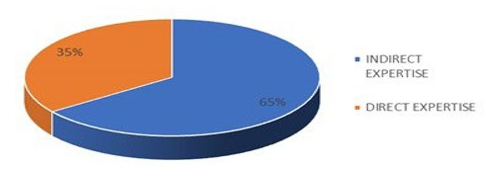
Figure 1: Distribution According to Type of Expert Examination
In 27 expert examinations (45%), the expert conclusion determined a causal link between medical care provision and the damage caused (Figure 2).
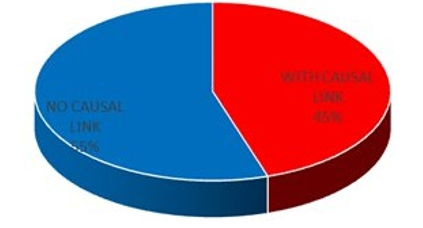
Figure 2: Expert Conclusion and Causal Link
Of the 27 reports with causal link, in one case the judge was not in accordance with the expert’s report, thus not considering it as a medical error. In the other 26 expert examinations with causal link, the judge agreed or partially agreed with the initial claim, and went on to classify the type of medical error. The judge classified all 26 as negligence and in 7 of them, he added recklessness. Half of the lawsuits (30) were considered unfounded, 22 (36.6%) were considered partially founded, 7 (11.6%) were considered well-founded, and one (1.8%) was time-barred. In the statute of limitations, the judge only ruled on the merits of the time between the event and the start of the action, regardless of the expert report. Most sentences (55) were in accordance with the expert’s conclusion (91.6%). Only four (6.6%) were in discordance, and one (1.8%) was time-barred (Figure 3).
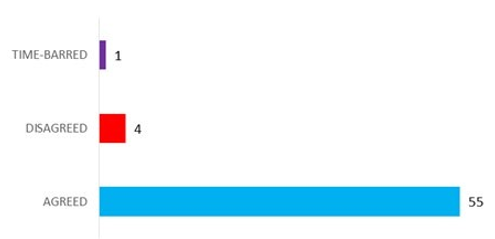
Figure 3: Court Ruling and Expert Repost
Subjective right was the mosty used by the judge as grounds of the sentences. It was used in 37 rulings (61.70%), followed by objective right, used in 14 judgments (23.30%). And both, subjective and objective rights were used together in eight judgments (13.30%). Time-barred occurred in one case only. When we analyzed the judgments that disagreed with the expert’s conclusion (total of four), we found that most of them had the expert report finding no causal link to medical errors (three cases). The subjective right was used in all sentences. The judgement was well founded in one case, partially founded in two cases and unfounded in one case. When analyzing the judgments that agreed with the expert’s conclusion (55 cases), 53% of the reports did not determine a causal link (29 cases), thus showing no irregularities. These cases were considered unfounded (Figure 4)
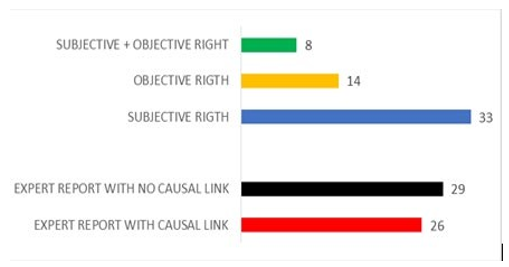
Figure 4: Legal Judgment in Accordance with the Expert’s Report - Analysis of Causal Link and Type of Right
All lawsuits (100%) claimed moral damages. In 41 cases, material damage was claimed, 3 of wich compensation for aesthetic damage was added. The loss of a chance was put forward by the magistrate in three partially well-founded sentences and in one well-founded sentence. In these four cases of loss of a chance, the verdicts were in agreement with the expert’s report which determined a causal link. In the statistical analysis of the distribution of nominal variables (frequency), we found strong agreement (kappa = 0.86) between the expert medical report and the court judgment, with statistical significance. Most sentences were in line with the expert conclusion (91.6%) and this frequency was statistically significant. In the statistical analysis of the distribution of the nominal variables (frequency), we found weak agreement (kappa= 0.10) between the causal link and the type of expert examination (direct/indirect), indicating that the fact of death is independent in determining the causal nexus. No statistically significant association was found between the type of right (subjective and objective) and the compatibility between the court ruling and the expert report (Fisher, p=0.483).
Discussion
Throughout the world, the occurrence of medical malpractice, popularly known, as “medical error” has become a fact of life both in the media and in the courts of various countries. The concept of medical negligence is unanimous as the act carried out by a medical or healthcare professional that causes harm to the patient. The search for compensation for damage has provided courts and lawyers with an area of practice that combines medical and legal knowledge, crucial for an effective judgment. The first medical malpractice case in England was held in 1767: Slater v. Baker. Slater broke his leg, which failed to heal properly [6]. So, he sought treatment from another doctor, a surgeon named Baker. Dr. Baker re-fracture his leg and utilized a steel contraption to stretch Slater’s leg, which led to further injury. Slater sued Baker; three surgeons testified that the “steel thing” should not have been used. The jury awarded Slater £500 (approximately £60,000 today), and the defendants appealed. The appeals court affirmed the award. In its decision, the English court determined that a radical experiment can be considered negligent, at least in the absence of the patient’s consent. In 1840 the first medical malpractice case was heard in the American courts.
Our sample was specific to the area of pediatrics. However, it is not the medical specialty with the most complaints of medical error. According to the study by Talita Rodrigues Gomes and Maria Célia Delduque, the specialties with the highest number of lawsuits for medical error are gynecology-obstetrics, orthopedics, plastic surgery and general surgery [7]. In the Regional Medical Council of São Paulo (CREMESP) study, based on a survey of 12,000 complaints registered between January 1996 and January 2002, the specialty that appears at the top is Tocogynecology, accounting for around 12%. Of the complaints, 86% refer to Obstetrics and 14% to Gynecology. Among the complaints that turned into disciplinary proceedings (PD), 30% refer to the specialty [8].
In a study carried out by Bradley et al in 2023, an online public legal search was carried out in the United States records (LexisNexis) for cases of medical negligence involving pediatric medical trainees between January 2000 and December 31, 2021. Cases of negligence were included medical care after birth to young adults up to 21 years old. A total of 56 cases were found, of which 30.4% of the patients died. Pediatric medical trainees can be held liable for medical malpractice and be included in lawsuits. Despite the long research period for this work (21 years), only 56 cases were found in American courts [9]. In our study, the research period was 5 years, and 60 cases of possible medical error involving children were found. When we searched the literature on pediatric medical error and its repercussions on civil lawsuits, we did not find targeted studies.
The US Supreme Court after the Daubert v. Merrel Dow Pharmaceuticals, Inc. demanded that the judge must act as “gatekeepers” to determine whether the proffered testimony was relevant and reliable. These questions have come to be known as the “Daubert Factors” or the “Daubert Prongs” The new Brazilian Código de Processo Civil (Code of Civil Procedure) adopted similiar pattern [10]. The judicial expert becomes the technician responsible for clarifying the matter to the judge. The method used in describing the expert report is the essence of the judge’s analysis, as he is the gatekeeper of the expert evidence and its use in the trial. In 91.6% of the sample, statistical significance was found between the expert report and the court ruling (p<0.005), demonstrating the influence of medical expert evidence on the decision of the judge. The result was similar to the work published by the regional medical council of the state of São Paulo in 2006, where the judge expressly cited the expert medical report as the basis of his sentence, as well as in the work of Treglia et al carried out in the court of Rome with 93% of cases based on the expert report [11,12].
In Brazil, lawsuits involving medical error have increased by 200% in the last six years - most of them related to childbirth care and plastic surgery. Complaints about medical malpractice have increased over time around the world [11,13]. This scenario, perceived by some as a “malpractice crisis”, is a subject of debate in health law and medical law [12]. The majority of the sample did not present medical expertise with medical error (55%). Studdert and collaborators, where they analyzed 1452 claims of medical malpractice, 1406 involved injury and 37% no determined error. The findings vary widely, with 40 to 80 percent of claims judged to lack merit [14].
Observations show that medical malpractice lawsuits are lengthy and take about 4.7 years until the publication of a judgment at first instance, similar in Italy wich was 4.3 years [12]. Despite the growing number of medical malpractice lawsuits, in most cases (55%), expert analysis did not determine a causal link. This finding is also verified in the study by Talita Rodrigues Gomes and Maria Célia Delduque, where most lawsuits analysed were rejected (57%), demonstrating the difficulty in proving the adverse event as consequence of a wrongful act [7]. Only 11.6% of the lawsuits analysed, had the final decision considered founded in favour of the plaintiff. Of the total actions analysed, 36.6% were considered partially founded, granting the plaintiff part of what was claimed in the initial lawsuit. One action was time-barred.
Most expert examinations were carried out indirectly (65%), indicating a high number of deaths in our sample. In the year 2000, the Institute of Medicine IOM published the report “To Err is Human - Building a Safer Health System” stating that medical errors cause between 44,000 and 98,000 deaths a year, making it the 8th leading cause of death in the United States, surpassing traffic accidents (44,458), breast cancer (42,297) or Aids (16,516) [15]. Fragata and Martins estimated that deaths due to medical error in Portugal account for between 1,300 and 2,900 per year, consecutively surpassing deaths per year from traffic accident from 2005 until September 2011 [16].
We found four cases (6,6%) of disagreement between the expert report and the court judgment. In these cases, we observe the principle of motivated judgment which allows the judge not be bound by the report issued by the expert as long as there are sufficient grounds for the decision. One of the cases draws attention because the legal basis does not value medical records as evidence. The medical expert did not prove a causal link in the child who had neurological imparement due to Kernicterus. The judge accepted the testimonial evidence and claim that the medical records were one-sided and of dubious value. In this case there was no evidence of haste, carelessness, lack of knowledge about how to fill in the medical records, as well as other circumstances that might contribute to the misuse of medical records. It is worth noting that the Federal Council of Medicine’s resolution 1,638 of 10 July 2002 stipulates that medical records must include “anamnesis, physical examination, complementary tests and their respective results, diagnostic hypotheses, definitive diagnosis and the treatment carry out”; int this case the medical record followed the rules of the Federal Council (CFM, in the Brazilian acronym).
In the other two conflicting cases between the expert report and the court judgment, the expert report did not determine a causal link and the judge considered one case as well-founded and the other one as partially founded. In one case it was alleged that the obstetric procedures had not been explained to the patient, and in the other that tests should have been carried out to avoid possible side effects from metoclopramide medication. In the last case which disagreed between the expert report and the court judgment, the medical expert determined a causal link in the child’s first treatment, which was not re-evaluated before discharge. The child died on the same day on returning to the same medical care service, however, this last care follows the parameters of good medical doctrine. There was no technical opinion from the plaintiff to highlight possible flaws in the care. Thus, the judge focussed on the part of the expert’s report on the last medical care and did not consider medical error.
The loss of a chance was also seen in the sentences analysed, being present in four cases with a causal link and an agreed sentence. This is the case in many countries. In the US jurisprudence (De Burkarte v. Louvar), the court admitted the theory of loss of a chance to hold the doctor responsible for not requesting a biopsy to detect the patient’s cancer, which had progressed, due to opportunistic damages caused by the disease itself, aggravated by a late diagnosis [17]. In Italy, compensation is allowed for “loss of chances of survival or protection.” Giovanna Visintini” warns that it is appropriate in contractual liability [18].
In judgments considered founded or partially founded, we find that when the error of the doctor is proven, whose liability is subjective under the terms of article of the Consumer Defense Code, the liabilities automatically extended to the hospital and the medical insurance company. The Brazilian Supreme Court has already ruled that in the event of medical error, the fault of the person directly causing the damage must be proven for liability to extend to the hospital. It should be emphasized that for joint and several liability to be applicable between the doctor and the healthcare institution there must be an institutional link. In cases where the doctor had no connection with the hospital and uses it for the examinations or surgeries, the hospital liability only applies when the damage results from the failure of services that are the sole and exclusive responsibility of the healthcare institution [19].
In our study, the subjective right predominated in most lawsuits (55%). Subjective law was applied to analyse medical error in all cases where healthcare professionals were involved. Objective law was applied to analyse medical error in all cases where there was a consumer relationship between the patient and the hospital or medical insurance company. The main defendants in the lawsuits were hospitals and medical insurance companies, present in 100% of the cases analysed. In 28% of the cases, the doctor was jointly and severely liable with the legal health entity. An Italian study that evaluated a year of trials on medical liability between 2018 and 2019 found that in 84.6% of trials one or more healthcare facilities were sued and in 58.2% one or more healthcare professionals were pre-selected among the defendants [12]. Similar to our sample, the main complainants are hospitals. All lawsuits claimed moral damages. Moral damages were awarded to the well-founded and partially founded lawsuits.
New concepts have emerged to discuss medical errors. Changing workplace culture and developing protocols for addressing medical error encourage medical error reporting [20]. The article by Sevann Helo et al describes the apology when a medical error occurs as a way to reduce the need for legal action. Health care providers may have a difficult time accepting their fallibility, acknowledging mistakes, and disclosing errors.
Conclusion
Expert evidence substantiated 91.6% of the court rulings and was considered to be highly valuable evidence by the judge. The conclusion is that expert evidence has a major impact on the judicial process and is statistically significant (p<0,005). The main reason that led the claimant to seek justice was the final event of death, present in 65% of the cases. The median time between case distribution and the judgment was 4.7 years. We concluded that the publication of a judgment at first instance is time-consuming. This is due to the complex nature of the lawsuit, requiring medical expertise for technical support, the requisition of medical records, witness statements, and technical opinions from the parties involved, which means that the judge has to analyse a range of evidence in order to be convinced.
Observations
The authors declare no conflict of interest. This article is based on the author’s doctoral thesis conducted at the Department of Pediatrics of University of São Paulo Medical School. It was approved by the Ethics and Research Committee and registered on Platforma Brasil under CAAE number 35085220.2.0000.0068 and under Ethics Committee opinion number 4.534.302.
References
- Lourenço, E. A. (1998). Erro médico, falha médica e iatrogenia. Rev Perspect Méd, 9, 16-21.
- Wild, C. L. D. T. (2014). Erro médico–o laudo pericial e a decisão judicial. Saúde Ética & Justiça, 19(1), 21-25.
- Murr, L. P. (2010). A inversão do ônus da prova na caracterização do erro médico pela legislação brasileira. Revista Bioética, 18(1), 31-47.
- França GV. Direito Médico de 1935- 11ª edição rev., atual. e ampl.. Rio de Janeiro. Forense, 2013. (ISBN 978-85-309-4335-6). Capitulo: Responsabilidade Médica: 235-308
- Taruffo, M. (2010, July). Towards a logical analysis of the judgment on facts. In International Conference on Deontic Logic in Computer Science (pp. 3-10). Berlin, Heidelberg: Springer Berlin Heidelberg.
- Annas, G. J. (2012). Doctors, patients, and lawyers—two centuries of health law. New England Journal of Medicine, 367(5), 445-450.
- Gomes, T. R., & Delduque, M. C. (2017). O erro médico sob o olhar do Judiciário: uma investigação no Tribunal de Justiça do Distrito Federal e Territórios.
- Bradley, M. T., Golan, R., Agudelo, V., Thomas, N. D., & Donches, K. (2023). Medical Malpractice Lawsuits Involving Pediatric Trainees. Cureus, 15(8).
- Silva FQ. The judge and the scientific evidence. Revista Jurídica da Procuradoria-Geral do Estado do Paraná, Curitiba, n. 9, p. 11-30, 2018
- CREMESP. O médico e a justiça. Conselho Regional de Medicina do Estado de São Paulo, 2006. Edição 232- 12/2006.
- Treglia, M., Pallocci, M., Passalacqua, P., Giammatteo, J., De Luca, L., Mauriello, S., ... & Marsella, L. T. (2021). Medical liability: review of a whole year of judgments of the Civil Court of Rome. International Journal of Environmental Research and Public Health, 18(11), 6019.
- Murr, L. P. (2010). A inversão do ônus da prova na caracterização do erro médico pela legislação brasileira. Revista Bioética, 18(1), 31-47.
- Studdert, D. M., Mello, M. M., Gawande, A. A., Gandhi, T. K.,Kachalia, A., Yoon, C., ... & Brennan, T. A. (2006). Claims, errors, and compensation payments in medical malpractice litigation. New England journal of medicine, 354(19), 2024-2033.
- LT, K. (2000). Committee on quality of health care in America.To err is human: building a safer health system.
- Oliveira, J. B. D. V. M. D. (2014). O erro médico nas instituições públicas de saúde (Doctoral dissertation).
- CARVALHO, D. P. D. (2011). Os novos contornos do dano: o dano decorrente da perda de uma chance. Âmbito Jurídico, Rio Grande, XIV, (95).
- STJ. Recurso Especial. Resp no 1635560/SP (2016/0254982-3).
- Minossi, J. G. (2009). Prevenção de conflitos médico-legais no exercício da medicina. Revista do Colégio Brasileiro de Cirurgiões, 36, 90-95.
- Rodziewicz, T. L., Houseman, B., & Hipskind, J. E. (2018). Medical error reduction and prevention.
- Helo, S., & Moulton, C. A. E. (2017). Complications: acknowledging, managing, and coping with human error. Translational andrology and urology, 6(4), 773.