

Journal of Traditional Medicine & Applications(JTMA)
ISSN: 2833-1389 | DOI: 10.33140/JTMA
Impact Factor: 1.02



Review Article - (2026) Volume 5, Issue 2
The Faustian Clinic:Mastery, Suffering, and the Bargains Physicians Make

Received Date: Sep 12, 2026 / Accepted Date: Oct 06, 2026 / Published Date: Oct 12, 2026
Copyright: ©2026 Julian Ungar-Sargon. This is an open-access article distributed under the terms of the Creative Commons Attribution License, which permits unrestricted use, distribution, and reproduction in any medium, provided the original author and source are credited.
Citation: Ungar-Sargon, J. (2026). The Faustian Clinic: Mastery, Suffering, and the Bargains Physicians Make. J Traditional Medicine & Applications, 5(2), 01-18.
Abstract
Goethe's Faust is usually read as a drama of knowledge, desire, transgression and redemption. It is also, and not incidentally, a drama about a physician. Faust has studied medicine along with philosophy, law and theology; he and his father treated plague victims with a remedy that killed more than it cured; and his despair begins not in appetite but in the discovery that accumulated knowledge has failed to yield wisdom or presence. His response is escalation rather than renunciation, and the wager he strikes with Mephistopheles is, precisely, a wager never to linger never to say to any moment, stay. This essay argues that the same wager is struck, quietly and repeatedly, by contemporary physicians, first with technique and then with the institutions that house it. Medicine rightly seeks knowledge, cure, prediction and control. It becomes Faustian when these instrumental goods harden into an anthropology: when disease becomes more real than the sufferer, uncertainty an intolerable defect, death a technical failure, and the physician able to remain in the room only while something remains to be done.
The essay reads Mephistopheles as a grammar of reduction without return, Gretchen as the person left behind by the project, Philemon and Baucis as those who stand in the way of the system's throughput, and Sorge (Care) as the return of what mastery cannot eliminate. It places Goethe in conversation with Cassell on suffering, Buber and Levinas on the second person, the Book of Job and the rabbinic dying of Moses, and the author's earlier proposals of a "third grammar" for the clinical encounter, the detachability of remedy from cosmology, and clinical tzimtzum. The argument is not anti- technological. The corrective to Faustian medicine is neither therapeutic defeatism nor romantic anti-science but a disciplined self-limitation: knowing vigorously without claiming omniscience, intervening powerfully without confusing power with sovereignty, and remaining with the patient when neither explanation nor cure is available.
Keywords
Goethe, Faust, Medical Humanities, Physician-Patient Relationship, Suffering, Moral Injury, Burnout, Anti-Theodicy, Buber, Levinas, Tzimtzum, Clinical Uncertainty, Artificial Intelligence, Palliative Care
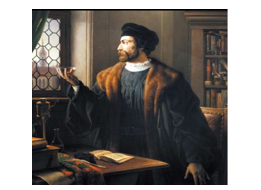
Figure 1

Figure 2
Little is Known of The Actual Johann Georg Faust but There is Some Evidence of His Magic Tricks, That He Studied at Heidelberg University and Died in an Explosion
Introduction
The Physician in Faust's Study
Goethe introduces Heinrich Faust at night, surrounded by books, and the first thing we learn about him is his curriculum. He has studied philosophy, jurisprudence, medicine and, "alas, theology too," with hot endeavour, and he stands there no wiser than before (lines 354-359) [1]. He is not a libertine and not yet a transgressor. He is a disappointed scholar who possesses exactly the forms of knowledge on which Western professional authority has always rested, and who experiences them as failure. The learned world has given him categories without meaning, information without wisdom, explanation without any existential purchase on the real. He has studied the human being and remains estranged from being human.Physicians should find this scene uncomfortable, and more uncomfortable still when they read on.For Faust is not merely someone who once took a course in medicine. In the scene outside the city gate, an old peasant thanks him for the help he and his father gave during the plague. Faust accepts the cup and then, alone with his assistant Wagner, confesses what the gratitude conceals. His father, an alchemist, compounded a remedy in his laboratory; father and son dispensed it to thousands. "Here was the medicine; the patients died, and no one asked who got well" (lines 1048-1049) [1]. They did more harm, Faust says, than the plague itself, and now he must listen while the survivors praise their poisoners. Before there is any pact, before Mephistopheles appears as a poodle on the road home, Goethe has given us a physician carrying iatrogenic guilt, publicly honoured for an efficacy he privately knows to have been lethal. The tragedy begins as a medical tragedy.The modern clinician inherits Faust's predicament in intensified form.
We can sequence a genome, image metabolic activity, implant electrodes in the basal ganglia, replace failing organs, release the brakes on the immune system, and ask a machine to find patterns that no unaided human perception could detect. These accomplishments would have looked like magic to Goethe, and they are not to be sneered at. Yet after forty-seven years of neurological practice, I can report that the patient still walks into the room with questions that no diagnostic sophistication finally answers. Why is this happening to me? Will I still be myself? How much time do I have, and what will become of my children? Why did the treatment work for everyone but me? What am I supposed to hope for now? We can often answer the narrower question folded inside the larger one. We can describe mechanism, probability, stage, biomarker, adverse effect and expected trajectory. But the clinical question and the existential question are not the same question and confusing them is one of the founding errors of technological medicine.
Eric Cassell gave this distinction its classic form when he argued that suffering is experienced by persons, not by bodies, and arises when the integrity of the person is threatened rather than merely when tissue is damaged [2]. The distinction remains radical because biomedicine is organised around abnormalities that can be localized, coded, measured and treated. A potassium of 2.7 can be corrected; a pulmonary embolus can be anticoagulated; an occluded coronary artery can be opened. But becoming dependent, losing a vocation, failing to recognise one's wife, surviving when another has died, discovering that the body around which a life was silently organised can no longer be trusted: none of these can be "corrected" in that sense. The temptation is therefore to translate the second kind of problem into the first, and to treat whatever will not translate as noise. I have argued elsewhere that this habit is the living residue of the Cartesian split, a worn-out philosophical inheritance that still quietly governs the ward round [3].
That translation is the beginning of what I shall call Faustian medicine, and it is important to say at once what the term does not mean. Faustian medicine is not aggressive medicine, or high-technologymedicine. It is not surgery, intensivecare, transplantation, gene therapy, neurostimulation or machine learning, any of which may be ethically exemplary. Faustian medicine begins now the instrument becomes a metaphysics: when the success of technical reasoning within its proper domain persuades us that technical reasoning describes the whole of the clinical event. Then disease becomes more real than illness, measurement more authoritative than testimony, the chart the patient's authorized biography. Uncertainty appears as an embarrassment rather than a condition of things. Death becomes evidence that medicine has run out of ideas. And when no intervention remains, the physician feels not merely sadness but dispossession: if I cannot alter the course, what exactly am I doing here?That is Goethe's question, the question of what remains after mastery fails, and it is the question this essay pursues.
It is also a question about bargains. Faust's is struck with a devil; ours are struck with techniques, and then, less visibly, with the systems that employ us, measure us and pay us. My earlier work approached the matter through what I called a "third grammar" for the clinical encounter: neither the grammar of theological explanation, which risks making suffering necessary, nor the grammar of psychological archetype, which risks dissolving the individual sufferer into a transpersonal pattern, but an anti-theodical grammar governed by three rules, detachability, irreducible antinomy and indexical presence [4]. In a study of Galen and the rabbis I argued that a remedy may travel without the cosmology in which it arose [5]. And in reading the rabbinic accounts of the death of Moses I proposed an apophatic bedside theology in which presence persists after explanation has been refused [6]. Faust allows these arguments to be joined. Read clinically, the drama is less a warning against knowledge than a warning against knowledge without limit, action without receptivity, cure without care, and first-person ambition deaf to second-person address. Its relevance to medicine is not an accident of analogy. Faust is one

Figure 3
The Original Temptation is Epistemological
The common shorthand, that Faust sells his soul to the Devil, hides the subtlety of what Goethe wrote. Faust does not begin by wanting wealth or pleasure. His crisis is epistemological: his learning has failed to disclose the whole. The point matters for medicine because modern medicine does not ordinarily become dangerous by ceasing to value knowledge. It becomes dangerous by asking knowledge to do what knowledge cannot do.Scientific medicine depends, rightly, on objectification. To auscultate a heart, localize a lesion, read an electroencephalogram, grade a tumour or interpret cerebrospinal fluid, the clinician must place aspects of another human being inside an impersonal system of comparison. Buber called this the world of I-It, and although the phrase has acquired a pejorative ring it should not have one [7]. No competent medicine exists without an It-world, and Buber himself never imagined human life without objectification; what he feared was its absolutization. My own neurological examination is an objectifying instrument from beginning to end. Tone is graded, strength is numbered, reflexes are compared side to side, gait is assigned to a category, speech is parsed into fluency, naming, repetition and comprehension.
A living person is translated into signs. The translation saves lives. It is nonetheless a translation, and the error lies in forgetting that anything was translated.The patient with Parkinson's disease is not bradykinesia plus rigidity plus tremor. The patient with dementia is not a score on a cognitive screen. The patient with metastatic cancer is not progression-free survival, and the patient in chronic pain is not the discrepancy between reported severity and radiographic pathology. Each description may be true and clinically useful; none is exhaustive. Cohn, applying Buber to the consulting room, identified exactly this structural tension: clinical practice must inhabit the sphere of order, abstraction and experience, yet the therapeutic relationship depends on recognising the other as a unique subject [8]. Scott and colleagues, interpreting their empirical model of healing relationships through Buber, reach a compatible conclusion: the clinician needs the I-It stance for the technical work and must be able to leave it for the healing to occur [9].
Kleinman's distinction between disease, which is what the physician reconstructs, and illness, which is what the patient lives, names the same gap from the anthropologist's side [10]. And Foucault's history of the clinical gaze is, among other things, a history of how the translation came to be mistaken for the original, how the corpse opened on the table became the truth of the living patient [11].Faust's error, then, is not that he has studied too much. It is that he cannot tolerate the residue. Something remains after the books, as something remains after the diagnosis, after the MRI, even after the correct treatment correctly given. A sensibility formed by the rabbinic study hall would call this residue the part of the text that commentary never exhausts and would regard it as the reason to return tomorrow. Faust regards it as an insult. It is precisely into this gap that Mephistopheles steps, and what he offers is not knowledge at all. He offers the fantasy that there need be no remainder.

Figure 4
Mephistopheles and the Clinical Grammar of Negation
Mephistopheles introduces himself as "the spirit that always negates" (line 1338) [1]. In Goethe's hands, however, negation is not mere destruction. It is analytical, ironic, deflationary, and relentlessly suspicious of every claim to transcendence, which makes Mephistopheles a strangely modern figure and a strangely familiar one. When a nervous student arrives seeking career advice, Mephistopheles, wearing Faust's gown, delivers a cynical little lecture on each faculty. Of ours he says that the spirit of medicine is easy to grasp you study the great world and the small from end to end and then let things go as God pleases (lines 2011-2014). He adds that a title inspires confidence and that the rest is bedside manner. Then comes the most quoted couplet in the scene: all theory, dear friend, is grey, and green is the golden tree of life (lines 2038-2039) [1]. It sounds like wisdom. In context it is the Devil teaching a young man to stop thinking and start taking. The clinical mind is trained to negate. The chest pain is not an infarct; the enhancing lesion is not neoplastic; the weakness is not myelopathic; the fever is not infectious.
Differential diagnosis proceeds by disciplined exclusion, and properly so. But a second, existential negation can ride along with the first. The patient says that her life has fallen apart, and medicine replies that her laboratory values are improving. The patient says he does not recognise himself, and medicine replies that his examination is unchanged. The patient says she fears the treatment is taking away the life it is meant to preserve, and medicine replies that median survival improved by some months in
the trial population. Every one of these replies may be technically correct, and everyone may fail to answer. I have written elsewhere about the function of the demonic in illness and dying, the way in which illness is experienced as an adversarial intelligence that undoes meaning [12]. What Goethe adds is the disquieting suggestion that the undoing voice may be the clinician's own.Sarah Colvin has argued that Mephistopheles conducts a sustained attack on metaphor, narrative and interpretive meaning, treating language as a tool to be used rather than an address to be received [13].This is an unusually fertile observation for medicine, because clinical language is necessarily functional. We compress narrative into the history of present illness, convert testimony into symptoms, replace lived chronology with disease chronology, and translate suffering into a billable code. "Three months of worsening fatigue, weight loss and night sweats." A life has disappeared into one sentence. The reduction is not in itself wrong. Compression is indispensable, and the chart could not function if every note reproduced the phenomenological whole of the patient's experience. The question is whether the clinician remembers what has been left out.Narrative medicine arose partly as an answer to that question. Charon describes narrative competence as the capacity to recognise, absorb, interpret and be moved to act by the stories and plights of others [14]. Such competence does not compete with scientific competence; it attends to a second kind of evidence, and I have argued from the clinical side that the quality of that attention changes outcomes and not merely satisfaction [15].
Here the Faustian problem can be stated more precisely. The danger is not reduction. The danger is reduction without return. The physician must reduce the patient to clinically manageable information and then come back from the reduction to the person. Faust repeatedly fails to come back. He passes through persons, cultures, the classical world, imperial politics and whole landscapes, and everything becomes material for striving. The world presents itself to him as a sequence of available transformations.That is very close to what Heidegger would later call enframing: the technological disclosure in which whatever is present shows up as standing reserve, as stock on call for further use [16].Medicine requires such a gaze. The body must sometimes appear as operable tissue, correctable physiology, modifiable risk, targetable receptor, excisable tumour, ablatable circuit. But a human being cannot be left there. Verghese caught the contemporary form of the problem when he described the "iPatient," the electronic construct that receives meticulous attention on the screen in the team room while the actual patient waits in the bed down the hall [17]. The patient who becomes only a therapeutic target has already acquired a second illness, and it is one that we gave him.

Figure 5
The Pact: A Wager Never to Linger
It is worth being exact about what Faust agrees to, because the popular memory of the play has it wrong. He does not sell his soul for twenty-four years of pleasure, as Marlowe's Faustus does. Goethe's Faust makes a wager, and its terms are peculiar. If ever he stretches out contented on a bed of ease, if ever he says to the passing moment, "Stay a while, you are so fair," then Mephistopheles may clap him in chains, and the clock may stop (lines 1692-1706) [1]. What Faust stakes his soul on is his own insatiability. He bets that he will never be satisfied, never rest, never find any moment worth remaining in. The German verb is verweilen: to tarry, to linger, to stay. The pact is a vow never to stay.Read in the clinic, that clause is chilling, because the Faustian pact in medicine is rarely explicit and its content is the same. No physician says, I will exchange my soul for power.
The bargain is subtler and sounds like professionalism: give me sufficient technique, and I will never have to be helpless; keep me moving, and I will never have to stand in a room where nothing can be done. The desire is understandable. We are formed in a culture in which helplessness is hard to tell apart from incompetence. The trainee learns quickly that uncertainty must be narrowed, deterioration anticipated, complications prevented, options generated, and the most admired clinician is often the one who still knows what to do when everyone else has run out of ideas. This training produces therapeutic courage, and I would not wish it away. It can also produce a metaphysical confusion, and a restlessness that mistakes itself for diligence.The confusion consists in sliding between statements that are not equivalent. That there is more we can do does not entail that doing more is obligatory. That a process can be medically altered does not entail that it ought to be. That I an intervention does not mean that I possess the meaning of the situation in which the intervention will take place.
Daniel Callahan spent much of a career showing how this slide, from capacity to imperative, turned death from a human event into a list of correctable causes, each one a failure awaiting its fix [18]. The slide is what I mean by efficacy becoming sovereignty. Here the principle I have called detachability becomes clinically useful. In studying the traffic between Greek medicine and the rabbis I argued that remedies migrated freely across the ancient Mediterranean while the cosmologies that produced them did not; the sages could accept a Greek drug and decline the Greek account of the body that came wrapped around it. A remedy travel alone [5]. Contemporary medicine needs the same discipline turned inward. A technology must be detachable from the anthropology that its success tends to generate. Mechanical ventilation is a technology; "every respiratory failure must be ventilated" is an anthropology. Dialysis is a technology; "biochemical survival is always preferable to dying without dialysis" is an anthropology.
A feeding tube is a technology; "nutrition delivered is nourishment restored" is an anthropology. Apredictive algorithm is a technology; "whatever can be predicted is what most needs to be known" is an anthropology.The first member of each pair may be invaluable. The second smuggles a metaphysics inside an instrument. In the language of my earlier paper, the clinician who delivers the second along with the first is dispensing an amulet: a therapeutic object with a theology sealed inside that the patient cannot read and has not consented to [4].This, then, is the pact. The physician receives efficacy and quietly accepts sovereignty, and the price, as in Goethe, is the capacity to linger. It would be bad enough if the bargain were struck only between each of us and our own tools. It is not. It has been institutionalised, and the institution now strikes it on our behalf.

Figure 6
The Bargains We Make with the System
In the last act of Part II, Faust is a hundred years old and has become a developer. With Mephistopheles as his contractor, he is reclaiming land from the sea, building dikes and harbors, preparing living space for millions. One thing spoils his view. On a dune inside his estate stands a hut with a few linden trees and a small chapel, the home of an aged couple, Philemon and Baucis, who once sheltered a shipwrecked stranger and who decline to be moved. The sound of their chapel bell torments him; it reminds him that his possession of the world is incomplete. He has chosen a nice little property for them elsewhere. He tells Mephistopheles to see to the relocation. Mephistopheles and his three strongmen see to it: the hut burns, and the old people and their guest die in it. Faust is appalled. "I wanted an exchange, not a robbery," he protests (line 11371) [1]. Marshall Berman, in the finest modern reading of this act, called it the tragedy of development: the visionary who genuinely intends the good of millions, who delegates the dirty work, and who discovers that the project has its own logic, in which whatever obstructs the flow is simply cleared [19].
I know of no better parable of what it is to practise inside a contemporary health system. The hospital is an extraordinary moral achievement. It gathers diagnostic capacity, monitoring, specialist expertise, surgery, critical care, imaging, pharmacy and rehabilitation into one coordinated organism, and I have no nostalgia for the world before it. Yet its architecture and its clocks reveal its assumptions. Beds must turn over. Length of stay must fall. Documentation must close. Discharge must occur, metrics must be met, risk must be stratified, and patients must move. The institutional patient is therefore always in danger of becoming an object of throughput. The sick person experiences time as rupture; the hospital experiences time as flow. For the patient, Tuesday is the day someone said that the biopsy showed cancer. For the hospital, Tuesday is hospital day three. For the patient, the room is the place where a life divided into before and after. For the institution it isbed 412B. Neither perspective is false, but only one of them can become total without noticing what it has done.
The patients who do not move, the frail, the undiagnosable, the socially stranded, the dying who are dying too slowly, are our Philemon and Baucis. No one wishes them harm. They are in the way of something that is, in aggregate, a good.Relman saw the outline of this nearly half a century ago when he warned of a "new medical-industrial complex" whose commercial logic would not remain politely external to clinical judgement [20]. Pellegrino described the result as a paradigm shift from a professional to a market ethic, with moral consequences for everyone inside it [21]. My own critique of capitalism in health care argued that the physician's fiduciary relation to the patient is now routinely subordinated to obligations the patient never sees [22]. What I want to add here is the Faustian texture of how this happens to an individual doctor, because it does not arrive as a single dramatic signature in blood. It arrives as a series of reasonable exchanges. We accept employment and surrender the practice, and with it the power to decide how long a visit last. We accept the productivity formula and begin, without ever deciding to, to see the schedule in relative value units.
We accept the electronic record and its promise of legibility and find that for every hour with patients we now spend nearly two at the screen [23]. We accept the quality metric and start treating the number. We accept the word "provider." We accept the prior authorisation, the formulary, the script for the difficult conversation, the fifteen minutes. Each exchange buys something real: security, reach, data, protection from liability, a salary. Tausch wollt' ich, wollte keinen Raub. We wanted an exchange. We did not intend the robbery, and we were not in the room when it occurred. The clinical literature has lately found a name for what follows. Dean, Talbot and Dean argue that what is called physician burnout is better understood as moral injury: not a failure of individual resilience but the predictable wound of being repeatedly unable to give the care one knows the patient needs, because of constraints one serves and did not choose [24]. The epidemiology of burnout is by now dismally familiar, and its structural causes, workload, clerical burden, understaffing, lost autonomy, production pressure, are indispensable to any honest account; they must not be psychologized away [25].
But Faust suggests a further layer, and I have tried to describe it before as the physician's existential crisis [26]. A healer trained to derive identity from efficacy is uniquely vulnerable when efficacy is institutionally frustrated. The Faustian response to that humiliation of agency is more striving: work faster, learn more, stay later, answer every message, carry every outcome, become indispensable. The result is predictable. The self whose worth depends on inexhaustible efficacy eventually meets the body. Sleep is required. Attention is finite. Patients die, mistakes occur, families remain dissatisfied, and the institution absorbs the effort without gratitude. The physician discovers, often painfully, that finitude was never only the patient's problem.Goethe stages that discovery with terrible economy. After the fire, four grey women approach Faust's palaces at midnight: Want, Debt, Need and Care. Three cannot enter a rich man's house. The fourth, Sorge, slips in through the keyhole. Faust refuses to acknowledge her power, and she breathes on him and blinds him. Blind, he is more driven than ever. He hears the clatter of spades outside and rejoices that his laborers are digging the great drainage ditch that will complete the work.
They are digging his grave; the German puns grimly on Graben and Grab. It is the most exact image I know of the late-career physician inside the productive machine: sightless, exhilarated by the sound of activity, unable to tell the project from the burial. Guggenbühl-Craig warned long ago that the shadow of the helping professions is power, and that the healer who cannot acknowledge his own wound will enact it on others and on himself [27]. A medicine of self-limitation therefore protects the clinician as well as the patient. To accept limits is not to become indifferent. It is to refuse a false divinity. The physician is responsible; the physician is not sovereign; and an institution that tells its doctors otherwise, in either direction, is lying to them.

Figure 7
Gretchen: The Person Left Behind by the Project
No clinical reading of Faust can avoid Gretchen. Her tragedy is not simply that Faust desires her. It is that she is incorporated into a project whose centre is elsewhere. She is utterly singular, a girl with a dead baby sister she once nursed, a particular bedroom, a particular conscience, and the striving consciousness treat that singularity as a medium of experience.The analogy to medicine must be drawn with care. Physicians do not ordinarily exploit patients in the manner of a seduction. Yet it is worth recalling how the catastrophe begins, because Goethe makes it pharmacological. To spend a night with Gretchen, Faust hands her a small bottle for her mother: three drops in her drink, he says, and she will sleep soundly. Gretchen asks whether it will do harm. Would I advise it otherwise, he answers?
The mother does not wake. Faust the former plague doctor, who already knows what it is to have dispensed a lethal remedy with good intentions, prescribes again, and reassures. The structural danger is recognisable. A patient becomes important primarily as the bearer of a diagnosis, a candidate for a procedure, a participant in a trial, a teaching case, a diagnostic challenge, a quality metric, a source of reimbursable complexity. The person becomes the occasion for the project.Goethe gives Gretchen one scene in which she turns the examination around. In the garden she asks Faust, quite directly, how things stand with him and religion (line 3415): the question Germans still call the Gretchenfrage, the plain question that demands a plain answer. Faust replies with a magnificent rhapsody. Who may name Him? Feeling is everything; the name is sound and smoke. Gretchen listens and observes, drily, that the priest says much the same in slightly different words. She has asked a second-person question and received a lecture. Every clinician has given that lecture. The patient asks, "Am I dying?" and receives a disquisition on response rates.
The patient asks, "Would you have this operation?" and receives the consent form. Eloquence deployed against a direct question is one of the quieter forms of abandonment, and Gretchen, who has no education at all, sees through it immediately. She also cannot bear Mephistopheles, whose presence, she says, closes her heart. The uneducated patient is frequently the best diagnostician of what is wrong with the team.One of the deepest ethical consequences of specialisation lies here. Specialisation has produced extraordinary expertise, but expertise divides the body by jurisdiction. Cardiology sees the heart, nephrology the kidneys, neurology the nervous system, oncology the malignancy, psychiatry the mind, surgery the operable lesion. The patient alone has all the diseases at once, and the patient alone has the life in which they occur. The moral work of medicine is therefore a continual reassembly of what expertise has necessarily taken apart, beginning with the elementary act of knowing the patient's name and something of her story; I have argued that medical education, which starts with an anonymous cadaver, trains us in the opposite direction [28].
Cassell's insight returns with force. Pain may be in a limb, but suffering involves biography, role, hope, dependency, shame, fear, family, memory and anticipated loss [2]. A physician can therefore treat the disease successfully while worsening the suffering and can fail to reverse the disease while genuinely reducing the suffering. The second possibility is hard for a Faustian imagination to see, because it lacks the dramatic visibility of rescue. There is no triumphal angiogram for having stayed beside a frightened dying person. No laboratory marker records that a patient was permitted to tell the truth, and no procedure code captures the moment at which the physician stopped talking and let grief occupy the room. Gretchen's last scene is the hardest. Faust arrives at the dungeon with stolen keys and magic horses to rescue her, and she will not go. She looks at the man who has come to save her and says, "Heinrich, I shudder at you" (line 4610) [1]. She chooses judgment over a rescue conducted on those terms, and a voice from above says that she is saved.
It is a competent refusal, and the rescuer cannot comprehend it. Gretchen reminds the clinician that the project and the person can diverge. The procedure can succeed and the patient still be lost; and sometimes the patient, seeing more clearly than we do what the rescue would cost, declines to be saved by us.

Figure 8
Medicine as Secular Theodicy: Faust, Job and Moses
Goethe opens the drama proper with a Prologue in Heaven that is openly modelled on the first chapters of Job. The Lord points to his servant Faust; Mephistopheles, like the Satan of the biblical court, proposes a test; the Lord permits it, remarking that man errs if he strives (line 317) [1]. From the outset, then, Faust announces itself as a rewriting of the canonical book about innocent suffering, with one inversion. Job suffers and demands an explanation. Faust acts and demands an experience. They look like opposites, and they meet at the same boundary: both ask whether existence can be possessed by the explanatory structures available to them. Job's counsellors say yes, in the register of moral causality. Mephistopheles says yes, in the register of instrumental causality. Both threaten to dissolve the singular event into a system.The theological structure of our problem comes into focus if medicine is understood as a form of secular theodicy. Traditional theodicy tries to reconcile suffering with an intelligible moral or divine order. Medicine does not ask why God permits disease.
It asks what caused the disease, how it behaves, and what can be done, and that shift is one of civilization’s great achievements. The child with bacterial meningitis needs antibiotics and not metaphysical speculation; the patient in status epilepticus needs the seizure stopped. A world in which suffering is investigated causally rather than justified morally is in most circumstances a more humane world. But medicine acquires a theodical temptation of its own when causal explanation begins to perform the existential function that theology once performed. If the suffering has a mechanism, it seems partly domesticated. If the mechanism can be named the event appears less chaotic. If a treatment exists the event appears less absurd, and if the treatment fails another must be found. When no treatment remains, the system undergoes a crisis not only of efficacy but of meaning, and the patient is said to be someone for whom there is "nothing more to offer." The phrase should trouble us. Nothing more to offer, or nothing more to administer? The two are not the same.
Levinas argued that the justification of the other's suffering, by whatever system, is the root of all immorality, and that suffering is intrinsically useless, acquiring meaning only in my response to the other's pain and never as an account of it [29]. Braiterman gave the refusal a name, anti-theodicy, and showed it to be a native possibility within post-Holocaust Jewish thought rather than a departure from it [30]. Job remains its canonical text because Job's friends possess a theory before they possess the sufferer. Their theology is coherent: the world is morally ordered, and so suffering must be intelligible within the order. Job's protest threatens not only their conclusion but their system. The modern clinician can reproduce that structure without any theology at all. Your pain must fit the scan. Your decline must fit the expected trajectory. Your response must fit the trial. Your grief must fit the stages, and your acceptance must arrive on schedule [31]. Your refusal must be explained by impaired capacity, denial, poor health literacy, depression, or that useful word "non-compliance." Arthur Frank observed that modern medicine knows only one plot, the restitution narrative, yesterday I was healthy, today I am sick, tomorrow I shall be healthy again, and that patients whose illnesses will not follow that plot find that no one can hear them [32].
The patient who resists the expected script threatens the clinical system much as Job threatened his counsellors.The rabbinic traditions about the death of Moses carry the argument further than Job does, because there the sufferer is dying and knows it. In Devarim Rabbah and the related Midrash Petirat Moshe, the greatest of the prophets refuses the serene developmental script that we like to impose on the dying [33]. He bargains, pleads, proposes alternatives, offers to enter the land as a beast or a bird, draws a circle and refuses to leave it, and storms heaven with prayer until the gates of prayer are ordered shut. He is never given a reason. Rav lakh, he is told enough; do not speak to Me further of this matter. In my reading of these texts, I argued that they both fit and refute the familiar stage theory: the bargains are never withdrawn, only overruled; acceptance is caused by the collapse of role and function rather than achieved through insight; and the absence of any explanation is not a gap in the story but its point [6].
Theologically this is anti-theodicy, a revelation that consists in concealment [34]. Clinically it is permission. The patient need not make suffering meaningful to deserve accompaniment and need not die well to be allowed to die.None of this is an argument against medical explanation. Job himself wanted an answer, and patients want diagnoses. The issue is whether explanation retains humility before what it has not explained. A molecular mechanism may perfectly explain how a tumour proliferates without explaining why the diagnosis has shattered this family. A mutation may explain why a neurological disease occurred without saying what the patient should do with the remaining years. A lesion may explain a pain pathway without explaining the isolation produced by years of being disbelieved. Medicine answers one kind of why. Human beings inevitably ask another. A good deal of clinical wisdom consists in recognising which of the two has just been asked.

Figure 9
The Third Grammar at the Bedside
In earlier work I described two seductive languages of suffering. The first makes suffering meaningful by placing it within a cosmic sequence; the second makes it meaningful by placing it within a psychological or archetypal one. Both can offer real insight, andboth pay for it in the same coin, the singularity of the sufferer. The third grammar arose from the need for a clinical language that could remain meaningful without making the wound necessary [4]. Faust sharpens that argument by showing that Faustian medicine is itself a grammar, and a complete one. Its nouns are disease entities. Its verbs are diagnosed, predict, intervene, correct, prevent, optimise. Its tense is the future, its temporal structure is progress, its moral mood is the imperative, its most feared word is "nothing," and its eschatology is cure. None of this is wrong. The problem arises only when the grammar claims to be the only one.
There are encounters in which the right verb is not fix but hear; not prolong but accompany; not explain but acknowledge; not reassure but remain. The third grammar does not abolish the first. It begins where the first ceases to suffice, and this is what distinguishes it from therapeutic nihilism. The anti-Faustian physician master’s anatomy, pharmacology, evidence and technique with full rigour. What she refuses is the inference that, having mastered a technique, she has mastered the encounter. The patient remains beyond her, and that "beyond" is not mystical decoration. It is the ethical condition of care.Buber offers the clearest vocabulary for the required movement [7]. Clinical medicine alternates between I-It and I-Thou: to diagnose we objectify, and to care we must also encounter. The mistake is to imagine that the two can be blended into a pleasant middle. They cannot; the physician must cross the boundary again.
Consider the examination of a patient with advanced motor neuron disease. I observe fasciculations, grade weakness, test reflexes, record the vital capacity, note the weight loss, document the bulbar signs. Every act is necessary. And then at some point the examiner looks up, and the person whose diaphragm has just been a respiratory variable is looking back. That moment changes the ontology of the room. The object has become a subject without ceasing to have a disease, and clinical ethics begins in that interruption.Levinas radicalizes the point. The other does not become ethically significant because I have understood him; the face commands before it is comprehended, and responsibility precedes knowledge [35]. Clifton-Soderstrom has drawn the consequence for our profession: medicine is ethical before it is scientific, and the patient as other is the foundation rather than the application of its ethics [36].
The inversion matters. In Faustian medicine, knowledge authorizes responsibility: I understand;therefore, I act. In a Levinasian medicine, responsibility arrives first: you address me;therefore, I am already implicated. The difference is felt most sharply in chronic unexplained symptoms, refractory pain, functional disorders, psychiatric distress and terminal illness, where clinicians unconsciously ration recognition according to intelligibility. The patient whose disease makes sense receives one quality of attention; the patient whose story resists our categories receives another. But the face does not become binding only after the MRI agrees.Jewish mystical language supplies a further figure for the same movement: tzimtzum, the divine self-contraction by which, in Lurianic teaching, the Infinite withdraws to leave a space in which something other than itself can exist. I do not invoke tzimtzum as a cosmological explanation of disease; to do so would violate the very discipline I am defending. I use it, as I have before, as a model of clinical self-limitation in which the question shifts from what I know about the patient to what kind of space my knowing leaves her [37].
The clinician enters the room with enormous interpretive power. We name, we classify, we decide which statements are clinically relevant, we control access to therapies, and we write the record from which later clinicians will inherit their understanding of the patient. The medical note is never a neutral transcript. It is an act of jurisdiction; a patient may spend an hour explaining a life and emerge as four paragraphs written by someone else. Clinical tzimtzum begins when the physician recognises that expertise creates an obligation to contract as well as to act. To contract is not to disappear. Self-effacement does not care; patients come to us precisely because we know things they do not and can-do things they cannot, and the physician who renounces expertise in the name of equality has abandoned the asymmetry on which care depends. Tzimtzum is harder than that. It means keeping the expertise while refusing to occupy the whole space: asking a question to which one does not already hold the acceptable answer; allowing a silence not to be filled at once with reassurance; letting the patient's vocabulary stand rather than translating every word into ours; knowing when an interpretation, however elegant, has become an invasion.
I described this elsewhere as the interval between the patient's cry and the clinician's incapacity, an interval that neither party manufactures and neither is entitled to fill prematurely [4]. That interval is the precise opposite of the Faustian pact. Mephistopheles promises that no void need stay empty. Clinical tzimtzum protects the void.Two cautions follow, both directed at my own project. The first concerns hermeneutic medicine, which rightly insists that patients must be read and heard rather than merely measured [38,39]. Even interpretation can turn Faustian. To call the patient a text risks implying that sufficient hermeneutic sophistication will finally disclose the hidden meaning. But some narratives stay contradictory. Some patients change their minds or want at once to live and to stop treatment or never produce a coherent story at all. The patient is therefore not simply a text. The patient is an author who can refuse our reading. Narrative competence, as Charon develops it, is not the power to tell the patient what her story means; it is the discipline to notice form, rupture, silence, repetition and competing plots without assuming authorship [40].
A text can be interpreted without answering. A Thou answers back, and that possibility of reply is morally decisive: the patient must retain the capacity to surprise the clinical account.The second caution concerns synthesis. Every serious illness generates at least two accounts.One is biomedical: the tumour is 3.2 centimeters, the ejection fraction is thirty per cent, the MRI shows new lesions, the EMG shows denervation, the creatinine is rising. The other is existential: I can no longer lift my granddaughter; my husband sleeps in another room now because the oxygen concentrator is too loud; I am afraid to fall asleep because that is when the seizures come; I survived, but I did not return. These accounts are not competitors, and the trouble begins only when one claims jurisdiction over the other. A scan cannot invalidate grief, and a narrative cannot dissolve a pulmonary embolus.
Medicine loves synthesis, and synthesis is intellectually elegant, but some truths must remain adjacent without being merged. The patient is a body and more than a body. The physician must objectify and must refuse objectification. Death is biologically explicable and existentially incomprehensible. Suffering may acquire meaning for a patient without having been inflicted for the sake of that meaning. The urge to resolve such tensions is Faustian, because resolution promises possession. The second rule of the third grammar, irreducible antinomy, lets them remain true together [4].

Figure 10
Three Anti-Faustian Disciplines: Not Knowing, Consent and Hope
If the pact is a refusal of limit, the counter-practice must consist of disciplines that build limit back into the daily work. Three already exist within ordinary medicine, though we seldom recognise them for what they are.The first is the honest management of uncertainty. Renée Fox showed two generations ago that medical education is, among other things, a training for uncertainty: students must learn to distinguish the limits of their own knowledge from the limits of medical knowledge as such, and to act anyway [41]. What the culture adds, unofficially, is a reward for concealment. Trainees learn quickly that "I don't know" had better be followed at once by a plan. That is sensible as far as it goes; uncertainty should generate investigation when investigation is indicated. But there are several kinds of not-knowing, and they are not morally equivalent. We may not yet know the diagnosis. We may know the diagnosis and be unable to predict the individual course. We may not know whether the intervention will work. These three, epistemic, probabilistic and technical, are medicine's proper adversaries. But we may also not know what the illness means to this person, and beyond that, neither physician nor patient may know what any of it finally means. These last two, interpretive and existential, are not defects awaiting repair. They may be conditions of an honest relationship.
Faust cannot bear not-knowing because he experiences uncertainty as deficiency. Simpkin and Schwartzstein have suggested that the tolerance of uncertainty may be the next revolution medicine requires, and I have argued that both medicine and religion need what I called a sacred epistemology of not-knowing, in which doubt is a foundation for humility rather than a threat to authority [42,43]. This is not ignorance celebrated. It is accuracy protected from vanity. The physician who says "I do not know why this happened to you" may be more trustworthy than the one with a metaphysical answer. "I do not know whether you will be the one who responds" is more honest than converting a population probability into a personal destiny. "I do not know exactly what dying will be like for you, but I can tell you what we anticipate and what we can treat" respects both expertise and limit. The Faustian physician fears that admitting uncertainty will destroy authority. The trustworthy physician discovers that properly bounded uncertainty creates it.The second discipline is consent.
It is usually handled procedurally: disclose risks, benefits and alternatives, and obtain a signature. Jay Katz showed long ago how thin that procedure is, and how much of the history of medicine has been a history of silence in which the doctor decided and the patient complied [44]. At its root, however, consent is an anti-Faustian institution. It places a boundary around the physician's capacity to act. I may know what can be done, may recommend what I believe should be done, may possess the skill to do it, and still the body is not mine. Consent is therefore not simply a transfer of information. It is the institutional acknowledgment of alterity; the patient remains other to the medical project. This is clearest when patients refuse. The refusal of a beneficial treatment arouses powerful feelings in clinicians because it interrupts the expected movement from knowledge to action. We know the diagnosis, the intervention, and the likely consequence of declining it. Why will she not agree? The ethical response is not passive neutrality. Capacity must be assessed, misunderstanding corrected, coercion looked for, reversible fear explored, and one's recommendation stated plainly. But after all that, a competent refusal teaches something medicine must never forget, which is that knowledge does not create ownership. Mephistopheles offers Faust a world of pure availability. Consent reintroduces the boundary he promised to remove. Gretchen in her cell, declining the magic horses, is its patron.The third discipline is a chastened account of hope. Hope is among the most morally complicated words we use. Physicians fear destroying it, families ask us to preserve it, patients accuse us of taking it away, and we sometimes deploy it as though it were a physiological variable requiring maintenance. Hope turns Faustian when it means sustaining the fantasy that every limit will yield to the next intervention.
True hope can survive the death of cure, because its object changes. Hope for remission becomes hope for time at home. Hope for walking becomes hope for an independent transfer. Hope for recovery becomes hope for recognition; hope for longevity becomes hope for reconciliation; hope for another year becomes hope for one lucid afternoon. Groopman's clinical portraits make the same distinction between hope and mere optimism, the first of which requires the truth and the second of which avoids it [45]. The physician's task is not to manufacture optimism but to discover, with the patient, what future remains imaginable without falsifying the present. Prognostic honesty and hope are therefore not opposites. False reassurance preserves expectation for a while and destroys trust in the end. Hope is ethically mature when it can survive the truth.

Figure 11
The New Mephistopheles? Artificial Intelligence and the Homunculus
No contemporary discussion of Faustian medicine can avoid artificial intelligence, and the analogy is almost too easy, which is a reason to handle it carefully. AI is not Mephistopheles, and machine learning is not demonic. Automated interpretation may improve diagnosis, reduce clerical burden, find subtle patterns, extend specialist expertise to places that have none, and predict deterioration before any human notices. Topol has argued, persuasively, that its best use would be to give clinicians back the time that the last generation of information technology took away, and my own experience with AI-assisted diagnostic tools in a large population with post-traumatic stress persuades me that such tools can serve a holistic practice rather than displace it [46,47].Goethe, as it happens, anticipated the figure. In Part II, Faust's former assistant Wagner, the pedant who stayed in the laboratory, succeeds in crystallizing an artificial man in a glass flask. Homunculus is dazzlingly intelligent from the moment of his making. He reads the sleeping Faust's dreams briefly, knows the way to classical Greece, and outthinks everyone in the room including Mephistopheles. But he has no body.
He is pure mind under glass, and he knows it; his whole desire is to come into being properly, and in the end, he shatters his vial against the sea-shell chariot of Galatea and pours himself into the ocean to begin life where life begins. It is a remarkable image to find in a poem finished in 1832: an intelligence that exceeds its makers in cognition and is aware that cognition is not existence. The danger, then, lies not in the machine's intelligence but in an old epistemological temptation that the machine intensifies: the belief that what can be rendered as data is what is most real. The algorithm receives representations, laboratory values, images, codes, clinical text, waveforms, genomic sequences, medication histories, and its strength is precisely that it can discover relationships among represented variables at scales no clinician can match. But a representation is not an encounter, and the distinction only seems sentimental until one sees its consequences. Obermeyer and colleagues showed that a widely used commercial algorithm, which took past health-care expenditure as its proxy for health need, systematically under-identified sick Black patients, on whom the system had simply spent less [48].
The machine was not malicious. It faithfully mistook the record of what had been done for the reality of who was suffering, which is the Faustian error in its purest form.The same gap opens at the bedside. An algorithm may predict that a patient is likely to deteriorate; it cannot thereby determine what deterioration means to that patient. It may estimate survival; it cannot decide what makes the remaining time worth inhabiting. It may flag a pattern of opioid requests; it cannot tell from the flag whether the person before us is manipulative, undertreated, frightened, physiologically dependent, addicted, traumatized, or several of these at once. It may generate the differential diagnosis; it cannot relieve the clinician of responsibility for the person who must live inside whichever diagnosis proves true. The Faustian danger of AI is not intelligence exceeding ours. It is representation masquerading as presence.If machines become better than physicians across ever larger domains of detection and prediction, medicine will have to confront a question it has long postponed: what is the physician for, when the physician is no longer the best information processor in the room? That question can produce panic only if information processing was secretly our final definition of ourselves. A relational account gives a different answer. The physician is not merely the one who knows. The physician is the one who becomes responsible for what the knowing means here, in this body, for this person, and who, unlike Homunculus, has a body of his own with which to stay.

Figure 12
Sorge: What Remains When the Bargain Expires
One of the odd linguistic habits of modern medicine is the distinction between "curative" and "supportive" care. The terminology unintentionally discloses our hierarchy. Cure is the substance; care supports it; and when cure ends, supportive care is what is left, as though care were the scaffolding still standing after the real building has gone. Historically and morally the relation runs the other way. Cure is one of the things care sometimes does. Care is not what begins when medicine can no longer cure; medicine begins with care, and the Faustian clinic is the place that has forgotten the order. That is why the grey woman at Faust's keyhole matters so much. Colvin locates Sorge close to the redemptive centre of the drama: in a world given over to achievement and acquisition, Care returns as the one thing that accelerated activity cannot master [13]. Faust will not acknowledge her and is blinded. The clinician who will not acknowledge her is blinded in the same way, able to see the next intervention and nothing else.
Patients eventually reach the limits of intervention, not always dramatically. Sometimes the limit is metastatic cancer; sometimes progressive neurodegeneration; sometimes severe chronic pain after every reasonable alternative has been tried; sometimes an irreversible cord injury, a treatment-resistant depression, or a frailty in which each successful intervention produces the next vulnerability. At such moments the physician faces a crisis of identity. The question "What can I do?" becomes dangerous if doing is the only category within which clinical worth can be imagined. There is by now good evidence that the alternative is not second-rate medicine. In Temel's trial, patients with metastatic lung cancer who received early palliative care alongside oncological treatment had better quality of life and less depression, chose less aggressive care at the end, and lived longer [49]. Care was not the residue. It was an active ingredient.
Palliative medicine has institutionalised the insight, but the insight belongs to all of us: the oncologist, the neurologist, the surgeon, the intensivist, the family physician, and above all the doctor of the chronically suffering patient whose symptoms cannot be abolished. Quill and Cassel named the corresponding duty nonabandonment and called it a central obligation of the physician, a continuing commitment that does not lapse when the therapeutic options do [50]. Back and colleagues found that dying patients and their families experience abandonment in exactly the two ways one would predict: loss of continuity with the doctor they knew, and a lack of closure when that doctor simply ceased to appear [51]. The opposite of cure is not failure. Sometimes the opposite of cure is fidelity.Death is where Faustian medicine becomes most visible, because death is the one limit no progress has abolished. Medicine has transformed when, how and of what most people die. It has not altered mortality, and Hans Jonas argued that we should not wish it to mortality is a burden and the condition of there being new lives and any urgency to our own [52].
Yet our idiom treats death as if it belonged in the same category as a preventable complication. The patient "failed" chemotherapy. The heart failed, the graft failed, resuscitation failed. Each usage is defensible. Repeated often enough they build a world in which dying itself is an adverse outcome of medical management, and Gawande has described with painful honesty what that world does to the old and the dying and to the doctors who cannot stop [53]. The burden falls on everyone. The patient feels responsible for "giving up." The family feels that choosing comfort means choosing death. The physician experiences the transition to palliation as defeat. The dying person becomes the stage on which medicine performs its anxiety about finitude.The rabbinic Moses offers another model [6,33]. He does not welcome death serenely. He protests, bargains, tries to evade the decree, and his greatness does nothing to diminish his resistance; the text does not require him to become psychologically exemplary before he may die.
The clinical significance is large. Dying patients are not obliged to redeem death for the comfort of their clinicians. They may be frightened, angry, ambivalent, peaceful one hour and terrified the next, ready and not ready. There is no moral requirement that death become beautiful. The physician's responsibility is not to produce a good dying subject. It is to protect the dying person from unnecessary suffering, coercion, abandonment and falsehood. The Jewish traditions of the Shekhinah point the same way. Their image is not of a deity standing outside suffering who supplies its reason, but of a presence that goes into exile with the exiled. To assert as metaphysical fact that God suffers with the patient may exceed what a clinician can responsibly claim. To let the image of accompanying presence shape one's conduct is a different matter, and it changes the governing question from "Why did this happen?" to "Who remains here, now that it has?" [38]. That shift is the core of what I have called an apophatic clinical theology.
Apophasis is often misread as silence in the weak sense: we cannot know, so we say nothing, which at the bedside becomes abandonment wearing the mask of humility. The stronger apophatic move is otherwise. Because I do not possess the reason for this suffering, I am forbidden to use explanation as a way of escaping the sufferer. The failure of explanation increases the demand of presence. Job's friends did one thing right: for seven days they sat with him in silence. Their error began when the silence became intolerable and they spoke to protect the intelligibility of the world. Faced with incurable disease we over-reassure; with unexplained symptoms we over-interpret; with grief we offer stages; with rage we offer psychiatry. Sometimes each is appropriate. Sometimes each is speech deployed against silence, and the apophatic clinician asks first whether the next sentence serves the patient or rescues the physician.What would a clinical anti-theodicy look like in practice? It would begin with refusals. It would refuse to tell patients that everything happens for a reason, and refuse the secular equivalent, that every suffering can be redeemed through growth, resilience, insight, compliance or acceptance.
It would refuse to read refractory suffering as personal failure, to confuse the absence of cure with the absence of medicine, to let prognostic statistics erase individual uncertainty, or to call a technological possibility a moral necessity. Above all it would refuse to treat the clinician's own discomfort with helplessness by escalating intervention merely to preserve the feeling of agency. But it would also require positive disciplines, and I would name seven. Diagnose completely, without confusing diagnosis with comprehension; anti-theodicy must never become an alibi for diagnostic laziness, and the mysterious is not to be declared sacred because we have failed to work it up. Treat what can be treated, vigorously: pain, dyspnoea, infection, depression, seizures, inflammation, malignancy; the refusal of omnipotence is not a refusal of potency. Ask what the disease has done to the person: not only where the pain is but what it has taken; not only how many seizures but what she is now afraid to do; not only whether he can walk fifty feet, but where he no longer goes.
Permit protest, for the patient does not owe medicine gratitude for reality; anger is not automatically pathology, refusal is not automatically denial, and grief is not automatically depression. Distinguish reassurance from abandonment, since "I'm sure it will be fine," said by someone who knows it may not be, is a way of leaving the room. Preserve the second person: speak with the patient and not merely about her, especially when family members answer first, when technology fills the room, and when cognition declines, for the person with dementia remains a Thou long after ceasing to be a reliable historian [54]. And remain after failure: when the scan worsens, when the operation does not work, when the drug causes harm, when the diagnosis stays uncertain, when death approaches. I have described the physician's role in that room as closer to the chaplain's than we usually admit, a ministry of presence, witness and meaning rather than of technique [55]. The relationship should not vanish merely because the mastery has.

Figure 13
Faust's Redemption and the Limits of the Analogy
One must be careful not to make Goethe preach a predetermined clinical sermon. Faust is not simply punished for mastery, and Goethe does not end by condemning striving. The ending is famously more ambiguous and more generous than that. The angels who carry off Faust's immortal part announce that whoever strives with all his might, that one they can redeem (lines 11936-11937) [1]. The Lord had said at the start that man errs if he strives; the angels add that striving is nevertheless what makes rescue possible. This complicates the clinical analogy, and the complication is productive.Medicine should strive. The physician should want the incurable disease cured. We should seek better treatments, resist preventable death, develop safer surgery, diagnose earlier, and use every responsible instrument, including the newest, to reduce suffering.
An anti-Faustianism that taught resignation would betray the patient, and a humanistic medicine that romanticizes pre-technological suffering is morally unserious. A ventilator can be an instrument of profound care. A prosthesis can restore a person to himself; a cochlear implant can reopen a world; deep brain stimulation can return agency to a body imprisoned by a movement disorder; telemedicine can bring expertise to someone excluded by distance or disability. Morphine is a technology. So is a wheelchair. The real distinction is not between technology and humanity but between technology ordered toward the encounter and an encounter subordinated to technology. This is why detachability matters [5]. We can accept the instrument and decline the ontology it tempts us to infer. The MRI can reveal disease without becoming the arbiter of whether the patient suffers. The algorithm can estimate risk without authoring the patient's future. The ventilator can sustain life without proving that every sustainment is obligatory. Technology is non-Faustian for as long as it remains a servant. The moment it determines what counts as a meaningful human good, the bargain has returned.
The same holds for the bargains with the system. The answer to the Faustian hospital is not to burn it down or to retire to a hut with linden trees. It is to renegotiate, clause by clause, from inside: to insist that the visit be long enough to cross from I-It to I-Thou and back; to treat the record as the patient's story held in trust and not as a billing instrument that happens to mention her; to refuse the metric when the metric requires clearing Philemon and Baucis from the dune; to say aloud, in the committee room, that the old couple are the point of the estate and not an obstacle to it. What model of the physician follows is neither priest, nor technician, nor savior, nor neutral consultant. I think of the physician as an interface rather than a sovereign: one who stands between bodies of knowledge, technologies, institutions, families and mortality on one side and a single life on the other, and who translates in both directions, biomedical reality into language the patient can inhabit, and the patient's life into a plan the institution can recognise.
The interface moves continually between image and symptom, probability and biography, mechanism and meaning, population evidence and singular decision, what can be done and what ought to be. No optimization can eliminate the need for that movement, because the values on either side are not commensurable in advance. A clinical decision is rarely the mechanical output of facts. It is a judgment about how facts should enter a life.Two details of Goethe's ending deserve a physician's attention. The first is that Faust, blind and dying, does at last speak the forbidden words. Imagining a free people on free ground, he says that to such a moment he might say: stay, you are so fair. Mephistopheles takes this as forfeiture and summons his devils to collect. He loses, and the text is careful about why. What Faust finally wishes to linger in is not a possession but a community, not an achievement of the self but a standing together with others against the sea. The man who wagered his soul that he would never stay wishes, at the end, to stay, and it is the wish to stay that saves him.
The second detail is who intercedes. Among the penitents who plead for Faust before the Mater Gloriosa is one "formerly called Gretchen." The person left behind by the project is the one who pulls the striver upward. Any clinician who has practised long enough knows this to be literally true. We are redeemed, when we are, by the patients we failed and who forgave us, and by those who taught us, usually without intending to, what we were for. Care corrects striving not by abolishing it but by restoring relation. Redemption, if the metaphor may be allowed, does not require medicine to cease being powerful. It requires power to learn what it is for.
Conclusion
To Strive Without Possessing
Imagine the scene after every technological promise has been exhausted. The scans have been reviewed and the pathology is known. The consultants agree. The experimental option is unavailable or has failed; there is no operation, no further disease-modifying drug, no hidden reversible cause. The family looks at the physician. What happens next reveals a philosophy of medicine more clearly than any mission statement. The Faustian clinician feels the room empty out: the real work is over, and the pager offers a merciful exit. Another clinician experiences a change of task. The question is no longer how to defeat the disease. It becomes: What is happening to you now? What are you most afraid of? What do you need us not to do? Who needs to be here? What would make this next week yours? Which symptoms can I relieve? What have I not yet understood? And then the two sentences that cost the most and cure nothing: I wish the treatment had worked. I will stay involved. None of these is medically empty.
They are clinical action of another kind, not action upon but action with. This is the movement from Faust to Buber, from mastery to relation, from theodicy to witness.The enduring power of Faust lies partly in Goethe's refusal of the easy moral. Knowledge is not condemned, nor desire, nor striving. The drama asks instead what becomes of striving when it ceases to recognise the limits intrinsic to relationship, and modern medicine lives inside that question. Its achievements depend on refusing premature surrender to disease. Every vaccine, antibiotic, anesthetic, transplant, anticonvulsant, cancer therapy and surgical technique exist because someone refused to accept suffering as inevitable, and that refusal is among medicine's glories. But there is a second refusal that medicine must learn with equal seriousness, which is the refusal to let the patient disappear inside the cure. The Faustian clinic appears whenever uncertainty becomes intolerable, technology becomes ontology, disease eclipses illness, the possibility of intervention is mistaken for its necessity, prognosis is mistaken for destiny, suffering must be explained before it can be honoured, throughput outranks the person in the bed, or the physician withdraws because nothing further can be fixed.
Against this I have proposed a medicine of disciplined self-limitation. Its philosophical language is Buber's: the return from I-It to I-Thou. Its ethical language is Levinas's: responsibility before possession. Its hermeneutic language is narrative: hear the second account. Its theological language is apophatic: do not claim the meaning of another's wound. Its kabbalistic figure is tzimtzum: contract enough that another may remain present. Its clinical name is care. Such medicine does not surrender mastery; it places mastery inside relationship. It investigates rigorously, treats vigorously, advises honestly, uses technology boldly, admits uncertainty accurately, accepts a competent refusal, relieves suffering even when disease persists, and remains after cure has failed. This is not less medicine. It may be medicine after the illusion of sovereignty has been removed.Faust enters his study believing that knowledge has failed him because it has not delivered possession of reality, and Mephistopheles supplies the remedy: convert limitation into movement, desire into acquisition, mystery into experience, the world into material for the project of the self, and never, on any account, linger.
The clinical counterproposal is quieter. There are realities one knows best by not possessing them, and the patient is one. The physician may know the pathology better than the patient; the patient remains the one who suffers it. The physician may know the prognosis better; the patient remains the one whose future it is. The physician may know which intervention is technically preferable; the patient remains the one in whose body it will be done. And when neither knows why suffering has come or what final meaning it can bear, something essential is still possible. One person can remain before another. The therapeutic encounter begins there and perhaps ends there too: not in the conquest of finitude but in the discovery that finitude need not mean abandonment; not in ceasing to strive but in learning to strive without possessing; not in explaining the wound but in refusing to let the wounded person disappear. To the patient, if to nothing else, the physician must be able to say what Faust swore he never would. Verweile doch. Stay a while. I will stay with you.
References
- J. W. von. Faust: A Tragedy. 2nd ed. Arndt W, translator; Hamlin C, editor. New York: W. W. Norton; 2001.
- Cassel, E. J. (1982). The nature of suffering and the goals of medicine. The New England Journal of Medicine, 306(11), 639–645.
- UNGAR-SARGON, J. U. (2024). Worn out philosophical ideas still pervade the practice of medicine: The Cartesia n split lives on. J ournal of Behavioral Health and Psycholog y УÑ?Ñ?едиÑ?ели: SciVision Publishers LLC, 13(4).
- Ungar-Sargon, Julian. The Third Grammar: An Anti-Theodicy for the Clinical Encounter. Advanced Journal of Psychological Science & Research 1, no. 2 (2026): 1–18.
- Ungar-Sargon, J. (2026). A Remedy Travels Alone: Greek Medicine, Rabbinic Law, and the Limits of Influence. Unpublished manuscript.
- Ungar-Sargon, J. The Dying of Moses, the Bargaining Patient, and an Apophatic Clinical Theology.
- Buber, M. (1970). I and Thou (W. Kaufmann, Trans.). Charles Scribner’s Sons.
- Cohn, F. (2001). Existential medicine: Martin buber and physician-patient relationships. Journal of ContinuingEducation in the Health Professions, 21(3), 170-181.
- Scott, J. G., Scott, R. G., Miller, W. L., Stange, K. C., & Crabtree, B. F. (2009). Healing relationships and the existential philosophy of Martin Buber. Philosophy, ethics, and humanities in medicine, 4(1), 11.
- Kleinman, A. (2020). The illness narratives: Suffering, healing, and the human condition. Hachette UK.
- Foucault, M. (1973). The birth of the clinic: An archaeology of medical perception (A. M. Sheridan Smith, Trans.). Pantheon Books.
- Ungar-Sargon, J. (2025). The Function of the Demonic in Illness and Dying. Archives of Clinical and Biomedical Research, 9, 562-576.
- Colvin, S. (2010). Mephistopheles, Metaphors, and the Problem of Meaning in Faust. Publications of the English Goethe Society, 79(3), 159-171.
- Charon, R. (2001) Narrative Medicine: A Model for Empathy, Reflection, Profession and Trust. The Journal of the American Medical Association, 286, 1897-1902.
- Ungar-Sargon, J. (2024). Effective Listening to the Patient affects the Outcome. J Neurol Neurosci Res, 5(1), 92-98.
- Heidegger, M. (1977). The question concerning technology, and other essays (W. Lovitt, Trans.). Harper & Row.
- Verghese, A. (2008). Culture shock—patient as icon, icon as patient. New England Journal of Medicine, 359(26), 2748-2751.
- Callahan, D. (1993). The troubled dream of life: Living with mortality. Simon & Schuster.
- Berman, M. (1988). All that is solid melts into air: The experience of modernity. Penguin.
- Relman, A. S. (1980). The new medical-industrial complex.New England Journal of Medicine, 303(17), 963-970.
- Pellegrino, E. D. (1999). The commodification of medical and health care: the moral consequences of a paradigm shift from a professional to a market ethic. The Journal of medicine and philosophy, 24(3), 243-266.
- Ungar-Sargon, J. (2024). Capitalism and health care: A critique. Japan J Med Sci, 5(1), 174-184.
- Sinsky, C., Colligan, L., Li, L., Prgomet, M., Reynolds, S., Goeders, L., ... &Blike, G. (2016). Allocation of physician time in ambulatory practice: a time and motion study in 4 specialties. Annals of internal medicine, 165(11), 753-760.
- Dean, W., Talbot, S., & Dean, A. (2019). Reframing clinician distress: moral injury not burnout. Federal Practitioner, 36(9), 400.
- Shanafelt, T. D., Hasan, O., Dyrbye, L. N., Sinsky, C., Satele, D., Sloan, J., & West, C. P. (2015, December). Changes in burnout and satisfaction with work-life balance in physicians and the general US working population between 2011 and 2014. In Mayo clinic proceedings (Vol. 90, No. 12, pp. 1600-1613). Elsevier.
- Ungar-Sargon, J. (2025). Beyond theodicy: the physician’s existential crisis. Advance Medical & Clinical Research, 6(1), 102-105.
- Guggenbühl-Craig, A. (1971). Power in the helping professions. Spring Publications.
- Ungar-Sargon, J. (2025). From anonymity to identity: reimagining medical education through the lens of names and narratives. Am J Med Clin Res Rev, 4(9), 1-25.
- Bernasconi, R., & Wood, D. (Eds.). (2002). The provocation of Levinas: Rethinking the other. Routledge.
- Braiterman, Z. (1998). (God) after Auschwitz: tradition and change in post-Holocaust Jewish thought. Princeton University Press.
- Kübler-Ross, E. (1969). On death and dying. Macmillan.
- Frank, A. W. (1997). The wounded storyteller: Body, illness, and ethics. University of Chicago press.
- Midrash Rabbah, Devarim (Ve-zot ha-Berakhah) 11:5-10. Vilna: Romm; 1878. With: Midrash Petirat Moshe. In: Jellinek A, editor. Bet ha-Midrasch. Vol. 1. Leipzig: Nies; 1853.
- Ungar-Sargon, J. (2025). Revelation in concealment: theological reflections on the therapeutic encounter III. Am J Med Clin Res Rev, 4(4), 1-12.
- Levinas, E. (1979). Totality and infinity: An essay on exteriority (Vol. 1). Springer Science & Business Media.
- Clifton-Soderstrom, M. (2003). Levinas and the patient as other: The ethical foundation of medicine. The Journal of medicine and philosophy, 28(4), 447-460.
- Ungar-Sargon, J. (2025). Epistemology versus ontology in therapeutic practice: the tzimtzum model and doctor-patient relationships. Adv Med Clin Res, 6(1), 94-101.
- Ungar-Sargon, J. Y. (2026). Divine suffering, the hermeneutics of reading and the clinical encounter. Biomedical Journal of Scientific & Technical Research, 65(1), 57261-57268.
- Svenaeus, F. (2000). The hermeneutics of medicine and the phenomenology of health. Estocolmo-Suécia, Kluwer, 63-69.
- Charon, R. (2008). Narrative medicine: Honoring the stories of illness. Oxford University Press.
- Merton, R. K., Reader, G. G., & Kendall, P. L. (1958). The Student-Physician, Introductory Studies in the Sociology of Medical Education.
- Simpkin, A., &Schwartzstein, R. (2016). Tolerating uncertainty—the next medical revolution?.New England Journal of Medicine, 375(18).
- Ungar-Sargon, J. Y. (2026). The Sacred Epistemology of Not-Knowing: Uncertainty and Doubt as Foundations for Humility in Medicine and Religion. Clin Rev Cases, 8(1), 1-8.
- Katz, J. (2002). The silent world of doctor and patient. Jhu Press.
- Groopman, J. (2005). The anatomy of hope: How people prevail in the face of illness. Random House Trade Paperbacks.
- Topol, E. (2019). Deep medicine: how artificial intelligence can make healthcare human again. Hachette UK.
- Ungar-Sargon, J. (2024). AI Assisted Diagnostic Tools and Holistic Medicine in Treating PTSD. International journal of medical and clinical research and reviews, 1(2), 1-21.
- Obermeyer, Z., Powers, B., Vogeli, C., & Mullainathan, S. (2019). Dissecting racial bias in an algorithm used to manage the health of populations. Science, 366(6464), 447-453.
- Temel, J. S., Greer, J. A., Muzikansky, A., Gallagher, E. R., Admane, S., Jackson, V. A., ... & Lynch, T. J. (2010). Early palliative care for patients with metastatic non–small-cell lungcancer. New England journal of medicine, 363(8), 733-742.
- Quill, T. E., & Cassel, C. K. (1995). Nonabandonment: a central obligation for physicians. Annals of internal medicine, 122(5), 368-374.
- Back, A. L., Young, J. P., McCown, E., Engelberg, R. A., Vig,E. K., Reinke, L. F., ... & Curtis, J. R. (2009). Abandonment at the end of life from patient, caregiver, nurse, and physician perspectives: loss of continuity and lack of closure. Archives of Internal Medicine, 169(5), 474-479.
- Jonas, H. (1992). The burden and blessing of mortality. TheHastings Center Report, 22(1), 34-40.
- Gawande, A. (2014). Being mortal: Medicine and what matters in the end. Metropolitan books.
- Ungar-Sargon, J. (2025). The blessing of dementia: a neurologist's theological and clinical meditation on forgetting as sacred return. American Journal of Medical and Clinical Research and Reviews.
- Ungar-Sargon, J. (2025). Presence, witness, and meaning: the doctor and the chaplain in the therapeutic space. Medicine and Clinical Science, 7(4), 055.