

Advances in Bioengineering and Biomedical Science Research(ABBSR)
ISSN: 2640-4133 | DOI: 10.33140/ABBSR
Impact Factor: 1.7

Review Article - (2018) Volume 1, Issue 3
The Effect of Chronic Renal Failure on Thyroid Hormones Specificity Measured fT3 in a Sample of Iraqi Patients
2Assistant Professor, Ministry of Higher Education, Baghdad, Iraq
3Professor, Ministry of Higher Education, Baghdad, Iraq
Received Date: Nov 28, 2018 / Accepted Date: Dec 06, 2018 / Published Date: Dec 28, 2018
Copyright: ©Copyright: ©2018 Ahmed abdul abbas shakir, et al. This is an open-access article distributed under the terms of the Creative Commons Attribution License, which permits unrestricted use, distribution, and reproduction in any medium, provided the original author and source are credited.
Abstract
Background: Chronic renal failure (CRF) affects thyroid function in multiple ways, including low circulating thyroid hormone concentration, altered peripheral hormone metabolism, disturbed binding to carrier proteins, possible reduction in tissue thyroid hormone content, and increased iodine store.
Objective: To evaluate of thyroid Gland Function in patients with chronic renal failure and an attempt to find a relationship between chronic renal failure and thyroid dysfunctions. Subjects and Methods: A total number of 96 subjects with age range from 15-67 years old (56 males and 40 females) were included in this study. Total number was divided into two groups according to their number Group A. Study group: haemodialysis (HD) consists of 48 patients and Group B. Control group: consists of 48 subjects. T3, T4, TSH, fT3, Urea, Creatinine, Albumin and TSP were measured in each of the two groups.
Results: The results revealed statistically significant reduction serum level of tT3 , fT3 more than tT4 in Chronic Renal Failure group in comparison with normal levels in control group while there is no statistically significant difference seen between case and control groups in regard to TSH.
Conclusion: There is a decrease serum level of tT3 , tT4 and fT3 but the decreased of tT3 and fT3 more than tT4 in Chronic Renal Failure group in comparison with normal levels in control group
Keywords
Thyroid hormones, Haemodialysis (HD) patientsIntroduction
The thyroid gland produces two major related hormones thyroxine and triiodthyronine, commonly called T4 and T3, respectively. Both of these hormones profoundly increase the metabolic rate of the body. Complete lack of thyroid secretion usually causes the basal metabolic rate to fall 40 to 50 percent below normal, and extreme excesses of thyroid secretion can increase the basal metabolic rate to 60 to 100 percent above normal [1,2]. The embryonic thyroid gland develops from endoderm at foramen cecum that migrates downward and elongates to form two clusters of spherical follicles. The follicles proliferate to form the lobes of the thyroid gland. It is a butterfly-shaped or located in the neck. Its main function is to produce thyroid hormones, which control the body’s metabolic rate of the thyroid gland [3,4].
Chronic renal failure, or end- stage renal disease (ESRD), is a progressive, irreversible deterioration in renal function in which the body‘s ability to maintain metabolic, fluid and electrolyte balance fails, resulting in uremia or azotemia (retention of urea and other nitrogenous wastes in the blood) [5,6]. ESRD may be caused by many factors, systemic diseases, such as diabetes mellitus (leading cause); hypertension chronic glomerulonephritis; pyelonephritis obstruction of the urinary tract; hereditary lesion, as in polycystic kidney disease; vascular disorders; infections; medications; or toxic agents [7].
Chronic renal failure affects thyroid function in multiple way, including low circulating thyroid hormone concentration, altered peripheral hormone metabolism, disturbed binding to carrier proteins, possible reduction in tissue thyroid hormone content, and increase iodine store in thyroid glands, Both plasma triiodothyronine (T3) and Thyroxin (T4) are reduced [8].
There are two important general principles laboratory assessment of thyroid functions [9,10].
 Thyroid function should not be assessed in seriously ill patients unless there is a strong suspicion of thyroid dysfunction.
When thyroid dysfunction is suspected in critically ill patients, measurement of serum TSH along is in adequate for the evaluation of thyroid function.
Chronic kidney disease defines as either kidney damage or a decreased kidney glomerular filtration rate (GFR) of less than 60 ml/min/1.73 m2 for 3 or more months [11-13]. Renal function affects the thyroid gland in many ways. Disturbances in homeostasis and inflammation are common complication of kidney diseases [14,15].
The kidney normally plays an important role in the metabolism, degradation and excretion of several thyroid hormones. It is not surprising therefore that impairment in kidney function lead to disturbed thyroid physiology. All levels of the hypothalamic-pituitary-thyroid axis may be involved, including alteration in hormone production, distribution, and excretion. As a result, abnormalities in thyroid function tests are frequently encountered in uremia. However, the overlap in symptomatology between the uraemic syndrome and hypothyroidism requires a cautious interpretation of these testes. Never the less, it is ordinarily possible in the individual uraemic patient to assess thyroid states accurately by Physical Diagnosis and thyroid function testing. Epidemiologic data suggests that predialysis patients with chronic renal dysfunction have an increased risk of hypothyroidism; many cases are subclinical [15,16]. Most patients with end stage renal diseases have decreased plasma levels of free T3, which reflects diminished conversion of T4 to T3 in the periphery [17]. Low levels of total T3 may also reflect metabolic acidosis and reduced protein binding [18]. With respect to the latter, circulating thyroid hormones are normally bound to thyroid hormone binding globulin (TBG) and, to a lesser extent to pre albumin and albumin. Although circulating TBG and albumin levels are typically normal in uremia (in the absence of the nephrotic syndrome), retained substances in renal failure may inhibit hormone binding to these proteins.
Low plasma fT3 levels may also be associated with decreased survival overall and the presence of the malnutrition - inflammation syndrome [19,20]. There is substantial clinical overlap between chronic renal failure and hypothyroidism. In addition to low total and (fT3) levels, there are a number of symptoms that are common to both conditions including: cold intolerance, puffy appearance, dry skin, lethargy, fatigability and constipation. Furthermore, the frequency of goiter is markedly increased in ESRD [21]. Despite these findings, most uraemic patients are considered to be euthyroid as evidenced by normal plasma concentration of TSH and free T4, and normal basal metabolic rate and tendon relaxation time [17].
Subjects and Methods
This study was conducted at the Department of physiological chemistry, Collage of Medicine, University of Baghdad during the period of December 2007 through to March 2008. A total number of 96 subjects with age ranging from 15-67 years old (38.98 ± 12.22; mean ± SD, 56 males and 40 females) were included in this study. Test groups subjects were randomly selected from the patients attending dialysis unit in five artificial kidney centers: (Al-Yarmook Teaching Hospital, Baghdad Teaching Hospital, Al-Karama Teaching Hospital, Al- Kadhymia Teaching Hospital, and Al- Kindey Teaching Hospital). Subjects recuperate to full fill the criteria of being nonthyroidal illness (NTI) at least 3 months history of haemodialysis, not due to thyroid gland dysfunction, While 48healthy subjects with normal thyroid function tests (28 male and 20 females) were selected from patient’s relatives, medical staff of Al- Yarmook hospital and other hospitals.
Total number was divided into two groups according to their number.
Group A. Study group: (haemodialysis HD) consists of 48 patients
Group B. Control group: consists of 48 subjects
Also they were divided according to gender:
Group I: Male (n=56)
Group II: Female (n=40)
To compare the significance of the difference in the mean values in comparison groups, student -Pearson chi-square test was applied; p< 0.05 was considered statistically significant.
The correlation coefficient [r] test is used to describe the relation between the different studied continuous parameters; p< 0.05 was considered statistically significant. Patients were excluded from the study if they had a history of systemic illness which causes low fT3 like Ischemic heart disease including myocardial infarction, sepsis, recent big surgery, infection, and Diabetic mellitus [22]. Or Patients on heparin or any drug which cause T3 displacement from binding globulin like diuretic [23]. Or Patients who are on β-blocker drugs. Or Patients that have diseases which cause low protein such as starvation, nephrotic syndrome, hepatic insufficiency or protein losing entropathy [24]. Or Patients taking regularly iodine by drugs or foods [25,26]. Or Patients with Thyroid disease such as hypothyroidism, hyperthyroidism and goiter [27]. Or Patients on thyroid replacement Therapy (Thyroxine) or anti-thyroid medication (carbimazole) [28]. Five ml of venous blood were aspirated from control group and CRF patients at 8:00 - 9:00 am. Blood samples were collected into plain test tubes and centrifuged after 30 minutes of collection for 10 minutes at 3000 rpm. Serum was frozen at -20 C0 till used in determination of T3, T4, TSH, fT3, urea, creatinine, S.alb. and TSP.
Results and Discussion
Table (1) shows the (mean ± SD) of T3, T4, TSH, fT3, urea, creatinine, albumin and total serum protein concentrations in sera of patients with chronic renal failure and control group, in which p< 0.05 was considered statistically significant.
Table 1: Levels of T3, T4, TSH, fT3, urea, creatinine, albumin and total serum protein concentrations in sera of patients with chronic renal failure and control group
|
Subjects |
Control (n=48) |
Patients (n=48) |
t -Test |
|
T3(ng/ml) |
(0.40-3.70) |
(0.20-3.10) |
(P < 0.0001 |
|
T4(μg/ml) |
(0.90-13.20) |
(0.80-9.90) |
P < 0.0001 |
|
TSH ( μIU/ml) |
(0.10-8.50) |
(0.50-8.70) |
P > 0.05 |
|
fT3(ng/ml) |
(0.60-12.10) |
(0.40-6.70) |
P < 0.0001 |
|
Urea (mg/dl) |
(25.03-50.0) |
(72.72-181.92) |
P < 0.0001 |
|
Creatinine (mg/dl) |
(0.40-1.20) |
(2.8-9.8) |
P < 0.0001 |
|
Serum Albumine (g/dl) |
(3.45-5.53) |
(2.00-5.00) |
(2.00-5.00) |
|
Total Serum Protein (g/dl) |
(6.00-9.30) |
(3.60-8.70) |
P < 0.0001 |
This study shows highly significant difference in mean T3 between CRF and control groups. The result in present study is in agreement with that published by (Hussein Saied, 2005 et al.) and (G Avasthi, 2001 et al.) [29,30]. This may be due to poor peripheral conversion from T4 to T3 which is the main source for production of T3 on peripheral level, may be due to weak affinity of deiodinases enzymes due to drug such as heparin, beta-blocker, anticonvulsants and furosemide drugs competition to thyroid nuclear receptors which affect transcription and damage to DNA, also drugs affect TBG, may be explained by cleavage of thyroxine – binding – globulin (TBG) by protease enzyme causes a conformational change that reduce the affinity of TBG
. It was found previously that there was a normal or slightly decreased T4 levels in dialyzed patient [31,32]. This finding was compatible with (Hussein Saied, 2005 et al.) and (HJ Mehta, 1991 et al.) [29,33]. TSH level showed no significant difference between mean of CRF and control groups. These results are compatible with previous studies done by (Hussein Saied, 2005 et al.), (Carmine Zoccali, 2005 et al.) and (Serhat Aytug, 2007 et al.) [29,34,35].
Measurement of fT3 was emphasized in our study. This measurement was taken in consideration in a sample of Iraqi CRF patients for up the first time knowledge.
Statistically analysis values of fT3 level indicate significant difference between CRF and control group.
This study agreed with what was reported in literature (Hussein Saied, 2005 et al.), (HJ Mehta, 1991 et al.) and (Hamdy Abo-Zenah, 2008 et al.) [29,33,36].
fT3 correlates positively with T4 [r = 0.349, p = < 0.05] (Figure 1).
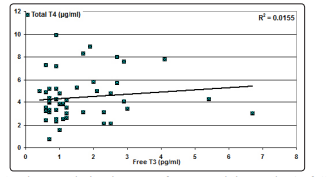
Figure 1: The correlation between free T3 and the total T4 of CRF patients included in the study
fT3 correlates positively and strongly with total serum protein [r = 0.437, p = < 0.01] (Figure 2).
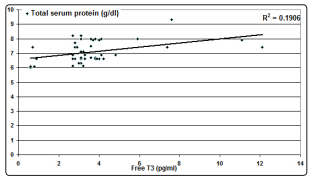
Figure 2: The correlation between free T3 and the TSP of controls included in the study
Levels of tT3 and fT3 suffer further reductions in CRF, which is thought to be due to impairment in deiodenation of T4, a principle process by which T3 is produced at peripheral levels [33]. There was a highly significant elevation of S.urea and S.creatinin between CRF and control group respectively.
TSP contains two types (albumin and globulin); Serum globulin regarding the main types of protein those binding thyroid hormones. It was found that there is a decreased in the (TSP) level in CRF group.
Statistically analysis revealed there is a high significancy of TSP between CRF and control group. Albumin is another protein that binds hormones but the binding with thyroid hormones is less than globulin binding thyroid hormones.
There is a highly significant of serum albumin between CRF and control groups. There is in agreement with other studies (Jan Robertson, 2006 et al.) [37,39].
In the present study reveals that 34 patients (70.83%) had duration of CRF between 1-4 years, while 10 patients (20.83%) had duration between 5-9 years and only 4 patients (8.33%) had duration 10 years or more. The mean duration of CRF was between 3.75 ± 3.75 (Figure 3).
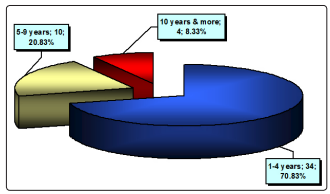
Figure 3: The duration (years) of CRF of patients included in the study [Mean±SD (Range); 3.75±3.72 (1.00-17)]
References
- Arthur C Guyton, John E Hall (2006) Textbook of Medical Physiology; 11th ed. p 2-9. ELSVIER, Sanders, Elsevier Inc 1600 John F. Kenedy Blvd. Suite 1800, Philadelphia Pennsylvania 19103-2899.
- Ryan Mattison (2004) Thyroid Physiology and Thyroid function Tests p 1.
- Paul ladenson, Matthew Kim Goldman (2007) Ceciel, Medicine 23rd ed., Copy write Saunders. An Imprint of Elsevier, Chapter 244.
- Robert D Utiger (2007) Thyroid hormone synthesis and physiology. Up To Date Medicine-CD.
- Brunner, Suddath’s (2006) Textbook of Medical surgical Nursing, 11th ed., SC. Smeltzer, et al. (eds), Lippincott Williams and Wilkins.
- Chan Jc, Williams DM, Roth Ks (2002) Kidney failure in infants and children. Prediatr Rev 23: 47-60.
- Nakhjavani YB, Bayramy A (2007) The dental and oral status of children with chronic renal failure. J indian Soc pedod prev Dent 25: 7-9.
- De Rossi S, Cohen D (2008) Renal disease. In: Greenberg MS, Glick M. ship JA, editors, Burket’s oral Medicine. 11thed. Hamilton; BC Decker 363-383.
- Douglas S Ross (2007) Thyroid Function in non-thyroidal Illness Up To Date CME 134: 1-7.
- Stockigt JR (1996) Guidelines for Diagnosis and Manitoring of Thyroid Disease, non-thyroidal Illness. Clin Chem 42: 188-190.
- Pradeep Arora, Mauro Verrelli (2008) Chronic Renal Failure. Emedicine.
- Levey AS, Coresh J, Balk E, Kausz AT, Levin A, et al. (2003) National Kidney Foundation practice guidelines for chronic kidney disease: evaluation, classification, and stratification. Ann Intern Med 139: 137-147.
- National Kidney Foundation (2002) K/DOQI clinical practice guidelines for chronic kidney disease: evaluation, classification, and stratification. Am J Kidney Dis 39: S1-266.
- Eina G, Panuccio V, Cutrupi S, Pizzini P, Tripepi G, et al. (2007) Subclinical hypothyroidism is linked to micro-inflammation and predicts death in continuous ambulatory peritoneal dialysis. Nephrol Dial Transplant 22: 538-544.
- Lo JC, Chertow GM, Go AS, Hsu CY (2005) Increased prevalence of subclinical and clinical hypothyroidism in persons with chronic kidney disease. Kidney Int 67: 1047-1052.
- Biff Palmer, William L Henrich (2008) Thyroid function in chronic renal failure.
- Medri G, Carella C, Padmanabhan V, Rossi CM, Amato G, et al. (1993) Pituitary glycoprotein hormones in chronic renal failure: Evidence for an uncontrolled alpha-subunit release. J Endocrinol Invest 16: 169-174.
- Wiederkehr MR, Kalogiros J, Krapf R (2004) Correction of metabolic acidosis improves thyroid and growth hormone axes in haemodialysis patients. Nephrol Dial Transplant 19: 1190.
- Carrera JJ, Qureshi AR, Axelsson J, Yilmaz MI, Rehnmark S, et al. (2007) Clinical and biochemical implications of low thyroid hormone levels (total and free forms) in euthyroid patients with chronic kidney disease. J Intern Med 262: 690-701.
- Zoccali C, Mallamaci F, Tripepi G, Cutrupi S, Pizzini P (2006) Low triiodothyronine and survival in end-stage renal disease. Kidney Int 70: 523-528.
- Castellano M, Turconi A, Chaler E, Maceiras M, Rivarola MA, et al. (1996) Thyroid function and serum thyroid binding proteins in prepubertal and pubertal children with chronic renal insufficiency receiving conservative treatment, undergoing hemodialysis, or receiving care after renal transplantation. J Pediatr 128: 784-790.
- Giillermo E Umpierrez (2002) Euthyroid Sick Syndrom. South Med J 95: 506-513.
- Basaria S, Cooper DS (2005) Amiodarone and the thyroid. Am J Med 118: 706-714.
- Joel D Koppel, David Geffen (2008) Do low-protein diets retard the loss of kidney function in patients with diabetic nephropathy. Am J Clin Nutr 3: 593-594.
- Aydingöz IE, Göktay F, Serdar ZA, YaÃÂ??ar S, Aslan C (2007)Iododerma following sitz bath with povidone-iodine. Australas J Dermatol 48: 102-104.
- Walter MA, Briel M, Christ-Crain M, Bonnema SJ, Connell J, et al. (2007) Effects of antithyroid drugs on radioiodine treatment: systematic review and meta-analysis of randomised controlled trials. BMJ 334: 514.
- Lisandro lrizarry, Nadine A Youssef, Jeffrey Glenn Bwman (2008) Toxicity, Thyroid Hormone. eMedicine Specialties, Emergency Medicine, TOXICOLOGY.
- Vanderpump MPJ, Ahlquist JAO, Franklyn JA, Clayton RN (1996) Consensus statement for goodpractice and audit measures in the management of hypothyroidism and hyperthyroidism. BMJ 313: 539-544.
- Hussein Saied, Ali Darwish, Feras Esmaiel (2005) Thyroid hormones disturbance in chronic renal failure patients. Tishreen University Journal 27: 2.
- G Avasthi, S Malhotra, APS Narang, S Sengupta (2001) Study of thyroid function in patients of chronic renal failure. Indian J Nephrol 11: 165-169.
- Davis W Lamson, Jonathan V Wright (2003) A case of early renal functional impairment resolved with nutrients and botanicals - Renal Failure. Health Care Industry 8: 55-58.
- Kayima JK, Otieno LS, Gitau W, Mwai S (1992) Thyroid hormone profiles in patients with chronic renal failure on conservative management and regular haemodialysis. East Afr Med J 69: 333-336.
- HJ Mehta, LJ Joseph, KB Desai, MN Mehta, AM Samuel, et al. (1991) Total and free thyroid hormone levels in chronic renal failure. JPGM 37: 79-83.
- Zoccali C, Tripepi G, Cutrupi S, Pizzini P, Mallamaci F (2005) Low triiodothyronine: A new facet of inflammation in end-stage renal disease. J AM Soc Nephrol 16: 2789-2795.
- Serhat Aytug, Lawrence E Shapiro (2007) Euthyroid sick syndrome. Emedicine.
- Hamdy Abo-zenah, Sabry A shoeb, ALaa A Sabry, Hesham A Ismail (2008) Relating circulating thyroid hormone concentrations to serum interleukins-6 and -10 in association with non-thyroidal illnesses including chronic renal insufficiency. BMC Endocrine Disorders 8: 1.
- Jane Robertson, M Alexis Seguin (2006) Renal Diseases–Case-Based Approach to Acute Renal Failure, Chronic Renal Failure and Protein-Losing Nephropathy. IDEXX Laboratories.
- Shamsadini S, Darvish-Moghaddam S, Abdollahi H, Fekri AR, Ebrahimi HA (2006) Creatinine, blood urea nitrogen and thyroid hormone levels before and after haemodialysid. Health Journal 12: 231-235.
- Levy, Jeremy (2004) Nutrition on dialysis. Assessment of nutritional status; Morgan, Julie; Brown, Edwina, Oxford Handbook of Dialysis, 2nd Edition Oxford University Press 6: 1-22-CD.