

International Internal Medicine Journal(IIMJ)
ISSN: 2837-4835 | DOI: 10.33140/IIMJ
Impact Factor: 1.02

Research Article - (2024) Volume 2, Issue 8
The Cause of Panic at the Outbreak of Covid-19 in South Africa-A Comparative Analysis With Similar Outbreak in China and New York
Received Date: Jul 01, 2024 / Accepted Date: Jul 25, 2024 / Published Date: Aug 02, 2024
Copyright: ©Â©2024 King Costa. This is an open-access article distributed under the terms of the Creative Commons Attribution License, which permits unrestricted use, distribution, and reproduction in any medium, provided the original author and source are credited.
Citation: Costa, K. (2024). The Cause of Panic at the Outbreak of Covid-19 in South Africa
Abstract
Lack of proper messaging at an outbreak of a novel disease causes panic with more serious damaging impacts on livelihoods, social-fabric of communities, economic landscapes, and political stability. There have been notable high levels of panic in South Africa and the globe with regard to the outbreak of COVID-19. The current lack of knowledge and poor communication has been attributed as a precursor to the skyrocketing global panic (Freimuth, Linnan, Potter, 2000). Fuelling this panic is the rate at which the incidence of new infections is increasing in countries outside of China, with Italy and Iran leading on a number of new infections and death cases.
A Content Analysis method was used to analyze articles, media clips and social network reactions to the outbreak of COVID-19 in South Africa on the 6th of March 2020. The key to the investigation was to understand how authorities are communicating with the public on matters of national concern – regarding how they are prepared to deal and handle the outbreak. This study further compares the South African response to China at the outbreak of SARS in 2003. Codes to analyze texts extracted from targeted media and scientific sources and themes were generated and presented.
Findings indicate that the general public does not have faith in government authorities, due to a lack of communication. It is perceived that lack of communication is indicative of a lack of preparedness. Contrary to evident panic in South Africa, scientific data indicates that there is no need to panic as a result of the outbreak of COVID-19. Further, a study from the French Institute for Health and Medical Research in 2020 on the prepardness of African countries to handle COVID-19 indicates that South Africa is one of the better-equipped countries in Africa to detect and handle any incidence of COVID-19. This study further recommends that authorities and policy-makers use communications to educate the public far earlier at the onset of epidemic outbreaks, regardless of where it happens as the air-traffic connects global countries, resulting in the potential for disease importation.
Keywords
COVID-19, Communication, South Africa, Panic, Media, National Response
Introduction
Lack of proper messaging at an outbreak of a novel disease causes a panic with more serious damaging impacts on livelihoods, social-fabric of communities, economic landscapes and political stability. There have been notable high levels of panic in South Africa and the globe with regard to the outbreak of COVID-19. Current lack of knowledge and poor communication has been attributed as a precursor to the skyrocketing global panic [1]. Fuelling this panic is the rate at which the incidence of new infections is increasing in countries outside of China, with Italy and Iran leading on number of new infections and death cases. COVID-19 is part of the family of Corona viruses, named as such due to its crown-like spikes that emerge from its surface.
SARS outbreak in November 2002 was the first Corona virus epidemic that had high lethal effects on people and caused a lot of panic in China and the world at large [2]. The SARS transmission caused a panic due to its transmission mode of moving from human to human. The second outbreak of Corona virus was the H1N1 in 2009, an influenza strain, also known as swine flu that spread across the globe (McKimm-Breschkin, 2013). A third outbreak is a bird flu with notation H7N9 in 2013, which continued to infect people until 2018 and beyond [2]. The H7N9 transmission mode was only from animals to humans and as such did not cause a lot of panic. This study will also reflect on the behavior of COVID-19 in terms of its spread from one human to another human, in relation to the spread of other diseases like Ebola, SARS, Diphtheria [3]. Whereas we have heard of impacts of these viruses, this study sought to understand why there was such high global panic and what the impacts of such panic could be to South Africa.
The current panic and mixed messages in South Africa, coupled with transparency issues provides the rationale for this investigation. In pursuit of answering the question “What caused the panic in South African public at the outbreak of COVID-19?” this investigation sought to determine methods that could be used to communicate public health issues that attract public interest so as to enhance national stability and calm, which in turn would assist in an effective national response. The study further compared the situation in terms of social media reactions (Facebook) in South Africa with those in State of New York, as the outbreak of COVID-19 in these areas occurred at almost the same time. Application of communication theory was investigated as a scientific tool to assist in public health response towards epidemics and pandemics.
Thereotical Framework
Communication theory was fundamental in this investigation, as the key focus was how government leaders communicate to publics during a national crisis. The Social-Mediated Crisis Communication Model (SMCCM) provides a framework for understanding how organizations communicate during crises via social media [4]. This model was suitable for this study as it highlights the intersection of traditional media, social media, and influential publics during a crisis. In terms of this model, three types of publics that played a central role in this investigation were influential social media creators, followers, and those that inactive. Creators generate crisis-related content, followers disseminate and engage with this content, and inactives receive information passively [5]. The model emphasizes the role of these publics in shaping crisis narratives and influencing organizational reputations.
Central to the SMCCM is the interaction between these publics and organizations, which can occur directly through organizational social media accounts or indirectly through third- party platforms. Organizations must monitor social media to gauge public sentiment, identify key influencers, and respond promptly to misinformation or emerging issues. The model also underscores the importance of integrating social media strategies with traditional crisis communication efforts [4].
Methods And Materials
A method for structuring scientific writing known as IMRaD was used to report on the phenomenon regarding the impact of miscommunication and lack of information on the COVID-19 [6]. This study used Content Analysis methodology to look for both insights and themes related to communication, panic and impacts during an outbreak of Corona virus in China, comparing these experiences to the outbreak in South Africa and New York. Content Analysis is a technique of arranging both quantitative and qualitative data in an organized, systematic and logical manner whereby categories of data maintain original signification and manifest content for the purpose of interpretation, taking into account the variable situations that led to their production. This method provides an opportunity to analyze data both deductively using positivist approaches as indicated below while using interpretivist approaches to understand phenomenon beyond numbers. This it does by assuming inferential dimensions of reporting, which were crucial on a project of this nature [7]. Rigor in our method of data collection and analysis was ensured through demonstrable and replicable nature of processes involved, which plays a vital and fundamental role for exerting confidence of inferences, generalizations and conclusions made thereof [8]. The Content Analysis (CA) method used was hinged upon qualitative research tradition [9].
According to Belotto (2018) and Thome (2000), data analysis techniques are the toughest phase in qualitative research methods, due to the requirement that highest levels of quality criteria be demonstrated [10,11]. Demonstration of validity in qualitative research is presented through concepts of trustworthiness (Nowell, et al., 2017) [12]. The researcher needs to demonstrate that the data analysis approach was “conducted in a rigorous and methodical manner to yield meaningful and useful results. Scholars Elo, et al.,(2014) asserted the importance of demonstrating steps taken for establishment of rigor in every phase of the research process, starting with how data was prepared and organised for analysis to how the results are reported and knitted to conclusions [13]. Further, the researcher needs to demonstrate that the methods used can be reproducible as required in terms of the transferability element of the quality criteria for trustworthiness [8]. The process of analysis followed the iterative steps as reflected in Figure 1 below which indicates what was done at each phase of the analysis and how each action was conducted [8,13,14]. Credibility of data is inherent in the fact that reviewed material, particularly the scientific publications were peer reviewed and published in authentic journals. Secondly, demonstration of trustworthiness in social media data is inherent in data sets that were extracted in-vivo from their platforms of origins.

Figure 1: COSTA QDA Method
The concept of researcher bias was also carefully considered during the process of data extraction and analysis. Mackieson, Shlonsky and Connolly (2019) asserted that critics of qualitative research often doubt credibility of interpretivist conclusions, claiming that they are impressionistic and based on researcher bias than accuracy [15]. In qualitative traditions, bias is likely to occur during the process of data collection, data analysis, presentation of findings/results and may influence researcher’s conclusions about the phenomenon being investigated [16]. Three main potential biases for the researchers in qualitative research are (1) selection bias in relation to secondary data for extraction and final analysis; (2) informant bias where the researcher engages directly with participants and (3) analytic coder bias.
During the search phase of this study, the treatment of bias was observed though the search strategy used by applying Boolean Logic [17]. A few databases were searched including Google Scholar, Science Direct and Pub Med. Google repositories were also checked including online newspaper editorials. The WHO website and CDC were also searched for relevant data inputs. Facebook was very useful social media platform through its pages while Twitter posed little challenges in providing more data – probably because of lack of knowledge in terms of navigation for content such as the one being researched. At the time of writing this article, there was paucity of scientific articles on the impact of miscommunication on COVID-19 and similar outbreaks before. The following table reflects articles that were reviewed specifically for generating insights and “meanings” of the impact of communication regarding outbreaks of epidemics and generating themes to for better understanding and preparation for future interventions in South Africa.
|
# |
Title |
Source |
|
1 |
Online panic: a coronavirus case study. |
(Le Cunff, 2020) |
|
2 |
H1N1, H5N1, H7N9? What on earth does it all mean |
(McKimm-Breschkin, 2013) |
|
3 |
The Impacts on Health, Society, and Economy of SARS and H7N9 Outbreaks in China: A Case Comparison Study |
(Qiu, et al., 2018) |
|
4 |
Communicating the Threat of Emerging Infections to the Public. |
(Freimuth, et al., 2000) |
|
5 |
Third corona virus case in SA confirmed – and it's the wife of the first man to be diagnosed |
(Dlomo, 2020) |
|
6 |
Reviews of social media reactions to the Minister of Health’s announcement about the 3rd confirmed case of COVID-19. |
(Sowetan Live Facebook Page, 2020) |
|
7 |
Reviews of social media reactions to the announcement of the 1st outbreak of COVID-19 in New York |
(NBC News Facebook Page, 2020) |
Table 1: Table of Articles Synthesized
|
Emerging Sub-theme |
Code |
Code Frequency |
|
Misinformation |
MISR |
32 |
|
Communication Theory |
CT |
30 |
|
Economic Impacts |
EI |
22 |
|
Prevention and Treatment |
PT |
16 |
|
Behavior change |
BC |
15 |
|
Technology |
IT |
12 |
|
Government Response |
GR |
9 |
|
Mental Health |
MH |
6 |
|
Distrust in Government |
DG |
5 |
|
Death Cases |
DC |
5 |
|
New diseases |
ND |
4 |
|
Coping Mechanisms |
MC |
3 |
|
Public Interest |
PI |
3 |
|
Social Impacts |
SI |
3 |
|
SARS |
SARS |
2 |
|
Resistance of viruses |
RV |
1 |
|
National Security |
NS |
1 |
|
Total |
|
169 |
Table 2: Sub-Themes and Frequencies Generated from Scientific Articles
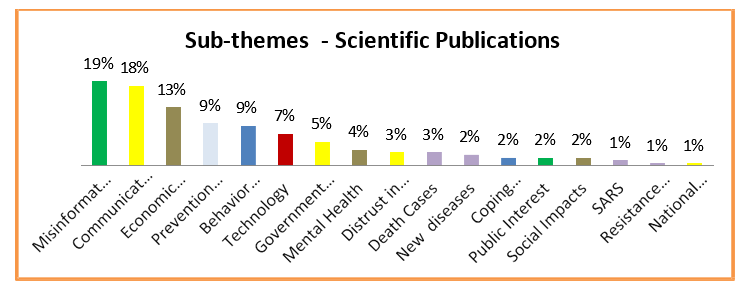
Figure 2: Distribution of Emerging Sub-Themes
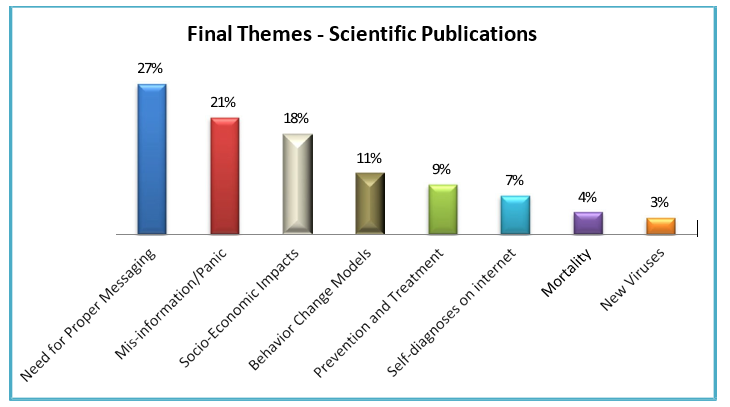
Figure 3: Causes of Panic at Outbreaks of Viruses
Review of publications in relation to SARS of 2003 reveal the dire need of proper messaging when dealing with epidemics, either at national or global level. People seem to manage dire impacts of epidemics when informed of what is happening and assured of national response in a time of crisis. 48% of panic at national level can be attributed to lack of clear messaging. The dangers of this high level of government’s hindsight have a potential to create resistance to intervention measures. Results also indicated that 7% opted for self-diagnoses due to panic resulting from lack of communication from authorities and lack of proper information and education to enhance behavior change. The danger of opting for unverified information is usually a trend when people feel leadership has ignored their plight for safety and protection. In the case of China, people panicked for safety and protection to an extent that they started using substances like vinegar and Banlangen, a Chinese traditional herb believed to heal respiratory infections and viruses [2].
Impacts were massive in China at household levels, with 10% of those surveyed in these studies presenting with mental health problems, necessitating more costs for care and treatment. Social spending increased and household incomes dropped as markets shrunk drastically. Tourism, travel, retail and hospitality industries were adversely impacted as travel to China declined. Asia lost an estimated USD 12-18 billion only in 5 months [2].
|
Emerging Sub- Themes |
Codes |
Code Frequencies |
|
Distrust in Government |
D |
47 |
|
Panic Mongering |
P |
25 |
|
Close borders |
B |
5 |
|
Disease brought by the rich |
R |
4 |
|
No knowledge |
K |
3 |
|
Ban travel |
T |
3 |
|
Italy |
I |
3 |
|
Transmission tracking |
Pv |
3 |
|
Cases reported |
R |
3 |
|
Faith in God |
G |
2 |
|
Recoveries |
H |
1 |
|
Sympathy medics |
M |
1 |
|
Spreading |
S |
1 |
|
Seasonal flue cases |
F |
1 |
|
Total |
|
10 |
Table 3: Sub-Themes from Facebook - RSA
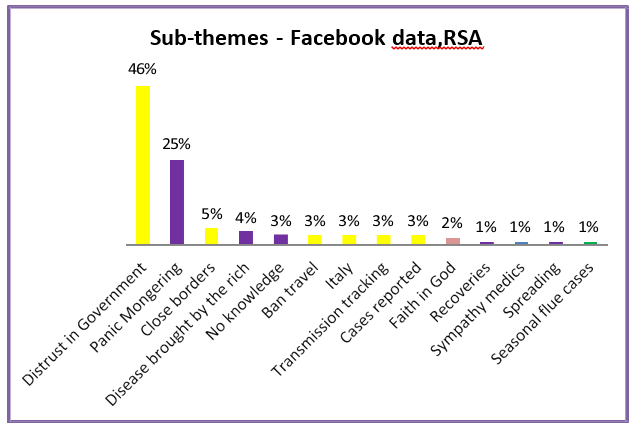
Figure 4: Sub-themes - Facebook data, RSA
|
Themes |
Proportion |
|
Distrust in Government |
61% |
|
Panic Mongering |
35% |
|
Religion'Faith |
2% |
|
Empathy to health care workers |
1% |
|
Understanding of viruses |
1% |
|
Total |
100% |
Table 4: Final Themes Reflecting RSA Reactions
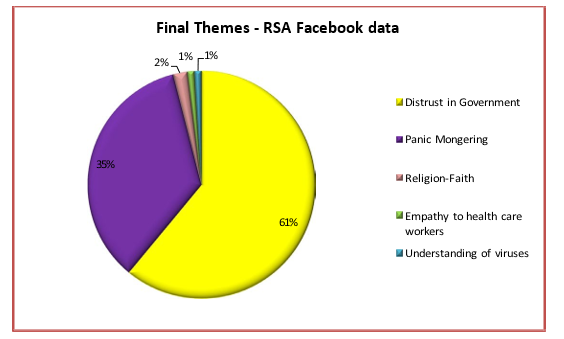
Figure 5: COVID 19 - South Africa Reactions
The scenario in South Africa reflects distrust in government messages and as such social media and other media outlets continue to send messages that create panic mongering. Whereas this study cannot be generalized because it is a qualitative research that seeks to understand views, opinions and insights of South Africans related to the outbreak of COVID-19, results of this analysis indicate that 96% reactions don’t know what to do and are helpless. It should be understood that this does not indicate that government is doing nothing – far from that this indicates a general behavior of people when a novel epidemic is experienced. It is interesting to note similar reactions in the US at the outbreak of COVID-19 in New York. It is for this reason that policy- makers and practitioners need to understand that the panic mode of people has nothing to do with what they are doing – but perhaps what could have been done and what should be done going forward. The section under Discussion below will look at this in detail.
|
Emerging Sub- Themes |
|
Code Frequencies |
|
Codes |
||
|
Panic Mongering |
P |
16 |
|
Distrust in Government |
D |
10 |
|
No knowledge |
K |
9 |
|
Calm |
C |
5 |
|
Recoveries |
H |
3 |
|
Close borders |
B |
1 |
|
Ban travel |
T |
1 |
|
Disease brought by the rich |
R |
1 |
|
Italy |
I |
1 |
|
Spreading |
S |
1 |
|
Transmission tracking |
Pv |
1 |
|
Seasonal flue cases |
F |
1 |
|
Cases reported |
R |
1 |
|
Faith in God |
G |
1 |
|
Sympathy medics |
M |
1 |
|
Stockpile Supplies |
ST |
1 |
|
Total |
|
54 |
Table 5: Sub-Themes from Facebook - NY
|
Theme |
Frequency |
|
Distrust in government |
15 |
|
Panic mongering |
30 |
|
Keeping calm |
5 |
|
Faith and Religion |
1 |
|
Empathy to healthcare workers |
1 |
|
Understanding of diseases |
1 |
|
Stockpile supplies |
1 |
|
Totals |
54 |
Table 6: Reflections of NY Reactions to Outbreak of Corona Virus
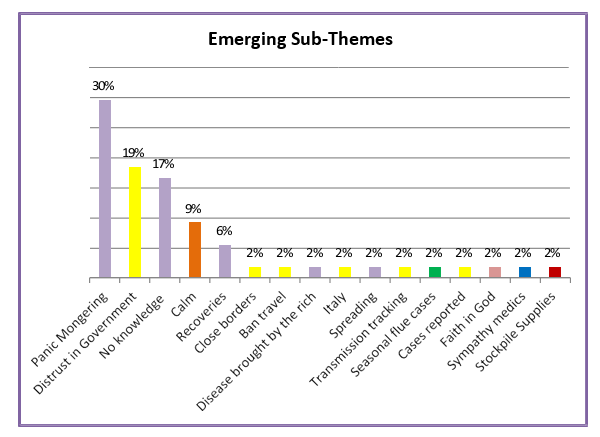
Figure 6:Sub-themes from Facebook data , NY
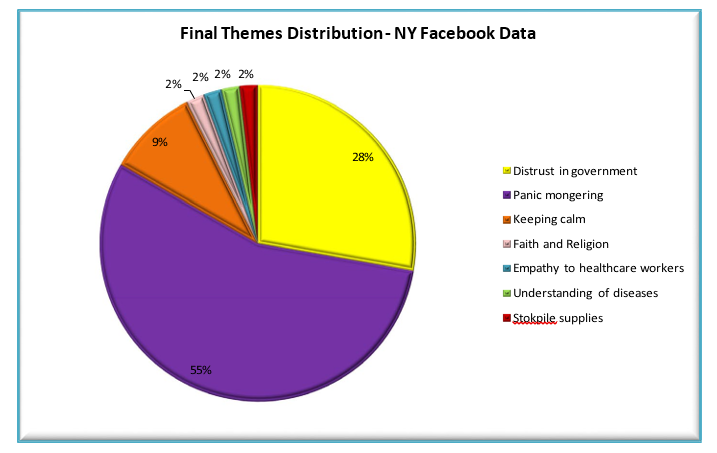
Figure 7: Reflections of NY Reactions to the Outbreak of Corona Virus
Comparing South African Reactions at the Outbreak of COVID-19 with those of New York
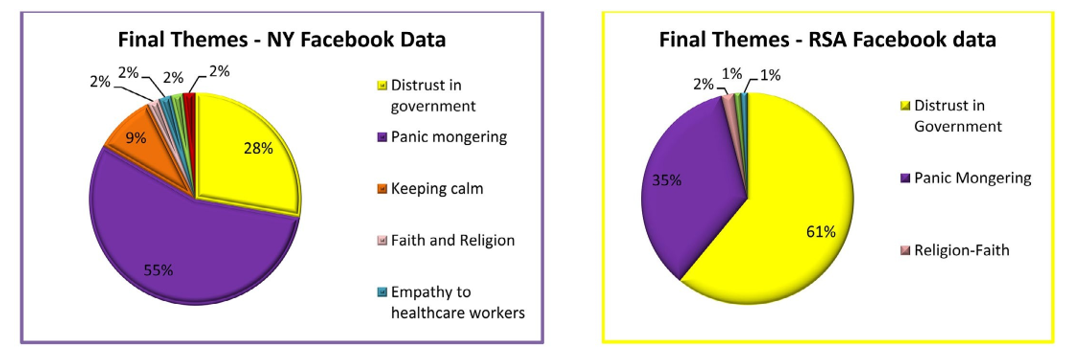
Figure 8: Comparison of Key Common Themes between RSA and NY
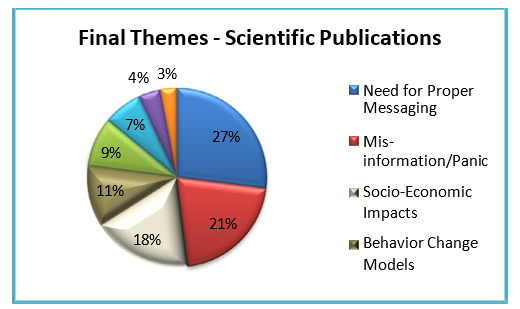
Figure 9: Final Themes from Scientific Articles Analyzed
Discussion
Communications regarding outbreaks of epidemics requires balanced and well crafted messages that reach a nexus between scientific updates with practitioners, politicians and general public. Globalization requires that communication practitioners communicate messages congruent to global efforts so as to enhance public trust and thereby ensure stability and calm – this is important for effective government response. This study found out that China’s handling of the SARS epidemic in 2003 was unsatisfactory and as such caused a lot of distress to communities and general public. The panic that ensued resulted in people engaging in un-orthodox and risky practices in pursuit of procuring defense and protecting themselves against the SARS epidemic [2].
Figure 2, which is a representation of subthemes as retrieved through coding from articles that were analyzed, indicates the quest for clear messages by those responsible when there are national crises including global challenges. The handling of COVID-19 across the world has proved to be problematic in the sense that nations did not communicate messages earlier enough. It is presumed that this did not happen because authorities did not want to cause panic due to its perceived effects on social fabric and economic activities of nations. That is why it is important to use Communication Theory as a guideline to handle messages when faced with dilemmas as has been apparent in this instance. First it is important to understand why people panic when they hear of COVID-19.
Promptness of governments have been termed sluggish across the globe. Iran was the second country out of China to report confirmed cases of the COVID-19, but was not proactive in responding to the situation, which caused panic when their deputy minister of health was showing visible signs of infection during a live broadcast [23]. It is further interesting to note that such sluggishness in swiftness can be seen in Britain, wherein the government was accused of being no-responsive albeit confirmed cases on infection [23]. There have been widespread media accusations of how the US is treating the phenomena without seriousness.
Comparison of data from some of the US public indicate that there is low trust levels of what the government is doing to prevent and manage the spread. 77% of reactions on the day of the outbreak of COVID-19 in New York, although not representative of the public, provide a necessary platform for development of theory to aid further observation in future outbreaks.
It is clear that as governments become candid about the outbreak of epidemics, for whatever reasons, either they are slow in communication for fear of causing panic or for fear of negative impacts to markets; “silent diplomacy” is dangerous when there is a national or global crisis. A comparison of final themes from South Africa, New York and Scientific articles present a common denominator expressed as public quest for proper messages in times of a national or even global crisis. This scenario is reflected in Figure 8 and 9 respectively, whereby studies indicate that 48% of people surveyed in articles that were analyzed showed the need for effective messaging during the SARS 2003 pandemic. As indicated in Qiu, et al., (2020) the main cause of fear and panic relating to COVID-19 is the information that not much is known, as a result there is not much treatment but support. Such messages should be communicated much earlier to allow people to internalize their response and comprehension [24].
There are many illnesses and viruses that cause more health challenges as compared to COVID-19. For a virus to cause a scare, it is important for people to understand its behavior and transmission capabilities. To do that scientists use a notation called R0 (pronounced R-naught) which studies the potential spread of illnesses. The table below (Table 7) indicates how diseases spread from human to human.
|
1 |
Disease |
R0 |
|
2 |
Measles |
12-18 |
|
3 |
Diphtheria |
6-7 |
|
4 |
Smallpox |
5-7 |
|
5 |
Polio |
5-7 |
|
6 |
HIV/AIDS |
2-5 |
|
7 |
SARS |
2-5 |
|
8 |
Ebola |
1.5-2.5 |
|
9 |
Seasonal Flu |
1-2 |
|
10 |
COVID-19 |
1.5-2.4 |
Table 7: The R0 – A Model for Explication of Disease Spread from Human to Human
The official R0 of COVID-19 according to World Health Organization stands at R0 2.4 [25]. The above table means that chances of one individual transmitting a condition to another human with measles is 12-18, while with Ebola it is 1.5 to 2.5. At 2.4 COVID-19 is still low compared to other conditions, including seasonal flu that accounts to many fatalities every year. Another R0 by researchers in Britain (University of Lancaster) determined an R0 of 3.6 – 4.0.
The World Health Organization’s report further states that of all known cases reported there has been low known confirmed cases involving children [25]. Disease has been reported at lower than 2.4% of individuals under the age of 19. It is not known whether children present clinically different from adults. It will be interesting to monitor the situation closely in South Africa, due to the hype and panic created as a result of the first confirmed case – a parent of children going to a certain school in Pietermaritzburg area. So far both parents of these children have been confirmed positive, the father being the first confirmed case and the mother being the 3rd confirmed case - both suspected of having being infected while in Italy. It is further reported by the WHO that number of infected people in China have recovered, noting 18264 cases (24%) by the 20th February 2020.
In China, scholars noted three major issues that could have caused the panic to the population as (1) official announcement on the 20th of January 2020 and declaration that COVID-19 is transmitted from human to human, (2) Stringent quarantine measures of Wuhan of January 22nd and (3) the announcement by WHO on the 31st of January that COVID-19 was declared a public health emergency of international concern [24]. A close look at the results of this current study reveals traces of similarities with the findings of China study, whereby panic and distrust in government communications ranged high in South Africa at 96% and New York at 83%. It should be noted that by this period (January to end of February 2020), government communications in South Africa were not providing strong messages about how prepared the state was regarding this pandemic. The same position was seen in the US (and even the UK) whereby government leaders were not providing strong messages about their countries’ readiness towards COVID-19, which was by then already declared as a PHEIC (public health emergency of international concern).
This piece of information is important in helping to reduce panic. People panic when they heard of the novelty of the epidemic and faced with claims of no action. The three main factors raised in the China study seem to indicate general behavior of people regardless of geographical location when faced with a life threatening condition with no information of how to confront it. Now it is critical to note that we all as global citizens need to get together and deal with effects of the disease through prevention and intervention strategies. Another recent study on Africa’s preparedness of COVID-19 revealed that, although South Africa, Egypt and Algeria were at high risk due to high levels of air traffic with China, these countries were the best equipped in the continent to quickly detect and handle new infections [26]. In this research, INSERM had partnered with Université libre de Bruxelles, the Oxford Martin Programme on Pandemic Genomics and the University of California Los Angeles to assess African countries’ capacity to deal with COVID-19, country by country. Preparedness of South Africa is to respond positively in dealing with COVID-19 is reported to be satisfactory. Indeed we have seen this with the three reported cases since the 6th of March 2020.
Conclusion
This study has investigated the cause of panic at the outbreak of COVID-19 in South Africa. The study can be transferable to any country in the advent of outbreak of epidemics and/pandemics. Results of this study indicated that lack of communication and direction from authorities leaves the public at the behest of panic mongers and uninformed media sources. It is important for governments to continue to invest in research, particularly evaluative research that helps to provide guidance of readiness to respond to any unknown perils with a potential adverse impact on livelihoods, economies and political stability. The panic in South Africa and New York can be attributed to lack of well coordinated messages earlier before outbreaks. Policy-makers should adopt proactive communication strategies as opposed to reactive approaches. Proactive communication strategies help to modify behavior change of targeted audiences and align them for prevention and intervention initiatives.
One of the major hurdles in messaging observed during this study was the issue of public distrust in their governments. In South Africa, an array of reasons underlying public distrust in government institutions has been a widely debated matter, far before the outbreak of VOVID-19. Scholars noted a sharp declining trust of South Africans in democracy, and messages tied to it as far back as year 2000, just six years after the first democratic elections of 1994 [27]. This study provides reasons such as political infighting of the ruling party, gap between government developmental aspirations and state capacity, corruption, inability of the public to hold political institutions accountable [27]. In 2013, a study that appraised South Africa’s democracy since 1994, found out that most South Africans had problems trusting messages from the ANC government, largely due to reasons found in the earlier study by Mattens (2002) [27,28]. In view of this distrust, the public tends to trust more into mass-media, which has played a crucial role in amplifying the voices of the voiceless. It is interesting to further note that, according to Booysen (2014), most people would still vote for the ruling party because they believed they could effect change through participation in the political system [28]. This creates an opportunity for government policy-makers and communications agencies to re-invent themselves in terms of the public perceptions and prevailing trust deficit. Furthermore, this opportunity is strengthened in Bohler-Muller and Roberts (2019) wherein data was presented indicating positive public support for current president of South Africa [29].
Dealing with misinformation emanting from social media is one of the big challenges facing governments within the era of COVID-19. In contrast, social media becomes the only viable alternative when people do not believe in their governments. At the same time, social media is a productive platfrom for spreading fake news and misinformation. This has been a problem to many governments for some time. To curb this problem, Germany introduced tough regulations to deal with misinformation by enacting the Network Enforcement Act which came into force on the 1st of January 2018 [30]. Under this Act, social media platfroms like Facebook, Twitter and Youtube could be fined up to €50m if they did not remove illegal and fake news within 24 hours from their networks. It is believed this Act contributed massively in dealing with fake news in Germany during COVID-19 outbreak. The problem of panic mongering seen in South Africa and New York is resulting from misinformation and that needs tough regulations to curb its atrocious spread.
In India, misinformation is viewed an undue disruptive cause of panic and distress in the population, therefore, the Information Technology Act places responsibilities on social networks for curate content that does not subject the public to consumption of fake news. However, despite the Act in place and continued public communication by Prime Minister Narendra Modi together with his government, through state media and mainstream television, fake news is continually becoming a threat to government communications and playing a “noticeably counterproductive role, contributing to paranoia and panic” as posited by Palit (2020) [31]. In containing the problem of misinformation, the government of India has been reported to arrest those seen to be contravening the Act and government regulations for COVID-19 [32]. It is further reported that the government of India issued directives similar to the ones in Germany whereby social media platforms are requred to take respnsibility for what is posted on their platforms [30,33]. In South Africa, regulations relating to fake news and misinformation were published in March 2020 in the government gazette under the Disaster Management Act of 2002. It is a criminal offence for anyone to publish any content on COVID-19 with intention to deceive. The regulations further make it a criminal offence to make public anyone’s COVID-19 status with an intention to deceive. Finally it is a criminal offence for anyone to publish a statement on any social media platform about government’s measures to deal with COVID-19.
In South Africa, the fake news regulations seem to target individuals who spread the misinformation, whereas Germany and India have asked owners of these platforms to take responsibility by removing such misinformation on their networks within 24hours. As part of enforcement of regulations to curb the spread of fake news and misinformation on social media, a penalty of six months imprisonment or fine will be instituted [32]. Such arrests have already been instituted in some cases.
So far, the public needs to calm down; panic will not help BUT bring devastating results to the already struggling economy of South Africa. Epidemics and perils, at national or global level need to attract uniform one voice – and the COVID-19 outbreak in South Africa should help to galvanize unity and support to our government – out of political rhetoric to find solutions. Authorities and general public have collective responsibilities to deal with COVID-19 as postulated in the recent WHO report [25]. These responsibilities in terms of communication are:
a) Countries to activate the highest optimum protocols and communication to obtain a unified national/societal response to contain COVID-19 with non-pharmaceutical public health measures;
b) Enhance surveillance and monitoring systems for immediate detecting and testing and containment measures including “rigorous quarantine of close contacts”
c) “Fully educate the general public on the seriousness of COVID-19 and their role in preventing its spread”;
d) The general public to recognize that any outbreak in a country is a national imperative that requires all to be prepared to “fight” it with strategies led by government;
e) The public to commit to behavior change and initiate preventative practice of:
• Constantly washing hands as recommended
• Covering one’s mouth when coughing or sneezing
• Frequently be willing to learn from credible sources of signs and symptoms (fever and dry cough)
• Be prepared to help governments and authorities to deal with COVID-19 as a matter of a national imperative.
During this study exercise, it became clear that the cause for panic at the outbreak of COVID-19 in South Africa was first due to lack of messages from government and secondly misinformation from social media. It should further be noted the three factors highlighted by Qiu, et al., (2020) play a vital role in intensifying the panic when not is communicated by those in leadership [24]. Using communication theory, researchers and practitioners have developed social media communication frameworks that can assist policymakers in taking advantage of opportunities created by social network platforms such as Facebook and Twitter to communicate to their stakeholders and the public at large [34]. Efforts put in place by governments such as Germany and India, whereby the reponsonsibility of ensuring that content was not deceitful or harmful to users was left in the hands of social media management, with penalties for non-compliance seem to have helped in containing misinformation, panic mongering and counter-government messaging on COVID-19.
Limitations
Readers of this article are cautioned to be aware of the study limitations as mentioned below:
First this study made conclusions from social media content, particularly Facebook, and secondary literature such as published articles. This means that the content used could not be interacted to produce in-depth and underlying meanings further to textual data collected.
Secondly, the study used CA approach within qualitative research paradigm, which means that the study could not be generalized for more representative conclusions.
Lastly, the methodology used limits findings to the view and perspective of the researcher in relation to study context. A more general view of other perspectives from social media application platforms such as Twitter (X), Whatsap Groups, Telegram and LinkedIn could have given a general and holistic view of data from social media.
References
- Freimuth, V., Linnan, H. W., & Potter, P. (2000). Communicating the threat of emerging infections to the public. Emerging infectious diseases, 6(4), 337.
- Qiu, W., Chu, C., Mao, A., & Wu, J. (2018). The impacts on health, society, and economy of SARS and H7N9 outbreaks in China: a case comparison study. Journal of environmental and public health, 2018(1), 2710185.
- Le Cunff, A.(2020). Online panic: a coronavirus case study.
- Liu, B. F., Austin, L., & Jin, Y. (2011). How publics respond to crisis communication strategies: The interplay of information form and source. Public relations review, 37(4), 345-353.
- Lee, Y. I., & Jin, Y. (2019). Crisis information seeking and sharing (CISS): scale development for measuring publics' communicative behavior in social-mediated public health crises. Journal of International Crisis and Risk Communication Research, 2(1), 13-38.
- Oriokot, L., Buwembo, W., Munabi, I. G., & Kijjambu, S.C. (2011). The introduction, methods, results and discussion (IMRAD) structure: A survey of its use in different authoring partnerships in a students' journal. BMC research notes, 4, 1-5.
- Costa, A. P., & Amado, J. (2018). Content analysis supported by software. Ludomédia, Aveiro.
- Lincoln, S. Y. & Guba, E. G., 1985. Naturalistic inquiry.Thousand Oaks, CA: Sage.
- Erlingsson, C., & Brysiewicz, P. (2017). A hands-on guide to doing content analysis. African journal of emergency medicine, 7(3), 93-99.
- Belotto, M. J. (2018). Data analysis methods for qualitative research: Managing the challenges of coding, interrater reliability, and thematic analysis. The qualitative report, 23(11), 2622-2633.
- Thorne, S. (2000). Data analysis in qualitative research.Evidence-based nursing, 3(3), 68-70.
- Nowell, L. S., Norris, J. M., White, D. E., & Moules,N. J. (2017). Thematic analysis: Striving to meet the trustworthiness criteria. International journal of qualitative methods, 16(1), 1609406917733847.
- Elo, S., Kääriäinen, M., Kanste, O., Pölkki, T., Utriainen, K., & Kyngäs, H. (2014). Qualitative content analysis: A focus on trustworthiness. SAGE open, 4(1), 2158244014522633.
- Costa, K. (2019). Systematic guide to qualitative data analysis within the COSTA postgraduate research model.
- Mackieson, P., Shlonsky, A., & Connolly, M. (2019). Increasing rigor and reducing bias in qualitative research: A document analysis of parliamentary debates using applied thematic analysis. Qualitative social work, 18(6), 965-980.
- Pannucci, C. J., & Wilkins, E. G. (2010). Identifying and avoiding bias in research. Plastic and reconstructive surgery, 126(2), 619-625.
- Massachusetts Institute of Technology, 2020. Database Search Tips: Boolean operators.
- Saldaña, J. (2021). The coding manual for qualitative researchers.
- Stewart, D. L. (2010). Researcher as instrument: Understanding" shifting" findings in constructivist research. Journal of Student Affairs Research and Practice, 47(3), 291-306.
- Burles, M. C., & Bally, J. M. (2018). Ethical, practical, and methodological considerations for unobtrusive qualitative research about personal narratives shared on the internet. International Journal of Qualitative Methods, 17(1), 1609406918788203.
- Wormald, R., & Evans, J. (2018). What makes systematic reviews systematic and why are they the highest level of evidence?. Ophthalmic epidemiology, 25(1), 27-30.
- Goetz, J. P., & LeCompte, M. D. (1981). Ethnographic research and the problem of data reduction 1. Anthropology & Education Quarterly, 12(1), 51-70.
- Cowper, A. (2020). Covid-19: are we getting the communications right?. bmj, 368.
- Qiu, J., Shen, B., Zhao, M., Wang, Z., Xie, B., & Xu, Y. (2020). Anationwide survey of psychological distress among Chinese people in the COVID-19 epidemic: implications and policy recommendations. General psychiatry, 33(2).
- Gomes, C. (2020). Report of the WHO-China joint mission on coronavirus disease 2019 (COVID-19). Brazilian Journal of Implantology and health sciences, 2(3).
- INSERM - French Institute for Health and Medical Research, 2020. Risk of coronavirus importation in Africa, s.l.: INSERM.
- Mattes, R. B. (2002). South Africa: Democracy without the people?. Journal of Democracy, 13(1), 22-36.
- Booysen, S. (2014). Twenty years of South African democracy: Citizen views of human rights, governance and the political system.
- Bohler-Muller, N. & Roberts, B., 2019. Data shows South Africans will welcome Ramaphosa’s tough talk on graft.
- Palit, P. S. (2020). India and COVID-19: misinformation and the downside of social media.
- Milo, D. & Thiel, J., 2020. South Africa: Fake news aboutCovid-19 now a criminal offence.
- Das, S., 2020. Fighting Fake News on COVID-19: What India’s Social Media Companies are Doing.
- Mishaal, D. A., & Abu-Shanab, E. (2015, May). The effect of using social media in governments: framework of communication success. In ICIT 2015 The 7th International Conference on Information Technology, 12â (Vol. 15).
- Dlomo, L., 2020. Third coronavirus case in SA confirmed – and it's the wife of the first man to be diagnosed.
- Grobler, R., 2020. Man who posted fake 'contaminatedCovid-19 test kits' video arrested.
- Gupta, S. (2017). Ethical issues in designing internet-based research: recommendations for good practice. Journal of Research Practice, 13(2), D1.
- Li, Z. T., Li, L., Chen, T. T., Li, C. Y., Wang, D. Q., Yang, Z.F., & Zhong, N. S. (2015). Efficacy and safety of Ban-Lan- Gen granules in the treatment of seasonal influenza: study protocol for a randomized controlled trial. Trials, 16, 1-10.
- McKimm-Breschkin, J., 2013. H1N1, H5N1, H7N9? Whaton earth does it all mean.
- NBC News Facebook Page, 2020. NBC News.
- Sowetan Live Facebook Page, 2020. Sowetan Live.
- Tripathy, J. P. (2013). Secondary data analysis: Ethical issues and challenges. Iranian journal of public health, 42(12), 1478.