



Review Article - (2025) Volume 10, Issue 1
The Aetiology of Ill Health Among Urban Slum Communities in Nigeria: A Systematic Review
2Society for Good Health, Sustainable Development and Environmental Awareness, Ibadan, Nigeria
Received Date: Dec 02, 2024 / Accepted Date: Dec 27, 2024 / Published Date: Jan 06, 2024
Copyright: ©Â©2025 Oluwasayo A Olatunde, et al. This is an open-access article distributed under the terms of the Creative Commons Attribution License, which permits unrestricted use, distribution, and reproduction in any medium, provided the original author and source are credited.
Citation: Olatunde, O. A., Olufemi, O. A. (2025). The Aetiology of Ill Health Among Urban Slum Communities in Nigeria: A Systematic Review. J Nur Healthcare, 10(1), 01-12.
Abstract
Background: The UN-Habitat reported that about 65% of Nigeria's urban population lives in slums, while millions are without access to basic amenities including clean water, sanitation, and adequate housing. The impact of slum environments on specific diseases has also been documented, highlighting a need to review the causes in a single study and provide a comprehensive understanding of current issues.
Methods: This study utilized the PRISMA protocol to systematically review the literature on the causes and challenges of ill health among Nigerian slum communities. Research articles were sourced from Africa-Wide Information, Cochrane Library, Global Health, and PubMed databases. 22 articles, which met the inclusion criteria were included in the final review.
Result: Nigeria is experiencing the proliferation of slum settlements in Lagos, Abuja, Ibadan, Kano, and Port Harcourt. Ill health conditions were linked to high population density, poor sanitation and waste management, lack of basic amenities including clean water, high poverty rate, poor education, and drug abuse. Cholera, malaria, tuberculosis, respiratory infections, and diarrheal were common diseases further exacerbated by socioeconomic and infrastructural limitations to access formal healthcare services.
Conclusions: Effective intervention strategies are urgently needed to mitigate health challenges and improve the well-being of slum populations.
Keywords
Aetiology, Ill Health, Urban Slum, Communities, Nigeria, Systematic Review
Introduction
According to UN-Habitat, slums are characterized by the absence of several essential living conditions, including durable housing that offers protection against severe climatic conditions, insufficient living space, inadequate sanitation, and limited access to safe water [1]. Contemporary evidence shows that globally, 1 out of 8 persons either lives in slums or experience slum conditions around their housing area [2,3]. It is projected that by 2030, about 60% of the world population will reside in urban areas, with 90% of urban expansion in the forthcoming decades expected to take place in countries with middle and low incomes [3,4]. Current urbanization trends suggest that by 2050, an additional three billion individuals will reside in cities, elevating the urban proportion of the global population to two-thirds.5 Also, 95% of urban growth over the next 20 years is projected to transpire in cities, resulting in a population exceeding 4 billion and constituting around 80% of the future urban populace [5,6].
Nigeria is experiencing one of the fastest urbanization growth rates in the world.7 With more people migrating to cities in search of better socioeconomic opportunities, the demand for housing, infrastructure, and services has surged beyond what the urban centres can sustainably accommodate. For example, cities such as Lagos, Ibadan, Kano, and Abuja have seen a massive influx of people from rural areas sadly, many are unable to afford formal housing, and this has led to the expansion of informal and slum settlements [7,8]. The perception that cities offer better employment opportunities, education, and healthcare is driving millions of Nigerians from rural areas to urban centres. However, the lack of adequate planning for such rapid population growth results in overcrowded, informal settlements [7-9].
Urban slum communities in Nigeria are particularly vulnerable to a range of public health issues due to overcrowding, inadequate infrastructure, poor sanitation, and limited access to healthcare services [10]. Studies have shown that infectious diseases are common in urban slum communities due to stagnant water, uncollected waste, and inadequate health infrastructure which make slum areas breeding grounds for several infectious diseases [10-12]. Malaria is reported as the leading cause of morbidity and mortality in Nigeria, and it is particularly prevalent in urban slums due to poor drainage systems and stagnant water, which serve as breeding sites for Anopheles mosquitoes [11,13]. The high population density in slums increases the risk of transmission. Research has also shown that in slums, healthcare access is limited, and many cases of malaria go untreated or are poorly managed, contributing to the high disease burden [12-14].
Other studies that investigated infectious diseases that are associated with urban slum communities in Nigeria identified tuberculosis (TB) as one of the diseases that can easily spread due to slum conditions [15-17]. The proximity in which people live in slum areas promotes the transmission of airborne diseases such as tuberculosis.15 Poor ventilation and overcrowded housing have also been found as significant risk factors for TB, which spreads easily when individuals are in close quarters [16]. People with compromised immune systems are more likely to develop active TB, creating a dual public health challenge that overburdens healthcare systems [17,18]. Recently, cholera and other waterborne diseases were reported among urban slum communities particularly, in South-west Nigeria [20-21]. Contaminated water sources and poor waste disposal systems contribute to outbreaks of cholera, typhoid, and dysentery [19,21]. During cholera outbreaks, slum dwellers often lack timely access to medical interventions, such as oral rehydration therapy (ORT), vaccines, and antibiotics. This leads to higher mortality rates in these areas compared to other parts of the country [20].
Moreover, maternal and child health status in slum areas is often poor due to a lack of access to healthcare services, poor living conditions, and limited maternal education [22]. Women living in slums often have limited access to prenatal, postnatal, and delivery services, which increases the risk of complications during pregnancy and childbirth [23]. Many women give birth at home or in poorly equipped facilities, leading to high rates of maternal mortality due to complications such as haemorrhage, infection, and obstructed labour [23]. In addition, cultural stigma, lack of education, and poverty often drive women to seek unsafe abortion methods, leading to high rates of sepsis, haemorrhage, and death [24,25].
Slum communities in Nigeria have some of the highest neonatal mortality rates due to a lack of skilled birth attendants, inadequate health facilities, and poor sanitation [24]. Neonatal conditions such as birth asphyxia, infections, and low birth weight are common causes of death [24,26]. Many children in slum areas do not receive routine vaccinations against diseases such as measles, polio, and tetanus, leading to frequent outbreaks of these preventable diseases [23,25,26]. Women and children in slums face disproportionately high rates of mortality and morbidity [25]. Moreover, mental health problems are increasingly recognized as a major public health concern. Poverty, unemployment, overcrowding, and exposure to violence were found as contributors to a range of mental health disorders among slum communities in Nigeria [27]. The struggle for food, shelter, and healthcare results in stress among slum residents, while unemployment and financial insecurity contribute to feelings of hopelessness, anxiety, and depression, which are exacerbated by these poor living conditions in slum areas [28,29]. Slum communities often face social exclusion and stigma due to poverty, poor education, or mental illness. This isolation worsens mental health conditions, especially when there is limited access to mental health services [29].
Many individuals especially the youth population result in substance abuse as a coping mechanism. Substance abuse, in turn, contributes to a range of health problems, including liver disease, cardiovascular issues, and addiction [30.31]. Substance abuse is often linked to increased levels of violence, crime, and domestic abuse in slum communities. The resulting trauma further aggravates mental health issues among residents, creating a cycle of violence and psychological distress [32]. Furthermore, slum communities often have high rates of childhood malnutrition, including stunting (low height for age), wasting (low weight for height), and underweight (low weight for age) [33]. Malnutrition in children is linked to poor physical and cognitive development, which can have long-term impacts on health and productivity [34]. These deficiencies lead to conditions such as anaemia, weakened immune systems, and increased vulnerability to infections [35]. This explains why many slum dwellers often rely on inexpensive, calorie-dense but nutrient-poor foods, such as processed snacks and street food. These diets contribute to the double burden of malnutrition, where undernutrition coexists with obesity and related non-communicable diseases (NCDs) [36]. Nevertheless, environmental health hazards in slums pose significant public health risks. Studies have shown that prolonged exposure to smoke and particulate matter is a leading cause of respiratory diseases such as asthma, chronic obstructive pulmonary disease (COPD), and pneumonia [37,38]. Also, many slum dwellers rely on contaminated water from wells, rivers, or illegal connections to municipal water systems. Water pollution from industrial waste, sewage, and untreated human waste leads to outbreaks of diseases such as cholera, dysentery, and typhoid [39].
Furthermore, open defecation is common in many slums due to the lack of public toilets or sewage systems. This contaminates the environment and water sources and increases the risk of gastrointestinal diseases [40]. Poor sanitation also contributes to the spread of parasitic infections like helminthiasis [40,41]. While most studies focused on a particular health issue or disease per study, there is a dearth of studies that examined the causes of various diseases that are common among slums in a single study. Therefore, this study undertakes a systematic review of studies that assessed health and well-being issues in urban slums to examine the aetiology of ill health among urban slum populations in Nigeria. This review provided answers to two (2) specific research questions:
1. What is the current status of literature on ill health and well- being among slum communities in Nigeria?
2. What are the causes and challenges of ill health among slum communities in Nigeria? The objective is to provide a comprehensive understanding of the current status of literature on the causes and challenges of ill health and provide information that can improve the well-being of people living in slums.
Methods
The study is a systematic review guided by the Preferred Reporting Items for Systematic Reviews and Meta-Analysis (PRISMA) protocol, to review research publications in the literature on the aetiology of ill health conditions among slum communities in Nigeria [42].
Sources of Information
Four (4) electronic databases: Africa-Wide Information (EBSCO), Cochrane Library, Global Health (CABI), and PubMed, were explored to search for study headings, titles, or abstracts from these databases online.
Search Strategy
Keywords used as search terms include: "Urban slum health Nigeria"; "Healthcare Access in Nigerian Slums"; "Environmental Determinants of Health in Nigerian Slums"; "Sanitation, Hygiene and Health Outcomes in urban slums"; "Morbidity and Mortality in Nigerian slum dwellers"; "Housing and Health Challenges in Nigerian Slums"; "Poverty and Health in Urban Slums Nigeria"; and "Communicable Diseases in Urban Slum Communities".
Inclusion/Exclusion Strategy
Only peer-reviewed articles on the subject, written in the English language and published between 2019 and 2024, were screened for review. Relevant studies identified in the references of the selected articles, which met the inclusion criteria were also screened. Conversely, articles related to the subject but not carried out in Nigeria, non-peer-reviewed articles, opinion pieces, and articles not providing empirical data or systematic reviews were excluded.
Selection Strategy
The selection process involved an initial screening of titles to remove duplicate articles among selected databases. The second phase involved an abstract review to exclude studies that did not meet the inclusion criteria. The last stage involved a full-text review of relevant articles to this review's objectives and extracted key information from each article.
Data Extraction
Based on the inclusion/exclusion criteria, data was extracted using a standard form that captured information about the selected study design, methodology, population, key findings, and recommendations. Two (2) independent reviewers were involved in this study. One researcher independently extracted the data using a standard approach to gather information from selected studies about the author’s name(s), title, type of article, methodology, study country, population, and year of publication. The extracted data was rechecked by another researcher in strict compliance with the inclusion criteria, and observed discrepancies were addressed accordingly.
Quality Assessment and Risk of Bias
Quality assessment was achieved with the application of critical appraisal tools for different study designs by the Joanna Briggs Institute,43 using criteria for the quality of study design and methodology, sample and sampling technique, data collection and measurement, data analysis and interpretation, clarity of results, conclusions and generalizability.
Result
A total of 172 articles were retrieved through a systematic search of the selected databases. Out of these, 107 articles were retained after duplicated publications were removed. The subsequent screening phase excluded 59 studies that lacked relevance to the subject and no access to the full text. The remaining 48 articles and abstracts were further screened based on the inclusion criteria, and the process excluded 26 articles that did not meet the inclusion criteria. Lastly, a full-paper screening was conducted, and 22 articles published between 2019 and 2024 were included in the review and analysis. The PRISMA screening flow chart demonstrating the article screening and selection process is presented in Figure 1. All 22 studies included in this review were carried out in Nigeria and published between 2019 and 2024. Thus, the review period provides contemporary information on the health and well-being status of slum communities. About 72.8% of studies included in this review utilized a cross-sectional survey method, while few studies adopted a qualitative design 13.6%, experimental design 4.5%, mixed-methods 4.5%, and case study 4.5% respectively. A total sample size of 16,168 participants who resided in various urban slum communities across Nigerian cities provided primary data in the included studies reviewed (Table 1).
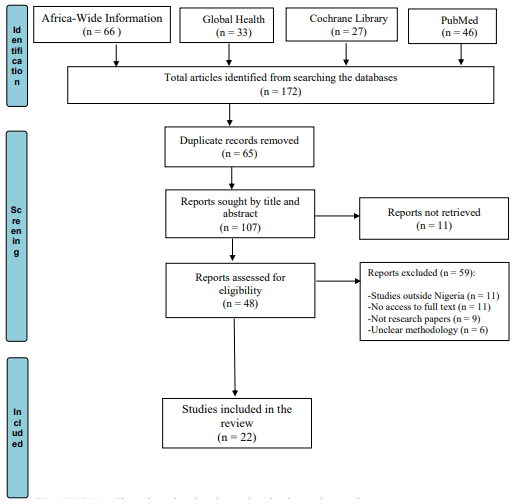
Figure 1: Prisma Flow Chart Showing the Study Selection and Screening Process
Alt test:
The image presents a flowchart styled in a vertical format, with sections labeled "Identification," "Screening," and "Included." Each section contains numerical data within parentheses to quantify articles at various stages of selection. The chart flows logically from the top to the bottom, using arrows to indicate the process. Rectangles highlight the number of articles identified, removed, and assessed, while the exclusion reasons are displayed in bullet points on the right. The overall color scheme includes blue and white, contributing to clear readability
|
Item |
Frequency (f) |
Percentage (%) |
|
Year of Study Publication: |
||
|
2024 |
4 |
18.2 |
|
2023 |
6 |
27.3 |
|
2022 |
4 |
18.2 |
|
2021 |
4 |
18.2 |
|
2020 |
1 |
4.5 |
|
2019 |
3 |
13.6 |
|
Total |
22 |
100 |
|
Study Design: |
||
|
Cross-sectional Survey |
16 |
72.8 |
|
Qualitative study |
3 |
13.6 |
|
Experimental design |
1 |
4.5 |
|
Mixed Methods |
1 |
4.5 |
|
Case Study |
1 |
4.5 |
|
Total |
22 |
100 |
Table 1: Characteristics of Studies Included in the Review (n = 22)
Alt text: A table layout divided into three main sections: "Year of Study Publication," "Study Design," and a summary of totals. The first section includes the years from 2019 to 2024 with their respective frequencies (number of studies) and percentages. The second section categorizes study designs like cross-sectional survey, qualitative study, experimental design, mixed methods, and case study, each with their frequencies and percentages displayed in a clear column format. The table is formatted with headings noted and totals summing 22 studies in both sections.
Discussion
A comprehensive understanding of studies on the aetiology of ill health and well-being in urban slums in Nigeria revealed a good number of important facts. Nigeria occupies a leading position in rural-urban migration with a proliferation of urban slum communities. Researchers have reported that cities such as Lagos, Abuja, Ibadan, Kano, and Port Harcourt have witnessed exponential growth in population and an increasing number of slum settlements in recent times [5,10,62]. This singular yet significant statistic raises concerns regarding the inconsistencies and structural deficiencies within the nation's healthcare system, which have hindered the implementation of preparation strategies, timely responses to disease outbreaks, and effective contact tracing. Urban slums are typically characterized by several socio-economic and environmental factors that define the living conditions of their inhabitants. For instance, slums are usually overcrowded, with many people living in small, confined spaces such that multiple families may share a single room or housing unit, leading to extremely high population density. Although some efforts are being made by the government and private individuals to provide basic amenities such as housing and healthcare facilities, research has found that overcrowding and poor sanitation create ideal conditions for the spread of diseases like cholera, tuberculosis, respiratory infections, and diarrheal diseases [10,13,14]. Also, the lack of clean water and proper waste disposal further exacerbates these risks of disease spreading in slum communities [16-18].
Essential services including clean water and electricity are hardly available and many slums lack proper sewage systems, contributing to an unhygienic environment. In most cases, roads, drainage and public amenities are often poorly developed or completely absent in slums, making transportation, waste management, and general movement difficult. Studies found that exposure to pollution, poor air quality, and unhealthy living conditions increase the risk of non- communicable diseases (NCDs) including asthma, cardiovascular diseases, and respiratory illnesses [19-21]. Unfortunately, slum residents often face barriers to accessing formal healthcare services due to financial constraints, distance from health facilities, and a lack of government support [22,23]. This leads to delayed or inadequate medical care, contributing to poor health outcomes.
Causes of ill health in slum communities are enshrined in their environmental characteristics and the lifestyles of their inhabitants, which are further shaped by socioeconomic realities [23]. For instance, good roads, drainage systems, and public amenities are often poorly developed or completely absent in slums, making transportation, waste management, and general movement difficult. Housing structures in slums are often makeshift and built from low- quality or recycled materials. Notwithstanding, this often appears to be the only affordable option because the majority of slum dwellers participate in informal economies and unstable jobs with low wages.
Most of the studies reviewed identified high poverty rates among people living in slums as a major factor that limits their access to nutritious food, especially among children, and formal healthcare services [23,24]. Crime rates and gang violence are more common in slum communities, as individuals often resort to illegal means of survival. This situation is further exacerbated by drug abuse, especially among youths living in slums. One of the easiest coping mechanisms for the stress associated with overcrowded living conditions in slums is resorting to drug use [27]. Research has shown that this action often leads to mental health problems such as anxiety, depression, and substance abuse [27,29].
Education plays a critical role in shaping individuals' understanding and practices related to health and well-being. However, in slum communities, where access to quality education is often limited, the effects of poor education contribute to various negative health outcomes. Studies reviewed show that the level of education among slum populations is poor, and this has limited individuals' knowledge about basic hygiene practices such as handwashing, proper sanitation, and disease prevention methods [8,21,32]. This ignorance increases vulnerability to communicable diseases such as cholera, malaria, tuberculosis, and other infections that spread easily in unsanitary environments. Moreover, research findings also attributed poor knowledge about sexual health and reproductive rights in slum areas to poor education. Poor sexual and reproductive health education is a major contributor to higher rates of teenage pregnancy, unsafe abortions, sexually transmitted infections (STIs), and unplanned parenthood, which further strain families’ resources and well-being [49-51]. Poor education, especially among women, contributes to poor maternal health knowledge, prenatal care, and safe childbirth practices. This results in higher infant mortality rates, complications during childbirth, and maternal deaths in slum communities [36,49,54]. Uneducated mothers are less likely to seek antenatal care or understand the risks associated with childbirth and immunization against diseases such as measles, polio, and tetanus [54]. Factors of ill health in urban slums are multifaceted having both environmental and socioeconomic implications, but poor education has aggravated other causes of healthy living among slum communities.
Conclusion
According to data from UN-Habitat and the World Bank, about 50% to 65% of Nigeria's urban population live in slums [2,5]. In recent years, rapid urbanization, combined with inadequate infrastructure and housing projects, has led to the expansion of slums in cities like Lagos, Abuja, Ibadan, Port Harcourt and Kano. In Lagos, for instance, nearly two-thirds of the population live in slum areas. This means millions of urban residents live without access to basic amenities such as clean water, sanitation, and adequate housing. There is a huge gap in knowledge about how such an environment impacts the overall health and well-being of the population. Though existing studies have investigated various causes of particular diseases among slum settlements in Nigeria, there is a need to review these causes in a single study to provide a comprehensive understanding of current issues in this regard. This review found that ill health conditions in urban slum communities were linked to high population density, poor sanitation and waste management, lack of basic amenities such as clean water, high rate of poverty, poor education, and drug abuse. These causes of ill health have been exacerbated by financial and infrastructural limitations to access formal healthcare services. This information can help both state and federal governments as well as relevant development organizations and private individuals to design and implement effective interventions that will reduce health challenges and improve the living standards of slum community dwellers.
References
- The United Nations Human Settlements (UNHS) Programme (2007). Twenty-first Session of the Governing Council.16 - 20 April 2007, Nairobi, Kenya.
- UN-Habitat (2018). Adequate Housing and Slum Upgrading. United Nations Human Settlement Programme (UN-Habitat), Nairobi.
- United Nations (2007). Indicators of Sustainable Development: Guidelines and Methodologies. Third Edition, United Nations, New York.
- Amegah, A. K. (2021). Slum decay in Sub-Saharan Africa: Context, environmental pollution challenges, and impact on dweller’s health. Environmental Epidemiology, 5(3), e158.
- United Nations Department of Economics and Social Affairs: Population Dynamics. 2018 Revision of the World Urbanization Prospects.
- United Nations Population Division. World Population Prospect 2024.
- Osuh, M. E., Oke, G. A., Lilford, R. J., Osuh, J. I., Lawal,F. B., Gbadebo, S. O., ... & Harris, B. (2023). Oral health in an urban slum, Nigeria: residents’ perceptions, practices and care-seeking experiences. BMC oral health, 23(1), 657.
- Adepoju, V. A., Oladimeji, O., & Sokoya, O. D. (2023). Health-Seeking Behavior Regarding Coughs in Urban Slums in Lagos, Nigeria. Medicines, 10(7), 38.
- Obayelu, O. A. (2018). Food insecurity in urban slums: evidence from ibadan metropolis, southwest Nigeria.
- Fayehun, O., Ajisola, M., Uthman, O., Oyebode, O., Oladejo, A., Owoaje, E., ... & Improving Health in Slums Collaborative. (2022). A contextual exploration of healthcare service use in urban slums in Nigeria. Plos one, 17(2), e0264725.
- Ezeh, A., Oyebode, O., Satterthwaite, D., Chen, Y. F., Ndugwa, R., Sartori, J., ... & Lilford, R. J. (2017). The history, geography, and sociology of slums and the health problems of people who live in slums. The lancet, 389(10068), 547-558.
- Okedo-Alex, I. N., Akamike, I. C., Ezeanosike, O. B., & Uneke, C. J. (2019). Determinants of antenatal care utilisation in sub-Saharan Africa: a systematic review. BMJ open, 9(10), e031890.
- Aregbeshola, B. S., & Khan, S. M. (2021). Out-of-pocket health-care spending and its determinants among households in Nigeria: a national study. Journal of Public Health, 29, 931-942.
- Osuh, M. E., Oke, G. A., Lilford, R. J., Owoaje, E., Harris,B., Taiwo, O. J., ... & Chen, Y. F. (2022). Prevalence and determinants of oral health conditions and treatment needs among slum and non-slum urban residents: Evidence from Nigeria. PLOS Global Public Health, 2(4), e0000297.
- National Tuberculosis and Leprosy Control Programme (NTBLCP). 2019 Annual TB Report. 1 – 43.
- Noykhovich, E., Mookherji, S., & Roess, A. (2019). The risk of tuberculosis among populations living in slum settings: a systematic review and meta-analysis. Journal of Urban Health, 96, 262-275.
- Makgopa, S., & Madiba, S. (2021). Tuberculosis knowledge and delayed health care seeking among new diagnosed tuberculosis patients in primary health facilities in an Urban District, South Africa. Health services insights, 14, 11786329211054035.
- Yates, T. A., Khan, P. Y., Knight, G. M., Taylor, J. G., McHugh,T. D., Lipman, M., ... & Abubakar, I. (2016). The transmission of Mycobacterium tuberculosis in high burden settings. The Lancet infectious diseases, 16(2), 227-238.
- Sophia, U. S., Orji, C., & Emeka, A. C. Water Sanitation and Hygiene Practices in Slums–A Case Study of Ilaje Slum in Lagos State, Nigeria.
- Aminu, F. O., & Udeze, E. (2023). Relationship Between Water, Sanitation, Hygiene Practices and The Incidence of Water Borne Diseases Among Urban Slum Households in Lagos State, Nigeria. Journal of Agriculture, Food, Environment and Animal Sciences, 4(1), 1-20.
- Abiodun, S. (2021). Provision of hygiene and clean water to reduce water borne diseases: A case study of Lagos. International Journal of Research Publication and Reviews, 2(8), 737-743.
- Matsuoka, S., Kawakatsu, Y., Koga, S., Ayeola, N., Iwayemi, V., Saito, C., ... & Hachiya, M. (2020). Underlying causes of underutilization of maternal, neonatal and child health (MNCH) services in Africa: A survey from Lagos State, Nigeria. Global Health & Medicine, 2(3), 184-189.
- Anastasi, E., Ekanem, E., Hill, O., Adebayo Oluwakemi, A., Abayomi, O., & Bernasconi, A. (2017). Unmasking inequalities: Sub-national maternal and child mortality data from two urban slums in Lagos, Nigeria tells the story. PLoS One, 12(5), e0177190.
- Razzaque, A., Chowdhury, R., Mustafa, A. G., Begum, F., Shafique, S., Lawton, A., & Islam, M. Z. (2022). Levels, trends and socio-demographic determinants of infant and under-five mortalities in and around slum areas of Dhaka city, Bangladesh. SSM-Population Health, 17, 101033.
- Golding, N., Burstein, R., Longbottom, J., Browne, A. J., Fullman, N., Osgood-Zimmerman, A., ... & Hay, S. I. (2017). Mapping under-5 and neonatal mortality in Africa, 2000–15: a baseline analysis for the Sustainable Development Goals. The Lancet, 390(10108), 2171-2182.
- Sahoo, K. C., Doley, C., Negi, S., Das, S., Verma, P., Kanungo, S., & Pati, S. (2022). Experiences of urban slum-dwelling women with maternal and child health services during COVID-19 pandemic: a multi-city qualitative study from India. International Journal of Public Health, 67, 1604348.
- Hijol, N. B. J., Salma, N., & Sarker, I. (2024). Assessing the mental health of slum dwellers: an ordinal logistic approach. I(1), 76.
- Sekoni, O., Mall, S., & Christofides, N. (2021). Prevalence and factors associated with PTSD among female urban slum dwellers in Ibadan, Nigeria: a cross-sectional study. BMC public health, 21, 1-13.
- SoÅ?tys, A., & Tyburski, E. (2020). Predictors of mental health problems in formal and informal caregivers of patients with Alzheimer’s disease. BMC psychiatry, 20(1), 435.
- Attafuah, P. Y. A., Everink, I. H., Lohrmann, C., Abuosi, A. A., & Schols, J. M. (2022). Improving health and social care services for slum-dwelling older adults: Perspectives of health professionals. Frontiers in Public Health, 10, 988076.
- Badmos, O. S., Rienow, A., Callo-Concha, D., Greve, K., & Jürgens, C. (2018). Urban development in West Africa— Monitoring and intensity analysis of slum growth in Lagos: Linking pattern and process. Remote Sensing, 10(7), 1044.
- Ahmed, S. A. S., Ajisola, M., Azeem, K., Bakibinga, P., Chen,Y. F., Choudhury, N. N., ... & Yusuf, R. (2020). Impact of the societal response to COVID-19 on access to healthcare for non-COVID-19 health issues in slum communities of Bangladesh, Kenya, Nigeria and Pakistan: results of pre- COVID and COVID-19 lockdown stakeholder engagements. BMJ global health, 5(8), e003042.
- Oderinde, T. M., Ilesanmi, O. S., & Afolabi, A. A. (2023). Food insecurity and associated factors among households with under-5 children in slum communities in Ibadan, Nigeria. BMC Public Health, 23(1), 2144.
- Obayelu, O. A. (2018). Food insecurity in urban slums: evidence from ibadan metropolis, southwest Nigeria.
- Roberts, A. A., Osadare, J. O., & Inem, V. A. (2019). Hunger in the midst of plenty: A survey of household food security among urban families in Lagos State, Nigeria. Journal of public health in Africa, 10(1).
- Jimoh, A. O., Anyiam, J. O., & Yakubu, A. M. (2018). Relationship between child development and nutritional status of under-five Nigerian children. South African Journal of Clinical Nutrition, 31(3), 50-54.
- Onuoha, D. C., David, D., Ukah, C., & Iloerika-Okafor, A. C. (2024). Appraisal of The Impact of Slum Environment and Water Availability On Residents of Bulbula Slum, Jos, Nigeria. International Journal of Water Resources Management and Irrigation Engineering Research, 5(1), 26-51.
- Akoteyon, I. S., Aliu, I. R., & Soladoye, O. (2021). Household levels of deprivation to WaSH and residential conditions in slum settlements of Lagos, Nigeria. Journal of Water, Sanitation and Hygiene for Development, 11(1), 60-74.
- Orewere, E., & MARTINS, R. R. (2020). An Overview of Urban Slum Growth and Environmental Deterioration on Bulbula area of Ibrahim Katsina ward, Jos, Plateau State.
- Cai, Y. S., & Mustapha, A. (2023). Environmental health in informal settlements: current progress, challenges and perspectives. Frontiers in Public Health, 11, 1200422.
- Lilford, R. J., Oyebode, O., Satterthwaite, D., Melendez- Torres, G. J., Chen, Y. F., Mberu, B., ... & Ezeh, A. (2017). Improving the health and welfare of people who live in slums. The lancet, 389(10068), 559-570.
- Page, M. J., McKenzie, J. E., Bossuyt, P. M., Boutron, I.,Hoffmann, T. C., Mulrow, C. D., ... & Moher, D. (2021). The PRISMA 2020 statement: an updated guideline for reporting systematic reviews. bmj, 372.
- Aromataris, E., Lockwood, C., Porritt, K., Pilla, B., & Jordan,Z. (Editors). JBI Manual for Evidence Synthesis. JBI, 2024.
- Sophia, U. S., Orji, C., & Emeka, A. C. Water Sanitation and Hygiene Practices in Slums–A Case Study of Ilaje Slum in Lagos State, Nigeria.
- Iloerika-Okafor, A. C., Okoye, C. O., & Onuoha, D. C. Evaluation of the Impact of Slum Environment on Residents of Ajegunle Slum.
- Onuh, P., Agwu, P., Mbachu, C., Onwujekwe, O., Ensor, T., Elsey, H., & Das, M. (2024). Informal–Formal Healthcare Services Delivery Nexus in Nigeria’s Urban Slums: A Reconnaissance Study. Journal of Social Service Research, 50(4), 711-724.
- Mbachu, C. O., Arize, I., Obi, C., Ebenso, B., Elsey, H., & Onwujekwe, O. (2024). Assessing knowledge of hypertension and diabetes mellitus among informal healthcare providers in urban slums in southeastern Nigeria. Discover Public Health, 21(1), 21.
- Aleru, E. O., Bodunde, I. O., Deniran, I. A., Nafisat Ajani, O., Aleru, O. O., & Fawole, A. O. (2023). WASH practices increased the prevalence of malnutrition among under-five children (6–59 months) in an urban slum area in Ibadan, Nigeria. Journal of Water, Sanitation and Hygiene for Development, 13(11), 910-920.
- Balogun, F. M., Bamgboye, E. A., & Orimadegun, A. E. (2023). Trends of infant vaccination timeliness and completion in selected urban slum communities in Ibadan, Southwestern Nigeria: a four-year review. Plos one, 18(5), e0285805.
- Onuegbu, C., Harlock, J., & Griffiths, F. (2023). Use, characteristics and influence of lay consultation networks on treatment-seeking decisions in slums of Nigeria: a cross- sectional survey. BMJ open, 13(5), e065152.
- Balogun, F. M., Bamgboye, E. A., & Akindolire, A. E. (2022). Improving timeliness and completion of infant vaccination among infants in Nigerian urban slums through older women's participation. Frontiers in Public Health, 10, 898636.
- Olatosi, O. O., Oyapero, A., Ashaolu, J. F., Abe, A., & Boyede,G. O. (2022). Dental caries and oral health: an ignored health barrier to learning in Nigerian slums: a cross sectional survey. PAMJ-One Health, 7(13).
- Sekoni, O., Mall, S., & Christofides, N. (2022). The relationship between protective factors and common mental disorders among female urban slum dwellers in Ibadan, Nigeria. Plos one, 17(2), e0263703.
- Akpabio, E. M., Wilson, N. A. U., Essien, K. A., Ansa, I. E., & Odum, P. N. (2021). Slums, women and sanitary living in South-South Nigeria. Journal of Housing and the Built Environment, 36, 1229-1248.
- Onuegbu, C., Larweh, M., Harlock, J., & Griffiths, F. (2021). Systematic review of lay consultation in symptoms and illness experiences in informal urban settlements of low-income and middle-income countries. BMJ open, 11(12), e050766.
- Obembe, T. A., Levin, J., & Fonn, S. (2021). Prevalence and factors associated with catastrophic health expenditure among slum and non-slum dwellers undergoing emergency surgery in a metropolitan area of South Western Nigeria. PloS one, 16(8), e0255354.
- Ogbonna, D.N., Ogbuku, J.O., Ngah, S.A., & Ayotamuno, A. Public Health Problems Associated with Informal Settlements around Waterfront Communities in Port Harcourt, Nigeria. Current Journal of Applied Science and Technology, 2021, 40(32), 1 – 9.
- Adebayo, A. M., Obembe, T. A., & Adebayo, B. E. (2020). Morbidity Pattern and Choice of Care in an Urban Slum of a Metropolitan State, Southwestern Nigeria. West African Journal of Medicine, 37(3), 268-274.
- Olubodun, T., Odukoya, O. O., & Balogun, M. R. (2019). Knowledge, attitude and practice of cervical cancer prevention, among women residing in an urban slum in Lagos, South West, Nigeria. Pan African Medical Journal, 32(1).
- Balogun, M. R., Sekoni, A. O., Meloni, S. T., Odukoya, O. O.,Onajole, A. T., Longe-Peters, O. A., ... & Kanki, P. J. (2019). Predictors of tuberculosis knowledge, attitudes and practices in urban slums in Nigeria: a cross-sectional study. Pan African Medical Journal, 32(1).
- Ekenze, O. S., Birinus Adikaibe, E. A., Obinna, O., Peter, C., Casmir, O., Nkiruka, O. P., ... & Iwuozo, E. U. (2019). The prevalence of stroke survivors in urban slums in Enugu, Nigeria. Open Journal of Preventive Medicine, 9(06), 51-67.
- Akinde, J. O., & Olasunkanmi, O. O. (2019). The Impact of Urban Growth on Slum Development in Mega City of Lagos (A Case Study of Ajegunle Lagos). East African Scholars Journal of Education, Humanities and Literature, 2.
APPENDIX
|
S/N |
Author(s) |
Year |
Title |
Study Design |
Sampling Method |
Sample Size |
Study Conclusion |
|
1 |
Unachukwu et al.44 |
2024 |
Water Sanitation and Hygiene Practices in Slums: A Case Study of Ilaje Slum in Lagos State, Nigeria |
Case Study |
Simple random |
319 |
Call for a deliberate policy to provide good water supply conditions to encourage sanitary and hygienic behaviour among slum households |
|
2 |
Iloerika- Okafor, et al.45 |
2024 |
Evaluation of the Impact of Slum Environment on Residents of Ajegunle Slum |
Survey |
Purposive |
224 |
Suggested enhancing educational opportunities, awareness creation, and collaborative initiatives for slum dwellers to increase knowledge of risks associated with unsanitary environment |
|
3 |
Onuh et al.46 |
2024 |
Informal-Formal Healthcare Services Delivery Nexus in Nigeria's Urban Slums: A Reconnaissance Study |
Qualitative study |
Purposive |
104 |
Informal healthcare service providers are dominant in urban slums, and many of them cooperate and compete with formal providers. Supervision of informal providers in slums is inadequate |
|
4 |
Mbachu et al.47 |
2024 |
Assessing Knowledge of Hypertension and Diabetes Mellitus among Informal Healthcare Providers in Urban Slums in Southeastern Nigeria. |
cross-sectional survey |
Purposive |
256 |
Training of informal healthcare providers is needed to address the critical knowledge deficit of risk factors and symptoms of hypertension and diabetes mellitus to better health outcomes and reduce disease burden in urban slums. |
|
5 |
Adepoju et al.8 |
2023 |
Health-Seeking Behavior Regarding Coughs in Urban Slums in Lagos, Nigeria |
Cross- sectional Survey |
Cluster sampling |
632 |
Poor health-seeking behaviour, delay in seeking TB care, and preference for PPMVs emphasized the need for National TB programs to engage in formal treatment providers in slum communities |
|
6 |
Oderinde et al.33 |
2023 |
Food insecurity and associated factors among households with under-5 children in slum communities in Ibadan, Nigeria |
Cross- sectional Survey |
Cluster sampling |
1,027 |
Household food insecurity was more prevalent in urban slums. Strengthening of the school health program would help identify children with nutritional deficits, and improve the overall health status of children living in slum communities. |
|
7 |
Osuh et al.7 |
2023 |
Oral health in an urban slum, Nigeria: residents’ perceptions, practices and care-seeking experiences |
exploratory qualitative study |
Random Selection |
58 |
The slum residents experience various forms of dental ailments mostly pain related. The residents perceived formal dental clinics as unaffordable, thereby engaging in selfâ? care remedies and harmful oral health practices. |
|
8 |
Aleru et al.48 |
2023 |
WASH Practices Increased the Prevalence of Malnutrition among Under-five Children (6–59 months) in an Urban Slum Area in Ibadan, Nigeria. |
Cross- sectional Survey |
Purposive sampling |
200 |
Access to unsafe water was significantly associated with child malnutrition. There is a need to educate and encourage mothers/ caregivers to improve their hygiene practices in slum communities. |
|
9 |
Balogun et al.49 |
2023 |
Trends of Infant Vaccination Timeliness and Completion in Selected Urban Slum Communities in Ibadan, Southwestern Nigeria: A Four-Year Review. |
Cross- sectional Survey |
Records review |
5,934 |
Infant vaccinations were significantly delayed and incomplete in the slum communities during the years reviewed. |
|
10 |
Onuegbu et al.50 |
2023 |
Use Characteristics and Influence of Lay Consultation Networks on Treatment-seeking Decisions in Slums of Nigeria: A Cross-Sectional Survey |
Cross- sectional Survey |
Purposive |
480 |
Health programmes in urban slums should consider engaging community members to deliver reliable information about health and seeking treatment. |
|
11 |
Fayehun et al.10 |
2022 |
A Contextual Exploration of Healthcare Service Use in Urban Slums in Nigeria |
Survey |
Purposive |
1,634 |
The cosmopolitan slum, situated in a major financial centre and national economic hub, had a higher proportion of formal healthcare facility usage than the migrant and indigenous slums where about half of families were classified as poor. |
|
12 |
Balogun et al.51 |
2022 |
Improving Timeliness and Completion of Infant Vaccination among Infants in Nigerian Urban Slums through Older Women’s Participation. |
Experimental study |
Random sampling |
496 |
Training of older women caregivers improved infant vaccination timeliness and completion in urban slum communities. |
|
13 |
Olatosi et al.52 |
2022 |
Dental Caries and Oral Health: An Ignored Health Barrier to Learning in Nigerian Slums: A Cross Sectional Survey. |
Cross- sectional survey |
cluster sampling technique |
684 |
dental caries, which was mainly untreated was moderately prevalent among the children surveyed in the urban slum. |
|
14 |
Sekoni et al.53 |
2022 |
The Relationship Between Protective Factors and Common Mental Disorders among Female Urban Slum Dwellers in Ibadan, Nigeria. |
Cross- sectional survey |
multistage sampling |
550 |
Social support and resilience appear to be protective against common mental disorders among women living in slums |
|
15 |
Akpabio et al.54 |
2021 |
Slums, Women and Sanitary Living in South- South Nigeria. |
Qualitative study |
Simple random |
60 |
women and girls bear disproportionate burden and risk of poor and inadequate WaSH services in slum communities |
|
16 |
Onuegbu et al.55 |
2021 |
Systematic Review of Lay Consultation in Symptoms and Illness Experiences in Informal Urban Settlements of Low-income and middle- income Countries. |
Mixed- methods |
Database search |
13 |
Lay consultation is mainly sought from social networks in immediate environments in informal urban settlements of LMICs. |
|
17 |
Obembe et al.56 |
2021 |
Prevalence and Factors Associated with Catastrophic Health Expenditure among Slum and Non-Slum Dwellers Undergoing Emergency Surgery in a Metropolitan Area of South Western Nigeria. |
Cross- sectional survey |
multistage sampling |
450 |
Catastrophic health expenditure was higher among the slum and non- slum dwellers, |
|
18 |
Ogbonna et al.57 |
2021 |
Public Health Problems Associated with Informal Settlements around Waterfront Communities in Port Harcourt, Nigeria |
Cross- sectional Survey |
simple random sample |
318 |
They suggested that people living in slums are predisposed to severe outbreaks of epidemics, |
|
19 |
Adebayo et al.58 |
2020 |
Morbidity Pattern and Choice of Care in an Urban Slum of a Metropolitan State, Southwestern Nigeria. |
Cross- sectional survey |
random sampling |
480 |
Disparities in morbidity patterns and access to care still persist in slum communities requiring urgent attention |
|
20 |
Olubodun et al.59 |
2019 |
Knowledge, Attitude and Practice of Cervical Cancer Prevention, among Women Residing in an Urban Slum in Lagos, South West, Nigeria. |
Cross- sectional survey |
Multistage sampling |
305 |
There is a need for increased awareness creation and health education programs on cervical cancer prevention among women living in slums |
|
21 |
Balogun et al.60 |
2019 |
Predictors of Tuberculosis Knowledge, Attitudes and Practices in Urban Slums in Nigeria: A Cross- Sectional Study |
Survey |
Multistage random sampling |
504 |
There is a need to improve the education about TB in the underserved slum communities. |
|
22 |
Ekenze et al.61 |
2019 |
The Prevalence of Stroke Survivors in Urban Slums in Enugu, Nigeria. |
Cross- sectional survey |
Multistage sampling |
1,440 |
Public health educational measures, promoting prevention and early detection of diabetes should be encouraged. |
Summary of included studies (n = 22)
Alt text: 1-5 The image showcases a rectangular table formatted within a document, titled "APPENDIX." It features seven vertical columns labeled S/N, Author(s), Year, Title, Study Design, Sampling Method, Sample Size, and Study Conclusion. Each row presents a distinct study, providing structured information. The text is presented in a clear, sans-serif font, with alternating row shading to enhance readability. The table's layout is organized and conveys extensive data on various research studies pertaining to health and sanitation, specifically targeting urban slum environments in Nigeria. The background is white, aiding contrast with the black text.
6-11
The image features a vertically oriented table with six rows and five columns. The first column enumerates the studies from 6 to 11. Subsequent columns provide details including author names, publication years, study titles, research methodologies, sampling methods, sample sizes, and summarized findings. The table has a simple black-and-white design, enhancing readability, with content aligned for clarity. The overall layout facilitates quick reference to the studies' focus areas and insights related to health and nutrition in urban slum settings in Nigeria.
12-17
A structured table with five columns displaying study references. The first column lists authors and publication years, the second column provides titles related to health in Nigerian urban slums, the third column indicates the study design (e.g., experimental, cross-sectional, qualitative), the fourth notes sampling techniques used (e.g., random, cluster, multistage), while the fifth column outlines key findings or themes, such as vaccination timeliness, dental health issues, and the impact of social support on mental health for women in slum environments. The layout is clear, with distinct rows and columns, facilitating comprehension.
18-22
A structured table presented in a simple format with multiple rows and columns, outlining 22 scholarly articles on public health issues in urban slums of Nigeria. Each row contains the following columns: study number, author names, publication year, study title, study type (cross-sectional survey or survey), sampling method (simple or multistage random sampling), sample size, and condensed findings emphasizing health awareness needs and health service disparities in the communities. The table is organized methodically for easy readability