

International Journal of Criminology and Criminal Law(IJCCL)
ISSN: 2996-3397 | DOI: 10.33140/IJCCL


Research Article - (2026) Volume 4, Issue 1
Temporal Trends and Regional Variation in Major Crimes against Women in India: Evidence from NCRB Data, 2017–2023
2Dr. B.R. Ambedkar University Delhi, Karampura Campus, India
3Symbiosis Law School, Noida, India, India
Received Date: Jan 10, 2026 / Accepted Date: Feb 16, 2026 / Published Date: Feb 25, 2026
Copyright: ©2026 Aamir Siddiqui, et al. This is an open-access article distributed under the terms of the Creative Commons Attribution License, which permits unrestricted use, distribution, and reproduction in any medium, provided the original author and source are credited.
Citation: Shanvi, Y., Aamir, S., Yashika, R. (2026). Temporal Trends and Regional Variation in Major Crimes against Women in India: Evidence from NCRB Data, 2017
Abstract
Violence against women remains a pervasive public health and human rights concern in India, despite extensive legal provisions and policy efforts. Using nationally representative data from the National Crime Records Bureau (NCRB), this study examines patterns and trends in major Indian Penal Code (IPC) crimes against women between 2017 and 2023, with a focus on temporal changes and geographical variation across six zones of the country. Eight categories of crimes were analysed, including cruelty by husband or relatives, rape, kidnapping and abduction, assault with intent to outrage modesty, dowry deaths, acid attacks, abetment to suicide of women, and murder with rape or gang rape.
Across the study period, crimes against women consistently accounted for around one-tenth of all IPC-registered crimes, and the absolute number of cases increased from 315,215 in 2017 to 360,361 in 2023. Domestic violence, reflected through cruelty by husband and his relatives, remained the most prevalent and fastest-growing category, followed by assault on women with intent to outrage modesty and kidnapping and abduction of women. Rape cases showed relatively stable annual counts, indicating persistent sexual violence. Considerable regional disparities were observed, with the Northern zone recording the highest crime rate against women in 2022 (88.77 per 100,000 female population), substantially exceeding the national average.
The findings highlight that violence against women in India is widespread, persistent, and unevenly distributed, and that legislative measures alone have not produced sustained reductions. Strengthening criminal justice accountability, expanding survivor-centred and trauma-informed services, and implementing gender-transformative prevention strategies are essential to reduce women’s vulnerability to violence. By providing recent, regionally disaggregated evidence, this study contributes to a stronger empirical basis for targeted interventions and policy action to advance women’s safety and support India’s progress towards Sustainable Development Goal 5.2.
Keywords
Crimes Against Women, Indian Penal Code, Gender-Based Violence, Geographical Variation, NCRB, India
Introduction
Violence against women has existed across societies and historical periods, but its persistence in the modern era continues to challenge legal systems, health services, and social institutions worldwide.
It refers to acts that cause, or have a high likelihood of causing, physical injury, sexual harm, psychological distress, or deprivation of liberty to women, whether these acts occur in public spaces or within private relationships. Such violence is not only a criminal matter; it reflects deeper social arrangements that place women at a structural disadvantage. Unequal power relations between men and women, reinforced through cultural norms, economic dependency, and socialization processes, create conditions in which abuse becomes possible and, in many contexts, normalized [1].
From a public health perspective, violence against women represents a major and largely preventable cause of morbidity and mortality. Women who experience physical or sexual violence are more likely to suffer from injuries, chronic pain, gastrointestinal and gynaecological problems, sexually transmitted infections, unintended pregnancies, depression, anxiety, and post-traumatic stress disorder. Many also face long-term consequences that affect their ability to work, study, and participate fully in social life. Global estimates suggest that approximately one-third of women will experience physical or sexual violence at some point in their lives, with intimate partner violence accounting for the majority of cases. These figures indicate that for millions of women, the home, traditionally viewed as a place of safety, is often the primary site of exposure to harm. [2]
India presents a particularly important setting in which to examine violence against women because of its large population, social diversity, and complex interaction between tradition, law, and rapid social change. The Constitution of India guarantees equality before the law and prohibits discrimination based on sex, while also allowing the State to adopt special measures for the protection and advancement of women. Over the years, numerous laws have been enacted to address sexual offences, domestic cruelty, dowry- related violence, trafficking, and workplace harassment. Despite this extensive legal framework, violence against women remains widespread. The continued occurrence of such crimes suggests that legal provisions alone are insufficient when social norms, family structures, and economic arrangements continue to disadvantage women.
Patriarchal values remain deeply embedded in many parts of Indian society. Men are often positioned as primary decision-makers, while women are expected to conform to ideals of obedience, sexual purity, and sacrifice. Deviations from these expectations can provoke punishment, sometimes in violent forms. Practices related to dowry, early and forced marriage, and control over women’s mobility and sexuality further increase vulnerability. In this context, violence is not always perceived as a serious violation but may be treated as a private family matter. This contributes to underreporting, delayed help-seeking, and limited access to justice.
Official crime statistics nevertheless provide an indication of the scale of the problem. Data from the National Crime Records Bureau show that several hundred thousand cases of crimes against women are registered annually in India. These include rape, kidnapping and abduction, cruelty by husband or relatives, dowry deaths, acid attacks, sexual harassment, and other forms of assault. Among these, cruelty by intimate partners consistently accounts for the largest proportion of reported cases, followed by sexual offences. The overall rate of crimes against women has increased in recent years. Whether this reflects rising incidence, greater willingness to report, or improvements in recording practices, the burden on women, families, and institutions remains substantial. [3]
Extreme incidents of sexual and gender-based violence have periodically drawn national attention and prompted public debate. However, focusing only on such cases risks obscuring the everyday nature of abuse experienced by large numbers of women. Slapping, beating, forced sex, threats, emotional humiliation, and economic control are common experiences that rarely make headlines but have serious cumulative effects on health and wellbeing. Understanding violence only through sensational events therefore provides an incomplete picture.
Another important limitation of existing discussions is the tendency to rely on national-level averages. India is not a homogeneous country. States and regions differ widely in terms of economic development, urbanization, literacy, policing capacity, social norms, and availability of health and social services. These differences are likely to influence both the occurrence of violence and the likelihood that incidents are reported to authorities. Yet relatively few studies have systematically examined how major categories of crimes against women vary across broad geographical zones and how these patterns have changed over time.
The health system occupies a critical position in addressing this problem. Women who experience violence frequently seek care for injuries, reproductive health problems, or psychological distress, even when they do not disclose abuse directly. This places health- care providers in a unique position to identify survivors, offer first- line support, document injuries, and facilitate referrals to legal and social services. At the same time, the preventable nature of violence against women highlights the need for upstream interventions that address gender norms, promote women’s economic and social empowerment, and engage men and boys in non-violent models of behaviour.
In this context, analysis of routinely collected crime data can contribute to a more evidence-informed understanding of violence against women in India. The present study examines National Crime Records Bureau data from 2017 to 2022 on major crimes against women under the Indian Penal Code, including acid attacks, rape, cruelty by husband or relatives, kidnapping and abduction, dowry deaths, murder associated with rape or gang rape, abetment to suicide of women, and assault with intent to outrage modesty. The analysis focuses on trends, growth patterns, and distribution across the six geographical zones of the country. By identifying regional differences and temporal changes, this study aims to generate findings that can support more targeted prevention strategies, strengthen survivor support systems, and inform policy and programme design at national and sub-national levels.
Scope of the Research
Focus areas of the research include spotting trends, patterns, growth rates, and distribution across six geographical zones i.e. Northern Zone, Southern Zone, Eastern Zone, Western Zone, Central Zone and the North-Eastern Zone. Findings can inform policy decisions around safety, legal support, and rehabilitation schemes for affected women in India. In essence, the research aims to translate crime data analysis into actionable, evidence-based recommendations around mitigating violence against women at a sub-national level across Indian states. In essence, the research aims to translate crime data analysis into actionable, evidence- based recommendations around mitigating violence against women at a sub-national level across Indian states.
International Framework and SDG Context on Crimes Against Women
Convention on the Elimination of All Forms of Discrimination Against Women (CEDAW),1979 and Declaration on the Elimination of Violence against Women, 1993 are some of the global frameworks that talk about crimes against women, indicating its significance as a worldwide matter. The Beijing Platform for Action, 1995 provides legal protection, public consciousness, and mainstreaming women’s rights into national systems. SDG 5, Target 5.2 discusses putting an end to all public and private spheres of violence against girls and women, also emphasising legal, social, and economic interventions. Though there has been development in India in the form of legislations such as the Criminal Law (Amendment) Act, 2013 and Bharatiya Nyaya Sanhita, 2023, patriarchal norms, sparse knowledge and access to justice for women continue to hinder the actual enforcement of such legislations. Strict law enforcement and awareness of women’s rights are required to reduce and minimise crimes against women.
Legal Framework for Crime Against Women
According to the National Crime Records Bureau (NCRB), 4,48,211 cases of crimes against women were registered in India in 2023. This included rape, sexual assault, kidnapping & abduction, trafficking, cruelty by husband or his relatives, dowry-related deaths. In the same year, rape cases were reported approximately every 16–20 minutes in the country and India was ranked 148 out of 170 countries in the Women, Peace and Security Index 2021-22.
The Indian Penal Code (IPC), 1860 was the statute that included criminal acts against women which was superseded by the Bharatiya Nyaya Sanhita (BNS), 2023. The statutory provisions along with amendments are mentioned below.
1. Crimes Against Women under the Indian Penal Code, 1860 included various crimes against women.
2. Acid Attack (Section 326A, 326B): Added in the year 2013, Section 326A penalises the act of throwing acid with intent to cause permanent or partial injury, deformity, or disfigurement. Section 326B penalises attempts to commit such acts.
3. Rape (Sections 375–376E): Defines non-consensual sexual intercourse and prescribes rigorous punishments, with aggravated forms including custodial rape, gang rape, and repeat offences.
4. Kidnapping and Abduction (Sections 363-373): Addresses unlawful removal or detention of women for purposes such as forced marriage, sexual exploitation or trafficking.
5. Dowry Death and Abetment of Suicide (Sections 304B and 306): Section 304B criminalises deaths attributable to dowry- related harassment within seven years of marriage whereas Section 306 penalises abetment of suicide resulting from harassment or cruelty.
6. Cruelty by Husband or Relatives (Section 498A): Punishes physical or mental cruelty by the husband or his family.
7. Outraging Modesty (Section 354): Criminalises assault or use of force with intent to outrage or knowing it is likely to outrage a modesty of women.
8. Sexual Harassment (Section 354A): Includes unwelcome physical contact, advances, sexually explicit remarks or the exhibition of pornography against a woman’s will.
9. Assault to Disrobe (Section 354B): Punishes acts committed with intent to forcibly disrobe a woman.
10. Voyeurism (Section 354C): Criminalises observing or recording women engaged in private acts without consent.
11. Stalking (Section 354D): Addresses repeated following, contacting, or monitoring a women including online harassment.
12. Importation of Girls (Section 366B): Penalises importing girls under 21 years of age for illicit sexual exploitation.
Key Amendments in Crimes Against Women under the Bharatiya Nyaya Sanhita, 2023
The BNS, 2023 has made drastic changes in the definition and handling of crimes against women in contrast to the IPC, 1860. One of the most significant changes is the addition of a dedicated Chapter V, ‘Offences Against Women and Children’, which brings together all gender-specific as well as child-related offences under one roof. Under the IPC, all such provisions were dispersed in various sections and hence were not easily accessible and coherent.
Another significant change is the use of gender-neutral terminology for some offences. The IPC specifically used a reference to women or a girl in sections such as 366B (importation of a girl), whereas the BNS makes use of the word “child,” thus covering all. The rape under Clause 63 of the BNS is defined broadly the same as under IPC Section 375 but with significant additions, it makes express provisions for penetration with objects or other body parts and recognises sexual intercourse by means of fraud, including false representations of marriage, employment, or concealment of identity. In spite of these advances, the marital rape exception persists, other than in instances in which the wife is under 18 years old, which is still a controversial restriction. The sentence for rape has been heightened to ten years from seven years, to be extended to life imprisonment. Offences of outraging the modesty of women, which had been encapsulated under IPC Sections 354A–D, have been consolidated and updated in BNS Clauses 75 to 78. These now clearly include cyber harassment, stalking by cyber means, voyeurism, and electronic transmission of obscene images, recognizing the increased menace of cybercrimes against women.
The provision of cruelty by husband or his relatives under IPC Section 498A has been kept intact with a more inclusive definition of mental, emotional, and economic cruelty. The offence of kidnapping or abduction of a woman to compel marriage or for illicit purposes (IPC Section 366) is also redefined under BNS Clause 87 to cover deception-based acts, including those involving false identity or inducement.
A new feature brought in by the BNS is that of “community service” as a punishment in some minor offences, indicating a more rehabilitative attitude towards justice. In addition, procedural protections for victims have also been strengthened mandating victim-conducive trials, quicker recording of statements, confidentiality protection, and greater victim involvement in proceedings.
Review of Literature
Research on crimes against women has long emphasized the close relationship between women’s social position and their exposure to violence. Early feminist scholarship conceptualized violence not simply as individual deviance but as an outcome of structural inequalities embedded within social, economic, and political institutions. From this perspective, gender-based violence reflects unequal power relations between men and women and is shaped by women’s access to education, income, property, and social autonomy.
Russell proposed three interrelated hypotheses to explain how women’s status influences violence against them. The ameliorative hypothesis suggests that improvements in women’s education, employment, and social standing reduce their vulnerability to violence. In contrast, the backlash hypothesis argues that when women’s status improves, some men perceive this as a threat to traditional gender hierarchies and respond with increased violence. The transitory phase hypothesis posits that societies may move through a period of backlash before reaching a stage where empowerment leads to sustained reductions in violence. These hypotheses continue to frame empirical research across diverse settings. [4]
Several studies from India provide evidence consistent with the ameliorative hypothesis. Demonstrated that better socioeconomic conditions and higher female development indicators were associated with lower levels of crimes against women at the state level [5]. Showed that more balanced sex ratios were linked to lower rates of violent crime, including homicide. Further argued that skewed sex ratios are associated with elevated violent crime, suggesting broader social consequences of gender discrimination [6,7].
At the same time, evidence also highlights persistent and sometimes rising levels of violence despite development gains. using NCRB data from 2001–2010, found that crimes against women remained consistently higher in populous states such as Uttar Pradesh, West Bengal, Rajasthan, and Maharashtra, with socioeconomic inequality emerging as a key predictor. Analysing NCRB data from 2001–2014, reported an inverse association between crimes against women and GDP growth, female education, and sex ratio, indicating that improvements in these indicators may reduce crime. However, more recent analyses continue to document substantial increases in reported crimes against women across India, suggesting that economic growth alone is insufficient to ensure women’s safety [8-10].
A substantial body of literature focuses specifically on domestic violence. Multilevel analyses show that women’s risk of intimate partner violence is shaped by individual, household, and contextual factors. Women who marry at younger ages, have lower education, belong to economically disadvantaged households, or have limited decision-making autonomy face higher odds of experiencing spousal violence. Using NFHS-4 data, demonstrated that controlling behaviour by husbands and acceptance of wife-beating norms are among the strongest predictors of domestic abuse in India. Recent analyses using NFHS-5 data further confirm that intimate partner violence remains highly prevalent and socially patterned, particularly among poorer and less educated women (IIPS & ICF, 2021) [11-13].
Two major theoretical approaches dominate explanations of domestic violence. Feminist perspectives argue that women with greater assets and resources possess higher bargaining power and therefore face lower risk of abuse . Family stress theories, in contrast, emphasize economic strain and unemployment as drivers of violence within households. Evidence from India complicates both perspectives. found that working women in rural areas were more likely to experience physical spousal violence, interpreted as male backlash in contexts where women’s economic participation challenges traditional norms. Similar patterns have been observed in Bangladesh, where participation in microfinance programmes has been associated with increased risk of intimate partner violence among some women [14-16].
Research on sexual crimes also presents mixed findings. Feminist criminological theory suggests that improvements in gender equality may have both protective and risk-enhancing effects, while Marxist and structural perspectives emphasize women’s socioeconomic position rather than equality per se as a determinant of rape rates. State-level evidence from India indicates that better female education and favourable social indicators often correlate with lower rape rates, though notable exceptions exist. Kerala, despite high female literacy, continues to report relatively high sexual assault cases, illustrating the complexity of the relationship between development and sexual violence [17,18].
Scholars have also challenged the framing of sexual violence as primarily a public-space phenomenon. Argues that rape is embedded in everyday social power relations that operate across both private and public spheres. This perspective aligns with evidence showing that a large proportion of sexual violence is perpetrated by known persons rather than strangers [19].
Qualitative research provides further insight into the social drivers of violence. Highlight the role of patriarchal norms, rigid gender roles, and women’s subordinate status. Identified illiteracy, economic dependency, dowry practices, unemployment, alcohol use, extramarital relationships, and family interference as common triggers of violence against women. Together, these studies underscore that violence arises from intersecting structural and interpersonal factors [20,21].
Beyond risk factors, increasing attention has been paid to prevention. A global synthesis by Ellsberg et al. (2015) concluded that women-centred interventions, economic empowerment programmes, community mobilization, school-based gender education, advocacy, and strong legal frameworks can reduce women’s risk of victimization. More recent updates of the evidence base reaffirm that combined economic and social empowerment interventions show the strongest and most consistent effects. In the Indian context, there is three-tier prevention strategy: primary prevention targeting root causes, secondary prevention ensuring timely support for survivors, and tertiary prevention focused on long-term rehabilitation [22].
Despite extensive scholarship, important gaps remain. Much of the Indian literature relies either on household survey data focused on domestic violence or on state-level crime statistics. Few studies simultaneously examine multiple major IPC crime categories over recent years while comparing patterns across broad geographical zones. District-level analyses provide valuable insights but are limited in temporal scope. There is a clear need for comprehensive, multi-year, regionally disaggregated analyses using recent NCRB data [23].
The present study responds to this gap by examining NCRB data from 2017–2023 for eight major IPC crimes against women and analysing their trends and distribution across six geographical zones of India.
Methodology
Study design
This study employed a quantitative, retrospective secondary data analysis design using routinely published administrative crime statistics from India. The analysis was descriptive and analytical in nature, focusing on temporal trends and geographical distribution of selected major crimes against women recorded under the Indian Penal Code (IPC) over a six-year period (2017–2022) [24]. The study did not involve human participants or primary data collection.
Data source
Data were obtained from the annual Crime in India reports published by the National Crime Records Bureau (NCRB), Government of India. NCRB is the official agency responsible for compiling and disseminating nationwide crime statistics based on records submitted by state and union territory police departments. The 2017–2022 reports were reviewed in full, and relevant tables pertaining to IPC crimes and IPC crimes against women were extracted. Only finalized annual data available in the public domain were used. No unpublished or restricted datasets were accessed.
Selection of crime categories
Eight categories of major IPC crimes against women were selected a priori based on their public health relevance, legal importance, and consistent availability across NCRB reports:
• Acid attacks
• Rape
• Cruelty by husband or his relatives
• Kidnapping and abduction of women
• Dowry deaths
• Murder with rape or gang rape
• Abetment to suicide of women
• Assault on women with intent to outrage her modesty
• These categories represent a mix of interpersonal, domestic, sexual, and extreme forms of violence, allowing examination of diverse patterns of victimization.
Data extraction and preparation
For each year from 2017 to 2023, state-wise counts of the selected crime categories were manually extracted from NCRB tables and entered into Microsoft Excel. Separate worksheets were created for:
• Total IPC crimes in India
• Total IPC crimes against women
• State-wise counts for each of the eight selected crime categories.
Data entries were cross-checked against original NCRB tables to minimize transcription errors. Where revisions were noted in later NCRB reports, the most recent corrected values were used.
Geographical classification
States and Union Territories were grouped into six geographical zones to facilitate regional comparison:
• Northern zone: Delhi, Chandigarh, Haryana, Himachal Pradesh, Jammu & Kashmir, Ladakh, Punjab, Rajasthan
• Central zone: Chhattisgarh, Madhya Pradesh, Uttar Pradesh, Uttarakhand
• Eastern zone: Bihar, Jharkhand, Odisha, Sikkim, West Bengal
• Western zone: Daman & Diu, Dadra and Nagar Haveli, Gujarat, Maharashtra
• Southern zone: Andhra Pradesh, Goa, Puducherry, Karnataka, Kerala, Tamil Nadu, Telangana
• North-Eastern zone: Arunachal Pradesh, Assam, Manipur, Meghalaya, Mizoram, Nagaland, Tripura
State-level data were aggregated within each zone to generate zonal totals.
Outcome measures
The primary outcomes were: Annual counts of each selected IPC crime against women (2017– 2023) Zonal distribution of each crime category Crime rate for IPC crimes against women by geographical zone for 2022 Growth in number of crimes between 2017 and 2023
Crime rate calculation
For each geographical zone, the IPC crime rate against women for 2022 was calculated as:

Female population denominators were derived from official population projections used by NCRB for rate calculations. When zonal female population totals were not directly available, state- level female populations were summed to obtain zonal estimates.
Rates were expressed per 100,000 female population.
Growth rate estimation
To examine changes over time, growth in crime between 2017 and 2022 was calculated for each crime category using:

This measure reflects relative change across the study period and allows comparison of growth patterns between different forms of violence.
Analytical approach
Descriptive statistics were used throughout the analysis. Absolute counts, proportions, and rates were generated at national and zonal levels. Temporal trends were examined by plotting yearly counts for each crime category. Zonal distributions were assessed by calculating each zone’s share of national totals for individual crimes.
No statistical modelling or hypothesis testing was undertaken, as the primary aim was to describe patterns and identify broad shifts over time and space.
Data quality considerations
NCRB data are dependent on police reporting and therefore reflect reported rather than actual incidence of crime. Variations in reporting practices, policing capacity, and social willingness to report may influence observed patterns. These limitations were considered when interpreting findings. The study emphasizes trends and relative differences rather than absolute incidence.
Results
The crime datasets were compiled and analysed using annual crime statistics published by the National Crime Records Bureau (NCRB) for the period 2017–2022. Examination of crimes committed against women during this six-year period presents a concerning picture with respect to women’s safety across India. The analysis indicates a sustained high burden of IPC crimes against women, along with notable variations over time and across geographical zones.
|
S. No. |
Year |
Total IPC Crimes |
Total IPC Crimes Against Women |
% of Total IPC Crimes Against Women |
|
1 |
2017 |
3,062,579 |
315,215 |
10.29 |
|
2 |
2018 |
3,132,955 |
323,345 |
10.32 |
|
3 |
2019 |
3,225,597 |
343,177 |
10.64 |
|
4 |
2020 |
4,254,356 |
311,354 |
7.32 |
|
5 |
2021 |
3,663,360 |
357,671 |
9.76 |
|
6 |
2022 |
3,561,379 |
365,300 |
10.26 |
|
7 |
2023 |
3,763,102 |
360,361 |
9.57 |
Table 1: Presents the Proportion of Ipc Crimes Against Women in Relation to Total Ipc Crimes Registered in India Between 2017And 2023
As shown in Table 1, the absolute number of IPC crimes against women increased from 315,215 cases in 2017 to 360,361 cases in 2023. This reflects an overall rise of nearly 16% over the study period. A gradual increase in reported crimes against women was observed from 2017 to 2019, followed by a decline in 2020, and a subsequent rise in 2021 and 2022 and decline in 2023.
Despite fluctuations in total IPC crimes, the proportion of crimes against women remained broadly stable at around 10% during most years of the study period. The only notable deviation occurred in 2020, when crimes against women constituted 7.32% of total IPC crimes. This reduction coincides with the COVID-19 pandemic period and may reflect disruptions in reporting and access to law enforcement services. By 2023, the proportion returned to 9.57%, approaching pre-pandemic levels.
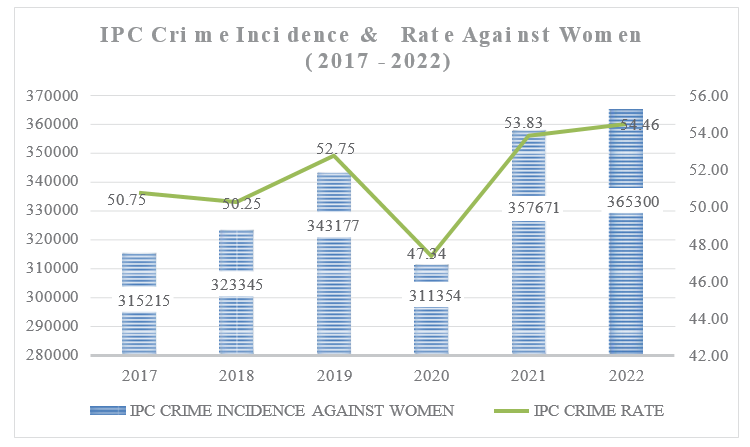
Figure 1: IPC Crime Incidence and Crime Rate Against Women (2017–2022)
Figure 1 illustrates both the absolute number of IPC crimes against women and the corresponding crime rate per 100,000 population between 2017 and 2022. The overall pattern shows a gradual upward trajectory in both incidence and rate, with the exception of 2020. The number of crimes increased from 315,215 in 2017 to 365,300 in 2022. During the same period, the crime rate rose from 50.75 per 100,000 population in 2017 to 54.46 per 100,000 population in 2022. The dip observed in 2020 is consistent with patterns seen in absolute counts and likely reflects underreporting during pandemic-related restrictions.
Figure 2 presents trends for major categories of IPC crimes against women from 2017 to 2023. Among all categories, “Cruelty by Husband and His Relatives” consistently recorded the highest number of cases throughout the study period. Reported cases increased from 104,551 in 2017 to a peak of 140,019 in 2022, followed by a slight decline to 133,676 in 2023. Despite this marginal reduction, the overall level remains substantially higher than in earlier years, indicating that domestic violence continues to be the most prevalent form of crime against women in India.
“Assault on Women with Intent to Outrage Her Modesty” emerged as the second most common category across all years. Although annual counts fluctuated, the magnitude remained persistently high, ranging from 83,344 cases in 2022 to 83,891 cases in 2023. “Kidnapping and Abduction of Women,” which includes cases often associated with trafficking and forced marriages, showed a clear upward trajectory over the study period, rising from 66,333 cases in 2017 to 85,310 cases in 2022 and further increasing to 88,605 cases in 2023.
Rape cases exhibited relatively stable numbers across the study period, decreasing from 32,559 cases in 2017 to 31,516 cases in 2022 and further to 29,670 cases in 2023. While this indicates a modest decline in recent years, the consistently high annual counts underscore the persistent nature of sexual violence.
Dowry deaths and abetment to suicide of women showed gradual declines over time, from 7,466 to 6,156 cases for dowry deaths and from 5,282 to 4,825 cases for abetment to suicide between 2017 and 2023. Nevertheless, the absolute numbers remain substantial and reflect severe forms of violence. Acid attacks declined from 148 cases in 2017 to 113 cases in 2023, while murder with rape or gang rape fluctuated across years, with 223 cases in 2017 and 230 cases in 2023. Although these categories represent smaller proportions of total crimes, their extreme nature necessitates continued surveillance and strong preventive efforts.

Figure 2: Trends of Major IPC Crimes Against Women (2017–2023).Analysis of the Growth Rate of Crimes Against Women From 2017 to 2
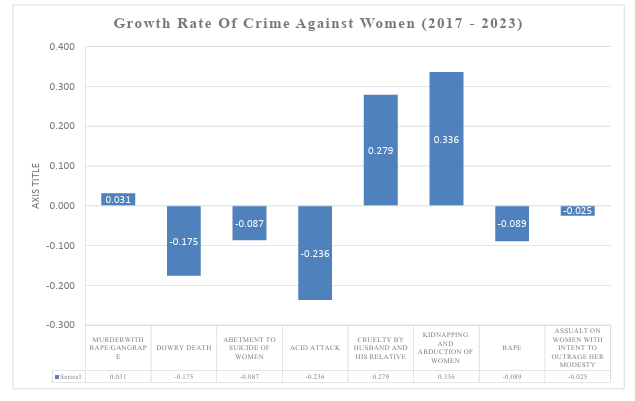
Figure 3: Growth Rate of IPC Crime Against Women (2023 From 2017)
Figure 3 shows the growth rate of each crime category in 2023 relative to 2017. “Kidnapping and Abduction of Women” recorded the highest growth rate (0.336), followed by “Cruelty by Husband and His Relatives” (0.279) and “Murder with Rape/Gang Rape” (0.031). These increases indicate a substantial expansion in reported domestic violence and kidnapping-related offences over the six-year period.
Several categories showed a decline over time. “Acid Attack” decreased by 0.236, “Dowry Death” by 0.175, and “Abetment to Suicide of Women” by 0.087. Rape and assault on women with intent to outrage modesty showed modest declines of 0.089 and 0.025 respectively. Despite these declines, the absolute number of cases remains high.
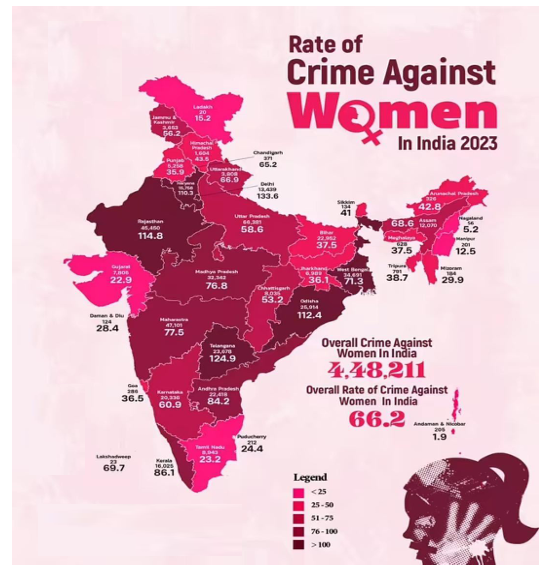
Figure 4: Map Showcasing Crime Against Women
A total of 448,211 cases of crimes against women were registered in India during 2023, representing a marginal increase of 0.7% compared to 445,256 cases recorded in 2022. The distribution of cases across offence categories indicates that the largest share was attributed to ‘Cruelty by Husband or Relatives’, which accounted for 133,676 cases (29.8%). This was followed by ‘Kidnapping and Abduction of Women’ with 88,605 cases (19.8%), and ‘Assault on Women with Intent to Outrage Her Modesty’, comprising 83,891 cases (18.7%). Additionally, offences registered under the Protection of Children from Sexual Offences (POCSO) Act constituted a substantial proportion, with 66,232 cases (14.8%).
The overall crime rate against women in 2023 was 66.2 per lakh female population, remaining nearly unchanged from the rate of 66.4 per lakh recorded in 2022. These figures indicate that while year-to-year increases appear modest, the absolute burden of crimes against women continues to remain high, underscoring the persistent nature of gender-based violence in the country.
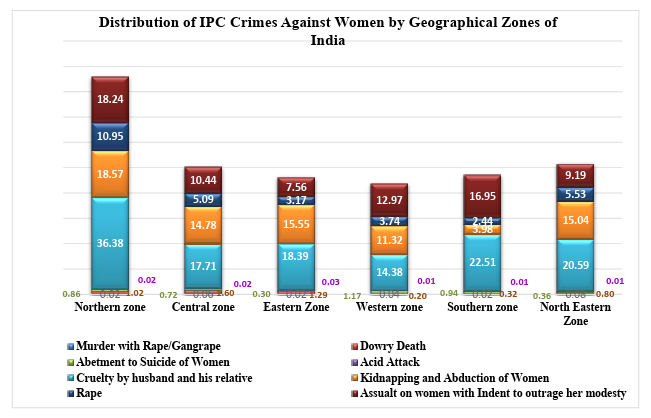
Figure 5: Distribution of IPC Crimes Against Women by Geographical Zones (2022)
Figure 5 shows the distribution of major IPC crimes against women across geographical zones in 2022. In the Northern zone, the most common categories were “Cruelty by Husband and His Relatives” (36.38%), “Kidnapping and Abduction of Women” (18.57%), and “Assault on Women with Intent to Outrage Her Modesty” (18.24%).
In the Central and Eastern zones, “Cruelty by Husband and His Relatives” and “Kidnapping and Abduction of Women” also constituted the two largest shares of crimes, accounting for 17.71% and 18.39% in the Central zone and 14.78% and 15.55% in the Eastern zone, respectively.
Across all zones, “Dowry Death,” “Abetment to Suicide of Women,” and “Acid Attack” were the least frequently reported categories.
The Central and Eastern zones recorded comparatively higher proportions of dowry deaths (1.60% and 1.29%, respectively).
Overall, the zonal distribution highlights marked regional disparities in both the level and composition of crimes against women, indicating the need for geographically tailored prevention and response strategies.
Discussion
This study provides a multi-year and regionally disaggregated picture of major IPC crimes against women in India, revealing both persistence and change in the nature of gender-based violence between 2017 and 2022. The finding that crimes against women consistently constitute around one-tenth of all IPC crimes aligns with earlier analyses of NCRB data, which have documented the large and stable share of women-focused crimes within India’s overall crime profile [8]. While fluctuations were observed across years, particularly during 2020, the overall pattern suggests that violence against women remains a structural and entrenched problem rather than a transient phenomenon.
The predominance and growth of “cruelty by husband and his relatives” across the study period is consistent with extensive evidence showing that intimate partner violence represents the most common form of violence experienced by women in India. Household survey-based studies have repeatedly demonstrated that women’s risk of spousal violence is shaped by early marriage, low education, economic deprivation, alcohol use by partners, and limited decision-making autonomy. The continued rise in reported domestic cruelty in the present analysis suggests that legal provisions under Section 498A IPC and the Protection of Women from Domestic Violence Act have not been sufficient to curb abuse within households. This pattern also supports feminist theoretical perspectives which argue that patriarchal power structures within families remain central drivers of violence [4,14].
The substantial increase in kidnapping and abduction of women observed in this study is particularly concerning. Previous research has linked this category to trafficking, forced marriage, and sexual exploitation, especially in contexts of poverty and gender imbalance (Dev, 2013) [7]. The rising trend observed between 2017 and 2022 suggests that structural vulnerabilities, including economic distress, migration, and weak enforcement of trafficking laws, continue to place women and girls at risk.
Rape cases displayed relatively stable annual counts across the study period. This finding mirrors earlier work showing that while reported rape cases fluctuate, they do not exhibit sustained declines [8,18]. The absence of a clear downward trend despite legal reforms following high-profile cases raises concerns about the effectiveness of deterrence-based approaches alone. Moreover, evidence indicates that a large proportion of sexual assaults in India remain unreported (Bhattacharya & Kundu, 2018), suggesting that official statistics likely underestimate the true burden.
The decline in recorded crimes against women during 2020 should be interpreted cautiously. International and Indian evidence indicates that the COVID-19 pandemic led to increased exposure of women to violence due to confinement with abusers, while simultaneously reducing access to reporting mechanisms and support services [22].The sharp rebound in cases during 2021 and 2022 in the present study supports the interpretation that the 2020 dip reflects underreporting rather than a real reduction in violence.
Marked regional disparities were identified, with the Northern zone recording the highest crime rate against women in 2022. Earlier state-level analyses have similarly documented higher crime levels in populous northern and eastern states such as Uttar Pradesh, Rajasthan, West Bengal, and Bihar [9]. These variations likely reflect differences in socioeconomic inequality, gender norms, policing practices, and reporting behaviour. The persistence of high crime rates in relatively more developed states also resonates with the “backlash hypothesis,” which posits that women’s increasing participation in education and labour markets may initially provoke male resistance and violence [4,15].
Overall, the findings reinforce the view that violence against women in India is shaped by a complex interaction of structural inequality, patriarchal norms, and institutional weaknesses. Improvements in development indicators alone are insufficient unless accompanied by sustained gender-transformative efforts.
Way Forward and Policy Implications
The persistence and growth of several major categories of crimes against women identified in this study indicate that India’s response must move beyond isolated legal reforms towards a coordinated, multi-sectoral strategy. In alignment with Sustainable Development Goal 5.2, which aims to eliminate all forms of violence against women and girls, policy actions should simultaneously strengthen legal enforcement, institutional capacity, community engagement, and social norm change. The SHIELD framework provides a useful organizing structure for such efforts.
• Strict enforcement of laws remains foundational. Although India has enacted multiple legislations addressing domestic violence, sexual offences, harassment, and trafficking, inconsistent implementation continues to weaken their impact. Expansion of anti-domestic violence provisions, uniform application of survivor- friendly procedures, timely registration of cases, and strengthened prosecution mechanisms are particularly important in high- burden zones such as the Northern region. The establishment and effective functioning of fast-track courts, along with time-bound investigations, can enhance accountability and deterrence.
• Helpline and crisis-response systems should be strengthened nationwide. Functional 24×7 women’s helplines linked to police, health services, and shelter homes are essential to ensure rapid access to assistance. These services must be adequately staffed, trained, and resourced, particularly in districts with high reported crime rates.
• Integrated surveillance and reporting systems can improve both prevention and response. Expanded CCTV coverage in public spaces, GPS-enabled public transport, and simplified digital platforms for complaint registration can reduce barriers to reporting and increase women’s sense of safety.
• Empowerment of women must remain central to prevention strategies. Investments in girls’ education, vocational training, and economic opportunities are necessary but insufficient on their own. Large-scale gender sensitization campaigns targeting men and boys are equally important to challenge harmful constructions of masculinity and normalize non-violent, respectful relationships. Incorporating moral and gender equality education into school curricula, especially for adolescent boys, can contribute to long- term attitude change.
• Legal assistance and aid services should be easily accessible at the community level. Free, 24×7 legal support can help survivors navigate complex procedures, file complaints, and pursue cases without fear or intimidation.
• Data-driven and community-based interventions are critical. Routine analysis of NCRB and other administrative data should guide targeting of resources. Community bystander intervention models, such as the Bell Bajao campaign initiated by Breakthrough, demonstrate the potential of mobilizing ordinary citizens to safely intervene when domestic violence is suspected and to challenge social acceptance of abuse.
Across all components of SHIELD, adequate and sustained budgetary allocation is essential. Without sufficient investment in policing, judicial infrastructure, survivor services, training, and monitoring systems, policy commitments are unlikely to translate into meaningful reductions in violence.
Limitations
This study relies on NCRB data, which capture only formally registered crimes. Underreporting of violence against women is well documented in India, particularly for sexual and domestic violence. Variations in reporting practices and policing capacity across states may influence observed patterns. The decline observed in 2020 likely reflects reporting disruptions during the pandemic. Finally, the descriptive nature of the analysis limits causal inference.
Conclusion
This study presents a comprehensive analysis of major IPC crimes against women in India over the period 2017–2023, drawing on nationally representative NCRB data to examine trends, growth patterns, and geographical variation. The findings demonstrate that violence against women continues to constitute a substantial share of all recorded crimes in the country and that the absolute number of women affected has increased over time. The persistence of these levels, despite extensive legal provisions under the Indian Penal Code, 1860 and the Bharatiya Nyaya Sanhita, 2023, as well as periodic legal reforms, indicates that violence against women remains deeply embedded within India’s social and institutional structures.
The analysis reveals that domestic violence, reflected through cruelty by husband and his relatives, consistently accounts for the largest proportion of crimes against women and has shown the most pronounced growth during the study period. This pattern reinforces the centrality of the household as a primary site of risk for women and underscores the limitations of approaches that focus predominantly on public-space safety. At the same time, the continued high burden of sexual violence and the rapid increase in kidnapping and abduction of women highlight multiple, overlapping forms of vulnerability, including exposure to exploitation, trafficking, and coercion.
Marked regional disparities further characterize the landscape of crimes against women in India. The substantially higher crime rates observed in the Northern zone, along with distinct zonal patterns in the composition of crimes, demonstrate that women’s risk of violence is shaped by local social, economic, and institutional contexts. These findings emphasize that national-level averages mask important sub-national heterogeneity and that region-specific strategies are essential.
Collectively, the evidence suggests that legislative frameworks, while necessary, are insufficient on their own to produce meaningful and sustained reductions in violence. Law enforcement challenges—including delayed police response, procedural lapses, low conviction rates, and uneven implementation of laws—continue to weaken the deterrent impact of punishment. In accordance with the deterrent theory of punishment, the certainty, severity, and swiftness of penalties are critical for discouraging potential offenders and reinforcing respect for the rule of law.
From a sociological perspective, the persistence of crimes against women reflects the interaction of structural disadvantage, gendered socialization, and entrenched cultural norms that legitimize male dominance and female subordination. Addressing violence against women therefore requires more than punitive responses; it demands preventive strategies that operate across legal, social, educational, and economic domains.
Moving forward, reducing crimes against women in India will require a shift toward comprehensive, preventive, and gender-transformative approaches that operate across sectors. Strengthening accountability within the criminal justice system through fast-track courts and prompt investigations, expanding survivor-centred and trauma-informed services, ensuring 24×7 helplines, investing in women’s education and economic opportunities, and systematically addressing harmful gender norms through schools and community-based interventions must occur in parallel. Without such integrated efforts, gains in development and legal reform are unlikely to translate into meaningful improvements in women’s safety.
Ultimately, ensuring that women can live free from violence is central to India’s constitutional commitments and to its obligations under global development frameworks. The patterns documented in this study highlight both the scale of the challenge and the urgency of sustained, coordinated action to transform these commitments into lived realities for women across all regions of the country [25-27].
Acknowledgements
The authors acknowledge the use of artificial intelligence–based language assistance tools for improving grammar, clarity, and wording of the manuscript. All analyses, interpretations, and conclusions remain the sole responsibility of the authors.
References
- Crime against women. (2015). In Chapter 7.
- World Health Organization: WHO. (2024b, March 25).Violence against women.
- Government of India. (2017–2022). Crime in India (Annual Reports). National Crime Records Bureau, Ministry of Home Affairs.
- Russell, D. E. H. (1975). The politics of rape: The victim’s perspective. Stein and Day.
- Dhawan, A., & Deepika, M. G. (2018, September). Crime against women: A state level analysis using a hierarchical and k-means clustering techniques. In The International Symposium on Intelligent Systems Technologies and Applications (pp. 243-254). Cham: Springer International Publishing.
- Drèze J., &Khera R. (2000). Crime, gender, and society in India: Insights from homicide data. Population and Development Review, 26(2), 335–352.
- Joshi, S. (2014). Missing Women and Violent Crimes in India: More than a Correlation? Georgetown Journal of International Affairs, 15(2), 35–43.
- Mukherjee, C., Rustagi, P., & Krishnaji, N. (2001). Crimes against women in India: Analysis of official statistics. Economic and political weekly, 4070-4080.
- Arora, J. (2017). An empirical investigation of the crime against woman in India. The Rights, 3(1), 1-7.
- Gupta, S., Sahoo, P. K., & Paltasingh, K. R. (2022). Does development deter crime against women? Panel evidence from India. Journal of Business and Socio-Economic Development, 2(1), 19-33.
- Ackerson, L. K., & Subramanian, S. V. (2008). State gender inequality, socioeconomic status and intimate partner violence (IPV) in India: A multilevel analysis. Australian Journal of Social Issues, 43(1), 81-102.
- Dalal, K., & Lindqvist, K. (2012). A national study of the prevalence and correlates of domestic violence among women in India. Asia Pacific Journal of Public Health, 24(2), 265- 277.
- Mondal, D., & Paul, P. (2021). Associations of power relations, wife-beating attitudes, and controlling behavior of husband with domestic violence against women in India: Insights from the National Family Health Survey–4. Violence against women, 27(14), 2530-2551.
- Hackett, M. (2011). Domestic violence against women: Statistical analysis of crimes across India. Journal of comparative family studies, 42(2), 267-288.
- Chin, Y. M. (2012). Male backlash, bargaining, or exposure reduction?: women’s working status and physical spousal violence in India. Journal of population Economics, 25(1), 175-200.
- Dalal, K., Dahlström, Ö., & Timpka, T. (2013). Interactions between microfinance programmes and non-economic empowerment of women associated with intimate partner violence in Bangladesh: a cross-sectional study. BMJ open, 3(12), e002941.
- Martin, K., Vieraitis, L. M., & Britto, S. (2006). Gender equality and women’s absolute status: A test of the feminist models of rape. Violence against women, 12(4), 321-339.
- Maity, S. (2019). Performance of Controlling Rape in India: Efficiency Estimates across States. Journal of international women’s studies, 20(7).
- Datta, A. (2016). Another rape? The persistence of public/ private divides in sexual violence debates in India. Dialogues in Human Geography, 6(2), 173-177.
- Kalra, G., & Bhugra, D. (2013). Sexual violence against women: Understanding cross-cultural intersections. Indian journal of psychiatry, 55(3), 244-249.
- Khatri, R. (2010). Causes of violence against women: A qualitative study at Bardiya district. Journal of Interdisciplinary Research, 2(1), 45–52.
- Ellsberg, M., Arango, D. J., Morton, M., Gennari, F., Kiplesund, S., Contreras, M., & Watts, C. (2015). Prevention of violence against women and girls: what does the evidence say?. The Lancet, 385(9977), 1555-1566.
- Lolayekar, A. P., Desouza, S., & Mukhopadhyay, P. (2022). Crimes against women in India: a district-level analysis (1991–2011). Journal of interpersonal violence, 37(9-10), NP7289-NP7314.
- Women, U. N. (1979). Convention on the elimination of all forms of discrimination against women (CEDAW). Un Women.
- United Nations General Assembly. (1993). Declaration on the Elimination of Violence against Women. A/RES/48/104.
- Declaration, B. (1995). Beijing declaration and platform for action fourth world conference on women. Paragraph, 112, 859-865.
- Klugman, J., Dahl, M., & Zou, B. H. (2021). What Can the Women, Peace and Security Index Reveal About Country Level Risks of Pandemic?. SAIS Review of International Affairs, 41(1), 15-22.
Annexure
|
Type of Crime |
2017 |
2018 |
2019 |
2020 |
2021 |
2022 |
2023 |
|
Murder with Rape/Gangrape |
223 |
294 |
283 |
219 |
284 |
248 |
230 |
|
Dowry Death |
7466 |
7166 |
7115 |
6966 |
6753 |
6450 |
6156 |
|
Abetment To Suicide of Women |
5282 |
5037 |
5009 |
5040 |
5292 |
4963 |
4825 |
|
Acid Attack |
148 |
131 |
150 |
105 |
102 |
124 |
113 |
|
Cruelty By Husband and His Relative |
104551 |
|
125298 |
|
136234 |
140019 |
133676 |
|
Kidnapping And Abduction of Women |
66333 |
|
72780 |
62300 |
75369 |
85310 |
88605 |
|
Rape |
32559 |
|
32033 |
28046 |
31677 |
31516 |
29670 |
|
Assault On Women with Intent to Outrage Her Modesty |
86001 |
|
88367 |
85392 |
89200 |
83344 |
83891 |
Annexure 1: Number of crimes reported against women from 2017-2023