

World Journal of Forest Research(WJFR)
ISSN: 2994-5569 | DOI: 10.33140/WJFR



Research Article - (2026) Volume 5, Issue 1
Structure-Conduct-Performance: An Economic Analysis of the Medicinal Plant Market in the Semi-Arid Zone of Nigeria
2Department of Forest Production and Products, University of Ibadan, Nigeria
3Forestry Research Institute of Nigeria (FRIN) Ibadan. Oyo State, Nigeria
4Department of Agricultural Economics, Usmanu Danfodiyo University, Sokoto, Nigeria
Received Date: Dec 25, 2025 / Accepted Date: Jan 02, 2026 / Published Date: Jan 23, 2026
Copyright: ©2026 Senchi. A. A, et al. This is an open-access article distributed under the terms of the Creative Commons Attribution License, which permits unrestricted use, distribution, and reproduction in any medium, provided the original author and source are credited.
Citation: Senchi. A. A., Ogunsanwo. O. Y., Lawal, I. O., Kabir. A. M. (2026). Structure-Conduct-Performance: An Economic Analysis of the Medicinal Plant Market in the Semi-Arid Zone of Nigeria. World J Forest Res, 5(1), 01-11.
Abstract
The study assessed the economic analysis of the medicinal plant market in the semi-arid zone of Nigeria. Data for this research was collected using a well-structured questionnaire which was administered to two hundred and seventy (270) respondents. A multi-stage sampling technique was used for this study, in the first stage, eight markets were purposively selected from urban (5) and peri-urban (3) markets. In the second stage, thirty (30) respondents were selected from each market and thirty of the itinerants from the urban markets. Data obtained was analysed descriptively/inferentially using tables, frequencies and percentages. The result revealed that, male (90%) were the major actors and 10% for female, 42.2% of medicinal plants marketers were within the age range of 31-40 years, 88.9% were married with household size of 1-10 persons The study revealed 60% with Qur’anic education, majority of respondents (87.78) had medicinal plants marketing as their occupation. Respondents (58.51%) had 6-15 years of traditional medicinal experience, (68.15%) sourced their medicinal plants from wholesalers, disposed to individual consumers (50%) and had 148.81Herfindahl- Hirschman Index (HHI). Multiple determinations of coefficient (R2) were quite high (0.7193) and sales with a positive regression coefficient (.3160587) and significant level at 1% was the active determinant of profit in the MPs business. The concentration is very low with high completion, lack of standard price, high rate of deforestation, unsustainable harvesting techniques and insecurity are the major constraints. Uniform and standard price is recommended in the business of MPs in semi-arid zone of Nigeria.
Keywords
Market Concentration, Profitability Determinants, Marketers, Sokoto Metropolis
Introduction
Medicinal plants have been playing a vital role in the life of a man and are regarded as one of the most important plants globally for their healing power. Humans have held close contact with these plants in their rural communities for reasons of using them for treating diseases in humans and animal-related conditions [1- 3]. These plants can be used in various methods and for multiple reasons such as treating diseases, maintaining a healthy diet for a good life, or repelling insects and pests through their powerful aroma. Humans grew less reliant on wild foods and other forest resources as they started domesticating plants and animals. Unlike timber-based products, NTFPs from a large variety of plant parts are formed into a diverse set of products: leaves and twigs that may be components of decorative arrangements; food items such as fruits, fungi and juices, wood carvings or woven into pieces of art or utilitarian objects; as well as roots, leaves and bark processed into herbal medicines [4].
Herbal medications are becoming more and more popular in international trade since they are less expensive, more accessible, more effective, and thought to have no negative side effects. This is why patients in developing countries such as Bangladesh (90%), Myanmar (85%), India (80%), Nepal (75%) SriLanka (65%) and Indonesia (60%) have strong conviction in this system [5]. The identification and isolation of pharmacologically active substances can be accelerated by utilising traditional healers' expertise and folk beliefs. The medicinal plant market is growing rapidly worldwide, and significant profits are made annually [6]. The main reasons propelling the medicinal herbs markets are consumers' growing desire for traditional remedies and the reduction in adverse effects when compared to other forms of medication when taken for an extended length of time. Husain et al., asserts that the world's increasing demand for both conventional and organic herbs, the growing use of these medicines in cosmeceuticals, medicinal tea, health supplements, nutritive jams, and other products, the extensive use of medicinal herbs in a range of applications, and the increase in research and development activities all have an impact on the market for medicinal herbs [7].
The market for medicinal herbs is affected by the desire for personal care products created with natural or organic ingredients as well as the launch of new products by manufacturers experimenting with novel techniques. The market for medicinal herbs is driven by rising knowledge of wellness and health consciousness as well as increased financing and investment for research projects from the public and private sectors [8]. Additionally, the market for medicinal herbs benefits from lifestyle changes and the increasing prevalence of chronic illnesses. Furthermore, during the forecast period of 2021 to 2028, technological advancements and innovations provide lucrative prospects for the market participants of medicinal herbs.
The growth of the medical plants industry, however, is anticipated to be hindered by worries about the potential for deadly symptoms in humans due to the presence of heavy metals and hazardous compounds. The challenge facing the medicinal herbs market during the 2021–2028 forecast period is the repercussions of eating these plants, which include infections and stomach aches. The market for medicinal herbs is dominated by North America due to the region's growing interest in herbal medications, increased funding for research on medicinal plants, and advancements research and development for herbal medicine. Due to the adoption of traditional medicines by researchers, policy makers, and pharmaceutical corporations, Asia-Pacific is the second-largest market [7,9]. It is projected that between 2021 and 2028, the market for medicinal plants will grow. According to Data Bridge Market Research, the market is projected to grow at a compound annual growth rate (CAGR) of 5.34% from 2021 to 2028, reaching USD 426.43 billion. The market for medicinal herbs is expanding at a faster rate due to the increased demand for natural medicine worldwide [9].
Herbs for medicinal purposes for the residents of Nigeria's Sokoto Metropolis, local markets are an essential component of daily life and culture. Important socioeconomic entities that offer prompt remedies to health issues are the markets. Both locals and tourists purchase medicinal plants in bulk from the vendors at these market places. Barks, roots, stems, and leaves are the most common plant parts that are marketed dried [10]. Though traditional healers use plant resources to treat illnesses, they have not yet taken into account the regeneration of these significant medicinal plants. The demand for herbs, especially in parts of Africa, has driven some plants to the verge of extinction. However, the use of these plants has greatly benefited the health sector; even the most basic plants may have future significance that we cannot foresee [11]. There are few or no studies of this type in Sokoto Metropolis, Sokoto State, despite the fact that numerous researches on therapeutic plants have been conducted elsewhere in Nigeria. As a result, it is necessary to record the market concentration and profitability determinants of traditional medicinal herbs that the Metropolis' residents use. Marketing of medicinal plants will therefore generate income and create employment opportunities to the people of Sokoto Metropolis, Sokoto State, Nigeria. For this reason, it is therefore imperative to study the market concentration and profitability determinants of medicinal plants in Sokoto Metropolis, Sokoto State. Nigeria.
Methodology
The Study Area
The study was carried out in Sokoto Metropolis, Sokoto State. Sokoto is located in the extreme North-west part of Nigeria at the confluence of rivers Sokoto and Rima. It lies between latitude 12º7′ 30″N to 13º8′ 0″N and longitude 05º9′ 0″Eto 05º19′ 30″E [12]. The state covers an area of 25,973kmsq or 10,028sqm. Sokoto state is made up of 23 local government areas and an estimated projected population of over 5.4 million as at 2017 [13]. The GDP of the state is $4,818m with per Capita income of about $1, [14].
The weather is marked by a single rainy season and long dry season and is characterized by dry and wet season as in the tropics. It records annual rainfall between 300mm-800mm and mean temperature of 34.5oC. The dry season temperatures exceed 45oC during the day time which is the highest recorded in Nigeria. It is dominated by the North-East Trade wind harmattan from the month of November to February [15]. The relative humidity is recorded to be constantly below 40% (20 – 35%) in the dry season and 43 – 70% in the rainy season [16,17]. The vegetation is Sudan savanna with predominance of trees such as Adansonia digitata, Balanites aegyptiaca, Ziziphus spina-christi, Z. mauritiana, and Vitex donianaetc with shrubs like Senna obtusifolia, S. occidentalis,and grasses like (Sida acuta,Sida cordifolia, Striga hermonthica, Eragrostistremula, Combretum glutinosum, etc), that are used as medicinal plants. The soil type is sands and sandy loamy with low organic matter content [12].

Figure 1: Map of Sokoto Metropolis, Sokoto State
Sampling Procedure
A multi-stage sampling technique was adopted for this study. In the first stage, the Metropolis was grouped into two clusters namely; Urban and Peri-urban. Sokoto North, Sokoto South, and Wamakko Local Government Areas being the core Local Government Areas of the metropolis was constitute the urban cluster, while the adjacent Local Government Areas of Dange-Shuni, Kware, and Bodinga constitute the Peri-Urban cluster (Table 1).
In the second stage, four markets were purposively selected from the urban cluster based on the concentration of medicinal plant marketers. Also in the urban cluster, there are itinerant medicinal plant marketers who move around the town in cars, motorcycles, and wheelbarrows selling medicinal herbs. Meanwhile, for the peri-urban cluster, one major market was purposively selected from each of the three peri-urban markets (Table 1).
In the third stage, thirty respondents (30) were randomly selected from each of the selected five urban markets (150), while 30 respondents from the peri-urban markets (90) and 30 of the itinerant traders were selected using Snowball approach in urban markets, thus having a total sample size of two hundred and seventy respondents 270 (Table 1)
|
|
Clusters |
LGAs |
No. of Markets |
No. of Respondents Per Market (30) |
Total Respondents Per Cluster |
|
|
|
Sokoto North |
2 |
60 |
|
|
|
Urban |
Sokoto South |
2 |
60 |
180 |
|
|
|
Wammakko |
1 |
30 |
|
|
Sokoto Metropolis |
|
Itinerant Traders |
6* |
30 |
|
|
|
Peri-Urban |
Dange-Shuni |
1 |
30 |
|
|
|
|
Kware |
1 |
30 |
90 |
|
|
|
Bodinga |
1 |
30 |
|
|
|
|
Total |
08 |
|
270 |
Table 1: Sampling Frame and Sample Size
Roaming Traders Within the Urban Cluster
Data Collection and Analysis
Data for this study were collected through the use of a well structured and open-ended questionnaire especially with the respondents who are not literate enough to complete the questionnaire. This is because a preliminary survey has indicated that only few members in the number of the sample frame are educated enough to fill a questionnaire on their own. Data collected were analysed using descriptive and inferential statistics, which are tables, frequency, percentage and charts.

Where:
MS = the market share for seller i
t = total number of sellers in the market
The regression model used is specified in explicit form as follows:
Y=β0+ β1X1 + β2X2 + β3X3 + β4X4 + β5X5+ β6X6 + β7X7+ ε
Where: Business Experience
Y = Profit level (in Naira)
X1 = Location of the marketer
X2 = Gender of the marketer (dummy variable, whereby male = 1otherwise = 0).
X3 = Age
X4 = Marital status
X5 = Household size
X6 = Marketer's educational level
X7 = Primary occupation
X8 = Secondary occupation
X9 = Business Experience
X10 = Experience of the marketer (in years)
X11= Volume of Sales
ε = Error term
Results and Discussion
Demographic Characteristics of Respondents
Respondents' personal characteristics are crucial human qualities that are important for the marketing of therapeutic plants.
|
Variable |
Frequency (n=270) |
Percentage |
|
Sex |
|
|
|
Male |
243 |
90.00 |
|
Female |
27 |
10.00 |
|
Total |
270 |
100.0 |
|
Age |
|
|
|
19 – 20 |
3 |
1.11 |
|
21– 30 |
106 |
39.26 |
|
31– 40 |
114 |
42.22 |
|
41–50 |
30 |
11.11 |
|
51–60 |
14 |
5.19 |
|
61–75 |
3 |
1.11 |
|
Total |
270 |
100.0 |
|
Marital Status |
|
|
|
Single |
21 |
7.78 |
|
Married |
240 |
88.89 |
|
Widowed |
6 |
2.22 |
|
Divorced |
3 |
1.11 |
|
Total |
270 |
100.0 |
|
Household Size |
|
|
|
1–5 |
27 |
10.0 |
|
6–10 |
148 |
54.81 |
|
11–15 |
71 |
26.30 |
|
16 – 20 |
15 |
5.56 |
|
21 – 25 |
5 |
1.85 |
|
26 – 38 |
4 |
1.48 |
|
Total |
270 |
100.0 |
|
Educational Level |
|
|
|
Qur’anic only |
162 |
60.00 |
|
Primary |
69 |
25.56 |
|
Secondary |
29 |
10.74 |
|
Tertiary education |
8 |
3.70 |
|
Total |
270 |
100.0 |
|
Primary Occupation |
|
|
|
Traditional Medicine |
237 |
87.78 |
|
Farming |
10 |
3.70 |
|
Others |
23 |
8.52 |
|
Total |
270 |
100.0 |
|
Secondary Occupation |
|
|
|
Farming |
126 |
46.67 |
|
Traditional Medicine |
33 |
12.22 |
|
Tailoring |
30 |
11.11 |
|
Others |
81 |
30.00 |
|
Total |
270 |
100.0 |
|
Source: Field Survey, 2022 |
||
Table 2: Socio-Economic Characteristics of the Respondents in the Study Area
The study revealed that the respondents were mainly (90%) male and (10%) female. This could be attributed to male dominance involvement and labour-intensive nature in outdoor activities. This agrees with the work of Abubakar et al. who reported a similar 88% for male in Sokoto State during a survey on indigenous medicinal plants in northern Nigeria The age distribution revealed that 39.26% and 42.22% of marketers of medicinal plants, were between the ages of 21 to 30 and 31 to 40 respectively [18]. This implies that, majority of responders are young people, this is consistent with research by Famuyide et al, whose study found that 89% of respondents were between the ages of 21 and 40 [19].
The results on table 2 further revealed that, majority (88.89%) of the respondents were married. This was in line with Famuyide et al., who found that 92% of the respondents were married, and backed by Olarinde et al, who cited marital status as one of the key factors influencing a company's technical efficiency [19,20]. That's because married people work hard to meet the expectations of their families. 1.48% of households were larger than 26, this could be explained by their efforts to lower the cost of hired labour. The results showed that 54.81% of the respondents had household size of 6 – 10 persons, although 1.48% had above 26 persons. These findings could mean that there was readily available family labour thereby reducing the cost of hired labour in their business.
Majority (60%) of the respondents have attended Qur'anic schools. The implication of those that had no formal education in medicinal plants marketing is that, it would be difficult for them to adopt modern techniques, innovation or new ideas in their business. It will be difficult to incorporate new concepts and cutting-edge methods, as education is positively connected with the acceptance of innovation according to [21].
Table 2 also indicated that 87.78% of respondents worked as traditional medicine practitioners, while 46.67% were farmers. The implication is that their marketing company will be impacted if the labor force is redirected to farming activities in the rainy season. This agrees with who reported 82–90% farming as primary occupation in Katsina, Sokoto and Zamfara States.
Operational Information of the Traditional Medicine Association
The results in Table 3 revealed that, majority (58.51%) had 6-15 years of traditional medicine experience, majority (93.7%) of the respondents were in the association and 46.24% had 6-15 years of membership in the association.
|
Variable |
Frequency |
Percentage |
|
Traditional Medicine Experience |
|
|
|
1-5 |
16 |
5.93 |
|
6 -10 |
82 |
30.37 |
|
11 -15 |
76 |
28.14 |
|
16 -20 |
43 |
15.93 |
|
21 – 25 |
17 |
6.3 |
|
26 – 30 |
14 |
5.18 |
|
31 – 35 |
10 |
3.71 |
|
36 – 45 |
10 |
3.71 |
|
46 – 60 |
2 |
0.73 |
|
Total |
270 |
100.0 |
|
Association Membership |
|
|
|
Yes |
253 |
93.70 |
|
No |
17 |
6.30 |
|
Total |
270 |
100.0 |
|
Number of years in association |
|
|
|
1-5 |
74 |
29.25 |
|
6-10 |
86 |
33.99 |
|
11-15 |
31 |
12.25 |
|
16-20 |
39 |
15.42 |
|
21- 25 |
17 |
6.72 |
|
26 – 33 |
6 |
2.37 |
|
Total |
270 |
100.0 |
|
Benefits Derived from Membership |
|
|
|
Access to resources |
33 |
13.04 |
|
Professional development |
195 |
77.08 |
|
Access to loans |
19 |
7.51 |
|
Networking opportunities |
3 |
1.19 |
|
Learning opportunities |
3 |
1.19 |
|
Totals |
270 |
100.0 |
|
Source: Field Survey, 2023 |
||
Table 3: Operational Information of the Traditional Medicine Association (n=270)
Long time in the association will aid professional development and disseminating of useful information within the association. This is because the number of years is usually seen as how much of professional the individual has become in the marketing of NTFPs especially the MPs in the area. This is in agreement with the findings of Idiaye et al. in their research “Profit efficiency of palm oil processing in Osun state, Nigeria” [22]. This is also in line with Arowolo and Oladejo in their research who reported that, many (54.5%) of the respondents had been in honey business for a long period of time and Which is in line with the work of Schubert that says that the longer the year of marketing experience the better the decision making [23,24].
Result revealed that, 7.42% had been in the association for 31 to 45 years and 77.08% derived benefits on professional development from the association. This could be attributed or lead to gaining more knowledge, marketing techniques and useful information in the business.
Most of the respondents own their business and having a single operational locations. This could be attributed to lack of capital to engage in the multiple operational locations since majority of respondents are using their savings in the marketing of medicinal plants business in Sokoto Metropolis.
Market Concentration
Results of market concentration presented in figure 1 shows that the total working capital of 270 respondents was observed to 7,007,510 with a percentage of 100% and 148.81Herfindahl- Hirschman Index (HHI). Generally, the results show that the medicinal plants market is very competitive.

Figure 1: Market Concentration of Medicinal Plants in Sokoto Metropolis
A market with an HHI of less than 1,500 is considered to be a competitive market place. Market concentration is used as an indicator, tool or parameter to describe the concentration of a particular market or its competition among marketers. The higher the value of the Herfindahl-Hirschman index, the higher the concentration of sellers in a given market, and vice versa, the smaller the values of the Herfindahl-Hirschman index, the greater the competition in the market is and the lower the concentration. The market share of medicinal plants marketers was assessed with the use of HHI. The market is considered un-concentrated if the HHI<1000, moderately concentrated if the HHI <1800 and highly concentrated if the HHI> 1800. HHI of 148 is extremely low (ranges usually from 0 to 10,000). This indicates pure competition or highly fragmented monopolistic competition. The market structure approaches perfect competition, meaning no single marketer has the power to influence prices because of low concentration in the medicinal plants markets in Sokoto. This could be attributed to lack of standardise price in the sales of medicinal plants in the study area. This agrees with Pisanie citing Marfels (1975:488) who pointed out that the HHI weighs the market share of each seller by itself. This study agrees with Adewumi et al., who employed the (HHI) method and observed that, there is low concentration and high competitiveness of the herbal medicinal market in Kwara State (Figure 1) [25,26]. This finding also agreed with Mirzoieva et al., who indicated low concentration in their research (Economical assessment of medicinal plants market concentration and monopolization level) in Ukraine using HHI [27].
Marketing Channels
It was observed from the study that, the highest source of medicinal plants by the respondents was from wholesales constituting 68%. This was followed by farmland (55%). The least represented sources of medicinal plants were sourced through retailers and agents (43% and 5%) respectively (Figure 1).

Figure 2: Sources of Medicinal Plants in Sokoto Metropolis
The results revealed that wholesalers are the main sources of medicinal plants. This also showed that, there are differences in the sources of medicinal plants for marketing in Sokoto metropolis. The presence of wholesalers, agents and retailers in the marketing chain aligned with the decentralized marketing channels for NTFPs as reported by Kohls and Uhl and Barrett et al. [28,29]. These sources can be broken in to two: environment and supplier based. The highest source from the environment based was the farmland and supplier based was the wholesalers. The intentional cultivation or retention of medicinal plants on farmland in Sokoto metropolis may be the reason for the greatest quality of medicinal plants taken from the farmland. This was in consonance with the deliberate integration of medicinal plants into agricultural farmlands in Buhozi in Democratic Republic of Congo [30]. This could suggest that farmland is more actively involved in supply and marketing than any other channel in the research region. It may also be a pointer that the practitioners are the major producers of what they use for their products. This agreed with what was observed in Himachal Pradesh in India where the farmers are the major producers and initial market channel of medicinal plants [31]. In the region, the farmer’s medicinal plants production was attributed to barn on exploitation from the wild. However, in the case of Sokoto metropolis, this may be attributed to the scarcity of the plants from the wild or other natural sources. This also agreed with the continued rarity of plants in the dryland region of [32,33].
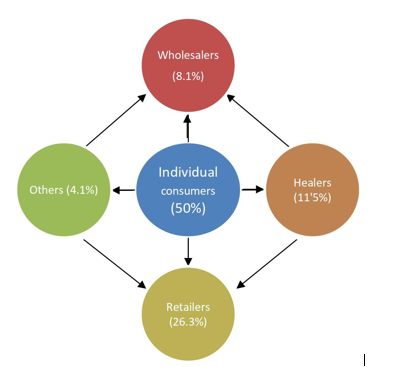
Figure 3: Disposal of Medicinal Plants in Sokoto Metropolis
This study revealed that, consumers (50%) are the active participants in the purchase of medicinal plants in the metropolis. This findings disagrees with the work of Ramana and Singh who observed that, a commission agent buys the medicinal plants from the farmers or gatherers and then sells them on to the dealers, but was in line with the work who reported that, the marketing of NTFPs is specialize; involving producer (gatherer), wholesalers’ trader in rural, regional and urban areas and retail traders, while most people and especially farmers, participates in these activities seasonally or on part time basis. The purchasing power of consumers can be considered from the perspective of the household or from the individual consumer [34,35].
|
Variables |
Regression Co-efficient |
Standard Error |
t. value |
P>t |
|
Constant (a) |
873.6707 |
975.9181 |
0.90 |
0.371 |
|
Location |
-354.9819 |
78.50688 |
-4.52*** |
0.000 |
|
Gender |
708.1025 |
433.3769 |
1.63 |
0.103 |
|
Age |
-8.432228 |
31.76982 |
-0.27 |
0.791 |
|
Marital status |
346.6381 |
374.5572 |
0.93 |
0.356 |
|
Household Size |
-63.2578 |
34.17969 |
-1.85* |
0.065 |
|
Educational Level |
-213.4149 |
165.3982 |
-1.29 |
0.198 |
|
Primary Occupation |
199.4254 |
253.9761 |
0.79 |
0.433 |
|
Secondary |
|
|
|
|
|
Occupation |
-191.1292 |
144.8485 |
-1.32 |
0.188 |
|
Business Experience |
-8.077886 |
35.93601 |
-0.22 |
0.822 |
|
Years of Membership |
20.7854 |
39.39739 |
0.53 |
0.598 |
|
Sales |
.3160587 |
.0130999 |
24.13*** |
0.000 |
|
R-squared |
0.7193 |
|
|
|
|
Adjusted R2 |
0.7073 |
|
|
|
|
F – Statistic |
0.0000* |
|
|
|
|
Source: Field Survey, 2022 ***Significant at 1% *Significant at 10% |
||||
Table 4: Profit’s Determinants Among Medicinal Plant Marketers in Sokoto Metropolis
A strong coefficient of multiple determinations (R2) of 0.72 meant that the explanatory factors in the model adequately explained 72% of the variances in the MPs marketers' profits. The primary factors influencing profitability were household size, age, and location. The quantity of sales has the highest positive contributions to the profit margin whereas negative significant values were recorded for the house hold size and location effects. At the 10% significance level, the F-value (0.0000*) is noteworthy. This suggested that the MPs' marketing suggestions helped the marketers make money. The results also revealed that the regression coefficients for age, education, secondary occupation, and business experience (-8.432228, - 213.4149, -191.1292, and -8.077886) were negative and not statistically significant, however the coefficient for the constant was positive (873.6707). This implies that these factors do not significantly affect MPs marketers' profitability, even though their coefficient values are negative. This means that, if the other variables remain constant, increasing the number of units used would reduce the marketers' profit by the amount indicated by their regression coefficients. This is consistent with the findings of Senchi et al. who examined the cost and return analysis of honey production and marketing in Kebbi State's Zuru Local Government Area were the regression coefficients for age, marital status, occupation, cost of extraction, and transportation were all negative and not significant (-5.359, -796.709, -20.019, -0.829, and -0.305, respectively) [36]. Additionally positive but not statistically significant were gender, marital status, primary occupation, and years of membership (708.1025, 346.6381, 199.4254, and 20.7854). This suggests that even though these variables have positive coefficient values, they don't significantly affect how profitable MPs marketers are. Senchi and Yakubu found that occupation, education, and household size were all positive but not statistically significant (12.996, 0.515, and 342.842) and do not contribute to the profit of shea butter processors, were in agreement with the conclusion that these variables have a very weak relationship with profit in the MPs business, meaning that they do not significantly contribute to the profits among the marketers [37].
Furthermore, despite being significant at 1% and 10%, respectively, the regression coefficients for household size and location (-354.9819 and -63.2578) are negative. Although the rate at which marketers' earnings rose as a result of employing these variables may have been slower. Larger households may be consuming a portion of the inventory for personal health needs (reducing saleable stock) or that the revenue is diverted to immediate household consumption rather than reinvestment into the business. Location has a strong negative effect (-354.98, Sig at 1%). This could be attributed to urban markets as the base dummy variable as it reduced the profits because rent costs in the urban center was eating into profit. Sales with a positive regression coefficient (.3160587) and a significant level of 1 percent suggest that this variable is influencing MPs marketers' profits. This implies that any additional input of this variable will add more profit to the medicinal plants marketers in their business.
|
Category |
*Frequency |
Percentage |
|
Bad roads |
50 |
11.4 |
|
Capital |
61 |
13.9 |
|
Unsustainable harvesting techniques |
71 |
16.2 |
|
Lack of standard price |
83 |
18.9 |
|
Availability of MPs |
21 |
4.8 |
|
High rate of deforestation |
83 |
18.9 |
|
Insecurity |
70 |
15.9 |
|
Total |
439 |
100 |
|
Source: Field Survey, 2024 *Multiple Responses, MPs (Medicinal Plants) |
||
Table 5: Contraints Encountered in the Marketing of Medicinal Plants
The results revealed unsustainable harvesting techniques and deforestation as the major constraints in the supply and demand of medicinal plants product (18.9%), This could be due to cutting down of medicinal trees to produce other commodities like fuelwood, charcoal, etc. This finding was in line with the findings of Senchi et al., who observed high rate of deforestation of in the doum Palm Trees in Sokoto Metropolis [14]. Bad roads and insecurity issues have negative effect in the supply chain of medicinal plants which include banditry, kidnapping and other insurgents in the area.
Conclusion and Recommendation
The study finds that, men are the major actors in medicinal plants marketing in the area, age between 31- 40 years, mostly married with household size of 6-10 members. Majority had Quranic education with 6-15 years of traditional medicinal marketing experience. Most of the medicinal marketers were very active in their business, although, the concentration is very low with high completion. Sales were the active variables that gave positive profit determinants in the MPs marketing. Lack of standard price and high rate of deforestation were the major constraints.
ased on the findings, it is recommended that, standardised price in the sales of medicinal plants should be encouraged for uniformity and monitoring purposes to enhance better market concentration of MPs markets in the area.
References
- Chen, S. L., Yu, H., Luo, H. M., Wu, Q., Li, C. F., &Steinmetz, A. (2016). Conservation and sustainable use of medicinal plants: problems, progress, and prospects. Chinese medicine, 11(1), 37.
- Srivastava, A. K. (2018). Significance of medicinal plants in human life. In Synthesis of medicinal agents from plants (pp. 1-24). Elsevier.
- Yuguda, Y. M. (2023). The Healing Power of Nature: An In- depth Exploration of Medicinal Plants. Federal Polytechnic.
- Worku, M. (2015). Traditional uses of non-timber forest products in southwest Ethiopia: Opportunities and challenges for sustainable forest management. Journal of Agriculture and Environmental Sciences, 1(1).
- World Health Organization (WHO) 2011. “Programmes and projects. Traditional medicine”, available at: (Accessed June 1 2011. 4:22pm).
- Mohammed, A. Y., Kasso, M., & Demeke, A. (2016). Knowledge, attitude and practice of community on traditional medicine in Jara Town, Bale Zone South East Ethiopia. Sci J Public Health, 4(3), 241.
- Husain, A. A., Monaghan, T. M., & Kashyap, R. S. (2020).Impact of COVID-19 pandemic on tuberculosis care inIndia. Clinical Microbiology and Infection, 27(2), 293.
- Bareetseng, S. (2022). The worldwide herbal market: trends and opportunities. Journal ISSN, 2766, 2276.
- Data Bridge Market research (DBMR), 2021. Global Medicinal Herbs Market Insights Report Worldwide Trend and Opportunities to 2028. Pharmiweb.com, Global Pharma News and Resources.
- Idu, M., Erhabor, J. O., & Efijuemue, H. M. (2010). Documentation on medicinal plants sold in markets in Abeokuta, Nigeria. Tropical Journal of Pharmaceutical Research, 9(2).
- Mothibe, M. E., & Sibanda, M. (2019). South African Perspective. Traditional and Complementary Medicine, 31.
- Senchi, A. A., Shamaki, S. B., Bello, A. G. (2024). Marketing Channels of Non-Timber Forest Products (NTFPs) in Sokoto Metropolis: A Case for Medicinal Plants, Sokoto State, Nigeria. World J Forest Res, 3(1), 01-07.
- Tijjani, U. (2020). Determinants of Childhood Routine Immunization Coverage in Sokoto State, North West Nigeria. Scientific Research Journal, 8(8), 76-96.
- SENCHI, A., AHMAD, M., & Gupa, M. A. (2023). Marketingof Hypheane thebaica (Doum palm) fruits in Sokoto, Sokoto State. FUDMA Journal of Agriculture and Agricultural Technology, 9(4), 114-123.
- Adegboyega, S. A., Olajuyigbe, A. E., Balogun, I., & Olatoye,O. (2016). Monitoring drought and effects on vegetation in Sokoto State, Nigeria using statistical and geospatial techniques. Ethiopian Journal of Environmental Studies and Management, 9(1), 56-69.
- Sokoto Energy Research Center (2012). UsmanuDanfodiyo University, Sokoto. Nigeria
- Anonymous, (2015). http://itouchmap.com/latlong.html Retrieved 06/09/2019. 3:25pm
- Abubakar, I. B., Kankara, S. S., Malami, I., Danjuma, J. B.,Muhammad, Y. Z., Yahaya, H., ... & Nurudeen, Q. O. (2022). Traditional medicinal plants used for treating emerging and re-emerging viral diseases in northern Nigeria. European Journal of Integrative Medicine, 49, 102094.
- Famuyide, O.O., Adebayo,O., Arabomen, O and Jasper,A.A. (2012). Economic assessment of marketing of non- wood forest products in Ibadan metropolis. Elixir Marketing Management. 52: 11645-11649.
- Olarinde, L. O., A. O. Ajao, and S. O. Okunola, (2008). Determinants of technical efficiency in beekeeping farms in Oyo State, Nigeria. A Stochastic frontier approach. Research Journal of Agriculture and Biological Science, 4(1): 65 – 69.
- Farinde, A. J., Soyebo, K. O., & Oyedokun, M. O. (2005).Exploration of Bee keeping as a coping strategy in a deregulated economy. Journal of agricultural extension, 8.
- Idiaye, C. O., Owolabi, T. O., & Oluwatayo, I. B. (2022). Profit efficiency of palm oil processing in Osun state, Nigeria. European Journal of Economics, Law and Social Sciences, 6(1), 236-250.
- Arowolo, O., & Oladejo, J. A. (2020). Structure and profitability analysis of honey market in Oyo State, Nigeria. Ethiopian Journal of Environmental Studies and Management, 13(2), 1998-0507.
- Schwarz, M. P. (1994). Femaleâ?ÂÂbiased sex ratios in a facultatively social bee and their implications for social evolution. Evolution, 48(5), 1684-1697.
- Pisanie, J. D. (2013). Concentration measures as an element in testing the structure-conduct-performance paradigm. Economic Research Southern Africa ERSA working paper, 345.
- Adewumi, M. O., Akinsola, G. O., & Olawoye, O. O. (2020). Structure and conduct of medicinal plants supply chain in Kwara State. Journal of Medicinal Plants for Economic Development, 4(1), 1-9.
- Mirzoieva, T., Heraimovych, V., Humeniuk, I., Tomashevska, O., & Cherednichenko, O. (2020). Economical assessment of medicinal plants market concentration and monopolization level in Ukraine. In E3S Web of Conferences (Vol. 164, p. 09025). EDP Sciences.
- Kohls, R. L and J. N. Uhl. 2002. Marketing of Agricultural Products. 5th Edition, Macmillan, New-York. Pp 91.
- Barrett, C. B., Bachke, M. E., Bellemare, M. F., Michelson,H. C., Narayanan, S., & Walker, T. F. (2012). Smallholder participation in contract farming: comparative evidence from five countries. World development, 40(4), 715-730.
- Karhagomba, I. B., Mushagalusa, T. B., Nabino, V. B., Koh, K., & Kim, H. S. (2013). The cultivation of wild food and medicinal plants for improving community livelihood: The case of the Buhozi site, DR Congo. Nutrition Research and Practice, 7(6), 510-518.
- Gularia, M., & Gupta, P. (2020). Marketing channel of medicinal and aromatic plants (maps) in the great Himalayan National Park (GHNP), Kullu, Himachal Pradesh India. J. Medicinal Plants Studies, 8(5), 107-120.
- Danjuma, M. N., & Yakubu, I. (2017). Floristic composition and taxonomic distribution of plants in the dryland of northwestern Nigeria. Journal of Research in Forestry, Wildlife and Environment, 9(3), 1-11.
- Ambursa, A. S., Bello, A. G. and Aliero, M. M. (2018). ISSN 1595-465X. Journal of Agriculture and Environment 14.2:209-215.
- Ramana Rao, D. G. S. (2023). Challenges and Strategies of Marketing of Medicinal Plants.
- Olajuyigbe, S. O., Fadairo, O., Osayomi, T. O., & Alabi- Adelakun, O. (2020). Non-timber forest products: Linking rural livelihoods with urban lifestyles in sub-Saharan Africa. Rural-Urban Linkages and Sustainable Development: Case Studies from Africa, 6, 119.
- Senchi, A. A., Bello A. G and S. A. Lukman (2017). Cost and return analysis of honey production and marketing in Zuru Local Government Area, Kebbi State. Journal of Agriculture, Forestry and Fisheries 16 .1:89-93.
- Senchi, A. A., & Yakubu, A. A. (2014). Assessment of Processors and Marketers of Sheabutter (Vitellaria paradoxa CF GAERTN.) in Zuru Local Government Area, Kebbi State, Nigeria. Journal of Research in Forestry, Wildlife and Environment, 6(2), 22-34.