

Advance in Environmental Waste Management & Recycling(AEWMR)
ISSN: 2641-1784 | DOI: 10.33140/AEWMR
Impact Factor: 0.9

Research Article - (2025) Volume 8, Issue 3
Soil-to-Crop Transfer, Bioaccumulation, and Health Risk Assessment of Heavy Metals in Cassava Grown in Illicitly Mined Areas of Noyem and Nyafoman, Eastern Ghana
2Wisconsin International University College, Accra, Ghana
Received Date: Nov 11, 2025 / Accepted Date: Dec 02, 2025 / Published Date: Dec 15, 2025
Copyright: ©2025 Williams Ampadu Oduro, et al. This is an open-access article distributed under the terms of the Creative Commons Attribution License, which permits unrestricted use, distribution, and reproduction in any medium, provided the original author and source are credited.
Citation: Oduro, W. A., Eduful, E. (2025). Soil-to-Crop Transfer, Bioaccumulation, and Health Risk Assessment of Heavy Metals in Cassava Grown in Illicitly Mined Areas of Noyem and Nyafoman, Eastern Ghana. Adv Envi Man Rec, 8(3), 01-10.
Abstract
Background: Illicit mining has become a major source of heavy metal contamination in Ghana, which threatens soil fertility, food safety, and public health. Despite growing concern, data on metal transfer into staple crops such as cassava remain limited.
Objectives: This study assessed heavy metal concentrations in soils from illicitly mined sites at Noyem and Nyafoman and examined their transfer into cassava tubers to evaluate ecological and dietary health risks.
Methods: Soil and cassava samples were collected from illicitly mined and control sites. Concentrations of Zn, Fe, Cu, Hg, and Cd were analyzed using Atomic Absorption Spectrophotometry (AAS). Soil–plant transfer factors and ecological risk indices were computed, while dietary exposure was evaluated using estimated daily intake (EDI) and risk index (RI) based on FAO/WHO guidelines. Data were analyzed in SPSS v20.0 and summarized through descriptive statistics and correlation analysis.
Results: Concentrations of Zn, Fe, Hg, and Cd were significantly higher in mined soils compared to controls. Fe exceeded control limits, while Zn remained below global limit. Mercury occurred at concerning levels, consistent with other Ghanaian mining studies which reported Hg concentrations between 0.68 and 17.03 mg/kg. Cassava tubers from mined soils accumulated Cu and Hg above FAO/WHO permissible limits. A strong positive correlation (r = 1.00) between soil and cassava Cu confirmed cassava’s capacity to bioaccumulate Cu and its potential as a bioindicator crop. Zn, Hg, and Cd showed weak or negative correlations, likely due to low bioavailability influenced by soil pH and organic matter. Dietary risk analysis revealed potential long-term Cu exposure risk, while Zn intake exceeded safe limits for children (RI > 1), indicating heightened vulnerability in mining-affected communities.
Conclusion: Illicit mining at Noyem and Nyafoman area has resulted in substantial heavy metal contamination of soils and cassava, posing both environmental and public health risks. The findings underscore the need for stricter regulation of small-scale mining, periodic soil and crop monitoring, and sustainable remediation interventions to safeguard food security, child health, and agricultural sustainability in Ghana’s mining areas.
Keywords
Heavy Metals, Illicit Mining, Soil-To-Crop Transfer, Bioaccumulation and Ghana
Abbreviations
AAS – Atomic Absorption Spectrophotometer
ASM – Artisanal and Small-Scale Mining
Cd – Cadmium;
Co – Cobalt
Cr – Chromium;
Cu – Copper
EADI – Estimated Average Daily Intake
EDI – Estimated Daily Intake
EU – European Union
FAO – Food and Agriculture Organization
Fe – Iron;
Hg – Mercury
HCl – Hydrochloric Acid
HNO3 – Nitric Acid
IR – Ingestion Rate
Mn – Manganese
Mo – Molybdenum
Ni – Nickel
Pb – Lead
pH – Potential of Hydrogen
QA/QC – Quality Assurance/Quality Control
RFD – Oral Reference Dose
RI – Risk Index
SPSS – Statistical Package for the Social Sciences
TF – Transfer Factor
UPW – Ultra-Pure Water
USEPA – United States Environmental Protection Agency
WHO – World Health Organization
Zn – Zinc
Introduction
Agriculture is essential for food security, soil resource management, and socio-economic development worldwide [1]. Soil is the foundation of agricultural productivity. It stores both essential nutrients and potentially toxic elements [2]. Heavy metals and metalloids enter soils naturally through weathering of bedrock. However, anthropogenic activities such as mining, industrial emissions, fertilizer application, and wastewater irrigation are now the dominant sources [3,4].
Trace elements like Fe, Mn, Co, Cu, Cr, Ni, Zn, and Mo are required in small amounts for plant, animal, and human metabolism. At increased levels, they disrupt physiological processes and become toxic [5,6]. In contrast, Pb, Cd, Hg, V, and as have no biological role. They are harmful even at very low concentrations and are associated with cancer, organ damage, and neurological disorders [7]. Their persistence and tendency to bioaccumulate make them major contaminants of concern in agriculture. Heavy metals degrade soil quality and reduce crop productivity. More critically, they accumulate in edible plant parts and enter the food chain [8].
Globally, an estimated 14–17% of croplands are contaminated with metals such as Cd, Pb, and as which represents hundreds of millions of hectares, with the greatest risks occurring in low- and middle-income countries [9]. In Africa, the problem is increasing. Artisanal and small-scale mining (ASM), weak regulation, and poor waste disposal practices are major drivers of soil contamination. Ghana is a clear example. Mining activities which include both legal and illegal, have increased concentrations of toxic elements in soils and water. These contaminants threaten food production, environmental health, and livelihoods [10]. The Eastern Region which is a major agricultural zone, has been particularly affected [11]. Studies show that soils used for staple and cash crops, such as cocoa, are accumulating metals at concerned levels [12].
Noyem and Nyafoman, communities in the Birim North District, presents a clear case of this risk. Years of illicit mining have degraded local soils, yet farmers continue to cultivate cassava (Manihot esculenta), the district’s primary staple crop, on these lands. As a root crop that grows in direct contact with soil, cassava readily absorbs heavy metals into its edible tissues. Although food processing methods like boiling can reduce metal concentrations, they may not always lower them to safe levels [13].
Cassava, because of its extensive root–soil interaction, can therefore serve as a reliable biomarker for assessing heavy metal contamination in agricultural soils. However, limited data exist on its accumulation capacity and the associated dietary health risks in illicitly mined areas of Ghana.
This study therefore investigates heavy metal contamination in soils and cassava from illicitly mined lands at Noyem and Nyafoman area by quantifying metal concentrations, determining soil-to-plant transfer and bioaccumulation factors, and evaluating potential human health risks through dietary exposure assessment. The findings are intended to support food safety monitoring, inform community health risk evaluations, and guide future remediation strategies in mining-affected agricultural zones.
Materials and Methods
Study Area
The study was conducted at Noyem and Nyafoman, communities in the Birim North District of Ghana’s Eastern Region, located about 130 km northwest of Accra. The district is bordered by Kwahu West to the north, Asante-Akyem South and Amansie East to the west, Birim South to the south, and Atiwa and Kwaebibirim to the east. It lies within the semi-deciduous forest belt, which is characterized by tall trees and evergreen undergrowth.
The climate is humid tropical with a bimodal rainfall pattern, supporting both subsistence and cash crop farming. Geologically, the Birim North District is dominated by the Tarkwaian Supergroup, consisting of sandstone, quartzite, phyllite, shale, and conglomerate, with intrusions from the Dixcove Granitoids Complex [14].
The area is well known for its rich gold deposits and has been significantly impacted by illicit artisanal and small-scale mining (galamsey), which has disturbed vast tracts of land. In recent years, farmers have reoccupied some of these degraded lands and resumed cultivation, particularly of cassava (Manihot esculenta).
Sample Collection
Soil Sampling
The study area was divided into three illicit mined sites which were designated as Sites A, B, and C as seen in fig 1 below. These were areas where agricultural activities had resumed after several years of mining abandonment. From each site, ten soil samples were collected randomly at a depth of 20 cm, after removing surface litter to obtain a uniform soil slice using a hand trowel and spade.
Additionally, ten control samples were collected from pristine environments located at a considerable distance from the mined areas, which represented uncontaminated reference soils. All samples were stored in clean zip-lock bags, properly labeled, and transported to the laboratory.
Cassava Sampling
Cassava tubers were collected from the same plots where soil samples were obtained at Sites A, B, and C, as well as from the control site. From each plot, three to five mature cassava plants were randomly uprooted to ensure representative sampling. The harvested tubers were carefully washed with deionized water to remove adhering soil particles, peeled, and cut into small uniform pieces.
The samples were then oven-dried at 70 °C for 48 hours, ground into fine powder using a stainless-steel mill using a 0.5-mm sieve. Cup and blade of the grinding mill were cleaned before each sample. Samples were placed back in the oven and dried again for a constant weight and stored in airtight containers prior to heavy metal analysis. Representative cassava samples collected from the study sites are shown in Figure 2, illustrating the size, appearance, and condition of tubers prior to processing.

Figure 1: Soil and Cassava Sample Location at Noyem and Nyafoman within the Birim North District

Figure 2: Representative Cassava Tubers Collected from Study Sites (Noyem and Nyafoman).
Plant Identification and Voucher Specimen
Cassava plants (Manihot esculenta Crantz) were collected from Noyem and Nyafoman in the Birim North District of the Eastern Region, Ghana. The species was identified by a botanist from the Department of Agriculture, Kwahu West Municipal Agricultural Office, using visible plant characteristics and standard taxonomic references.Althoughavoucherspecimenwasnotformallydeposited, reference samples were carefully preserved and photographed for record-keeping and verification. The study followed all relevant institutional, national, and international guidelines, including those of the International Union for Conservation of Nature (IUCN) and the Convention on International Trade in Endangered Species of Wild Fauna and Flora (CITES). Manihot esculenta is not listed as a threatened species on the IUCN Red List.
Sample Digestion and Heavy Metal Analysis
Both soil and cassava samples were prepared for heavy metal determination using acid digestion procedures as described by Motsara & Roy, (2008) [15].
Soil samples were air-dried, gently crushed, and sieved through a 2 mm mesh prior to analysis. Approximately 0.5 g of soil samples were weighed into digestion vessels. Nine (9) ml of Hcl(conc) and 3ml of HNO3(conc) were then added to the already weighed soil samples in the microwave vessel. The vessel was then closed and placed in a microwave digester. The microwave was turned on for a period of 20 minutes after which digestion was complete. The samples were then removed from the microwave digester and topped up to a volume of 50ml with ultra-pure water (UPW) after the samples have been filtered into a receiving flask of volume 50mls.
Cassava samples (powdered) were digested using a wet-digestion method. About 0.5 g of each powdered cassava sample was weighed into a digestion vessel, and 10 mL of concentrated nitric acid (HNO3) was added and swirled. The mixture placed on a hotplate in the fumehood and heated, starting at 80-90 °C and then the temperature is raised to about 150-200 °C. Heating continues until the production of red NO2 fumes ceases. The contents are further heated until the volume is reduced to 3-4 ml and becomes colourless, but it should not be dried. After cooling the contents, the volume is made up with the distilled water and filtered through No. 1 filter paper. This solution is used for nutrient estimation.
Estimation of Heavy Metals using the Atomic Absorption Spectrometer (AAS)
Analysis was done following the FAO standard. The samples were analyzed with various instruments after calibration with the analyst elements to be determined. Mercury (Hg) was analyzed using VGA 77 (Vapor Generation Accessory); accessory attached to a variance 200 series Atomic Absorption Spectrometer (AAS). Cadmium (Cd) was also analyzed using GTA (Graphite Two Atomizer) model in the variance 240. Digestion was done using preekem closed vessel microwave digester. Copper (Cu), Iron (Fe) and Zinc (Zn) were analyzed using the normal atomic absorption spectrometer (AAS) series 200.
Quality Assurance and Quality Control (QA/QC)
All reagents used were of analytical grade, and deionized water was used for all dilutions. Blank samples and standard reference materials (e.g., NIST soil standard) were analyzed alongside the field samples to ensure accuracy and precision. Duplicate analyses were performed on 10% of the samples, with recoveries ranging from 90-105%. The detection limits for each element were calculated based on three times the standard deviation of blank readings.
Data Analysis
Descriptive statistics (mean, standard deviation) were used to summarize heavy metal concentrations in soils and cassava tubers. Soil-cassava transfer factors (TF) were calculated as the ratio of metal concentration in cassava tubers to that in soil. Pearson's correlation analysis was conducted to assess relationships between soil metal concentrations and cassava uptake. All statistical analyses were performed using SPSS version 20.0, with significance set at p < 0.05.
Evaluation of Cassava as a Biomarker of Soil MetalContamination
To evaluate cassava's potential as a biomarker of soil metal contamination, soil and tuber samples were strictly paired at the plot level to ensure direct comparability. Only soil pH and selected heavy metals (Cu, Zn, Fe, Cd, and Hg) were analyzed in both in both matrices.
Transfer factors (TF) were computed as the ratio of metal concentration in cassava tubers (mg/kg, dry weight) to that in the corresponding soil sample. Pearson's correlation and linear regression analyses were conducted to assess relationships between soil and cassava metal concentrations. Results were interpreted with respect to soil pH and metal speciation to determine cassava's reliability as a bioindicator of localized contamination in post- mining soils.
Estimation of Transfer Factor (TF)
The transfer factor (TF) quantifies the extent to which plants absorb heavy metals from soil [16]. It is expressed as the ratio of the concentration of a given metal in plant tissue to its concentration in the corresponding soil sample:
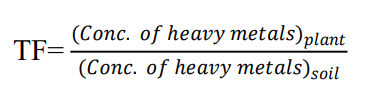
Where Cplant is the concentration of a metal in cassava tubers (mg/kg), and Csoil is the corresponding soil concentration (mg/ kg). A TF value greater than 1 indicates that the plant acts as a hyperaccumulator, while a value less than 1 suggests low accumulation capacity.
Soil-Plant Heavy Metal Correlation
Pearson's correlation coefficient (r) was calculated to evaluate the relationship between heavy metal concentrations in soils and the corresponding uptake in cassava tubers. This analysis allowed assessment of whether the levels of metals in soils significantly influenced accumulation in the edible parts of the crop [17].
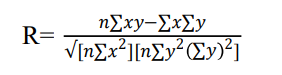
where x and y were the two variables, plant samples and soil sample, respectively, while n is for the pairs of observed values of these variables [18].
Estimation of Consumption Exposure and Associated Health Risk
Human exposure to heavy metals through cassava consumption was assessed using the Estimated Daily Intake (EDI), which represents the average daily intake of metals per unit body weight. The EDI was calculated using the formula:
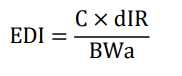
Where C is the metal concentration in cassava (mg/kg), IRIRIR is the daily ingestion rate derived from annual cassava consumption, and BW is the average body weight,
The annual consumption of cassava-based foods was assumed to be 154 kg/person/year for adults and 120 kg/person/year for children, corresponding to daily intakes of 0.422 kg/day and 0.329 kg/day, respectively [19]. Average body weights of 70 kg for adults and 15 kg for children were used. To evaluate potential health risks, the Risk Index (RI) was computed as:
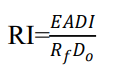
Where RfDo represents the oral reference dose for each metal (mg/ kg/day), as recommended by the United States Environmental Protection Agency (USEPA, 2022). Metals analyzed (Cu, Zn, Fe, Cd, and Hg) were selected for their environmental relevance in gold-mining regions and potential toxicity to humans [20,21].
Results
Soil Characteristics and Heavy Metal Concentrations
Table 1 presents physicochemical characteristics and heavy-metal concentrations in soils from the Noyem and Nyafoman illicit mined sites and the control site. Soil pH values ranged from 5.4 ± 0.15 at the control site to 6.1 ± 0.12 at Site B, indicating slightly acidic to near-neutral conditions across the study area. Copper (Cu) levels were lowest at Site C (0.144 ± 0.022 ppm) and highest at Site A (0.210 ± 0.131 ppm), with the control site showing a markedly higher concentration (0.703 ± 0.015 ppm).
Zinc (Zn) concentrations were elevated across all mining sites, ranging from 38.753 ± 30.98 ppm at Site A to 40.337 ± 2.63 ppm at Site C, compared with only 2.353 ± 0.015 ppm at the control. Iron (Fe) followed a similar pattern, with concentrations between 4.168 ± 0.23 ppm (Site C) and 5.452 ± 4.32 ppm (Site A), far above the 0.300 ± 0.020 ppm measured at the control. Mercury (Hg) levels varied slightly across sites, from 0.033 ± 0.012 ppm at Site C to 0.040 ± 0.016 ppm at Site A, all substantially higher than the control value of 0.00753 ± 0.00009 ppm. Cadmium (Cd) concentrations were also elevated at the mining sites, ranging from 0.050 ± 0.015 ppm at Site C to 0.073 ± 0.099 ppm at Site A, compared with only 0.000357 ± 0.000021 ppm at the control.
|
Parameter |
World Reference Values |
Control Site (Mean ± SD) |
Site C (Mean ± SD) |
Site B (Mean ± SD) |
Site A (Mean ± SD) |
|
pH |
- |
5.4 ± 0.15 |
5.6 ± 0.10 |
6.1 ± 0.12 |
5.7 ± 0.09 |
|
Cu (ppm) |
14 |
0.703 ± 0.015 |
0.144 ± 0.022 |
0.151 ± 0.026 |
0.210 ± 0.131 |
|
Zn (ppm) |
62 |
2.353 ± 0.015 |
40.337 ± 2.63 |
39.210 ± 2.60 |
38.753 ± 30.98 |
|
Fe (ppm) |
- |
0.300 ± 0.020 |
4.168 ± 0.23 |
4.382 ± 0.38 |
5.452 ± 4.32 |
|
Hg (ppm) |
0.1 |
0.00753 ± 0.00009 |
0.033 ± 0.012 |
0.035 ± 0.011 |
0.040 ± 0.016 |
|
Cd (ppm) |
1.1 |
0.000357 ± 0.000021 |
0.050 ± 0.015 |
0.054 ± 0.013 |
0.073 ± 0.099 |
Table 1: Mean Concentrations of Heavy Metals in Soils from Noyem and Nyafoman Area
Heavy Metal Concentrations in Cassava
Table 2 presents the mean concentrations (± standard deviation) of selected heavy metals (Cu, Zn, Fe, Hg, Cd) and pH levels in cassava samples collected from three sites (A, B, and C) within the Birim North District. All results are expressed in mg/kg to allow comparison with international guideline values.
The cassava pH ranged from 6.2 ± 0.4 at Site C to 6.5 ± 0.3 at Site B, indicating slightly acidic to near-neutral conditions. Copper (Cu) concentrations were consistently higher across all sites (0.310–0.339 mg/kg), exceeding the FAO/WHO permissible limit of 0.05 mg/kg. Zinc (Zn) concentrations ranged from 25.1 ± 11.25 mg/kg (Site C) to 30.0 ± 12.58 mg/kg (Site B). While these values were above the European Union (20 mg/kg) guideline, they were still within the FAO/WHO permissible limit of 40 mg/kg.
Iron (Fe) was detected at a uniform concentration of 0.73 mg/ kg across sites, although no specific cassava guideline exists for Fe since it is considered an essential micronutrient. Mercury (Hg) concentrations varied between 0.0182 ± 0.0140 mg/kg (Site C) and 0.0218 ± 0.0146 mg/kg (Site B), which were above the Codex Alimentarius limit of 0.01 mg/kg for root and tuber crops. Cadmium (Cd) levels ranged from 0.0187 ± 0.0117 mg/kg (Site C) to 0.0215 ± 0.0099 mg/kg (Site B), remaining below the FAO/ WHO permissible limit of 0.1 mg/kg.
|
Parameter |
Site C |
Site B |
Site A |
Control Site |
Guideline / Reference Value |
|
Cassava pH |
6.2 ± 0.4 |
6.5 ± 0.3 |
6.3 ± 0.5 |
6.6 ± 0.2 |
– |
|
Cu (mg/kg) |
0.315 ± 0.033 |
0.310 ± 0.028 |
0.339 ± 0.035 |
0.250 ± 0.020 |
0.05 mg/kg (FAO/WHO cassava guideline) |
|
Zn (mg/kg) |
25.1 ± 11.25 |
30.0 ± 12.58 |
26.6 ± 10.41 |
18.00 ± 1.80 |
20 mg/kg (EU); 40 mg/kg (FAO/WHO) |
|
Fe (mg/kg) |
0.73 ± 0.85 |
0.73 ± 1.15 |
0.73 ± 0.48 |
0.50 ± 0.10 |
No cassava-specific limit (nutrient) |
|
Hg (mg/kg) |
0.0182 ± 0.0140 |
0.0218 ± 0.0146 |
0.0184 ± 0.0142 |
0.0050 ± 0.0010 |
0.01 mg/kg (Codex Alimentarius, root/tuber foods) |
|
Cd (mg/kg) |
0.0187 ± 0.0117 |
0.0215 ± 0.0099 |
0.0193 ± 0.0057 |
0.0020 ± 0.0008 |
0.1 mg/kg (FAO/WHO, root/tuber crops) |
Table 2: Mean Concentrations (±SD) of pH and Selected Heavy Metals in Cassava Samples from Different Sites
Transfer Factors of Heavy Metals from Soil to Cassava
Table 3 shows the mean transfer factors (TF) of selected heavy metals from soils to cassava tubers at three mined sites (A, B, C) and the control site in the Birim North District. Copper (Cu) TF values at the mined sites were 2.19 (Site C), 2.05 (Site B), and 1.61 (Site A), while at the control site, the TF was 0.36. Zinc (Zn) TFs ranged from 0.62 (Site C) to 0.76 (Site B), with the control site at 7.65. Iron (Fe) TFs were 0.18 (Site C), 0.17 (Site B), 0.13 (Site A), and 1.67 at the control site. Mercury (Hg) TFs were 0.55 (Site C), 0.62 (Site B), 0.46 (Site A), and 0.66 at the control site. Cadmium (Cd) TFs were 0.37 (Site C), 0.40 (Site B), 0.26 (Site A), and 5.60 at the control site.
|
Metal |
Control TF |
Site C TF |
Site B TF |
Site A TF |
|
Cu |
0.36 |
2.19 |
2.05 |
1.61 |
|
Zn |
7.65 |
0.62 |
0.76 |
0.69 |
|
Fe |
1.67 |
0.18 |
0.17 |
0.13 |
|
Hg |
0.66 |
0.55 |
0.62 |
0.46 |
|
Cd |
5.60 |
0.37 |
0.40 |
0.26 |
Table 3: Mean Transfer Factors (TF) of Heavy Metals from Soil to Cassava Tubers (n=10)
Correlation Between Soil and Cassava Heavy Metal Concentrations
Table 4 presents the Pearson’s correlation coefficients between heavy metal concentrations in soils and cassava tubers collected from Noyem and Nyafoman area. Copper (Cu) showed a perfect positive correlation (r = 1.00), indicating that cassava uptake closely reflected soil concentrations at the sampled sites. Zinc (Zn) exhibited a moderate negative correlation (r = −0.49), which suggests that higher soil Zn levels did not consistently result in higher accumulation in cassava. Mercury (Hg) and cadmium (Cd) showed negligible correlations with soil levels (r = −0.02 and r = −0.001, respectively), which indicates minimal influence of soil concentrations on cassava uptake for these metals. Iron (Fe) correlation could not be determined due to identical concentrations in cassava across all sites. These results imply that Cu accumulation in cassava is highly dependent on soil content, whereas Zn, Hg, Cd, and Fe uptake may be influenced by other environmental or physiological factors.
|
Metal |
r (soil vs cassava) |
|
Cu |
1.00 |
|
Zn |
−0.49 |
|
Fe |
Undefined |
|
Hg |
−0.02 |
|
Cd |
−0.001 |
Table 4: Pearson’s Correlation Coefficients (r) between Soil and Cassava Heavy Metal Concentrations
Estimated Daily Intake (EADI) and Health Risk Assessment
The potential exposure and health risks from consuming cassava cultivated on illicitly mined soils at Noyem and Nyafoman area were assessed using the Estimated Average Daily Intake (EADI) and the associated Risk Index (RI) for adults and children. The EADI values for all metals were higher for children than adults due to lower body weight. Among the metals analyzed, zinc (Zn) exhibited the highest exposure levels. For children, the RI for Zn exceeded 1 at all sites (Site A: 1.94; Site B: 2.19; Site C: 1.83), indicating a potential health risk. Copper (Cu), iron (Fe), mercury (Hg), and cadmium (Cd) had RI values below 1 for both adults and children, suggesting low risk for these metals under current consumption levels (Table 5).
|
Metal |
Site |
EADI (mg/kg/day) Adult |
RI Adult |
EADI (mg/kg/day) Child |
RI Child |
|
Cu |
A |
0.00204 |
0.05 |
0.00743 |
0.19 |
|
|
B |
0.00187 |
0.05 |
0.00679 |
0.17 |
|
|
C |
0.00190 |
0.05 |
0.00690 |
0.17 |
|
Zn |
A |
0.16033 |
0.53 |
0.58301 |
1.94 |
|
|
B |
0.18082 |
0.60 |
0.65753 |
2.19 |
|
|
C |
0.15129 |
0.50 |
0.55014 |
1.83 |
|
Fe |
A |
0.00440 |
0.01 |
0.01600 |
0.02 |
|
|
B |
0.00440 |
0.01 |
0.01600 |
0.02 |
|
|
C |
0.00440 |
0.01 |
0.01600 |
0.02 |
|
Hg |
A |
0.00011 |
0.11 |
0.00040 |
0.40 |
|
|
B |
0.00013 |
0.13 |
0.00048 |
0.48 |
|
|
C |
0.00011 |
0.11 |
0.00040 |
0.40 |
|
Cd |
A |
0.00012 |
0.12 |
0.00042 |
0.42 |
|
|
B |
0.00013 |
0.13 |
0.00047 |
0.47 |
|
|
C |
0.00011 |
0.11 |
0.00041 |
0.41 |
Table 5: Estimated Daily Intake (EADI) and Risk Index (RI) for Heavy Metals in Cassava
Discussion
This study assessed heavy metal contamination in soils and cassava cultivated in areas impacted by illicit mining activities at Noyem and Nyafoman, Eastern Ghana, using Atomic Absorption Spectrophotometry (AAS) to quantify metal concentrations. Soil- to-crop transfer factors were computed to determine the extent of metal uptake by cassava, and health risk assessments were conducted based on estimated daily intake and hazard indices. The results showed that soils from the mining areas contained increased levels of copper (Cu), zinc (Zn), iron (Fe), cadmium (Cd), and mercury (Hg) compared to the control site. Cassava samples from these areas also showed higher metal concentrations, indicating bioaccumulation from contaminated soils. Transfer factor values revealed that Zn and Cu were more readily absorbed by cassava roots, while the health risk assessment indicated potential non- carcinogenic risks associated with Cd and Hg exposure among individuals consuming cassava grown in the contaminated areas.
The concentrations of Zn, Fe, Hg, and Cd in the illicitly mined soils were significantly higher than those in the control soils. Zn and Fe exceeded control levels but remained below global reference limits, whereas Hg was detected at levels of concern due to its toxicity and persistence. These findings were similar to a recent Ghanaian study that reported mean Hg concentrations in mining soils ranging from 2.20 ± 0.14 mg/kg to 7.46 ± 2.96 mg/kg, with the highest values recorded in areas of active illegal gold mining [22]. The increased Hg levels were associated with its use in gold amalgamation, leaving residues in surrounding soils. Even the control site (Zone C) showed measurable Hg, which is attributed to its volatility and long-range atmospheric transport.
Similarly, Awuah and Kyereh (2024) reported Hg concentrations between 0.68 mg/kg and 17.03 mg/kg in topsoil from the Amansie West District, with the highest levels observed in small-scale mining communities such as Abodom [23]. These values exceeded the FAO/WHO permissible limit of 0.3 mg/kg by over 50-fold, which confirms the severity of mercury contamination associated with artisanal and small-scale gold mining (ASGM) activities. Collectively, this evidence supports the present study’s results, which emphasizes the persistence and intensity of Hg pollution in illicit mining areas such as Noyem and Nyafoman and underscores the long-term environmental impacts of uncontrolled mining practices.
The soil–plant transfer analysis revealed that cassava takes up metals differently depending on the element. Copper showed a very strong correlation with soil levels, which confirms that cassava readily accumulates Cu and can serve as a useful biomarker of local soil contamination. On the other hand, zinc, mercury, and cadmium showed weak or even negative correlations, which also suggest that their uptake is more limited and influenced by factors like soil chemistry, the plant’s physiology, or competition between ions. This means that while cassava can reliably signal copper contamination, the absorption of other metals is less predictable and depends on the specific conditions of the soil.
The strong positive correlation observed for Cu between soil and cassava mirrors findings in studies such as the copper fungicide soils in Ghana (Bibiani-Anhwiaso-Bekwai), where high input of Cu led to elevated soil levels and correspondingly high plant uptake [24]. Similarly, research in Tarkwa demonstrated higher bioconcentration factors for Cu compared to Hg or Cd, which showed weak uptake into cassava tubers [25]. The weak or negative correlations found for Zn, Hg and Cd are consistent with the literature and likely reflect lower bioavailability due to soil binding (organic matter, pH), sequestration in non-edible plant parts, or diffuse and less intense sources [26]. These factors reduce the strength of the direct soil-plant relationship for those metals.
Cassava tubers from illicitly mined sites contained Cu and Hg at concentrations exceeding FAO/WHO safety limits. The estimated daily intake (EDI) indicated potential health risks from Cu with long-term consumption, while Zn intake posed an even greater concern for children (RI > 1) due to their lower body weight and higher consumption of cassava-based foods. Similar findings have been reported in Ghana, where cassava grown on mining- affected soils showed elevated metal levels (Anim et al., 2025), and artisanal small-scale gold mining (ASGM) activities were linked to Hg contamination near processing sites [27]. Market surveys also demonstrate that contaminated cassava products can reach consumers [28]. The increased risk in children is consistent with other dietary exposure assessments in cassava products [29]. These patterns are associated with the strong local contamination sources from mining and agriculture, combined with differences in metal bioavailability with Cu being readily accumulated by cassava, whereas Hg is volatile and often sequestered in soils.
Although Cd levels in cassava were within safety limits, its persistence and potential for bioaccumulation should not be underestimated. Chronic exposure to Cd, even at low doses, is associated with kidney dysfunction and bone damage [30]. The presence of multiple metals, some exceeding safe thresholds, suggests the potential for additive or synergistic toxic effects, which increases health risks for mining communities [31].
Beyond health implications, heavy metal accumulation also degrades soil fertility and threatens agricultural productivity [32]. The ecological risk assessment, which showed high risk for Zn and Cd, further indicates potential long-term damage to soil ecosystems.
Limitations of the Study
This study has several limitations. Sampling was limited to soils and cassava from two communities (Noyem and Nyafoman), which may affect the generalizability of the results. Only selected heavy metals were analyzed, while other potentially hazardous elements and organic contaminants were not included. The cross- sectional sampling design did not account for seasonal variations in metal concentrations. Additionally, the dietary risk assessment was based on estimated intake values rather than direct biomonitoring, which may over- or underestimate actual human exposure.
Conclusions
This study showed that illicit mining activities at Noyem and Nyafoman area has resulted in considerable heavy metal contamination of soils, with evidence of transfer into cassava, a major staple crop. Elevated levels of Zn, Cu, and Hg were detected, in some cases exceeding international safety thresholds. The strong transfer of Cu from soil to cassava highlights cassava’s sensitivity to soil contamination and its potential role as a bioindicator. Dietary risk assessment revealed that children, in particular, may be exposed to unsafe levels of Zn through cassava consumption, raising public health concerns for communities that rely heavily on this crop.
These findings emphasize the urgent need for stronger regulation of mining practices, consistent monitoring of soil and food safety, and the development of sustainable remediation strategies to limit heavy metal accumulation in agricultural systems. Public health education and community awareness are also critical to reducing exposure and safeguarding vulnerable populations. Addressing these risks is essential for protecting food security, human health, and the long-term sustainability of agriculture in mining-affected regions of Ghana.
Declarations
Ethics approval and consent to participate
This study did not involve human subject and therefore did not require ethical approval. Permission to collect soil and cassava samples was obtained from the community leaders and farm owners in the study area prior to data collection.
Clinical trial number: not applicable.
Consent for Publication
Not applicable
Data Availability
The datasets generated and/or analyzed in this study are not publicly accessible but can be made available by the corresponding author upon reasonable request.
Competiting Interest
The authors declare that they have no competing interests.
Funding
This research did not receive any specific grant from funding agencies in the public, commercial, or not-for-profit sectors.
Author Contributions
WAO conceived and designed the study, performed data analysis, and drafted the manuscript. EE and SF contributed to the interpretation of data and critically revised the manuscript. All authors read and approved the final manuscript.
Acknowledgements
The authors express their gratitude to the Chief and elders of the Noyem and Nyafoman communities in the Birim North District for their support. We also sincerely appreciate the assistance of the Assembly Member, who contributed during the sample collection process.
References
- Zhu, Z., Chu, F., Dolgui, A., Chu, C., Zhou, W., et al. (2018). Recent advances and opportunities in sustainable food supply chain: A model-oriented review. International Journal of Production Research, 56(17), 5700–5722.
- Wan, Y., Liu, J., Zhuang, Z., Wang, Q., & Li, H. (2024). Heavy metals in agricultural soils: Sources, influencing factors, and remediation strategies. Toxics, 12(1).
- Cumplido, M., D’Amico, V., Bertellotti, M., Atencio, M., Dinsmore, S. J., et al. (2023). Integrative assessment of immunity, health-state, growth and survival of Magellanic penguin chicks in a colony exposed to ecotourism. Science of the Total Environment, 870, 161915.
- Hou, D., Jia, X., Wang, L., McGrath, S. P., Zhu, Y. G., et al. (2025). Global soil pollution by toxic metals threatens agriculture and human health. Science, 388(6744), 316–321.
- Saha, J. K., Selladurai, R., Coumar, M. V., Dotaniya, M. L., Kundu, S., et al. (2017). Agriculture, soil and environment. In Agriculture, Soil and Environment (pp. 1–9).
- Selladurai, R., Dotaniya, M. L., & Patra, A. K. (2019). Soil pollution – An emerging threat to agriculture. FAO.
- Zhaoyong, Z., Mamat, A., & Simayi, Z. (2019). Pollution assessment and health risks evaluation of heavy metals in urban street dust of 58 cities in China. Environmental Science and Pollution Research, 26(1), 126–140.
- Nica, D. V., Bura, M., Gergen, J., Harmanescu, M., & Bordean,D. (2012). Bioaccumulative and conchological assessment of heavy metal transfer. Chemistry Central Journal, 6(1), 55.
- Campbell, S. (2025). About 15% of world’s cropland polluted with toxic metals, say researchers. The Guardian, 15–17.
- Amuah, E. E. Y., Fei-Baffoe, B., Kazapoe, R. W., Dankwa, P., Okyere, I. K., et al. (2024). From the ground up: Unveiling Ghana’s soil quality crisis and its ecological and health implications. Innovation and Green Development, 3(1), 100097.
- Owusu-Prempeh, N., Awuah, K. O., Abebrese, I. K., & Amaning, E. N. (2022). Analysis of the status and ecological risks of heavy metals contamination in artisanal and small- scale gold mine-spoils at the Atewa Forest Landscape, Ghana. Scientific African, 16, e01235.
- Yeboah, S., Dogbatse, J. A., Asiedu Kumi, M., Supe Tulcan, R.X., & Addae-Wireko, L. (2024). Heavy metal status in cocoa (Theobroma cacao L.) soils and beans: The case of Abuakwa North Municipality of Eastern Region, Ghana. Environmental Monitoring and Assessment, 196(2), 38227120.
- Fobi, C. O. A., Eshun, G., Kwarteng, T. A., Amponsah, A. S., & Adoma, P. O. (2025). Effect of boiling on heavy metal and cyanide concentrations and associated health risks in cassava and cocoyam from a gold mining area in Kade, Ghana. International Journal of Food Science, 2025(1).
- Appoh, R. K., Doamekpor, L. K., Hayford, E. K., Klake, R. K., & Nartey, V. K. (2011). Assessment of mercury pollution in rivers and streams around artisanal gold mining areas of the Birim North District of Ghana. Journal of Environmental Protection, 2(9), 1227–1239.
- Motsara, M. R., & Roy, R. N. (2008). Guide to laboratory establishment for plant nutrient analysis. FAO.
- Bi, X., Feng, X., Yang, Y., Qiu, G., Li, G., et al. (2006).Environmental contamination of heavy metals from zinc smelting areas in Hezhang County, western Guizhou, China. Environment International, 32(7), 883–890.
- Nagajyoti, P. C., Lee, K. D., & Sreekanth, T. V. M. (2010). Heavy metals, occurrence and toxicity for plants: A review. Environmental Chemistry Letters, 8(3), 199–216.
- Kisku, G. C., Barman, S. C., & Bhargava, S. K. (2000). Contamination of soil and plants with potentially toxic elements irrigated with mixed industrial effluent and its impact on the environment. Water, Air, and Soil Pollution, 120(1–2), 121–137.
- Adjei-Mensah, R., Ofori, H., Tortoe, C., Torgbor Johnson,P. N., Aryee, D., et al. (2021). Effect of home processing methods on the levels of heavy metal contaminants in four food crops grown in and around two mining towns in Ghana. Toxicology Reports, 8, 1830–1838.
- Edogbo, B., Okolocha, E., Maikai, B., Aluwong, T., & Uchendu, C. (2020). Risk analysis of heavy metal contamination in soil, vegetables and fish around Challawa area in Kano State, Nigeria. Scientific African, 7, e00281.
- Guala, S. D., Vega, F. A., & Covelo, E. F. (2010). The dynamics of heavy metals in plant-soil interactions. Ecological Modelling, 221(8), 1148–1152.
- Akoto, O., Yakubu, S., Ofori, L. A., Bortey-Sam, N., Boadi, et al. (2023). Multivariate studies and heavy metal pollution in soil from gold mining area. Heliyon, 9(1), e12661.
- Awuah, A. O., & Kyereh, B. (2024). Heavy metal contamination in topsoil in mining-plagued communities in the Amansie West District, Ghana. Soil and Sediment Contamination, 33(7), 859–874.
- Kakutey, K., Sackey, L. N. A., & Akoto, O. (2023). Impact of accumulation of copper from application of copper-based fungicides on soil properties in Ghana. Discover Environment, 1(1).
- Bortey-Sam, N., Nakayama, S. M. M., Akoto, O., Ikenaka, Y., et al. (2015). Accumulation of heavy metals and metalloid in foodstuffs from agricultural soils around Tarkwa area in Ghana, and associated human health risks. International Journal of Environmental Research and Public Health, 12(8), 8811–8827.
- Petelka, J., Abraham, J., Bockreis, A., Deikumah, J. P., & Zerbe, S. (2019). Soil heavy metal(loid) pollution and phytoremediation potential of native plants on a former gold mine in Ghana. Water, Air, and Soil Pollution, 230(11).
- Anim, S. O., Akyereko, Y. G., Adu, M., Odoom, W., Yeboah, G. B., et al. (2025). Quality and safety of cassava roots produced from reclaimed and non-mine sites. Next Research, 2(2), 100364.
- Loria, K. (2025). Cassava flour, chips, bread, and more contain high levels of lead. Research and Technology.
- Jacob, O. A., Anuoluwa, O. E., & Raimi, M. O. (2023). The notorious daredevils: Potential toxic levels of cyanide and heavy metals in cassava flour sold in selected markets—Taken Oke Ogun community, Oyo State as an example. Frontiers in Sustainable Food Systems, 7, 1165501.
- Doccioli, C., Sera, F., Francavilla, A., Cupisti, A., & Biggeri, A. (2024). Association of cadmium environmental exposure with chronic kidney disease: A systematic review and meta- analysis. Science of the Total Environment, 906, 167165.
- Nyanza, E. C., Mhana, R. J., Asori, M., Thomas, D. S. K., & Kisoka,A. P. (2025). Effects of prenatallead,mercury,cadmium, and arsenic exposure on children’s neurodevelopment. PLOS Global Public Health, 5(4), e0004577.
- Rashid, A., Schutte, B. J., Ulery, A., Deyholos, M. K., Sanogo, S., et al. (2023). Heavy metal contamination in agricultural soil: Environmental pollutants affecting crop health. Agronomy, 13(6), 1521.