

Archives of Epidemiology & Public Health Research(AEPHR)
ISSN: 2833-4353 | DOI: 10.33140/AEPHR
Impact Factor: 1.98


Research Article - (2024) Volume 3, Issue 2
Seroprevalence of Dengue Infection Among Staff and Students at Mahsa University, Malaysia
2MAHSA University, Malaysia
3House Officer, Malaysia
4Faculty of Medicine, Bioscience and Nursing MAHSA University, Malaysia
Received Date: Mar 08, 2024 / Accepted Date: Apr 01, 2024 / Published Date: Apr 16, 2024
Copyright: ©Â©2024 Musaib S. Wani, et al. This is an open-access article distributed under the terms of the Creative Commons Attribution License, which permits unrestricted use, distribution, and reproduction in any medium, provided the original author and source are credited.
Citation: WANI, M. S., YING, T., VEMIREDDY, V., XIN, C. P., SELLADURAI, K., et al. (2024). Seroprevalence of Dengue Infection Among Staff and Students at Mahsa University, Malaysia. Seroprevalence of Dengue Infection Among Staff and Students at Mahsa University, Malaysia. Arch Epidemiol Pub Health Res, 3(2), 01-09.
Abstract
Dengue virus infections have become a major public health con- cern in Malaysia. Dengue is now hyperendemic in Malaysia with all four Dengue virus (DENV) serotypes co-circulating with fluc- tuations of the dominant serotypes over time and location [1, 2, 3]. The purpose of the present study is to estimate the seroprevalence of dengue virus infection by detection of DENV-specific NS1 an- tigen, DENV-specific IgG and IgM antibodies in a healthy adult population. The study hopes to identify populations previously infected with dengue, and determine the potential risk factors as- sociated with seropositivity of DENV infection.
Introduction
Dengue virus infections have become a major public health con-cern in Malaysia. Dengue is now hyperendemic in Malaysia with all four Dengue virus (DENV) serotypes co-circulating with fluc-tuations of the dominant serotypes over time and location [1, 2, 3]. The purpose of the present study is to estimate the seroprevalence of dengue virus infection by detection of DENV-specific NS1 an¬tigen, DENV-specific IgG and IgM antibodies in a healthy adult population. The study hopes to identify populations previously infected with dengue, and determine the potential risk factors as¬sociated with seropositivity of DENV infection.
Objectives
1. To estimate the seroprevalence of dengue virus infection by detection of DENV-specific IgG and IgM antibodies in a healthy adult population as well as dengue specific NS1 to determine if there are any asymptomatic dengue infections.
2. To identify populations previously infected with dengue and de-termine the potential risk factors associated with seropositivity of DENV infection.
Methodology
This was a Cross-sectional study done on the staff and students of MAHSA University Malaysia. 210 volunteer respondents were selected randomly after Ethical Clearance obtained from MAHSA university ethical committee. A preset sample questionnaire was prepared with special emphasis on questions related to dengue in¬fection. The respondents were asked to fill the questionnaire and were consented for blood sample withdrawal. Phlebotomy was done by an experienced phlebotomist of MAHSA university. Five milliliters of whole blood were collected in EDTA tubes and kept on ice. Processing of samples was done. Blood was spun at 1500 rpm to spin down the red blood cells and remove the plasma to be stored in aliquots in cryovials [4].
Dengue NS1 Antigen Capture ELISA was done as below
1. 75μL of Sample Diluent was added to 75μL of each sample and the Controls.
2. 100μL of diluted samples and Controls was added to assay plate.
3. Covered and incubated for 1 hour at 37°C and then washed the assay plate six times.
4. 100 HRP Conjugated Anti- temperature was added for 10 min¬utes. Stopped the reaction with 100μL Stop Solution and read at 450nm (Reference 600-650 nm). NS1 MAb into each well on the assay plate
5. Covered and incubated for 1 hour at 37°C then washed the assay plate again six times. After the final wash, add 100μL TMB per well and incubated at room
Dengue IgG/IgM Capture ELISA
1. 10 μL of Ag was added in 2.5 mL of Ag Diluent and mix.
2. 100 μL of diluted samples and Controls was added to assay.
3a. Required volume of diluted antigen was added and mix with equal volume of MAb Tracer in a separate glass or polypropylene vial. Incubate 1 hour at 20-25°C. 3b. Covered plate and incubated 1 hour at 37°C
4. Washed the assay plate x 6. After gentle rotation to mix the an-tigen-MAb solution, transfer 100 μL per well to the assay plate. Cover plate and incubate 1 hour at 37°C.
5. Washed the assay plate x
6. After the final wash, add 100 μL TMB per well and incubate at 20-25°C for 10 minutes. Stop the reaction with 100 μL Stop Solution and read at 450 nm (Reference 600 - 650 nm) within 30 minutes.
Analysis of data was done.
Results & Interpretation
This study was done on 210 volunteers selected randomly from MAHSA University, among them 98 were males and 112 were females. Rest of the demographic status is shown in table 1
Respondents were given a present questionnaire comprising of 20 questions regarding their exposure to dengue virus. The response of the study population is shown in table 2
Among 210 participants, 0.47% showed positive results for NS1 Ag, 8.57% and 2.38% for Anti-Dengue IgG and Anti-Dengue IgM respectively. (Table 3)
In relation to gender, 1(0.9%) out of 112 female participants was positive for NS1 Ag. 8 males (8.2%) and 10 females (8.9%) are positive for IgG. For IgM, 2 (2%) males and 3 (2.7%) females out of 210 participants were positive as shown in table 4
15-25 years old showed highest positive results for NS1 antigen with 100%, IgG with 83.3% and IgM with 100%. 2 (11.9%) par¬ticipants of >55 years old are positive for IgG as shown in table 5
The NS1 positive participant was identified as 9 Chinese. For IgG, 2 Malay (11.1%), 4 Chinese (22.2%), 10 Indian (55.6%) and 2 of other races (11.1%) tested positive. 3 Chinese (60%) and 2 Indians (40%) were positive for IgM as shown in table 6
The data from figure 1 and 2 reveal that 39% of IgG antibody-pos¬itive participants engaged in outdoor activities, compared to 40% of IgM antibody-positive participants. In terms of mosquito con¬trol, 29% of IgG-positive participants carried it out regularly, while 50% of IgM-positive participants did so. These findings indicate variations in behaviour based on antibody status, with potential implications for outdoor activity and mosquito control practices.
|
|
Number |
Percentage |
|
Gender |
||
|
Male |
98 |
46.7 |
|
Female |
112 |
53.3 |
|
Age Group |
||
|
15-25 y/o |
202 |
96.2 |
|
26-35 y/o |
4 |
1.9 |
|
36-45 y/o |
1 |
0.5 |
|
46-55 y/o |
1 |
0.5 |
|
>55 y/o |
2 |
1 |
|
Race |
||
|
Malay |
28 |
13.3 |
|
Chinese |
93 |
44.3 |
|
Indian |
60 |
28.6 |
|
Others |
29 |
13.8 |
|
Nationality |
||
|
Malaysian |
150 |
71.4 |
|
Non-Malaysian |
60 |
28.6 |
|
Marital Status |
||
|
Single |
205 |
98.1 |
|
Married |
4 |
1.9 |
|
Occupation |
||
|
Student |
184 |
88 |
|
Non-Student |
25 |
12 |
|
Estimated Monthly Income |
||
|
<1000 |
50 |
28.7 |
|
1001-2000 |
23 |
13.2 |
|
2001-3000 |
26 |
14.9 |
|
>3000 |
75 |
43.1 |
Table 1: Social demographic of participants
|
|
Number |
Percentage |
|
1. Are you currently infected by dengue virus? |
||
|
Yes |
3 |
1.4 |
|
No |
207 |
98.6 |
|
2. Have you previously been infected by dengue virus? |
||
|
Yes |
24 |
11.4 |
|
No |
186 |
88.6 |
|
3. Have you been exposed to anyone with dengue infection? |
||
|
Yes |
59 |
28.4 |
|
No |
148 |
71.2 |
|
4. Have you ever done screening test for dengue? |
||
|
Yes |
36 |
17.2 |
|
No |
173 |
82.8 |
|
5. Are you vaccinated for dengue fever? |
||
|
Yes |
26 |
12.6 |
|
No |
179 |
86.5 |
|
6. Are you physically active in outdoor activities? |
||
|
Yes |
71 |
34 |
|
No |
30 |
14.4 |
|
Sometimes |
108 |
51.7 |
|
7. How many hours in average do you spend outdoors a day? |
||
|
<1hr |
44 |
21.1 |
|
1-2hrs |
64 |
30.6 |
|
2-3hrs |
52 |
24.9 |
|
>3hrs |
49 |
23.4 |
|
8. What time of the day do you usually go outdoors? |
||
|
Morning |
48 |
23.1 |
|
Afternoon |
25 |
12 |
|
Evening |
104 |
50 |
|
Night |
31 |
14.9 |
|
9. How many mosquito bites do you get when you go outdoors? |
||
|
0 |
53 |
25.4 |
|
1-2 |
92 |
44 |
|
3-4 |
35 |
16.7 |
|
>4 |
26 |
12.4 |
|
10. Do you wear or use any products of mosquito repellant outdoors? |
||
|
Yes |
26 |
12.4 |
|
No |
181 |
86.2 |
|
11. How many mosquito bites do you get when you’re indoors? |
||
|
0 |
79 |
38 |
|
1-2 |
79 |
38 |
|
3-4 |
34 |
16.3 |
|
>4 |
16 |
7.7 |
|
12. What time of day do you usually get the most mosquito bites? |
||
|
Morning |
10 |
4.8 |
|
Afternoon |
11 |
5.2 |
|
Evening |
68 |
32.4 |
|
Night |
120 |
57.1 |
|
13. Do you wear or use any products of mosquito repellant indoors? |
||
|
Yes |
29 |
13.9 |
|
No |
179 |
85.6 |
|
14. Do you think your house or living environment carries some form of breeding spots for mosquitoes? |
||
|
Yes |
25 |
12 |
|
No |
85 |
40.9 |
|
Maybe |
98 |
47.1 |
|
15. Do you carry out any mosquito control at home/ work environment? |
||
|
Yes |
70 |
33.7 |
|
No |
137 |
65.9 |
|
16. How frequent do you carry out mosquito control? |
||
|
Per week |
37 |
17.7 |
|
Per month |
34 |
16.3 |
|
Twice a year |
19 |
9.1 |
|
Per year |
22 |
10.5 |
|
Not at all |
97 |
46.4 |
|
17. Do you use/ do any of the following at home? |
||
|
Window screens |
27 |
12.9 |
|
Insecticides spray |
40 |
19 |
|
Bed nets |
18 |
8.6 |
|
Cover water containers |
26 |
12.4 |
|
Remove standing water |
41 |
19.5 |
|
Mosquito repellant |
58 |
27.6 |
|
18. Did you travel to any foreign countries in the past few months? |
||
|
Yes |
56 |
26.9 |
|
No |
152 |
73.1 |
|
19. Are you aware of the mosquito control measures in Malaysia? |
|
|
|
Yes |
140 |
66.7 |
|
No |
70 |
33.3 |
|
20. What do you do when you see/ hear the mosquito fogging in your area of residence? |
||
|
Close all doors and windows to prevent the chemicals from entering |
151 |
71.9 |
|
Do nothing |
39 |
18.6 |
|
Open all windows and doors to allow the entry of the chemicals |
20 |
9.5 |
Table 2: Questionnaires (20 questions)
|
|
Number |
Percentage |
|
NS1 Antigen |
||
|
Positive |
0 |
0 |
|
Negative |
210 |
100 |
|
IgG Antibody |
||
|
Positive |
18 |
8.6 |
|
Negative |
192 |
91.4 |
|
IGM Antibody |
||
|
Positive |
5 |
2.4 |
|
Negative |
205 |
97.6 |
Table 3: Reactions of NS1 Antigen, IgG and IgM Antibodies
|
Antigen/ Antibody |
Male |
Female |
||
|
No. |
% |
No. |
% |
|
|
NS1 Antigen |
|
|
|
|
|
Positive |
0 |
0 |
0 |
0 |
|
Negative |
98 |
100 |
112 |
100 |
|
IgG Antibody |
|
|
|
|
|
Positive |
8 |
8.2 |
10 |
8.9 |
|
Negative |
90 |
91.8 |
102 |
91.1 |
|
IgM Antibody |
|
|
|
|
|
Positive |
2 |
2 |
3 |
2.7 |
|
Negative |
96 |
98 |
109 |
97.3 |
Table 4: Association between gender and NS1 Antigen, IgG & IgM Antibody
|
Age Groups |
NS1 Antigen |
IgG Antibody |
IgM Antibody |
|||
|
No. |
% |
No. |
% |
No. |
% |
|
|
15-25 y/o |
0 |
0 |
15 |
83.3 |
5 |
100 |
|
26-35 y/o |
0 |
0 |
2 |
11.1 |
0 |
0 |
|
36-45y/o |
0 |
0 |
0 |
0 |
0 |
0 |
|
46-55y/o |
0 |
0 |
0 |
0 |
0 |
0 |
|
>55y/o |
0 |
0 |
1 |
5.6 |
0 |
0 |
Table 5: Association between age groups and positive NS1 antigen, positive IgG & IgM antibody
|
Race |
NS1 Antigen |
IgG Antibody |
IgM Antibody |
|||
|
No. |
% |
No. |
% |
No. |
% |
|
|
Malay |
0 |
0 |
2 |
11.1 |
0 |
0 |
|
Chinese |
1 |
100 |
4 |
22.2 |
3 |
60 |
|
Indian |
0 |
0 |
10 |
55.6 |
2 |
40 |
|
Others |
0 |
0 |
2 |
11.1 |
0 |
0 |
Table 6: Association between race and positive NS1 antigen, positive IgG & IgM antibody
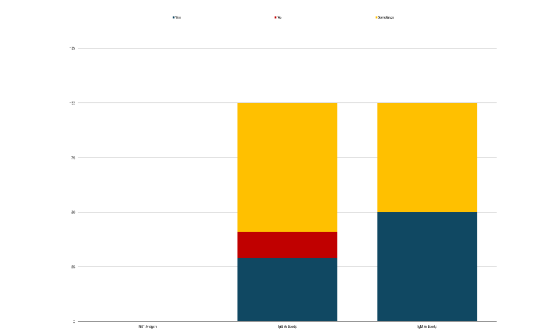
Figure 1: Association between percentage of positive reactions and physical activeness in outdoor activities
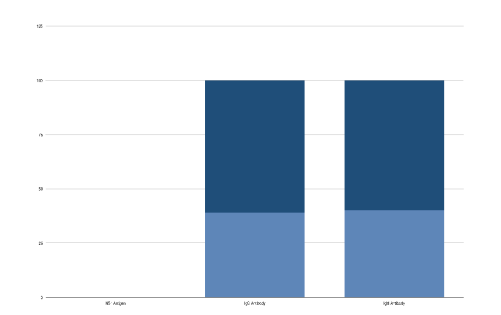
Figure 2: Association between percentage of positive reactions and mosquito control at home/ work environment
Discussions
Among 210 participants, 0.5% (1) showed positive results for NS1 Ag, 8.57% (18) and 2.38% (5) for Anti-Dengue IgG and AntiDen-gue IgM respectively. Participants that tested positive for IgG im-plies that they have been exposed to the virus while those who were IgM positive indicate a recent past infection that occurred within the last 3 months. Testing for IgM alone hence is not as useful as a result of the presence of IgM for at least 90 days. The presence of NS1 indicates that the individual is currently infected although no symptoms are present. Such individuals are generally asymptomatic but they could serve as possible transmitters of the virus if they were bitten by a female Aedes mosquito. Research suggests that NS1 antigen detection is valuable for early diagnosis of Dengue infection, as it can be detected during the acute phase of the illness, even before the onset of symptoms. Studies have shown that NS1 antigen testing exhibits high sensitivity and spec¬ificity, making it a reliable marker for identifying current Dengue infections [5].
Regarding IgG and IgM antibodies, their detection provides in-sights into the immune response to Dengue virus infection. IgM antibodies typically appear within 3-5 days after the onset of symptoms and persist for several weeks to months, indicating recent infection. However, IgM can persist for up to 90 days or longer post-infection, reducing its utility for distinguishing recent infections from past ones [6].
In contrast, IgG antibodies develop later in the course of infection and persist for years, serving as markers of past exposure to Den-gue virus. High IgG seroprevalence rates in endemic areas indicate widespread transmission and endemicity of Dengue [7].
The data regarding Dengue virus antibody positivity among males and females offers insights into potential gender differences in ex-posure and immune response to the virus. In the sample of 210 participants, 8.2% of males and 8.9% of females tested positive for IgG antibodies, indicating past exposure to Dengue virus. Sim-ilarly, for IgM antibodies, 2% of males and 2.7% of females tested positive, suggesting recent infection within the last three months.
Several factors may contribute to the observed gender dispari-ties in Dengue antibody positivity. Socioeconomic factors, such as differences in occupation or outdoor activities, may influence exposure to Dengue virus-carrying mosquitoes, thus impacting in-fection rates. Additionally, variations in healthcare-seeking behav-ior between genders could affect the likelihood of diagnosis and testing for Dengue infection.
Furthermore, biological differences between males and females, including hormonal influences on the immune system, may play a role in shaping the immune response to Dengue virus infection. Studies have suggested that sex hormones, such as estrogen and testosterone, can modulate immune cell function and cytokine pro¬duction, potentially impacting the severity and duration of Dengue illness [8]. However, more research is needed to fully understand the interplay between gender, hormones, and Dengue virus infec¬tion.
Understanding gender differences in Dengue antibody positivity can inform targeted public health interventions and surveillance efforts. Tailored prevention strategies, such as vector control mea¬sures in areas with higher male or female prevalence, and edu¬cational campaigns aimed at promoting protective behaviors, can help reduce Dengue transmission and its associated burden.
In conclusion, the data on Dengue antibody positivity among males and females underscore the complex interactions between gender, socio-demographic factors, and immune response in Den¬gue virus infection. Further research is warranted to elucidate the underlying mechanisms driving these disparities and to develop effective interventions for Dengue prevention and control.
The observation that individuals aged 15-25 years showed the highest positive results for IgG (83.3%) and IgM (100%), while only 11.9% of participants older than 55 years tested positive for IgG, raises important considerations regarding age-related differ¬ences in Dengue virus exposure and immune response. However, the potential for selection bias must be acknowledged, as the ma¬jority of volunteers were MAHSA students.
Several peer-reviewed studies have investigated age-related pat¬terns in Dengue virus infection and antibody prevalence. Epidemi¬ological data often indicate that younger age groups, particularly children and young adults, are at higher risk of Dengue infection due to increased exposure to mosquito vectors and potentially low¬er immunity compared to older individuals [9, 10]. High IgG and IgM positivity rates among individuals aged 15-25 years may re¬flect recent or ongoing transmission of Dengue virus within this de¬mographic, consistent with findings from endemic regions where younger age groups exhibit higher seroprevalence rates [11].
Conversely, the lower IgG positivity rate among participants older than 55 years could be attributed to factors such as prior exposure to Dengue virus strains, leading to acquired immunity, or reduced outdoor activities and exposure to mosquito habitats due to life¬style changes or health considerations associated with aging [12]. However, the limited number of older participants in the study sample may also contribute to this discrepancy, highlighting the importance of representative sampling in epidemiological studies.
The potential for selection bias, as acknowledged in the study due to the predominance of MAHSA students among volunteers, un¬derscores the need for caution in generalizing findings to broader populations. Future research should aim to recruit diverse partici¬pant groups to minimize bias and enhance the external validity of study findings. Additionally, longitudinal studies tracking Dengue virus exposure and antibody dynamics across different age groups can provide valuable insights into age-specific risk factors and im¬munity profiles, informing targeted prevention and control strate¬gies.
In conclusion, while the data suggest age-related differences in Dengue antibody positivity, the possibility of selection bias under-scores the importance of interpreting findings within the context of study limitations. Further research utilizing rigorous sampling methods and longitudinal study designs is warranted to elucidate age-specific patterns in Dengue virus transmission and immunity.
The breakdown of Dengue IgG and IgM positivity across differ-ent ethnic groups provides insights into potential ethnic disparities in exposure to Dengue virus and immune response. Among the IgG-positive participants, 11.1% were Malay, 22.2% were Chi-nese, 55.6% were Indian, and 11.1% belonged to other races. For IgM positivity, 60% of Chinese and 40% of Indian participants tested positive.
Research examining the association between ethnicity and Den-gue infection prevalence is limited but suggests that socio-cultural factors, genetic susceptibility, and environmental conditions may contribute to differential risk among ethnic groups [13]. For ex-ample, studies in Southeast Asia have reported varying Dengue seroprevalence rates among different ethnic populations, with fac-tors such as housing conditions, urbanization, and access to health¬care playing significant roles [14, 15].
The higher proportion of IgG-positive Indian participants may re-flect higher exposure to Dengue virus or differences in immune response compared to other ethnic groups in the study population. Similarly, the observed differences in IgM positivity rates among Chinese and Indian participants may indicate variations in recent Dengue virus transmission or immune status within these ethnic groups.
However, it's essential to interpret these findings cautiously, con-sidering potential confounding factors such as socio-economic status, education level, and residential location, which may influ-ence Dengue risk and testing behavior among different ethnici-ties. Additionally, the small sample size within each ethnic group warrants cautious interpretation and highlights the need for larg-er-scale studies with more diverse populations to validate these observations.
The data presented reveals interesting insights into the behaviour of individuals based on their Dengue antibody status, particularly concerning outdoor activity and mosquito control practices [1]. Among participants who tested positive for IgG antibodies, 39% were physically active in outdoor activities, while the majority (61%) were not. Similarly, for IgM antibody-positive individu-als, 40% were engaged in outdoor activities, with the remaining 60% opting out of outdoor pursuits. Regarding mosquito control, 29% of IgG-positive participants implemented control measures at home or work, with 12% not engaging in mosquito control at all and 59% doing so occasionally. In contrast, 50% of IgM-positive participants practiced mosquito control, while the other 50% did so irregularly [16].
This data highlights the potential role of behavioural factors in Dengue virus transmission and prevention. Engaging in outdoor activities may increase the risk of exposure to mosquito vectors, contributing to Dengue virus transmission, particularly in endemic areas. Conversely, consistent mosquito control practices, such as eliminating breeding sites and using insect repellents, can reduce the likelihood of mosquito bites and Dengue virus transmission.
The observed differences in outdoor activity and mosquito control practices between IgG and IgM antibody-positive participants may reflect varying levels of awareness, perception of risk, and adher¬ence to preventive measures. Individuals with past Dengue virus exposure (IgG positive) may perceive themselves to be at lower risk of infection and therefore engage less frequently in mosquito control measures. On the other hand, those with recent infection (IgM positive) may be more vigilant about implementing mosqui¬to control measures to prevent further transmission.
These findings underscore the importance of targeted public health interventions aimed at promoting consistent mosquito control practices and raising awareness about the risk of Dengue virus transmission, particularly among individuals who are IgG positive and may perceive themselves to be at lower risk [16]. Further re¬search is warranted to explore the relationship between Dengue antibody status, behavior, and Dengue virus transmission dynam¬ics in different populations and settings, ultimately informing more effective strategies for Dengue prevention and control [16]. Based on the results, we can extrapolate that at the moment the cir¬culation of dengue virus among the community of Bandar Saujana Putra is low. However detection of one individual carrying the vi¬rus is of concern as this could be source of infection to others. Cur¬rently MAHSA is located at the edge of a hotspot for dengue and hence precautions with regard to mosquito control are essential to reduce sources of virus. It is also particularly disconcerting as there are a lot of construction sites near the school campus which might be a favourable breeding ground for mosquitoes.
(E) Limitations
The study faced several challenges that need consideration. First¬ly, there was hesitancy among students and staff to participate in blood collection, potentially introducing bias and impacting the study's representativeness. Secondly, the ELISA test used for Den¬gue antibody detection might yield false negatives or false posi¬tives, compromising result accuracy. Factors like test sensitivity, cross-reactivity, and sample quality could influence outcomes. These limitations emphasize the importance of cautious interpre¬tation and the need for stringent quality control in serological test¬ing for Dengue antibodies. Future research should address these issues and explore alternative diagnostic approaches to enhance reliability.
Conclusions
The seroprevalence study conducted among staff and students at MAHSA BSP campus suggests a relatively low level of Dengue virus activity within the campus population. However, it's import- ant to note that individuals may have been exposed to Dengue virus in other locations outside the campus. MAHSA is located in Selangor, a state in Malaysia that has experienced significant Dengue fever incidence, with 83,443 cases reported in 2017 and a peak incidence rate of 1065.93 per 100,000 population in 2015 according to the Ministry of Health (MOH) of Malaysia. The BSP campus is undergoing development and transitioning from a rural to a semi-rural/urban area. This transition may influence environ-mental factors such as population density, sanitation, and mosqui¬to breeding sites, potentially increasing the risk of Dengue virus transmission. Therefore, it's plausible that the actual prevalence of Dengue infection among MAHSA BSP campus inhabitants could be higher than estimated, considering the historical Dengue burden in the surrounding region and the ongoing urbanization process. Further research and surveillance efforts are necessary to accurate¬ly assess the extent of Dengue virus transmission and implement appropriate prevention and control measures within the evolving landscape of BSP and its surrounding areas.References
-
- ELISA: Purpose, Procedure, and Results [Internet]. Health-line. 2018 [cited 19 December 2018].
- Blacksell, S. D. (2012). Commercial dengue rapid diagnostic tests for point-of-care application: recent evaluations and future needs?. BioMed Research International, 2012.
- Guzman, M. G., & Harris, E. (2015). Dengue. The Lancet, 385(9966), 453-465.
- Bhatt, S., Gething, P. W., Brady, O. J., Messina, J. P., Farlow,A. W., Moyes, C. L., ... & Hay, S. I. (2013). The global distribution and burden of dengue. Nature, 496(7446), 504-507.
- Rodríguez-Barraquer I, Solomon SS, Kuganantham P, et al. The Interaction between Dengue Virus Infection and Human Genetic Variation. EBioMedicine. 2017;24:153-160. doi:10.1016/j.ebiom.2017.09.01
- Balmaseda, A., Hammond, S. N., Pérez, L., Tellez, Y., Saborío,S. I., Mercado, J. C., ... & Harris, E. (2006). Serotype-specific differences in clinical manifestations of dengue. American Journal of Tropical Medicine and Hygiene, 74(3), 449-456.
- Katzelnick LC, Montoya M, Gresh L, et al. Dengue in Nicaragua: Epidemiology of Dengue Hemorrhagic Fever and Geographic Distribution of Virus Serotypes. The American Journal of Tropical Medicine and Hygiene. 2014;91(5):1035-1044.
- Teixeira, M. D. G., Barreto, M. L., Costa, M. D. C. N., Ferreira, L. D. A., Vasconcelos, P. F., & Cairncross, S. (2002). Dynamics of dengue virus circulation: a silent epidemic in a complex urban area. Tropical Medicine &International Health, 7(9), 757-762.
- Anders, K. L., Nguyet, N. M., Chau, N. V. V., Hung, N. T.,Thuy, T. T., Farrar, J., ... & Simmons, C. P. (2011). Epidemiological factors associated with dengue shock syndrome and mortality in hospitalized dengue patients in Ho Chi Minh City, Vietnam. The American journal of tropical medicine and hygiene, 84(1), 127.
- Hii, Y. L., Rocklöv, J., Ng, N., Tang, C. S., Pang, F. Y., & Sau-erborn, R. (2009). Climate variability and increase in intensity and magnitude of dengue incidence in Singapore. Global health action, 2(1), 2036
- Soo, K. M., Khalid, B., Ching, S. M., & Chee, H. Y. (2016). Meta-analysis of dengue severity during infection by different dengue virus serotypes in primary and secondary infections. PloS one, 11(5), e0154760
- Capeding, R. Z., Brion, J. D., Caponpon, M. M., Gibbons, R. V., Jarman, R. G., Yoon, I. K., & Libraty, D. H. (2010). The incidence, characteristics, and presentation of dengue virus infections during infancy. The American journal of tropical medicine and hygiene, 82(2), 330
- Hii, Y. L., Rocklöv, J., Ng, N., Tang, C. S., Pang, F. Y., & Sau-erborn, R. (2009). Climate variability and increase in intensity and magnitude of dengue incidence in Singapore. Global health action, 2(1), 2036