

Advancements in Journal of Urology and Nephrology(AJUN)
ISSN: 2689-8616 | DOI: 10.33140/AJUN
Impact Factor: 1.0

Research Article - (2019) Volume 1, Issue 1
Scientific Publication Productivity and Research Activities of Iraqi Pediatricians in the Field of Pediatric Nephrology: A Bibliometric Analysis to Identify Pioneers
2Advisor Doctor, Baghdad Medical City, Baghdad, Iraq
Received Date: Sep 30, 2019 / Accepted Date: Oct 03, 2019 / Published Date: Nov 18, 2019
Copyright: ©Aamir Jalal Al Mosawi. This is an open-access article distributed under the terms of the Creative Commons Attribution License, which permits unrestricted use, distribution, and reproduction in any medium, provided the original author and source are credited.
Abstract
Background: Bibliometrics is increasingly used to assess the quantity and quality of scientific research output in many research fields throughout the world. This study aims to update Iraqi pediatricians’ research productivity in the field of nephrology using bibliometric methods, and analysis of the contribution of Iraqi pediatricians to the field of pediatric nephrology literature.
Methods: Papers published by Iraqi pediatricians’ in the field of pediatric nephrology were retrieved from “Web of Science” and “PubMed”. The number and types of papers, and author’s h-index (Hirsch index) were analyzed. Papers published by researchers other than pediatricians such urologic surgeons, and basic sciences researchers were not included in this study.
Results: A total of 53 papers were found published in a total of 11 journals including Pediatric Nephrology, Therapy (Clinical practice), Journal of Tropical Pediatrics, Journal of Nephrology and Renal Transplantation, Urology, Clin Exp Nephrol, American Journal of Medical Genetics A, The Open Urology & Nephrology Journal, Acta Paediatrica, Archives of Disease in Childhood, and Saudi Journal of Kidney Disease and Transplantation. The vast majority of papers, 49 (92.4 %) were published by Aamir Jalal Al-Mosawi. Only four our papers [Etiological and clinical patterns of childhood urolithiasis in Iraq (2005), .Profile of renal diseases in Iraqi children: A single-center report. (2015), Hypertension in hemodialyzed children (2016), The predictive factors for relapses in children with steroid-sensitive nephrotic syndrome (2016)] were published by authors other than Aamir Jalal Al-Mosawi, and was carefully examined and found to include unreliable, non-authentic and largely misleading information. The work of Aamir Jalal Al-Mosawi represented the authentic reliable source about childhood renal disorders in Iraq. The work of Aamir Jalal Al-Mosawi provided a comprehensive knowledge about childhood renal disorders in Iraqi children. The papers of Aamir Jalal Al-Mosawi included 12 research papers, 2 case report, one case series, three review articles, and at least 31 conferences’ abstracts.
Conclusion: Aamir Jalal Al-Mosawi is perfectly regarded as the undisputable pioneer of pediatric nephrology in Iraq. In 2008, the web site “Medical talks” listed Aamir Jalal Al-Mosawi with the famous physicians in history for describing a new model for the treatment of chronic renal failure.
Keywords
Scientific Productivity, Iraqi Pediatricians, Pediatric Nephrology, Bibliometric Analysis.
Introduction
Bibliometrics is increasingly used to assess the quantity and quality of scientific research output in many research fields throughout the world. The H-index is an academic tool that has been increasingly used by universities and other scientific and academic institutions to assess the productivity and citation-based impact of the published work of an author (Scientist, a researcher or a faculty member) simultaneously and representing them by a single number. The use of H-index was probably first suggested in 2005 by a physicist Jorge E. Hirsch to measure simultaneously the quantity and quality of scientific output. Hirsch thought that the productivity of an author (The total number of published papers) does not account for the quality of scientific publications. On the other hand, citation-based impact of an author (The total number of citations) can be excessively affected by authoring a highly influential paper(s) that generate a large number of citations. Citation-based impact of an author can also be generated by many publications with few citations each.
It has been thought that combing productivity and citation-based index into a single measurement reduces the artificial influence of one or two highly cited paper(s) on the citation count. Therefore, the H-index has become the most widely used quantitative measure of impact, and universities and academic institutions are increasingly being asked to show the quality and impact of their work [3,4]. The h-index is based on the scientist’s most cited papers and the number of citations that they have received in other publications.The H-index for an author can be determined by knowing the number of articles written by the author indexed in citation databases such as Scopus and web of science. An H-index will be 10 if 10 articles have received at least 10 citations [1, 2]. Therefore, it has been suggested that the H-index assesses the number of publications and the number of citations per publication and improves depending on the total number of citations or publications [1].
This study aims to evaluate Iraqi pediatricians’ research productivity in the field of nephrology using bibliometric methods, and analysis of the contribution of Iraqi pediatricians to the field of pediatric nephrology literature.
Materials and Method
Papers published by Iraqi pediatricians’ in the field of pediatric nephrology were retrieved during the 22nd and 23rd of August, 2019 from “Web of Science” and “PubMed”. The number and types of papers, and author’s h-index (Hirsch index) were analyzed. Papers published by researchers other than pediatricians such urologic surgeons, and basic sciences researchers were not included in this study.
Results
A total of 53 papers were found published in a total of 11 journals including Pediatric Nephrology, Therapy (Clinical practice), Journal of Tropical Pediatrics, Journal of Nephrology and Renal Transplantation, Urology, Clin Exp Nephrol, American Journal of Medical Genetics A, The Open Urology & Nephrology Journal,and Acta Paediatrica, Archives of Disease in Childhood, and Saudi Journal of Kidney Disease and Transplantation.
The vast majority of papers, 49 (92.4 %) were published by Aamir Jalal Al-Mosawi. Only four our papers [Etiological and clinical patterns of childhood urolithiasis in Iraq (2005), .Profile of renal diseases in Iraqi children: A single-center report. (2015), Hypertension in hemodialyzed children (2016), The predictive factors for relapses in children with steroid-sensitive nephrotic syndrome (2016) were published by authors other than Aamir Jalal Al-Mosawi, and was carefully examined and found to include unreliable, non-authentic and largely misleading information.
The work of Aamir Jalal Al-Mosawi represented the authentic reliable source about childhood renal disorders in Iraq.
The work of Aamir Jalal Al-Mosawi provided a comprehensive knowledge about childhood renal disorders in Iraqi children [2-48]. The papers of Aamir Jalal Al-Mosawi included 12 research papers, 2 case report, one case series, three review articles, and at least 31 conferences’ abstracts.
The papers of Aamir Jalal Al-Mosawi included descriptions of the patterns of various childhood disorders including acute glomerulonephritis, chronic renal failure, renal tubular disorders including nephropathic cystinosis, oculo-cerebro-renal syndrome, Hinman syndrome [2,4,6,10,11,14,16,21,23,25,28,29,30-33,38-40].
He described the challenges in the treatment of chronic renal failure in Iraq and in the developing world [3, 8, and 20]. Aamir Al-Mosawi described a new model for the management of chronic renal failure, and reported six-year dialysis freedom in a girl with end-stage renal disease. This new model has become increasingly known as dietary on intestinal dialysis [5-9, 12, 24, 27, 36, 37, 41, 43, 45-51].
Aamir Al-Mosawi also described a new conservative management for childhood urolithiasis and also a new therapeutic approach for the treatment of refractory vitamin D-resistant rickets [6, 7, 19].
He also described ocular abnormalities in childhood chronic renal failure and reported the association of renal agenesis with Coffin Siris syndrome [13, 15, 26, 29, 42, 44].
Aamir Al-Mosawi described the new association of idiopathic hyperuricosuria, hypercalciuria and infantile renal stone disease and suggested a therapeutic approach for its treatment [14].
Aamir Al-Mosawi currently is the Iraqi pediatrician and hospital-based clinician with the highest H-index in Scopus and Publons [1, 52 and 53].
Discussion
In Iraq, the highest professional certificate in pediatrics is received after four years of training as a pediatric resident with increasing responsibility. By the end of the first year of training, there is a written exam (Part I Exam). During the third and fourth years of training, a clinical research should be made and submitted as thesis to complete the fulfillment of the highest professional certificate and make the candidate eligible to take the final clinical and written exams. Although the highest professional certificate is like the board certificates in North America, the inclusion of a mandatory thesis requirement, make the highest certificate, a doctoral certificate that is associated with a Ph.D. degree or it is equivalent to the Ph.D. degree for the academic purposes [55 -56].
During his pediatric training, Aamir Jalal Al-Mosawi made an extra effort to diagnose difficult cases. Some of his colleagues who were more senior pediatric residents than gave him the nickname “The Professor”, and he took pride in recognizing rare disorders. However, some colleagues challenged him that diagnosing rare disorders was a useless pursuit. Anyhow, during the first month of his senior pediatric rotation in the neonatal unit, he diagnosed diastrophic dysplasia in a patient who had been diagnosed with achondroplasia by two faculty members. Achondroplasia is much more common than diastrophic dysplasia. He was proud that the diagnosis was changed [15, 56 and 57].
During the third and fourth years of his pediatric training, Aamir Al-Mosawi made a research entitled “The pattern of acute glomerulonephritis in Iraqi children”. Figure-1 shows a photo of me most probably taken during the third year of my pediatric training.
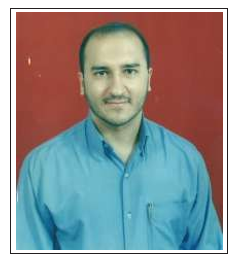
Figure 1: A photo of Aamir Jalal Al-Mosawi most probably taken during the third year of my pediatric training
The thesis has been awarded an excellent evaluation by the examining committee, and after the final and written and clinical exams, he ranked the first among all the physicians who received the highest professional certificate in pediatrics in his country that year. When he received the highest professional certificate in pediatrics, the body granting the certificates was called “The Iraqi Council of Medical Specialization”, but it is later called “The Iraqi Board of Medical Specialization” When Aamir Jalal Al-Mosawi received the highest professional certificate in pediatrics, the body granting the certificates was called “The Iraqi Council of Medical Specialization”, but it is later called “The Iraqi Board of Medical Specialization”. Figures-2A and 2B show the official document of the Iraqi Council of Medical Specialization listing the names of the doctors in Iraq who received the highest professional certificates in Iraq that year and also showing that Aamir Jalal Al-Mosawi ranked first [54-56]. Figures 2C and 2D show English translation of the official document of the Iraqi Council of Medical Specialization listing the names of the doctors in Iraq who received the highest professional certificates in Iraq. The thesis was published in Pediatric Nephrology, Journal of the International Pediatric Nephrology Association [2]. It is worth mentioning that completing the four years of pediatric training to get the highest professional certificate in pediatrics, made Aamir Jalal Al-Mosawi eligible to take the clinical and written exams of the Arabic Board of Pediatrics, and receiving the certificate of the Arabic Board of Pediatrics [54,56]. Because Aamir Al-Mosawi ranked the first among all the physicians who received the highest professional certificate in pediatrics in my country, he had the opportunity to keep working in the same training center “The University Hospital in Al-Kadhimiyia” as a consultant pediatrician (a specialist pediatrician with the highest professional certificate). As the doctoral thesis of Aamir Al-Mosawi was about childhood renal disorders, he established the first pediatric nephrology clinic in the country which was opened once weekly, and shortly he established a ward for childhood renal disorders in the department of pediatrics in the hospital [54-56]. As consultant pediatrician in the consultation clinics of general pediatric and pediatric nephrology, Aamir Al-Mosawi adopted the practices of evidence-based medicine to deal with the therapeutic challenges and improve the patients care. He tried to share his early experiences in the practice of evidence-based medicine with world scientific leaders in the fields of pediatrics [54, 56]. Figure-3 shows a photo of me taken during the second year of work as a consultant.Therefore, he wrote to Ira Greifer (Figure-4), a pioneer of pediatric nephrology who was the secretary general of the International Association of Pediatric Nephrology during that time. It was not long time when Aamir Al-Mosawi received a reply from Ira Griefer. He wrote “I was very pleased to receive your letter and know that you are working very hard to bring the benefit of modern knowledge, techniques and treatment to children in your country with Kidney and Urologic problems.” Figures 5A and 5B show the 2-page letter of Ira Greifer.
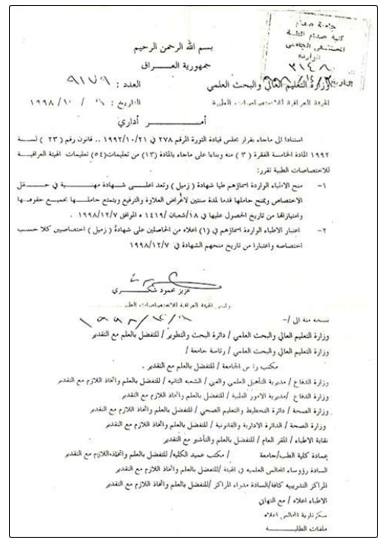
Figures 2A: The official document of the Iraqi Council of Medical Specialization listing the names of the doctors in Iraq who received the highest professional certificates in Iraq
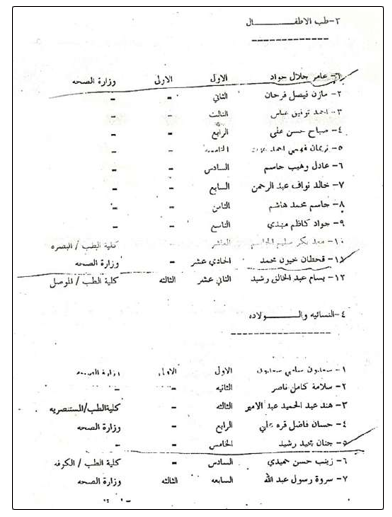
Figures 2B: The official document of the Iraqi Council of Medical Specialization listing the names of the doctors in Iraq who received the highest professional certificates in Ira
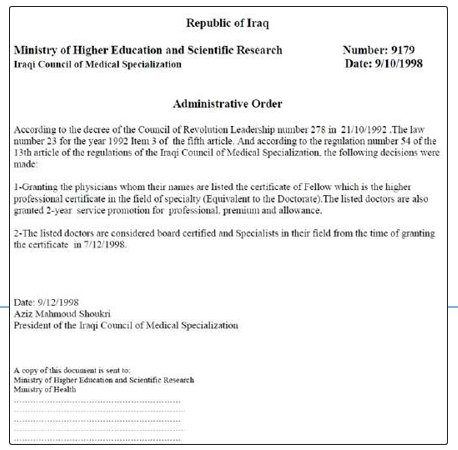
Figures 2C: English translation of the official document of the Iraqi Council of Medical Specialization listing the names of the doctors in Iraq who received the highest professional certificates in Iraq
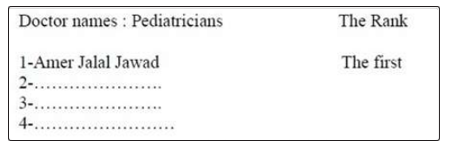
Figures 2D: English translation of the official document of the Iraqi Council of Medical Specialization listing the names of the doctors in Iraq who received the highest professional certificates in Iraq
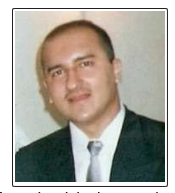
Figure 3: A photo of Aamir Jalal Al-Mosawi taken during the second year of work as a consultant
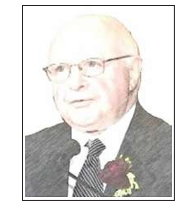
Figure 4: Ira Greifer, a pioneer of pediatric nephrology
Ira Greifer also wrote “I was most fascinated by your use of gum Arabic in children with chronic renal failure, in attempt to promote low protein diet. With this experience and your general experience with acute glomerular nephritis in Iraqi children, should be considered for publication in our journal “Pediatric Nephrology”, if it was presented for review to our editors.” Ira Griefer also sent an application for membership in the International Pediatric Nephrology Association, and Aamir Al-Mosawi soon became a member of the international association [54, 56].
Thereafter, Aamir Al-Mosawi published four researches, including his thesis in Pediatric Nephrology, Journal of the International Pediatric Nephrology Association [2, 3, 4, 5].
Within less than two years after becoming a member of the International Pediatric Nephrology Association, Aamir Al-Mosawi also became a member of the American Academy of Pediatrics. Figures 6A and 6.4B show 2-page membership letter of the American Academy of Pediatrics [54, 56].
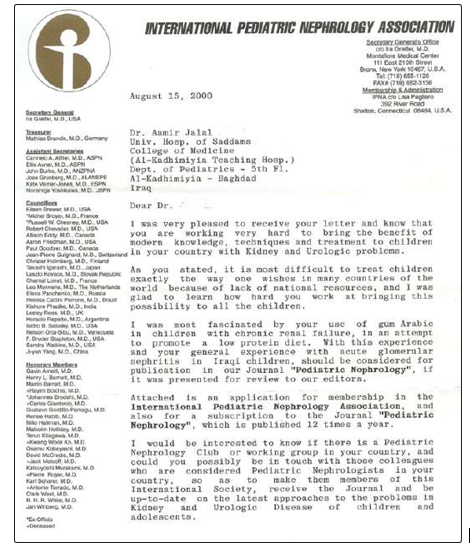
Figure 5A: The 2-page letter of Ira Greifer
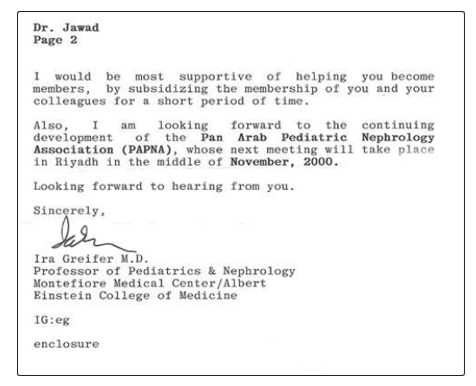
Figure 5B: The 2-page letter of Ira Greifer
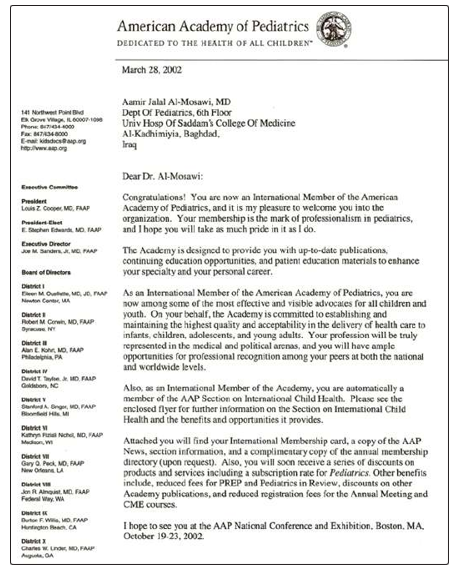
Figure 6A: Membership letter of the American Academy of Pediatrics
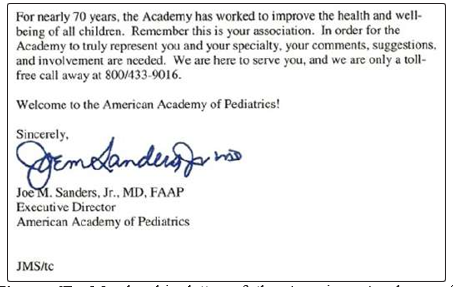
Figure 6B: Membership letter of the American Academy of Pediatrics
The letter of Ira Griefer inspired Aamir Al-Mosawi to document his comprehensive knowledge and experiences in the field of pediatric nephrology, and in addition to publishing a paper about the etiology of chronic renal failure in Iraqi children in Pediatric Nephrology, he published a paper about the spectrum of renal tubular disorders in Iraqi children in other journals [6, 14, 21, 28, 32, 40].
It is worth mentioning that after publishing few papers in Pediatric Nephrology, Aamir Al-Mosawi was contacted through e-mail by Trish Groves (Figure-7), one of the editors of BMJ during that time. She wrote to Aamir Al-Mosawi “We would be grateful if you could review this article for us. As we are finding it difficult to find an appropriate reviewer we would really appreciate your help on this occasion. We would pay you £100 for your efforts”. Figure-8A shows the e-mail of Trish Groves, figure-8B shows the BMJ e-mail which acknowledged the receiver of his review.
The paper was “BMJ/2004/202556 Recent developments in the effectiveness of different vas occlusion techniques by Kerry Wright Aradhya, Kim Best, and David C Sokal”.
Aamir Al-Mosawi reviewed the paper and sent detailed comments for revision, and the paper was published in the BMJ after revision [54, 56].
During the following years, Aamir Al-Mosawi became reviewers for many other well-known international peer-reviewed medical journals including:
Acta pediatrica (since 2005).
Nephrology(since 2005).
Medical Science Monitor (in New York-since 2005).
Therapy which was became known a Clinical practice later (in London since 2005),
The Lancet (since 2006),
Journal of pediatric neurology (since 2007).
Clinical Anatomy (Since 2007).
International Brazilian Journal of Urology (since 2008).
International Journal of Dermatology (Since 2009).
Fundamental & Clinical Pharmacology (Since 2009).
International Journal of Infections in the Developing World.
Journal of Renal Nutrition.
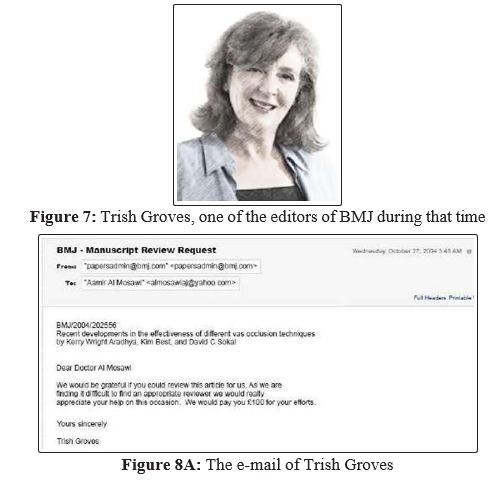
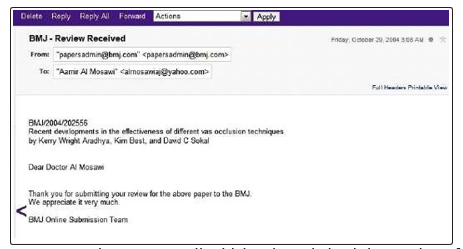
Figure 7B: The BMJ e-mail which acknowledged the receive of my review. Southern medical journal (since 2007).
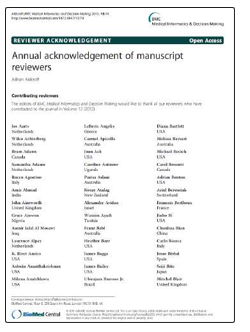
Figure 9: A reviewer acknowledgement published by a journal Figure-9 shows a reviewer acknowledgement published by a journal.
Thereafter, the University Hospital in Al-Kadhimiyia (Al-Kadhimiyia Teaching Hospital) appointed Aamir Al-Mosawi as the physician in charge of the Continuing Medical Education Center in the hospital, and within less than two years He became the head of the department of pediatrics. Figure-10 shows the official hospital document of appointing Aamir Al-Mosawi as the physician in charge of the Continuing Medical Education Center in the hospital, while figure-11 shows the official hospital document of appointing Aamir Al-Mosawi head of the department of pediatrics.
As the physician in charge of the Continuing Medical Education Center at the University Hospital in Al-Kadhimiyia (Al-Kadhimiyia Teaching Hospital), He took the responsibility of establishing a peer-reviewed medical journal “Al-Karkh Journal of Medicine” which became during the same year the official journal of the Iraqi Ministry of Health, and became known as “The New Iraqi Journal of Medicine”. Figure-12 shows the cover of The New Iraqi Journal of Medicine [54, 56].
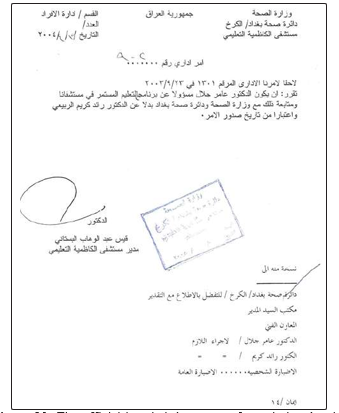
Figure 10: The official hospital document of appointing Aamir Al-Mosawi as the physician in charge of the Continuing Medical Education Center
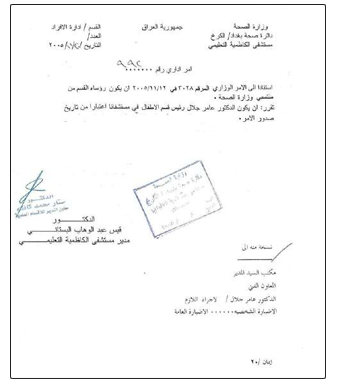
Figure 11: The official hospital document of appointing Aamir Al-Mosawi head of the department of pediatrics
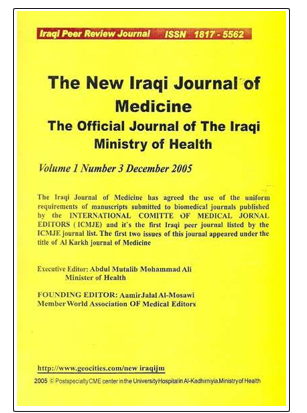
Figure 12: The cover of The New Iraqi Journal of Medicine
As a founding editor of “The New Iraqi Journal of Medicine”, He tried to make the journal adhere to the international standards, and in this endeavor, the first thing he did was announcing that the journal has agreed to the uniform requirements of manuscripts submitted to biomedical journals published by the International Committee of Medical Journal Editors, and in fact the journal was the first Iraqi medical journal to be included in the list of International Committee of Medical Journal Editors. The journal was also the first Iraqi medical journal to be included in Scopus and also to be listed by the PubMed, the US National Library of Medicine [54, 56].
Aamir Al-Mosawi also applied for the membership of the World Association of Medical editors. Figure-13 shows the e-mail welcoming him as a member of the World Association of Medical editors.
During the year 2007, the American Academy of Pediatrics asked Aamir Al-Mosawi to write something like story to publish on their web site as a member web site. Figure-14 shows his story which was published on the web of American Academy of Pediatrics during that time.
The story was about the diagnosis of the 76th case of Coffin Siris syndrome in the world which was reported in American Journal of Medical Genetics, Part A.
Thereafter, Aamir Al-Mosawi received an e-mail from Lori Fewin, MD, FAAP (Figure-15). She wrote “I read with interest your story of the child with CSS spotlighted in the AAP news. I am an American physician practicing in Kazakhstan and find many interesting cases. I currently have two children that I’m not able to diagnose. We do not have certain testing here: muscle biopsies, nerve conduction velocities, amino acid or organic acid testing. I was curious if you have such tests available or if you just rely on physical examination. Keep up the wonderful work!”.
Aamir Al-Mosawi sent her the full article published on American Journal of Medical Genetics, Part A.
Lori replied writing “Thank you. Very impressive! I will try to get pictures and send of my two patients. I’m sure that one has a syndrome, but I can’t identify it. Perhaps you will recognize it. Have a wonderful weekend” [54, 56].
Figure-16 shows the first two e-mails from Lori Fewin.
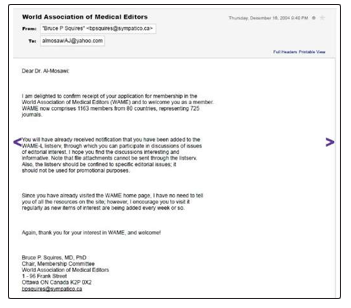
Figure 13: The e-mail welcoming Aamir Al-Mosawi as a member of the World Association of Medical editors
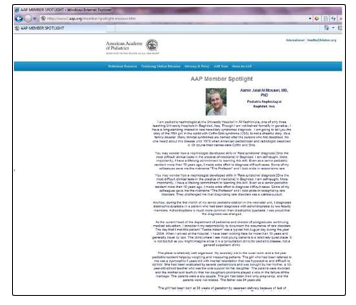
Figure 14: The story of Aamir Al-Mosawi which was published on the web of American Academy of Pediatrics during that time
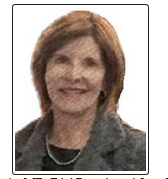
Figure 15: Lori Fewin, MD, FAAP graduated from Baylor University in 1991 and specialized in pediatrics
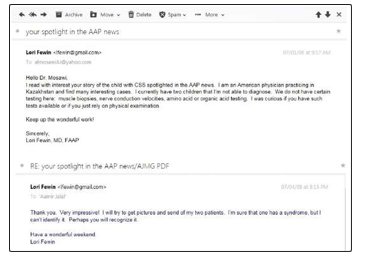
Figure 16: The first two e-mails sent by Lori Fewin to Aamir Al-Mosawi.
Thereafter, Aamir Al-Mosawi published the case of one of her patients which was the first case of Niikawa-Kuroki syndrome in Kazakhstan associated with café au lait spots [58].
During the year 2008, Aamir Al-Mosawi was invited to speak at the National Conference of the American Academy of Pediatrics in Boston and also at the Massachusetts General Hospital Global Health Forum. His speech title was “Pediatrics in Iraq, and the impact of the wars”. In Boston, Aamir Al-Mosawi met Bernard Ferguson, the president of the International Association of Medical Colleges (Figure-17), and on the 25th of October, he was approved by the association to serve as member of Advisory Council Section of the international association [54,56,59].
Aamir Jalal Al-Mosawi practiced evidence-based medicine which enabled him to publish a large number of research in the fields of pediatrics, pediatric nephrology, pediatric urology, clinical genetics, pediatric dermatology, pediatric neurology, and pediatric psychiatry [54, 56].
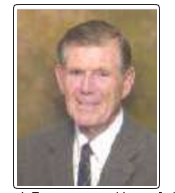
Figure 17: Bernard Ferguson, president of the International Association of Medical Colleges
In 2008, the web site “Medical talks” listed Aamir Jalal Al-Mosawi with the famous physicians in history for describing a new model for the treatment of chronic renal failure [60].
Conclusion
Aamir Jalal Al-Mosawi is perfectly regarded as the undisputable pioneer of pediatric nephrology in Iraq. In 2008, the web site “Medical talks” listed Aamir Jalal Al-Mosawi with the famous physicians in history for describing a new model for the treatment of chronic renal failure.
Acknowledgments
The author would like to express his gratitude for Dr. Ira Greifer, a pioneer of pediatric nephrology, and Dr. Joe M Sanders for giving the permission to publish their letters.
References
- Al-Mosawi AJ (2019) The scientific productivity and academic output of elite Iraqi pediatricians: h-index reliability indicators. International Journal of Research Studies in Medical and Health Sciences 4: 3-6.
- Al-Mosawi AJ (2002) The pattern of acute glomerulonephritis in 47 Iraqi. Pediatr Nephrol. 17: 74-5.
- Al-Mosawi AJ (2002) The challenge of chronic renal failure in the developing world: possible use of acacia gum. Pediatr Nephrol 17: 390-1.
- Al-Mosawi (2002) AJ The etiology of chronic renal failure in 54 Iraqi children. Pediatr Nephrol 17: 463-4.
- Al-Mosawi AJ (2004) Acacia gum supplementation of a low-protein diet in children with end-stage renal disease. Pediatr Nephrol. 19: 1156-9.
- Al-Mosawi AJ (2005) Experience with refractory vitamin D-resistant rickets and non-17α alkyl testosterone derivative anabolic agent. Therapy (Clinical practice) 2: 91-94.
- Al-Mosawi AJ (2005) A possible role of essential oil terpenes in the management of childhood urolithiasis. Therapy (Clinical practice) 2: 243-247.
- Al-Mosawi AJ (2006) Continuous renal replacement in the developing world: Is there any alternative. Therapy (Clinical practice) 3: 265-272.
- Al-Mosawi AJ (2007) The use of acacia gum in end stage renal failure. J Trop Pediatr 53: 362-5.
- Al-Mosawi AJ (2007) Identification of nonneurogenic neurogenic bladder in infants. PMID Urology 70: 355-6.
- Al-Mosawi AJ (2008) Chronic renal failure in Iraqi children:14 year experience of a single center. Journal of Nephrology and Renal Transplantation (JNRT) 1: 32-40.
- Al-Mosawi AJ (2009) Six-year dialysis freedom in end-stage renal disease. Clin Exp Nephrol 13: 494-500.
- Al-Mosawi AJ (2010) The pattern of ocular abnormalities in childhood chronic renal failure. The Open Urology & Nephrology Journal 3: 1-3.
- Al-Mosawi AJ (2006) Idiopathic hyperuricosuria, hypercalciuria and infantile renal stone disease: new association and therapeutic approach. Therapy (Clinical practice) 3: 755-757.
- Al-Mosawi AJ (2006) Genetic drift. Letter from Baghdad: Coffin-Siris syndrome in a girl with absent kidney. Am J Med Genet A 140: 1789-90.
- Al-Mosawi AJ. Oculo-cerebro-renal syndrome phenotype in four Iraqi children. Journal of Pediatric Neurology 5: 75-78.
- Al-Mosawi AJ (2006) The conservative management of non-terminal chronic renal failure. Therapy (Clinical practice) 3: 305-306.
- Al-Mosawi AJ (2006) Principles: clinical pathophysiology of uremia and relevant urea metabolism. Therapy (Clinical practice) 3: 303-304.
- Al-Mosawi AJ (2010) Essential Oil Terpenes: Adjunctive role in the management of childhood urolithiasis. J Med Food 13: 1-4.
- AJ Al-Mosawi (2006) Continuous renal replacement (CRRT) in the developing world: Is there any alternative? Pediatr Nephrol 1: 452.
- Al-Mosawi AJ (2006) The incidence of urolithiasis in childhood renal tubular disorders and hyperoxaluria. Pediatr Nephrol 21: 1557.
- Al-Mosawi AJ (2006) Unilateral renal agenesis associated with the 76th case of Coffin Siris syndrome in the world. Pediatr Nephrol 21: 1564.
- Al-Mosawi AJ (2006) Early onset end-stage renal failure in Oculo-cerebro-renal syndrome phenotype: novel occurrence. Pediatr Nephrol 21: 1570.
- Al-Mosawi AJ (2006) Comprehensive conservative management of ESRF: three-year dialysis freedom. Pediatr Nephrol 21: 1600-1601.
- Al-Mosawi AJ (2006) Early onset end-stage renal failure in Oculo-cerebro-renal phenotype: novel occurrence. European Journal of Pediatrics 165: 1-389.
- Al-Mosawi AJ (2006) Unilateral renal agenesis associated with 76th case of coffin-Siris syndrome in the world. European Journal of Pediatrics 165: 1-389.
- Al Mosawi AJ (2006) A comprehensive conservative management for end-stage renal failure. European Journal of Pediatrics 165: 1-389.
- Al-Mosawi AJ (2007) The Spectrum of renal tubular disorders in Iraqi children. Pediatr Nephrol 22: 1401-1650.
- Al-Mosawi AJ (2007) The Incidence of ocular abnormalities in childhood chronic renal failure. Pediatr Nephrol 22: 1401-1650.
- Al-Mosawi AJ (2007) A Beneficial effect of acacia gum in a patient with nephropathic cystinosis and chronic renal failure. Pediatr Nephrol 22: 1401-1650.
- Al-Mosawi AJ (2007) Renal Failure (CRF) An extra-ordinary experience. Pediatr Nephrol 22: 2151-2175.
- Al-Mosawi AJ (2008) Urolithiasis in renal tubular disorders. Pediatr Nephrol 2: 1616.
- Al-Mosawi AJ (2008) Renal Failure (CRF): An extra-ordinary experience. Pediatr Nephrol 20: 1607,1016,1017.
- Al-Mosawi AJ (2008) Pediatric nephrology in Iraq: report of the Iraqi society of pediatric nephrology. Pediatr Nephrol 20: 1607, 1016, 1017.
- Al-Mosawi AJ (2008) Vesico-cutaneous fistula complicating non-neurogenic neuropathic bladder dysfunction. Acta Paediatr 97: 219-219.
- Al-Mosawi AJ (2008) Urea lowering effect of acacia gum supplementation of low protein diet in patients with symptomatic uremia. Journal of Renal Nutrition 18: 3.
- Al-Mosawi AJ (2008) A new dietary therapy: Six year-dialysis freedom in End-stage renal disease. Journal of Renal Nutrition 18: 3.
- AJ-Al-Mosawi (2008) Childhood chronic renal failure (CRF): An extraordinary experience. Arch Dis Child 93: 384.
- Al-Mosawi AJ (2008) A beneficial effect of acacia gum in a patient with nephropathic cystinosis and chronic renal failure. Arch Dis Child 93: 410.
- Al-Mosawi AJ (2008) Urolithiasis in renal tubular disorders. Arch Dis Child 93: 464.
- Al-Mosawi AJ (2008) Six year-dialysis freedom in end-stage renal disease. Arch Dis Child 93: 465.
- Al-Mosawi AJ (2008) The incidence of ocular abnormalities in childhood chronic renal failure. Arch Dis Child 93: 465.
- Al-Mosawi AJ (2010) The current situation of Pediatric Nephrology in Iraq. Pediatr Nephrol 25: 1861.
- Al-Mosawi AJ (2010) Ocular abnormalities in childhood chronic renal failure. Pediatr Nephrol 25: 1861.
- Al-Mosawi AJ (2010) A new model for the management of end-stage renal disease. Pediatr Nephrol 25: 1862.
- Al-Mosawi AJ (2010) Urea lowering effect of acacia gum supplementation of low protein diet in patients with symptomatic uremia [Conference: The 3rd International Conference of the Arab Society for Medical Research, At Libya, Web of Science, DOI: 10.13140/RG.2.1.3712.3605].
- Al-Mosawi AJ (2010) Session Speaker New Therapy for End–Stage Renal Disease. [Conference: 2nd International conference on drug discovery and therapy, At UAE, Web of Science DOI: 10.13140/RG.2.1.4760.9362].
- Al-Mosawi AJ (2011) The use of safe urea lowering agent in patients with symptomatic uremia. [Conference abstract ofthe Iraqi Medical Association 40th Scientific Conference, At Suleimaniya Iraq, September, Web of Science, DOI: 10.13140/ RG.2.1.4726.6327].
- Only medical talk’s website http://onlymedicaltalks.blogspot. com/2008/03/aamir-jalal-al-mosawi-described-new.html.
- Al-Mosawi AJ (2011) Intestinal dialysis: A new therapy for chronic renal failure. LAP Lambert Academic Publishing (ISBN: 9783847304470).
- Al-Mosawi AJ (2017) Advances of peritoneal dialysis in the developing world: Combined intermittent peritoneal dialysis and intestinal dialysis, In ed, Peritoneal Dialysis: Practices, Complications and Outcomes [Scopus].
- Aamir Jalal, Al-Mosawi. Scopus preview https://www.scopus.com/authid/detail. uri?authorId=6602403757.
- Aamir Jalal Al-Mosawi (2019) Publons.https://publons.com/researcher/2263098/aamir-j-al-mosawi/.
- Aamir Jalal Al-Mosawi (2019) Pubfacts https://www.pubfacts.com/author/Aamir+Jalal+Mosawi.
- Web Site of the Iraqi Board of Medical Specialization. Pediatrics graduate list https://www.iraqiboard.edu.iq/private/grad0309. pdf [Accessed on the 24th of August, 2019].
- Al-Mosawi AJ (2019) Scientific productivity of Iraqi pediatricians in pediatric nephrology. LAP Lambert Academic Publishing (ISBN: 978-620-0-32300-2).
- Al-Mosawi AJ (2017) Leadership in Medicine and Healthcare: An accredited training course. LAP Lambert Academic Publishing (ISBN: 978-3-659-92501-6).
- Al Mosawi AJ (2009) Fewin L. The first case of Niikawa-Kuroki syndrome in Kazakhstan associated with café au lait spots. G Ital Dermatol Venereol 144: 613-5.
- Ferguson B (2005) New International Association Formed to Address Global Medical Changes. The New Iraqi J Med 1: 34-35.
- Medical talk’s website: http://onlymedicaltalks.blogspot. com/2008/03/aamir-jalal-al-mosawi-described-new.html.