

International Journal of Women's Health Care(IJWHC)
ISSN: 2573-9506 | DOI: 10.33140/IJWHC
Impact Factor: 1.011

Review Article - (2021) Volume 6, Issue 1
Role of Anxiety and Depression in Altering Immune System Associated with Breast Cancer. Systematic Review
2Faculty of Medicine, University of Baghdad, UAE
Received Date: Oct 27, 2020 / Accepted Date: Jan 28, 2021 / Published Date: Feb 03, 2021
Copyright: ©Hamid Yahay Hussain. This is an open-access article distributed under the terms of the Creative Commons Attribution License, which permits unrestricted use, distribution, and reproduction in any medium, provided the original author and source are credited.
Citation: Masoumeh Ahmed Kazemi, Hamid Yahay Hussain. (2021). Role of Anxiety and Depression in Altering Immune System Associated with Breast Cancer. Systematic Review. Int J Women's Health Care, 6(1), 100-104.
Abstract
Background: Focusing on basic and clinical research, psycho-neuroimmunology researchers are looking at how the factors that cause anxiety and depression and their negative emotions can affect physiological and health conditions. Clinical studies have shown that the central nervous system is associated with endocrine and immune systems.
Objectives: To investigate the impact of depression and anxiety on developing breast cancer through immune disturbance pathway
Methodology: The present study is a descriptive review of systematic review studies conducted in accordance with the guidelines for preferred cases for reporting systematic and meta-analysis review articles (prisma). Electronic databases including ISI Web of Knowledge, PubMed, and Scopus, were searched from 2012 to 2020. The search strategy psychological, immune response, anxiety disorder, depression, and psychoneuroimmunology. Additionally, we searched the references of retrieved articles to find additional included a combination of the following Medical Subjects Headings (MeSH) terms: breast cancer, potentially related studies. We have considered herbal therapies, which were applied orally, or topically. The content of all articles was evaluated qualitatively after extracting from the desired databases with PRISMA checklist.
Results: The impact of psychological problems on people’s illness is very large, when people have a lot of psychological pressure, the incidence will be higher than ordinary people. Health Psychology considers human health to be a complex entity and believes that disease is not caused by a single factor but is the product of biological, psychological, and social factors. Recent research has previously confirmed the effect of psychosocial factors such as stress and how it reacts to the onset and course of the disease. Most of the patients with malignant tumor had negative emotional problems such as anxiety and depression. Depression in cancer is markedly different from depression in healthy individuals, and involves a unique symptomatology and a strong biological etiology.
Conclusions: A better understanding of the bidirectional communication between the neuroendocrine and immune systems could contribute to new clinical and treatment strategies.
Keywords
Anxiety, Depression, Immune System, Breast Cancer
Introduction
Cancer is a heterogeneous group of diseases with many causes and the immune system is different in different cancers [1].
The leading cause of death among rural residents is secondary, followed by lung cancer, colorectal cancer, breast, and prostate cancer [2].
Breast cancer accounts for 29% of all cancers in women and 95% of cancers in women [3] In Iran, breast cancer is one of the most common cancers in women. The prevalence of breast cancer in Iran is in the fourth and fifth decades of life, which is lower than the global prevalence [4].
Etymological studies have shown that genetic, environmental, and socioeconomic factors are only partially responsible for the devel- opment and prognosis of cancer [5]. This has encouraged research- ers to investigate the effect of psychological factors on the onset and prognosis of cancer [6]. The association between the psycho- logical and physiological features of cancer risk and progression has been studied through psychoneuroimmunology. Mood dis- turbance, particularly of depression and anxiety, correlated with psychological stress is common with cancer diagnosis and has been highly Understanding the trajectory of host factors, particu- larly immunity, is needed due to their importance in destruction of malignant cells and surveillance against re-emergence of tumors [7,8]. Research suggests a declining pattern of anxiety symptoms from pretreatment to the mid- or end of cancer treatment, with one study demonstrating no change in anxiety at 18 months and again at 8 years [9,10].
Recent research has revealed that in most women with breast can- cer, cases of anxiety disorders such as generalized anxiety disorder and post-traumatic stress disorder can be diagnosed clinically [11]. Izci et al. conducted a study in which patients with breast cancer experienced a range of psychiatric problems such as anxiety, de- pression, adjustment disorders, sexual dysfunction and sleep dis- orders [12]. Ghezelbash et al. pointed out that most patients with breast cancer have severe depressive disorder, and the prevalence of depression in these women, especially in the first year after diagnosis, is twice that of the general female population. These patients also suffer from anxiety, stress, depression, and fear of relapse or relapse [13]. There are a limited number of epidemio- logical studies on the psychological consequences of breast cancer in Iran. In this study, the most popular clinical and potential future biochemical screening tools for depression in cancer are briefly discussed.
Given the importance of examining the psychological consequenc- es of breast cancer and its role in the disease process, this study reviews the psychological effects of the disease on the progression of the disease to help improve the mental state of these patients. This short review focuses on the effects of psychological anxiety and depression on breast cancer etiology and progression in rela- tion to immune functions. We believe that this study would provide some insights into the psychoneuroimmunology of breast cancer.
Objectives
The main purpose of the present study was to examine the psycho- logical consequences of immune response, breast cancer in women based on past studies
Regulatory Pathway
Interactions between the limbic-hypothalamic-pituitary-adrenal (HPA) axis and inflammatory reactions mediated by the immune system have been greatly expanded, with many studies showing that mental health can regulate different parts of the cellular im- mune response [1]. The connection between the CNS and the im- mune system is made through chemical messengers secreted by nerve cells, endocrine organs, or immune and stressful cells [14].
Activation of these pathways leads to elevated levels of certain hormones, such as cortisol and catecholamine’s (epinephrine and nor epinephrine) in the blood. The amount of these hormones in the blood affects the functioning of the immune system. High lev- els of cortisol and epinephrine lead to a decrease in the number of white blood cells in the blood. In addition, as cortisol and epi- nephrine increase, the rate of lymphocyte proliferation and natural killer cells (NK cells) decreases [15].
Straub and Yan, Psychological factors (stress, anxiety, and depres- sion) affect the tumor microenvironment (peripheral immune cells and inflammatory processes) via the hypothalamic–pituitary–adre- nal axis, the sympathetic nervous system, and non-adrenal stress hormones, which may alter disease prognosis [9,16].
Moreover, tumor growth, progression, and metastasis have also been correlated with anxiety, depression, and numerous other psychological and behavioral abnormalities [17]. Stress-induced changes in the sympathetic nervous system (SNS) led to signifi- cant immune and prolonged anxiety-like behavior changes [1,18]. Distress or depression can lead to a poor repair of damaged DNA, an abnormal chromatic exchange, and reduced apoptotic activity [19].
Concentrations of proinflammatory cytokines in patients with ma- jor depression correlate with disease severity and HPA activity [20]. The effects of personality traits and depression on cancer risk and survival appear to be extremely as small as the data obtained from prospective cohort studies in population-based and clinical databases [21]. Many randomized controlled trails have examined the relationship between psychological factors and the immune system in cancer [22,23].
Recent studies show that the immune effect of Psychological inter- vention (PI) may be related to the neuroendocrine changes caused by cognitive changes and improvement in the patient’s psycho- logical state [10,24]. Subjects who are immunosuppressed either through pharmacological means or via immunodeficiency diseases have an increased risk of cancer [25].
Immune Modulation
The immune system is a system of molecules, cells, and tissues that, in fact, provide a security barrier to the invasion of microor- ganisms. The system consists of two main components: the innate immune system or nonspecific against a variety of microorganisms similar acts adaptive immune system or have the ability to accu- rately detect pathogens different from each other and according to the type of immune response, various components of the Secure system may be enabled [15,25].
Studies involving both animals and humans suggest that natural killer (NK) cells are particularly important in the elimination of metastatic tumor cells [26].
Depression in otherwise healthy adults reduces the number of cir- culating natural killer (NK) cells, which normally have a tumor surveillance role, and the same is predicted to apply in cancer pa- tients [27].
In addition, higher levels of social support were associated with heightened NK cell responses to cytokines, independent of the lev- el of depression [28].
Most organ related carcinomas are associated with high concentra- tions of TNF which inhibits the activity of tyrosine phosphatase,which in turn results in diminished expression of the Class-I MHC antigen on the cell surface, thus permitting malignant cells to es- cape immune surveillance. Therefore, stress and depression can foster tumor progression by inhibition of the expression of class-I and class-II MHC molecules and by reducing NK activity [14,29].
Methods of Study
Search Strategy The present study is a descriptive review of systematic review studies conducted in accordance with the guidelines for preferred cases for reporting systematic and meta-analysis review articles (prisma).
Electronic databases including ISI Web of Knowledge, PubMed, and Scopus, were searched from 2012 to 2020. The search strat- egy psychological, immune response, anxiety disorder and de- pression and psychoneuroimmunology. Additionally, we searched the references of retrieved articles to find additional included a combination of the following Medical Subjects Headings (MeSH) terms: breast cancer, potentially related studies. We have consid- ered herbal therapies which were applied orally or topically. The content of all articles was evaluated qualitatively after extracting from the desired databases with PRISMA checklist.
Inclusion and Exclusion Criteria
The criteria for entering the study were: Persian and English lan- guage articles published in scientific-research journals inside and outside the country, the full text of which was available; Research articles on systematic, observational, descriptive and qualitative review; Articles that report the psychological consequences of breast cancer and the role of immune system responses. Withdraw- al criteria included articles that did not have full text; Studies that did not contain sufficient information, studies that did not have the necessary adequacy, or PRISMA attention to the checklist had methodological weaknesses.
Study selection and data extraction
In this study, out of 463 articles, 256 articles that were not in line with the title of the research were screened in the study (after the initial screening, 207 studies were entered in the second stage of screening. Screening criteria in the second stage were unrelated articles). In terms of abstract, duplicate articles in terms of title and low quality were based on the Prisma checklist. At this stage, 24 articles were inconsistent in terms of abstract with the subject under study, 29 articles in terms of duplicate research title and 78 studies due to lack of minimum quality criteria. Based on the Pris- ma checklist, out of the study and finally 76 qualitative articls were entered into the systematic review study (figure1)
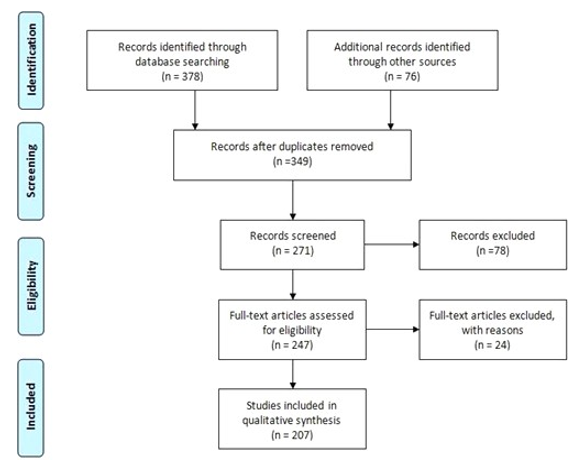
Figure 1: Flow chart of the study selection process.
The influence of psychological intervention on (PI) immune cells in breast cancer patients
Since many of the included studies focused on the effect of PI in breast cancer patients, we conducted a subgroup analysis for breast cancer patients. The CD3+ cell count, CD4+/CD8+ ratio, and NK cell count in breast cancer patients were significant higher in the PI group than in the control group (P>.05), but there were no dif- ferences in the CD4+ cell and CD8+ cell count between the two groups (TABLE1)
|
Outcome |
control group sample |
experiment group sample, |
Mean difference. |
P value |
number of studies |
|
CD4 |
186 |
192 |
-0.01 |
0.28 |
8 |
|
CD8 |
175 |
196 |
0.01 |
0.36 |
8 |
|
CD3 |
200 |
200 |
0.07 |
0.001 |
8 |
|
CD4/CD8 ratio |
73 |
86 |
0.21 |
<.001 |
2 |
|
NK cell |
235 |
263 |
0.03 |
<.001 |
7 |
Discussion and Conclusion
According to the relevant literature at home and abroad, and re- lated research, the impact of psychological problems on people’s illness is very large, when people have a lot of psychological pres- sure, the incidence will be higher than ordinary people.
Health Psychology considers human health to be a complex entity and believes that disease is not caused by a single factor but is the product of biological, psychological, and social factors. Recent research has previously confirmed the effect of psychosocial fac- tors such as stress and how it reacts to the onset and course of the disease [30].
Most of the patients with malignant tumor had negative emotional problems such as anxiety and depression [31].
Depression in cancer is markedly different from depression in healthy individuals, and involves a unique symptomatology and a strong biological etiology [32]. The main purpose of the present study was to examine the psychological consequences of immune response and breast cancer in women based on past studies. The nature of breast cancer is such that the patient has many ambi- guities due to the difficult conditions of the disease and even the difficult conditions of treatment and its side effects, and does not know whether the disease will respond to treatment or not only will not improve, but also to It spreads to other parts of the body. The existence of such ambiguities and the reaction that the person shows to it can lead to a high level of intolerance in these patients and keep the negative and anxious moods in the defective cogni- tive cycle active. Studies indicate that PI can result in changes in the levels of some immune indicators in cancer patients during different treatment periods [33,34].
PI may promote the activity of these cells, and a general meta-anal- ysis showed that the activity of NK cells is increased. NK cells, which are members of the family of innate immune cells, assume that the function of cancer cells kills’ immune control, is the first line of defense against tumors and infections [12].
Conclusions
A better understanding of the bidirectional communication be- tween the neuroendocrine and immune systems could contribute to new clinical and treatment strategies. Further investigations are necessary to determine the mechanism and stability of the immune effect of PI.
Limitations
One of the limitations of the study was the lack of segregation of the stage of the disease in breast cancer in the research conducted there. Furthermore, the plausible ability of cancer cells evading detection by the immune system makes it difficult to conclusively define the benefits of PI on an individual’s immune response
Conflict of interests: The authors declared that there are no conflicts of interests
Ethical Issues: Ethical standards has been adhered to during all stages of the study
References
- Byrnes DM, Antoni MH, Goodkin K, Efantis-Potter J, Astha- na D, et al. (1998) Stressful events, pessimism, natural killer cell cytotoxicity, and cytotoxic/suppressor T cells in HIV+ black women at risk for cervical cancer. Psychosomatic med- icine 60: 714-722.
- Gray R, Fitch M, Davis C, Phillips C (1996) Breast cancer and prostate cancer self-help groups: reflections on differenc- es. Psycho-oncology 5: 137-142.
- Fazeli Z, Najafian Zade M, Eshtati B, Almasi Hashiani A (2014) Five-year evaluation of epidemiological, geographical distribution and survival analysis of breast cancer in Markazi Province, 2007-2011. Journal of Arak University of Medical Sciences 16: 73-80.
- Fatiregun OA, Olagunju AT, Erinfolami AR, Fatiregun OA, Arogunmati OA, et al. (2016) Anxiety disorders in breast can- cer: Prevalence, types, and determinants. Journal of psychoso- cial oncology 34: 432-447.
- Cosentino C, Pruneti CA (2015) Towards an integrated model of defense in gynecological cancer. Psychoneuroimmunolog- ical and psychological factors, between risk and protection in cancer: A review. Integrative Cancer Science and Theapy 2: 112-117.
- Yan Q (2016) Biological rhythms and the HPA axis in psy- choneuroimmunology. Psychoneuroimmunology: Springer 19-26.
- Liu RT, Alloy LB (2010) Stress generation in depression: A systematic review of the empirical literature and recommen- dations for future study. Clinical psychology review 30: 582- 593.
- Wu SM, Andersen BL (2010) Stress generation over the course of breast cancer survivorship. Journal of behavioral medicine 33: 250-257.
- Newell SA, Sanson-Fisher RW, Savolainen NJ (2002) Sys- tematic review of psychological therapies for cancer patients: overview and recommendations for future research. Journal of the National Cancer Institute 94: 558-584.
- Cohen S, Rabin BS (1998) Psychologic stress, immunity, and cancer. JNCI: Journal of the National Cancer Institute 90: 3-4.
- Ä°zci F, Ä°lgün AS, Fındıklı E, Özmen V (2016) Psychiatric symptoms and psychosocial problems in patients with breast cancer. The journal of breast health 12: 94.
- Dziubek W, Kowalska J, Kusztal M, Rogowski Å, GoÅ?Ä?bio- wski T, et al. (2016) The level of anxiety and depression in dialysis patients undertaking regular physical exercise train- ing-a preliminary study. Kidney and Blood Pressure Research 41: 86-98.
- Bertone-Johnson ER (2005) Epidemiology of ovarian cancer: a status report. Lancet (London, England) 365: 101.
- Graham J, Ramirez A, Love S, Richards M, Burgess C (2002) Stressful life experiences and risk of relapse of breast cancer: observational cohort study. Bmj 324: 1420.
- Koyama S, Ishii KJ, Coban C, Akira S (2008) Innate immune response to viral infection. Cytokine 43: 336-341.
- Straub RH, Cutolo M (2018) Psychoneuroimmunology—de- velopments in stress research. Wiener Medizinische Wochen- schrift 168: 76-84.
- Wohleb ES, Hanke ML, Corona AW, Powell ND, La’Tonia MS, et al. (2011) β-Adrenergic receptor antagonism prevents anxiety-like behavior and microglial reactivity induced by re- peated social defeat. Journal of Neuroscience 31: 6277-6288.
- Mays JW, Powell ND, Hunzeker JT, Hanke ML, Bailey MT, et al. (2012) Stress and the anti-influenza immune response: Repeated social defeat augments clonal expansion of CD8+ T cells during primary influenza A viral infection. Journal of neuroimmunology 243: 34-42.
- Esterling BA, Kiecolt-Glaser JK, Glaser R (1996) Psychoso- cial modulation of cytokine-induced natural killer cell activity in older adults. Psychosomatic medicine 58: 264-272.
- Reich RR, Lengacher CA, Kip KE, Shivers SC, Schell MJ, et al. (2014) Baseline immune biomarkers as predictors of MBSR (BC) treatment success in off-treatment breast cancer patients. Biological research for nursing 16: 429-437.
- Soung NK, Kim BY 20152015) Psychological stress and can- cer. Journal of Analytical Science and Technology 6: 30.
- Tong G, Geng Q, Cheng J, Chai J, Xia Y, et al. (2014) Effects of psycho-behavioral interventions on immune functioning in cancer patients: a systematic review. Journal of cancer re- search and clinical oncology 140: 15-33.
- Andersen BL, Farrar WB, Golden-Kreutz DM, Glaser R, Em- ery CF, et al. (2004) Psychological, behavioral, and immune changes after a psychological intervention: a clinical trial. Journal of clinical oncology: official journal of the American Society of Clinical Oncology 22: 3570.
- Savard J, Simard S, Ivers H, Morin CM (2005) Randomized study on the efficacy of cognitive-behavioral therapy for in- somnia secondary to breast cancer, part I: Sleep and psycho- logical effects. Journal of Clinical Oncology 23: 6083-6096.
- Page GG, Beneliyahu S, Liebeskind JC (1994) The role of LGL/NK cells in surgery-induced promotion of metastasis and its attenuation by morphine. Brain, Behavior, and Immu- nity 8: 241-250.
- Nakaya N (2014) Effect of psychosocial factors on cancer risk and survival. Journal of epidemiology 24: 1-6.
- Buhle JT, Silvers JA, Wager TD, Lopez R, Onyemekwu C, et al. (2014) Cognitive reappraisal of emotion: a meta-analysis of human neuroimaging studies. Cerebral cortex 24: 2981- 2990.
- Lillberg K, Verkasalo PK, Kaprio J, Teppo L, Helenius H, et al. (2003) Stressful life events and risk of breast cancer in 10,808 women: a cohort study. American journal of epidemi- ology 157: 415-423.
- Kronfol Z, Remick DG (2000) Cytokines and the brain: impli- cations for clinical psychiatry. American Journal of Psychiatry 157: 683-694.
- Oberholzer A, Oberholzer C, Moldawer LL (2001) Sepsis syndromes: understanding the role of innate and acquired im- munity. Shock (Augusta, Ga) 16: 83-96.
- Heydari A, Gharakhani M, Mahjub H (2010) Comparison of experienced stress and coping strategies in patients with cor- onary artery disease and healthy people. Scientific Journal of Hamadan University of Medical Sciences and Health Services 13: 38-43.
- Fiorentino L, Ancoli-Israel S (2006) Insomnia and its treat- ment in women with breast cancer. Sleep medicine reviews 10: 419-429.
- Baker BS, Harrington JE, Choi B-S, Kropf P, Muller I, et al. (2012) A randomised controlled pilot feasibility study of the physical and psychological effects of an integrated support programme in breast cancer. Complementary therapies in clinical practice 18: 182-189.
- 34. Gras Navarro A, Björklund AT, Chekenya M (2015) Therapeutic potential and challenges of natural killer cells in treatment of solid tumors. Frontiers in immunology 6: 202.