



Narrative Case Study - (2026) Volume 9, Issue 3
Recovery, Repair & Self-Correction A First-Person Medical Narrative of Intervention, Compensation and Intrinsic Recovery, 2008–2026
Received Date: Aug 12, 2026 / Accepted Date: Sep 11, 2026 / Published Date: Sep 22, 2026
Copyright: ©2026 Bruce H. Knox. This is an open-access article distributed under the terms of the Creative Commons Attribution License, which permits unrestricted use, distribution, and reproduction in any medium, provided the original author and source are credited.
Citation: Knox, B. H. (2026). Recovery, Repair & Self-Correction A First-Person Medical Narrative of Intervention, Compensation and Intrinsic Recovery, 2008â2026. Adv Neur Sci, 9(3), 01-08.
Abstract
This first-person medical narrative describes an 18-year course in which illness did not progress along a single line, but instead divided into three clinically distinct outcomes: conditions corrected by medical or surgical intervention, functions sustained through treatment or mechanical compensation, and functions that gradually returned through intrinsic recovery. The course began with chikungunya virus infection in 2008, followed by persistent joint pain and later cardiovascular disease and rhythm disturbance. In October 2021, ablation of a left ventricular outflow tract premature ventricular contraction focus was complicated by acute cardiac tamponade requiring emergency sternotomy, cardiopulmonary bypass and surgical repair. Thereafter, a broad pattern of autonomic and multisystem dysfunction became evident, involving blood-pressure regulation, heart-rate responsiveness, thermoregulation, vision, gastrointestinal motility, bladder function, alertness and tolerance of upright activity. Over subsequent years, several functions recovered substantially, including autonomic storms, thermoregulation, dry-eye dysfunction, night vision, heart-rate responsiveness, alertness and concentration. Other problems were corrected or controlled through targeted intervention, including cholecystectomy, catheter ablation, colonoscopic polypectomy, G-POEM, pancreatic enzyme replacement and suprapubic bladder drainage. The principal unresolved limitation in 2026 is delayed hypotension during prolonged walking, with associated cerebral hypoperfusion symptoms and fall risk. The case illustrates recovery as a dynamic spectrum of repair, compensation and restored physiological reserve rather than a binary distinction between illness and cure.
Keywords
Autonomic Dysfunction, Orthostatic Hypotension, Delayed Hypotension, Cardiopulmonary Bypass, Ventricular Arrhythmia, Gastroparesis, Eosinophilic Oesophagitis, Pancreatic Exocrine Insufficiency, Suprapubic Catheter, Patient Narrative
Medical Narrative Case Study
“This is not a tale of ending; it is a story of finding ways again.” First-person account. Original operative reports, specialist letters, pathology reports and formal clinical records remain definitive for precise diagnoses, terminology and procedural details.
Central Clinical Message
The body did not fail in one direction. Some problems were repaired, some functions were replaced or supported, and some capacities gradually returned. The remaining disability is therefore best understood against a background of substantial recovery rather than uninterrupted decline.
Visual Summary
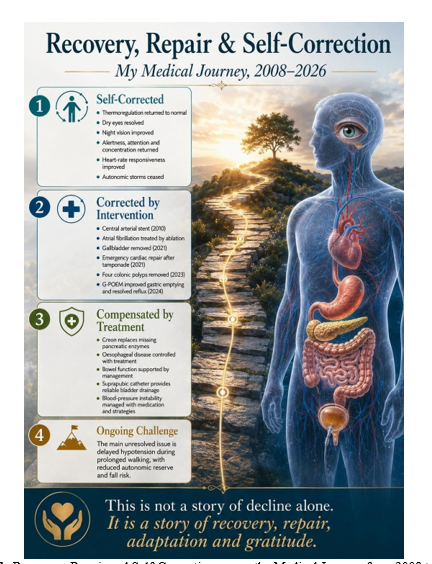
Figure 1: Recovery, Repair and Self-Correction across the Medical Journey from 2008 to 2026
Introduction: three ways a Body Survives
Illness did not arrive as one diagnosis and recovery did not arrive as one cure. Across the years from 2008 to 2026, my medical history became a sequence of very different physiological problems: some were repaired by procedures, some were controlled only because treatment replaced a function the body could no longer provide reliably, and some gradually improved without permanent replacement. The most useful way I have found to understand the course is therefore not as a list of diagnoses, but as a story of correction, compensation and intrinsic recovery. The distinction matters. A stent, an ablation, a cholecystectomy or a surgical repair can correct a discrete structural or electrical problem. Creon can replace missing digestive enzymes without curing the pancreatic deficiency. A suprapubic catheter can provide dependable drainage without restoring normal bladder function.
By contrast, the return of tear production, thermoregulation, night vision, heart-rate responsiveness, alertness and concentration represents something different: function itself appears to have returned. These categories overlap, but together they explain why the later course can contain both continuing disability and convincing evidence of recovery. This account is written in the first person because the chronology is inseparable from the lived pattern: what happened, what changed after intervention, what returned with time, and what remains vulnerable when physiological demand is sustained. It is a clinical narrative rather than a claim that every event shares a single mechanism. In particular, I use the term multifactorial secondary autonomic dysfunction (MSAD) as a descriptive framework for the post-2021 pattern, not as a universally recognised diagnostic label.
The First Chapter: Viral Illness and Early Cardiovascular Disease, 2008 2010
The story began in late 2008 with chikungunya virus infection. The acute febrile illness resolved, but it did not leave cleanly: significant recurrent joint pain persisted and required ongoing management. Supportive care is the standard approach to acute chikungunya illness, and the later persistence of musculoskeletal symptoms became the first example in this history of an illness resolving while a functional consequence remained [1,2]. Other medical problems appeared over the following years. I experienced recurrent skin irritation affecting the back of the neck and the back, treated symptomatically when active. In 2010, a stent was inserted into a central artery to protect blood flow. The original summary does not identify the precise vessel, and that detail should be verified from the original cardiology record before journal submission. Atrial fibrillation also became part of the cardiovascular history and was treated by catheter ablation. The rhythm disturbance was successfully addressed, with continued surveillance thereafter. Contemporary atrial fibrillation guidance recognises catheter ablation as an established therapeutic option in appropriately selected patients [3]. At this stage, the medical story still appeared to be composed mainly of discrete problems with discrete interventions.
Escalation: Gallbladder Disease, Ventricular Ectopy and the Cardiac Emergency of 2021
A malfunctioning gallbladder was diagnosed in 2020 and removed by cholecystectomy in early 2021. That problem was definitively treated. The more consequential event, however, came later the same year from the heart. By 2021, the ventricular rhythm disturbance had become severe, with approximately 15,000 premature ventricular contractions recorded over 24 hours. On 15 October 2021, I underwent catheter ablation of a left ventricular outflow tract PVC focus. Catheter ablation is an established treatment for selected ventricular arrhythmias, but it is an invasive procedure with recognised procedural risks [4]. In my case, the procedure was complicated by cardiac perforation or free-wall injury and acute tamponade. The event changed the scale of the medical journey. I required emergency sternotomy, cardiopulmonary bypass and surgical repair of the cardiac injury. The operation was life-saving. Structurally, the immediate crisis was corrected, clinically, however, the period that followed was not a simple return to the pre-procedure baseline. Over the subsequent months and years, dysfunction became evident across several systems that are normally coordinated automatically.
After the Repair: a Body that no Longer Regulated itself in the Same Way
Following the 2021 cardiac events, I developed a broad pattern involving blood-pressure regulation, heart-rate response, temperature control, gastrointestinal motility, gastric emptying, bladder function, vision, alertness, concentration and tolerance of sustained standing and walking. The pattern was not uniform. At times the cardiovascular system produced marked hypertensive surges, at other times blood pressure fell substantially on standing or with prolonged upright activity. Management required medication, monitoring, hydration, appropriate sodium intake, compression, positional strategies, head-of-bed elevation and careful pacing. These are all familiar components of the clinical management of orthostatic blood-pressure disorders, although treatment must be individualised when supine hypertension and orthostatic hypotension coexist.
In 2022 and 2023, I also experienced episodes I describe as autonomic storms: periods of pronounced blood-pressure instability that were difficult to predict and difficult to live around. What matters in retrospect is that these episodes eventually ceased. No permanent replacement was required to stop them. Their disappearance became one of the earliest indications that at least part of the post-2021 dysfunction was capable of intrinsic recovery. The same pattern appeared outside the cardiovascular system. Significant dry-eye dysfunction was identified by the University of Auckland Optometry Clinic in 2022. Temporary eye drops were required, but natural lubrication later returned. A delayed response to bright light and impaired night vision were also identified. Night vision subsequently improved substantially toward normal. Thermoregulatory abnormalities gradually resolved. Heart-rate responsiveness during walking and exercise returned substantially. Alertness, attention and concentration improved as the broader physiological condition stabilised. These changes did not amount to a complete cure, but they were difficult to reconcile with a model of uninterrupted deterioration.
The Gastrointestinal Cascade, 2022 2024
At the same time, the gastrointestinal tract became a second major arena of illness. The problems were distributed across several levels rather than confined to one organ. Significant throat and swallowing symptoms prompted barium-swallow and specialist assessment. Persistent reflux led to further investigation including gastroscopy, capsule-camera assessment and 24-hour acid monitoring. Oesophageal disease, including eosinophilic oesophagitis (EoE), was identified and treated medically. EoE is a chronic inflammatory oesophageal disorder for which ongoing anti-inflammatory and dietary or pharmacological strategies are used to control disease activity and preserve function [5]. The pancreas added a different form of failure. Pancreatic exocrine insufficiency was diagnosed in 2022 for reasons that remained idiopathic in the source record. From 2023, Creon was taken with meals to replace the digestive enzymes the pancreas was not providing adequately. This was not recovery of pancreatic function, it was successful physiological compensation. Pancreatic enzyme replacement is the cornerstone of treatment when exocrine insufficiency causes inadequate digestion [6]. In 2023, colonoscopy identified four colonic polyps, all of which were removed. This was another example of direct intervention: a discrete pathological finding was identified and physically eliminated, with subsequent surveillance dependent on pathology and clinical advice.
Gastric emptying presented yet another mechanism. Food was not leaving the stomach efficiently because of impaired pyloric function. In 2024, gastric peroral endoscopic myotomy (G-POEM) was performed to reduce resistance at the gastric outlet. Gastric emptying improved and the associated reflux resolved. The intervention therefore did more than suppress symptoms, it altered the mechanics of gastric emptying and produced a meaningful functional improvement. Contemporary gastroparesis guidance recognises pylorus-directed therapy, including G-POEM in selected patients, as part of the evolving treatment landscape [7]. Viewed as a whole, the gastrointestinal history is not a single disease story. Swallowing dysfunction was investigated, oesophageal inflammation was medically controlled, gastric emptying improved after an endoscopic procedure, pancreatic deficiency was compensated with enzyme replacement, and colonic polyps were removed. The clinical lesson is that “gastrointestinal dysfunction” can conceal several different problems, each requiring its own mechanism-specific response.
When Compensation Replaces Cure: Bowel and Bladder Function
Bowel and bladder function proved less willing to return completely. Bowel emptying required a structured management programme and could influence bladder emptying. The bowel problem therefore remained a functional dependency rather than a resolved episode. Bladder emptying became progressively unreliable, with hesitancy, incomplete emptying and urinary retention. Medication and intermittent catheterisation initially provided a workable form of compensation, but eventually they were not sufficient to produce reliable drainage. In 2026, a suprapubic catheter was inserted. The result was dependable bladder drainage, but not restoration of normal bladder physiology. The distinction is important: the intervention solved the practical problem of drainage while the underlying dysfunction remained. Contemporary neuro-urological guidance similarly distinguishes restoration of safe, reliable emptying from reversal of the neurological or functional disorder itself [8].
The Unresolved Frontier: Delayed Hypotension during Walking
By 2026, the principal unresolved limitation was no longer the dramatic autonomic storm. It was a quieter and more predictable failure of reserve. Blood pressure could still fall on standing, but I had become better at pausing, recognising symptoms and allowing an initial postural adjustment. That improvement could create the impression that the orthostatic problem was receding. The difficulty emerged later. After approximately 10 to 30 minutes of walking, blood pressure could fall sufficiently to produce light-headedness, visual disturbance, cognitive fog, balance difficulty, lateral veering and a meaningful risk of falling. The delay is clinically important because the first minutes upright may be tolerated. The problem becomes visible only when gravitational demand is sustained and cardiovascular reserve is progressively consumed. The contrast between activities is revealing. Recumbent cycling is better tolerated because gravitational stress is reduced. A supermarket trolley can make walking more manageable because it provides physical support and allows subtle off-loading and stabilisation. Pacing, planned rests, mobility support and fall-prevention strategies therefore become part of treatment even when they do not correct the underlying haemodynamic vulnerability. This is the part of the story that remains unfinished. The body can regulate temperature again. It can produce tears again. Heart rate can respond more normally to exercise. Cognition and alertness have improved. Yet prolonged upright walking still exposes a narrow physiological margin. The remaining problem is not an absence of recovery, it is that recovery has restored some systems more fully than others.
Discussion
Correction, Compensation and Intrinsic Recovery are different Outcomes
A conventional chronological problem list tends to flatten these differences. It records a diagnosis, an intervention and a status, but it does not necessarily show what kind of biological change has occurred. In this case, three categories help clarify the trajectory. First, some problems were corrected directly: arterial stenting protected blood flow, catheter ablation treated atrial fibrillation and later the ventricular ectopic focus, cholecystectomy removed the dysfunctional gallbladder, emergency surgery repaired the cardiac injury, four colonic polyps were removed, and G-POEM improved gastric emptying with resolution of associated reflux. Second, some functions remain dependent on compensation. Creon replaces deficient pancreatic enzymes. EoE remains medically controlled rather than demonstrably cured. Bowel function requires an ongoing management programme. A suprapubic catheter provides reliable bladder drainage. Blood-pressure instability continues to require medication, behavioural strategies, hydration, compression, pacing and monitoring. Delayed walking-related hypotension remains managed through activity planning, support and fall prevention.
Third, several functions appear to have recovered intrinsically. Autonomic storms ceased. Thermoregulation returned. Acute dry-eye dysfunction resolved. Night vision improved substantially. Heart-rate responsiveness returned toward normal. Alertness, attention and concentration improved. Initial adaptation to standing also became more manageable. None of these observations proves a single mechanism of neural repair, but together they demonstrate a trajectory that is more complex than progressive loss.
Autonomic Reserve as a Clinical Lens
The concept that best captures the remaining paradox is autonomic reserve. I use this term descriptively to mean the physiological margin available to maintain blood pressure, cerebral perfusion and other automatic functions when demand increases. Reserve need not be either present or absent. It may be sufficient for a short period of standing but insufficient for a sustained walk, adequate during recumbent exercise but vulnerable during prolonged upright movement. This framework helps explain how substantial recovery can coexist with disability. A person can regain ordinary temperature regulation, ocular lubrication, heart-rate responsiveness and cognitive clarity while still reaching a haemodynamic threshold during prolonged walking. The observation does not by itself establish the anatomical site or mechanism of dysfunction, and it should not substitute for formal autonomic testing. It does, however, provide a coherent way of describing the lived pattern and of identifying which functions are robust and which remain demand-sensitive.
Patient Perspective
From the patient side, the most important change has been conceptual. Recovery is easier to recognise when it is not defined as the disappearance of every diagnosis. Some organs have been repaired. Some functions are successfully outsourced to treatment. Some capacities have returned. Others remain fragile. That is not a contradiction, it is the actual shape of the recovery. The difference affects daily life. A suprapubic catheter is evidence of persistent bladder dysfunction, but it is also evidence that reliable drainage can be restored by another route. Creon confirms pancreatic insufficiency, but it also makes digestion possible.
A walking aid acknowledges haemodynamic vulnerability, but it can convert a dangerous threshold into a manageable distance. The clinical meaning of these interventions lies not only in what remains abnormal, but in what they make possible. I remain particularly struck by the functions that returned without permanent replacement. Tear production, thermoregulation, night vision, heart-rate response and cognitive alertness are small things only until they are lost. Their return is not merely a reduction in symptom count, it changes the lived meaning of the illness. It provides evidence that the body has continued to adapt after a period in which multiple automatic systems were disrupted.
Limitations and Documentation
This paper is a first-person synthesis of a long and medically complex history. It should therefore be read as a narrative case account rather than a substitute for primary clinical records. Original operative reports, specialist correspondence, pathology reports, autonomic investigations and medication records remain definitive for exact diagnoses, dates, procedural terminology and causal attribution. Two areas in particular require source-record verification before formal journal submission: the identity of the artery stented in 2010, and the exact operative terminology used to describe the cardiac injury during the 2021 ventricular ablation. The term MSAD is used here as a descriptive framework for the observed multisystem pattern, not as a universally recognised diagnosis. Likewise, the concept of autonomic reserve is presented as a clinically useful interpretation of function under demand rather than as a directly measured biomarker in this narrative.
Conclusion
Across 18 years, this medical history contains viral illness, cardiovascular disease, rhythm disturbance, a life-threatening procedural complication, gastrointestinal and pancreatic dysfunction, bowel and bladder dysfunction, and persistent orthostatic vulnerability. Read as a list, it can look like accumulating decline. Read as a clinical trajectory, it tells a different story. The chikungunya infection resolved although joint pain persisted. Cardiovascular rhythm and structural problems were treated. A malfunctioning gallbladder was removed. A cardiac injury was repaired in emergency surgery. Colonic polyps were removed. G-POEM improved gastric emptying and resolved associated reflux. Creon replaced missing pancreatic enzymes. A suprapubic catheter restored reliable bladder drainage.
Meanwhile, autonomic storms ceased, thermoregulation returned, dry eyes resolved, night vision improved, heart-rate responsiveness recovered, and alertness, attention and concentration substantially returned. The main unresolved limitation is the ability to maintain adequate blood pressure and cerebral perfusion during prolonged upright walking. That limitation is clinically significant because it creates fall risk, but it exists within a broader pattern of recovery, repair and adaptation. The case therefore argues for a more nuanced language of outcome: not simply cured or uncured, better or worse, but corrected where possible, compensated where necessary, and allowed time to recover where the body still retains capacity to do so.
Acknowledgement
I remain grateful to the physicians, surgeons, nurses, optometrists and allied health professionals whose interventions protected both life and quality of life, and to the continuing capacity of the human body to adapt, recover and find another way forward.
References
- Centers for Disease Control and Prevention. Clinical Features and Treatment of Chikungunya Virus Disease. Atlanta: CDC.
- Juraschek, S. P., Cortez, M. M., Flack, J. M., Ghazi, L., Kenny,R. A., Rahman, M., ... & American Heart Association Council on Hypertension. (2024). Orthostatic hypotension in adults with hypertension: a scientific statement from the American Heart Association. Hypertension, 81(3), e16-e30
- Joglar, J. A., Chung, M. K., Armbruster, A. L., Benjamin,E. J., Chyou, J. Y., Cronin, E. M., ... & Van Wagoner, D.R. (2024). 2023 ACC/AHA/ACCP/HRS guideline for the diagnosis and management of atrial fibrillation: a report of the American College of Cardiology/American Heart Association Joint Committee on Clinical Practice Guidelines. Circulation, 149(1), e1-e156.
- Cronin, E. M., Bogun, F. M., Maury, P., Peichl, P., Chen, M., Namboodiri, N., ... & Zeppenfeld, K. (2019). 2019 HRS/EHRA/APHRS/LAHRS expert consensus statement on catheter ablation of ventricular arrhythmias. Journal of Arrhythmia, 35(3), 323-484.
- Dellon, E. S., Muir, A. B., Katzka, D. A., Shah, S. C., Sauer,B. G., Aceves, S. S., ... & Hirano, I. (2025). ACG clinical guideline: diagnosis and management of eosinophilic esophagitis. Official journal of the American College of Gastroenterology| ACG, 120(1), 31-59.
- Whitcomb, D. C., Buchner, A. M., & Forsmark, C. E. (2023). AGA clinical practice update on the epidemiology, evaluation, and management of exocrine pancreatic insufficiency: expert review. Gastroenterology, 165(5), 1292-1301.
- Camilleri, M., Kuo, B., Nguyen, L., Vaughn, V. M., Petrey, J., Greer, K., ... & Abell, T. L. (2022). ACG clinical guideline: gastroparesis. The American journal of gastroenterology, 117(8), 1197.
- European Association of Urology. EAU Guidelines on Neuro-Urology. Arnhem: EAU Guidelines Office, 2026.
Appendix A
Twenty-Eight Factual Clinical Cameos of Autonomic Dysfunction and Associated Multisystem Illness
A concise record of what happened and what is happening now, 2008–2026
This appendix condenses the 28 factual clinical events and manifestations described in the parent medical narrative into brief cameos. Each cameo records the original event or dysfunction and its present status. The sequence is intentionally descriptive: it documents the multisystem course without implying that every condition was autonomic in origin. Taken together, however, the cameos show how autonomic dysfunction became interwoven with cardiovascular, gastrointestinal, visual, cognitive and genitourinary problems, and how the course has included recovery, direct correction and continuing physiological compensation
Chikungunya Virus Infection 2008 2009
The journey began with chikungunya virus infection in late 2008. The acute infection resolved, but recurrent joint pain remained as a lasting consequence and continues to require management when symptomatic.
Recurrent Skin Irritation
Episodes of irritation developed across the back of the neck and back and have recurred intermittently. This remains an episodic problem rather than a continuously active disorder, with treatment used when symptoms return.
Central Arterial Disease 2010
In 2010, central arterial disease required placement of an arterial stent to protect blood flow. The structural problem was successfully treated, the precise vessel remains to be confirmed from the original cardiology record.
Blood Pressure Regulation
Blood-pressure control became one of the clearest continuing manifestations of autonomic instability, with high resting or supine pressures coexisting with substantial falls on standing. The pattern has improved but has not fully self-corrected, and remains managed with medication, hydration, appropriate sodium intake, compression, positional strategies, head-of-bed elevation, monitoring and pacing.
Atrial Fibrillation
Atrial fibrillation emerged as a major rhythm disturbance and was treated by catheter ablation. The arrhythmia was successfully treated and is no longer the dominant clinical problem, although ongoing cardiovascular surveillance remains appropriate.
Gallbladder Dysfunction 2020 2021
A malfunctioning gallbladder was diagnosed in 2020 and removed in early 2021. Cholecystectomy provided definitive correction, and the gallbladder disorder is no longer an active problem.
Severe Ventricular Rhythm Disturbance 2021
By 2021, premature ventricular contractions had reached approximately 15,000 in 24 hours, leading to ablation of a left ventricular outflow tract focus on 15 October 2021. The rhythm focus was treated, but the procedure was complicated by cardiac injury and acute tamponade
Multisystem Autonomic Dysfunction after 2021
After the 2021 cardiac event, dysfunction became evident across blood-pressure regulation, heart-rate response, temperature control, gastrointestinal motility, gastric emptying, bladder function, vision, alertness, concentration and tolerance of prolonged standing and walking. The later course has been mixed: several functions have self-corrected, some have been directly treated, and others remain dependent on compensation, 'multifactorial secondary autonomic dysfunction' is used here as a descriptive clinical framework rather than a universally recognised diagnosis.
Acute Dry Eyes 2022
Marked dry-eye dysfunction was identified in 2022 and initially required optometric assessment and temporary lubricating treatment. Natural tear production subsequently returned, making this one of the clearest examples of intrinsic recovery.
Bright-Light Response and Night Vision 2022
Specialist assessment identified both a delayed response to bright light and impaired night vision. Night vision later improved substantially toward normal, while the delayed light response remains relevant within the broader autonomic history.
Throat and Swallowing Dysfunction 2022 2023
Significant throat and swallowing symptoms prompted barium-swallow testing and specialist gastrointestinal assessment. The dysfunction was characterised and brought into specialist management rather than remaining unexplained.
Oesophageal Disease and Eosinophilic Oesophagitis 2022 2023
Investigation identified oesophageal disease, including eosinophilic oesophagitis, requiring ongoing medical treatment. The condition is controlled rather than considered cured, with treatment aimed at suppressing inflammation and preserving function.
Reflux and Upper Gastrointestinal Dysfunction 2022 2023
Persistent reflux led to extensive investigation, including gastroscopy, capsule assessment, 24-hour acid monitoring and barium swallow, revealing a broader pattern of oesophageal, gastric and motility dysfunction. The associated reflux later resolved aftertreatment directed at impaired gastric emptying.
Pancreatic Exocrine Insufficiency Diagnosed 2022
Pancreatic exocrine insufficiency left digestion without adequate endogenous enzyme support, for reasons that remained idiopathic. Since 2023, Creon with meals has provided effective physiological replacement, while the underlying pancreatic deficiency persists
Colonic Polyps 2023
Colonoscopy in 2023 identified four colonic polyps, all of which were removed. This was a direct and successful intervention, with subsequent surveillance determined by pathology and routine clinical follow-up.
Impaired Gastric Emptying 2024
Impaired pyloric function prevented food from leaving the stomach efficiently and contributed to upper gastrointestinal symptoms. G-POEM in 2024 reduced gastric-outlet resistance, improved emptying and was followed by resolution of the associated reflux.
Gastrointestinal Dysfunction as a Multilevel Problem
Between 2022 and 2024, dysfunction was not confined to one organ: the throat, oesophagus, stomach, pancreas and bowel each contributed to the clinical picture. Most of these problems are now either corrected, medically controlled or effectively compensated for, although they required different forms of treatment.
Autonomic Storms 2022 2023
Episodes of extreme blood-pressure instability became a striking feature of the post-2021 period and required monitoring, medication and careful pacing. These autonomic storms gradually ceased and have remained one of the major examples of spontaneous or intrinsic recovery.
Thermoregulatory Dysfunction
Temperature regulation became abnormal during the multisystem autonomic illness, adding another indication that homeostatic control had been disturbed. Over time, thermoregulation returned to normal without permanent replacement therapy
Heart-Rate Responsiveness
Heart-rate response to walking and exercise became impaired during the period of autonomic dysfunction. With rehabilitation, continued activity and time, responsiveness returned substantially toward normal, suggesting meaningful recovery of cardiovascular autonomic function.
Alertness, Attention and Concentration
Alertness, attention and concentration deteriorated while the broader physiological condition was unstable. As the systemic and autonomic picture improved, these functions recovered substantially and are described in the source narrative as having self-corrected.
Post-prandial Autonomic Dysfunction
Meals, particularly in the evening, could be followed by a distinct physiological decline consistent with post-prandial autonomic stress. The problem has partially improved through meal-size and timing adjustments, hydration, pacing, pancreatic enzyme replacement and treatment of the accompanying gastrointestinal disorders.
Bowel Dysfunction
Bowel emptying became sufficiently unreliable to require a structured management programme and could directly influence the ability to empty the bladder. This remains a compensated rather than fully corrected function, with continuing assistance required.
Bladder Dysfunction and Urinary Retention
Bladder emptying progressively became unreliable, producing hesitancy, incomplete emptying and retention. Medication and intermittent catheterisation provided temporary compensation but eventually became insufficient to provide dependable drainage.
Persistent Dysfunctional Bladder 2026
When intermittent measures no longer provided reliable bladder emptying, a suprapubic catheter was introduced in 2026. It now provides dependable drainage and an effective alternative route, although the underlying bladder dysfunction itself remains.
Initial Orthostatic Hypotension
Standing continued to provoke a fall in blood pressure, but adaptation improved with experience, pacing and treatment. The tendency toward orthostatic hypotension persists, yet there is now better recognition of symptoms, deliberate pausing and greater ability to allow cardiovascular adjustment before moving on.
Delayed Hypotension during Walking
The principal unresolved autonomic limitation appears after sustained upright activity: following roughly 10 to 30 minutes of walking, blood pressure may fall with light-headedness, visual disturbance, cognitive fog, balance difficulty, veering and fall risk. Pacing, monitoring, mobility support and fall-prevention strategies make activity safer, while recumbent cycling and supported walking are better tolerated, inadequate cardiovascular reserve during prolonged upright walking remains the central current limitation.
Synthesis
Across these 28 cameos, three trajectories repeatedly emerge. Some functions have substantially self-corrected, including autonomic storms, thermoregulation, dry-eye dysfunction, night vision, heart-rate responsiveness and aspects of alertness and concentration. Other problems were directly corrected by medical or surgical intervention, including rhythm disturbance, cardiac injury, gallbladder disease, colonic polyps and impaired gastric emptying. A third group remains dependent on compensation, including pancreatic insufficiency, bowel and bladder dysfunction, blood-pressure instability and delayed hypotension during prolonged walking. The resulting picture is therefore not one of uninterrupted decline, but of partial recovery, targeted repair, physiological substitution and an ongoing limitation in upright cardiovascular reserve.
Clinical Documentation Note
These cameos are a first-person factual summary derived from the parent medical narrative. Original operative reports, specialist correspondence, pathology reports and formal clinical records remain definitive for precise diagnostic terminology, anatomical detail and procedural description.