

Insights of Herbal Medicine(IHM)
ISSN: 2834-7749 | DOI: 10.33140/IHM


Research Article - (2026) Volume 5, Issue 1
Phytochemical Screening, and Antioxidant Activity of Methanolic Extract and Solvent Fractions of the Stem Bark of Moringa Stenopetala Bak. Cuf.
 and Abraham Nigussie Mekuria 3
 2Department of Medicinal Chemistry, School of Pharmacy, College of Health and Medical Science, Haramaya University, Ethiopia
3Department of Pharmacology, School of Pharmacy, College of Health and Medical Science, Haramaya University, Ethiopia
Received Date: Mar 25, 2026 / Accepted Date: Apr 30, 2026 / Published Date: May 14, 2026
Copyright: ©2026 Terfo Yilma, et al. This is an open-access article distributed under the terms of the Creative Commons Attribution License, which permits unrestricted use, distribution, and reproduction in any medium, provided the original author and source are credited.
Citation: Hailu, A., Yilma, T., Nigusse, A. (2026). Phytochemical Screening, and Antioxidant Activity of Methanolic Extract and Solvent Fractions of the Stem Bark of Moringa stenopetala Bak. Cuf. Insights Herbal Med, 5(1), 01-07.
Abstract
Background: Moringa stenopetala Bak. Cuf. is a medicinal plant that has been used extensively in Traditional Medicine in both Ethiopia and East Africa. Many studies have been conducted regarding the pharmacological properties of the leaves of this plant. However, very little research has been done on the bioactive potential of the stem bark of M. stenopetala.
Objectives: The main objective of this study was to determine the phytochemical make-up and antioxidant activity of the methanolic extract and solvent fractions of the stem bark of M. stenopetala.
Methods: The extraction of the dried stem bark with absolute methanol, further extractions were performed using fractions of the extract with solvents of chloroform, acetone and water. The preliminary phytochemical screening was done to the extract and solvent fractions using standard methods. The antioxidant activity of all three solvent fractions of the stem bark were evaluated using the DPPH radical scavenging assay.
Results: The preliminary phytochemical screening of the solvent fractions revealed that each fraction contained a variety of secondary metabolites, including flavonoids, phenols, tannins, saponins, terpenoids, alkaloids, phytosterols and cardiac glycosides; the quantity of these compounds varied between fractions. The DPPH assay indicate the aqueous and the acetone fractions at a concentration of 100μg/mL showed a strong percentage inhibition of 73.63% and 72.53%, respectively. The chloroform fraction showed moderate activity of 69.23%. When compared to the results of ascorbic acid as a reference standard, which showed a 98.59% percentage inhibition at the same concentration. The antioxidant activity of the crude extract and both solvent fractions is likely due to the presence of phenolic and flavonoid compounds.
Conclusion: In conclusion, the results obtained in this study support the traditional use of the stem bark of M. stenopetala as a natural source of antioxidant phytochemicals, as well as providing the necessary justification for future quantitative and bioactivity-guided studies on M. stenopetala.
Keywords
Antioxidant Activities, DPPH Assay, Medicinal Plants, Moringa Stenopetala, Phytochemicals
Introduction
Medicinal plants have been an important part of all primary healthcare systems around the globe for centuries, and today. This is especially true for developing nations where these plants are advantageous due to their accessibility, cultural acceptability and high quantity [1,2]. Moreover, diversity of bioactive secondary metabolites concentrated in (or derived from) them, could serve as lead compounds in developing modern medicines [2,3]. In rural Africa, traditional medicine continues to form an important part of local healthcare and provides an alternative method of treating patients. It is valued for its holistic approach and cost-effective methods for delivering therapeutic care [4,5].
The global incidence of diseases associated with oxidative stress is steadily increasing. These diseases include cardiovascular disorders, cancers, diabetes, and chronic inflammatory conditions [6]. Studies have established that oxidative stress results from an imbalance between free radicals and the body’s antioxidant defence mechanisms. This imbalance plays a significant role in the development of many diseases [6,7]. Consequently, there is growing interest within the scientific community in identifying natural sources of antioxidants. Medicinal plants, in particular, are being explored for their potential role in disease prevention and the promotion of human health.
The Moringaceae family is represented by one genus: Moringa, made up of thirteen species native to Northeast Africa, Madagascar, Southwest Asia, and parts of Africa [8,9]. Out of these thirteen species, Moringa oleifera, Moringa stenopetala, Moringa concanensis, and Moringa peregrina have been particularly attractive for study due mainly to their potential to provide both food nutrients and medicine [10,11]. However, numerous species from this genus still need to be researched, especially those found in Northeast Africa and Madagascar.
Moringa stenopetala Bak. Cuf. is found in Ethiopia, Kenya, and Somalia, where it is abundantly found throughout southern Ethiopia [12,13]. Locally, people refer to it by different names; among them are ‘Shiferaw’ in Amharic, ‘Haleko’ in Gofa and Wolayta, and ‘Shelagta’ in Konso [14]. Different parts of the plant have been said to treat a variety of conditions, such as headaches, stomach pain, malaria, high blood pressure, diabetes, asthma, and digestive problems [15]. People will typically eat the leaves as a vegetable, but the roots and barks can also be boiled into a tea for medicinal uses. Some of the traditional uses for M. stenopetala have recently been corroborated by scientific evidence, such as in vivo research demonstrating the analgesic and anti-inflammatory effects of leaf extracts of M. stenopetala [16]. Analyses of the chemical composition of M. stenopetala leaves using chromatographic techniques have indicated that they possess high concentrations of phenolic compounds and flavonoids [1,14].
Several bioactive metabolites, such as isothiocyanates, fatty acids, sterols, glucosinolates, and glycerides, have also been isolated from various tissues of M. stenopetala, including the seed, leaf, and root tissues. [17]. While there is a significant amount of ethnomedicinal evidence for M. stenopetala and an increasing body of pharmacological evidence supporting its various uses, little research has been conducted examining the phytochemical composition and antioxidant activity of the stem bark of M. stenopetala [18]. The stem bark may contain numerous important but underutilized bioactive secondary metabolites. This study aimed to examine the phytochemical composition and assess the in vitro antioxidant activity of the methanol extract and solvent fractions of the stem bark of M. stenopetala using standard phytochemical techniques and DPPH radical scavenging assays [19].
Materials and Methods
Chemicals and Apparatus
All chemicals utilized in the experiment were of analytical grade and used without further purification. Methanol (99.99%), ethanol (100%), chloroform (98%), acetone (99.8%), and 1,1-diphenyl-2-picrylhydrazyl (DPPH) were obtained from Fine Chemical PLC, Addis Ababa, Ethiopia, and Sigma-Aldrich. Ascorbic acid was used as a reference standard. Reagents used for phytochemical screening included Wagner’s reagent (iodine in potassium iodide), ferric chloride, sodium hydroxide, potassium hydroxide, ammonia solution, hydrochloric acid, sulfuric acid, and glacial acetic acid, purchased from Alchem Private Trading Limited Company, Addis Ababa, Ethiopia. Major laboratory equipment used included an electric grinder, orbital shaker, rotary evaporator, vacuum filtration unit, water bath, oven, lyophilizer (Alpha 1-2 LD plus, Martin Christ Co. Ltd., Germany), UV–Visible spectrophotometer (Jenway 6858, England), analytical balance, and standard glassware.
Plant Material
The fresh and healthy stem bark samples of moringa stenopetala were collected from Harar, eastern Ethiopia. A botanist identified the plant, and a voucher specimen AbHu0126 was deposited at the Herbarium of the College of Natural and Computational Sciences, Haramaya University, for future reference. The harvested plant materials were carefully packed into plastic-coated sacs and transported to the laboratory room at school of pharmacy, College of Health and Medical Science, Haramaya University. The fresh barks were washed using tap water and then dried at room temperature under shade for three weeks. Once dried, the barks were milled into a coarse powder using an electric blender. The powdered material was accurately weighed and stored until the extraction begins.
Preparation of the 80 % Methanol Extract
The powdered material (150g) was macerated with absolute methanol (600 ml) at a solid-to-solvent ration of 1:4 (w/v) in a conical flask with intermittent shaking at 230 rpm using an orbital shaker for 72 hours. The extract was filtered through a funnel plunged with nylon cloth, and the filtrate was passed through Whatman filter paper (No. 1). The procedure was performed two more times, each time with a different fresh solvent added to the leftover residue or marc. The resulting combined extract after successive filtration was concentrated using a rotor evaporator at 40 °C. Then, solid crystals were obtained and percent yields were determined and then powdered, transferred into a tight container, labelled, and stored in a refrigerator at -4 °C until used for fractionation and further experimental procedures.
Preparations of Solvent Fractions
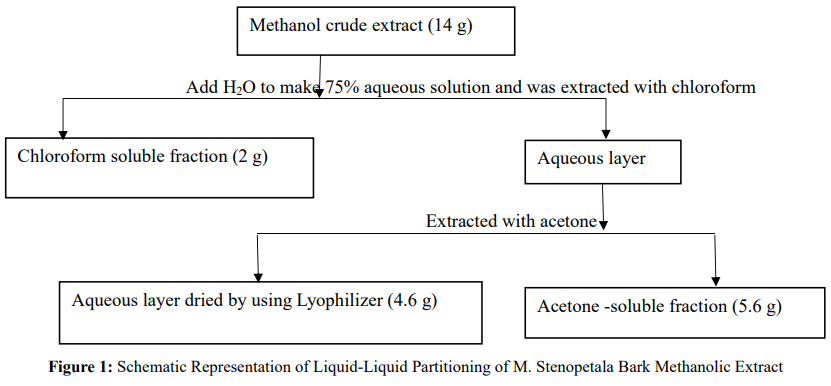
Liquid–liquid partitioning of the crude methanolic extract was carried out following a modified method described by Khan et al [20]. Fourteen grams (14 g) of the concentrated methanolic extract were suspended in 50 ml distilled water to form an aqueous solution and successively partitioned with an equal volume of chloroform and acetone successively based on solvent polarity using a separatory funnel (Figure 1). Each fraction was collected separately and concentrated using a rotary evaporator at 40 °C. The aqueous fraction was concentrated by lyophilization. All fractions were stored at 4 °C until further use.
Phytochemical Screening
Qualitative phytochemical screening of the crude methanolic extract and solvent fractions was conducted using standard procedures to detect major classes of secondary metabolites, including flavonoids, saponins, phenols, tannins, terpenoids, steroids, phytosterols, cardiac glycosides, alkaloids, anthocyanins, and quinones [21-26].
Evaluation of Antioxidant Activity
DPPH Radical Scavenging Assay
The antioxidant activity of the crude methanolic extract and solvent fractions was evaluated using the DPPH radical scavenging assay as described in the literature [26]. Stock solutions of the extract and fractions were prepared in methanol at a concentration of 1 mg/mL and serially diluted to obtain concentrations of 500, 250, 125, and 62.5 µg/mL. An aliquot of 1 mL of each dilution was mixed with 4 mL of freshly prepared DPPH solution (0.04% w/v in methanol) to yield final concentrations of 100, 50, 25, and 12.5 µg/mL. The reaction mixtures were incubated at 37 °C for 30 min in the dark, and absorbance was measured at 517 nm using a UV–Visible spectrophotometer. Methanol was used as a blank, DPPH solution as a control, and L-ascorbic acid as a positive reference standard.
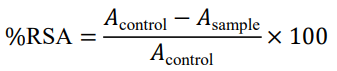
The percentage radical scavenging activity was calculated using the equation:
All experiments were performed in triplicate, and results were expressed as mean ± standard deviation.
Results
Extraction Yield
The percentage yields of the crude methanolic extract of Moringa stenopetala stem bark and its solvent fractions are presented in Table 1. From 150 g of dried stem bark powder, 20.37 g of crude methanolic extract was obtained, corresponding to a yield of 13.58%. Among the fractions, the aqueous (71.9%) and acetone (46,7%) fractions showed higher yields compared to the chloroform (14.3%) fraction.
|
Extract and fractions |
Weight of extract/fraction |
Nature of extracts |
Yield in (%) * |
|
Methanolic extract |
20.37 g |
Oily blue-green |
13.58 |
|
Chloroform fraction |
2.0 g |
Black jelly |
14.3 |
|
Acetone fraction |
5.6 g |
Greasy red |
46.7 |
|
Aqueous fraction |
4.6 g |
Honey jelly |
71.9 |
|
*%Yield = [Weight of crude/Weight of sample] x100 |
|||
Table 1: Percentage Yield of the Methanolic Crude Extract and its Solvent Fractions of M. Stenopetala Stem Bark
Phytochemical Screening
Qualitative phytochemical screening of the crude methanolic extract and solvent fractions of M. stenopetala stem bark revealed the presence of various secondary metabolites (Table 2). Flavonoids were detected in the crude extract, chloroform fraction, and aqueous fraction but were absent in the acetone fraction. Saponins were present in the crude extract, chloroform fraction, and aqueous fraction, whereas phenolic compounds were detected in all tested samples.
Tannins were observed in the chloroform and aqueous fractions but were absent in the crude extract and acetone fraction. Terpenoids were present in the crude extract, acetone fraction, and aqueous fraction. Steroids and anthocyanins were not detected in any of the extracts or fractions analyzed. Phytosterols, cardiac glycosides, and alkaloids were detected in all samples. Quinones were present in the chloroform and aqueous fractions but absent in the crude extract and acetone fraction.
|
Phytochemical screening |
Test type |
Methanolic extract |
Chloroform fraction |
Acetone fraction |
Aqueous fraction |
|
Flavonoids |
Alkaline test |
+ |
+ |
- |
+ |
|
Saponins |
Foam test |
+ |
+ |
- |
+ |
|
Phenols |
Alkaline test |
+ |
+ |
+ |
+ |
|
Tannins |
Ferric chloride test |
- |
+ |
- |
+ |
|
Terpenoids |
Salkowski test |
+ |
- |
+ |
+ |
|
Steroids |
- |
- |
- |
- |
- |
|
Phytosterols |
Salkowski test |
+ |
+ |
+ |
+ |
|
Cardiac glycosides |
Keller-Killiani test |
+ |
+ |
+ |
+ |
|
Alkaloids |
Wagner’s test |
+ |
+ |
+ |
+ |
|
Anthocyanin |
- |
- |
- |
- |
- |
|
Quinones |
- |
+ |
- |
+ |
- |
|
+ = the presence of phytochemical constituents - = the absence of phytochemical constituents |
|||||
Table 2: Phytochemical Screening of Crude Extract and Different Solvents Fractions of M. Stenopetala Stem Bark
DPPH Radical Scavenging Assay
The antioxidant activity of the crude methanolic extract and solvent fractions of M. stenopetala stem bark was evaluated using the DPPH radical scavenging assay. The results are summarized in Table 3 and illustrated in Figure 2. All tested samples exhibited concentration-dependent radical scavenging activity. At the lowest tested concentration (12.5 µg/mL), percentage inhibition ranged from 58.24% for the crude methanolic extract to 64.84% for the aqueous fraction. Increasing the concentration resulted in increased scavenging activity across all samples. At 100 µg/mL, the aqueous fraction demonstrated the highest radical scavenging activity (73.63%), followed by the acetone fraction (72.53%), chloroform fraction (69.23%), and crude methanolic extract (63.74%). The reference standard, L-ascorbic acid, exhibited significantly higher radical scavenging activity, with 98.67% inhibition at the same concentration. The absorbance values of the samples decreased progressively with increasing concentration, indicating effective hydrogen-donating ability of the extract and fractions. All assays were performed in triplicate, and results are expressed as mean ± standard deviation.
|
Conc.(µg/ml) |
Absorbance |
|
DPPH % inhibition |
|
||||||
|
Methanol extract |
CHCl3 Fraction |
Acetone Fraction |
Aqueous fraction |
AA |
Methanol extract |
CHCl3 Fraction |
Acetone fraction |
Aqueous fraction |
AA |
|
|
12.5 |
0.38±0.05 |
0.34±0.15 |
0.33±0.17 |
0.32±0.02 |
0.02±0.01 |
58.24 |
62.64 |
63.74 |
64.84 |
98.24 |
|
25 |
0.37±0.023 |
0.32±0.22 |
0.31±0.13 |
0.3±0.20 |
0.01±0.02 |
59.34 |
64.83 |
65.93 |
67.03 |
98.35 |
|
50 |
0.35+0.14 |
0.30±0.11 |
0.27±0.32 |
0.29±0.14 |
0.013±0.1 |
61.54 |
67.03 |
70.34 |
68.13 |
98.50 |
|
100 |
0.33±0.25 |
0.28±0.25 |
0.25±0.02 |
0.24±0.31 |
0.012±0.01 |
63.74 |
69.23 |
72.53 |
73.63 |
98.67 |
|
Control 0.910 |
|
|||||||||
|
Where, CHCl3 = Chloroform, AA stands for ascorbic acid and the results were expressed in mean ±standard deviation and the test was done in triplicates. |
||||||||||
Table 3: % Radical Scavenging Activity of Methanolic Extract and Solvent Fractions of M. Stenopetala Stem Bark
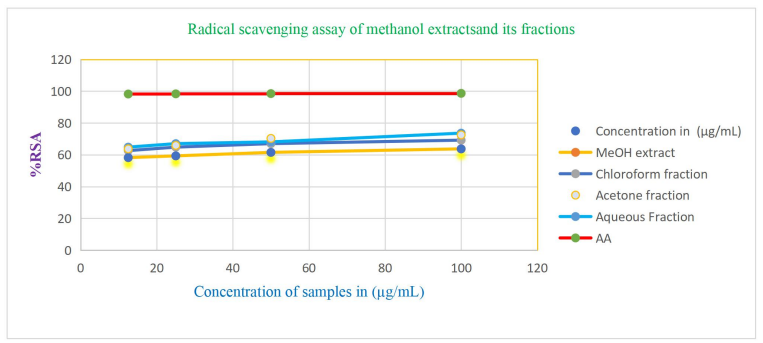
Figure 2: Radical Scavenging Activity (RSA) of Methanolic Extract and Solvent Fractions of M. Stenopetala Stem Bark and the Positive Reference L-Ascorbic Acid (AA)
Discussion
The present study investigated the phytochemical composition and in vitro antioxidant activity of the methanolic extract and solvent fractions of the stem bark of Moringa stenopetala. Although various parts of this plant, particularly the leaves and seeds, have been extensively studied, information regarding the bioactive potential of the stem bark remains limited. The findings of this study therefore provide new insight into the chemical and antioxidant profile of this underexplored plant part.
The extraction yield results indicated that the aqueous and acetone fractions constituted a higher proportion of the crude methanolic extract compared to the chloroform fraction. This pattern suggests that the stem bark of M. stenopetala is rich in polar and semi-polar constituents. Similar observations have been reported for other parts of the plant, where polar solvents were more efficient in extracting bioactive metabolites such as phenolic compounds, flavonoids, and glycosides [21,27]. The higher recovery of polar fractions may reflect the abundance of hydroxyl-rich secondary metabolites commonly associated with antioxidant activity [27,28].
Qualitative phytochemical screening revealed the presence of several classes of secondary metabolites, including flavonoids, phenols, tannins, saponins, terpenoids, alkaloids, phytosterols, and cardiac glycosides, with variation among the solvent fractions. The absence of steroids and anthocyanins across all samples may be attributed to their low abundance in the stem bark or limitations associated with qualitative detection methods. The widespread presence of phenolic compounds in all fractions is noteworthy, as phenols are well recognized for their ability to donate hydrogen or electrons and neutralize free radicals, thereby contributing to antioxidant activity [29].
The antioxidant potential of the extracts and fractions was evaluated using the DPPH radical scavenging assay, a widely employed method for assessing hydrogen-donating capacity [29,30]. All samples exhibited concentration-dependent radical scavenging activity, indicating their ability to quench free radicals. Among the tested samples, the aqueous and acetone fractions demonstrated relatively higher antioxidant activity compared to the chloroform fraction and crude methanolic extract. This observation is consistent with the phytochemical results, which showed a broader distribution of phenolic and flavonoid compounds in the more polar fractions [27].
Although the radical scavenging activity of the stem bark extracts was lower than that of the reference standard ascorbic acid, the observed inhibition percentages indicate moderate antioxidant potential. Comparable levels of antioxidant activity have been reported for extracts obtained from the leaves, seeds, and roots of M. stenopetala and other Moringa species, supporting the notion that antioxidant constituents are distributed across different plant parts [18]. The differences in antioxidant activity among fractions may be explained by variations in the concentration and structural characteristics of bioactive compounds extracted by solvents of differing polarity [27].
The antioxidant activity observed in this study may have pharmacological relevance, as oxidative stress plays a key role in the pathogenesis of various chronic diseases [31]. The presence of multiple phytochemical classes suggests that the antioxidant effects may result from synergistic interactions among compounds rather than the action of a single constituent [32]. However, it is important to note that the current study employed only an in vitro chemical assay, which does not directly translate to biological efficacy in vivo.
Conclusion
The current findings support the traditional use of M. stenopetala and highlight the stem bark as a potential source of antioxidant phytochemicals. Nevertheless, further studies are warranted to quantify total phenolic and flavonoid contents, determine ICâ??â?? values, isolate and characterize individual bioactive compounds, and evaluate their biological activities using cellular and in vivo models. Such investigations would provide a more comprehensive understanding of the therapeutic potential of M. stenopetala stem bark and facilitate its possible application in drug discovery and natural antioxidant development.
References
- El-Saadony, M. T., Saad, A. M., Mohammed, D. M., Korma,S. A., Alshahrani, M. Y., Ahmed, A. E., ... & Ibrahim, S. A. (2025). Medicinal plants: bioactive compounds, biological activities, combating multidrug-resistant microorganisms, and human health benefits-a comprehensive review. Frontiers in immunology, 16, 1491777.
- Latif, R., & Nawaz, T. (2025). Medicinal plants and human health: A comprehensive review of bioactive compounds, therapeutic effects, and applications. Phytochemistry Reviews,1-44.
- Sodhi, P. K., Kour, T., Kaur, G., Gahlaut, V., Rath, S. K., Dwibedi, V., & Joshi, M. (2025). Exploring the modern approaches to enhance fungal endophyte-derived bioactive secondary metabolites. 3 Biotech, 15(6), 156.
- Shaikh, F. M. R., & Uzgare, A. S. (2026). Efficient protein purification: from basics to advanced analytical techniques–a review. Analytical and Bioanalytical Chemistry Research, 13(1), 133-146.
- Manisha, D. R. B., Begam, A. M., Chahal, K. S., & Ashok, M.A. (2025). Medicinal plants and traditional uses and modern applications. Journal of Neonatal Surgery, 14(3), 162-175.
- Renu, K., Gopalakrishnan, A. V., & Madhyastha, H. (2025). Is periodontitis triggering an inflammatory response in the liver, and does this reaction entail oxidative stress?. Odontology, 113(3), 889-902.
- Liu, J., Chen, K., Tang, M., Mu, Q., Zhang, S., Li, J., ... & Wang, C. (2025). Oxidative stress and inflammation mediate the adverse effects of cadmium exposure on all-cause and cause-specific mortality in patients with diabetes and prediabetes. Cardiovascular Diabetology, 24(1), 145.
- Ramesh, B., Chauhan, R., Don, P. M. U., Joshi, R., Pansare, S., Modi, Z., ... & Rathnakumar, K. (2025). Moringa oleifera: a comprehensive review of its nutritional benefits, functional applications, and future potential in food science. Journal of the Science of Food and Agriculture.
- Guluma, E. H., Lemma, T. M., Workineh, S. S., Kitolo, G.K., Gello, B. M., Robi, M. K., ... & Bayleyegn, G. M. (2025). Indigenous medicinal knowledge and therapeutic practices of the endangered Ongota/Birale of Southwest Ethiopia. Journal of Ethnobiology and Ethnomedicine, 21(1), 60.
- Zeru, A., Hassen, A., Muller, F., Tjelele, J., & Bairu, M. (2025). Assessment of Moringa Accessions Performance for Adaptability, Growth and Leaf Yield Under the Subtropical Climate of Pretoria, South Africa. Agronomy, 15(10), 2414.
- Nazim, M., Raza, W., ul Hassan Nasim, F., Anjum, S., Ullah, H., Nawaz, A., ... & Daglia, M. (2025). Moringa oleifera: a comprehensive review with special emphasis on phytochemistry. Phytochemistry Reviews, 1-54.
- Demisse, G., Kechero, Y., Yemane, N., & Mekasha, Y. (2024). Potentials of Moringa stenopetala foliage as livestock feed, Southern Ethiopia. Cogent Food & Agriculture, 10(1), 2382525.
- Tesfaye, A., Anjulo, A., Fekadu, A., Beyene, K., Girma, A., Gemeda, B., ... & Manilal, A. (2022). Ethno-pharmacological investigations of Moringa stenopetala Bak. Cuf. and its production challenges in southern Ethiopia. PLoS One, 17(9), e0274678.
- Assaye, M. A., De Leo, M., Volterrani, D., Tesfay, H., Teka, F., Debebe, E., & Gebre, S. G. (2025). Phytochemical profiling, antioxidant and anti-inflammatory potential of methanolic extracts of Moringa oleifera (L.) Lam. and Moringa stenopetala (Bak.) Cufod. leaves grown in Arba Minch, Ethiopia. RSC advances, 15(51), 43818-43829.
- Khare, N., Shrivastav, S., Ray, S. K., Khatoon, N. (2025).Ethnopharmacological Insights , Phytochemical Profiling , and Therapeutic Implications of Tamarindus indica Linn . 25(12), 614–36.
- Panova, N., Gerasimova, A., Gentscheva, G., Nikolova, S., Makedonski, L., Velikova, M., ... & Nikolova, K. (2025). Moringa oleifera Lam.: A nutritional powerhouse with multifaceted pharmacological and functional applications. Life, 15(6), 881.
- Adane, L., Teshome, M., & Tariku, Y. (2019). Isolation of compounds from root bark extracts of Moringa stenopetala and evaluation of their antibacterial activities. J Pharmacogn Phytochem, 8(3), 4228-44.
- Labadi, K., Demmouche, A., Sofiane, B., Amara, L., Brikhou, S., & Bouarfa, A. (2024). Evaluation of the antioxidant and anti-inflammatory effect of Moringa stenopetala from the Algerian Sahara. Journal of Chemical Health Risks, 14, 2448–2456.
- Suleman, M., & Shairwani, S. (2025). Innovative extraction techniques for maximizing antioxidant yield from Moringa stenopetala leaf: A step. Dialogue Social Science Review, 3(1), 808–823.
- Khan, S., Nisar, M., Rehman, W., Khan, R., & Nasir, F. (2010). Anti-inflammatory study on crude methanol extract and different fractions of Eremostachys laciniata. Pharmaceutical biology, 48(10), 1115-1118.
- Al-Wajih, A. M., El-Shaibany, A. M., Raweh, S. M., & El–Aasser, M. M. (2022). Preliminary phytochemical screening for various secondary metabolites, quantitative and qualitative analysis of Yemeni Aloe vera and Aloe vacillans flower extracts. GSC Biological and Pharmaceutical Sciences, 21(2), 202-210.
- Chintalapani, S. A. T. H. V. I. K. A., Swathi, M. S., & Mangamoori, L. N. (2018). Phytochemical screening and in vitro antioxidant activity of whole plant extracts of Sesuvium portulacastrum L. Asian J Pharm Clin Res, 11(1), 1-6.
- Geetha, T. S., & Geetha, N. (2014). Phytochemical screening, quantitative analysis of primary and secondary metabolites of Cymbopogan citratus (DC) Stapf. leaves from Kodaikanal hills, Tamilnadu. International Journal of pharmtech research, 6(2), 521-529.
- Ayoola, G. A., Coker, H. A. B., Adesegun, S. A., Adepoju-Bello, A. A., Obaweya, K., Ezennia, E. C., et al. (2008).Method spots test. Tropical Journal of Pharmaceutical Research, 7, 1019–1024.
- Anandharaj, B., Sathya, M., Maheshwari, M., Priyadharshini, B., Arun, V. P., & Ramkumar, R. (2021). Preliminary Phytochemical Screening of Natural Anti-dandruff plant Phylanodiflora (L.) Greene (Lippianodiflora). Journal homepage: www. ijrpr. com ISSN, 2582, 7421.
- Patel Rajesh, M., & Patel Natvar, J. (2011). In vitro antioxidant activity of coumarin compounds by DPPH, Super oxide and nitric oxide free radical scavenging methods. Journal of advanced pharmacy education & research, 1(1), 52-68.
- Conta, A., Simirgiotis, M. J., Martínez Chamás, J., Isla, M. I., & Zampini, I. C. (2025). Extraction of Bioactive Compounds from Larrea cuneifolia Cav. Using Natural Deep Eutectic Solvents: A Contribution to the Plant Green Extract Validation of Its Pharmacological Potential. Plants, 14(7), 1016.
- Hu, Y., Feng, Y., Lu, H., Luo, Y. H., & Zhang, M. (2025).Fractional extraction of phenolics from seedless chestnut rose fruit: effects of solvent polarity on polyphenol composition and in vitro bioactivities. International Journal of Food Properties, 28(1), 2479040.
- Ahmad, Z., Rauf, A., Orhan, I. E., Mubarak, M. S., Akram, Z., Islam, M. R., ... & Thiruvengadam, M. (2025). Antioxidant Potential of Polyphenolic Compounds, Sources, Extraction, Purification and Characterization Techniques: A Focused Review. Food Science & Nutrition, 13(12), e71259.
- Pandey, B., Yadav, R. K., Subedi, L., Sapkota, B., Baral, M., Jha, P. K., ... & Panta, S. (2025). Phytochemical investigation and antioxidant activity of Millettia extensa against mushroom tyrosinase enzyme: molecular insight into skin care products. Natural Product Communications, 20(1), 1934578X251318518.
- Alharbi, H. O. A., Alshebremi, M., Babiker, A. Y., & Rahmani, A. H. (2025). The role of quercetin, a flavonoid in the management of pathogenesis through regulation of oxidative stress, inflammation, and biological activities. Biomolecules, 15(1), 151.
- Breda, C., Nascimento, A., Meghwar, P., Lisboa, H., Aires, A., Rosa, E., ... & Barros, A. N. (2025). Phenolic composition and antioxidant activity of edible flowers: Insights from synergistic effects and multivariate analysis. Antioxidants, 14(3), 282.