

Journal of Geology & Mining(JGM)
ISSN: 3066-4950 | DOI: 10.33140/JGM

Research Article - (2025) Volume 2, Issue 2
Other Drivers of Climate Change, Groundwater Water Depletion
Received Date: Aug 21, 2025 / Accepted Date: Oct 07, 2025 / Published Date: Oct 09, 2025
Copyright: ©Ã?©2025 Ihab Jomaa. This is an open-access article distributed under the terms of the Creative Commons Attribution License, which permits unrestricted use, distribution, and reproduction in any medium, provided the original author and source are credited.
Citation: Jomaa. I. (2025). Other Drivers of Climate Change Groundwater Water Depletion. J Geol Min, 2(2), 01-09.
Abstract
Groundwater is being used up fast, and it’s turning into one of the most serious environmental and social problems of the 21st century. With populations growing and demand for fresh water rising, many aquifers are being pumped faster than they can naturally recharge. Although groundwater holds about 30% of the world’s freshwater, levels in many regions are falling. The effects are clear: wells run dry, farm yields drop, and local water supplies become less dependable. This isn’t only a water issue, it also links to climate. As groundwater declines, soil can heat up, local temperatures can rise, and rainfall patterns can shift. That can make droughts, heat waves, and erratic weather more likely, creating a feedback loop. Urban growth and land-cover changes can also skew readings from weather stations, complicating climate records. The bottom line: we need a broader approach. That means managing groundwater sustainably, improving how we monitor climate and water, and taking the connection between the two seriously. Groundwater depletion is both a water crisis and a climate risk, and it calls for urgent, coordinated action.
Keywords
Groundwater Depletion, Climate Change, Water Crisis, Sustainable Groundwater Management, Climate Feedback Loop
Introduction
Groundwater depletion is becoming one of the most urgent environmental and socio-economic issues of the 21st century [1]. As the global population grows, so does the demand for freshwater, placing increasing pressure on groundwater resources. These underground reservoirs provide about 30% of the world’s freshwater, and in many places, they are being drained faster than they can naturally replenished. This overuse is causing serious consequences for ecosystems, agriculture, and communities that depend on this water [1]. The situation is a growing threat to the long-term sustainability of groundwater resources everywhere. Groundwater depletion happens when water is extracted from aquifers quicker than can be naturally refilled. Various factors drive this imbalance, such as agricultural irrigation, industrial use, and domestic consumption. Agriculture, in particular, accounts for around 70% of global freshwater withdrawals, with many dry regions relying heavily on groundwater. As water levels drop, wells dry up, threatening drinking water supplies and disrupting agriculture, especially in areas where irrigation is essential [2].
Over-pumping can also cause land subsidence, which leads to surface sinking, damaging infrastructure and altering natural water flow patterns [3]. Additionally, in coastal areas, excessive extraction can cause saltwater intrusion, making freshwater resources unusable [4]. This issue isn’t a isolated problem; it’s already a harsh reality in many parts of the world. Research by Wada et al. (2010) shows that global groundwater extraction doubled between 1960 and 2000, with the most severe depletion occurring in dry regions [5]. Areas like Northwest India, Northeast Pakistan, the Central US, and parts of China and Iran are seeing notable reductions in groundwater, raising alarms about long-term water availability [6]. In California’s Central Valley and the Great Plains’ Ogallala Aquifer, groundwater levels have dropped significantly due to widespread irrigation. In Mexico City, excessive pumping for urban water needs has led to sinking ground and lower water levels.
The Middle East, especially Saudi Arabia and Yemen, is also coping with severe groundwater depletion as they extract water for both farming and urban use at unsustainable rates. Lebanon, known for high water availability, is facing its own serious challenges with groundwater depletion and saltwater intrusion. In the Beqaa Valley of Lebanon, an area crucial for agriculture, groundwater depleted to more than 50 meters in depth [1,8]. Similarly, North Africa’s arid countries, such as Libya and Egypt, are seeing groundwater levels drop due to a combination of limited renewable water and heavy agricultural use [9]. In the Sahel, a semi-arid region heavily reliant on groundwater for farming and drinking, depletion is also a growing threat. Western Australia’s Perth Basin is also facing significant depletion, driven by agriculture and mining [9]. As groundwater levels fall, rivers and streams get less water, which harms aquatic life and wetland habitats. Lowering water tables concentrates on pollutants, making the water unsafe for both consumption and irrigation [9]. With wells running dry, people are at risk of water shortages that affect everything from daily living to agricultural production, potentially leading to food scarcity and rising prices.
While much attention has been given to well-studied areas, groundwater depletion is also a critical issue in many places where data is scarce. In these areas, which are often heavily reliant on groundwater, irreversible depletion is already happening. This problem is being made worse by extreme droughts, which are growing more common. Climate change is only intensifying the issue by reducing rainfall and raising temperatures. Water is essential not just for drinking and irrigation but also for regulating the Earth's climate. It plays a key role in the global heat exchange, helping to distribute heat through ocean currents, phase changes, and interactions with the atmosphere [7]. These processes regulate weather patterns and climate, and understanding water’s role in this system is crucial for studying climate change. This article explores the relationship between groundwater depletion and climate, underscoring the need for more research to understand how water impacts both local and global climates.
Worldwide Evidence, Facts, and Climate Interactions
World Large and Small Aquifers
Groundwater aquifers, massive underground water reservoirs, are found all over the world. These aquifers are crucial for supporting agriculture, industry, and daily life. Using data from the GRACE satellite mission, scientists have pinpointed the 37 largest aquifers on Earth closely monitoring how they are being depleted and replenished, measured in millimeters per year [9,11]. Out of these 37 aquifers, 21 have shown signs of irreversible depletion, with 13 of them located in regions already struggling with water scarcity (Figure 1).

Figure 1: Earth’s 37 Largest Aquifers (NASA/JPL-Caltech).
The total land area of Earth is about 148 million square kilometers, with major groundwater aquifers covering around 8 million square kilometers, which accounts for roughly 5.5% of the planet’s surface [12]. However, every piece of land on Earth sits above some form of groundwater aquifer, even though the depth of these aquifers varies significantly from one region to another [13,14]. Various large aquifers over the world are listed below by continent:
- Africa
Nubian Sandstone Aquifer System: Covers around 2 million square kilometers.
Northern Sahara Aquifer System: Approximately 1 million square kilometers.
- Asia
Indus Basin Aquifer: About 1.1 million square kilometers.
North China Plain Aquifer: Roughly 0.3 million square kilometers.
- Europe
Cretaceous Aquifers (Various): Combined, these aquifers cover several hundred thousand square kilometers across multiple countries.
- North America
Ogallala Aquifer: Around 450,000 square kilometers.
Floridan Aquifer: Approximately 260,000 square kilometers.
- South America
Guarani Aquifer: Covers around 1.2 million square kilometers.
Amazon Basin Aquifers: These are part of the larger Amazon Basin, which spans about 7 million square kilometers, but the aquifers themselves are smaller and distributed within this area.
- Australia
Great Artesian Basin: About 1.7 million square kilometers.
- Antarctica Subglacial Aquifers: The exact surface area extends over the entire Antarctica.
- Middle East
West Bank Aquifer, Palestine: Small, localized aquifers providing water in a water-scarce region.
Al-Azraq Aquifer, Jordan: A critical source of water for local communities in an arid region.
Bekaa Valley Aquifers, Lebanon: Small aquifers providing water to agriculture and local communities in the valley.
While major aquifers are well-documented, small aquifers exist globally and play crucial roles in local water supplies. Almost all small or large aquifers worldwide are overexploited. However, small aquifers are more often vulnerable to overextraction, leading to depletion [14]. Hence, identifying aquifers with less or no overexploitation can be challenging, as many aquifers worldwide face varying degrees of stress due to population growth, and agricultural demands. Only some aquifers are relatively less exploited, often due to their remote locations, lower population densities, or effective management practices. Depletion of aquifers might reach up to about 50 m of groundwater deference in depth (Table 1). The original water depths and the depletion of a few aquifers show various degrees of pressure and pumping [11,14].
|
Aquifer |
Location |
Original Water Depth (meters) |
Depletion (meters) |
|
Ogallala Aquifer |
USA |
30 - 90 |
Up to 46 |
|
Central Valley Aquifer |
California, USA |
15 - 60 |
Up to 30 |
|
Santiago Basin Aquifer |
Chile |
15 - 30 |
Up to 9 |
|
Po Valley Aquifer |
Italy |
6 - 18 |
Up to 10 |
|
Ebro Basin Aquifer |
Spain |
9 - 24 |
Up to 15 |
|
North China Plain Aquifer |
China |
9 - 30 |
Up to 30 |
|
Ganges-Brahmaputra Basin Aquifer |
India and Bangladesh |
3 - 15 |
Up to 12 |
|
Nubian Sandstone Aquifer System |
North Africa |
60 - 450 |
Up to 15 |
|
Limpopo Basin Aquifer |
Southern Africa |
3 - 9 |
Up to 8 |
|
Great Artesian Basin |
Australia |
30 - 300 |
Up to 6 |
|
Arabian Aquifer System |
Middle East |
30 - 150 |
Up to 20 |
|
Edwards-Trinity Plateau Aquifer |
Texas, USA |
30 - 90 |
Up to 30 |
|
Coastal Plain Aquifers |
Eastern USA |
15 - 45 |
Up to 15 |
|
Santa Cruz River Valley Aquifer |
Arizona, USA |
20 - 60 |
Up to 10 |
|
Valle de Uco Aquifer |
Argentina |
10 - 30 |
Up to 10 |
|
Caribbean Coastal Aquifers |
Colombia |
10 - 40 |
Up to 15 |
|
Meghalaya Aquifers |
India |
5 - 20 |
Up to 5 |
|
Western Ghats Aquifers |
India |
10 - 30 |
Up to 10 |
|
Jeju Island Aquifer |
South Korea |
20 - 50 |
Up to 10 |
|
Chalk Aquifer |
England |
10 - 40 |
Up to 10 |
|
Karst Aquifers |
Balkans |
5 - 25 |
Up to 5 |
|
Tuscany Aquifers |
Italy |
5 - 20 |
Up to 5 |
|
Basque Country Aquifers |
Spain |
5 - 20 |
Up to 5 |
|
Bavarian Forest Aquifers |
Germany |
10 - 30 |
Up to 10 |
|
Napa Valley Aquifers |
California, USA |
15 - 45 |
Up to 15 |
|
San Juan Basin Aquifers |
New Mexico, USA |
20 - 60 |
Up to 20 |
|
Mackenzie River Basin Aquifers |
Canada |
10 - 40 |
Up to 10 |
|
Patagonia Aquifers |
Argentina |
10 - 30 |
Up to 10 |
|
Amazon Basin Tributary Aquifers |
Brazil |
10 - 50 |
Up to 5 |
|
Tasmanian Aquifers |
Australia |
10 - 40 |
Up to 5 |
|
Kimberley Region Aquifers |
Western Australia |
20 - 60 |
Up to 10 |
|
Bekaa Valley Aquifers |
Lebanon |
10 - 30 |
Up to 50 |
|
Salalah Plain Aquifers |
Oman |
20 - 60 |
Up to 10 |
Table 1: Original and Depleted Groundwater Depth in Aquifers Around the World
Overexploiting groundwater has a serious impact on surface water resources, a process known as streamflow depletion. When groundwater is extracted beyond sustainable levels, it disrupts the natural balance between groundwater and surface water bodies, such as rivers, lakes, and wetlands. This imbalance reduces the base flow that groundwater typically provides to these water systems, leading to lower water levels and decreased flow in rivers and streams. In some cases, excessive extraction can even cause surface water bodies to dry up or become disconnected from their groundwater sources, worsening water scarcity, harming aquatic ecosystems, and degrading water quality [14]. The resulting reduction in surface water availability can have wide-ranging effects on drinking water supplies, agriculture, industry, and the environment. Many aquifers have already caused significant changes to surface water bodies, including reduced river flows, the drying up of springs and wetlands, and increased salinity in estuaries (Table 2).
|
Aquifer |
Surface Water Affected |
Impact on Surface Water |
|
Ogallala Aquifer (USA) |
Arkansas River, Platte River, Canadian River |
Decreased baseflows, drying of streams |
|
Central Valley Aquifer (California, USA) |
Sacramento-San Joaquin River Delta |
Reduced river flows, drying of wetlands, increased salinity |
|
Santiago Basin Aquifer (Chile) |
Maipo River |
Lower stream flows, reduced water availability for agriculture and urban use |
|
Po Valley Aquifer (Italy) |
Po River |
Lower river flows, impact on agriculture, industry, and hydropower |
|
Ebro Basin Aquifer (Spain) |
Ebro River |
Reduced river flows, impact on irrigation and ecosystem health |
|
North China Plain Aquifer (China) |
Hai River system |
Shrinking or disappearing rivers and lakes, decreased water availability |
|
Ganges-Brahmaputra Basin Aquifer (India and Bangladesh) |
Ganges River, Brahmaputra River |
Lower baseflows, exacerbated water scarcity during dry seasons |
|
Nubian Sandstone Aquifer System (North Africa) |
Oases in Libya and Egypt |
Reduced flows to oases, desertification, loss of agricultural land |
|
Limpopo Basin Aquifer (Southern Africa) |
Limpopo River |
Decreased baseflows, impact on agriculture, domestic use, and ecosystems |
|
Great Artesian Basin (Australia) |
Natural springs |
Reduced spring pressure, drying of springs, impact on ecosystems |
|
Arabian Aquifer System (Middle East) |
Wadis, springs |
Drying up of wadis and springs, impact on agriculture and local water supplies |
|
Edwards-Trinity Plateau Aquifer (Texas, USA) |
San Antonio River, Guadalupe River |
Reduced spring flows, impact on aquatic habitats |
|
Coastal Plain Aquifers (Eastern USA) |
Coastal estuaries |
Reduced freshwater inflows, increased salinity, impact on fish and shellfish populations |
|
Santa Cruz River Valley Aquifer (Arizona, USA) |
Santa Cruz River |
Lower baseflows, impact on riparian habitats and groundwater-dependent ecosystems |
|
Valle de Uco Aquifer (Argentina) |
Local rivers |
Reduced river flows, impact on wine production and local agriculture |
|
Caribbean Coastal Aquifers (Colombia) |
Local rivers and streams |
Reduced flows, impact on agriculture and ecosystems |
|
Meghalaya Aquifers (India) |
Local rivers and streams |
Reduced baseflows, impact on local water availability |
|
Western Ghats Aquifers (India) |
Local rivers and streams |
Reduced flows, impact on agriculture and ecosystems |
|
Jeju Island Aquifer (South Korea) |
Local rivers and streams |
Reduced baseflows, impact on local water availability |
|
Chalk Aquifer (England) |
Local rivers and streams |
Reduced flows, impact on ecosystems and water availability |
|
Karst Aquifers (Balkans) |
Local rivers and springs |
Reduced flows, impact on ecosystems and water availability |
|
Tuscany Aquifers (Italy) |
Local rivers and streams |
Reduced flows, impact on local water availability |
|
Basque Country Aquifers (Spain) |
Local rivers and streams |
Reduced flows, impact on ecosystems and water availability |
|
Bavarian Forest Aquifers (Germany) |
Local rivers and streams |
Reduced flows, impact on ecosystems and water availability |
|
Napa Valley Aquifers (California, USA) |
Local rivers and streams |
Reduced flows, impact on agriculture and ecosystems |
|
San Juan Basin Aquifers (New Mexico, USA) |
Local rivers and streams |
Reduced baseflows, impact on ecosystems and local water availability |
|
Mackenzie River Basin Aquifers (Canada) |
Mackenzie River |
Reduced flows, impact on ecosystems and water availability |
|
Patagonia Aquifers (Argentina) |
Local rivers and streams |
Reduced flows, impact on local water availability |
|
Amazon Basin Tributary Aquifers (Brazil) |
Tributaries of Amazon River |
Lower baseflows, impact on biodiversity and indigenous communities |
|
Tasmanian Aquifers (Australia) |
Local rivers and streams |
Reduced flows, impact on ecosystems and local water availability |
|
Kimberley Region Aquifers (Western Australia) |
Local rivers and streams |
Reduced flows, impact on ecosystems and local water availability |
|
Bekaa Valley Aquifers (Lebanon) |
Local rivers and streams |
Reduced flows, impact on local water availability |
|
Salalah Plain Aquifers (Oman) |
Local rivers and streams |
Reduced flows, impact on agriculture and local water availability |
Table 2: Depleted World Aquifers and Affected Surface Water
Heat exchange though surface water evaporation and evapotrans- piration When water evaporates, it absorbs energy from its surroundings as it changes from a liquid to a gas. This energy transfer, known as latent heat of vaporization, is a key part of the evaporation process [15]. The rate at which evaporation happens depends on several factors, such as the water's temperature, the surface area exposed to the air, the humidity of the surrounding air, and how much airflow there is over the surface [16]. When evaporation occurs from soil, factors like the color of the soil and the type of land cover also play a role [17]. Evapotranspiration, which is the combined process of evaporation from soil and transpiration from plants, has a significant impact on the climate at local, regional, and global levels. As groundwater depletion, prolonged heat, and lack of precipitation cause the soil to dry out, the rate of evaporation decreases. This allows heat to build up in the soil over time, further warming the surface and creating a feedback loop that intensifies the local climate. For example, in arid and semi-arid areas, where soil is already vulnerable, this process can amplify temperature increases, resulting in more intense heatwaves and droughts. The link between evaporation, evapotranspiration, and climate change lies in their effect on the Earth's heat and moisture balance. As the soil dries, it traps more heat, raising surface temperatures while reducing moisture available for transpiration. This shift in moisture balance can alter precipitation patterns, worsen land dryness and causing even higher temperatures. On a broader scale, these changes influence atmospheric moisture levels and disrupt weather patterns, contributing to climate shifts. In regions where soil moisture decreases, heat buildup in the soil raises local temperatures, leading to changes in local and regional climates, such as hotter summers, more severe droughts, and unpredictable rainfall. Globally, widespread changes in evaporation contribute to
the overall warming of the planet, making it harder to predict and manage future climate conditions. The rate of heat transfer during evaporation (Q) can be described by the following equation:
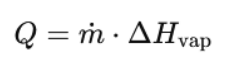
Where:
• Q is the rate of heat transfer (in watts or joules per second),
• 
is the mass flow rate of water evaporating (in kilograms per second), and
• ΔHvap is the latent heat of vaporization (in joules per kilogram).
• Restating the main idea, during evaporation water absorbs heat from its surroundings, leading to temperature changes in both the environment and the atmosphere. This process plays a significant role in shaping the local, regional, and global climate by influencing heat distribution and moisture levels across different ecosystems.
Surface Water and Local Climates
Large bodies of water, such as oceans, seas, and large lakes, play a vital role in shaping weather patterns because they can absorb, store, and release heat energy. Water has a higher specific heat capacity than land, meaning it can hold more heat [18]. This is why coastal areas often experience more moderate temperatures compared to inland regions. The effect is particularly noticeable in maritime climates, where summers are cooler and winters are milder compared to areas further inland [19]. Water bodies also contribute significantly to atmospheric moisture through evapora- tion. When water evaporates, it turns into vapor and rises into the air, becoming part of the atmosphere. This moisture is essential for cloud formation and precipitation, which, in turn, influence lo- cal and regional weather patterns. Evaporation from oceans, lakes, and rivers helps regulate temperatures by absorbing heat during the day and releasing it at night [20]. When warm, moist air from large bodies of water moves over cooler land areas, it can lead to the formation of fog. Coastal fog, which can dramatically reduce visibility and alter local weather conditions, is especially common in places where there is a significant temperature difference be- tween land and sea [21].
Water bodies also influence wind patterns. During the day, land heats up faster than water, causing air to rise over the land and creating a low-pressure zone. This pulls cooler air from the water toward the land, creating a sea breeze. At night, the reverse occurs, warmer air over the water pulls cooler air from the land, resulting in a land breeze [22]. In shallow groundwater and aquifers, when water is closer to the surface, it can evaporate into the air. This pro- cess absorbs heat from the surrounding environment, including the soil and air, resulting in a cooling effect. Soil moisture plays a key role in regulating local climate, with areas having more moisture typically experiencing more evaporation, leading to cooler temperatures than drier areas [23]. Soil moisture can also have long- term effects on local climate. During droughts, when the soil is dry, there is less evaporation, causing air temperatures to rise [24]. Conversely, wetter periods promote more evaporation, leading to cooler temperatures. Soil moisture also influences the heat ex- change between the soil and the atmosphere. Wet soil absorbs heat during the day and releases it slowly at night, helping to moderate temperature fluctuations. Dry soil, however, heats up and cools down quickly, resulting in more dramatic changes in temperature. Overall, water evaporation is a critical process that regulates local and global climates by moderating temperatures and contributing to precipitation. Soil moisture plays an important role in local cli- mate regulation and heat transfer, affecting evaporation rates and overall temperature. Changes in soil moisture can have a signifi- cant impact on local microclimates and broader weather patterns.
Forest Areas and Local Climates
Forests play a crucial role in the water cycle through a process called evapotranspiration. This is where moisture is released into the atmosphere, which helps form clouds and, eventually, leads to precipitation [25]. Tropical forests are known for their high rates of evapotranspiration. The rough surfaces of forest canopies cre- ate turbulence in the air, encouraging it to rise. As this moist air moves upward and cools, it can result in more cloud formation and precipitation [26]. Forests also help regulate local temperatures by providing shade and releasing moisture into the atmosphere, which in turn influences humidity levels and rainfall patterns. As a result, forested areas tend to have more stable and moderate microclimates compared to areas where trees have been cleared. Additionally, forests are key players in the hydrological cycle by intercepting rainfall and supporting groundwater recharge.
The water stored in forests is slowly released over time, impacting local water availability and influencing precipitation patterns [27]. On a global scale, the amount of groundwater extracted is staggering. It’s estimated that about 982 cubic kilometers of groundwater are pumped out each year, making it the most widely used raw material worldwide [28]. As cities grow, with more roads and buildlings, the land becomes less capable of absorbing water. Instead of soaking into the ground, rainwater is funneled into storm drains and rivers, bypassing the natural processes that allow ground- water to recharge [29]. Furthermore, both agricultural practices and urban development can cause soil compaction and erosion, which reduce the soil's ability to absorb water. These further limits groundwater replenishment, making it harder for us to access this essential resource [30].
Global Temperature Rising, Data Gathered from Point Observations and Data Accuracy
The IPCC's findings form the basis for global temperature targets outlined in international agreements like the Paris Agreement. This historic accord aims to limit global warming to well below 2°C above pre-industrial levels, with a goal to restrict the increase to 1.5°C. The IPCC's Special Report on Global Warming of 1.5°C was pivotal in highlighting the differing impacts between 1.5°C and 2°C of warming, which helped shape these ambitious targets. Globally, temperature data is collected from vast networks of weather stations and satellites, which track temperatures at both land and sea surfaces in line with the IPCC's reports. However, the accuracy of this data relies heavily on the condition and location of these weather stations, which must be analyzed from multiple perspectives. The placement of a weather station is critical for ensuring precise data and standardization. Until the late 19th century, weather stations around the world used Stevenson screens, also known as meteorological screens or instrument shelters. These standardized structures were designed to house manual meteorological instruments, such as thermometers, hygrometers, and barometers.
The screens protect the instruments from precipitation and direct sunlight, while still allowing air to circulate freely around them. The location of a Stevenson screen is vital for accurate data collection. Proper placement is necessary to ensure reliable measures, and several factors impact climate data accuracy, including:
• Proximity to Buildings and Heat Sources: Buildings, roads, and other structures can absorb and re-radiate solar heat, leading to higher temperature readings near weather stations.
• Shade: Structures can cast shadows, affecting temperature readings during different times of the day.
• Obstructions: Trees and shrubs can block airflow and sunlight, skewing measurements of temperature and humidity.
• Soil Covers: Vegetation can create microclimates, so the ground surface should be natural, such as grass or soil, to avoid the heat retention of artificial surfaces like concrete.
• Height Above Ground Level: Stevenson screens are typically placed 1.25 to 2 meters above ground. Deviating from this standard height can make measurements inconsistent with global data.
• Topography: Placement on a slope, in a valley, or at higher elevations can alter readings due to changes in airflow, temperature, and humidity.
• Wind Flow: Open areas ensure natural wind flow, which is essential for accurate temperature and humidity readings.
Urbanization and changes in land cover have significantly affected the conditions surrounding many weather stations. For example, weather stations in Beirut, Lebanon, began collecting climate data in the 1880s when the population was much smaller. Today, the population has grown to around 2.5 million, and the surrounding environment has drastically changed due to urban development. Similar transformations have occurred globally. In addition to changes in land cover, other environmental factors such as groundwater depletion, drying surface water, and seawater intrusion must also be considered when analyzing temperature data. Unfortunately, many weather stations around the world have not carefully documented the specifics of their locations or the surrounding environment. It’s essential to measure soil moisture year-round, considering both wet and dry seasons, as it significantly influences temperature readings. The moisture content in the soil affects relative humidity, which, in turn, influences temperature measurements. A thermometer placed on moist soil will record a different temperature compared to one placed on dry, bare soil.
Factors like soil color, organic matter, and even rock outcrops can also affect readings.
The surrounding environment of a thermometer must be thoroughly described and understood, yet many stations fail to provide such detailed documentation. Furthermore, thermometers are no longer placed in traditional Stevenson screens, which complicates the accuracy of temperature records. Advancements in technology have replaced the Stevenson screen with a white plastic radiation shield for temperature and humidity sensors. Automated weather stations, which are easy to set up and maintain, are now common for recording climate data. However, the white plastic shields degrade over time due to solar radiation and dust accumulation, affecting their insulation. Dust collects on the radiation shield, changing its color and elevating temperature readings, which skews the data. Moreover, the steel mesh surrounding the temperature sensors slows the sensor’s response to the environment, further impacting accuracy. Although automated weather stations have significantly improved data collection, they still face challenges. The condition of radiation shields, the sensors' placement, and the surrounding environmental changes can all affect temperature accuracy. As cities grow and environmental conditions evolve, continuous monitoring and verification of weather station data are essential to ensure the integrity of the climate records used to inform global temperature targets and climate policies. To maintain reliable climate records, it’s crucial to address potential discrepancies, such as soil moisture and groundwater conditions, which can heavily influence temperature measurements. A thorough investigation into these factors will help ensure that the data used to track global temperature rise is as accurate as possible.
Discussion
Groundwater depletion has become a critical environmental and socio-economic issue, driven by rapidly growing populations and an escalating demand for freshwater. Its effects are wide-rang- ing, impacting ecosystems, agriculture, infrastructure, and com- munities. Unsustainable groundwater extraction, particularly for agricultural irrigation, has caused water tables to fall, leading to dried-up wells and threatening drinking water supplies. This crisis is especially severe in regions like Northwest India, the Central U.S., parts of China, Iran, and many other places worldwide, high- lighting the global scale of the problem. Data from aquifers around the world show significant drops in groundwater levels, with some areas experiencing depletion of up to 50 meters. This overuse not only reduces groundwater availability but also disrupts surface water systems, diminishing streamflow. The decline in baseflows harms rivers, lakes, and wetlands, disrupting aquatic ecosystems, degrading water quality, and limiting water supplies for agriculture and daily use. A prominent example is the Ogallala Aquifer, where excessive water extraction has resulted in reduced flow in the Arkansas and Platte Rivers, directly affecting farming and local water availability.
The connection between groundwater depletion and climate change adds even more complexity. Groundwater plays a key role in regulating the Earth's heat exchange processes, influencing both local and global climates. Evaporation from soil and water bodies, along with evapotranspiration, helps maintain temperature balance and contribute to precipitation patterns. However, as groundwater levels fall, these processes are disrupted, which can worsen microclimate shifts by reducing soil moisture and altering local weather patterns. On top of environmental impacts, groundwater depletion also affects temperature measurements from weather stations. As urbanization and land development have transformed the areas around many stations, the accuracy of climate data has been compromised. Factors such as soil moisture, groundwater depth, and the availability of nearby surface water and forests all influence local temperatures and humidity, which in turn affect temperature readings. In places like Beirut, Lebanon, where weather stations have been tracking data for over a century, these urban changes have led to inaccurate assessments of current climate conditions.
Conclusion
Groundwater depletion has become a pressing issue that’s impact- ing both the environment and society in ways we can no longer ignore. With the global population continuing to grow and the de- mand for freshwater rising, we are extracting groundwater faster than it can naturally replenish. This has serious consequences for ecosystems, agriculture, and communities that depend on this vi- tal resource. Regions like India, the U.S., China, and the Middle East are already feeling the effects, with groundwater levels drop- ping rapidly, and the problem is spreading. But it’s not just about running out of water. As groundwater levels drop, surface water systems are affected too, leading to lower rivers and stream flows. This harms aquatic life, degrades water quality, and further limits the water available for both agriculture and daily use. Groundwater depletion also exacerbates climate change, creating a feedback loop that makes local and global climate patterns more extreme. As soil moisture decreases, processes like evaporation and transpiration—key to regulating temperature and precipitation are disrupted, leading to hotter temperatures, more intense droughts, and unpredictable rainfall.
What many overlook is that groundwater depletion isn’t just a con- sequence of climate change, it’s contributing to it. While green- house gas emissions often take the blame for global warming, the depletion of groundwater plays a crucial role in driving climate shifts too. As groundwater levels fall, the soil dries out, trapping more heat in the surface, which builds up over time, raising temperatures and altering weather patterns. This is an important yet frequently overlooked factor in the climate crisis. Groundwater depletion isn’t just a side effect of human activity; it’s actively driving the climate changes we’re experiencing. Additionally, the accuracy of climate data from weather stations is being affected by changes in the environment. As cities grow and landscapes shift, temperature readings from these stations can be skewed. Factors like soil moisture and groundwater levels influence how temperatures are recorded, and without proper monitoring, this data may no longer accurately reflect the current climate. To truly understand what’s happening, we need to consider all the factors influencing our climate, including groundwater depletion. To address this issue, we need to adopt a more integrated approach. Sustainable water management, adapting climate strategies, and improving the accuracy of environmental monitoring systems are all essential. Understanding the role of groundwater depletion in climate change is critical. If we grasp the complex relationship between groundwater, soil moisture, and climate, we can better protect our water resources and work toward a more sustainable future. Groundwater depletion isn’t just a water problem; it’s a cli- mate problem that requires our immediate attention.
References
- Jomaa, I., & Shaban,A. (2018). Improving water-Use efficiency and productivity in the Litani River basin. In The Litani River, Lebanon: An Assessment and Current Challenges (pp. 107- 119). Cham: Springer International Publishing.
- Leach, A. R. (2012). Land subsidence related to pumping of groundwater in the lower Mississippi River alluvial plain. Journal of Geophysical Research: Solid Earth, 117.
- Leach, A. R. (2012). Land subsidence related to pumping of groundwater in the lower Mississippi River alluvial plain. Journal of Geophysical Research: Solid Earth, 117.
- Mohsen, M. (2017). Seawater intrusion in the Nile Delta aquifer, Egypt. Hydrological Sciences Journal, 62(2), 228- 240.
- Wada, Y., Van Beek, L. P., Van Kempen, C. M., Reckman, J. W., Vasak, S., & Bierkens, M. F. (2010). Global depletion of groundwater resources. Geophysical research letters, 37(20).
- Sophocleous, C. (2002). Groundwater investigations in western Kansas. Kansas Geological Survey Bulletin, 249(1).
- Trenberth, K. E. (2009). Observations of oceanic heat content.Earth's Climate: Change and Its Causes, 175.
- Michel, D. (2011). Recent decline in the mountain headwaters of the Litani River, Lebanon: A combined analysis of MODIS snow cover and GRACE gravimetry. Hydrological Processes, 25(26), 4315-4325.
- Jomaa, I. The Role of Groundwater Depletion in Local and Global Climate Change.
- Trenberth, K. E. (2009). Observations of oceanic heat content.Earth's Climate: Change and Its Causes, 175.
- Famiglietti, J. S., Lo, M., Ho, S. L., Bethune, J., Anderson,K. J., Syed, T. H., ... & Rodell, M. (2011). Satellites measure recent rates of groundwater depletion in California's Central Valley. Geophysical Research Letters, 38(3).
- Shiklomanov, I. A. (2000). World freshwater resources. Water.
- Condon, L. E., Kollet, S., Bierkens, M. F., Fogg, G. E.,Maxwell, R. M., Hill, M. C., ... & Abesser, C. (2021). Global groundwater modeling and monitoring: Opportunities and challenges. Water Resources Research, 57(12), e2020WR029500.
- Sophocleous, C. (2002). Groundwater investigations in western Kansas. Kansas Geological Survey Bulletin, 249(1).
- Snow, F. J. (1982, March). American society of heating, refrigeration, and air conditioning engineers (ASH RAE) thermographic standard 101 P. In Thermal infrared sensing applied to energy conservation in building envelopes (Vol. 313, pp. 94-98). SPIE
- Linsley Jr, R. K., Kohler, M. A., & Paulhus, J. L. (1975). Hydrology for engineers.
- Allen, R. G. (1998). Dual crop coefficient method for estimating evaporation from soil and applied water. Irrigation Science, 16, 78.
- Lutgens, F. K., & Tarbuck, E. J. (2009). The atmosphere: An introduction to weather and climate.
- Donald Ahrens, C., & Henson, R. (2015). Meteorology today: An introduction to weather, climate and the environment.
- Linsley, R. K., Kohler, M. A., & Paulhus, J. L. S. (2014). Hydrology for engineers.[invalid URL removed].
- Stull, R. B. (2012). An introduction to boundary layer meteorology (Vol. 13). Springer Science & Business Media.
- Hobbs, P. V. (2006). Atmospheric science: an introductorysurvey. Elsevier Academic Press.
- Allen, R. G. (1998). Dual crop coefficient method forestimating evaporation from soil and applied water. IrrigationScience, 16, 7-8.
- Mo, K. C. (2009). Drought and its impacts on regional climate change in China. Journal of Climate, 22(23), 6791-6807.
- Vorosmarty, P. (2000). Global terrestrial evapotranspiration (ET) from satellite data. Water Resources Research, 36(7), 2100-2108.
- Linsley Jr, R. K., Kohler, M. A., & Paulhus, J. L. (1975). Hydrology for engineers.
- Bruijnzeel, L. A., & Scatena, F. N. (2000). Salas: Large Amazonian floodplain forests. The Biodiversity Crisis and Tropical Forest Silviculture (pp. 151-184).
- Shiklomanov, I. A. (2000). World freshwater resources. Water.
- Heathcote, I. W. (1998). Urban hydrology.
- Lal, R. (2001). Soil degradation by land use change and its effects on land productivity. Land Degradation & Development, 12(2), 161-177.