



Research Article - (2026) Volume 9, Issue 3
NOx Integrated Neurodivergent Interaction Profile (NINIP) Interpretation and Reflective Understanding Framework

Received Date: Jun 01, 2026 / Accepted Date: Jun 22, 2026 / Published Date: Jul 02, 2026
Copyright: ©2026 Bruce H. Knox. This is an open-access article distributed under the terms of the Creative Commons Attribution License, which permits unrestricted use, distribution, and reproduction in any medium, provided the original author and source are credited.
Citation: Knox, B. H. (2026). NOx Integrated Neurodivergent Interaction Profile (NINIP) Interpretation and Reflective Understanding Framework. Adv Neur Sci, 9(3), 01-11.
Abstract
The Nox Integrated Neurodivergent Interaction Profile (NINIP) is a reflective, non-diagnostic framework designed to help individuals better understand the interaction between dyslexia, Level 1 Autism Spectrum Disorder (ASD), executive- function strain, sensory processing, emotional regulation, and autonomic nervous-system dysregulation. This monograph- style paper presents the full NINIP framework, including its conceptual rationale, interpretive profile types, complete assessment template, scoring domains, interpretation matrix, all matrix definitions, Overall Load Index, and reflective notes structure. The framework is grounded in neurodiversity theory, strengths-based cognition research, executive- function literature, autistic camouflaging and burnout research, dyslexia research, and autonomic regulation literature. Its central premise is that brilliance and burden may coexist: high conceptual ability, systems-level thinking, creativity, and insight may occur alongside fatigue, cognitive inconsistency, sensory overload, emotional strain, hidden adaptive effort, and burnout vulnerability. The NINIP does not diagnose neurodevelopmental or medical conditions. Rather, it offers a structured reflective method for making hidden load visible, supporting self-understanding, communication, and discussion with appropriate professionals. The Overall Load Index is proposed as a conceptual measure of how hard the nervous system is working simply to allow a person to appear functional. Further research is required to validate the framework psychometrically and to evaluate its utility across diverse neurodivergent populations.
Keywords
Neurodiversity, Dyslexia, Autism, Executive Function, Dysautonomia, Autistic Burnout, Cognitive Load, Reflective Framework, Hidden Cognitive Labour, Overall Load Index
Introduction
The Nox Integrated Neurodivergent Interaction Profile (NINIP) is a reflective framework designed to help individuals better understand the interaction between dyslexia, Level 1 Autism Spectrum Disorder (ASD), executive-function strain, sensory processing, emotional regulation, and autonomic nervous-system dysregulation (dysautonomia) [1-5]. The framework is grounded in contemporary neurodiversity theory, strengths-based cognition research, executive-function literature, autistic masking studies, burnout theory, and autonomic regulation research [6-10]. The NINIP recognizes that many neurodivergent individuals demonstrate asynchronous profiles in which very high conceptual ability, systems-level thinking, creativity, and insight coexist alongside fluctuating functionality, cognitive fatigue, emotional overload, sensory strain, and hidden adaptive effort [11-15].
What the Tool Can Reveal
The NINIP is designed to illuminate hidden patterns that may otherwise remain poorly understood. The framework explores the interaction between cognitive architecture, emotional regulation, sensory load, executive functioning, and autonomic nervous-system strain. It helps explain why an individual may appear highly capable while simultaneously experiencing substantial exhaustion, inconsistency, overload, or burnout. Research increasingly supports the existence of hidden cognitive labour and chronic compensatory adaptation within neurodivergent populations [12-15].
Capability Does Not Always Equal Functional Consistency
Research across autism and dyslexia literature demonstrates that intelligence and functional consistency are not synonymous [16-18]. Highly capable individuals may possess advanced conceptual reasoning yet experience difficulty with written expression, executive function, working-memory access, processing speed, or emotional regulation under stress [19-21]. The framework therefore helps explain the lived experience frequently described by neurodivergent individuals: 'I know I am capable, yet I cannot consistently access that capability.'
Hidden Cognitive Labour
Autistic masking literature and dyslexia compensation research increasingly recognise the existence of substantial invisible effort beneath externally successful functioning [12-15]. Neurodivergent individuals may expend enormous energy translating thoughts into language, regulating sensory input, monitoring social interaction, masking confusion, compensating for executive strain, and attempting to appear functional within conventional environments.
Sensory Load and Cognitive Access
Contemporary research demonstrates strong interaction between sensory processing, autonomic regulation, fatigue, stress activation, and cognitive access [10,15]. Dysautonomia, sensory overload, and emotional strain may impair verbal fluency, executive functioning, attention regulation, and working-memory efficiency. The NINIP therefore recognises that fluctuating cognition may reflect nervous-system overload rather than reduced intelligence or motivation.
Burnout Vulnerability
Autistic burnout research increasingly identifies chronic exhaustion arising from prolonged masking, social adaptation, executive overload, sensory strain, and sustained compensatory functioning [13-14]. Burnout may involve emotional shutdown, cognitive collapse, withdrawal, increased sensory sensitivity, and severe fatigue. The NINIP therefore interprets persistently elevated scores across multiple domains as indicators of increased burnout vulnerability.
The Coexistence of Brilliance and Burden
One of the central principles of the NINIP is that brilliance and burden may coexist simultaneously. Research increasingly recognises that exceptional creativity, systems-level thinking, pattern recognition, deep focus, interdisciplinary insight, and innovative problem-solving may coexist alongside exhaustion, overload, executive strain, and emotional fatigue [2-4,11].
Interpretation of the Profile Types
The Systems Architect
This profile reflects individuals with very high systems-level cognition, strategic thinking, conceptual integration ability, and organisational redesign capacity. Such individuals may naturally identify patterns, detect inconsistencies, redesign inefficient systems, and think holistically across disciplines [3-4,11]. They may excel within governance, research, innovation, systems redesign, and strategic planning while simultaneously struggling within rigid bureaucratic structures or socially conventional communication environments.
Summary Interpretation:
• Strong strategic and systems-level cognition
• Natural organisational redesign capacity
• Potential frustration with inefficient systems
• Need for intellectual autonomy and conceptual stimulation
The Hidden Cognitive Labour Profile
This profile reflects individuals who appear outwardly highly capable while internally experiencing substantial cognitive strain, emotional fatigue, executive overload, and compensatory effort [12-15]. Others may underestimate the difficulty involved because outward functionality masks internal overload.
Summary Interpretation:
• Significant invisible cognitive effort
• Frequent exhaustion despite competence
• Emotional fatigue from sustained adaptation
• High risk of misunderstanding by others
The Sensory-Autonomic Overload Profile
This profile reflects significant nervous-system vulnerability involving sensory overload, fatigue, autonomic dysregulation, brain fog, emotional shutdown, and fluctuating cognitive access [10,15]. Increasing evidence supports strong interaction between autonomic instability, sensory processing, fatigue, and executive functioning.
Summary Interpretation:
• Nervous-system overload significantly affecting cognition
• Reduced tolerance for sensory and social demand
• Fatigue-related cognitive fluctuation
• Need for recovery, regulation, and environmental support
The Visionary-Resilient Profile
This profile reflects deep creativity, meaning-making ability, emotional depth, ethical orientation, reflective capacity, and visionary thinking [2-4]. Neurodivergent creativity literature frequently identifies heightened originality, nonlinear thinking, conceptual integration, and profound reflective depth.
Summary Interpretation:
• Strong creativity and conceptual originality
• Deep reflective and emotional capacity
• Potential transformational insight and leadership
• Increased vulnerability to emotional overload and existential exhaustion
The Burnout-Vulnerable Integrator
This profile reflects individuals demonstrating both exceptional capability and exceptionally high adaptive burden. Research into neurodivergent burnout suggests that prolonged overcompensation, chronic masking, sensory strain, and sustained overload may eventually result in collapse, health deterioration, or severe functional exhaustion [13-14].
Summary Interpretation:
• Extraordinary capability coexisting with severe overload risk
• Chronic hidden adaptive effort
• Increased burnout and health vulnerability
• Requires careful environmental and nervous-system protection
Understanding High Scores
Within the NINIP framework, high scores indicate significant burden, overload, strain, instability, or functional impact within the domain being assessed. A score of 1 indicates minimal impact, while a score of 10 indicates very high or defining impact. High scores are interpreted according to:
• frequency of the experience,
• emotional intensity,
• cognitive or physiological burden,
• recovery cost,
• adaptive effort required,
• and impact upon daily functioning.
Importantly, high scores are not interpreted as moral weakness or personal failure. Rather, they indicate that the individual may be carrying substantial hidden neurological, emotional, sensory, executive, or autonomic load.
NINIP - Assessment Template
SECTION 1 — INSTRUCTIONS
Purpose
This tool maps:
• Cognitive load
• Sensory/autonomic load
• Emotional/social burden
• Functional consistency
• Cognitive strengths
• Meaning & resilience
It is NOT diagnostic.
How to Complete
• Rate every item 1–10
• Total each section
• Calculate averages
• Use matrix
• Determine profile
Rating Guide
|
Score |
Meaning |
|
1–2 |
Minimal |
|
3–4 |
Mild |
|
5–6 |
Moderate |
|
7–8 |
High |
|
9–10 |
Severe |
SECTION 2 — SCORING SHEETS
SECTION A — Cognitive & Executive Strain (15 items)
|
Item |
Score — 1 is no issue, 10 is severe |
|
Difficulty translating thoughts |
|
|
Word-finding difficulty |
|
|
Slow writing |
|
|
Spelling inconsistency |
|
|
Communication fatigue |
|
|
Linear sequencing difficulty |
|
|
Executive dysfunction (stress) |
|
|
Working memory issues |
|
|
Loss of fluency under load |
|
|
Admin task difficulty |
|
|
Inconsistent output |
|
|
Multitasking difficulty |
|
|
Accessing intelligence under fatigue |
|
|
Confidence fluctuation |
|
|
Capability vs function tension |
|
Total A = Average A = Total ÷ 15 =
SECTION B — Sensory & Autonomic (11 items)
|
Item |
Score — 1 is no issue, 10 is severe |
|
Noise overload |
|
|
Sensory sensitivity |
|
|
Brain fog |
|
|
Recovery difficulty |
|
|
Social fatigue |
|
|
Autonomic instability |
|
|
Post-exertional collapse |
|
|
Stress reactivity |
|
|
Shutdown response |
|
|
Input filtering difficulty |
|
|
Interruptions intolerance |
|
Total B = Average B = Total ÷ 11 =
SECTION C — Emotional & Social (12 items)
|
Item |
Score — 1 is no issue, 10 is severe |
|
Masking exhaustion |
|
|
Anxiety from correction |
|
|
Social fatigue |
|
|
Feeling misunderstood |
|
|
Self-doubt |
|
|
Emotional pain |
|
|
“Too much / not enough” |
|
|
Explaining self difficulty |
|
|
Fear of mistakes |
|
|
Feeling isolated |
|
|
Exhaustion from compensating |
|
|
Feeling invisible |
|
Total C = Average C = Total ÷ 12 =
SECTION D — Regulation & Consistency (9 items)
|
Item |
Score — 1 is no issue, 10 is severe |
|
Task switching difficulty |
|
|
Perfectionism paralysis |
|
|
Burnout cycles |
|
|
Bureaucracy difficulty |
|
|
Effort for normal tasks |
|
|
Day-to-day inconsistency |
|
|
Creativity vs precision tension |
|
|
Hidden cognitive labour |
|
|
Decision fatigue |
|
Total D = Average D = Total ÷ 9 =
SECTION E — Cognitive Strengths (25 items)
|
Item |
Score — 1 is no issue, 10 is severe |
|
Systems thinking overload |
|
|
Pattern recognition overload |
|
|
Idea connection drive |
|
|
Deep processing |
|
|
Nonlinear thinking mismatch |
|
|
Constant problem-solving |
|
|
Strategic overthinking |
|
|
Sensitivity to inconsistency |
|
|
Detail overload |
|
|
Rapid systems analysis |
|
|
Original thinking mismatch |
|
|
Simplification difficulty |
|
|
Imagination overload |
|
|
Information synthesis fatigue |
|
|
Visionary burden |
|
|
Isolation from independence |
|
|
System redesign compulsion |
|
|
Framework difficulty |
|
|
Pattern scanning constant |
|
|
Frustration at others' limits |
|
|
Deep thinking persistence |
|
|
Holistic overload |
|
|
Multi-discipline strain |
|
|
Research fatigue |
|
|
Translating ideas difficulty |
|
Total E = Average E = Total ÷ 25 =
SECTION F — Meaning & Depth (22 items)
|
Item |
Score — 1 is no issue, 10 is severe |
|
Difficulty disengaging |
|
|
Cannot stop despite exhaustion |
|
|
Hyperfocus fatigue |
|
|
Distress from injustice |
|
|
Empathy overload |
|
|
Creative intensity overload |
|
|
Loyalty imbalance pain |
|
|
Hyper-awareness fatigue |
|
|
Over-reflection exhaustion |
|
|
Pressure to be resilient |
|
|
Persistence under adversity |
|
|
Reflection overwhelm |
|
|
Meaning-seeking compulsion |
|
|
Logic vs imagination tension |
|
|
Authenticity vulnerability |
|
|
Adapting exhaustion |
|
|
Distress at incoherence |
|
|
Creative emotional fatigue |
|
|
Transformational burden |
|
|
Isolation from learning |
|
|
Intellectual persistence fatigue |
|
|
Emotional sensitivity overload |
|
Total F = Average F = Total ÷ 22 =
SECTION 3 — MATRIX INTERPRETATION PAGE
Having completed the analysis now please looking at the criteria from A to F above Please note your highest score and then your second highest score and using the matrices below identify the intersect
Determine: noting that your highest score goes along the Y axis that's the up and down 1 and your second highest score goes on your X axis which is the horizontal 1 then find the intersect put a circle around it
Highest average score (Primary) → Y-axis
Second highest average (Secondary) → X-axis
MATRIX
|
Primary ↓ / Secondary → |
A |
B |
C |
D |
E |
F |
|
A |
Cognitive overload |
Cognitive + sensory |
Cognitive-emotional |
Executive instability |
Hidden Cognitive Labour |
Cognitive-depth tension |
|
B |
Sensory-cognitive |
Sensory dominant |
Sensory-emotional |
Sensory burnout |
Sensory vs intelligence |
Empathic overload |
|
C |
Emotional-cognitive |
Emotional-sensory |
Emotional dominant |
Emotional burnout |
Emotional + intelligence |
Deep emotional intensity |
|
D |
Executive breakdown |
Regulation + sensory |
Regulatory emotional |
Regulation dominant |
Burnout + intelligence |
Persistence fatigue |
|
E |
Intelligence + strain |
Cognitive + sensory |
Emotional intelligence strain |
Hidden load / burnout mix |
Systems thinker |
Visionary- Resilient |
|
F |
Meaning strain |
Depth + sensory |
Emotional depth |
Meaning burnout |
Visionary tension |
Existential depth |
SECTION 3.1 — MATRIX DEFINITIONS (ALL 36 INTERSECTIONS)
This finding details the overall pattern of how the cognitive functions work - Above provides a definition and exemplar for each
A ROW — COGNITIVE STRAIN AS PRIMARY
A × A — Cognitive Overload Core — A dominant pattern of internal cognitive strain where thinking itself becomes effortful, inconsistent, and fatiguing under sustained demand.
A × B — Cognitive–Sensory Conflict — Cognitive functioning is significantly disrupted by sensory and physiological overload, leading to reduced access to thinking under environmental stress.
A × C — Cognitive–Emotional Fatigue — Mental processing is heavily impacted by emotional pressure, resulting in fatigue, self-doubt, and difficulty sustaining clarity.
A × D — Executive Instability Profile — Cognitive capability is present but undermined by inconsistency, task-switching difficulty, and executive dysfunction.
A × E — Hidden Cognitive Labour Profile — High intelligence coexists with significant difficulty translating thought into output, requiring continuous hidden effort.
A × F — Cognitive–Depth Tension — Deep and complex thinking creates strain, as meaning-making and insight generation become cognitively overwhelming.
B ROW — SENSORY/AUTONOMIC AS PRIMARY
B × A — Sensory-Impaired Cognition — Sensory and autonomic overload directly reduces cognitive clarity, access, and performance.
B × B — Sensory Dominant Profile — The nervous system is the primary driver, with overload, fatigue, and physiological instability shaping all functioning.
B × C — Sensory–Emotional Overload — Sensory stress triggers emotional dysregulation, resulting in compounding distress and withdrawal.
B × D — Sensory-Driven Burnout — Persistent physiological strain leads to exhaustion, reduced tolerance, and collapse under ongoing demand.
B × E — Sensory–Cognitive Intensity Conflict — Strong cognitive ability is constrained by sensory overload, creating a mismatch between potential and usable capacity.
B × F — Sensory–Empathic Overload — Heightened sensitivity combines with emotional depth, producing rapid overwhelm in complex or intense environments.
C ROW — EMOTIONAL/SOCIAL AS PRIMARY
C × A — Emotional Impact on Cognition — Emotional stress and social burden reduce cognitive functionality and clarity.
C × B — Emotional–Sensory Stress Interaction — Emotional strain is amplified by sensory overload, leading to compounded overwhelm.
C × C — Emotional Dominant Profile — Emotional and social processing is the central driver, with high sensitivity and relational strain shaping experience.
C × D — Emotional Burnout Risk — Sustained emotional effort, masking, and misunderstanding lead to exhaustion and reduced resilience.
C × E — Emotional–Intellectual Strain — Strong thinking ability coexists with emotional burden, leading to fatigue from both internal and external pressure.
C × F — Deep Emotional Processing Profile — Profound emotional and reflective depth creates intensity, insight, and vulnerability simultaneously.
D ROW — REGULATION / CONSISTENCY AS PRIMARY
D × A — Executive Breakdown Profile — Cognitive ability is compromised by regulation difficulties, leading to inconsistent output and reliability challenges.
D × B — Regulation–Sensory Fatigue — Autonomic strain undermines regulation, making recovery difficult and consistency unstable.
D × C — Regulatory–Emotional Strain — Emotional load interferes with self-regulation, increasing instability and fatigue.
D × D — Regulation Dominant Profile — Functional inconsistency, burnout cycles, and difficulty sustaining performance are the primary features.
D × E — Burnout from Cognitive Overuse — High cognitive engagement leads to repeated overextension, resulting in cycles of burnout and recovery.
D × F — Persistence Fatigue Profile — Strong drive and resilience lead to overexertion, resulting in exhaustion from sustained effort.
E ROW — COGNITIVE STRENGTHS AS PRIMARY
E × A — Intelligence with Translation Strain — High-level thinking is constrained by difficulty expressing, structuring, or operationalising ideas.
E × B — Cognitive–Sensory Strain Profile — Advanced cognition is frequently disrupted by sensory overload, limiting consistent access to ability.
E × C — Emotionally Taxed Intelligence — Intellectual capacity is present but heavily burdened by emotional and social strain.
E × D — Hidden Load / Burnout Mix — Exceptional thinking ability is paired with functional inconsistency and cumulative burnout risk.
E × E — Systems Thinker Core Profile — Dominant systems-level cognition, pattern recognition, and integrative thinking define the individual.
E × F — Visionary–Resilient Profile — High intelligence combined with emotional depth produces insight, meaning-making, and transformational potential.
F ROW — DEPTH / MEANING AS PRIMARY
F × A — Meaning-Driven Cognitive Strain — A strong drive for meaning and depth places continuous demand on cognitive processing.
F × B — Depth–Sensory Fatigue — Emotional and perceptual sensitivity combine to create rapid overload and fatigue.
F × C — Emotional Depth Profile — Deep empathy, reflection, and emotional awareness strongly shape perception and experience.
F × D — Meaning-Driven Burnout — Persistent engagement with meaningful or complex issues leads to exhaustion and reduced sustainability.
F × E — Visionary Tension Profile — Deep insight and high-level thinking generate internal pressure and difficulty aligning with conventional systems.
F × F — Existential Depth Core — A defining orientation toward meaning, truth, and reflection shapes identity, often accompanied by intensity and isolation.
SECTION 4 — FINAL OUTPUT [Raw Score]
Section Scores You get this from your analysis above and just insert them into the spaces below then undertake the little bit of maths in the table footer
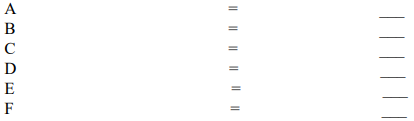
Overall Load Index [See Appendix 1]
(A + B + C + D + E + F) ÷ 6 =
The overall load indexed the higher the number the more it tells you that
The Overall Load Index (OLI) is a multidimensional measure of the cumulative neurocognitive, sensory, emotional, social, and physiological effort required for an individual to maintain functional performance within a given environment.
Or more simply:
The Overall Load Index measures how hard the nervous system is working simply to allow a person to appear functional.
Interpretation
OLI 0–20
Low Load The nervous system is coping comfortably. Functioning is relatively effortless.
OLI 21–40
Moderate Load Functioning requires effort. Some recovery time required. Generally sustainable.
OLI 41–60
High Load The individual is compensating significantly. Hidden labour increases. Fatigue becomes noticeable.
OLI 61–80
Very High Load Daily functioning requires substantial energy. Mistakes increase. Recovery periods become essential. Burnout risk rises.
OLI 81–100
Critical Load The nervous system is operating near capacity. Common manifestations include: shutdown, brain fog, emotional collapse, sensory overwhelm, cognitive inconsistency, post-exertional deterioration.
Interpretation Summary (You write)
SECTION 5 — NOTES
Use this section FOR reflect on:
• patterns
• triggers
• environments
• supports needed
Publication Ethics and Submission Declarations
Funding: No external funding was received for the research, authorship, or preparation of this manuscript.
Competing Interests: The author declares no competing interests.
Ethics Approval: Not applicable. This manuscript is a conceptual and reflective framework paper and does not report original human-participant research.
Consent to Participate: Not applicable. No human participants were recruited or studied.
Consent for Publication: The author consents to publication. No identifiable third-party personal data are included.
Privacy and Confidentiality: The NINIP is a reflective framework and should be used with respect for privacy, autonomy, informed consent, and appropriate data protection. Scores should not be used to diagnose, rank, exclude, or stigmatise individuals. Data Availability: No datasets were generated or analysed for this manuscript.
Author Contributions: Bruce H. Knox was solely responsible for conceptualisation, framework development, literature synthesis, writing, review, and final approval.
Use of AI Assistance: AI-assisted editing and document preparation were used to support formatting, citation alignment, and manuscript organisation. The author reviewed and accepts responsibility for the final content.
Limitations: The NINIP is not diagnostic and has not yet undergone psychometric validation, factor analysis, reliability testing, normative comparison, or clinical-outcome evaluation.
Acknowledgements: None.
References
- Singer J. NeuroDiversity: The Birth of an Idea. Judy Singer,2017. Originally based on Singer’s 1998 honours thesis.
- Armstrong T. The Power of Neurodiversity: Unleashing the Advantages of Your Differently Wired Brain. Cambridge, MA: Da Capo Press, 2010.
- Baron-Cohen S. The Pattern Seekers: A New Theory of Human Invention. London: Allen Lane, 2020.
- Mottron L. The power of autism. Nature. 2011,479(7371):33–35. doi:10.1038/479033a.
- Milton DEM. On the ontological status of autism: the “double empathy problem”. Disability & Society. 2012,27(6):883–887.
- Pellicano E, den Houting J. Annual Research Review: shifting from “normal science” to neurodiversity in autism science. Journal of Child Psychology and Psychiatry. 2022,63(4):381–396.
- Brown TE. A New Understanding of ADHD in Children and Adults: Executive Function Impairments. New York: Routledge, 2013.
- van der Kolk BA. The Body Keeps the Score: Brain, Mind,and Body in the Healing of Trauma. New York: Viking, 2014.
- Nicolson RI, Fawcett AJ. Dyslexia, Learning, and the Brain.Cambridge, MA: MIT Press, 2008.
- Hovaguimian A. Dysautonomia: Diagnosis and Management.Neurologic Clinics. 2023,41(1):193–213.
- Attwood T. The Complete Guide to Asperger’s Syndrome.London: Jessica Kingsley Publishers, 2007.
- Hull L, Petrides KV, Allison C, Smith P, Baron-Cohen S, Lai MC, Mandy W. “Putting on My Best Normal”: Social Camouflaging in Adults with Autism Spectrum Conditions. Journal of Autism and Developmental Disorders. 2017,47(8):2519–2534.
- Raymaker DM, Teo AR, Steckler NA, Lentz B, Scharer M, Delos Santos A, Kapp SK, Hunter M, Joyce A, Nicolaidis C. “Having All of Your Internal Resources Exhausted Beyond Measure and Being Left with No Clean-Up Crew”: Defining Autistic Burnout. Autism in Adulthood. 2020,2(2):132–143.
- Botha M, Frost DM. Extending the Minority Stress Model to Understand Mental Health Problems Experienced by the Autistic Population. Society and Mental Health. 2020,10(1):20–34.
- Geschwind N. Why Orton was right. Annals of Dyslexia. 1982,32:13–30.
- McQuaid GA, Pelphrey KA, Bookheimer SY, Dapretto M, Webb SJ, Bernier RA, McPartland JC, Van Horn JD, Wallace GL. The gap between IQ and adaptive functioning in autism spectrum disorder: Disentangling diagnostic and sex differences. Autism. 2021,25(6):1565–1579.
- Matthews NL, Christenson K, Kiefer S, Smith CJ. A mixed-methods examination of the gap between intelligence and adaptive functioning in autistic young adults without intellectual disability. Autism. 2021,25(8):2317–2330.
- Braverman Y, Edmunds SR, Hastedt I, Faja S. Mind the Gap: Executive Function is Associated With the Discrepancy Between Cognitive and Adaptive Functioning in Autistic Children without Cognitive Delay. Journal of Autism and Developmental Disorders. Published online 2024.
- Smith-Spark JH, Gordon R. Automaticity and Executive Abilities in Developmental Dyslexia: A Theoretical Review. Brain Sciences. 2022,12(4):446.
- Guerra A, Remaud J, Cadeau O, Charbonnier V, Dubrey MC, Proteau J, Daheron M, Le Roch M, Roulin JL, Fournet N, Le Gall D, Roy A. Assessing Executive Functions in Children With Developmental Dyslexia: A Comprehensive Approach.Dyslexia. 2025,32(1):e70016.
- 21. López-Resa P, Moraleda-Sepúlveda E. Working memory capacity and text comprehension performance in children with dyslexia and dyscalculia: a pilot study. Frontiers in Psychology. 2023,14:1191304.
Appendix 1
Defining the Overall Load Index (OLI)
A Conceptual Measure of Neurocognitive, Sensory, Emotional, and Physiological Burden
Based on the framework we have developed, the Overall Load Index (OLI) can be defined as:
The cumulative burden placed upon an individual's functional capacity by the interaction between neurodevelopmental differences, environmental demands, emotional labour, and physiological regulation.
In simple terms:
OLI measures how much effort the nervous system is expending simply to function.
The concept is particularly useful when examining individuals with:
• dyslexia,
• Level 1 autism,
• ADHD,
• dysautonomia,
• chronic illness,
• sensory processing differences,
• or combinations of these factors.
The Fundamental Principle
Two individuals may achieve exactly the same outcome.
For example:
• Both complete a university assignment.
• Both chair a meeting.
• Both teach a class.
However:
• Person A may expend: 10 units of effort.
• Person B may expend: 80 units of effort.
The outcome looks identical.
The load is completely different.
The Overall Load Index seeks to measure:
the hidden cost of functioning.
The Five Domains of Load The OLI can be conceptualised as consisting of five interacting domains.
1. Cognitive Load
• reading,
• writing,
• spelling,
• sequencing,
• memory retrieval,
• concentration,
• planning,
• task-switching,
• executive functioning.
• For dyslexia this is often elevated because: symbolic translation requires greater effort.
• For autism this may increase when: uncertainty, ambiguity, or social interpretation must be processed.
2. Sensory Load
• noise,
• crowds,
• lighting,
• temperature,
• smells,
• textures,
• visual complexity.
• Many autistic individuals operate with a chronically elevated sensory load.
• The nervous system must constantly filter information.
3. Social Load
• masking,
• interpreting social cues,
• managing expectations,
• conflict avoidance,
• emotional regulation,
• conversational monitoring.
• For many autistic adults, social load may be one of the largest contributors to exhaustion.
4. Emotional Load
• fear of criticism,
• repeated correction,
• misunderstanding,
• rejection sensitivity,
• perfectionism,
• self-doubt,
• emotional labour.
• Then your profile suggests emotional load is particularly influenced by: misunderstanding, correction, hidden effort, capability/functionality mismatch.
5. Physiological Load
• fatigue,
• illness,
• pain,
• autonomic dysfunction,
• sleep disruption,
• orthostatic intolerance,
• post-exertional symptoms.
• This is where dysautonomia becomes crucial.
• This reduced the nervous system's reserve capacity.