

Advances in Bioengineering and Biomedical Science Research(ABBSR)
ISSN: 2640-4133 | DOI: 10.33140/ABBSR

Impact Factor: 1.7

Review Article - (2019) Volume 2, Issue 3
Misconception about the Role of a Dose in Pharmacology: Short Review Report on the Biological and Clinical Effects
Received Date: Apr 02, 2019 / Accepted Date: Apr 10, 2019 / Published Date: May 06, 2019
Copyright: ©Copyright: ©2019 Yilkal Tariku Belay. This is an open-access article distributed under the terms of the Creative Commons Attribution License, which permits unrestricted use, distribution, and reproduction in any medium, provided the original author and source are credited.
Abstract
Screening of the pharmacological property of test chemical substances through experimental design is still a challenge in drug discovery and development. On the one hand, there is scientific misconception about the role of a dose in experimental toxicology. It is considered to be the fundamental concept of toxicology by which the poison of a chemical substance is made which is far from scientific reality due to the fact that the nature of a chemical substance could not be changed by simply quantification. This scientific misconception about the role of a dose in toxicology leads to the introduction of harmful pharmaceutical products to the pharmaceutical market as health care services which affect public health in different ways. On the other hand, the toxic property of a chemical substance is diverse, has a variety of adverse effects which make drug safety screening very difficult to analyse toxicity in a harmonized procedure.
In conclusion, the dose has no role to eliminate the toxicity of a chemical substance but it has the role to limit the magnitude of pharmacological effect which determines lifespan of an organism. Since the toxic property of a chemical substance is diverse, an integrated biological approach is preferable to analyse its toxicity in a harmonized manner to be able to limit the introduction of harmful pharmaceutical product to the pharmaceutical market.
Keywords
The dose, Pharmacological property, Experimental toxicology, Pharmaceutical productsIntroduction
The dose literally refers to the amount of a substance, medicine or drug in the field of nutrition, medicine and toxicology respectively to be utilized at a particular time for certain pharmacological purposes [1]. There is however scientific misconception about the pharmacological role of a dose in experimental toxicology in which it is considered to be the fundamental concept of toxicology that makes the poison of a chemical substance which is far from scientific reality due to the fact that the nature of a chemical substance could not be changed by simply quantification. The natural property of a chemical substance could neither be changed nor eliminated by limiting the amount of it. It is a contradiction to the scientific law of physics which states that ‘matter can neither be created nor destroyed’’ but rather it can be transformed into other form of matter by the use of energy. The fundamental principle of toxicology is deviated from this scientific reality by the fact that another chemical substance with different pharmacological property judged to be created from one chemical substance by quantification.
The study conducted by Belay Y 2011 and 2018 showed that the pharmacological property of any amount of administered test substance into the natural process of Balb c mice remained intact whether it was high or very low in amount [2,3]. The amount of administered test material could, however, change the magnitude of pharmacological effect and length of time at which its biological effect was manifested in the biology of treated Balb c mice in the oral route. The pharmacological effect of a dose starts at the biochemical and molecular level of an organism which perhaps cause biological response at the cellular level which eventually leads to biological response at the organismal level as the reactive dose in the natural process of an organism increases all of which has regulatory mechanism at each level (Figure 1). The biological effect of the lower dose perhaps limited at the molecular level which impacts the health of exposed organism in the long run as genetic disorders or metabolic disorders or cancer of different types depending on the site of damage introduced to the biological system [4,5]. The dose, therefore, didn’t eliminate the harmful property of a drug that has been administered into lab Balb c mice orally. All tested chemicals were toxic at any amount with different intensity which was computed using an integrated biological responses as toxic reaction rate (r) and toxic severity (s) during the course of metabolism [3,6,7]. This biological approach was considered one independent and two dependant research variables, as stated below respectively, to compute toxic severity and toxic reaction rate in treated Balb c mice [6,7]. The research variables used were: (1) the administered dose, (2) elapsed time for the manifestation of recognisable adverse effect in the biological system of treated Balb c mice and (3) the immune response against toxic effect of tested chemicals [6,7]. The fate of pharmacological property of tested chemicals were determined by the computed result of both toxic reaction rate and toxic severity rather than by the amount of test chemicals that has been administered into the study subject. Toxic reaction rate is the proportion of administered dose of test chemical that has been elicited undesired biological responses to treated laboratory animals which was computed using mathematical formula mg/sec whereas toxic severity is the magnitude or intensity of undesired biological effect caused by the drug that has been administered into the biological process of laboratory animals which was also computed using mathematical formula
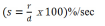 where r is toxic reaction rate, s is toxic severity, d is administered dose, t is elapsed time for adverse effect manifestation and ΔIg is change in immune response [6,7]. The study showed that the toxic severity of a dose accounted for the limited lifespan of an organism whereas the toxic reaction rate accounted for the safety pharmacology of tested chemicals. The higher the administered dose into the biological process of living organism, the higher the toxic severity would be which shortens the lifespan of exposed organism. This implies that the dose doesn’t determine safety but rather determines lifespan of an organism in its natural environment
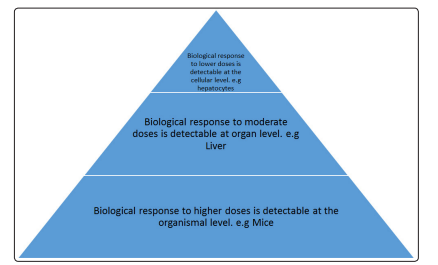
Figure 1: The dose doesn’t determine safety but the magnitude of pharmacological effect in the biological process of living thing
The body of an organism is a complex bio-transforming biological organization which is regulated with different regulatory mechanisms at different level by which one form of substance is converted into another forms by using biological enzymes and energy in the form of Adenosine triphosphate (ATP) [8,9]. The bio-transforming activity of the body mainly held within the alimentary canal and the cell. This biological organization has special senses which is able to understand and recognise the biological safety of xenobiotics before being accessed and processed by the different biological system. It is very hard for the body to take in any substance which is harmful to it. With the body’s keen sense of taste and smell, it would rather react to the harmful substance with painful biological responses such as vomiting which provides important preliminary information about the pharmacological property of a chemical substance. If we give a hungry cat, for instance, to drink a pesticide which is milky in colour, it would not drink it due to the fact that it would sense unpleasant feeling to it. The special senses provide primary protection to the body against hazard chemicals found in the environment where we are living. However, all xenobiotics are poisons with different nature and intensity of toxicity that may not be recognised by the special senses of the body before the process of digestion. Furthermore, the ingested chemical substance, which is accepted by the special senses for biological process, is always subjected for physiologically regulated ultra-filtration processes at different filtration units of the biological compartments before being absorbed and distributed into two fluid compartments of the body known as intracellular and extracellular fluids each of which has different composition of major cations and anions (Figure 2) [10]. The rate and extent to which orally administered chemical substance reaches the different body fluid compartments mainly depends on the physiological condition of the body, the chemical and physical nature of a chemical substance and the physiological condition of biological membranes at each body compartments. Water plays an important role within the body by which nutrients and other essential drugs transported and enter the cells and unwanted one removed from the cell and the body [10]. It also plays an important role by which enzymes, hormones, vitamins electrolytes and other substances are transported from one part to another part of the body [10]. Water also makes the medium for various metabolic reactions within the cell which are essential for growth and functional activities of both the cell and the body [10]. Some components of processed chemical substance administered orally would be isolated at different biological filtration unit and excreted by the excretory system of the body and some others which is selectively transported through the biological filtration unit will be subjected for further metabolic procedure within the cell for biological and pharmacological purposes, depending on the chemical component, within the biological process of the body.
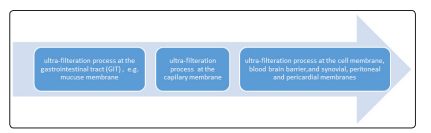
Figure 2: The different biological filtration units through which the metabolic byproducts being filtered and distributed to/ removed from different compartments of the body
Cell metabolism generally involves both catabolism (breakdown of absorbed substances) and anabolism (synthetic reaction that build up substances in different structure of the body) by which there is loss and gain of energy in the biological system of living things respectively [8]. The energy which was lost during catabolism is gained during anabolism which makes harmonious progression of life of a living thing. If the expenditure of energy declined during catabolism, which normally happens when there is change in intracellular pH level that affects activity of metabolic enzymes, the energy to be gained during anabolism would be equally affected which leads to undesirable biological changes within an organism [8,9]. Biologically transformed substances during catabolism and anabolism therefore always causes disproportioned desirable and undesirable effect to the natural process of living tissue depending on the nature of its chemical component. Of the undesired effects, biochemical and physio-pathological changes that have high tendency to alter the biological nature of an organism in which a notable example to mention is its cause to a living thing getting old, an ageing process with unknown mechanism yet [7]. If we don’t eat a dose of food substance frequently, we don’t get old but we die. If we eat, we get old. If we get old, we eventually die. Death is unavoidable one way another. Metabolism is therefore the means of life sustaining chemical transformation within the living organism if it is supplied with desirable dose of substance which is comparatively biological friendly [7]. This biologically activated chemical transformation allow living things to grow, and reproduce, helps to maintain their structures and normal physiology in the environment for limited period of time depending on the toxic severity and toxic reaction rate of ingested substance [7]. The metabolic system of an organism reveals the poisonous or nutritious or medicinal nature of a substance either at the cellular or organismal level depending on the amount of substance ingested [7]. Thus, the manifestation of harmful effect of a substance within the biology of an organism determined by the chemical nature rather than by the amount of substance ingested [7]. The amount of a substance ingested by the living organism could however speed up the time at which biochemical and physio-pathological changes could be manifested in the biological system of an organism [7]. Since the higher dose could manifest undesirable biological changes within a short period of time and the lower dose after a longer period of time in the treated organism, categorising of a single test substance into lethal dose (LD50) and effective does (ED50) has no scientific ground to declare at a point of time that the lower dose is safe and the higher dose is unsafe for life [7]. The undesired biological effect of lower doses of a chemical substance is likely to be manifested in the late ages of an organism which can be the reason why cancer is more prevalent in elderly population. The etiologic agent perhaps introduced to our biological process in early ages and its undesired effect possibly manifested in the later age. This means that if the higher dose is lethal to an organism, there is no scientific reason to declare that the lower dose is safe. A test substance said to be toxic not only when it has caused death but also undesired biological mechanism within treated lab animal.
Dose of a Drug and Its Hidden Undesired Effect
Evolution showed that all living things inherited desirable and typical genetic material from their predecessors through reproduction which makes the difference between them [11]. Today, however, there are thousands and millions of human and animal with anomalies and birth defects which might be hereditary or nonhereditary depending on the site of damage in the cell, tissue or organ system in which drug is one of the highest risk factors for the incidence [4]. Therapeutic drugs such as tetracycline, valproic acid, thalidomide and warfarin have been proved to be potential teratogens after being on market for many years [12]. There are thousands and millions of other diseases caused by chromosomal abnormalities and gene defects such as Cri du chat syndrome, Down syndrome and Achondroplasia, fragile-x syndrome respectively [4,13]. The genetic changes that cause these diseases can be a whole additional chromosome or a whole missing chromosome or a change of a single base in a gene sequence [4,13]. However, there is no specifically defined cause, other than speculation, about the abnormal chromosomes and defected genes which are causing these diseases. There are many chemical agents that can cause damage to cell nucleus and other cell organelles such as adverse effects of prescribed medications, poisons, environmental pollutants and recreational drugs like alcohol which are high risk factors for genetic disorders causing these diseases. In general, the drug’s mode of damaging the biological structure of an organism is diverse depending on the diverse chemical nature of the drug and nature of biological component of an organism reacted to it. The damaging effect of any harmful chemical might be manifested at the biochemical, cellular or organismal level depending on the amount of administered drug. This review, however, discusses the harmful effect of a drug to the cell membrane, cell metabolism and cell nucleus, that could be either somatic or germ cells or both, each of which has different health consequences in the population [14].
Somatic Cells
Somatic cells refers to the cells other than gamete cells [9,14,15]. The smallest basic unit of living thing is the cell from which an organ is formed by the aggregate of many different cells held together by intercellular biological structures [16]. The harmful effect of a chemical substance happened to these cells will cause different health consequences to the victim depending on the site of damage that would be discontinued with death of an organism. The different possible site of damage and its health impact briefly explained as follows:
Damage to Cell Membrane
The structure of cell membranes are composed of a bimolecular layer of phospholipids and cholesterol with hydrophilic and hydrophobic regions in which the water soluble polar heads of the phospholipids are faced on both surfaces and the hydrophobic ends are buried in the interior [16]. The cell membrane also contains considerable numbers of protein molecules in the lipid, many of which penetrate through the whole thickness of the membrane (transmembrane protein) many of which are glycoproteins with surface carbohydrate units [16]. The cell membrane is the site of the sodium ion pump which maintains cell volume by pumping sodium out of the cell [16]. It is also the site for hormones receptor and cell signal interaction [16]. The plasma membrane separates the cell from the extracellular compartment of the body which helps to give approximately balanced concentrations of electrolytes and other substances in extracellular and intracellular fluids [16]. The extracellular fluid for instance contains large amount of sodium but a small amount of potassium which is exactly the opposite for intracellular fluid [16]. The extracellular fluid also contains a large amount of chloride ions, whereas the intracellular fluid contains very little of it [16]. The concentrations of phosphates and proteins in the intracellular fluid are however considerably greater than those present in the extracellular fluid [16]. Damage to the cell membrane therefore affects these concentration differences which is extremely important to the life of the cell as well as the organism at large. When cell membranes are exposed to noxious substance, both outer plasma membrane and the membranes of organelles are at risk [5]. One of the first consequences of cell membrane damage is loss of sodium ion pump and cell swelling [4,13]. As the membrane becomes more permeable, abnormal calcium fluxes occur leading to mitochondrial damage and activation of phospholipases [14]. Damage to membranes in the rough endoplasmic reticulum (RER) results in disassociation of ribosomes which ceases protein synthesis [4,13]. Injury to mitochondrial membranes and sequestration of calcium inhibits oxidative phosphorylation in which the cell faces with starvation of energy in the form of ATP [4]. There are three main mechanism of cell membrane damage which could be either specific or nonspecific [4]. One of the most important mechanism of nonspecific cell membrane damage results from the action of free radicals on the unsaturated lipids in membranes. Free radicals are highly unstable chemical species that have a single unpaired electron in the outer orbit [17]. This leads to an autocatalytic chain reaction called lipid peroxidation which causes widespread damage [17]. Loss of phospholipids from decreased synthesis or increased degradation is another important mechanism of specific cell membrane damage, Nonspecific damaging of the cell membrane may lead to death of a particular cell [17]. Specific or selective damaging of the cell membrane on the other hand refers to the damage of ion channels and amino acid receptors which impacts the health of an organism in many ways [18]. Damage of ion channel leads to change of membrane potentials which causes physiological disorder which in turn leads to the tendency that an organism loses the state of internal balance known as homeostasis [4]. It is commonly known that neurons communicate by signals which involve release of excitatory and inhibitory transmitters and propagation of electrical signals [19]. These events involve the opening of ion channels with thermodynamically spontaneous fluxes of ions across cell membranes requiring ATP-dependent ion transport to restore the gradients [19]. Excitation involves opening of Na+ gates by the appropriate transmitter or modulator (eg. acetylcholine or glutamate), and inhibition the opening of K+ or Cl- gates by other agents eg. y-aminobutyric acid (GABA) or noradrenaline [19]. As in peripheral excitable tissues, release of transmitter is triggered by a voltage- or agonist dependent influx of Ca2+ into nerve terminals [19]. However, Ca2+ contributes to the inward current in postsynaptic structures as well, and some cells (eg. pyramidal cells in the middle cortical layers and in the hippocampus) possess high Ca2+ conductance’s in their apical dendrites, mediating excitation in which it has been considered to have an innate epileptogenic capacity, which is inhibited by a corresponding inhibitory (mainly GABAergic) influence [19]. Damaging of amino acid receptors on the cell membrane such as GABA, glutamate, glycine tend to change the chlorine ion permeability. The y-aminobutyric acid (GABA) antagonist for instance inhibit the release of chlorine which ultimately leads to convulsion [12].
Damaging of Cell Metabolism
Metabolism is a complex biological phenomena by which the different structure of living things are built from metabolic byproducts of the cell. It is an essential biological phenomenon which maintains the functional organization of living things and central homeostatic mechanism within the body [16]. Energy production for reproduction and growth is unthinkable without active metabolism within the structure of the cell by which one form of energy is converted into other form to ensure existence of life [8]. If metabolism ceased from its duty within the cell, the planet earth will be desert land within few days with no living creature on its surface. Metabolism involves oxygen, nutrients and metabolic enzymes which are essential for the origin, development and progression of life [16]. There will be no genetic control of protein synthesis, cell function and cell reproduction without preexistence of active metabolism. The metabolic potential of a cell could be, however, influenced by a dose of noxious chemical substance that can be manifested at the organismal level in many ways such as loss of bodyweight (wasting syndrome), lumbosacral spina bifida with menigomyelocele which is often accompanied by midfacial hypoplasia and congenital heart disease in which the proposed mechanism of action is the valproic acid influences folate metabolism, thereby altering the closure of the spinal column resulting in spina bifida [20]. There are different mechanism of damaging cellular metabolism depending on the amount and chemical nature of a drug. Off the damaging mechanism of cellular metabolism, inhibition of cellular respiration which inhibits NAD-NADH system and blocking cytochrome oxidase which results in cytotoxic anoxia [20]. Inhibition of the energy metabolism results in ATP depletion leading to fluxes of sodium, potassium and chlorine ions down their gradients across the membrane and swelling of the cell, Inhibition of protein synthesis which leads to reduced normal structural enzymes and alteration in replication and transcription [13,16]. Interfere with fat mobilization which results in accumulation of it in the cell, damaging of cellular metabolism causes functional disorders such as physiological disturbances, mental retardation and cellular and molecular abnormalities [13].
Damaging of Cell Nucleus
The nucleus, which contains large quantities of DNA (the genes), controls the various biological functions of the cell [16]. Living things have many biological control systems in its biological organization [16]. The most complex control system of these is the hereditary control system that operates in all cells to help control intracellular and extracellular functions [16]. Other control systems operate within the organs to control functions of individual parts of the organ, some others operate throughout the entire biological organization to control the interrelations between the organs [16]. Thus damaging of cell nucleus is potentially dangerous to cells because it may lead to chromosome breakage and genetic disorders [4]. Damaging of cell nucleus could be caused by exposure to mutagenic and carcinogenic drugs which ultimately causes mutation and tumor formation [4]. Mutation is the way in which the gene of the victim changes and produce permanent physical differences [4]. The mutagenic drugs usually cause chromosomal abnormalities and gene defects which in turn cause hereditary diseases some of which mentioned earlier [4]. These hereditary diseases are considered to be treated as natural by most cultural communities without knowing the etiologic agent. The mutagenic and carcinogenic drugs continue mysterious attack within the population who is possibly using it as part of health care services.
Germ Cells
A germ cell is any biological cell that gives rise to the gametes of an organism that reproduces sexually [21]. In many animals, the germ cells originate in the primitive streak and migrate via the gut of an embryo to the developing gonads [13,22]. It contains half the number of chromosome of a somatic cell which is able to unite with one from the opposite sex to form a gamete [21]. Damaging of germ cell leads to different health conditions such as birth defect, testicular or ovarian cancers that could be inherited by offspring [4]. The health conditions resulted from the damage of germ cell spreads in the population through reproduction in which the incidence rate would increase as the population increases [4]. In general, human anomalies, birth defects and cancers of different types are alarmingly increasing in the global population. According to International agency for research on cancer which issues a regular statistical analysis on cancer incidence in five continents, it is estimated that about 10 million new cases of cancer are diagnosed each year and cancer accounts for around 12% of all deaths worldwide [10]. It is clearly understandable that pharmaceutical products which are produced with assumption safety regulatory procedure in which there is misconception about the pharmacological role of a dose as determinant of safety, contribute to the incidence of this public health tragedy.
The toxic property of a chemical substance is diverse, has variety of adverse effect which makes toxicological investigation very difficult to analyse it in a specialized manner. A chemical substance which is toxic to the liver cell, it may not be toxic to the kidney cell. A chemical substance which is harmful to the respiratory system, it may not be harmful to the digestive system. A test chemical substance which is not toxic to laboratory animals, it may be toxic to humans. A chemical substance may manifest its adverse effect in the biological process of study animal within seconds or minutes whereas another chemical substance may manifest its adverse effect after days or weeks or months depending on the amount of a dose administered into the natural process of an organism. The manifestation of undesired pharmacological effect of a dose may be either during catabolism or anabolism or during both biotransformation mechanisms which might be detectable at the cellular or organismal level depending on the amount of a dose administered into the biological system. Harmonized guidelines on the practice of drug safety screening in experimental pharmacology therefore need to be developed to control introduction of harmful pharmaceutical products to the market as health care services.
Conclusion
The dose has no role to avoid or eliminate the toxic property of a chemical substance but it has the role to limit the magnitude of pharmacological effect which determines lifespan of a living thing. Due to the diversity of toxic property of a chemical substance, an integrated biological approach upon which modern clinical medicine is based preferably important to analyse the toxicity of a chemical substance in a specialised manner [23].References
- Wikipedia, The free encyclopedia. https://en.wikipedia.org/ wiki/Dose.
- Belay Y (2011) Study of safety and effectiveness of traditional dosage forms of the seed of Aristolochia elegans mast against malaria and laboratory investigation of pharmaco-toxicological properties and chemical constituents of its crude extracts. Ann Trop Med Public Health 4: 33-41.
- Belay Y (2018) Study of the principles in the first phase of experimental pharmacology: The basic step with assumption hypothesis. BMC Pharmacology and Toxicology.
- David A Levison, Robin Reid, Alastair D Burt, David J Harrison, Stewart Fleming (2008) Muir’s Textbook of Pathology, Clinical genetics, Cell injury, inflammation and repair, Edward Arnold (Publishers) Ltd, 14th edition, pp. 30-77.
- Karine F Ferri, Guido Kroemer (2001) Organelle-specific initiation of cell death pathways. Nature: cell biology 3: E255-E263.
- Yilkal Belay (2017) The impact of incomplete acute toxicity study in experimental Pharmacology: The basic technique in the development of unknown products into pharmaceutical one. Global Biotechnology congress, Conference Abstract. http://www.globalbiotechcongress.com/poster_program.php.
- Belay Y (2019) The Dose and its Acute Toxicology: A Systematic Review Article in the First Phase of Experimental Pharmacology. J Comp Biol Sys 2: 104.
- Murray RK, Grranner DK, Mayes PA, Rodwell CW (2009) Metabolism of proteins and amino acids, Harber’s illustrated Biochemistry. Lange Medical Publication (28th edition).
- Robert J Harmon (2001) Somatic cell counts: A primer, National Mastitis Council Annual Meeting Proceedings pp. 1-8.
- Ahmedin Jemal DVM, Freddie Bray, Melissa M Center, Jacques Ferlay, Elizabeth Ward, et al. (2011) Global Cancer Statistics. CA CANCER J CLIN 61: 69-90.
- Huelsenbeck JP, Ronquist F, Nielsen R, Bollback JP (2001) Bayesian Inference of Phylogeny and Its Impact on Evolutionary Biology. Science 294: 2310-2314.
- Barile FA (2010) Clinical toxicology; principle and mechanisms. CRC press, USA.
- Vinay Kumar, Abul Abbas, Nelson Fausto (2004) Robbins and cotran’s Pathologic basis of disease, Mechanism of cell injury, The female genital tract Embryology, 7th edition, pp. 1-221.
- Shibata D, Tavaré S (2006) Counting divisions in a human somatic cell tree: how, what and why? Cell Cycle 5: 610-614.
- Lee BC, Kim MK, Jang G, Oh HJ, Yuda F, et al. (2005) Dogs Cloned from adult somatic cells. Nature 436: 641.
- Arthur C Guyton, John E Hall (2006) Textbook of medical physiology, The cell and general physiology, Elsevier saunders, Philadelphia, USA, 11th edition, pp. 1-64.
- Ernest Hodgson (2004) Textbook of Modern Toxicology, cell membrane, Willy-interscience, USA, 3rd edition, pp. 3-103.
- Vinay Kumar, Abul K Abbas, Jon C Aster (2013) Robbins Basic Pathology, Cell injury, cell death and adaptations, Elsevier Sounders, 9th edition pp. 1- 29.
- Bo K Siesjo (1981) Cell Damage in the Brain: A Speculative Synthesis. Journal of Cerebral Blood Flow and Metabolism 1: 155-185.
- Gökhan S Hotamisligil (2006) Inflamation and metabolic disorders. Nature 444: 860-867.
- Haines GA, Hendry JH, Daniel CP, Morris ID (2002) Germ Cell and Dose-Dependent DNA Damage Measured by the Comet Assay in Murine Spermatozoaa after Testicular X-Irradiation. Biol Reprod 67: 854-861.
- Richard S Snell (2004) Clinical Anatomy, Pelvis and Perineum, Lippincott Williams & Wilkins, USA, 4th edition, pp. 79-113.
- Jawetz, Melnick, Adelberg (2007) Medical Microbiology, Role of Metabolism in Biosynthesis & Growth, The McGraw-Hill Companies, 24th Edition, chapter 6.