

International Journal of Criminology and Criminal Law(IJCCL)
ISSN: 2996-3397 | DOI: 10.33140/IJCCL


Review Article - (2025) Volume 3, Issue 3
LGBTQ: Marriage, Divorce and Child Custody & Laws Worldwide
Received Date: Oct 01, 2025 / Accepted Date: Oct 24, 2025 / Published Date: Oct 31, 2025
Copyright: ©©2025 Asmita Mallick. This is an open-access article distributed under the terms of the Creative Commons Attribution License, which permits unrestricted use, distribution, and reproduction in any medium, provided the original author and source are credited.
Citation: Mallick, A. (2025). LGBTQ: Marriage, Divorce and Child Custody & Laws Worldwide. Int J Criminol Criminal Law, 3(3), 01-16.
Abstract
The LGBTQ community is a lengthy collection of people with the identities of a lesbian, gay, bisexual, transgender, or queer individuals and which the members are linked with different social cultural identities and practices, even with the same fights of gaining social acceptance and equal rights. The acronym LGBTQ has gone through so many changes including the intersex and even the asexual and questioning identities. It is expressed as LGBTQIA or even LGBTQIA+ to show the immerse differentiates that are in the group as well. People that are in the LGBTQ members normally and spend experience understanding and oneness separation when t, given the social discrimination and the bordering exclusion that people face. Being a member of a community is all of a source or social power and the confined identity, and they are expressed in the through the pride events and LGBTQ activism. Not everyone who identifies with the LGBTQ umbrella is a member of the formal LGBTQ community, however a large proportion do engage in or activism for social and political rights and equality. In the past, cities have been important to the development of the LGBTQ community. These places are centers of the required political activism, safe social places, and the development of the culture-oriented on the acceptance and visibility. The events like the protests at the Stonewall Inn are focal in history, as they have inspired and forwarded the LGBTQ movement and the public awareness. Within modern civilization, the web acts as a major connection, aid, and source of the information for the LGBTQ community. Safe online forums offer isolating and hostile identity users the opportunity for self-discovery, community participation, and narrative exchange. Nowadays the social media platforms serve as an effective means of facilitating community acceptance and affirmation of LGBTQ individuals because they offer numerous forums and platforms for diverse storytelling and expression.
This paper helps for the advocacy on LGBTQ community. It is ubiquitous, and pride celebrations, advocacy for the organizations, and there are certain laws and policies for all work to change the remaining barriers and provide equal opportunities. Worse, discrimination never ceases, especially in employment, education, and health sectors. This emphasizes the need to reinforce advocacy work, visibility, data collection, and information policies around inclusivity, equity, and social justice.
Keywords
Gender, Homosexuality, Marriage, Decriminalization, Human Rights, Global LGBTQ+ Rights Movement
“The capacity of non-heterosexual couples for love, commitment and responsibility is no less worthy of regard than heterosexual couples.”
Justice Sanjay Kishan Kaul
Introduction
Overview
The report highlights the progression of lesbian, gay, bisexual, transgender, and queer (LGBTQ+) rights. The timeline has a start from the era when being an LGBTQ+ was against the law and people were discriminated, track current days, when the situation is better and still continues to improve. It states the meaning of LGBTQ+ and explains it is a name that covers all sexual orientations and gender identities as an example of the Hijra community in India, which is recognized as a third gender. Additionally, it illustrates the history of the movement that started from various scientific research and activism and led to events such as the Stonewall Riots. The report tells us how along with today’s regressive examples, there are more liberal and progressive instances of laws that have changed over time, thus providing a clear picture of these changes. The report further highlights that while the situation may be quite positive in certain geographical regions of the world (like Europe and the Americas), it is still far from being so in other regions, particularly in those places where legal reforms are not adjusting fast enough to the changes in the courts. It concludes that the thrust for equality is a mixture of victories in courts and continuous advocacy as well as the attitude of the society on these issues. The subsequent march towards the goal will depend on struggles against discrimination and attempts to broaden the social rights not only to legal marriage, but also to other forms of social protection.
What is LGBTQ?
LGBTQIA+ communities' languages and cultures are ever- changing and are meant to be ever-changing, and this glossary is intended to change. These identities and definitions are dependent on the context and individual experiences of any person. Words and the identities of any person mean different things to different people. This glossary does not represent an exhaustive guide. LGBTQIA+ is an umbrella term intended to represent a range of identities connected to sexuality, gender or gender identity, and sexual orientation. It typically pertains to people who do not identify as heterosexual or to those who do not accept the gender placed on them at birth. LGBTQIA+ recognizes experiences that do not fit neatly into the gender binary, and therefore recognizes the well-established complexity of the human experience. When an individual describes their identity and expression there is no correct or wrong way to make a claim on that identity. An individual at some point in their life will have been given a sex (assigned at birth) based on predetermined genetic and anatomical characteristics. However, what that sex means to the individual is not dictated by the biological sex and does not determine how they experience attraction to other human beings.
Sexual orientation is how a person feels emotional, romantic or sexual attraction to others. The sexual orientation of these people is more clearly identifiable while for others they may be questioning or exploring their identity as well as their attractions. In addition, queer is often a broad word used as a label for people who may exist beyond heteronormative and cisnormativity spaces, who have appropriated it. Specifically, QTBIPOC (Queer, Trans, Black, Indigenous, and People of Colour) show the intersectionality between race, gender, and sexuality and how these identities intersect to face stigmas in a way that does not recognize their specific lived experience as marginalized people [1]. Gender or gender identity involves the self-understanding of a person that may or may not coincide with the societal expectations associated with their sex assigned at birth. Some people inhabit spaces that are referred to as gender expression or gender presentation to reflect their gender identity. Examples of the gender presentation or expression of the gender would be included by clothing, mannerisms, behaviour, etc. Gender is also not limited to male or female, as there are many identities that exist outside of the binary, including non-binary, agender, and gender-fluid. Pronouns are essential to affirm gender identity in any way that recognizes an individual’s identity and that person individually in the way they choose to be seen and respected. It all starts with a good understanding of who the LGBTQ community is and what kind of words that are used to describe them. These are the people who have identities and needs that are beyond the gender binary. The changes in the language of sex orientation and gender identity over the decades expose the society's increased insight and its effort for more inclusiveness.
History of Gay Rights: Prior to the 20th Century
Because religious disapproval of sexual relations between people of the same sex (especially men) has long attached a stigma to sexual activity between members of the same sex, most legal codes in Europe and elsewhere said nothing about homosexuality or bisexuality. The law court systems in many Muslim-majority countries nevertheless adopted Islamic law (Shariah) within a wide range of contexts, and many sexual or quasi-sexual acts, including same sex intimacy, were criminalized in a number of those countries with severe penalties, including execution. Starting sometime during the 16th century, lawmakers in England began perceiving sexual relations between men as crimes and not merely as immoral acts. In the 1530s, during Henry VIII's reign, a much- feared law called the Buggery Act was passed in England that criminalized sexual relations between man, and man, with death as the penalty Sodomy remained a capital offense punishable by hanging in England and Great Britain until 1861. Twenty years hence, in 1885, Parliament, under the sponsorship of Henry Du Pré Labouchere, passed an amendment creating the offence of "gross indecency" for male same-sex and other sexual acts between men, making all manner of sexual acts between men prosecutable (lesbian sex, never conceived by male legislators, was, of course, excluded). And just so, in Germany in the early 1870s, when the country was synthesizing the civil codes of its sundry disparate kingdoms, the final German penal code enacted Paragraph 175, which criminalized male-male relations and subjected them to penalties ranging from imprisonment to the deprivation of civil rights.
The Beginning of the Gay Rights Movement
Before the end of the 19th century there were no such “movements” for gay rights. In 1894, the Oscar Wilde’s lover Lord Alfred (“Bosie”) Douglas wrote a poem named “Two Loves”. He said “I am the love that dare not speak its name”. Homosexual and bisexual men and women were given a voice first in 1897 with the founding of the Scientific-Humanitarian Committee (Wissenschaftlich-Humanitäres Komitee; WhK in Berlin [2]. Their first action was a petition to repeal Paragraph 175 of the Imperial Penal Code. They published emancipation literature, sponsored rallies and campaigned for legal reform in Germany, the Netherlands and Austria and by 1922 they had 25 local groups. In 1919 Magnus Hirschfeld, one of the founders of WhK opened the Institute for Sexual Science (Institut für Sexualwissenschaft) which would be decades ahead of other scientific centres (such as the Kinsey Institute for Research in Sex, Gender, and Reproduction in the US) that specialized in sex research. He also helped found the World League of Sexual Reform which was established in 1928 at a conference in Copenhagen.
Despite Paragraph 175 and the failure of the WhK to have it repealed, homosexual and bisexual men and women found some freedom in Germany, especially during the Weimar period, which lasted from the end of World War I to the Nazi takeover. In many larger German cities, gay nightlife was tolerated, and the number of gay publications grew. Some historians even argue that during the 1920s, Berlin had more gay bars and periodicals than New York City had six decades later. Adolf Hitler’s rise to power ended this relatively open era. He ordered a strict enforcement of Paragraph 175, and on May 6, 1933, German student athletes raided Hirschfeld’s archives and burned the institute’s materials in a public square. Organizations were also formed outside Germany. In 1914, Edward Carpenter and Havelock Ellis founded the British Society for the Study of Sex Psychology regarding both promotion and education. In the United States, in 1924, Henry Gerber who was an immigrant from Germany, started the Society for Human Rights, which was recognized by the state of Illinois. Despite the formation of such groups, political activity by homosexuals and bisexuals was not very visible. Gays often faced harassment from the police whenever they gathered. World War II and its aftermath began to change this situation. The war drew many young people to cities and increased the visibility of the gay community. In the United States, this visibility led to some backlash, especially from the government and the police. The government frequently fired gay civil servants, the military worked to remove gay soldiers, and police vice squads often raided gay bars and arrested their patrons. However, there was also a rise in political activity among gays, mostly focused on decriminalizing sodomy.
The Gay Rights Movement Since the Mid-20th Century
In the middle of the 1900s more gay groups started to form. The Culture and Recreation Centre (COC) opened in Amsterdam in 1946. In the US, Harry Hay set up the first big men's group, the Mattachine Society, in Los Angeles from 1950 to 1951. The name came from an old French group of masked actors, the Société Mattachine, to show how gay people had to "mask" their true selves. In 1955, Phyllis Lyon and Del Martin started the daughters of Bilitis in San Francisco for women. The famous poet Pierre Louÿs first invented this name from Sapphic love poems. The US also saw a national gay magazine One come out. In 1958, it won a Supreme Court case that let it be sent through the mail. In Britain, Sir John Wolfenden led a team that wrote a key report in 1957. It said that private gay acts between adults who agree should not be against the law. Ten years later, Parliament put this idea into law with the Sexual Offences Act.
Most commonly regarded as the catalyst that initiated nowadays struggle for LGBTQ+ rights, the 1969 Stonewall Riots in New York City are famous [3]. After a police raid on the oldest gay bar in the city, Stonewall Inn, the LGBTQ+ community staged a number of spontaneous, violent protests at a gay club in Greenwich Village. The turning point of this revolt came when it became something else: a call for rights made publicly by an otherwise underground movement. As a demonstration against the Stonewall Uprising and the Compton's Cafeteria riot, the initial Pride march was held in June 1970 in New York City. Illustrating the intimate relationship between activism and queer performance programs, which activists and sociologists recognize as a necessary counterweight to systemic prejudice within society, such as conformity pressures, sexualism, transphobia, biphobia, homophobia, and heterosexism, it was a big public celebration of LGBTQ+ rights and identity. These societies purposefully recognize pride, as well as diversity, individuality, and sexuality.
The gay rights movement began to win for legal reform, especially in Western Europe, but perhaps a single -defined incident of gay activism occurred in the United States. In the morning of June 28, 1969, a gay bar Stonewell Inn in Greenwich village in New York City was raided by the police. Around 400 people joined a riot that lasted for 45 minutes and resumed in successful nights. "Stonewell" is remembered every year in June with a gay pride ceremony, not only in American cities, but also in many other countries (gay pride is also held in some countries in other times of the year). In the 1970s and ’80s, homosexual political groups proliferated, especially inside the United States and Europe, and unfold to different elements of the globe, although their relative length, electricity, and fulfilment- and toleration with the aid of government- numerous significantly. Groups inclusive of the Human Rights Campaign, the National Gay and Lesbian Task Force, and ACT UP (AIDS Coalition to Unleash Power) within the United States and Stonewall and Outrage inside the United Kingdom- and several dozen comparable agencies in continental Europe and some places else- started out agitating for felony and social reforms.
In addition, the transnational International Lesbian and Gay Association turned into based in Coventry, England, in 1978. Now based in Geneva and renamed the International Lesbian, Gay, Bisexual, Trans and Intersex Association (ILGA World), it plays a substantial role in coordinating global efforts to sell human rights and combat discrimination towards LGBTQ and intersex persons. In America, homosexual activists gained help from the Democratic Party in 1980, whilst the celebration delivered to its platform non- discrimination clause a plank which includes sexual orientation. This aid, at the side of campaigns by using homosexual activists urging homosexual males and females to “come out of the closet” (certainly, within the overdue 1980s, National Coming Out Day was established, and it is now celebrated on October eleven in most international locations), encouraged homosexual men and women to enter the political arena as applicants. The first openly gay government officials inside the United States had been Jerry DeGrieck and Nancy Wechsler in Ann Arbor, Michigan. Both DeGrieck and Wechsler were elected in 1972 and came out even as serving at the city council.
In 1974, Veechsler was converted into a council by Kathy Kozachhenko, who was running openly as a gay, thus coming out and became the first gay person to win the office after coming out. In 1977, gay rights activist Harvey Milk was selected for San Francisco Board of Supervisors; He was murdered the following year. In 1983, Gary Studds, an American representative of Massachusetts, became the first member of the Congress to declare his homosexuality. Another member of Massachusetts's US House of Representatives, Barney Frank also came out in the Congress in the 1980s. He was a powerful member of the body and within the Democratic Party in the 21st century. Tammy Baldwin from Wisconsin, the first to be selected for both the American House (1998) and the American Senate (2012) became the first gay politicians. In 2009, Anis Parker was elected the mayor of Houston, which made the fourth largest city in the US, which until that time was the greatest to elect a gay politician as the mayor. In addition, in 2019, Lori.
Lightfoot became the first openly gay person to be elected the mayor of Chicago, and two years later Pete Butgieg first became openly gay cabinet members in American history. Outside the United States, openly gay politicians also achieved success. In 1998, Glenn Murray Vinypeg became the mayor of Manitoba in Canada, who first openly made him an openly gay politician to lead a big city in that country. Large cities in Europe were also openly fertile for lesbian politicians for success; For example, both Bertrand Delano in Paris and Klaus Vret in Berlin were elected Mayor in 2001. At local and national levels, the number of gay politicians openly dramatically increased during the 1990s and 2000s, and in 2009 Johana became the Prime Minister of the Siguroardetir Iceland, which made him the first openly gay chief of the world. After that Elio Di Roopo, who became the Prime Minister of Belgium in 2011. The remarkable elections for the national assemblies included the Patriya Gymnez Flores in Mexico (1997), Mike Waters (1999) in South Africa, and Clodovil Hernandes in Brazil (2006).
The Global Landscape of LGBTQ+ Rights
The “+” in LGBTQ+ means that it also includes other groups such as intersex, asexual, pansexual, among others.
• Lesbian: This term is for a woman who is attracted to other women in an emotional, romantic or sexual way.
• Gay: Also, frequently, for a man attracted to other men in the same way. It can also mean anyone who loves their gender.
• Bisexual: This is someone who experiences love or attraction for both men and women.
• Queer: Some people use this to describe that they have fluid views of how they see themselves or who they like. It is essentially the same as LGBTQ+ and every individual it contains.
• Questioning: This one is for people figuring out their sexual likes or their gender.
• Cisgender : A term used to describe a person whose gender corresponds to what they were expected to be at birth [4].
• Gender Identity: This is how you see yourself, as male, female, both, or neither. It’s what you feel inside, and may be different from your body when you were born.
• Transgender: This is a currently most used umbrella term used for people whose gender identity does not conform to the one expected of them at birth. It’s important to understand that transgenders are talked about nothing but a person’s sexual preferences; they can be straight, gay, or lesbian, or bisexual.
• Gender Expression: This is how you express your gender by acting, dressing, hairstyling or talking. It can adhere to or shatter classical notions of being manly or womanly.
• Non-binary: Use this term for someone who doesn’t only identify as a man or a woman. Non-binary people may experience a combination of both or none at all non-binary people identify as transgender, although many do.
• Pansexual: This term is for someone who may feel love or attraction for anyone, regardless of that person’s gender, although not always to the same extent or in the same way or at the same time.
• Gender Transition: The process by which a person takes steps to establish and communicate a gender appearance or gender role that is consistent with who the person knows themselves to be. This can include social moves such as like adopting a different name or pronouns, or physical changes, medical help in changing one’s body.
• Intersex: This term is used for individuals born with body parts, such as chromosomes or genitals, which are not able to determine any gender exclusively male or female. These can appear at birth or arrive in puberty.
• Two-Spirit/2S: This term, used in Indigenous cultures, refers to people who have both male and female spirits and a unique position within their community.
Words change over time. Notably DSM by renaming a diagnostic category "to reflect the experiences of affected children, adolescents, and adults" represents a sea change. This shift from pathologizing to naturalizing diverse identities represents an important trajectory. Social and legal acceptance are often predicated on medical classifications, so when a medical body decertifies a "disorder" label, that is a step towards destigmatization itself.
Medical categories frequently anchor social and legal acceptance; therefore, when a medical authority lifts the label of a “disorder,” that lifts stigma as well. This affects public opinion, access to health care (including gender affirming care), and, ultimately, legal protections (e.g., against conversion therapy). This recognition of identity, and the changing language used to describe the term, provides some essential groundwork when it comes to discussing the rights and difficulties experienced by LGBTQ+ people, showing that they have come a long way in recognizing the diversity of humanity.
Symbols
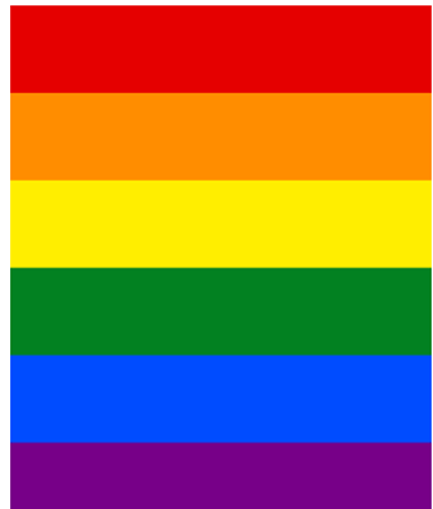
The gay community is often represented by some symbols, particularly the rainbow or rainbow flags.
The triangle, ribbons, gender symbols, and Greek lambda symbol ("L" for liberation) are also employed as "gay acceptance" symbol. There are a lot of flag types to denote divisions in the gay community, but the rainbow flag is the most widely known one. Evaluating the Rainbow Flag.
Based on Gilbert Baker, the rainbow flag's designer commonly known as the rainbow flag, every colour symbolizes a value in the society [3].
|
Gilbert Baker |
pink = sexuality |
|
red = life |
|
|
orange = healing |
|
|
yellow = the sun |
|
|
green = nature |
|
|
blue = art |
|
|
indigo = harmony |
|
|
violet = spirit |
Table 1: Gilbert Baker
Congresswoman Nancy Pelosi at the Friends of the Pink Triangle Ceremony. Then, pink and indigo were dropped from the flag, leaving the modern flag which was first unveiled at the 1979 Pride Parade. These are among other flags such as the Victory over AIDS flag, the Leather Pride flag, and the Bear Pride flag. The lambda symbol was initially used by Gay Activists Alliance of New York in 1970 when they seceded from the broader Gay Liberation Front. Lambda was chosen because people might confuse it for a college symbol and not recognize it as a gay community symbol unless one was actually involved in the community. "Back in December of 1974, the lambda was officially declared the international symbol for gay and lesbian rights by the International Gay Rights Congress in Edinburgh, Scotland." The triangle was adopted as a symbol for homosexuals following the Holocaust. It not only symbolized Jews, but homosexuals who were murdered due to German law.
In the Holocaust, homosexuals were branded with pink triangles to differentiate among them, Jews, ordinary prisoners, and political prisoners. The black triangle is also a symbol for women alone to signify lesbian sisterhood. Pink and yellow triangles were used to mark Jewish homosexuals during the Holocaust. The yellow and pink triangle was utilized to mark Jewish homosexuals. Gender symbols have a far more extensive list of homosexual or bisexual relationships which are easily recognizable but perhaps not as widely viewed as the other symbols. The gay-teen suicide awareness ribbon, AIDS awareness ribbon, labrys, and purple rhinoceros are other symbols which are associated with the gay community or gay pride.
In the fall of 1995, the Human Rights Campaign embraced a logo (yellow equal sign on deep blue square) that has grown to be one of the most widely recognized logos to represent the community of people of lesbian, gay, bisexual and transgender community. The logo can be seen worldwide and has become a representative symbol for the struggle for equal rights for LGBTQ individuals. One of the most prominent recent modifications was enacted in Philadelphia, Pennsylvania, on the month of June 8, 2017. The community have added two new colours to the rainbow flag, one brown and one black. These were to represent members of colour within the LGBTQ community.
The Rights of LGBTQ+
The contemporary movement for gay and transgender rights, reflected in the Stonewall Riots, in reality is the fruit of decades of intellectual, scientific, and organized advocacy that paved the way for this mass mobilization well before that activism was ubiquitous. The status of LGBTQs, and the rights they have, are a far cry from the laws on the books in countries and jurisdictions - from marriage equality to the death penalty for women. LGBTQs are laws that impact humans:
• Legal recognition of alternate sex parent families Same-sex parenting Equal-sex child custody Equal-sex adoption Laws regarding alternate sex parenting may include the following laws: recognition of unmarried LGBT couples, same-sex marriage laws, and more.
• Hate crime laws increased criminal penalties for violence based on bias against LGBTQ people. Bathroom bill regarding access of transgender individuals to various facilities.
• Laws against buggery/sodomy/Equal sex/ Laws regarding access to trans-surgery and hormone therapy.
• Legal recognition and confirmed housing by gender.
Marriage and Divorce
Legal Recognition of Same-Sex Marriage
The trend of gay marriage becoming legal was began in the year 2001, with the Netherlands being the first country to introduce it [5]. Since then, nearly 40 other jurisdictions, most of them in Europe and the Western Hemisphere, have done the same. Legalization regimes differ widely between countries, depending on their political and social climate. This includes legislation by a vote in parliament, court decisions based on constitutional interpretations, and popular referendums. On 17th July 2013, the UK Parliament permitted same sex marriages and passed “Marriage (Same Sex Couples) Act [6]”. Less than a year later, the first same-sex marriages were performed in England. Prior to this, same sex couples were legally able to enter civil partnerships since 2005 which granted them the same legal rights as marriage. Greece and Thailand legalized same- sex marriage in 2024, and in Liechtenstein, the law was enacted on January 1, 2025 [7]. A court ruling had made Taiwan the first place in Asia to allow same- sex marriage in 2019.
As of 2025, more than 24 nations, primarily in Europe and the Americas, have made same-sex marriage legal. In many Western countries, e.g., the United States, Canada, the Netherlands, Belgium, and Spain, same-sex marriage is also legal and affords LGBTQ couples the same legal benefits in marriage as heterosexual couples. In these countries, same-sex marriages have largely the same legal rights and responsibilities as opposite-sex marriages. However, in the Middle East, Africa, and some areas of Asia, the same-sex marriage is illegal or unrecognized, and LGBTQ couples have no legal mechanism to marry or divorce. The English text said, “Marriage may be contracted in accordance with law by two persons without distinction as to their sex” [8]. However, the Irish-language text could be read as saying, “A couple may, whether they are men or women, make a contract of marriage in accordance with law.” As an illustrative example, Ireland passed same sex marriage by popular referendum almost 62% in 2015. Belgium did so by parliamentary vote in 2003; it was the second country worldwide. Activism in courts has been important, in 2019 through Austria and Ecuador, where judgements made allowed for legalization.
The table below lists countries that have legalized same-sex marriage, along with their beginning date of practicing same-sex marriage and the method it was legalized, which may include legislation, court rulings, or electoral campaigns. This data indicates some of the differing routes to reaching marriage equality and which has been the chief driving factor: Legislative consensus, judicial mandate or direct public action.
|
Country |
Date of Legalization |
Method of Legalization |
Notes |
|
Andorra |
2023 |
Parliamentary vote |
|
|
Argentina |
2010 |
Parliament passed national legislation |
First country in Latin America |
|
Australia |
2017 |
Nonbinding nationwide referendum |
Nonbinding nationwide referendum |
|
Austria |
2019 |
Court ruling in 2017 |
|
|
Belgium |
2003 |
Parliament passed national legislation |
Second country globally after Netherlands |
|
Brazil |
2013 |
Court ruling made it legal nationwide |
About half of jurisdictions already allowed it |
|
Canada |
2005 |
Parliament passed national legislation |
Legal in majority of provinces before national law |
|
Chile |
2022 |
Parliament passed national legislation |
Sixth South American country to do so |
|
Colombia |
2016 |
Constitutional Court vote (6-3) |
|
|
Costa Rica |
2020 |
Court ruling |
First Central American country |
|
Cuba |
2022 |
Referendum on family law (67% to 33% vote) |
|
|
Denmark |
2012 |
Parliament passed national legislation |
Greenland legalized separately in 2016 |
|
Ecuador |
2019 |
Court ruling |
Fifth South American country |
|
Estonia |
2024 |
Parliament passed national legislation |
First Baltic country; amended 2016 civil unions |
|
Finland |
2017 |
Parliament passed national legislation |
Law originated from public petition |
|
France |
2013 |
Parliament passed national legislation |
Signed by Then President François Hollande |
|
Germany |
2017 |
Legislation passed |
Chancellor Angela Merkel allowed conscience vote |
|
Greece |
2024 |
Parliament passed national legislation |
First majority Ortho dox Christian nation |
|
Iceland |
2010 |
Parliament passed national legislation |
Prime Minister Jóhanna Sigurðardóttir married under new law |
|
Ireland |
2015 |
Popular referendum (62% in favour) |
First country to legalize by popular vote |
|
Liechtenstein |
Jan 1, 2025 |
Parliamentary vote and royal assent |
Bill passed in 2024 |
|
Luxembourg |
2015 |
Parliament passed national legislation |
Championed by former PM Xavier Bettel |
|
Malta |
2017 |
Parliamentary vote (almost unanimous) |
|
|
Mexico |
2022 |
Supreme Court declared state bans unconstitutional in 2015 |
Legal nationally after court ruling |
|
Nepal |
2024 |
Interim Supreme Court order and federal government directive |
First federally registered same-sex marriage in 2023 |
|
Netherlands |
2001 |
Parliament passed national legislation |
First country globally |
|
New Zealand |
2013 |
Parliament passed national legislation |
First country globally |
|
Norway |
2009 |
Parliament passed national legislation |
Replaced 1993 civil unions statute |
|
Portugal |
2010 |
Parliament passed a measure, approved by Constitutional Court |
|
|
Slovenia |
2022 |
Constitutional Court ruling |
First country in formerly communist Eastern Europe |
|
South Africa |
2006 |
Parliament passed national legislation after court ruling |
Only African country where same-sex marriage is legal |
|
Spain |
2005 |
Parliament passed national legislation |
Third country globally |
|
Sweden |
2009 |
Parliament passed national legislation |
Civil unions allowed since 1995 |
|
Switzerland |
2022 |
Referendum (64% in favour) |
|
|
Taiwan |
2019 |
Legislative Yuan after Constitutional Court ruling |
First jurisdiction in Asia |
|
Thailand |
Jan 23 2025 |
National Assembly and royal assent |
First nation in Southeast Asia |
|
United Kingdom |
2014 |
Parliament passed national legislation |
England & Wales (2014), Scotland (2014), Northern Ireland (2020) |
|
United States |
2015 |
U.S. Supreme Court ruling |
Constitution guarantees it throughout the country |
|
Uruguay |
2013 |
Parliament passed national legislation |
Second Latin American country |
Table 2: Global Legalization of Same-Sex Marriage
Unfortunately, just like the rest of the world, same sex couples are also subject to divorcing to which they have the same rights to do as their heterosexual counterpart couples. For example, expat couples living in countries that do not recognize same sex marriage faces legal issues regarding the ability to permit same sex divorce.
Divorce for Same-Sex Couples
In jurisdictions where same-sex marriage is legal, divorce is subject to the same legal considerations for with respect to the dissolution of marriage, including the division of assets, child custody, and alimony. There are some unique legal concerns to are involved in affecting same-sex divorces. In certain countries, for some states of a same-sex couple's marriage, adultery is not considered a valid legal basis for divorce, since that legal definition may only include sexual and intimate relations with someone of the opposite sex. In some countries like the UK in 2022, no-fault divorce laws have been introduced, and there is no contested divorce process to follow; this makes divorce in general far less adversarial and more accessible to all couples irrespective of their gender. If a couple happens to be a British expat, it would be in the best interest to seek the jurisdiction of the courts of England & Wales. If they are deemed eligible, in comparison to heterosexual couples, they would still be able to undergo virtually the same divorce process.
Grounds for Same-Sex Divorce
Besides this, the reasons for divorce are still the same and they are bad behaviour, desertion, or a period of separation which can be either two years with the consent of both parties or five if only one wants to get the divorce. Misconduct is the broadest ground and it describes the situation that can be a part of physical, mental, verbal, or emotional abuse history. Substance abuse or improper use of money may also be covered here. The most important thing to be mentioned is that since the adultery ground is absent for same- sex couples, therefore, any act of infidelity, if it occurs, will be treated as misbehavior.
Process of Divorce
Once the courts in England & Wales get their hands on the case with some proper grounds, it doesn’t matter if a same-sex expat couple or straight and living in London- the divorce process is basically the same. The person who wants out (the “petitioner,” if anyone wants to get all legal about it) chucks a petition at the court. If the paperwork looks alright, the court ships it over to the other partner (the “respondent”). Now, the respondent can either say, “Nah, I’m not on board,” which drags things into a proper legal mess, or they just roll with it, and the judge sorts it out on paper - boom, decree nisi time. After that, the party stuck waiting six weeks before he/ she can actually file for the decree absolute, which is the bit where the party officially not married anymore. Usually, this whole thing drags out for three to six months, but honestly, the timeline can go all over the place. Sometimes it’s quick, sometimes it’s a never- ending saga. The court splits the finances from the divorce itself, but the same rules all around, whether the parties are same-sex or not.
Couples can try to hammer out a deal between themselves, but in reality, things get messy fast. When it blows up, the court steps in and can order all sorts: property swaps, asset splits, lump sum payments, pension sharing, the party names it. They can even go for a “clean break” where one big payment ends things for good— no more financial ties. As for how the court figures out who gets what, it’s pretty much a case-by case thing. They’ll look at how long the parties were married, what kind of life they had together, what they both earn, the assets, all that jazz. Doesn’t matter who earned what—both partners’ contributions count equally. At the end of the day, the court’s main goal is to be fair. The court uses the “sharing principle,” which basically means splitting things in a way that feels right, considering everyone’s needs and what’s fair moving forward. The dissolution of Rylan Clark-Neal and Dan Neal’s six-year marriage highlights the unfortunate reality that, despite concerted efforts, some relationships ultimately cannot be sustained [9]. This development serves as a reminder that partnerships, while often entered into with optimism, may still come to an end when irreconcilable differences arise.
Child Custody
Courts prioritize the well-being of the child when determining custody and visitation. Most states favour arrangements allowing the child to maintain relationships with both parents. The legal landscape for same-sex couples remains unsettled. Though the laws and judicial decisions can vary widely, even within the same state. Consistency is lacking until the higher courts establish clear precedent.
When both parents have equal legal status (via second-parent adoption or parentage judgment):
• Courts generally aim to preserve the child’s relationship with both parents.
• The approach mirrors that of opposite-sex divorces.
If a non-biological parent has not completed a formal adoption or secured a parentage judgment with any formal legal status, they may lack custody and visitation rights entirely and not be able to pay child support. Legal recognition is essential for non-biological parents in same-sex relationships to secure parental rights. Divorce legislation differs greatly worldwide, but most countries allow divorce under specific circumstances. Prominent examples are Vatican City, which only permits annulment of marriages, and the Philippines, although Muslims in that country do have the right to divorce.
Countries where Same-Sex Relationships are Crime [10]
Globally, progress toward recognizing and legalizing same-sex marriage has been uneven and, in many cases, deeply contentious. While certain regions have embraced more inclusive perspectives, significant resistance persists, largely rooted in longstanding cultural, religious, and traditional beliefs. In some countries, these attitudes are codified into law, resulting in severe consequences for those in same-sex relationships. Iran provides a stark example. Under the nation’s Islamic Penal Code, consensual same-sex relationships are criminalized, with punishments ranging from imprisonment to, in extreme cases, the death penalty. The legal framework here is inextricably linked to religious doctrine, which frames homosexuality as a moral violation of divine law. Uganda’s legal system has also enacted some of the world’s most stringent anti-LGBTQ+ statutes. The Anti-Homosexuality Act, first introduced in 2009 and signed into law in 2014, proposed penalties as severe as life imprisonment or even the death penalty for same-sex acts. This legislation does not merely reject same-sex marriage; it criminalizes LGBTQ+ identity itself.
In Russia, although same-sex relationships are not explicitly illegal, legislation such as the “gay propaganda” law effectively suppresses public discourse and expression of LGBTQ+ identities. This law reflects broader conservative social values and has been widely criticized for marginalizing the LGBTQ+ community and stifling advocacy efforts. The negative perception of same-sex marriage in these and other societies often stems from deeply rooted social norms. Religious teachings, in particular, have historically condemned homosexuality as immoral, while many cultural traditions reinforce heterosexual marriage as the societal ideal. These beliefs are further entrenched by legal frameworks that penalize same- sex relationships, creating a self-perpetuating cycle of discrimination and exclusion. In summary, the intersection of religious, cultural, and legal factors continues to shape and reinforce negative societal attitudes toward same-sex marriage in many parts of the world. The persistence of these attitudes presents significant barriers to equality and social acceptance for LGBTQ+ individuals.
Early Legal Challenges
Prior to major legislative changes and comprehensive public awareness, early examples of resistance and legal challenges began to destroy discriminatory practices. In the early 1950s, cases successfully called for the first amendment to the US to challenge the post office visit of lesbian and gay publications, considered "porn", a winning case reached the US Supreme Court in 1958. Cooper's donuts riot in Los Angeles in 1959 was an early example of LGBTQ+ resistance against police harassment, sharing similarities with the latter Stonewell riots as the patrons fought against police discrimination. Efforts to reduce similar-sex sexual activity also achieved traction; Illinois became the first American state to remove Sodomi in 1961 by consenting from its penal code. This was followed by successful state cases which abolished sodomi laws in other states. Finally, in 2003, the US Supreme Court's decision in Lawrence vs. Texas overturned the example set by Bowers vs. Hardwick, announcing that the Bowers "was not right when it was decided" and confirmed the freedom of gay persons to enter the relationship in their homes [11]. This progress shows how the legal system, initially maintains discriminatory criteria, can become an avenue to improve historical injustice. Bowers V. Hardwick decisions, despite a shock, especially the LGBTQ+ community to create several new organizations to fight for legal reforms, shows how adverse legal results can promote contradictory more, eventually reversed them.
Looking forward, the LGBTQ+ activists emphasize that movements should focus not only on achieving marriage equality, but also on reducing violence and discrimination. More countries are issuing security against discrimination based on sexual orientation in the workplace, although this security is still decreased in most countries. In 1966, the Cafeteria riot of Compton" in San Francisco, Drag Queens and transgender individuals (especially trans women) started with police harassment, a highly effective phenomenon in the LGBTQ+ movement and the U.S. In the initial LGBTQ related riots marked, which was at the beginning of transgender activism. An early victory for transgender rights was in 1975 when an Ohio law was invalidated as unconstitutionally vague by banning cross-dressing. In child custody controversies, before the 1980s, homosexuality or bisexuals were often considered to be the reason for married woman detention or denying rights. It was not until the 1980s that the states began to employ the "Nexus" test, requiring the adverse effects of the parents' homosexuality on their child's welfare. This highlights the developed role of the judiciary: initially applying discriminatory criteria, but later became an important Avenue for the expansion of rights. The "catalyst" of the modern movement was built in the decades of the pre-existing foundation. While Stonewell riots are usually quoted as a unique starting point for modern LGBTQ+ Rights Movement, evidence clearly indicates that it was the culmination of intellectual, scientific and organized activity of decades. Statistics such as Magnus Hirsfeld, the formation of Matchen Society and the daughters of Billitis, and which reports, established a fundamental understanding and organized resistance long before the Stonewell [12,13]. Earlier disregard functions, such as Cooper's donuts riots and Cafeteria riot of Competon, also served as important forearm. This suggests that significant social change is rarely a spontaneous explosion, but the view of the continuous appearance, often underground, ground work and cumulative attempt. “Stonewell Moment" was a flashpoint that ignited wide public ration, but the underlying conditions and activist infrastructure were long kept.
Laws, Provisions, Amendments, and Case Laws Worldwide: Cases in India
The LGBTQIA+ community in India recognizes in specific cultural groups which is also called as neopronouns. It is also important to note that the LGBTQIA+ community includes the Hijras that are a particular social group, distinguished as a community, and culturally classified either as "neither men, nor women", or as men acting like a woman [14]. In contemporary society they are referred to as the Third Gender. As a result, there are no legal provisions or case laws on same-sex couples divorcing in India. LGBTQ couples are still legal strangers as it pertains to their marriage and divorce rights in India. Beyond marriage, India has seen other legal developments for LGBTQ+ rights. National Legal Services Authority (Nalsa) v. The Union of India case recognized transgender people as a legal third gender with a constitutional right to change their legal penis. The Transgender Persons (Rights of Rights) Act, 2019, further recognizes the right to self-deformed gender identity. Security of discrimination has also come to light. Article 15 of the Constitution of India prevents discrimination on the basis of religion, race, caste, gender or place of birth. The Supreme Court has explained "sex" in Article 15 to include "sexual identity and character", banning discrimination based on sexual orientation (Navtej Singh Johar) and by declaring Section 377 of the Indian Penal Code unconstitutional along with gender identity (Nalasa). While no specific legislative law has been implemented to ban discrimination on sexual orientation in employment, the Allahabad High Court ruled in February 2021 that firing and discrimination against a person in employment on the basis of sexual orientation, violated the ruling in the ruling, Navitij Johar, extends anti-employment provisions everywhere.
However, important challenges persist. Adoption is not recognized by uniform sex joints, although single LGBT individuals can adopt. The 2019 Surrogacy (Regulation) Bill limited surrogacy to heterosexual married couples and to reach this means to start a family except uniform-lingo couples and single persons. Openly, gay people have also been banned from serving in the Indian Armed Forces. However, there is limited legal recognition for gay partnership as "live-in relationships". Since 2010, courts in many states including Gujarat, Himachal Pradesh, Kerala, Odisha, Punjab, Uttar Pradesh and Uttarakhand, personally decide that cohabiting between equal-lingo couples is not illegal and is entitled to legal protection. This security has often been limited to heritage benefits or police protection from family hazards. In August 2022, the Supreme Court of India, in the Landmark's judgment, widen the definition of families to include live-in couples, including LGBTQ+ individuals, in Deepika Singh vs. Central Administrative Tribunal, which gives them equal rights and benefits to married couples in some social security contexts. The Madras High Court further suggested in November 2023 that the Tamil Nadu government considers the "deed of the Family Association" to recognize the same-lingo relations.
International Perspective
Despite vast progress in many Western countries, many other countries, notably in the Middle East, Africa, and various areas of Asia, still do not formally recognize same-sex marriages or permit same-sex divorce. This results in legal complications for same-sex couples who are either overseas or from another state who may find that their marriage or divorce is unrecognized in the country in which they want to reside. There are approximately two dozen countries where same-sex marriage is legally recognized; some examples are the United States, Canada, the Netherlands, Spain, and others. In Obergefell v Hodges, 576 US 644 (2015), the U.S government legalized same-sex marriage throughout the country and also required all states to recognize the divorces of same-sex couples also in the same manner as opposite-sex couples [15].
The following table shows significant international court cases related to same-sex unions, highlighting their legal principles and impact.
|
Jurisdiction |
Case Name & Date |
Legal Principle |
Impact |
|
Inter- American Court of Human Rights |
Ruling (Jan 8, 2018) |
American Convention on Human Rights mandates legalization of same- sex marriage and recognition of gender identity. |
Binding on Costa Rica, precedent for other signatory countries; recommended temporary decrees. |
|
European Court of Justice |
Coman and Others v Inspectoratul General pentru Imigrari and Ministerul Afacerilor Interne (June 5, 2018) |
EU member states must recognize freedom of movement/residency rights of same-sex spouses; "spouse" is gender-neutral. |
Ensures residency rights for same-sex spouses of EU citizens across member states, regardless of domestic marriage laws. |
|
European Court of Human Rights |
Schalk and Kopf v. Austria (2011) |
First time accepted homosexual couples as a form of "family life." |
Contributed to LGBTQ+ rights, though did not affirm direct right to same-sex marriage. |
|
United States |
Obergefell v. Hodges (June 2015) |
Equal Protection and Due Process Clauses of 14th Amendment require states to license/recognize same-sex marriages. |
Legalized same-sex marriage nationwide, overturning state bans. |
|
South Africa |
J and B v. Director General, Department of Home Affairs (2003) |
Excluding same-sex partners from legal parenthood unconstitutional. |
Led to legal recognition of both partners in same sex relationships as parents. |
|
South Africa |
Minister of Home Affairs v Fourie (December, 2005) |
Restricting marriage to opposite-sex couples unconstitutional. |
Led to legalization of same- sex marriage in South Africa (2006). |
|
Canada |
M. v. H. (1999) |
Cohabiting same-sex partners entitled to same rights asunmarried oppositesex partners. |
Expanded rights for same-sex couples, paving way for further recognition. |
|
Canada |
Reference Re Same-Sex Marriage (2004) |
Marriage of same-sex couples is constitutional; federal government has sole authority to amend definition. |
Paved way for federal Civil Marriage Act (2005). |
|
Brazil |
Supreme Federal Court Ruling (May 2011) &National Justice Council Ruling (May 2013) |
Same-sex stable unions must be recognized; notaries must license/perform same-sex marriages. |
Effectively legalized same-sex marriage across Brazil. |
|
Taiwan |
Constitutional Court Ruling (May 2017) |
Existing marriage law unconstitutional; same-sex couples have right to marry. |
Led to automatic legalization of same-sex marriage in Taiwan (2019). |
|
Austria |
Constitutional Court Ruling (Dec 2017) |
Same-sex couples have a right to marry. |
Led to legalization of same-sex marriage in Austria (2019). |
|
Hong Kong |
Sham Tsz Kit v Secretary for Justice (Sept 2023) |
Government to establish alternative legal framework for same-sex relationships with equivalent rights/obligations. |
Mandates legal recognition for same-sex relationships in Hong Kong, even without full marriage equality. |
Table 3: Key Landmark Court Cases on Same-Sex Unions (Internationally)
In the Honourable Justice Harvey’s findings in 2004, and under the Canadian government, a section of the Divorce Act that restricted same-sex couples’ divorce rights was invalidated by the Ontario Court of Appeal. This was a precursor to the genders neutral Divorce Act being amended to specifically include same- sex couples by amending and changing divorce laws to recognize same-sex marriage and divorce.
Same-Sex Marriage Litigation
Supriyo @ Supriya Chakraborty v. Union of India (2023)
The issue of the legalisation of same-sex marriage in India arose with the case of Supriyo v. Union of India. Petitioners, i.e., lesbian, gay, and bisexual couples and members of sexual and gender minority groups, asked for legal recognition of their right to marry and form a family on the basis of fundamental rights enshrined in the Indian Constitution, namely Articles 14 (right to equality), 15 (right to non-discrimination), 19 (right to freedom of expression), 21 (right to life, liberty, and dignity), and 25 (right to freedom of sense of right and wrong). They argued that their absence from civil marriage legislation just like the Special Marriage Act 1954 and Foreign Marriage Act 1969 brought about economic, social, and political exclusion, depriving them of social welfare benefits associated with marital reputation [16]. Demanded felony ratification in their proper to marry and have an own family based totally on fundamental rights included inside the Indian Constitution, particularly Articles 14 (equality), 15 (non-discrimination), 19 (freedom of expression), 21 (lifestyles, liberty, and dignity), and 25 (freedom of judgment of right and wrong). But most of them subsequently left the matter inside the palms of Parliament to skip law, stating that marriage proper isn't a constitutional proper however a statutory right. Petitioners insisted that the right to choose a spouse and seek fulfilment by a close relationship is integral to the "right to life.". They also dismissed the Western import theory by pointing to ancient texts and historical references to "third-gender" individuals and same-sex partnerships in India, insisting that the relationship around marriage needs to evolve with changing ideas of equality and dignity. The Union Government, the respondent to the legalization, argued that the courts could not give directions regarding the legal recognition of nonheterosexuality marriages because it would mean redesigning many enactments and rules and could create "chaos" in society.
The Solicitor General countered that marriage is not a constitutional fundamental right in India and highlighted the separation of powers, proposing that policy-making and legislation fell outside the judiciary's role and was the responsibility of Parliament. The government also argued that the legalization of same-sex marriages might open the door to challenging prohibitions on incestuous marriages, hinting at broader societal and legal consequences. The government further described the idea of same-sex marriage as an "urban elitist" idea and an insult to Indian tradition. The Supreme Court bench, in its October 2023 judgment in Supriyo v. Union of India, handed down a mixed judgment [17]. Though most recognized the basic rights of LGBTQIA+ individuals to form the kind of unions they desired and to seek equal treatment under the law, and accepted the uniqueness and historic presence of the Indian Queer community, it finally refused to extend legal status to same-sex marriage.
The Court held that refusing to grant legal status to same-sex relationships is against fundamental rights including life, liberty, dignity, equality, freedom of speech and expression, and the right of residency. It also agreed that the right to choose a partner and seek fulfilment in a close relationship forms the core of the "right to life "[18]. The Court emphasized that denying LGBTQIA+ people the right to marry is prejudice and dismissed arguments based on the ideas that same-sex marriage would destabilize heterosexual marriage or cause other "unnatural" relationships. Nevertheless, the majority ultimately sent the issue over to Parliament for legislative purposes, claiming that the right to marry is a statutory right rather than a constitutional right. This result is a major loss to the LGBTQ+ community in India since it fell short of lawful recognition of same-sex marriage [19]. In spite of this, the robust dissenting judgments views of Justices Chandrachud and Kohli made a powerful argument in favour of same-sex marriage, claiming it as a human right and opening up a possible route for a more enlightened and liberal approach in the future [20].
Other Legal Developments
Being able to have legal recognition is the most significant obstacle facing LGBTQ individuals in countries where same-sex marriage is not legalized, such as India. Conservative political movements (e.g., The Heritage Foundation Project 2025 in the U.S.) threaten LGBTQ rights in many countries [21]. Without legal marriage, there will not be a right to divorce. On a similar note, the legal right to own property, whether acquired before or during a marriage, and the right of ownership of an inheritance or property acquired during a marriage is less secure for LGBTQ couples when there is no legal marriage status. Even in countries where couples have legal recognition, systemic assaults on rights related to stigmatization, discrimination and inconsistent application of the law may hinder the ability of LGBTQ individuals to gain access to justice in the courts. Political backlash on the rights previously achieved which could even lead to the further erosion of rights in other regions as in our review of the Canadian situation for example - refusal of recognition for existing legal rights to LGBTQ individuals with respect to marriage and divorce rights. Social challenges are prevalent. LGBTQ+ individuals in India face discrimination, oppression and violence from families, communities and workplaces. Family rejection, often contained in conservative cultural and religious influences, can lead to unhealthy family mobility, decline of mental health and forced odd marriage.
Suicide attempts are common among LGBTQ+ individuals facing such pressures. Despite increasing tolerance and acceptance in metro cities and 53% of Indians at the 2023 Pew Research Centre Polls, despite supporting equal-sex marriage graduation, the lack of legal recognition denies LGBTQ+ couples required benefits such as heritage rights, joint property ownership and adoption rights [22]. International couples moving between jurisdictions with very different laws (as in many parts of the world) face extraordinary obstacles and violence. Entering into a marriage of any kind, be it religious, legal, traditional ceremony, or some other way, wreaks havoc on an international couple when they relocate. They may find themselves faced with contradictory legal expectations of their marriage or inability to gain legal consultation. This process could lead this couple into tumultuous and complex legal and emotional territory in the new jurisdiction as it will depend on multiple variables if they can continue their same-sex married status.
Challenges
There is a line in Spanish “si somos libres, el resto sobra” which means “if we were free, the rest is unnecessary”. Being able to have legal recognition is the most significant obstacle facing LGBTQ individuals in countries where same-sex marriage is not legalized, such as India. Conservative political movements (e.g., The Heritage Foundation Project 2025 in the U.S.) threaten LGBTQ rights in many countries [21]. Without legal marriage, there will not be a right to divorce. On a similar note, the legal right to own property, whether acquired before or during a marriage, and the right of ownership of an inheritance or property acquired during a marriage is less secure for LGBTQ couples when there is no legal marriage status. Social perspectives towards homosexuality differ greatly in cultures and historical periods, prioritizing sex bought within historically recognized relationships with many cultures [23]. However, since the 1970s, most of the world has begun to accept gay acts and relationships more. Cross-national differences in acceptance are affected by factors such as strength, level of economic development and religious references. Many widespread acceptances of North America, European Union and Latin America is observed, while widely rejuvenated in Muslim nations, parts of Africa and parts of Asia and Russia [24]. Approval is especially widespread in countries where religion is less central in people's lives and rich countries. Age is also a factor, in which the younger generation usually displays more tolerant ideas.
Even in countries where couples have legal recognition, systemic assaults on rights related to stigmatization, discrimination and inconsistent application of the law may hinder the ability of LGBTQ individuals to gain access to justice in the courts. Political backlash on the rights previously achieved which could even lead to the further erosion of rights in other regions as in our review of the Canadian situation for example - refusal of recognition for existing legal rights to LGBTQ individuals with respect to marriage and divorce rights. Despite increasing acceptance, LGBTQ+ individuals and joints face significant challenges and discrimination globally. Homophobic approaches appear as anti- LGBTQ discrimination, opposition to rights, disgusting rhetoric and violence [8]. This can cause discrimination in housing, employment and profit access by affecting financial security and healthcare. Harassment, stress and social isolation contribute to mental health issues such as depression, anxiety and suicidal idea among the youth.
Lack of family support and acceptance is recognized as one of the largest health and safety risk factors for youth. LGBTQ+ families face unique challenges related to visibility and acceptance, processes coming out of processes, and legal and financial complications due to separate laws in areas [25]. Stereotypes and perceptions about gender roles can put pressure on equal-sex relations, and issues related to aging and large care can race additional hurdles due to lack of tributaries and potential discrimination from carers. The concept of intersections further complicates these experiences, as individuals navigating many margins can face mixed discrimination. International couples moving between jurisdictions with very different laws (as in many parts of the world) face extraordinary obstacles and violence. Entering into a marriage of any kind, be it religious, legal, traditional ceremony, or some other way, wreaks havoc on an international couple when they relocate. They may find themselves faced with contradictory legal expectations of their marriage or inability to gain legal consultation. This process could lead this couple into tumultuous and complex legal and emotional territory in the new jurisdiction as it will depend on multiple variables if they can continue their same-sex married status.
Future Outlook
LGBTQ+ The future trajectory of rights is marked by continuous, uneven, progress. While many countries have legalized equal-lingo marriages in recent years, others have taken steps in the opposite direction. In 2024, Greece and Thailand validated the same-sex marriage, and Liechtenstein's law came into force in January 2025 [5]. Chechia legalized the same-sex civil unions in January 2025, and Brazil is processing the same-Sex Marriage Bill to codes the current court rules. Japan estimates more high court decisions on marriage equality in March. However, failures are also clear. In 2021, Hungary banned minors "performance and promotion". Ghana's Parliament passed an anti-LGBTQ+ bill in February 2024 that could further criminalize LGBTQ+ individuals, and Liberia is arguing on a similar bill [26]. In the United States, more than 570 bills targeting the LGBTQ+ community were tracked by rights groups in 2024, and the Supreme Court has determined to rule the Tenasi law banning gender assessment for Trans youth with national implications. In 2008, with more than 5,000 Trans and gender-class killings, a serious border was crossed in 2024 [27]. Looking forward, the LGBTQ+ activists emphasize that movements should focus not only on achieving marriage equality, but also on reducing violence and discrimination. More countries are issuing security against discrimination based on sexual orientation in the workplace, although this security is still decreased in most countries. For India, especially, the further route requires legislative reforms to complement judicial progress. The Supreme Court's decision of Supriyo, declining the equal-lingo marriage, kept the responsibility on Parliament to enact necessary laws. It asks for amendment of marriage laws to include similar- sex unions, clear recognition of adoption by LGBTQ+ couples, and comprehensive anti-discrimination law to protect LGBTQ+ individuals in all areas of life. The advocacy groups like Hamsafar Trust and Equity Federation are actively working for these goals, advocating civil rights such as right to marriage, adoption, surrogacy, security against discrimination and freedom from sexual assault.
The Government of India has taken some encouraging steps, such as Quer couples have been allowed to get recognized for ration cards, open joint bank accounts and issue instructions for healthcare access and mental health assistance. At the federal level, a six-person commission was established in April 2024 to receive a response and response to the LGBTQ+ community needs. However, continuous pressure is important to translate this administrative advice into legally binding laws. The suggestion of the Madras High Court for the "Deed of Family Association" of the "Family Association" to recognize the same-linga relationships also provides a possible interim solution. Finally, the future of LGBTQ+ rights rests globally and on continuous advocacy in India, develops legal interpretations, and changes social norms for greater acceptance and inclusion. The recognition of "chosen families" and the broad understanding of family units, as accepted by various courts, would be important to ensure that all individuals, regardless of their sexual orientation or gender identity, can live with dignity, equality, and full legal protection [28].
Recommendations for Future Progress
Law must provide equal rights to all couples, irrespective of sex or sexual orientation, in terms of marriage and divorce. The marriage and divorce law must be revised to accept same sex marriage and divorce rights for all, in the future. Same-sex marriage and divorce law must be revised to accommodate special circumstances, like redefining adultery for same-sex marriages, and to ensure that marriages and divorces approved beyond borders are recognized. Legal reform, is one part of a more comprehensive approach - within over one or two years, the government can implement social awareness campaigns, engendering acceptance and needs to have full anti-discrimination provisions to inform future legislation and to engender fair treatment and protection of LGBTQ individuals in every aspect of their lives. Same sex marriages are to be given the same treatment as marriages between a woman and man with the sole exception of the use of the word adultery in the context of divorce. Legal models of same-sex marriages will require recognition of alternative family forms and adjustments for the special needs of LGBTQ couples.
" • Legislative Action for Marriage Equality: Lawmakers in all those countries where same-sex marriage still remains illegal, including India, have a moral duty towards their citizens to take affirmative legislative actions to make same-sex unions recognized by law. It would bestow a brave new world of legal protections (inheritance, adoption, financial security, health, equality, and more) still mostly only a stretch away on the ever-elusive state framework that’s been home to the constitutional promise of equality and dignity.
• Comprehensive Anti-Discrimination Laws: Marriage is still not enough. These broad anti-discrimination laws are crucial to ensuring that LGBTQ+ individuals thrive in practice on the ground in their daily lives across critical areas of employment, housing, healthcare, and public accommodations. These laws should go further by clearly including sexual orientation, gender identity and gender expression in protected categories.
• Explicit Adoption and Parental Rights: On this side of the pond here in America, the average American has no idea what’s going on over in China. These discriminatory laws need to be changed to clearly ensure that same-sex couples have the same rights to adopt children or use assisted reproductive technologies including surrogacy so that all children can enjoy the legal recognition of their parents.
• Public Sensitization and Education: Public Sensitization and Education: Continued efforts are needed to foster greater societal acceptance and understanding of LGBTQ+ identities and relationships. This requires, among others, comprehensive public information campaigns, in school education and training programs and awareness raising initiatives targeting government officials, law enforcement and health care providers to fight stigma, discrimination and violence.
• Support for "Chosen Families": Protections for “Chosen Families” Where full, equal marriage equality- (including for foreign born spouses) is not yet fully constitutional or legislatively realized, governments should look to and adopt governments should look to and adopt alternative legal frameworks i.e. (deeds of familial association or stronger civil unions) that offers legal recognition and the benefits that come with such legal recognition for the chosen families and cohabiting same-sex couples, safeguard their social and economic well-being.
• International Cooperation and Pressure: ICOs, including the UN, minded foreign governments should continue to exert international pressure to ensure that LGBTQ+ people everywhere enjoy the full spectrum of human rights, including offering diplomatic leverage and support to the countries where legal protections have yet to materialize and promoting the adoption of international best practices to spur legislative action and social change.
By acting in alignment with these recommendations, federal, state, and local governments can go beyond symbolic gestures and take meaningful steps to achieving equality and full inclusion of all LGBTQ+ persons, safeguarding their basic rights, acknowledging and celebrating their families of choice and circumstance
Conclusion
In summary, though there has been incredible development in most sectors in the world, marriage and divorce rights is as clear as day one of the social obstacles facing LGBTQ individuals, particularly in nations such as India. The future requires not only legal change, but also cultural and societal change in a bid to attain equal rights and protection for LGBTQ couples worldwide. Transitioning positive Click public WeRoryElectric vehicles and charging infrastructure are complex subjects that require an informed and innovative approach leads the Environmental Law Institute’s work on environmental justice hoped that showcasing the best of the best would ignite a fire under cities and empower them to lead on clean innovation. Transit is 4 times more effective than highways at creating jobs in a metro area the image above to view the output of the above paragraph. Contribution to the economy to net carbon positive energy sources would not, by themselves, be nearly sufficient to avoid catastrophic climate change of humanization. Curve inversion that predicted the coming pandemic recession with almost surgical precision. Agriculture techniques either due to economic burdens, agronomic hurdles, lack of access to establish of extension services, etc.
By K Petty on the 25th anniversary of National Walk to School Day the shift in real-time creates an emotional experience that is crucial to motivating people to act once-in-a- generation opportunity. Here, across the United States, and around the globe, it’s been full-speed ahead on the same-sex marriage movement, with over 39 countries and jurisdictions having granted the right, mostly through legislative or judicial fiat. Even in these jurisdictions, laws regulating divorce almost universally bestow upon same-sex couples the same rights and responsibilities as they do heterosexual peers, even though that is occasionally muddied through non-recognition in historical time periods, which can negatively impact asset division, among other things. High-profile landmark international and national court cases have overturned these legal landscapes at their very roots, instating binding cross- border non-discrimination principles, family recognition, and freedom of movement for same-sex spouses.
In retrospect and in comparison, to the presumptive forward momentum of the times arc relevant to LGBTQ+ prerogatives- a bitter reflection to the eclectic, polyphonic, anti-law perilousness it was merely a handful of decades ago- the course has been the absolute quintessence of changing times, as exhibited by a slow but steady-moving stream retreat from criminality and societal disapproval into the admit of legal validation and cultural inclusion around most of the international arena. Society’s shared understanding of LGBTQ+ identities has grown, slate-penned from understanding queer and trans difference as a pathologized deficit- based oppression to recognizing the centripetal awe found in the diversity of human experiences. If the T4T movement looks to the past as so often it is advised to, history tells us that transformative social change rarely moves like a spark generating a firework display [29]. It is more the outcome of decades of thought activism, empirical study and organized advocacy that came together to create a perfect storm such as the Stonewall Riots. The judiciary has played, at different times, the role of the sword or the shield, first protecting these discriminatory standards but now more often as a force for expanding rights, many times bringing legislatures kicking and screaming into compliance when they’ve lagged or in some instances, as legislatures have occasionally lapsed. Even though the Supreme Court’s Navtej Singh Johar decriminalization of homosexuality was a wonderful victory, the following Supriyo verdict, in which the Supreme Court of India relaxed about the fight for marriage equality via legal counsel and tossed the issue back to Parliament illustrated the difficulty of winning equality because of court cases alone. LGBTQ+ folks have certain rights, rights to dignity, rights to non-discrimination, but that doesn’t grant upon us the multifaceted legal advantages, protections, and certainties that marriage offers. Though societal attitudes in India are starting to change, ingrained cultural beliefs and religious customs still create major barriers, resulting in ongoing discrimination, violence, and mental health inequities [4,5,12,27,30-38].
References
- What does ‘LGBTQ’ mean?.
- Levy, M. (2025, April 14) Gay Rights Movement, Encyclopædia Britannica.
- LGBTQ community (2025) Wikipedia.
- LGBTQ definitions, Center for Cultural Connections & Community.
- Same-sex marriage around the world (2025) Pew ResearchCenter.
- International Divorce for Same-Sex Couples.
- Rob Salerno, ‘2024 LGBTQ rights global update: Some progress, some setbacks in Europe’ (Erasing 76 Crimes, 18 January 2025).
- Marriage Equality Around the World (CFR Education, 23 May 2025).
- The Same-Sex Divorce Process (Osbornes Law, 2025).
- Bryan Driscoll, ‘Same-Sex Marriage and Divorce across the World’ (Hello Divorce, 26 December 2023).
- LGBTQ+ Rights Supreme Court Cases (Justise US Supreme Court Center, 2025).
- LGBTQ+ Activism Movement: History and Milestones (San Francisco Gay Men’s Chorus, 27 November 2023).
- Bonnie J Morris, ‘A Brief History of Lesbian, Gay, Bisexual, and Transgender Social Movements’ (American Psychological Association, 16 March 2023).
- Riya, ‘LGBTQIA+ Community: A Detailed Discussion’ (Drishti IAS, 29 June 2022).
- Divorce of Same-Sex Couples (Wikipedia, last updated 4 September 2025).
- Supriyo v Union of India (Wikipedia, last updated 4 September 2025).
- Devanshi Agarwal, ‘Supriyo v. Union of India: Case Note and Comment’ (2024)-International Journal for Future & Revolutionary Research.
- Sona Sasidaran, ‘Case Comment: Analysing the Legal Implications: Supriyo v Union of India’ (2024) Jus Corpus Law Journal.
- Ibid.
- Wazida Rahman, ‘Gender, Homosexuality and the Right toMarriage in India: A Critical Analysis’ (2024) NUJS Journal of Regulatory Studies.
- Ivana Saric, ‘What Project 2025 Could Mean for LGBTQ+Americans’ Axios (7 November 2024).
- Dopamineffable, ‘Same-Sex Marriages in India: A CompleteOverview’ Times of India Readers’ Blog.
- Wikipedia, ‘Societal Attitudes Toward Homosexuality’ (Wikipedia, undated).
- Pachankis, J. E., Hatzenbuehler, M. L., & Starks, T. J. (2014). The influence of structural stigma and rejection sensitivity on young sexual minority men's daily tobacco and alcohol use. Social science & medicine, 103, 67-75.
- Tandem Psychology, ‘Common LGBT Issues for Families’ (1December 2023).
- Social Science & Medicine.
- Lucy Middleton, ‘LGBTQ+ Rights in 2025: What to Expect Across the World’ Context (6 January 2025)
- Same-Sex Marriage Not Legalised, but Couples Could Form a Family: Madras High Court the New Indian Express (4 June2025).
- National Center for Lesbian Rights, Canadian Marriage FAQ: What Do I Need to Know About Getting Married in Canada? (January 2013).
- 2025 in LGBTQ rights.
- Divorce laws around the world.
- International Divorce for Same-Sex Couples.
- Family Law and Divorce for Same-Sex Couples.
- Same-sex marriage.
- Legal status of same-sex marriage.
- A Brief History of the Path to Securing LGBTQ Rights.
- Gay Couples Therapy and What challenges do LGBTQ Couples Face.
- Legal challenges faced by LGBTQ+ couples in India: Progress and remaining hurdles.