

Journal of Electrical Electronics Engineering(JEEE)
ISSN: 2834-4928 | DOI: 10.33140/JEEE
Impact Factor: 1.2


Research Article - (2025) Volume 4, Issue 5
Inductive Pulse Charging: What, How & Why?
Received Date: Sep 04, 2025 / Accepted Date: Oct 13, 2025 / Published Date: Oct 23, 2025
Copyright: ©Â©2025 Julian Perry. This is an open-access article distributed under the terms of the Creative Commons Attribution License, which permits unrestricted use, distribution, and reproduction in any medium, provided the original author and source are credited.
Citation: Perry, J. (2025). Inductive Pulse Charging: What, How & Why? J Electrical Electron Eng, 4(5), 01-14.
Abstract
Inductive Pulse Charging (IPC) utilizes reverse EMF ‘Flyback’ pulses to charge secondary batteries. Such pulses are produced from the rapid collapse of magnetic fields in solenoids and, while being seen generically as unwanted electromagnetic interference (EMI), they have demonstrated energy gains through currently unspecified processes and pathways and which are not explained by conventional electrodynamic theories. The history behind these developments is explored along with some of the various methods to elicit these responses. The topic of open thermodynamics, and some otherwise overlooked components of EM fields, are also examined as the basis for these observed behaviours and as part of the process of developing a working theory for IPC and related technologies.
Keywords
Inductive Pulse Charging, Flyback Pulses, Open Thermodynamics, Electromagnetic Theory, Energy Harvesting, Coefficient of Performance, Battery Health
Introduction
Inductive Pulse Charging (IPC) refers to the pulsing of a sec- ondary cell, usually of Lead-acid type, with the ‘flyback’ pulses arising from the collapse of the magnetic field in one or more in- ductors. This work originated with the observations and patent of Daniel Cook in 1871 on the behavior of induction coils and which was greatly expanded upon by the experiments and observations of Nikola Tesla in the 1880s with his work on power transmissions, power magnification, high voltages and unidirectional pulse systems.
While such transients are normally seen as electromagnetic inter- ference (EMI) and undesirable in modern electronics, in this context they impart a range of benefits to a battery system, including the opportunity to recycle a portion of the input energy, stored as magnetic energy in the coils, and also to elicit certain other beneficial responses from the ‘local environment’ although, until a suitable theory is developed, it is unclear exactly what this means.
Pulsing systems that utilize high voltage flyback pulses, as part of a motor, generator, or battery charging system, have been developed over many decades. Of particular note is the work of Carlos Benitez in the early 1920s, developing the findings of Cook and Tesla, Edwin Gray, John Newman in the 70s, Harold Aspden, Robert Adams, Don Smith, John Bedini, Peter Lindemann and Aaron Murakami in the 80s and 90s and others, such as Rick Friedrich, into the 21st century and onwards to the present day.

Figure 1: An open thermodynamic system
Indeed, there is a substantial list of patents1, many still active, that belie the range of activities in this area and which underpin many of the modern day attempts to utilize this phenomenon for efficien- cy benefits as well as battery state of health (SoH) improvements. As with renewable energy, apart from the high setup costs required to build the appropriate mechanisms and establish a suitable ener- gy gradient, once the energy is accessible, then it is often loosely termed ‘free’. The operator does not have to pay for it at source but only for the administration and distribution of it, and the mainte- nance of the extraction systems and associated networks. Similar- ly, in a heat pump, the additional energy imported from the local environment is automatically provided by virtue of the device and the well-understood associated physics. As such, IPC sits within the category of energy harvesting technologies, one that has yet to be fully explored and explained.
In the same vein, the term ‘over unity’ is often used, referring to a Coefficient of Performance greater than one, a unitless term de- rived by dividing the total energy output by the energy supplied by the operator, as distinct from the environment or any other source, and identified as the ‘user’ in Figure 1. This is in sharp and distinct contrast to the term efficiency, which can never be greater than one, not least by virtue of the way the term is defined in the context of the 1st Law of Thermodynamics, that of energy conservation, in a closed system. As with a heat pump, this is a situation where the total net and efficiency moderated output is greater than the input provided specifically by the operator.
The prospect of an electrical system needing to measure its per- formance in terms of CoP, instead of normal efficiency, is a new concept for most electrical engineers and one that many are resistant to. Nearly two hundred years of history in the development of electrodynamic theory have not considered this phenomenon, and yet it has been investigated on the fringes ever since Cook’s and Tesla’s original investigations. Indeed, in cases where independent expert validation and measurements have been made, the assessors have felt unable to report the full details for fear of ridicule and the loss of their professional status or jobs and where their work would sit uncomfortably with their findings.
It is therefore belatedly appropriate that the inductive scientific method be rigorously applied to this subject. Firstly, to confirm the phenomenon of energy gains, through repeatable observations, before eliminating other possibilities for the gains, such as from internal enthalpy changes. Only then will it be appropriate to construct a working theory, building on the scientific developments and expanded paradigms over the last 150 years.
WHAT?
Historical Context
In the early 1870s, Daniel Cook had been experimenting with multiple inductors, used in conjunction with an interrupter circuit, and had found anomalous energy gains. His patent is the first to address such anomalous energy gains associated with unidirectional pulses derived from an inductor used with an interrupter circuit [1].
Later, in the 1880s, and presumably aware of Cook’s findings, Nikola Tesla experimented with what he termed his ‘Method of Conversion’, a way to convert regular DC or AC to a series of sharp unidirectional pulses using a complex switching system. In 1893, he had twice given a talk entitled ‘On Light and other High Frequency Phenomena’ where he described how he had found a different way to utilise electricity, one based on interrupted DC pulses instead of the AC that he was instrumental in introducing to the masses in New York State [2].
Tesla described how he was able, using complex mechanical switching systems that were expensive in his day, to convert regular AC or DC to this new type of electricity using a variety of methods. He reported how he would use the pulses to energise an inductor and then discharge the inductor into a capacitor before transferring the stored energy into a low impedance circuit, such as a battery, to observe the effects he wanted [3]. Indeed, the steps he described are similar to what is done today in IPC, often without the intermediate storage capacitor, and where very particular effects are observed when the process is undertaken with carefully managed operational parameters.

Figure 2: Typical commercial pulsing system waveform [5]
Impulse Analogy
The effects of pulsed DC are very different from those of regular AC or DC, as indicated using a ‘pressure’ increase as an analogy. As is often described in undergraduate physics classes, a compar- ison is made between the pressure in N/m2 arising from the larger surface area of the head of a hammer to that derived at the point of a nail it hits. When the force from a larger surface area is focused through a smaller area, the pressure is raised. Now apply an addi- tional time factor, by applying the increased pressure as an increas- ing degree of impulse, measured in Newton- seconds, by taping the point of the nail on the floor for shorter and shorter durations. The same impulse, and hence for a given displacement, the total ener- gy, can be delivered as a moderate force over a long period, or as a much higher force over a much shorter period. There will come a point where the point of the nail will impart significant damage to the surface, especially if continued over a period of time. The only significant change has been to the format of the energy deliv- ery, as very short duration pulses that have concentrated the way that the same total energy has been applied. However, the effects are very different and, when this principle is expressed through voltage transients, are reported to induce localized responses from the surrounding space which are subsequently realized within the battery electrochemistry.
As Lindemann says, the effects of hitting a wall with an impulse of 160 pounds of force (approximately 0.7kN) for a 10th of a second, once every second (0.7kN x 0.1s x 1/s = 70N), conveys the same total energy, (for a given displacement), as 160 pounds of force for 1000th of a second delivered 100 times per second (0.7kN x 0.001s x 100/s = 70N) or, by the same logic, 16,000 pounds of force for 1000th of a second, once every second (70kN x 0.001s x 1/s = 70N). Whereas the former will achieve very little, in the latter case, the wall will quickly be demolished. In this analogy, the ‘conversion’, and the method used to achieve it, has been from an inconsequential mode of energy delivery to one that is alleged to have significant effects upon the local environment. What those effects are is still very much open to investigation.
Commercial Pulse Charging Systems
The introduction in 1859 of the first commercial rechargeable Lead-acid battery, by the French physicist Gaston Planté, brought with it the need for regular charging systems. This type of battery was widely used for various applications, including early electric vehicles and backup power systems [4]. Generally, this was ac- complished using the same principles as used today in convention- al battery charging, that is to apply a voltage several volts higher than the nominal battery voltage to drive the reversible chemical reaction and to return the internal chemistry to its original state.
Careful monitoring of the process was essential to prevent over- heating and damage to the battery and Planté developed a charging regime that involved specific current and voltage levels to opti- mize the recharging process. Today’s smart chargers are in effect an automated way of applying the optimum voltage and current at the different stages of the recharging process to avoid unnecessary heat and possible damage. Non-inductive pulse systems for use in a commercial setting are a relatively recent innovation. They have been applied to Lead acid batteries to improve the performance and reverse some of the detrimental effects of sulphation that arise particularly with poor charging regimes, battery maintenance and chemical aging, and which erode battery performance and increase internal resistance [6].
While using this type of pulse waveform has shown useful im- provements in battery performance and health, the pulses used in these studies are generally of square wave format with a 50% duty cycle, as depicted in Figure 2. Similarly, pulsing systems have been investigated for use with the more complex electrode environments of Li-Ion battery systems [6]. Here, a substantial improvement in cycle life has been reported, compared to con- stant current and voltage charging delivery, and where the battery temperature presents a significant challenge to battery longevity.
Inductive Pulse Systems
In contrast, the pulses used in the work of Cook, Tesla, and others over many decades derive from inductive collapse resulting in a very different type of waveform and attendant properties.
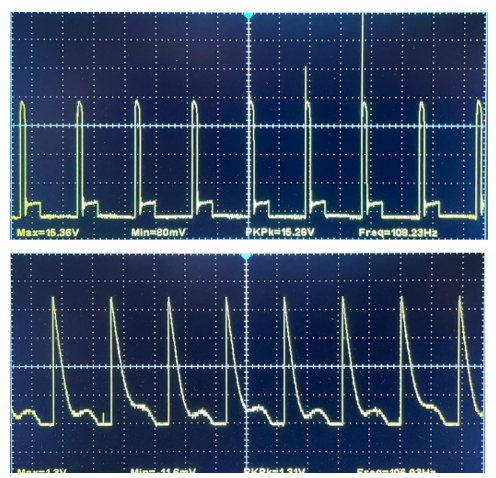
Figure 3: Inductively generated voltage pulses at the collector/ drain and current probe pulses at the negative battery terminal
Figure 3 shows a typical waveform from the collapse of inductors, which can take many shapes and sizes and possess a range of resis- tance and inductance values, and is switched by a suitable power transistor. It was the work of John Bedini that catapulted this topic into public awareness in more recent times. After decades of his own electrical engineering work, in which he developed the re- nown 3D spatial acoustic system, in the 1980s, he started work on inductive pulsing systems, inspired by the practical and theoretical work of Carlos Benitez, Gabriel Kron, Edwin Gray, John New- man and others in the search for negative resistors. Bedini sought to try and create a negative resistor in the context of secondary cells. He also acquired patents for various motors and generators in 2000 and onwards, using the same approach of inductively gen- erated flyback pulses, delivering pulses of pure potential to the electrochemical environment. This work led to the development of battery chargers and other experimental kits under the name of TeslagenX Inc.
After years of avoiding unwanted attention from certain authorities, he eventually started to release details of a ‘hobbyist’ device, what he termed a ‘monopole energizer’, to distinguish it from a conventional motor, that demonstrated the principles of pulsed discharges, one which was taken up by a schoolgirl in Idaho in 2001 as a science project. She won first prize at her science fair and succeeded in confounding her science teachers due to the fact that a 9V battery, subjected to a measurable load, was able to maintain its state of charge for many hours after it should have become depleted. The so-called ‘SSG’ (Simplified School Girl) circuit, and the subsequent and larger ‘SG’ device, which was elaborated upon and shared in 2012, became an iconic pair of devices for the amateur electronics enthusiast. Here, there was the prospect of an attain- able system for the technically competent explorer in the search for possible sources of renewable energy within the electromechanical domain, but which continued to fall outside of currently accepted theories of operation.
In more recent times, there has been a return to the original patents and writings of the earlier pioneers in a movement to reinvigorate a topic that has often become confused by disinformation, obfuscation, and competing agendas. For many, the only way to dif- ferentiate useful from unhelpful or imaginative information is to build their own devices and find out for themselves.
HOW?
Modern Pulsing Systems
Besides any benefits to battery health, for many, the main objective in using IPC is to be able to return a battery’s chemistry to its full charged state, or a suitable reference point on its charging profile, with less energy than was released during its discharge.


Figure 4: Functional flow chart and research test rig of a pulse charging system
Figure 4 shows the main features of the pulsing system setup by the author to investigate the many parameters that can be applied. These include pulse frequency, duty cycle, peak flyback voltage, which is dependent upon the ‘avalanche rating’ of the active device, the use of additional capacitive discharge pulses interlaced with the HV pulses, battery capacity, type, design, and internal re- sistance, coil design, trigger methods, and cabling resistance and configurations. In the batteries themselves, the internal resistance has a significant effect on the ‘absorption’ of the pulses and their consequent effects on the overall energy state of the system. Equally, a larger capacity battery of similar internal resistance will show a higher CoP, mostly due to a larger ‘capture cross-section’ for the effects of the pulses.
Achieving these results requires consideration of a variety of factors from the impedances connecting various components to the way the electrolyte is presented with a large electrostatic potential coupled to a charge component. There is no single way to achieve this, and the pulse generating system can be customized for its intended application. Historically, such systems are therefore di- verse, reflecting the interests and goals of independent research- ers, whether they are seeking to reduce drag in motors through the recycling of Flyback pulses2, effect energy gains in batteries, and apply them with various types of resistive load, or maintain the health and longevity of their batteries.
Measurement Methodology
When it comes to measuring energy gains, the principle employed in the measurement methodology is depicted in Figure 5. Here, we can measure and determine accurately the energy delivered to the system by a ‘run’ battery or a power supply. What we cannot know directly is what proportion of the energy received by the battery being charged, from whatever sources, is derived from the pulse device itself, by recognized pathways, and what might be entering from the local environment or other potential sources internal to the battery.
To manage this, we undertake an accurately measured discharge of energy using an electronic load, after a pulse charging stage, and see what energy can be extracted to return the battery to its original voltage state prior to IPC. Even though the terminal voltage is not a direct measure of the internal energy state of a battery, but rather its electrochemical state3, this provides a consistent method of determining if more energy can be extracted from the battery than was used by the system to charge it. The CoP, and its uncertainty value, is then derived from the ratio of the total
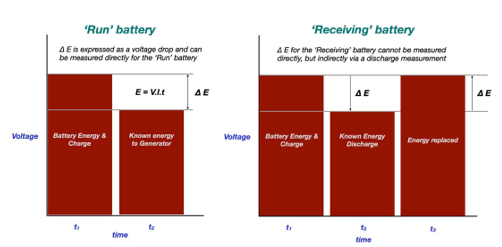
Figure 5: Principles of CoP testing methodology
energy released, corrected by extrapolation or interpolation for the actual rested and stabilised end voltage, divided by the total energy input. This method can be used to test the effect of all the variables, as has been undertaken in exploratory work over the past six years. If, at suitable intervals, the supply and charging batteries are swapped, then it is also possible to power an external load on the basis that the total supply to the device with the external load will be replenished when the supply battery becomes subsequently charged in its alternating role. However, most often during tests of a particular battery, a power supply is used to provide a consistent supply voltage and which does not require recharging, and can be easily adjusted to set the coil load voltage to a required level as one of the many variables.
Circuit Inefficiencies
It is important to recognize that, electrically speaking, the elements depicted in Figure 4 all behave in a way described and predicted by standard electrical theory, and with all the attendant losses. It is in the battery itself that the energy gains are realized and, whatever the cause of the energy influx, the electronics themselves are acting principally as a signal delivery system for the battery, relaying the effects of the inductor’s collapsing magnetic field to where the transient potentials can effect measurable change. Indeed, measurements made on the pulse generating system itself will reveal nothing unusual in terms of efficiencies or losses.
While rotor based switching systems are often seen as the most effective way to elicit an energy influx into a Lead acid battery, in part due to the coupling between the magnetic fields and the inter- twined coil windings and the trigger coil, a solid state alternative has long been sought after for their smaller size and quieter oper- ation, despite the loss of the mechanical energy output that rotor based switching systems offer, and because a solid state trigger can easily be set to a frequency suited to the specific battery and con- figuration. However, while they are also capable of a CoP > 1, so far, they have not resulted in the same performance as when using a rotor with a trigger coil, and this is possibly due to the particular waveform created by the interaction between the trigger coil and the switching transistor.
|
|
rdef > 0 Positive deferential resistance |
rdef < 0 Negative deferential resistance |
|
Rstatic > 0 Passive: Consumes net power |
Positive Resistances:
|
Passive negative differential resistance:
|
|
Rstatic > 0 Active: Consumes net power |
Power Sources:
|
“Active resistors” Positive feedback amplifiers used in:
|
Table 1: Comparison of applications of PDR and NDR Devices [8]
An active area of investigation is the different pulse waveforms that solid-state systems produce, resulting from the properties and signal characteristics of power MOSFETs (Metal Oxide Semiconductor Field Effect Transistors) that are often used, compared to power transistors. The optimum devices for energy gains tend exhibit a negative differential resistance (NDR) region whereby, over a specific voltage range, the current is an inverse function of voltage applied, a feature of devices used in signal amplification (Table 1). Indeed, very few regular transistors have the required properties that result in a CoP > 1, assuming all other parameters are optimized. The use of MOSFETs, with their potentially very high dV/dt pulses, tend to produce a large amount of ‘surface charge’ on the battery electrodes and which translates less effectively to substantive charging that can be drawn upon later in a subsequent discharge phase. Those using very high voltage MOSFET-based pulses, in the 3 - 4kV range, tend towards extracting useful mechanical energy from the rotor instead of directly from the batteries and which are alternated to maintain their state of charge.
While trying to identify the essential features of switching devices to elect the best responses, it is abundantly clear that, with regard to the actual pulse generating systems used in IPC, their conventional efficiency is typically very poor, in the 15-30% range, commensurate with that of an internal combustion engine. With the very poor efficiency of the pulse generating system itself, subjected as it is to resistive losses, hysteresis, and other inefficiencies, the measured net energy gains, realized in the battery, are sufficient to offset the poor device efficiency. This indicates significant and substantial processes occurring in and around the battery electrodes, electrolyte, and conductors connecting to the pulse-generating device. Taking these losses into account, even obtaining a CoP of close to, or just over, one for the system as a whole, is a significant achievement. Any net gains have to first offset the poor electrical efficiency of the pulse generating device itself before resulting in accessible surplus energy that can be drawn upon through an external load from the charged battery, or from a capacitor bank that has been charged by ‘generator’ coils.
With the so called ‘Aspden/Adams motor’ design, both Robert Adams, as the chairman of the Institute of Electrical Engineers in New Zealand, and Harold Aspden, a physicist, electrical engineer and IBM’s Director of European Patents for many years, were well placed to recognize that keeping the supply current low was crucial to avoid unnecessary losses which wasted energy and pulled down the CoP for those seeking to demonstrate energy gains and an over- unity state. To this end ,the choice of wire gauge, number of turns for the coils and the use of moderate strength ceramic magnets all helped reduce mechanical and electrical losses and keep the inherent inefficiencies to a minimum [9].
Nevertheless, the persistent energy gains have prompted the reasonable suggestion that they are the result of the release of chemical energy from the bulk substance of the electrodes and electrolyte as a result of their interaction with the pulses. It is proposed here that the pulses might initiate enthalpy changes and the destruction or consumption of electrode material and chemical agents as a form of ‘fuel’. While this will form the basis of a follow on research study, to clarify the likely origins of the net energy gains, there are some arguments as to why the electrochemistry itself is not the most likely source of the energy gains.
Firstly, it has been shown that similar ‘over unity’ performance can be achieved with voltages of a few hundred volts or less, some claim even much smaller values, at a tuned resonant frequency coupled to a charge component. Secondly, once voltage transients reach the positive battery terminal, they are effectively grounded in the low impedance environment of the battery, yet still have a lingering effect on the electrolyte, even after pulse charging has been ceased; a process referred to as ‘over-potentializing’ the electrolyte. Lastly, there are no obvious chemical or ionic candidates for the role of either dissociation or ionization that might be contributing in the production of enthalpy changes. Despite these reasons, this will be an area of future study to resolve this binary possibility; that the energy originates from within the battery or alternatively, from the loosely defined ‘local environment’ by as yet undetermined processes and pathways, and where the electrodes and electrochemistry still play an essential intermediary role.
A methodology has been devised to test this proposal4 using the known molar masses of active agents within the battery, coupled to knowledge of the electrochemical and thermodynamic processes that occur during charging. Battery ‘state of health’ measurements and calculations can then be performed to see if a ‘chemical deficit’, the loss of active thermodynamic agents resulting from IPC, can account for the measured energy gains.
Open and Closed Thermodynamics
The initial formulations of thermodynamics in the 19th century were devised by Sadi Carnot, and later Rudolf Clausius, based around the burgeoning activity of steam engines [10]. What they called the ‘working body’ can be any substance amenable to being compressed and expanded through the actions of heat and work such that these two quantities, passing in and out of the system, remain equal.
The developing theory related to a closed system, as depicted in Figure 6, but allowed heat energy to move in and out of the work- ing substance, but not the movement of matter. In the relativistic age, this introduces something of a contradiction since matter and energy are equivalent, but in these early days, a distinction was drawn between energy and substantive matter. The only thermody- namic system that is more constrained is referred to as an isolated system, whereby neither matter nor energy (work) can enter the system.
The situation is further refined and complicated by the properties attributed to the type of boundary walls surrounding the system.
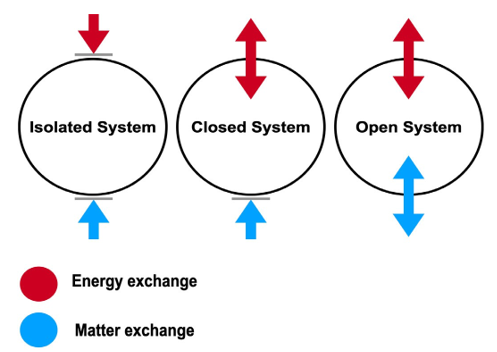
Figure 6: Thermodynamic systems with different ‘allowable’ exchanges [11]
In some cases, a wall may be permeable to matter, but not heat or work. In another, called adiabatic, only work can leave the system, but not matter or heat (this is a thermally isolated system, as in an idealized internal combustion engine) where in ‘a dynamic’ opera- tion, only heat is allowed to transfer across the boundary walls but not work; behaving as a mechanically isolated system.
The 1st Law of Thermodynamics (the Law of Conservation of En- ergy) governs energy exchanges in a closed system and states that the amount of energy gained by the system must be exactly equal to the energy lost from the surroundings [12].
As a scientific postulate (axiom), this law cannot be proven math- ematically but is accepted and has been derived solely on the basis of experimental evidence. It is also argued by Sheehan that this law cannot be violated since, if it were, then it is always possible to cover over the discrepancy with a new form of energy to pre- serve it as an inviolate Law. As such it is not subject to falsification which, according to popper, is required for law or theory to be legitimate.
While the 1st Law may not be regarded as a ‘real’ law, when it comes to the 2nd Law of Thermodynamics, there are many for- mulations, most of which were also developed during the age of steam that began around 150 years ago. The two most notable are the ‘Plank’ and the ‘Kelvin- Plank’ forms [12]. The former states that in any process, the entropy of the whole system must increase or, in colloquial terms, everything is getting more disordered, from galaxies to the garden shed. The latter form states that it is impossible to convert low-grade heat energy back into high- grade work in a thermodynamic cycle; in effect to reverse the thermodynamic process. This applies however long it takes for work to degrade to heat, depending on the specific technical application and, in the end, all of it will be irretrievably lost to the environment and increase the entropy of the total system, wherever one has chosen to define its boundaries.
The 2nd Law can be in part expressed by saying that heat will al- ways flow from a hotter body to a cooler one, a process accounted for and expressed in terms of entropy [15]. However, despite its widespread acceptance as a rule for how the world works, not only can it be falsified, but in recent years it has been on various occa- sions [13]. In its Clausius form, this law states that it is impossible to transfer heat from one body at a specific temperature to another at a higher temperature. This effectively states that all energy, as the currency of change, eventually degrades into an unusable form as heat is dissipated to the environment and with an associated increase in entropy, as previously stated.
In a related field, two thermodynamically distinct energetic pro- cesses have been discovered and termed Type A and B. In the for- mer, applicable to classical heat engines, chemical, electrical, and mechanical processes, the standard 2nd Law applies fully. Howev- er, in Type B reactions, the 2nd Law is not followed strictly due to their asymmetric function, usually associated with boundary con- ditions. An example of this is at the transmembrane asymmetry of mitochondrial membrane structures [16].
The role of Boundaries
When it comes to open systems, and in particular systems that are not in equilibrium, then these theories fail us since they are not developed to address the influx of energies that are the hall mark of an open system. The difficulty is that thermodynamic states, like entropy and energy flow, do not generalize easily, especially across huge timescales ranging from Nano seconds to millennia [17]. This is especially so when boundaries are encountered, since here conditions are ‘far from equilibrium’. Usually, boundaries are ignored as they introduce mathematical complexities for bulk thermodynamic quantities, such as thermal diffusion and latent heats, and as such, the significance of boundaries is minimized. Yet boundaries are where most of the important physical interactions occur, and so where thermodynamic activity is highlighted and of significance for the behavior and subsistence of the overall system.
For example, the majority of semiconductor technology, compris- ing transistors, diodes, LEDs, and so forth, depends on the intri- cate physics at the microscopically thin boundaries between n- and p- doped semiconductors of which they are comprised. Similarly, heterogeneous catalysis, which is at the core of industrial chemis- try and is involved in the production of 90% or more of all manu- factured products, is defined by surface reactions [13].
From molecular processes on the nanoscale that drive the processes of life, to the dynamics of climate change, the clumping of matter in the universe, and a multitude of other physical phenomena, they owe their existence to ‘far from equilibrium’ states and often those that arise at boundaries [17]. It is at a boundary where the dynamics of life occur and where discontinuities in the physical symmetry result in dynamics not encountered elsewhere. Structures in the universe cannot reside at a stable equilibrium when there are asymmetrical systems and boundaries. For example, at organic cell boundaries, diverse ion gradients result in many of the energetic processes and exchanges essential for life. Similarly, where there is a temperature or pressure differential, it can be tapped to extract useful energy.
In this context, boundaries represent broken physical or chemical symmetries in a system, discontinuities in chemical potential, pressure, or temperature, which can, in principle, be drawn upon to perform work. As such, boundaries represent sites and reservoirs of freely accessible energy.
An example of this is the observed anomalous dynamics of free-standing graphene membranes [19]. Another is ‘Casimir In- duced Conductance Changes’ where the asymmetry between the placement of a charge injection device and a Casimir cavity results in the ability of ‘hot’ charge carriers to surmount an energy barrier, indicating a coupling between the Zero Point Field (ZPF) and regular matter. It is not so surprising then that in electrodynamics, when pulses involving voltage or magnetic transients meet the ter- minals of a Lead acid battery and other boundaries and interfaces, some unusual and anomalous results can occur.
Over the approximately 140 years since Nikola Tesla first observed the effects of pulsed DC, there have been a wide range of efforts to produce low drag motors5, highly efficient generators, and battery charging systems based on unidirectional pulses, characterized by HV electrostatic potentials coupled to an appropriate charge component. Each attempt has parameters based on the individual approach of the developer, and each focuses on different aspects of the general topic. For some, it is being able to improve the health of a battery and remove insoluble lead sulphate crystals, for others to demonstrate a CoP > 1, and for some to try and develop a self- looping system to maintain a continuous mechanical output from a rotor.
Working Theories
Various working theories have been attempted over many decades to account for measurements and observed phenomena that fall outside of mainstream electromagnetic theory. Despite their un- official nature, they assist in technical developments and provide a rationale for observations. These range from stressing the local space-time metric, and inducing a gradient in the Zero Point Field, to otherwise ignored aspects of electrodynamic theory that were sidelined since the earliest days of Maxwell, Hertz, Helmholtz, Heaviside and others.
It is pertinent that observations by Tesla on the behaviours and properties of so-called ‘electro- radiant events’, or ‘disruptive dis- charges’, and also by Edwin Gray, did not follow those of regular electromagnetic waves, the theory for which was being newly de- veloped at the time [21-25]. Looking back, it is evident that two lines of theoretical development were present and competing with each other, only one of which was followed through into the present-day understanding and codified as electrical theory.
Maxwell’s Equations
It is not without merit that a return to the original Maxwell equations may reveal an alternative developmental pathway that would make a significant contribution to a fuller understanding of elec- tricity’s properties and possibilities in a wider context. It is often overlooked that Maxwell had extraordinary insights into fluid dy- namics and made very significant contributions to the field, only realized later through his published letters. This approach made an intrinsic contribution and provided the framework, upon which he constructed his initial electromagnetic theory in the 1850s, [25]. Indeed, the terms divergence and curl used in his equations are equally relevant to behaviours in fluid dynamics and where diver- gence indicates the degree to which a point charge acts as a source or a sink in the vector field. Similarly, curl indicates the tendency for the point charge to initiate a rotation in a ‘fluid’, and which, in the context of an EM field, would result in the generation of a corresponding magnetic field.
So the fluid dynamic model is a more accurate one for describing the behavior of these pulse circuits, in particular, how the rise and fall of the magnetic field in an inductor behaves like the ‘inertia’ of a fluid in trying to maintain the current flow as expressed in Lenz’s Law. The ‘momentum’ of the initial energy flow, being unable to find a suitable exit when the transistor switch is opened, will in- stead use the only route open to it, the exit diode to the charging battery, raising its potential substantially in the process [3]. As Tesla had reported in his work replicating the findings of Heinrich Hertz on electromagnetic waves, and as he stipulated in his lecture ‘On Light and Other High Frequency Phenomena’ published in the ‘Nature’ journal, pulsed electricity did not strictly follow thermo- dynamic models and is not limited by them.
The Heaviside Energy Component
It was Oliver Heaviside who changed the mode of expression of Maxwell’s original quaternion form of his equations to the vector and scalar form we see today, citing them as being ‘anti-physi- cal and unnatural’ [27]. However, despite doing so, the Max- well-Heaviside equations do not assume an equilibrium with the vacuum and implicitly allow for open dissipative systems that are in disequilibrium with its active local environment. That local en- vironment, in a ‘far from equilibrium’ state, can have a lower en- tropy than when it is in equilibrium. Similarly, it will have a higher energy which will permit the establishment of an energy gradient into the system, hence allowing for a CoP> 1.
This controversial line of thought had been developed by Gabri- el Kron in 1930s and where he developed several negative resis- tors that utilised an aspect of what has been termed the ‘Heavi- side energy component'. As the chief scientist for General Electric on the U.S. Navy contract for the Network Analyzer at Stanford University, Kron was never permitted to release how he made his negative resistor, but did state that, when placed in the Network Analyzer, the generator could be disconnected because the nega- tive resistor would power the circuit using the ‘open paths’ made available [28].
In these ‘open paths’, currents could be made to flow in branches that lie between any set of two nodes. In contrast, all engineers since Maxwell have tied together all open paths to a single datum point, ground, hence neutralizing any available asymmetric and ‘far from equilibrium’ states. Kron’s discovery of open-paths established a second rectangular transformation matrix, paving the way for what he termed 'lamellar' currents’. Furthermore, interaction with the vacuum is not integrated into classical electrodynamics, despite every point charge having its roots within it, and the use of Lorenz’s arbitrary symmetrical regauging, to simplify the mathematics, inevitably discarded the possibility of all ‘over unity’ systems [29].
A key protagonist in the development of these working theories is the controversial Thomas Bearden, whose seminal and provoc- ative book, ‘Energy from the Vacuum: Concepts & Principles’ in- spired many to explore the topic given that there was now some reasoned rationale in place. Two of Bearden’s key concepts are that of resolving the ‘Source Charge Problem’ and also recognizing the ‘Heaviside (non-divergent) energy component’ [30]. In the former, he points out what every particle physicists knows, that every point charge is emitting EM radiation in all directions and, from the classical electrodynamics’ point of view, with no discernible energy input in contradiction to the Law of Conservation of Energy. This is a problem that particle physics solved a long time ago through recognition of the exchange of virtual photons be- tween the point charge and the vacuum, and other physicists, such as Richard Feynman and John Wheeler, also developed the clas- sical theory to include relativistic considerations. As such, a point charge can be treated as a set of dipoles with the local clustering around it of virtual charges of opposite sign. The charge coherently integrates the ‘broken components of EM energy’ into observable photon energy, and re-emits them in all directions, a situation con- firmed by Nobel Prize winners Lee and Yang in 1956 for their work on symmetry-breaking phenomena [31].
In the latter concept, the ‘Heaviside non-divergent energy compo- nent’, the majority of the available energy around a transmission line is uninvolved in the associated electrical circuit, with only the Poynting vector accounting for the acknowledged power flow measurable in the circuit. He argues that it was Hendrik Lorentz (not to be confused with Ludvig Lorenz, who also made contri- butions to Maxwell’s equations) who undertook a mathematical man oeuvre that removed the Heaviside energy component from inclusion in the total energy of the system, seeing no practical application for it. Furthermore, classical electrodynamics assumes a flat space-time metric, and yet the use of voltage transients can induce local space-time curvatures that facilitate some of the oth- erwise nondivergent energy flow to enter a transmission line and to contribute to the overall energy in an electric circuit. With each voltage pulse a small quota of energy can be ‘scooped’ from this available torrent and drawn into the system.
Dipole asymmetry then implies that some randomized vacuum energy is ordered by the dipole and then radiated out in all directions, in the same manner as dissipative and self-organizing structures later expounded by Ilya Prigogine in 1975 [32]. As Harold Put-off expressed it, there is a ‘self- regenerative cosmological feedback cycle’ where all charges in the universe, drawing their existence from the vacuum, emit EM energy in all directions as a ‘source charge’ and then subsequently return a mix of ordered and disor- dered energy back to the vacuum [33].
Normally, the ’Lorenz’ condition is applied to Maxwell’s equa- tions to suppress the "unphysical" longitudinal and time-like po- larization states, which are not observed in experiments at classi- cal distance scales [34]. However, if this condition is discarded, then the Maxwell-Heaviside field equations become the so-called ‘Lehnert’ equations, a subset of the ‘Yang-Mills’ theory of classical electrodynamics, and both magnetic charge and current density are allowed to appear, allowing for the presence of phenomena not amenable to the Maxwell-Heaviside interpretation. These pro- cesses obey the recognized laws of physics and thermodynamics, expanded to include open systems, and are relatively easily replicated in modern day pulsed systems.
Although classical electromagnetism is usually considered to be a gauge theory, it was not originally conceived as such. The move- ment of a classical point charge is affected only by the electric and magnetic field strengths at that point, and the potentials can be treated as a mere mathematical device for simplifying various proofs and calculations [35]. The potentials were only considered part of the physical system with the advent of quantum field theory. Discarding the simplification of the Lorenz condition paves the way for various phenomena not observable or allowable in classical electrodynamics.
Barrett lists various electromagnetic phenomena not explained by Maxwell’s equations. He argues that the topological compo- sition of electromagnetic fields is the fundamental conditioner of the dynamics of these fields. The treatment of electromagnetism from a topological perspective, continuing through group theory and gauge theory, to a differential calculus description, is a ma- jor theme in his work, together with suggestions for potential new technologies based on this new understanding and approach to conditional electromagnetism. Similarly, recent research on non- linear oscillations and their applications in various scientific fields, particularly in radio engineering, has thrown up phenomena that are not adequately explained by classical electrodynamics [36,37].
He argues that Maxwell’s original intention and formulations rec- ognized the field potential as central and a real physical construct, whereas the later adaptations by Heaviside and others saw the field potentials as mathematical entities only. As such the conventional (adapted) Maxwell theory is incomplete due to the neglect of first- ly, a definition of the potentials as operators on the local fields, and secondly, a definition of the relationship between medium-inde- pendent fields and the topology of the medium. Addressing these issues extends the conventional Maxwell theory to cover physical phenomena which cannot be presently explained by that theory; in effect, reintegrating a major part of Maxwell’s original theory and intention.
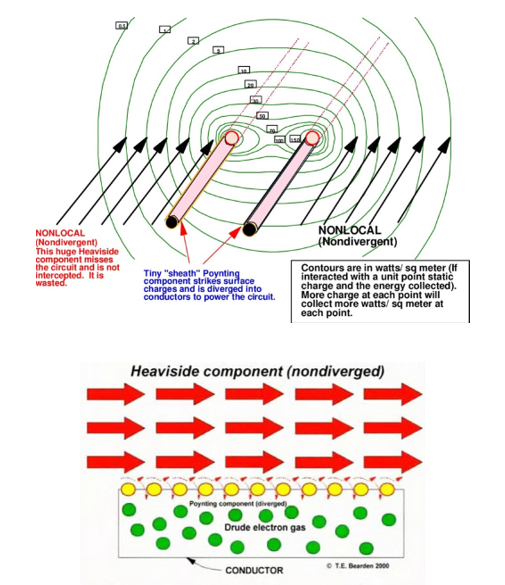
Figure 7: The non-divergent Heaviside energy component of which normally only the Poynting component (captured energy) directly interacts with a transmission line [30]
Another strand of enquiry is based on the observations and predictions by Tesla of so called Longitudinal Magneto-Dielectric (LMD) waves, often referred to as simply scalar waves. In contrast to regular transverse electromagnetic (TEM) waves, which are the foundation of Hertzian electromagnetic theory, LMD waves radiate longitudinally and occur when a resonance occurs within a transmitter coil. For Tesla, this was the basis of how he was able to distribute power along a single transmission line, since the Earth itself acted as a major component in the distribution process and network. Such scalar waves were predicted by Tesla and observed by him in his experiments.
In the context of Tesla coils, and other forms of solenoids of the type used in IPC, these so-called scalar waves are set up along the coil’s axis and contribute to the ‘energy influx’ process alongside the recognized Magneto Motive Force (MMF) associated with the magnetic aspect of the circuit. However, the relationship between such scalar waves and the ‘Heaviside energy component’ is not yet clear; however, there are those, such as Eric Dollard and Adrian Marsh who have replicated many of Tesla’s experiments and obtained good evidence to support the LMD model of power trans- mission along single wires.
In Marsh’s observations, he distinguishes between transference, the well-understood mechanisms for power distribution, and ‘dis- placement’, where the magnetic and dielectric fields are coherent and in phase spatially and temporally, and are effectively unified to one overall induction field [38-41]. He argues that ‘displace- ment’ is ever-present at a deeper level within electricity, guiding the manifestation of electrical properties towards the purpose re- quired of the circuit, medium, and boundary conditions presented to it. When the normal transference mechanism is temporarily in- terrupted, such as when a high voltage transient is created by the collapsing magnetic field in a coil, then the displacement mecha- nism takes over until equilibrium is restored. With each pulse, a brief ‘far from equilibrium’ state is induced, creating a window for displacement to take place and allowing for the presence of alter- native phenomena and mechanisms of power distribution.
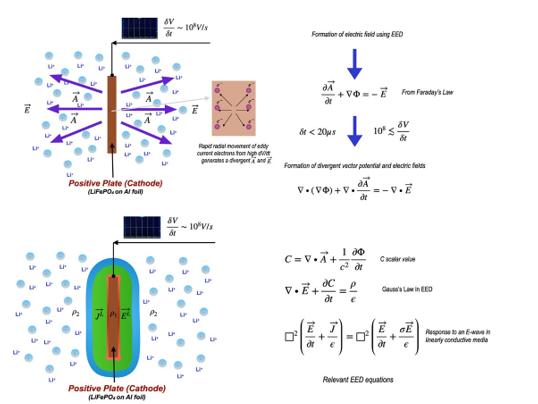
Figure 8: Proposed mechanisms for IPC using enhanced electrodynamic theory (EED) as developed in various disciplines over the last few decades [43]
In contrast, moving from the electrical to the electronic age, the fo- cus has shifted away from an inclusion of the space around a con- ductor and onto the transmission line itself. The surrounding space is now considered to be devoid of any electrical activity [40]. This is a trend which opposes the widely accepted and pivotal work of Poynting, for which energy flux is a function of the electromag- netic fields in the space around the conductors [42] and not the meandering charge carriers.
Using extended electrodynamic theory (EED), developed across various disciplines over the last three decades, new mechanisms have been proposed that include the longitudinal and scalar com- ponents of EM waves that are not usually recognized or applied in electrical engineering. Figure 8 depicts how pulses of sufficiently high slew rate can generate divergent vector potentials and scalar components. Here, these components contribute to the energy im- parted to charged particles within the electrolyte, but which are not routinely recorded in the solenoidal based measurements equip- ment used to record input power. Apart from any other energetic processes that may be occurring, this will tend to drive towards a CoP>1 since the actual total input energy is not being fully mea- sured by normal instrumentation.
WHY?
Expanding Paradigms
It is in the nature of science to test the limits of its theories as to how the world operates. A Law is only valid so long as it continues to be supported by evidence that continues to hold in all scenarios. Laws then, are statements of confidence in repeated confirmations regarding the basis of phenomena. Some of the original develop- ments of electrical theory were driven by mathematical consid- erations, for example, the removal of unwanted infinities or the greater flexibility and working power of vector based expressions compared to others.
In the case of the 2nd Law, while its main treatise remains sound, there are various aspects of its formulations that, initially derived from the era of steam, need revising in the light of the quantum revolution and the application of a much higher degree of preci- sion in modern instrumentation. Equally, the prospect of Type B energetic reactions being ubiquitous in Nature and in many physical phenomena, under certain asymmetric and ‘far from equilibrium’ states, opens up enormous possibilities for a more sustainable future.
A recent development in the field of entanglement in the quantum vacuum has also galvanised the prospect of energy from the vacuum. The froth of zero-point fluctuations normally cancel each other out; however, a theory had been proposed by Masahiro Hotta at Tohoku University, Japan, that an entangled particle can enter a negative energy state and transfer its borrowed energy to another point, a process akin to ‘energy teleportation’ [44]. This theory has recently been tested and demonstrated using IBM’s super conducting quantum computers and is awaiting publication by Physical Review Letters. As a strange form of ‘nothing’, the quantum vacuum often behaves like it is very much a ‘something’, and where energy now has been shown again to be accessible. Once the principle of energy accessibility is secure, then various proposed mechanisms for how such energy can be extracted become much more tenable.
In terms of electronics, the advent of modern electronic switches (MOSFETs, IGBT and such), offer us a much wider array of vastly cheaper options than Cook or Tesla possessed in their day. Some of Tesla’s electromechanical switching systems, such as those he de- veloped for his planned power distribution system at Wardenclyffe Tower, would cost millions today. Active devices can be select- ed precisely for their innate properties; the only requirement is to identify what the most advantageous properties are.
Many consider that a renaissance is required in the field electrodynamic theory, to take it beyond the integration with Quantum Mechanics and Relativity, expressed as Quantum Electrodynamics (QED), and to further include the work on open, self-organiz- ing and dissipative structures as, for example, in the work of Ilya Prigogine [45], for which he won the Nobel prize for Chemistry in 1977. His theories provided a means to explain localized negen- tropic structures and processes that underlie many chemical and biological systems that operate far from equilibrium [45].
While classical electrodynamics and QED have proven to be enor- mously successful, when anomalous observations take it outside of its normal operating domain, then there is a requirement to test once again the limits of their applicability. This is the long stand- ing role of inductive science and the iterative process of hypothet- ic-deductive examination and hypothesis testing.
Recent Research
Given the lack of published and repeatable empirical evidence for this phenomenon, it is paramount that investigations be carried out to determine firstly if a CoP>1 can be verified and to a degree of confidence that warrants further investigation. Then it will be ap- propriate to determine if an ‘environmental’ energy source is more likely than an internal chemical one. After six years of exploratory work, the first of a series of confirmatory studies was undertaken in 2024 and conducted within the Open Science Framework6, to firstly confirm a CoP > 1 and also the various specifications and parameters that are required so others can replicate it [46]. This was then followed up by a second study to determine if the mea- sured energy gains were the result of internal chemical processes (enthalpy), or derive from outside the battery, from the local envi- ronment, by as yet undetermined processes and pathways.
In order to achieve this differentiation, an analysis was required of the chemical composition of the battery along with its thermo- dynamic and electrochemical processes7. From these the author proposed that it is possible to determine if the energy gains can be accounted for via internal chemical processes resulting in a electrochemical deficit within the battery system by measuring changes to its capacity, using various ‘state of health’ parameters, such the energy available from controlled discharges and cyclic efficiency, and without requiring such measurements throughout the whole of a battery’s normal life.
Using this method, it can be shown that any electrochemical defi- cit, with an associated loss of charge capacity, is not sufficient to account for the energy gains. This is what transpired, as reported in the second paper, which confirmed that the energy gains were derived from a source outside of the battery. This prompted a range of questions regarding what mechanisms might be involved and how they related to classical electrodynamic theory (CED), the need to develop more accurate working models and theories, and adjustments to recognized electrodynamic theory to accommodate the observations. The detailed materials provided allow replication of these results and is the only viable way, with recourse to rigor- ous and repeatable experimental procedures, to develop the validi- ty of this phenomenon, observed since the 1870s, and to open it up to wider discourse and investigation [47].
If IPC stands the test of such replications, then it deserves its place amongst the increasing number of developments in frontier sci- ence that will serve to assist in more developing our models of electrical phenomena and the untapped potential in far-from-equi- librium and non-linear energy systems. These may contribute to novel, secure and available energy systems to address urgent and growing planetary needs, alongside such discoveries as the tri- boelectric energy available from falling rain drops, that available in plasma and arc discharges, from the electrostatic potentials in the atmosphere, the micro heat engines that challenge the Carnot limit and novel materials and catalysts for use in batteries, and many other promising developments. In many ways, the advent of expanding electrodynamic theory, to account for phenomena so far ignored by conventional theory and practice, will be a significant achievement in itself and pave the way for a wider approach to energy harvesting [48].
It has also become evident over many decades that there are contexts in which a conventional understanding of the properties and behavior of electricity is not sufficiently complete to explain and accommodate the observations around unidirectional pulses of suf- ficient intensity when applied to a suitable medium. In the same way that Newtonian physics suffices for the majority of the time, and in most everyday contexts, Relativistic physics is required to address dynamics near the asymptotic boundary of maximum velocity. In addition, the loss of focus on the space surrounding conductors may have far-reaching implications for power acquisition and distribution; a fact that Tesla was never able to fully realize due to the scientific and engineering climate of the times, despite developing very elaborate electromechanical systems that demonstrated power magnification and the recycling of inductively generated pulses.
It has also been recently recognized that the 1st Law of Thermodynamics is not as embracing as it has for so long been assume to be. Cassock and his team at West Virginia University demonstrated that systems that are far from equilibrium, such as space plasmas, do not conform to energy accounting in accordance with the 1st Law [49]. Up until now, energy conversions were only accounted for at or near equilibrium, and then only for heating and expansion, as befitting the age when the theory was first developed. These developments are expected to change the landscape of space and plasma physics, and by inference from the results of IPC, as de- picted in Figure 8, other more earthbound disciplines.
Conclusions - A Way Forward
The fundamental processes involved in the energy mechanisms and pathways involved in IPC, which result in ‘OU’ and ‘radiant’ effects, are not yet clear or well understood. Therefore, obtaining reliable and reproducible data regarding the phenomenon is para- mount and the first and most important step before attempting to build a working theoretical model. Despite this, various attempts have been made over the last 30 years to produce a theoretical framework, together with an associated language, in an attempt to describe the phenomenon in pre-existing scientific terms. These have often involved ideas around vacuum energy and the zero point field (ZPF) and, while vacuum energy extraction is a well advanced area of scientific research, linkage to the ZPF, for example,while tantalizing, is premature. Others have tried to explain the results purely in terms of the energy content of the magnetic fields derived from the permanent magnets, duly enhanced and realized by the action of the inductors. Here, the inductors are proposed to act like a ‘pump’ as their magnetic fields expand and collapse ,and it is a possibility that there is a direct linkage between these ideas and those around vacuum energy modulation and extraction and also the applications of so far under acknowledged longitudinal and scalar components of electromagnetic waves.
While these ideas and their language have been helpful to research- ers and technical developers operating in uncharted waters, they do not constitute the makings of a full blown scientific model until such time as it has been tested, and iteratively revised where nec- essary, in the time honored fashion. Here, the inductive scientific method and subsequent hypothetic-deductive practices predomi- nate. Nevertheless, it will require an openness to a larger perspec- tive on the nature of electricity and the role of the vacuum to build a more accurate model, one that reflects a diverse set of technically accurate observations and one that may well draw upon fluid dy- namics for inspiration, a source used by Maxwell himself, as well as some of his under reported observations that did not become enshrined in electrodynamic theory. Development of variants of IPC and related DC pulse technologies continues to this day, but, apart from the use of more conventional and commercial pulsing technologies, used to counter battery sulphation and improve per- formance, have largely fallen outside of regular peer review and mainstream publications due to the unconventional, and so far unexplained, nature of the results. Despite this, modern inductive pulse chargers are available for these specialist and exploratory uses but so far have only anecdotally demonstrated positive effects on battery health as currently defined [50,51].
The response to new ideas that challenge the consensus often fol- lows a traditional arc of credibility. The first stage is “don’t be ri- diculous, that’s impossible”; then there is a begrudging acceptance that “it might be possible but it’s not that important; and can we call it something else?”; before moving onto “well, when you put it that way, it’s obvious, and we knew it all along”. The current live testing in Earth orbit of the ‘Quantum Drive’ is a good example of this, with its alleged fuel-less thrust only explainable through a different understanding of the relationship between inertia and the quantum vacuum. If the orbital space tests show the phenomenon to be vindicated, then Newton’s Laws will need to be updated and expanded. With regard to IPC, it is becoming increasingly like- ly that modern electromagnetic theory will need to undergo some form of revision and expansion to consider newly recognized phe- nomena. This is the nature of the scientific process, and suitably designed research studies can and should be undertaken in this fas- cinating and unconventional area, and are long overdue.
References
- Cook, D. M. (1871). Improvements in Induction Coils. U S Patent 119,825 A. US Patent and Trademark Ofice.
- Tesla, N. (1893). On Light and Other High Frequency Phenomena. Nature, 48, 136–140.
- Lindemann, P., & Murakami, A. (2013). Bedini SG-The Complete Intermediate Handbook. Washington: A & P Electronic Media Liberty Lake.
- Kurzweil, P. (2010). Gaston Planté and his invention of the lead–acid battery—The genesis of the first practical rechargeable battery. Journal of Power Sources, 195(14), 4424-4434.
- Amanor-Boadu, J. M., Guiseppi-Elie, A., & Sánchez-Sinencio,E. (2018). The impact of pulse charging parameters on the life cycle of lithium-ion polymer batteries. Energies, 11(8), 2162.
- Cooper, R. B. (2002). Pulse charging lead-acid batteries to improve performance and reverse the effects of sulfation. West Virginia University.
- Schmidt-Rohr, K. (2018). How batteries store and release energy: explaining basic electrochemistry. Journal of chemical education, 95(10), 1801-1810.
- Wikipedia contributors. (2025). Negative resistance. In Wikipedia, The Free Encyclopedia. Accessed October 7, 2025.
- Aspden, H. and Adams, R. G. (1993). Electrical motor- generator, Patent GB2282708A.
- Srinivasan, J. (2001). Sadi Carnot and the second law of thermodynamics. Resonance, 6(11), 42-48.
- Wikipedia contributors. (2025). Open system (systems theory). In Wikipedia, The Free Encyclopedia. Accessed October 7, 2025.
- Hanlon, R. T. (2020). Block by block: The historical and theoretical foundations of thermodynamics. Oxford University Press.
- Sheehan, D. P. (2022). Beyond the Thermodynamic Limit: Template for Second Law Violators. Journal of Scientific Exploration, 36(3).
- Madhlopa, A. (2022). Solar receivers for thermal power generation: fundamentals and advanced concepts. Academic Press.
- Bailyn, M. (1994). A Survey of Thermodynamics. New York, NY: American Institute of Physics Press (p. 21). ISBN 0-88318-797-3.
- Lee, J. W. (2022). Type-B energetic processes and their associated scientific implications. Journal of Scientific Exploration, 36(3).
- Jona-Lasinio, G. (2016). Understanding non-equilibrium: a challenge for the future. Contributions to science, 11(2), 127- 130.
- Jaeger, H. M., & Liu, A. J. (2010). Far-from-equilibrium physics: An overview. arXiv preprint arXiv:1009.4874.
- Ackerman, M. L., Kumar, P., Neek-Amal, M., Thibado, P. M., Peeters, F. M., & Singh, S. (2016). Anomalous dynamical behavior of freestanding graphene membranes. Physical review letters, 117(12), 126801.
- Moddel, G., Weerakkody, A., Doroski, D., & Bartusiak, D. (2021). Casimir-cavity-induced conductance changes. Physical Review Research, 3(2), L022007.
- Tesla, N. (2015). High frequency oscillators for electro- therapeutic and other purposes. Simon and Schuster.
- Tesla, N. (1900). Apparatus for transmission of electricalenergy (US Patent No. 649,621). US Patent and TrademarkOfice, Washington, USA.
- Tesla, N. (1905). U.S. Patent No. 787,412. Washington, DC:U.S. Patent and Trademark Ofice.
- Gray Sr, E. V. (1987). Efficient Electrical Conversion switchingtube suitable for inductive loads, 4,661,747. Washington, DC:U.S. Patent and Trademark Ofice.
- Lindemann, P. A. (2001). The free energy secrets of cold electricity. Clear Tech.
- Moffatt, H.K. (2012). The Fluid Dynamics of James ClerkMaxwell. Semantic Scholar.
- Hunt, B. (2012). Oliver Heaviside: A first rate oddity. Physics Today, 65(11), 48–54.
- Lundén, M. (2016). A Rare Genius, Mr Gabriel Kron.LinkedIn.
- Kron, G. (1945). Electric Circuit Models of the Schrödinger Equation. Physical Review, 67, 39.
- Bearden, T. E. (2004). Energy from the Vacuum: Concepts & Principles. Cheniere Press.
- Lee, T.D. and Yang, C.N. (1956). Question of Parity Conservation in Weak Interactions. Physics Review, 104, 254.
- Prigogine, I. (1975). Dissipative structures, dynamics and entropy. Quantum Chemistry, 9(S9), 443-456.
- Puthoff, A. (1989). Source of Vacuum Electromagnetic Zero-Point Energy. Physical Review A, 40(9), 4857-4862.
- Anastasovski, P. K., Bearden, T. E., Ciubotariu, C., Coffey, W. T., Crowell, L. B., Evans, G. J., ... & Roy, S. (2000). Classical electrodynamics without the Lorentz condition: extracting energy from the vacuum. Physica Scripta, 61(5), 513.
- Wikipedia contributors. (2025). Gauge fixing. In Wikipedia,The Free Encyclopedia.
- Barrett, T.W. (2008). Topological Foundations of Electromagnetism. World Scientific Series in Contemporary Chemical Physics, 26.
- Mandelstam, L., Papalexi, N., Andronov, A., Chaikin, S. & Witt, A. (1935). Report on Recent Research on Nonlinear Oscillations. Technical Physics of the USSR, Leningrad, 2, 81-134.
- Dollard, E. (2010). Tesla’s Longitudinal Electricity. A&P Electronic Media.
- Dollard, E. (2014). Electromagnetic Induction and its Propagation. Eric Dollard Publications.
- Dollard, E. (2018). The Electrical Utility in a Digital Age Engineering Report NVE-1. EPD Laboratories.
- Marsh, A. (2019). Transference of Electric Power – Part 1. Am-innovations Retrieved from https://am-innovations.com/ category/experiments/experiments-longitudinal-magneto-di- electric/
- Morée, G., Leijon, M. (2022). Comparison of Poynting’s vector and the power flow used in electrical engineering. AIP Advances, 12, 085219.
- Perry, J.A. (2025). Pulse-Induced Electrochemical Phenomena: Proposed mechanisms using extended electrodynamic theories. J Electrical Electron Eng., 4(2), 01-20.
- Hotta, M. (2013). Ground-state-entanglement bound for quantum energy teleportation of general spin-chain models.Physics Review A, 87, 032313.
- Lefever, R., (2018). The rehabilitation of irreversible processes and dissipative structures’- 50th anniversary, Philosophical Transactions of the Royal Society A: Mathematical, Physical and Engineering Sciences.
- Perry, J.A. (2024). Pulse-Induced Energy Gains in Electrochemical Systems. J Electrical Electron Eng, 3(4), 01- 15.
- Perry, J.A. (2025). An Investigation into the Origins of Pulse-Induced Energy Gains in Electrochemical Systems. J Electrical Electron Eng., 4(1), 01-16.
- Graneau, P., Graneau, N., Hathaway, G. and Hull, R.L. (2000).Arc-liberated chemical energy exceeds electrical input energy.Journal of Plasma Physics, 63(2), 115-128.
- Cassak, P. A., Barbhuiya, M. H., Liang, H., & Argall, M.R. (2023). Quantifying energy conversion in higher-order phase space density moments in plasmas. Physical Review Letters, 130(8), 085201.
- Suozzo, C. (2008). Lead-acid battery aging and state of health diagnosis (Master's thesis, The Ohio State University).
- Braun, J. A., Behmann, R., Schmider, D., & Bessler, W.G. (2022). State of charge and state of health diagnosis of batteries with voltage-controlled models. Journal of Power Sources, 544, 231828.
Foot Notes
1 A list of patents approved for pulse charging, or which use unidirectional pulses in the design of a motor or generator, may be seen at: www.kerrowenergetics.org.uk/patents.
2 An example of a patent using flyback pulses to reduce motor drag resulting from counter EMF is: https://patents.google.com/patent/ US20110156522A1/en, and a video of one such motor in operation is at: https://youtu.be/TGDIqOtp0P0?si=6L7tAWw89fHmG9-K. (Reproduced with permission from emdiapress.com)

4 The CoP and control measurement protocols are laid out at https://osf.io/ztfub/files/xsrh2 and https://osf.io/ztfub/files/vc5wg respectively.
5A radio broadcast debating some of these working theories can be heard at: https://www.youtube.com/watch?v=bnKXjeCjJHI
6 The study is transparent, publicly viewable and time stamped upon full registration to prevent ‘hindsight bias’. It can be viewed at: http://osf.io/ZTFUB along with preparatory documents and details of previous work.
7 See document at: https://osf.io/preprints/osf/y5swg_v1