

AI and Intelligent Systems: Engineering, Medicine & Society(AIISEMS)
ISSN: 3068-9503 | DOI: 10.33140/AIISEMS


Research Article - (2025) Volume 1, Issue 2
Impacts of Invasive Aquatic Species on the Aquatic Ecosystem: A Case Study of Fish Spawning Areas in the Kafue Flat, Zambia
2University of Zambia, School of Natural and Applied Sciences, Lusaka, Zambia
Received Date: Jul 31, 2025 / Accepted Date: Sep 02, 2025 / Published Date: Oct 13, 2025
Copyright: ©2025 Arthertone Jere, et al. This is an open-access article distributed under the terms of the Creative Commons Attribution License, which permits unrestricted use, distribution, and reproduction in any medium, provided the original author and source are credited.
Citation: Jere, A., Muyumbana, N. (2025). Impacts of Invasive Aquatic Species on the Aquatic Ecosystem: A Case Study of Fish Spawning Areas in the Kafue Flat, Zambia. AI Intell Sys Eng Med Society, 1(2), 01-10.
Abstract
Invasive alien species (IAS) are a major threat to global biodiversity and ecosystems, adversely affecting human well- being by disrupting essential goods and services. Zambia faces ecological challenges due to the unintended introduction of non-native fish species, such as Limnothrissa miodon, Oreochromis niloticus and Cherax quadricarinatus, primarily through unauthorised aquaculture. To determine the impact of invasive aquatic species, this study investigated the Kafue River and its associated Kafue Flats (Chunga and Blue Lagoons), critical water bodies known for their biodiversity and reliance on fish by local communities. Assessments were conducted along 1,200 meters of the Lower Kafue Basin using a mixed-methods approach, including fauna and flora sampling and socio-economic surveys. Results recorded 12 different aquatic plant species of which 6 were categories as invasive. Out of the 6, 3 invasive plants namely Aeschynomene flutans, Cyperus papyrus, and Cenchrus masainicus being predominant with a relative abundance of 60% vegetative cover in the study area. The study revealed no invasion Senecio vulgaris on the Blue Lagoon except for the Cenchrus masainicus with 52% dominant water surface cover. The area also hosts native fish species, including staple Catfishes and Tilapias. Results showed catches of invasion L. miodon 15% O. niloticus 10% and C. quadricarinatus 23% of total catch; indicating 33% increase that native species in Chunga Lagoon. Further, the result indicated no invasion of C. quadricarinatus in the Blue Lagoon. Socio-economic analysis highlighted fishing as a critical food and income source, especially during the dry season. Thus, the low fish species richness suggests moderate negative impacts of IAS on spawning grounds and indicating increased plankton productivity as a possible benefit. Future research should consider climate change, fishing practices, and human activities to further elucidate the dynamics of aquatic ecosystems.
Keywords
Aquatic Species, Invasion, Impact, Lagoons, Kafue
Introduction
Invasive alien species (IAS) threaten global biodiversity and eco- systems, affecting human well-being by disrupting essential goods and services [1-3]. In Zambia, the unintentional introduction of non-native fish species, notably Oreochromis niloticus and Cher- ax quadricarinatus, primarily through unauthorized aquaculture practices, has led to ecological concerns [4,5]. The deliberate in- troduction of Limnothrissa miodon (Kapenta) aimed to diversify local food sources. Despite these introductions, research on the ecological and socio-economic impacts of these species on local fishers and traders is lacking, highlighting a critical gap in under- standing the consequences of invasive species in Zambia's aquat- ic systems [3,6]. The Kafue River and its associated Kafue Flats are significant water bodies in Zambia, known for their rich and diverse fish populations. These areas are inhabited by numerous communities that rely on fishing for their livelihoods [3,7,8].
The location was selected due to the invasion of non-native species, such as Limnothrissa miodon, Oreochromis niloticus, and various crayfish, and because it features one of the most active artisanal fishing landing sites. Previous research indicates that the rise in non-native species populations adversely affects the abundance of native fish species through mechanisms like trophic competition and hybridization, which ultimately disrupts the aquatic ecosystem's overall functionality [3,6]. This alteration could significantly influence the ecosystem services essential for the livelihoods of local communities [4,5,9]. According to fish consumption plays a vital role in household diets in Zambia and sub-Saharan Africa, with an average inclusion level of 40%. Both artisanal and commercial fishing are crucial for economic and social advancement in remote regions of Zambia [10]. The fisheries sector contributed between US$54 million and US$141 million to Zambia’s GDP from 2017 to 2018 [11]. Moreover, the industry provides significant employment opportunities and a valuable source of affordable protein for over 9,615 households, both directly and indirectly.
Despite Zambian water bodies being among the most extensively studied fisheries in Southern Africa, these studies have primarily focused on fish stock assessments [6]. There has been relatively little emphasis on understanding how non-native aquatic species impact ecosystem ecology and local socio-economic dynamics. Consequently, there is a lack of comprehensive analysis regarding the implications of non-native species for both ecological health and community livelihoods, particularly concerning socio-economic and cost-benefit interactions [2,3,12,13]. This gap in ecological and socio-economic data hinders effective management strategies and creates challenges in addressing persistent food security issues and widespread poverty among small-scale fishers. Considering this context, the proposed study aims to examine the impacts of non-native aquatic species on Zambian ecosystems particularly the Kafue River. The results will provide a detailed understanding of their implication on both invasive aquatic plants and fish species ecology and the socio-economic well-being of local communities, ultimately aiding in strategic planning for the conservation and sustainable management of inland fisheries.
Materials & Methods
The study site was located at co-ordinates: X 540324 and Y 8274739, the area encompassed 1,200 meters of the Lower Kafue Basin, including both Chunga and Blue lagoons and a segment of the main Kafue River (Figure 1). This region is diverse in terms of fishing activities, settlement density, fishing landing sites, and the abundance of aquatic vegetation. The fishery is dominated by three primary sectors: artisanal gillnet fishing, shore-based subsistence fishing, and recreational/tourism angling. This research concentrated on four key zones within the area that exhibit significant fishing effort and invasive plant growth, serving as spawning grounds among all twelve zones, specifically along the river stretch leading to the lagoons.
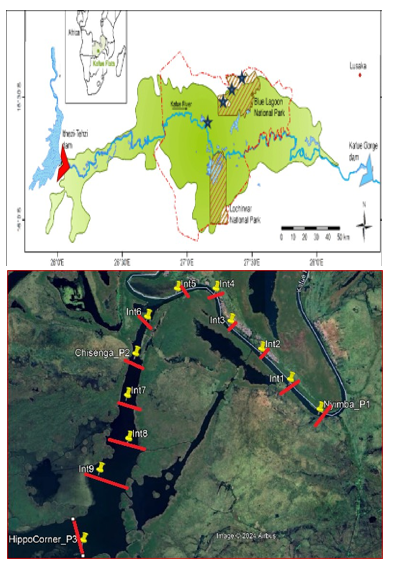
Figure 1: Location Map of the Study Area
(Source: DoF 2020) Sp1 = p3, Sp2 = Int9, Sp3 = Int8[,  ]Sp4 = int7
Sampling Design and Data Collection
Aquatic plant assessment survey: The assessment focused on invasive plant species along a stretch of the Main Water Body (MWB) and adjacent 50-meter land zones on both sides. Each sampling point was categorized into four Land Cover Vegetation (LCV) sections: Main Water Body (MWB), 5 Meters Water (5MW), 5 Meters Land (5ML), and Land (L). The methodology comprised several steps:
• Step 1: Study Area Selection, A representative stretch of the river and Chunga and Blue lagoons of was selected of 200 meters radius.
• Step 2: Transect Point Establishment, a total of 12 evenly distributed sampling points were established along the stretch, marked with GPS coordinates for future replication.
• Step 3: LCV Categorization - Each point was categorized into the four LCV sections to capture different zones of vegetation.
• Step 4: Data Collection Preparation - Essential tools like GPS devices, measuring tapes, and plant identification keys were gathered, and field surveyors received training in species identification, particularly focusing on invasive species.
• Step 5: Field Surveys - At each transect, site documentation was conducted, followed by vegetation sampling using quadrat frames to assess plant species. The abundance and coverage percentage of each species were recorded.
Fish and cray fish assessment survey: Fisheries-independent sam- pling techniques were employed to evaluate the ichthyofauna's composition, diversity, and abundance in the Kafue River and as- sociated lagoons (Chunga and Blue) using standardized, repeatable gear for long-term assessment independent of fishery changes. The survey involved the use of 25-meter gill nets with a depth of 4 me- ters and mesh sizes from 3.5 to 6 cm, along with two double-ended fyke nets made from 15 mm multifilament netting. Additionally, 30-meter seine nets with 1 to 7 cm mesh were operated by four people during the day. Hook and line fishing and D-netting tar- geted rocky and shallow habitats. Macroinvertebrate/benthos traps baited with maize meal paste, measuring 70 cm by 50 cm, were deployed in various habitats. In total, each survey period utilized 19 gill net sets, 5 fyke net sets, 5 seine nets, 12 hook and line gears, 2 D-netting apparatuses, and 5 macroinvertebrate/benthos traps.
Socio-economic (Fisheries independent) assessment. Surveys were conducted to analyse resource utilization patterns and understand the dynamics of the fishery and its socio-economic significance to community livelihoods. Data on catch, effort, and socio-economic factors were collected directly from fishermen, with local community members trained to conduct 350 interviews using a standardized questionnaire. Information was gathered through direct observations of fishermen's catches in canoes and nets and consultations in the fishing grounds. Additionally, fish markets on mainland were evaluated to identify species sold. Identification of fish samples was facilitated using flash cards, checklists, photographs, and scientific keys, while interviews were conducted with some fishermen at the riverbank.
Data Analysis
Analyses of the data to assess the relative abundance of exotic aquatic species and native species to evaluate spatial patterns of invasion. Both relative abundance of aquatic plants and the number of fish caught per unit effort per net were assessed for normality, undergoing transformations as necessary to comply with parametric statistical test assumptions. ANOVA or Kruskal-Wallis tests were performed to examine differences in Catch per unit effort per net among sampling areas with respect to presence of certain aquatic plant species or presence of invasive species. Species composition data were standardized per sample and square root transformed, followed by the creation of Bray-Curtis similarity matrices. Multidimensional scaling (MDS) ordinations were used for visual data representation, and diversity indices were calculated based on the standardized and transformed data. A significance level of 50% was established for comparative statistics. Data analysis was conducted using R version 3.4.1 [14].
Results
The results showed twelve (12) aquatic plant species in the sampled sections. (Table 1). The aquatic survey also revealed that LCV Land was predominantly characterised by three (3) species: Aeschynomene flutans, Cyperus papyrus and Cenchrus masainicus with Relative abundance of 20%, 15% and 19%, respectively Cyperus papyrus, commonly known as papyrus, is a significant wetland plant known for its ability to thrive in aquatic environments with a relative abundance of 32% (Table 1). It plays a crucial ecological role by providing habitat for various wildlife, stabilizing soil, and influencing water quality through its interactions with nutrients and sediment. Aeschynomene flutans, on the other hand, is a grass species that typically grows in similar environments and contributes to the biodiversity of the region by 20% abundance. The presence of these dominant species indicates a specific ecological balance within the LCV Land area, suggesting suitable conditions for their growth, such as beneficial water availability and soil composition. The dominance of these species may also point to particular environmental conditions that favour their proliferation, which could be influenced by factors such as water table levels, nutrient availability, and disturbance regimes.
In addition to the dominant species, several other dominant plant species were identified as rarely occurring on the land (L) near the river catchment, including Salvinia molesta, Heliotropium supinum, Ipomoea aquatica and Sesbania sesban (13%, 49% and 23%, respectively. The rarity of these species could indicate a variety of factors, including competition with the dominant species, specific habitat requirements that are not met, or potential impacts from environmental stressors such as pollution or changes in hydrology. Heliotropium supinum, at 12% also known as the scrambling heliotrope, typically thrives in moist environments but may struggle against more aggressive competitors like Cyperus papyrus with 13.3% Relative abundance. Ipomoea aquatica, commonly referred to as water spinach, is a versatile aquatic plant often found in wetlands, suggesting that areas of the LCV Land may not provide optimal conditions for its growth. Persicaria lapathifolia dominated with 14.7% and known as the marsh dock, is adapted to wetter soils but may also face competition from other more dominant species, limiting its presence. Lastly, Aeschynomene flutans and Salvinia molesta found at 13% dominance and is a legume known for its nitrogen-fixing ability, can contribute to soil fertility but may require specific environmental conditions that are occasionally absent in certain habitats.
Comprehensive overview of the species diversity along the river catchment and highlights the ecological dynamics at play. Understanding these relationships and the distribution of plant species within the LCV Land is vital for the management and conservation of the ecosystem, as it can inform strategies aimed at preserving biodiversity and enhancing the resilience of the habitat to environmental changes. Further research is needed to explore the interactions among these species, the potential impacts of human activities, and the strategies that might be employed to protect and restore the ecological integrity of this important area.
|
No. |
Species |
Family |
Relative abundance (%) |
|
1 |
Aeschynomene Flutans |
Fabaceae |
20 |
|
2 |
Cenchrus Masaincus |
Poaceae |
19 |
|
3 |
Commelina Diffusa |
Commelinaceae |
12 |
|
4 |
Cyperus Papyrus |
Cyperaceae |
13.3 |
|
5 |
Helitropium Supinum |
Boraginaceae |
12 |
|
6 |
Ipomea Aquartica |
Convovulaceae |
46 |
|
7 |
Polygonum Plebeium |
Polygonaceae |
24 |
|
8 |
Salvinia Molesta |
Salviniaceae |
13 |
|
9 |
Senecio Vulgaris |
Asteraceae |
17 |
|
10 |
Sesbania Sesban |
Fabaceae |
23 |
|
11 |
Spermacosa Verticillata |
Rubiaceae |
33 |
|
12 |
Aeschynomene Flutans |
Fabaceae |
9 |
Table 1: Relative Abundance of the Aquatic Plant in 2024 Survey
In the fish assemblage study conducted in the lagoon and river, a total of 14 fish species from 3 families were identified, indicating relatively low species richness due to habitat stress and declining abundance of aquatic plants, which have been influenced by various habitat conditions. The data revealed that the collected species largely comprised pelagic fish, which inhabit the upper layers of the water column, thereby providing them with a greater capacity to evade disturbances. Conversely, demersal species, located in the lower strata of the water column, exhibited higher vulnerability to environmental changes. Noteworthy was the presence of Oreochromis niloticus in catches during the dry season, suggesting a migration from the lagoon and highlighting its adaptability to varying salinity levels in freshwater environments. The overall fish catch included predominantly riverine species alongside a few that inhabit vegetative areas, totaling 14 individual fish.
Among the identified species, Oreochromis andersonii was particularly abundant, contributing to nearly 30% of the total catch and accounting for 52% of the biomass. Statistical analysis indicated significant differences in the abundance and biomass of Oreochromis andersonii compared to other species (P>0.03), suggesting that this species plays a critical role in the local ecosystem. The resulting statistical outputs demonstrate that the presence and dominance of certain species are influenced by environmental conditions, further emphasizing the need for ongoing monitoring and management strategies to address habitat stressors affecting fish assemblages. The abundance of fish and the health of the ecosystem are likely affected by habitat degradation, including the discharge of pollutants and other human activities. Such degradation can lead to the mortality of various life stages of fish, including adults, juveniles, and eggs/larvae, primarily through declines in water quality and changes in food availability. Consequently, recruitment patterns may be disrupted and significantly diminished, resulting in decreased fish populations Grabarkiewicz and Davies, 2008.
|
Family |
Taxa |
Common name |
|
|
Oreochromis Macrochir (Trawavas, 1980) |
Cichlid |
|
Cichlidae |
Oreochromis Niloticus |
Cichlid |
|
|
Oreochromis Andersonii |
Cichlid |
|
|
Oreochromis Hybrid |
Cichlid |
|
|
Coptodon Rendalli |
Cichlid |
|
|
Oreochromis Mortimeri |
Cichlid |
|
|
Tilapia Spermanii |
Cichlid |
|
Clariidae |
Clarias Theodorae (weber, 1897) |
Mud catfish |
|
|
Clarias Gariepinus (Burchell, 1822) |
Mud catfish |
|
Mormyridae |
Mormyrus Rume (Cuvier and Valenciennes, 1846) |
Elephant snout fish |
|
|
Schilbe Intermdius (Ruppell, 1832) |
Pinn fish |
Table 2: Inventory of Fish Caught in the 2024 Survey Period
Results show that the fish community was numerically dominated by detritivores (49.0%) and planktinovores/micro carnivores (19.0%) and intermediate carnivores (33.0%) comprised a relatively high species number of three (3) intermediate carnivores and four (2) predators. There specific relative abundances are very varying as indicated (Table 3). Trophic categories, relative abundance and fisheries importance of the fish caught at the Blue lagoon and Kafue Rivers mainstream. Detritivores and planktinovores/microcarnivores dominated the sample (Table 3).
|
Species |
Relative abundance (%) |
Life history stage |
Fisheries importance |
|
Planktinovores/micro |
Carnivores |
|
|
|
Tilapia Sparmanii |
2.91 |
J |
MC |
|
Oreochromis Niloticus |
1.30 |
J/A |
HC |
|
Herbivores |
|
|
|
|
Coptodon Rendalli |
2.40 |
J/A |
HC |
|
Oreochromis Macrochir |
1.60 |
J/A |
HC |
|
Oreochromis Andersonii |
1.40 |
A |
MC |
|
Oreochromis Hybrid |
2.10 |
J/A |
HC |
|
Oreochromis Mortimeri |
0.40 |
A |
HC |
|
Clarias Theodorae |
1.4 |
A |
MC |
|
Schilbe Intermdius |
1.5 |
A |
HC |
|
Total |
100.00 |
A |
|
|
J: Juvenile; A: Adult, HC Highly Commercial, MC: Moderately Commercial, NV: No Value |
|||
Table 3: Relative Abundance and Fisheries Importance in the 2024 Survey
Results indicated herbivorous fish species, specifically Oreochromis mortimeri, Coptodon rendalli and Tilapia spermanii, accounted for only 2.60% of the collection. In contrast, detritivores dominated the overall biomass, making up 52.3% of the total, driven primarily by Ctenopoma multispine, which constituted 45% of this total biomass. Meanwhile, intermediate carnivores and top predators, despite encompassing 14 species, represented a relatively small proportion of biomass at 4.5% and 7.8%, respectively (Figure 2). When assessing the economic value of the fish captured, two categories were established based on their commercial worth: (1) high commercial value (HC) species and (2) moderate commercial value (MC) species. Approximately 80% of the sampled fish were classified as having high economic value, of which 82% were juveniles and adults. Notably, there were no species that fell into the moderate commercial value category. This suggests that the freshwater habitat operates as a multi-species fishery, with nearly 98% of the fish species being subjected to fishing pressure, including shellfish.

Figure 2: Average fish Catches with Respect to Relative Abundance in 2024 Survey
The results from the Multidimensional Scaling (MDS) analysis revealed significant insights into the variance explained by the first two axes from the four (4) sampling point in sampling zone. The first axis accounted for 42.3% variance, while the second axis explained 18.9% variance (Figure 3). Together, these axes contribute to 61.2% of the total variance, indicating that the MDS ordination captures a substantial amount of the variability in the dataset related to the distribution of plant species along the studied river and Blue lagoon stretches.

Figure 3: The Biomass of the fish Caught at Different Gill net Sizes with Respect to Length and Numbers
First Axis (42.3% Variance): The first axis is particularly influential as it accounts for the largest proportion of variance. This suggests that a predominant gradient or contrast exists among the sampled locations, likely influenced by environmental factors such as presence and abundance of aquatic invasive plants. Socioeconomic results from the interviewed fishermen, fish sellers and consumers on different locations within the study area showed 20% of the people have been impacted negatively. This study indicated cray fish invasion particularly on the Chunga lagoon sampling section, while in the blue lagoon was zero, his could be attributed to show water level and clay muddy substrate habitat. This could primarily affect the ecological integrity of also native fish species as they record low number of less than 15% compared to Chunga. Cray fish had about 77% dominating the catches in most sites. (Figure 4). This affected most of their catches and this was associated with different challenges (Figure 5)

Figure 4: Responses with regards to the perception on the presence and impact of invasive species
Similarly, the general observation in the study area, showed the challenges that invasive aquatic plants have caused to the local communities is varying and complex interdependency. The figure below critically shows how different section of the community structures are affected (Figure 5).

Figure 5: Responses with Regards to the Perception of the Challenges Faced by Local People During the 2024 Survey
Results of the physico-chemical characteristics of the surface water bodies in the study areas are summarized in Table 4. The data indicate that all analyzed physico-chemical parameters were within acceptable thresholds, with the exception of turbidity and dissolved oxygen (DO), which exceeded and fell below the threshold limits, respectively. Table 4 also provides details on the sampling process, potential sources of the variations observed, as well as the environmental and health implications, and specifies the site/community from which the samples were collected.
|
SAMPLE STATIONS |
Sp1 |
Sp2 |
Sp3 |
Sp4 |
ZEMA/WHO (2023) limits for sustenance of Aquatic Lives |
|
PARAMETERS |
|
|
|
|
|
|
Colour |
Cloudy |
Cloudy |
Cloudy |
Cloudy |
|
|
Odour |
Nil |
Nil |
Nil |
Nil |
Odorless |
|
pH |
8.20 |
7.85 |
7.72 |
7.9 |
4.8-9.2 |
|
Temperature (oC) |
32.6 |
29.2 |
31.3 |
31.01 |
40 |
|
Conductivity (µS/cm) |
0.31 |
0.42 |
0.65 |
0.56 |
|
|
Salinity (g/l) |
1.51 |
1.76 |
0.77 |
0.67 |
|
|
DO (mg/l) |
3.16 |
4.64 |
2.66 |
3.7 |
4 - 9 |
|
Turbidity (NTU) |
25.65 |
26.67 |
26.44 |
25.19 |
<25 |
|
Total Dissolved Solids (mg/l) |
121.8 |
133.3 |
118.4 |
65.3 |
|
Table 4: Summarized Surface Water Physio-chemical Characteristics
On the other hand, the measurement of dissolved oxygen (DO) falling below acceptable limits is particularly alarming. Dissolved oxygen is critical for the survival of fish and other aquatic organisms, and low levels can lead to hypoxic conditions, (3.16 and 2.66 mg/l) which can cause fish kills and a decline in biodiversity. The reduction of DO can be attributed to organic pollution, such as sewage discharge or runoff from fertilized agricultural lands, which leads to an increase in microbial activity that consumes oxygen. Identifying the sources contributing to these variations is crucial for implementing effective management strategies.
Discussion and Conclusion
The aquatic plant survey along the river catchment uncovered a total of twelve (12) aquatic plant species, with notable insights into their relative abundance and ecological roles. The findings highlight the dynamics of species distribution, particularly within the Land Cover Vegetation (LCV) Land area, revealing a balance of dominant and less prevalent species. Dominant among the aquatic flora were Aeschynomene flutans, Cyperus papyrus, and Cenchrus masainicus, which exhibited relative abundances of 20%, 32%, and 19%, respectively. Cyperus papyrus, commonly known as papyrus, stands out not only due to its significant abundance but also because of its ecological importance in Kafue environments. This species is traditionally recognized for its capacity to thrive in aquatic settings and create habitats that support diverse wildlife. Its role extends beyond providing physical habitat; it stabilizes soil and influences water quality by facilitating nutrient and sediment interactions [2,3].
Given its relative high abundance of 32%, this suggests that the conditions in the lagoon and river area are conducive for papyrus growth, indicative of beneficial water availability, nutrient levels, and appropriate soil composition. In contrast, Aeschynomene flutans, a grass species that adapts well to similar environments, also adds to regional biodiversity with 20% abundance. The prevalence of both papyrus and Aeschynomene in the LCV Land area illustrates a specialized ecological balance that can be positively correlated with stable hydrological and environmental conditions [4,5]. The dominance of these species suggests that they are well-adapted to the prevailing conditions, underscoring the ecological dynamics at play within this water-dependent ecosystem.
The survey also identified several other plant species that, while present, exhibited lower abundance within the LCV Land (L) area. Among these were Salvinia molesta, Heliotropium supinum, Ipomoea aquatica, and Sesbania sesban, with relative abundances of 13%, 12%, and 23%, respectively. The presence of these species, which are recognized for their potential ecological contributions, may indicate a delicate balance influenced by various environmental factors. For instance, Heliotropium supinum, known as scrambling heliotrope, typically thrives in moist environments. However, its occurrence at a mere 12% suggests that it is struggling against more aggressive competitors like Cyperus papyrus, which may be inhibiting its growth due to superior resource utilization.
Similarly, Ipomoea aquatica (water spinach), while versatile and often found in wetlands, seems to face challenges in the survey area, perhaps indicating suboptimal growth conditions influenced by competition or habitat alterations [4,5]. The limited presence of these species may also signify habitat degradation or insufficient resources, which could stem from human activities or environmental stressors such as pollution or hydrological changes [3]. Furthermore, Persicaria lapathifolia, with a relative abundance of 14.7%, is adapted to wetter soils; however, it may also be curtailed in its distribution by competition from more dominant species. The identification of Aeschynomene flutans and Salvinia molesta at a combined abundance of 13% illustrates the various roles that legumes, such as Aeschynomene, can play in enhancing soil fertility through nitrogen fixation. However, these species may also have specific environmental preferences that occasionally exclude them from optimal habitats.
For the fish and cray fish assessment, the analysis of the fish catches from the Blue Lagoon and Kafue River ecosystems revealed a complex community structure characterized by varying trophic categories and relative abundances. With a total of 14 individual fish collected, the predominance of riverine species, along with a few from vegetative areas, highlights the specific habitat preferences that influence fish assemblage dynamics. Among the identified species, Oreochromis andersonii emerged as a particularly crucial element, contributing nearly 30% to the total catch and accounting for an impressive 52% of the overall biomass. Statistical analysis, with a significance level of P > 0.03, verified that there are significant differences in the abundance and biomass of this species compared to others, underscoring its essential role in maintaining the local ecosystem's structure and function. The dominance of Oreochromis andersonii may be indicative of favorable environmental conditions that support its proliferation, further necessitating ongoing monitoring to understand the ecological pressures at play [4,5,15].
The fish community was primarily dominated by detritivores, which constituted 49% of the sampled population, followed by intermediate carnivores at 33% and planktinovores/micro carnivores at 19%. This breakdown of trophic categories highlights that detritivore, particularly crayfish, play a dominant role in the community's biomass, making up 52.3% of the total. The significant contribution of crayfish, which alone accounted for 45% of that biomass, points to their pivotal ecological role in nutrient cycling and energy flow within the ecosystem [3,16]. In contrast, herbivorous species such as Oreochromis mortimeri, Coptodon rendalli, and Tilapia spermanii were notably low, comprising only 2.60% of the overall collection [4-6,17]. This finding may reveal potential environmental stressors or competition that limit the success of herbivorous fish, factors that should be further investigated to understand the overall health and sustainability of the ecosystem.
Despite the relative richness of the fish community, with 14 different species represented, both the intermediate carnivores and top predators contributed a modest proportion of biomass, at 4.5% and 7.8%, respectively. This suggests a significant disparity in the ecological roles fulfilled by various trophic levels, indicating that while the community is diverse, the energy flow and predatory dynamics may be constrained [4,5,18]. These results emphasize the intricate relationships among different fish species and their trophic categories within the Blue Lagoon and Kafue River ecosystems. The findings underscore the importance of detritivores in maintaining ecological balance and suggest that management strategies should prioritize habitat preservation to support both the dominant species and those that are less prevalent, ensuring the resilience and sustainability of these critical aquatic environments. Further research is needed to explore the potential ecosystem-wide effects of C. quadricarinatus invasions which was not recorded in the Blue lagoon during the study and to assess how the responses of invertebrate assemblages may persist as this alien predator continues to spread throughout the lower Kafue Basin [19-22].
Acknowledgement
We extend our heartfelt gratitude to the dedicated individuals who responded to our questionnaire, taking time away from personal activities to assist our research. We appreciate the Conservation and Management Working Group Team for their vital support with data collection during the impact study of invasive plants on fish breeding and spawning sites in the Lower Kafue Basin, particularly the Blue Lagoon study section. Special thanks to Dr. Evaristo Mapezo and Dr. Siangulube Freddie for their guidance throughout this process. We also express our sincere gratitude to Fisheries Extension Officers, Mr. Munsaka and Mr. Mhango, from the Southern Province, for their invaluable assistance in gathering data from fishers and stakeholders in their regions. Lastly, we thank all sponsors for their contributions to the CGIAR Trust Fund, which enabled this research
Authors Contribution
Arthertone Jere (Lead): Data collection, manuscript writing and data analysis. Namakau Muyumbana supported manuscript writing and editing.
Data Accessibility
All the data required for this study has been uploaded as supplementary material
References
- Douthwaite, R. J., Jones, E. W., Tyser, A. B., & Vrdoljak,S. M. (2018). The introduction, spread and ecology of redclaw crayfish Cherax quadricarinatus in the Zambezi catchment. African Journal of Aquatic Science, 43(4), 353- 366.
- Rice, M. A. (2021). Intensive fishing effort and market controls as management tools for invasive aquatic species: A review. Asian Fisheries Science, 34(4), 383-392.
- Nambeye, E., Katapa, C., Mulenga, B. C., Mudenda, H. G., Eilitta, M., & Rice, M. A. (2025). The bio-invasion and population dynamics of Cherax quadricarinatus in Zambian waters. African Journal of Aquatic Science, 50(1), 88-98.
- Balogun, K. J., Ladigbolu, I. A., & Ariyo, A. A. (2011). Ecological assessment of a coastal shallow lagoon in Lagos, Nigeria: a bio-indicator approach. Journal of Applied Sciences and Environmental Management, 15(1),41-16.
- Guareschi, S., Mathers, K. L., South, J., Navarro, L. M., Renals, T., Hiley, A., ... & Wood, P. J. (2024). Framing challenges and polarized issues in invasion science: toward an interdisciplinary agenda. BioScience, 74(12), 825-839.
- Jere, A., Jere, W. W., Mtethiwa, A., & Kassam, D. (2021). Impact of Oreochromis niloticus (Linnaeus, 1758) (Pisces: Cichlidae) invasion on taxonomic and functional diversity of native fish species in the upper Kabompo River, northwest of Zambia. Ecology and Evolution, 11(18), 12845-12857.
- Harrison, T. D., & Whitfield, A. K. (2004). A multiâ? metric fish index to assess the environmental condition of estuaries. Journal of Fish Biology, 65(3), 683-710.
- Imasuen, O. I., & Onyeobi, T. U. S. (2013). Chemical compositions of soils in parts of Edo State, Southwest Nigeria and their relationship to soil productivity. Journal of Applied Sciences and Environmental Management, 17(3), 379-386.
- Ikhile, C. I. (2016). Geomorphology and hydrology of the Benin region, Edo state, Nigeria. International Journal of Geosciences, 7(2), 144-157.
- Shula, A. K., & Mofya-Mukuka, R. (2015). The fisheries sector in Zambia: status, management, and challenges. Indaba Agricultural Policy Research Institute Technical Paper, (3).
- Department of Fisheries (DoF). (2020). Aquatic Biodiversity of Msangezhi, Chisola dam, Kabompo River and Kasombo River in Kalumbila Mine area and surrounding Ecosystems Report 2020, Northwestern province, Registry, Zambia.
- Hay, CJ*, Van Zyl, BJ* & Steyn, G. (1996). A quantitative assessment of the biotic integrity of the Okavango River,Namibia, based on fish. Water SA, 22(3), 263-284.
- Echaniz, S. A., Vignatti, A. M., Cabrera, G. C., & Paggi, S. B.J. D. (2012). Zooplankton richness, abundance and biomass of two hypertrophic shallow lakes with different salinity in central Argentina. Biota Neotropica, 12, 41-48.
- Mildenberger, T., Taylor, M. H., & Wolff, A. M. (2017). TropFishR: an R package for fisheries analysis with length- frequency data. Methods in Ecology and Evolution, 8(11), 1520-1527.
- Oluwajobi, F. I. (2012). Effect of sag on transmission line. Journal of Emerging Trends in Engineering and Applied Sciences, 3(4), 627-630.
- Odugbemi, T. (2006). Outlines and Pictures of Medicinal plants from Nigeria. University of Lagos Press, Lagos, 158.
- Okezie, I. A., & Agyakwa, C. W. (1998). A handbook of West African weeds. International Institute of Tropical Agriculture (IITA) Nigeria, African Book Builders Ltd, Ibadan.
- Anton, A., Geraldi, N. R., Ricciardi, A., & Dick, J. T.(2020). Global determinants of prey naiveté to exotic predators. Proceedings of the Royal Society B, 287(1928), 20192978.
- Obasohan, E. E., & Oronsaye, J. A. O. (2009). Impact of urban wastewaters on the diversity and abundance of the fish population of Ogba River in Benin City, Nigeria. African journal of Biotechnology, 8(10).
- Odu, C. T. I., Esuruoso, O. F., Nwoboshi, L. C., & Ogunwale,J. A. (1985). Environmental study of the Nigerian Agip Oil Company operational areas. In Proceedings of the soils and fresh water vegetation conference, Milan (Italy).
- Onyeagocha, A. C. (1980). Petrography and depositional environment of the Benin Formation. J. Min. geol, 17(2), 147- 150.
- Anapuwa, O. S. (2014). Heavy metal contamination and physicochemical characteristics of soils from automobile workshops in Abraka, Delta State, Nigeria. International Journal of Natural Sciences Research, 2(4), 48-58.