

Journal of Traditional Medicine & Applications(JTMA)
ISSN: 2833-1389 | DOI: 10.33140/JTMA
Impact Factor: 1.02


Case Report - (2024) Volume 3, Issue 2
Health Benefits and Medicinal Value of Pentaclethra Macrophylla
Received Date: Mar 20, 2024 / Accepted Date: Jul 25, 2024 / Published Date: Jul 08, 2024
Copyright: ©Ã?©2024 Philippa C Ojimelukwe. This is an open-access article distributed under the terms of the Creative Commons Attribution License, which permits unrestricted use, distribution, and reproduction in any medium, provided the original author and source are credited.
Citation: Ojimelukw, P. C. (2024). Health Benefits and Medicinal Value of Pentaclethra Macrophylla. J Traditional Med Applications, 3(2), 01-10.
Abstract
The Pentaclethra macrophylla tree is a presently underutilized medicinal plant despite its potentials. It has a wide range of medicinal uses (dyslipidaemia, antisicking, antimicrobial, wound healing, antihelminthic, analgesic, anti-diabetic, anti- diarrhea, antinoniceptive, fertility promoting properties etc) in different ethnobotanical settings. There is scientific evidence for the antisickling, antiulcerogenic, anti-inflammatory, antinoniceptive, antioxidant, analgesic, anti-hyperlipidaemic properties. These potential medical claims are not yet sufficiently studied and clinical studies have not been conducted on them. A major bioactive compound found in the leaf is extract is phenanthranone while a significant amount of 6-octadecanoic acid is found in the stem bark. P macrophylla is also rich in oil (44-47% oil) made up of 75% saturated fatty acids and 25% unsaturated fatty acids (mainly linoleic and linolenic acids). The crude protein content is high (36.2- 43.89%), and the essential amino acid profile is good except for sulphur containing amino acids. The seed oil contains a lot of sisoterol. Paucine and caffeoyl putrescience (harmful substances) found in the seeds are detoxified by the fermentation process. Several bioactive compounds in P. marophylla such as bergenin and citronellol possess medicinal value (anti- cancer, anti-inflammatory, anti-oxidant and wound healing properties etc.). A lot of research input is still required to elucidate the health benefits and medicinal value of P. macrophylla. While the bioactive compounds in the stem bark and seeds have been, elucidated bioactive compounds in the roots have not been studied. Most of the medicinal uses of this plant are based on ethnobotanical practices and require studies with animal models as well as clinical studies for their authentication.
Introduction
The African oil bean tree (Pentaclethra macrophylla Bentham) is a tropical perennial legume tree found in the West Africa’s rainforest zone. It is found in the Eastern and Western regions of Nigeria and in some regions of Senegal, Angola, Cameroon and Gabon [1]. The outer bark is greyish to reddish brown, thin, and flakes irregularly, while the inner bark is fibrous. It has yellow to orange stellate-hairy twigs. The seeds are elliptical in outline, flattened and smooth, purplish brown when mature and lighter in colour when they are immature. The seedlings undergo hypogeal germination Pentaclethra macrophylla can grow up to 21 m in height and approximately 60 cm in diameter [2]. Oil bean trees may be planted on the roadside as shade trees and around communities as cash crops [3].
They are usually planted away from homes because the dried pods explode to liberate the fruits and harm can be caused during the explosion. The ripe fruit is a black, hard and has a woody pod measuring about 35-36 cm long and 5-10 cm in width. When mature it splits open explosively to release about eight flat, glossy brown seeds measuring about 5-7 cm in diameter and weighing between 15-20 g. The mature seeds of P. macrophylla is often fermented after preliminary processing and used as food [4]. All the plant parts of P. macrophylla are said to have medicinal and economic values in different traditional settings. This paper is an update on the scientifically based health benefits and medicinal value of P. macrophylla. This plant requires extensive research input to maximize its use and potentials as a health promoting plant product. It also requires conservation in the environment [5,6].

Figure 1: Branch of Pentaclethra Macrophylla Tree Showing Leaves and Pods
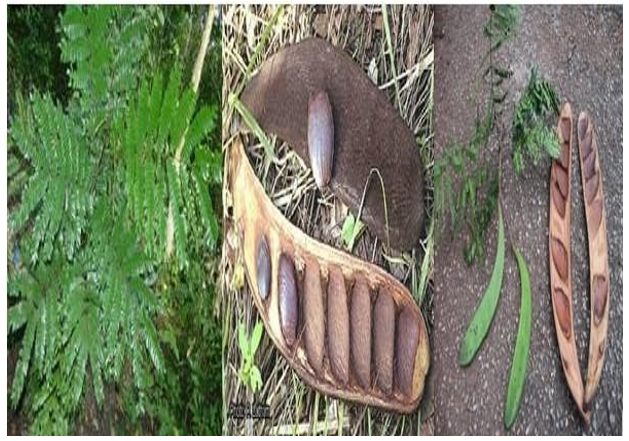
Figure 2: Leaves, Unripe Pods and Mature Ripe Pods of P Macrophylla

Figure 3: Immature and Mature Seeds of P Macrophylla
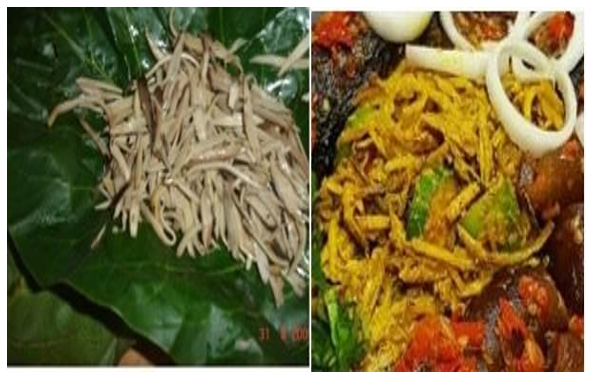
Figure 4: Sliced P Macrophylla Seeds Before Fermentation Ready to Eat P. Macrophylla Food Product
Chemical Composition of Seeds
The oil bean seed contains 4-17% carbohydrate, 44-47% oil (rich in oleic acid and linoleic acid) [7]. It also contains high amounts of lignoceric acid (10% of the total fatty acids). The oil contains about 75% saturated fatty acids and 25% unsaturated fatty acids. Table 1 shows the fatty acid content of the seeds [8]. For the saturated fatty acids, lignoceric acid is present in the largest amount (constituting about 12%), while palmitic acid is the least amount (3.4%). Behemic acid is also present (5.2%). The major unsaturated fatty acids in the seeds are: linoleic acid (42.8%); oleic acid (29.0%); linolenic (3.2%) and gadoleic acid (0.28%). The presence of appreciable amounts of behenic and lignoceric acids is not desirable for edible oils. However, believes that the high degree of unsaturation makes it suitable for cooking, and for use as a drying oil for cosmetics, paints and varnishes [7]. Detailed chemical composition of the roots has not been carried out and they are rich in tannins (1.42%; flavonoids (3.75%); alkaloids (1.30%) and saponins (2.40%) [9].
|
Saturated fatty acids |
% |
Unsaturated fatty acids |
% |
|
Palmitic acid |
3.4 |
Oleic |
29 |
|
Behenic acid |
5.2 |
Linoleic |
42.8 |
|
Lignoceric acid |
12.0 |
Linolenic |
3.2 |
|
|
|
Gadoleic |
0.28 |
|
Achinewhu |
|||
Table 1: Fatty acid composition of African oil bean seeds
Amino Acid Content (g/100 g Protein) of African Oil Bean Seeds
African oil bean seeds contain 36.2-43.89% crude protein which contains the 20 essential amino acids. However, the sulphur containing amino acid content is much lower than those found in other plant proteins [7]. The high essential amino acid profile makes the seeds a source of good quality protein, once there is complementation of the sulphur containing amino acids (Table 2 shows the amino acid profile of the seeds. Glutamic acid occurs in the largest quantity in the seeds. Aspartic acid, lysine and phenylalanine are also present in appreciable amounts.
|
Amino acid |
P. macrophylla (g/100g protein) |
FAO Standard |
|
Aspartic acid |
9.75-10.30 |
9.25 |
|
Threonine |
3.27-4.17 |
3.10 |
|
Serine |
4.80-5.54 |
3.29 |
|
Glutamic acid |
9.32-11.60 |
12.51 |
|
Proline |
2.90-5.77 |
3.02 |
|
Glycine |
3.84-4.62 |
3.40 |
|
Alanine |
3.81-4.70 |
4.02 |
|
Cysteine/Cystine |
1.10-4.800 |
2.70 |
|
Valine |
4.90-6.60 |
4.30 |
|
Methionine |
0.90-1.80 |
2.70 |
|
Isoleucine |
3.30-4.88 |
3.20 |
|
Leucine |
5.30-6.68 |
6.60 |
|
Tyrosine |
1.80-5.58 |
5.20 |
|
Phenylalanine |
5.01-7.00 |
5.20 |
|
Lysine |
5.46-6.97 |
5.7 |
|
Histidine |
1.53-2.44 |
2.0 |
|
Arginine |
4.70-6.53 |
- |
|
Tryptophan |
1.15-1.78 |
0.85 |
|
Mba et al and Achinewhu et al |
||
Table 2: Amino Acid Content of P Macrophylla Compared with FAO Standard
Ethnobotanical Uses
Pentaclethra macrophylla has many ethnobotanical uses. It is used for the prevention of cataracts and eye diseases. When mixed with honey, it is believed to prevent insomnia. It is used as an antibacterial. It is used in herbal medicine for treating heart failure and infertility. A decoction of its bark is used to treat leprosy sores while smoke from the burning leaves may be used to treat convulsion. It may be crushed and mixed with red ants to induce abortion. The bark, leaves and seeds may be used to treat gonnorhea. It is said to correct neurologic disorders slowly (after 2 to 3 years). The oil is good for treating diarrhea. It may be used to check obesity and overweight since it is a rich source of phytoestrogens. A decoction of the fermented extract is used in some traditional settings to manage dental caries, gastrointestinal disorders and malnutrition. The bark, fruits, seeds and the leaves are used as anthelmintics, and as analgesic. Extracted oil from the seeds is used as remedy against pruritus, worms, and dysentery. The seeds are used for the treatment of diabetes in traditional settings in Nigeria. It is also used to treat itching and pain in animals and man.
Bioactive Compounds in Fermented/Unfermented Penta-clethra Macrophylla Seeds and their Physiological Effects
Unprocessed African oil bean seeds are bitter and possess anti-nutritional factors among which are paucine, cyanide, oxalates, saponin, phytates. The saponins, sterols and alkaloids in African Oil bean possess antibacterial properties. Phytochemical screening of the extract from Pentaclethra macrophylla showed that the oil seeds contained terpenoids, cardiac glycosides and saponin while steroids, alkaloids, flavonoids, tannins, phlabotannins and anthraquinones were not detected.
The stem bark of Pentaclethra macrophylla contains 10 compounds: 1,2,3- benzenetriol (11.53%), 1, 4 - methoxy -3- (4- methyl phenoxy) phenyl ethanone (2.31 %) , 1,2-benzenecarboxylic acid (2.31 .%) , 3-eicosene (2.31 %), hexadecanoic methyl ester, (4.62 %), n-hexadecanoic acid (20.77 %), 6-octadecenoic acid methyl ester (5.38 %), 6-octadecanoic acid, (25.77 %), octadecanoic acid (13.25 %) and naphto [-1, 2, 6-] furan -2-one (10.38 %) as indicated by GC-MS analysis [10]. 13-Benzyl ethyl methyl abietate was isolated from the stem bark of Pentaclethra macrophylla, the structure was elucidated using spectrum obtained from ‘H and ‘3C NMR, IR and Mass Spectrometer.
Analysis of the leaf of Pentaclethra macrophylla yielded 8 compounds ; 2, 15 —octadecedien - 1-ol acetate (6.90 %) ,hexadecanoic acid (3.14 %), n-hexadecanoic acid (10.69%), 6- octadecenoic acid (13.84 %) ,octadecanoic acid (8.18 %), (.2H) phenanthrenone (42.14 %) ,Pregnan-2-one (6.29 %) and -4-methylene-1-methyl-2- (z-methyl 1-propene-1-yl) cyclo hexane (9.43. %) [11]. The compound 4, 15- chloestene -3-yl-benzoate was also isolated from the leaf of_Pentaclethra macrophylla using similar analytical tools. 6-octadecanoic acid may be useful for therapeutic potency to diabetes, wound healing, stomatitis, and periodontitis [12].
The major bioactive components found in the seed oil of P. macrophylla (per 100 g of oil) were sitosterol (457.58 mg), campstool (34.54 mg) and stigma-sterol (18.52 mg) (as the most abundant sterols). The oil contained 15.89 mg/100g β-carotene 10.32 mg/100g xanthophyll, 9.22 mg/100g lutein, and 5.46 mg/100g neo-xanthin as the major carotenoids. The oil also contained  - tocopherol (43.83 mg/100g) and α-tocopherol (3.35 mg/100g). The main terpenes per 100 g in the oil were γ-elemene (17.28 mg/100g), α-caryophyllene (13.06 mg/100g), β-elemene (12.43 mg/100g) and D-limonene (6.11 mg/100g). Terpenoids such as β-amyrin, α-amyrin and lupeol were found in trace amounts [13]. The root of P. macrophylla is rich in tannins (1.42%), flavonoids (3.75%), alkaloids (1.30%) and saponins (3.40%) [9]. The leaves are rich in mineral elements [9].
Aqueous extract of fermented P. macrophylla seed (Ugba) contained citronellol; oxirone, tetradecyl (hexadecylene-oxide). A fermented product from P. macrophylla (Ugba) has been found to lower plasma cholesterol, [14]. It reduces the risk of ulcer and cancer [15,16]. The water extract from ugba reduced ALT and ALP (enzymes that are indices of liver function) non-significantly. Creatinine and urea decreased significantly. Serum levels of HCO3- decreased significantly, but there was no variation in serum electrolytes (Na+ and K+). Serum total cholesterol (TC), TG and LDL significantly increased after the extract was administered orally for 14 days. The serum VLDL level decreased significantly. The histopathology of the liver and kidney showed no hepatoxic and nephrotoxic effects [17]. Citronellol possess anti-cancer, anti-inflammatory, anti-oxidant and wound healing properties [18]. Oxirane and tetradecyl possess anti-microbial properties. Fermentation also significantly reduced the level of a poisonous alkaloid (paucine) found in P. macrophylla seeds) and the level of a toxic compound –caffeoyl-putrecine- a growth depressant found in the seed [15]. Ugba and Apara are fermented Pentaclethra macrophylla seed products of cultural Importance and do not demonstrate any toxic effect in the consumer indicating that the fermentation process detoxifies the raw seed. Efforts are still on¬going to use controlled starter culture fermentation to improve the health benefits of fermented Pentaclethra macrophylla seeds [19,20].
Ugba (the fermented product from P. macrophylla seeds) did not induce mortality or aberrant behavior in experimental rats, even at 5000mg/kg body weight. It enhanced the production of hormones that stimulate the production of red blood cells. It reduced cancer growth and is recommended for obesity control. It contains a number of phytoestrogens which can assist in controlling overweight and obesity. The saponins contained in the African oil bean seeds lowers the cholesterol content of the plasma making the heart function more effective.
The seeds contain mainly terpenoids, cardiac glucosides and saponins. Flavonoids, phenols, and alkaloids (4.04%, 2.92%, 2.23%) predominate in X. aethiopica. P. guineense and X. aethiopica are spices with antioxidant, antimicrobial and anti-inflammatory constituents [21-23]. Phytochemical investigation of the seeds of Pentaclethra macrophylla led to the isolation of a mixture of two new aromatic monoterpene glycosides, pentamacrophylloside A and pentamacrophylloside B, together with six known secondary metabolites. The extracts strongly inhibited the growth of seven selected pathogens; Pseudomonas aeruginosa, Staphylococcus aureus, Escherichia coli, Salmonella typhi, Candida albicans, Penicillium and Aspergillus Niger.

Schematic structure of pyrogallol (1, 2, 3- benzenetriol)
A decoction of fermented extract of seeds of this plant has been known to be effective in the management of malnutrition, gastrointestinal disorders and dental caries [11]. Natural phenols can mop up excess oxygen inside the cells thereby decreasing oxygen concentrations in the cells that promote cancer development [24]. They can intercept singlet oxygen, preventing initiation reactions by scavenging radicals such hydroxyl radicals. They bind metal ion catalysts, decomposing primary products of oxidation to non-radical species and breaking chains to prevent continued hydrogen reaction from substances. Phenolic compounds including flavonoids and condensed tannins present naturally in vegetables, fruits, grains, legumes and pulses possess the ability to reduce oxidative damage which cause many diseases.
The stem bark of P. macrophylla possess antiulcer properties [15]. It has also been associated with antidiabetic, anti-inflammatory, antigonorrhea, antimicrobial, antinociceptive, anticonvulsant and antitussive properties [25,26]. In the Nigerian ethomedicine, the seeds have been reported as anticancer and an abortifacient. In Cameroon, it is used for infertility [25]. The root bark is used to treat dysentery, used as a liniment against itching, and as a laxative. The leaf is used to treat diarrhea, fever, stomachache and convulsion. The plant has also many health benefits. In Ghana, it has been reported as an anthelmintic for leprosy sores, antiepileptic, antidiarrheal, and for wound management [27-29]. Bergenin is an active constituent of the plant and has multiple biological activities, including anti-inflammatory and immunomodulatory activities. Flavonoids, polyphenols, vitamins C and E are the main bioactive compounds in this forest food.
Citronellol is an essential oil, which causes hypotensive action through direct vasodilation. Linaloool, nerol, geraniol, alpha terpineol and 1.8-cineole also have similar action and can cause a 25% decrease in systolic pressure when administered to dogs (in dosages from 9.2-26.3mg/kg).

Citronellal
Oxirane (Ethylene oxide) which is present in natural products like P. macrophylla and cryptophycin A and B, possess anticancer properties. Ethylene oxide is a versatile compound used to make many products (including batteries, household cleaners, personal care items, etc). It is also a sterilizer for medical equipment

Ethylene oxide is a cyclic ether (formula C2H4O) and the simplest epoxide: it is a colourless flammable gas with a sweet odour and has a three-membered ring consisting of one oxygen atom and two carbon atoms.
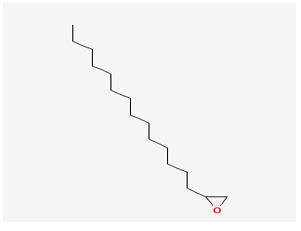
Tetradecane is an alkane hydrocarbon containing 14 carbon atoms. It is found in P. macrophylla stem bark and serves as an external antifungal and antibacterial. It can therefore promote the healing of wounds and might be responsible for the use of the stem bark of P. macrophylla for the treatment of wounds [30].
Medicinal Properties of Pentaclethra Macrophylla
African oil bean seeds have antimicrobial properties. These seeds reduce cancer growth, treat gastrointestinal diseases, Oil beans seeds also treat leprosy, infertility, gonorrhea, fever, and convulsion. The anthelmintic properties of African oil beans are essential in the treatment of parasitic worms. Pentaclethra macrophylla is traditionally used in Congolese folk medicine to treat Sickle Cell Disease [31].
Anti-Sickling Properties
Pentaclethra macrophylla possess antisickling properties [31]. The anthocyanin content of plant parts contributes significantly to their antisckling effects. Mpiana et al and Kakule et al have observed the antisickling properties of other plant products containing anthocyanins [32]. Ngbolua et al also observed the antisickling properties of Garcinia punctata) [33]. The anthocyanin extract may bind directly with deoxy-HbS molecules and may stabilize the sickle cells red blood cell membrane. Ocimum canun and Annona senegalensis leaves are other plant products with antisicklng properties. The anthocyanin extract inhibits cell dehydration [31].
Anti-Hyperlpidaemic Activity
P Macrophylla seeds given different processing treatments (raw, 1st cooking, 2nd cooking, fermented and fermented and salted), were administered (50:50 ratio with standard feed) to streptozotocin-induced diabetic rats for 8 weeks. Levels of plasma, total cholesterol, triglycerides and LDL-cholesterol and increased HDL-cholesterol compared to rats not feed with various processed P. macrophylla seeds [34].
Antimicrobial Activity
The antimicrobial efficacy of the ethanol, methanol and water extracts of P. macrophylla seeds was evaluatedagainstsevenselected pathogenic microorganisms (Escherichia coli,Staphylococcus aureus,Pseudomonas aeruginosa, Klebsiella species,Salmonella typhi,Aspergillus niger and Candida albicans). The growths of test organisms were inhibited by the extracts used and the minimum inhibitory concentration of the extracts ranged between 62.5 - 250 mg/ml. The antimicrobial potency of P.macrophylla seeds was more prominent against bacterial isolates than fungal isolates. The seed oil was also found to possess antimicrobial activity [29].
Antioxidant Activity
The antioxidant capacity of the extracts from three samples (raw, dried and autoclaved) of P. macrophylla seeds oil was evaluated using 2, 2-diphenyl-1-picryphydrazyl (DPPH). For each sample three different solvents were used for extraction (70% ethanol, 80% acetone and acidic 70% acetone). The 70% ethanol extracted samples had the greatest antioxidant activity in the DPPH free radical assay [35].
Anti-Inflammatory and Analgesic properties
The leaves and seeds of P. macrophylla extracts show analgesic and anti-inflammatory activities in mice in-vivo and in-vitro models. The extracts exhibited analgesic activity and anti-inflammatory property using the flick and hot plate tests, acetic acid induced writhing test; and leucocyte counts, pulmonary oedema and oedema paw of mice in a dose-dependent manner (at 30 and 60 mg/ kg) [36]. The result explains and justifies the ethno medical use of seeds of P. macrophylla for the treatment of itching (inflammatory response) and pain in animals and in man [25].
Antiulcerogenic Activity
Fermented Aqueous Extract of Pentaclethra macrophylla (Benth) seeds possess antiulcerogenic properties [11]. The aqueous extract of fermented P. macrophylla seeds possess antiulcerogenic activity. Rat models were studied using acetic acid, aspirin, ethanol, indomethacin and pyloric ligation of ethanol (at the doses of 400 and 800 mg/kg body weight), using omeprazole as standard. The different doses of the extract and the reference drug decreased (p < 0.05) the ulcer parameters in a dose-dependent manner in all the ulcer models. Result of the acute toxicity test showed that the extract did not cause any mortality of the animals possessing 5000 mg/kg body weight [11]. Therefore, the enhanced cessation of ulcers is as a result of the synergistic role of biochemicals and microbiomes found in fermented aqueous extract of P. macrophylla seeds; indicating that a decoction of fermented aqueous extract of the seeds of P. macrophylla could be used in ethnomedicine to treat peptic ulcer.
Conclusion
Major component of the stem bark of P. macrophylla Benth is 6-octadecanoic acid (25.77%) which was found as an inhibitor of COVID 19 and the major component of the leaf extract is phenanthranone (42.14%) which is used as an alternative to quinine and mefloquine to treat acute malarial attacks. Citronellol and oxirane, tetradecyl- (hexadecylene oxide) were found in the fermented seed extracts. The aqueous extracts from the fruit pericarp and stem bark of P. macrophylla are highly toxic and those of leaves and seeds are not. The leaves and seeds extracts demonstrated analgesic and anti-inflammatory properties to justify their usefulness in itching, pain and inflammatory reactions in ethno veterinary and ethno medical practice. He seeds oil contains significant amounts of sitosterol which may help lower body cholesterol by reducing the amount of cholesterol that may enter the body and may improve symptoms of an enlarged prostrate. Scientific information on the medicinal value of P. macrophylla despite its numerous ethnobotanical uses is still very limited. Both animal experiments and clinical studies are required to substantiate health claims [37-49].
References
- Achinewhu SC (2006). Food potentials of African oil bean seed.
- Keay, R.W.J., Onochie, C.E.A. and Stanfield, D.P. (1969) Nigerian Trees. Dept of Forest Research, Ibadan, 11, 119-120.
- Emebiri, L. C., Nwufo, M. I., & Obiefuna, J. C. (1995). Pentaclethra macrophylla: population characteristics, distribution and conservation status in Nigeria. International Tree Crops Journal, 8(2-3), 69-82.
- Okoro, I. J., Joshua, P. E., Kyei, S., Okagu, I. U., Chijioke Amah, C., Nnamani, V. I., & Ogugua, V. N. (2023). Ocular hypotensive effect of fermented Pentaclethra macrophylla seeds in experimentally-induced glaucoma. All Life, 16(1).
- Iwuchukwu JC, Mbah CC (2016). Processing and Conservation of Oil Bean (Pentaclethra macrophylla) in Enugu State, Nigeria. Asian J Agric Ext, Econs, Sociol. 13 (1) 1-8 2016
- Omonhinmin, CA, Alonge,KO 2024. Intra-specific genetic diversity, phylogenetic analysis and ecological preferences of Pentaclethra macrophylla Benth., across Nigeria based on rbcL dataset, Data in Brief,53,110213.
- Odoemelam, S. A. (2005). Proximate composition and selected physicochemical properties of the seeds of African oil bean (Pentaclethra marcrophylla).
- Achinewhu, S. C. (1983). Protein quality of African oil bean seed (Pentaclethra machrophylla). Journal of food science, 48(4), 1374-1375.
- Ogbonna, P. C., Princewill-Ogbonna, I. L., Nzegbule, E. C., Mpamah, I. C., & Nwachukwu, N. G. (2018). Levels of biologically active compounds and some essential metal in parts of African oil bean tree (Pentaclethra macrophylla). Journal of Applied Sciences and Environmental Management, 22(8), 1315-1320.
- Chinaka, C. N., Garuba, S. U., & Ahmadu, A. A. (2017). Chemical constituents from the stem bark of Pentaclethra macrophylla Benth (Fabaceae). Nigerian Journal of Pharmaceutical Research, 13(1), 37-44.
- Ugbogu, E. A., Nwoku, C. D., Ude, V. C., & Emmanuel, O. (2020). Evaluating bioactive constituents and toxicological effects of aqueous extract of fermented Pentaclethra macrophylla seeds in rats. Avicenna Journal of Phytomedicine, 10(1), 101.
- Arundina, I., Frimayanti, N., Surboyo, M. D. C., Budhy, T. I., & Iskandar, B. (2024). 6â?Octadecenoic and Oleic Acid in Liquid Smoke Rice Husk Showed COVIDâ?19 Inhibitor Properties. Advances in Pharmacological and Pharmaceutical Sciences, 2024(1), 8105595.
- AO, Azeez LA, Odeyemi BA (2022). Gas Chromatographic Analysis of Bioactive Compounds in the Seed Oil of Pentaclethra macrophylla (African Oil Bean Tree). Nat Res Human Health, 2(1), 79-83.
- Monago, C. C., Ogbomeh, P. A., & Joshua, P. E. (2004). Effect of African oil bean seed (Pentaclethra macrophylla) on blood cholesterol level in rats. Global Journal of Pure and Applied Sciences, 10(1), 165-168.
- Ugbogu, A. E., Arunsi, U. O., Ude, V. C., & Okezie, E. (2017). Antiulcerogenic potentials of fermented aqueous extract of Pentaclethra macrophylla (Benth) seeds. American Journal of Biomedical Research, 5(3), 57-64.
- Chidozie, J. I. (2006). African oil bean seed as an essential food supplement in the control of cancer and tobacco related diseases. In Proceedings from the U1CC world cancer congress, July (pp. 8-12).
- Bomgning, C. L. K., Sinda, P. V. K., Ponou, B. K., Fotio, A. L.,Tsague, M. K., Tsafack, B. T., ... & Nguelefack, T. B. (2021). Hepatoprotective effects of extracts, fractions and compounds from the stem bark of Pentaclethra macrophylla Benth: Evidence from in vitro and in vivo studies. Biomedicine & Pharmacotherapy, 136, 111242. .
- Zhuang, S. R., Chen, S. L., Tsai, J. H., Huang, C. C., Wu, T. C., Liu, W. S., ... & Wang, C. K. (2009). Effect of citronellol and the Chinese medical herb complex on cellular immunity of cancer patients receiving chemotherapy/radiotherapy. Phytotherapy Research: An International Journal Devoted to Pharmacological and Toxicological Evaluation of Natural Product Derivatives, 23(6), 785-790.
- Nwanagba, N. L., Ojimelukwe, P. C., & Ezeama, C. F. (2020). Effect of fermentation of African oil bean seeds (Pentaclethra macrophylla) using Bacillus subtilis as starter and Lactobacillus fermentum as adjunct on its physicochemical properties. International Journal of Food Science and Technology, 10(1), 7-22.
- Nwanagba NL, Ojimelukwe PC, Ezeama CF (2020b). Evaluation of the effect of fermentation of African oil bean (Pentaclethra macrophylla) using bacillus subtilis as starter and Lactobacillus fermentum as adjunct on the vitamin and mineral contents of the seeds. Int J Food Sci Nutr. Vol 5 (2) 63-70
- Ojimelukwe, P. C., & Okoronkwo, S. (1999). Effect of preservation with Xylopia aethiopica on the shelf life of cowpea seeds.
- Ojimelukwe, P. C. (2023). Piper guineense-an underutilized aromatic spice with medicinal value. Advances in Traditional Medicine, 23(2), 381-392.
- Evuen, U. F., Okolie, N. P., & Apiamu, A. (2022). Evaluation of the mineral composition, phytochemical and proximate constituents of three culinary spices in Nigeria: a comparative study. Scientific Reports, 12(1), 20705.
- Fungo, R., Muyonga, J., Kaaya, A., Okia, C., Tieguhong,J. C., & Baiduâ?Forson, J. J. (2015). Nutrients and bioactive compounds content of Baillonella toxisperma, Trichoscypha abut and Pentaclethra macrophylla from Cameroon. Food science & nutrition, 3(4), 292-301.
- Nnamani, P. O., Diovu, E. O., Peter, I. E., Onwuka, A. M.,Ogbuanwu, C. V., Abonyi, O. E., ... & Lehr, C. M. (2023). Anti-Inflammatory and Antinociceptive Activity of Herbal Lipospheres of Pentaclethra macrophylla (Fabaceae) Stem Bark Extract. Processes, 11(9), 2557.
- Ajuru, M. G., Williams, L. F., & Ajuru, G. (2017). Qualitative and quantitative phytochemical screening of some plants used in ethnomedicine in the Niger Delta region of Nigeria. Journal of food and Nutrition Sciences, 5(5), 198-205.
- Olaitan, J. O., Kareem, S. O., & Dada, S. O. (2009). Antimicrobial potency of Pentaclethra macrophylla seed extract on seven selected pathogens. African Journal of Biomedical Research, 12(2), 141-144.
- Okorie, C. C., Oparaocha, E. N., Adewunmi, C. O., Iwalewa, E. O., & Omodara, S. K. (2006). Antinociceptive, anti-inflammatory and cytotoxic activities of Pentaclethra macrophylla aqueous extracts in mice. African Journal of Traditional, Complementary and Alternative Medicines, 3(1), 44-53.
- Ugbogu, O. C., & Akukwe, A. R. (2009). The antimicrobial effect of oils from Pentaclethra macrophylla Bent, Chrysophyllum albidum G. Don and Persea gratissima Gaerth F on some local clinical bacteria isolates. African Journal of Biotechnology, 8(2).
- Okhale, S. E., Amuzie, N., Imoisi, C., & Ibrahim, J. A. Phytochemical and HPLC-UV-DAD chromatographic characterization of stem bark extracts of Pentaclethra macrophylla Benth used for management of diabetes mellitus in Nigeria.
- Bishola, T. T., Mpiana, T. P., Mudogo, V., Tshibangu, S. T. D., Ngombe, K. N., Ekutsu, E. G., ... & Baholy, R. Ethnobotanical survey, in vitro antisickling and free radical scavenging activities of Garcinia punctata Oliv.(Clusiaceae).
- Mpiana, P. T., Dianzenza, E. N., Ngbolua, K. N., Tshibangu,D. S. T., Mbala, B. M., Mhigo, S. O., ... & Bokota, M. T. (2012). Antisickling properties, thermal and photochemical degradations of anthocyanin extracts from Annona senegalensis (Annonaceae). International Journal of Biological and Chemical Sciences, 6(5), 2241-2251.
- Ngombe, D. D., & Baholy, R. (2014). In vitro antisickling and free radical scavenging activities of Pentaclethra macrophylla Benth (Fabaceae).
- Nwosu, U. C., Essien, E. B., & Ohiri, R. C. (2017). Phytochemical, mineral composition and anti-hyperlipidemic effects of processed Pentaclethra macrophylla seeds on high fat diet and streptozocin-induced diabetic wistar rats. International Journal of Agriculture and Earth Science, 3(6), 31-41.
- Oyinloye, A. M., & Enujiugha, V. N. (2019). Antioxidant properties of African oil bean (Pentaclethra macrophylla Benth) seed phenolics as influenced by extraction solventsand heat treatments. Applied Tropical Agriculture, 24(1), 42-48
- Okunrobo, L. O., Ching, F. P., & Ifijeh, F. (2009). Antinociceptive activity of methanol extract and aqueous fraction of the stem bark of Pentaclethra macrophylla Benth (Mimosaceae). J. Med. Plants Res, 3(3), 101-104
- Akinlabu, D. K., Owoeye, T. F., Owolabi, F. E., Audu,O. Y., Ajanaku, C. O., Falope, F., & Ajani, O. O. (2019, December). Phytochemical and proximate analysis of African oil bean (Pentaclethra macrophylla Benth) seed. In Journal of Physics: Conference Series (Vol. 1378, No. 3, p. 032057). IOP Publishing
- Bomgning KCL, Sinda KPV, Ponou KB, Fotio LA, Tsague KM, Tsafack TB, Kühlborn J, Mbuyo-Nguelefack EP, Teponno RB, Opatz T, Tapondjou LA, Nguelefack TB (2021). Hepatoprotective Effects of Extracts, Fractions and Compounds from the Stem Bark of Pentaclethra macrophylla Benth: Evidence from in Vitro and in Vivo Studies. Biomed & Pharmacotherapy, 136, 111242.https://doi.org/10.1016/j. biopha.2021.11124
- Johra, F. T., Hossain, S., Jain, P., Bristy, A. T., Emran, T., Ahmed, R., ... & Reza, H. M. (2023). Amelioration of CCl4-induced oxidative stress and hepatotoxicity by Ganoderma lucidum in Long Evans rats. Scientific Reports, 13(1), 9909
- Atindehou, K. K., Kone, M., Terreaux, C., Traore, D., Hostettmann, K., & Dosso, M. (2002). Evaluation of the antimicrobial potential of medicinal plants from the Ivory Coast. Phytotherapy Research: An International Journal devoted to pharmacological and toxicological evaluation of natural product derivatives, 16(5), 497-502
- Mpiana, P. T., Ngbolua, K. N. N., Bokota, M. T., Kasonga,T. K., Atibu, E. K., Tshibangu, D. S., & Mudogo, V. (2010). In vitro effects of anthocyanin extracts from Justicia secunda Vahl on the solubility of haemoglobin S and membrane stability of sickle erythrocytes. Blood transfusion, 8(4), 248.
- Mpiana, P. T., Misakabu, F. M., Yuma, P. M., Tshibangu, D. S.T., Ngbolua, K. N., Misengabu, C. M. N., ... & Kayembe, J. S.(2014). Antisickling activity and physico-chemical stability of anthocyanin extracts from Ipomoea Batatas leaves. infection, 6, 8
- Ogueke, C. C., Nwosu, J. N., Owuamanam, C. I., & Iwouno,J. N. (2010). Ugba, the fermented African oilbean seeds; its production, chemical composition, preservation, safety and health benefits. Pakistan Journal of Biological Sciences, 13(10), 489.
- Osabor, V. N., Okonkwo, P. C., & Ikeuba,A. I. (2017). Chemical profile of leaves and seeds of Pentaclethra macrophylla Benth.J. Med. Plant Herb. Ther. Res, 5, 11-17.
- Akaniro-Ejim, N. E., Ubani, C. S., Nubila, N. I., Nzei, A. A., Nwodo, U. U., & Okoh, A. I. (2016). Evaluation of saponin extract from Vitex doniana and Pentaclethra macrophylla for antibacterial activity. Applied Sciences, 6(6), 180
- Sinda, P. V., Ponou, B. K., Tsafack, B. T., Kühlborn, J., Tchuenguem, R. T., Teponno, R. B., ... & Tapondjou, L. A. (2021). Ethnobotany, pharmacology and phytochemical investigations of the seeds of pentaclethra macrophylla benth (Mimosaceae). Advances in Biological Chemistry, 11(3), 126-141
- Ordu JI, Yingobo FE (2021). Preliminary investigation of oil from Pentachlethra macrophylla seeds as new excipient in cosmetic/pharmaceutical cream formulation. Asian J Sci Tech 12 (3)11575-11580
- Ugbogu, A. E., Okezie, E., Uche-Ikonne, C., Duru, M., & Atasie, O. C. (2016). Toxicity evaluation of the aqueous stem extracts of Senna alata in wistar rats. American Journal of Biomedical Research, 4(4), 80-86
- Iwu, M. M. (1993). African medicinal plants. CRC Press, Maryland. Jamkhande, PG, Ajgunde, BR, & Jadge, DR (2017). Annona cherimola Mill.(Custard apple): A review on its plant profile, nutritional values, traditional claims and ethnomedicinal properties. Oriental Pharmacy and Experimental Medicine, 17(3), 189-201.