

Journal of Traditional Medicine & Applications(JTMA)
ISSN: 2833-1389 | DOI: 10.33140/JTMA
Impact Factor: 1.02



Research Article - (2026) Volume 5, Issue 1
Green Synthesis, Characterization and Biological Evaluation of Barium Oxide Nanoparticles Using Mirabilis Jalapa L. Stem Extract
2Lecturer of Botany, Government Degree College Gulabad, Pakistan
3School of Physical Science and Technology, Soochow University, Suzhou, 215006, Pakistan
4Department of Chemistry, University of Malakand, KPK, Pakistan
5The Government Sadiq College Women’s University, Bahawalpur, Pakistan
6Government College University Faisalabad, Pakistan
Received Date: Mar 02, 2026 / Accepted Date: Mar 25, 2026 / Published Date: Apr 03, 2026
Copyright: ©2026 Abbas Khan, et al. This is an open-access article distributed under the terms of the Creative Commons Attribution License, which permits unrestricted use, distribution, and reproduction in any medium, provided the original author and source are credited.
Citation: Khan, A., Alam, A., Khan, Z., Bibi, S., Fahad, S., et al. (2026). Green Synthesis, Characterization and Biological Evaluation of Barium Oxide Nanoparticles Using Mirabilis Jalapa L. Stem Extract. J Traditional Medicine & Applications, 5(1), 01-06.
Abstract
This paper presents a synthesis of BaO nanoparticles by utilizing the stem extract of Mirabilis Jalapa L. Only BaCl2 and Na2CO3 were employed as precursors. For the determination of structural and morphological properties, the fresh greenly prepared barium oxide nanoparticles were characterized by using various characterization techniques. Sharp and narrow peaks in the XRD spectrum indicate the pure and crystalline nature (crystallite size>50nm) of as-synthesized BaO-NPs. Morphology of BaO- NPs was studied via SEM according to which Greenly synthesized BaO-NPs of spherical and relatively irregular flower-like shape with a diameter range 20-40 nm. The MABA method and the Agar Tube Dilution method were used for antibacterial and antifungal assays. The BaO-NPs presented substantial antibacterial activity against Escherichia coli (78%) and Pseudomonas aeruginosa (60%) along with broad antifungal activity, notably against Microsporum canis (91%). This study highlights a simple, eco-friendly, cost-effective synthesis route and the biomedical potential of plant-mediated BaO-NPs.
Keywords
Green Synthesis, BaO-NPs, SEM, XRD, Antimicrobial Activities
Introduction
Nanotechnology is simply defined as “technology on Nano scale” [1]. The term nanotechnology was devised by Taniguchi in 1974 [2]. The understanding and control of matter at dimensions between 1 and 100 nm, where unique phenomena facilitate novel applications, is generally known as Nanotechnology [3]. Nanomaterials are the basic and key elements of nanotechnology [4,5]. Materials having at least one dimension between (1–100 nm) in a three-dimensional space are called nanomaterials [6]. Nanotechnology spans multiple branches of science and technology [4,5]. Globally, nanotechnology gets significant funding, particularly in the developed world [7]. Bio-nanotechnology is a rapidly growing field that utilizes organisms to create nanomaterials for enhancing life [8]. Green synthesis offers an eco-friendly, cost-effective and easily scalable approach to nanomaterial production, unlike chemical and physical methods [9]. BaO-NPs exhibit potential application in targeted therapies, drug delivery, imaging, antiviral activities, and cancer treatment due to their cytotoxic effects on cancer cells [10]. BaO-NPs can be synthesized via different methods, including chemical and biological methods, with biological approaches offering eco-friendly options [11]. Mirabilis Jalapa L. is an ornamental species belonging to the family Nyctaginaceae and Genus Mirabilis [12]. Mirabilis Jalapa L. contains phytochemicals like alkaloids, flavonoids, glycosides, oleanolic acid, trigonelline, ursolic acid and phytosterols and has been traditionally used to treat various diseases like abdominal colic, diarrhea, muscular pain, genitourinary disorders, inflammations and other issues by the people from various countries. In the production of gold nanoparticles Mirabilis Jalapa L. can be effectively used as a reductant [13]. Leaves of Mirabilis Jalapa L. are successfully used for the green synthesis of silver nanoparticles from silver ion Ag+1 [14]. Due to vast application of BaO-NPs the present study focuses on BaO-NPs synthesis from Mirabilis Jalapa L. stem extract, their characterization (XRD, SEM) and antimicrobial evaluation [10].
Methods And Materials
Plant Extracts Preparation
The plant Mirabilis Jalapa L. was collected from valley Laram Top, located at Tehsil Adenzai, district Lower Dir, KPK, Pakistan Abbas Khan and was identified and authenticated from the Flora of Pakistan. The plant stems were cleaned with distilled water, shade-dried and then converted into grinded powder form using a pistil and mortar. About 20g of plant materials were weighed and mixed with 400ml of distilled water, heated for 30 min while being constantly stirred in a sterilized, clean conical flask. Using Whatman filter paper No-1 ultra-filtering of mixture solution was performed to get the consistent plant extract. For further use the filtered extract obtained was refrigerated in a closed vessel.
Chemicals and Other Materials
In the present study chemical used were barium chloride (sigma Aldrich), sodium carbonate (sigma Aldrich) and distilled water. These reagents and chemicals were of high purity and analytical grade.
Green Synthesis of BaO-NPs Using Mirabilis Jalapa L. Stem Extract
BaO-NPs were prepared via standard method as a bio-reductant stem extract of Mirabilis Jalapa L. was used for the synthesis of barium oxide nanoparticles [10]. In 200ml of distilled water 0.5g of BaCL2 and 0.5g of Na2CO3 were dissolved to get solution of Ba CL2 and Na2CO3 (2mM Solution of BaCL2 and Na2CO3). First of all, the solution was stirred for one minute at room temperature and then extracts of Mirabilis Jalapa L. was added. For one-hour reaction mixture was kept on shaker. Color of the solution immediately changed from colorless to brownish-black after the addition of stem extract, this change in color indicated the formation of BaO-NPs.
Characterization of Bio-Synthesized BaO-NPs
SEM Analysis
For SEM analysis JEOL jsm-6480 LV was used for the morphological characterization of the samples. Initially the samples were dispersed on a slide and then coated with platinum in an auto fine coater. After that the material was subjected to analysis.
XRD Analysis
The sample was ground into a fine powder and placed in the XRD machine. The machine was set up with specific settings and the sample was scanned. The resulting data showed the sample’s crystalline structure. The scan settings were adjusted for high-quality results. The data was compared to known patterns to identify the sample’s phases. Calculations were done to determine the crystallite size and lattice parameters. The test was done at room temperature. The results gave useful information about the sample’s properties.
Antibacterial Activities of Extract and BaO-NPs
MABA (Micro plate AlamarBlue Assay) a sensitive, rapid, cheap and no radiometric method was used to assess the antibacterial activities of biosynthesized BaO-NPs against five randomly selected bacterial strains. Results against five selected strains were compared with the positive control which was oflaxacin while distilled water was used as negative control. 2.6. Antifungal Activities of Extract and BaO-NPs Agar tube dilution method were used to assess the antifungal activities of biologically synthesized Barium oxide nanoparticles using Mirabilis Jalapa L. stem extract. Total seven fungal strain were used and the results against selected strains were compared with positive control micnazol and Ampotecerin-B as a negative control distilled water was used.
Methods And Materials
Plant Extracts Preparation
The plant Mirabilis Jalapa L. was collected from valley Laram Top, located at Tehsil Adenzai, district Lower Dir, KPK, Pakistan Abbas Khan and was identified and authenticated from the Flora of Pakistan. The plant stems were cleaned with distilled water, shade-dried and then converted into grinded powder form using a pistil and mortar. About 20g of plant materials were weighed and mixed with 400ml of distilled water, heated for 30 min while being constantly stirred in a sterilized, clean conical flask. Using Whatman filter paper No-1 ultra-filtering of mixture solution was performed to get the consistent plant extract. For further use the filtered extract obtained was refrigerated in a closed vessel.
Chemicals and Other Materials
In the present study chemical used were barium chloride (sigma Aldrich), sodium carbonate (sigma Aldrich) and distilled water. These reagents and chemicals were of high purity and analytical grade.
Green Synthesis of BaO-NPs Using Mirabilis Jalapa L. Stem Extract
BaO-NPs were prepared via standard method as a bio-reductant stem extract of Mirabilis Jalapa L. was used for the synthesis of barium oxide nanoparticles [10]. In 200ml of distilled water 0.5g of BaCL2 and 0.5g of Na2CO3 were dissolved to get solution of Ba CL2 and Na2CO3 (2mM Solution of BaCL2 and Na2CO3). First of all, the solution was stirred for one minute at room temperature and then extracts of Mirabilis Jalapa L. was added. For one-hour reaction mixture was kept on shaker. Color of the solution immediately changed from colorless to brownish-black after the addition of stem extract, this change in color indicated the formation of BaO-NPs.
Characterization of Bio-Synthesized BaO-NPs
SEM Analysis
For SEM analysis JEOL jsm-6480 LV was used for the morphological characterization of the samples. Initially the samples were dispersed on a slide and then coated with platinum in an auto fine coater. After that the material was subjected to analysis.
XRD Analysis
The sample was ground into a fine powder and placed in the XRD machine. The machine was set up with specific settings and the sample was scanned. The resulting data showed the sample’s crystalline structure. The scan settings were adjusted for high-quality results. The data was compared to known patterns to identify the sample’s phases. Calculations were done to determine the crystallite size and lattice parameters. The test was done at room temperature. The results gave useful information about the sample’s properties.
Antibacterial Activities of Extract and BaO-NPs
MABA (Micro plate AlamarBlue Assay) a sensitive, rapid, cheap and no radiometric method was used to assess the antibacterial activities of biosynthesized BaO-NPs against five randomly selected bacterial strains. Results against five selected strains were compared with the positive control which was oflaxacin while distilled water was used as negative control. 2.6. Antifungal Activities of Extract and BaO-NPs Agar tube dilution method were used to assess the antifungal activities of biologically synthesized Barium oxide nanoparticles using Mirabilis Jalapa L. stem extract. Total seven fungal strain were used and the results against selected strains were compared with positive control micnazol and Ampotecerin-B as a negative control distilled water was used.
Results
For the production of metal oxide nanoparticles physical and chemical methods are widely used. However, this production needs the use of very reactive, costly and toxic reducing agents, which cause undesired harmful effects on the environment, animal life and plants in contrast, green synthesis of NPs is harmless, safe, biocompatible and eco-friendly it uses fungi, algae, bacteria, and plants [15,16]. Plant extracts simplify NPs synthesis compared to using microorganisms, avoiding complex procedures such as culture development, isolation and culture preservation. Additionally, synthesis using plant is faster, cheaper and easy to scale up for the manufacture of bulk quantities of nanoparticles Different components of plants are used for nanoparticles synthesis Indeed, plant extracts yield nanoparticles with defined shape, size and composition [15]. It is accepted that plant- derived nanoparticles show a high biological potential with applications in agriculture, bioengineering, food science and technology, cosmetics, nanomedicine, and human health protection [16]. 3.1. SEM Confirmation of BaO-NPs SEM analysis of BaO-NPs synthesized using Mirabilis Jalapa L. stem extract revealed predominantly spherical nanoparticles with occasional irregularities and an average size of 50 nm. Some aggregation was observed, likely due to natural clustering, while phytochemicals present in the extract acted as capping and reducing agents. These results confirm successful nanoparticle formation and provide key morphological insights for potential biological applications.

Figure 1: SEM Micrograph of BaO-NPs Synthesized Using Mirabilis Jalapa L. Stem Extract
Structural Characterization of BaO-NPs by XRD
XRD analysis pattern of green synthesized BaO-NPs was recorded in the range of 20°<2ÃÂ?¨ >80.° The XRD patterns of BaO-NPs were matched with the standard JCPDS file. Reflection lines of BaO- NPs with a hexagonal wurtzite structure matched with the JCPDS card numbers 008, 79–2205 and 05–0664. The sharp and narrow diffraction peaks present in the XRD spectrum indicate the greenly synthesized pure and crystalline BaO nanoparticles.

Figure 2: XRD Spectrum of BaO-NPs
Antibacterial Activity of Synthesized BaO-NPs
The synthesized compound was evaluated against five bacterial strains using the Microplate Alamar Blue Assay (MABA) at 300 µg/µL. The compound showed strong activity against Escherichia coli (78%), and Pseudomonas aeruginosa (60%), while no inhibition was observed for S. aureus, Bacillus subtilis and S. typhi, indicating selective effectiveness toward Gram-positive bacteria.
|
Name of Bacteria |
% Inhibition of Compound |
% Inhibition of Drug |
|
Escherichia coli |
78% |
91% |
|
Bacillus subtilis |
0 |
76% |
|
Staphylococcus aureus |
0 |
83% |
|
Pseudomonas aeruginosa |
60% |
79% |
|
Salmonella typhi |
0 |
82% |
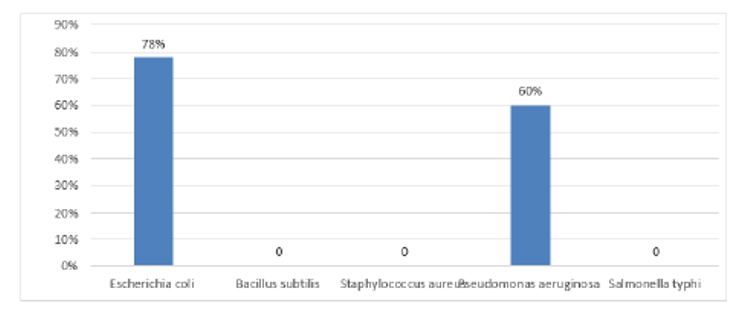
Figure 3: Antibacterial Activity of BaO-NPs
Antifungal Activity of Synthesized BaO Nanoparticles
The synthesized compound was evaluated via the agar tube dilution method at 3000 µg/mL in DMSO. Tubes inoculated with fungal strains were incubated for 7-10 days at 28 ± 1°C. The compound showed broad-spectrum antifungal activity: Aspergillus flavus 84%, Trichophyton rubrum 89%, Candida albicans 72%, Aspergillus niger 85%, Microsporum canis 91%, Candida glabirata 69% and Fusarium lini 60% inhibition, indicating potential as a lead antifungal agent.
|
Name of Fungus |
Linear Growth (mm) % Inhibition |
Standard Drug |
MIC (µg/mL) |
|
|
|
Sample |
Control |
|
|
|
Trichophyton rubrum |
21 |
100 |
89% |
Miconazole |
|
Candida albicans |
28 |
100 |
72% |
Miconazole |
|
Aspergillus niger |
15 |
100 |
85% |
Amphotericin B |
|
Microsporum canis |
9 |
100 |
91% |
Miconazole |
|
Fusarium lini |
40 |
100 |
60% |
Miconazole |
|
Candida glabrata |
31 |
100 |
69% |
Miconazole |
|
Aspergillus flavus |
16 |
100 |
84% |
Miconazole |
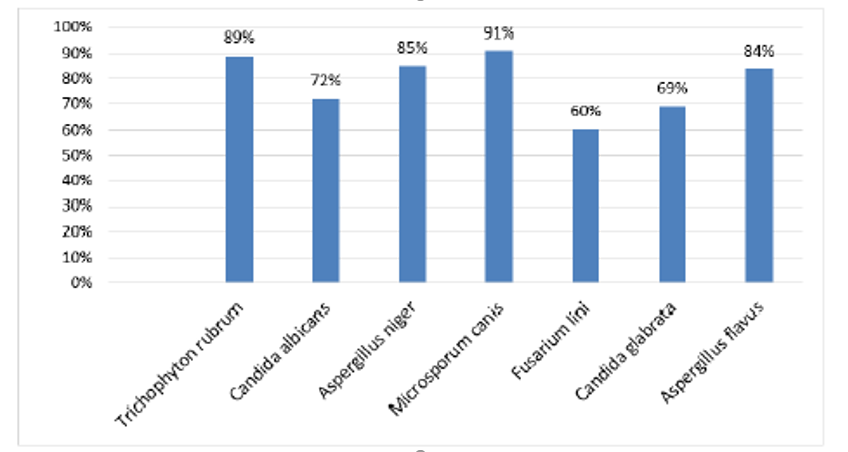
Figure 4: Antifungal Activity of BaO-NPs
Conclusion
Green synthesis of BaO nanoparticles mediated from Mirabilis Jalapa L. stem extract was demonstrated by this study. As a natural reducing and stabilizing agent, we use Mirabilis Jalapa L. stem extract in order to synthsize BaO-NPs. XRD established their crystalline structure, and SEM showed mostly spherical nanoparticles (~50 nm) with minor aggregation. Biologically, Ba-NPs exhibited potential antibacterial activities against E. coli (78%), P. aeruginosa (60%), and antifungal activity against M. canis (91%), T. rubrum (89%), and A. niger (85%). The method is simple, eco-friendly, and cost-effective, with potential applications in medicine, agriculture, and environmental science. Future work may explore scale-up, cytotoxicity, and stability.
References
- Nasrollahzadeh, M., Sajadi, S. M., Sajjadi, M., & Issaabadi,Z. (2019). An introduction to nanotechnology. In Interface science and technology (Vol. 28, pp. 1-27). Elsevier.
- Kanwar, R., Rathee, J., Salunke, D. B., & Mehta, S. K. (2019). Green nanotechnology-driven drug delivery assemblies. ACS omega, 4(5), 8804-8815.
- Hulla, J. E., Sahu, S. C., & Hayes, A. W. (2015).Nanotechnology: History and future. Human & experimental toxicology, 34(12), 1318-1321.
- Kolahalam, L. A., Viswanath, I. K., Diwakar, B. S., Govindh, B., Reddy, V., & Murthy, Y. L. N. (2019). Review on nanomaterials: Synthesis and applications. Materials Today: Proceedings, 18, 2182-2190.
- Ijaz, I., Gilani, E., Nazir,A., & Bukhari,A. (2020). Detail review characterizations and applications of nanoparticles. Green chemistry letters and reviews, 13(3), 223-245.
- Wu, Q., Miao, W. S., Zhang, Y. D., Gao, H. J., & Hui, D.(2020). Mechanical properties of nanomaterials: A review. Nanotechnology Reviews, 9(1), 259-273.
- Malik, S., Muhammad, K., & Waheed, Y. (2023). Nanotechnology: a revolution in modern industry. Molecules, 28(2), 661.
- Oroojalian, F., Charbgoo, F., Hashemi, M., Amani, A., Yazdian-Robati, R., Mokhtarzadeh, A., ... & Hamblin, M.R. (2020). Recent advances in nanotechnology-based drug delivery systems for the kidney. Journal of controlled release, 321, 442-462.
- Chakraborty, N., Banerjee, J., Chakraborty, P., Banerjee, A., Chanda, S., Ray, K., ... & Sarkar, J. (2022). Green synthesis of copper/copper oxide nanoparticles and their applications: a review. Green Chemistry Letters and Reviews, 15(1), 187-215.
- Abdullah, Rahman, A. U., Faisal, S., Almostafa, M. M., Younis, N. S., & Yahya, G. (2023). Multifunctional spirogyra-hyalina-mediated barium oxide nanoparticles (BaONPs): synthesis and applications. Molecules, 28(17), 6364.
- Ansari, M. A., & Jahan, N. (2021). Structural and optical properties of BaO nanoparticles synthesized by facile Co-precipitation method. Materials Highlights, 2(1), 23-28.
- Rafique, M., Sadaf, I., Rafique, M. S., & Tahir, M. B. (2017). A review on green synthesis of silver nanoparticles and their applications. Artificial cells, nanomedicine, and biotechnology, 45(7), 1272-1291.
- Harun-Or-Rashid, M., Akter, S., Habiba, U., Laboni, F. R.,Uddin, J., Labu, Z. K., ... & Reza, M. S. (2023). Antioxidant, antibacterial, cytotoxic and thrombolytic activities of flowers of Mirabilis jalapa L: possible role of phenolics and flavonoids. Journal of Agriculture and Food Research, 14, 100893.
- Asha, S., Thirunavukkarasu, P., & Rajeshkumar, S. (2017). Green synthesis of silver nanoparticles using Mirabilis jalapa aqueous extract and their antibacterial activity against respective microorganisms. Research Journal of Pharmacy and Technology, 10(3), 811.
- Samuel, M. S., Ravikumar, M., John J, A., Selvarajan, E., Patel, H., Chander, P. S., ... & Chandrasekar, N. (2022). A review on green synthesis of nanoparticles and their diverse biomedical and environmental applications. Catalysts, 12(5), 459.
- Hano, C., & Abbasi, B. H. (2021). Plant-based green synthesis of nanoparticles: Production, characterization and applications. Biomolecules, 12(1), 31.